The thought of an interview can be nerve-wracking, but the right preparation can make all the difference. Explore this comprehensive guide to Leadership and Team Collaboration interview questions and gain the confidence you need to showcase your abilities and secure the role.
Questions Asked in Leadership and Team Collaboration Interview
Q 1. Describe your experience leading cross-functional teams.
Leading cross-functional teams requires a nuanced understanding of diverse perspectives and collaborative processes. My experience involves orchestrating the efforts of individuals from marketing, engineering, design, and sales, often with conflicting priorities. I approach this by first establishing clear, overarching goals, ensuring everyone understands the shared objective. Then, I facilitate open communication channels—regular meetings, project management software, and informal check-ins—to keep everyone informed and aligned. Crucially, I leverage each team member’s unique expertise, fostering a sense of shared ownership and accountability. For example, during a recent product launch, I facilitated workshops where each team outlined their specific contributions and potential roadblocks, leading to a proactive problem-solving approach and a significantly smoother launch.
I also focus on building trust and rapport amongst team members. This involves active listening, acknowledging individual contributions, and celebrating collective successes. Clear communication about roles and responsibilities is paramount to avoid confusion and duplication of effort.
Q 2. How do you motivate team members with diverse skill sets?
Motivating a team with diverse skill sets hinges on understanding individual needs and preferences. I firmly believe in tailoring my approach to each individual. Some thrive on recognition and public praise, while others prefer quiet acknowledgement of their contributions. I utilize a multi-pronged strategy. First, I conduct regular one-on-one meetings to understand their goals, both professional and personal, and how they see themselves contributing to the team’s success. I then leverage this understanding to assign tasks that challenge them, fostering growth and a sense of accomplishment. For example, I might challenge a highly technical team member with a complex problem while empowering a more junior member with a mentorship opportunity.
Beyond task allocation, I foster a culture of appreciation and recognition. Public acknowledgement of achievements, small team celebrations, and informal feedback sessions contribute to a supportive environment. Furthermore, I provide regular constructive feedback, focusing on both strengths and areas for improvement, always aiming for development and growth.
Q 3. Explain your approach to conflict resolution within a team.
Conflict is inevitable in any team, but how it’s handled determines its impact. My approach is proactive and focuses on constructive dialogue. I believe in addressing conflicts directly and promptly, rather than letting them fester. First, I create a safe space for open communication where all parties feel comfortable expressing their perspectives. I facilitate active listening, ensuring everyone feels heard and understood. I then work to identify the root cause of the conflict, moving beyond surface-level disagreements to pinpoint the underlying issues.
Once the root cause is understood, I work collaboratively with the individuals involved to find mutually acceptable solutions. This might involve brainstorming, compromise, or mediation, depending on the specifics of the situation. Finally, I ensure that any agreed-upon solutions are clearly documented and followed through. In one instance, a disagreement between the design and engineering teams regarding project timelines threatened to derail a key project. I facilitated a meeting where each side explained their constraints and concerns. Through collaborative problem-solving, we adjusted the timeline slightly, enabling both teams to meet their objectives and maintaining a positive working relationship.
Q 4. How do you delegate tasks effectively to maximize team productivity?
Effective delegation is about maximizing team productivity and fostering individual growth. It’s not simply about assigning tasks; it’s about matching tasks to individual skills and ambitions. I start by clearly defining the task, its objectives, and expected outcomes. I then assess the team’s skills and expertise to identify the best-suited individual for the job. Consideration is given to the individual’s workload, capacity, and professional development goals. For instance, I might delegate a challenging but manageable task to a high-potential team member to foster their growth, while assigning a more routine task to someone with less experience.
After delegating, I provide adequate support and resources while avoiding micromanagement. Regular check-ins are crucial to monitor progress, provide guidance, and address any challenges. Open communication ensures transparency and accountability. Empowering team members with ownership allows for increased engagement and a stronger sense of responsibility. This fosters a culture of trust and mutual respect.
Q 5. Describe a time you had to make a difficult decision impacting your team.
In a previous role, the team faced a critical budget shortfall midway through a major project. The initial reaction was panic and uncertainty. The difficult decision I had to make was to reduce the scope of the project while maintaining its core functionality. This meant sacrificing some features initially planned but avoiding project failure. I approached the situation systematically. I first gathered data on the project’s financial status and identified areas for potential cost reduction.
Then, I held a transparent and open meeting with the team to explain the situation and brainstorm solutions. We collaboratively identified non-essential features and prioritized core functionalities. The decision to scale back was not popular, but through open communication and explaining the rationale, I managed to maintain team morale and retain their commitment to the revised project goals. This experience taught me the value of transparency, decisive action, and collaborative problem-solving in navigating critical situations.
Q 6. How do you measure the success of a team project?
Measuring the success of a team project goes beyond simply meeting deadlines and achieving the minimum viable product. My approach utilizes a multi-faceted evaluation strategy. First, I establish clear Key Performance Indicators (KPIs) at the outset of the project. These KPIs should align with the overall project objectives and measure both quantitative (e.g., sales figures, customer acquisition cost) and qualitative (e.g., customer satisfaction, team morale) aspects of success. For instance, we may set targets for customer satisfaction scores alongside specific sales goals for a new marketing campaign.
Secondly, I use regular progress reviews and retrospectives to track progress against KPIs and identify areas for improvement. Post-project evaluations involve gathering feedback from stakeholders, including team members, clients, and management. This feedback informs future projects and allows for continuous improvement. Finally, I document the lessons learned from each project to ensure that best practices are consistently implemented.
Q 7. What strategies do you use to foster a positive team environment?
Fostering a positive team environment is a continuous process requiring consistent effort and attention. I believe in cultivating a culture of trust, respect, and open communication. This starts with creating a psychologically safe space where team members feel comfortable expressing their opinions, sharing ideas, and voicing concerns without fear of judgment or retribution. I actively promote collaborative problem-solving, encouraging team members to work together to overcome challenges.
I also prioritize recognition and appreciation for individual and team accomplishments. Regular team-building activities, both formal and informal, help to strengthen relationships and build camaraderie. I encourage open feedback and make sure that regular feedback sessions are both constructive and supportive. By consistently demonstrating these values, I build a team environment characterized by mutual respect, high morale, and a shared commitment to achieving common goals.
Q 8. How do you identify and address team performance issues?
Identifying and addressing team performance issues requires a multi-faceted approach that combines observation, data analysis, and effective communication. It’s not about blaming individuals, but about understanding the root causes of underperformance and implementing solutions collaboratively.
Identify the Issue: I start by observing team dynamics, reviewing project deliverables, and gathering feedback through regular check-ins and performance reviews. This might involve noticing missed deadlines, decreased quality of work, increased conflict, or low morale. Quantitative data like project completion rates, bug reports, or customer satisfaction scores can provide objective insights.
Analyze the Root Cause: Once an issue is identified, I delve deeper to understand its root cause. Is it a lack of resources? Inadequate training? Poor communication? Conflicting priorities? A lack of clear roles and responsibilities? Using tools like root cause analysis (RCA) diagrams can help systematically uncover the underlying problems.
Develop and Implement Solutions: Based on the root cause analysis, I collaborate with the team to develop tailored solutions. This might involve providing additional training, reallocating resources, clarifying roles, implementing new processes, or addressing interpersonal conflicts through mediation or coaching. For example, if the issue is a lack of clarity on project goals, we would collaboratively redefine and document them, creating a shared understanding.
Monitor and Evaluate: After implementing solutions, I closely monitor the team’s progress to ensure the effectiveness of the interventions. Regular follow-up discussions and performance tracking are critical to identifying any unforeseen challenges and making necessary adjustments. This iterative process is key to continuous improvement.
Q 9. Describe your experience using project management methodologies (Agile, Waterfall, etc.).
My experience spans both Agile and Waterfall methodologies, and my preference depends on the project’s nature and requirements. I’ve found that a hybrid approach is often most effective.
Waterfall: In projects with well-defined requirements and minimal anticipated changes, Waterfall’s structured approach is valuable. I’ve successfully utilized this in software development projects where specifications were largely fixed upfront, ensuring a linear progression through defined phases.
Agile (Scrum, Kanban): For projects involving high uncertainty, frequent changes, and a need for adaptability, Agile shines. I’ve extensively used Scrum in fast-paced development environments, embracing iterative sprints, daily stand-ups, and continuous feedback loops. The flexibility of Kanban has also been valuable in managing workflows that required greater fluidity.
Hybrid Approach: Often, a hybrid approach is best. For example, a project might begin with a Waterfall-like phase for defining core requirements, followed by Agile sprints for iterative development and refinements. This blend of structure and flexibility ensures both clarity and responsiveness.
Q 10. How do you ensure effective communication within a team?
Effective communication is the bedrock of any successful team. My approach involves establishing clear communication channels, fostering open dialogue, and utilizing various tools to ensure information flows seamlessly.
Establish Clear Channels: I define preferred methods for communication, such as daily stand-ups (for Agile projects), regular team meetings, email for formal updates, and instant messaging for quick queries. This eliminates confusion and ensures everyone knows where to find necessary information.
Foster Open Dialogue: I encourage open and honest communication, creating a safe space where team members feel comfortable sharing their ideas, concerns, and feedback. Regular feedback sessions, both formal and informal, are vital.
Utilize Communication Tools: Project management software (like Jira, Asana, Trello) are essential for centralizing information, tracking progress, and facilitating collaboration. I also encourage the use of visual aids like dashboards and reports to provide a clear overview of the project’s status.
Active Listening: I prioritize active listening, ensuring everyone feels heard and understood. I make a conscious effort to paraphrase and summarize to confirm comprehension and to address misunderstandings proactively.
Q 11. How do you handle disagreements among team members?
Disagreements are inevitable in any team. My approach focuses on constructive conflict resolution, viewing disagreements as opportunities for improvement rather than threats.
Facilitate Open Discussion: I create a safe space for team members to express their viewpoints respectfully. I encourage active listening and ensure everyone has an opportunity to be heard.
Identify Shared Goals: I remind the team of their shared goals and objectives, helping them refocus on the bigger picture and find common ground.
Focus on Issues, Not Personalities: I ensure the discussion remains focused on the issue at hand, preventing personal attacks and maintaining a professional tone.
Seek Compromise: I guide the team towards finding mutually acceptable solutions through compromise and collaboration. This might involve brainstorming alternative solutions or using a decision-making framework like weighted voting.
Document Agreements: Once a resolution is reached, I document the agreed-upon actions and responsibilities to ensure clarity and accountability.
Q 12. Describe your experience mentoring junior team members.
Mentoring junior team members is a passion of mine. My approach is built on providing support, guidance, and opportunities for growth. I believe in fostering a learning environment where individuals can develop their skills and confidence.
Identify Strengths and Weaknesses: I start by understanding each junior member’s strengths and areas for improvement through observation, feedback, and open discussions.
Provide Targeted Support: I offer tailored support based on individual needs, providing specific guidance, resources, and constructive feedback. This might involve pairing them with more experienced team members for shadowing or assigning them tasks that gradually increase in complexity.
Set Clear Expectations: I set clear expectations and goals, providing regular feedback and coaching to ensure they stay on track. Regular check-ins are essential to monitor progress and address any challenges.
Promote Learning Opportunities: I encourage participation in training programs, conferences, and workshops, creating opportunities for professional development and skill enhancement. I also facilitate access to mentorship programs or relevant online resources.
Celebrate Successes: I acknowledge and celebrate their achievements, boosting their morale and reinforcing positive behaviors. This positive reinforcement is critical for motivation and growth.
Q 13. How do you build consensus among team members with differing opinions?
Building consensus among team members with differing opinions requires skillful facilitation and a focus on collaboration. It’s about finding solutions that everyone can support, even if it’s not their preferred option.
Understand Perspectives: I start by ensuring everyone fully understands each other’s viewpoints. I encourage active listening and open communication, allowing ample time for each member to articulate their position.
Identify Common Ground: I work to identify areas of agreement and common goals. Focusing on shared objectives helps to move beyond individual differences and foster a sense of unity.
Brainstorm Solutions: I facilitate a brainstorming session where team members collaboratively generate multiple solutions. Encouraging creative thinking and avoiding premature judgment is key to generating diverse options.
Evaluate Options: We evaluate each option against established criteria, considering feasibility, impact, and potential risks. This process helps narrow down the choices to the most viable ones.
Negotiate and Compromise: I guide the team toward a compromise that addresses the core concerns of all parties. This might involve making concessions or finding creative ways to integrate different perspectives into a unified solution. The ultimate goal is a solution that is acceptable to most, if not all, members of the team.
Q 14. Explain your approach to setting and managing team goals.
Setting and managing team goals requires a collaborative and structured approach that ensures alignment, accountability, and motivation. It’s about creating shared objectives that inspire the team and guide their work.
Collaborative Goal Setting: I engage the team in the goal-setting process, ensuring their input and buy-in. This participatory approach fosters ownership and commitment.
SMART Goals: We frame goals using the SMART framework (Specific, Measurable, Achievable, Relevant, Time-bound). This ensures clarity, accountability, and progress tracking. For example, instead of ‘improve customer satisfaction,’ a SMART goal would be ‘increase customer satisfaction scores by 15% within the next quarter, as measured by post-purchase surveys.’
Break Down into Tasks: We break down larger goals into smaller, manageable tasks, assigning responsibilities and deadlines. This clarifies individual contributions and makes progress more visible.
Regular Monitoring and Evaluation: We regularly track progress toward goals, identifying any roadblocks or challenges early on. Regular check-ins and progress reviews are essential to keep the team focused and on track.
Adapt and Adjust: We remain flexible and adapt our approach as needed. Unforeseen challenges may necessitate adjustments to goals or timelines. The ability to adjust the plan is essential for success in dynamic environments.
Q 15. How do you adapt your leadership style to different team dynamics?
My leadership style is adaptable, not fixed. I believe in situational leadership, tailoring my approach to the specific needs and dynamics of each team. I assess factors like team experience, individual personalities, project complexity, and the overall team culture. For example, a highly experienced team might benefit from a more delegative style, allowing them autonomy and focusing on overall direction. Conversely, a newer team might require a more directive approach with clear instructions and regular check-ins. I use a combination of styles—transformational, transactional, and servant leadership—drawing upon the most effective elements for the situation at hand. I regularly solicit feedback from the team to ensure I’m adapting effectively and meeting their needs.
For instance, with one team struggling with a complex technical project, I initially took a more directive approach, providing clear processes and daily guidance. As their confidence grew and they mastered the initial hurdles, I transitioned to a more collaborative, supportive style, empowering them to take ownership and solve problems independently.
Career Expert Tips:
- Ace those interviews! Prepare effectively by reviewing the Top 50 Most Common Interview Questions on ResumeGemini.
- Navigate your job search with confidence! Explore a wide range of Career Tips on ResumeGemini. Learn about common challenges and recommendations to overcome them.
- Craft the perfect resume! Master the Art of Resume Writing with ResumeGemini’s guide. Showcase your unique qualifications and achievements effectively.
- Don’t miss out on holiday savings! Build your dream resume with ResumeGemini’s ATS optimized templates.
Q 16. How do you provide constructive feedback to team members?
Constructive feedback is crucial for growth. My approach focuses on the behavior, not the person. I use the SBI (Situation-Behavior-Impact) model: I describe the specific situation, detail the observed behavior, and then explain the impact of that behavior—both positive and negative. I frame feedback as an opportunity for improvement, focusing on specific actions and offering suggestions for future development. I always start by acknowledging their contributions and positive aspects before addressing areas for growth.
For instance, instead of saying ‘You’re disorganized,’ I’d say, ‘During the last project meeting (Situation), I noticed the deadline wasn’t met (Behavior) which impacted the overall project timeline (Impact). Here are some ideas to help you stay on track next time: using project management software and breaking down tasks into smaller, manageable steps.’
Q 17. Describe a time you had to manage a team through a crisis.
During a major system outage, my team was responsible for restoring service within a critical timeframe. The pressure was intense. My first step was to establish clear communication channels and ensure everyone understood the severity of the situation and their roles. We utilized a crisis management plan, identifying immediate tasks and assigning roles based on expertise. I prioritized transparency, keeping the team informed of developments and progress. We worked collaboratively, supporting each other and celebrating small victories to maintain morale and focus. The problem-solving process was iterative, and we had to adapt quickly to new information, celebrating that our collective knowledge was able to bring rapid and successful resolution.
The experience reinforced the importance of proactive planning, clear communication, and a collaborative approach in handling crises. It also highlighted the power of a supportive team environment in navigating stressful situations.
Q 18. How do you utilize technology to enhance team collaboration?
Technology is invaluable for enhancing team collaboration. We utilize tools like project management software (e.g., Asana, Trello) to centralize tasks, deadlines, and communication. Video conferencing (e.g., Zoom, Google Meet) enables seamless virtual meetings, while instant messaging platforms (e.g., Slack) facilitate quick communication and information sharing. Cloud-based storage (e.g., Google Drive, Dropbox) ensures all team members have access to relevant documents. We also employ collaborative document editing tools (e.g., Google Docs) which allow simultaneous work and minimize version control issues. The key is selecting tools appropriate to the team’s needs and integrating them effectively.
For example, using a shared project management platform allows us to track progress in real-time, identify potential roadblocks early, and facilitate better decision-making.
Q 19. What are your strategies for managing remote teams?
Managing remote teams requires a different approach. Over-communication is key. I schedule regular virtual check-ins, both team-wide and individual, focusing on both project updates and team well-being. I leverage technology heavily (as described above) to maintain transparency and facilitate collaboration. I emphasize asynchronous communication when possible, allowing flexibility for team members in different time zones. Building trust and rapport is also paramount. I foster a strong team culture through virtual social interactions and recognition of individual contributions.
For example, I’ve implemented weekly virtual coffee breaks to encourage informal interaction and team bonding among remote team members.
Q 20. How do you ensure your team adheres to deadlines and project milestones?
Adhering to deadlines relies on clear planning, proactive monitoring, and effective communication. We use project management tools to define tasks, milestones, and dependencies. Regular progress reviews help us identify potential delays early. We use Agile methodologies, like sprints and daily stand-ups, to break down large projects into smaller, manageable chunks, allowing for flexibility and adaptation. Open communication is key; any roadblocks are immediately addressed, and solutions are developed collaboratively.
For instance, if a team member is facing a challenge that might impact a deadline, we work together to identify solutions, perhaps reassigning tasks or providing additional support.
Q 21. Explain your experience with performance reviews and feedback.
Performance reviews are a two-way process. I conduct regular check-ins throughout the year, providing ongoing feedback and guidance. Formal reviews involve a structured discussion of accomplishments, challenges, and areas for improvement. I use a combination of quantitative data (e.g., project deliverables, key performance indicators) and qualitative observations (e.g., contributions to team projects, problem-solving skills) to assess performance. The focus is on growth and development, creating a collaborative environment where team members feel comfortable discussing their goals and challenges. I always document the review process, and importantly, ensure that the feedback is actionable and helps the individual improve their performance.
For example, after a performance review, I might work with a team member to create a development plan, including specific goals and training opportunities to address identified areas for improvement.
Q 22. How do you foster innovation and creativity within your team?
Fostering innovation and creativity within a team requires a multifaceted approach. It’s not just about brainstorming sessions; it’s about cultivating a culture that embraces risk-taking, experimentation, and learning from failures. I start by creating a psychologically safe space where team members feel comfortable sharing ideas, even unconventional ones, without fear of judgment. This involves actively promoting open communication, encouraging active listening, and valuing diverse perspectives.
- Psychological Safety: I regularly check in with team members individually and as a group to ensure everyone feels comfortable contributing. I actively model vulnerability by sharing my own mistakes and learning experiences.
- Idea Generation Techniques: We utilize various techniques like brainstorming, mind mapping, design thinking workshops, and even gamified idea challenges to spark creativity. I ensure there’s a structured process to capture, evaluate and prioritize ideas.
- Resource Allocation: Innovation requires time and resources. I advocate for dedicated time for exploration and experimentation, and secure the necessary budget for prototyping and testing new ideas. This demonstrates a commitment to innovation at a tangible level.
- Celebrating Successes (and Learning from Failures): We actively celebrate both big and small wins to reinforce positive behaviors. Just as importantly, we conduct post-mortems after projects, focusing on learning from setbacks rather than assigning blame. This creates a culture where failure is seen as an opportunity for growth.
For example, in a previous role, we implemented a ‘Suggestion Box’ system coupled with regular ‘Innovation Huddles’, which led to a 20% increase in efficiency improvements within six months.
Q 23. Describe your experience with team building activities.
Team-building activities are crucial for strengthening relationships, improving communication, and enhancing collaboration. My approach is to select activities tailored to the specific needs and dynamics of the team. I avoid generic ‘off-site’ events and instead focus on activities that directly address challenges or foster skills relevant to the team’s work.
- Problem-Solving Activities: Escape rooms, complex puzzles, or even team-based problem-solving simulations can reveal strengths and weaknesses in teamwork and communication. This provides insights into how the team works together under pressure.
- Skill-Building Workshops: Depending on the team’s needs, I might organize workshops focused on communication skills, conflict resolution, or project management techniques. This improves their professional skills while building relationships.
- Social Events: Informal social gatherings, such as team lunches or casual after-work events, help build rapport and foster a sense of camaraderie. However, I ensure these events are inclusive and accessible to all team members.
For instance, a previous team struggled with effective communication. I organized a series of workshops focused on active listening and non-violent communication. The result was a significant improvement in team cohesion and project delivery time.
Q 24. How do you prioritize competing demands on your team’s time?
Prioritizing competing demands involves a clear and transparent process. I typically employ a combination of techniques, ensuring alignment with organizational goals and team capacity.
- Prioritization Matrix: Using a matrix based on urgency and importance (e.g., Eisenhower Matrix), we collectively assess and rank tasks. This ensures that crucial, high-impact tasks are tackled first.
- Timeboxing: We allocate specific time blocks for different tasks, preventing one task from consuming disproportionate time and resources. This promotes focus and efficient use of time.
- Regular Review and Adjustment: Priorities inevitably shift. We regularly review our plans, adjusting as needed based on new information, changes in the organizational priorities, or unforeseen challenges.
- Open Communication: This entire process is highly transparent. The team is involved in prioritization discussions. This creates ownership and reduces ambiguity.
For example, faced with overlapping project deadlines, we used the Eisenhower Matrix to prioritize tasks, focusing on urgent and important items first, delegating less critical tasks, and eliminating unnecessary tasks entirely. This streamlined our workflow and improved project completion rates.
Q 25. How do you handle situations where a team member consistently underperforms?
Addressing consistent underperformance requires a systematic and empathetic approach. It starts with understanding the root cause.
- One-on-One Meetings: I schedule regular one-on-one meetings to understand the challenges the team member is facing. These meetings provide a safe space for open dialogue. I listen actively and avoid judgment.
- Performance Improvement Plan (PIP): If the underperformance persists, a formal PIP is developed collaboratively, outlining clear expectations, goals, and timelines for improvement. This provides a structured plan for improvement.
- Mentorship and Support: I provide the necessary training, mentorship, or support to help the team member improve their performance. This could include pairing them with a more experienced team member or providing access to additional resources.
- Documentation: Throughout this process, clear and detailed documentation of all communications, plans, and progress is maintained. This protects both the employee and the organization.
- Performance Review: Depending on the circumstances, it might become necessary to initiate a performance review process as outlined by the organization’s policy. This should be done fairly and transparently, with the aim of either improvement or, as a last resort, termination.
In one instance, a team member consistently missed deadlines. Through one-on-one meetings, we identified a lack of time management skills. We created a PIP with clear targets and provided training on time management techniques. The team member’s performance significantly improved.
Q 26. Describe your experience with risk assessment and mitigation in team projects.
Risk assessment and mitigation are integral parts of effective project management. My approach involves a proactive and collaborative process.
- Risk Identification: We brainstorm potential risks during the project planning phase, using techniques like SWOT analysis (Strengths, Weaknesses, Opportunities, Threats) and brainstorming sessions. This ensures a comprehensive view of potential challenges.
- Risk Analysis: Each identified risk is analyzed in terms of its likelihood and potential impact. This helps prioritize risks and focus on the most critical ones.
- Risk Response Planning: For each high-impact risk, we develop a mitigation strategy, including contingency plans. This ensures we have backup plans in case of unexpected events.
- Regular Monitoring and Review: We regularly monitor identified risks throughout the project lifecycle, updating our assessments and adjusting mitigation strategies as needed. This allows for a dynamic and adaptive response to changing circumstances.
For example, in a software development project, we identified the risk of delays due to third-party API integration. We mitigated this risk by creating a contingency plan using a fallback system and establishing clear communication channels with the third-party vendor. This ensured that the project stayed on track despite unforeseen issues.
Q 27. How do you ensure your team is aligned with the overall organizational goals?
Aligning the team with organizational goals requires clear communication, shared understanding, and consistent reinforcement.
- Communicating the Vision: I ensure that the team clearly understands the organization’s overall goals and how their individual work contributes to achieving those goals. This involves clearly explaining the ‘why’ behind the work.
- Defining Team Objectives: We collaboratively define team objectives that directly support the broader organizational goals. This ensures a clear line of sight between individual tasks and overall success.
- Regular Check-ins: Regular team meetings and progress updates ensure that everyone remains on track and aware of any shifts in priorities or organizational goals. This keeps the team aligned.
- Feedback and Recognition: Regular feedback and recognition for contributions that align with organizational goals reinforce desired behaviors and motivate the team to stay focused.
In a previous role, I used storytelling and real-world examples to connect the team’s daily tasks to the overall company mission. This resulted in increased engagement and a stronger sense of purpose among team members.
Q 28. How do you measure and track team progress towards goals?
Measuring and tracking team progress requires a combination of quantitative and qualitative methods, tailored to the specific goals and nature of the project.
- Key Performance Indicators (KPIs): We define specific, measurable, achievable, relevant, and time-bound (SMART) KPIs relevant to the team’s goals. These KPIs provide objective measures of progress.
- Progress Reports: Regular progress reports, presented in visual formats like dashboards or charts, allow for transparent tracking of KPIs and timely identification of potential roadblocks.
- Qualitative Feedback: Alongside quantitative data, we gather qualitative feedback through regular team meetings, surveys, and informal check-ins. This provides a richer understanding of team morale, challenges, and areas for improvement.
- Agile Methodologies: For projects requiring iterative development, agile methodologies such as Scrum or Kanban provide built-in mechanisms for tracking progress, managing risks, and ensuring team alignment.
For example, in a marketing campaign, we tracked KPIs such as website traffic, lead generation, and conversion rates using a dedicated project dashboard. This provided a clear picture of campaign effectiveness and allowed for data-driven adjustments throughout the campaign lifecycle.
Key Topics to Learn for Leadership and Team Collaboration Interview
- Leadership Styles: Understanding different leadership approaches (transformational, transactional, servant leadership) and their effective application in diverse team settings. Consider how your preferred style adapts to varying situations and team dynamics.
- Team Dynamics and Communication: Analyzing team structures, identifying communication barriers, and implementing strategies for effective collaboration. Prepare examples demonstrating your ability to navigate conflict, foster open communication, and build strong team relationships.
- Conflict Resolution and Negotiation: Developing skills in mediating disagreements, finding mutually beneficial solutions, and navigating challenging interpersonal situations within a team. Practice describing situations where you successfully resolved conflict constructively.
- Motivation and Empowerment: Exploring techniques to motivate team members, delegate effectively, and foster a sense of ownership and accountability. Be ready to discuss instances where you successfully empowered your team to achieve shared goals.
- Goal Setting and Performance Management: Mastering the art of setting clear, measurable, achievable, relevant, and time-bound (SMART) goals, providing constructive feedback, and conducting performance reviews. Prepare examples demonstrating your experience in setting and tracking team goals.
- Decision-Making and Problem-Solving: Practicing collaborative decision-making processes, utilizing analytical skills to identify and solve problems, and leveraging team expertise for optimal outcomes. Be ready to illustrate your approach to problem-solving within a team environment.
- Building Trust and Rapport: Understanding the importance of trust as a foundation for effective teamwork and demonstrating your ability to build strong relationships with colleagues at all levels.
Next Steps
Mastering Leadership and Team Collaboration is crucial for career advancement, opening doors to more senior roles and increased responsibilities. A well-crafted resume is your first impression – making it ATS-friendly significantly improves your chances of landing an interview. ResumeGemini is a trusted resource to help you build a professional and impactful resume that highlights your skills in leadership and team collaboration. We provide examples of resumes tailored to these specific skills to guide you through the process. Take the next step towards your dream job – create a resume that truly showcases your capabilities.
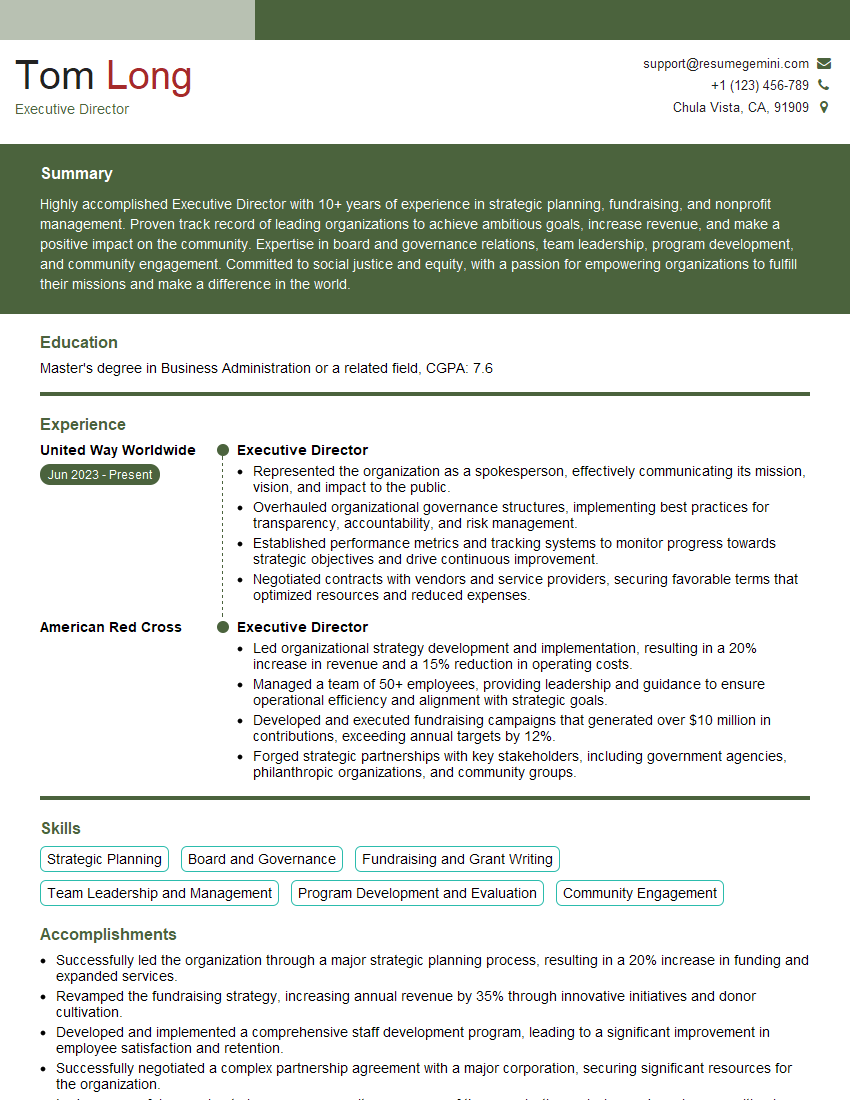
Executive Director Resume Sample
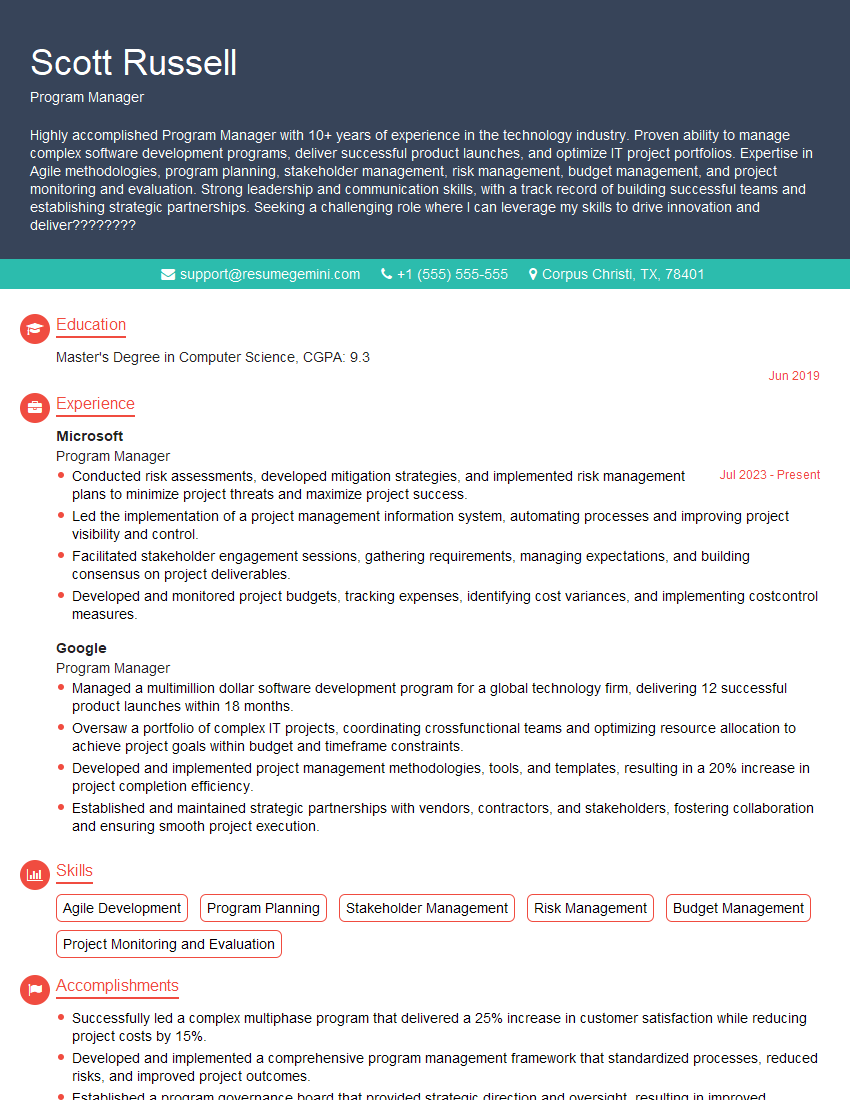
Program Manager Resume Sample
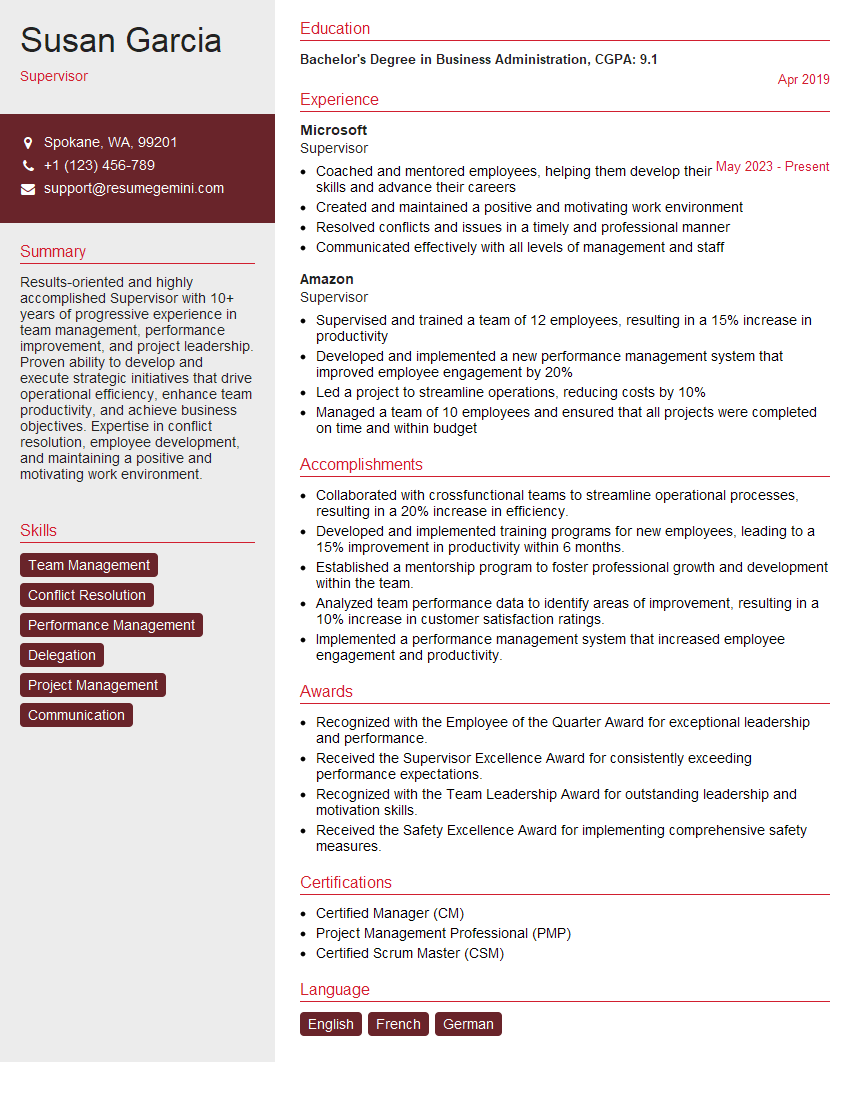
Supervisor Resume Sample
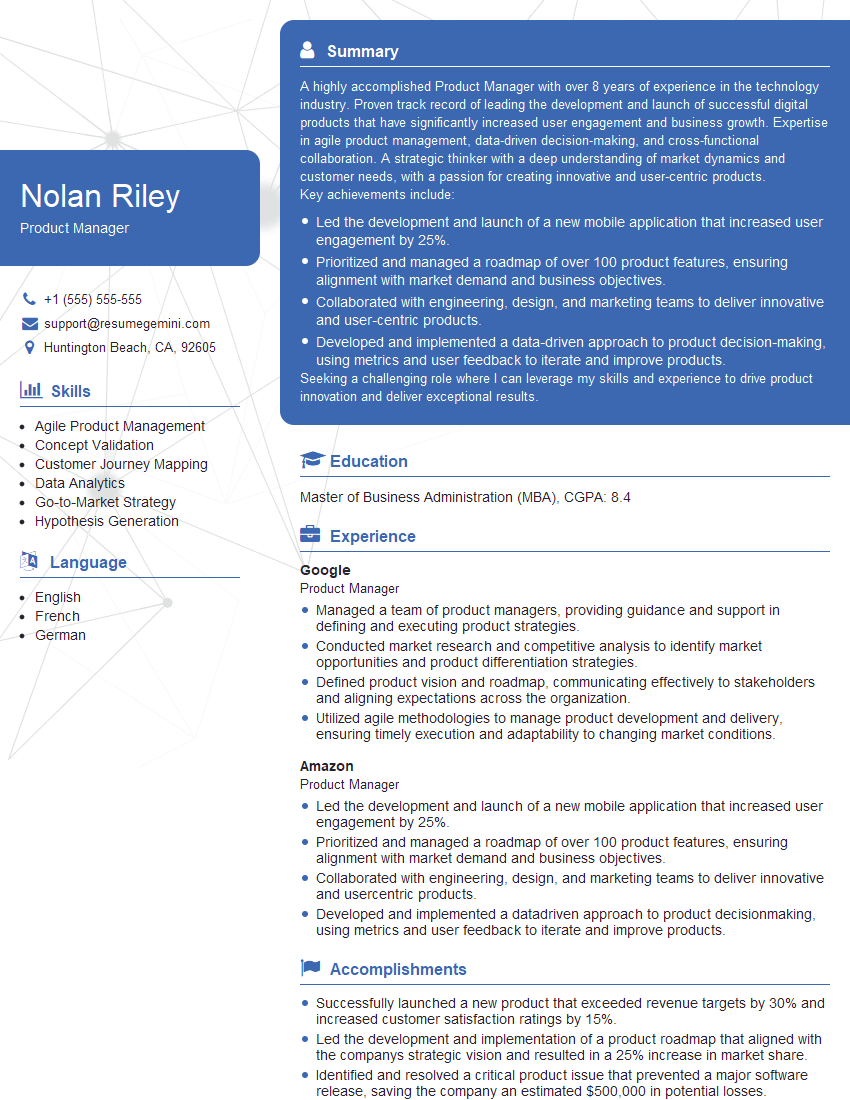
Product Manager Resume Sample
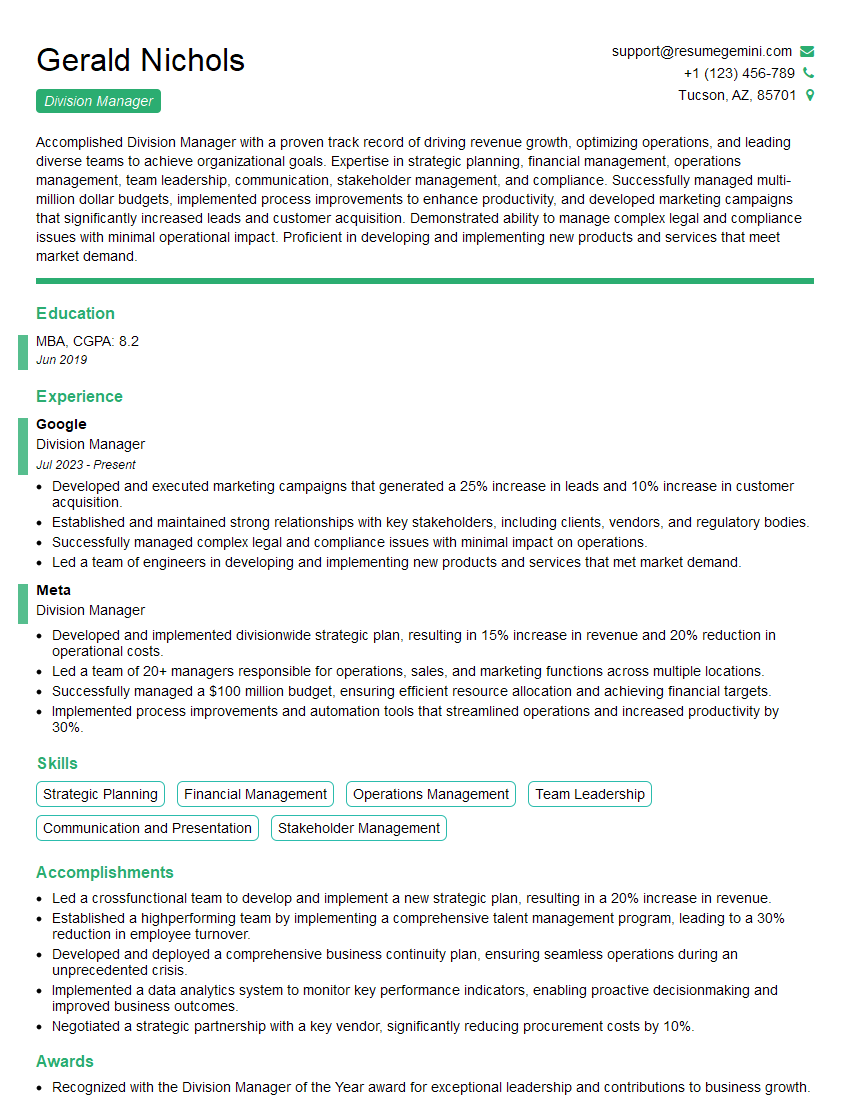
Division Manager Resume Sample
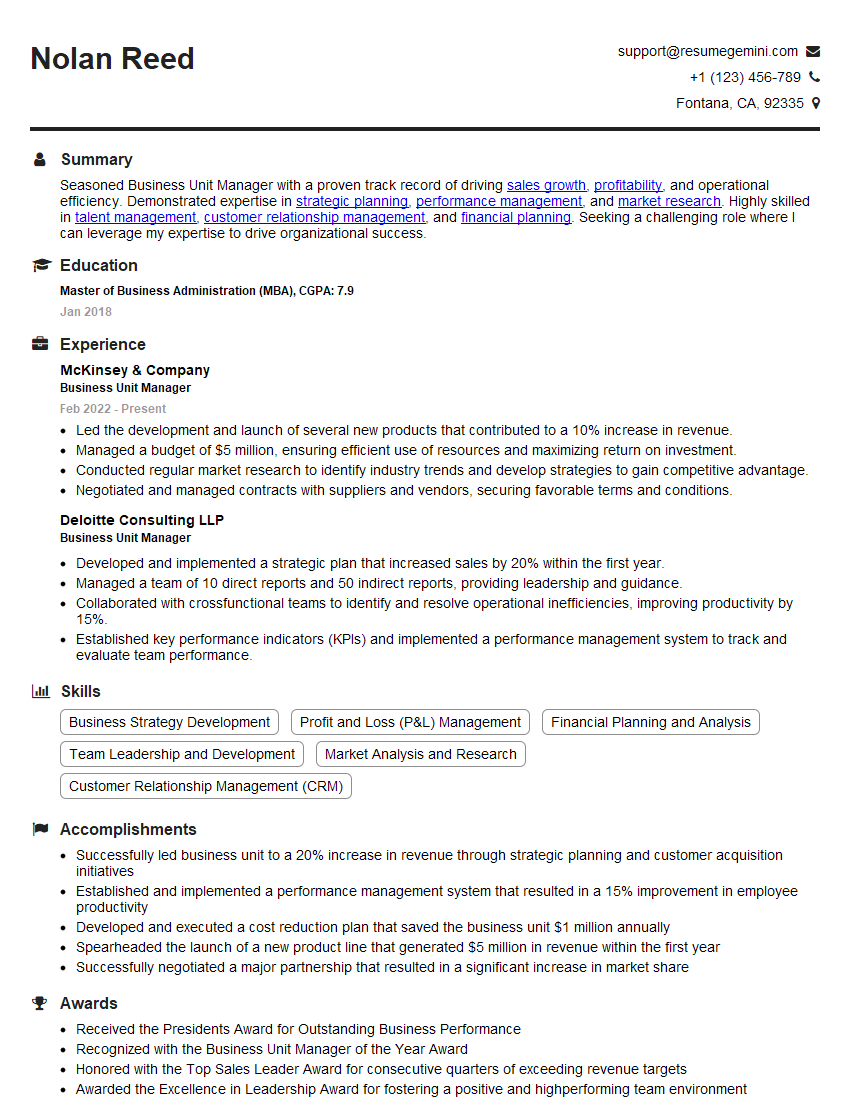
Business Unit Manager Resume Sample
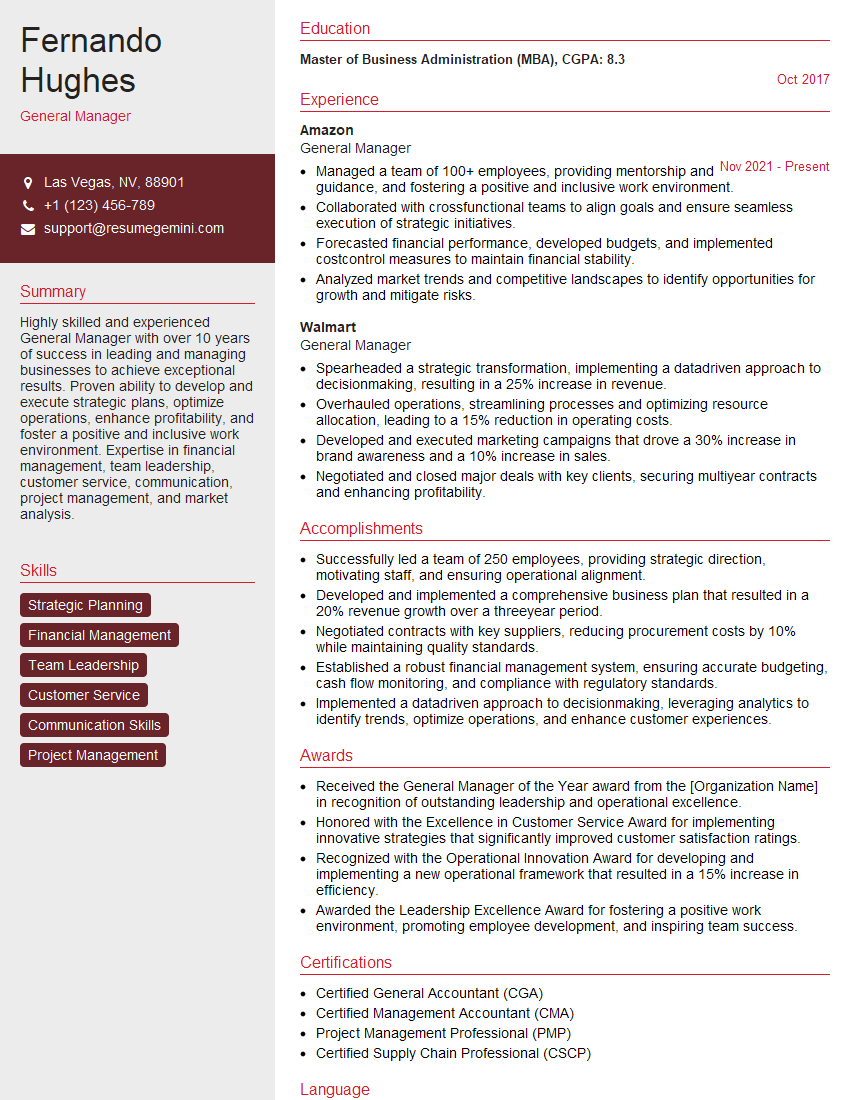
General Manager Resume Sample
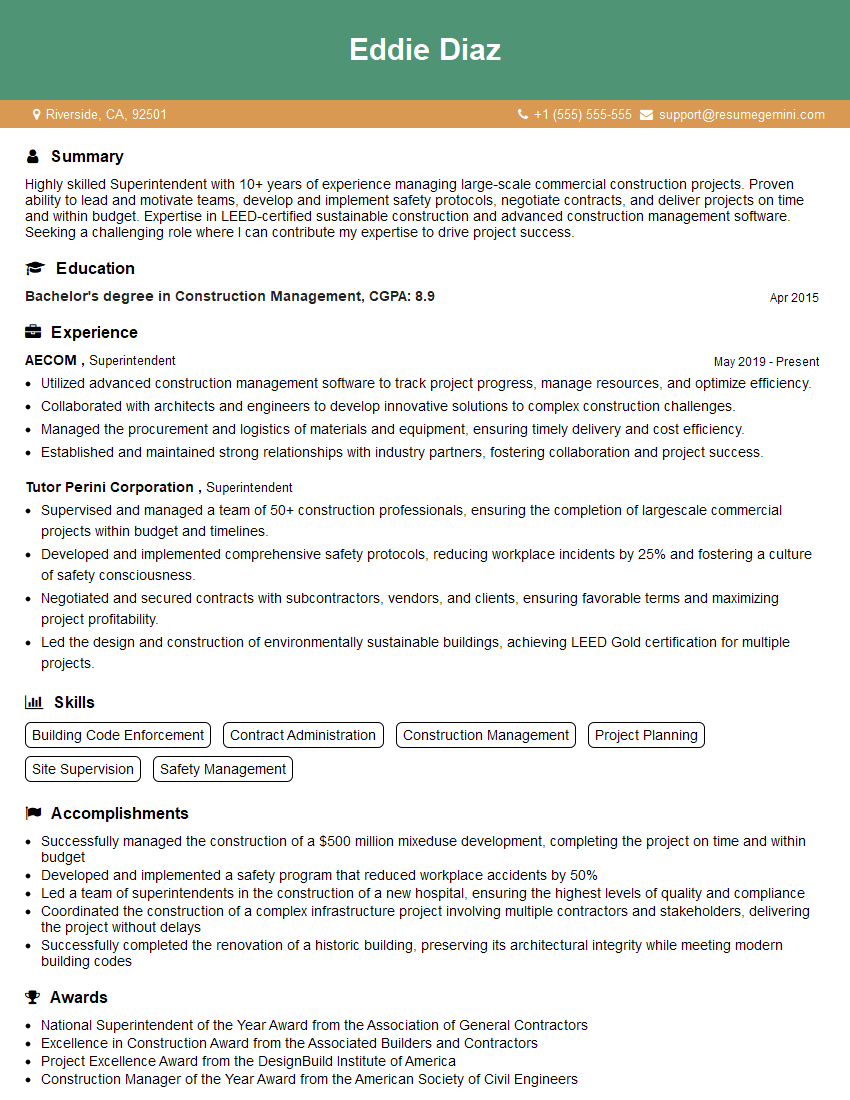
Superintendent Resume Sample
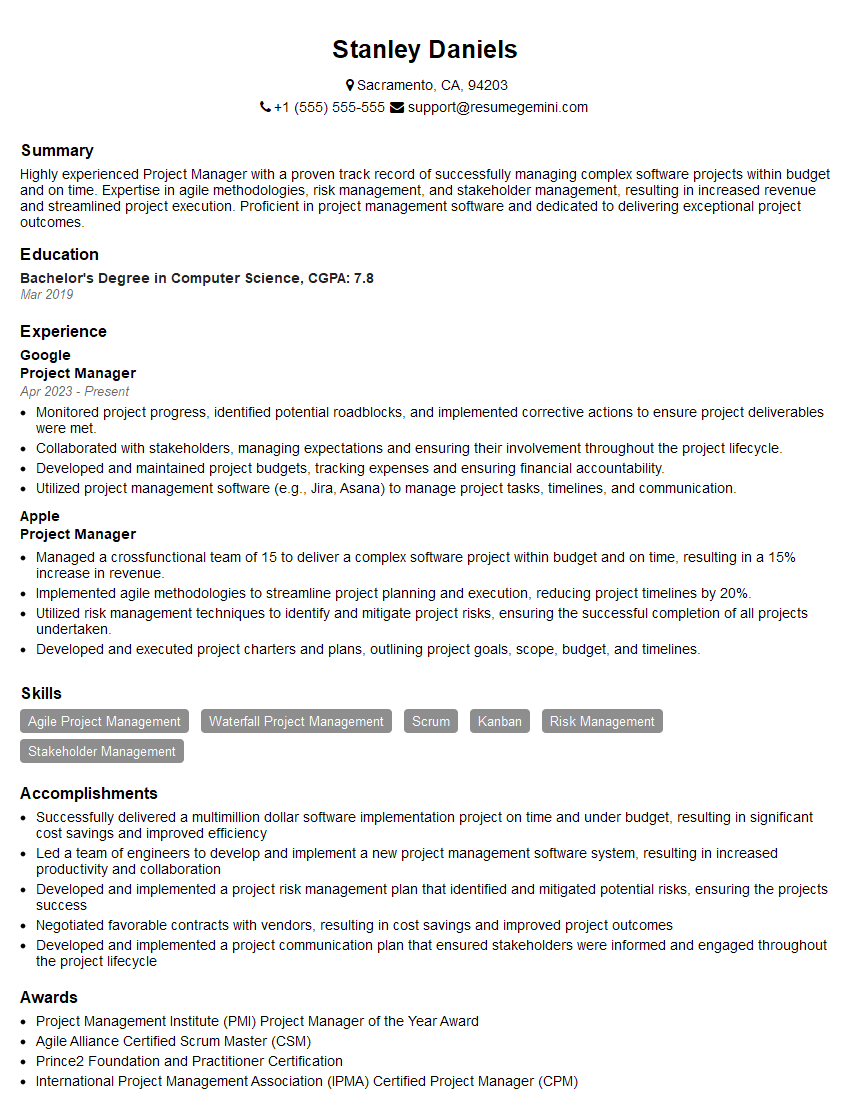
Project Manager Resume Sample
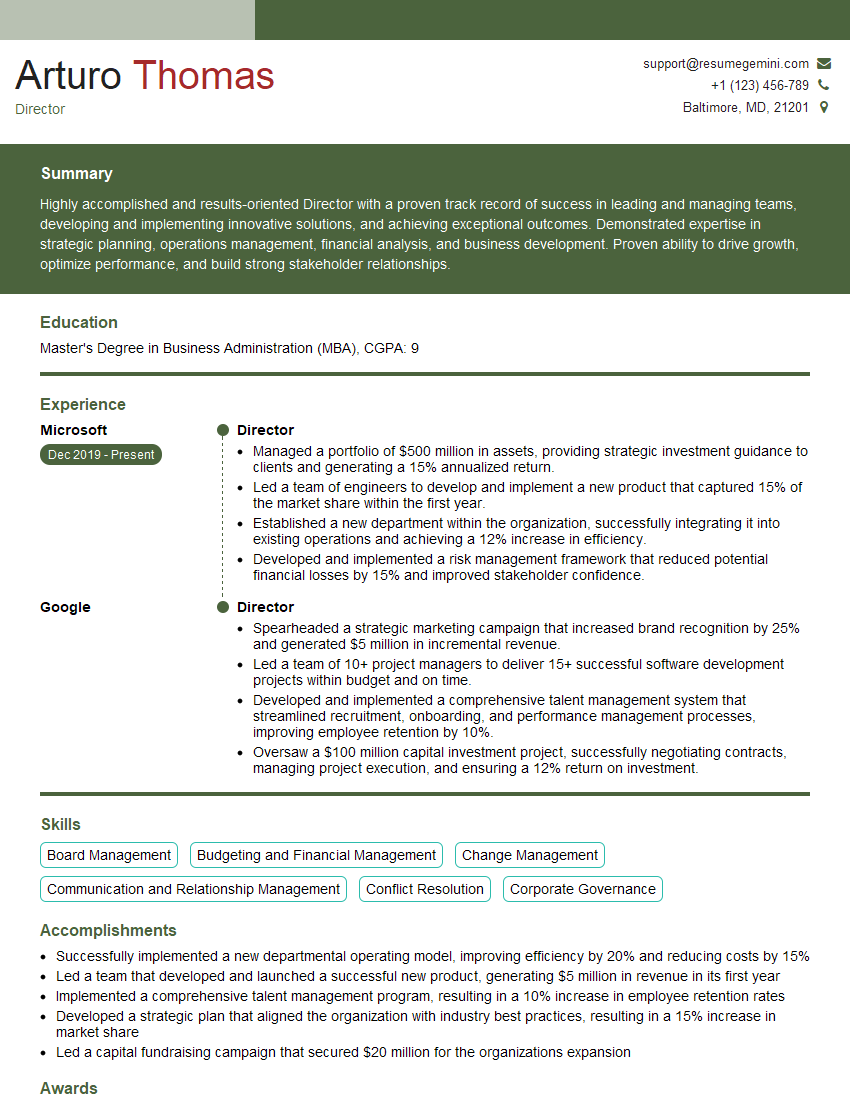
Director Resume Sample
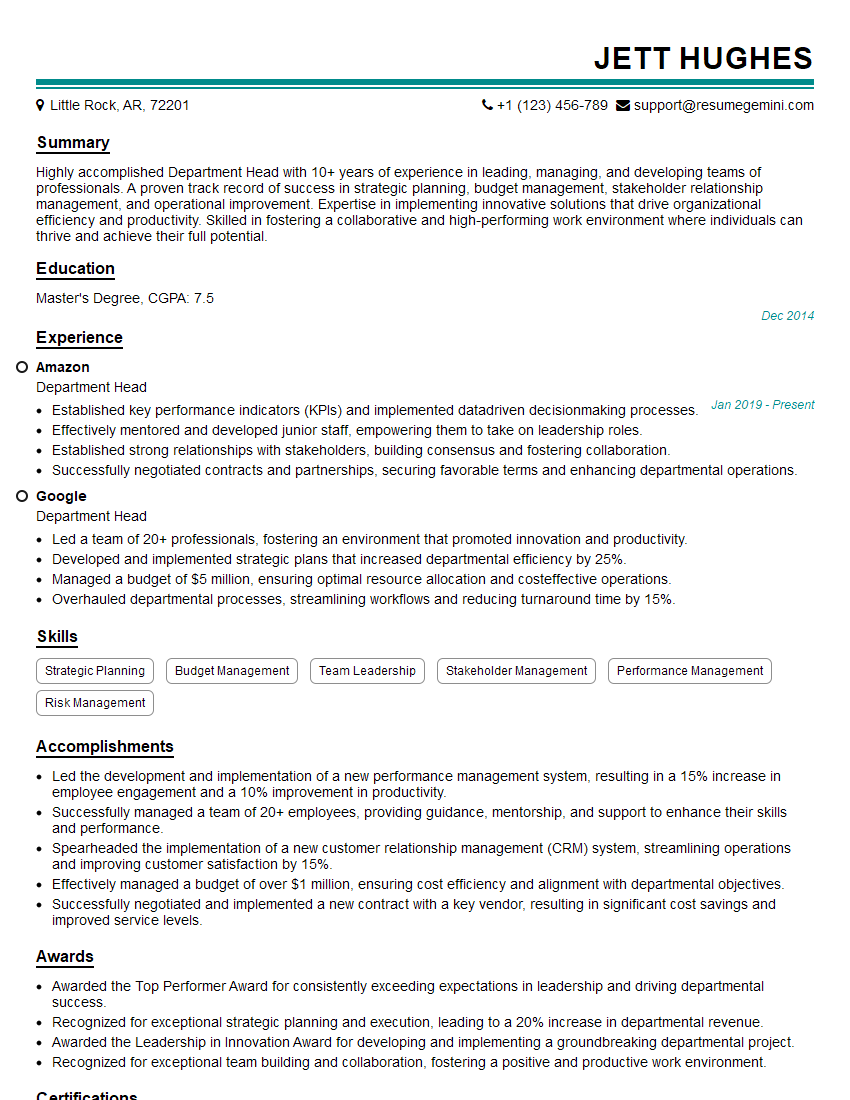
Department Head Resume Sample
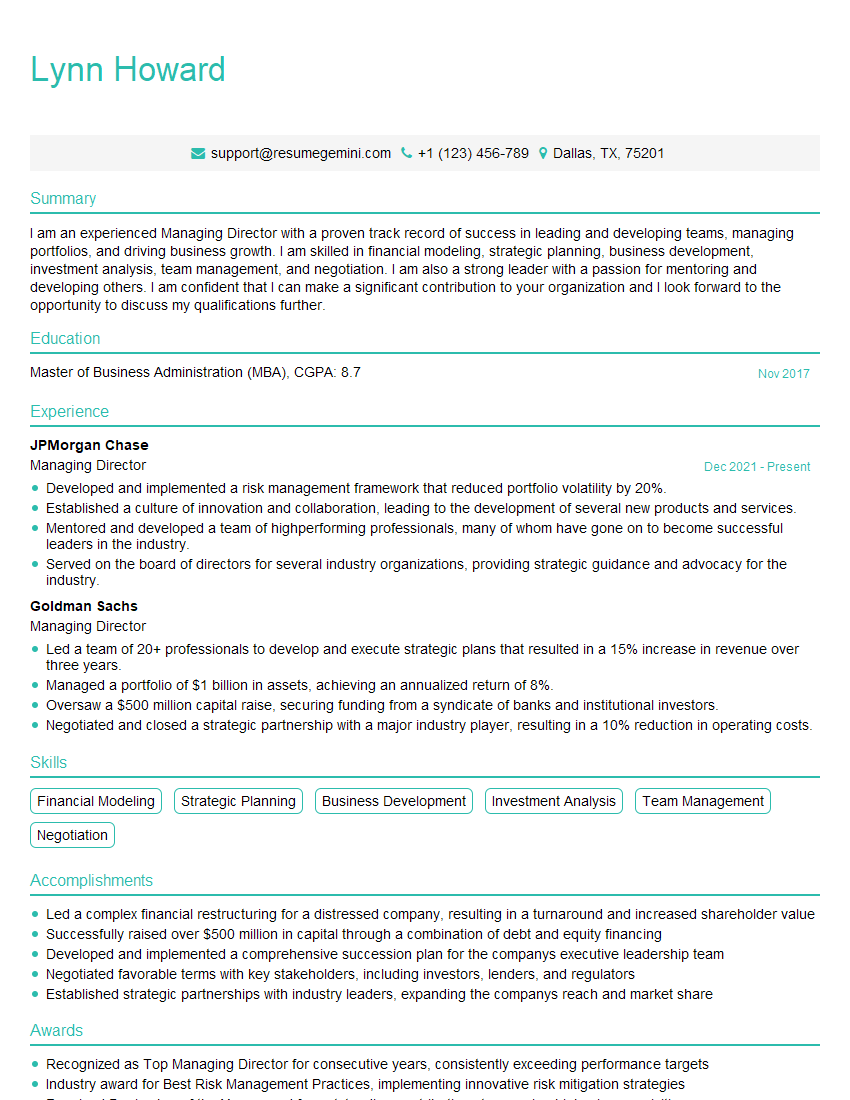
Managing Director Resume Sample
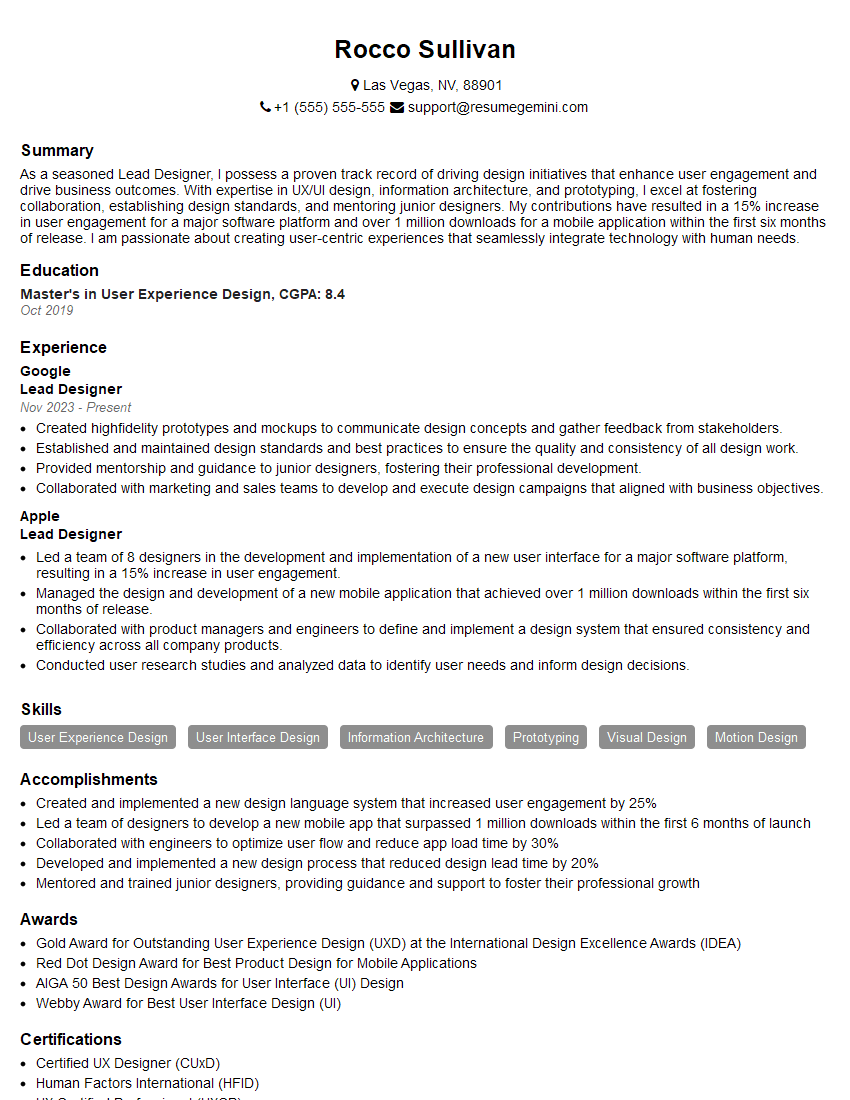
Lead Designer Resume Sample
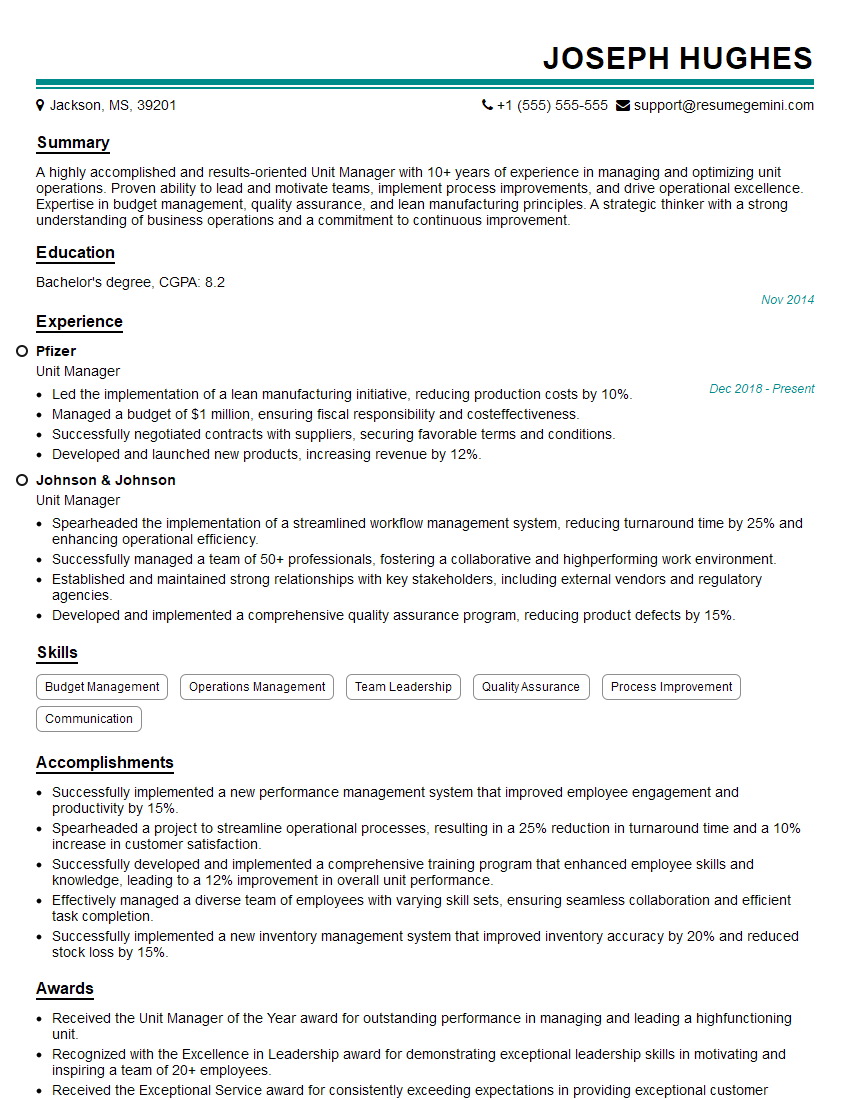
Unit Manager Resume Sample
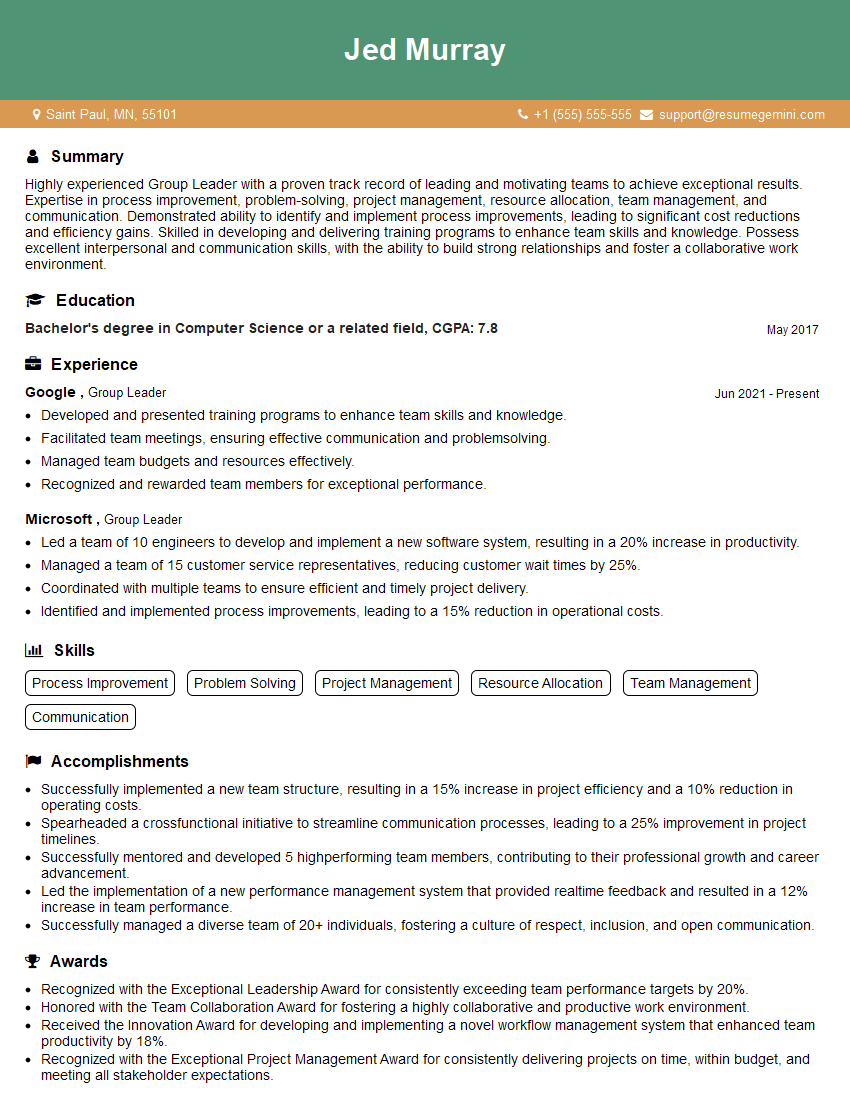
Group Leader Resume Sample
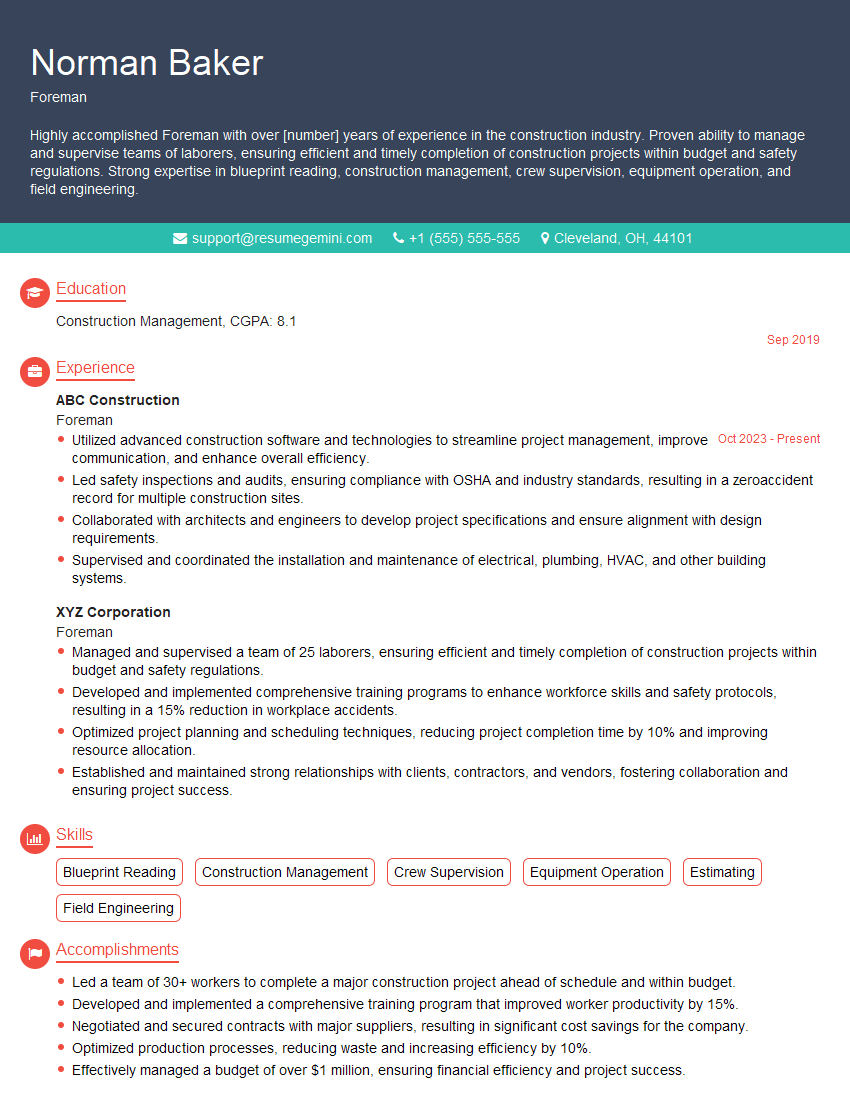
Foreman Resume Sample
Explore more articles
Users Rating of Our Blogs
Share Your Experience
We value your feedback! Please rate our content and share your thoughts (optional).
What Readers Say About Our Blog
Very informative content, great job.
good