Feeling uncertain about what to expect in your upcoming interview? We’ve got you covered! This blog highlights the most important Leading interview questions and provides actionable advice to help you stand out as the ideal candidate. Let’s pave the way for your success.
Questions Asked in Leading Interview
Q 1. Describe your leadership style and how it adapts to different team dynamics.
My leadership style is best described as transformational and adaptable. I believe in empowering my team members, fostering a collaborative environment, and setting a clear vision. However, I understand that a one-size-fits-all approach doesn’t work. My style adapts based on the team’s dynamics and individual needs.
For instance, with a team composed primarily of experienced professionals, I adopt a more collaborative and delegative approach, trusting their expertise and encouraging autonomy. Regular check-ins ensure alignment and address any roadblocks. Conversely, with a newer team, I provide more structured guidance, mentorship, and frequent feedback to support their growth and build confidence. I use a combination of coaching, mentoring, and delegating depending on the situation and individuals’ needs. This ensures everyone feels supported and challenged appropriately.
I consistently assess the team’s strengths, weaknesses, communication styles and work preferences, adapting my communication style and management strategies to enhance efficiency and morale. The key is to be flexible and responsive to the evolving needs of the team.
Q 2. How do you motivate and inspire team members to achieve common goals?
Motivating and inspiring a team requires a multi-faceted approach. I focus on three key areas: recognition, empowerment, and shared purpose.
- Recognition: I actively acknowledge and celebrate both individual and team accomplishments, both big and small. This could be through public praise, team awards, or simply a heartfelt thank you. People feel valued when their contributions are recognized.
- Empowerment: I delegate responsibilities appropriately, allowing team members to own their work and take initiative. This fosters a sense of ownership and increases their job satisfaction. I also actively solicit their input and ideas, making them feel heard and valued.
- Shared Purpose: I ensure everyone understands the overall goals and how their individual contributions contribute to the bigger picture. This creates a sense of unity and shared responsibility, increasing motivation and engagement.
Furthermore, I cultivate a positive and supportive team environment where open communication is encouraged. I believe that fostering a culture of trust and respect is crucial for building a motivated and high-performing team.
Q 3. Explain a time you had to make a difficult decision with limited information.
In a previous role, we faced a critical system failure with limited information about the root cause. The system was responsible for processing crucial financial transactions, and downtime meant significant financial losses. The initial diagnostic reports were inconclusive, and we were under immense pressure to restore functionality quickly.
My approach involved a structured, data-driven decision-making process. First, I convened a crisis team composed of specialists from different areas. We prioritized gathering more information; we systematically investigated possible causes, dividing the problem into smaller, more manageable tasks for each team member. Based on the most likely cause identified, we opted for a temporary workaround that minimized further financial losses, before implementing a more comprehensive solution once the root cause was fully understood. This strategy helped us mitigate the damage caused by the system failure in the shortest possible time.
This situation taught me the importance of decisive action even with incomplete information, the value of a well-trained and responsive team and the power of data analysis under pressure.
Q 4. Describe your approach to conflict resolution within a team.
My approach to conflict resolution is centered around active listening, empathy, and finding mutually beneficial solutions. I avoid judgment and strive to understand each person’s perspective before proposing a resolution.
My process typically involves:
- Facilitating a discussion: Creating a safe space for each person to voice their concerns without interruption.
- Identifying the root cause: Understanding the underlying issue causing the conflict, rather than focusing solely on the symptoms.
- Collaboratively finding solutions: Working with all involved parties to brainstorm and agree upon a solution that addresses everyone’s concerns and needs.
- Following up: Checking in after the resolution to ensure the solution is working effectively and addressing any lingering issues.
I believe in focusing on solutions rather than assigning blame. The goal is to improve teamwork and build stronger working relationships, not to win an argument.
Q 5. How do you delegate tasks effectively and ensure accountability?
Effective delegation requires careful consideration of individual skills, workload, and timelines. I ensure accountability through clear communication and consistent follow-up.
My approach includes:
- Matching tasks to skills: Assigning tasks to team members who possess the necessary skills and experience to complete them successfully.
- Setting clear expectations: Providing clear instructions, deadlines, and desired outcomes. This includes defining success criteria and metrics for measurement.
- Providing necessary resources: Ensuring team members have access to the tools, information, and support they need to succeed.
- Regular check-ins: Monitoring progress regularly, providing support, and addressing any roadblocks promptly.
- Accountability through reporting: Implementing systems for tracking progress and ensuring accountability, such as regular status updates and project reports.
Ultimately, effective delegation is about empowering team members to take ownership of their work while maintaining oversight and ensuring alignment with broader team goals.
Q 6. How do you provide constructive feedback to team members?
Providing constructive feedback is crucial for employee growth and development. My approach focuses on being specific, actionable, and balanced.
I typically follow these steps:
- Focus on behavior, not personality: I address specific behaviors or actions, avoiding generalizations or personal attacks.
- Use the SBI model (Situation-Behavior-Impact): Describe the situation, the specific behavior observed, and the impact of that behavior. For example, “During the last project meeting (Situation), you interrupted your colleagues frequently (Behavior), making it difficult for others to contribute fully and leading to a less productive discussion (Impact).”
- Offer specific examples: Provide concrete examples to illustrate the feedback, making it more relatable and easier to understand.
- Balance positive and negative feedback: Highlight both strengths and areas for improvement, offering a balanced perspective. Starting with positive feedback helps to create a receptive environment.
- Focus on solutions: Suggest concrete actions for improvement and offer support or resources to help the individual develop their skills.
By focusing on specific behaviors and offering solutions, I ensure that feedback is constructive and motivates positive change.
Q 7. Share an example of a time you successfully mentored a junior team member.
I once mentored a junior team member who was struggling with project management skills. He was highly intelligent and technically proficient but lacked the organizational and planning skills needed to manage complex projects effectively.
My approach involved a combination of coaching, mentorship, and practical application. I provided him with project management training resources, assigned him manageable projects with increasing complexity, and regularly reviewed his progress. We used regular one-on-one sessions, where we would discuss his challenges and strategize solutions. I encouraged him to utilize project management tools and methodologies and actively gave him feedback on his approaches. I also provided constructive criticism on his mistakes, highlighting how he could learn from them and improve his project management skills.
Through this structured mentoring process, he significantly improved his project management skills. He moved from being overwhelmed by tasks to confidently leading projects, ultimately exceeding expectations and significantly boosting his confidence. This was a rewarding experience, showcasing the positive impact of dedicated mentoring.
Q 8. How do you measure the success of your team’s performance?
Measuring team success isn’t about arbitrary metrics; it’s about aligning performance with strategic goals. I use a multi-faceted approach, combining quantitative and qualitative measures. Quantitatively, we track key performance indicators (KPIs) relevant to our objectives. For example, if our goal is to increase customer satisfaction, we’d monitor customer feedback scores, Net Promoter Score (NPS), and resolution times. If the objective is to improve efficiency, we’d track project completion rates, time-to-market, and resource utilization.
However, quantitative data alone isn’t sufficient. I also prioritize qualitative assessments, including regular team check-ins, 360-degree feedback, and project retrospectives. These allow us to understand the team’s morale, identify challenges, and celebrate successes. This holistic approach ensures we capture both the ‘what’ (KPIs) and the ‘how’ (team dynamics and process efficiency) behind our performance. A successful team isn’t just about hitting numbers; it’s about achieving goals while fostering a positive and productive work environment.
Q 9. How do you handle stress and pressure in a demanding leadership role?
Leadership roles are inherently demanding. Stress and pressure are inevitable. My approach is proactive and multifaceted. First, I prioritize self-care. This includes getting enough sleep, maintaining a healthy diet, and incorporating regular exercise. Second, I utilize effective time management techniques, such as prioritizing tasks, delegating effectively, and setting realistic deadlines. Third, I actively build strong relationships with my team, fostering open communication and mutual support. When faced with a particularly stressful situation, I use techniques like deep breathing and mindfulness to manage my immediate response. Finally, I regularly reflect on my own leadership style, seeking feedback from trusted colleagues and mentors to identify areas for improvement and growth. It’s not about eliminating stress entirely, but about developing resilience and coping mechanisms to navigate challenging situations effectively.
Q 10. Explain your experience with strategic planning and execution.
Strategic planning and execution are inseparable. My experience involves a cyclical process. It begins with a thorough understanding of the current state – analyzing market trends, competitive landscapes, internal capabilities, and customer needs. From this analysis, we define clear, measurable, achievable, relevant, and time-bound (SMART) goals. The next stage involves developing actionable plans, breaking down larger objectives into smaller, manageable tasks with assigned responsibilities and timelines. Execution requires consistent monitoring and evaluation, using KPIs and regular progress reviews to identify roadblocks and adjust the plan as needed. For instance, in my previous role, we used a phased approach to launch a new product. Phase 1 focused on market research, Phase 2 on development, Phase 3 on marketing, and Phase 4 on post-launch analysis and improvement. Regular meetings and progress reports ensured alignment and allowed for timely adjustments based on market feedback and internal performance.
Q 11. Describe a time you had to overcome a significant obstacle as a leader.
In one instance, we faced a major setback during the development of a crucial software project. A key team member unexpectedly left, taking critical knowledge with them. This created a significant gap in expertise and threatened our project timeline. To overcome this, I first acknowledged the challenge openly with the team, fostering a safe space for expressing concerns. Then, I implemented a multi-pronged strategy. We prioritized knowledge transfer from the departing member, documenting processes and creating training materials. We also brought in an external consultant to provide temporary expertise in the missing areas. Finally, I empowered the remaining team members by providing additional training and development opportunities, enabling them to take on greater responsibility. This crisis, although challenging, ultimately strengthened the team’s resilience and fostered a more collaborative and self-reliant work environment. The project was ultimately delivered successfully, albeit with some minor delays.
Q 12. How do you build and maintain strong relationships with stakeholders?
Building and maintaining strong stakeholder relationships is crucial for success. My approach emphasizes open and transparent communication, active listening, and mutual respect. I make it a priority to understand the perspectives and priorities of each stakeholder, including clients, colleagues, and senior management. Regular communication – through meetings, emails, and informal check-ins – keeps everyone informed and engaged. I also actively seek feedback and use it to adjust my approach and improve my performance. When conflicts arise, I strive for collaborative solutions, focusing on finding common ground and addressing underlying concerns. Building trust is paramount; it’s achieved through consistent delivery on commitments and a genuine commitment to collaboration.
Q 13. How do you foster a positive and inclusive team environment?
A positive and inclusive team environment is essential for productivity and well-being. I foster this through several key strategies. First, I promote open communication, ensuring that everyone feels comfortable sharing their ideas and concerns without fear of judgment. Second, I actively listen to my team members, showing genuine interest in their perspectives and experiences. Third, I celebrate diversity, recognizing and valuing the unique contributions of each individual. Fourth, I strive for equitable distribution of work and opportunities, ensuring that everyone feels valued and empowered. Fifth, I encourage teamwork and collaboration, creating a sense of shared purpose and collective responsibility. Finally, I lead by example, modeling the inclusive behaviors and attitudes that I expect from my team members. This fosters a sense of psychological safety, allowing individuals to thrive and contribute their best work.
Q 14. How do you identify and develop the strengths of your team members?
Identifying and developing team member strengths is crucial for maximizing individual and team performance. I use a variety of methods. Firstly, I conduct regular performance reviews, incorporating both self-assessment and feedback from peers and managers. Secondly, I observe team members in action, noting their natural talents and areas of excellence. Thirdly, I encourage team members to identify their own strengths and areas for development through self-reflection exercises. Once strengths are identified, I provide opportunities for development and growth. This could include assigning projects that leverage their strengths, providing access to training and mentorship programs, or offering opportunities for leadership roles. For instance, if a team member demonstrates exceptional analytical skills, I might assign them to lead data analysis for a project, providing opportunities to enhance their skills and showcase their expertise. This approach empowers individuals, enhances team performance, and fosters a culture of continuous growth.
Q 15. Describe your approach to change management within a team.
My approach to change management is built on transparency, communication, and collaboration. I believe successful change hinges on involving the team every step of the way, not just informing them. I begin by clearly articulating the why behind the change – the strategic need and the benefits it will bring to both the team and the organization. This addresses potential resistance proactively. Then, I facilitate open discussions to understand team concerns and anxieties. This involves active listening and creating a safe space for feedback. Next, I work collaboratively to develop a detailed implementation plan with clear timelines, roles, and responsibilities. This fosters ownership and accountability. Finally, I consistently monitor progress, provide regular updates, and adapt the plan as needed, utilizing feedback mechanisms. For example, in a previous role, we transitioned to a new project management software. Instead of simply mandating its use, we held workshops, provided tailored training based on individual skill levels, and created a dedicated channel for feedback and troubleshooting. The result was smoother adoption and increased user satisfaction.
Career Expert Tips:
- Ace those interviews! Prepare effectively by reviewing the Top 50 Most Common Interview Questions on ResumeGemini.
- Navigate your job search with confidence! Explore a wide range of Career Tips on ResumeGemini. Learn about common challenges and recommendations to overcome them.
- Craft the perfect resume! Master the Art of Resume Writing with ResumeGemini’s guide. Showcase your unique qualifications and achievements effectively.
- Don’t miss out on holiday savings! Build your dream resume with ResumeGemini’s ATS optimized templates.
Q 16. How do you manage competing priorities and deadlines?
Managing competing priorities and deadlines requires a structured approach. I start by prioritizing tasks based on urgency and impact using methods like the Eisenhower Matrix (urgent/important). This helps me focus on high-impact activities first. I also utilize project management tools to visually track progress, deadlines, and dependencies. Open communication is crucial. I regularly update stakeholders on progress, proactively identify potential roadblocks, and renegotiate deadlines if necessary, explaining the rationale transparently. Time management techniques like time blocking and the Pomodoro Technique are helpful in maximizing efficiency. For instance, during a particularly demanding period where we had multiple projects with tight deadlines, I employed the Eisenhower Matrix to prioritize tasks, regularly communicated updates to stakeholders, and held daily stand-up meetings to ensure everyone remained aligned and aware of potential conflicts. This proactive approach helped us meet all deadlines successfully.
Q 17. Explain your experience with performance management and reviews.
Performance management is a continuous process, not just an annual event. I regularly provide constructive feedback, both positive and developmental, focusing on specific behaviors and outcomes. I create a supportive environment where team members feel comfortable discussing their performance and career goals. Performance reviews are collaborative discussions, reviewing past achievements, identifying areas for improvement, and setting SMART goals (Specific, Measurable, Achievable, Relevant, Time-bound) for the next period. I document everything thoroughly, ensuring fairness and transparency. For example, I implemented a system of regular check-ins, using a structured feedback form to ensure consistency and provide objective data during performance reviews. This approach fosters a culture of continuous improvement and allows for timely interventions when needed.
Q 18. How do you handle disagreements among team members?
Handling disagreements among team members requires a diplomatic and empathetic approach. My first step is to create a safe space where everyone feels comfortable expressing their views. I encourage active listening, ensuring all perspectives are heard and understood. Then, I help the team identify the root cause of the disagreement. Is it a miscommunication, differing opinions on strategy, or a personality clash? Depending on the situation, I might facilitate a structured discussion, mediating between conflicting parties and helping them find common ground. In some cases, I may need to intervene more directly, setting clear expectations and boundaries. However, my goal is always to empower the team to resolve conflicts independently. For instance, in a past team, two members had a significant disagreement about a project approach. Instead of imposing a solution, I facilitated a meeting where they could openly discuss their perspectives, clarifying misunderstandings and ultimately finding a compromise that integrated elements of both approaches. The result was a stronger team dynamic and a more innovative solution.
Q 19. Describe your experience with budget management and resource allocation.
My experience with budget management and resource allocation involves strategic planning and careful monitoring. I begin by understanding the overall organizational budget and aligning team objectives with the available resources. Then, I create a detailed budget outlining projected costs, resource needs, and potential risks. Regular monitoring and tracking against the budget are critical. This involves analyzing expenses, identifying variances, and adjusting resource allocation as needed. I also prioritize cost-effective solutions and explore alternative resource options where appropriate. For instance, in a previous role, we faced budget constraints. I implemented a system for tracking expenses in real-time, identifying areas where we could reduce costs without compromising project quality. This involved renegotiating contracts with vendors and exploring cost-effective alternatives for certain resources, ultimately saving the project a significant amount of money.
Q 20. How do you ensure your team stays informed and aligned with organizational goals?
Keeping my team informed and aligned with organizational goals requires consistent and multi-faceted communication. I utilize various channels, including regular team meetings, email updates, project management tools, and informal check-ins. I ensure that the team understands how their individual work contributes to the broader organizational goals. I also regularly share relevant updates from upper management, translating complex information into easily digestible formats. Transparent communication fosters trust and a shared understanding of the bigger picture, motivating the team to contribute effectively. For example, in my current role, we use a combination of weekly team meetings, a dedicated project management platform, and company-wide newsletters to ensure everyone is up-to-date on organizational goals and initiatives. This multi-channel approach has proved very effective in keeping the team informed and motivated.
Q 21. How do you adapt your leadership style to different personalities and work styles?
Adapting my leadership style is crucial for effective team management. I believe in a situational leadership approach, understanding that different team members respond better to different styles. For some, a more directive approach is necessary, providing clear instructions and guidance. Others thrive with a more collaborative and empowering style, where they have more autonomy and decision-making power. I regularly assess individual needs and preferences, tailoring my communication and approach accordingly. Active listening and observing team dynamics are essential for adapting my style successfully. For instance, I’ve found that younger team members often appreciate more frequent feedback and mentoring, while more experienced members may prefer autonomy and less direct supervision. By understanding these nuances, I can adjust my approach to maximize each team member’s contributions and potential.
Q 22. Describe a time you had to make a difficult decision that impacted your team.
One of the most challenging decisions I faced involved a team restructuring during a period of significant budget cuts. We had to reduce our team size, and the decision of who to let go was incredibly difficult. It wasn’t simply about performance metrics; I had to consider individual skills, team dynamics, and the overall impact on ongoing projects.
My approach involved a multi-step process. First, I thoroughly analyzed each team member’s contributions, skills, and potential for future growth. This involved reviewing performance reviews, project contributions, and conducting individual meetings to assess their strengths and weaknesses. Then, I prioritized keeping individuals with unique, hard-to-replace skills and those who demonstrated strong leadership potential. Finally, I developed a severance package that was fair and comprehensive, including outplacement services and career counseling. This transparency and support, though painful in the moment, helped mitigate the negative impact on the remaining team members and fostered a sense of loyalty and respect for my leadership. Ultimately, the restructuring was successful, and the team adapted effectively, demonstrating a newfound sense of collaboration and resilience.
Q 23. How do you identify and address performance issues within your team?
Identifying and addressing performance issues requires a proactive and empathetic approach. It begins with establishing clear expectations from the outset – setting specific, measurable, achievable, relevant, and time-bound (SMART) goals. Regular check-ins and performance reviews are critical for providing constructive feedback and monitoring progress.
When performance issues arise, I employ a structured approach:
- Informal Conversation: I start with an informal conversation to understand the root cause. Is there a lack of clarity, insufficient training, or personal challenges affecting their work?
- Formal Performance Improvement Plan (PIP): If the issue persists, a formal PIP is developed collaboratively. This plan outlines specific goals, timelines, and support resources to help the individual improve. Regular monitoring and feedback sessions are crucial.
- Coaching and Mentorship: I believe in investing in my team’s growth. Providing coaching and mentorship can empower team members to overcome obstacles and improve their performance. This may include pairing them with a mentor or providing access to relevant training programs.
- Progressive Discipline: If improvement isn’t seen despite support, progressive discipline measures may be necessary, following company policy. This might include written warnings or, in extreme cases, termination. However, this is always a last resort, after exhausting all other options.
Transparency and consistent communication throughout this process are key to maintaining trust and fairness within the team.
Q 24. How do you use data to inform your leadership decisions?
Data-driven decision-making is crucial for effective leadership. I use data to understand team performance, identify trends, and make informed decisions that optimize efficiency and productivity.
For example, when managing a project, I monitor key metrics like task completion rates, project timelines, budget adherence, and team member workload. This data helps me identify potential bottlenecks or areas where improvements are needed. If I see a consistent trend of delays in a particular project phase, I can analyze the underlying reasons—is it a skill gap, insufficient resources, or a problem with the project plan? The data guides my decision-making regarding resource allocation, process adjustments, or providing additional training.
Furthermore, I use data to track individual team member performance, but always in conjunction with qualitative assessments. Data alone cannot capture the full picture; I combine objective performance metrics with qualitative feedback from reviews, peer evaluations, and observations to gain a holistic understanding of individual contributions and areas for improvement.
Q 25. Describe your experience with project management methodologies.
My experience encompasses various project management methodologies, including Agile (Scrum, Kanban), Waterfall, and hybrid approaches. The choice of methodology depends on the project’s complexity, size, and the client’s requirements.
Agile methodologies are particularly effective for projects requiring flexibility and rapid iteration. I have successfully implemented Scrum in several projects, leveraging daily stand-up meetings, sprint planning, and retrospectives to ensure project alignment, transparency, and continuous improvement. I find the iterative nature of Agile allows for greater adaptability to changing requirements and customer feedback.
In contrast, the Waterfall methodology is best suited for projects with well-defined requirements and minimal anticipated changes. My experience with Waterfall includes meticulous planning, sequential phases, and comprehensive documentation. Waterfall provides a structured approach for large-scale projects where predictability is crucial.
Often, a hybrid approach combines elements of Agile and Waterfall to leverage the strengths of each. For instance, I have employed a hybrid approach in projects with a large, fixed scope, but with the need for iterative feedback and adjustments during development.
Q 26. Explain your approach to building trust and credibility with your team.
Building trust and credibility with a team is fundamental to effective leadership. It’s built on transparency, consistency, and respect.
My approach focuses on several key areas:
- Open Communication: I foster a culture of open communication, encouraging feedback and honest dialogue. Regular team meetings, both formal and informal, are crucial for maintaining transparency and addressing concerns.
- Leading by Example: I demonstrate the values and behaviours I expect from my team. This includes accountability, dedication, and ethical conduct. Team members are much more likely to trust a leader who acts with integrity and demonstrates a strong work ethic.
- Empowerment and Delegation: I empower my team members by delegating responsibility and trusting their judgment. This fosters ownership and boosts morale.
- Recognition and Appreciation: I actively acknowledge and appreciate the contributions of each team member. Recognizing individual successes, both big and small, is crucial for boosting morale and reinforcing positive behaviour.
- Fairness and Consistency: Applying rules and standards consistently across the team is critical to fostering a sense of fairness and equity.
By consistently demonstrating these principles, I cultivate a trusting relationship with my team, fostering collaboration, loyalty, and mutual respect.
Q 27. How do you foster innovation and creativity within your team?
Fostering innovation and creativity within a team requires creating an environment that encourages risk-taking, collaboration, and open thinking.
My strategies include:
- Brainstorming Sessions: I regularly organize brainstorming sessions to generate new ideas and solutions. I use techniques like ‘brainwriting’ to ensure everyone has a chance to contribute and avoid being dominated by more vocal members.
- Hackathons or Innovation Challenges: I encourage participation in hackathons or internal innovation challenges, which offer a dedicated space for experimentation and creative problem-solving.
- Cross-functional Collaboration: I facilitate cross-functional collaboration, bringing together individuals from different departments to leverage diverse perspectives and expertise. This can lead to more innovative solutions by challenging assumptions and exploring new approaches.
- Providing Resources and Training: I ensure my team has access to the resources and training they need to develop new skills and explore innovative ideas. This might include attending workshops, online courses, or providing access to relevant technology.
- Celebrating Failure as a Learning Opportunity: I create a safe space where it’s acceptable to fail and learn from mistakes. Viewing failure as a learning opportunity encourages experimentation and risk-taking.
By nurturing an environment that values creativity and embraces innovation, I help my team members unleash their full potential and contribute to groundbreaking solutions.
Q 28. Describe a time you had to deal with a challenging or difficult team member.
I once had a team member who consistently missed deadlines and failed to meet performance expectations despite multiple conversations and support. This affected team morale and project timelines.
My approach involved several steps:
- One-on-One Meetings: I initiated several one-on-one meetings to understand the root cause of their underperformance. We explored personal issues, skill gaps, or workload challenges that may have been contributing factors.
- Performance Improvement Plan (PIP): We collaboratively developed a detailed PIP outlining specific goals, timelines, and the support available to help them improve. This involved setting clear expectations, offering additional training, and providing regular feedback and monitoring.
- Mentorship and Coaching: I paired the team member with a more experienced colleague to provide mentorship and guidance. This offered additional support and allowed for peer-to-peer learning.
- Documentation: Throughout the process, I meticulously documented all conversations, agreements, and performance reviews. This is crucial for protecting the company and demonstrating fairness.
Despite these efforts, performance did not improve to an acceptable level. Following company policy and after exhausting all other options, the difficult decision to let the team member go was made. This was not taken lightly, and it reinforced the importance of clear expectations, consistent performance management, and thorough documentation in handling challenging team dynamics.
Key Topics to Learn for Leading Interview
- Strategic Leadership: Understand different leadership styles, their strengths and weaknesses, and how to adapt your approach to various situations. Consider case studies of successful and unsuccessful leadership decisions.
- Team Management & Collaboration: Explore effective techniques for building high-performing teams, fostering collaboration, resolving conflicts, and delegating tasks effectively. Practice scenarios involving team dynamics and performance management.
- Change Management: Learn about models and strategies for leading organizational change, addressing resistance to change, and communicating effectively during transitions. Prepare to discuss your experience navigating change in previous roles.
- Decision-Making & Problem-Solving: Develop your ability to analyze complex situations, identify root causes, evaluate options, and make well-informed decisions under pressure. Practice structured problem-solving frameworks.
- Communication & Influence: Master effective communication strategies, including active listening, persuasive communication, and building rapport with diverse stakeholders. Prepare examples demonstrating your influence and communication skills.
- Vision & Strategy: Understand how to develop a compelling vision, translate it into a strategic plan, and align organizational efforts towards achieving ambitious goals. Practice articulating your vision and strategy in clear, concise terms.
- Performance Management & Accountability: Learn about setting clear expectations, providing constructive feedback, and holding individuals and teams accountable for their performance. Prepare examples demonstrating your experience in this area.
Next Steps
Mastering the art of Leading is crucial for career advancement, unlocking opportunities for greater responsibility and impact. A strong resume is your first impression; crafting an ATS-friendly resume significantly increases your chances of getting noticed. To build a powerful, professional resume tailored to highlight your leadership capabilities, leverage the expertise of ResumeGemini. ResumeGemini offers a streamlined process and valuable resources to help you present your skills and experience effectively. Examples of resumes tailored to Leading roles are available below to help inspire your own creation.
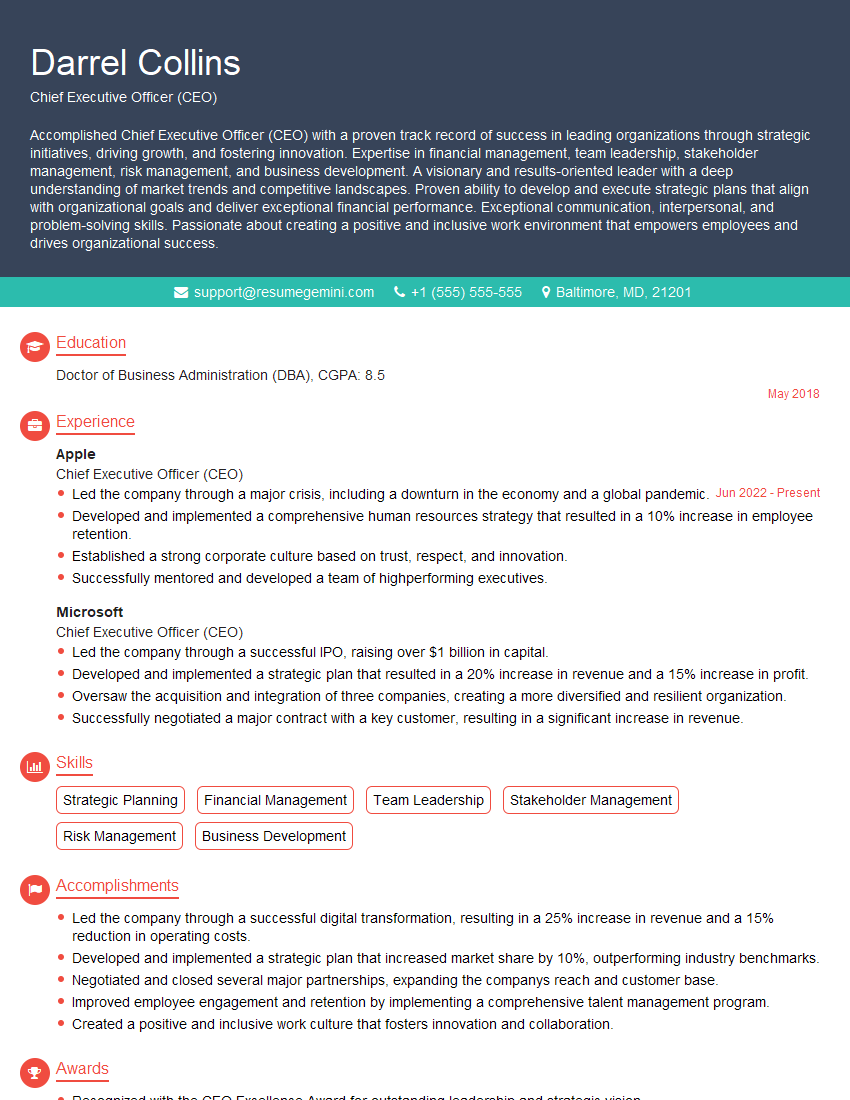
Chief Executive Officer (CEO) Resume Sample
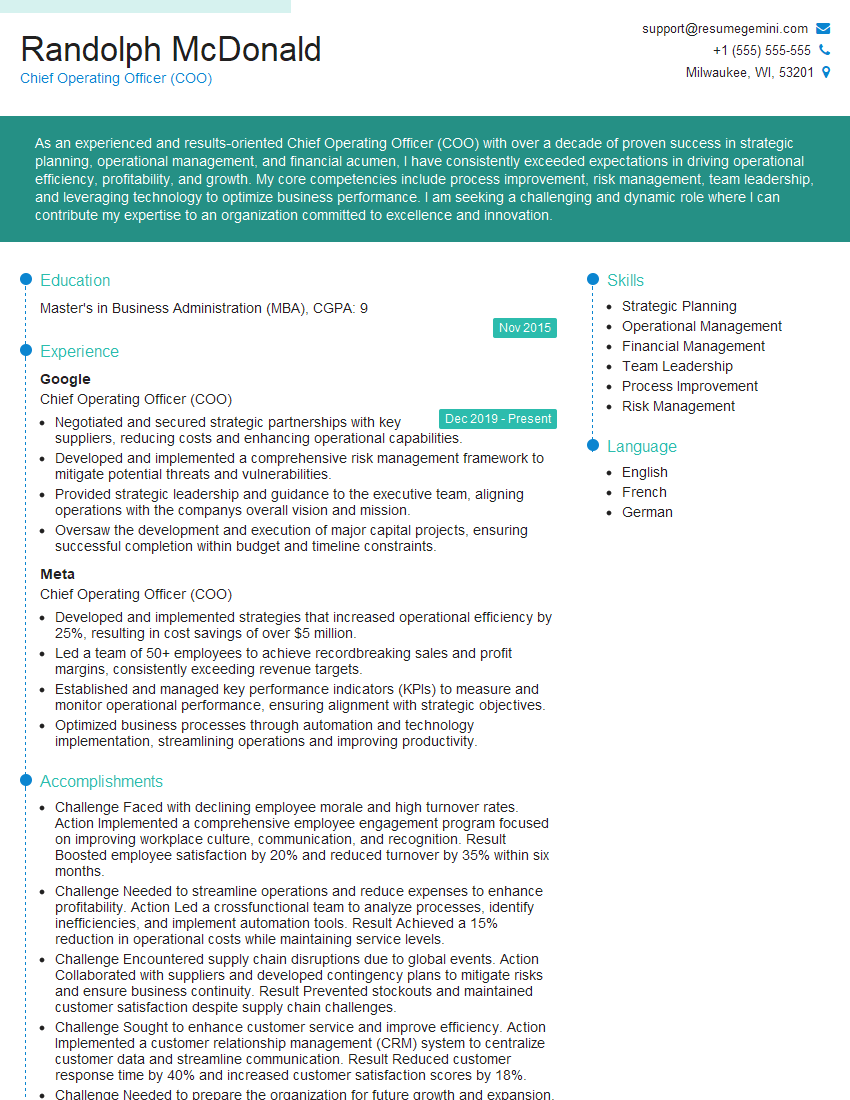
Chief Operating Officer (COO) Resume Sample
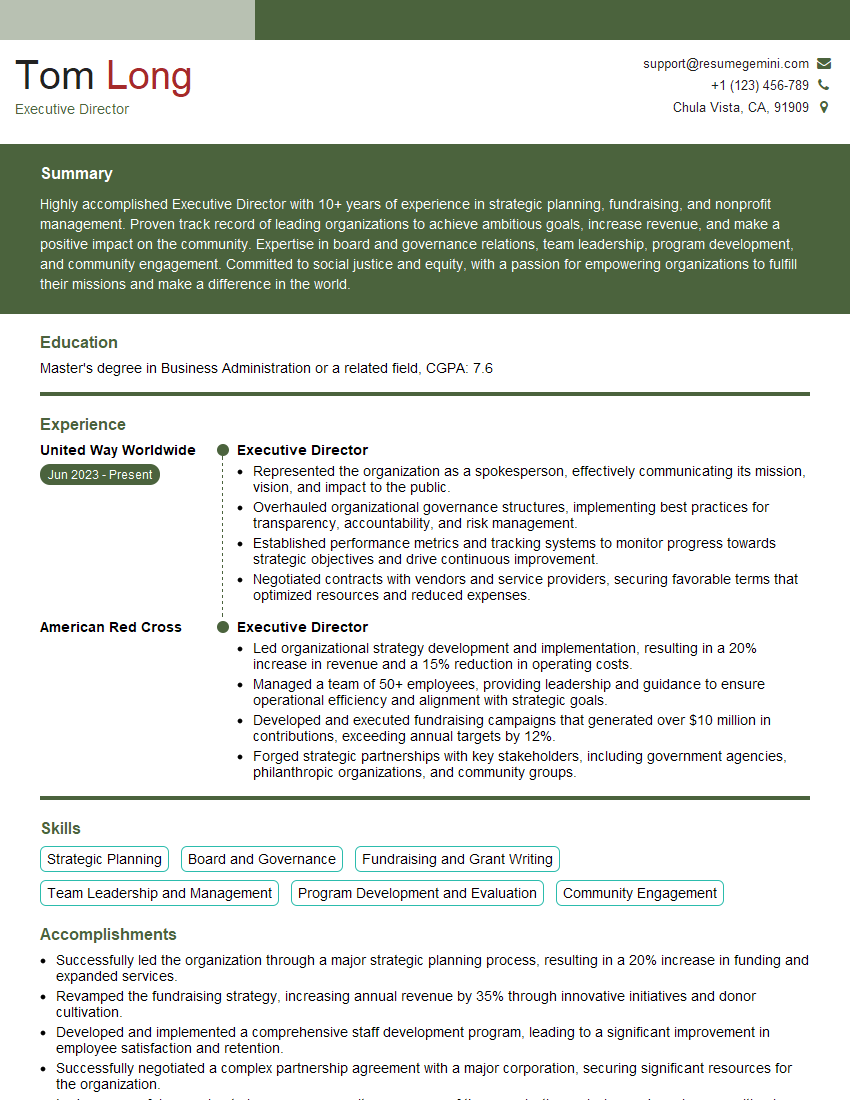
Executive Director Resume Sample
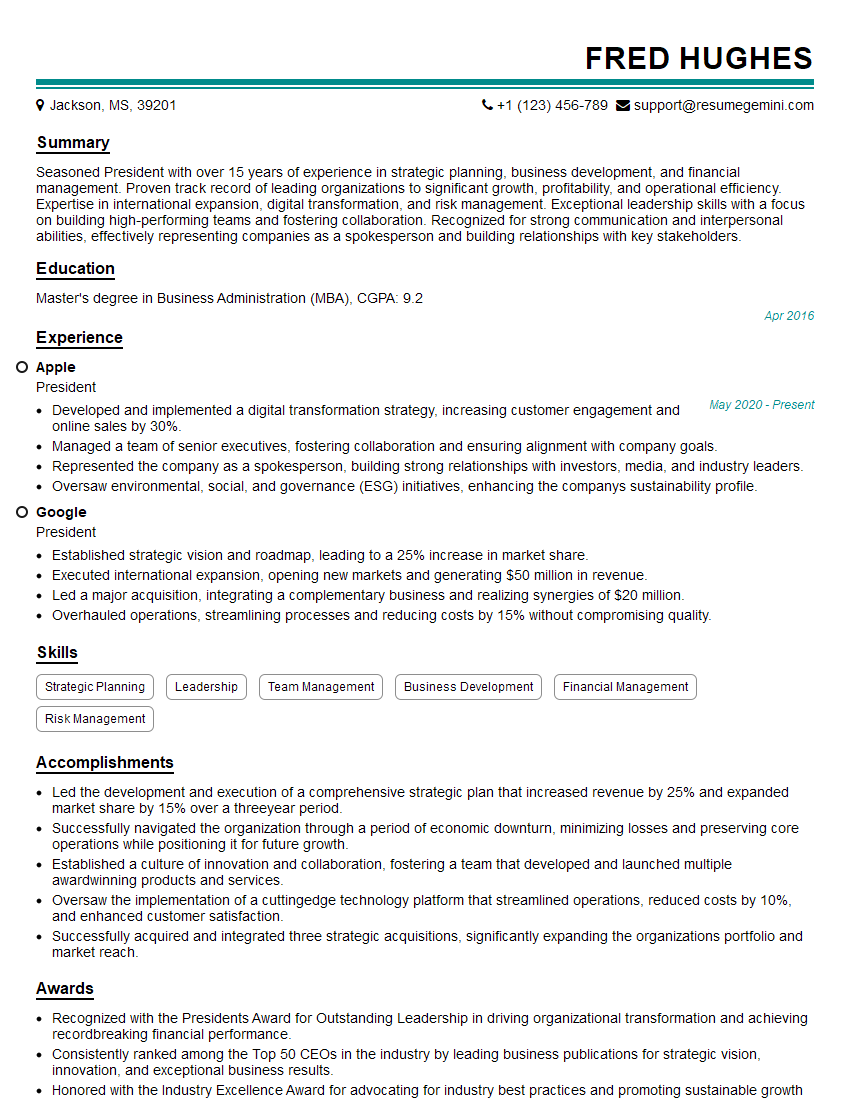
President Resume Sample
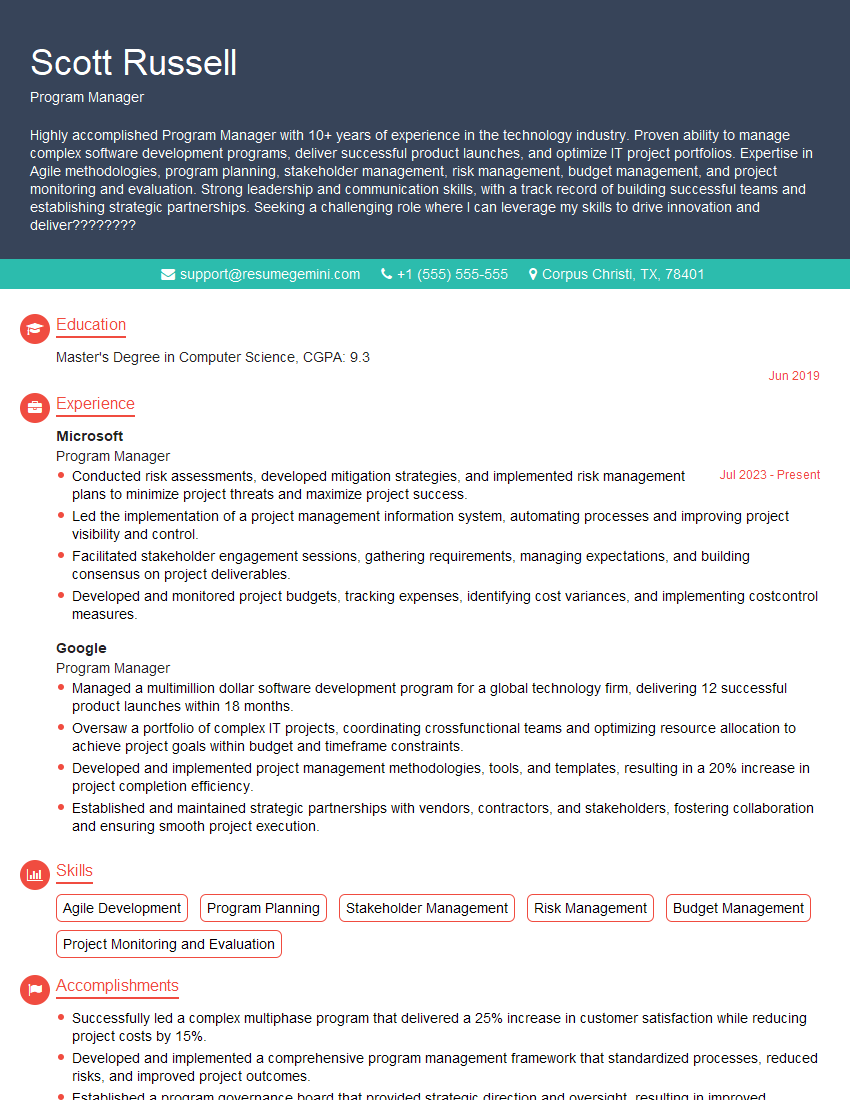
Program Manager Resume Sample
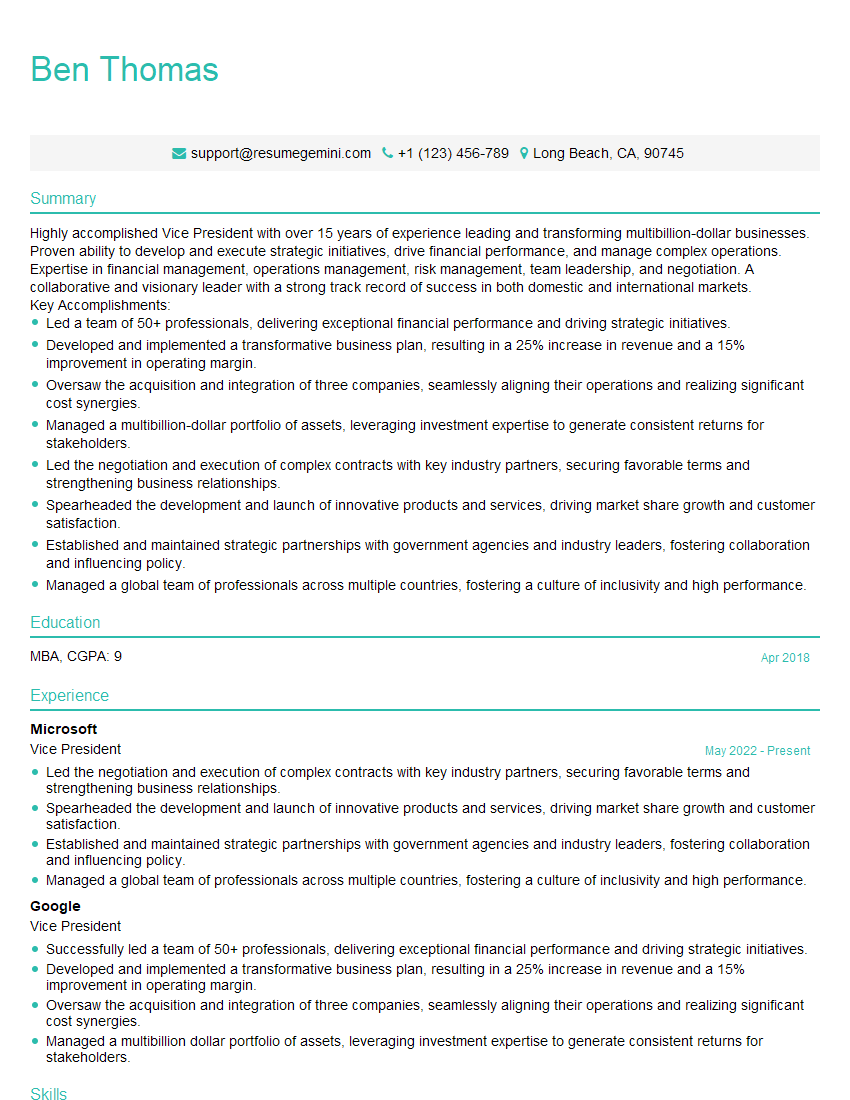
Vice President Resume Sample
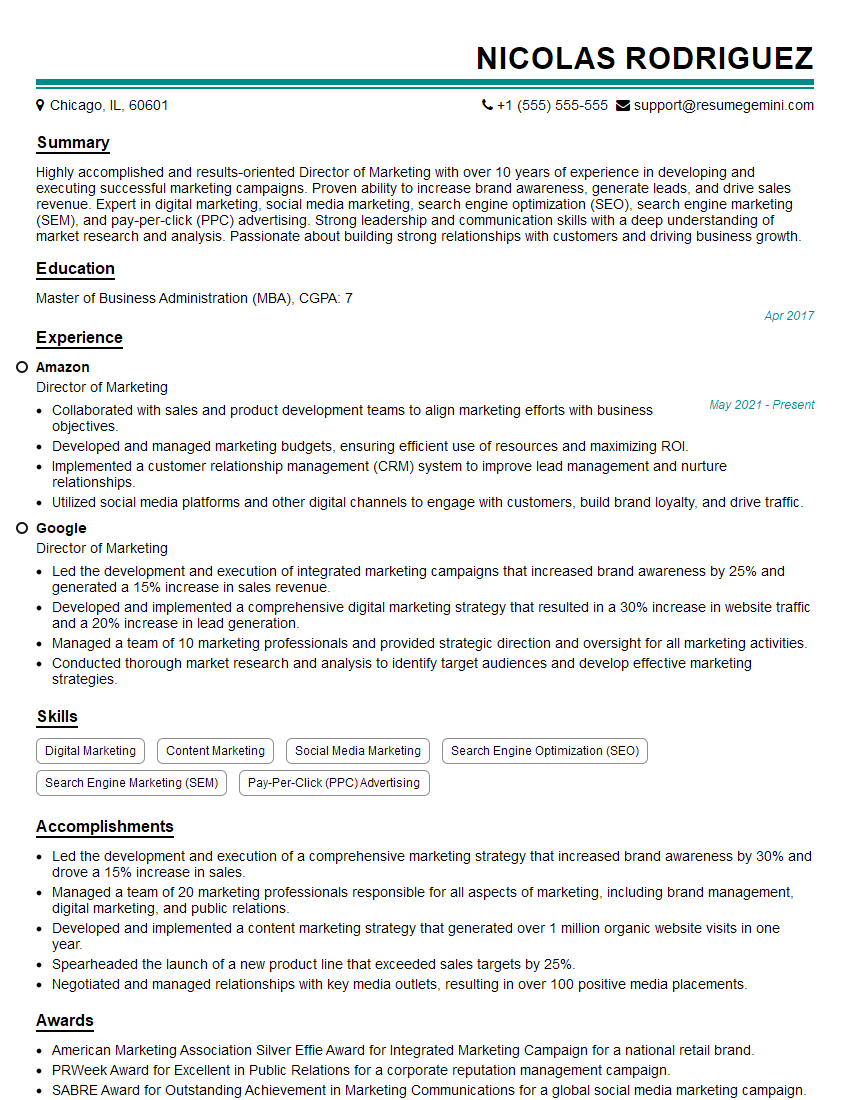
Director of Marketing Resume Sample

Division Head Resume Sample
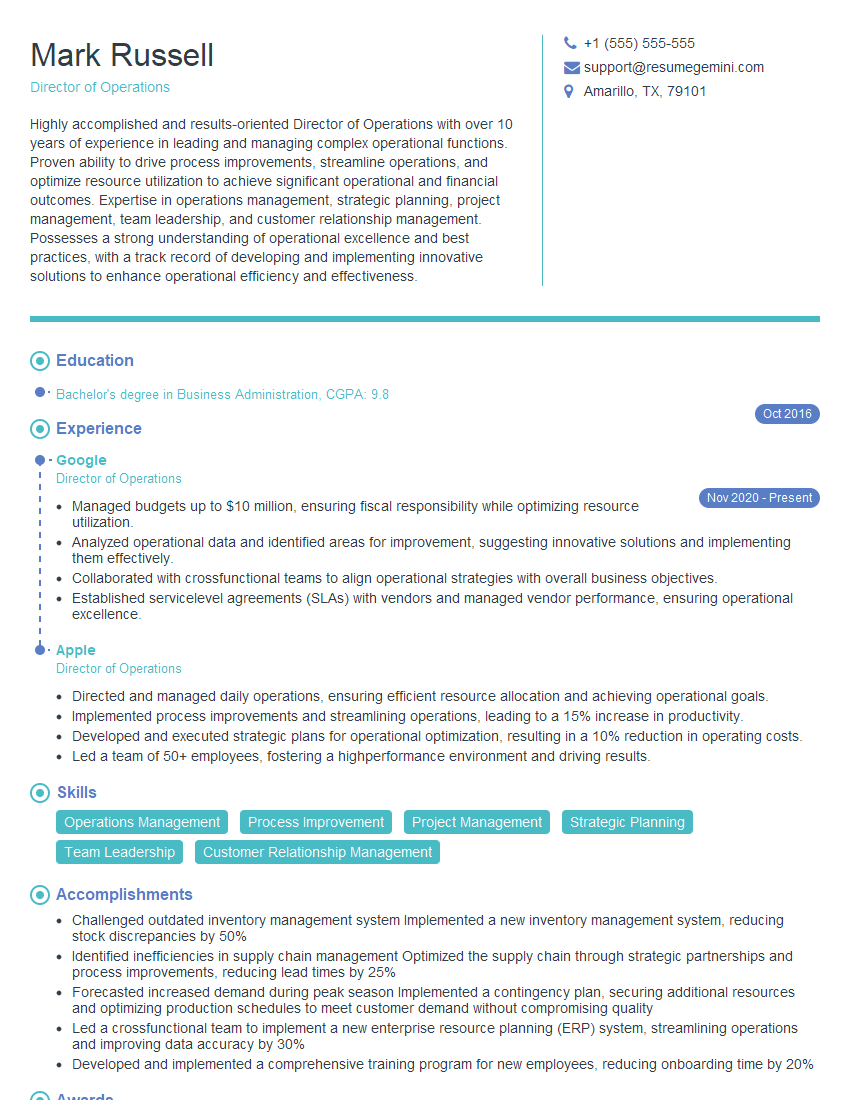
Director of Operations Resume Sample
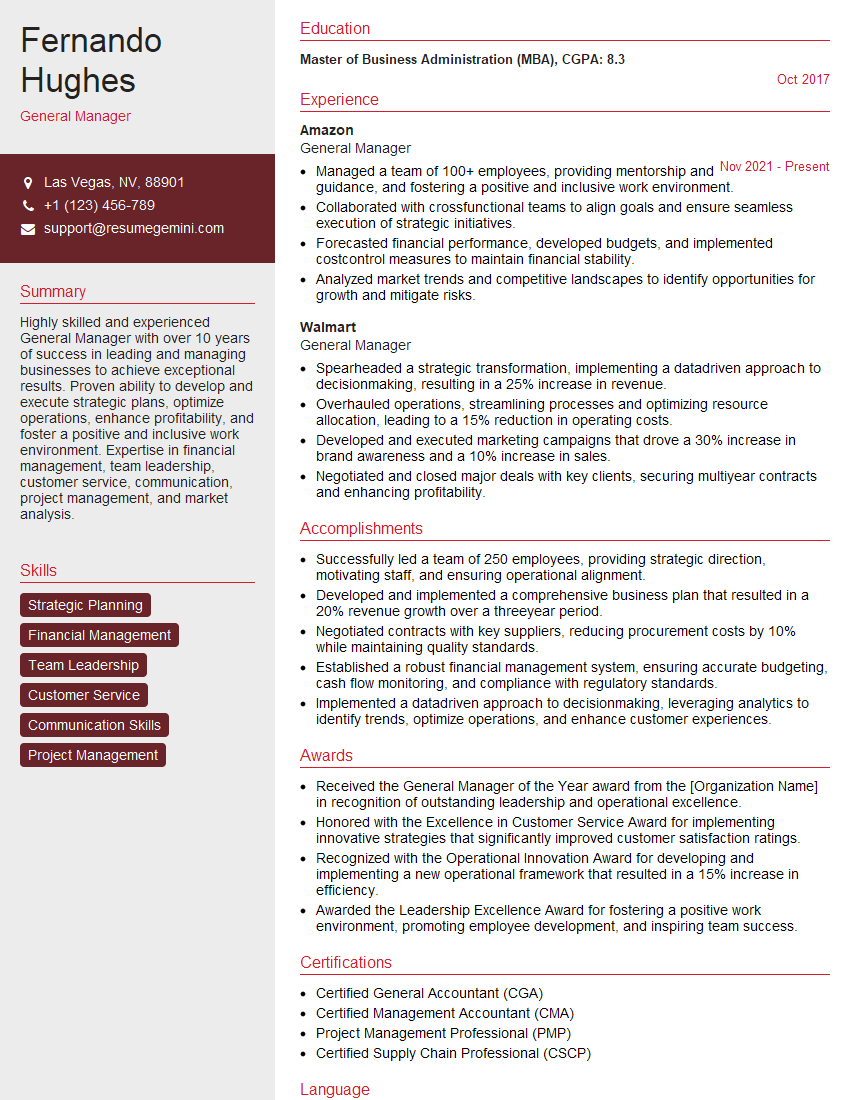
General Manager Resume Sample
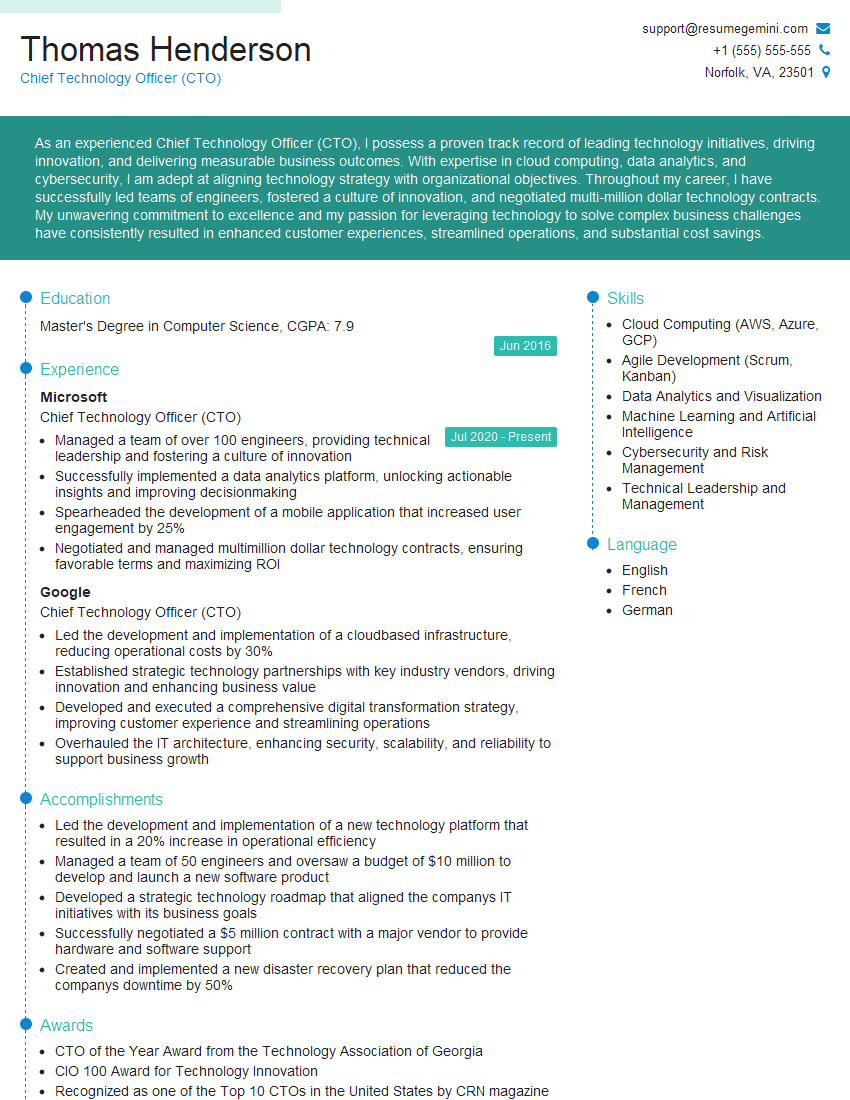
Chief Technology Officer (CTO) Resume Sample
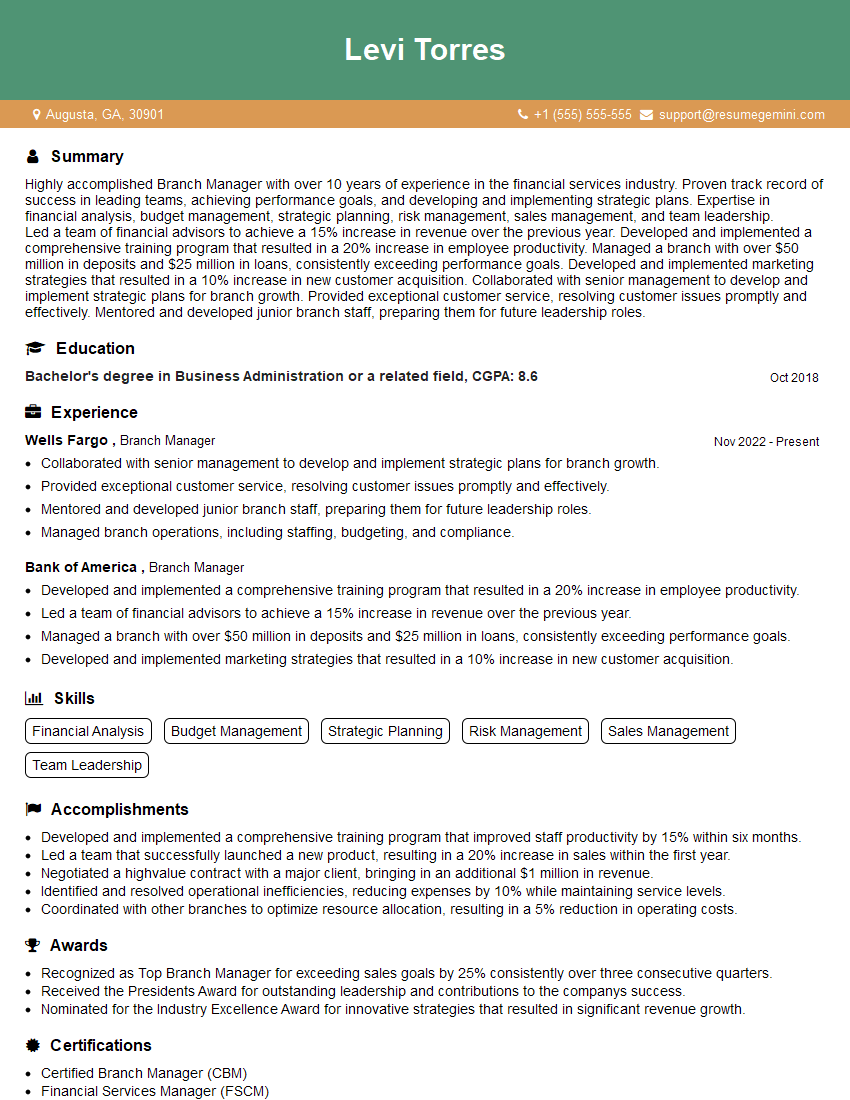
Branch Manager Resume Sample
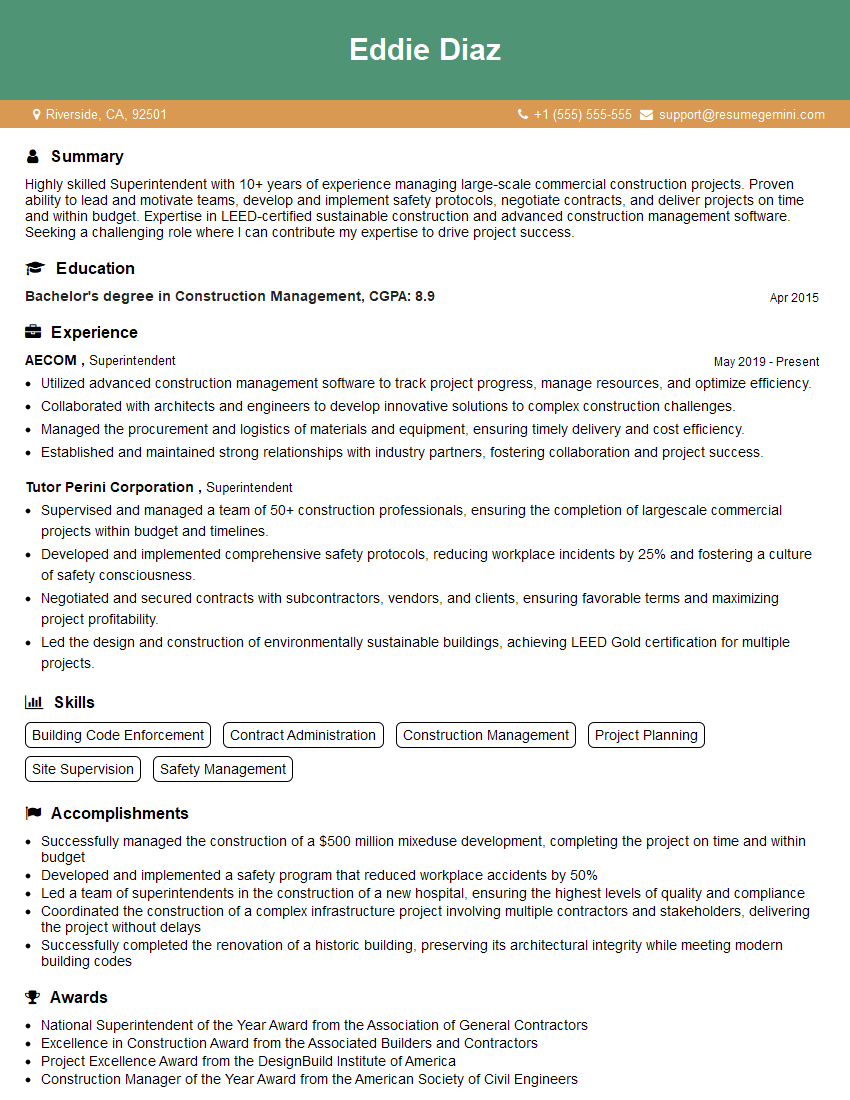
Superintendent Resume Sample

Project Manager Resume Sample
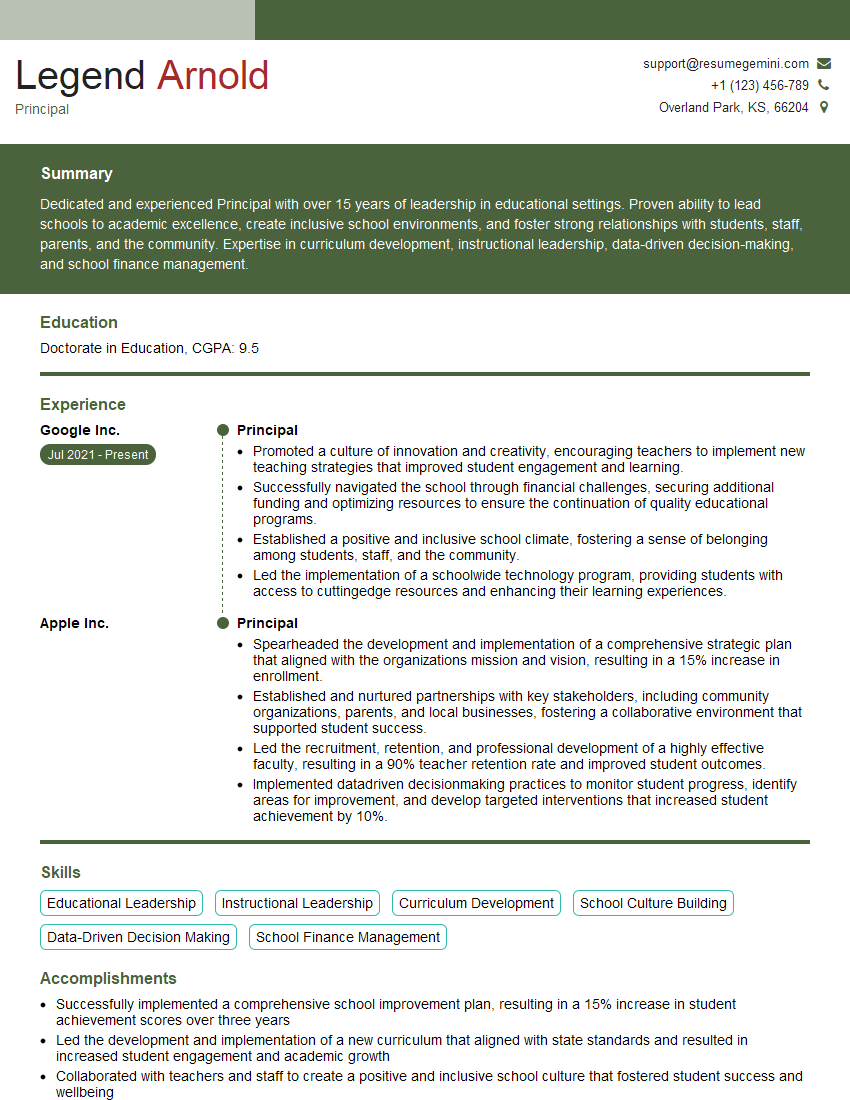
Principal Resume Sample
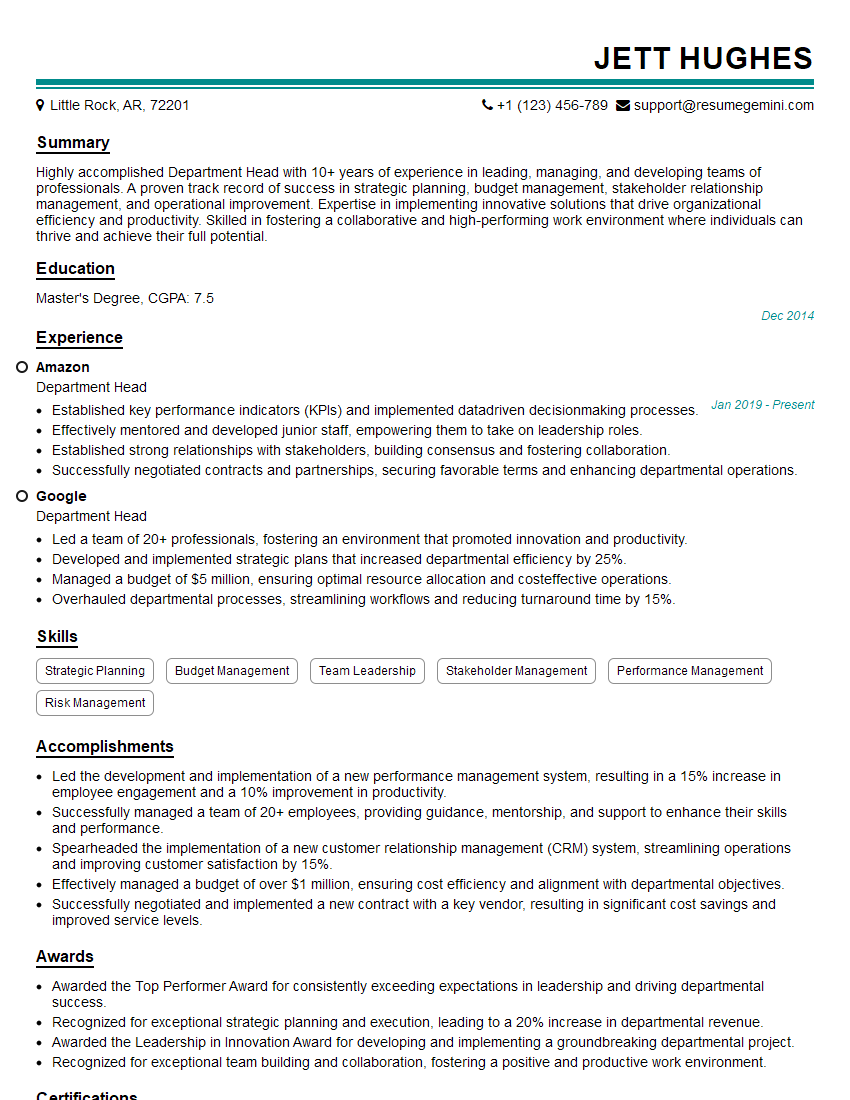
Department Head Resume Sample
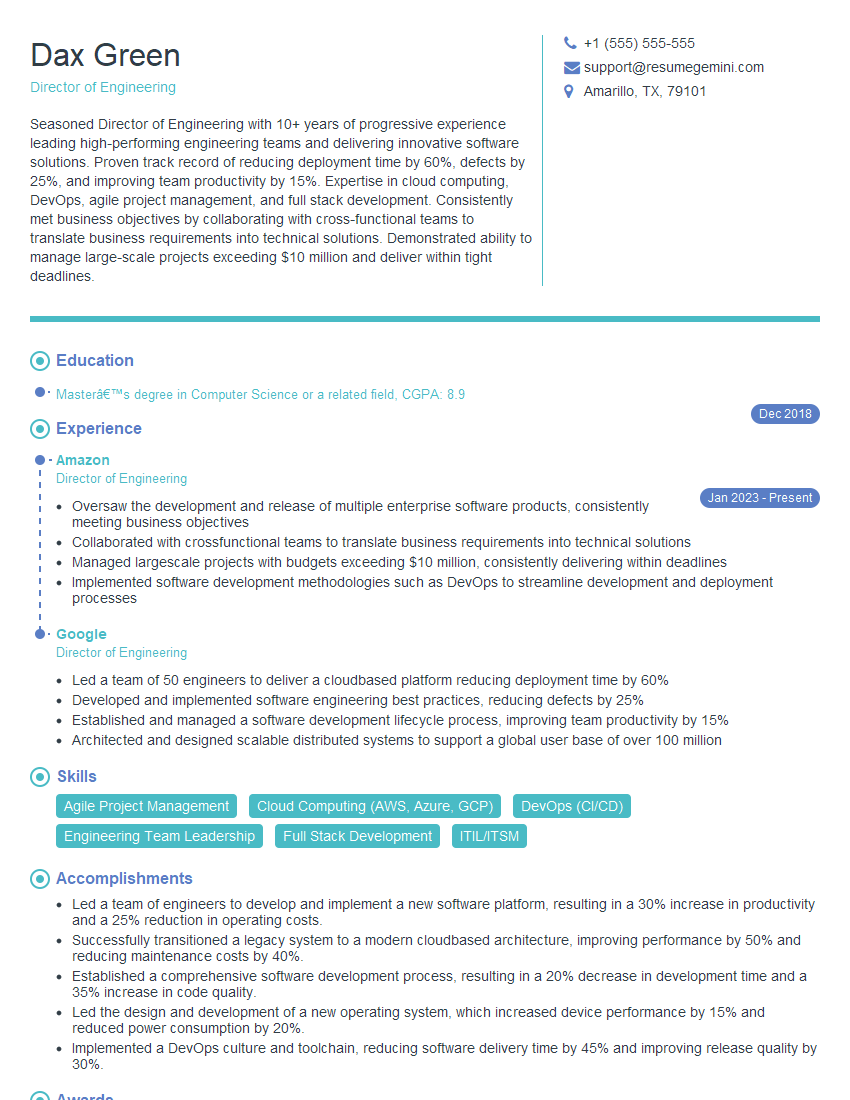
Director of Engineering Resume Sample
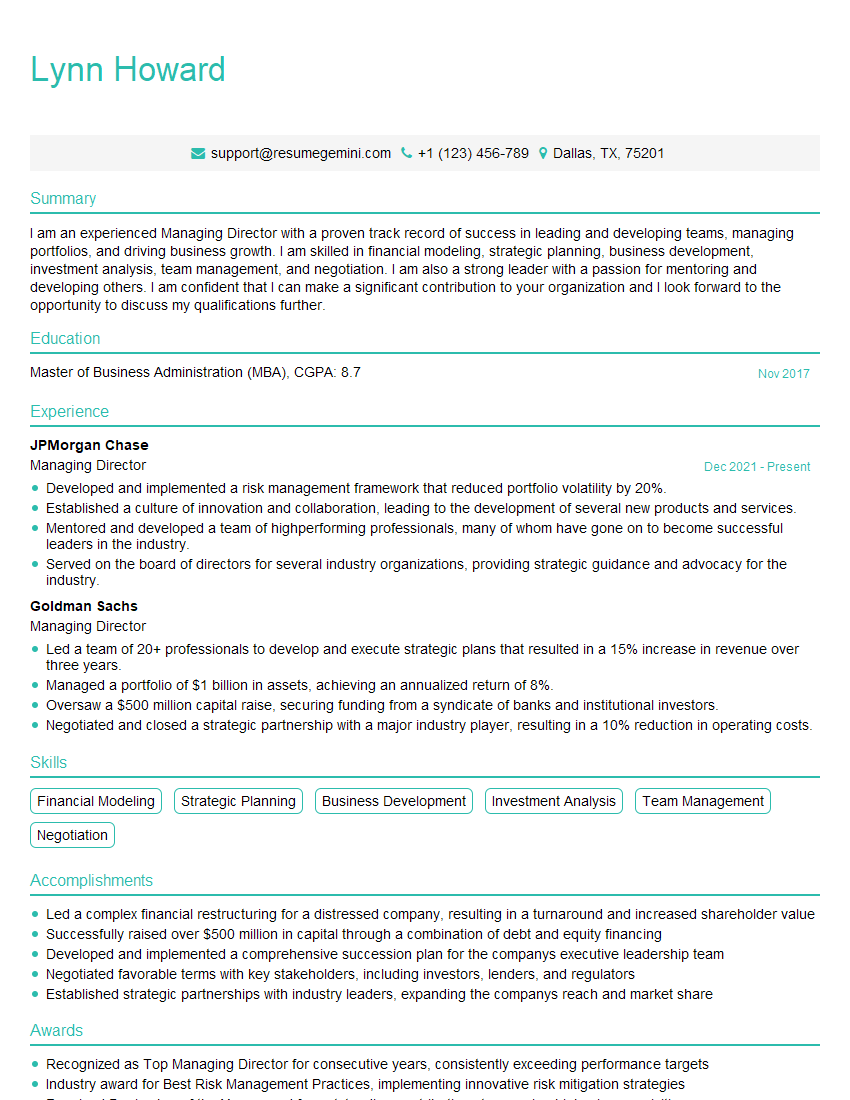
Managing Director Resume Sample
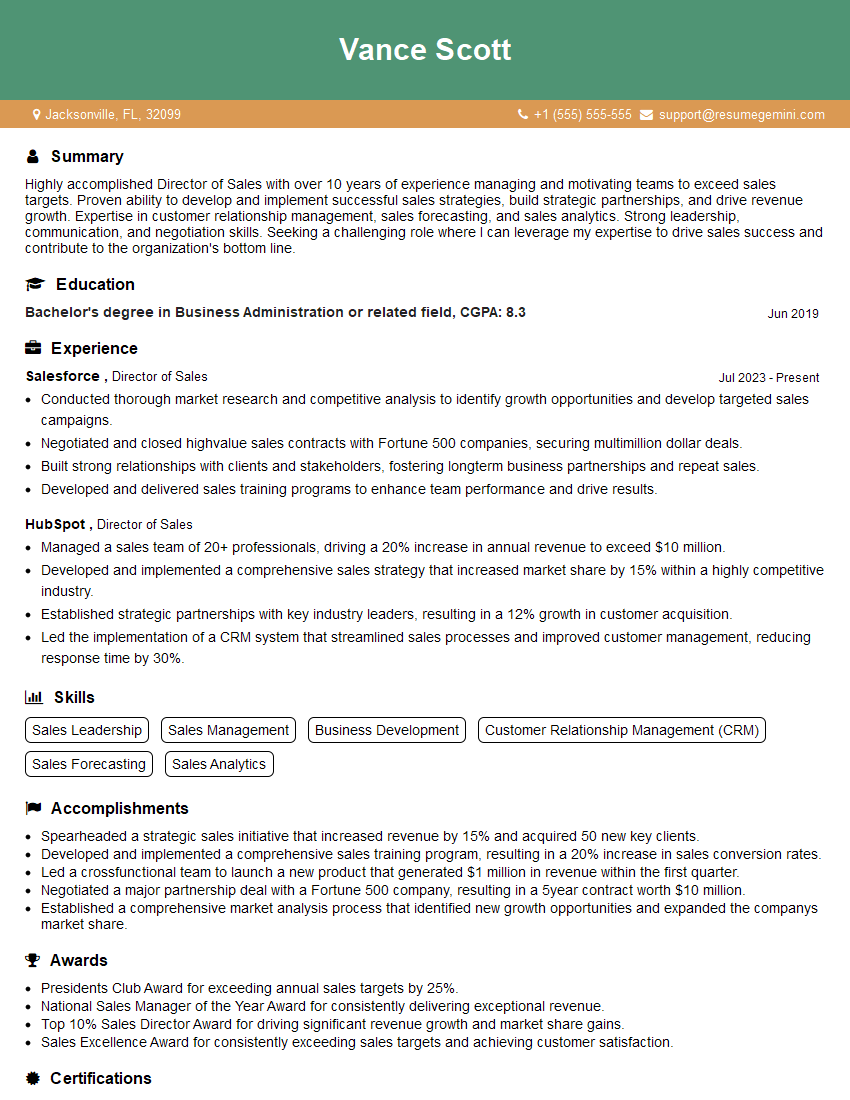
Director of Sales Resume Sample
- Chief Executive Officer (CEO)
- Chief Operating Officer (COO)
- Executive Director
- President
- Program Manager
- Vice President
- Director of Marketing
- Division Head
- Director of Operations
- General Manager
- Chief Technology Officer (CTO)
- Branch Manager
- Superintendent
- Project Manager
- Principal
- Department Head
- Director of Engineering
- Managing Director
- Director of Sales
Explore more articles
Users Rating of Our Blogs
Share Your Experience
We value your feedback! Please rate our content and share your thoughts (optional).
What Readers Say About Our Blog
Very informative content, great job.
good