The thought of an interview can be nerve-wracking, but the right preparation can make all the difference. Explore this comprehensive guide to Leaf Growth Analysis interview questions and gain the confidence you need to showcase your abilities and secure the role.
Questions Asked in Leaf Growth Analysis Interview
Q 1. Explain the process of photosynthesis and its impact on leaf growth.
Photosynthesis is the remarkable process where plants, including leaves, convert light energy into chemical energy in the form of sugars. This process is crucial for leaf growth because it’s the primary source of the building blocks – carbohydrates – needed for cell division, expansion, and overall development. In simple terms, sunlight fuels the creation of the plant’s food, providing the energy and raw materials for leaf growth.
The process itself involves two main stages: the light-dependent reactions and the light-independent reactions (Calvin cycle). In the light-dependent reactions, light energy is captured by chlorophyll and used to split water molecules, releasing oxygen and creating energy carriers (ATP and NADPH). These carriers then power the Calvin cycle, where carbon dioxide from the atmosphere is incorporated into organic molecules, ultimately forming glucose. This glucose is then used to build all the other components of the plant, including the leaf structure itself – its cells, tissues, and even the intricate network of veins that transport water and nutrients.
Think of it like building a house: sunlight provides the energy, water and CO2 are the building materials, and the sugars produced via photosynthesis are the bricks and mortar, allowing the leaf to grow and develop.
Q 2. Describe the different types of leaf growth patterns.
Leaf growth patterns vary considerably depending on the plant species. We can broadly categorize them into:
- Determinate growth: Leaves reach a predetermined size and then stop growing. Many flowering plants exhibit this pattern, where a leaf grows to a specific size and then its growth ceases once it has reached maturity.
- Indeterminate growth: Leaves continue to grow throughout their lifespan, potentially adding new leaf area continuously until senescence (aging). This is typical of many evergreen plants and ferns that continuously produce new leaf tissue.
- Exogenous growth: Leaf growth originates from the leaf margin or tip. The increase in leaf size can be observed at the edges or ends of the leaf blades. This type of growth is more evident in certain species like many dicots, including many tree leaves.
- Intercalary growth: Leaf growth occurs at points along the leaf axis – not just at the edges. This pattern is found in grasses and some monocots where growth occurs between the leaf sheath and the leaf blade. Think of how grass blades keep growing after you mow them; this is because of intercalary growth.
Understanding the growth pattern is important for accurately predicting and modeling leaf development, and designing experiments for studying leaf growth characteristics. For example, the growth habit of leaves greatly impacts the growth rate and measurements to be collected.
Q 3. How do environmental factors (light, temperature, water) influence leaf growth?
Environmental factors significantly influence leaf growth. Let’s look at the key players:
- Light: Light intensity, duration (photoperiod), and quality (wavelength) all affect photosynthesis. Higher light intensity generally promotes faster leaf growth within limits, providing more energy for growth. However, excessive light can cause photoinhibition and damage to photosynthetic machinery. The photoperiod (day length) can also influence the timing and rate of leaf growth. Specific wavelengths of light influence chlorophyll production and ultimately the efficiency of photosynthesis.
- Temperature: Temperature affects enzyme activity within the leaf. Optimal temperatures for photosynthesis and growth vary between plant species. Too low, and enzymatic processes slow down; too high, and enzymes can denature, reducing photosynthetic rates and slowing growth, or even causing damage to the leaf tissue.
- Water: Water is essential for photosynthesis and turgor pressure (the internal pressure that maintains leaf shape and expansion). Water stress reduces leaf expansion and can lead to smaller leaves. Stomatal closure during water stress further decreases CO2 uptake, limiting photosynthesis and growth.
Consider a farmer growing crops: They might use techniques like shade netting to reduce excess light, irrigation to maintain adequate water levels, and choose cultivars adapted to the local temperature regime to optimize leaf growth and maximize yields. These factors often interact complexly; for instance, high temperature combined with low water availability can have a particularly detrimental effect on leaf development.
Q 4. What are the key hormones regulating leaf growth and development?
Several plant hormones play crucial roles in regulating leaf growth and development. Key players include:
- Auxins: Promote cell elongation and division, influencing leaf size and shape. They also play a role in apical dominance, affecting the overall architecture of the plant, and ultimately the distribution of resources among leaves.
- Gibberellins: Stimulate cell elongation and division, particularly in leaves. They’re often involved in leaf expansion and the transition from juvenile to adult leaves. Deficiency can lead to small leaves and stunted growth.
- Cytokinins: Promote cell division and affect leaf senescence (aging). They can delay leaf aging and maintain leaf vigor. They’re often involved in the balance between shoot and root growth.
- Ethylene: Usually associated with leaf senescence and abscission (leaf shedding). It promotes the breakdown of chlorophyll and other cellular components, resulting in leaf yellowing and detachment.
- Abscisic acid (ABA): Acts as an antagonist to other growth hormones, often inhibiting growth under stress conditions (e.g., drought). It plays a crucial role in signaling water stress and preparing the leaf for stress tolerance.
The interplay between these hormones is complex and often depends on environmental cues and the developmental stage of the leaf. For example, auxins and gibberellins promote growth, while ethylene and ABA often inhibit growth or promote senescence, depending on the specific environmental context.
Q 5. Explain the concept of source-sink relationships in leaf growth.
The source-sink relationship describes the flow of photosynthates (sugars produced during photosynthesis) within a plant. ‘Sources’ are tissues that produce more carbohydrates than they consume (like mature leaves), while ‘sinks’ are tissues that consume more carbohydrates than they produce (like young leaves, developing fruits, or roots). Leaf growth relies heavily on this dynamic relationship.
Mature, fully expanded leaves act as primary sources, exporting sugars to developing, younger leaves (sinks). These younger leaves use the imported sugars for cell division, expansion, and the synthesis of proteins and other essential components needed for growth. The efficiency of this source-sink relationship greatly influences the rate of leaf growth and the overall development of the plant. Factors like the distance between source and sink, vascular connectivity, and the sink’s strength (its demand for carbohydrates) all impact the rate of carbohydrate transport and consequently leaf growth. If the source is weak (due to low photosynthetic rates), or the sink is overly strong (high growth demand), there might be limitations in the growth of young leaves.
Think of it as a bustling city: mature leaves (sources) are like factories producing goods (sugars), and young leaves (sinks) are construction sites using those goods to build new structures (growing leaves).
Q 6. Describe different methods for measuring leaf area.
Several methods exist for measuring leaf area, each with its advantages and limitations:
- Image analysis: Digital images of leaves are captured, and software is used to measure the area. This method is relatively accurate, fast, and suitable for large sample sizes. Software like ImageJ is widely used.
- Planimetry: Using a planimeter, a mechanical or digital device, the leaf outline is traced, and the area is calculated. It is highly accurate but time-consuming for large numbers of leaves.
- Gravimetric method: This method estimates leaf area from leaf weight, assuming a constant relationship between the two which may vary widely among species and growth conditions. Usually requires creating a calibration curve for each species.
- Leaf area meter: Dedicated instruments that directly measure leaf area by optical scanning. These are fast and accurate but expensive.
- Linear measurements: Estimating leaf area based on simple linear measurements (length and width) and using species-specific allometric equations. This is much faster than other methods but less accurate as it depends on the chosen equation and does not account for leaf shape variations.
The choice of method depends on the resources available, the accuracy required, and the number of samples. For large-scale studies, image analysis or leaf area meters are preferred, while for smaller studies with higher accuracy needs, planimetry might be more suitable. It’s crucial to properly validate and calibrate any method against a known standard to assess the accuracy and precision of the measurement process.
Q 7. How do you analyze leaf growth data using statistical software (e.g., R, SAS)?
Statistical software like R and SAS are invaluable for analyzing leaf growth data. Analysis generally involves:
- Data cleaning and exploration: Checking for outliers, missing data, and transformations needed for normality.
- Descriptive statistics: Calculating means, standard deviations, and other descriptive measures to summarize leaf growth parameters (e.g., area, length, width).
- Regression analysis: Investigating relationships between leaf growth and environmental factors (e.g., linear regression to model the relationship between light intensity and leaf area).
lm(leaf_area ~ light_intensity, data = mydata)This line in R fits a linear model. - Analysis of variance (ANOVA): Comparing leaf growth among different treatments or groups (e.g., comparing leaf area among plants grown under different light regimes).
- Nonlinear regression: Modeling complex growth curves using functions like logistic or Gompertz curves. This allows for fitting complex growth models based on time.
- Time series analysis: Analyzing leaf growth data collected over time to identify growth patterns and trends.
For example, in R, we might use the ggplot2 package for visualization. A simple plot of leaf area over time could be generated using code similar to this: ggplot(mydata, aes(x = time, y = leaf_area)) + geom_point() + geom_smooth(). The choice of specific statistical methods would depend on the experimental design and the research questions being addressed. Thorough understanding of the statistical methods is essential for proper interpretation of the results and drawing reliable conclusions.
Q 8. What are the limitations of using leaf area index (LAI) as a measure of plant growth?
Leaf Area Index (LAI), the ratio of total leaf area to the ground surface area, is a widely used proxy for plant growth. However, it has limitations. It’s a two-dimensional measure and doesn’t fully capture the three-dimensional complexity of a canopy. For instance, a high LAI could be due to dense leaf layering, obscuring light penetration and hindering growth within the lower canopy layers. It also doesn’t account for leaf orientation, leaf angle distribution significantly influences light interception efficiency. A canopy with vertically oriented leaves might have a similar LAI to one with horizontal leaves, yet the photosynthetic potential and overall plant growth will differ. Furthermore, LAI alone doesn’t consider leaf quality, such as chlorophyll content, which is vital for photosynthesis and growth. A canopy might have a high LAI but reduced photosynthetic capacity if leaves are senescing or nutrient-deficient. In summary, LAI is a useful indicator but needs to be considered alongside other growth parameters for a holistic assessment of plant health and productivity.
Q 9. Discuss the application of remote sensing techniques in assessing leaf growth.
Remote sensing, using technologies like satellites and drones, offers a powerful tool for large-scale assessment of leaf growth. Hyperspectral imagery, for example, captures reflected light across a wide range of wavelengths, allowing us to estimate chlorophyll content, leaf water content, and other biophysical parameters directly related to plant growth. Multispectral imagery, while less detailed, is readily available from platforms like Landsat and Sentinel, providing valuable data on LAI, canopy cover, and vegetation indices like NDVI (Normalized Difference Vegetation Index), which are strongly correlated with plant health and biomass. Drones equipped with high-resolution sensors allow for detailed measurements of individual plants and even specific leaf characteristics. By combining various remote sensing techniques with ground-based measurements, we can create highly accurate maps of leaf growth patterns across entire fields or even landscapes. This information is invaluable for precision agriculture, allowing farmers to optimize irrigation, fertilization, and other management practices based on real-time plant status.
Q 10. Explain the use of growth models in predicting leaf growth and yield.
Growth models are mathematical representations of plant growth processes, and they are critical for predicting leaf growth and yield. These models integrate various factors influencing growth, such as temperature, light, water availability, and nutrient levels. For example, the commonly used Y-model incorporates light interception, biomass accumulation, and partitioning into different plant organs (leaves, stems, roots). By inputting environmental data and initial plant parameters, we can simulate leaf expansion, leaf production rate, and eventually predict the total yield. These predictions enable efficient resource allocation and informed decision-making in agriculture. For instance, a growth model can help determine the optimal planting density based on anticipated environmental conditions and resource limitations. Such models can be complex, incorporating details of photosynthesis, respiration, and nutrient uptake. Model accuracy depends on the quality of the input data and the suitability of the model chosen for the specific species and environmental context. Model validation using field data is crucial before implementing these models in real-world applications.
Q 11. How can you differentiate between genetic and environmental effects on leaf growth?
Differentiating between genetic and environmental effects on leaf growth often involves experimental designs that isolate or manipulate specific factors. A common approach is to grow clones of the same genotype under different environmental conditions (e.g., varying light, water, or nutrient levels). Significant differences in leaf growth across these environments would primarily be attributed to environmental effects. Conversely, growing different genotypes under controlled, uniform conditions highlights the genetic contribution. Statistical methods like ANOVA (analysis of variance) help to quantify the relative contributions of genetics and environment. Quantitative Trait Loci (QTL) mapping can identify specific genes associated with leaf growth traits. By comparing leaf growth patterns in different populations under similar environments or by using genomic selection techniques, it is possible to determine the genetic components that influence leaf growth parameters. For example, in a study on drought tolerance, comparing leaf growth of different genotypes under controlled drought stress would provide insights into genetic factors governing drought adaptation and its impact on leaf growth.
Q 12. Describe the role of nutrients in leaf growth and development.
Nutrients play a pivotal role in leaf growth and development. Macronutrients like nitrogen (N), phosphorus (P), and potassium (K) are essential building blocks of plant tissues, affecting leaf size, chlorophyll content, and photosynthetic capacity. Nitrogen is particularly crucial for chlorophyll synthesis, while phosphorus is involved in energy transfer and root development, indirectly influencing leaf growth. Potassium contributes to stomatal regulation and water use efficiency, improving leaf hydration and growth. Micronutrients, such as iron (Fe), zinc (Zn), and manganese (Mn), are needed in smaller amounts but are equally critical for specific enzymatic reactions and metabolic processes within the leaf. Deficiencies in any of these nutrients can lead to stunted growth, chlorosis (yellowing of leaves), leaf necrosis (tissue death), and reduced photosynthetic efficiency. A balanced nutrient supply is critical for optimal leaf growth and overall plant productivity. Soil testing and leaf analysis are common methods to assess nutrient levels and guide appropriate fertilization strategies in agricultural settings.
Q 13. Explain the effects of plant stress (drought, salinity, disease) on leaf growth.
Plant stress significantly affects leaf growth. Drought stress, for instance, limits water availability, causing stomatal closure to reduce water loss, but also restricting CO2 uptake, hindering photosynthesis, and ultimately reducing leaf expansion. Salinity stress increases osmotic potential, creating water stress, and also affects nutrient uptake, causing similar effects to drought. Disease stress can disrupt various physiological processes, either by directly damaging leaf tissues or interfering with nutrient transport. Pathogens may cause leaf lesions, reducing photosynthetic area and potentially leading to premature senescence. The specific impact of each stress depends on the severity and duration of the stress, as well as the plant species’ tolerance mechanisms. Plants exhibit various responses to stress, including changes in leaf morphology (e.g., reduced leaf size, thicker leaves), alterations in stomatal behavior, and adjustments in metabolic pathways. Understanding these responses is crucial for developing stress-tolerant cultivars and implementing effective stress management strategies.
Q 14. How can you assess leaf senescence and its impact on leaf growth?
Leaf senescence is the natural aging process of leaves, characterized by chlorophyll degradation, nutrient remobilization, and eventual leaf death. It’s a complex process influenced by various internal and external factors. We assess leaf senescence through several methods: visual observations (color changes, leaf yellowing), chlorophyll content measurements (using spectrophotometry or chlorophyll meters), and analysis of biochemical markers associated with senescence. The impact on leaf growth is significant as senescing leaves reduce photosynthetic capacity. Nutrient remobilization from senescing leaves to other plant parts can be beneficial, but the loss of photosynthetic area decreases overall plant productivity. Premature senescence, induced by stress factors, is particularly detrimental, significantly impacting growth and yield. Understanding the mechanisms regulating senescence is key to developing strategies for extending leaf lifespan and improving crop productivity. Techniques like delaying senescence through genetic modification or manipulating environmental conditions (e.g., applying plant growth regulators) have shown promise in agriculture.
Q 15. Describe the different types of leaf mutations and their impact on growth.
Leaf mutations, alterations in the plant’s genetic code, can significantly affect leaf growth and development. These mutations can manifest in various ways, impacting leaf size, shape, color, and overall physiology.
- Size and Shape Mutations: Mutations can lead to smaller leaves (microphylly), larger leaves (macrophylly), changes in leaf lobing (e.g., deeply dissected leaves or completely smooth margins), or altered leaf venation patterns. For instance, a mutation affecting a gene involved in cell division could result in smaller leaves.
- Color Mutations: Mutations affecting chlorophyll biosynthesis can result in variegated leaves (patches of different colors) or entirely albino leaves (lacking chlorophyll), severely hindering their photosynthetic capacity and overall growth. A common example is the variegated form of many plants, where sectors of the leaf lack chlorophyll.
- Physiological Mutations: Mutations can affect stomatal density and function, impacting gas exchange and water balance. This might lead to slower growth rates and increased sensitivity to environmental stresses. A mutation altering aquaporin function (water channels) is a good example.
The impact of these mutations on growth varies widely depending on the specific gene affected and the environmental conditions. Some mutations might have minimal effects, while others can be lethal, preventing the plant from developing normally.
Career Expert Tips:
- Ace those interviews! Prepare effectively by reviewing the Top 50 Most Common Interview Questions on ResumeGemini.
- Navigate your job search with confidence! Explore a wide range of Career Tips on ResumeGemini. Learn about common challenges and recommendations to overcome them.
- Craft the perfect resume! Master the Art of Resume Writing with ResumeGemini’s guide. Showcase your unique qualifications and achievements effectively.
- Don’t miss out on holiday savings! Build your dream resume with ResumeGemini’s ATS optimized templates.
Q 16. How can you use image analysis software to quantify leaf growth parameters?
Image analysis software offers a powerful, non-destructive way to quantify leaf growth parameters. We can use specialized software like ImageJ, or more advanced plant phenotyping platforms to analyze digital images of leaves.
Process:
- Image Acquisition: High-resolution images of leaves are captured at regular intervals using a digital camera, scanner or specialized imaging systems. Consistent lighting and background are crucial for accurate measurements.
- Image Processing: The software is used to process the images, correcting for variations in lighting and background noise. This often involves thresholding or other image segmentation techniques to separate the leaf from the background.
- Parameter Extraction: The software then measures various parameters, including:
- Leaf Area: Calculated by the software using various algorithms.
- Leaf Perimeter: The total length of the leaf’s boundary.
- Leaf Shape Indices: These quantify the leaf’s shape complexity (e.g., circularity, ellipticity). These indices change depending on leaf growth patterns and environmental influences.
- Leaf Length and Width: Simple linear measurements obtained easily with image analysis.
- Data Analysis: The measured parameters are then exported to a spreadsheet or statistical software for further analysis. Growth rates, correlations between parameters, and responses to treatments can be calculated and plotted.
Example: Imagine tracking leaf expansion rate. By repeatedly imaging the same leaf over a period of weeks, we can use ImageJ to measure the leaf area at each time point. We can then calculate the growth rate by finding the change in leaf area over the time interval.
Q 17. Explain the concept of allometry in plant growth and its application to leaves.
Allometry describes the scaling relationship between different parts of an organism. In plant growth, it examines the relationship between the size of one plant part (e.g., leaf area) and the size of another part (e.g., stem diameter or whole plant biomass). It’s essentially about how the growth of one component relates to the growth of others.
Application to Leaves: Leaf allometry can reveal how leaf size and shape change with overall plant size. For example, a small seedling might have relatively large leaves compared to its stem size, while a mature tree might have smaller leaves relative to its overall size. This is often expressed mathematically as a power law equation: Y = aX^b where Y is leaf area, X is plant height, ‘a’ is a constant, and ‘b’ is the allometric scaling exponent.
Example: Studies have shown that leaf area often scales with plant height with an exponent less than 1. This means that leaf area increases more slowly than plant height as plants grow larger. Understanding these allometric relationships is crucial for predicting plant architecture and resource allocation patterns.
Practical Applications: Allometric relationships can be used to estimate plant biomass based on easily measurable parameters like leaf area or stem diameter. This is particularly valuable in large-scale ecological studies, where measuring total biomass is impractical.
Q 18. Discuss the use of stable isotopes in studying leaf growth.
Stable isotopes, such as 13C and 15N, provide valuable insights into leaf growth processes. These isotopes are naturally occurring, non-radioactive forms of carbon and nitrogen. By analyzing the isotopic composition of leaves, we can learn about the source of carbon (photosynthesis) and nitrogen (soil uptake or other sources), and the efficiency of resource use during leaf development.
Applications:
- Carbon Isotope Discrimination (CID): The ratio of 13C to 12C in leaves reflects the efficiency of photosynthesis. Plants under water stress or nutrient limitation often exhibit higher CID values.
- Nitrogen Isotope Ratios (15N/14N): These ratios can indicate the source of nitrogen for leaf growth (e.g., soil organic matter, inorganic fertilizers, or symbiotic nitrogen fixation). The isotopic signature can also show how efficiently nitrogen is used for growth.
Example: A study might compare the 13C and 15N content in leaves of plants grown under different watering regimes. Plants under water stress may show higher 13C values (lower photosynthetic efficiency) and potentially altered 15N values reflecting changes in nitrogen acquisition.
Methodology: Leaf samples are collected, dried, and then analyzed using isotope-ratio mass spectrometry (IRMS).
Q 19. How can you design a field experiment to study leaf growth responses to a specific treatment?
Designing a field experiment to study leaf growth responses requires careful planning. Let’s say we want to investigate the impact of a specific fertilizer on leaf growth:
- Hypothesis Formulation: We hypothesize that the fertilizer will increase leaf area and growth rate.
- Experimental Design:
- Treatment Groups: Establish multiple treatment groups, including a control group (no fertilizer) and several groups receiving different concentrations or types of fertilizer.
- Replication: Each treatment group should have multiple replicates (e.g., 10-20 plants per group) to account for natural variation.
- Randomization: Plants within each treatment group should be randomly assigned to locations in the field to minimize bias.
- Environmental Monitoring: Record relevant environmental factors like temperature, rainfall, and sunlight throughout the experiment.
- Data Collection:
- Regular Measurements: Measure leaf area, length, width, and other relevant parameters at regular intervals (e.g., weekly). Consider using image analysis techniques for efficient and accurate measurements.
- Biomass Assessment: At the end of the experiment, harvest the plants and measure their biomass (dry weight) to assess overall growth.
- Data Analysis: Use appropriate statistical methods (e.g., ANOVA) to compare leaf growth parameters and biomass between the different treatment groups. Assess the statistical significance of the observed differences.
Example: We could measure leaf area using ImageJ at regular intervals and use ANOVA to determine if there’s a statistically significant difference in leaf area between the fertilizer treatments and the control group.
Q 20. What are the challenges in accurately measuring leaf growth in the field?
Accurately measuring leaf growth in the field presents several challenges:
- Environmental Variability: Weather conditions, such as wind, rain, and extreme temperatures, can damage leaves and make consistent measurements difficult.
- Herbivory and Disease: Insect herbivory and plant diseases can alter leaf growth and morphology, making it challenging to isolate the effects of the treatment being studied.
- Accessibility: Measuring leaves on tall plants or plants in dense canopies can be physically demanding and time-consuming.
- Leaf Loss and Senescence: Leaves can be lost naturally due to senescence (aging) or abiotic factors. This makes tracking individual leaves over time challenging.
- Non-Destructive Measurement: Measuring leaf area and other growth parameters without damaging the leaves can be difficult, especially for small or delicate leaves.
Strategies to mitigate these challenges include: using protective covers to shield plants from weather, selecting easily accessible plants for measurements, using non-destructive measurement techniques like image analysis, and incorporating controls to account for the effects of herbivory and senescence.
Q 21. Explain how leaf growth is related to overall plant productivity.
Leaf growth is fundamentally linked to overall plant productivity. Leaves are the primary sites of photosynthesis, the process by which plants convert light energy into chemical energy in the form of sugars. The rate and extent of leaf growth directly influence the plant’s photosynthetic capacity, determining how much energy is available for growth, reproduction, and other metabolic processes.
Relationship: Larger leaf area generally translates to higher photosynthetic rates, leading to increased biomass production. However, other factors like leaf lifespan, photosynthetic efficiency, and nutrient availability also influence productivity. A plant with many small, short-lived leaves might not be as productive as one with fewer, large, long-lived leaves with high photosynthetic efficiency.
Example: In agriculture, crop yields are directly related to the leaf area index (LAI), the total leaf area per unit of ground area. Improving LAI through breeding, fertilization, or management practices can significantly increase crop productivity.
Beyond Photosynthesis: Leaves also play a role in plant respiration and transpiration, influencing overall plant water balance and carbon budgets. Therefore, leaf growth is a central aspect in understanding and predicting plant productivity.
Q 22. Describe different methods for estimating biomass from leaf area.
Estimating biomass from leaf area involves understanding the relationship between the size of a leaf (or the total leaf area of a plant) and its weight. This relationship isn’t always straightforward, as leaf thickness and density vary greatly between species and even within a plant depending on factors like age and environmental conditions. However, several methods provide reasonable estimations.
Direct Measurement: This is the most accurate but also the most laborious. It involves harvesting the leaves, carefully measuring their area using a leaf area meter (optical or image analysis based), and then weighing them to determine fresh or dry biomass. This approach allows for the creation of a species-specific leaf area to biomass ratio.
Allometric Equations: These equations mathematically relate leaf area to biomass. They are species-specific and are often derived from regression analysis of data obtained through direct measurement. For example, a simple allometric equation might look like
Biomass = a * (Leaf Area)^b, where ‘a’ and ‘b’ are coefficients determined empirically for a given species. The accuracy depends heavily on the quality and breadth of the dataset used to build the equation.Indirect Estimation using Imaging Techniques: Advances in image processing and computer vision allow for non-destructive estimation of leaf area. Digital cameras or scanners capture images of plants, and software analyses these images to quantify the leaf area. This data can then be used in conjunction with previously established allometric equations (if available for the species) to estimate biomass.
Choosing the appropriate method depends on the resources available, the level of accuracy required, and the scale of the study. For large-scale studies, indirect methods using imaging are often preferred for their efficiency, while direct measurement is crucial for generating precise allometric equations or validating other methods.
Q 23. How can you use leaf growth data to optimize agricultural practices?
Leaf growth data is incredibly valuable for optimizing agricultural practices. By monitoring leaf area index (LAI), leaf growth rate, and other related parameters, we can gain insights into plant health, nutrient uptake, and overall productivity. This information can inform several key decisions:
Precision Fertilization: Analyzing leaf growth can help determine the optimal timing and amount of fertilizer application. Slow leaf growth might indicate nutrient deficiencies, while excessively rapid growth could suggest over-fertilization. This targeted approach reduces fertilizer waste and environmental impact.
Irrigation Management: Leaf wilting or reduced growth rate are clear signs of water stress. Monitoring leaf growth allows for precise irrigation scheduling, ensuring plants receive adequate water without wasteful over-watering.
Crop Protection: Early detection of diseases or pest infestations often manifests as changes in leaf growth patterns (e.g., discoloration, reduced growth rate, or lesions). Early detection enables timely intervention with appropriate measures, minimizing crop loss.
Harvest Optimization: Tracking leaf growth helps predict optimal harvest time. By understanding the growth patterns of a specific crop, farmers can harvest at the point of maximum yield and quality.
For instance, in a vineyard, tracking leaf growth can help in optimizing canopy management techniques for improved grape quality and yield. By adjusting training and pruning strategies based on leaf growth data, we can ensure optimal sunlight penetration and air circulation throughout the canopy.
Q 24. What are some common errors in leaf growth analysis and how to avoid them?
Several common errors can affect the accuracy and reliability of leaf growth analysis. It’s crucial to address these potential pitfalls to ensure the validity of your findings:
Inconsistent Measurement Techniques: Variations in leaf area measurement techniques (e.g., using different instruments or inconsistent image analysis parameters) can introduce significant error. Standardization of methods and meticulous attention to detail are critical.
Environmental Factors: Temperature, humidity, and light intensity can influence leaf growth, and these factors must be carefully considered and controlled, or accounted for in the analysis. Ignoring environmental variations can lead to misinterpretations of the results.
Sampling Bias: Selecting a non-representative sample of leaves can skew the results. A statistically sound sampling strategy must be employed to ensure the data reflects the overall leaf growth of the plant population.
Data Processing Errors: Errors in data entry, calculations, or software processing can undermine the integrity of the analysis. Rigorous quality control checks and independent verification of the results are essential.
To avoid these errors, meticulously planned experimental design, rigorous quality control procedures, the use of standardized protocols, and appropriate statistical analyses are crucial. Regular calibration of instruments and careful attention to detail during data collection and processing are paramount.
Q 25. Discuss the ethical considerations related to plant research and leaf growth analysis.
Ethical considerations in plant research and leaf growth analysis are paramount. Our work should always be conducted responsibly and ethically, guided by principles of integrity, respect, and sustainability:
GMOs and Transgenic Plants: Research involving genetically modified plants requires careful consideration of potential environmental risks and societal implications. Appropriate risk assessments and regulatory compliance are necessary.
Plant Material Sourcing: Ethical sourcing of plant material is essential, especially when working with endangered or rare species. Compliance with relevant regulations and guidelines regarding plant collection and usage is mandatory.
Data Integrity and Transparency: Maintaining data integrity, accurately reporting results, and avoiding scientific misconduct are crucial for maintaining the credibility of the research. Open access to data and methods enhances transparency.
Environmental Impact: Minimizing the environmental impact of research activities is crucial. This includes reducing waste, using sustainable laboratory practices, and considering the long-term consequences of our work.
Intellectual Property Rights: Respecting intellectual property rights and avoiding plagiarism are paramount.
Adherence to established ethical guidelines and best practices ensures that research is conducted responsibly and contributes positively to scientific knowledge without causing harm.
Q 26. How do you stay updated on the latest advancements in leaf growth analysis?
Staying updated on the latest advancements in leaf growth analysis requires a multifaceted approach:
Scientific Journals and Databases: Regularly reviewing relevant scientific journals (e.g., Plant Physiology, Plant, Cell & Environment) and utilizing databases such as Web of Science and Scopus to identify current research is essential.
Conferences and Workshops: Attending conferences and workshops related to plant science, agronomy, and remote sensing provides opportunities to learn about cutting-edge research from leading experts and network with colleagues in the field.
Professional Organizations: Joining professional organizations such as the American Society of Plant Biologists or similar organizations provides access to newsletters, publications, and networking opportunities to remain informed.
Online Resources: Utilizing online resources, such as preprint servers (e.g., bioRxiv) and specialized websites, can help keep up-to-date on the latest findings.
A combination of these strategies ensures a comprehensive understanding of the ongoing developments in leaf growth analysis.
Q 27. Describe your experience using specific leaf growth analysis software or techniques.
Throughout my career, I’ve extensively used various software and techniques for leaf growth analysis. My experience includes:
ImageJ: I’ve utilized ImageJ, a powerful and versatile open-source image processing software, for quantifying leaf area from digital images. This involved using plugins for image segmentation, measurement, and analysis. For example, I’ve used the ‘Analyze Particles’ function to measure leaf area and calculate leaf area index (LAI).
Leaf Area Meters: I have practical experience with various leaf area meters, both optical and image-based, for direct measurement of leaf area. This includes using these devices to measure individual leaves and the total leaf area of plants. Calibration and maintenance of these instruments are crucial to ensure accuracy.
Statistical Software (R, SAS): I’m proficient in using statistical software like R and SAS to conduct statistical analysis on leaf growth data, including regression analysis to develop allometric equations relating leaf area to biomass and time series analysis to model leaf growth dynamics. I have experience performing hypothesis testing and building predictive models.
Furthermore, my research has involved the application of remote sensing techniques, utilizing multispectral imagery and LiDAR data to estimate LAI and biomass at a larger scale, employing software packages such as ArcGIS and ENVI.
Key Topics to Learn for Leaf Growth Analysis Interview
- Leaf Morphology and Anatomy: Understanding leaf structure, including cell types, vascular bundles, and their roles in growth processes.
- Photosynthesis and its impact on Leaf Growth: Analyzing the relationship between light intensity, CO2 levels, and leaf expansion rates. Practical application: Interpreting data from photosynthesis experiments.
- Hormonal Regulation of Leaf Development: Exploring the roles of auxins, gibberellins, cytokinins, and other plant hormones in leaf growth and differentiation.
- Environmental Factors Influencing Leaf Growth: Investigating the effects of temperature, water availability, nutrients, and light spectrum on leaf development. Practical application: Designing experiments to study these effects.
- Modeling Leaf Growth: Understanding different mathematical models used to predict leaf expansion and growth patterns. Practical application: Analyzing and interpreting model outputs.
- Leaf Area Index (LAI) and its applications: Calculating and interpreting LAI, and understanding its implications for crop yield and ecosystem function. Practical application: Using remote sensing data to estimate LAI.
- Leaf Senescence and Abscission: Understanding the processes of leaf aging and detachment. Practical application: Identifying senescence-related genes and their roles in leaf longevity.
- Data Analysis Techniques: Mastering statistical methods relevant to analyzing leaf growth data, such as regression analysis and ANOVA. Practical application: Interpreting the results of statistical analyses.
Next Steps
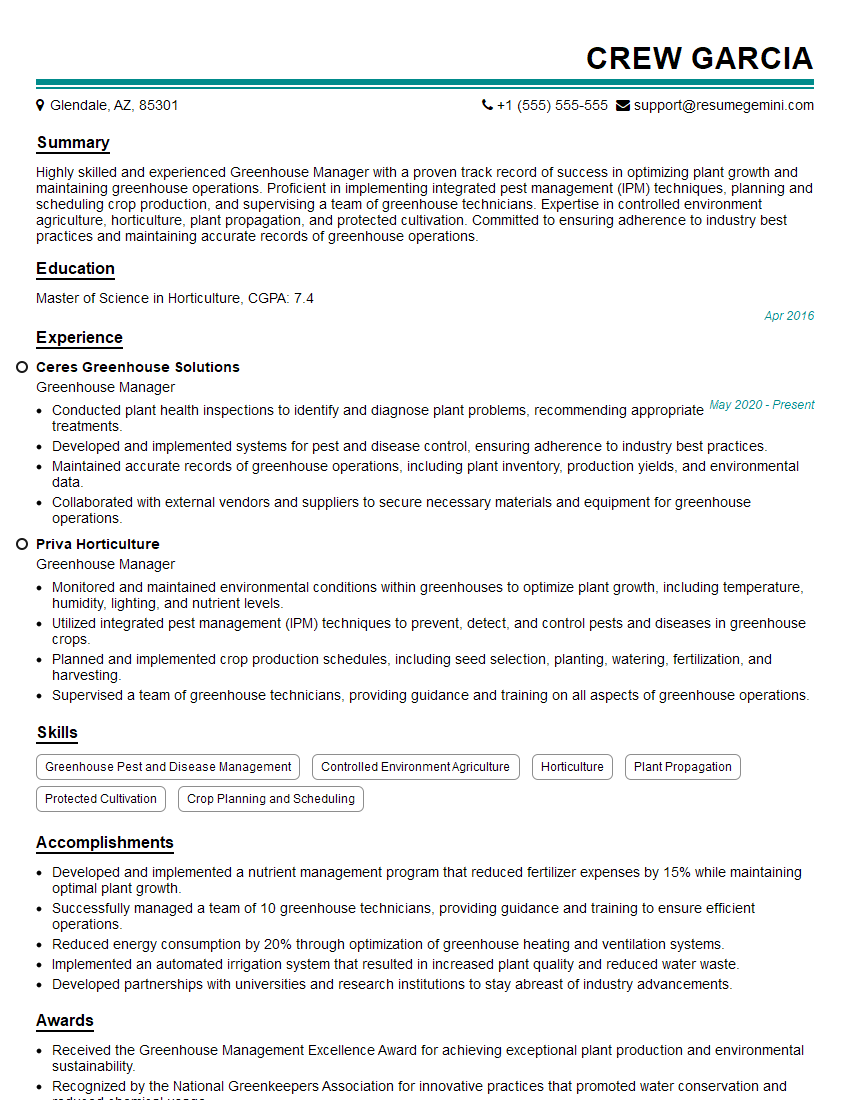
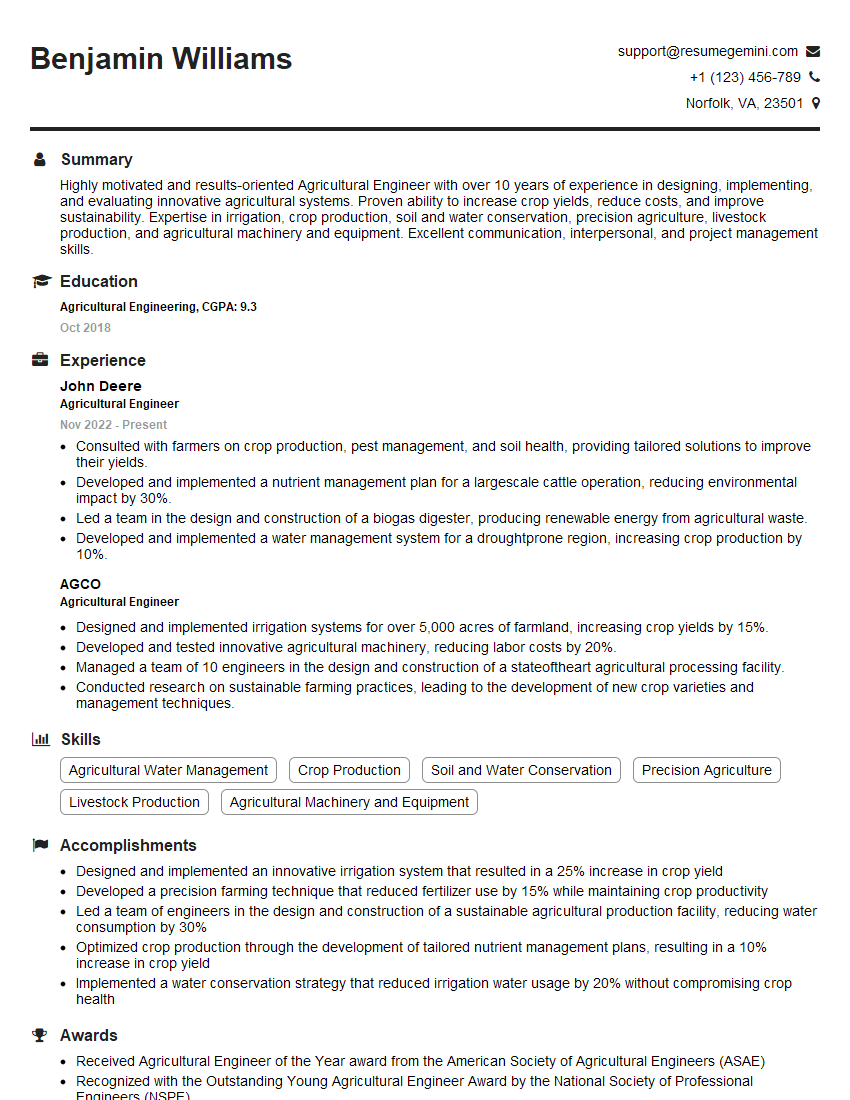
Mastering Leaf Growth Analysis opens doors to exciting careers in plant biology, agriculture, and environmental science. A strong understanding of these principles is highly valued by employers. To maximize your job prospects, crafting an ATS-friendly resume is crucial. ResumeGemini is a trusted resource to help you build a professional and effective resume that highlights your skills and experience. Examples of resumes tailored to Leaf Growth Analysis are available to help guide your resume creation.





Explore more articles
Users Rating of Our Blogs
Share Your Experience
We value your feedback! Please rate our content and share your thoughts (optional).
What Readers Say About Our Blog
Very informative content, great job.
good