Are you ready to stand out in your next interview? Understanding and preparing for Life Raft Deployment interview questions is a game-changer. In this blog, we’ve compiled key questions and expert advice to help you showcase your skills with confidence and precision. Let’s get started on your journey to acing the interview.
Questions Asked in Life Raft Deployment Interview
Q 1. Describe the different types of life rafts and their deployment methods.
Life rafts come in various types, primarily categorized by their capacity and deployment method. The most common types include canister rafts (packed in a cylindrical container) and inflatable rafts (folded and packed into a bag). Deployment methods vary; some rafts utilize hydrostatic releases (triggered by immersion in water), while others are manually deployed using hand-operated releases or compressed gas cylinders. Canister rafts typically deploy via a compressed gas inflation system that activates upon release. Inflatable rafts might require manual inflation before or after deployment.
- Canister Rafts: These are highly compact and require minimal space. The canister itself acts as a protective shell. Deployment is usually automated, but a manual override is often available.
- Inflatable Rafts: These are generally larger and offer more internal space. They are often lighter than canister rafts but require more storage space. Inflation can be manual or automatic.
- Manual Deployment: This requires the crew to manually release the raft from its container and then inflate it, using a hand pump or a gas cylinder. This is common for smaller, less expensive rafts.
- Hydrostatic Release: These are triggered automatically when the raft is submerged in water, ensuring swift deployment during an emergency. This is a safer option as it removes human error.
The choice of raft and deployment method depends on factors such as vessel size, crew size, and the intended operating environment. A larger vessel in open ocean might require a larger, automatically deploying raft, while a smaller vessel might use a manually deployed, smaller capacity raft.
Q 2. Explain the pre-deployment checks for a life raft.
Pre-deployment checks are crucial to ensure the raft’s readiness for immediate use. Think of it like a pre-flight checklist for an airplane—it’s non-negotiable. These checks should be performed regularly and before each voyage.
- Visual Inspection: Check the raft’s container for any damage, signs of wear and tear, or corrosion. Ensure the seals are intact and the container isn’t compromised.
- Expiry Date: Verify the raft’s service life and ensure it hasn’t expired. The manufacturer’s instructions will detail the service life and any required servicing.
- Deployment Mechanism: Check the deployment mechanism (hydrostatic release, manual release, or both) to ensure it is functioning correctly. If it’s a manual release, practice deploying it (without actually releasing the raft, obviously!).
- Inflation System: Check the inflation system (if manual), such as hand pumps or gas cylinders. Ensure the gas cylinders are full and secured properly, and if a manual pump is used, make sure it is in good condition.
- Contents: Regularly check the raft’s internal contents. Ensure that the equipment (oars, sea anchors, first-aid kit, etc.) is present, in good condition and complete, and not past its expiration date.
- Documentation: Review the manufacturer’s instructions and safety guidelines. Understanding the raft’s operation is critical.
Failing to perform these checks can have catastrophic consequences in an emergency situation. A malfunctioning raft in rough seas could mean the difference between survival and a tragic outcome.
Q 3. What are the safety precautions to take before deploying a life raft?
Safety before, during, and after deploying a life raft is paramount. The primary goal is to minimize injuries during the deployment process and to ensure a safe and stable evacuation.
- Clear the Area: Ensure the area around the deployment point is clear of obstacles and other personnel to prevent injury from the deploying raft.
- Weather Conditions: Assess the prevailing weather conditions before deploying a life raft. If possible, postpone the deployment if conditions are extremely hazardous. Deployment in large waves can be dangerous.
- Life Jackets: Ensure everyone involved in the deployment process is wearing their life jackets.
- Communication: Establish clear communication protocols with other crew members before deployment. This could include the use of whistles or radios.
- Proper Technique: Utilize the correct deployment technique as outlined in the manufacturer’s instructions. Incorrect deployment can cause the raft to fail to inflate properly, leading to injury or loss of life.
- Emergency Signals: Activate emergency signals such as EPIRBs (Emergency Position-Indicating Radio Beacons) or flares to signal rescuers.
Remember, a calm and methodical approach is essential to minimize the risk of accidents during a potentially chaotic emergency. Preparation and training are key to a successful and safe deployment.
Q 4. How would you handle a partial or failed life raft deployment?
Partial or failed deployment can be a serious emergency. Swift, decisive action is vital. The exact procedure depends on the nature of the failure.
- Assess the Situation: First, determine the extent of the failure. Is the raft partially inflated? Is the inflation system malfunctioning? Is there any damage to the raft?
- Manual Inflation: If the automatic inflation system fails, attempt manual inflation if possible, using a hand pump or supplementary gas cylinders. (Always follow the manufacturer’s instructions).
- Damage Control: If there is damage to the raft, attempt to repair it as best you can using available resources. This might involve patching holes using available materials.
- Secondary Evacuation Measures: If the raft is beyond repair or cannot be inflated, use life jackets, life rings, or any other available flotation devices as secondary evacuation measures.
- Emergency Signals: Continuously activate emergency signals to alert rescuers.
- Crew Coordination: Maintain a calm and coordinated approach with the rest of the crew. Follow pre-established emergency procedures.
In cases of partial or failed deployments, the ability to remain calm and assess the situation effectively will greatly influence the outcome. The focus should always be on preserving life.
Q 5. Describe the steps involved in deploying a life raft in rough seas.
Deploying a life raft in rough seas presents significant challenges. Safety must be the utmost priority. The key is to choose the right timing and minimize exposure to the elements.
- Timing is Crucial: Deploy when a break in the waves occurs, or when the vessel has a momentary period of less tumultuous movement. Avoid deploying in the trough of a wave, as this can potentially capsize the raft.
- Secure the Raft: Attach a heaving line to the raft before deploying it to ensure a means of pulling it towards the vessel and the crew before the deployment begins. This also helps maintain control.
- Crew Coordination: Use appropriate and synchronized motions. Assign roles to each crew member involved in the deployment, and ensure clear instructions are given and followed. Everyone should be aware of the deployment procedure.
- Protective Gear: Ensure all crew members wear appropriate protective clothing, including life jackets, and consider waterproof gear to minimize hypothermia.
- Controlled Descent: During deployment in rough seas, controlled descent is critical to ensure the life raft does not sustain damage from impact.
- Immediate Boarding: Once the raft is afloat, ensure all crew members embark onto it swiftly and safely, minimizing time spent exposed to the rough conditions.
Deploying in rough seas demands exceptional skill and a high level of training. Simulation exercises and regular drills are vital for preparing the crew to handle these stressful situations.
Q 6. What are the limitations of a life raft?
While life rafts are essential survival equipment, they do have limitations:
- Capacity Limitations: Each life raft has a maximum capacity. Exceeding this limit can compromise the raft’s stability and safety.
- Environmental Factors: Extreme weather conditions, such as prolonged exposure to strong winds, heavy rain, or extreme temperatures, can negatively impact the raft’s performance and the survival of its occupants.
- Limited Resources: The resources within a life raft (food, water, first-aid supplies) are limited and designed for short-term survival.
- Maintenance Requirements: Life rafts require regular inspection and maintenance to ensure proper functionality. Neglecting these requirements can result in equipment failure in a crucial situation.
- Limited Navigation Capabilities: Life rafts are not equipped for navigation over long distances, and their maneuverability might be limited.
- Potential for Damage: The raft itself can be damaged during deployment or by environmental factors. This might compromise its buoyancy or structural integrity.
It’s crucial to understand these limitations when relying on a life raft for survival. Appropriate training and preparedness are key to mitigating the risks.
Q 7. Explain the proper technique for launching a life raft from a vessel.
Launching a life raft from a vessel requires a systematic approach to ensure safe and efficient deployment.
- Preparation: Before initiating the launch, ensure that the area surrounding the launching point is clear of obstacles and that the crew are prepared with their life jackets and appropriate personal protective equipment. Secure any loose objects that could cause harm.
- Release Mechanism: Depending on the type of raft and its release mechanism, follow the manufacturer’s instructions precisely. The process could involve manually releasing the hydrostatic release or operating a manual release mechanism.
- Controlled Release: Once the raft is released, guide its descent into the water in a controlled manner to avoid snagging or damage to the raft or the vessel. A heaving line can help control this descent.
- Inflation: Once the raft is in the water, ensure it inflates correctly. If the automatic inflation system fails, use the manual inflation system.
- Boarding: Use the designated boarding lines or other safe means to board the raft. Prioritize a smooth and organized boarding process to avoid overcrowding and potential injuries.
- Post-Deployment: After boarding the raft, ensure all crew members are accounted for, and initiate emergency procedures.
Proper training and familiarity with the specific type of life raft are crucial for a successful and safe launch. Regular drills and simulation exercises are essential for building crew competence.
Q 8. How would you ensure the life raft is properly inflated and seaworthy after deployment?
Ensuring a life raft is properly inflated and seaworthy after deployment is critical for survival. The process begins even before deployment with regular servicing and inspections (discussed later). Once deployed, the first step is confirming inflation. Most rafts have multiple inflation systems – CO2 cylinders are common. You should visually check for full inflation and listen for any hissing indicating leaks. A partially inflated raft is a serious problem.
Next, carefully inspect the raft’s seams, fabric, and floor for punctures or tears. Any significant damage should be addressed with the repair kit included. This kit typically contains patches and sealant, and knowing how to use it effectively is vital during training. Consider the raft’s stability; is it sitting level in the water? If not, try to redistribute weight evenly amongst survivors. The raft’s buoyancy chamber must hold its form to maintain proper flotation. Finally, ensure all the raft’s components are accessible and in working order – oars, bailer, etc.
Q 9. What are the contents of a typical life raft and how would you utilize them?
Life raft contents vary depending on size and intended use, but they generally include essential survival equipment. Think of it as a mini, floating survival camp. You’ll find:
- A canopy for shelter from sun and weather.
- Oars for propulsion.
- Bailers to remove water.
- Rations (food and water supplies) – quantities determined by raft capacity.
- First-aid kit, including sea sickness medication.
- A sea anchor to stabilize the raft in rough seas.
- Flares and other signaling devices.
- A repair kit as previously discussed.
- Instructions and manuals. These are *crucial* for understanding the raft and its equipment.
Utilizing these items effectively requires prior training. For example, knowing how to use a sea anchor correctly can prevent capsizing. Rational rationing of food and water is equally important.
Q 10. How do you conduct a life raft servicing and inspection?
Life raft servicing and inspection should be performed regularly, ideally annually, by a qualified professional. This isn’t a DIY job! The service involves a thorough visual check of all components. This includes:
- Inflatable sections: Inspecting for leaks or damage to seams and fabric.
- CO2 cylinders: Checking pressure and ensuring proper functioning.
- Manual inflation system: Verifying its operability.
- Equipment: Examining the condition and functionality of all included items (oars, bailer, flares, etc.).
- Harness and lifting straps checking for wear and tear.
- The hydrostatic release unit (HRU): Testing its sensitivity and functionality.
Any damaged or worn parts should be replaced. Documentation of the service, including any repairs, is essential. It is critical for maintaining compliance with regulations and ensures the raft is ready when needed.
Q 11. Describe the procedures for deploying a life raft using the hydrostatic release unit (HRU).
The hydrostatic release unit (HRU) is designed to automatically deploy a life raft when submerged in water. It’s a crucial safety mechanism. Deployment via HRU is passive; you don’t manually trigger it. The HRU contains a pressure-sensitive mechanism that, upon submersion to a pre-determined depth, will release the raft. Ideally, the HRU is attached to the vessel, and in the event of a sinking, the life raft will automatically deploy and inflate.
You should ensure the HRU is correctly serviced and tested as part of routine checks, paying particular attention to the sensitivity setting; this ensures it triggers at the appropriate depth. In most cases, there’s no manual override for the HRU; its automatic nature is intended to ensure deployment even if the crew are incapacitated. However, some HRUs might have manual release mechanisms.
Q 12. What are the emergency communication procedures following life raft deployment?
Emergency communication after life raft deployment is paramount. The priorities are signaling for rescue and providing essential information. This process typically begins by:
- Activating EPIRB (Emergency Position-Indicating Radio Beacon): This transmits your location to search and rescue authorities.
- Firing flares: Visual signals to attract attention from passing vessels or aircraft. Be mindful of flare usage instructions.
- Using a hand-held VHF radio: If available, to directly contact other vessels or coast guard.
- Using a mirror to reflect sunlight: to signal passing aircraft.
The message relayed should include your location (as accurately as possible), the number of survivors, any injuries, and the condition of the raft.
Q 13. How would you manage and prioritize survivors in a life raft?
Managing survivors in a life raft requires calm leadership and efficient resource allocation. Priorities include:
- Maintaining order: Preventing panic and ensuring cooperation among survivors. It may be necessary to assign roles and responsibilities.
- Prioritizing medical needs: Providing first aid to injured individuals.
- Rationing supplies: Ensuring fair and sustainable distribution of food, water, and other resources.
- Maintaining morale: Positive reinforcement can make a significant difference in survival.
- Shielding from weather conditions: using the canopy and any available resources.
It’s essential to be prepared for this task, and regular training on emergency response is vital.
Q 14. What are the signs of a damaged or compromised life raft?
Signs of a damaged or compromised life raft can range from minor issues to critical failures. Regular inspections help to identify these early. Watch for:
- Leaks or punctures in the inflatable sections.
- Damage to seams, especially those exposed to UV radiation.
- Deterioration of the fabric caused by age, exposure to saltwater, or sunlight.
- Malfunctioning inflation system: CO2 cylinder failure or problems with manual inflation.
- Missing or damaged equipment: including oars, bailer, or signaling devices.
- Failure of the HRU to operate properly.
Any of these signs warrant immediate attention and potentially replacement of the life raft.
Q 15. Explain the procedures for signaling for help from a life raft.
Signaling for help from a life raft is crucial for survival. Your primary goal is to maximize visibility to potential rescuers. This involves a multi-pronged approach utilizing various signaling devices.
Visual Signals: Deploy the raft’s brightly colored sea marker and day/night flags. These are designed to be highly visible from the air and sea. If possible, create additional visual signals by using a mirror to reflect sunlight (aiming for aircraft or ships) or assembling a signal panel from any bright material available.
Sound Signals: Use a whistle, horn, or any other sound-making device to attract attention. Continuous blasts are better for attracting distant vessels. Consider the wind direction to help optimize your signaling.
Radio Signals: If the life raft is equipped with an EPIRB (Emergency Position-Indicating Radio Beacon), activate it immediately. This transmits a distress signal to search and rescue services via satellite. If you have a VHF radio, make repeated distress calls on the designated channels. Ensure you have the correct radio procedures and know what information to relay.
Light Signals: At night, use the raft’s light, flares (if available and used only judiciously to avoid wasting them), or any other light source to increase visibility. Flashing lights are more effective than continuous ones.
Remember, consistent and varied signaling is key. Don’t rely on just one method; use all available tools persistently to maximize your chances of rescue.
Career Expert Tips:
- Ace those interviews! Prepare effectively by reviewing the Top 50 Most Common Interview Questions on ResumeGemini.
- Navigate your job search with confidence! Explore a wide range of Career Tips on ResumeGemini. Learn about common challenges and recommendations to overcome them.
- Craft the perfect resume! Master the Art of Resume Writing with ResumeGemini’s guide. Showcase your unique qualifications and achievements effectively.
- Don’t miss out on holiday savings! Build your dream resume with ResumeGemini’s ATS optimized templates.
Q 16. How would you conserve water and food supplies in a life raft?
Conserving water and food in a life raft is paramount to survival. Rationing is crucial, and a structured approach is essential.
Water Rationing: Establish a strict daily water allowance. This will depend on factors like climate and individual needs, but typically, a small amount is better than consuming a lot early on. Consider collecting rainwater if possible (avoiding contamination). Avoid unnecessary water consumption.
Food Rationing: Divide your food supply into equal portions for each day. Stick to the allotted rations to prevent early depletion. Avoid excessive physical activity which increases energy expenditure and thirst.
Waste Management: Avoid unnecessary spills. Careful handling of food and water will minimize wastage. Maintain the hygiene of the supplies.
Minimizing Water Loss: Limit exposure to the sun. Avoid unnecessary physical exertion, which causes dehydration. Protect stored water from direct sunlight.
Remember, discipline and careful planning are critical for long-term survival in a life raft situation. Prioritize staying hydrated above all else.
Q 17. Describe the potential hazards associated with life raft deployment and survival.
Life raft deployment and survival present many hazards. Awareness and preparedness are critical.
Deployment Hazards: The initial deployment can be challenging, especially in rough seas. Injuries from the raft’s components or falling objects are possible. Improper deployment could lead to damage or malfunction of the raft.
Environmental Hazards: Exposure to the elements (sun, wind, rain, cold) is a major concern. Hypothermia is a real threat in cold climates. Dehydration is another substantial danger in hot and sunny conditions. Sea life (sharks, jellyfish) poses another risk.
Survival Hazards: Limited food and water supplies are primary challenges. Seasickness and other medical emergencies need to be dealt with efficiently. Lack of shelter from weather adds to the difficulties of survival. Maintaining morale is also important to stay optimistic and focused on survival.
Understanding these hazards enables you to develop strategies for mitigation. Regular training and familiarization with your life raft are essential.
Q 18. How would you deal with seasickness or other medical emergencies in a life raft?
Dealing with medical emergencies in a life raft necessitates quick thinking and resourcefulness. Seasickness is common, and requires immediate attention.
Seasickness: Stay below deck as much as possible, find a stable position. Stay hydrated and avoid strong smells. An anti-nausea medication (if available) can prove useful. Fresh air might help in some cases.
Other Medical Emergencies: Treat injuries with available first aid supplies. Prioritize any life-threatening conditions. Rest and hydration are essential for recovery. If you have a satellite phone or VHF radio, communicate with search and rescue services immediately about the medical emergency.
Prevention: Pre-departure health checks, packing appropriate medication, and proper training about dealing with injuries or sickness will minimize issues.
The focus should be on stability, hydration, and minimizing any further complications. Clear communication with rescuers is critical if the emergency cannot be handled on the raft.
Q 19. What are the different types of life raft containers and their advantages/disadvantages?
Life rafts come in various containers, each with its own pros and cons.
Canister Rafts: These are typically cylindrical containers that house a fully enclosed raft. Advantages: Compact, easily stored, well-protected from the elements. Disadvantages: Can be heavy, may require more effort to deploy.
Pack Rafts: These are stored in a compact bag or pack. Advantages: Lighter and easier to handle than canister rafts. Disadvantages: More susceptible to damage from the elements.
Valise Rafts: These rafts are packaged in a valise-like container. Advantages: relatively compact, easy to carry. Disadvantages: May not offer as much protection from the elements as canister rafts.
The best type of raft depends on the vessel size and storage space available. Consider factors like weight, ease of deployment, and level of protection when selecting a life raft.
Q 20. Explain the regulations and standards governing life raft maintenance and deployment.
Regulations and standards governing life raft maintenance and deployment are stringent and vary by country and regulatory body (like the IMO or US Coast Guard).
Regular Inspections: Life rafts must be inspected regularly (often annually) by qualified personnel to ensure that the raft is still seaworthy and its components are in working order. This includes checking the hull, inflating system, and other accessories.
Service and Repackaging: Periodic servicing involves checking the inflation mechanism and repackaging the raft with updated supplies. The service interval will depend on the type of raft and manufacturer’s recommendations.
Deployment Drills: Regular deployment drills are necessary to ensure that all crew members understand the correct procedures. This helps build familiarity and confidence.
Documentation: Comprehensive documentation of all inspections, service, and deployment drills must be kept. This is crucial in case of audits or incidents.
Non-compliance can result in penalties. It’s crucial to understand the specific regulations applicable to your vessel and location. Always prioritize safety and adherence to all rules and standards.
Q 21. How do you ensure the life raft is compatible with the vessel?
Life raft compatibility with the vessel is crucial for safe and effective deployment. The raft must be appropriately sized for the number of people on board.
Passenger Capacity: The raft’s capacity must meet or exceed the maximum number of people on board the vessel.
Vessel Type and Size: The choice of life raft depends on the type and size of the vessel. Larger vessels may require multiple rafts or larger capacity rafts.
Deployment System: The deployment system of the raft should be compatible with the vessel’s design and should be easily accessible in an emergency.
Certification and Approval: Ensure the life raft is certified by relevant authorities and approved for use with your specific type of vessel. The relevant certification marks should be visible on the raft container.
Checking the specifications and obtaining expert advice will help ensure the raft meets the necessary requirements for your vessel, guaranteeing that the vessel is adequately equipped for emergencies.
Q 22. What is the role of the life raft’s painter line?
The painter line on a life raft is a crucial safety feature. It’s a long, strong rope attached to the raft’s container, allowing for controlled deployment and retrieval. Think of it as a leash for your life raft. After deployment, the painter allows rescuers or the raft occupants to pull the raft back to the vessel or towards a rescue boat. It prevents the raft from drifting too far away, especially in strong currents or rough seas. The length and strength of the painter are carefully chosen to meet specific safety regulations and operational needs.
Q 23. Describe the process of recovering a life raft after use.
Recovering a life raft after use is a multi-step process that requires careful attention to detail and safety. First, the raft must be emptied of water and thoroughly inspected for any damage. Next, the raft is cleaned using appropriate techniques, removing any salt, debris, or biological matter that could degrade the raft’s fabric or other components. Any necessary repairs, however minor, are addressed by trained professionals. Then, the raft needs to be carefully dried completely before being repackaged. This ensures that no mold or mildew grows inside the container. Finally, the raft is inspected for proper packing and secured in its container before being returned to its designated location aboard the vessel. The entire process emphasizes meticulous attention to detail, ensuring the raft remains ready for its next potential deployment. Failing to properly maintain the raft after use compromises its integrity and readiness, which puts lives at risk.
Q 24. What are the differences between different types of life raft release mechanisms?
Life raft release mechanisms vary, but the most common types are hydrostatic release units (HRUs) and hand-released systems. HRUs are automatically triggered when the vessel sinks below a certain depth; this ensures the raft is deployed even if the crew is incapacitated. Hand-released systems require manual activation by the crew, which gives them more control over the deployment timing. Some vessels also use a combination of these systems. Another type, less common, is the pneumatic release system which utilizes compressed air for deploying the raft, often seen in specialized applications. The choice of system depends on factors such as vessel type, operating environment, and crew size and training. Each mechanism has advantages and disadvantages and selection should always be made in consultation with maritime safety experts.
Q 25. How often should life rafts undergo inspection and servicing?
Life rafts require regular inspection and servicing to maintain their readiness and operational capabilities. The frequency varies depending on factors such as the type of raft, manufacturer’s recommendations, and the regulations of the governing maritime authority. However, a generally accepted guideline is annual inspections and a more thorough servicing every 2-3 years. Inspections include visual checks of the container, the raft’s fabric, and the various components. Servicing can include repackaging, replacing components as necessary, hydrostatic testing of HRUs, and other procedures ensuring the life raft operates effectively when needed. It’s crucial that only trained and certified personnel perform these inspections and servicing to ensure the raft meets safety standards.
Q 26. Describe your experience with different life raft deployment systems.
Throughout my career, I’ve worked with a wide array of life raft deployment systems. I’m experienced in both manual and hydrostatic release systems for both offshore and commercial vessels. I have hands-on experience deploying rafts during training exercises, as well as inspecting and servicing various brands and models. This broad experience allows me to quickly assess the status and capabilities of any given life raft system and identify potential issues early on. For example, I can immediately recognize the unique characteristics of a particular HRU and assess its operational readiness with minimal effort.
Q 27. What training certifications do you hold related to life raft deployment and maritime safety?
I hold several key certifications related to life raft deployment and maritime safety. These include my STCW (Standards of Training, Certification and Watchkeeping) certification, encompassing both life raft deployment and survival at sea training. I’m also a certified life raft service technician, qualified to perform inspections and maintenance on a range of life raft types. My qualifications also extend to advanced training in emergency response and maritime safety management. This combination of certifications ensures I possess the knowledge and expertise to handle any life raft related situation.
Q 28. Have you ever been involved in a life raft deployment scenario? If so, describe it.
Yes, I was involved in a life raft deployment during a training exercise simulating a vessel sinking. The scenario involved a rapid evacuation in rough conditions. The exercise allowed for a real-world assessment of the crew’s response to the emergency. The successful deployment and use of the life raft highlighted the importance of regular training and thorough maintenance of safety equipment. This experience reinforced the critical role proper training and regular maintenance plays in ensuring the safety of mariners.
Key Topics to Learn for Life Raft Deployment Interview
- Understanding Life Raft Types and Capabilities: Familiarize yourself with various life raft designs, their capacities, and deployment mechanisms. Consider the differences between inflatable and rigid hull rafts.
- Deployment Procedures and Techniques: Master the step-by-step process of deploying a life raft in various scenarios (e.g., calm waters, rough seas). Understand the role of safety equipment and emergency procedures.
- Pre-Deployment Checks and Maintenance: Learn about regular inspection and maintenance protocols to ensure the raft’s readiness for deployment. This includes understanding potential malfunctions and troubleshooting techniques.
- Emergency Situations and Problem-Solving: Explore how to handle unexpected challenges during deployment, such as equipment failure or adverse weather conditions. Develop problem-solving strategies to ensure safe and efficient deployment.
- Regulations and Safety Standards: Understand relevant maritime regulations and safety standards pertaining to life raft deployment and maintenance. Knowing the legal framework demonstrates professionalism and responsibility.
- Life Raft Equipment and Usage: Become familiar with all equipment found within a life raft and their proper usage. This includes understanding the purpose and operation of survival supplies, signaling devices, and first aid kits.
Next Steps
Mastering Life Raft Deployment demonstrates crucial safety expertise highly valued in maritime and related industries, significantly enhancing your career prospects. To increase your chances of securing your dream role, create a compelling and ATS-friendly resume that highlights your skills and experience. ResumeGemini is a trusted resource to help you craft a professional and effective resume. We provide examples of resumes tailored to Life Raft Deployment to guide you through the process, ensuring your qualifications shine through.
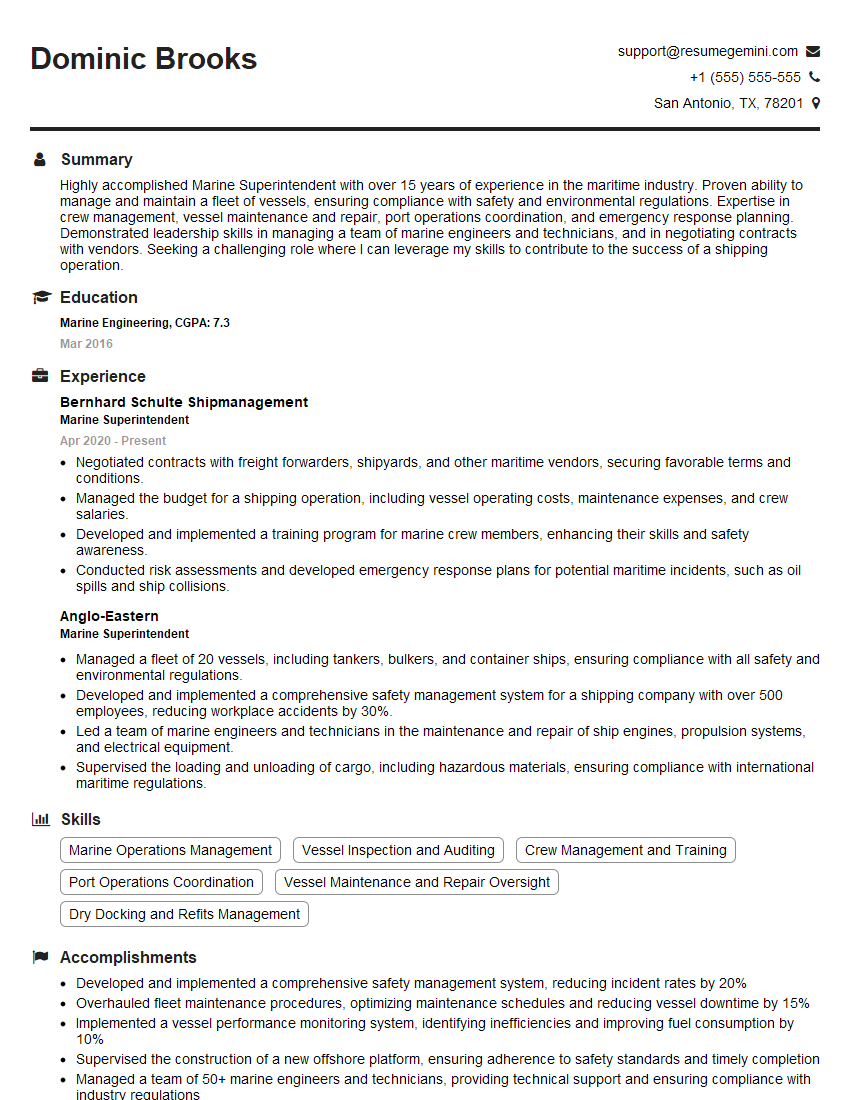
Marine Superintendent Resume Sample
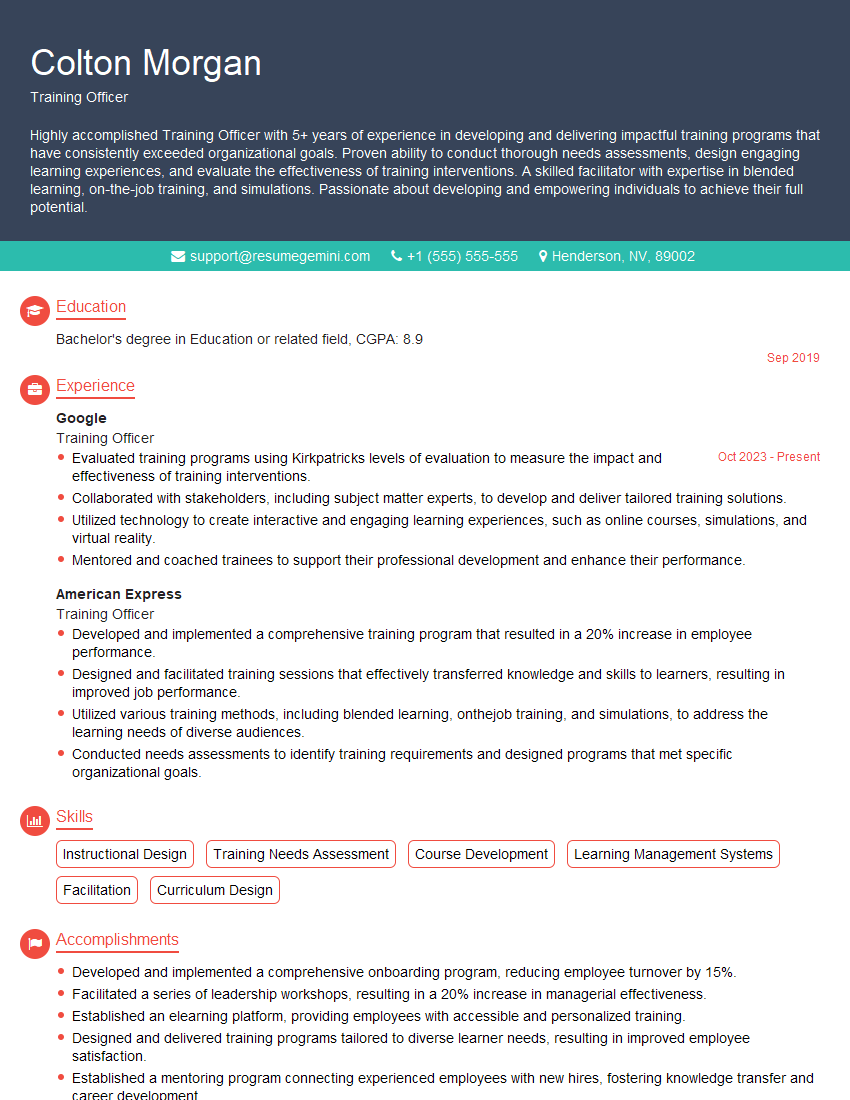
Training Officer Resume Sample

Compliance Officer Resume Sample
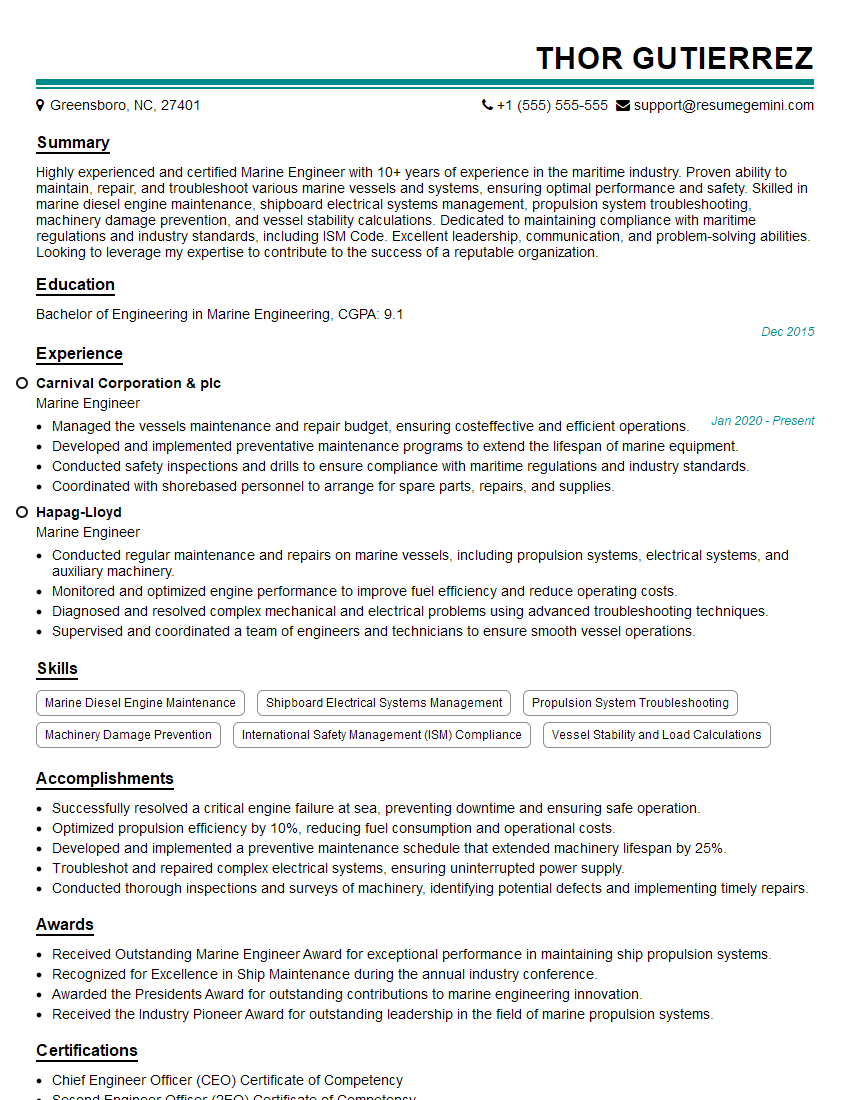
Marine Engineer Resume Sample
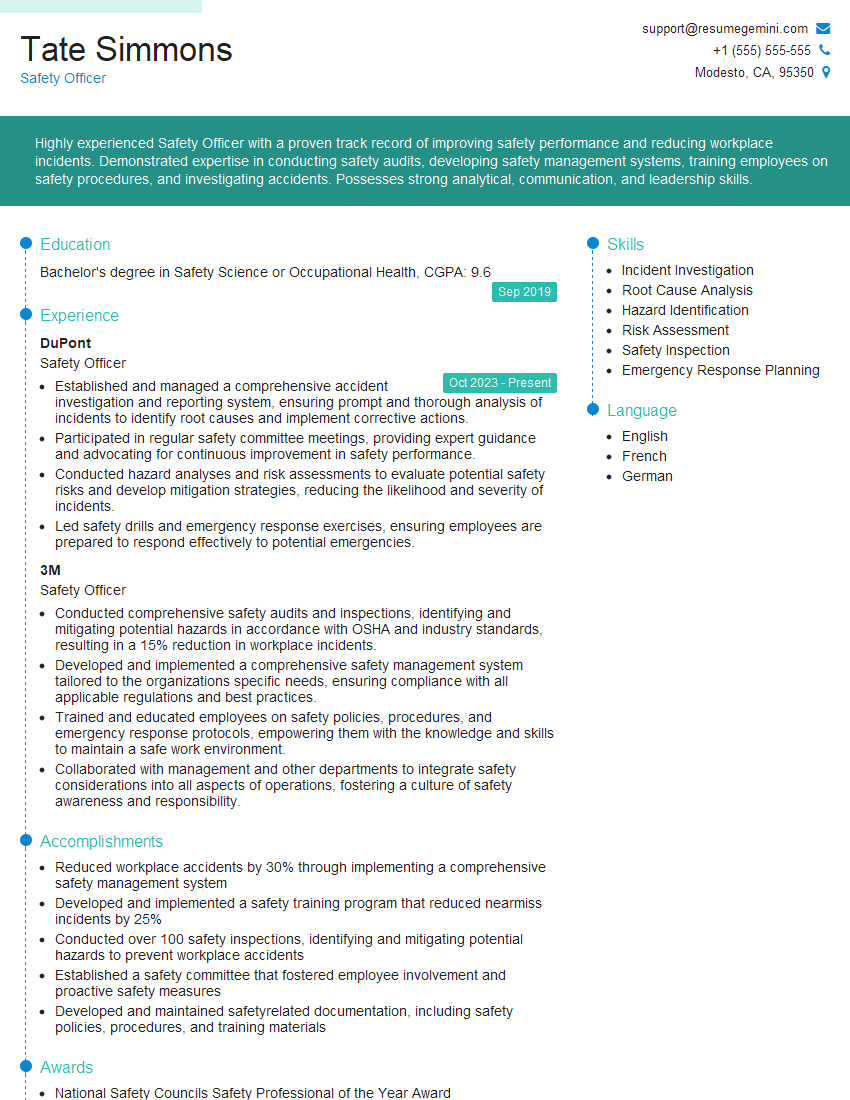
Safety Officer Resume Sample
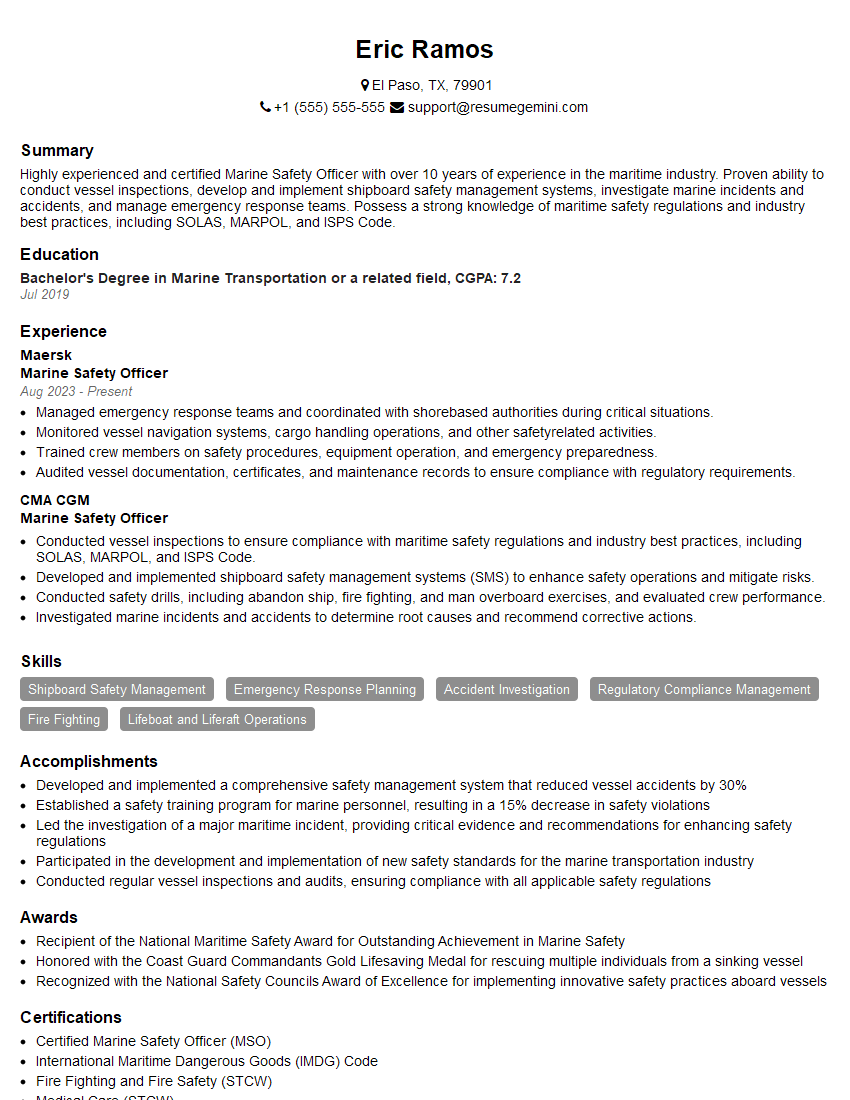
Marine Safety Officer Resume Sample
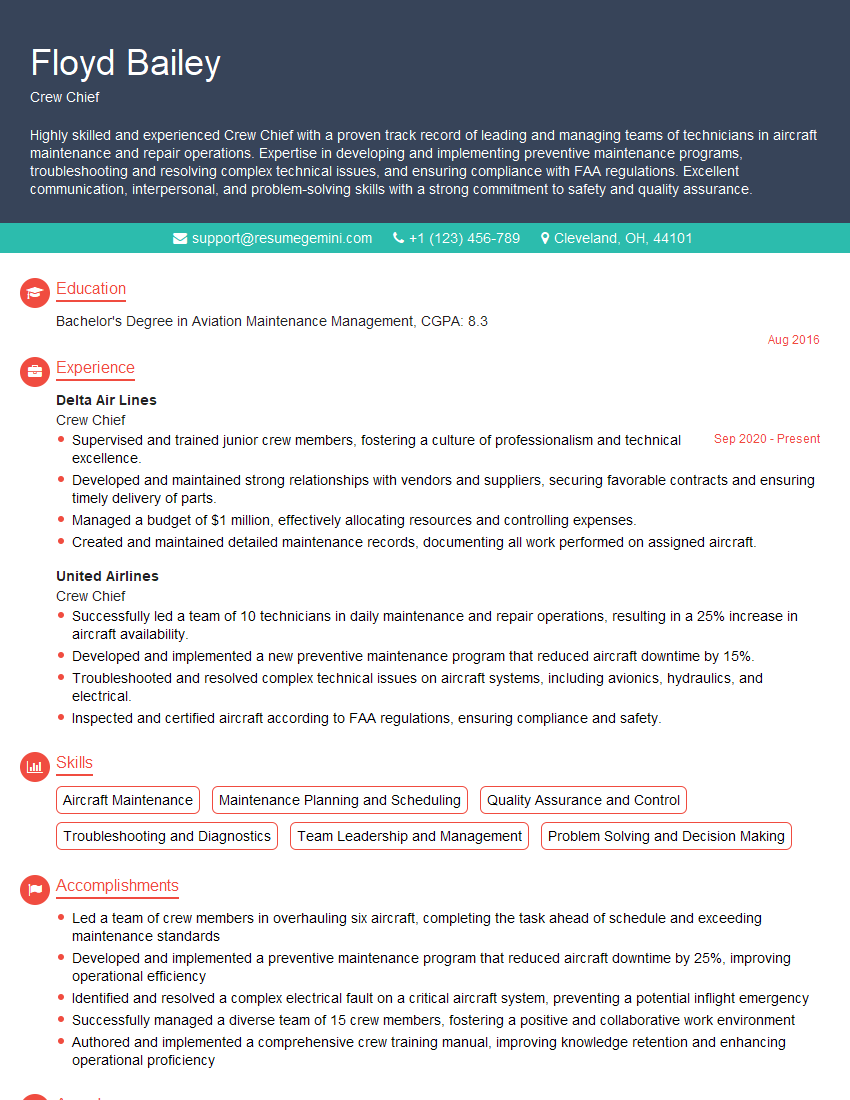
Crew Chief Resume Sample
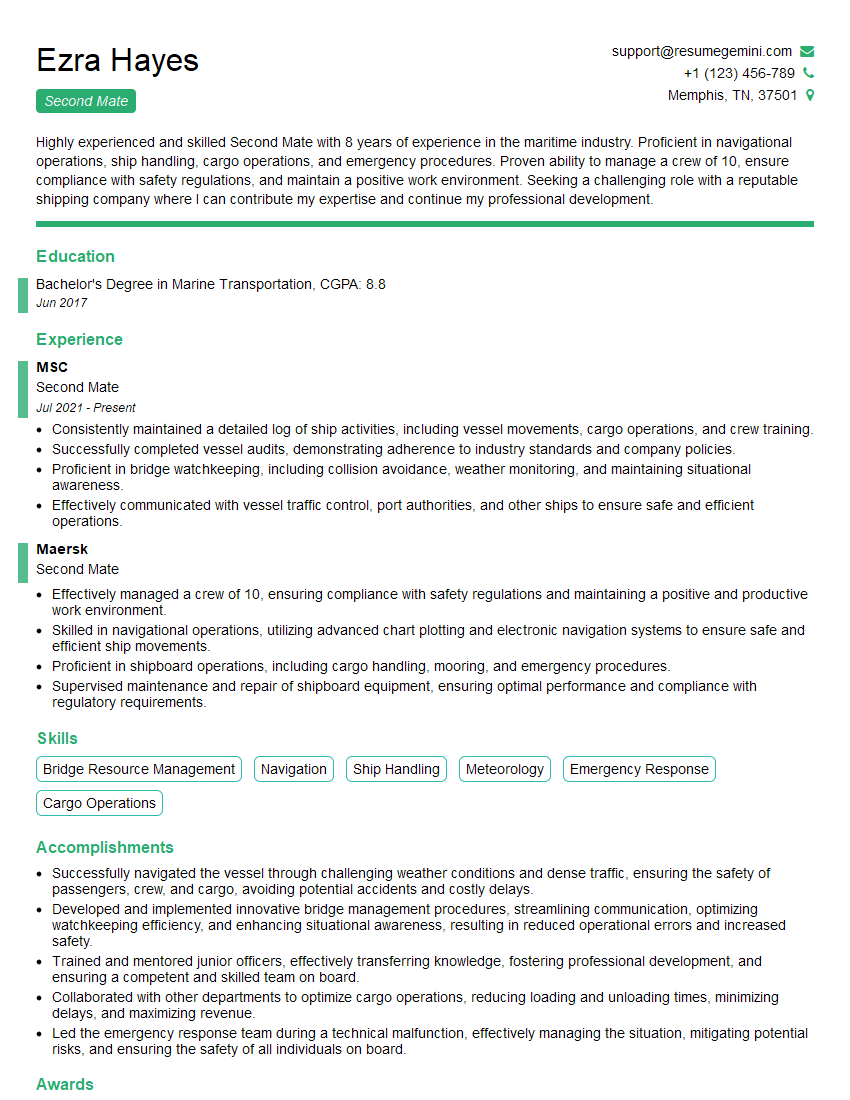
Second Mate Resume Sample
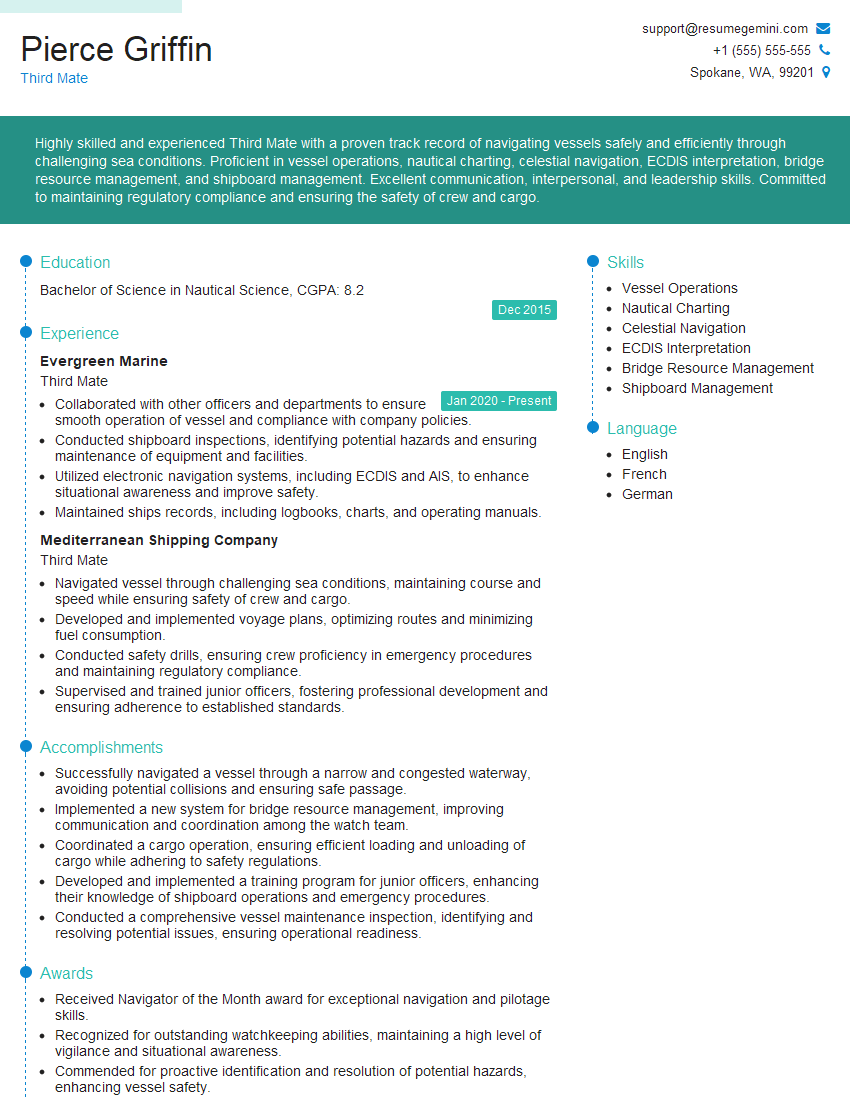
Third Mate Resume Sample
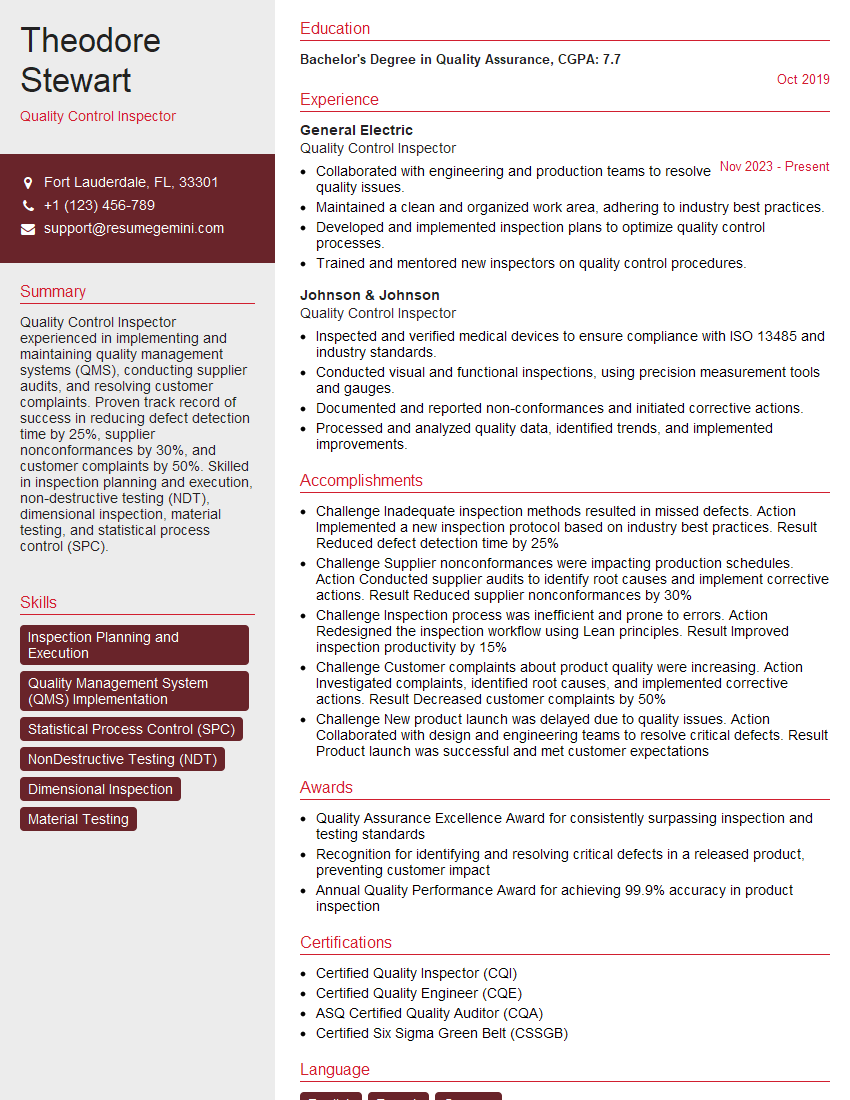
Quality Control Inspector Resume Sample
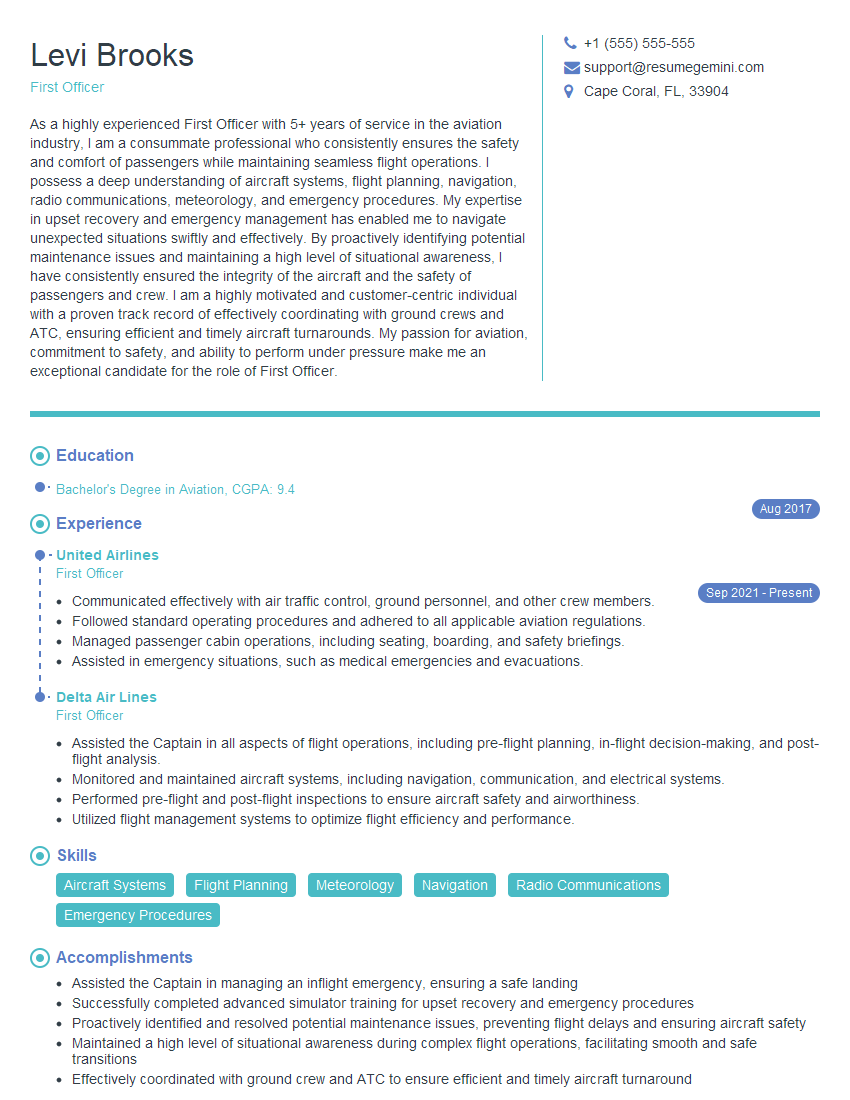
First Officer Resume Sample
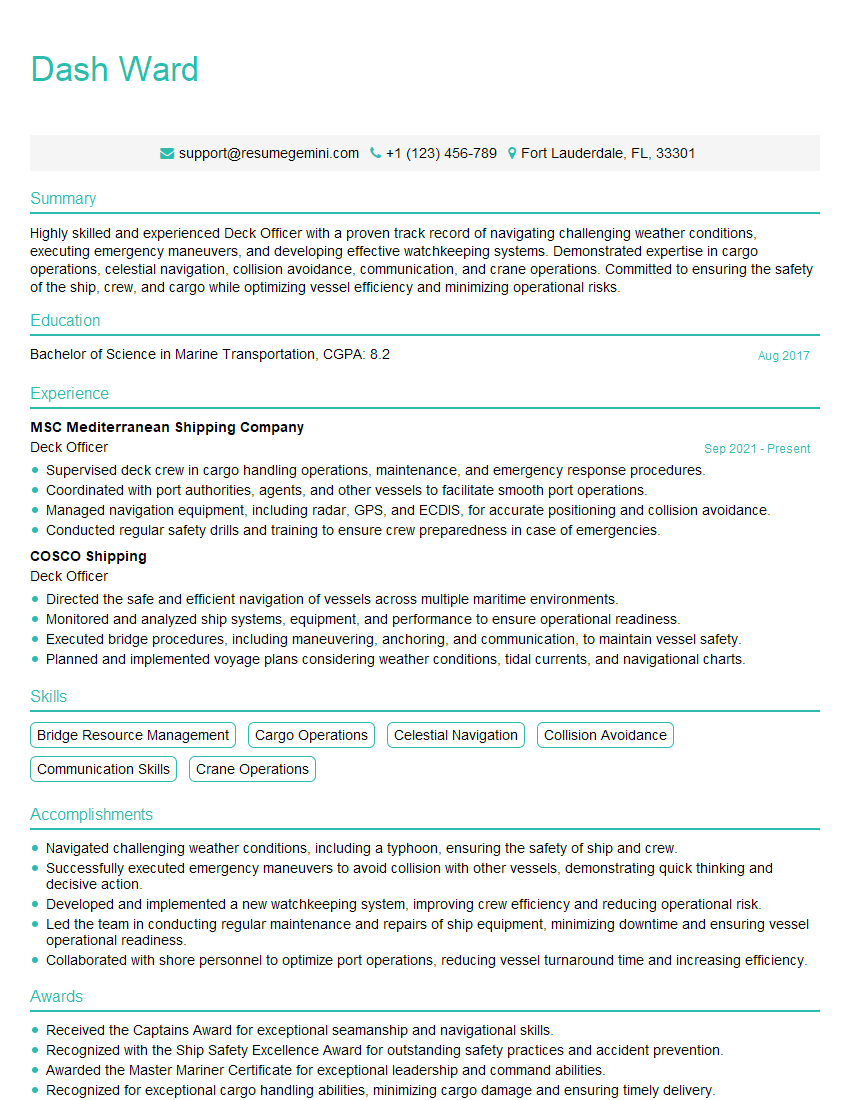
Deck Officer Resume Sample
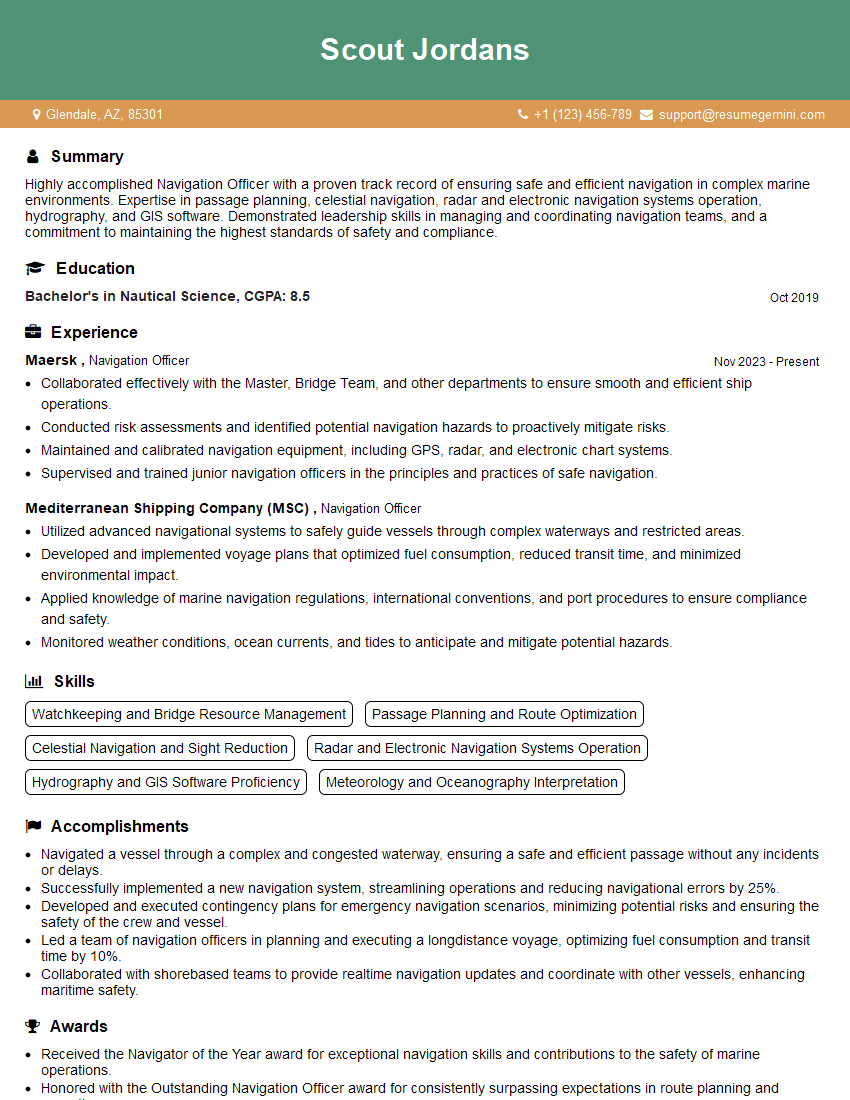
Navigation Officer Resume Sample
Explore more articles
Users Rating of Our Blogs
Share Your Experience
We value your feedback! Please rate our content and share your thoughts (optional).
What Readers Say About Our Blog
Very informative content, great job.
good