Every successful interview starts with knowing what to expect. In this blog, we’ll take you through the top Lifestyle Modification Counseling interview questions, breaking them down with expert tips to help you deliver impactful answers. Step into your next interview fully prepared and ready to succeed.
Questions Asked in Lifestyle Modification Counseling Interview
Q 1. Explain the stages of change model and how you apply it in lifestyle modification counseling.
The Stages of Change model, also known as the Transtheoretical Model, is a framework that describes the process of behavioral change. It posits that individuals move through distinct stages as they modify their lifestyles. Understanding these stages is crucial for effective counseling.
- Precontemplation: The individual is unaware of the problem or unwilling to change. They may be defensive or resistant to the idea of change.
- Contemplation: The individual is aware of the problem and is starting to consider change. They are weighing the pros and cons but haven’t committed to action.
- Preparation: The individual is planning to take action within the next month. They may be making small changes or gathering information.
- Action: The individual is actively making changes to their behavior. This stage requires significant effort and commitment.
- Maintenance: The individual has sustained the change for at least six months and is working to prevent relapse. This stage requires ongoing effort to prevent reverting to old habits.
- Termination: The individual has complete control over their behavior and is no longer at risk of relapse. This is the ideal but often unreachable stage for many behaviors.
In lifestyle modification counseling, I use this model to tailor my approach to each client’s stage. For example, with someone in the precontemplation stage, I focus on raising awareness and building rapport, rather than pushing for immediate change. With someone in the action stage, I offer support and strategies for overcoming obstacles. Regular assessment of the client’s stage allows me to adjust my interventions accordingly.
Q 2. Describe your experience with motivational interviewing techniques.
Motivational Interviewing (MI) is a client-centered, directive method for enhancing intrinsic motivation to change by exploring and resolving ambivalence. I’ve extensively used MI techniques throughout my career. It’s not about persuading the client but guiding them to discover their own reasons for change.
My experience includes using MI’s core principles: expressing empathy, developing discrepancy (highlighting the gap between their goals and current behavior), rolling with resistance (avoiding direct confrontation), and supporting self-efficacy (building their belief in their ability to change). For instance, I might use open-ended questions like, “Tell me about your experience with [unhealthy behavior]” to understand their perspective, instead of directly telling them what to do.
I also employ reflective listening, summarizing their concerns, and affirming their strengths to build trust and foster a collaborative relationship. Through MI, I’ve seen clients gain a deeper understanding of their motivations and make sustained positive changes.
Q 3. How do you assess a client’s readiness for change?
Assessing a client’s readiness for change is crucial. I use a combination of tools and techniques to gauge their stage of change and motivation.
- Self-report questionnaires: These assess readiness, confidence, and commitment to change.
- Behavioral observations: I observe client’s verbal and non-verbal cues during sessions to gauge their engagement.
- Motivational interviewing techniques: Asking open-ended questions about their concerns, goals, and perceived barriers reveals their level of motivation.
- Discussion of past attempts at change: Understanding their previous experiences helps uncover factors influencing their success or failure.
For example, a client expressing strong ambivalence about changing their diet, despite acknowledging the health risks, is likely in the contemplation stage. This informs my approach, focusing on exploring their concerns and helping them identify the benefits of change that resonate with them.
Q 4. What strategies do you use to build rapport and trust with clients?
Building rapport and trust is fundamental. I prioritize creating a safe and non-judgmental environment where clients feel comfortable sharing their thoughts and feelings. This involves several strategies:
- Active listening: Paying close attention to both verbal and non-verbal cues shows genuine interest and respect.
- Empathy: Showing understanding and validating their feelings, even if I don’t necessarily agree with their choices.
- Respectful communication: Using non-judgmental language and avoiding interruptions.
- Collaboration: Working together to develop personalized plans, considering their preferences and goals.
- Self-disclosure (appropriately): Sharing personal experiences (when relevant) to build connection but keeping the focus on the client.
For example, sharing my own struggles with maintaining a healthy lifestyle can be relatable and build trust, but I always maintain a professional boundary and ensure the session remains centered on the client’s needs.
Q 5. How do you tailor your approach to individual client needs and preferences?
I tailor my approach by considering individual factors such as:
- Lifestyle: Work schedule, social support, access to resources, cultural background, and personal preferences greatly influence how people approach change.
- Health literacy: Explanations must be clear and adjusted to their understanding.
- Learning style: Some prefer visual aids, while others respond better to hands-on activities.
- Personality: Individual personalities influence how they handle feedback and adopt new strategies.
- Personal values: Interventions should align with their values and beliefs.
For instance, a busy professional might benefit from short, practical tips and strategies they can incorporate into their hectic schedule, unlike someone with more free time, who may prefer a more comprehensive approach. I use various strategies, including goal setting, behavior modification, and cognitive restructuring, tailoring them to each client’s needs.
Q 6. Describe your experience working with clients with specific health conditions (e.g., diabetes, hypertension).
I have extensive experience working with clients managing chronic conditions like diabetes and hypertension. My approach integrates lifestyle modification counseling with the medical management plan prescribed by their healthcare provider. For diabetes, this involves collaborative goal setting to improve diet, increase physical activity, and manage blood glucose levels. For hypertension, it might focus on stress management techniques, dietary changes (sodium reduction), and regular exercise.
Working with these populations requires a strong emphasis on self-management education, empowering clients to take an active role in their care. This includes teaching them how to monitor their blood glucose or blood pressure, interpret results, and adjust their lifestyle choices accordingly. I also help them develop problem-solving skills to address challenges that arise in managing their conditions and navigate potential barriers, like lack of access to healthy food or supportive social networks.
Q 7. What are some common barriers to lifestyle change, and how do you address them?
Many barriers hinder lifestyle change. These include:
- Lack of motivation and self-efficacy: Belief in their ability to change is key. Addressing this involves goal setting, building confidence, and highlighting past successes.
- Lack of social support: Family and friends can either support or hinder progress. Addressing this can involve strategies to engage social support or explore support groups.
- Environmental barriers: Limited access to resources like healthy food or safe exercise areas can be significant. I help clients identify these barriers and brainstorm solutions.
- Stress and emotional factors: Stress and emotional eating can derail progress. Stress management techniques like mindfulness or relaxation are crucial here.
- Time constraints: Busy schedules make it challenging to prioritize lifestyle changes. We work together to find realistic time slots for healthy habits.
Addressing these barriers involves a collaborative approach. I work with clients to identify their specific obstacles, develop strategies to overcome them, and create personalized action plans that are realistic and sustainable. This could involve problem-solving sessions, creating visual aids to track progress, or connecting them with community resources.
Q 8. How do you help clients set realistic and achievable goals?
Setting realistic and achievable goals is paramount in Lifestyle Modification Counseling. It’s about shifting from overwhelming aspirations to manageable steps. We use a collaborative approach, working with the client to identify their values, priorities, and current lifestyle. This forms the foundation for SMART goals.
- Specific: Instead of ‘eat healthier,’ the goal might be ‘eat at least five servings of fruits and vegetables daily.’
- Measurable: Progress is tracked, like weighing food or using a fitness tracker.
- Achievable: Goals should be challenging yet attainable, avoiding discouragement. Small, incremental changes are key.
- Relevant: Goals must align with the client’s values and overall life goals.
- Time-bound: Setting deadlines (e.g., ‘walk for 30 minutes three times a week for the next month’) provides structure.
For example, if a client wants to lose weight, we wouldn’t aim for 10 pounds a month. Instead, we might start with a goal of losing 1-2 pounds per week combined with increased physical activity. This gradual approach increases the chances of success and prevents burnout.
Q 9. Describe your approach to relapse prevention.
Relapse prevention is a crucial aspect of long-term lifestyle changes. It’s not about avoiding setbacks altogether, but about developing coping mechanisms and strategies to navigate them effectively. We work proactively to anticipate potential triggers and high-risk situations. This involves identifying personal vulnerabilities and creating a personalized relapse prevention plan.
- Identifying Triggers: We explore situations, emotions, or thoughts that might lead to unhealthy behaviors (e.g., stress leading to overeating).
- Developing Coping Skills: We equip clients with strategies like mindfulness, stress management techniques, and problem-solving skills to manage these triggers.
- Building a Support System: Connecting clients with supportive friends, family, or support groups helps reinforce their commitment.
- Creating Contingency Plans: We develop ‘what if’ scenarios. For example, ‘If I feel overwhelmed, I will call my support person.’
- Self-Monitoring: Tracking progress and identifying early warning signs allows for timely intervention.
A client struggling with alcohol might identify stress as a trigger. Their plan might include meditation techniques to manage stress, plus a list of alternative activities they can pursue instead of drinking.
Q 10. How do you utilize behavior modification techniques in your practice?
Behavior modification techniques are integral to Lifestyle Modification Counseling. These techniques are based on the principles of operant conditioning, focusing on changing behavior through reinforcement and punishment. We use a range of strategies, always tailoring them to the individual client.
- Positive Reinforcement: Rewarding healthy behaviors, such as praising a client for meeting their exercise goals.
- Negative Reinforcement: Removing an undesirable stimulus, like reducing medication dosage based on lifestyle improvements.
- Punishment: Less frequently used, this might involve a temporary consequence for unhealthy behavior, used cautiously and ethically.
- Shaping: Breaking down a large goal into smaller, more manageable steps, reinforcing each step’s progress.
- Stimulus Control: Modifying the environment to encourage healthy behaviors and minimize exposure to unhealthy ones (e.g., removing junk food from the home).
For a client trying to increase physical activity, we might start with short walks, gradually increasing duration and intensity, providing positive reinforcement along the way. Removing tempting unhealthy snacks from their workspace is an example of stimulus control.
Q 11. How do you incorporate the principles of self-efficacy in your counseling?
Self-efficacy, the belief in one’s ability to succeed in specific situations, is fundamental. Clients with high self-efficacy are more likely to persevere and achieve their goals. We foster self-efficacy through various methods.
- Mastery Experiences: Helping clients achieve smaller, incremental successes builds their confidence.
- Vicarious Experiences: Sharing success stories of others facing similar challenges shows that change is possible.
- Social Persuasion: Providing encouragement and positive feedback from the therapist and support systems strengthens self-belief.
- Physiological and Emotional States: Addressing anxiety and stress helps clients feel more capable.
For instance, if a client is hesitant to start exercising, we might begin with a short, easily attainable workout. Their success boosts their self-efficacy, motivating them to undertake more challenging exercises later.
Q 12. What methods do you employ to measure client progress and success?
Measuring client progress is crucial for monitoring effectiveness and making adjustments. We employ diverse methods.
- Self-Monitoring: Clients track their behaviors (e.g., food intake, exercise, sleep) using journals, apps, or wearable technology.
- Biometric Data: Weight, blood pressure, and other physiological measures provide objective data.
- Questionnaires and Scales: Standardized instruments assess changes in mood, motivation, and lifestyle habits.
- Qualitative Feedback: Regular sessions allow for open discussions about progress, challenges, and triumphs.
For a client focusing on weight management, we might track weight loss, but also monitor changes in energy levels, mood, and food choices, creating a holistic picture of progress.
Q 13. How do you address client resistance or ambivalence to change?
Addressing client resistance or ambivalence to change is a core skill. It’s essential to approach this with empathy and understanding. The Motivational Interviewing (MI) approach is particularly useful.
- Empathetic Listening: Understanding the client’s perspective and concerns without judgment.
- Rolling with Resistance: Acknowledging and validating the client’s reluctance rather than confronting it directly.
- Developing Discrepancy: Highlighting the difference between the client’s current behavior and their stated goals.
- Supporting Self-Efficacy: Affirming the client’s capabilities and potential for change.
If a client is ambivalent about quitting smoking, instead of directly pushing them, we might explore their reasons for wanting to quit and their concerns about quitting, guiding them towards recognizing their own reasons for change.
Q 14. What is your approach to dealing with clients who struggle with adherence?
Adherence challenges are common. Understanding the reasons behind non-adherence is key. We use a collaborative approach to problem-solving.
- Identifying Barriers: Exploring practical, emotional, or social obstacles hindering adherence.
- Goal Adjustment: Revising goals to make them more realistic and attainable.
- Problem-Solving: Developing strategies to overcome identified barriers (e.g., time constraints, lack of support).
- Reinforcement and Support: Providing regular encouragement and adjusting strategies to improve motivation.
- Addressing Underlying Issues: Exploring whether other mental health issues or life stressors contribute to non-adherence.
If a client struggles to stick to an exercise plan due to time constraints, we might explore alternative ways to incorporate physical activity into their daily schedule, perhaps suggesting shorter, more frequent workouts.
Q 15. Describe a situation where you had to modify your approach to meet a client’s specific needs.
Flexibility is key in lifestyle modification counseling. One client, a busy single mother struggling with weight management, initially resisted structured meal plans, finding them too restrictive. My initial approach, focusing on detailed dietary tracking and calorie counting, wasn’t working. I adapted by shifting to a more holistic approach. We explored her daily routines, identified time constraints, and focused on small, achievable changes. Instead of a rigid plan, we prioritized incorporating more fruits and vegetables gradually, swapped sugary drinks for water, and started with just 15 minutes of daily exercise. This gradual, individualized approach, acknowledging her unique circumstances and priorities, led to significant progress and greater client engagement.
Career Expert Tips:
- Ace those interviews! Prepare effectively by reviewing the Top 50 Most Common Interview Questions on ResumeGemini.
- Navigate your job search with confidence! Explore a wide range of Career Tips on ResumeGemini. Learn about common challenges and recommendations to overcome them.
- Craft the perfect resume! Master the Art of Resume Writing with ResumeGemini’s guide. Showcase your unique qualifications and achievements effectively.
- Don’t miss out on holiday savings! Build your dream resume with ResumeGemini’s ATS optimized templates.
Q 16. How do you maintain confidentiality and ethical standards in your practice?
Confidentiality and ethical practice are paramount. I adhere strictly to HIPAA guidelines and relevant professional codes of conduct. This includes obtaining informed consent before starting any intervention, securing client data electronically and physically, and only sharing information with other healthcare professionals involved in the client’s care with explicit consent. I maintain detailed, accurate records, stored securely, and regularly review my practice to ensure adherence to ethical standards. For example, if a client reveals information that suggests they may be at risk of harming themselves or others, I am ethically obligated to take appropriate steps, which may include contacting emergency services or other relevant authorities while always prioritizing client safety and well-being.
Q 17. How do you stay current with the latest research and best practices in lifestyle modification?
Staying current is vital in this rapidly evolving field. I regularly subscribe to and read peer-reviewed journals like the Journal of the Academy of Nutrition and Dietetics and American Journal of Health Promotion. I actively participate in professional development workshops and conferences, focusing on the latest evidence-based interventions and technology applications. I also engage with online professional communities and networks, sharing knowledge and discussing emerging trends with colleagues. This continuous learning ensures I’m providing the most effective and up-to-date guidance to my clients. For instance, recent research on the gut microbiome and its influence on weight management has significantly impacted my approach to dietary counseling.
Q 18. Explain the difference between coaching and counseling in the context of lifestyle change.
While both coaching and counseling involve guiding clients towards lifestyle changes, their approaches differ. Counseling delves deeper into the underlying psychological and emotional factors influencing behavior. It addresses issues like self-esteem, stress management, and past trauma that may be contributing to unhealthy habits. Coaching, while acknowledging emotional factors, focuses more on setting goals, developing strategies, and building self-efficacy to achieve those goals. Think of it this way: counseling might address why a client struggles with smoking, while coaching helps them develop a plan to quit smoking. In practice, I often integrate both approaches, tailoring the balance to the individual client’s needs.
Q 19. What are some effective strategies for promoting long-term lifestyle changes?
Promoting long-term change requires a multi-faceted strategy. This includes:
- Setting SMART goals: Specific, Measurable, Achievable, Relevant, and Time-bound goals provide a clear roadmap.
- Behavior modification techniques: This includes strategies like self-monitoring, reward systems, and relapse prevention planning.
- Building a strong support system: Encouraging family and friends to participate or find support groups.
- Addressing emotional barriers: Utilizing mindfulness techniques, stress management strategies, and emotional regulation skills.
- Developing self-compassion: Encouraging self-forgiveness for setbacks and celebrating small victories.
- Regular follow-up and maintenance: Ongoing support and adjustments are crucial to sustaining changes.
For instance, helping a client develop coping mechanisms for stress eating through mindfulness practices combined with regular exercise and a balanced diet will be far more sustainable than solely focusing on dietary restrictions.
Q 20. How do you work collaboratively with other healthcare professionals?
Collaboration is essential. I regularly work with physicians, registered dietitians, physical therapists, and other healthcare professionals. This involves effective communication, sharing relevant information, and coordinating care to ensure a holistic approach. For example, if a client is managing diabetes, I collaborate closely with their physician and dietitian to ensure that lifestyle recommendations align with their medical plan. Regular meetings and shared electronic health records facilitate this collaboration, minimizing conflicts and maximizing treatment effectiveness. Open communication ensures a consistent and supportive treatment plan for the client.
Q 21. Describe your experience with using technology (e.g., apps, telehealth) in lifestyle modification.
Technology plays a significant role in my practice. I utilize telehealth platforms for remote consultations, increasing accessibility for clients in remote areas or with mobility issues. Many clients also benefit from using fitness and nutrition tracking apps, which can provide valuable data and enhance self-monitoring. I might recommend apps that track calorie intake, physical activity, sleep patterns, or even mood, all of which can inform our sessions and provide feedback. I also utilize secure messaging systems to facilitate communication between sessions. The careful selection and integration of technology enhances client engagement and improves the efficiency and effectiveness of lifestyle modification interventions. However, ethical considerations regarding data privacy and security are always paramount.
Q 22. How do you address potential cultural or socioeconomic barriers to lifestyle change?
Addressing cultural and socioeconomic barriers is paramount in lifestyle modification counseling. It’s not just about providing a diet and exercise plan; it’s about understanding the individual’s unique context. For example, recommending expensive organic foods to a low-income client is unrealistic. Similarly, suggesting daily hour-long workouts ignores the constraints of a busy work schedule or lack of access to safe exercise facilities.
- Cultural Sensitivity: I begin by actively listening and demonstrating genuine interest in the client’s background, beliefs, and traditions. Dietary preferences and social norms around food and activity vary widely. I might find that a client’s religious practices influence their food choices, or that cultural stigma prevents them from seeking certain types of fitness activities. Understanding and respecting these aspects is crucial.
- Socioeconomic Factors: Access to healthy food, safe exercise spaces, and reliable transportation can significantly influence a client’s ability to make lifestyle changes. I help clients identify affordable, accessible resources, such as community gardens, local farmers’ markets, free exercise programs, or subsidized transportation options. I also explore potential financial barriers to healthier choices and collaborate to develop solutions, involving referral to relevant support services if necessary.
- Tailoring Recommendations: The key is to create personalized plans that are both effective and achievable. Instead of recommending drastic changes, I suggest small, manageable steps that are culturally appropriate and feasible given the client’s circumstances. This gradual approach promotes sustained engagement and builds confidence.
Q 23. What is your approach to educating clients about nutrition and physical activity?
My approach to educating clients about nutrition and physical activity is built on empowerment and personalized learning. I avoid lecturing and instead focus on collaborative discussions and shared decision-making. I use a combination of methods to ensure effective knowledge transfer.
- Interactive Sessions: I use visual aids, such as food models and diagrams, to illustrate nutritional concepts. We work together to analyze the client’s current eating habits and identify areas for improvement. I don’t impose dietary restrictions but work collaboratively to set realistic, achievable goals.
- Practical Demonstrations: Cooking demonstrations can show clients how to prepare healthy meals in a cost-effective manner. We discuss meal prepping strategies for busy schedules. I encourage clients to keep a food diary to build awareness of their eating patterns.
- Customized Exercise Plans: Physical activity recommendations are always individualized, considering the client’s fitness level, preferences, and physical limitations. I introduce a variety of activities to enhance engagement and prevent monotony. We might explore options from walking to swimming, group fitness classes, or home-based exercises.
- Resource Provision: I provide clients with reliable resources, including credible websites, apps, and cookbooks, to support their learning journey. I emphasize the importance of consulting with a registered dietitian or certified personal trainer for personalized guidance.
Q 24. Explain your understanding of the impact of stress on health and behavior.
Stress significantly impacts both health and behavior. Chronic stress triggers the release of cortisol, a hormone that elevates blood pressure, impairs immune function, and increases the risk of various health problems, including cardiovascular disease, diabetes, and mental health issues. Behaviorally, stress can lead to unhealthy coping mechanisms, such as overeating, substance abuse, or social withdrawal.
- Physiological Effects: The body’s constant state of ‘fight or flight’ during prolonged stress weakens the immune system, making individuals more susceptible to illness. Increased cortisol levels can also disrupt sleep patterns, leading to fatigue and decreased energy levels, impacting their ability to engage in healthy behaviors.
- Behavioral Consequences: Stress can disrupt eating habits, leading to emotional eating and weight gain. It can also hinder adherence to exercise programs. In some individuals, stress leads to avoidance of social activities and increased isolation.
- Stress Management Strategies: In my practice, I incorporate stress management techniques into lifestyle modification plans. These may include mindfulness exercises, relaxation techniques like deep breathing and progressive muscle relaxation, yoga, meditation, or time management strategies. Referral to mental health professionals is offered when needed.
Q 25. How do you address the emotional aspects of lifestyle change?
Addressing the emotional aspects of lifestyle change is crucial for long-term success. Change is rarely easy, and it often evokes a range of emotions—fear, frustration, guilt, or even excitement. Recognizing and validating these emotions is the first step.
- Building Self-Compassion: I encourage clients to practice self-compassion. Setbacks are inevitable, and the focus should be on learning from them, rather than self-criticism. We celebrate small victories to build momentum.
- Cognitive Restructuring: We work to identify and challenge negative thought patterns, replacing them with more positive and realistic ones. For example, if a client misses a workout, instead of labeling themselves as a failure, we reframe it as a temporary setback and identify strategies to prevent it from happening again.
- Emotional Support: I create a safe and supportive environment where clients feel comfortable sharing their struggles. I validate their emotions and offer encouragement. Depending on the intensity of emotional challenges, I may refer clients to a therapist or counselor.
- Goal Setting: We work together to set realistic and achievable goals that consider both the physical and emotional aspects of lifestyle change. These goals are made SMART (Specific, Measurable, Achievable, Relevant, Time-bound).
Q 26. What are some common misconceptions about lifestyle modification?
Several misconceptions surround lifestyle modification. Addressing these misconceptions is critical to fostering realistic expectations and preventing discouragement.
- ‘One-Size-Fits-All’ Approach: There’s no magic diet or exercise plan that works for everyone. A personalized approach is vital, tailored to individual needs, preferences, and circumstances.
- Quick Fixes: Significant lifestyle changes take time and effort. Rapid weight loss or fitness gains are often unsustainable and can be detrimental to health.
- Willpower Alone: While willpower plays a role, it’s not the sole determinant of success. Lifestyle change requires a holistic approach that addresses physiological, psychological, and environmental factors.
- Perfectionism: Striving for perfection often leads to discouragement and eventual abandonment of the program. Embracing imperfection and focusing on progress, not perfection, is key.
Q 27. How would you handle a client who is not making progress towards their goals?
When a client is not making progress, it’s important to avoid blame and instead investigate the underlying reasons. It’s a collaborative process of problem-solving.
- Re-evaluate Goals: Are the goals realistic and achievable? Perhaps they’re too ambitious or not aligned with the client’s current capabilities. We revise goals to make them more attainable.
- Assess Barriers: Are there unforeseen obstacles, such as stress, lack of support, or financial constraints, hindering progress? Addressing these barriers is crucial.
- Adjust Strategies: The initial plan might not be the most effective. We explore alternative strategies to achieve the goals. This may involve modifications to the diet, exercise routine, or stress management techniques.
- Enhance Motivation: Exploring the client’s intrinsic motivations and values helps to re-engage them in the process. We reinforce their strengths and achievements, no matter how small. Reframing setbacks as learning opportunities is also crucial.
- Seek Additional Support: Referral to other healthcare professionals, such as dietitians, personal trainers, or therapists, may be beneficial depending on the client’s specific needs.
Q 28. Describe your experience with developing and implementing lifestyle modification programs.
Throughout my career, I’ve been involved in developing and implementing various lifestyle modification programs, both independently and within multidisciplinary teams. This experience ranges from designing individual plans for clients with specific health conditions (like diabetes or hypertension) to developing and facilitating group-based workshops focusing on topics like stress management and healthy eating.
- Program Development: My approach to program development starts with a needs assessment. I analyze the target population’s health status, lifestyle factors, and barriers to change. This informs the design of appropriate interventions, utilizing evidence-based strategies and tailoring them to specific cultural contexts.
- Implementation: Program implementation involves careful planning and monitoring. This includes selecting suitable venues, recruiting participants, providing training for staff (if applicable), and establishing effective tracking systems to assess progress. I also design regular feedback mechanisms to ensure the program’s effectiveness and to make needed adjustments along the way.
- Evaluation: A crucial aspect of any program is evaluation. This includes assessing the program’s impact on relevant health outcomes, using appropriate measures and statistical analysis. The results inform refinements for future implementation and to demonstrate program effectiveness.
For example, I recently worked on a community-based program to address obesity in a low-income neighborhood. We partnered with local organizations to offer affordable cooking classes, group exercise sessions, and nutritional counseling. The program’s success was measured by changes in participants’ body mass index (BMI), dietary habits, and physical activity levels.
Key Topics to Learn for Lifestyle Modification Counseling Interview
- Behavioral Change Theories: Understanding models like the Transtheoretical Model (Stages of Change), Health Belief Model, and Social Cognitive Theory is crucial for tailoring interventions to individual client needs. Practical application includes assessing client readiness for change and adapting strategies accordingly.
- Motivational Interviewing (MI): Mastering MI techniques is essential for eliciting intrinsic motivation and fostering client autonomy in the change process. Practical application involves using open-ended questions, reflective listening, and summarizing to guide clients toward their goals.
- Nutrition Counseling: Develop a strong understanding of basic nutritional principles and their application to various health conditions. Practical application involves helping clients make sustainable dietary changes based on their individual needs and preferences. Consider exploring different dietary approaches and their potential benefits and limitations.
- Exercise and Physical Activity Counseling: Learn how to assess fitness levels, design individualized exercise plans, and address barriers to physical activity. Practical application includes collaborating with clients to integrate regular physical activity into their lifestyles.
- Stress Management Techniques: Familiarize yourself with various stress reduction strategies, including mindfulness, relaxation techniques, and cognitive behavioral therapy (CBT) principles. Practical application includes teaching clients coping mechanisms for managing stress and promoting mental well-being.
- Goal Setting and Action Planning: Mastering the process of collaborative goal setting and developing actionable plans with clients is vital for successful lifestyle modification. Explore techniques for overcoming obstacles and maintaining motivation.
- Ethical Considerations and Cultural Competency: Understanding ethical principles and demonstrating cultural sensitivity are critical aspects of providing effective and responsible care. Practical application includes considering clients’ diverse backgrounds, beliefs, and values when designing interventions.
- Assessment and Evaluation: Develop skills in assessing client needs, tracking progress, and evaluating the effectiveness of interventions. Familiarize yourself with relevant assessment tools and outcome measures.
Next Steps
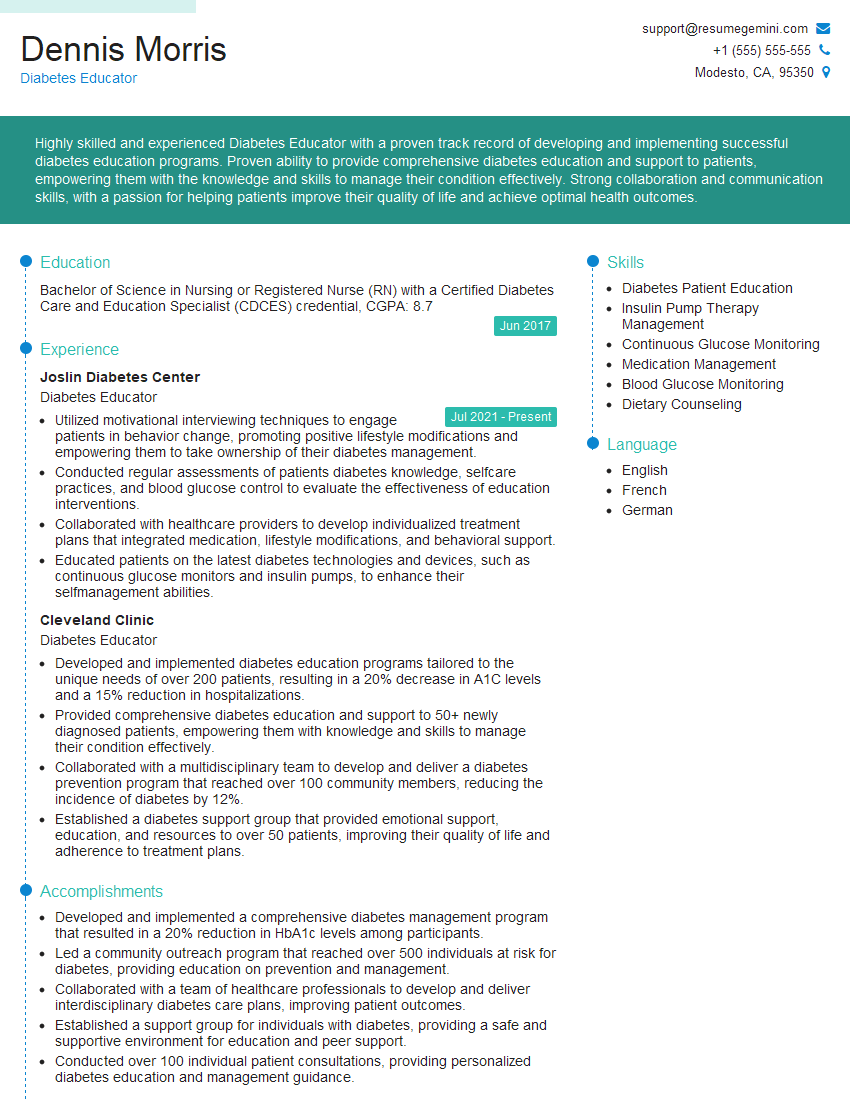
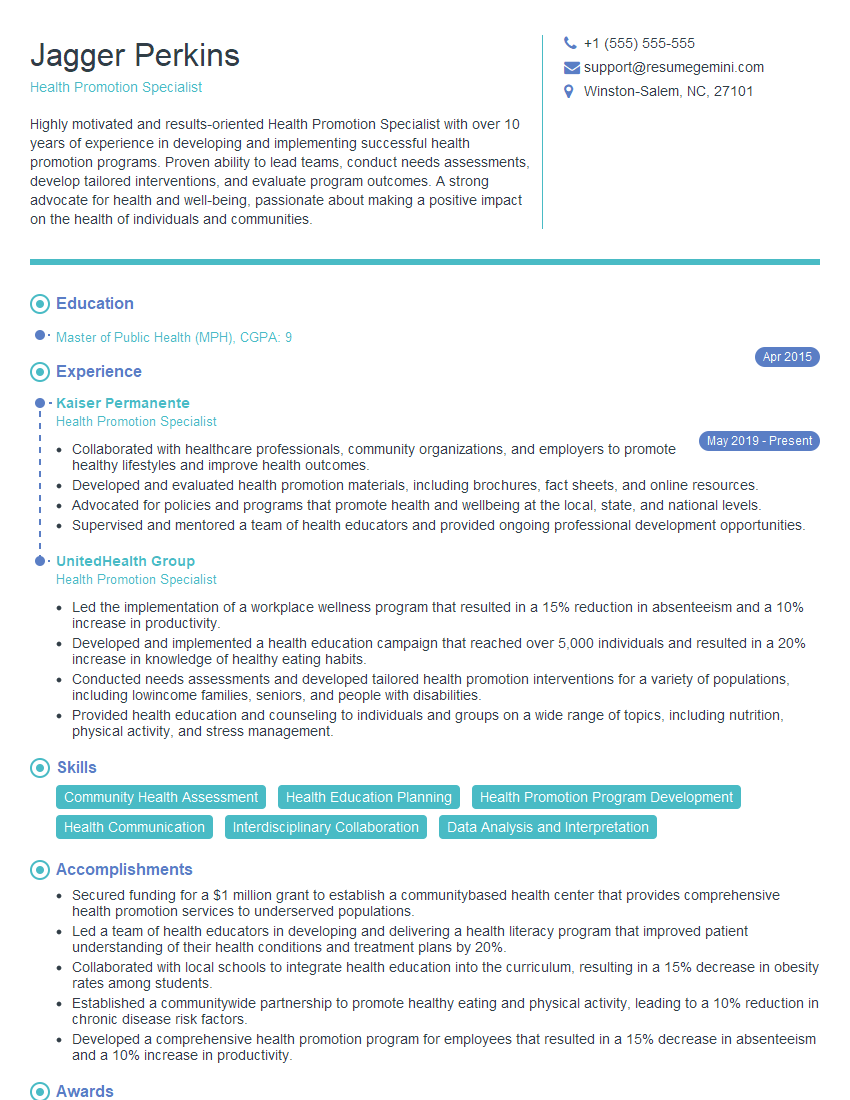
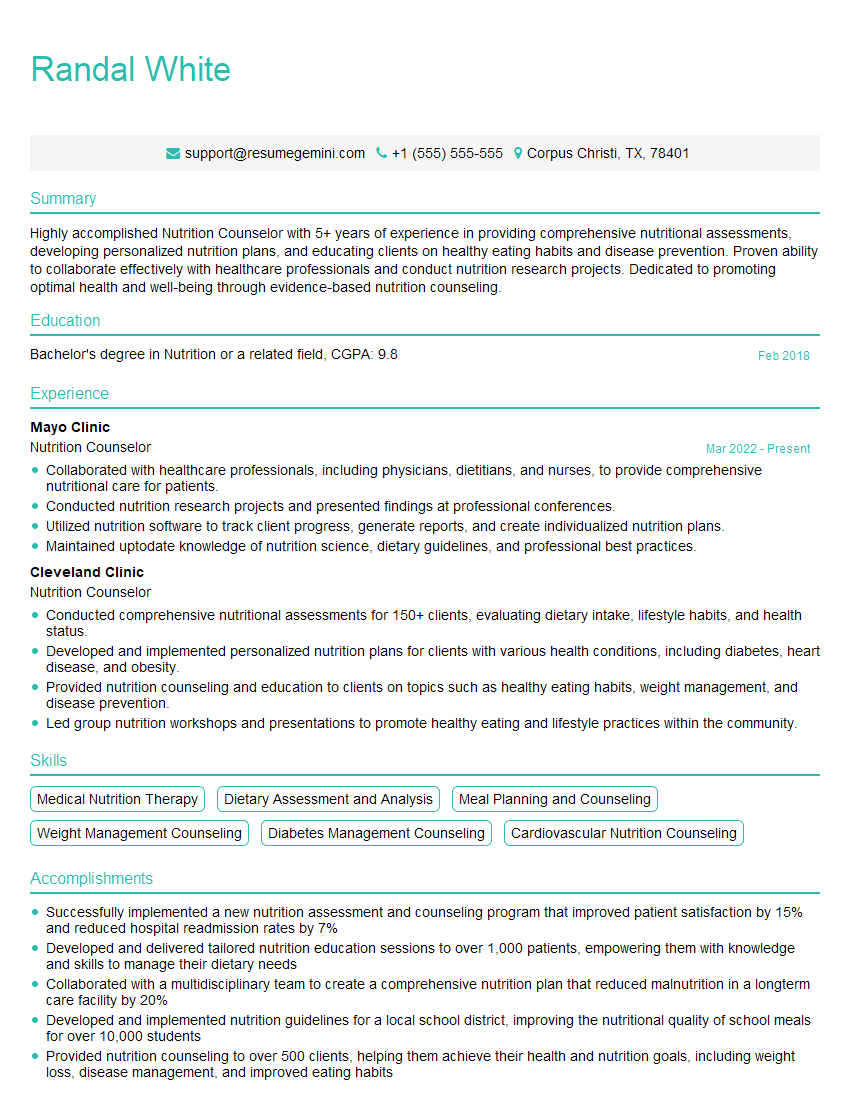
Mastering Lifestyle Modification Counseling opens doors to a rewarding career with significant impact on individuals’ health and well-being. To maximize your job prospects, creating a compelling and ATS-friendly resume is paramount. ResumeGemini is a trusted resource to help you build a professional and effective resume that showcases your skills and experience. Examples of resumes tailored to Lifestyle Modification Counseling are available to guide you in crafting your own. Invest time in crafting a strong resume – it’s your first impression on potential employers.

Explore more articles
Users Rating of Our Blogs
Share Your Experience
We value your feedback! Please rate our content and share your thoughts (optional).
What Readers Say About Our Blog
Very informative content, great job.
good