Interviews are more than just a Q&A session—they’re a chance to prove your worth. This blog dives into essential Lining Pressing interview questions and expert tips to help you align your answers with what hiring managers are looking for. Start preparing to shine!
Questions Asked in Lining Pressing Interview
Q 1. Explain the process of lining pressing.
Lining pressing is a crucial step in garment construction, particularly for tailored clothing. It involves applying heat and pressure to a garment’s lining to achieve a smooth, wrinkle-free finish and a crisp, professional look. This process ensures the lining sits flawlessly against the outer fabric, enhancing the garment’s overall drape and appearance. Think of it like ironing, but on a larger scale and with significantly more controlled pressure and temperature.
The process typically involves placing the garment lining (often already sewn into the garment) onto a press board or buck, which provides a supportive surface. The press is then activated, applying both heat and pressure evenly to the lining. This process sets the fabric fibers, smoothing out wrinkles and creases, and creating a polished, professional finish. The type of press and the pressure/temperature settings used will depend on the lining fabric and the garment style.
Q 2. What types of fabrics are commonly used in lining pressing?
The choice of lining fabric depends on the outer fabric, the garment’s intended use, and the desired drape. Common lining fabrics include:
- Viscose: A smooth, draping fabric that’s relatively inexpensive and easy to work with. It’s a popular choice for many garments.
- Silk: A luxurious option that adds a smooth, elegant feel. However, it requires careful pressing to prevent damage.
- Cupro: A more durable and eco-friendly alternative to silk, offering excellent drape and a luxurious feel.
- Polyester: A durable and wrinkle-resistant option, suitable for various garments but may not drape as beautifully as natural fibers.
- Bemberg (Modal): A regenerated cellulose fiber that is soft, breathable, and drapes well. It’s often used in high-end garments.
The selection of the lining is essential; a poorly chosen lining can negatively impact the overall feel and look of the final garment, even with perfect pressing.
Q 3. Describe different types of presses used in lining pressing.
Several types of presses are used in lining pressing, each with its own advantages:
- Hand-held Garment Steamer: Ideal for smaller areas or delicate fabrics, offering gentler steam penetration and less risk of scorching. More suitable for home use or quick touch-ups.
- Vacuum Press: Employs suction to draw the lining tightly onto the buck, ensuring even contact with the press head for excellent wrinkle removal. This is particularly important with complex garment shapes.
- Pneumatic/Hydraulic Presses: These industrial-grade presses offer precise temperature and pressure control, often used in mass production environments. They ensure consistent results across numerous garments.
- Combination Press: Presses incorporating both steam and pressure, offering high-quality results and flexibility for various fabric types. A great all-rounder option for professional settings.
The choice of press is critical for efficient and effective pressing, aligning with both the production scale and the fabric’s characteristics.
Q 4. How do you ensure consistent pressure and temperature during lining pressing?
Consistent pressure and temperature are crucial for achieving a professional finish. Inconsistent application can lead to uneven pressing, wrinkles, or even fabric damage. Here’s how it’s ensured:
- Press Calibration: Regularly calibrating the press ensures that the pressure and temperature settings are accurate and consistent. Calibration procedures vary depending on the press type.
- Pressure Gauges and Thermometers: Using accurate gauges to monitor pressure and temperature provides immediate feedback. This allows for adjustments to maintain the desired settings throughout the pressing process.
- Press Pads and Buck Forms: Using appropriately sized and shaped press pads and buck forms ensures that the pressure is distributed evenly across the entire surface of the lining, preventing uneven pressing and scorching.
- Experience and Skill: A skilled operator can feel subtle variations in pressure and temperature, adjusting the settings as needed to account for different fabrics and garment shapes. This is an important aspect that cannot be replaced entirely by technology.
Q 5. What are the common problems encountered during lining pressing and how do you troubleshoot them?
Common problems in lining pressing include:
- Wrinkles or Creases: Insufficient pressure or temperature, or an uneven press. Solution: Increase pressure and temperature, ensuring even contact between the lining and the press surface.
- Scorch Marks: Too high a temperature or prolonged contact with the press. Solution: Lower the temperature and reduce pressing time. Use a press cloth for delicate fabrics.
- Shiny Areas: Excessive pressure or heat on certain types of fabrics. Solution: Reduce pressure and temperature, use a press cloth, and press for shorter durations.
- Uneven Pressing: Poor distribution of pressure due to improper buck or pad use. Solution: Ensure proper use of press pads and buck forms.
Troubleshooting often involves systematically checking pressure, temperature, and pressing technique before considering more complex fabric issues.
Q 6. Explain the importance of proper preparation of the fabric before lining pressing.
Proper preparation is paramount to successful lining pressing. It prevents issues and ensures a professional outcome. Steps include:
- Pre-Pressing: Lightly pressing the lining before the main press removes any minor wrinkles and prepares the fabric for the main pressing phase. This helps to reduce stress on the fabric during the final pressing.
- Checking for Defects: Inspecting the lining for any existing damage, stains, or irregularities. Addressing these before pressing is essential to avoid worsening any damage during the process.
- Correct Placement on Buck: Carefully placing the lining on the appropriate buck form to ensure a smooth, even press across all areas. This may require particular attention for complex garment shapes.
- Use of Press Cloths: Using press cloths protects delicate fabrics from scorching and helps distribute heat and pressure evenly.
Careful preparation is a time saver in the long run, minimizing the need for rework and ensuring a high-quality end result.
Q 7. How do you identify and address fabric defects during the lining pressing process?
Identifying and addressing fabric defects during pressing is crucial. It’s best to address them *before* pressing if possible:
- Visual Inspection: Carefully examine the lining before, during, and after the pressing process. This helps detect any inconsistencies such as puckering, holes, or discoloration.
- Tactile Examination: Feeling the fabric can reveal stiffness, thin spots, or areas of uneven texture. This is especially useful for identifying issues that are less visible.
- Addressing Defects: Depending on the defect, solutions can include light steaming to relax puckering, careful patching of holes, or spot cleaning for stains. Severe defects may necessitate replacing the lining entirely.
Early detection and appropriate remediation minimize waste and ensure a higher-quality final product. A quick check can save significant time and effort in the long run.
Q 8. What safety precautions are essential when operating lining pressing equipment?
Safety is paramount in lining pressing. Before operating any equipment, ensure you’ve received proper training and understand the machine’s controls. Always wear appropriate personal protective equipment (PPE), including heat-resistant gloves, safety glasses, and closed-toe shoes. Never operate the equipment with wet hands or clothing. Regularly inspect the machine for any malfunctions, such as frayed wires or leaking steam. If you notice anything amiss, immediately report it to your supervisor and do not attempt repairs yourself. Keep the work area clean and free of clutter to prevent accidents. Finally, understand and follow all established lockout/tagout procedures before undertaking any maintenance or repair work. Think of it like this: treating the equipment with respect protects you, and following procedure protects everyone.
- Example: Before each shift, I conduct a thorough visual inspection of the press, checking for any loose components or steam leaks. This simple act has prevented several potential accidents in my career.
Q 9. Describe your experience with different types of lining materials.
My experience encompasses a wide range of lining materials, including woven fabrics like silk, cotton, and polyester, as well as non-woven materials like fusible interfacing and canvas. I’m proficient in handling delicate fabrics requiring gentle pressing, as well as more robust materials that can withstand higher temperatures and pressure. The key is understanding the specific properties of each material – its heat sensitivity, moisture absorption, and potential for shrinkage – to avoid damaging the fabric during the pressing process. For instance, silk requires low temperatures and minimal pressure to prevent scorching, while heavier canvas might need higher temperatures and more pressure to achieve a crisp finish. I’ve also worked with various blends and finishes that require careful consideration of their specific characteristics.
- Example: I once had to press a delicate silk lining for a high-end garment. I used a low temperature, low pressure setting and a press cloth to prevent any damage to the delicate fibres. The result was a flawless, smooth lining.
Q 10. How do you maintain and clean lining pressing equipment?
Maintaining and cleaning lining pressing equipment is crucial for its longevity and safe operation. Regular maintenance includes checking the water levels and filters in steam presses, cleaning any build-up of lint or fabric residue from the pressing surface (using a soft brush or damp cloth), and lubricating moving parts according to the manufacturer’s instructions. After each use, I wipe down the press head and surface with a damp cloth. More extensive cleaning, such as descaling the boiler in steam presses, might be needed periodically, depending on usage frequency and water quality. Always remember to disconnect the power supply before any cleaning or maintenance. Regular maintenance ensures the equipment functions optimally and prevents unforeseen breakdowns. Consider regular maintenance as preventative medicine for your equipment.
- Example: I’ve developed a daily cleaning checklist to ensure all surfaces are wiped down, removing any fabric residue, which significantly extends the life of the pressing surface.
Q 11. What are the quality control checks you perform during and after lining pressing?
Quality control is a continuous process throughout lining pressing. During the pressing, I visually inspect the fabric for wrinkles, creases, or any signs of scorching or damage. I adjust the temperature and pressure as needed to ensure even pressing and a consistent finish. After pressing, I perform a final inspection to ensure the lining is smooth, wrinkle-free, and meets the required quality standards. This might involve checking for consistent seam alignment and the overall drape and appearance of the finished lining. In high-volume operations, quality control is often a collaborative effort with team members performing spot checks. Maintaining consistent quality is critical to achieving client satisfaction.
- Example: If I notice a slight imperfection after pressing, I immediately re-press that area to ensure the finished product is flawless.
Q 12. How do you handle variations in fabric thickness during lining pressing?
Variations in fabric thickness require adjustments in pressing techniques. Thicker fabrics need more pressure and potentially higher temperatures (while always remaining mindful of material burn points!) to achieve the desired smoothness. Thinner fabrics, on the other hand, require less pressure and lower temperatures to prevent damage or distortion. I often use press cloths with thicker fabrics to distribute the pressure evenly and prevent shine. This involves careful observation and adjustment to ensure a consistent, high-quality finish across varying fabric types. Experienced pressers develop a sense of touch that helps them adjust accordingly, but understanding the fabric’s properties is essential.
- Example: When pressing a garment with both thick and thin fabric sections, I start with the thicker areas, adjusting pressure and temperature as needed, before moving on to the thinner sections.
Q 13. What is your experience with different pressing techniques (e.g., steam pressing, dry pressing)?
I’m experienced with both steam pressing and dry pressing, selecting the technique based on the fabric type and desired finish. Steam pressing is ideal for most fabrics as it helps to relax the fibers and create a smooth, wrinkle-free surface. However, steam is not suitable for all fabrics – those sensitive to moisture, such as some silks and wools, require dry pressing. Dry pressing uses heat and pressure alone to smooth out wrinkles. The selection of the technique is vital for achieving a high-quality finish without causing damage to the fabric. It’s like choosing the right tool for the job – using the wrong technique might lead to unsatisfactory results.
- Example: For a wool lining, I would use dry pressing to avoid damaging the fibers; for cotton, steam pressing would be my method of choice.
Q 14. Explain the importance of proper ventilation in a lining pressing environment.
Proper ventilation is crucial in a lining pressing environment for both worker safety and equipment longevity. Steam presses produce significant amounts of moisture and heat. Without adequate ventilation, this moisture can build up, creating uncomfortable and potentially unsafe working conditions, leading to mold growth and respiratory issues. Excessive moisture can also damage the equipment, shortening its lifespan. Furthermore, any chemicals released from certain fabrics during the pressing process require proper ventilation to ensure a safe working atmosphere. In essence, good ventilation maintains a healthy and productive work environment.
- Example: A well-ventilated workspace reduces the risk of mold and mildew build-up and ensures that the air is comfortable and breathable for workers.
Q 15. How do you ensure the longevity of the lining and the garment after pressing?
Ensuring the longevity of both the lining and the garment after pressing hinges on careful technique and material selection. Think of it like this: you wouldn’t iron a delicate silk blouse with the same heat as a heavy denim jacket. The same principle applies to linings.
Gentle Handling: Avoid aggressive pressing or pulling on the fabric. Always press from the wrong side (the inside of the garment) whenever possible to prevent shine or damage to the face fabric.
Appropriate Tools: Using the right pressing tools – like a pressing ham or tailor’s clapper – helps distribute heat evenly and prevents sharp creases. A well-padded ironing board also makes a huge difference.
Correct Temperature: Using too high a temperature can scorch or melt synthetic fibers. Always test a hidden area first to determine the appropriate heat setting.
Cleanliness: A clean iron and ironing board are essential. Starch or other residues can transfer to the fabric, leaving unwanted marks or stiffness.
Proper Finishing: After pressing, allow the garment to cool completely before handling to set the press. This prevents unwanted wrinkles from reforming.
Career Expert Tips:
- Ace those interviews! Prepare effectively by reviewing the Top 50 Most Common Interview Questions on ResumeGemini.
- Navigate your job search with confidence! Explore a wide range of Career Tips on ResumeGemini. Learn about common challenges and recommendations to overcome them.
- Craft the perfect resume! Master the Art of Resume Writing with ResumeGemini’s guide. Showcase your unique qualifications and achievements effectively.
- Don’t miss out on holiday savings! Build your dream resume with ResumeGemini’s ATS optimized templates.
Q 16. How do you determine the appropriate pressing temperature and pressure for different fabrics?
Determining the right temperature and pressure depends entirely on the fabric composition. It’s crucial to consult fabric care labels and test a small, inconspicuous area before pressing the whole garment. Imagine trying to iron a wool coat with the same heat as cotton – disaster!
Natural Fibers (Cotton, Linen, Wool): These generally require lower to medium temperatures and moderate pressure. Too much heat can cause scorching, while insufficient pressure will lead to uneven pressing.
Synthetic Fibers (Polyester, Rayon, Acetate): These tend to be more heat-sensitive and may require lower temperatures and lighter pressure. High heat can melt these fibers.
Delicate Fabrics (Silk, Chiffon): These need the lowest temperature and lightest pressure, often requiring a pressing cloth or steam to prevent damage. Sometimes, a simple press with a tailor’s clapper is sufficient.
Experimentation and experience are key here. Learn to feel the fabric under the iron – you’ll develop a sense for the optimal temperature and pressure.
Q 17. Describe your experience with using different types of pressing tools (e.g., pressing ham, tailor’s clapper).
I’m proficient with a variety of pressing tools and have found each invaluable depending on the garment and situation. Think of them as specialized tools in a surgeon’s kit – each serves a unique purpose.
Pressing Ham: This curved, padded form is perfect for shaping curved seams, such as those found in sleeves or collars. It provides even pressure and helps prevent creases and flattened areas.
Tailor’s Clapper: This flat, wooden block is used to quickly cool and set the fabric after pressing, preventing wrinkles from reforming. It’s ideal for crisper finishes on fabrics like linen and cotton.
Point Presser: This smaller, pointed tool is used to press seams that are difficult to reach with a regular iron.
Sleeve Board: This specialized board is ideal for pressing sleeves, ensuring a neat and wrinkle-free finish.
The skillful use of these tools enhances the overall quality and finish of the pressed garment, adding that professional touch.
Q 18. How do you minimize wrinkles and creases during lining pressing?
Minimizing wrinkles during lining pressing requires a methodical approach, much like painting a picture carefully. It’s about precision and technique.
Pressing in Sections: Work in small, manageable sections, ensuring each area is completely smooth before moving on. This prevents wrinkles from developing as you progress.
Using a Pressing Cloth: A pressing cloth protects delicate fabrics from scorching and prevents shine. It also helps distribute heat evenly.
Avoid Over-Pressing: Too much pressure or heat can actually cause wrinkles or flatten the fabric. Use gentle pressure and lift the iron frequently.
Pressing on the Grain: Always press with the grain of the fabric (the lengthwise direction) to prevent stretching or distortion.
Proper Seam Finishing: Neatly finished seams are less likely to wrinkle. Use appropriate seam finishes like serging or pinking to prevent fraying.
Q 19. Explain your understanding of different types of interfacing used with linings.
Interfacing is a crucial element in garment construction, providing structure and support to the lining. Different types of interfacing are selected based on the fabric weight, drape, and desired stiffness. It’s like choosing the right foundation for a building – the wrong choice can lead to instability.
Woven Interfacing: Provides structure and support, ideal for heavier linings or those requiring more body. Think of it as a sturdy foundation for a building.
Non-Woven Interfacing: Offers more flexibility and drape, suitable for lighter linings or areas requiring less stiffness. This is like a lighter base layer beneath the building.
Fusible Interfacing: Adheres to the fabric with heat, simplifying the application process. This saves time and ensures a secure bond.
Sew-in Interfacing: Requires stitching, offering more precise placement and control. This option requires more precision but offers greater control.
The correct choice of interfacing ensures the lining hangs properly, provides the desired drape, and maintains its shape over time.
Q 20. How do you manage the time constraints and production targets in a busy lining pressing environment?
Managing time constraints in a high-volume lining pressing environment requires efficient workflow and organization. It’s like a well-oiled machine – every part needs to work smoothly and together.
Prioritization: Prioritize urgent orders and tasks to meet deadlines. This might involve focusing on certain items that need more time or that have the strictest deadlines.
Efficient Work Habits: Develop efficient work habits, like setting up workspaces to minimize movement. Good organization saves valuable seconds.
Batch Processing: Grouping similar items together for pressing optimizes the process. This allows for adjusting the iron’s temperature only once, rather than repeatedly changing it.
Teamwork: In a team environment, good communication and collaboration are essential to ensure all tasks are completed on time.
Quality Control: Ensuring quality while maintaining speed is crucial. Developing a keen eye for detail and implementing a quality check ensures timely delivery without compromising the standard of work.
Q 21. What is your experience with different types of finishing techniques after lining pressing?
Finishing techniques after lining pressing add the final touches, ensuring a professional and polished look. It’s the difference between a good painting and a masterpiece.
Steam Finishing: A final steaming can help to remove any lingering wrinkles or creases and refresh the fabric. A lighter steam works best in order to avoid unwanted saturation.
Pressing with a Clapper: This technique sets the press and provides a crisp, professional finish. This step is particularly useful for fabrics that tend to wrinkle easily.
Hand Finishing: This involves manually manipulating the fabric to remove any remaining imperfections. This step is often necessary for intricate details.
Blocking: This technique involves shaping and pressing the garment on a specialized form to enhance its overall shape and drape. This requires a more detailed understanding of blocking processes and methods.
The choice of finishing technique depends on the fabric, garment style, and desired finish. The goal is always to enhance the overall quality and create a polished garment.
Q 22. Explain how you prioritize tasks and manage your workload effectively.
Prioritizing tasks in lining pressing requires a structured approach. I utilize a combination of methods, starting with identifying the most urgent and critical tasks based on deadlines, material availability, and order priority. I then break down larger projects into smaller, manageable sub-tasks, making the overall workload less daunting. I use a digital task management system, incorporating features like prioritization flags and time estimates. This allows me to visually track progress and adjust my schedule as needed. For example, if a rush order for a high-volume garment requiring specialized lining comes in, I immediately flag it as high priority and adjust my schedule accordingly, perhaps by delegating less urgent tasks to other team members.
Furthermore, I regularly review my task list to ensure I’m staying on track and proactively identify any potential bottlenecks. Think of it like conducting an orchestra; each instrument (task) needs to be played at the right time for a harmonious outcome. Regular review is my way of ensuring the ‘orchestra’ stays in sync.
Q 23. Describe a time you had to solve a complex problem related to lining pressing.
One time, we faced a significant challenge with a high-end bridal gown collection. The lining material, a delicate silk charmeuse, was consistently puckering during the pressing process, despite our best efforts. This was severely impacting the quality and aesthetic appeal of the final product.
To solve this, I systematically investigated potential causes. First, I carefully reviewed the pressing machine settings – temperature, pressure, and time – ensuring they were optimal for the delicate fabric. Then, I examined the lining material itself, checking for inconsistencies in the weave or any pre-existing flaws. After eliminating those possibilities, I focused on the pressing techniques. We experimented with different types of pressing cloths, and ultimately found that a combination of a low-temperature setting with a silk-specific pressing cloth and multiple lighter pressings, rather than one heavy press, prevented puckering. This successful problem-solving required a collaborative approach with the seamstresses and pattern makers, illustrating the importance of a cohesive team.
Q 24. How do you work effectively as part of a team?
Effective teamwork is crucial in lining pressing, which often involves coordinating multiple steps and individuals. I believe in open communication, active listening, and mutual respect. I actively participate in team discussions, sharing my expertise and offering constructive feedback. I’m also comfortable delegating tasks based on individual strengths and ensuring everyone understands their roles and responsibilities. When faced with challenges, I encourage collaborative problem-solving, creating a supportive and inclusive environment. For example, when we had to implement a new pressing technique, I held training sessions, patiently guiding my colleagues through the process and answering their questions. This ensured everyone felt comfortable and confident with the new method.
Q 25. How do you stay updated on the latest trends and techniques in lining pressing?
Staying current in lining pressing requires a multi-faceted approach. I regularly attend industry conferences and workshops, networking with other professionals and learning about the latest advancements in machinery, materials, and techniques. I subscribe to relevant trade publications and online journals, staying informed on emerging trends. Furthermore, I actively participate in online forums and communities, exchanging insights and best practices with other lining pressing specialists. Finally, I always look for opportunities to experiment with new materials and techniques in a controlled environment, assessing their suitability for our production processes. This ongoing learning ensures I remain adaptable and innovative in my work.
Q 26. Describe your experience with different types of pressing machines.
My experience encompasses a wide range of pressing machines, from traditional steam presses to advanced computerized systems. I’m proficient with various types, including buck presses, vacuum presses, and specialized presses for delicate fabrics. I understand the nuances of each machine, recognizing the optimal settings for different fabric types and weights. For example, using a buck press for heavier fabrics is efficient, while a vacuum press is essential for delicate materials to prevent stretching or distortion. I know how to perform routine maintenance on these machines, ensuring they’re operating at peak efficiency and safety. Troubleshooting machine malfunctions and adjusting settings to optimize performance is also a key part of my expertise.
Q 27. How do you handle difficult or demanding customers or supervisors?
Handling difficult customers or supervisors requires a calm, professional, and solution-oriented approach. I start by actively listening to their concerns, demonstrating empathy and understanding. I then work to clarify any misunderstandings, presenting facts and offering alternative solutions when possible. If the issue involves a pressing-related problem, I meticulously investigate the situation, and if my assessment reveals a deficiency in our process, I promptly communicate the issue and propose corrective measures. Maintaining clear and consistent communication throughout the process is key. The goal is to address the problem directly, maintain a positive professional relationship, and to learn from any feedback given.
Q 28. What are your salary expectations for this role?
My salary expectations are commensurate with my experience and skills in the lining pressing field, considering the requirements of this role and the prevailing market rates for similar positions. I am confident my expertise will be a valuable asset to your team, and I am open to discussing a competitive compensation package that reflects my contributions.
Key Topics to Learn for Lining Pressing Interview
- Understanding Fabric Types and Properties: Knowing how different fabrics react to pressing techniques is crucial. This includes understanding fiber content, weight, and drape.
- Pressing Equipment and Techniques: Familiarize yourself with various pressing equipment (irons, presses, steam generators) and their appropriate applications. Mastering different pressing techniques (blocking, pleating, shaping) is essential.
- Seam Finishing and Pressing: Learn about different seam finishes and how to press them correctly to achieve a professional look and prevent distortion. This includes understanding the importance of pressing seams open, to the side, or closed depending on the garment.
- Troubleshooting Pressing Issues: Be prepared to discuss common pressing problems (e.g., scorch marks, uneven pressing, shrinkage) and how to solve them efficiently. This demonstrates practical experience and problem-solving skills.
- Quality Control and Inspection: Understanding the importance of quality control in garment production is vital. Be able to describe your methods for identifying and correcting pressing defects.
- Health and Safety Procedures: Demonstrate awareness of safety regulations and best practices related to using pressing equipment and handling chemicals used in the process.
- Production Efficiency and Workflow: Discuss strategies for maximizing efficiency in a pressing environment, including time management and workflow optimization.
Next Steps
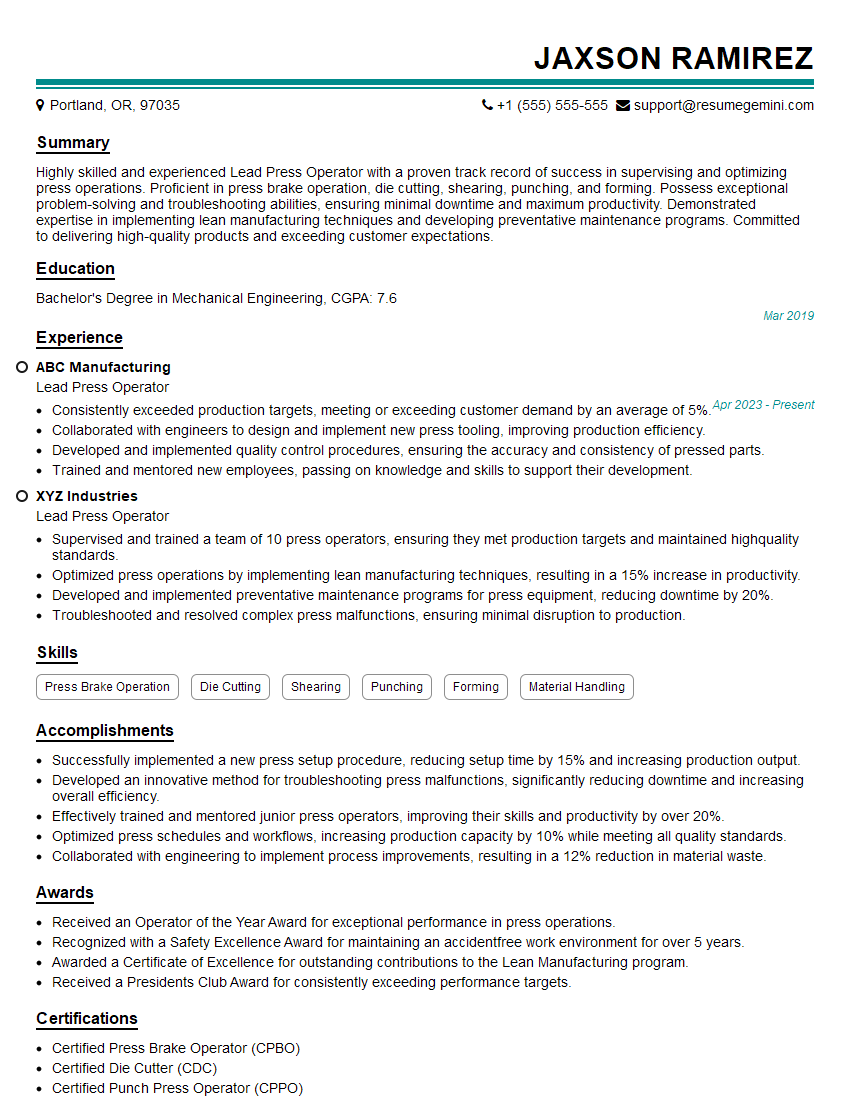
Mastering lining pressing techniques is highly valuable for career advancement in the apparel industry, opening doors to higher-paying roles and increased responsibilities. To significantly improve your job prospects, create a professional, ATS-friendly resume that showcases your skills and experience effectively. We strongly recommend using ResumeGemini, a trusted resource, to build a compelling resume that highlights your expertise in Lining Pressing. Examples of resumes tailored to this specialization are available to help guide you. Take the next step toward your dream career today!
Explore more articles
Users Rating of Our Blogs
Share Your Experience
We value your feedback! Please rate our content and share your thoughts (optional).
What Readers Say About Our Blog
Very informative content, great job.
good