Cracking a skill-specific interview, like one for Liquid Painting, requires understanding the nuances of the role. In this blog, we present the questions you’re most likely to encounter, along with insights into how to answer them effectively. Let’s ensure you’re ready to make a strong impression.
Questions Asked in Liquid Painting Interview
Q 1. Describe your experience with different types of liquid paints (e.g., acrylics, epoxies, lacquers).
My experience with liquid paints spans across various types, each with its unique properties and applications. Acrylics are my workhorse—versatile, water-based, and relatively easy to clean up. I frequently use them for fine detail work and larger canvases, appreciating their quick drying time and vibrant color range. Epoxies, on the other hand, are a different beast altogether. Their exceptional durability and chemical resistance make them ideal for high-performance coatings, like those used on floors or in industrial settings. I’ve used epoxies extensively for creating durable, high-gloss finishes on furniture and sculptures. Finally, lacquers, known for their fast drying times and beautiful, high-gloss finishes, are another staple in my toolbox. However, their strong odor and flammability necessitate careful handling and proper ventilation. I primarily use lacquers for finishing furniture and smaller projects where a flawless, hard-wearing surface is critical. Each paint type requires a nuanced understanding of its properties to achieve optimal results.
Q 2. Explain the process of surface preparation for liquid painting.
Surface preparation is paramount in liquid painting. Think of it as laying a strong foundation for a house—without it, your beautiful paint job will quickly crumble. The process typically starts with thorough cleaning. This may involve washing the surface with soap and water, using a degreaser for particularly oily surfaces, or even employing a pressure washer for heavily soiled areas. After cleaning, any imperfections, like cracks or holes, need to be repaired using fillers or wood putty. Once the filler is dry and sanded smooth, the surface should be primed. Primers act as an adhesive, creating better paint adhesion and providing a uniform surface for the final coats. The type of primer used depends on the substrate and the type of paint being used. For instance, an oil-based primer is often preferred for surfaces that will receive an oil-based paint. Finally, sanding with increasingly fine grit sandpaper ensures a flawlessly smooth surface, ready to receive the paint.
Q 3. What are the key factors to consider when selecting a liquid paint for a specific project?
Choosing the right liquid paint depends on several crucial factors. First and foremost is the intended application. A durable epoxy is perfect for a kitchen countertop, while delicate acrylics might be better suited for a fine art piece. Next, consider the substrate—wood, metal, plastic, or concrete—each requires a specific paint formulation for optimal adhesion and durability. The desired finish—gloss, matte, or satin—also plays a significant role, as does the paint’s drying time. For large projects, a fast-drying lacquer might be preferred, while a slower-drying acrylic allows for more blending and manipulation. Finally, budget and environmental concerns are important considerations. Water-based paints are environmentally friendlier and generally more affordable than solvent-based options.
Q 4. How do you ensure proper ventilation and safety precautions when working with liquid paints?
Ventilation and safety are non-negotiable when working with liquid paints. Many paints release volatile organic compounds (VOCs), which can be harmful if inhaled. I always work in a well-ventilated area, preferably outdoors or in a space with excellent exhaust ventilation. If working indoors, opening windows and using fans is a must. Additionally, I always wear appropriate personal protective equipment (PPE), including gloves, eye protection, and a respirator, especially when working with solvent-based paints. Following the manufacturer’s safety instructions is critical, and never underestimate the importance of proper cleanup and disposal of used materials and containers to minimize environmental impact.
Q 5. Describe your experience with different application methods (e.g., brush, roller, spray).
My experience encompasses a wide range of application methods. Brushes provide precise control, perfect for detailed work and achieving specific textures. I often use them for fine art pieces or intricate furniture details. Rollers are efficient for covering large areas quickly and evenly, ideal for walls or larger furniture pieces. However, they don’t always provide the same level of detail as brushes. Spray application, whether through an airbrush or a spray gun, offers the smoothest, most even finish, especially for large projects, and allows for various techniques like color shading and blending. However, spray application necessitates careful preparation to avoid overspray and requires the use of protective equipment and appropriate ventilation. The choice of application method often depends on the project’s scale, the desired finish, and the level of detail required.
Q 6. How do you achieve a specific finish (e.g., gloss, matte, satin)?
Achieving a specific finish—gloss, matte, or satin—is largely determined by the type of paint and the addition of specific additives. Many paints are available in various sheens, directly from the manufacturer. For instance, an acrylic paint can be found in gloss, semi-gloss, satin, eggshell, and matte finishes. Alternatively, matte or satin finishes can be achieved by adding a matte or satin additive to a gloss paint. These additives are specifically formulated to alter the light reflectivity of the paint, resulting in the desired sheen. The application technique also plays a role. A smooth, even application with a roller or spray gun typically yields a higher gloss finish compared to a more textured finish obtained with a brush. Experimentation and practice are crucial in mastering the application technique to consistently achieve the desired finish.
Q 7. Explain your understanding of color mixing and matching techniques.
Color mixing and matching are fundamental to my work. I understand the color wheel and the principles of primary, secondary, and tertiary colors, and use this knowledge to create virtually any color imaginable. The ratios of mixing are crucial—a small change can drastically alter the final color. I often create color charts and test swatches before committing to a large project. I also work with color systems, such as Pantone or RAL, to ensure color consistency across different projects. For instance, understanding undertones is crucial—a seemingly simple white can have subtle hints of blue, yellow, or grey, significantly impacting its final appearance when mixed with other colors. Over time, experience and a keen eye for color have honed my skills in accurately mixing and matching colors to achieve desired results.
Q 8. How do you handle color inconsistencies or imperfections in liquid painting?
Color inconsistencies in liquid painting, whether from uneven application or slight variations in the paint itself, are a common challenge. My approach is multifaceted. First, I meticulously prepare the substrate to ensure a uniform surface, minimizing the chance of the paint reacting differently in various areas. Second, I use a consistent application technique, often employing multiple thin coats rather than one thick coat to achieve even coverage. This helps prevent pooling and uneven drying. Third, I rely heavily on good lighting and frequently inspect my work from different angles during application to catch any inconsistencies early. If minor imperfections remain after drying, I might employ careful touch-ups with an airbrush or a very fine brush, blending the paint seamlessly into the existing layer. For significant issues, I might lightly sand the affected area and reapply the paint, making sure the area is properly prepared first.
Q 9. What are some common problems encountered during liquid painting, and how do you address them?
Several common problems arise in liquid painting. One is poor adhesion, often stemming from improper surface preparation (lack of cleaning or priming). I address this by meticulously cleaning and priming substrates, using primers specifically designed for the substrate material and the type of paint I’m using. Another issue is uneven drying, leading to runs, drips, or inconsistent gloss/matte levels. Controlling environmental conditions, like temperature and humidity, and using thin, even coats help combat this. Wrinkling can occur with thick coats or certain paints; the solution is to use thinner coats and appropriate paint reducers as directed by the manufacturer. Lastly, dust nibs (small bits of dust embedded in the wet paint) are common. Maintaining a clean workspace and utilizing air filtration systems is crucial here. Careful surface preparation also helps reduce dust accumulation.
Q 10. Describe your experience with different types of substrates (e.g., wood, metal, concrete).
My experience spans various substrates. Wood requires careful sanding and priming to create a smooth, even surface and ensure the paint adheres properly, especially with porous woods like pine. Different wood types require different primers to prevent bleed-through of tannins or resins. Metal substrates necessitate a thorough cleaning to remove any oils, grease, or rust before priming; I often use a specialized metal primer to promote adhesion. Concrete is a unique challenge because of its porosity and potential for alkalinity. I prepare concrete surfaces by properly cleaning and applying a bonding primer and then using a high-quality paint designed for concrete applications. Each substrate has its own nuances and demands careful consideration in terms of the correct primer and paint selection and application techniques.
Q 11. How do you prepare different substrates for optimal adhesion of liquid paints?
Substrate preparation is paramount for optimal adhesion. This involves a multi-step process. Cleaning is the first step, removing any dirt, grease, or loose particles. The cleaning method varies based on the substrate: wood might be cleaned with a tack cloth, metal with a solvent, and concrete with a pressure washer. Priming follows cleaning. Primers create a uniform surface for the paint to adhere to and often provide additional protection against substrate bleed-through or chemical reactions. The type of primer used depends heavily on the substrate and paint type. Finally, sanding (if needed) helps create a smoother surface, improving the paint’s final appearance. For example, I will always sand wood before priming to ensure a level surface for better paint adhesion.
Q 12. Explain your experience with multi-layered liquid painting techniques.
Multi-layered liquid painting is a powerful technique allowing for depth, complexity, and visual interest. I frequently use glazing techniques, where transparent or translucent layers are applied over underlying colors to create subtle shifts in hue and value. This can add luminosity and depth. Another approach is layering opaque colors, gradually building up the desired image. Careful planning of the color sequence is crucial to achieve the desired effect. I might use masking techniques to protect areas while applying specific layers. The drying time between layers is also vital; this prevents colors from bleeding into each other, especially with water-based paints. For example, I have created stunning effects by layering various shades of blues and greens, allowing the underlying colors to subtly influence the overlying ones. The process is iterative and requires patience but yields unique and beautiful results.
Q 13. Describe your understanding of curing times and their impact on the final finish.
Curing times are crucial and vary greatly depending on the paint type, environmental conditions (temperature and humidity), and the thickness of the applied layers. Understanding curing times influences the final finish. Incomplete curing can lead to a soft, vulnerable surface susceptible to scratches or damage, while excessive curing can cause the paint to become brittle. I always consult the paint manufacturer’s recommendations for curing time, factoring in environmental factors. For larger projects, I might stage the work, allowing earlier layers to cure properly before applying subsequent layers. Ensuring proper curing is essential for longevity and the overall quality of the finished piece. For instance, epoxy resin-based paints often require significantly longer curing times than acrylics, demanding patience and careful scheduling.
Q 14. How do you maintain the quality and consistency of your work throughout large projects?
Maintaining quality and consistency across large projects requires meticulous organization and planning. I start by creating detailed color charts and sample boards to ensure consistency in color mixing throughout the project. This allows for consistent color application even with many days between paint sessions. Using pre-measured paint mixtures helps reduce inconsistencies. Proper mixing is critical. I also maintain consistent environmental conditions within my studio to control drying times and reduce variability. I use high-quality materials and tools consistently and regularly maintain my equipment to avoid any mechanical errors. Finally, I use a systematic approach to applying the paint, always following the same steps and techniques to achieve uniformity throughout the project. By focusing on detailed planning, consistent application, and controlled conditions, I’m able to achieve a high level of quality and consistency, even in large-scale projects.
Q 15. What is your experience with managing paint waste and disposal?
Managing paint waste is paramount in liquid painting. It’s not just about environmental responsibility; it’s about safety and legal compliance. My approach involves a multi-pronged strategy. First, I meticulously plan my projects to minimize waste. This includes accurate measuring of materials and using appropriate-sized containers. Second, I utilize specialized waste containers clearly labeled for different types of waste – like resin, solvents, and pigment pastes. Third, I meticulously follow local regulations for disposal. This usually involves separating hazardous waste (solvents, hardeners) from non-hazardous waste (paint rags, paper towels). Hazardous waste is often collected by a licensed waste management company, and I maintain all the necessary documentation. For non-hazardous waste, I ensure proper disposal according to local guidelines.
For example, during a recent project involving epoxy resin, I meticulously collected all resin-contaminated materials in sealed containers, preventing accidental spills and maintaining a clean work area. The used resin was then handed to a specialized waste collector according to their specifications. This ensures both environmental protection and adherence to safety regulations.
Career Expert Tips:
- Ace those interviews! Prepare effectively by reviewing the Top 50 Most Common Interview Questions on ResumeGemini.
- Navigate your job search with confidence! Explore a wide range of Career Tips on ResumeGemini. Learn about common challenges and recommendations to overcome them.
- Craft the perfect resume! Master the Art of Resume Writing with ResumeGemini’s guide. Showcase your unique qualifications and achievements effectively.
- Don’t miss out on holiday savings! Build your dream resume with ResumeGemini’s ATS optimized templates.
Q 16. Describe your experience working with different types of resin systems.
My experience spans a wide range of resin systems, including epoxy, polyurethane, and acrylic resins. Each system has unique properties and requires a different approach. Epoxy resins, known for their strength and durability, are my go-to for high-performance finishes. However, they have a shorter working time, demanding precise and efficient application. Polyurethane resins offer excellent flexibility and are ideal for applications where movement is expected, like furniture. Acrylic resins, while less durable than epoxy, provide a faster curing time and are water-cleanable, making them suitable for less demanding projects. Understanding the properties of each resin is critical. For instance, I know that different curing agents (hardners) can significantly impact the final finish’s properties, such as gloss level and curing time. Selecting the correct resin system is based on the application’s specific requirements, considering factors like desired finish, substrate material, and environmental conditions.
For example, a client requested a high-gloss, durable finish for a kitchen countertop. Given the need for strength and chemical resistance, I selected a high-performance epoxy resin system. For a project involving a flexible substrate, like a canvas, I’d opt for a polyurethane resin to accommodate expansion and contraction. Careful selection based on the job specifics is crucial for achieving a satisfactory finish.
Q 17. How do you troubleshoot common issues like bubbling or cracking in resin finishes?
Bubbling and cracking are common issues in resin finishes, often caused by improper mixing, insufficient degassing, or environmental factors. Troubleshooting starts with identifying the root cause. Bubbling is often due to trapped air introduced during mixing or application. To address this, I employ thorough mixing techniques, ensuring the resin and hardener are completely blended. A vacuum chamber or a gentle heat application can help release trapped air. Cracking, on the other hand, can be caused by uneven curing, stress on the finished surface, or incorrect substrate preparation. This often requires a more in-depth analysis.
- Bubbling: Slow mixing, inadequate degassing, contamination. Solution: Thorough mixing, vacuum degassing, maintaining a controlled temperature and humidity during curing.
- Cracking: Uneven curing (temperature fluctuations), substrate movement, inadequate surface preparation, too thick a coat. Solution: Proper substrate preparation, applying thinner coats, ensuring consistent temperature during curing, using flexibilizers if needed.
For example, if I encounter bubbling in an epoxy resin finish, I first carefully inspect my mixing procedure to identify any errors. If the issue persists, I use a vacuum chamber to remove air bubbles before applying the resin. If a finish cracks, I assess whether the substrate is properly prepared and if the curing environment was consistent. This systematic approach helps me diagnose and rectify the problem effectively.
Q 18. Explain your understanding of the different types of primers and sealers used in liquid painting.
Primers and sealers are essential components in liquid painting, preparing the substrate for the finish coat and ensuring adhesion and durability. Primers improve adhesion by creating a suitable surface for the finish coat to bind to. They also seal porous surfaces, preventing the absorption of the finish coat and ensuring a uniform appearance. Sealers, on the other hand, primarily protect the substrate from moisture and other environmental factors. They can also enhance the final finish’s gloss and durability.
Different types exist, tailored to specific materials. For wood, I might use an oil-based primer for better penetration or a shellac-based primer for a smooth surface. For metal, an etching primer is crucial to improve adhesion. For plastics, a special adhesion promoter might be necessary. Selecting the correct primer and sealer is critical to the overall success of the project. For example, applying an incorrect primer to a porous substrate could result in uneven paint application and reduced durability.
Q 19. How do you assess the durability and longevity of liquid finishes?
Assessing the durability and longevity of liquid finishes involves a combination of testing and practical observation. I often use standardized tests like impact resistance, abrasion resistance, and chemical resistance tests to quantitatively assess the finish’s durability. These tests provide numerical data to evaluate how well the finish can withstand various stresses and conditions.
However, practical observation is also crucial. After a project is completed, I follow up with the client to understand their experience with the finish over time. This includes monitoring for signs of wear, chipping, or discoloration. I might also request photographs at intervals to document the finish’s performance under real-world conditions. Through a combination of standardized testing and real-world observation, I can gauge the long-term performance of the chosen finish. For example, in evaluating a marine finish, I’d pay close attention to UV resistance and water penetration.
Q 20. What safety equipment do you use when working with liquid paints and solvents?
Safety is paramount when working with liquid paints and solvents. My standard safety equipment includes:
- Respiratory protection: A respirator with appropriate cartridges for the specific solvents used is essential to prevent inhalation of harmful vapors.
- Eye protection: Safety glasses or goggles protect against splashes and airborne particles.
- Gloves: Nitrile or neoprene gloves protect the skin from contact with solvents and resins.
- Protective clothing: Long sleeves, pants, and closed-toe shoes are worn to protect the skin from spills and splashes.
- Ventilation: A well-ventilated workspace, or the use of a respirator, is crucial to prevent the buildup of hazardous fumes.
I also ensure that all materials are stored according to their safety data sheets (SDS), which provide critical information on handling, storage, and disposal. Proper ventilation and the use of safety equipment are crucial not only for personal safety but also to maintain a clean and organized work environment.
Q 21. Describe your experience with cleaning and maintaining your equipment.
Cleaning and maintaining equipment is critical for both the quality of future projects and the longevity of the equipment itself. My cleaning process is thorough and systematic. After each project, I immediately clean my tools and equipment. For resin-based materials, I use appropriate solvents (specified in the resin’s SDS) and remove all traces of resin before the material hardens. For brushes, I employ a multi-step cleaning process, ensuring all paint is removed. For mixing containers and other equipment, I employ appropriate cleaning solutions to remove any residues.
Regular maintenance is equally important. I inspect my equipment regularly for damage, checking for any signs of wear and tear. This prevents costly repairs or replacements later. I ensure that my equipment is stored in a clean, dry place, preventing corrosion and damage. For example, my airless sprayers receive a thorough cleaning after each use, and its components are inspected for damage and wear. This diligent approach extends the lifespan of my equipment and ensures consistent quality in my work.
Q 22. How do you determine the appropriate thickness or viscosity for different applications?
Determining the right viscosity for liquid paints is crucial for achieving the desired finish. It’s like choosing the right consistency for cake batter – too thick, and it’s difficult to spread; too thin, and it runs everywhere. The ideal thickness depends on the application and the desired effect.
- For smooth, even coats on large surfaces (walls, furniture): A lower viscosity is ideal. Think of it like a thin, easily spreadable milk-paint consistency. This allows for easy application and minimizes brushstrokes.
- For textured effects (impasto, heavy brushstrokes): A higher viscosity, almost paste-like, is preferred. This allows you to build up thick layers and create dramatic texture. It’s akin to using very thick oil paint.
- For airbrushing: A very low viscosity, almost like thinned ink, is essential for even spray application. Too thick, and the paint will clog the nozzle; too thin, and the color may be too transparent.
- For pouring techniques: The viscosity needs to be carefully balanced to allow the paint to flow and create the desired cell structure but not be so runny that it pools unevenly. This often involves experimentation with mediums to adjust the flow.
I often use viscosity cups or simply test the paint on a scrap surface before applying it to the main project to ensure the consistency is perfect for the job.
Q 23. What are your methods for creating specific textural effects using liquid paints?
Creating specific textural effects with liquid paints is where the real artistry comes in. It’s about manipulating the paint’s properties and application techniques.
- Impasto: Applying thick layers of paint with a palette knife or brush creates a three-dimensional, textured surface. Think of Van Gogh’s impasto style in his sunflowers.
- Dry brushing: Using a nearly dry brush allows the paint to create a scratchy, textured effect, revealing underlying layers of color. It’s perfect for creating a weathered look.
- Sponge rolling: Applying paint with a sponge roller creates a mottled, somewhat irregular texture. The size and density of the sponge influence the resulting effect.
- Spattering: Flicking paint onto the surface with a brush or using a specialized spatter tool creates a pointillist effect.
- Pouring: Pouring thinned paint onto the surface creates unique and unpredictable patterns. Controlling the viscosity is key to getting the right results.
Experimentation is crucial. I encourage clients to explore different techniques during the design process to achieve their desired look. For instance, for a client who desired a rustic look, we used a dry brush technique on a wood panel to highlight the wood’s grain before applying the primary colour.
Q 24. How do you manage projects with tight deadlines and multiple stakeholders?
Managing projects with tight deadlines and multiple stakeholders requires meticulous planning and clear communication. It’s like orchestrating a symphony – every section needs to be in harmony.
- Detailed Project Plans: I start with a comprehensive project plan that includes timelines, milestones, and responsibilities for each stakeholder. This ensures everyone is on the same page.
- Regular Communication: Frequent updates and progress reports are essential, whether through email, video calls, or in-person meetings. This helps address concerns promptly and prevents misunderstandings.
- Prioritization: When dealing with multiple tasks and limited time, prioritization is key. I use techniques like the Eisenhower Matrix (urgent/important) to determine the order of tasks.
- Contingency Planning: Unexpected delays are inevitable. I build buffer time into the schedule and have backup plans in place to mitigate potential risks.
For instance, during a recent mural project, a sudden rain shower threatened to delay the completion. We were able to use this extra time to focus on detail-orientated work and meet the deadline smoothly because of our earlier preparations.
Q 25. Describe your experience with quality control measures to ensure project success.
Quality control is paramount in liquid painting. It’s about ensuring the final product meets the client’s expectations and is durable.
- Material Selection: I only use high-quality paints and primers that are appropriate for the surface and intended use. It ensures color accuracy and longevity.
- Surface Preparation: Proper surface preparation is vital for paint adhesion and a smooth finish. This involves cleaning, sanding, and priming, as needed.
- Application Techniques: Consistent application techniques, such as using even coats and minimizing brushstrokes, are important for a professional finish.
- Inspection at Each Stage: I inspect the work at each stage of the process—after priming, after each coat of paint, and after the final coat—to catch and correct any issues early on.
- Documentation: Maintaining clear records of materials used, application methods, and any problems encountered during the project is helpful for future reference and potential warranty claims.
A recent project involved painting a delicate antique piece of furniture. By carefully inspecting the surface before painting and using a high-quality primer appropriate for delicate surfaces, we ensured the paint adhered perfectly and did not damage the original piece.
Q 26. Explain your experience in estimating materials and labor costs for liquid painting projects.
Accurate cost estimation is vital for project profitability and client satisfaction. It’s a combination of art and science.
- Detailed Scope of Work: A precise definition of the project scope is essential. This includes the surface area, number of coats, type of paint, and any special effects.
- Material Costs: I meticulously calculate material costs based on the quantities required, considering factors like wastage and potential overage. I also account for the specific paint and primer chosen.
- Labor Costs: Labor costs are determined by the estimated time required for each stage of the project, including surface preparation, application, and cleanup. I factor in my hourly rate and any additional personnel required.
- Contingency Costs: I always include a contingency buffer to account for unforeseen issues or material price fluctuations. This prevents unexpected financial surprises.
For a recent large-scale mural project, I created a detailed breakdown of all materials and labor costs, outlining potential variables like weather delays. This allowed for transparent and accurate budgeting with the client.
Q 27. How do you stay updated with the latest trends and technologies in liquid painting?
Staying current in the field of liquid painting involves continuous learning and exploration. It’s a dynamic field!
- Industry Publications: I regularly read industry magazines and journals to stay abreast of new trends in paints, techniques, and tools.
- Online Resources: Online platforms, blogs, and forums offer valuable insights and inspiration. I also actively participate in online communities to learn from fellow artists and experts.
- Workshops and Courses: Attending workshops and courses allows me to hone my skills and learn new techniques from experienced professionals.
- Networking: Networking with other artists and professionals through industry events and conferences helps foster collaboration and knowledge sharing.
- Experimentation: I constantly experiment with new materials and techniques in my own practice to explore their potential and limitations.
Recently, I attended a workshop on using natural pigments, a fascinating area of exploration that is growing in popularity within the field.
Q 28. Describe a challenging liquid painting project and how you overcame the difficulties.
One particularly challenging project involved painting a complex, curved surface on a large architectural feature. The difficulty lay in ensuring a smooth, even coat without any visible brushstrokes or runs, especially given the difficult-to-access angles.
To overcome this, I devised a multi-step approach: first, we created a detailed three-dimensional model to accurately plan the application. Second, we employed a specialized airless sprayer to ensure even coverage and minimize brushstrokes. Third, we used a high-quality, self-leveling paint that minimized the risk of runs and drips. Finally, we meticulously inspected each section before moving on to the next, ensuring a flawless final product. This meticulous planning and the use of innovative tools allowed us to deliver an exceptional result, even against this unique challenge.
Key Topics to Learn for Your Liquid Painting Interview
- Material Properties: Understanding the characteristics of different paints, primers, and sealants used in liquid painting. This includes viscosity, drying time, and application methods.
- Surface Preparation: Mastering techniques for preparing various surfaces (wood, metal, plaster, etc.) for optimal paint adhesion. This involves cleaning, priming, and sanding.
- Application Techniques: Developing proficiency in different application methods such as brushing, rolling, spraying, and troweling. Understanding the advantages and disadvantages of each technique for different surfaces and paint types.
- Color Theory and Mixing: A solid grasp of color theory principles and the practical application of mixing paints to achieve desired shades and tones.
- Troubleshooting and Problem-solving: Identifying and resolving common issues encountered during liquid painting, such as drips, runs, brushstrokes, and uneven finishes. This includes understanding the root causes and appropriate corrective actions.
- Health and Safety: Familiarity with relevant health and safety regulations and procedures related to the handling of painting materials and equipment.
- Project Management and Estimation: Understanding how to estimate project timelines and material costs, and manage projects effectively from start to finish.
Next Steps
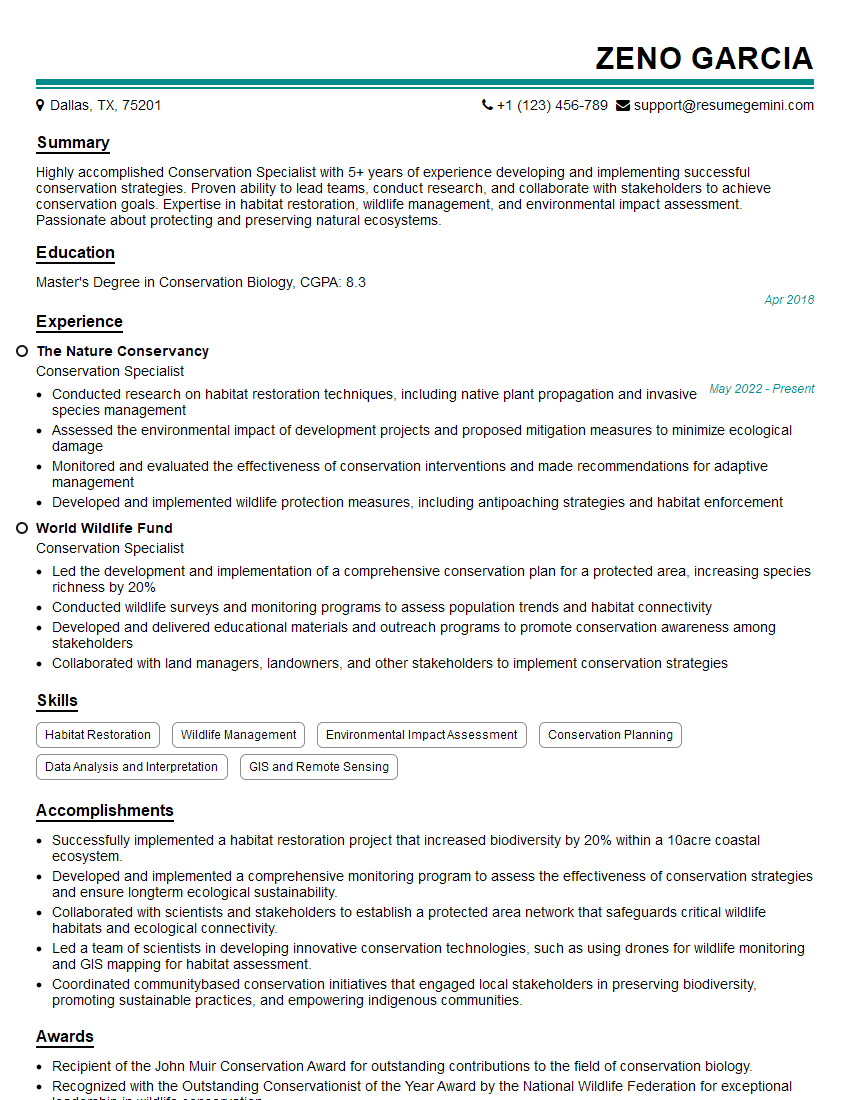
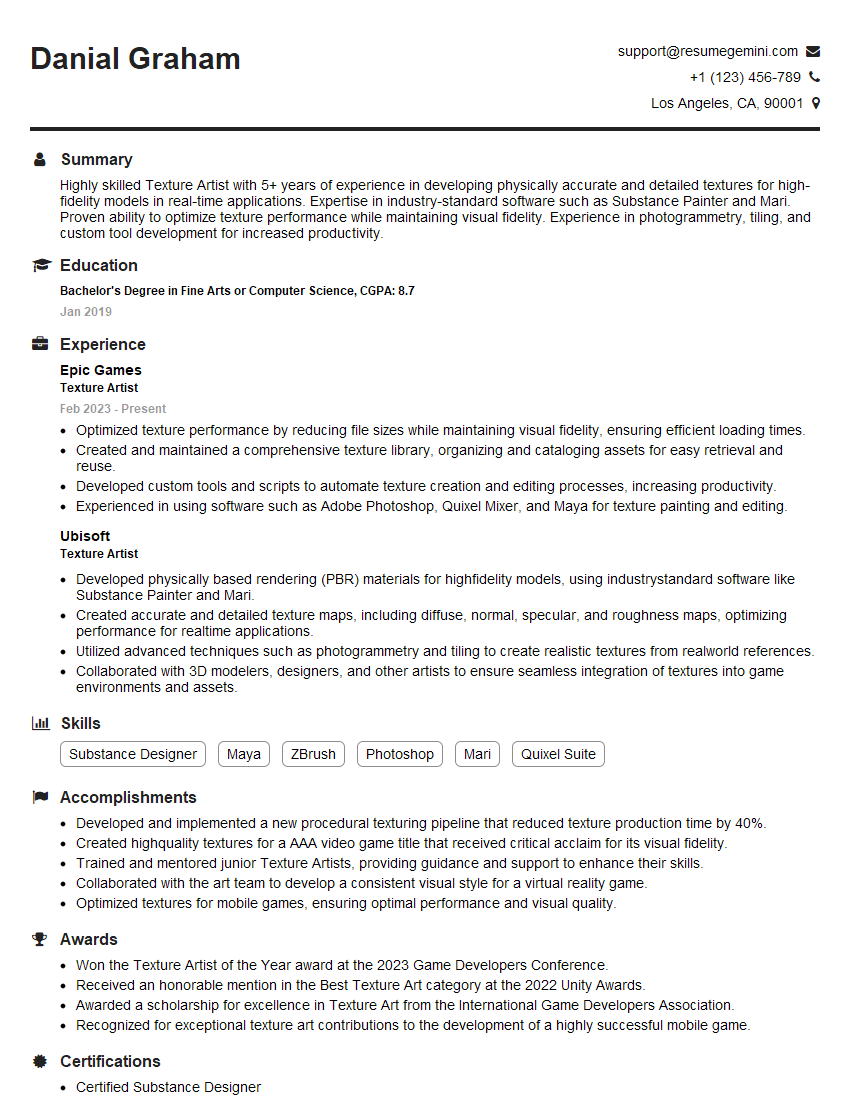
Mastering liquid painting opens doors to diverse and rewarding career opportunities in construction, design, and restoration. To maximize your job prospects, creating a strong, ATS-friendly resume is crucial. ResumeGemini is a trusted resource that can help you build a professional resume that highlights your skills and experience effectively. Examples of resumes tailored specifically to the liquid painting field are available to help you craft the perfect application. Take the next step in your career journey and start building your winning resume today!
Explore more articles
Users Rating of Our Blogs
Share Your Experience
We value your feedback! Please rate our content and share your thoughts (optional).
What Readers Say About Our Blog
Very informative content, great job.
good