Preparation is the key to success in any interview. In this post, we’ll explore crucial Litter and Whelping Management interview questions and equip you with strategies to craft impactful answers. Whether you’re a beginner or a pro, these tips will elevate your preparation.
Questions Asked in Litter and Whelping Management Interview
Q 1. Describe the ideal whelping environment.
The ideal whelping environment should be clean, quiet, safe, and comfortable, promoting both maternal and puppy well-being. Think of it as a birthing suite designed for canine comfort and hygiene.
- Cleanliness: Thoroughly disinfect the area before whelping. This minimizes the risk of infection for both mother and pups. Easy-to-clean surfaces are essential.
- Quiet and Dark: A quiet, dimly lit space reduces stress for the mother dog. Avoid loud noises or sudden movements that could disturb her during labor.
- Safe and Secure: The area should be enclosed, preventing accidental escape of the mother or puppies. Ensure no hazards, like electrical cords or sharp objects, are within reach.
- Temperature Control: Maintain a comfortable temperature (around 70-75°F or 21-24°C). This is crucial for newborn puppies who cannot regulate their body temperature effectively.
- Spaciousness: While not excessively large, enough space is vital for the mother to move freely, nest, and care for the puppies.
- Nesting Materials: Provide soft, clean bedding, such as towels or puppy pads, for the mother to create a nest. Avoid materials that could be ingested or cause harm.
For example, a spare bedroom or a large dog crate, appropriately prepared, would serve as a suitable whelping area. Remember, the goal is to create a calming, hygienic, and safe environment that minimizes stress and promotes a successful whelping.
Q 2. What are the common signs of impending whelping?
Recognizing the signs of impending whelping is crucial for responsible breeding and allows for timely intervention if needed. These signs typically appear within 24-48 hours of labor beginning.
- Nesting Behavior: The dog will start displaying intense nesting behaviors, like digging, arranging bedding, and becoming restless.
- Restlessness and Panting: Increased restlessness, panting, and pacing are common. She might seem anxious or withdrawn.
- Temperature Drop: A significant drop in body temperature (below 99°F or 37.2°C) is a strong indicator that labor is imminent. This is often measured rectally.
- Loss of Appetite: Many dogs will lose their appetite in the hours leading up to whelping.
- Vomiting or Diarrhea: Some dogs experience vomiting or diarrhea as their bodies prepare for labor.
- Mucus Discharge: A clear or slightly bloody mucus discharge from the vulva indicates the cervix is dilating.
- Frequent Abdominal Contractions: These contractions might be subtle at first but will become more noticeable as labor progresses.
Think of it like human labor; these signs aren’t always present in the exact same way or with the same intensity in every dog, but the general patterns are recognizable to an experienced breeder.
Q 3. Explain the stages of labor in dogs.
Canine labor is divided into three distinct stages, each with its own characteristics and timelines. Understanding these stages is critical for identifying potential complications.
- Stage 1: Labor (Pre-Parturition): This stage involves the beginning of uterine contractions and cervical dilation. It can last from a few hours to more than a day. Signs include restlessness, nesting, panting, and temperature drop. This is a period of preparation for the active birthing process.
- Stage 2: Expulsion of Puppies: This is the active birthing stage characterized by strong uterine contractions, resulting in the delivery of puppies. This stage involves the passage of each puppy through the birth canal. Typically, puppies are born every 30-60 minutes, but significant variations are possible.
- Stage 3: Expulsion of Placenta: After each puppy is born, the placenta (afterbirth) is expelled. It’s crucial to ensure all placentas are passed. Retained placentas can lead to serious complications for the mother.
It’s important to remember that the duration of each stage can vary widely between dogs and litters. If Stage 2 extends significantly past an hour with no progress or if significant problems arise, veterinary assistance should be sought immediately.
Q 4. How do you monitor a dog’s temperature during whelping?
Monitoring a dog’s temperature during whelping is a crucial aspect of responsible breeding. It helps predict the onset of labor and detect potential problems. A rectal thermometer is the most accurate method.
- Frequency: Take the dog’s rectal temperature every 2-4 hours in the days leading up to the expected whelping date, increasing the frequency to every hour once signs of labor appear.
- Technique: Lubricate the thermometer with a water-soluble lubricant and gently insert it into the rectum about an inch. Hold it in place until it beeps.
- Interpretation: A sudden drop of 1-2 degrees Fahrenheit (0.5-1 degree Celsius) usually indicates that labor is imminent. Sustained high temperatures could also indicate complications.
- Record Keeping: Meticulously record the temperature readings along with the time and any other observations. This helps to track progress and alert you to any potential issues.
A sudden temperature drop is a key sign that labor has started. However, consistent monitoring throughout the entire process will provide a comprehensive picture of the dog’s health and well-being during whelping.
Q 5. What are the typical signs of dystocia (difficult birth)?
Dystocia, or difficult birth, is a serious complication that requires immediate veterinary attention. Recognizing the signs early is critical for saving both the mother and puppies.
- Prolonged Stage 2: If more than 2 hours pass between puppies without progress (or if more than 1 hour passes without a puppy being born after several strong contractions) this indicates a potential problem.
- Weak or Absent Contractions: A lack of strong uterine contractions is a significant sign of dystocia.
- Excessive Strain without Delivery: The mother is straining vigorously, but no puppies are delivered.
- Abnormal Puppy Presentation: If a puppy is presented breech (rear first), sideways, or with a limb protruding first, this necessitates professional assistance.
- Green or Meconium Stained Fluid: This indicates the puppy has been stressed during labor and requires immediate attention.
- Maternal Distress: Signs of distress like lethargy, collapse, or excessive panting.
Remember, any unusual situation during whelping requires immediate veterinary consultation to ensure the safety of both the mother and the puppies.
Q 6. How would you assist a dog experiencing dystocia?
Assisting a dog experiencing dystocia is not something to attempt without veterinary guidance. Immediate veterinary intervention is crucial, but there are some things a breeder can do while waiting for help.
- Remain Calm: Your calm demeanor will help to calm the dog.
- Monitor Vital Signs: Continuously monitor the mother’s temperature, pulse, and respiration rate.
- Keep the Area Clean: Maintain a clean and sanitary birthing area to prevent infection.
- Do Not Attempt to Force Delivery: Trying to manually deliver puppies without professional training can cause serious injuries.
- Contact a Veterinarian Immediately: This is paramount. They may guide you through some initial steps, but often the dystocia will require surgical intervention.
In a dystocia situation, rapid response and professional veterinary intervention are essential to ensure the survival of both the mother and the puppies. Never attempt to manage a difficult birth without professional guidance.
Q 7. What are the essential supplies needed for a whelping kit?
A well-stocked whelping kit is essential for managing a smooth whelping process. It should include items for monitoring the mother, assisting with delivery, and caring for newborns.
- Thermometer (rectal): For monitoring the mother’s temperature.
- Lubricant (water-soluble): For assisting with puppy delivery.
- Clean Towels and Blankets: For warmth and cleanliness.
- Puppy Pads: For easy cleanup.
- Scissors (blunt-ended): To cut the umbilical cord.
- Clamp or Tie (for umbilical cord): To prevent excessive bleeding.
- Warm Water: To bathe puppies if needed.
- Scale: To weigh newborns.
- Heating Pad (low setting): To warm neonates if necessary.
- Gloves (disposable): For maintaining hygiene.
- Emergency Contact Information: For immediate access to a veterinarian.
It’s important to assemble and familiarize yourself with the whelping kit well before the expected whelping date, so you’re prepared for the event. Having everything organized in advance will minimize stress and allow you to focus on the mother and puppies.
Q 8. How do you weigh and assess newborn puppies?
Weighing newborn puppies requires a sensitive scale, ideally one that measures in grams. We use a baby scale or a gram scale designed for small animals. Gentle handling is crucial to avoid stressing the pups. First, zero the scale. Then, carefully place each puppy individually on the scale and record their weight. Assessing newborns involves a quick visual check for obvious deformities, signs of illness (like lethargy or labored breathing), and overall body condition. A healthy puppy is generally plump, alert, and active. We look for things like umbilical cord status (clean and dry), a good suckling reflex, and consistent body temperature.
Example: A healthy newborn puppy might weigh between 100-150 grams, depending on the breed. Significant weight discrepancies among littermates should prompt further investigation.
Q 9. What is the significance of colostrum?
Colostrum is the first milk produced by the mother after giving birth. It’s incredibly important because it’s packed with antibodies that provide passive immunity to the newborn puppies. These antibodies protect them from diseases they’re not yet equipped to fight off on their own. Colostrum also contains growth factors, vitamins, and minerals essential for healthy development. Think of it as a supercharged first meal, a crucial initial dose of protection and nourishment.
Significance: Puppies who don’t receive adequate colostrum are at a significantly higher risk of developing infections and have a reduced chance of survival. We always ensure pups are able to nurse within the first few hours after birth.
Q 10. Describe proper neonatal puppy care practices.
Proper neonatal puppy care involves a multi-faceted approach. It begins with maintaining a warm, clean, and safe environment. The whelping box should be draft-free and provide a comfortable temperature (around 85-90°F initially). Regular cleaning is essential to prevent infection. We closely monitor the mother’s behavior and intervene if needed to ensure she’s not accidentally injuring or neglecting any pups. We also carefully monitor each puppy’s nursing behavior, weight, and overall health.
- Hygiene: Keep the whelping area clean and dry.
- Temperature Regulation: Provide supplemental heat if necessary.
- Stimulation: Gently stimulate puppies to urinate and defecate if the mother doesn’t do so.
- Monitoring: Regularly weigh and assess each puppy.
- Supplemental Feeding: Be prepared to assist with feeding if needed.
Q 11. How do you identify and address hypothermia in puppies?
Hypothermia, or low body temperature, is a serious threat to newborn puppies. They lack the ability to regulate their body temperature effectively. We identify it through symptoms like weak cries, lethargy, pale gums, and a cool body temperature (rectal temperature below 95°F). Addressing hypothermia requires immediate action.
Step-by-Step Solution:
- Gentle Warming: Place the puppy in a warm environment (e.g., a warm box with a heating pad on low, or under a heat lamp).
- Skin-to-Skin Contact: If possible and safe, placing the puppy next to its mother or a warm water bottle (covered by a towel) can help.
- Subcutaneous Fluids: In severe cases, we may administer fluids subcutaneously to improve hydration and circulation.
- Veterinary Care: Seek veterinary attention immediately.
Prevention: Keeping the whelping area warm, monitoring puppies regularly, and ensuring adequate nursing are key prevention strategies.
Q 12. How often should puppies be weighed during the first week of life?
Puppies should be weighed daily during the first week of life. This provides a critical window into their growth and overall health. Any significant weight loss or failure to gain weight warrants immediate attention. Weight fluctuations can indicate problems such as inadequate nursing, infections, or other underlying health issues.
Example: A consistent weight loss or lack of significant weight gain can signal problems and necessitates veterinary intervention.
Q 13. What are the common health concerns of newborn puppies?
Newborn puppies are susceptible to a range of health concerns. Some of the most common include:
- Hypothermia: Low body temperature, as discussed earlier.
- Infection: Bacterial or viral infections are a major threat, especially if hygiene is poor.
- Fungal Infections: Such as ringworm.
- Birth Defects: Congenital anomalies can occur.
- Gastrointestinal Issues: Diarrhea or failure to thrive can result from various factors.
- Dehydration: Loss of fluids, leading to weakness and potentially death.
Early detection and prompt veterinary care are critical for addressing these concerns.
Q 14. How do you manage puppy suckling and ensure adequate nutrition?
Managing puppy suckling focuses on ensuring every puppy gets adequate nutrition. We observe the nursing behavior carefully. Are all puppies nursing actively and frequently? Is the mother producing enough milk? Sometimes, larger or more dominant puppies may monopolize the teats, leaving smaller or weaker ones malnourished.
Strategies for Adequate Nutrition:
- Weighing: Regular weighing helps identify puppies that aren’t gaining weight.
- Supplemental Feeding: If a puppy isn’t nursing adequately, we might need to supplement with a specialized puppy milk replacer using a syringe or feeding tube.
- Positioning: If necessary, we may help position puppies to more easily access the mother’s teats.
- Stimulation: Stimulating the less active pups’ suckling reflexes can encourage nursing.
- Veterinary Consultation: If problems persist, veterinary advice is crucial.
Example: If a puppy consistently loses weight despite intervention, we must consult a veterinarian to rule out underlying health conditions.
Q 15. Explain the process of record-keeping for litter management.
Meticulous record-keeping is crucial for successful litter management. It allows for tracking puppy development, identifying potential health issues early, and ensuring the dam’s well-being. A well-maintained record acts as a valuable resource for future breedings and helps in providing detailed information to veterinarians.
- Puppy Information: Individual identification (e.g., ear notching, microchipping), birth weight, birth order, sex, and any immediate observations (e.g., birth defects).
- Dam’s Health: Weight changes, appetite, temperature, any signs of illness or discomfort.
- Feeding Records: Detailed tracking of the dam’s diet and any supplemental nutrition, along with the introduction of puppy food and weaning milestones.
- Health Monitoring: Dates and results of all veterinary check-ups for both the dam and puppies, vaccination records, deworming schedules, and any medications administered.
- Growth Charts: Regular weight measurements of each puppy, plotted on a growth chart to monitor development against breed standards.
- Observations: Daily notes on behavior, activity levels, nursing habits, and any signs of illness or distress in the puppies or dam.
For example, a simple spreadsheet or dedicated software can be used to organize this data. Think of it like a baby book for your canine litter – the more detailed it is, the more valuable it becomes.
Career Expert Tips:
- Ace those interviews! Prepare effectively by reviewing the Top 50 Most Common Interview Questions on ResumeGemini.
- Navigate your job search with confidence! Explore a wide range of Career Tips on ResumeGemini. Learn about common challenges and recommendations to overcome them.
- Craft the perfect resume! Master the Art of Resume Writing with ResumeGemini’s guide. Showcase your unique qualifications and achievements effectively.
- Don’t miss out on holiday savings! Build your dream resume with ResumeGemini’s ATS optimized templates.
Q 16. What are the signs of a healthy puppy?
A healthy puppy is alert, active, and has a healthy appetite. Observing these key characteristics is paramount for early identification of potential issues. Specific signs include:
- Bright eyes and clear nostrils: No discharge or crusting.
- Pink gums and moist nose: These indicate proper hydration.
- Strong suckling reflex: Puppies actively nurse and gain weight steadily.
- Good muscle tone and coordination: They can move confidently, and their limbs are well-formed.
- Clean, dry umbilical cord: The cord stump should dry and fall off naturally within a week or two.
- Regular bowel movements and urination: Consistent elimination is indicative of good digestion.
- Alert and responsive behavior: They react to stimuli and explore their environment.
Think of it like a human baby: happy, alert, and feeding well are indicators of a healthy start.
Q 17. What are the signs of an unhealthy puppy?
Several signs can indicate an unhealthy puppy. Early detection is critical for prompt veterinary intervention. Watch for:
- Lethargy and weakness: Unusually quiet or unresponsive puppies.
- Dehydration: Sunken eyes, dry gums, loss of skin elasticity.
- Diarrhea or vomiting: Persistent, watery stools or regurgitation.
- Difficulty breathing: Labored breathing, rapid respiratory rate, or bluish discoloration of gums.
- Abdominal distension: Swollen belly could indicate intestinal issues.
- Discharge from eyes or nose: Thick, cloudy, or colored discharge.
- Failure to thrive: Significant weight loss or lack of weight gain.
- Abnormal umbilical cord: Inflammation, swelling, or persistent bleeding.
If you notice any of these symptoms, contacting a veterinarian immediately is crucial to prevent serious complications.
Q 18. How do you identify and manage mammary gland infections?
Mammary gland infections in nursing dams are a serious concern. They typically present as painful, swollen, and hot mammary glands. Sometimes, you’ll find localized redness or discharge from the affected teats. Prompt diagnosis and treatment are essential to ensure both the dam and puppies remain healthy.
- Physical Examination: Careful palpation of the mammary glands to identify areas of swelling, heat, and pain.
- Milk Sample: Examination of milk from the affected gland for changes in color, consistency, and presence of pus (indicating infection).
- Veterinary Diagnosis: A veterinarian will confirm the diagnosis and conduct further tests as needed.
- Treatment: Antibiotics, anti-inflammatory medications, and supportive care (e.g., cold compresses, frequent nursing to encourage milk flow).
- Hygiene: Maintaining meticulous cleanliness of the mammary glands to prevent further infection.
Early detection is key. Regular monitoring of the dam and immediate veterinary consultation upon suspicion of an infection are crucial steps.
Q 19. Describe different feeding methods for newborn puppies.
Feeding newborn puppies can involve several methods, depending on the dam’s ability to produce milk and the puppies’ health. These methods are often used in conjunction with one another, with a veterinarian’s guidance.
- Natural Nursing: Ideal scenario where the dam nurses the puppies. Close monitoring is essential to ensure all puppies are able to nurse effectively and are receiving sufficient milk.
- Supplemental Feeding: If the dam doesn’t produce enough milk, or if some puppies are not nursing well, supplemental feeding may be necessary. Special formulas are available to mimic canine milk, and feeding techniques should be demonstrated by a veterinarian to avoid aspiration.
- Hand-feeding: This involves using a syringe or bottle to feed puppies who are unable to nurse effectively or who are orphaned. This method requires careful attention to detail and proper technique to avoid aspiration and ensure proper nutrition.
- Esophageal Feeding Tube: In extreme cases, such as severe weakness or inability to suckle, a veterinarian may place an esophageal feeding tube to provide nutrition directly to the stomach.
The chosen method must always be based on individual puppy needs and veterinary assessment.
Q 20. How do you prevent and manage canine mastitis?
Canine mastitis, inflammation of the mammary glands, is often caused by infection following whelping. Prevention and management are crucial to protect the dam and puppies.
- Preventative Measures: Maintaining a clean and hygienic whelping environment, ensuring proper nutrition for the dam, and monitoring the dam for signs of infection after whelping are all critical preventative measures.
- Early Detection: Regularly check the mammary glands for any signs of redness, swelling, hardness, or pain. Check for any discharge from the nipples.
- Treatment: If mastitis develops, prompt veterinary intervention is essential. Treatment usually involves antibiotics, anti-inflammatory medications, and supportive care (e.g., cold compresses).
- Hygiene: Maintaining meticulous cleanliness of the mammary glands, including gentle cleaning with a warm, damp cloth after each nursing session.
- Weaning: Gradual weaning of puppies from the dam to reduce stress on the mammary glands.
Think of it like human breastfeeding – hygiene and early intervention are key to avoiding complications.
Q 21. How do you maintain hygiene in the whelping area?
Maintaining hygiene in the whelping area is paramount to prevent the spread of infection to both the dam and puppies. A clean environment reduces the risk of bacterial and viral illnesses and promotes overall well-being.
- Regular Cleaning: Frequent cleaning and disinfection of the whelping box and surrounding area are essential. Use appropriate disinfectants safe for animals. Discard soiled bedding regularly.
- Bedding Selection: Use absorbent, easily washable bedding materials that can be replaced frequently. Avoid materials that retain moisture or are difficult to clean.
- Waste Disposal: Proper disposal of feces and urine to prevent the buildup of harmful bacteria and parasites.
- Ventilation: Ensure adequate ventilation to prevent the buildup of ammonia and other harmful gases.
- Hand Hygiene: Always wash hands thoroughly before and after handling the dam and puppies to prevent the transmission of bacteria or viruses.
Remember, a clean environment helps to prevent illness and create a comfortable space for the new mother and her puppies. Think of it as creating a safe and healthy nursery for your canine family.
Q 22. What are the common causes of puppy mortality?
Puppy mortality, sadly, is a significant concern in canine breeding. Several factors contribute, and understanding these is crucial for successful breeding practices. Common causes can be broadly categorized into pre-natal, natal, and post-natal issues.
- Pre-natal Issues: These occur before birth and often stem from underlying health problems in the dam (mother). Examples include infections like brucellosis or leptospirosis, genetic defects, inadequate nutrition leading to smaller, weaker pups, or complications during gestation such as uterine torsion.
- Natal Issues: These happen during the birthing process. Dystocia (difficult labor), prolonged or obstructed labor, and birth trauma leading to hypoxia (lack of oxygen) are major contributors. Incorrect positioning of the pups during birth also increases risk.
- Post-natal Issues: After birth, issues like hypothermia (low body temperature), failure to suckle, infection (especially umbilical infections), and congenital defects can cause mortality. Poor maternal care, such as a mother neglecting her pups or rejecting them, is also a significant factor.
For example, a dam with a poorly managed pregnancy might give birth to underweight puppies that are more vulnerable to infection and cold stress. Likewise, a protracted labor could lead to stillbirths or pups dying from oxygen deprivation.
Q 23. What are the ethical considerations in canine breeding?
Ethical canine breeding goes far beyond simply producing puppies. It’s about responsible stewardship of the breed, prioritizing the well-being of both the parent dogs and their offspring. Key ethical considerations include:
- Health Testing: Thorough genetic and health screening of breeding dogs is essential to minimize the risk of passing on genetic diseases. This includes tests for hip and elbow dysplasia, eye diseases, and breed-specific conditions.
- Temperament Assessment: Breeding dogs should have stable and predictable temperaments to ensure the puppies are well-adjusted. Aggressive or fearful dogs shouldn’t be used for breeding.
- Minimizing Inbreeding: Closely related breeding increases the risk of genetic disorders. Reputable breeders maintain detailed pedigrees and avoid pairings that would increase inbreeding.
- Puppy Placement: Responsible breeders carefully screen potential puppy owners to ensure the pups go to loving homes where their needs will be met. They provide support and guidance after the puppies leave.
- Addressing Overpopulation: Ethical breeders understand the importance of controlling breeding to address pet overpopulation. They carefully plan matings and avoid contributing to the issue of unwanted animals.
For instance, a breeder who prioritizes profit over responsible breeding practices might skip essential health tests, leading to a litter of puppies with inheritable health problems. This demonstrates the importance of prioritizing ethical considerations in breeding decisions.
Q 24. How do you ensure proper sanitation and disease prevention?
Sanitation and disease prevention are paramount in whelping management. A clean and disinfected environment significantly reduces the risk of infection for both the mother and the puppies. My approach involves a multi-faceted strategy:
- Whelping Area Preparation: Before whelping, the whelping area (a dedicated, clean, warm space) needs thorough disinfection with an appropriate veterinary-approved disinfectant. This involves cleaning and scrubbing all surfaces, followed by disinfection. Absorbent, easily cleanable materials are crucial.
- Hygiene Practices: Strict hygiene protocols are maintained throughout the whelping period. This includes hand washing before and after handling the mother and puppies, and using clean towels and bedding. Regular cleaning and disinfection of the whelping area is essential.
- Waste Management: Prompt removal of waste (urine, feces, afterbirth) is vital. Waste is immediately disposed of to prevent the build-up of bacteria and parasites.
- Preventative Medications: Veterinary guidance on appropriate preventative medications (e.g., deworming, vaccinations for the mother where necessary) is followed to protect the dam and her puppies from common canine diseases.
- Isolation: To prevent the introduction of pathogens, visitors are limited to essential personnel who follow strict hygiene protocols.
A real-world example illustrates the importance of this approach: A failure to disinfect the whelping box thoroughly can lead to bacterial infections, such as E. coli, causing diarrhea and even septicemia (blood poisoning) in the pups, which can be deadly.
Q 25. How do you handle emergencies during whelping?
Emergencies during whelping require swift and informed action. My response is dictated by the specific nature of the emergency, but overall involves a combination of immediate intervention and contacting veterinary professionals.
- Dystocia: If the mother is struggling to deliver a puppy, or if labor is prolonged, immediate veterinary attention is necessary. This may involve manual assistance or, in serious cases, a cesarean section.
- Umbilical Cord Issues: If a puppy is born with the umbilical cord wrapped around its neck or body, prompt attention is required to ensure it can breathe.
- Weak or Non-Breathing Pups: Pups that are born weak or not breathing need immediate stimulation and potential veterinary support, including oxygen supplementation and resuscitation techniques.
- Post-Partum Hemorrhage: Excessive bleeding in the mother after delivery requires immediate veterinary intervention to prevent life-threatening blood loss.
- Maternal Distress: Signs of distress in the mother (e.g., excessive panting, lethargy, pale gums) necessitate immediate veterinary assessment.
A calm and systematic approach is critical. Knowing your emergency contact information and having a plan in place will significantly improve the outcomes of any complications.
Q 26. Describe your experience with cesarean sections in canines.
I have extensive experience assisting with and being present during canine Cesarean sections. I’ve worked alongside experienced veterinary surgeons on numerous occasions, and my role has encompassed preparing the dog, assisting during surgery, and post-operative care. I recognize this is a highly specialized procedure requiring a veterinarian’s expertise.
My role primarily involves ensuring the dog is properly prepared before the procedure, monitoring vital signs during the surgery, and assisting the surgeon as needed. After surgery, careful monitoring is vital, watching for signs of infection, pain, or complications. I am trained to administer prescribed medications and monitor the mother and puppies post-surgery.
A successful Cesarean section is a collaborative effort between the veterinarian and supportive personnel. My experience has reinforced the importance of meticulous preparation, swift response, and vigilant post-operative monitoring.
Q 27. What is your approach to managing aggressive or protective mothers?
Managing aggressive or protective mothers requires a careful and understanding approach. Force is never the answer, as it could increase aggression and harm both the mother and the puppies. My strategies involve a combination of proactive measures and careful handling.
- Early Intervention: Observing the mother’s behavior during pregnancy and the early stages of whelping can help identify signs of aggression. This allows for early intervention strategies to be implemented.
- Careful Handling: Approaching the mother calmly and gently, minimizing sudden movements, and speaking softly can help reduce her stress and anxiety.
- Safe Handling Techniques: If intervention is necessary, I would use appropriate safety equipment (e.g., thick gloves, protective clothing) and employ trained assistants to help restrain the mother safely while avoiding causing her stress or injury.
- Environmental Modifications: Providing a secure, quiet, and spacious whelping environment can help reduce the mother’s stress and territoriality.
- Veterinary Consultation: If the aggression is severe or unmanageable, veterinary consultation might be needed. This might involve medication or other interventions to help manage the behavior.
I once managed a situation with a highly protective German Shepherd. By creating a quiet, calm environment and utilizing safe handling techniques, I was able to access and care for her pups successfully without escalating her aggression. Patience and a deep understanding of canine behavior are crucial in these scenarios.
Q 28. How do you assess and interpret canine reproductive health records?
Assessing and interpreting canine reproductive health records is a crucial aspect of responsible breeding. These records provide valuable information about the dog’s reproductive history, health status, and genetic background.
I carefully review records for the following:
- Breeding History: Number of litters, litter size, gestation length, whelping complications, and puppy survival rates.
- Reproductive Cycle Information: Estrus cycles (heat cycles) regularity, duration, and any abnormalities.
- Health Examinations: Results of physical examinations, blood tests, and genetic screenings for breed-specific diseases.
- Vaccination Records: Up-to-date vaccination history for core canine vaccinations as well as others such as Leptospirosis which is particularly relevant to reproductive health.
- Prior Medical History: Any previous illnesses or surgeries that may affect reproductive health.
By analyzing these records, I can identify potential risks, such as a history of dystocia or genetic predisposition to certain diseases. This information informs breeding decisions to maximize the health and well-being of future litters. For example, a history of difficult births would be a red flag and suggest further evaluation before making breeding decisions. Complete and accurate records are the foundation of informed breeding practices.
Key Topics to Learn for Litter and Whelping Management Interview
- Pre-whelping preparation: Understanding nutritional needs, environmental setup, and recognizing signs of impending labor.
- Whelping process: Assisting with natural whelping, identifying complications, and implementing appropriate interventions.
- Neonatal care: Monitoring puppies’ health, providing proper nutrition (including assisting with feeding if necessary), and recognizing signs of illness.
- Litter management: Maintaining a clean and sanitary environment, monitoring weight gain and development, and recognizing developmental milestones.
- Record keeping: Maintaining accurate and detailed records of the mother’s health, whelping process, and puppy development. This includes weight charts, feeding schedules, and health observations.
- Disease prevention and identification: Recognizing common puppy diseases, implementing preventative measures, and understanding when veterinary intervention is necessary.
- Ethical considerations: Understanding responsible breeding practices, ethical considerations regarding culling or euthanasia, and adherence to relevant animal welfare regulations.
- Problem-solving scenarios: Developing skills in identifying and addressing potential issues such as dystocia, milk production problems, or puppy health concerns. Be prepared to describe your approach to problem-solving, including assessment, intervention and follow-up.
- Post-whelping care: Managing the mother’s recovery, weaning puppies, and preparing for their transition to new homes.
Next Steps
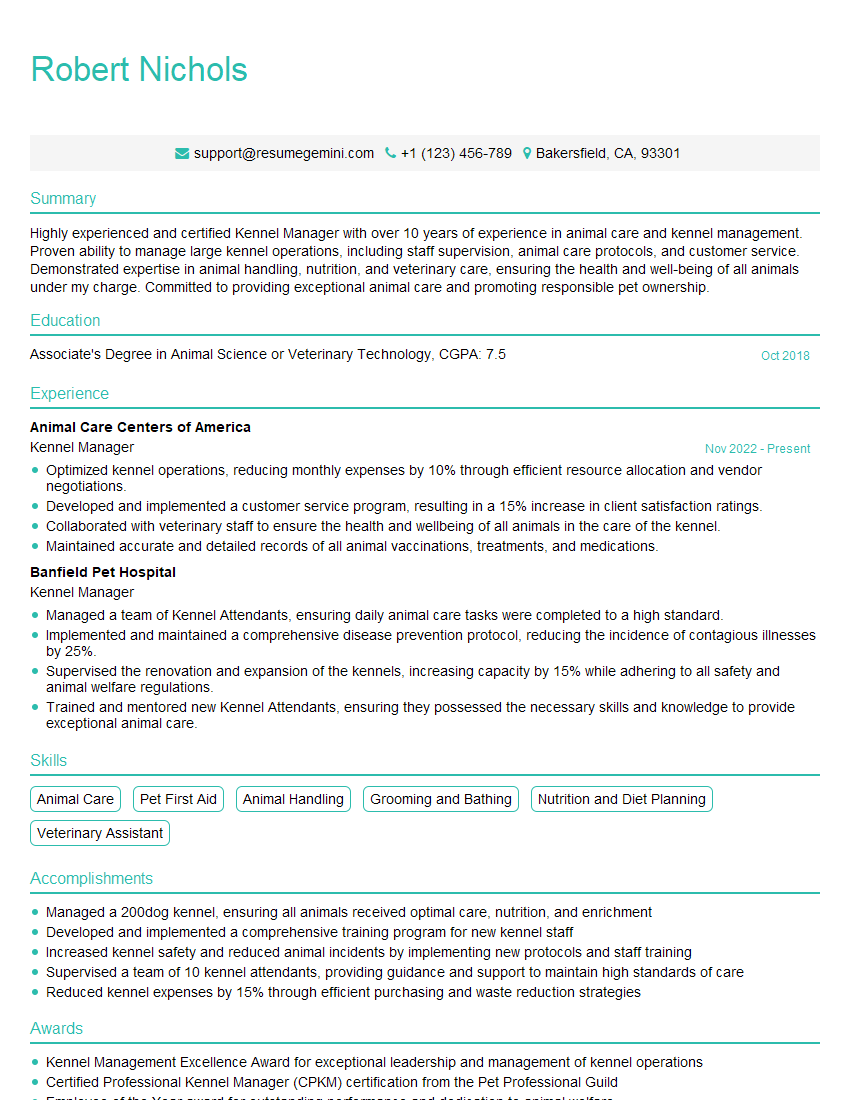
Mastering Litter and Whelping Management is crucial for career advancement in animal care, showcasing your dedication to animal welfare and your practical skills. A strong resume is your first impression. Creating an ATS-friendly resume is essential to maximize your job prospects. ResumeGemini is a trusted resource to help you build a professional and impactful resume. They provide examples of resumes tailored to Litter and Whelping Management to guide you through the process. Take advantage of these resources to present yourself as the ideal candidate.
Explore more articles
Users Rating of Our Blogs
Share Your Experience
We value your feedback! Please rate our content and share your thoughts (optional).
What Readers Say About Our Blog
Very informative content, great job.
good