Interviews are more than just a Q&A session—they’re a chance to prove your worth. This blog dives into essential Live Performance Management interview questions and expert tips to help you align your answers with what hiring managers are looking for. Start preparing to shine!
Questions Asked in Live Performance Management Interview
Q 1. Describe your experience managing budgets for live performances.
Budget management for live performances is a meticulous balancing act between artistic vision and financial realities. It’s not just about tracking expenses; it’s about strategic allocation to maximize impact and minimize risk. My approach involves a multi-stage process starting with a detailed budget proposal. This proposal breaks down all anticipated costs – from venue rental and artist fees to lighting, sound, security, marketing, and contingency funds. I use spreadsheet software, such as Excel or Google Sheets, to create a dynamic budget, allowing for easy updates and tracking throughout the production lifecycle. For example, I once managed a budget for a large-scale outdoor concert. The initial budget meticulously outlined every line item, from stage construction and artist rider requests to insurance and permit fees. As the project progressed, I regularly updated the spreadsheet, reflecting actual versus budgeted costs. This allowed us to proactively address any potential overruns and ensure we stayed within our allocated resources. Regular reporting to stakeholders is crucial, highlighting areas of potential concern and proposed mitigation strategies. Transparency and proactive communication are paramount.
Q 2. Explain your process for scheduling and coordinating multiple technical crews.
Coordinating multiple technical crews requires meticulous planning and clear communication. I begin by creating a comprehensive schedule, outlining each crew’s arrival time, setup period, responsibilities, and departure time. This is typically presented visually, using a Gantt chart or a similar scheduling tool to illustrate task dependencies and timelines. Pre-production meetings with each crew chief are critical to address specific technical requirements, potential conflicts, and to establish clear communication channels. Open communication channels are maintained during the show, using walkie-talkies or dedicated communication systems. For example, during a recent theatre production, we had lighting, sound, stagehand, and special effects crews all working simultaneously. Using a detailed schedule and regular communication check-ins, we ensured smooth transitions between setup, performance, and breakdown stages. A dedicated production manager is vital, to resolve any conflicts or discrepancies as they arise, ensuring optimal collaboration and minimal downtime.
Q 3. How do you handle unexpected technical issues during a live performance?
Handling unexpected technical issues requires a calm, decisive approach. My strategy focuses on proactive problem-solving and quick response. First, I establish a clear chain of command within the technical teams, enabling efficient delegation and problem identification. We have pre-established protocols for common issues (e.g., mic failure, lighting malfunction). However, for unforeseen situations, we utilize a problem-solving framework – identifying the issue, assessing its impact, determining potential solutions, and selecting the most effective course of action. For instance, during a live music show, a sudden power outage occurred. Our team immediately activated the backup generator, and the lighting technician quickly switched to emergency lighting. Communication with the artist and the audience was key; transparently explaining the situation minimized disruption and panic. A post-incident review is vital to analyze what went wrong, identify gaps in the plan, and implement preventative measures for the future.
Q 4. What strategies do you employ to ensure the safety of performers and audience members?
Ensuring the safety of performers and audience members is paramount. My approach is multifaceted, encompassing risk assessment, emergency preparedness, and clear communication. We conduct thorough risk assessments, identifying potential hazards and developing mitigation strategies. This includes crowd management plans, emergency exits clearly marked and accessible, and adequate security personnel. Our pre-show safety checks are rigorous, inspecting equipment, ensuring emergency exits are unobstructed, and confirming that emergency services are readily available. For high-risk events, we may incorporate additional measures, such as metal detectors or enhanced security patrols. Clear communication is vital; emergency procedures are clearly communicated to all staff and volunteers, and audience members are informed of emergency exits and procedures through signage and announcements. For example, at an outdoor festival, we implemented a robust crowd management system with designated entry and exit points, clearly marked safety zones, and trained personnel to manage crowd flow, preventing overcrowding and ensuring safe evacuation routes.
Q 5. Describe your experience with risk assessment in a live performance setting.
Risk assessment in live performance is a proactive process involving identifying, analyzing, and mitigating potential hazards. I use a structured approach, often employing a checklist or matrix format. We consider various aspects: venue safety (structural integrity, fire safety, emergency exits), equipment safety (proper maintenance, safe handling), performer safety (physical demands, health considerations), and audience safety (crowd control, emergency procedures). Each potential hazard is assessed for likelihood and severity, allowing for prioritization of mitigation efforts. For instance, in a theatrical production involving pyrotechnics, a detailed risk assessment would involve analyzing the potential for fire, burns, and other related injuries, outlining safety procedures for handling pyrotechnics, and designating trained personnel to manage these risks. The results of the assessment inform the development of a comprehensive safety plan with clear responsibilities and protocols. This plan is regularly reviewed and updated, especially if any significant changes occur in the production or venue.
Q 6. How do you manage artist relations and expectations?
Managing artist relations and expectations requires a proactive and communicative approach. I start by establishing clear communication channels from the outset, ensuring that the artist’s needs and expectations are understood and addressed promptly. This includes understanding their technical rider (detailed requirements for equipment and backstage amenities), addressing their logistical needs, and facilitating clear communication between the artist’s team and the production team. Regular meetings and updates maintain transparency, resolving any issues quickly and preventing them from escalating. Building trust and strong relationships through proactive communication is vital, fostering a collaborative atmosphere and achieving mutual respect and a successful event. For example, with a demanding musical artist, we scheduled regular meetings to discuss their requirements, provided them with detailed updates on progress, and accommodated their requests whenever possible, creating a positive environment and preventing any conflicts.
Q 7. Explain your approach to negotiating contracts with vendors and suppliers.
Negotiating contracts with vendors and suppliers requires a strategic approach. I begin with a thorough understanding of the market and pricing structures to determine fair and competitive rates. I develop clear, concise contracts, outlining deliverables, payment schedules, and responsibilities. This includes specific clauses addressing liability, insurance requirements, and dispute resolution mechanisms. Negotiations focus on finding mutually beneficial solutions while remaining within the allocated budget. This often involves negotiating payment terms, service level agreements, and potential penalties for non-compliance. For instance, while negotiating with a lighting vendor, I thoroughly reviewed their proposal, compared it with other offers, and then negotiated on aspects such as payment schedule, included services (e.g., setup/teardown assistance), and insurance details, securing a contract that was both cost-effective and fulfilled our requirements effectively. Documentation is vital; maintaining accurate records of all contracts and communication ensures transparency and avoids any future disputes.
Q 8. How do you prioritize tasks and manage time effectively during a fast-paced event?
Prioritizing tasks during a fast-paced event requires a blend of proactive planning and reactive adaptability. Think of it like conducting an orchestra – each musician (task) needs to play their part at the right time. My approach involves several key steps:
- Pre-Event Prioritization: I create a detailed schedule and task list, ranking items by urgency and importance using methods like the Eisenhower Matrix (urgent/important). This ensures critical tasks, like sound checks and performer briefings, are prioritized.
- Real-Time Adjustment: Unexpected issues are inevitable. I use a flexible approach, regularly reviewing the schedule and adjusting based on real-time needs. For example, if a technical issue arises, I immediately re-prioritize to resolve it before it impacts the show.
- Delegation and Communication: Effective delegation is crucial. I clearly define roles and responsibilities within my team, ensuring everyone understands their priorities and reporting structure. Open and constant communication is key to quickly address unforeseen circumstances.
- Time Blocking: I allocate specific time blocks for crucial tasks, allowing for buffer time to handle unexpected delays. This ensures we stay on schedule, even with unforeseen hiccups.
For example, during a recent music festival, a sudden power outage occurred just before the headline act. By quickly delegating tasks to my team (one to troubleshoot power, another to inform the audience, and another to prepare backup power options) we minimized the downtime and ensured the show continued with minimal disruption.
Q 9. What software and tools do you use for live performance management?
The tools and software I use for live performance management are diverse, depending on the event’s scale and complexity. They typically fall into these categories:
- Scheduling and Collaboration: Google Calendar, Asana, or Trello for scheduling rehearsals, meetings, and tasks, fostering team collaboration.
- Communication: Slack or similar platforms for instant messaging and streamlined communication across the team during the event.
- Sound and Lighting Control: Software like QLab, Soundcraft ViSi, or similar Digital Audio Workstations (DAWs) for controlling sound and lighting boards. Specific software choices depend on the console used; for instance, a Yamaha console might utilize its proprietary software.
- Rider Management: Specialized software or spreadsheets for tracking performer requests (riders) ensure we have everything the performers need, avoiding last-minute surprises.
- Ticketing and Registration: Eventbrite, Ticketmaster, or similar platforms for ticket sales, audience management, and attendee tracking.
I often combine these tools for a seamless workflow. For instance, we might use a shared Google Calendar to schedule tasks, Slack for communication updates, and specialized software like QLab for precise show control.
Q 10. Describe your experience with rider management for performers.
Rider management is a critical aspect of ensuring a smooth performance. A rider is a document detailing a performer’s technical and hospitality requirements. My experience encompasses the entire process:
- Receiving and Reviewing Riders: I meticulously review each rider, verifying feasibility and addressing potential conflicts. This involves checking for realistic requests and identifying any potential logistical challenges.
- Negotiation and Confirmation: If needed, I negotiate with the performer’s management to adjust unreasonable or impractical requests while maintaining a positive working relationship. Once finalized, the rider is confirmed in writing.
- Procurement and Coordination: I coordinate with vendors and suppliers to procure everything specified in the rider, ensuring timely delivery and proper setup. This includes instruments, equipment, catering, and accommodations.
- On-site Management: On the day of the performance, I oversee the implementation of the rider’s specifications, ensuring everything is in place and meets the performer’s expectations.
I recall a situation where a performer’s rider requested a specific type of rare water. By proactively contacting specialty water suppliers well in advance, we avoided any last-minute issues and ensured the performer felt well-cared-for, leading to a fantastic performance.
Q 11. How do you ensure the smooth transition between different acts or segments of a show?
Smooth transitions between acts are crucial for maintaining audience engagement and show flow. This involves meticulous planning and coordination:
- Precise Timing: I work closely with each act’s stage manager to establish precise start and end times. This includes accounting for setup and teardown times.
- Communication Protocols: Clear communication channels ensure seamless handovers. We use pre-determined cues and signals to coordinate the changeovers, minimizing downtime.
- Backstage Management: The backstage area needs to be efficiently managed to avoid congestion. We create designated areas for performers to prepare and rest, minimizing any conflicts.
- Technical Cues: Precise technical cues, including lighting, sound, and video transitions, are meticulously programmed to synchronize perfectly with the changeovers.
- Rehearsals: Rehearsals allow for a dry run of the transitions, identifying any potential bottlenecks and refining the process before the actual performance.
A well-rehearsed transition, often involving a short musical interlude or a visual effect, can seamlessly bridge the gap between acts, creating a cohesive and enjoyable experience for the audience.
Q 12. Explain your understanding of different sound system setups and their applications.
Understanding different sound system setups is fundamental to ensuring optimal audio quality. This involves knowledge of various components and their applications:
- PA Systems: These amplify sound for a large audience. Choosing the right system depends on the venue size and acoustic properties. Smaller venues might use smaller systems, while large stadiums require substantial, powerful systems.
- Line Arrays: These are highly directional speaker systems commonly used in large venues to ensure even sound distribution across a large area. They provide better control over sound coverage compared to traditional speaker stacks.
- Monitors: These provide sound to performers on stage. Different types of monitors exist (floor monitors, in-ear monitors) to suit performer preferences and stage conditions.
- Microphones: The choice of microphone (dynamic, condenser, etc.) depends on the sound source and desired sound quality. Proper microphone placement is crucial for achieving optimal sound capture.
- Mixing Consoles: These are used to control and balance the various sound sources. Digital mixing consoles provide greater flexibility and control.
For example, an outdoor concert requires a powerful line array system to ensure clear audio for thousands of audience members, whereas a small acoustic performance in a coffee shop may only require a simple PA system and a couple of microphones.
Q 13. What is your experience with lighting design and operation?
My experience with lighting design and operation spans various aspects, from initial design concepts to on-site execution:
- Design Collaboration: I work with lighting designers, directors, and other creative professionals to understand their vision and translate it into a functional lighting plan.
- Programming and Operation: I’m proficient in using lighting consoles (e.g., ETC EOS, MA Lighting) to program and operate the lighting system, ensuring synchronization with the show’s pacing and mood.
- Fixture Selection: I possess knowledge of various lighting fixtures (moving heads, LED washes, spotlights) and their applications to achieve the desired visual effects.
- Safety and Compliance: I ensure that all lighting operations are safe and compliant with industry standards, preventing any accidents or equipment malfunctions.
In one project, I worked with a lighting designer to create a dramatic lighting scheme for a theatrical production. We used a combination of moving heads, spotlights, and washes to create dynamic and engaging visuals that enhanced the storytelling.
Q 14. How do you manage audience flow and crowd control?
Managing audience flow and crowd control is crucial for safety and a positive audience experience. My approach involves a multi-faceted strategy:
- Pre-Event Planning: This includes collaborating with venue management to develop a clear entry and exit plan, considering potential bottlenecks and implementing appropriate signage.
- Staffing and Training: Adequate trained personnel, such as ushers and security, are essential to guide audience members and handle any potential incidents. Clear communication protocols are established.
- Clear Signage and Announcements: Well-placed signage and clear, concise announcements guide the audience efficiently through the venue, minimizing congestion.
- Crowd Management Techniques: I’m familiar with techniques to manage crowd surges and prevent dangerous situations, particularly in high-density areas. This includes implementing crowd barriers and utilizing crowd control strategies.
- Emergency Procedures: Having established emergency evacuation procedures is critical, ensuring a safe and orderly exit in case of any unforeseen events.
For example, during a large-scale outdoor concert, we employed a staggered entry system, clearly marked entry and exit points, and sufficient security personnel to ensure smooth audience flow and prevent overcrowding.
Q 15. Describe your experience working with unionized crews.
Working with unionized crews requires a deep understanding of collective bargaining agreements and a commitment to fair labor practices. My experience spans numerous productions, involving various unions like IATSE (International Alliance of Theatrical Stage Employees) and Teamsters. I’ve successfully negotiated contracts, ensured compliance with union rules regarding working hours, wages, and safety regulations, and fostered positive relationships with union representatives. For instance, on a recent large-scale concert, I collaborated closely with the IATSE local to schedule load-in/load-out efficiently, minimizing overtime costs while maintaining the crew’s morale and safety. This involved proactive communication, precise scheduling, and adherence to all union guidelines. This collaborative approach resulted in a smooth and successful event without any labor disputes.
Career Expert Tips:
- Ace those interviews! Prepare effectively by reviewing the Top 50 Most Common Interview Questions on ResumeGemini.
- Navigate your job search with confidence! Explore a wide range of Career Tips on ResumeGemini. Learn about common challenges and recommendations to overcome them.
- Craft the perfect resume! Master the Art of Resume Writing with ResumeGemini’s guide. Showcase your unique qualifications and achievements effectively.
- Don’t miss out on holiday savings! Build your dream resume with ResumeGemini’s ATS optimized templates.
Q 16. How do you maintain clear communication within a large team?
Maintaining clear communication within a large team is paramount. I employ a multi-pronged approach: Firstly, I utilize a clear and consistent communication plan. This usually involves daily production meetings, utilizing a project management software like Asana or Monday.com to track progress, assign tasks, and ensure everyone is on the same page. Secondly, I ensure all communication channels are open – this includes email, text, and in-person conversations, depending on the urgency and nature of the message. Thirdly, I encourage open dialogue and feedback. Regular check-ins with team members allow me to address concerns promptly and prevent issues from escalating. Finally, I utilize visual aids like flowcharts or timelines to illustrate complex processes or schedules, making information accessible to everyone, regardless of their technical expertise. For example, during a complex theatre production, using a shared online project board enabled the lighting, sound, and stagehand teams to instantly view tasks, progress, and potential conflicts, significantly enhancing our overall communication and coordination.
Q 17. How do you handle conflicts or disagreements amongst team members?
Conflict resolution is a crucial skill in live performance management. My approach is based on proactive communication and mediation. I encourage open dialogue between conflicting parties, actively listening to each perspective without judgment. I strive to identify the root cause of the disagreement, rather than focusing solely on the symptoms. This often involves facilitating a structured discussion where individuals can express their concerns and potential solutions. If the conflict persists, I mediate by suggesting compromises or alternative solutions that satisfy all parties involved. In a recent situation involving a disagreement between the lighting and sound teams, I facilitated a meeting where both teams articulated their concerns about scheduling and resource allocation. By understanding their perspectives, we created a revised schedule that accommodated both teams’ needs. This collaborative solution not only resolved the conflict but also fostered greater mutual respect and understanding between the teams.
Q 18. Describe your experience with post-event analysis and reporting.
Post-event analysis and reporting are crucial for continuous improvement. My process typically involves collecting data from various sources – attendance figures, audience surveys, financial reports, technical reports (lighting, sound, stage), and crew feedback forms. This data is then analyzed to identify areas of strength and areas needing improvement. For example, low audience satisfaction scores in a particular area might prompt us to review the sound quality or seating arrangement for future events. Technical reports help identify potential equipment malfunctions or workflow inefficiencies. A detailed report summarizing the findings and actionable recommendations is generated and shared with stakeholders. The findings also help inform future budgets, scheduling, and venue selection, ultimately improving efficiency and minimizing risks in future productions.
Q 19. How do you measure the success of a live performance?
Measuring the success of a live performance involves a multifaceted approach, considering both qualitative and quantitative data. Quantitative measures include attendance figures, box office revenue, and merchandise sales. However, these alone don’t tell the whole story. Qualitative measures are equally important, such as audience satisfaction (measured through surveys and online reviews), artist feedback, and media coverage. A successful performance might be characterized by high audience attendance and positive reviews, indicating audience engagement and satisfaction, alongside positive artist feedback. Furthermore, operational success could be measured by achieving budget targets, maintaining safety standards, and ensuring a smooth technical execution. All these factors contribute to a holistic evaluation of the performance’s success.
Q 20. Explain your familiarity with different types of venues and their specific requirements.
My experience encompasses a wide range of venues, from intimate theaters to large stadiums and outdoor festivals. Each venue presents unique logistical challenges and requirements. Intimate theaters demand meticulous attention to detail regarding lighting, sound, and stage design, often involving advanced acoustic considerations. Larger venues like stadiums present challenges related to crowd control, security, and the efficient management of large crews. Outdoor festivals require adaptability to variable weather conditions and the integration of various regulatory requirements. I have developed a strong understanding of the technical specifications, safety regulations, and logistical procedures specific to each venue type, ensuring that events are executed smoothly and safely regardless of location. For example, working at an outdoor festival required careful planning for backup power generators, contingency plans for inclement weather, and strict adherence to local fire and safety codes.
Q 21. What is your experience with securing necessary permits and licenses for events?
Securing necessary permits and licenses is a crucial aspect of event management. My experience involves navigating the complex regulatory landscape, understanding the specific requirements of each event type and location. This involves identifying all necessary permits – including those related to alcohol sales, sound levels, public assembly, street closures, and any special permits required for pyrotechnics or other special effects. I ensure all applications are submitted well in advance, meticulously following the guidelines and regulations set by the relevant authorities. I maintain comprehensive documentation for all permits and licenses, ensuring compliance with all legal obligations. For example, organizing a street parade required obtaining permits from the city’s traffic management department, the police department, and the relevant licensing authorities. Proactive communication and meticulous attention to detail are crucial in ensuring a smooth and compliant permit acquisition process.
Q 22. How do you develop contingency plans for various scenarios during a live event?
Developing contingency plans for live events is crucial for mitigating risks and ensuring a smooth show. It’s like having a backup plan for your backup plan! My approach involves a systematic process:
- Identify Potential Risks: This involves brainstorming all possible scenarios that could disrupt the event, from technical malfunctions (power outage, sound system failure) to unforeseen circumstances (severe weather, artist cancellation). I use a risk assessment matrix to prioritize these risks based on likelihood and impact.
- Develop Mitigation Strategies: For each identified risk, I develop specific, actionable steps to mitigate its impact. For instance, if a power outage is a risk, we’d have backup generators and a detailed power restoration plan. If an artist cancels, we’d have a replacement act or a plan to adjust the schedule.
- Create Communication Protocols: Clear communication is vital during an emergency. This involves establishing designated roles and contact information, utilizing a centralized communication system (e.g., a dedicated group chat or radio system), and preparing pre-written announcements to inform attendees and staff.
- Regular Rehearsals and Testing: We regularly rehearse our contingency plans, simulating various scenarios to ensure everyone knows their roles and responsibilities. This includes testing backup systems, such as the backup generators, to guarantee they are fully operational.
- Documentation and Review: All contingency plans are meticulously documented and regularly reviewed and updated. Lessons learned from past events are incorporated to continuously improve the effectiveness of our plans.
For example, during a large outdoor festival, we factored in the risk of severe weather. Our contingency plan included a designated shelter area, weather monitoring systems, and a clear communication strategy to alert attendees in case of an evacuation.
Q 23. Describe your experience with emergency procedures and response protocols.
Emergency procedures and response protocols are paramount in live event management. My experience includes developing and implementing comprehensive plans that cover a wide range of scenarios, including medical emergencies, security breaches, and evacuation procedures.
I’ve worked on events requiring detailed emergency action plans (EAPs), which clearly outline roles, responsibilities, and procedures for each team member. These plans are developed in consultation with local emergency services, ensuring compliance with all relevant regulations. For instance, we establish clear communication channels with first responders, ensuring a swift and coordinated response in case of a medical emergency. We regularly train staff in first aid and CPR, and we ensure that all venues have adequate first-aid stations and easily accessible emergency exits.
One memorable instance involved a sudden power outage during a large concert. Our pre-planned response, which included using backup generators and emergency lighting, ensured the safety of attendees and minimized disruption to the event. This experience highlighted the importance of meticulously planned and regularly tested emergency protocols.
Q 24. Explain your understanding of copyright and intellectual property laws related to live performances.
Understanding copyright and intellectual property (IP) laws is crucial for ethical and legal live performance management. This involves securing the necessary licenses and permissions for music, visuals, and other copyrighted material used during the event.
We work closely with rights holders to obtain appropriate licenses for music performances, ensuring compliance with the law and protecting the interests of all involved parties. This includes securing mechanical licenses for musical recordings, performance licenses for public performances, and synchronization licenses for the use of music with visuals. Failure to do so can result in significant legal repercussions and financial penalties.
Similarly, we take great care to ensure that any visual elements used, such as images, videos, or artistic designs, are properly licensed or created with original material. This prevents infringement of copyright and avoids potential legal complications.
For example, when organizing a concert featuring a band performing copyrighted material, we negotiate a license with the relevant music publishing rights organizations to ensure the legal performance of the music.
Q 25. How do you manage ticketing and registration processes for large events?
Managing ticketing and registration for large events requires a robust and efficient system. This often involves utilizing specialized ticketing platforms that handle various aspects such as:
- Online Ticketing Sales: Selecting a platform that integrates seamlessly with our marketing and CRM systems is paramount, providing accurate sales tracking and a smooth user experience for buyers.
- Ticket Distribution: We need to ensure smooth distribution of tickets, which may include digital tickets, physical tickets, or a combination of both.
- Registration Management: For events requiring registration beyond simple ticket sales, we use dedicated platforms or custom-built solutions to manage attendee information, collect necessary data, and handle various registration types (e.g., VIP, general admission).
- Access Control: Our system should integrate with access control measures at the venue, such as scanning tickets at entry points to verify authenticity and manage attendee flow.
- Reporting and Analytics: Detailed reporting features are essential for tracking sales, monitoring attendance, and analyzing overall event performance.
We choose platforms offering scalability and security, ensuring they can handle large volumes of transactions securely. For instance, during a large music festival, we successfully utilized a cloud-based ticketing platform that allowed for real-time tracking of sales, effective communication with customers, and seamless integration with other event management systems.
Q 26. Describe your experience working with marketing and promotion teams for live events.
Collaboration with marketing and promotion teams is vital for the success of any live event. My experience involves working closely with these teams throughout the entire event lifecycle, from initial concept to post-event analysis.
This collaboration begins with defining clear marketing objectives and target audiences. We work together to develop a cohesive marketing strategy, including identifying appropriate channels (social media, email marketing, traditional advertising), creating compelling content, and setting realistic expectations for reach and engagement. I often provide operational input, such as timelines and capacity constraints, to ensure that marketing efforts align with event logistics.
During the event, we communicate closely to ensure consistent messaging and to address any unforeseen challenges. After the event, we analyze the data together to evaluate campaign performance and identify areas for improvement in future events. For example, during a recent conference, we collaborated with the marketing team to create engaging social media content that generated significant pre-event buzz and drove ticket sales.
Q 27. How do you ensure compliance with health and safety regulations?
Ensuring compliance with health and safety regulations is a non-negotiable aspect of live performance management. This requires a proactive approach, beginning with a thorough risk assessment of the venue and planned activities.
We work closely with local authorities and relevant agencies to obtain all necessary permits and licenses. We implement measures to manage crowd safety, including emergency exits, clear signage, and crowd control personnel. We provide training to staff on emergency procedures and relevant safety protocols. We also ensure that all equipment used complies with relevant safety standards and is regularly inspected and maintained.
For events involving food and beverage, we meticulously follow hygiene standards and obtain necessary licenses from health authorities. We ensure appropriate insurance coverage to protect against potential accidents or liabilities. Compliance is not just about avoiding penalties, it’s about creating a safe and enjoyable experience for everyone involved.
Q 28. How do you utilize data analytics to improve future live performance events?
Data analytics plays a critical role in improving future live performance events. By collecting and analyzing data from various sources, we gain valuable insights to optimize event planning and execution. This includes data on ticket sales, attendee demographics, social media engagement, and on-site feedback.
We use this data to identify trends and patterns, allowing us to refine our marketing strategies, improve our event design, and personalize the attendee experience. For example, if our analysis reveals that a specific age group is highly engaged with our event, we can tailor future marketing campaigns to reach similar audiences more effectively. Similarly, analyzing attendee feedback on food and beverage options can help us improve catering services for future events.
Real-time data during the event, such as crowd density and queuing times, allows us to make informed decisions during the event itself, ensuring smoother flow and efficient resource allocation. By combining various data points, we develop a comprehensive understanding of our audience, improving our ability to deliver memorable and successful events.
Key Topics to Learn for Live Performance Management Interview
- Venue Management & Operations: Understanding venue capacities, technical specifications, event logistics, and staff management. Practical application: Developing efficient event scheduling and resource allocation strategies.
- Technical Production & Stage Management: Knowledge of sound, lighting, video, and rigging systems; understanding show calls and run-of-show documents. Practical application: Troubleshooting technical issues during a live performance and ensuring smooth transitions between acts.
- Artist Management & Liaison: Communication and negotiation skills with artists, agents, and their teams. Practical application: Managing artist rider requests and resolving conflicts effectively.
- Risk Management & Safety Protocols: Implementing safety procedures, emergency response plans, and crowd control strategies. Practical application: Conducting thorough risk assessments and creating mitigation plans for potential hazards.
- Budgeting & Financial Management: Understanding revenue streams, expense tracking, and profit/loss analysis for live events. Practical application: Developing and managing budgets for various performance types and scales.
- Marketing & Promotion: Understanding ticket sales strategies, marketing channels, and audience engagement techniques. Practical application: Developing marketing campaigns to maximize audience reach and ticket sales.
- Contract Negotiation & Legal Aspects: Familiarity with standard contracts, licensing agreements, and relevant legal frameworks. Practical application: Reviewing contracts and ensuring compliance with industry standards.
- Data Analysis & Reporting: Utilizing data to track key performance indicators (KPIs) and improve future events. Practical application: Analyzing post-event data to identify areas for improvement and optimize event strategies.
Next Steps
Mastering Live Performance Management opens doors to exciting career opportunities, offering diverse roles with increasing responsibility and earning potential. To maximize your job prospects, creating a strong, ATS-friendly resume is crucial. ResumeGemini can significantly enhance your resume-building experience. Leverage their tools and resources to craft a compelling document that highlights your skills and experience. Examples of resumes tailored specifically to Live Performance Management are available to help guide you.
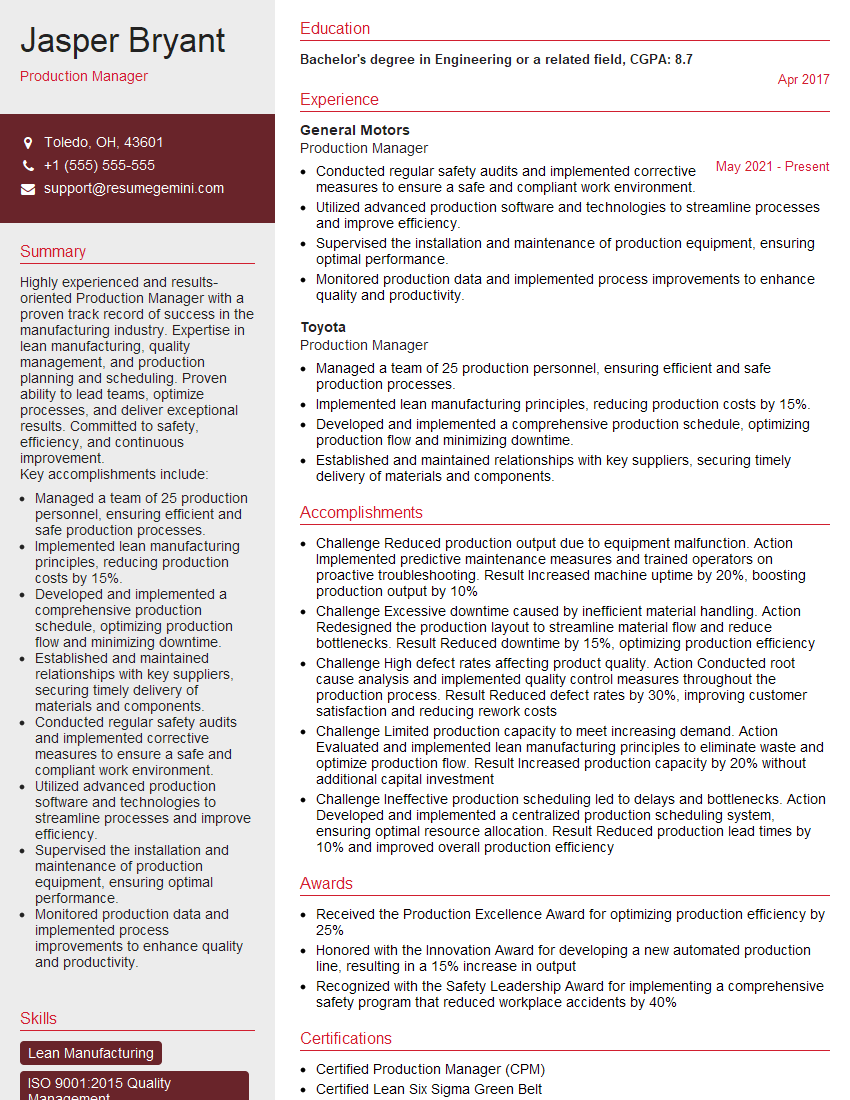
Production Manager Resume Sample
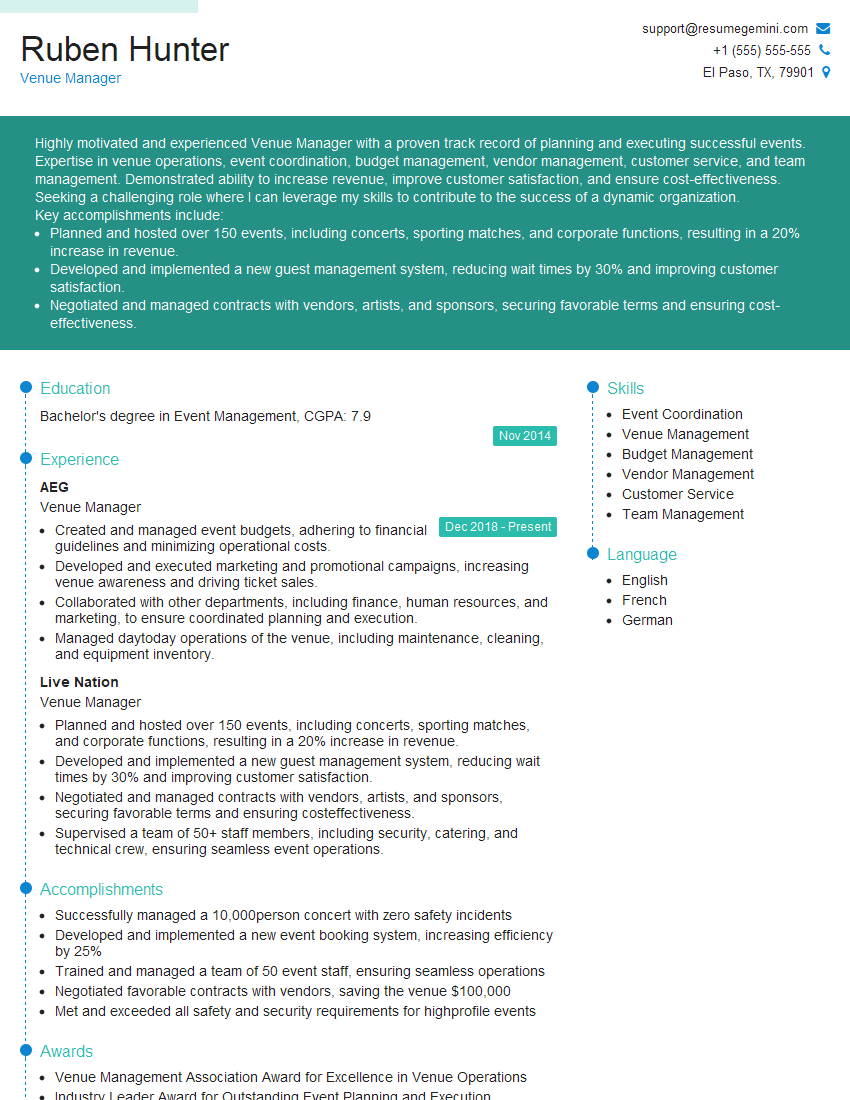
Venue Manager Resume Sample
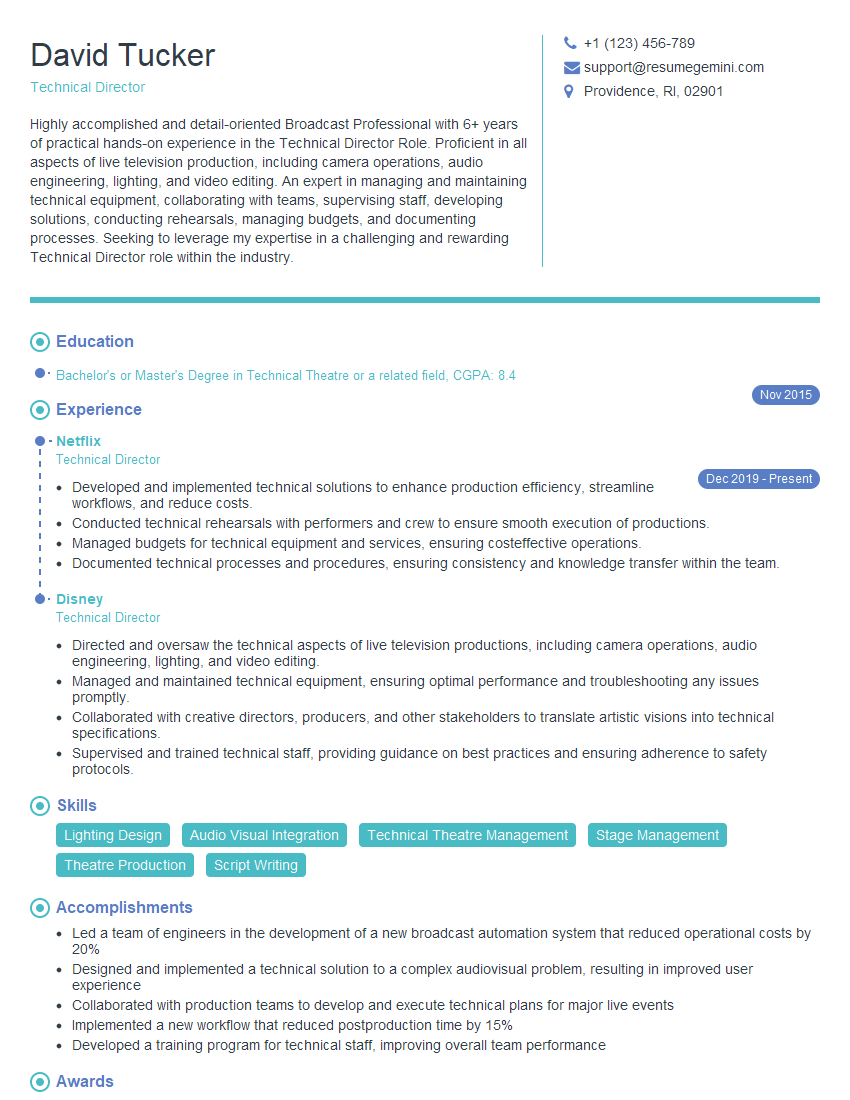
Technical Director Resume Sample

Production Coordinator Resume Sample
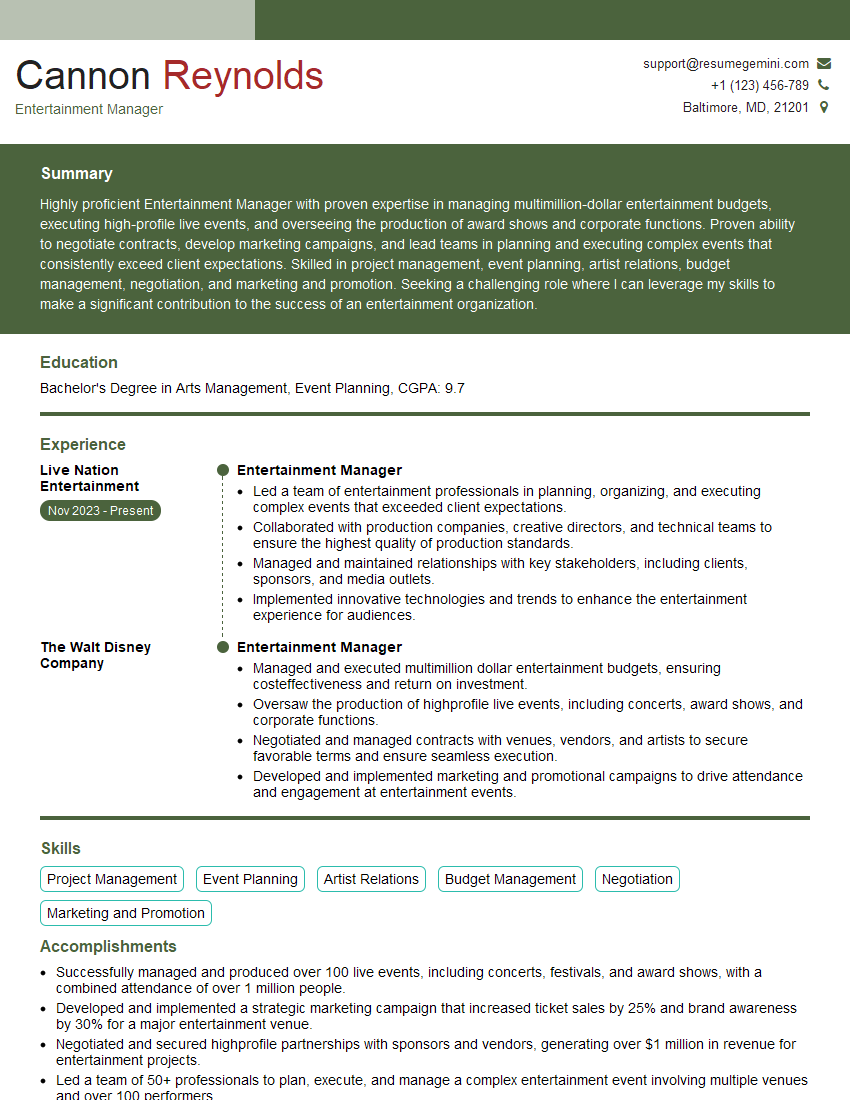
Entertainment Manager Resume Sample
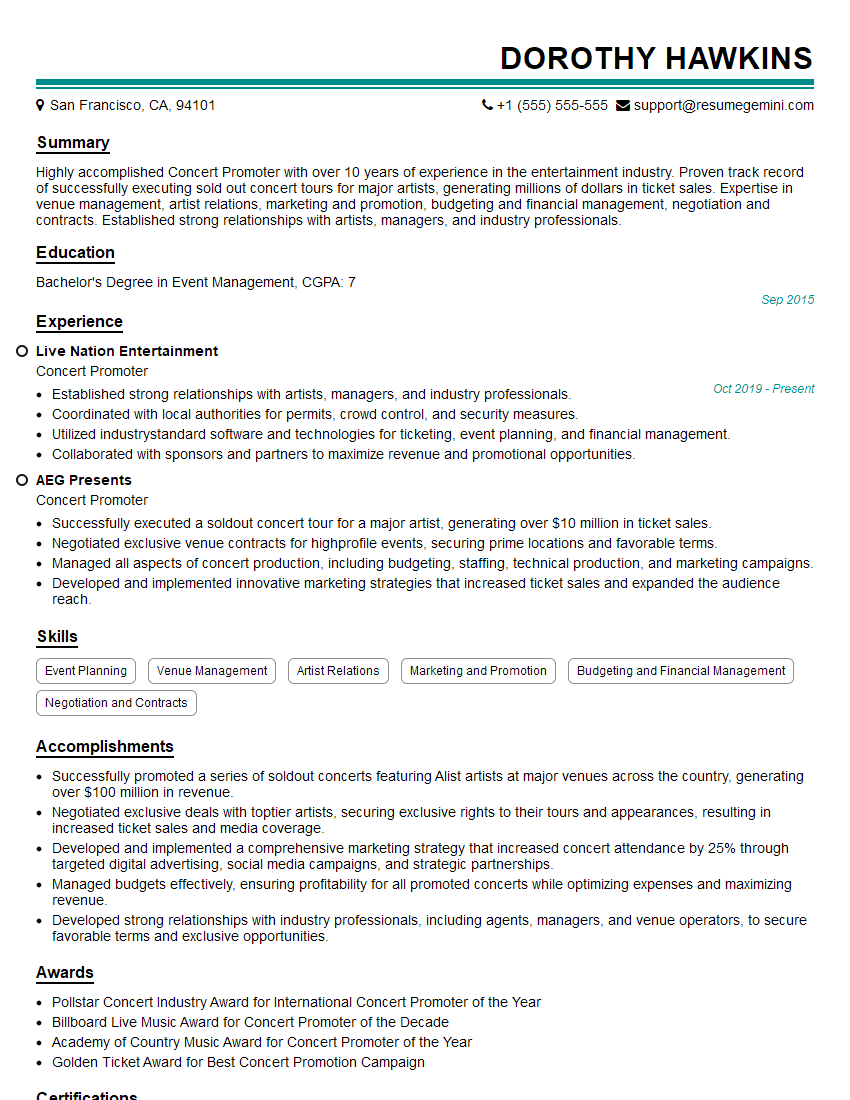
Concert Promoter Resume Sample
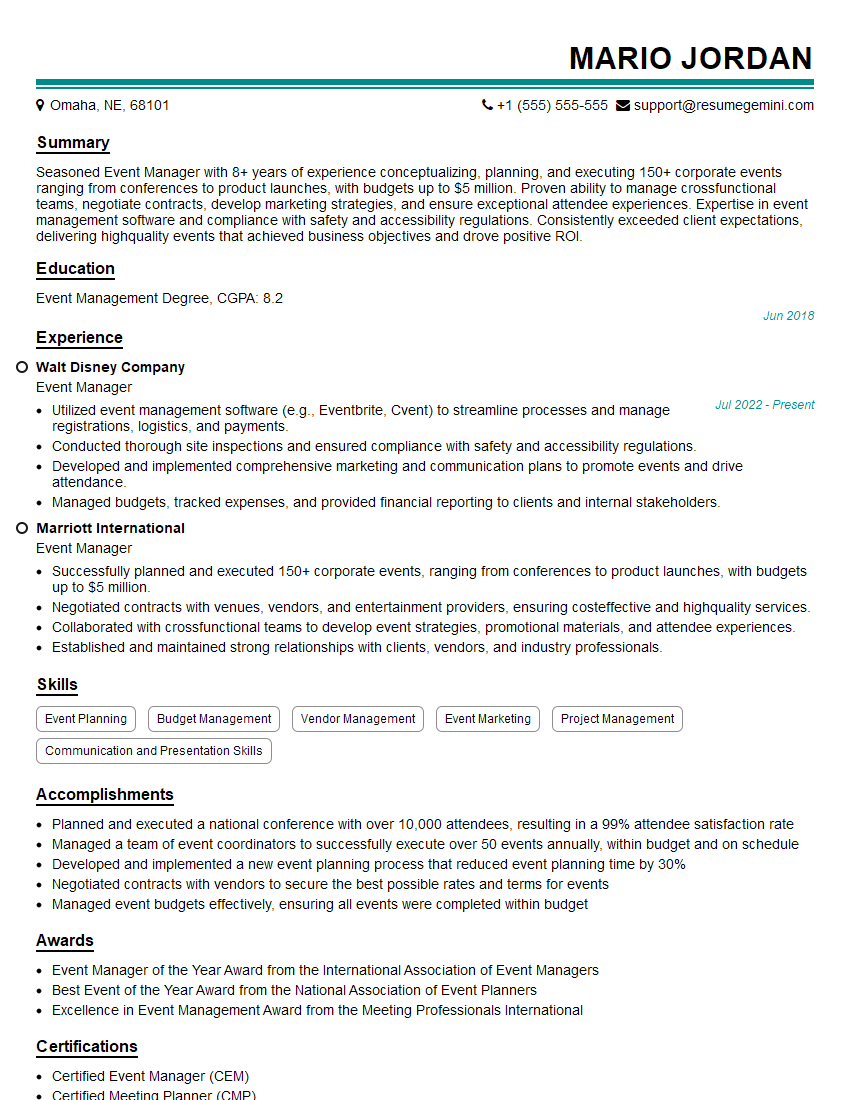
Event Manager Resume Sample
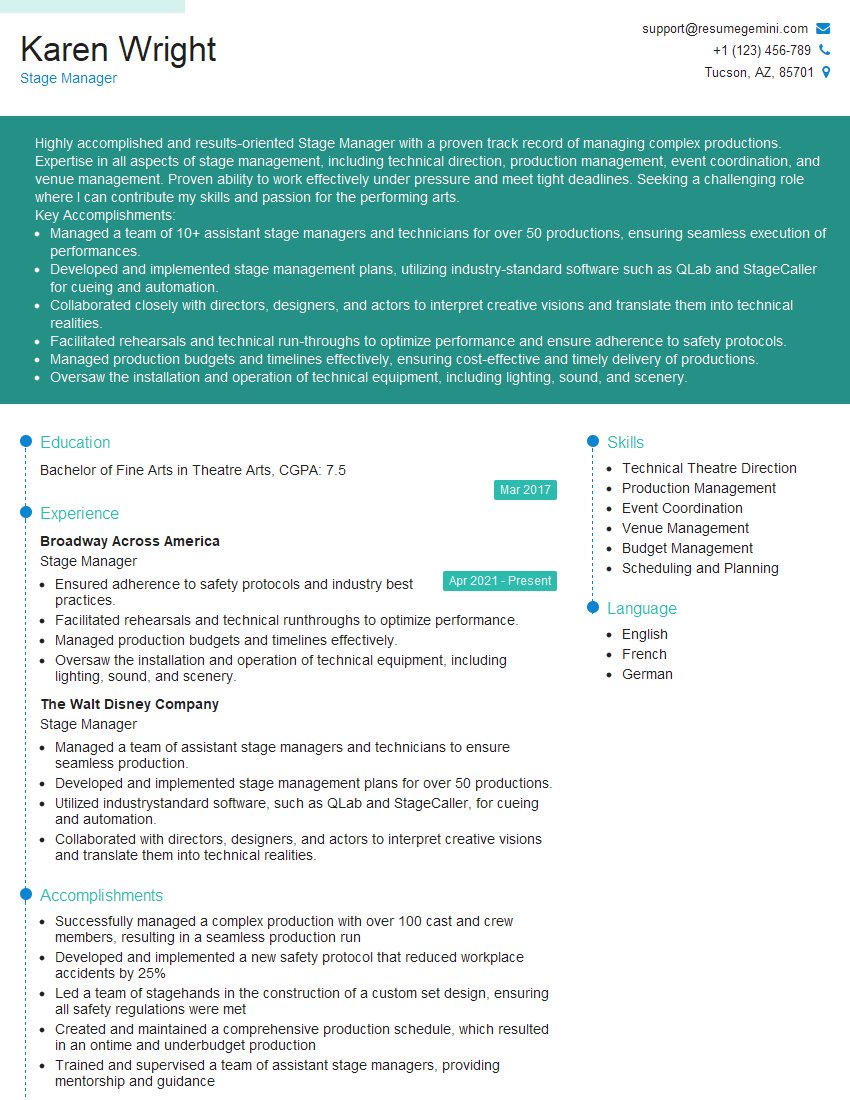
Stage Manager Resume Sample
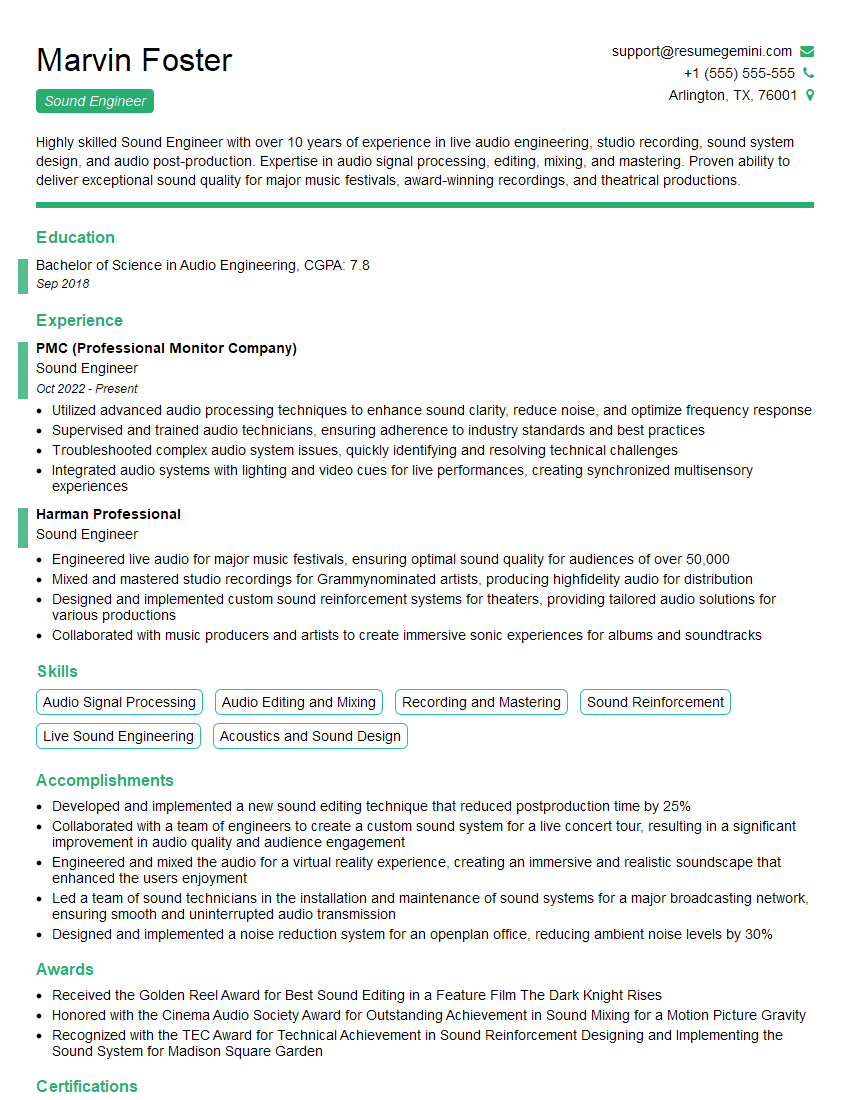
Sound Engineer Resume Sample
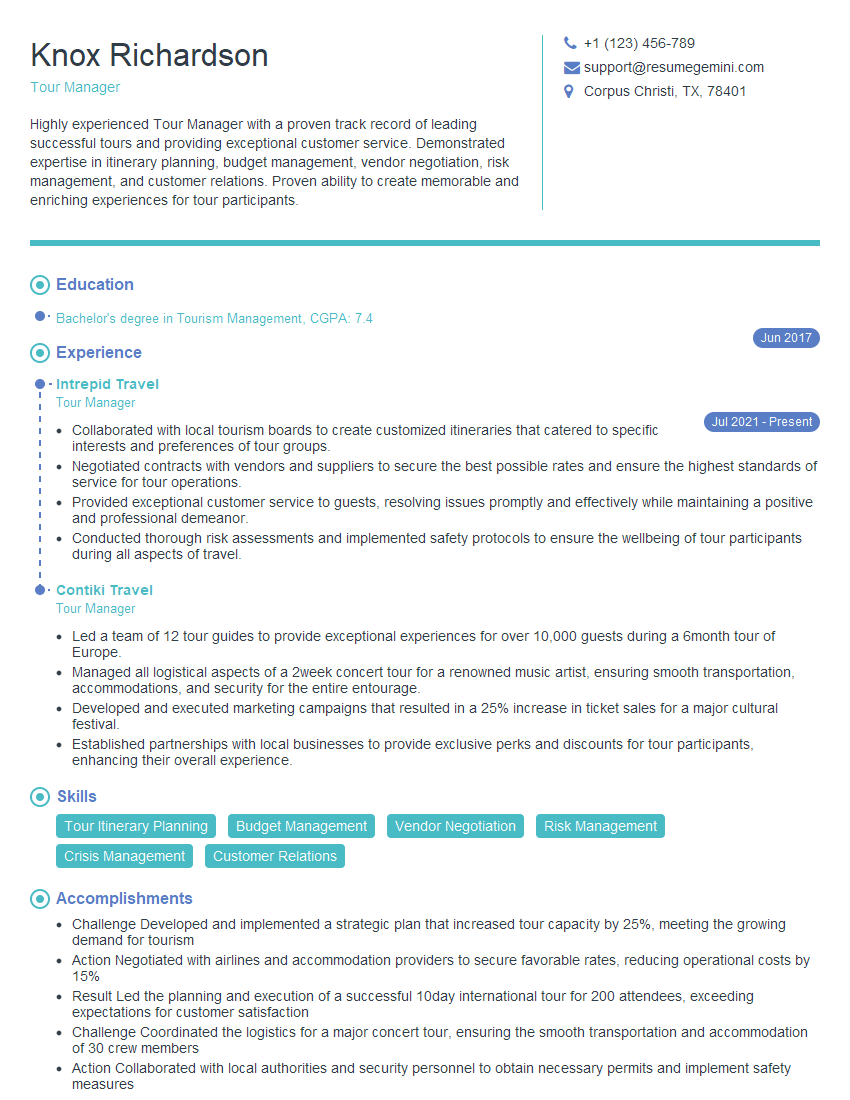
Tour Manager Resume Sample
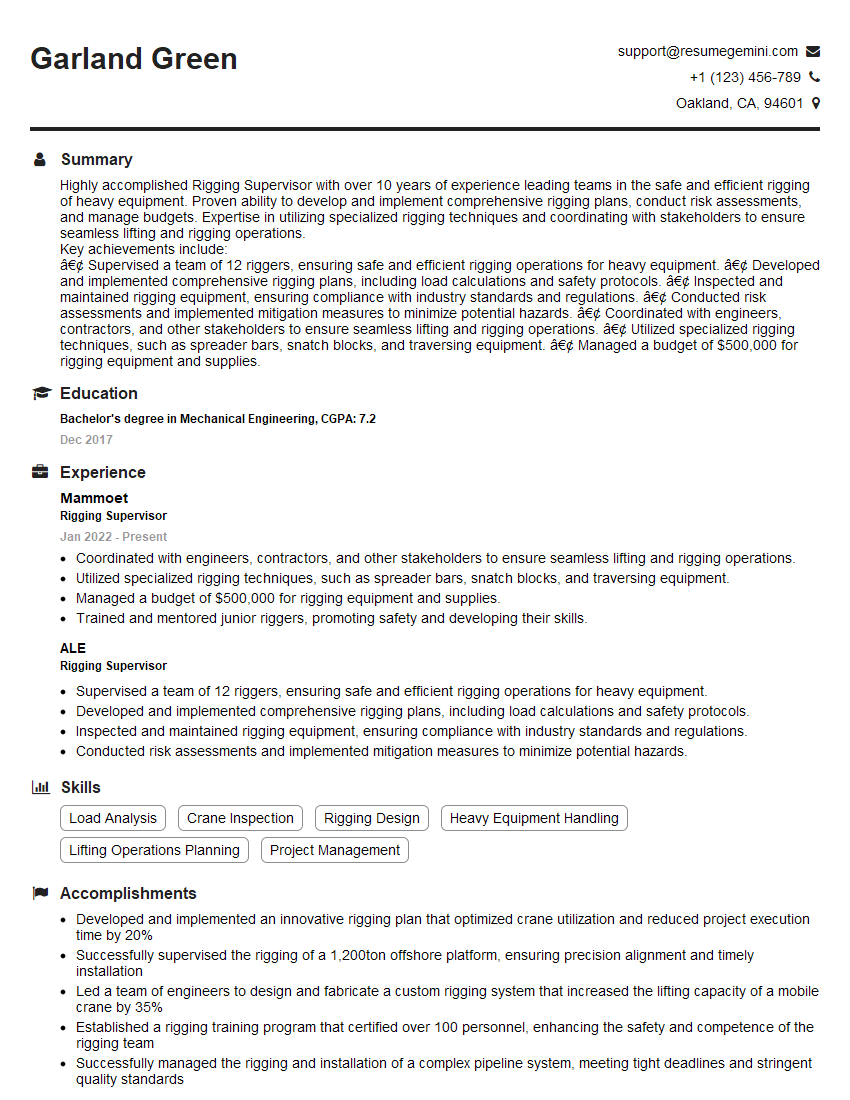
Rigging Supervisor Resume Sample
Explore more articles
Users Rating of Our Blogs
Share Your Experience
We value your feedback! Please rate our content and share your thoughts (optional).
What Readers Say About Our Blog
Very informative content, great job.
good