Are you ready to stand out in your next interview? Understanding and preparing for Livestock Handling and Care interview questions is a game-changer. In this blog, we’ve compiled key questions and expert advice to help you showcase your skills with confidence and precision. Let’s get started on your journey to acing the interview.
Questions Asked in Livestock Handling and Care Interview
Q 1. Describe your experience handling different livestock species.
My experience spans a wide range of livestock species, including cattle, sheep, goats, pigs, and poultry. I’ve worked extensively on both large-scale commercial farms and smaller, more specialized operations. This diverse experience has given me a deep understanding of the unique handling requirements of each species, from the gentle approach needed with sheep to the more assertive techniques sometimes necessary with cattle. For example, handling dairy cows during milking requires a calm and reassuring approach, whereas moving a large herd of beef cattle might involve using herding techniques and strategically placed gates. My experience also includes working with horses, though not as frequently as the other species mentioned.
Q 2. Explain your knowledge of animal behavior and how it impacts handling.
Understanding animal behavior is paramount in safe and effective livestock handling. Animals react to stimuli differently based on their species, breed, age, and individual temperament. For example, a sudden loud noise might cause a flock of sheep to stampede, while the same noise might only mildly startle a group of cattle. Flight zones, which are the areas surrounding an animal where it feels threatened, are crucial to understand. By respecting an animal’s flight zone and moving slowly and calmly, you reduce the likelihood of fear and stress-induced aggressive behavior. This applies across all species. Similarly, recognizing signs of stress such as rapid breathing, pinned ears, or tail swishing can help you adjust your approach accordingly. Effective handling relies on anticipating animal reactions and modifying behavior to avoid triggering negative responses.
Q 3. What are the key signs of illness or injury in livestock?
Recognizing illness or injury in livestock requires keen observation skills. Key signs can vary depending on the species but often include:
- Changes in behavior: Lethargy, isolation, reluctance to move or eat.
- Physical signs: Lameness, coughing, sneezing, discharge from eyes or nose, diarrhea, unusual posture, labored breathing, swelling, or wounds.
- Changes in vital signs: Elevated temperature, rapid heart rate, weak pulse.
- Decreased productivity: Reduced milk yield in dairy animals, weight loss, or poor feed conversion in beef cattle or pigs.
For example, a cow with mastitis (udder infection) might show swelling and redness in the udder and exhibit discomfort during milking. A pig with respiratory disease might cough frequently and have difficulty breathing. Early detection and prompt veterinary attention are vital for successful treatment and minimizing losses.
Q 4. How do you ensure the safety of both livestock and handlers during procedures?
Ensuring the safety of both livestock and handlers requires a multi-faceted approach. This includes:
- Proper training: Handlers need thorough training in safe handling techniques, including the use of appropriate equipment and emergency procedures.
- Use of appropriate equipment: Using well-maintained chutes, headgates, and other restraint devices minimizes the risk of injury to both animals and handlers. This includes regular checks to ensure the equipment is in safe working order.
- Understanding animal behavior: As previously discussed, knowledge of animal behavior allows handlers to anticipate and avoid potentially dangerous situations.
- Working as a team: Coordinated efforts amongst handlers ensure smooth, efficient, and safe procedures.
- Personal Protective Equipment (PPE): Handlers should use appropriate PPE, including gloves, protective footwear, and safety glasses, depending on the procedure.
For instance, when vaccinating cattle, using a properly functioning headgate and appropriate restraint techniques prevents injury to both the animal and the handler.
Q 5. Describe your experience with livestock restraint techniques.
My experience encompasses a wide array of livestock restraint techniques, chosen based on the species, the procedure being performed, and the individual animal’s temperament. These include:
- Halters and leads: Commonly used for controlling individual cattle, sheep, and goats.
- Chutes and headgates: Provide secure restraint for various procedures such as vaccination, blood sampling, and hoof trimming.
- Casting and ropes: Used for more challenging situations, particularly with larger animals that require more secure restraint.
- Panel systems: Offer efficient movement and sorting of livestock within a facility.
- Individual animal considerations: It’s important to tailor restraint methods to the animal’s size, temperament, and physical condition.
Improper restraint can lead to injury, stress, and compromised animal welfare. Therefore, it is crucial to employ techniques appropriate to each situation and animal to minimize stress and risk.
Q 6. What are the proper methods for administering medication to livestock?
Administering medication to livestock requires precision and adherence to veterinary instructions. The method varies depending on the type of medication, the dosage, and the species of animal. Common methods include:
- Oral administration: Drenching (using a syringe or drench gun) or boluses (pills) are common for oral medication.
- Injection: Subcutaneous, intramuscular, and intravenous injections are frequently used. The site of injection is chosen based on the type of medication and the animal’s anatomy.
- Topical application: Creams, ointments, or sprays are used for external applications.
It is crucial to accurately measure dosages and follow all safety precautions. Proper technique minimizes stress to the animal and ensures accurate drug delivery. Incorrect administration can result in reduced treatment effectiveness or even adverse reactions. Always consult with a veterinarian to ensure proper medication selection and administration techniques.
Q 7. Explain your understanding of livestock nutrition and dietary needs.
Livestock nutrition is a critical aspect of animal health and productivity. Understanding the dietary needs of different species and life stages is essential. Factors such as age, breed, physiological state (e.g., pregnancy, lactation), and production level (e.g., milk yield, weight gain) all influence nutrient requirements. Rations must provide a balance of energy, protein, vitamins, and minerals. For example, lactating dairy cows have much higher energy and protein needs compared to dry cows. Growing pigs require higher levels of protein for muscle development compared to adult pigs. It’s crucial to consider the quality of feedstuffs, ensuring proper nutrient digestibility and avoiding contamination with toxins or harmful substances. Monitoring feed intake and animal performance helps in adjusting rations to meet specific needs and optimize productivity. Consulting with a nutritionist is crucial for formulating balanced rations that cater to these needs.
Q 8. How do you monitor livestock health and identify potential problems?
Monitoring livestock health is crucial for preventing disease outbreaks and ensuring animal welfare. It involves a multi-faceted approach, combining regular observation with targeted diagnostic tests.
Visual Observation: Daily checks are essential to spot any signs of illness, such as changes in behavior (listlessness, isolation), appetite (reduced feed intake), posture (hunched back), or physical condition (lameness, discharge, coughing). For example, noticing a cow consistently lagging behind the herd during grazing could indicate lameness.
Body Condition Scoring (BCS): This involves visually assessing the amount of fat cover on an animal to determine its nutritional status. A low BCS can indicate malnutrition, while a high BCS might signal obesity or other health issues. We use standardized scoring systems to ensure consistency and accuracy.
Temperature Monitoring: Rectal temperature is a vital indicator of illness. A fever often signifies an infection.
Diagnostic Testing: This might involve blood tests to check for parasites, infections, or metabolic disorders, fecal exams to assess parasite load, or milk tests to detect mastitis. For instance, regular milk testing helps us identify subclinical mastitis in dairy cows before it progresses to clinical disease.
By combining these methods, we can quickly identify potential problems and implement timely interventions to minimize the impact on the herd’s health and productivity.
Q 9. Describe your experience with breeding and reproductive management in livestock.
My experience in breeding and reproductive management encompasses a wide range of techniques and strategies aimed at optimizing reproductive performance. This includes:
Heat Detection: Accurately identifying estrus (heat) is critical for successful timed artificial insemination (TAI) or natural mating. We utilize various methods, such as visual observation of mounting behavior, changes in vulvar mucus, and the use of heat detection aids like tail paint or activity monitors.
Artificial Insemination (AI): AI offers several advantages, including improved genetic selection and reduced risk of disease transmission. I’m proficient in various AI techniques, including rectal palpation to determine the best time for insemination.
Embryo Transfer (ET): This advanced reproductive technique allows for the transfer of superior embryos from high-performing donor animals to recipient animals, accelerating genetic improvement.
Reproductive Health Management: This encompasses regular reproductive tract exams, vaccination programs against reproductive diseases (like Brucellosis or Leptospirosis), and nutrition management to support optimal reproductive function. For instance, we carefully monitor the feed intake and body condition of breeding animals to ensure they’re in ideal condition for conception and gestation.
My experience spans across various livestock species, allowing me to adapt management strategies to the specific reproductive characteristics of each.
Q 10. How do you maintain clean and sanitary conditions for livestock?
Maintaining clean and sanitary conditions is paramount for preventing disease outbreaks and ensuring animal welfare. It’s a continuous process that involves several key aspects:
Regular Cleaning and Disinfection: We regularly clean and disinfect animal housing, equipment, and feeding areas using appropriate disinfectants to eliminate pathogens. This includes removing manure, spilled feed, and other debris.
Waste Management: Effective manure management is vital to prevent the accumulation of pathogens. We utilize methods such as composting, liquid manure storage, or spreading manure on fields following established regulations.
Pest Control: Regular pest control measures help to minimize the risk of disease vectors (like flies, rodents) and prevent the spread of pathogens.
Ventilation and Air Quality: Proper ventilation is crucial for maintaining a healthy environment by ensuring adequate air circulation and preventing the build-up of ammonia and other harmful gases.
Water Quality: Providing access to clean and fresh drinking water is essential for animal health. Water troughs need regular cleaning and disinfection.
Implementing these measures helps create a healthy environment for the animals, reducing the risk of infections and improving overall animal welfare.
Q 11. What is your experience with preventative healthcare measures in livestock?
Preventative healthcare is a cornerstone of successful livestock management. It focuses on proactive strategies to prevent diseases rather than reacting to outbreaks. This involves:
Vaccination Programs: We adhere to strict vaccination schedules tailored to the specific diseases prevalent in our region and the species being raised. For example, vaccinating against clostridial diseases in sheep is vital to prevent serious illness.
Parasite Control: Regular deworming programs, adapted to the specific parasites found in the area, are implemented to minimize the impact of internal and external parasites. This might involve fecal egg counts to determine the need for deworming and selecting the appropriate anthelmintic.
Nutrition Management: Providing balanced nutrition ensures that animals have a strong immune system to resist diseases. This includes providing appropriate feed rations based on age, breed, and physiological stage.
Foot Care: Regular hoof trimming is crucial for cattle and other cloven-hoofed animals to prevent lameness and other foot problems. Early intervention can minimize the severity of foot rot or other foot diseases.
Biosecurity Measures: These are discussed in detail in the next answer, but they represent a crucial aspect of preventative healthcare.
By combining these strategies, we aim to keep our livestock healthy and productive, reducing the need for more extensive treatment later on.
Q 12. Explain your understanding of biosecurity protocols on a livestock farm.
Biosecurity protocols are a critical component of preventing the introduction and spread of diseases on a livestock farm. They involve a set of measures designed to minimize the risk of pathogen entry and transmission.
Isolation and Quarantine: New animals should be isolated and quarantined for a specific period (often 2-4 weeks) to observe for any signs of illness before integrating them into the main herd.
Hygiene Protocols: Strict hygiene practices are vital. This includes handwashing, disinfection of equipment, and the use of protective clothing when interacting with animals.
Vehicle and Equipment Disinfection: All vehicles and equipment entering the farm should be thoroughly disinfected to eliminate potential pathogens.
Pest Control: Implementing effective pest control measures to prevent the spread of disease vectors is crucial.
Visitor Control: Restricting access to the farm and requiring visitors to adhere to strict hygiene protocols reduces the risk of introducing diseases.
Waste Management: Proper disposal of waste and manure minimizes the risk of pathogen dissemination.
Record Keeping: Detailed records of animal movements, health status, and biosecurity measures are crucial for tracing disease outbreaks if they occur.
A robust biosecurity plan is tailored to the specific risks faced by the farm and is regularly reviewed and updated. It’s not a static document; it must adapt to changing circumstances.
Q 13. How do you handle aggressive or stressed livestock?
Handling aggressive or stressed livestock requires patience, understanding, and a knowledge of animal behavior. The approach should prioritize animal welfare and the safety of the handlers.
Identify the Cause of Stress or Aggression: Before attempting to handle the animal, try to understand the underlying cause. This could be pain, fear, hormonal changes, inadequate space, or poor handling practices.
Use Calm and Controlled Movements: Avoid sudden movements or loud noises that could further agitate the animal. A calm, quiet approach is more effective.
Provide Ample Space: Give the animal adequate space to move and avoid cornering it. This reduces the feeling of being trapped and increases the likelihood of cooperation.
Use Appropriate Restraint Techniques: In some situations, restraint is necessary, but it should be done safely and humanely using appropriate equipment like halters, nose tongs, or chutes. Never use excessive force.
Seek Professional Help: If an animal consistently exhibits aggressive or uncontrollable behavior, seek professional advice from a veterinarian or animal behaviorist.
The key is to always prioritize safety and ensure that handling techniques are both effective and humane. Understanding animal behavior and applying calm, controlled methods are paramount.
Q 14. Describe your experience with livestock transportation and welfare.
Livestock transportation and welfare are critical aspects of animal handling. Safe and humane transportation minimizes stress and injury, ensuring that animals arrive at their destination in good condition.
Proper Vehicle Preparation: Vehicles must be appropriately designed and maintained for the specific species being transported. This includes ensuring adequate ventilation, space, and secure loading/unloading mechanisms. For example, pigs should be transported in vehicles with solid floors to prevent injury.
Pre-Transport Care: Animals should be prepared for transport by ensuring they are healthy, well-hydrated, and fasted as appropriate to reduce the risk of digestive upsets during transit.
Loading and Unloading: Animals should be loaded and unloaded calmly and efficiently to minimize stress. Using proper techniques and equipment is essential to prevent injuries.
Transit Time: Minimize transit times and provide sufficient breaks for rest and water, especially during long journeys. Regulations regarding the maximum duration of transport exist and must be adhered to.
Post-Transport Care: Upon arrival at the destination, animals should be given time to recover and have access to water and food. Any injuries or stress signs should be addressed promptly.
Compliance with all relevant transport regulations and prioritizing animal welfare throughout the transportation process are crucial aspects of responsible livestock management.
Q 15. What are the common parasites and diseases affecting livestock in your area?
The most common parasites and diseases affecting livestock in my area vary depending on the species and season, but some prevalent issues include:
- Internal Parasites: Gastrointestinal nematodes (roundworms, hookworms) are a significant concern, especially in sheep and cattle grazing on pastures with high parasite loads. We regularly monitor fecal egg counts to detect infestations early. Coccidiosis (protozoa) is another major problem, particularly in young animals, leading to diarrhea and dehydration.
- External Parasites: Ticks and lice are common, causing irritation, blood loss, and potential transmission of diseases. Flies, particularly during warmer months, can also cause significant stress and reduce productivity.
- Bacterial Diseases: Bovine respiratory disease (BRD) is a frequent challenge in cattle, often requiring early intervention with antibiotics and supportive care. Mastitis (udder infection) in dairy cows is another prevalent issue, impacting milk production and animal welfare.
- Viral Diseases: Foot-and-mouth disease (FMD), while hopefully avoided through strict biosecurity measures, is a significant threat, requiring rapid response and containment strategies.
Regular preventative measures, including vaccination programs, pasture management (rotation, rest), and strategic deworming based on fecal egg counts, are crucial in managing these health challenges.
Career Expert Tips:
- Ace those interviews! Prepare effectively by reviewing the Top 50 Most Common Interview Questions on ResumeGemini.
- Navigate your job search with confidence! Explore a wide range of Career Tips on ResumeGemini. Learn about common challenges and recommendations to overcome them.
- Craft the perfect resume! Master the Art of Resume Writing with ResumeGemini’s guide. Showcase your unique qualifications and achievements effectively.
- Don’t miss out on holiday savings! Build your dream resume with ResumeGemini’s ATS optimized templates.
Q 16. How do you manage livestock records and data?
Efficient livestock record-keeping is paramount for optimal management. We utilize a combination of methods:
- Individual Animal Records: Each animal has a unique identification number (ear tag, RFID) linked to a comprehensive record including birth date, breed, vaccinations, health treatments, performance data (weight gain, milk production), and any relevant notes. This information is maintained in a digital database, which makes analysis and reporting much easier.
- Herd Records: Aggregate data from individual animal records are summarized to provide overall herd performance indicators. This enables us to track key metrics like average daily gain, pregnancy rates, and mortality rates, allowing for prompt identification of areas needing improvement. We regularly generate reports on key performance indicators (KPIs) to make informed management decisions.
- Software & Technology: We use specialized livestock management software to streamline data entry, analysis, and reporting. The system helps with inventory management, breeding planning, and financial tracking. Data backup and security are vital components of our record-keeping system.
This integrated system allows us to make data-driven decisions regarding animal health, reproduction, nutrition, and overall herd management, leading to improved efficiency and profitability.
Q 17. Explain your experience with using various livestock handling equipment.
My experience with livestock handling equipment is extensive and encompasses a wide range of tools designed for both safety and efficiency.
- Crowd Control: I’m proficient in using various types of gates, panels, and alleyways to effectively move and manage livestock. This involves understanding animal behavior and using low-stress handling techniques to minimize stress and risk of injury.
- Restraint Equipment: I’m experienced with headgates, chutes, and squeeze chutes for safe and efficient handling during procedures like vaccinations, health checks, and hoof trimming. Knowing the correct and safe usage of each piece of equipment is crucial.
- Loading and Transportation: I’m familiar with operating livestock trailers and ensuring safe loading and unloading procedures to prevent injury and stress to the animals. Understanding weight limits and safe loading practices is essential.
- Automated Systems: We are exploring using automated feeding systems and other technology to improve efficiency and reduce manual labor, though the ethical and practical considerations for each are carefully evaluated.
Regular maintenance and safety checks of all equipment are critical to ensure both animal welfare and handler safety.
Q 18. Describe your experience with emergency situations involving livestock.
Emergency situations can range from individual animal health crises to large-scale events impacting the entire herd. My experience includes:
- Dystocia (difficult birth): I’ve assisted in numerous difficult calvings, requiring prompt intervention to save both the dam and calf. This includes knowing when to call in a veterinarian for assistance.
- Sudden Illness: Rapid response to animals showing signs of illness, including taking vital signs, providing immediate care (fluid therapy, supportive measures), and contacting a veterinarian promptly for diagnosis and treatment.
- Injury Response: Managing injuries, such as broken limbs or wounds, involves immediate first aid, stabilization, and transportation to a veterinary clinic if needed. Proper documentation of the incident and treatment is also critical.
- Outbreaks of Disease: Working within a biosecurity plan to contain the spread of disease, implementing quarantine procedures, and collaborating with veterinary authorities is crucial during outbreaks.
Effective communication, quick thinking, and knowing when to seek professional veterinary assistance are key skills in managing livestock emergencies.
Q 19. How do you ensure the welfare of livestock during extreme weather conditions?
Ensuring livestock welfare during extreme weather requires proactive planning and adaptation.
- Heat Stress: Providing adequate shade, access to clean water, and implementing cooling strategies (fans, sprinklers) are essential during heatwaves. Monitoring animal behavior for signs of heat stress is crucial.
- Cold Stress: Providing adequate shelter, windbreaks, and bedding are necessary during cold periods. Animals may also require supplemental feed to maintain body condition and energy levels.
- Extreme Weather Events: In situations like blizzards or floods, contingency plans are essential, including securing animals in safe locations, ensuring access to feed and water, and potentially evacuating animals if necessary.
- Monitoring: Regular monitoring of animal behavior and body condition throughout all weather events is essential for early detection of any issues.
Understanding the specific vulnerabilities of different livestock breeds to extreme weather is also crucial for effective management strategies.
Q 20. What is your understanding of animal welfare regulations?
My understanding of animal welfare regulations is comprehensive and is based on both national and local guidelines. I am aware of the legal obligations and ethical responsibilities associated with livestock care.
These regulations cover areas such as:
- Housing and Husbandry: Minimum standards for space, ventilation, and environmental enrichment. This involves understanding species-specific needs and ensuring provisions for comfortable living.
- Transportation: Strict regulations exist regarding animal transport, including vehicle design, loading density, journey time limits, and humane handling procedures.
- Slaughter and Processing: Humane slaughter practices are strictly regulated to minimize stress and pain during the process.
- Record-Keeping: Detailed records of animal movements, treatments, and any welfare concerns are mandatory to ensure transparency and accountability.
Staying updated on evolving regulations and best practices in animal welfare is an ongoing process, and I ensure continuous professional development in this area.
Q 21. Explain your problem-solving skills in relation to livestock health issues.
Problem-solving in livestock health involves a systematic approach:
- Observation: Careful observation of the affected animals is the first step, noting symptoms like changes in behavior, appetite, respiration, or fecal consistency. This helps narrow down potential causes.
- Data Analysis: Reviewing livestock records helps identify any patterns or predisposing factors (e.g., recent changes in feed, weather conditions, previous health problems).
- Differential Diagnosis: Based on the observations and data, I develop a list of potential diagnoses, considering common diseases and parasites in the area.
- Testing & Investigation: Further investigations might involve fecal analysis, blood tests, or post-mortem examinations to confirm the diagnosis.
- Treatment & Management: Once the diagnosis is confirmed, appropriate treatment is implemented, focusing on both individual animal care and preventing further spread within the herd. This might involve medication, supportive care, or changes in management practices.
- Monitoring & Evaluation: Closely monitoring the animals’ response to treatment and reassessing the management practices to ensure effectiveness and prevent recurrence.
For example, if I notice a high incidence of lameness in a group of cattle, I would investigate several factors like the condition of the pasture, hoof hygiene, potential infectious causes, and the quality of their diet. My approach is always data driven and prioritizes animal welfare.
Q 22. How do you contribute to a safe and efficient working environment in livestock handling?
A safe and efficient livestock handling environment prioritizes both animal welfare and worker safety. This is achieved through a multi-faceted approach encompassing proper facility design, standardized procedures, and comprehensive training.
Facility Design: Well-designed facilities incorporate features like properly sized walkways, appropriate lighting, non-slip flooring, and strategically placed escape routes for both animals and handlers. For example, curved chutes reduce stress on animals and minimize the risk of injury to handlers.
Standardized Procedures: Clear, concise, and consistently applied procedures are crucial. This includes established protocols for animal restraint, movement, and processing. Using standardized equipment like properly functioning squeeze chutes reduces the chance of accidents. A simple example is always ensuring gates are securely latched.
Comprehensive Training: Regular training on safe handling techniques, animal behavior, and emergency response is paramount. This involves both theoretical knowledge and hands-on practice. This includes training on recognizing signs of animal stress and knowing how to safely respond.
By combining these elements, we create a workplace where both animals and humans are protected and the efficiency of the operation is maximized.
Q 23. Describe your experience with different livestock housing systems.
My experience encompasses a range of livestock housing systems, from traditional free-range grazing to intensive confinement systems. I’ve worked with:
Free-range grazing systems: These systems offer benefits like natural animal behavior and reduced stress, but require effective pasture management and disease prevention strategies. I’ve managed rotational grazing systems to optimize pasture utilization and minimize overgrazing.
Open-sided barns: These provide protection from extreme weather while still allowing for natural ventilation. My experience includes implementing appropriate bedding strategies to maintain hygiene and animal comfort in these systems.
Confined housing systems: These systems, such as tie-stall barns or free-stall barns, are common in dairy and swine production. I’m familiar with managing manure, ensuring adequate ventilation, and maintaining appropriate stocking densities to avoid stress and disease spread. Efficient waste management is crucial here.
Understanding the strengths and limitations of each system is key to optimizing animal welfare and productivity.
Q 24. What are your skills in livestock weighing and measurement?
Accurate livestock weighing and measurement are essential for monitoring animal health, growth, and productivity. My skills include using various methods:
Electronic scales: I’m proficient in using different types of scales, from portable scales for smaller animals to large weighbridges for heavier livestock. Regular calibration is crucial to ensure accuracy.
Measuring tapes and calipers: I can accurately measure body dimensions such as height, length, and girth, which are important indicators of growth and condition. I use this information for breed selection and health assessments.
Data recording and analysis: I’m skilled at recording and analyzing weight and measurement data to track growth rates, assess animal health, and optimize feeding strategies. I use spreadsheets and specialized software for this.
Data from weighing and measuring allows for informed decision making regarding animal management and resource allocation.
Q 25. How do you manage the workload and time effectively in livestock handling?
Effective workload and time management in livestock handling involves careful planning, prioritization, and efficient execution. My approach involves:
Prioritization: I identify urgent tasks and prioritize them based on animal welfare needs and production deadlines. Emergency situations always take precedence.
Scheduling: I create realistic schedules that account for the various tasks involved in livestock handling, including feeding, cleaning, health checks, and processing. This involves consideration of peak workload periods.
Delegation: When working with a team, I effectively delegate tasks based on individual skills and abilities. This fosters team efficiency and skill development.
Time Tracking: I use various tools (e.g. spreadsheets or apps) to monitor time spent on different tasks. This helps in identifying bottlenecks and areas for improvement.
Through efficient planning and organized execution, I ensure that all tasks are completed effectively and promptly, prioritizing animal welfare throughout the process.
Q 26. How do you work as a team member during livestock handling procedures?
Teamwork is crucial in livestock handling. My approach to teamwork emphasizes clear communication, mutual respect, and shared responsibility. I contribute to a positive team environment by:
Clear Communication: I maintain open communication with my team members, ensuring everyone is aware of tasks, responsibilities, and potential hazards. This includes effective non-verbal communication and understanding animal body language.
Collaboration: I actively collaborate with my colleagues, sharing knowledge and assisting where needed. I ensure everyone understands their role in the process.
Respectful Interaction: I treat all team members with respect, valuing their contributions and perspectives. This fosters trust and improves overall team dynamics.
Problem-Solving: I actively participate in problem-solving, offering solutions and suggestions to overcome challenges.
Effective teamwork enhances safety, improves efficiency, and contributes to a positive work environment.
Q 27. Describe your experience in training others in safe livestock handling practices.
I have extensive experience training others in safe livestock handling practices. My training approach combines theory and practical application, focusing on both animal welfare and human safety. I use a combination of methods:
Classroom Sessions: I conduct classroom sessions covering topics like animal behavior, safe handling techniques, hazard identification, and emergency response procedures. Visual aids and interactive elements are incorporated.
Hands-on Training: I provide hands-on training, guiding trainees through practical exercises involving animal restraint, movement, and processing. Emphasis is placed on proper technique and safety precautions.
Mentorship and Feedback: I provide ongoing mentorship and feedback, offering constructive criticism and guidance. Regular observation and assessment are integral to ensuring knowledge retention and skill development.
Documentation and Assessment: I ensure all training is documented, with trainees assessed on their understanding and practical skills. This ensures accountability and continuous improvement.
My goal is to empower trainees with the knowledge and skills to handle livestock safely and humanely, while promoting a culture of safety and continuous learning.
Q 28. What are your career goals in the field of livestock handling and care?
My career goals involve continued professional development in the field of livestock handling and care, with a focus on improving animal welfare and enhancing operational efficiency. I aim to:
Advance my expertise: I plan to pursue further education and training in areas such as animal behavior, precision livestock farming, and advanced handling techniques.
Lead and mentor: I aspire to lead teams and mentor others, sharing my knowledge and experience to promote best practices in livestock handling.
Contribute to innovation: I am interested in exploring and implementing innovative technologies and practices that enhance animal welfare and sustainability in livestock operations.
Promote best practices: I want to actively participate in professional organizations and initiatives to promote best practices in livestock handling and care at both a local and international level.
Ultimately, I want to make a significant contribution to the field, ensuring that livestock are handled humanely and that operations are both efficient and sustainable.
Key Topics to Learn for Livestock Handling and Care Interview
- Animal Behavior and Welfare: Understanding animal behavior (species-specific), recognizing signs of stress and illness, and implementing humane handling techniques. Practical application: Describing your experience managing different animal temperaments during routine tasks.
- Livestock Handling Techniques: Mastering safe and efficient handling methods for various livestock (cattle, sheep, pigs, poultry etc.), including restraint and movement procedures. Practical application: Explaining how you’d safely move a distressed animal from a pen.
- Animal Health and Disease Prevention: Recognizing common diseases and parasites, understanding biosecurity protocols, and implementing preventative health measures. Practical application: Detailing your experience with vaccination programs or parasite control.
- Facility Management and Hygiene: Maintaining clean and safe livestock facilities, understanding waste management, and complying with relevant regulations. Practical application: Describing your approach to maintaining hygiene in a barn or pasture.
- Record Keeping and Data Management: Accurately recording animal health data, production records, and treatment information. Practical application: Explaining your experience with different record-keeping systems and how you ensure data accuracy.
- Emergency Procedures: Knowledge of emergency response protocols for injured or sick animals, including first aid and contacting veterinary services. Practical application: Outlining your steps in handling an emergency situation involving an injured animal.
- Regulations and Compliance: Understanding and adhering to relevant animal welfare regulations, biosecurity protocols, and workplace safety standards. Practical application: Describing your experience working within regulatory frameworks.
Next Steps
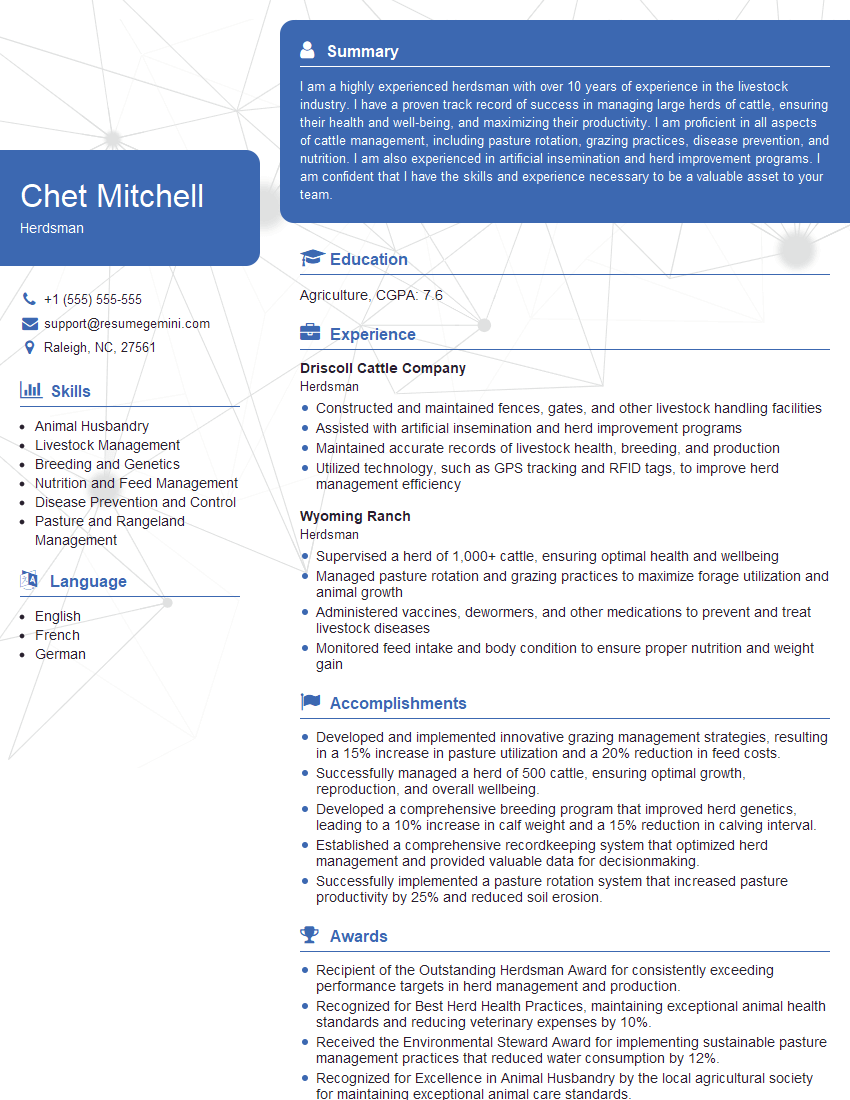
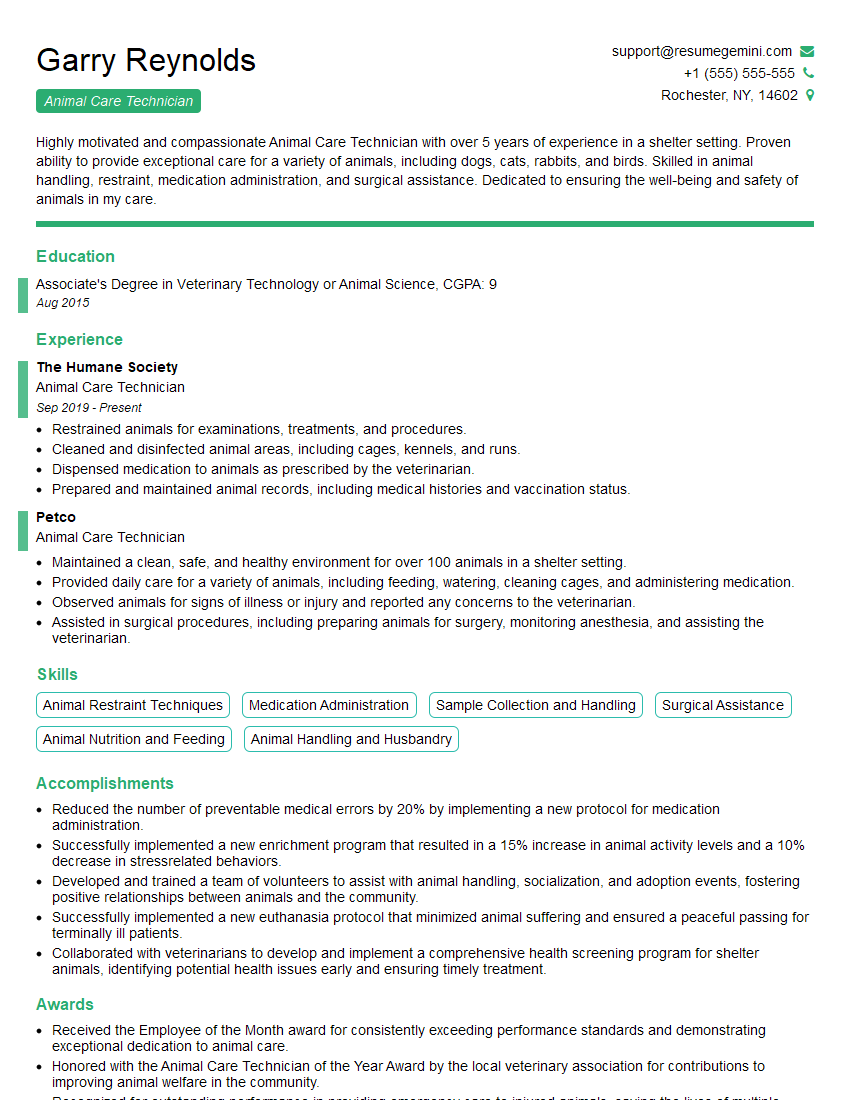
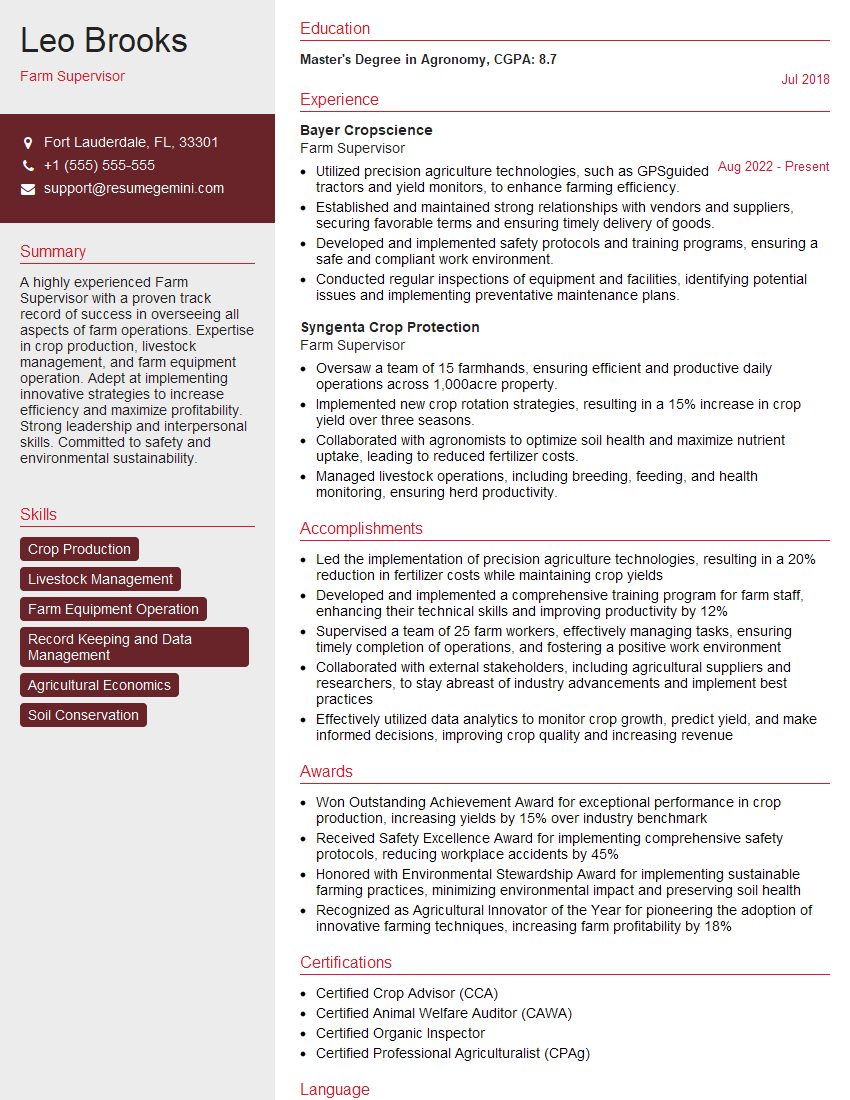
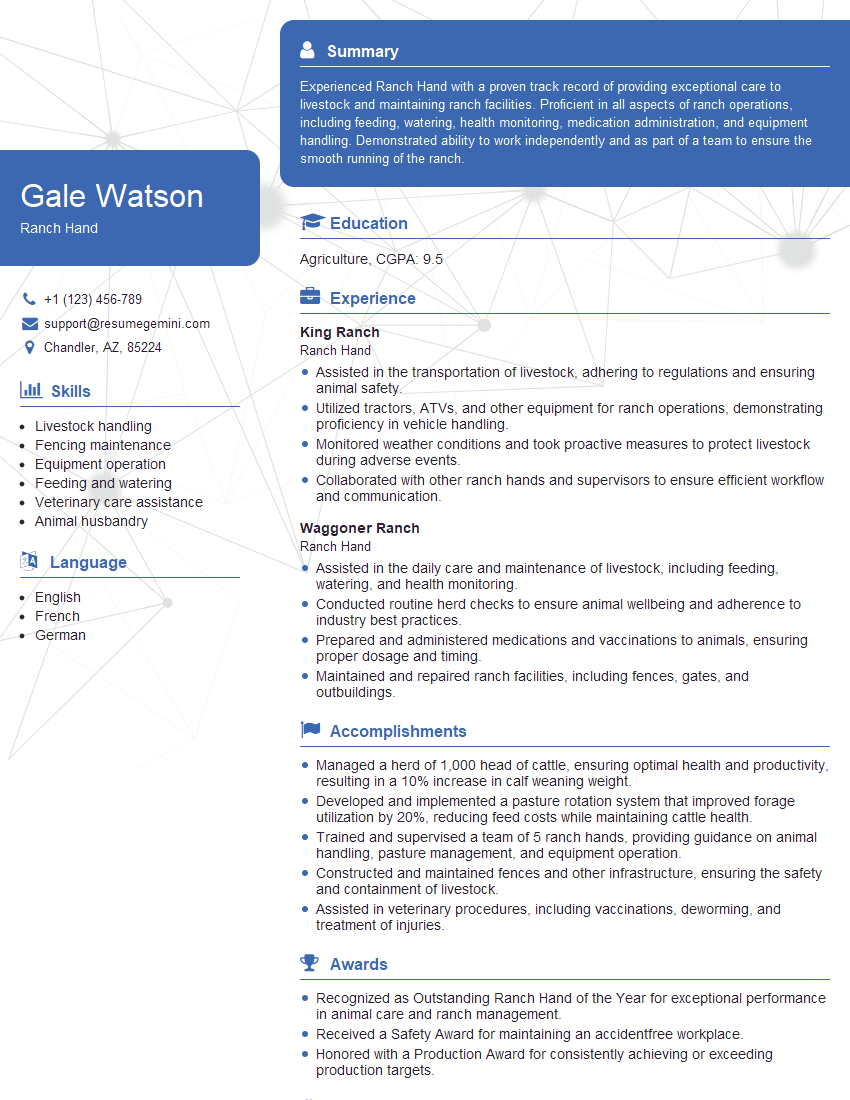
Mastering Livestock Handling and Care opens doors to rewarding careers with excellent growth potential. A strong understanding of these principles demonstrates your commitment to animal welfare and efficient livestock management, making you a highly desirable candidate. To increase your job prospects, it’s crucial to have an ATS-friendly resume that highlights your skills and experience effectively. We strongly encourage you to use ResumeGemini to build a professional resume that showcases your qualifications. ResumeGemini offers a streamlined process and provides examples of resumes tailored to Livestock Handling and Care roles, helping you present yourself in the best possible light to potential employers.


Explore more articles
Users Rating of Our Blogs
Share Your Experience
We value your feedback! Please rate our content and share your thoughts (optional).
What Readers Say About Our Blog
Very informative content, great job.
good