Are you ready to stand out in your next interview? Understanding and preparing for Livestock Pregnancy Diagnosis interview questions is a game-changer. In this blog, we’ve compiled key questions and expert advice to help you showcase your skills with confidence and precision. Let’s get started on your journey to acing the interview.
Questions Asked in Livestock Pregnancy Diagnosis Interview
Q 1. Describe the different methods used for livestock pregnancy diagnosis.
Livestock pregnancy diagnosis involves several methods, each with its strengths and limitations. The choice depends on factors like species, pregnancy stage, available resources, and cost-effectiveness.
- Rectal Palpation: A manual examination performed by a skilled veterinarian, feeling for the presence of a fetus or placental membranes within the uterus. This is particularly useful in cattle and horses during the later stages of pregnancy.
- Ultrasonography: This non-invasive technique uses high-frequency sound waves to create images of the reproductive tract. It’s highly accurate in detecting early pregnancies and can identify fetal viability and multiple pregnancies. It’s applicable to various livestock species.
- Blood Tests: Certain pregnancy-specific hormones, like progesterone and pregnancy-associated glycoproteins (PAGs), can be detected in blood samples. The timing and sensitivity of these tests vary depending on the species and hormone used.
- Electro-diagnostic methods: These methods are used in some species, and involves applying electrodes to the abdomen to detect electrical activity of the fetal heart. It’s typically done in conjunction with other techniques for confirmation.
- External Observation (less reliable): Changes in behavior, physical appearance, and milk production may suggest pregnancy, but are not definitive diagnostic tools.
Q 2. Explain the advantages and disadvantages of rectal palpation for pregnancy diagnosis.
Rectal palpation is a valuable tool but has limitations.
- Advantages: Relatively inexpensive, readily available in many settings, provides valuable information beyond pregnancy confirmation (e.g., uterine health, ovarian function), and allows for immediate feedback. A skilled palpator can often determine pregnancy stage and the number of fetuses.
- Disadvantages: Requires a skilled veterinarian, can be stressful for the animal, might cause injury to the animal or the examiner, accuracy decreases in early pregnancy or in thin animals, can’t always detect early pregnancy problems like fetal abnormalities and is not applicable to all species or gestation stages.
For example, I once encountered a situation where a farmer was convinced his cow was pregnant based on behavioral changes, but rectal palpation revealed she was not. This early diagnosis saved him considerable time and resources that could have been wasted.
Q 3. What are the limitations of ultrasonography in pregnancy diagnosis?
While ultrasonography is highly accurate, several limitations exist:
- Operator Dependence: The quality of the image and interpretation heavily rely on the skill and experience of the operator. Inexperienced users might misinterpret images or miss subtle signs.
- Equipment Cost: Ultrasound machines can be expensive, making it inaccessible to some farmers or clinics.
- Animal Factors: Body condition, excessive gas in the digestive tract, and the position of the fetus can affect image quality.
- Early Pregnancy Detection: While sensitive, it can sometimes miss very early pregnancies, particularly in species with small fetal size at early stages.
- Difficult Cases: Obese animals present challenges, reducing the clarity of the image.
Imagine trying to find a small object inside a large, opaque container – that’s the challenge ultrasonography can face in obese animals. Proper preparation, including fasting, can sometimes help.
Q 4. How does pregnancy diagnosis differ between different species of livestock?
Pregnancy diagnosis varies across livestock species due to differences in reproductive anatomy, gestation length, and hormonal profiles.
- Cattle: Rectal palpation is widely used, particularly after day 35. Ultrasonography is effective from day 28. Blood tests for PAGs are also common.
- Sheep and Goats: Ultrasonography is often preferred for early diagnosis, as rectal palpation is more challenging. Transabdominal ultrasonography is commonly used.
- Swine: Ultrasonography is the most common method, particularly useful for determining the number of fetuses and assessing fetal viability.
- Horses: Rectal palpation is frequently employed after day 150, but ultrasonography is more accurate in the first trimester and can also identify early pregnancy losses.
These differences highlight the importance of selecting the most appropriate technique for each species and stage of pregnancy.
Q 5. What are the signs of early pregnancy in cattle?
Early pregnancy signs in cattle are subtle and not always reliable for definitive diagnosis. However, some indicators can raise suspicion:
- Changes in Behavior: The cow may become quieter and less active, and exhibit a change in their appetite.
- Slight Swelling of the Vulva: This is usually not noticeable until later pregnancy.
- Slight Weight gain: Although not a specific indicator, mild weight gain may be observed.
- Reduced milk production: Milk production may reduce in early pregnancy
- Absence of heat: Cessation of the estrous cycle is a key but often not immediately noticed.
It’s crucial to rely on more objective diagnostic methods like rectal palpation or ultrasonography to confirm pregnancy.
Q 6. How do you interpret ultrasound images for pregnancy diagnosis?
Interpreting ultrasound images requires training and experience. Key features indicating pregnancy include:
- Identification of the Fetus: A clear image of the fetus, its heart beat, and its developing structures is essential.
- Gestational Sac: Visualizing a fluid-filled sac within the uterine lumen is a positive indication of early pregnancy.
- Placenta: The placenta should be visualized along with the fetus.
- Number of Fetuses: In multiple pregnancies, each fetus will have its own associated gestational sac and placental tissue. The number can be precisely determined by counting distinct fetuses.
- Fetal Heartbeat: The presence of a regular fetal heartbeat confirms viability.
Each livestock species will have different gestational sac, placental and fetal structures, making familiarity with the normal structures within that species crucial. Measurement of structures also gives an indication of pregnancy progression.
Q 7. What are the common causes of pregnancy failure in livestock?
Pregnancy failure in livestock can stem from various causes:
- Infectious Diseases: Bacterial, viral, or parasitic infections can compromise fetal development or lead to abortion.
- Nutritional Deficiencies: Inadequate intake of essential nutrients, particularly during early pregnancy, can result in embryonic death or fetal malformations.
- Endocrine Disorders: Imbalances in hormones like progesterone or estrogen can disrupt pregnancy maintenance.
- Genetic Defects: Inherited genetic abnormalities can cause early embryonic death or fetal abnormalities incompatible with life.
- Environmental Factors: Heat stress, toxins, and other environmental stressors can negatively impact fetal development. Severe stress in the dam may cause abortion or embryo loss.
- Physical Trauma: Injury or rough handling may lead to pregnancy loss.
Careful management practices, including vaccination, proper nutrition, and stress reduction, can minimize the risk of pregnancy failure.
Q 8. How do you manage a pregnancy diagnosis that is inconclusive?
An inconclusive pregnancy diagnosis is frustrating, but it’s a reality we face. It often means the diagnostic tools haven’t provided a definitive yes or no. This could be due to the pregnancy being too early to detect reliably, the animal’s anatomy making it difficult to palpate, or a less-than-optimal ultrasound image.
Our approach involves a multi-pronged strategy. First, we reassess the situation. If the diagnosis was based on rectal palpation, we might repeat it in a week or two, as the pregnancy becomes more easily detectable. If ultrasound was inconclusive, we’d consider repeating the ultrasound with a higher frequency transducer, or a different technician to rule out operator error. Blood tests looking for pregnancy-specific hormones (like progesterone) are also very useful.
For example, a dairy farmer brought in a cow for a pregnancy diagnosis at 30 days post-breeding. Rectal palpation was inconclusive. We repeated the palpation 10 days later, which provided a conclusive result. Another time, we repeated the ultrasound and found a pregnancy that was missed initially because the calf was positioned in an unusual way.
Ultimately, we emphasize transparency with the owner, explaining the limitations of the diagnostic technique and outlining the options for a more definitive answer. We also consider the owner’s goals – are they most concerned about confirming pregnancy, ruling it out, or simply needing a probable answer to help with management decisions?
Q 9. Explain the role of hormone analysis in pregnancy diagnosis.
Hormone analysis plays a crucial role in pregnancy diagnosis, particularly in early pregnancy when other methods are less reliable. The primary hormone we look for is progesterone. In ruminants like cows and goats, progesterone levels rise significantly after breeding and remain elevated throughout pregnancy. The amount of progesterone is linked to the likelihood of pregnancy. Other hormones, like relaxin, can also be useful but aren’t always readily available for testing in all species. We don’t always rely on hormone levels in isolation, but instead use them to corroborate physical findings during rectal palpation or ultrasound.
For instance, a low progesterone level at 3 weeks post-breeding strongly suggests the animal is not pregnant. However, a high progesterone level only indicates the possibility of a pregnancy, and further investigation is required to confirm. Think of it like this: a positive pregnancy test at home is suggestive of pregnancy but doesn’t confirm it until a doctor confirms with additional tests. Hormone levels are part of a whole picture, providing valuable data to improve the accuracy of the diagnosis.
Q 10. What are the ethical considerations related to pregnancy diagnosis?
Ethical considerations in livestock pregnancy diagnosis are paramount. We prioritize the animal’s welfare, avoiding unnecessary stress or discomfort. Rectal palpation, for example, requires proper training and gentle technique to minimize any harm. The use of ultrasound is generally less invasive but still requires expertise to perform correctly.
Transparency with the owner is critical. We must clearly explain the limitations of each method and the probability of error. We also need to respect their decisions. If the owner chooses not to proceed with a diagnosis, we respect their choice. For example, if an owner is only interested in a pregnancy diagnosis for a cow that’s already showing clear signs of pregnancy, then we would avoid any invasive procedures.
Another ethical consideration involves the use of the information. The results should be kept confidential unless the owner explicitly gives permission to share them with others. Ultimately, ethical practice ensures we are acting in the best interests of both the animals and the owners.
Q 11. Describe the procedure for performing a rectal palpation.
Rectal palpation is a common technique used to diagnose pregnancy in livestock, primarily in cattle, sheep and goats. It involves inserting a lubricated, gloved hand into the rectum to palpate (feel) the reproductive organs. The procedure requires significant skill and experience to interpret the findings accurately.
The steps involved are as follows:
- Proper preparation of the animal: Restraining the animal safely and calmly is important.
- Lubrication: Generous application of sterile lubricant on the hand and arm is crucial for both ease of insertion and animal comfort.
- Insertion of hand: The hand is slowly and gently inserted into the rectum, minimizing discomfort for the animal.
- Palpation: The reproductive tract – the cervix, uterine horns and ovaries – are carefully palpated to assess their characteristics.
- Withdrawal of hand: The hand is slowly and gently withdrawn, ensuring the animal experiences no undue stress.
It’s crucial to maintain aseptic techniques to prevent the introduction of infections. Practitioners must be trained to accurately assess the size, shape and texture of the uterus, which indicates the pregnancy status.
Q 12. How do you identify a pregnant uterus during rectal palpation?
Identifying a pregnant uterus during rectal palpation relies on detecting changes in its size, shape, and consistency. In early pregnancy, the uterus might feel slightly larger than normal and softer. As the pregnancy progresses, the uterus becomes significantly larger, and the presence of amniotic fluid sacs (fluid filled sacs surrounding the fetus) and the fetus itself can be felt.
A non-pregnant uterus will generally feel smaller, firmer, and more tubular. Identifying a pregnancy is a matter of comparing the palpated uterus to a known baseline. For example, a mature, pregnant uterus would feel like a larger bag of water with a bumpy texture if there are multiple fetuses. Practice and experience are critical for accurate diagnosis. It is not a technique suitable for novices, as misinterpretation is highly probable.
Imagine feeling a small balloon (non-pregnant) versus a large water-filled balloon with small bumps inside (pregnant). The experienced practitioner can differentiate the two based on shape, size, and the presence of the developing fetus.
Q 13. What are the signs of fetal death during pregnancy diagnosis?
Detecting fetal death during pregnancy diagnosis can be challenging, particularly in early stages. During rectal palpation, signs of fetal death may include a reduction in uterine size for the gestational age, the absence of fetal movement, or an unusually soft and fluid-filled uterine body. The uterine tone may also be altered, feeling less firm and more flaccid than expected for a viable pregnancy.
Ultrasound is a far more reliable technique to identify fetal death. Absence of a fetal heartbeat, a lack of fetal movement, and the presence of characteristic signs of autolysis (tissue breakdown) are usually observed. A veterinary pathologist can confirm the diagnosis post-mortem if necessary.
For example, a farmer brought a cow for a pregnancy check. The ultrasound revealed a fetus that appeared unusually small for the gestational age and had no detectable heartbeat – suggesting fetal death.
Q 14. How do you handle a situation where the owner disagrees with the pregnancy diagnosis?
Disagreements between the practitioner and the owner regarding a pregnancy diagnosis can be delicate. The key is to approach the situation with empathy, respect, and a commitment to clear communication. We must re-explain the findings and the reasoning behind our conclusion, using plain language devoid of technical jargon.
If the owner remains unconvinced, I would offer alternative diagnostic tests, such as a second opinion or additional ultrasound imaging, if appropriate and feasible. It’s vital to reiterate that the diagnosis is based on the currently available data, and there’s always a small possibility of error in any method. It’s also essential to avoid being defensive and instead present an open and collaborative approach.
For example, if the owner felt the diagnosis of a non-pregnant status was incorrect, we might suggest repeating the blood hormone testing or consider bringing in a second opinion from a colleague. Ultimately, respecting the owner’s decision, even if we disagree with it, is crucial.
Q 15. What are the potential risks associated with different pregnancy diagnosis methods?
Pregnancy diagnosis methods, while crucial for efficient livestock management, carry inherent risks. These risks vary depending on the technique employed. For instance, rectal palpation, a common method, carries a risk of injury to the rectum or reproductive tract if not performed correctly by an experienced practitioner. The risk is higher in animals that are stressed or have underlying health conditions. Transrectal ultrasonography, while generally safer, still presents a small risk of infection if proper hygiene and sterilization protocols aren’t followed. Blood tests, though minimally invasive, might yield false positives or negatives, particularly if the timing isn’t optimal. Finally, some newer technologies like Doppler ultrasound, while providing detailed information, require specialized training and can be more expensive.
- Rectal Palpation: Risk of rectal or uterine perforation, injury to the fetus, or introduction of infection.
- Transrectal Ultrasonography: Risk of infection if sterilization procedures aren’t properly maintained.
- Blood Tests: Potential for false positive or negative results due to various factors affecting hormone levels.
- Doppler Ultrasound: Higher cost and requirement of specialized training.
Minimizing these risks requires careful attention to detail, proper training, and adherence to best practices. For example, using appropriately sized gloves and lubricating thoroughly before rectal palpation is crucial. Similarly, meticulous sterilization of ultrasound probes is paramount for preventing infections.
Career Expert Tips:
- Ace those interviews! Prepare effectively by reviewing the Top 50 Most Common Interview Questions on ResumeGemini.
- Navigate your job search with confidence! Explore a wide range of Career Tips on ResumeGemini. Learn about common challenges and recommendations to overcome them.
- Craft the perfect resume! Master the Art of Resume Writing with ResumeGemini’s guide. Showcase your unique qualifications and achievements effectively.
- Don’t miss out on holiday savings! Build your dream resume with ResumeGemini’s ATS optimized templates.
Q 16. How do you ensure the accuracy of your pregnancy diagnosis?
Ensuring accuracy in pregnancy diagnosis is paramount. It involves a multi-pronged approach encompassing several key strategies. First, selecting the appropriate diagnostic method based on the animal’s species, stage of pregnancy, and available resources is critical. For example, early pregnancy diagnosis in cattle often benefits from a combination of blood tests and ultrasound. For late-term diagnosis, rectal palpation can suffice. Secondly, the practitioner’s experience and skill play a significant role. Proper training and ongoing professional development are essential to refine techniques and interpret results accurately. A seasoned practitioner will be able to differentiate between pregnancy and other conditions that might mimic it.
Thirdly, employing quality equipment is essential. Ultrasound machines, for example, should be regularly calibrated and maintained to ensure optimal image quality. Lastly, repeating the diagnosis at different time points, particularly in cases of uncertainty, and considering alternative diagnostic tools if initial results are inconclusive, significantly improves confidence in the final diagnosis. Think of it like solving a puzzle: we use several pieces (different diagnostic methods) to build a complete and accurate picture.
Q 17. What is the importance of recording pregnancy diagnosis results?
Accurate recording of pregnancy diagnosis results is the cornerstone of effective herd management. These records provide valuable information for various purposes. They enable precise timing of breeding and calving, allowing for optimized resource allocation. A clear record ensures early identification of non-pregnant animals, enabling timely rebreeding strategies and preventing economic losses. Moreover, these data are essential for monitoring reproductive performance within the herd, identifying potential issues, and making informed management decisions such as culling or selecting breeding stock. Finally, these records form a crucial part of the animal’s overall health history, informing future veterinary care.
Think of it as a farm’s financial ledger. Accurate financial tracking is crucial to profitability. Similarly, accurate reproductive records are crucial for the herd’s overall productivity and profitability. Many commercially available herd management softwares assist in organizing and analyzing this data effectively.
Q 18. How do you maintain and sterilize equipment used for pregnancy diagnosis?
Maintaining and sterilizing equipment is a non-negotiable aspect of safe and accurate pregnancy diagnosis. For rectal palpation, this means using disposable gloves and lubricating jelly to avoid cross-contamination. The gloves should be properly disposed of after each animal examination. Ultrasound probes require more rigorous sterilization protocols, typically involving cleaning with an appropriate disinfectant followed by rinsing with sterile water. High-level disinfection is recommended, often achieved through immersion in a suitable disinfectant solution for a specified time interval. The equipment should then be thoroughly dried to avoid corrosion or damage. Proper storage is also crucial to avoid contamination between uses. It is paramount to always follow the manufacturer’s instructions for cleaning and sterilizing specific equipment.
Imagine the consequences of cross-contamination – the spread of disease within a herd. Strict sterilization techniques are essential to minimize these risks and maintain the health and well-being of the animals.
Q 19. What are the common challenges faced during pregnancy diagnosis?
Several challenges can hinder accurate pregnancy diagnosis. One common challenge is the early stage of pregnancy, especially in species with short gestation periods. During this early stage, embryonic structures may be too small to visualize using ultrasound, or hormone levels may not be sufficiently elevated for blood tests. Another challenge is the condition of the animal itself; factors such as obesity can make palpation difficult and obscure ultrasound images. Similarly, poor animal temperament or inadequate restraint can impact the accuracy and safety of procedures. Furthermore, variations in animal anatomy can complicate interpretation. Finally, equipment malfunction, lack of proper training, or suboptimal examination conditions can all affect accuracy.
Q 20. How do you adapt your techniques for different body conditions of animals?
Adapting techniques to accommodate different body conditions is critical for accurate diagnosis. In obese animals, for instance, transrectal ultrasound might necessitate using higher-frequency transducers to improve image resolution. Rectal palpation becomes more challenging; careful maneuvering and possibly more time are needed. In thin animals, excessive pressure during palpation must be avoided to prevent injury. The practitioner’s experience and ability to adapt the examination approach are key to overcoming these challenges. The use of appropriate size gloves and adjusting the pressure exerted during palpation are crucial adjustments. Moreover, adjusting the ultrasound machine’s settings to accommodate the different tissue densities and depths is crucial for obtaining clear images. A successful practitioner must become highly adept at assessing the animal’s physical presentation and making informed adjustments to diagnostic techniques.
Q 21. Describe your experience with different types of ultrasound machines.
My experience encompasses a range of ultrasound machines, from basic B-mode units to advanced systems with Doppler capabilities. Basic B-mode machines provide grayscale images primarily, revealing basic anatomical structures. These are useful for confirming pregnancy but offer limited detail. Advanced systems with Doppler capabilities offer superior resolution, allowing for visualization of fetal heartbeat and blood flow patterns in addition to anatomical structures. These machines can assist in assessing fetal viability and detecting potential pregnancy complications. The higher-end machines often include features such as image storage, measurement tools, and various image processing capabilities to enhance diagnostic accuracy. Furthermore, the portability of some machines allows for examinations in various locations, improving access to care, especially for large-scale livestock operations. The key is selecting the appropriate machine according to the requirements of each application, always prioritizing image quality and reliability.
Q 22. How do you interpret various ultrasound parameters indicative of pregnancy?
Interpreting ultrasound parameters for pregnancy diagnosis in livestock involves recognizing specific structures and their characteristics. A successful diagnosis hinges on identifying the gestational sac, embryo, and fetal structures like the heartbeat.
Gestational Sac: Early in pregnancy, a fluid-filled sac appears. Its size and shape provide an indication of gestational age. A clear, well-defined sac is a positive sign.
Embryo/Fetus: Visualization of the embryo, initially as a small echogenic structure, progresses to the detection of the fetal heartbeat, which is a crucial indicator of a viable pregnancy. The absence of an embryo within a gestational sac after a certain timeframe might suggest an early pregnancy loss.
Fetal Heartbeat: Detection of a fetal heartbeat is considered the gold standard for confirming pregnancy. The rate of the fetal heartbeat provides valuable information about the health of the fetus and can be compared against normal ranges for the species and gestational stage.
Placental Structures: The characteristics of the placenta—its thickness, texture, and vascularity—can help assess placental health and overall pregnancy progress. Abnormal placental development could indicate complications.
Fluid Evaluation: Assessment of the volume and clarity of amniotic fluid is vital. Polyhydramnios (excessive fluid) or oligohydramnios (reduced fluid) can be indicators of complications.
For instance, in cattle, a gestational sac should be visible around 28 days post-breeding. A strong fetal heartbeat should be detectable around day 35-40. These parameters vary slightly based on species.
Q 23. What is your experience with managing difficult or complicated pregnancies?
Managing difficult pregnancies often involves a multi-faceted approach that considers the underlying cause of the problem. My experience includes handling cases of:
Early embryonic mortality: This often requires careful management of breeding practices and nutritional status in the herd to minimize future losses. I’d often analyze breeding records and herd health data to identify contributing factors like poor semen quality, infectious diseases, or nutritional deficiencies.
Twin pregnancies: In species where twin pregnancies pose increased risk (e.g., cattle), careful monitoring using ultrasound is critical to assess fetal growth and identify potential complications such as dystocia (difficult birth). Close monitoring can allow for timely intervention to improve outcomes.
Placentitis (placental inflammation): This requires prompt diagnosis and treatment, often involving antibiotic therapy. The severity of placentitis can vary and may impact fetal development and survival.
Fetal abnormalities: Ultrasound plays a crucial role in identifying structural abnormalities in the fetus. Depending on the severity and the feasibility of intervention, decision-making could involve culling affected animals or other management strategies.
Each situation requires a case-by-case analysis and a thorough understanding of the animal’s history, breed, and overall health. A collaborative approach with veterinarians and herd managers is essential for the successful management of such cases. For example, in a recent case of a cow with twin pregnancies and signs of dystocia, we utilized early induction of labor to prevent complications and ensure successful delivery.
Q 24. Explain your knowledge of reproductive physiology relevant to pregnancy diagnosis.
A solid understanding of reproductive physiology is fundamental to accurate pregnancy diagnosis. Key aspects include:
Ovarian function: Knowing the timing of ovulation, the formation of the corpus luteum (which produces progesterone crucial for pregnancy maintenance), and the hormonal changes associated with early pregnancy is essential for interpreting ultrasound findings and selecting appropriate diagnostic time points.
Embryonic development: Familiarity with the stages of embryonic and fetal development, including implantation, placentation, and the timing of key developmental milestones, allows for accurate estimation of gestational age and the assessment of fetal viability.
Hormonal regulation of pregnancy: Understanding the role of hormones like progesterone, estrogen, and pregnancy-specific proteins helps in correlating ultrasound findings with hormonal profiles. Some pregnancy tests rely on detecting these hormones.
Placental physiology: The placenta is critical for nutrient and gas exchange between the mother and fetus. Knowledge about placental development, function, and potential pathologies is crucial in interpreting ultrasound findings related to placental health.
For instance, understanding that the corpus luteum is essential for maintaining early pregnancy explains why progesterone supplementation may be used to support pregnancies at risk.
Q 25. How do you stay updated on the latest advancements in livestock pregnancy diagnosis?
Staying current in the field of livestock pregnancy diagnosis requires a multi-pronged approach:
Professional journals and publications: I regularly read journals like the Journal of Animal Science and Theriogenology to keep abreast of the latest research and advancements in ultrasound technology and diagnostic techniques.
Industry conferences and workshops: Attending conferences allows for networking with other professionals and learning about the newest developments and practical applications of technologies directly from experts in the field.
Online resources and continuing education: Numerous online platforms and continuing education courses offer updates on best practices and emerging technologies in animal reproduction.
Collaboration with colleagues: Regular discussions and knowledge sharing with colleagues at veterinary practices and research institutions ensure exposure to different case studies and techniques.
For example, recently I learned about new advancements in portable ultrasound technology that offer higher resolution images and improved portability for use in diverse settings.
Q 26. Describe your experience in training others in pregnancy diagnosis techniques.
I have extensive experience training others in livestock pregnancy diagnosis techniques. My training approach is highly practical and hands-on. It combines:
Classroom instruction: Theoretical knowledge of reproductive physiology, ultrasound principles, and interpretation of images is provided. This includes detailed explanations of various ultrasound parameters, common abnormalities, and potential challenges.
Practical laboratory sessions: Trainees practice using ultrasound equipment on simulated models and, under supervision, on live animals. This allows them to gain experience in proper probe positioning, image acquisition, and data interpretation.
Mentorship and field experience: Trainees accompany me during field visits to observe and participate in real-world pregnancy diagnosis scenarios. This provides an opportunity for them to gain confidence in their skills and decision-making abilities.
Feedback and assessment: Regular feedback is provided throughout the training program, focusing on both the theoretical understanding and practical application of the techniques. Assessment methods include practical exams and case study analyses.
I find that a combination of theoretical and practical training, coupled with ongoing mentorship, leads to successful skills development and competency in pregnancy diagnosis.
Q 27. How do you ensure the biosecurity and safety during pregnancy diagnosis procedures?
Biosecurity and safety are paramount during pregnancy diagnosis procedures. My approach involves:
Proper disinfection: Strict adherence to disinfection protocols is vital to prevent the spread of infectious diseases. The ultrasound probe is thoroughly disinfected between animals using an appropriate disinfectant. Hands are also sanitized regularly.
Appropriate personal protective equipment (PPE): Gloves are always worn to protect both the technician and the animals from potential pathogens. In certain situations, additional PPE, such as masks and eye protection, may be necessary.
Careful handling of animals: Animals should be restrained appropriately to ensure the safety of both the animal and the technician. Proper handling minimizes stress to the animal and reduces the risk of injury.
Waste disposal: Proper disposal of any contaminated materials, such as gloves and wipes, is essential to maintain biosecurity and prevent the spread of infectious agents.
Vaccination and herd health status: Awareness of the herd’s vaccination status and overall health is crucial. Pregnancy diagnosis should be avoided if there is a known outbreak of infectious disease in the herd.
For example, I always use a different set of gloves for each animal and immediately dispose of them in appropriate containers after each examination to prevent cross-contamination.
Q 28. What is your approach to troubleshooting technical issues during diagnosis?
Troubleshooting technical issues during ultrasound diagnosis involves a systematic approach. I typically follow these steps:
Check the equipment: Verify that the ultrasound machine is turned on and properly calibrated. Check for sufficient battery power (if using a portable device). Examine the probe for any damage or debris.
Verify connections: Ensure all cables and connectors are securely attached. Check for any loose or damaged wires.
Assess the ultrasound gel: Ensure that sufficient gel is used to facilitate sound wave transmission and avoid air pockets that can interfere with image quality.
Adjust settings: Experiment with different settings on the ultrasound machine, such as gain, depth, and frequency, to optimize image quality.
Reposition the probe: If the image is unclear or incomplete, reposition the probe to explore different angles and depths to gain a better view of the structures of interest.
Seek external assistance: If the problem persists, consult the ultrasound equipment’s user manual or contact the manufacturer for technical support or seek help from colleagues who are more experienced with the equipment.
For instance, if I encounter poor image quality, I first check for air bubbles under the probe. If the problem persists, I’ll adjust the gain and depth settings and may then attempt a different probe angle.
Key Topics to Learn for Livestock Pregnancy Diagnosis Interview
- Ultrasound Techniques: Mastering various ultrasound techniques for different livestock species (cattle, sheep, goats, pigs etc.), understanding image interpretation, and identifying fetal viability and gestational age.
- Rectal Palpation: Developing proficiency in rectal palpation for pregnancy diagnosis in cattle, including identifying pregnancy signs, differentiating between pregnancy and other conditions, and assessing fetal size and position.
- Hormonal Assays: Understanding the role of various pregnancy-associated hormones (e.g., progesterone, pregnancy-specific protein B) and interpreting results from blood or milk samples. Knowing the limitations of these methods.
- Reproductive Physiology: A strong grasp of the reproductive cycles of different livestock species, including estrous cycles, ovulation, and fertilization, is crucial for accurate diagnosis.
- Practical Applications: Understanding how pregnancy diagnosis impacts herd management decisions, such as culling, breeding strategies, and overall farm productivity. Being able to discuss case studies and scenarios.
- Troubleshooting and Problem Solving: Ability to identify and address challenges encountered during pregnancy diagnosis, such as poor ultrasound images, difficult palpations, or ambiguous hormonal assay results.
- Record Keeping and Data Management: Understanding the importance of accurate and detailed record keeping for pregnancy diagnosis data, and how this information is used for herd health management and breeding programs.
- Animal Handling and Welfare: Demonstrating knowledge of safe and humane animal handling techniques during pregnancy diagnosis procedures.
Next Steps
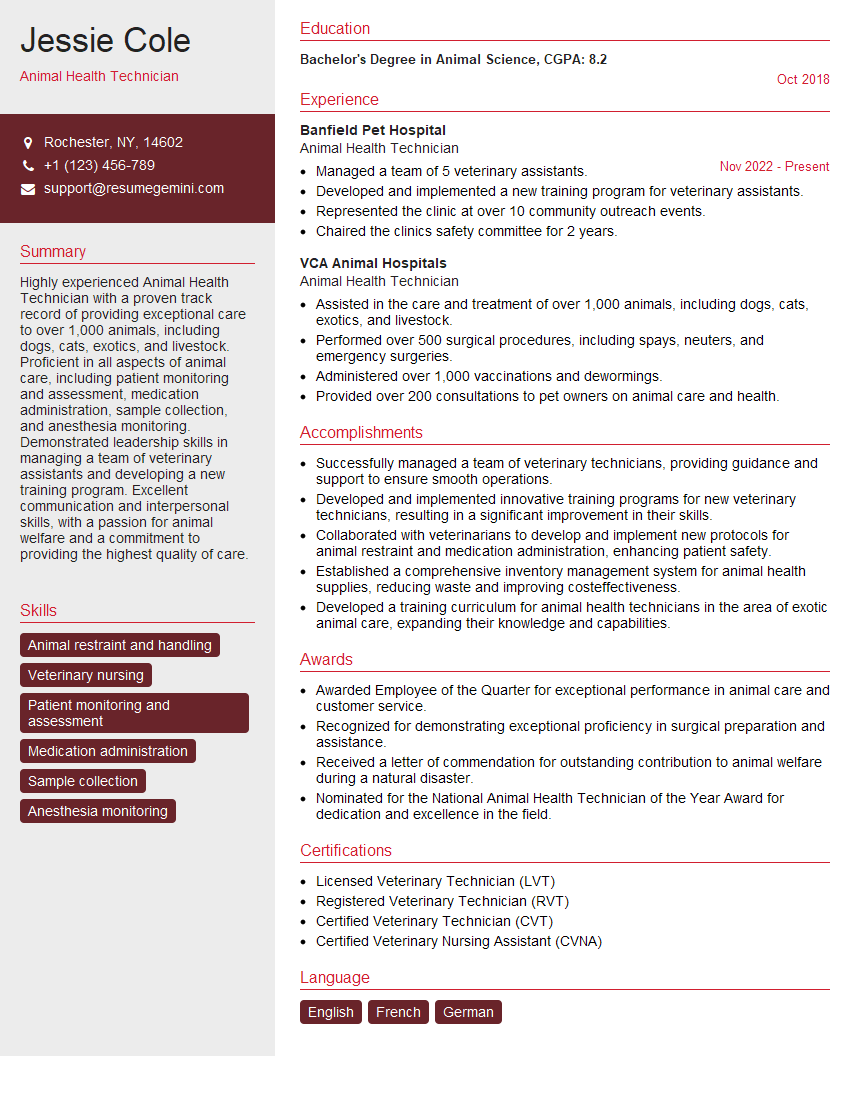
Mastering Livestock Pregnancy Diagnosis is vital for career advancement in animal science, veterinary medicine, and agricultural management. It demonstrates practical skills and a deep understanding of animal reproductive biology. To significantly boost your job prospects, create an ATS-friendly resume that highlights your key skills and experience. ResumeGemini is a trusted resource to help you build a professional and impactful resume. Examples of resumes tailored to Livestock Pregnancy Diagnosis are available to help guide you.
Explore more articles
Users Rating of Our Blogs
Share Your Experience
We value your feedback! Please rate our content and share your thoughts (optional).
What Readers Say About Our Blog
Very informative content, great job.
good