Interviews are opportunities to demonstrate your expertise, and this guide is here to help you shine. Explore the essential Load and unload trucks and trailers interview questions that employers frequently ask, paired with strategies for crafting responses that set you apart from the competition.
Questions Asked in Load and unload trucks and trailers Interview
Q 1. What are the different types of trucks you have experience loading and unloading?
My experience encompasses loading and unloading a wide variety of trucks and trailers. This includes standard box trucks, refrigerated trailers (reefers), flatbed trailers, and even some specialized vehicles like those carrying oversized or hazardous materials. The type of truck dictates the loading and unloading methods, as well as the safety precautions required. For instance, loading a reefer requires attention to temperature control and the proper placement of temperature-sensitive goods, whereas securing cargo on a flatbed involves using straps and chains to prevent shifting during transit. I’ve worked with both single-axle and multiple-axle trucks, each posing unique challenges regarding maneuverability and weight distribution.
- Box Trucks: These are common for smaller deliveries and often involve hand-loading or pallet jack operation.
- Refrigerated Trailers (Reefers): These demand careful monitoring of temperature and handling of perishable goods.
- Flatbed Trailers: These necessitate securement of cargo using appropriate straps and chains.
- Specialized Vehicles: These require adherence to specific regulations and safety protocols for hazardous or oversized materials.
Q 2. Describe your experience with different loading/unloading equipment (e.g., forklifts, pallet jacks).
I’m proficient in operating various loading/unloading equipment. My experience includes extensive use of forklifts (both sit-down and stand-up models), electric pallet jacks, and manual hand trucks. I understand the safe operating procedures for each piece of equipment, including pre-operational checks and the proper lifting techniques to avoid accidents and damage to goods. For instance, when using a forklift, I always assess the weight and dimensions of the pallet to ensure stability, and I’m careful to avoid overloading. I’m also well-versed in using different attachments for forklifts, like clamps for handling oddly shaped objects.
Operating a pallet jack smoothly and efficiently is crucial for quick loading and unloading. I understand the importance of maintaining a balanced load and avoiding quick turns to prevent tipping. The use of manual hand trucks requires proper lifting techniques to prevent back injuries, always remembering to bend at the knees.
Q 3. How do you ensure the safety of yourself and others while loading and unloading?
Safety is my top priority. Before commencing any loading or unloading operation, I perform a thorough site assessment to identify potential hazards, such as uneven ground, obstructions, or poor lighting. I ensure that all equipment is in good working order and that I’m wearing appropriate personal protective equipment (PPE), including safety shoes, high-visibility vests, and gloves, depending on the task. I always follow the correct lifting techniques to avoid injuries and use equipment such as dollies and pallet jacks to minimize manual handling. Communication is crucial; I clearly communicate with colleagues and drivers to coordinate movements and avoid collisions. I’m always mindful of my surroundings and actively avoid distractions.
For example, when unloading a truck near a busy loading dock, I ensure clear communication with the driver to avoid accidental bumps or collisions.
Q 4. What are some common safety hazards associated with loading and unloading trucks?
Several common safety hazards are associated with loading and unloading trucks. These include:
- Falling objects: Improperly stacked or secured cargo can fall and cause injury.
- Slips, trips, and falls: Uneven ground, spills, or obstacles can lead to falls.
- Equipment malfunctions: Forklifts, pallet jacks, and other equipment can malfunction, causing accidents.
- Collisions: Collisions between vehicles or between equipment and personnel are a significant risk.
- Crush injuries: Being crushed by moving equipment or heavy objects.
- Strains and sprains: Improper lifting techniques can lead to muscle injuries.
- Hazardous materials: Exposure to hazardous materials can cause serious health problems.
Awareness of these risks and implementing preventive measures are essential to maintaining a safe work environment.
Q 5. How do you prioritize tasks when loading/unloading multiple shipments simultaneously?
When loading or unloading multiple shipments simultaneously, I prioritize based on several factors, including delivery deadlines, product fragility, and storage requirements. I often use a first-in, first-out (FIFO) system for perishable goods. I also consider the weight and dimensions of items, strategically placing heavier items lower in the truck to maintain stability and balance. I’ll often create a detailed loading plan before starting, visually mapping out the arrangement of pallets or individual items within the trailer to maximize space and minimize movement. Effective communication with the driver and other loading dock personnel is vital to keep things moving smoothly and efficiently.
For example, if I have refrigerated goods and non-refrigerated goods, the refrigerated goods will be loaded first to maintain the cold chain and loaded in the designated refrigerated area.
Q 6. Explain your process for verifying the accuracy of shipments during loading and unloading.
Shipment verification is crucial for accuracy. My process starts before loading, by comparing the packing list or manifest with the goods to be loaded. As items are loaded, I check them against the documentation, noting any discrepancies immediately. During unloading, I perform a similar cross-check, ensuring that the quantity and condition of items match the paperwork. I often use barcode scanners to expedite this process, minimizing errors and improving efficiency. If discrepancies arise, I immediately report them to the supervisor or relevant personnel, documenting everything clearly and carefully. This ensures that all items are accounted for and that any damage or shortages are properly addressed.
Any issues found are carefully documented and photographed for evidence.
Q 7. How do you handle damaged or missing items during the loading/unloading process?
Handling damaged or missing items requires a methodical approach. Upon discovering damaged goods, I carefully document the damage, taking clear photos and noting the extent of the damage. I also record the product’s identification number and any other relevant information. For missing items, I thoroughly review all documentation, including packing lists and loading manifests, to see if there are any discrepancies between what was supposed to be loaded and what actually was. I report all damages or shortages immediately to my supervisor, ensuring that the proper procedures for claims or replacements are followed. I carefully document everything and obtain signatures as necessary for accountability.
The process of dealing with missing or damaged items usually involves filing a report, with the information gathered acting as important evidence in the claims process.
Q 8. What is your experience with different types of cargo (e.g., palletized goods, loose items, hazardous materials)?
My experience encompasses a wide range of cargo types, from neatly organized palletized goods to the more challenging loose items and hazardous materials. Handling palletized goods is usually straightforward, focusing on efficient stacking and securing to prevent shifting during transit. Think of it like building a Lego castle – each pallet is a brick, and careful placement is key. Loose items require more attention to detail and often necessitate additional protective measures like padding or bracing to avoid damage. Imagine loading a truck full of fragile pottery – each piece needs careful handling. Working with hazardous materials is the most demanding, involving strict adherence to safety regulations, specialized equipment, and meticulous documentation. This includes understanding the proper storage, handling, and labeling for materials classified as flammable, corrosive, or toxic, following all OSHA and DOT guidelines diligently.
- Palletized Goods: Experience with various pallet sizes and types, ensuring proper stacking and securing.
- Loose Items: Experience with various methods of securing and protecting loose items to prevent damage during transit, including using proper bracing and padding.
- Hazardous Materials (Hazmat): Extensive experience handling Hazmat, including proper identification, segregation, and documentation, adhering to all relevant safety regulations.
Q 9. How do you maintain efficiency while loading and unloading?
Maintaining efficiency in loading and unloading involves a combination of planning, organization, and teamwork. Before I even begin, I carefully review the manifest to understand the cargo’s layout and any special handling requirements. I prioritize the placement of heavier items lower and toward the center of the trailer for optimal weight distribution. This minimizes the risk of tipping or shifting during transit. Think of it like packing a suitcase – you put the heavy items at the bottom to make sure it’s balanced and won’t fall over. I also use efficient loading techniques such as the cross-docking method when appropriate, minimizing the amount of time goods spend in transit. A strong understanding of my equipment and a well-organized workspace allows me to complete the task quickly and safely.
Communication with the driver and warehouse personnel is also crucial. This is to ensure a smooth, coordinated process. If I anticipate a problem, I communicate it immediately to avoid delays.
Q 10. How familiar are you with shipping documentation and procedures?
I’m very familiar with all aspects of shipping documentation and procedures. This includes Bills of Lading (BOLs), packing slips, delivery receipts, and any other relevant paperwork required for legal and logistical purposes. I carefully verify the information on each document against the actual cargo to ensure accuracy and avoid potential errors or delays. This is crucial for accurate tracking and accountability throughout the shipping process. I’m also adept at handling situations where documentation is missing or incorrect, escalating these issues promptly to the appropriate personnel for immediate resolution.
Understanding the different types of shipping documents and knowing how to fill them out correctly is essential for ensuring that the shipment moves smoothly and avoids delays. For example, inaccurate information on a Bill of Lading can lead to significant delays and even legal issues.
Q 11. How do you manage inventory discrepancies?
Inventory discrepancies are addressed systematically. First, a thorough recount of the items is done, comparing the physical count to the documented quantity. Discrepancies can stem from various issues including errors in packing, damage during transit, theft, or inaccurate documentation. For example, a pallet that appears to be damaged should immediately be flagged and inspected. Once the discrepancy is identified, I document everything carefully, taking photos or video as evidence when needed. Then, I follow established company protocols for reporting the discrepancy, which usually involves informing a supervisor or warehouse manager. The goal is to determine the root cause to prevent similar incidents in the future.
Q 12. What is your experience with loading/unloading refrigerated trucks?
I have extensive experience loading and unloading refrigerated trucks, or reefers. This includes understanding the importance of maintaining the cold chain and preventing temperature fluctuations that could compromise the integrity of temperature-sensitive goods, such as pharmaceuticals or perishable foods. Prior to loading, I ensure that the reefer unit is functioning correctly and set to the required temperature. During loading, I prioritize the placement of items to ensure proper airflow within the trailer. After loading, I verify the temperature and record it in the appropriate documentation. When unloading, I maintain a rapid and efficient process to minimize the time the door is open and the cargo is exposed to the external temperature.
Q 13. Describe your experience with using scanners or other technology for tracking inventory.
I am proficient in using various scanners and other technologies for inventory tracking. This includes handheld scanners for tracking individual items, barcode readers for identifying pallets, and warehouse management systems (WMS) for real-time inventory updates. I understand how to use these tools efficiently and accurately to maintain an up-to-date record of inventory movement. For example, scanning each pallet as it is loaded and unloaded helps maintain a precise count and tracks where each item is at all times. This technology significantly improves efficiency and reduces the possibility of errors.
Q 14. How do you handle situations where there are delays or unexpected issues during loading/unloading?
Handling delays or unexpected issues requires a calm, problem-solving approach. If a delay occurs, my first step is to identify the cause – is it a equipment malfunction, missing documentation, or a scheduling conflict? Once the cause is understood, I prioritize addressing the issue quickly and efficiently. If it’s a mechanical problem, for example, I’ll report it immediately to the appropriate maintenance personnel. Communication is key – I keep all stakeholders informed of the situation and any expected delays. I focus on finding solutions while maintaining safety and compliance with all regulations. For example, if a delivery is delayed, I’ll work to find suitable temporary storage for the cargo to prevent damage and ensure its security.
Q 15. Describe your understanding of weight limits and load balancing.
Understanding weight limits and load balancing is crucial for safe and efficient trucking. Weight limits are determined by factors like the truck’s Gross Vehicle Weight Rating (GVWR), axle weight limits, and state regulations. Exceeding these limits is illegal and dangerous, leading to fines, accidents, and equipment damage. Load balancing involves distributing weight evenly throughout the trailer to maintain stability and prevent overloading any single axle or area. Imagine trying to balance a stack of books – if all the weight is on one side, it’ll tip over. Similarly, an unevenly loaded truck is prone to swaying and rollovers.
To ensure compliance, I always check the GVWR of the truck and the weight of the cargo before loading. I use scales to weigh individual pallets or items, and I carefully plan the placement of heavier items lower and towards the center of the trailer, distributing the weight evenly across the axles. Software applications and load charts can assist in this process, ensuring accurate weight distribution and adherence to all regulations.
Career Expert Tips:
- Ace those interviews! Prepare effectively by reviewing the Top 50 Most Common Interview Questions on ResumeGemini.
- Navigate your job search with confidence! Explore a wide range of Career Tips on ResumeGemini. Learn about common challenges and recommendations to overcome them.
- Craft the perfect resume! Master the Art of Resume Writing with ResumeGemini’s guide. Showcase your unique qualifications and achievements effectively.
- Don’t miss out on holiday savings! Build your dream resume with ResumeGemini’s ATS optimized templates.
Q 16. How do you ensure proper stacking and securing of goods to prevent damage during transport?
Proper stacking and securing is paramount to prevent damage and ensure safe delivery. It’s not just about loading – it’s about creating a stable and secure structure within the trailer. I always start by inspecting the cargo for any damage and ensuring compatible items are loaded together. Heavy items go on the bottom, lighter items on top, creating a pyramid-like structure for maximum stability. Think of building a tower with blocks – you wouldn’t put the biggest blocks on top, would you?
Securing methods depend on the cargo type. For example, pallets are usually secured with straps, which are tightened to prevent shifting. Loose items may require additional securing materials like shrink wrap or dunnage (protective filler material) to keep them in place. Fragile items are carefully wrapped and cushioned to prevent breakage. I always make sure all securing devices are properly attached and tensioned to withstand the rigors of transportation. Before departing, I conduct a final inspection to ensure nothing is shifting and all items are secured for the duration of the journey.
Q 17. How do you maintain a clean and organized work area?
Maintaining a clean and organized work area is essential for safety and efficiency. A cluttered area increases the risk of accidents and delays. My routine involves cleaning up spills immediately, sweeping debris, and organizing materials after each loading or unloading operation. Proper waste disposal is also crucial; I ensure all trash and packaging are placed in designated areas. At the end of each day, I perform a thorough cleaning to remove all debris and ensure the workspace is ready for the next operation.
Organization improves efficiency by making it easier to find necessary tools and materials. I use designated storage areas for different types of equipment and supplies. This methodical approach ensures a safe and productive working environment and eliminates wasted time searching for necessary equipment.
Q 18. Explain your experience with different types of loading docks and ramps.
I have experience with various loading dock and ramp types, including level docks, edge-of-dock ramps, and dock plates. Level docks provide easy access for loading and unloading, minimizing the need for ramps. Edge-of-dock ramps are used when the truck bed is slightly higher or lower than the dock level, bridging the gap for safe access. Dock plates, which are metal bridges, are also employed to create a secure, level surface for transferring materials between the truck and the dock. Each type requires a different approach and careful assessment to ensure safe and efficient operations.
My experience includes working with different dock heights and adapting my methods to each situation, paying close attention to weight limits of each loading mechanism and employing safety measures like chocks to prevent vehicle movement. Understanding the limitations and specifications of each setup is critical to prevent accidents and ensure smooth operations.
Q 19. What is your experience with using straps, shrink wrap, or other securing materials?
I’m proficient in using a variety of securing materials, including straps, shrink wrap, and corner boards. Straps are widely used for securing pallets and other large items, ensuring they remain stable throughout transit. Shrink wrap provides excellent protection for smaller items and groups of items, creating a tight, waterproof barrier against damage and moisture. Corner boards, along with other dunnage, protect fragile corners of items, particularly when stacked. I select the appropriate material based on the cargo type, weight, and fragility, always ensuring they are applied correctly for maximum security.
Proper usage involves understanding tensioning limits and placement. Over-tightening straps can damage goods, while insufficient tension can lead to shifting during transport. For example, I might use a combination of straps and shrink wrap for a load containing both palletized and loose items, ensuring both are effectively secured. Safety and the proper use of equipment are always my top priority.
Q 20. How do you handle heavy or bulky items?
Handling heavy or bulky items requires careful planning and the use of appropriate equipment. I always assess the weight and dimensions of the item before attempting to move it, ensuring I have the necessary tools and assistance. For very heavy items, I would utilize equipment like forklifts, pallet jacks, or hand trucks, depending on the context. Remember safety is paramount! I always follow proper lifting techniques to avoid injuries, using mechanical aids to minimise strain and always ensuring the load is stable before moving it.
For oversized items, I may need to plan a special loading strategy, possibly requiring extra personnel and equipment to prevent damage to goods and the work environment. Collaboration and careful planning are key to ensuring successful handling of such materials, prioritizing safe and efficient movement.
Q 21. What is your experience with different types of pallets?
My experience encompasses various pallet types, including standard wooden pallets, plastic pallets, and even specialized pallets designed for specific cargo. Wooden pallets are common but can be susceptible to damage and infestation. Plastic pallets are more durable and hygienic, suitable for food and other sensitive goods. Specialized pallets are designed to accommodate oversized or oddly shaped items. Understanding the different types helps in selecting the appropriate equipment and handling techniques. For example, a forklift is essential for handling most pallet types, while a hand truck might suffice for lighter, smaller pallets.
The condition of the pallets is also vital. Damaged pallets are a safety hazard and could lead to cargo damage. I always inspect the pallets before loading to ensure they are structurally sound and fit for use. Selecting the right pallet type, coupled with thorough inspection, contributes significantly to a safe and efficient loading and unloading operation.
Q 22. How do you identify and report potential safety concerns?
Safety is my top priority. I identify potential safety concerns through proactive observation and adherence to established safety protocols. This includes regularly inspecting equipment for damage or malfunctions (like faulty forklift forks or damaged loading ramps), ensuring proper use of Personal Protective Equipment (PPE) like safety vests, gloves, and steel-toed boots, and constantly being aware of my surroundings to prevent collisions with other vehicles or personnel. I also look for hazards like uneven ground, slippery surfaces, or inadequate lighting.
Reporting is equally important. If I identify a safety concern, I immediately report it to my supervisor using the company’s established reporting system – this might be a verbal report followed by a written incident report in our company’s logbook, or even through a designated online safety reporting portal. I’ll clearly describe the hazard, its location, and any potential consequences, suggesting corrective actions if I have any. For example, if I noticed a damaged pallet that could lead to a load shifting, I would immediately report it, along with a photo if possible, and suggest it not be used until repaired or replaced. This ensures that issues are addressed promptly and prevents accidents.
Q 23. What are your strategies for working effectively as part of a team during loading/unloading?
Effective teamwork is crucial for efficient and safe loading/unloading. My strategies revolve around clear communication, collaboration, and mutual respect. Before starting any task, I make sure everyone understands their roles and responsibilities. We discuss the loading plan, ensuring everyone knows where items should go and what method will be used (e.g., forklift, hand-truck, conveyor belt).
Open communication is key. I actively listen to my team members’ suggestions and concerns, and I openly share any observations or challenges I encounter. For example, if a pallet is heavier than expected, I immediately communicate this to my colleagues so we can adjust our lifting technique to prevent injuries. I also help out team members where needed – if one person is struggling, I’ll offer assistance without hesitation. Ultimately, a successful team operation is about working together smoothly and looking out for each other’s safety and well-being. A team that works well together reduces stress and promotes efficiency.
Q 24. How do you deal with challenging customers or supervisors?
Dealing with challenging customers or supervisors requires patience, professionalism, and effective communication. I start by actively listening to their concerns, even if they are expressed in a frustrated or aggressive manner. My approach is always to remain calm and respectful, focusing on finding a solution rather than escalating the conflict.
I address their concerns directly and clearly, explaining the situation and any constraints that might be affecting the process. For instance, if a customer is unhappy about a delay, I explain the reason for the delay (e.g., traffic congestion, unexpected equipment malfunction) and offer a realistic timeline for completion. If a supervisor’s instructions are unclear, I ask clarifying questions to ensure I understand their expectations. My goal is always to achieve a mutually satisfactory outcome. I believe that a calm and professional demeanor goes a long way in diffusing even the most tense situations.
Q 25. Describe a time you had to solve a problem related to loading/unloading.
During one particularly busy holiday season, we were unloading a shipment of fragile glass ornaments. Due to a miscommunication with the shipping company, the pallets weren’t properly secured, and several boxes had shifted, causing damage.
My first step was to assess the situation and take photos of the damage as evidence. Then, I carefully secured the remaining ornaments, preventing further damage. I contacted my supervisor immediately, reporting the issue and the extent of the damage. We collaboratively devised a plan to repackage the damaged goods and contact the shipping company to file a claim. This involved using additional padding to protect the remaining ornaments during unloading and careful documentation of the damaged goods for the claim. We managed to minimize the losses and ensure the remaining ornaments were delivered in good condition. The issue highlighted the importance of clear communication with suppliers and thorough inspection of shipments upon arrival.
Q 26. How do you stay physically fit for the demands of this job?
This job demands significant physical strength and endurance. Maintaining physical fitness is essential for preventing injuries and maintaining peak performance. My routine includes regular exercise, focusing on strength training exercises like weightlifting and bodyweight exercises to build and maintain muscle strength. I also incorporate cardiovascular exercises such as running, cycling, or swimming to improve stamina and endurance.
Beyond that, I pay close attention to my diet, making sure I get enough protein for muscle recovery, and plenty of fruits and vegetables for overall health. Stretching and warm-up exercises before each shift are vital to prevent muscle strains. I also prioritize sufficient sleep to allow for muscle recovery. It’s a holistic approach – it’s not just about strength but also flexibility, stamina, and overall well-being.
Q 27. Are you comfortable working in various weather conditions?
Yes, absolutely. I’m comfortable working in various weather conditions. I understand the challenges each condition presents and take necessary precautions. For example, in extreme heat, I stay hydrated by drinking plenty of water and take frequent breaks to avoid heat exhaustion. In cold weather, I dress in layers to maintain body temperature and use appropriate gloves to protect my hands. Rain requires using rain gear to stay dry and avoiding slips and falls on wet surfaces. I always adapt to the weather conditions to ensure both safety and efficient work. The safety procedures are well-known to me and always followed.
Key Topics to Learn for Load and Unload Trucks and Trailers Interview
- Safe Loading and Unloading Procedures: Understanding and applying best practices for securing cargo to prevent damage and accidents. This includes proper use of straps, chocks, and other safety equipment.
- Inventory Management and Verification: Accurately counting and verifying the contents of shipments against manifests or shipping documents. Understanding procedures for addressing discrepancies.
- Equipment Operation and Maintenance: Familiarization with various types of loading equipment (forklifts, pallet jacks, etc.), including safe operation and basic maintenance checks.
- Understanding Bill of Ladings and Shipping Documents: Knowing how to interpret shipping documents to identify destination, contents, and special handling instructions.
- Efficient Loading and Unloading Techniques: Optimizing space utilization within the truck or trailer for maximum efficiency and safety. This involves strategic placement of cargo based on weight and dimensions.
- Compliance and Regulations: Awareness of relevant safety regulations, weight limits, and transportation laws related to loading and unloading.
- Problem-Solving and Adaptability: Demonstrating the ability to quickly and effectively address unexpected issues, such as damaged goods or equipment malfunctions, while maintaining safety standards.
- Teamwork and Communication: Highlighting the importance of effective communication with colleagues and supervisors to ensure efficient and safe operations.
Next Steps
Mastering the skills of loading and unloading trucks and trailers is crucial for career progression within the logistics and transportation industries. It opens doors to higher-paying roles with increased responsibility and opportunities for advancement. To significantly improve your job prospects, it’s essential to create a professional, ATS-friendly resume that showcases your qualifications effectively. ResumeGemini is a trusted resource that can help you build a powerful resume tailored to the specific requirements of this field. Examples of resumes tailored to “Load and unload trucks and trailers” positions are available to help you get started.
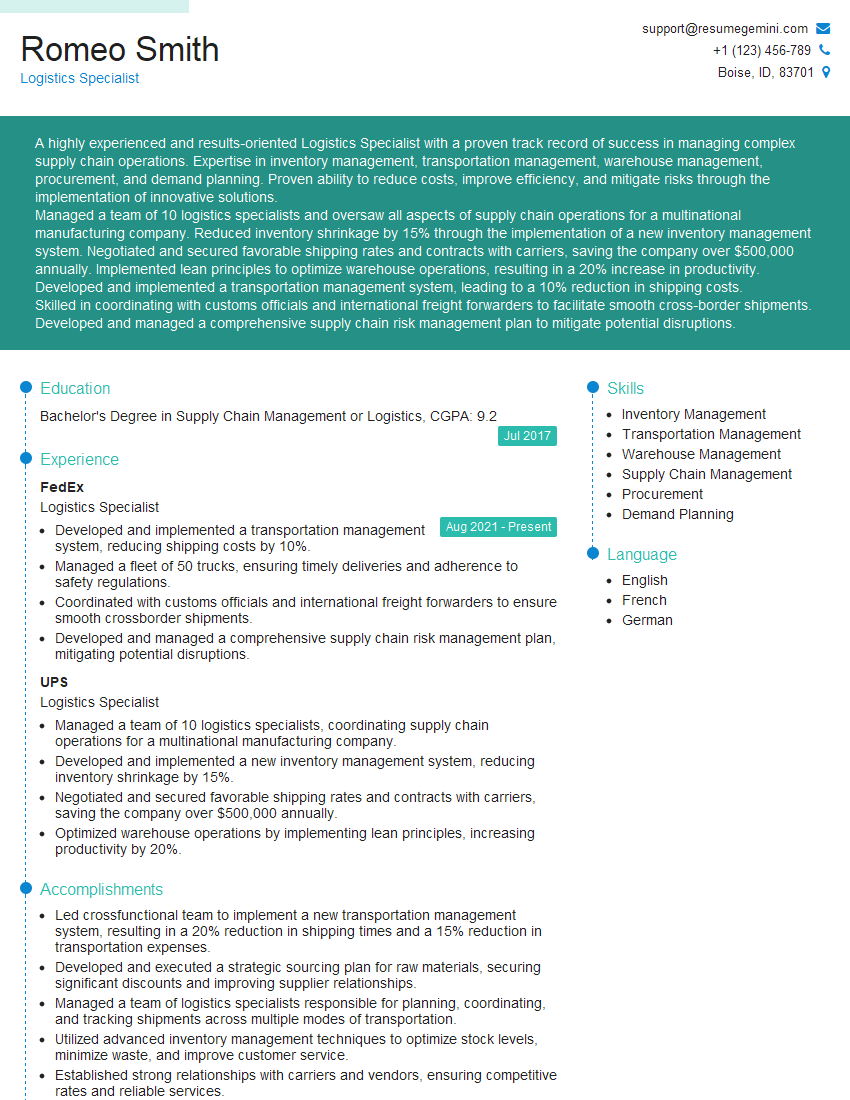
Logistics Specialist Resume Sample

Order Filler Resume Sample
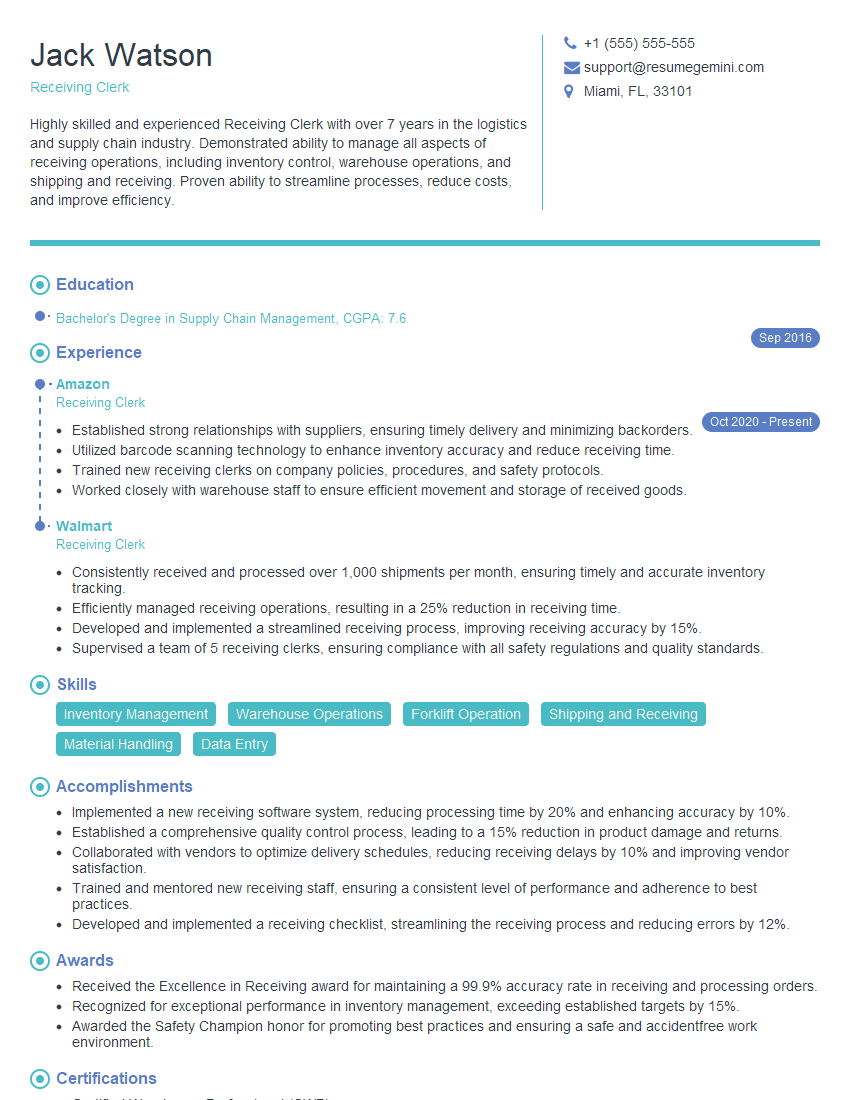
Receiving Clerk Resume Sample

Shipping and Receiving Clerk Resume Sample
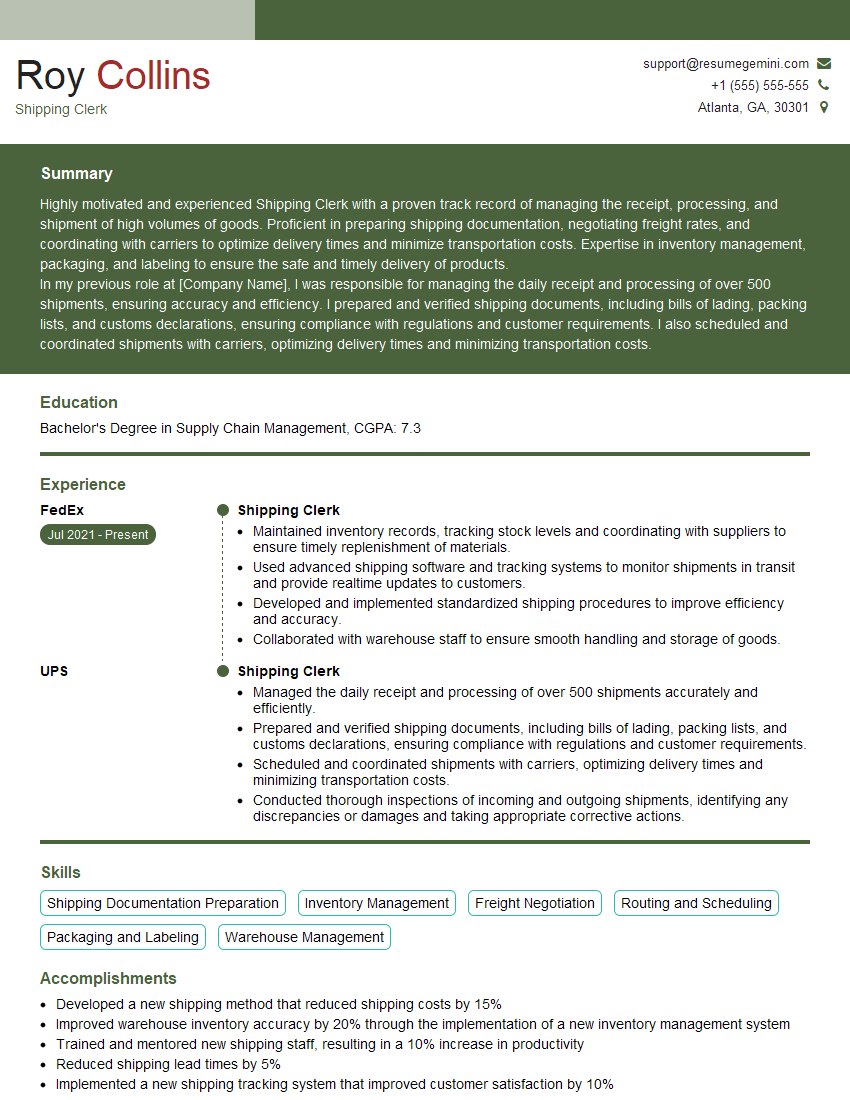
Shipping Clerk Resume Sample
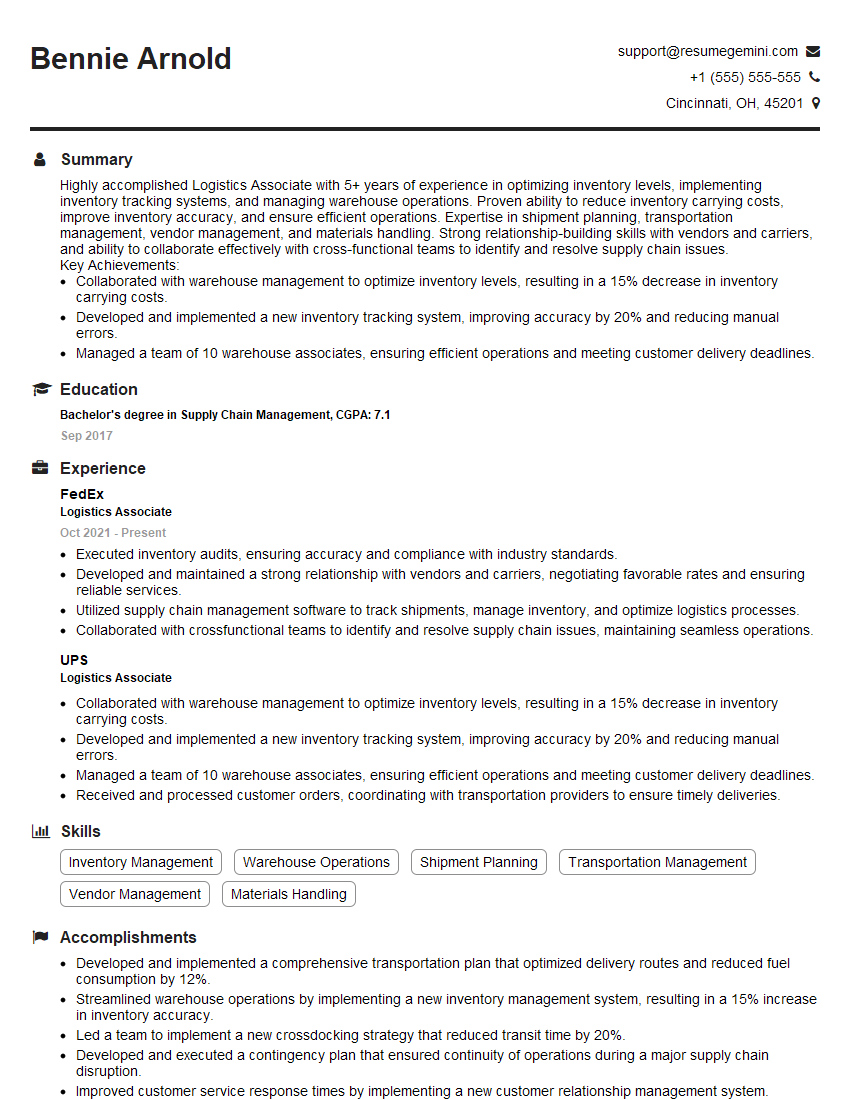
Logistics Associate Resume Sample
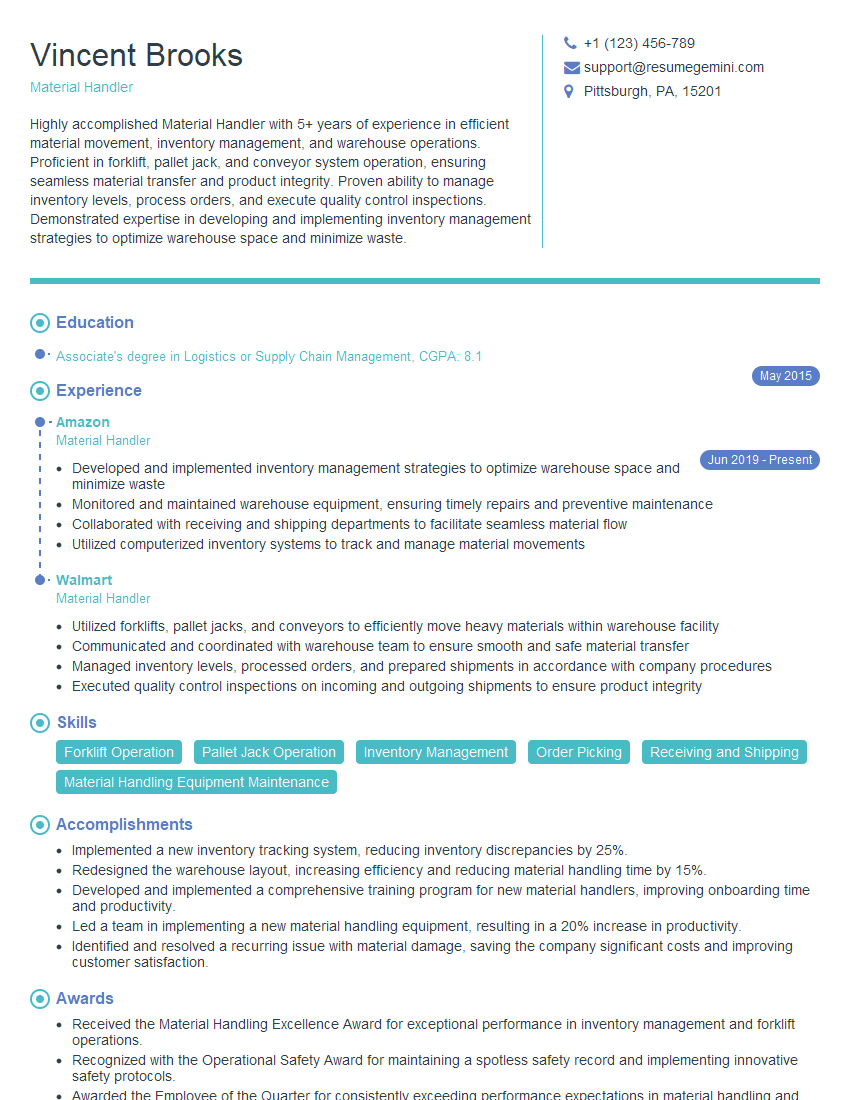
Material Handler Resume Sample
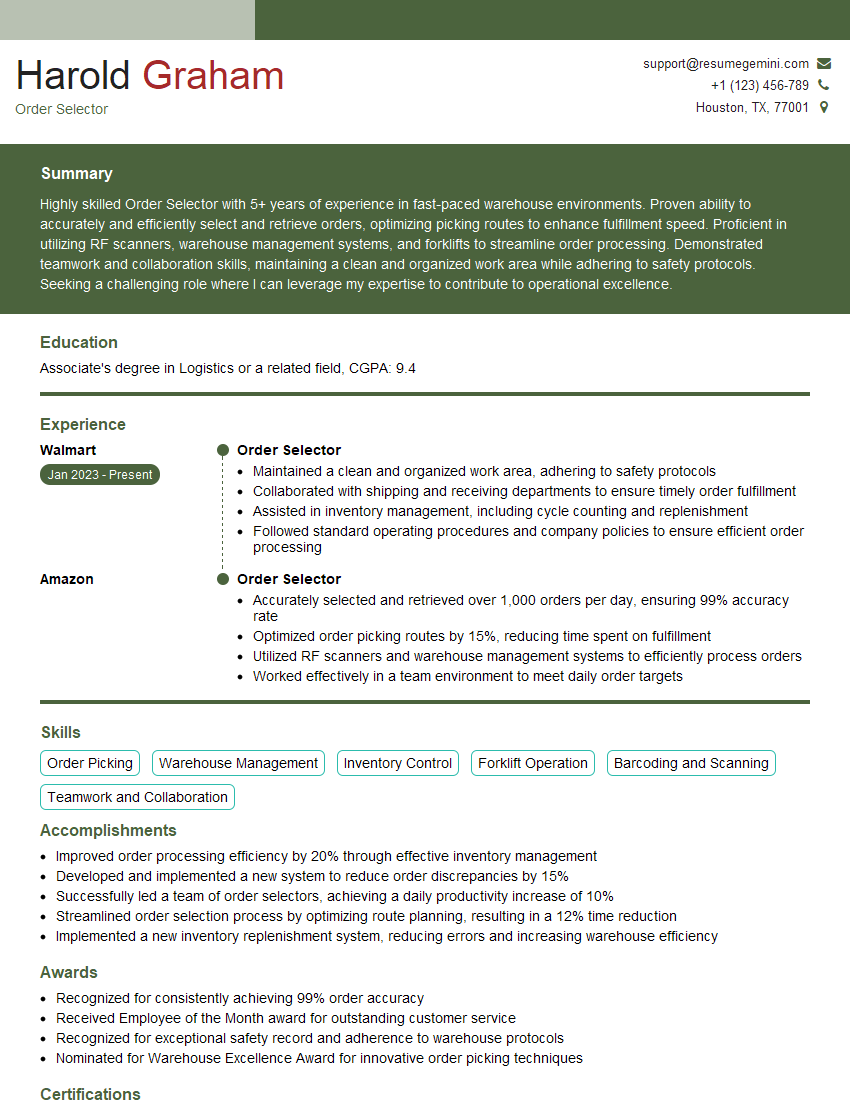
Order Selector Resume Sample
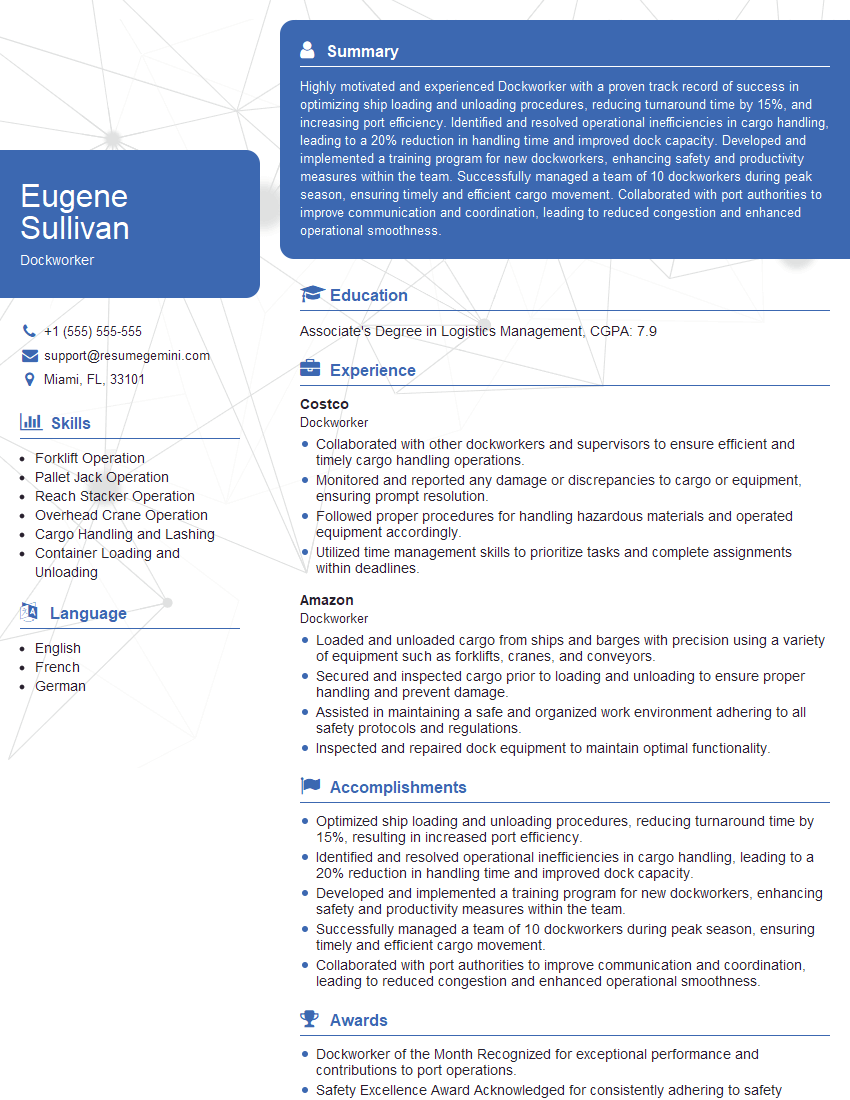
Dockworker Resume Sample
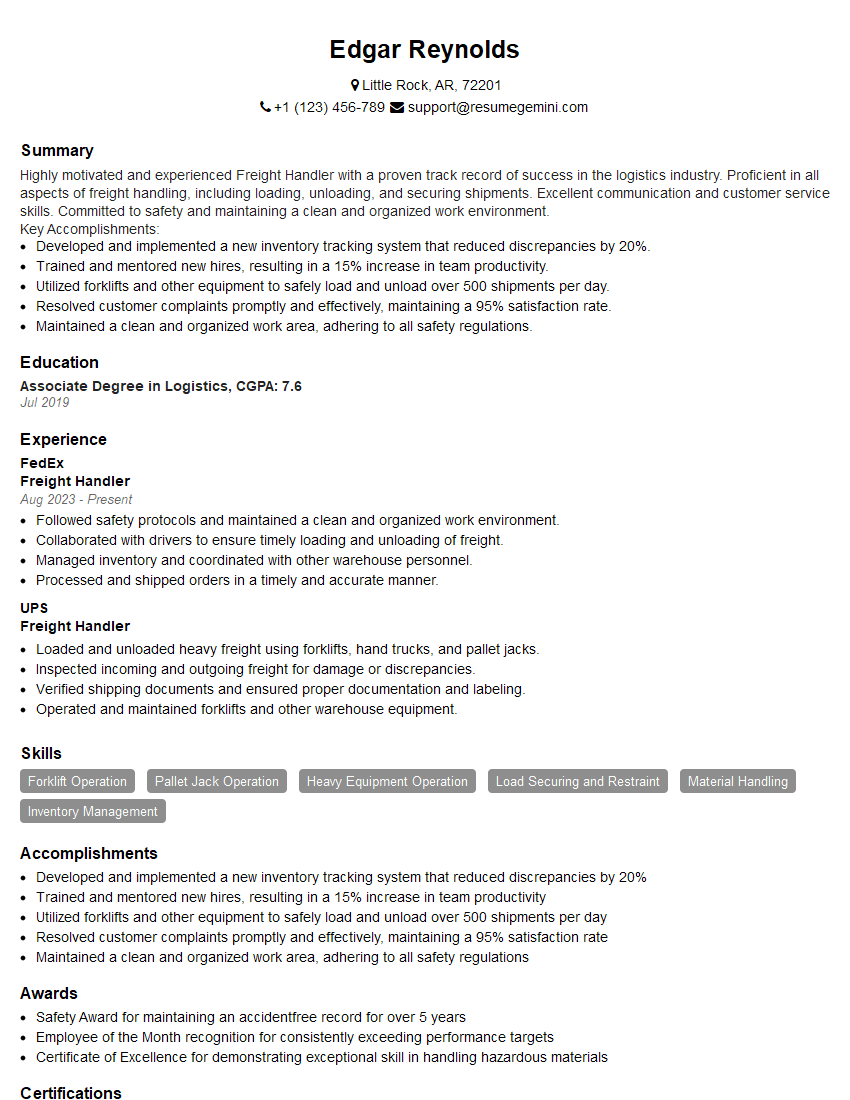
Freight Handler Resume Sample
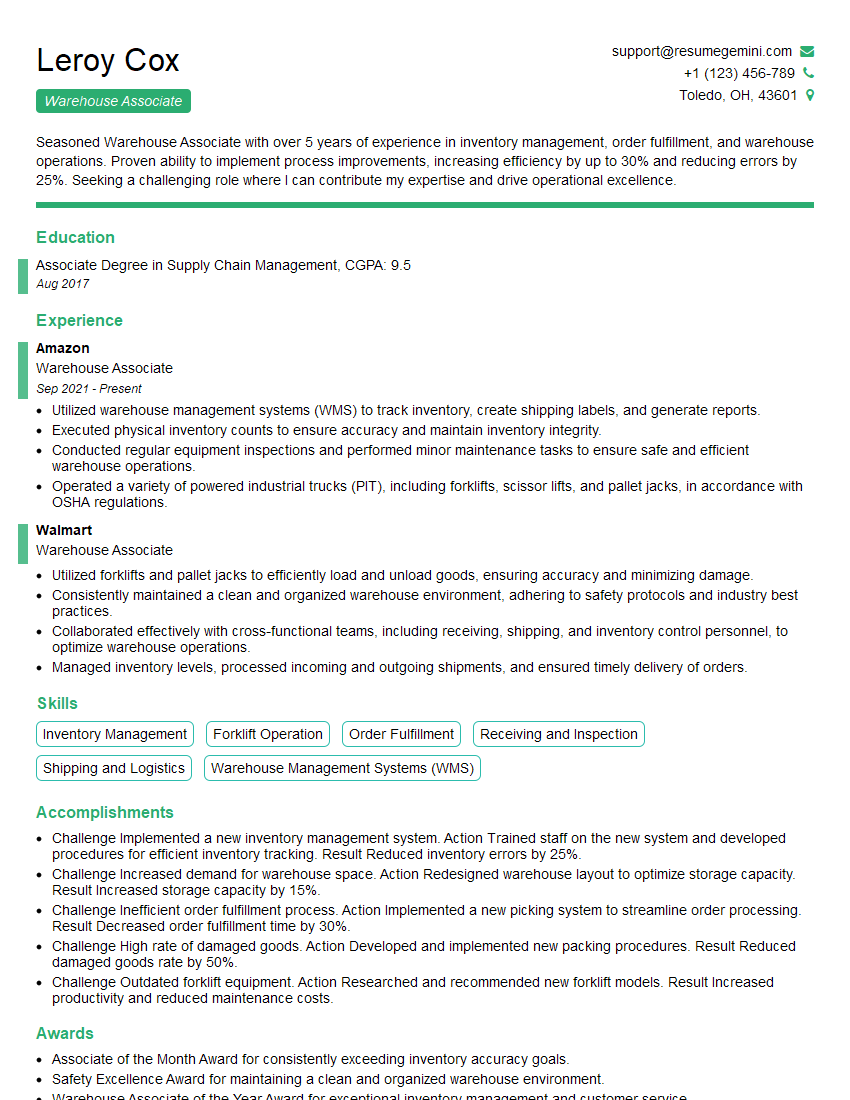
Warehouse Associate Resume Sample

Truck Loader Resume Sample
Explore more articles
Users Rating of Our Blogs
Share Your Experience
We value your feedback! Please rate our content and share your thoughts (optional).
What Readers Say About Our Blog
Very informative content, great job.
good