Interviews are more than just a Q&A session—they’re a chance to prove your worth. This blog dives into essential Loading/Unloading Operations interview questions and expert tips to help you align your answers with what hiring managers are looking for. Start preparing to shine!
Questions Asked in Loading/Unloading Operations Interview
Q 1. Describe your experience with different loading/unloading techniques.
My experience encompasses a wide range of loading and unloading techniques, tailored to the specific cargo and equipment available. This includes everything from manual handling for smaller, lighter items to the operation of sophisticated machinery for large-scale projects.
- Manual Handling: For smaller shipments or when machinery isn’t practical, safe and efficient manual handling is crucial. This requires proper lifting techniques and teamwork to prevent injuries and ensure timely loading. For instance, I’ve coordinated teams to unload delicate antiques, ensuring each item was handled with care and appropriate padding.
- Forklift Operation: I’m proficient in operating forklifts of varying capacities, understanding load weight limits and the importance of stable positioning. I’ve used forklifts to load and unload pallets of goods in warehouse settings, optimizing space and efficiency. A specific example involves optimizing the stacking of pallets to maximize space in a refrigerated truck.
- Crane Operations (with certification): I possess the necessary certification for operating cranes, making me capable of handling heavy and oversized loads. This includes meticulous planning, secure rigging techniques, and strict adherence to safety protocols. A major project involved using a crane to load large machinery onto a barge for shipping overseas.
- Conveyor Belt Systems: I’m experienced in utilizing conveyor belt systems to streamline the loading and unloading processes, particularly for high-volume operations. I understand the importance of monitoring the conveyor belt for any jams or malfunctions and know how to adjust the system for different types of cargo.
My approach always prioritizes safety, efficiency, and minimizing damage to goods.
Q 2. How do you prioritize tasks during peak loading/unloading periods?
Prioritizing tasks during peak periods requires a strategic approach focusing on urgency, safety, and resource allocation. I utilize a combination of techniques:
- Urgency Matrix: I categorize tasks based on urgency and importance, prioritizing time-sensitive shipments like perishable goods or those with strict delivery deadlines (e.g., just-in-time manufacturing supplies). This matrix allows for quick identification of critical tasks.
- Resource Allocation: I assign tasks to team members based on their skills and availability, ensuring the right personnel handle the right job. For example, experienced forklift operators are assigned to heavier loads while newer team members handle lighter tasks under supervision.
- Communication & Coordination: Constant communication with drivers, warehouse staff, and other stakeholders is key. Real-time updates and adjustments are essential to address unforeseen delays or bottlenecks. I use walkie-talkies and digital communication tools for seamless coordination.
- Continuous Monitoring & Adjustment: Regular monitoring of progress helps identify any issues early on. This allows for immediate corrective actions, preventing significant delays. This may involve re-prioritizing tasks or adjusting resource allocation based on real-time observations.
Think of it like conducting an orchestra – each musician (team member) plays their part, following a score (prioritization matrix) directed by the conductor (me) to create a harmonious, efficient output.
Q 3. What safety measures do you implement while loading/unloading?
Safety is paramount in loading/unloading operations. My approach incorporates several key measures:
- Personal Protective Equipment (PPE): Mandatory use of safety helmets, high-visibility vests, safety shoes, and gloves ensures protection against falls, impacts, and material hazards. I regularly inspect and maintain PPE to ensure it’s in good condition.
- Pre-shift Inspections: Thorough inspections of equipment, including forklifts, cranes, and loading docks, are performed before commencing operations to identify and rectify any potential hazards. This includes checking for proper functionality and any damage.
- Safe Lifting Techniques: Team members are trained in proper lifting techniques to prevent back injuries and ensure safe handling of goods. This includes the use of lifting aids where appropriate.
- Designated Zones & Traffic Control: Clearly marked loading zones, traffic cones, and communication systems help prevent accidents caused by pedestrian/vehicle collisions. Clear signage indicates safe walkways and no-go zones.
- Regular Safety Training & Meetings: Conducting regular safety training and meetings to reinforce safe practices and address safety concerns is vital. These sessions cover topics like hazard identification and emergency procedures.
- Incident Reporting: A comprehensive incident reporting system allows for prompt investigation and corrective actions to prevent similar incidents from recurring.
My commitment to safety goes beyond compliance; it’s an integral part of my operational philosophy.
Q 4. Explain your experience with various types of loading equipment.
My experience includes operating and overseeing the use of various loading equipment, each chosen based on the specific requirements of the task.
- Forklifts: Proficient in operating various types of forklifts, from counterbalanced to reach trucks, with a focus on load stability, safe maneuvering, and adherence to weight limits.
- Cranes: Certified crane operator with experience in operating various types of cranes, including overhead cranes, mobile cranes, and tower cranes. This includes meticulous planning of lifts, secure rigging techniques, and understanding load charts.
- Conveyors: Experienced in using conveyor belts systems, understanding their limitations and the importance of regular maintenance to prevent jams and breakdowns.
- Pallet Jacks: Proficient in using pallet jacks for moving pallets efficiently and safely, understanding proper techniques to prevent injuries and damage.
- Loading Docks & Ramps: Experienced in using loading docks and ramps, focusing on safety procedures and understanding weight capacity limits. This includes ensuring proper alignment and securing the load.
My knowledge extends beyond operation to maintenance and identifying potential equipment problems. Regular checks ensure smooth operations and prevent accidents.
Q 5. How do you handle damaged goods during loading/unloading?
Handling damaged goods requires a systematic approach to minimize further damage and ensure accurate record-keeping.
- Immediate Identification & Documentation: Damaged goods are immediately identified, and detailed documentation, including photographs and descriptions of the damage, are recorded. This includes noting the location of damage on the item and the suspected cause.
- Segregation & Secure Storage: Damaged goods are segregated from undamaged goods to prevent further damage and contamination. They are stored in a designated area to avoid mixing with undamaged inventory.
- Reporting & Notification: Damaged goods are reported to the relevant stakeholders, including the client and transportation company, as soon as possible. This may involve filing an insurance claim.
- Return or Disposal: The appropriate action, such as return to the supplier, disposal, or repair, is determined based on the extent of the damage and the cost-effectiveness of each option.
- Prevention Measures: Analyzing the cause of damage helps implement preventative measures in the future. This could involve better packaging, improved loading techniques, or more frequent equipment checks.
For example, if a pallet of electronics arrives with damaged boxes, I document it, segregate the damaged units, and inform the supplier for a potential return or replacement. My objective is to minimize the impact of damage and prevent similar issues from recurring.
Q 6. Describe your experience with inventory management related to loading/unloading.
My experience in inventory management is deeply intertwined with loading and unloading operations. Accurate inventory data is crucial for efficient operations.
- Real-time Tracking: Using inventory management systems to track goods from arrival to departure enables real-time updates on stock levels, allowing for proactive planning and resource allocation.
- Cycle Counting: Regular cycle counting verifies the accuracy of inventory records, minimizing discrepancies and ensuring accurate reporting of stock levels. This is critical for identifying any discrepancies between physical stock and recorded inventory.
- Location Management: Efficient storage and organization of goods within the warehouse, considering factors like weight, size, and fragility, streamlines the loading and unloading process. This ensures easy accessibility and efficient retrieval of items.
- Integration with Loading/Unloading Systems: Integrating inventory management systems with loading and unloading systems enables automated tracking of goods throughout the entire process, from receiving to shipment. This improves accuracy and efficiency.
- Data Analysis & Reporting: Regular analysis of inventory data reveals trends and patterns which can inform improvements to the loading/unloading procedures, optimizing efficiency and resource allocation.
Accurate inventory management is not just a record-keeping function; it’s a critical component of ensuring smooth and efficient loading/unloading operations.
Q 7. How do you ensure the accurate and timely loading/unloading of shipments?
Ensuring accurate and timely loading/unloading requires meticulous planning and execution:
- Pre-loading Checks: Verifying shipment details against the manifest and ensuring proper labeling and packaging are crucial steps before loading. This helps ensure that everything is in order before the process begins.
- Optimized Loading Plans: Creating optimized loading plans that consider weight distribution, space constraints, and the type of cargo ensure safe and efficient loading. This often involves using specialized loading software to create the best possible arrangement.
- Clear Communication: Maintaining constant communication between all personnel involved in loading and unloading (drivers, dockworkers, warehouse staff) is crucial. Using clear communication channels, like walkie-talkies, minimizes misunderstandings and delays.
- Technology Integration: Using barcode scanners, RFID technology, or other tracking systems for automated data entry and verification reduces errors and improves tracking accuracy throughout the process. This ensures real-time tracking of the progress.
- Post-loading Verification: A final verification of the loaded goods against the manifest, ensures accuracy before the shipment leaves the premises. This is a critical step to confirm that everything is accounted for.
- Contingency Planning: Having a plan to handle unforeseen delays or issues, such as equipment malfunction or weather disruption, minimizes downtime and ensures timely delivery. This includes having backup plans and alternative solutions in place.
By combining careful planning with diligent execution and leveraging technology, accurate and timely loading/unloading becomes achievable.
Q 8. What is your experience with different types of packaging and their handling?
My experience encompasses a wide range of packaging types, from standard cardboard boxes and pallets to specialized containers for fragile or hazardous materials. I’m proficient in handling various sizes and weights, understanding the unique considerations each presents. For instance, I’ve worked extensively with palletized goods, ensuring proper stacking and securing to prevent damage during transit. I’m also familiar with using specialized packaging like air-ride suspension systems for sensitive electronics or insulated containers for temperature-sensitive products. My approach always prioritizes safety and efficiency, selecting the most appropriate handling techniques for each package type.
- Cardboard Boxes: Understanding weight limits and stacking patterns to maximize space and prevent collapse.
- Pallets: Proper wrapping, securing, and using stretch film to maintain stability during loading and unloading.
- Specialized Containers: Using appropriate lifting equipment and following specific handling instructions for items like hazardous materials or temperature-sensitive goods.
Q 9. How do you maintain a clean and organized loading/unloading area?
Maintaining a clean and organized loading/unloading area is crucial for safety and efficiency. My approach involves a multi-pronged strategy: First, establishing clear designated areas for different types of goods, preventing congestion and misplacement. Second, implementing a strict ‘clean-as-you-go’ policy. This means immediately removing debris and packaging materials after unloading or loading to minimize clutter. Third, using clear signage and floor markings to guide workers and equipment, reducing the risk of accidents. Finally, regular scheduled cleaning using appropriate equipment (e.g., sweepers, pressure washers) to keep the area spotless. Think of it like a well-organized kitchen – a clean space promotes smooth workflow and minimizes risks.
Q 10. How do you handle discrepancies between the manifest and the actual shipment?
Discrepancies between the manifest and the actual shipment are addressed meticulously. The process begins with a thorough physical count and verification of each item against the accompanying documentation. Any discrepancies are immediately documented, noting the item, quantity difference, and any potential causes. I’ll then follow established protocols to communicate the discrepancy to the relevant parties – the shipper, receiver, and my supervisor. This may involve contacting the shipper to verify the manifest’s accuracy or conducting a further inventory check. A formal report is completed, documenting the discrepancy and the steps taken to resolve it. It’s like solving a puzzle; identifying the problem accurately is the first step to the solution.
Q 11. What is your experience with using warehouse management systems (WMS)?
I have extensive experience utilizing various Warehouse Management Systems (WMS). My proficiency includes data entry, order fulfillment tracking, inventory management, and reporting. For example, I’ve used WMS software to generate picking lists, track the location of goods within the warehouse, and monitor loading/unloading progress in real-time. The specific systems I’m familiar with include [mention specific WMS systems used, e.g., Oracle WMS, SAP EWM]. I’m confident in my ability to learn and adapt to new WMS systems quickly.
Q 12. Explain your experience with different types of transportation vehicles.
My experience covers a variety of transportation vehicles, including semi-trailers, box trucks, flatbed trucks, and even smaller vans and cargo containers. I’m familiar with the loading and unloading procedures specific to each type, including securing cargo appropriately to prevent shifting during transit. For example, I know the importance of using proper tie-downs for flatbed shipments and understanding weight distribution in semi-trailers. I am also adept at using loading docks and ramps safely and efficiently. Safety and compliance regulations, depending on vehicle and goods are always prioritized.
Q 13. How do you manage unexpected delays or challenges during loading/unloading?
Unexpected delays or challenges are handled proactively and calmly. My approach involves immediate assessment of the situation to identify the root cause of the delay. This could range from equipment malfunction to unforeseen traffic congestion. Once the cause is identified, I develop a solution – this may involve coordinating with other teams, finding alternative solutions, or communicating the delay to the relevant stakeholders. Clear communication throughout the process is key to minimizing disruption. It’s similar to navigating a detour; you need to identify the problem and find the most efficient route to reach your destination.
Q 14. Describe your experience with hazardous materials handling.
I possess significant experience in handling hazardous materials, adhering strictly to all relevant regulations and safety protocols. This includes understanding Safety Data Sheets (SDS), using proper personal protective equipment (PPE), and following designated handling procedures. I’m familiar with various hazardous material classes and their associated risks, as well as the appropriate storage and transportation methods. For instance, I’ve worked with flammable liquids, corrosive chemicals, and radioactive materials, ensuring their secure handling and transportation in compliance with all applicable regulations (e.g., DOT regulations). Safety is paramount in this area; mistakes are not an option.
Q 15. How do you ensure the security of goods during loading/unloading?
Ensuring the security of goods during loading and unloading is paramount. It involves a multi-layered approach focusing on prevention, detection, and response. Think of it like a fortress with multiple lines of defense.
- Physical Security: This includes secure warehouse access control, surveillance cameras covering loading docks and yards, and well-lit areas to deter theft. We also use tamper-evident seals on shipments and regularly check for any signs of compromise.
- Inventory Management: Precise tracking of goods throughout the loading/unloading process is crucial. Using barcodes, RFID tags, or RF scanners, we ensure every item is accounted for, minimizing the chance of loss or theft. Regular inventory checks further reinforce this.
- Personnel Security: Thorough background checks on all employees involved in handling goods are vital. We also provide training on security protocols, emphasizing vigilance against suspicious activity. Strict adherence to access control procedures, such as requiring identification badges, is non-negotiable.
- Transportation Security: We partner with reputable transportation companies that adhere to strict security standards, ensuring goods are protected in transit. We may also utilize GPS tracking and secure transportation containers.
For example, during a recent high-value shipment, we implemented a double-checking system where two employees independently verified the count and condition of goods before sealing the container. This extra layer of security prevented potential discrepancies.
Career Expert Tips:
- Ace those interviews! Prepare effectively by reviewing the Top 50 Most Common Interview Questions on ResumeGemini.
- Navigate your job search with confidence! Explore a wide range of Career Tips on ResumeGemini. Learn about common challenges and recommendations to overcome them.
- Craft the perfect resume! Master the Art of Resume Writing with ResumeGemini’s guide. Showcase your unique qualifications and achievements effectively.
- Don’t miss out on holiday savings! Build your dream resume with ResumeGemini’s ATS optimized templates.
Q 16. What is your understanding of loading/unloading regulations and compliance?
Loading and unloading operations are heavily regulated to ensure safety and efficiency. My understanding encompasses various aspects, including:
- Occupational Safety and Health Administration (OSHA) regulations: These regulations dictate safe practices to prevent injuries during loading and unloading, such as proper lifting techniques, the use of appropriate equipment, and maintaining a safe work environment. We ensure all personnel are trained and follow these guidelines rigorously.
- Department of Transportation (DOT) regulations: These regulations govern the safe transportation of hazardous materials. We strictly adhere to regulations regarding labeling, packaging, and handling of such materials. Training is provided to all personnel on identifying and handling different hazardous materials.
- Weight and dimension regulations: We meticulously check weight and dimensions of loads to ensure compliance with regulations regarding vehicle capacities and road weight limits. This prevents overloading and ensures safe transportation.
- Environmental regulations: We comply with environmental regulations regarding waste disposal, emissions, and noise pollution during loading/unloading activities. This includes proper disposal of packaging materials and minimizing noise from equipment.
Compliance is ensured through regular audits, documentation, and employee training. Non-compliance can lead to severe penalties and reputational damage. We use a robust system of checklists and documentation to track our compliance.
Q 17. Describe a time you had to solve a complex loading/unloading problem.
We once faced a challenge with a large, irregular-shaped shipment that was unexpectedly delivered. The dimensions exceeded initial specifications, making it difficult to fit into our existing storage space and loading docks. It was a time-sensitive order, adding pressure to the situation.
To solve this, I first gathered my team. We brainstormed solutions, considering various options like re-configuring existing storage and temporarily removing shelving units. We also evaluated the possibility of using different loading techniques, including tilting the shipment slightly to optimize its fit. After carefully assessing risks and considering safety implications, we decided to temporarily reorganize part of the warehouse and utilize specialized loading equipment. This involved careful planning and coordination to ensure the safety of our personnel and the integrity of the goods. Through efficient teamwork and quick decision-making, we successfully loaded the shipment without any damage or delay. This experience underscored the importance of adaptability, quick thinking, and robust risk assessment in resolving complex loading/unloading problems.
Q 18. How do you communicate effectively with drivers and other warehouse staff?
Effective communication is vital in loading/unloading operations. I use a combination of strategies to maintain clear and concise communication with drivers and warehouse staff:
- Clear instructions: I provide drivers and warehouse staff with clear, concise, and unambiguous instructions regarding the loading/unloading process. This includes details on locations, loading sequences, and safety protocols.
- Active listening: I actively listen to their concerns and feedback, ensuring their questions are addressed promptly. This fosters trust and open communication.
- Two-way communication: I encourage two-way communication, fostering an environment where questions and concerns are readily expressed and resolved. This can range from using walkie-talkies to providing real-time updates through a central communication system.
- Regular meetings: We hold regular meetings to discuss operational issues, safety concerns, and any process improvements. These meetings provide a forum for constructive feedback and collaborative problem-solving.
- Technology integration: Utilizing technology, such as dispatch software and mobile apps, facilitates real-time updates and streamlined communication channels between drivers and warehouse personnel.
For example, when facing unexpected delays, I make sure to proactively communicate the situation to all parties involved to manage expectations and prevent unnecessary stress.
Q 19. What is your experience with using RF scanners or other handheld devices?
I have extensive experience using RF scanners and other handheld devices in warehouse operations. These devices significantly enhance efficiency and accuracy in various aspects of loading/unloading:
- Inventory Management: RF scanners streamline inventory tracking by quickly and accurately scanning barcodes or RFID tags to verify item count, location, and condition during the loading and unloading process.
- Order Fulfillment: Using RF scanners enables efficient order picking and packing by guiding warehouse staff to the correct location for each item, reducing errors and improving speed.
- Real-time Data Capture: The data captured through these devices can be integrated into a warehouse management system (WMS) providing real-time visibility into inventory levels, order status, and potential bottlenecks.
- Improved Accuracy: Manual data entry is prone to errors. RF scanners eliminate this by directly inputting data into the system, significantly reducing errors in inventory management.
I am proficient in using various RF scanner models and software, including those that integrate with our company’s WMS. I can also train new staff on how to effectively use these devices, ensuring efficient operation.
Q 20. How do you stay up-to-date with the latest loading/unloading best practices?
Staying updated on the latest loading/unloading best practices is crucial in this dynamic field. I utilize several methods to ensure I remain current:
- Professional Associations: I am an active member of professional logistics associations which provide access to industry publications, conferences, and webinars featuring the latest trends and technologies.
- Industry Publications and Journals: I regularly read industry-specific journals and publications to stay abreast of emerging technologies and best practices in warehouse operations.
- Online Courses and Webinars: I utilize online platforms offering courses and webinars focused on supply chain management and warehouse operations, expanding my knowledge and acquiring new skills.
- Networking: Attending industry events and conferences allows me to network with colleagues and experts, sharing knowledge and learning from others’ experiences.
- Vendor Relationships: Maintaining strong relationships with equipment vendors and software providers keeps me informed about new technologies and improved solutions.
For instance, recently I attended a seminar on implementing automated guided vehicles (AGVs) in warehouse operations, which may significantly impact our loading/unloading processes in the future.
Q 21. What is your understanding of different loading/unloading methods (e.g., palletizing, stacking)?
Understanding various loading/unloading methods is vital for optimizing efficiency and safety. I’m familiar with several key methods:
- Palletizing: This involves placing goods onto pallets for easier handling and transportation. This significantly improves efficiency by allowing for mechanized handling using forklifts, pallet jacks, and conveyors. Different pallet sizes and types are selected based on the goods and transportation methods.
- Stacking: Stacking involves arranging goods vertically to maximize space utilization. This requires careful planning to ensure stability and prevent collapse. Factors like weight distribution, stacking patterns, and the use of proper bracing are essential.
- Containerization: Using standardized containers for transportation offers several advantages. They protect goods during transit and simplify handling. We use different container types depending on the goods being transported – from standard shipping containers to specialized refrigerated units.
- Bulk Loading: For loose materials like grains or powders, bulk loading methods are used. This often involves specialized equipment like conveyor belts and silos to handle the goods efficiently. Safety measures are crucial due to the potential hazards associated with bulk materials.
- Roll-on/Roll-off (RoRo): This method is suited for vehicles or large equipment that can be driven directly onto and off of a vessel or trailer.
The choice of method depends on various factors, including the type of goods, available equipment, storage space, and transportation mode. For example, fragile items would necessitate careful stacking and potentially additional padding, while heavier goods would require the use of forklifts and sturdy pallets.
Q 22. How do you identify and report safety hazards in the loading/unloading area?
Identifying and reporting safety hazards in a loading/unloading area is paramount. It’s a proactive approach that prevents accidents and ensures a safe working environment. My process involves a systematic approach: First, a thorough visual inspection of the entire area, looking for potential tripping hazards like loose cables, uneven surfaces, or debris. Then, I check for proper lighting, ensuring adequate visibility, especially at night or in poorly lit areas. I also assess the condition of loading docks, ramps, and equipment, looking for any damage or wear and tear that could cause accidents. Finally, I assess the handling of materials; are workers using appropriate lifting techniques? Are loads secured correctly to prevent falls?
Reporting is equally crucial. I’d use the company’s established reporting system, whether it’s a digital platform or a written log, to document each hazard, including its location, severity, and any potential impact. For instance, I might report ‘Damaged ramp near dock bay 3 – potential tripping hazard’ or ‘Improper stacking of boxes near loading dock – risk of collapse’. I’d also communicate verbally to my supervisor or safety officer immediately if a hazard poses an immediate threat. Following up to ensure the hazard is rectified is an important part of the process; I’d make sure the necessary action is taken.
Q 23. Describe your experience working under pressure and meeting deadlines.
Working under pressure and meeting deadlines is a regular part of loading/unloading operations. In my previous role, we faced numerous situations requiring quick turnaround times. For example, we had a situation where a shipment of perishable goods was delayed, putting us under immense pressure to unload and restock within a very tight window. To manage this, I employed a few key strategies: First, prioritizing tasks based on urgency and impact. I quickly assessed which tasks were most critical to meet the deadline and assigned personnel accordingly. Second, efficient communication was key. I kept my team updated on the situation and expectations. Open lines of communication helped ensure everyone understood their roles and timelines, preventing confusion and delays. Finally, I stayed adaptable. Unexpected issues arose frequently, so flexibility in problem-solving became vital. We managed to meet the tight deadline by utilizing every available resource and re-evaluating the unloading procedure to streamline the process. We successfully unloaded the goods before spoilage and maintained our reputation for timely service.
Q 24. How do you handle heavy or awkward items during loading/unloading?
Handling heavy or awkward items requires a combination of safety protocols and proper techniques. I always prioritize safety. This includes using appropriate material handling equipment like forklifts, pallet jacks, or hand trucks whenever possible. For items that require manual handling, we always follow the ‘lift with your legs, not your back’ principle. We also use lifting teams for excessively heavy items, with clear communication and coordination among team members. Before lifting, we always assess the weight and balance of the item, making sure we have a firm grip. Using straps or other securing devices can be crucial for awkward shapes or slippery items. For unusually shaped items, we might need to use specialized equipment or develop a custom handling plan. For example, if faced with oversized machinery, we’d use a crane and secure it with heavy-duty straps and chains to avoid damage or injury. Proper planning and execution are essential for safe and efficient handling of heavy and awkward items.
Q 25. What is your approach to training new employees on loading/unloading procedures?
Training new employees is crucial for maintaining safety and efficiency. My approach involves a multi-stage process: First, a comprehensive safety orientation covering all relevant regulations and company policies, including proper use of equipment and personal protective equipment (PPE). Then, hands-on training on the specific loading/unloading procedures used in our operation. This would include demonstrations, supervised practice sessions, and detailed explanation of the techniques and best practices. I’d encourage questions and provide regular feedback, ensuring they understand the tasks and can perform them correctly and safely. Also, ongoing mentorship is essential; I’d pair them with experienced team members for several shifts allowing them to observe and learn more effectively. Regular assessments and skill evaluations help track their progress and identify areas requiring additional training. Finally, continuous learning is encouraged through refresher courses and updates on new safety regulations or handling techniques. I find that a blend of classroom and practical training, coupled with ongoing support, yields the best results for new employees.
Q 26. Explain your experience with load planning and optimization.
Load planning and optimization are critical for maximizing efficiency and minimizing costs. My experience includes using various techniques to optimize loading patterns based on the dimensions and weight of goods, utilizing software that generates optimal loading plans for trucks or containers. This ensures that the maximum possible quantity of goods is loaded safely and legally, avoiding overweight or improperly balanced loads. It reduces the number of trips required, decreasing fuel costs and transportation time. Furthermore, I’m experienced with optimizing the loading sequence, prioritizing frequently needed items for easier access. This is especially important in a warehouse where items must be quickly retrieved for order fulfillment. For example, if we’re shipping a range of items, we’d carefully plan the loading order to make picking efficient for downstream operations. By analyzing past loading data and identifying bottlenecks, we can refine our procedures for continuous improvement.
Q 27. How do you prevent damage to goods during transportation and handling?
Preventing damage to goods during transport and handling is critical. My approach starts with proper packaging. Appropriate materials like cushioning, bracing, and wrapping must be used based on the fragility and shape of the goods. Clear labeling is also essential; indicating ‘fragile,’ ‘this side up,’ or other handling instructions. During loading, we employ careful handling techniques to avoid dropping or jarring the goods. Securement is paramount. Loads must be properly secured using straps, dunnage, or other methods depending on the mode of transport. For example, items in a container are secured using lashing straps to prevent shifting during transit. Regular inspections of vehicles and handling equipment are performed to detect defects or potential issues. Furthermore, we maintain a clean and organized loading/unloading area; this prevents accidental damage to the goods. By meticulously following these procedures, we aim for damage-free handling throughout the entire transportation process.
Q 28. What are your salary expectations for this role?
My salary expectations for this role are in the range of [Insert Salary Range], based on my experience and the responsibilities outlined in the job description. This figure is reflective of my skills and qualifications in the field of loading/unloading operations, and takes into account my proven track record of success in optimizing efficiency, improving safety, and reducing costs.
Key Topics to Learn for Loading/Unloading Operations Interview
- Safety Procedures and Regulations: Understanding and adhering to OSHA regulations, safe lifting techniques, hazard identification and mitigation, and the proper use of personal protective equipment (PPE).
- Equipment Operation and Maintenance: Familiarization with various loading and unloading equipment (forklifts, pallet jacks, conveyors), their safe operation, basic maintenance checks, and troubleshooting common issues. Practical application includes describing experience with specific equipment and highlighting proficiency levels.
- Inventory Management and Tracking: Understanding inventory control systems, accurate record-keeping of goods received and shipped, and the ability to identify discrepancies. Practical application includes explaining methods used to ensure accuracy and efficiency in inventory management.
- Logistics and Supply Chain Understanding: Knowledge of the overall flow of goods, from receiving to dispatch, understanding the importance of timely and efficient loading/unloading in meeting delivery deadlines. This includes understanding different transportation methods and their implications for loading/unloading.
- Efficiency and Optimization Techniques: Strategies for maximizing loading/unloading efficiency, minimizing downtime, and optimizing space utilization within warehouses or loading docks. Practical application might involve describing methods used to improve speed and organization.
- Problem-Solving and Decision-Making: Experience handling unexpected situations, such as damaged goods, equipment malfunctions, or scheduling conflicts. Demonstrate your ability to think on your feet and find solutions to challenges under pressure.
- Teamwork and Communication: Highlighting your ability to collaborate effectively with colleagues, supervisors, and drivers to ensure smooth operations and efficient communication within the team.
Next Steps
Mastering Loading/Unloading Operations is crucial for career advancement in logistics, warehousing, and supply chain management. It opens doors to higher-paying roles with increased responsibility and opportunities for professional growth. To maximize your chances of landing your dream job, create an ATS-friendly resume that highlights your skills and experience effectively. ResumeGemini is a trusted resource to help you build a professional resume that stands out. We provide examples of resumes tailored to Loading/Unloading Operations to guide you through the process. Take the next step toward your successful career today!
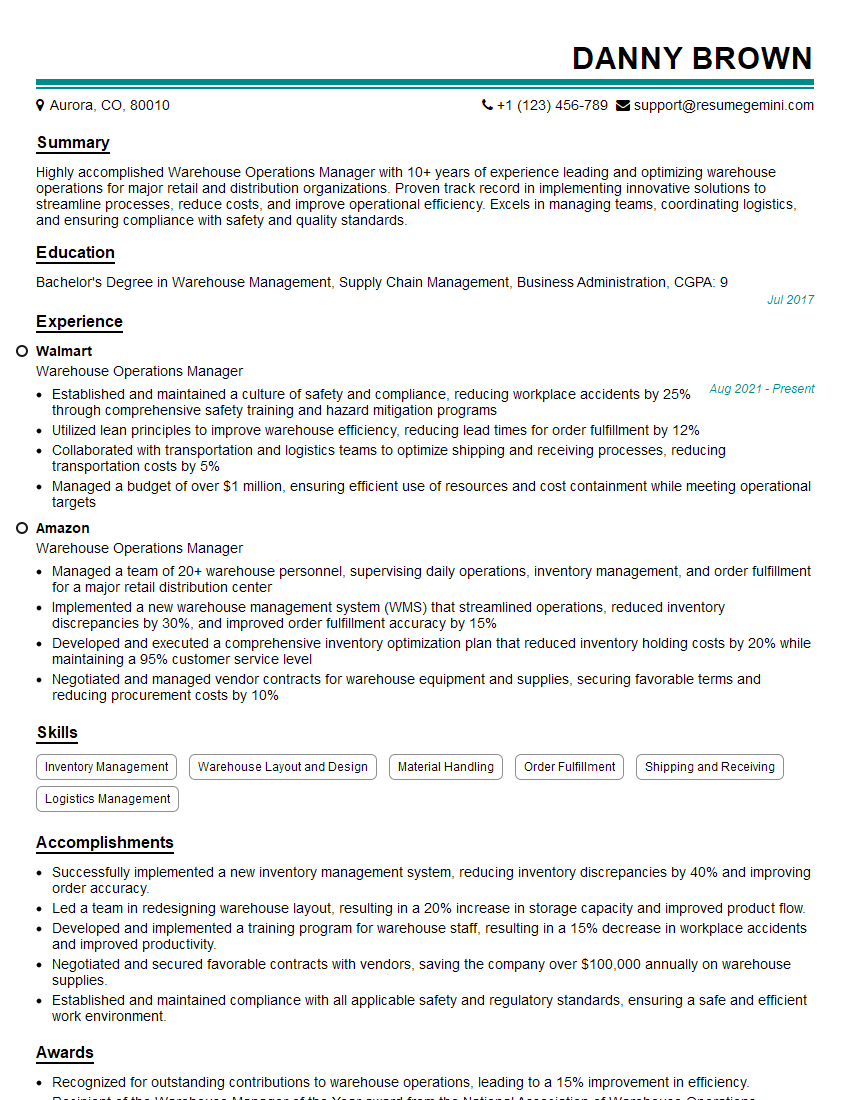
Warehouse Operations Manager Resume Sample
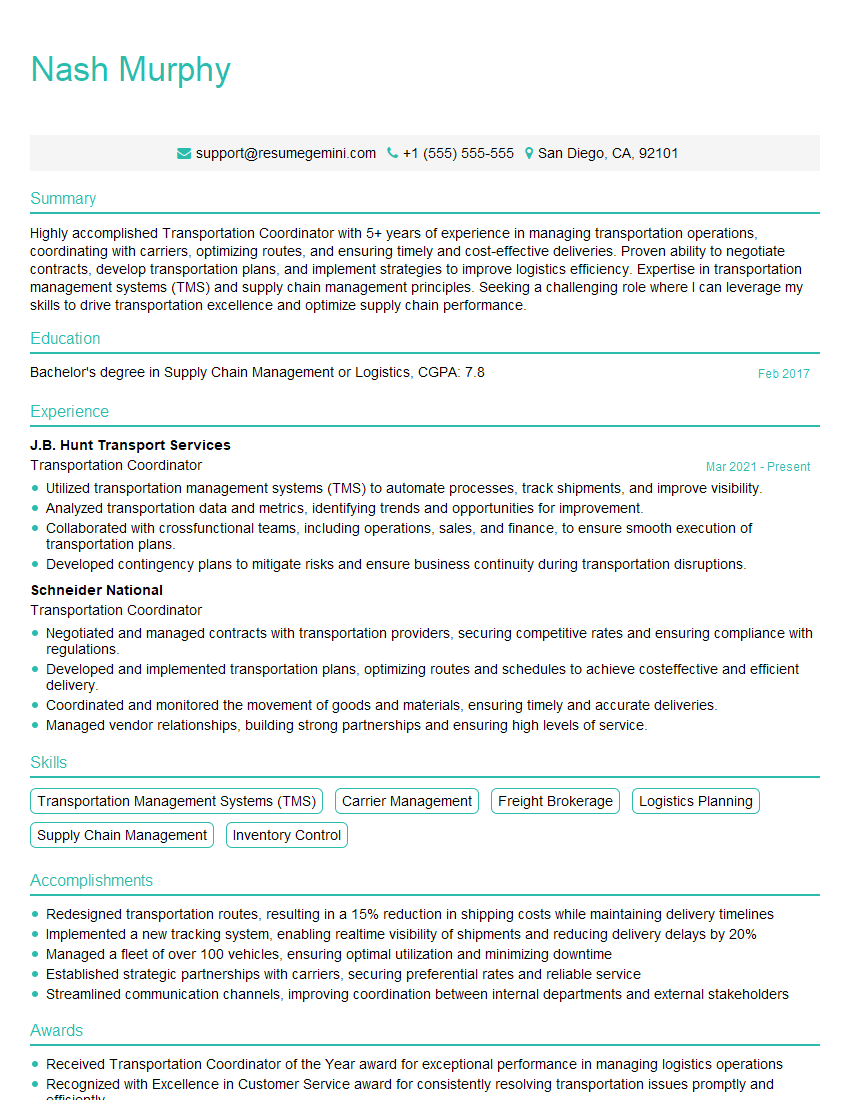
Transportation Coordinator Resume Sample
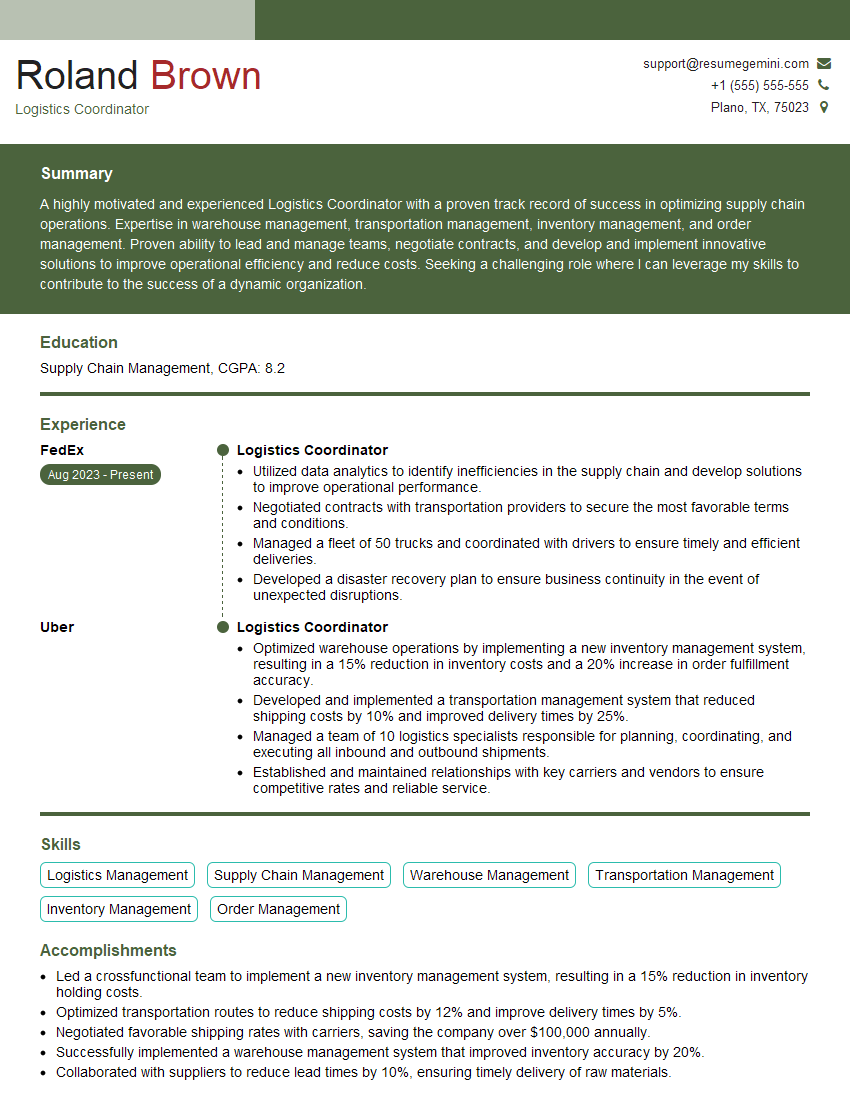
Logistics Coordinator Resume Sample
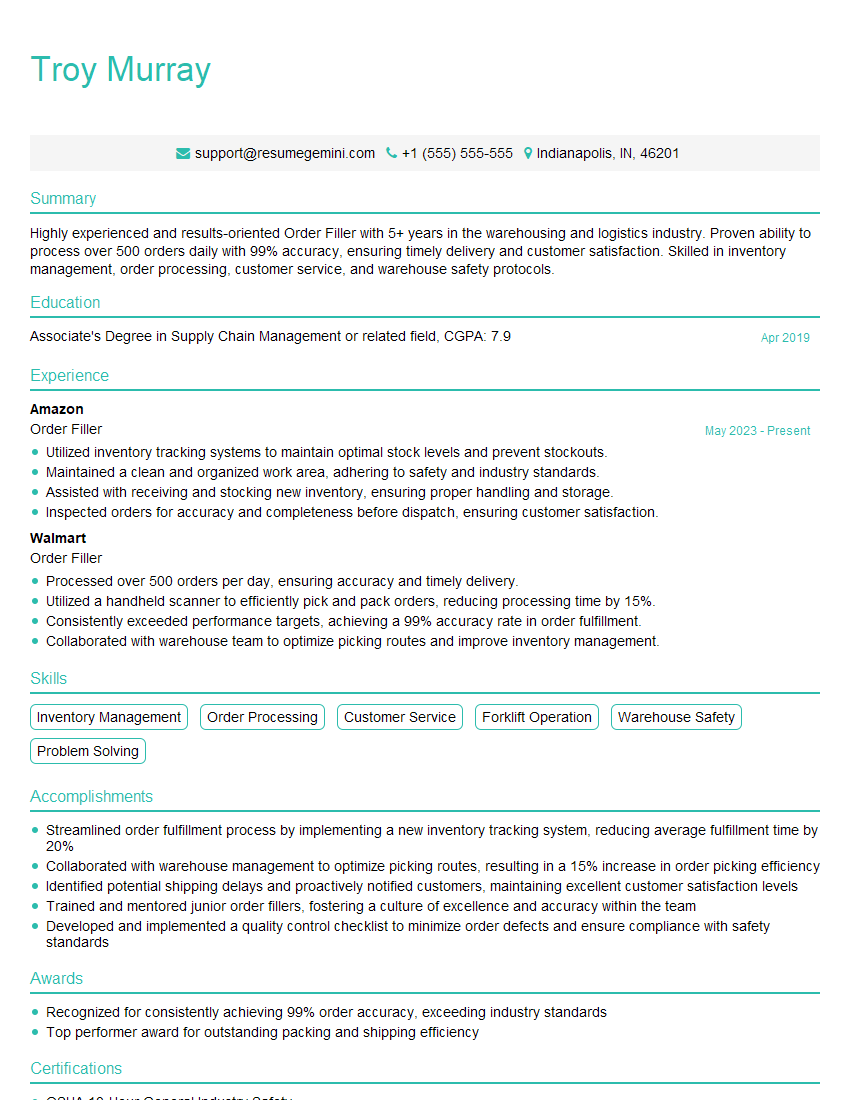
Order Filler Resume Sample
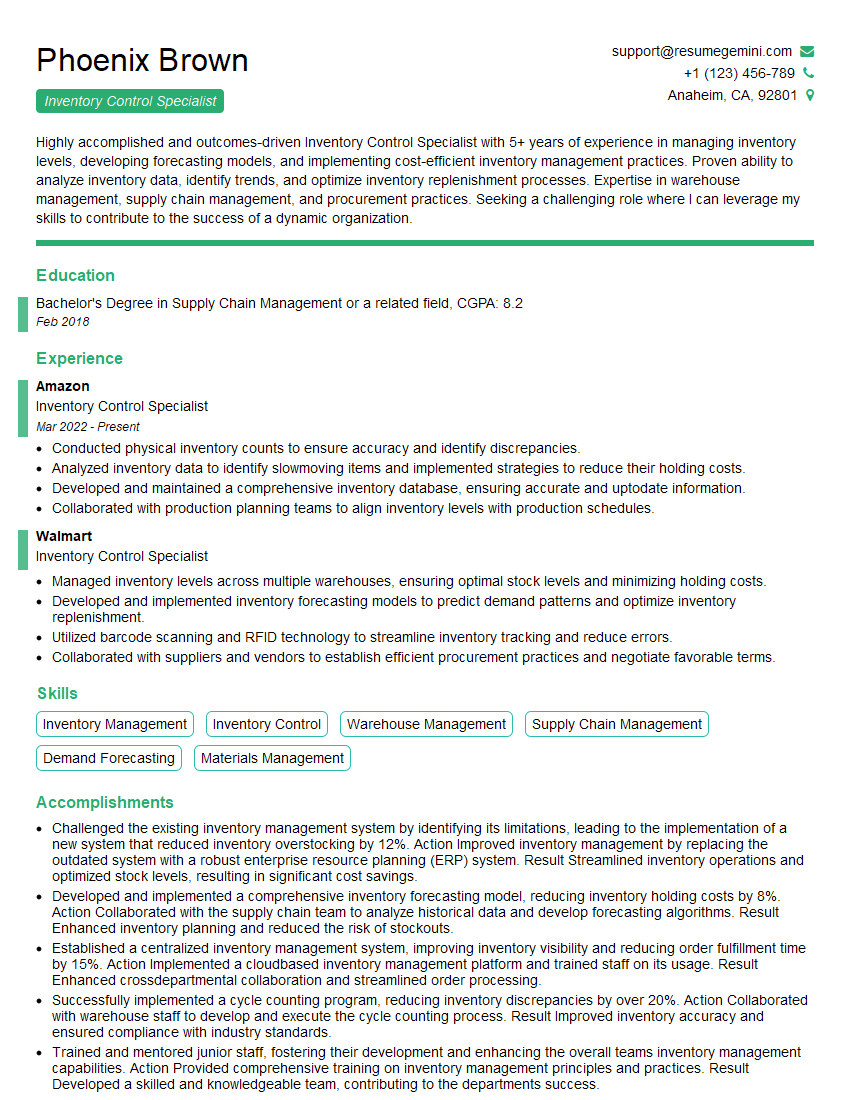
Inventory Control Specialist Resume Sample

Shipping and Receiving Clerk Resume Sample
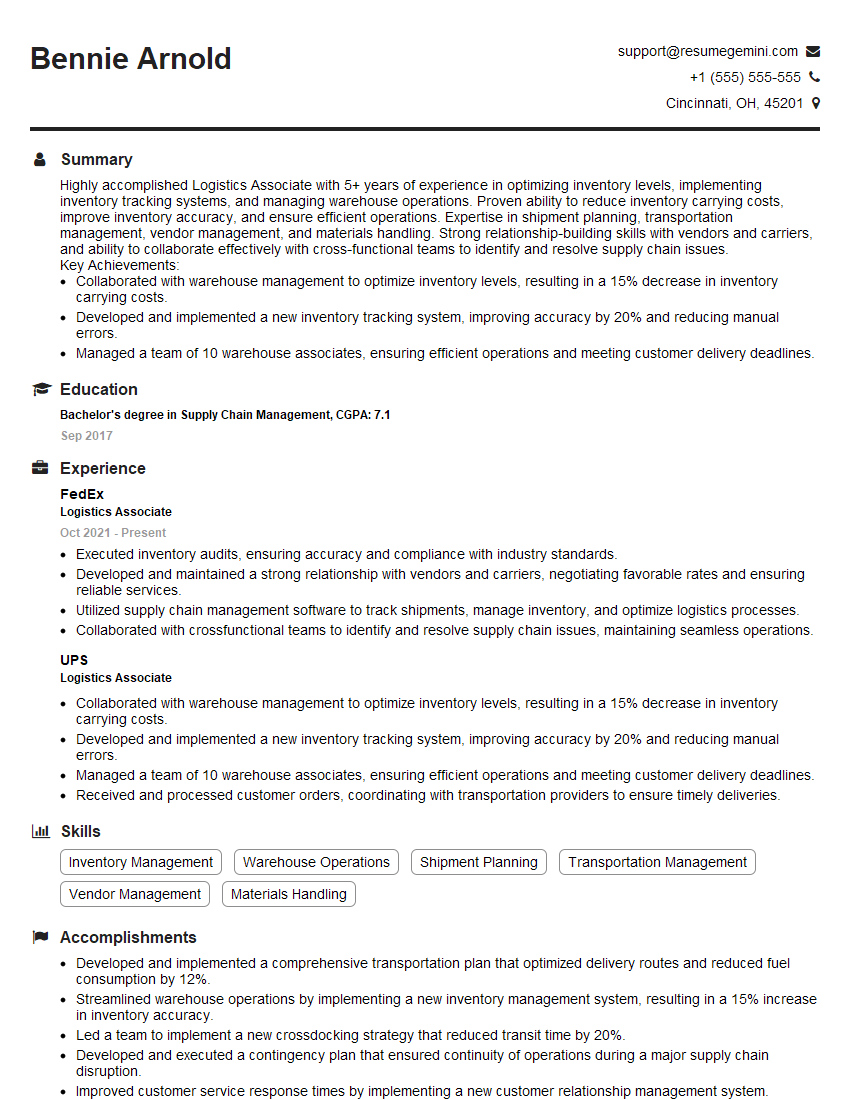
Logistics Associate Resume Sample
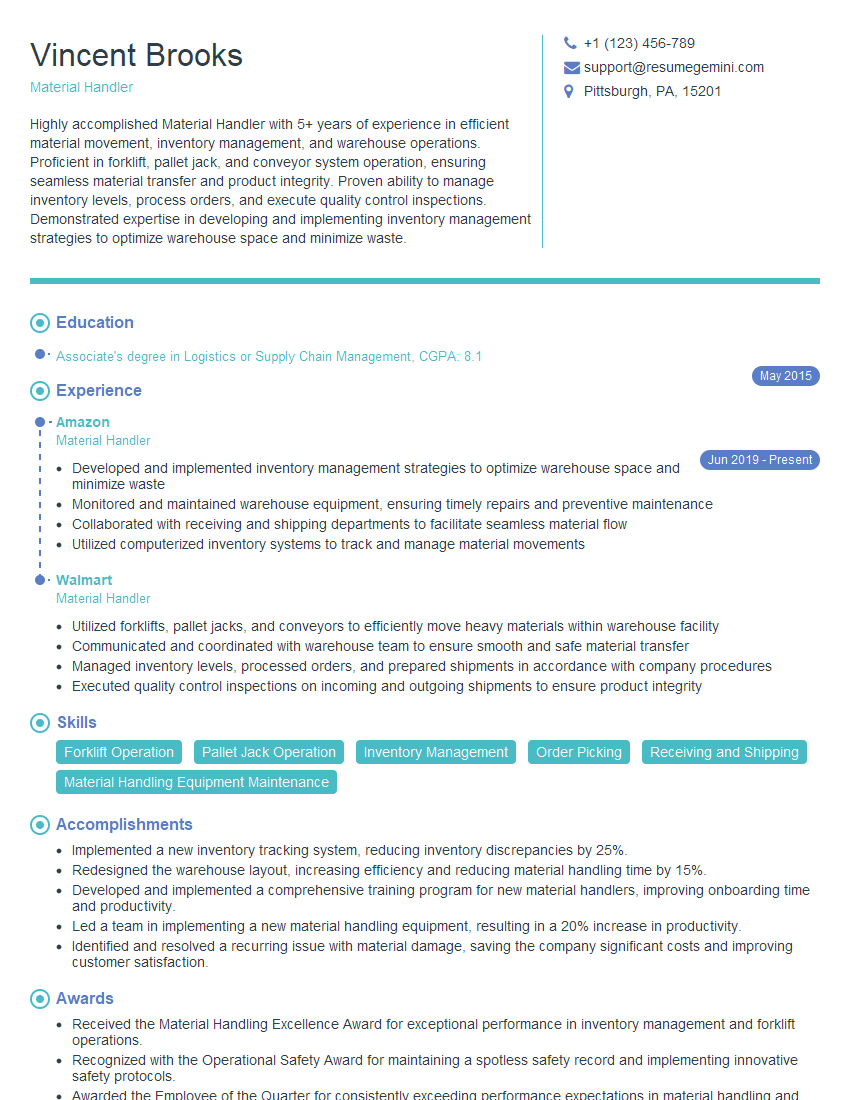
Material Handler Resume Sample
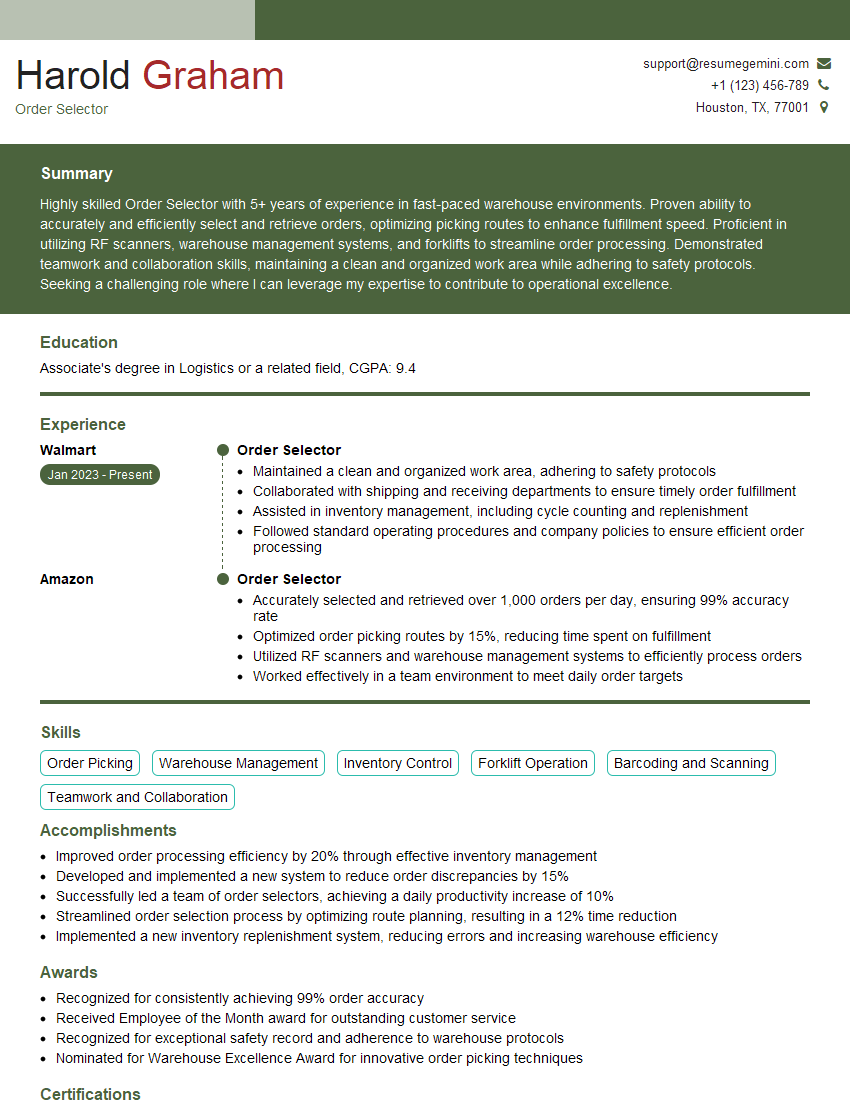
Order Selector Resume Sample
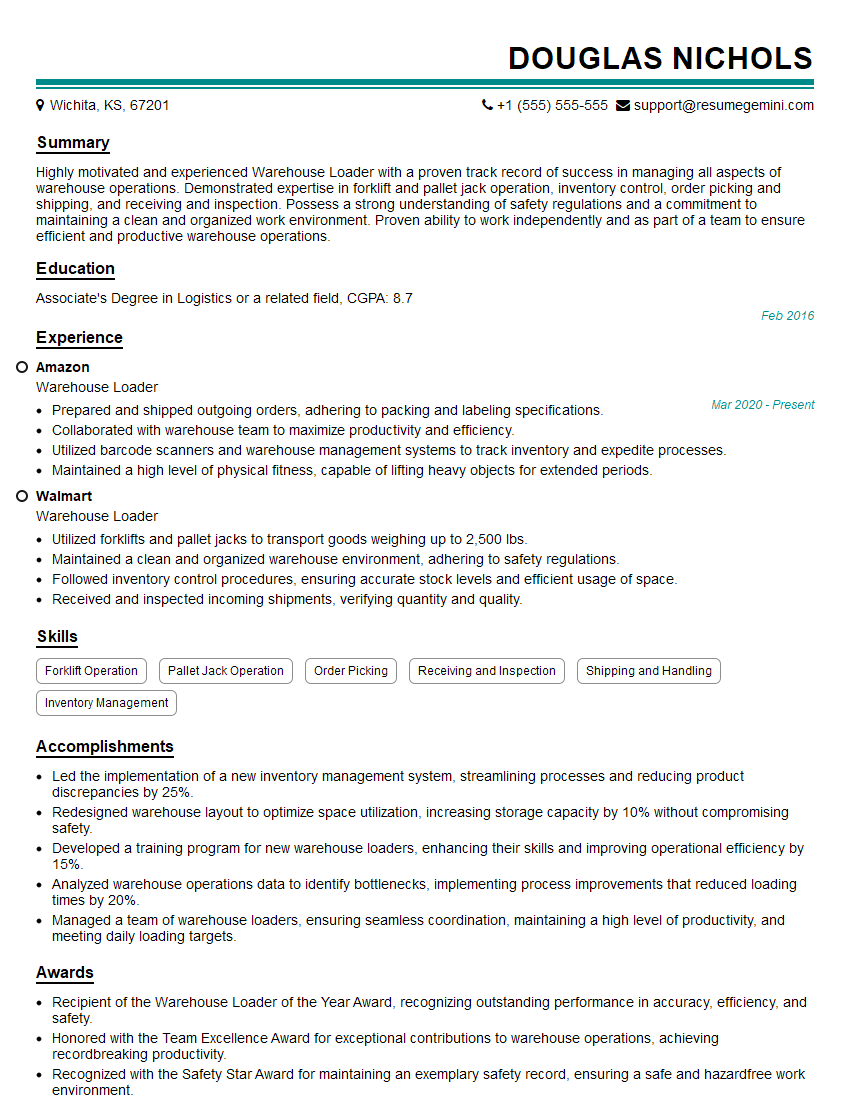
Warehouse Loader Resume Sample
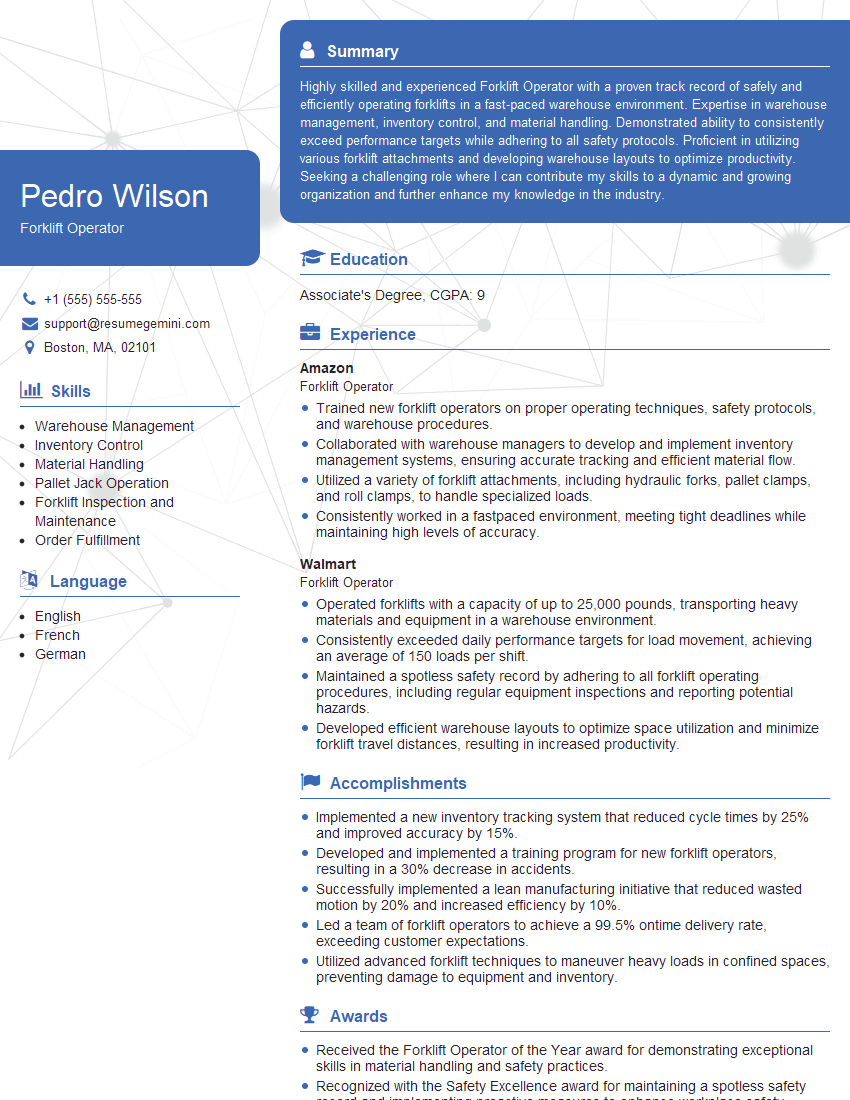
Forklift Operator Resume Sample
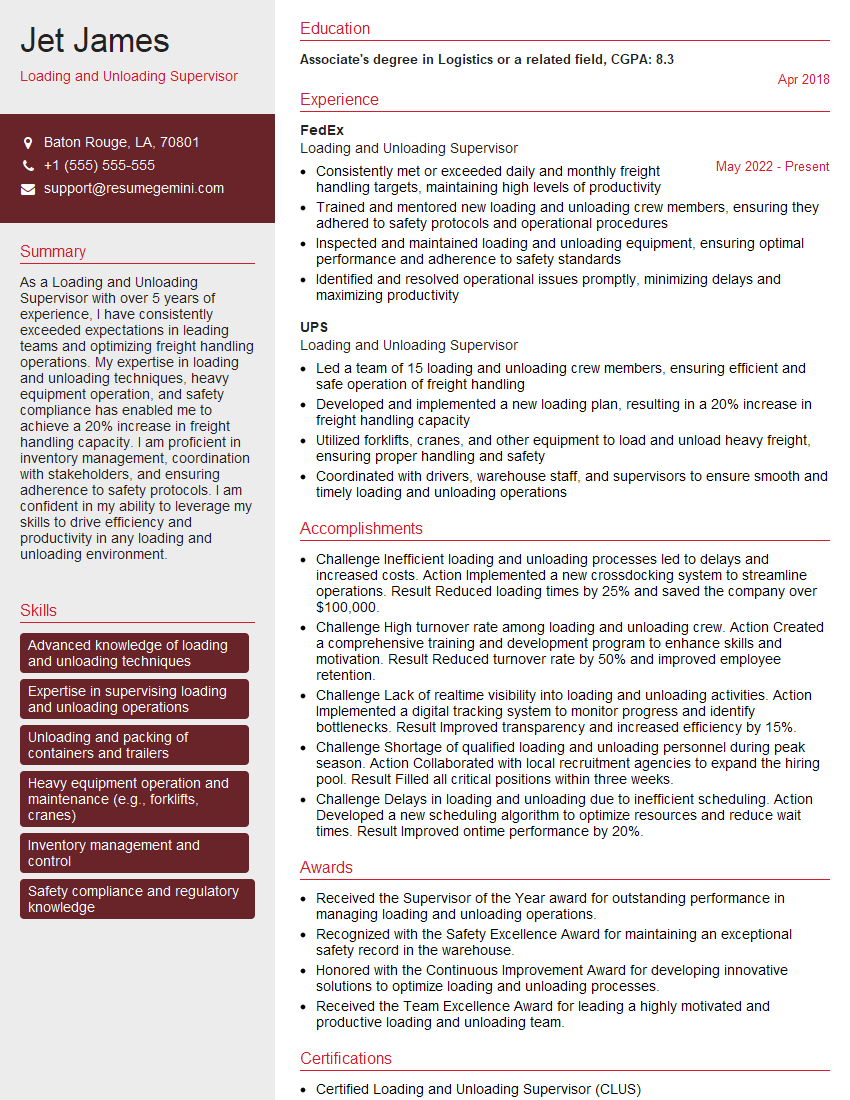
Loading and Unloading Supervisor Resume Sample
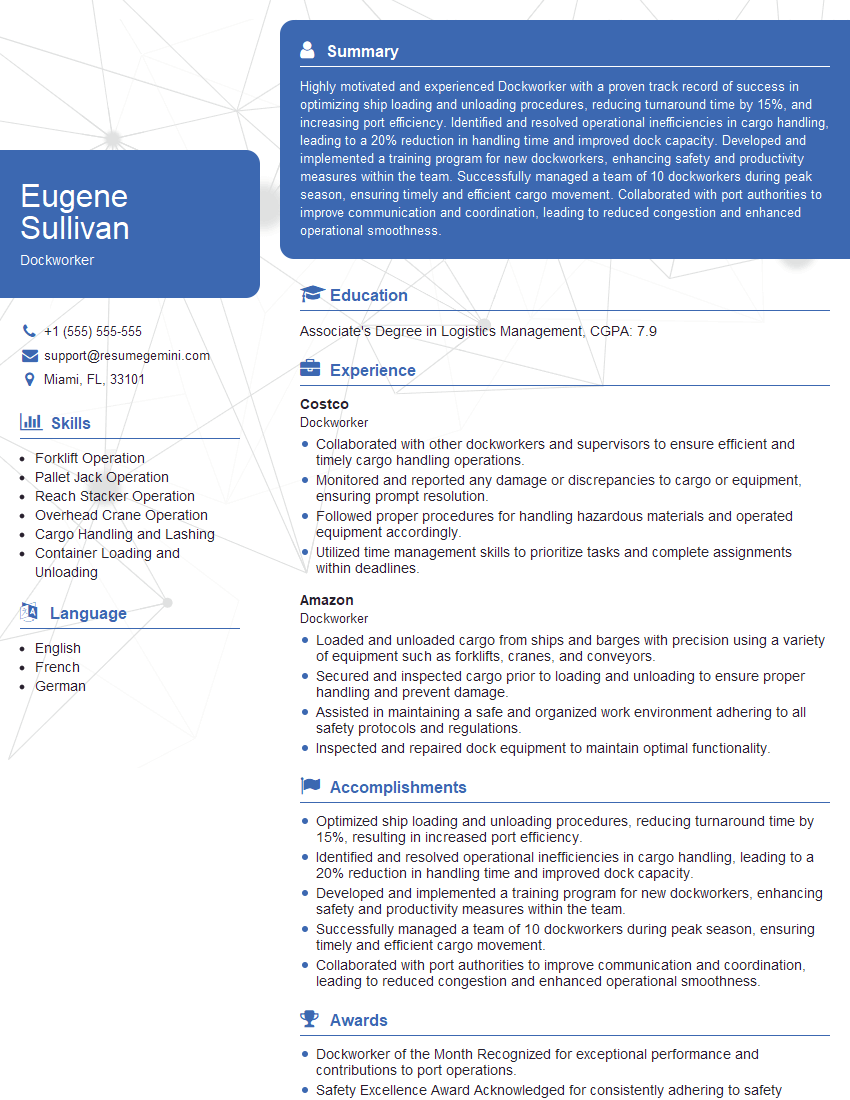
Dockworker Resume Sample
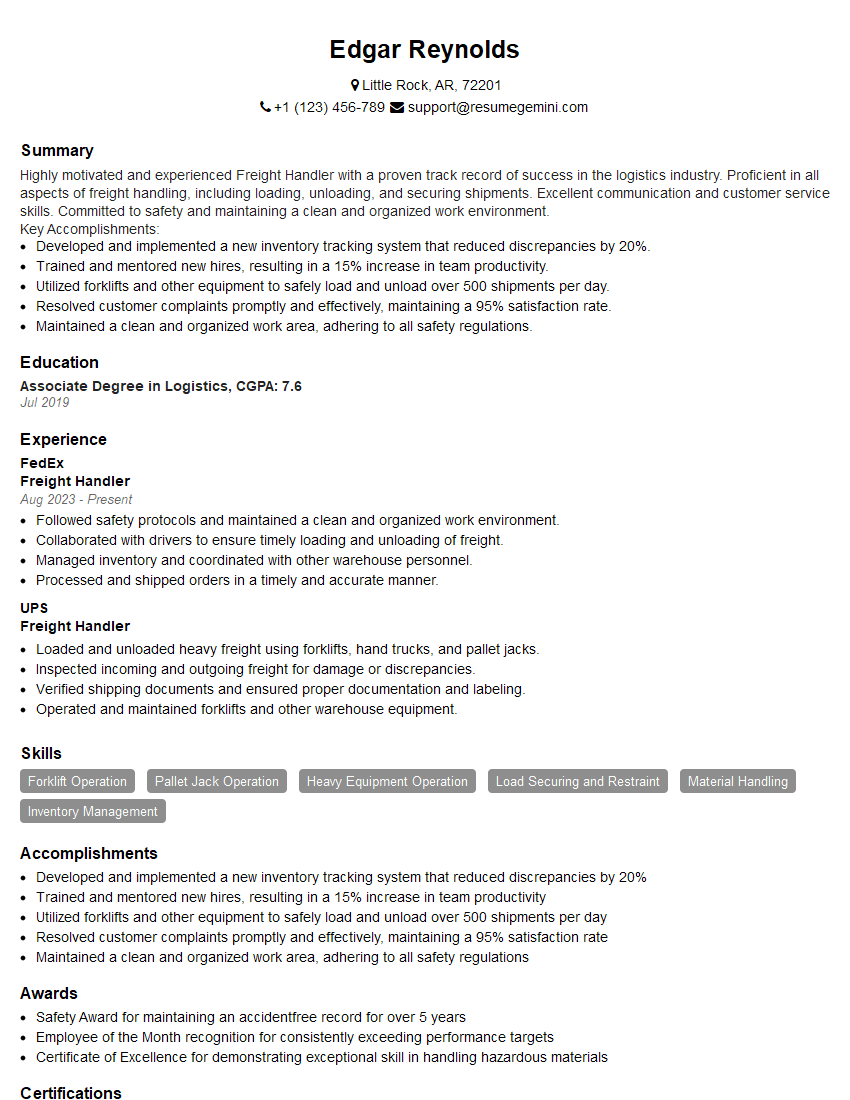
Freight Handler Resume Sample
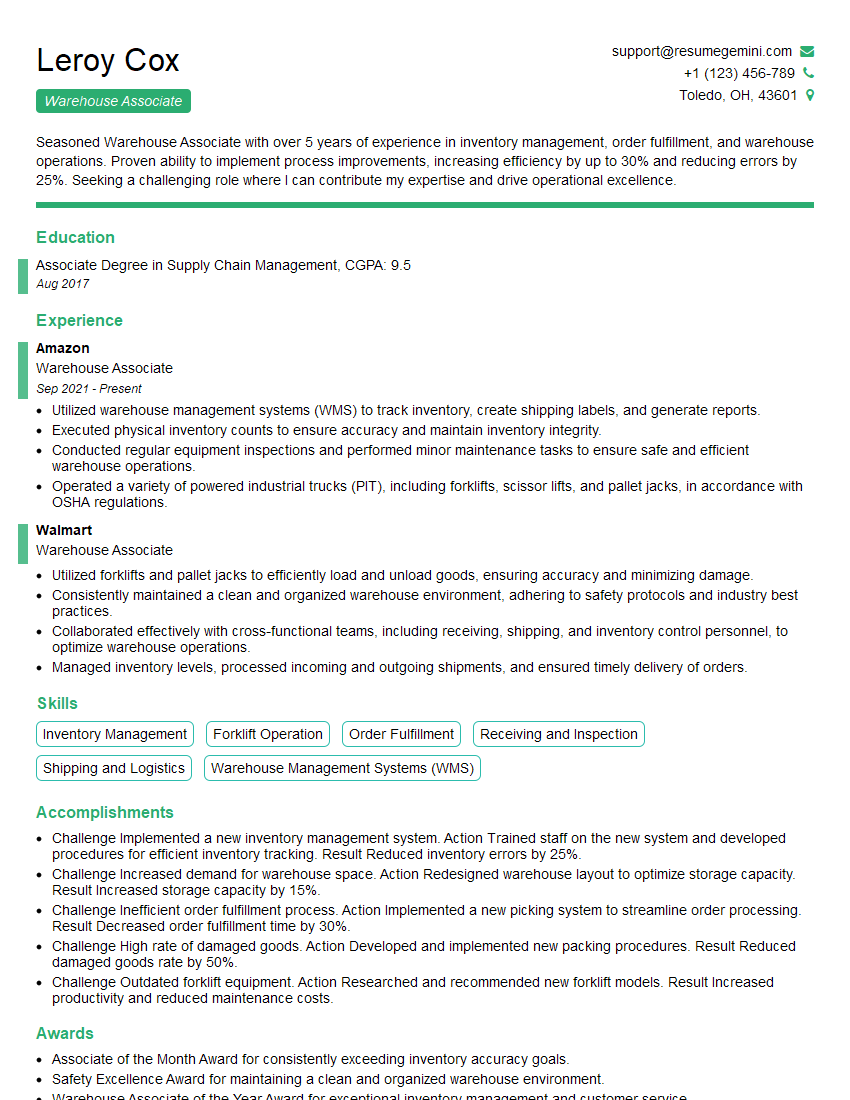
Warehouse Associate Resume Sample
- Warehouse Operations Manager
- Transportation Coordinator
- Logistics Coordinator
- Order Filler
- Inventory Control Specialist
- Shipping and Receiving Clerk
- Logistics Associate
- Material Handler
- Order Selector
- Warehouse Loader
- Forklift Operator
- Loading and Unloading Supervisor
- Dockworker
- Freight Handler
- Warehouse Associate
Explore more articles
Users Rating of Our Blogs
Share Your Experience
We value your feedback! Please rate our content and share your thoughts (optional).
What Readers Say About Our Blog
Attention music lovers!
Wow, All the best Sax Summer music !!!
Spotify: https://open.spotify.com/artist/6ShcdIT7rPVVaFEpgZQbUk
Apple Music: https://music.apple.com/fr/artist/jimmy-sax-black/1530501936
YouTube: https://music.youtube.com/browse/VLOLAK5uy_noClmC7abM6YpZsnySxRqt3LoalPf88No
Other Platforms and Free Downloads : https://fanlink.tv/jimmysaxblack
on google : https://www.google.com/search?q=22+AND+22+AND+22
on ChatGPT : https://chat.openai.com?q=who20jlJimmy20Black20Sax20Producer
Get back into the groove with Jimmy sax Black
Best regards,
Jimmy sax Black
www.jimmysaxblack.com
Hi I am a troller at The aquatic interview center and I suddenly went so fast in Roblox and it was gone when I reset.
Hi,
Business owners spend hours every week worrying about their website—or avoiding it because it feels overwhelming.
We’d like to take that off your plate:
$69/month. Everything handled.
Our team will:
Design a custom website—or completely overhaul your current one
Take care of hosting as an option
Handle edits and improvements—up to 60 minutes of work included every month
No setup fees, no annual commitments. Just a site that makes a strong first impression.
Find out if it’s right for you:
https://websolutionsgenius.com/awardwinningwebsites
Hello,
we currently offer a complimentary backlink and URL indexing test for search engine optimization professionals.
You can get complimentary indexing credits to test how link discovery works in practice.
No credit card is required and there is no recurring fee.
You can find details here:
https://wikipedia-backlinks.com/indexing/
Regards
NICE RESPONSE TO Q & A
hi
The aim of this message is regarding an unclaimed deposit of a deceased nationale that bears the same name as you. You are not relate to him as there are millions of people answering the names across around the world. But i will use my position to influence the release of the deposit to you for our mutual benefit.
Respond for full details and how to claim the deposit. This is 100% risk free. Send hello to my email id: lukachachibaialuka@gmail.com
Luka Chachibaialuka
Hey interviewgemini.com, just wanted to follow up on my last email.
We just launched Call the Monster, an parenting app that lets you summon friendly ‘monsters’ kids actually listen to.
We’re also running a giveaway for everyone who downloads the app. Since it’s brand new, there aren’t many users yet, which means you’ve got a much better chance of winning some great prizes.
You can check it out here: https://bit.ly/callamonsterapp
Or follow us on Instagram: https://www.instagram.com/callamonsterapp
Thanks,
Ryan
CEO – Call the Monster App
Hey interviewgemini.com, I saw your website and love your approach.
I just want this to look like spam email, but want to share something important to you. We just launched Call the Monster, a parenting app that lets you summon friendly ‘monsters’ kids actually listen to.
Parents are loving it for calming chaos before bedtime. Thought you might want to try it: https://bit.ly/callamonsterapp or just follow our fun monster lore on Instagram: https://www.instagram.com/callamonsterapp
Thanks,
Ryan
CEO – Call A Monster APP
To the interviewgemini.com Owner.
Dear interviewgemini.com Webmaster!
Hi interviewgemini.com Webmaster!
Dear interviewgemini.com Webmaster!
excellent
Hello,
We found issues with your domain’s email setup that may be sending your messages to spam or blocking them completely. InboxShield Mini shows you how to fix it in minutes — no tech skills required.
Scan your domain now for details: https://inboxshield-mini.com/
— Adam @ InboxShield Mini
support@inboxshield-mini.com
Reply STOP to unsubscribe
Hi, are you owner of interviewgemini.com? What if I told you I could help you find extra time in your schedule, reconnect with leads you didn’t even realize you missed, and bring in more “I want to work with you” conversations, without increasing your ad spend or hiring a full-time employee?
All with a flexible, budget-friendly service that could easily pay for itself. Sounds good?
Would it be nice to jump on a quick 10-minute call so I can show you exactly how we make this work?
Best,
Hapei
Marketing Director
Hey, I know you’re the owner of interviewgemini.com. I’ll be quick.
Fundraising for your business is tough and time-consuming. We make it easier by guaranteeing two private investor meetings each month, for six months. No demos, no pitch events – just direct introductions to active investors matched to your startup.
If youR17;re raising, this could help you build real momentum. Want me to send more info?
Hi, I represent an SEO company that specialises in getting you AI citations and higher rankings on Google. I’d like to offer you a 100% free SEO audit for your website. Would you be interested?
Hi, I represent an SEO company that specialises in getting you AI citations and higher rankings on Google. I’d like to offer you a 100% free SEO audit for your website. Would you be interested?