Unlock your full potential by mastering the most common Lumber Transportation interview questions. This blog offers a deep dive into the critical topics, ensuring you’re not only prepared to answer but to excel. With these insights, you’ll approach your interview with clarity and confidence.
Questions Asked in Lumber Transportation Interview
Q 1. Explain the different modes of lumber transportation and their suitability for various distances and volumes.
Lumber transportation relies on several modes, each with strengths and weaknesses depending on distance and volume. Think of it like choosing the right vehicle for a journey – a bicycle for short trips, a car for medium distances, and a truck for long hauls with lots of cargo.
- Truck Transportation: This is the most common mode, ideal for shorter to medium distances and various volumes. Smaller trucks handle smaller deliveries, while larger semi-trailers are used for bulk shipments. Its flexibility makes it suitable for reaching diverse locations, even those inaccessible to trains or ships.
- Rail Transportation: Best for long distances and very high volumes. Rail transport offers cost-effectiveness per unit of lumber over long stretches, but loading and unloading can be time-consuming and requires specialized facilities. Imagine a train carrying hundreds of lumber bundles – perfect for moving massive quantities across states or even countries.
- Barge Transportation: Primarily used for water-accessible locations and high volumes, mostly for longer distances. It’s a cost-effective solution when rivers or canals are available, but speed is slower than trucks or trains. Think of it as a large, floating warehouse, ideal for moving lumber along major waterways.
- Marine Transportation (Ships): For extremely long distances and massive volumes, often international shipments. This mode is very cost-effective but significantly slower than other options and requires port facilities. This is how lumber might travel from Canada to Asia.
The choice depends on factors like the distance between origin and destination, the volume of lumber being shipped, the accessibility of different transport modes, and of course, the cost.
Q 2. Describe your experience with load planning and optimization for lumber shipments.
Load planning and optimization for lumber are crucial for maximizing space utilization and safety. My experience involves using software and manual techniques to achieve efficient loading patterns. I consider factors like lumber dimensions, weight, and the vehicle’s capacity.
For example, I often use algorithms to determine the best stacking order to prevent shifting during transit and maximize space. This involves taking into account the weight distribution to ensure the load remains balanced and stable. Different lumber types also require specific handling – for instance, fragile, specialty lumber needs extra protection, and that will affect the loading plan. I’ve seen significant improvements in efficiency by implementing these techniques, reducing the number of trips needed and minimizing transportation costs. We use load securing techniques to comply with regulations and avoid accidents.
Q 3. How do you handle unexpected delays or disruptions in lumber transportation?
Unexpected delays are inevitable in transportation. My approach involves proactive monitoring and contingency planning. When faced with a disruption – like a traffic jam, inclement weather, or a carrier issue – I immediately assess the situation’s impact on the delivery schedule.
I then communicate promptly with all stakeholders – clients, carriers, and internal teams – keeping everyone informed and managing expectations. This transparency is critical. I explore alternative solutions like rerouting shipments, using alternative carriers, or adjusting delivery schedules. For instance, if a major highway is closed due to an accident, we may reroute using secondary roads or explore different modes if feasible. Detailed documentation of these events helps in preventing similar situations in the future. We also have a strong relationships with several trucking companies, allowing us to switch to an alternate carrier during times of emergency.
Q 4. What are the key safety regulations and compliance requirements for transporting lumber?
Safety is paramount in lumber transportation. Compliance with regulations is critical to prevent accidents and protect the environment. Key regulations include those from the Department of Transportation (DOT) concerning vehicle maintenance, driver qualifications, and load securing.
Specific to lumber, we must ensure proper load securing to prevent shifting during transit, which could lead to accidents. This involves using appropriate tie-downs, dunnage, and load bars. We also need to adhere to weight limits to avoid overloading vehicles. Proper documentation, including bills of lading and safety inspections, is also essential. Regular safety audits and driver training are important elements in our safety program. Non-compliance can lead to heavy fines and legal issues.
Q 5. Explain your understanding of different types of lumber and their specific transportation needs.
Different lumber types have specific transportation needs. For example, hardwood, which is denser and more valuable, requires more careful handling to prevent damage. Softwoods, while generally more durable, still need protection from moisture and rough handling. Specialty lumber, such as laminated veneer lumber (LVL) or engineered wood products, might require specialized packaging and handling to prevent damage during transit.
Consider the example of transporting high-value, exotic hardwoods: These often require climate-controlled transport to prevent warping or cracking. Conversely, common construction-grade lumber can withstand more robust handling. Understanding these variations allows for optimized transportation planning – ensuring the right vehicles, handling methods, and protective measures are used for each type of lumber.
Q 6. How do you manage carrier relationships and negotiate favorable rates?
Maintaining strong relationships with carriers is crucial for reliable and cost-effective transportation. I build these relationships through open communication, fair negotiations, and consistent business. I track carrier performance based on factors like on-time delivery, damage rates, and adherence to safety regulations. This data helps me identify reliable partners.
Negotiating favorable rates involves presenting a clear picture of our shipping volume and requirements. I leverage our consistent business volume to negotiate discounts or volume-based pricing. Collaboration is key – I aim for mutually beneficial agreements, not just the lowest price. The quality of service and reliability are equally important factors when making carrier selections.
Q 7. Describe your experience with tracking and tracing lumber shipments.
Tracking and tracing lumber shipments involve utilizing technology and communication to monitor the shipment’s location and status from origin to destination. We use GPS tracking systems on vehicles and collaborate with carriers to obtain real-time updates. This allows us to proactively identify potential delays and take corrective action. We also maintain detailed records, which serve as an audit trail and aid in resolving issues, such as damaged goods or unexpected delays. The tracking data also helps improve our efficiency and optimize our transportation routes and strategies.
For instance, if a shipment is delayed due to unforeseen circumstances, our tracking system alerts us, allowing us to promptly inform the client and to explore potential solutions to get the lumber delivered on time or to minimize the impact of the delay. This proactive approach ensures transparency and efficient management of the transportation process.
Q 8. How do you ensure the efficient and timely delivery of lumber to various destinations?
Efficient and timely lumber delivery hinges on meticulous planning and execution. It starts with understanding the customer’s needs – delivery deadlines, quantity, and the specific grade and type of lumber. We then optimize the transportation route, considering factors like distance, road conditions, and potential traffic delays. This often involves leveraging route optimization software to identify the most efficient path. Furthermore, we collaborate closely with our trucking partners, ensuring they have the appropriate equipment (e.g., flatbeds, specialized lumber trailers) and drivers with the necessary experience to handle lumber loads safely. Regular communication with carriers, tracking shipments via GPS, and proactive problem-solving are crucial to maintain the delivery schedule.
For example, if we’re delivering a large order of treated lumber to a construction site with a tight deadline, we’d prioritize a direct route, avoiding congested areas whenever possible. We might even employ two trucks to ensure the entire order arrives on time, especially if the order exceeds the capacity of a single truck.
Q 9. What are the common challenges in lumber transportation, and how have you overcome them?
Lumber transportation presents unique challenges. Weather conditions, such as snow or heavy rain, can significantly impact delivery times and potentially damage the lumber. Finding reliable and qualified drivers is another ongoing hurdle. Finally, ensuring proper load securing is paramount to prevent shifting during transit and minimize risk of accidents. To mitigate these challenges, we use weather forecasting tools to proactively adjust our schedules and communicate potential delays. We have established strong relationships with a select group of reliable trucking companies that meet our safety and quality standards. We also provide comprehensive training to drivers on proper load securing techniques and emphasize safety protocols.
For instance, during a particularly harsh winter, we switched to a shorter route to avoid mountain passes known for treacherous ice conditions. To ensure drivers’ adherence to safety protocols, our contracts explicitly require the use of specific load-securing mechanisms and enforce mandatory training on safe driving practices and accident prevention.
Q 10. What is your experience with different types of lumber transportation equipment?
My experience encompasses a wide range of lumber transportation equipment. I’ve worked extensively with flatbed trailers, which are the most common for lumber transport due to their versatility. I’m also familiar with specialized lumber trailers equipped with load binders and chains for secure fastening. Furthermore, I have experience coordinating shipments using double-drop trailers for oversized or extra-long lumber. The choice of equipment depends on the specific type and dimensions of the lumber being transported and the overall requirements of the delivery.
For example, transporting long beams would necessitate a double-drop trailer, while smaller dimensional lumber might only need a standard flatbed. My experience also includes working with smaller trucks for shorter distances and local deliveries, optimizing the transportation costs depending on the delivery requirements.
Q 11. How do you handle damaged or lost lumber during transportation?
Handling damaged or lost lumber requires a systematic approach. First, a thorough inspection of the lumber is conducted upon arrival at the destination. Any damage or discrepancies are documented with photographic evidence and detailed reports. These reports are then used to file claims with the insurance company or the trucking company, depending on the cause of the damage or loss. Clear communication with both the customer and the carrier is critical throughout this process. We ensure the customer receives replacement lumber as quickly as possible, minimizing disruptions to their projects.
For instance, if a load of lumber arrives with significant water damage due to a leaky trailer, we’d document the damage, take pictures, and file an insurance claim while arranging to replace the damaged lumber immediately. This quick response is essential in maintaining customer satisfaction and preserving our reputation.
Q 12. Explain your experience with using transportation management systems (TMS).
My experience with Transportation Management Systems (TMS) is extensive. I’ve used TMS software to optimize routes, track shipments in real-time, manage carrier relationships, and automate many aspects of the transportation process. TMS has significantly enhanced our efficiency by providing better visibility into our supply chain. We can monitor key metrics like on-time delivery rates, fuel consumption, and transportation costs, making data-driven decisions to improve performance. The software also facilitates better communication and collaboration among different stakeholders, from dispatchers to drivers to customers.
For example, our TMS automatically generates and sends delivery confirmations to customers, providing real-time tracking information so they can monitor their shipment’s progress. This transparency is invaluable in building customer trust and managing their expectations.
Q 13. Describe your experience with budgeting and cost control in lumber transportation.
Budgeting and cost control in lumber transportation involve careful analysis of various factors. This includes fuel costs, driver wages, insurance premiums, maintenance expenses, and equipment leasing or purchase costs. We use historical data and forecasting tools to estimate these expenses accurately. We continuously evaluate our carrier contracts to ensure we’re getting competitive rates and explore cost-saving measures, such as consolidating shipments or optimizing routes. Regular monitoring and reporting on actual versus budgeted costs help us identify areas for improvement and make timely adjustments.
For example, we’ve been able to reduce fuel costs by implementing a fuel-efficiency program that includes driver training on fuel-saving techniques and using more fuel-efficient vehicles. We’ve also negotiated better rates with carriers by consolidating shipments and building long-term partnerships.
Q 14. How do you monitor key performance indicators (KPIs) in lumber transportation?
Monitoring Key Performance Indicators (KPIs) is crucial for continuous improvement in lumber transportation. We track metrics such as on-time delivery rate, delivery cost per unit, fuel efficiency, damage rate, and customer satisfaction. These KPIs are closely monitored using our TMS and other reporting tools. Regular analysis of these metrics helps us identify areas of strength and weakness, providing insights into operational efficiency and areas needing improvement. This data-driven approach allows for informed decision-making and proactive problem-solving.
For instance, a decline in the on-time delivery rate might indicate a need to reassess our route planning or address driver shortages. Similarly, a high damage rate may require improvements in load securing procedures or choosing more robust equipment.
Q 15. Explain your experience with implementing and improving lumber transportation processes.
Throughout my career, I’ve been instrumental in optimizing lumber transportation processes. This has involved leveraging technology to improve efficiency, implementing robust route planning strategies, and developing key performance indicators (KPIs) to track progress and identify areas for improvement. For example, in a previous role, we transitioned from a manual dispatch system to a sophisticated transportation management system (TMS). This TMS automated route optimization, reducing fuel consumption by 15% and delivery times by 10%. We also implemented a predictive maintenance program for our trucking fleet, minimizing downtime and increasing vehicle uptime. Another successful initiative involved collaborating with our sawmill partners to streamline loading procedures, resulting in a 20% increase in loading efficiency.
- Technology Implementation: TMS, GPS tracking, route optimization software.
- Process Optimization: Streamlined loading/unloading, optimized routes, preventative maintenance.
- KPI Development & Tracking: Fuel efficiency, delivery times, on-time delivery rates, driver performance.
Career Expert Tips:
- Ace those interviews! Prepare effectively by reviewing the Top 50 Most Common Interview Questions on ResumeGemini.
- Navigate your job search with confidence! Explore a wide range of Career Tips on ResumeGemini. Learn about common challenges and recommendations to overcome them.
- Craft the perfect resume! Master the Art of Resume Writing with ResumeGemini’s guide. Showcase your unique qualifications and achievements effectively.
- Don’t miss out on holiday savings! Build your dream resume with ResumeGemini’s ATS optimized templates.
Q 16. How do you ensure the safety and security of lumber during transportation?
Ensuring the safety and security of lumber during transit is paramount. This involves a multi-faceted approach encompassing secure loading and unloading procedures, proper cargo securing techniques, and robust risk mitigation strategies. We utilize high-quality load-securing equipment, such as straps, chains, and dunnage, to prevent shifting and damage during transport. Regular vehicle inspections are mandatory to identify and address potential safety hazards before they become critical issues. Additionally, GPS tracking provides real-time location and monitoring, helping prevent theft and allowing for rapid response to any unforeseen circumstances. For international shipments, we adhere strictly to all relevant regulations and employ specialized security measures as needed. Think of it like building a sturdy house – each component (secure loading, proper equipment, monitoring) is essential for overall protection.
Q 17. What is your experience with managing inventory levels for lumber in transit?
Managing lumber inventory in transit requires a keen understanding of supply chain dynamics and real-time visibility. We utilize inventory management systems integrated with our TMS to track lumber shipments from origin to destination. This provides accurate, up-to-the-minute data on the location and status of each shipment, allowing for proactive management of inventory levels. We employ forecasting techniques to anticipate demand and optimize transportation schedules, minimizing storage costs and preventing stockouts. For example, analyzing historical sales data and anticipated construction projects enables us to predict fluctuations in demand and adjust transportation plans accordingly. We also collaborate closely with our customers and suppliers to ensure smooth coordination and efficient inventory flow.
Q 18. How familiar are you with various lumber grading standards and their impact on transportation?
Familiarity with lumber grading standards is crucial for effective transportation management. Different grades of lumber (e.g., No. 1, No. 2, and select grades) have varying structural properties and therefore require specific handling and transportation considerations. Higher-grade lumber, typically used in more demanding applications, demands extra care during loading, securing, and handling to prevent damage. Knowing these standards allows us to plan efficient routes, select appropriate vehicles (considering load capacity and fragility), and implement appropriate handling procedures. This understanding directly impacts transportation costs and ensures the timely delivery of high-quality lumber without damage. We also use this knowledge to select appropriate insurance coverage for different lumber grades to protect our clients’ investments.
Q 19. What is your experience with international lumber transportation regulations?
International lumber transportation involves navigating a complex web of regulations, including customs procedures, phytosanitary requirements (plant health regulations), and trade agreements. My experience includes ensuring compliance with international trade laws, preparing necessary documentation (e.g., certificates of origin, phytosanitary certificates), and coordinating with customs brokers to expedite clearance. Navigating the diverse regulations of various countries requires specialized knowledge and expertise in international trade compliance. For example, shipping lumber to the European Union requires compliance with strict phytosanitary regulations, often involving specific treatment or certification to prevent the introduction of pests and diseases. Ignoring these regulations can lead to significant delays, fines, and even shipment rejection.
Q 20. Describe your experience with risk assessment and mitigation in lumber transportation.
Risk assessment and mitigation are integral to safe and efficient lumber transportation. We identify potential risks throughout the entire transportation process, from loading to delivery. This includes weather-related risks (storms, floods), accidents, theft, and damage to cargo. We use a structured risk assessment framework to systematically evaluate these risks, assigning probability and impact scores. Based on this assessment, we develop mitigation strategies such as route diversification to avoid high-risk areas, implementing enhanced security measures for high-value shipments, and purchasing appropriate insurance coverage. Regular training for drivers on safe driving practices and cargo securement is crucial, and regular reviews of safety protocols help maintain a secure transport system.
Q 21. How do you handle communication with drivers, customers, and other stakeholders?
Effective communication is the cornerstone of successful lumber transportation. I utilize a variety of communication channels to maintain clear and consistent communication with drivers, customers, and other stakeholders. This includes regular driver check-ins using GPS tracking systems and mobile communication devices to ensure timely deliveries and address any issues promptly. We provide customers with real-time updates on shipment status through online portals or dedicated customer service representatives. Clear and concise communication is crucial to minimize misunderstandings, resolve issues quickly, and maintain strong relationships with all parties involved. We also use regular meetings and reporting to ensure collaboration and transparency throughout the process.
Q 22. Explain your experience with using different transportation documentation.
My experience with lumber transportation documentation is extensive, encompassing all aspects from origin to delivery. I’m proficient in handling Bills of Lading (BOLs), which are crucial for tracking shipments and establishing liability. These documents detail the origin, destination, consignee, and quantity of lumber. I also have significant experience with delivery receipts, confirming the safe arrival of the goods and their condition upon receipt. Furthermore, I’m familiar with various types of insurance documents, crucial for protecting against loss or damage during transit. In addition, I use and manage commercial invoices which detail the cost and terms of sale for lumber. Finally, I frequently work with freight bills, which outline the transportation costs incurred and are essential for accounting and reconciliation.
For example, I once had to resolve a discrepancy between the BOL and the delivery receipt regarding a load of cedar lumber. Through careful examination and cross-referencing with warehouse records, I discovered a minor clerical error on the BOL. This highlights the importance of meticulous documentation in the industry. Without accurate documentation, resolving such discrepancies can be time-consuming and costly.
Q 23. How do you stay up-to-date with changes in lumber transportation regulations and best practices?
Staying current in the lumber transportation industry requires continuous learning. I actively participate in industry conferences and webinars hosted by organizations like the American Trucking Associations and the National Hardwood Lumber Association. These events offer updates on regulations, best practices, and emerging technologies. I also subscribe to industry-specific journals and newsletters, providing valuable insights into regulatory changes and market trends. Furthermore, I maintain strong relationships with regulatory agencies and transportation authorities, ensuring I receive direct updates on new rules and compliance requirements. Finally, I regularly review and update our company’s internal compliance procedures to ensure alignment with all relevant legal and safety standards. This multi-faceted approach helps me remain informed and proactive in this ever-evolving field.
Q 24. What software or tools are you proficient in using for lumber transportation management?
My proficiency in lumber transportation management software is broad. I’m adept at using Transportation Management Systems (TMS) like McLeod Software and TMW Suite. These platforms help optimize routes, track shipments in real-time, manage driver assignments, and generate comprehensive reports. I’m also proficient in Geographic Information Systems (GIS) software like ArcGIS, which I use for route planning and analyzing logistical challenges. Beyond this, I’m comfortable using Enterprise Resource Planning (ERP) systems, such as SAP and Oracle, for integrating transportation data with broader business operations. Finally, I’m familiar with various fleet management tools that provide real-time data on vehicle location, fuel consumption, and maintenance needs. The integration of these various tools enhances efficiency and provides valuable data for better decision-making.
Q 25. Describe a time you had to solve a complex logistical problem in lumber transportation.
During a particularly harsh winter storm, a major highway leading to our primary distribution center was closed due to heavy snowfall. We had a large shipment of Douglas fir lumber destined for a critical construction project with a tight deadline. Solving this required a quick and creative solution. First, I used our TMS to identify alternative routes, prioritizing roads less affected by the storm. Next, I contacted our trucking partners and coordinated the rerouting of the shipment, ensuring the drivers were equipped for winter driving conditions and had sufficient supplies. Finally, I communicated proactively with the client, keeping them informed of the situation and the revised estimated time of arrival (ETA). The proactive communication and strategic rerouting allowed us to deliver the lumber on time despite the challenging circumstances, preventing project delays and preserving our client relationship.
Q 26. How do you determine the most cost-effective transportation route for lumber?
Determining the most cost-effective route involves a multi-faceted approach. I utilize route optimization software, incorporating factors like distance, fuel costs, toll fees, and expected transit time. We consider the type of lumber being transported, as some species require specialized handling and may influence route selection. We also analyze historical data on traffic patterns and potential delays in specific areas. Further, I negotiate rates with carriers and evaluate different transportation modes (e.g., rail vs. trucking) to identify the most economical option. Finally, I factor in the potential risks associated with each route, including inclement weather or areas prone to congestion, which could increase transit time and overall costs. This comprehensive approach ensures that we select the optimal route that balances cost and efficiency.
Q 27. What are your strategies for preventing lumber theft or damage?
Preventing lumber theft and damage requires a layered approach encompassing security measures and best practices throughout the entire transportation process. This begins with secure loading and unloading procedures at the origin and destination points, including proper sealing and tagging of shipments. We use GPS tracking systems on our trucks to monitor their location and movement in real-time. Furthermore, we collaborate closely with our trucking partners, selecting reliable and reputable carriers with a proven track record of security. We utilize tamper-evident seals and regularly inspect shipments for signs of tampering or damage. Finally, we invest in insurance coverage to mitigate potential losses due to theft or damage. This holistic approach minimizes risks and protects our valuable cargo.
Q 28. How do you balance on-time delivery with cost-efficiency in lumber transportation?
Balancing on-time delivery with cost-efficiency requires careful planning and proactive management. We utilize sophisticated route optimization software to minimize transit time while considering fuel consumption and other transportation costs. We also build buffer time into our delivery schedules to account for unexpected delays, such as traffic congestion or inclement weather. Proactive communication with clients and transportation partners is crucial for managing expectations and addressing potential issues quickly. Furthermore, we regularly review our transportation processes to identify opportunities for improvement and cost reduction. Finally, investing in reliable transportation partners who are committed to timely delivery is paramount to ensure both efficiency and on-time performance.
Key Topics to Learn for Lumber Transportation Interview
- Logistics and Supply Chain Management: Understanding the entire process from forest to final destination, including sourcing, harvesting, processing, transportation, and delivery. This includes optimizing routes, scheduling, and inventory management.
- Transportation Modes and Regulations: Familiarity with different transportation methods (trucking, rail, barge), their respective advantages and disadvantages, and relevant safety and regulatory compliance (e.g., weight limits, permits, hazardous materials handling).
- Load Planning and Securing: Efficient and safe loading and securing of lumber loads to prevent damage during transit. This includes understanding different load types and appropriate securing techniques.
- Fleet Management and Maintenance: Knowledge of vehicle maintenance schedules, repair procedures, and fuel efficiency strategies. Understanding the importance of preventative maintenance to minimize downtime and operational costs.
- Technology in Lumber Transportation: Familiarity with GPS tracking, telematics, and route optimization software. Understanding how technology improves efficiency and safety.
- Risk Management and Safety Procedures: Identifying and mitigating potential risks associated with lumber transportation, such as accidents, weather delays, and cargo damage. Understanding and adhering to all safety protocols and regulations.
- Customer Service and Communication: Effective communication with clients, dispatchers, and drivers to ensure timely and efficient delivery. Addressing customer concerns and resolving potential issues.
- Cost Analysis and Budgeting: Understanding the various cost components associated with lumber transportation (fuel, maintenance, labor, insurance) and developing effective cost-control strategies.
Next Steps
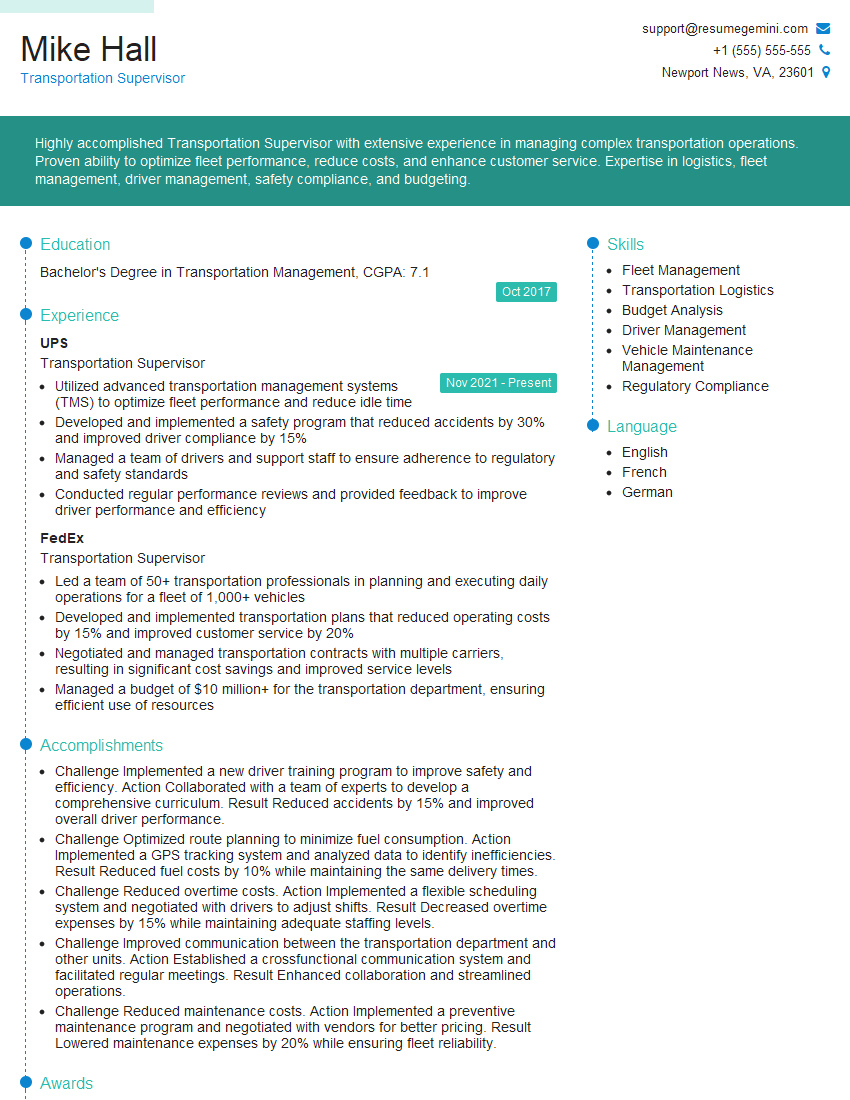
Mastering lumber transportation principles opens doors to rewarding careers with excellent growth potential. This specialized knowledge is highly valued, offering opportunities for advancement and increased earning potential. To maximize your job prospects, it’s crucial to have an ATS-friendly resume that highlights your skills and experience effectively. ResumeGemini is a trusted resource to help you create a professional and impactful resume tailored to the lumber transportation industry. Examples of resumes specifically designed for this sector are available to guide you. Invest time in crafting a compelling resume; it’s your first impression and a key factor in securing an interview.
Explore more articles
Users Rating of Our Blogs
Share Your Experience
We value your feedback! Please rate our content and share your thoughts (optional).
What Readers Say About Our Blog
Very informative content, great job.
good