Unlock your full potential by mastering the most common Lumber Warehousing interview questions. This blog offers a deep dive into the critical topics, ensuring you’re not only prepared to answer but to excel. With these insights, you’ll approach your interview with clarity and confidence.
Questions Asked in Lumber Warehousing Interview
Q 1. Explain the different types of lumber grading systems.
Lumber grading systems categorize lumber based on its quality and intended use. Different organizations and countries use various systems, but the core principles remain the same: assessing the wood’s strength, appearance, and overall suitability. Two prominent systems are the American Lumber Standard Committee (ALSC) grading rules and the Canadian Lumber Grading Rules.
ALSC Grades: These grades often use letters (e.g., No. 1, No. 2, No. 3) and sometimes include additional descriptors like ‘Common’ or ‘Select’. Higher grades signify fewer knots, less decay, and straighter grain – ideal for high-visibility projects or applications requiring high structural integrity. Lower grades contain more knots and imperfections, making them suitable for less demanding projects like framing or pallets.
Canadian Lumber Grading Rules: Similar to ALSC, but with slight variations in terminology and grading criteria. They also cater to the specific species of lumber, ensuring accurate grading for different wood types like Spruce-Pine-Fir (SPF) or Douglas Fir.
Visual Grading: Most grading systems rely on visual inspection by trained graders who assess the wood for defects like knots, checks (splits), shakes (internal separations), and decay. The size, frequency, and location of these defects influence the final grade.
Understanding these systems is crucial for selecting the right lumber for a specific application and for managing inventory efficiently, ensuring the correct material is available for each project.
Q 2. Describe your experience with lumber inventory management software.
I have extensive experience with various lumber inventory management software solutions, including cloud-based systems and on-premise applications. My experience includes using software to track lumber by species, grade, dimension, and location within the warehouse. This involved data entry, inventory adjustments based on shipments and sales, and generating reports for stock levels, sales analysis, and cost accounting. One particularly valuable feature was the ability to generate reports showing optimal lumber placement to minimize material handling and reduce the risk of damage. For example, I utilized a system that allowed me to map the warehouse layout virtually, and it optimized the placement of larger, heavier lumber to minimize travel distances for order picking.
I’m proficient in using software that integrates with our point-of-sale (POS) system to ensure accurate stock tracking and avoid discrepancies between physical inventory and recorded quantities. Moreover, my experience includes working with software that generates automated alerts for low stock levels, helping us proactively manage inventory and prevent stockouts, especially for fast-moving items.
Q 3. How do you ensure the proper storage and handling of lumber to prevent damage?
Proper storage and handling are paramount to minimizing lumber damage. Think of it like caring for a delicate piece of art – careful handling is essential. My approach involves several key strategies:
Elevated Storage: Lumber should be stored off the ground on raised platforms or pallets to prevent moisture absorption and insect infestation. This keeps the wood dry and prevents rot. Think of it like giving the wood a good night’s sleep on a comfy bed instead of letting it sleep on the cold, damp ground.
Proper Stacking: Lumber should be stacked neatly and evenly, with separators between layers to allow for air circulation and prevent warping or staining. We utilize stickers – thin wooden slats – to separate boards and ensure airflow. Think of it like giving your wood some personal space.
Weather Protection: Storing lumber under cover, such as in a roofed warehouse, protects it from rain, snow, and sun, all of which can lead to deterioration. This includes using tarps or other coverings if outdoor storage is unavoidable.
Pest Control: Regular inspection and preventative measures are critical to controlling insects and pests that can damage wood. This could involve using preventative treatments or maintaining a clean and dry storage area.
FIFO (First-In, First-Out): Following the FIFO system for lumber ensures that older stock is used before newer stock, minimizing the risk of deterioration from age.
By diligently following these procedures, we significantly reduce waste due to damage and maintain the quality of our lumber inventory.
Q 4. What are the common causes of lumber shrinkage and how do you mitigate them?
Lumber shrinkage is caused primarily by the loss of moisture content. Wood is hygroscopic, meaning it absorbs and releases moisture based on the surrounding environment. Several factors contribute to this shrinkage:
Changes in Humidity: Fluctuations in relative humidity are the biggest culprit. When the air is dry, lumber loses moisture and shrinks; when it’s humid, it absorbs moisture and expands. This is why climate-controlled storage is ideal.
Temperature Changes: Temperature affects moisture content indirectly. Higher temperatures generally increase evaporation rates, leading to moisture loss and shrinkage.
Wood Species: Different wood species have varying shrinkage rates. Some species are more prone to shrinkage than others, necessitating more careful handling and storage.
Mitigation strategies include:
Kiln Drying: This process reduces moisture content to a stable level, minimizing future shrinkage. Properly kiln-dried lumber is less likely to move significantly after installation.
Climate-Controlled Storage: Maintaining a consistent temperature and humidity in the warehouse slows down moisture movement and reduces shrinkage. A stable environment is crucial.
Proper acclimation of lumber to its end-use environment is also important. This gradual adjustment to local humidity minimizes shock and reduces the chances of warping or cracking.
Q 5. Explain your experience with forklift operation and safety procedures.
I possess a valid forklift certification and have extensive experience operating various types of forklifts, including sit-down, stand-up, and reach trucks. My experience includes safely and efficiently moving lumber throughout our warehouse, loading and unloading trucks, and stacking lumber in designated storage areas. Safety is always my top priority. My approach emphasizes preventative measures and adherence to established protocols.
My safety procedures include:
Pre-shift inspections: A thorough inspection of the forklift before each use is mandatory to identify any mechanical issues that could cause accidents. This includes checking the tires, brakes, lights, and forks.
Proper Load Securing: Ensuring the lumber is properly secured before moving is crucial to preventing loads from shifting or falling. This includes using appropriate straps or chains and ensuring the load is balanced.
Awareness of Surroundings: Maintaining constant awareness of the surroundings – including pedestrians, other equipment, and obstacles – is essential for preventing collisions. Slow speed in congested areas is a must.
Following Safety Regulations: Adhering to all company safety regulations and procedures is non-negotiable. This includes wearing the appropriate safety gear, such as safety glasses, hearing protection, and steel-toed boots.
I always prioritize safety, and I’ve never had an accident related to forklift operation.
Q 6. How do you manage lumber inventory levels to optimize storage space?
Optimizing storage space in a lumber warehouse requires careful inventory management. This involves a combination of strategies:
Demand Forecasting: Predicting future demand allows for better stock management, minimizing overstocking and ensuring sufficient quantities of frequently used materials are readily available.
ABC Analysis: Categorizing lumber inventory based on its value and usage frequency (A – high value/high usage, B – medium value/medium usage, C – low value/low usage) allows for optimized storage placement and better tracking of critical items.
Efficient Stacking and Layout: Designing the warehouse layout and lumber stacking strategies to maximize space utilization is crucial. This may involve using vertical space effectively and grouping similar items together.
Regular Inventory Audits: Periodic physical inventory checks ensure accuracy in stock records and help identify potential storage issues or discrepancies. This also helps in planning for future space requirements.
By implementing these strategies and utilizing inventory management software, I can effectively manage lumber inventory levels, reduce storage costs, and improve order fulfillment efficiency.
Q 7. Describe your process for receiving and inspecting incoming lumber shipments.
Receiving and inspecting incoming lumber shipments is a critical step to ensure quality and avoid potential problems. My process involves several stages:
Verification: Upon arrival, the shipment is verified against the purchase order to ensure the correct quantity and type of lumber are delivered. Any discrepancies are immediately reported.
Inspection: A thorough inspection is conducted to check for damage, such as warping, cracking, or insect infestation. The grade of the lumber is also verified against the order specifications.
Documentation: All aspects of the inspection, including any damages or discrepancies, are meticulously documented. This ensures accurate record-keeping and aids in resolving potential issues with the supplier.
Quarantine (if necessary): If damage or substandard quality is identified, the affected lumber is quarantined to prevent it from mixing with acceptable stock. This allows for organized resolution of the issue – either return to supplier or internal segregation for specific purposes.
Acceptance/Rejection: Based on the inspection results, the shipment is either accepted or rejected. In cases of partial acceptance, the supplier is notified about the discrepancies.
This systematic approach ensures that only high-quality lumber enters our inventory, maintaining the standards we set for our customers.
Q 8. How do you prioritize order fulfillment to meet deadlines?
Prioritizing order fulfillment hinges on a robust system combining order urgency, material availability, and efficient workflow. I utilize a system that prioritizes orders based on several key factors: due dates (FIFO – First In, First Out is often used for quickest turnaround), customer priority (VIP clients get precedence), and material availability (orders with readily accessible lumber are tackled first). We employ a sophisticated warehouse management system (WMS) that visualizes inventory location and order statuses in real-time, allowing for dynamic prioritization. For example, if we have an urgent rush order for a specific type of hardwood and that specific lumber is already staged in our shipping area, that order will jump ahead of others even if they were entered into the system earlier. We frequently use Kanban boards or similar visual management tools to monitor order progress and identify potential bottlenecks proactively.
- Order Prioritization Matrix: We often use a matrix that weighs the importance of each factor (due date, customer priority, material availability) to assign a priority score to each order.
- Real-time Tracking: Our WMS provides a real-time view of order status, enabling us to adjust priorities as needed. If a delivery is delayed, we can quickly re-prioritize other orders to avoid further delays.
Q 9. Explain your experience with warehouse layout optimization.
Warehouse layout optimization is crucial for efficiency and safety in a lumber yard. My experience includes redesigning several layouts to improve workflow, minimize material handling, and enhance safety. In one instance, we moved from a disorganized, random placement system to a designated zone system based on lumber species and dimensions. This involved careful analysis of product flow, considering factors like receiving, storage, order picking, and shipping. We also implemented a cross-docking system for fast-moving items, reducing handling and storage time. For example, common sizes of pressure-treated lumber were designated to a specific zone directly adjacent to the loading dock. The outcome was a 20% reduction in order fulfillment time and a 15% decrease in material handling damage. We also considered factors like aisle width, turning radius for forklifts, and employee ergonomics to optimize space and reduce risks of accidents.
I’m proficient in using software such as AutoCAD and specialized warehouse design software to create detailed layouts, and I’m familiar with various storage methods including rack systems, bulk stacking, and cantilever racking, selecting the most appropriate system based on lumber type, dimensions, and volume. Safety is always a paramount concern, so our layouts always incorporate designated safety zones, adequate fire exits, and clearly marked walkways.
Q 10. How do you handle discrepancies between inventory records and physical counts?
Discrepancies between inventory records and physical counts are inevitable in lumber warehousing. My approach involves a systematic process to identify the root cause and rectify the situation. This typically involves a thorough investigation which may include:
- Cycle Counting: Regular, partial counts of inventory are performed to identify discrepancies early on. This is far less disruptive than a full inventory count.
- Physical Verification: A team physically checks the actual lumber against the inventory records, noting any differences. This might involve using barcode scanners or RFID technology to improve accuracy and speed.
- Root Cause Analysis: We investigate the reason for the discrepancy. This could be due to data entry errors, damaged barcodes, theft, or inaccurate initial stock counts. We analyze trends to pinpoint consistent sources of error.
- Inventory Adjustment: Once the cause is determined, the inventory records are adjusted to reflect the actual count. If theft is suspected, we may involve security personnel.
- Process Improvement: We implement measures to prevent future discrepancies. This may involve improved data entry protocols, better training for staff, upgraded technology, or tighter security.
For example, we discovered a consistent discrepancy in one area due to mislabeling of lumber bundles. Implementing a double-checking system during labeling resolved this problem quickly.
Q 11. What safety measures do you implement to prevent accidents in a lumber warehouse?
Safety is paramount in lumber warehousing. We implement a multi-layered safety program including:
- Regular Safety Training: All employees receive comprehensive training on safe handling procedures, proper use of equipment, and emergency protocols.
- Proper Stacking and Storage: Lumber is stacked securely according to weight, dimensions and species to prevent collapses. Proper racking and bracing is vital.
- Equipment Maintenance: Forklifts and other machinery are regularly inspected and maintained to prevent malfunctions.
- Personal Protective Equipment (PPE): Employees are provided and required to use appropriate PPE, including safety glasses, gloves, steel-toed boots, and hard hats.
- Fire Prevention: We have a robust fire prevention system in place, including fire extinguishers, sprinkler systems, and regular fire drills. We adhere strictly to regulations concerning the storage of combustible materials.
- Designated walkways and traffic management: Clear walkways are maintained and traffic flow is managed to prevent collisions.
- Emergency Response Plan: A comprehensive emergency response plan is in place to handle accidents and emergencies efficiently.
We use signage, color-coding, and regular safety audits to ensure a safe working environment. Safety is not just a program, it’s a culture we actively cultivate.
Q 12. How do you manage and track lumber movement within the warehouse?
Tracking lumber movement is critical for efficiency and inventory control. We use a combination of methods:
- Warehouse Management System (WMS): Our WMS tracks lumber from the moment it arrives until it ships. The system records the location of each item, the date received, and all subsequent movements. Barcodes or RFID tags are frequently used to facilitate tracking.
- Barcode/RFID scanning: Each lumber bundle, or in some cases individual pieces, is identified with a unique barcode or RFID tag, scanned at each stage of its journey (receiving, storage, order picking, shipping).
- Inventory Management Software: Our software provides real-time visibility of inventory levels, location, and movement. We can generate reports tracking lumber flow for various purposes, including sales analysis and inventory optimization.
- Visual Management: In addition to our WMS, we use visual aids like Kanban boards and location maps to enhance efficiency and transparency.
Real-time tracking enables us to pinpoint the exact location of any piece of lumber, quickly fulfill orders, and proactively manage inventory.
Q 13. Describe your experience with different lumber handling equipment.
My experience encompasses a wide range of lumber handling equipment, including:
- Forklifts: I’m proficient in operating various types of forklifts (sit-down, stand-up, reach trucks), ensuring safe and efficient movement of lumber within the warehouse.
- Straddle Carriers: These are used for handling large bundles or stacks of lumber. Experience includes maintenance and operation of these specialized vehicles.
- Overhead Cranes: For moving very heavy or large loads of lumber. I understand the safe operating procedures and maintenance requirements for these systems.
- Conveyors: Experience with conveyor systems for automated movement of lumber within specific sections of the warehouse.
- Automated Guided Vehicles (AGVs): Experience with these vehicles reduces manual handling and improves efficiency, increasing accuracy and speed.
I understand the safety procedures and maintenance requirements for all this equipment, and I ensure all operators receive proper training and certification.
Q 14. How do you address damaged or defective lumber?
Damaged or defective lumber is addressed through a structured process to minimize losses and maintain quality control:
- Inspection and Identification: Lumber is inspected upon arrival and at various stages of handling to identify damaged or defective pieces. The type and extent of damage is recorded.
- Segregation: Damaged lumber is immediately segregated from undamaged stock to prevent contamination or further damage.
- Damage Assessment: The extent of the damage is assessed to determine whether the lumber can be salvaged (re-graded for lower value use) or must be discarded.
- Disposal/Salvage: Unsalvageable lumber is disposed of according to environmental regulations. Salvageable lumber is re-graded and may be sold at a reduced price.
- Root Cause Analysis: We investigate the cause of the damage to prevent similar occurrences in the future. This might involve reviewing handling procedures, transportation methods, or storage conditions.
- Supplier Communication: If the damage is determined to be the result of defects from the supplier, communication is established to address the issue and prevent future occurrences.
Accurate documentation and record keeping are essential in this process, tracking the movement, status, and ultimate disposition of all affected lumber.
Q 15. What is your experience with pest control and prevention in a lumber warehouse?
Pest control is paramount in lumber warehousing to prevent damage and maintain product quality. We employ a multi-pronged approach, beginning with preventative measures. This includes regular inspections, both visual and with the use of detection tools, to identify infestations early. We focus on sanitation – keeping the warehouse clean and dry, removing debris, and sealing any cracks or openings where pests might enter. Proper stacking of lumber, allowing for air circulation, also minimizes moisture buildup, a major attractant for insects.
For proactive pest control, we use a combination of strategies, such as pheromone traps to monitor pest populations and bait stations for targeted treatment. We work closely with licensed pest control professionals who conduct regular treatments using environmentally sound methods that comply with all relevant regulations. Detailed records are kept of all inspections and treatments, ensuring traceability and allowing us to track the effectiveness of our program. For example, in one warehouse, we implemented a program using natural pest repellents like cedar oil, in addition to professional treatments, which resulted in a significant reduction in insect activity and minimized the need for harsh chemical pesticides.
Career Expert Tips:
- Ace those interviews! Prepare effectively by reviewing the Top 50 Most Common Interview Questions on ResumeGemini.
- Navigate your job search with confidence! Explore a wide range of Career Tips on ResumeGemini. Learn about common challenges and recommendations to overcome them.
- Craft the perfect resume! Master the Art of Resume Writing with ResumeGemini’s guide. Showcase your unique qualifications and achievements effectively.
- Don’t miss out on holiday savings! Build your dream resume with ResumeGemini’s ATS optimized templates.
Q 16. Explain your understanding of lumber drying processes.
Lumber drying is a critical process to reduce moisture content, preventing warping, cracking, and insect infestation. The two primary methods are kiln drying and air drying. Kiln drying uses a controlled environment with precise temperature and humidity levels to expedite the process. This is more efficient but requires significant investment in specialized equipment. Air drying, on the other hand, relies on natural air circulation, often using stacks with strategically placed spacers for airflow. It’s slower and more susceptible to weather conditions but requires less capital outlay.
The choice of method depends on factors like species of wood, desired final moisture content, and time constraints. Proper drying is crucial for the longevity and quality of the lumber; insufficient drying can lead to significant losses due to defects and degradation. Monitoring moisture content throughout the drying process, using tools such as moisture meters, is crucial for quality control. We consistently monitor the process to ensure the wood reaches the optimal moisture content for its intended use.
Q 17. How do you maintain accurate and up-to-date inventory records?
Maintaining accurate inventory is essential for efficient operations and customer satisfaction. We utilize a combination of physical inventory counts and a robust Warehouse Management System (WMS) to ensure data integrity. Physical counts are conducted regularly, with a cycle counting system that focuses on high-value or high-demand items more frequently. This helps catch discrepancies early.
The WMS automatically tracks lumber movements, from receiving to shipping. Every item is assigned a unique identifier that’s scanned at each stage, providing real-time visibility into inventory levels. This data is regularly reconciled against the physical counts, identifying and addressing any discrepancies promptly. We use barcode and RFID technologies to increase accuracy and speed of tracking. Regular audits and reconciliation processes further ensure the accuracy of our inventory records. By combining these methods, we maintain a high degree of accuracy in our inventory, reducing stockouts and overstocking.
Q 18. Describe your experience with warehouse management systems (WMS).
I have extensive experience with various WMS platforms, including [Example WMS Name 1] and [Example WMS Name 2]. My expertise includes system implementation, data migration, user training, and ongoing system optimization. A WMS is indispensable in managing a lumber warehouse. It streamlines inventory management, tracks lumber movement, optimizes storage space, and improves order fulfillment.
For example, I was instrumental in implementing a new WMS at a previous company, resulting in a 15% reduction in order fulfillment time and a 10% decrease in inventory discrepancies. This involved integrating the WMS with our existing ERP system and customizing the software to meet our specific needs, such as integrating specific lumber grading and species information into the system. My understanding extends beyond simply using the software; I actively participate in evaluating and recommending upgrades to keep the system efficient and scalable.
Q 19. How do you manage the loading and unloading of lumber trucks?
Efficient loading and unloading are crucial for minimizing downtime and maximizing warehouse throughput. We employ a well-defined process, starting with pre-planning based on the delivery schedule and order details. This involves assigning specific loading bays and coordinating with trucking companies to ensure timely arrivals. We use forklifts and other material handling equipment optimized for handling lumber, prioritizing safety at all times. Proper securing of the load on the trucks, using appropriate straps and blocking, prevents damage during transit.
Clear communication between warehouse staff, truck drivers, and the shipping department is essential. We utilize standardized loading procedures, including designated loading zones and clear labeling of lumber packages. Real-time tracking of truck movements and loading progress contributes to smooth operations. We also prioritize safety, ensuring all personnel receive regular training on safe handling practices, including forklift operation and load securing techniques. For instance, we implemented a system of color-coded zones to guide forklift drivers and improve efficiency during loading.
Q 20. What is your experience with different types of lumber packaging?
The type of lumber packaging used varies depending on the lumber species, dimensions, and intended use. Common methods include bundling with straps, using shrink wrap for smaller pieces, and employing pallets for larger quantities. Pallets can be standard size or customized to accommodate specific dimensions or weights. We also use protective coverings, such as tarps or plastic sheeting, to shield the lumber from weather damage during transit.
Selecting the appropriate packaging is important for preventing damage, facilitating handling, and ensuring secure transport. We carefully consider the weight and dimensions of the lumber when choosing packaging materials and methods. We adhere to industry standards and best practices to guarantee the lumber arrives at its destination in excellent condition. For example, we often use specialized corner boards and additional bracing for larger, more delicate pieces to minimize the risk of damage during handling and transport.
Q 21. How do you handle customer inquiries regarding lumber orders?
Handling customer inquiries efficiently and professionally is key to building strong customer relationships. We have a dedicated team to respond to inquiries promptly, whether through phone, email, or our online portal. The team has access to real-time inventory data, allowing them to quickly check order status, provide accurate delivery estimates, and answer questions about product specifications.
We aim to provide clear and concise information, using simple language that is easily understood by customers, regardless of their level of expertise in lumber. If an issue arises, such as a delayed order or a product defect, we work collaboratively with the customer to find a mutually satisfactory solution. We meticulously track customer inquiries and feedback to continually improve our service and address any recurring problems. For example, we implemented an automated system that sends order updates and tracking information to customers directly, reducing the number of inquiries regarding order status.
Q 22. Explain your knowledge of different lumber species and their properties.
Understanding lumber species and their properties is crucial for effective warehousing. Different species possess unique characteristics impacting their suitability for various applications and requiring specific storage considerations. For example, hardwoods like oak and maple are known for their strength and durability, making them ideal for flooring or furniture, but they are also denser and heavier, requiring more robust racking and handling equipment. Conversely, softwoods like pine and fir are lighter, easier to work with, and often used for construction framing, but they might be less resistant to moisture damage and require careful storage to prevent warping or decay.
- Hardwoods: Oak, Maple, Cherry – known for strength, density, durability, and often higher cost. Require careful handling to prevent damage.
- Softwoods: Pine, Fir, Spruce – lighter, less expensive, commonly used in construction. Susceptible to moisture damage if not properly stored.
- Exotic Hardwoods: Ipe, Mahogany – very durable, often expensive, with unique grain patterns and colors. Require specialized storage to maintain quality.
Understanding these properties allows for optimized storage strategies, minimizing waste from damage and ensuring the right wood is selected for the intended purpose. For instance, stacking denser hardwoods requires stronger racking systems to prevent collapse.
Q 23. How do you ensure the security of the lumber warehouse?
Lumber warehouse security involves a multi-layered approach combining physical security measures with robust inventory management practices. Physical security includes things like perimeter fencing with controlled access points, security lighting, and potentially even surveillance cameras covering all areas, especially loading docks and blind spots. This is further strengthened by using security personnel, either on-site guards or remote monitoring systems with alarm capabilities.
Beyond physical security, inventory management plays a crucial role. A well-maintained and accurate inventory system helps to deter theft by making it easy to track and identify missing items. Implementing barcode scanning and RFID tagging systems improves tracking and allows for instant identification of discrepancies. Regular inventory audits also help detect any discrepancies early.
Access control is essential, utilizing employee ID cards or biometric access systems to restrict entry to authorized personnel. Furthermore, regular training and awareness programs for staff on security protocols, reporting suspicious activities, and proper inventory procedures are vital to create a secure environment. A comprehensive security plan, regularly reviewed and updated, is crucial for maintaining a safe and secure lumber warehouse.
Q 24. Describe your experience with creating and implementing warehouse procedures.
Creating and implementing effective warehouse procedures is central to efficient lumber operations. This involves developing detailed Standard Operating Procedures (SOPs) that cover every aspect of warehouse activities, from receiving and inspection to storage, order fulfillment, and shipment. These procedures need to be clear, concise, and easy to understand for all staff members, regardless of their role or experience level. Visual aids, like flowcharts or diagrams, can be extremely beneficial in conveying complex processes.
My experience includes developing SOPs covering:
- Receiving and Inspection: Verifying quantities, assessing quality, documenting any damages during delivery.
- Storage: Proper stacking techniques for various lumber types, considering airflow and moisture control.
- Order Fulfillment: Efficient picking and packing strategies, ensuring accuracy and minimizing errors.
- Inventory Management: Utilizing barcode scanning and warehouse management systems (WMS) to track lumber in real-time.
- Safety Procedures: Detailed guidelines for safe handling of lumber, use of machinery, and emergency response protocols.
Successful implementation involves regular training for all staff, ongoing monitoring to ensure compliance, and a feedback mechanism for continuous improvement. Regularly reviewing and updating SOPs to reflect changes in technology, industry best practices, or company policies is crucial for maintaining efficiency and safety.
Q 25. How do you manage waste and recycling in the lumber warehouse?
Waste management and recycling in a lumber warehouse involves a proactive approach to minimizing waste and maximizing the reuse of materials. This begins with efficient inventory management, reducing overstocking and minimizing spoilage. Proper lumber storage, controlling moisture and preventing insect infestation, greatly reduces the need for discarding damaged wood.
Recycling efforts focus on utilizing lumber scraps and offcuts whenever possible. This could involve creating smaller pieces for use in other projects, selling scraps to smaller businesses, or using them as fuel for on-site heating systems (if applicable and environmentally sound). Packaging materials should be separated and recycled whenever feasible. Collaborating with local recycling facilities can provide efficient and sustainable waste disposal solutions.
Regular audits to identify areas for improvement, coupled with training for employees on proper waste segregation and disposal, can significantly improve the environmental performance of the warehouse. Implementing a system for tracking waste generation and recycling rates provides valuable data for measuring success and identifying areas needing attention. A detailed waste management plan, aligned with local regulations, is crucial for responsible environmental stewardship.
Q 26. How do you comply with relevant safety regulations and environmental standards?
Compliance with safety regulations and environmental standards is paramount in lumber warehousing. This begins with adhering to OSHA (Occupational Safety and Health Administration) guidelines in the United States, or equivalent regulations in other countries. These regulations cover a wide range of aspects, including safe handling of materials, proper use of equipment (forklifts, etc.), employee training, and emergency response procedures. Regular safety inspections, conducted by qualified personnel, are vital in identifying and rectifying potential hazards. Implementing and maintaining a comprehensive safety program, including regular training and drills, is crucial.
Environmental compliance requires adherence to local, state, and federal regulations related to waste disposal, air and water quality, and noise pollution. This involves obtaining necessary permits, properly managing hazardous waste, and implementing procedures to minimize environmental impact. Working with environmental consultants can ensure that the warehouse adheres to all relevant standards and can provide guidance on best practices. Regular environmental audits, combined with ongoing monitoring, can help prevent violations and ensure compliance. Maintaining detailed records of compliance activities is essential for demonstrating accountability.
Q 27. What is your experience with using a barcode scanning system?
Barcode scanning systems are essential for efficient inventory management in a lumber warehouse. I have extensive experience using barcode scanners integrated with Warehouse Management Systems (WMS). These systems enable real-time tracking of lumber, from the moment it arrives until it’s shipped. Barcodes are attached to each lumber piece or bundle, providing unique identifiers that can be quickly scanned using handheld or fixed barcode readers.
The data is then fed into the WMS, updating inventory levels, tracking location, and facilitating accurate order fulfillment. This greatly improves efficiency, reduces errors, and minimizes the time spent manually searching for lumber. The WMS can also generate reports on inventory levels, stock turnover, and other key performance indicators (KPIs). Furthermore, using barcode scanners helps reduce human error, ensuring the right lumber is selected for each order, avoiding costly mistakes and ensuring customer satisfaction.
My experience encompasses not only using the scanners but also configuring and troubleshooting them, as well as integrating them with different WMS software and adapting the system to suit specific needs.
Q 28. Describe a time you had to solve a problem related to lumber storage or handling.
During a particularly busy period, we experienced a significant increase in damage to lumber during the stacking process. This was primarily due to inexperienced staff not using proper stacking techniques, leading to warped boards and compromised integrity of the stacks. The solution involved a three-step approach:
- Root Cause Analysis: We conducted a thorough review of the stacking procedures and identified the lack of adequate training and supervision as the primary cause.
- Training and Implementation: We implemented a comprehensive training program covering proper stacking techniques, emphasizing the importance of following the prescribed procedures and highlighting the risks associated with incorrect stacking. We also introduced more experienced staff to supervise the stacking process and provide on-the-job guidance.
- Performance Monitoring and Feedback: We started monitoring the damage rates closely, collecting data on the number of damaged boards and the specific locations where they occurred. This allowed us to identify areas for further improvement and provide targeted training to address specific issues. We also established a system for regular feedback from staff, encouraging them to report any challenges they faced during the stacking process.
This multi-pronged approach significantly reduced the damage rate and improved the overall efficiency of the stacking process. The key was addressing the root cause, implementing targeted training, and continually monitoring performance for continuous improvement.
Key Topics to Learn for Lumber Warehousing Interview
- Inventory Management: Understanding FIFO/LIFO methods, cycle counting, inventory tracking systems (manual and automated), and optimizing storage space for efficient retrieval.
- Lumber Grading and Species Identification: Knowing common lumber species, grading rules (e.g., visual grading, machine grading), and the impact of wood characteristics on applications. Practical application: explaining how to identify defects and their effect on structural integrity.
- Safety Procedures and Regulations: OSHA compliance, forklift operation and safety, proper lifting techniques, hazard identification and mitigation in a warehousing environment, and understanding Material Safety Data Sheets (MSDS).
- Order Fulfillment and Logistics: Processing orders accurately and efficiently, understanding order picking methods, shipping and receiving procedures, managing delivery schedules, and addressing potential logistical challenges.
- Warehouse Layout and Organization: Understanding efficient warehouse design principles, optimizing storage locations based on product type and demand, and the importance of clear labeling and signage. Practical application: describing how a well-organized warehouse improves efficiency and safety.
- Technology in Lumber Warehousing: Familiarity with warehouse management systems (WMS), barcode scanning, RFID technology, and other technologies used for inventory tracking and order management. Problem-solving: describing how technology can be used to improve accuracy and reduce errors.
- Damage Prevention and Control: Identifying and mitigating risks of lumber damage (e.g., weather, pests, improper handling), implementing preventative measures, and understanding claims procedures.
- Teamwork and Communication: Highlighting experience working collaboratively in a team environment, effective communication skills with colleagues and supervisors, and the ability to contribute positively to a warehouse team.
Next Steps
Mastering the intricacies of lumber warehousing opens doors to a rewarding career with opportunities for advancement, increased responsibility, and higher earning potential. A well-crafted resume is crucial for showcasing your skills and experience to potential employers. An ATS-friendly resume increases your chances of getting your application noticed. To make a strong impression, we recommend using ResumeGemini to create a professional and effective resume. ResumeGemini offers valuable tools and resources, and provides examples of resumes tailored specifically to the Lumber Warehousing industry to help you stand out from the competition.

Demand Planner Resume Sample
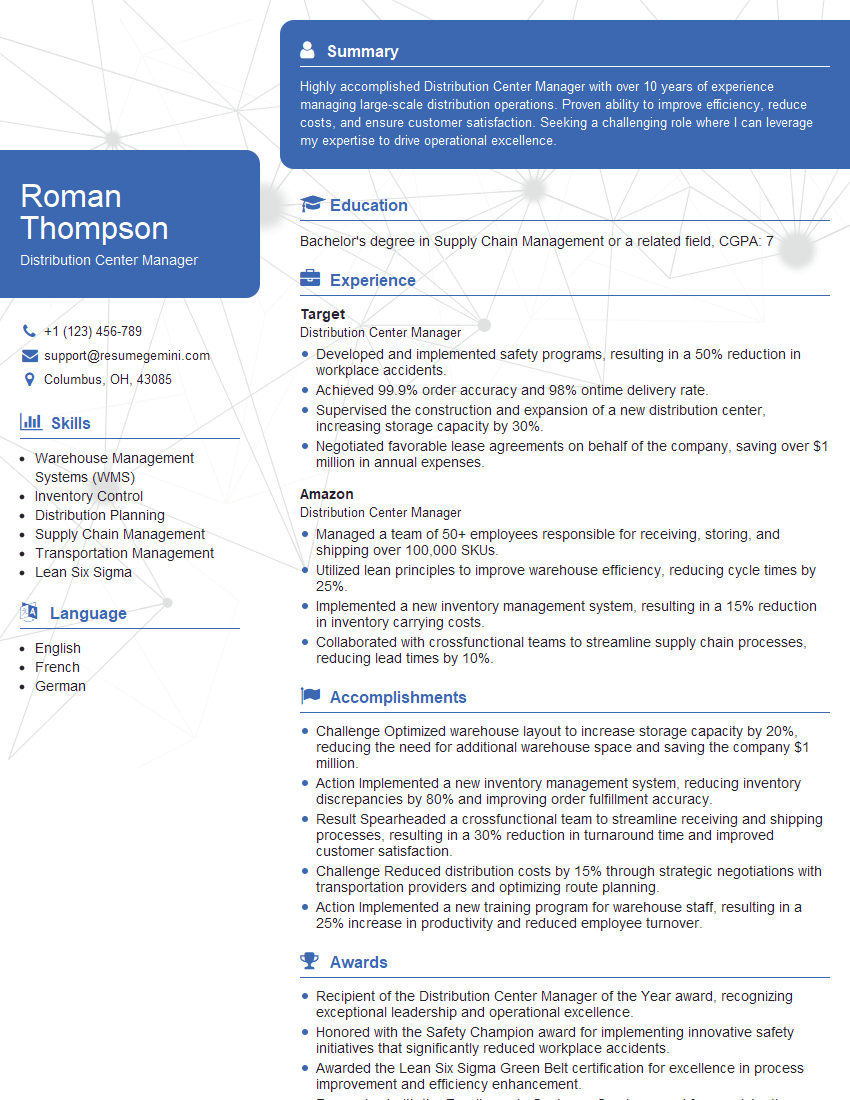
Distribution Center Manager Resume Sample

Warehouse Operations Manager Resume Sample
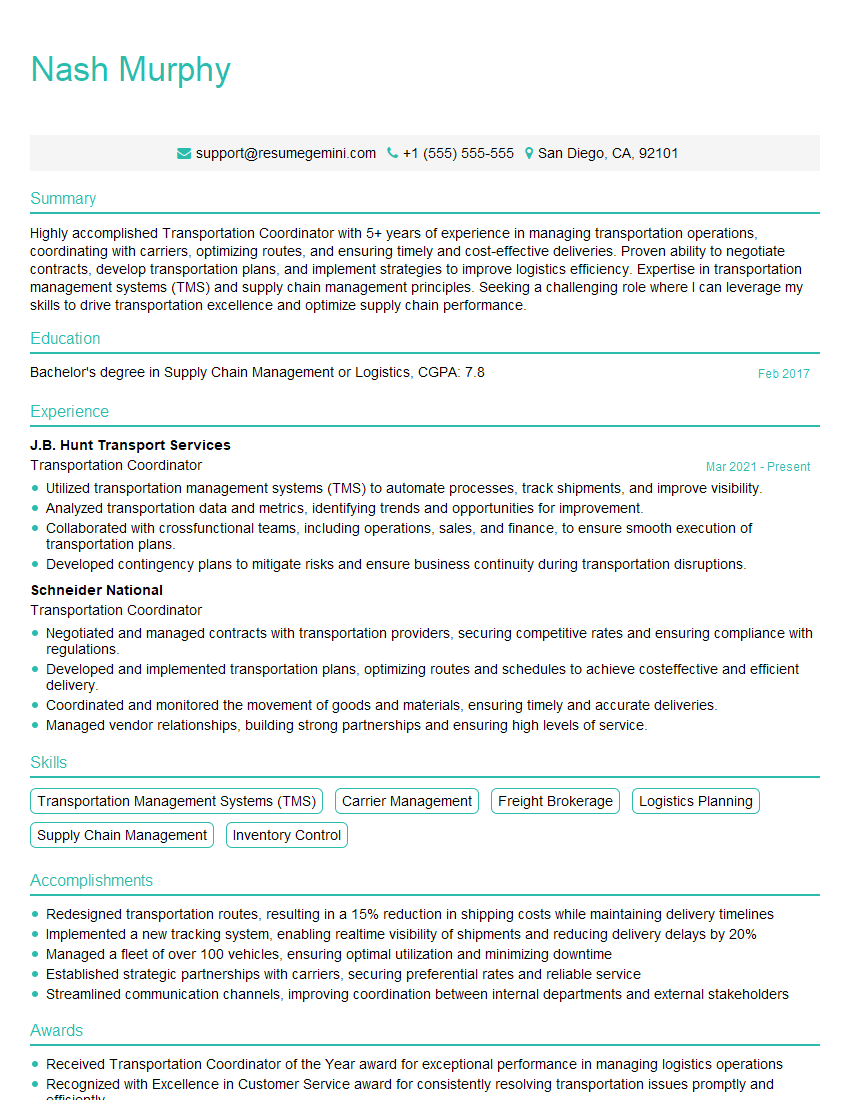
Transportation Coordinator Resume Sample

Warehouse Supervisor Resume Sample
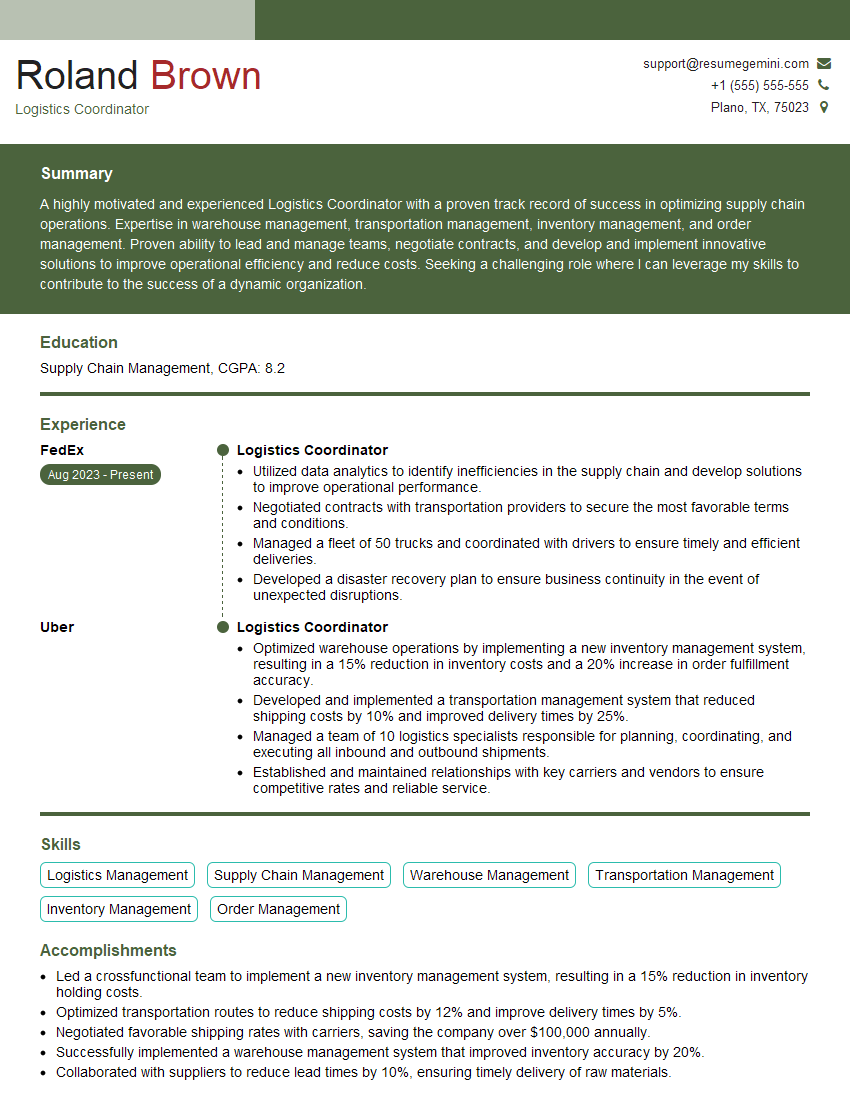
Logistics Coordinator Resume Sample
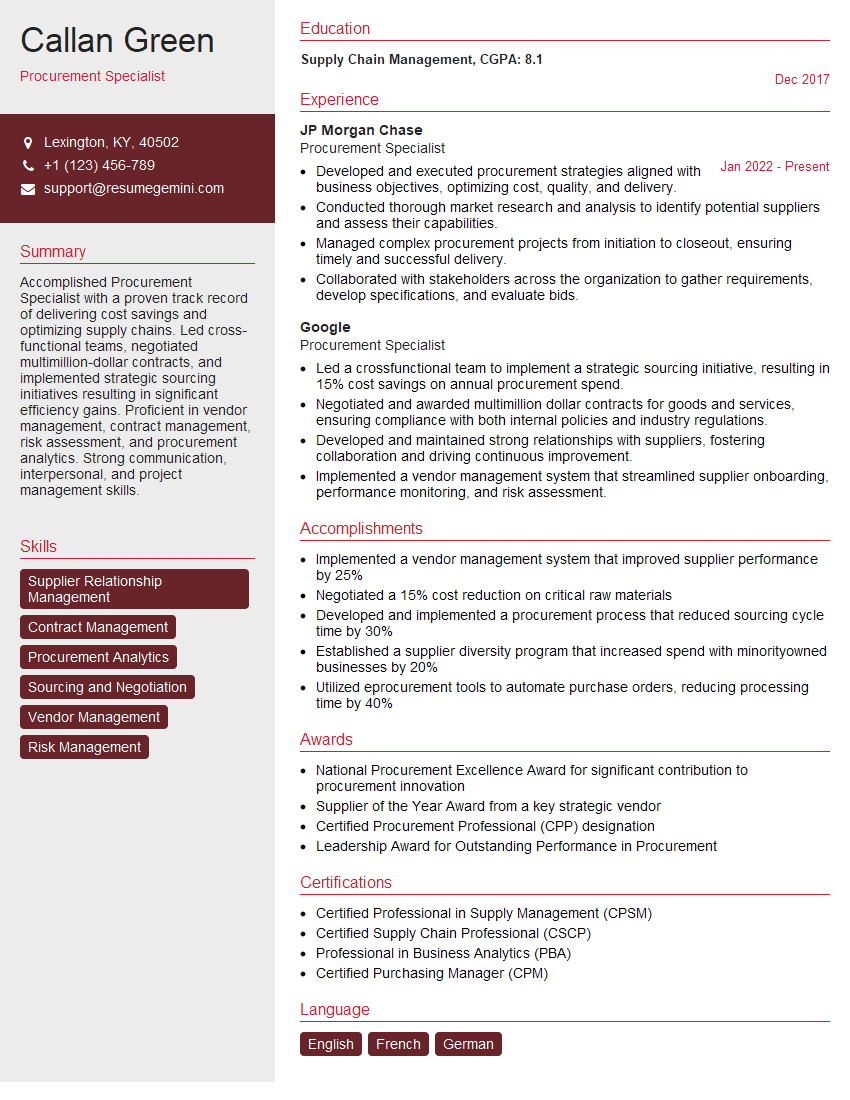
Procurement Specialist Resume Sample
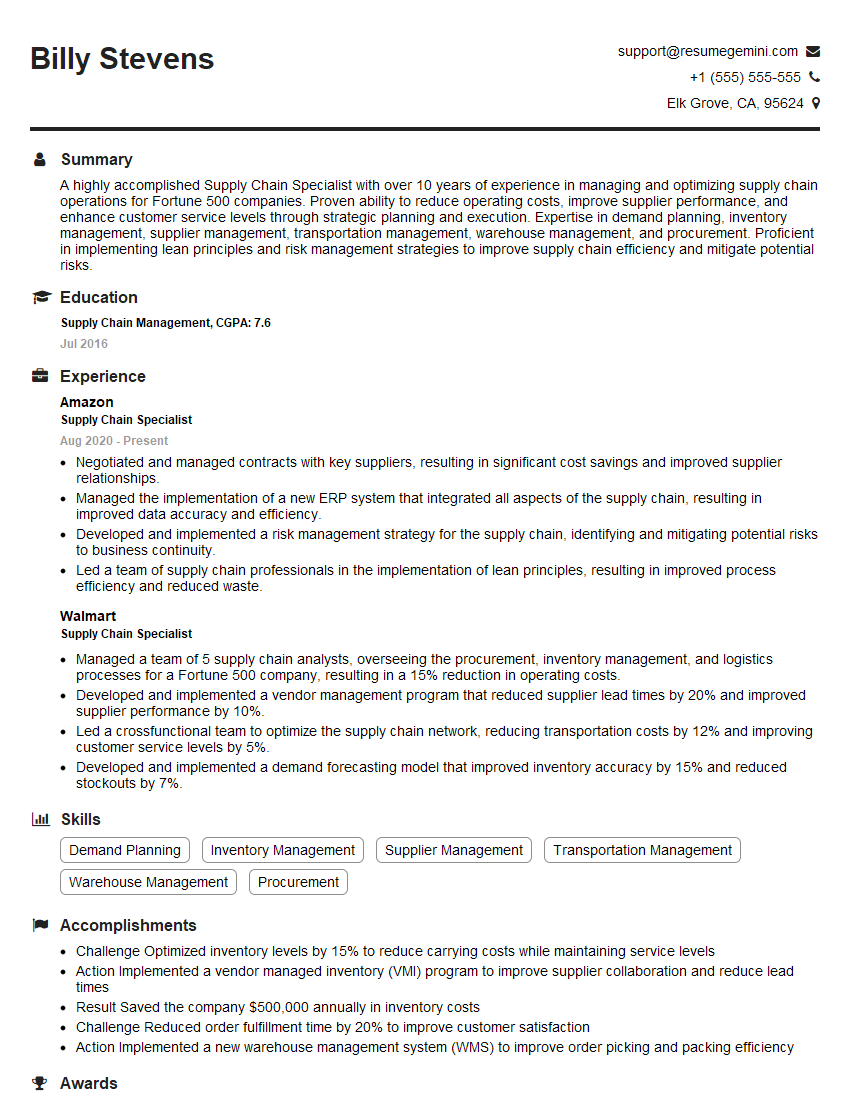
Supply Chain Specialist Resume Sample

Logistics Analyst Resume Sample

Inventory Control Manager Resume Sample

Inventory Control Specialist Resume Sample

Inventory Planner Resume Sample

Receiving Clerk Resume Sample

Shipping and Receiving Clerk Resume Sample

Shipping Clerk Resume Sample

Material Handler Resume Sample

Order Picker Resume Sample
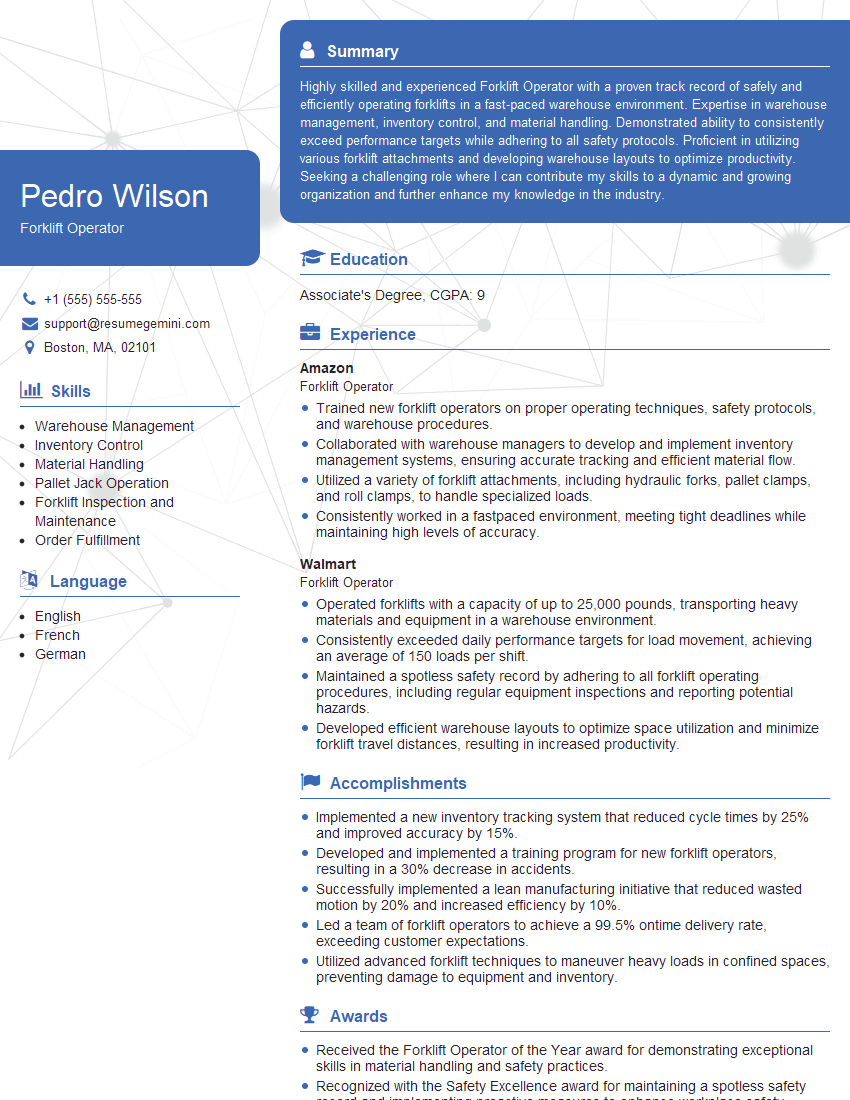
Forklift Operator Resume Sample

Yard Supervisor Resume Sample
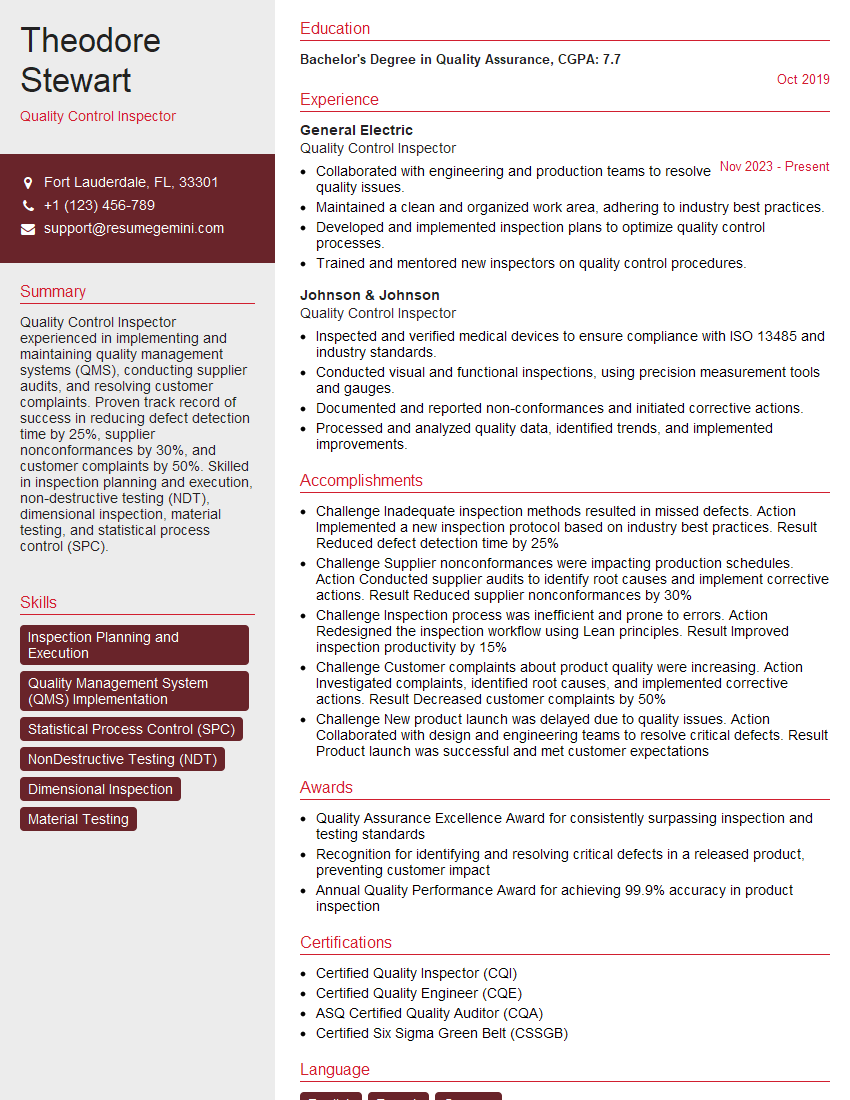
Quality Control Inspector Resume Sample
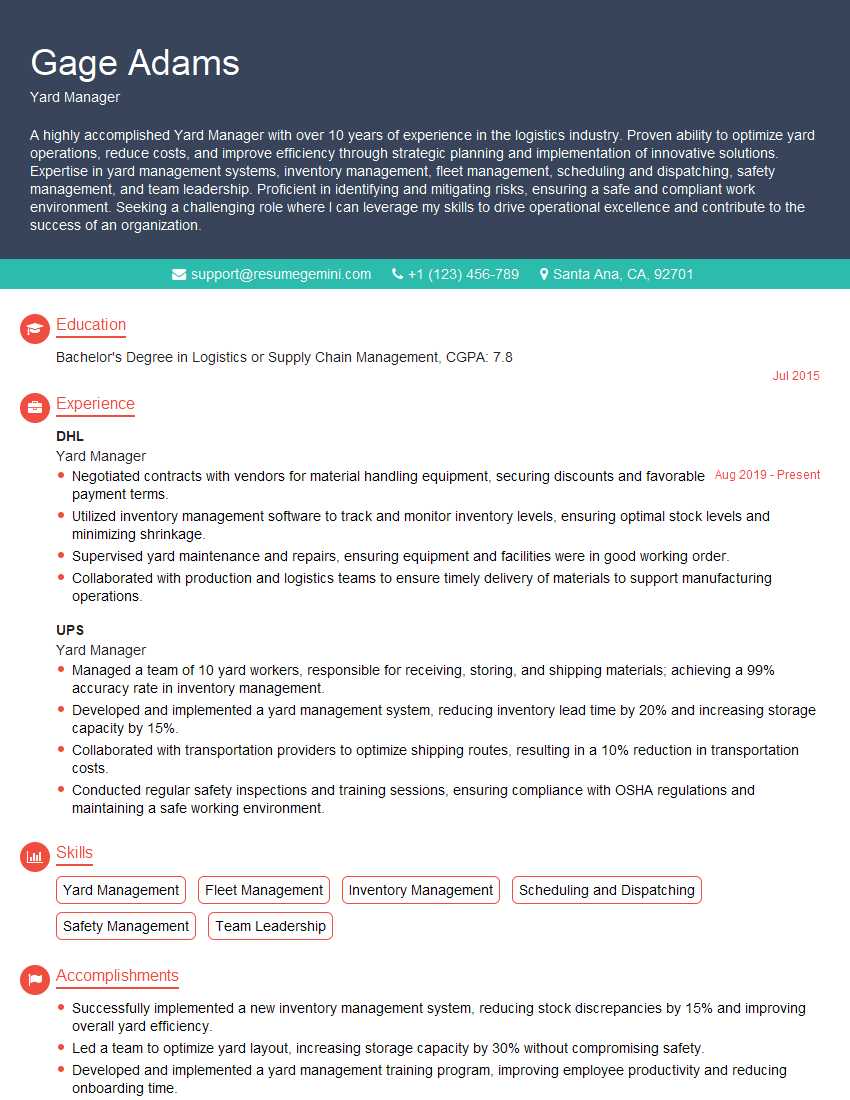
Yard Manager Resume Sample
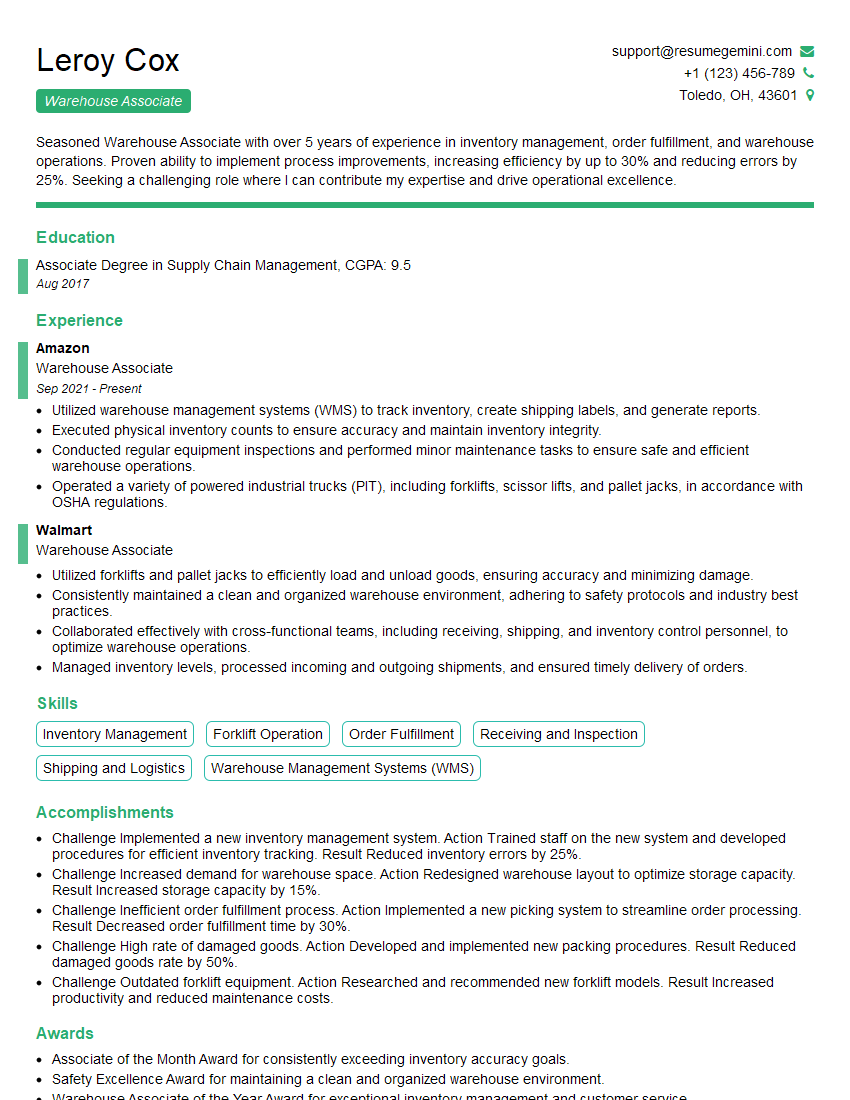
Warehouse Associate Resume Sample
- Demand Planner
- Distribution Center Manager
- Warehouse Operations Manager
- Transportation Coordinator
- Warehouse Supervisor
- Logistics Coordinator
- Procurement Specialist
- Supply Chain Specialist
- Logistics Analyst
- Inventory Control Manager
- Inventory Control Specialist
- Inventory Planner
- Receiving Clerk
- Shipping and Receiving Clerk
- Shipping Clerk
- Material Handler
- Order Picker
- Forklift Operator
- Yard Supervisor
- Quality Control Inspector
- Yard Manager
- Warehouse Associate
Explore more articles
Users Rating of Our Blogs
Share Your Experience
We value your feedback! Please rate our content and share your thoughts (optional).
What Readers Say About Our Blog
Very informative content, great job.
good