The thought of an interview can be nerve-wracking, but the right preparation can make all the difference. Explore this comprehensive guide to Machine Operating interview questions and gain the confidence you need to showcase your abilities and secure the role.
Questions Asked in Machine Operating Interview
Q 1. Describe your experience with different types of machine operating equipment.
My experience encompasses a wide range of machine operating equipment, from basic CNC milling machines and lathes to more complex robotic systems and automated assembly lines. I’ve worked extensively with hydraulic presses, injection molding machines, and various types of conveyor systems. Early in my career, I focused on manual operation, gradually progressing to more advanced computer-controlled machinery. For example, I spent three years operating a CNC lathe, producing high-precision components for the aerospace industry, requiring meticulous attention to detail and precise programming. More recently, I’ve been involved in the setup and operation of robotic arms in an automated packaging facility, learning to program and troubleshoot their movements to optimize production efficiency. This experience has given me a solid understanding of the nuances of different machine types and control systems.
- CNC Machining: Milling, turning, drilling.
- Hydraulic Presses: Forming, stamping, bending.
- Robotics: Automated assembly, material handling, welding.
- Injection Molding: Plastic part production.
Q 2. Explain your understanding of safety protocols in a machine operating environment.
Safety is paramount in machine operation. My approach is based on a multi-layered strategy encompassing risk assessment, adherence to established protocols, and continuous vigilance. Before operating any machine, I conduct a thorough pre-operational check, verifying safety guards are in place and functioning correctly, lubrication levels are adequate, and emergency stop mechanisms are readily accessible. I strictly follow lock-out/tag-out procedures during maintenance or repairs, preventing accidental startup. Personal Protective Equipment (PPE) such as safety glasses, hearing protection, and steel-toed boots are always worn. Beyond individual safety, I actively participate in workplace safety initiatives, reporting hazards and suggesting improvements. I view safety not merely as a set of rules, but as a continuous process requiring proactive engagement and shared responsibility. For instance, during my time at the packaging facility, I identified a potential pinch point on a conveyor belt and proposed a simple guard modification that was subsequently implemented, enhancing the overall safety of the operation.
Q 3. How do you troubleshoot common machine malfunctions?
Troubleshooting machine malfunctions involves a systematic approach combining observation, analysis, and problem-solving skills. I begin by identifying the symptoms – is the machine producing faulty parts, making unusual noises, or completely shut down? Then, I systematically check the most likely causes, starting with the simplest. For example, if a CNC machine is producing inaccurate parts, I’d first check the tooling, then the program code, followed by machine calibration. A good understanding of the machine’s operational principles is crucial. I often refer to the machine’s operational manual and any available diagnostic tools. If the problem persists, I escalate it to a more experienced technician or engineer. I document all troubleshooting steps and solutions to aid future maintenance and prevent similar issues. Think of it like diagnosing a car problem – you start with the obvious, like checking the fuel level, before moving to more complex components.
- Visual Inspection: Check for loose connections, damaged parts, leaks.
- Diagnostic Tools: Utilize machine-specific diagnostic codes and monitoring systems.
- Systematic Approach: Eliminate possibilities one by one.
- Documentation: Record troubleshooting steps for future reference.
Q 4. Describe your experience with preventative maintenance on machinery.
Preventative maintenance is crucial for maximizing machine uptime and preventing costly repairs. My experience includes performing routine inspections, lubrication, and cleaning. I follow manufacturer-recommended schedules meticulously, ensuring all moving parts are properly lubricated, filters are changed regularly, and any signs of wear or damage are addressed promptly. I also contribute to developing and implementing preventative maintenance schedules for entire production lines, drawing upon my knowledge of different machine types and their specific maintenance requirements. For example, in a previous role, I implemented a lubrication schedule for a series of injection molding machines, resulting in a significant reduction in downtime due to mechanical failures. This involved creating a detailed chart with specific lubrication points, frequencies, and the correct type of lubricant for each machine.
Q 5. What is your experience with reading and interpreting machine operation manuals?
Reading and interpreting machine operation manuals is a fundamental skill. I am proficient in understanding technical specifications, safety procedures, troubleshooting guides, and preventative maintenance schedules. I use these manuals not only to learn how to operate a new machine, but also to optimize existing processes and identify potential areas for improvement. I pay close attention to diagrams, schematics, and warning labels, ensuring I understand the machine’s limitations and potential hazards. For instance, while learning to operate a new robotic arm, the manual’s detailed explanation of its control system and programming language was essential for efficient setup and programming.
Q 6. How do you ensure quality control in your machine operation processes?
Quality control in machine operation involves several key aspects. First, I meticulously follow established operating procedures and quality standards. I regularly inspect the output of the machine, checking for defects or inconsistencies. I utilize various measurement tools (calipers, micrometers) to ensure parts conform to specifications. Secondly, I am proactive in identifying and addressing potential sources of variation in the production process. This could involve adjusting machine parameters, replacing worn tooling, or tightening tolerances. Thirdly, I maintain accurate records of production data, including quantities produced, defect rates, and any corrective actions taken. This data allows for continuous improvement and identification of systemic issues. For example, if I noticed a slight increase in the defect rate in a certain batch of parts, I would investigate the source of the problem and implement corrective action to prevent future occurrences. Data-driven quality control helps maintain high standards.
Q 7. How familiar are you with different types of machine controls (e.g., PLC, HMI)?
I have significant experience with various machine controls, including Programmable Logic Controllers (PLCs) and Human-Machine Interfaces (HMIs). My understanding of PLCs extends to programming, troubleshooting, and modifying existing programs to optimize machine performance. I am proficient in reading ladder logic diagrams and utilizing PLC programming software. HMIs are integral to my workflow; I use them to monitor machine status, adjust parameters, and receive real-time feedback on production data. My experience includes working with Allen-Bradley PLCs and Siemens HMIs, along with various other brands. I’m comfortable with both the hardware and software aspects of these control systems. For example, I successfully modified a PLC program to improve the cycle time of an automated assembly line, resulting in a noticeable increase in production efficiency. This involved understanding the sequence of operations in the PLC program and making targeted changes to optimize the timing of individual steps.
Q 8. Describe your experience with data entry and record-keeping related to machine operation.
Data entry and record-keeping are crucial for efficient machine operation and maintaining a clear audit trail. My experience involves meticulously recording all relevant operational data, including machine settings, production output, maintenance schedules, and any incidents or malfunctions. I utilize various methods depending on the setting – from simple logbooks and spreadsheets for smaller operations to sophisticated CMMS (Computerized Maintenance Management Systems) software in larger facilities. For example, when operating a CNC milling machine, I’d record the material used, cutting parameters (speed, feed rate, depth of cut), tool changes, and the total number of parts produced. This detailed record-keeping ensures traceability, allows for performance analysis, and facilitates proactive maintenance.
I am proficient in using various software packages for data entry and analysis, including spreadsheets (Excel, Google Sheets), databases (Access, MySQL), and specialized CMMS software. I ensure data accuracy through rigorous validation and double-checking, adhering to company standards and regulatory requirements.
Q 9. How do you handle unexpected machine downtime?
Unexpected machine downtime is a serious issue that requires a systematic approach. My first step is to prioritize safety – ensuring the machine is shut down properly and the area is secured. Then, I begin troubleshooting, following a structured process. This often involves checking for obvious issues like power supply, jammed materials, or sensor failures. I consult the machine’s manual and troubleshooting guides for assistance. If I cannot identify the cause, I immediately report the problem to the maintenance team, providing them with detailed information about the issue, including any error codes displayed on the machine. In the meantime, I might explore alternative solutions, such as temporarily rerouting production to a different machine if possible, to minimize production delays.
For example, during my time at Acme Manufacturing, a sudden power surge caused our injection molding machine to shut down. I followed safety protocols, then checked the power supply and circuit breakers. When I found a blown fuse, I quickly replaced it, restoring operation. However, if a more complex problem arises, I rely on my strong communication skills to collaborate effectively with the maintenance team to resolve the issue promptly.
Q 10. What is your experience with working in a team environment within a machine operating setting?
I thrive in team environments, believing that collaborative effort leads to higher efficiency and improved safety. In machine operating settings, teamwork is critical. My experience includes working with maintenance crews, quality control inspectors, and production supervisors. I am adept at communicating effectively, sharing information, and cooperating to solve problems. I actively participate in team discussions, offering suggestions and perspectives based on my operational expertise. I also value assisting colleagues, sharing knowledge and helping them solve issues when possible. For instance, I helped a less experienced colleague troubleshoot a recurring problem with a packaging machine by sharing my observations and knowledge of the machine’s operational cycle.
In one particular instance, our team faced a critical production deadline. By working collaboratively and sharing workload, we managed to not only meet the deadline but also exceed expectations, improving our overall team morale and efficiency.
Q 11. Explain your understanding of production quotas and deadlines.
Production quotas and deadlines are paramount in manufacturing. I understand their importance and actively work towards meeting them efficiently and effectively. I familiarize myself with the daily or weekly production targets and use various methods to track my progress. This might involve utilizing digital dashboards, production trackers, or simply maintaining a detailed log. If I anticipate any delays, I promptly inform my supervisor, explaining the reason for the potential shortfall. I also proactively seek solutions to overcome challenges and ensure timely completion. For example, if a material shortage is expected, I would communicate this early to allow for timely procurement. I understand that efficiency and planning are key to meeting deadlines consistently without compromising quality.
In a previous role, we faced a tight deadline for a large order. By meticulously planning my work schedule, prioritizing tasks, and focusing on efficient operations, I was able to contribute significantly to successfully completing the order on time, impressing my supervisors and demonstrating my understanding of production targets.
Q 12. How do you stay updated with the latest technology and techniques in machine operation?
Staying current with the latest technology and techniques is vital for success in machine operation. I consistently utilize several methods to stay updated. This includes attending industry conferences and workshops, reading trade publications and journals, and participating in online forums and communities dedicated to machine operation. I also actively seek out online courses and training programs to enhance my skills, focusing on new technologies and techniques relevant to my field. I regularly review and study technical manuals for the specific machinery I operate, taking advantage of any online updates or training materials provided by the manufacturers. Moreover, I actively seek mentorship from senior operators and engineers, learning from their experience and knowledge.
For instance, I recently completed a course on the operation and maintenance of advanced robotic systems, expanding my skillset and making me a more valuable asset to my team. I actively implement my new knowledge and share my learnings with other team members.
Q 13. What are the common safety hazards associated with machine operation, and how do you mitigate them?
Safety is paramount in machine operation. Common hazards include moving parts, sharp edges, high temperatures, electrical hazards, and exposure to hazardous materials. I diligently mitigate these risks by adhering to safety protocols, using appropriate personal protective equipment (PPE) – such as safety glasses, gloves, hearing protection, and steel-toed boots – and following lockout/tagout procedures during maintenance. I am trained in identifying and reporting potential hazards and actively participate in safety meetings and training sessions. Before operating any machine, I conduct a thorough pre-operational inspection to ensure it’s in safe working condition. I also routinely clean and maintain the machinery to prevent malfunctions that could lead to accidents.
For instance, during a recent maintenance task, I diligently followed the lockout/tagout procedure, ensuring the power was completely disconnected before performing any work, preventing potential electrical shock. My adherence to safety guidelines has ensured a safe working environment for myself and my colleagues throughout my career.
Q 14. Describe your experience with different types of manufacturing processes.
My experience encompasses a variety of manufacturing processes, including:
- CNC Machining: Operating CNC milling machines and lathes to produce precision parts from various materials.
- Injection Molding: Operating injection molding machines to produce plastic parts in high volume.
- Stamping and Pressing: Working with stamping presses to form metal sheets into various shapes.
- Assembly Line Operations: Experience working on assembly lines, performing repetitive tasks efficiently and accurately.
I am familiar with the nuances of each process, including material handling, quality control, and troubleshooting. My adaptability and willingness to learn allow me to quickly master new processes and contribute effectively to diverse manufacturing environments. I’m comfortable working with various materials, including metals, plastics, and composites, and I possess a strong understanding of the different techniques used in each manufacturing process.
Q 15. How do you maintain a clean and organized workspace while operating machinery?
Maintaining a clean and organized workspace is paramount for safety and efficiency in machine operation. Think of it like a surgeon preparing for an operation – a cluttered space increases the risk of accidents and slows down the process.
- Regular Cleaning: I always start and end my shift by cleaning my immediate work area. This includes removing debris, wiping down surfaces, and ensuring tools are properly stored. For example, after operating a lathe, I’d meticulously clean away metal shavings to prevent accidents and ensure the next operator has a safe working environment.
- Organized Tool Storage: Tools are stored in designated locations, clearly labelled and easily accessible. This prevents wasted time searching and reduces the risk of damage or misplacement. I use a shadow board system in some cases, allowing for a visual confirmation that all tools are present and accounted for.
- 5S Methodology: I follow the principles of 5S (Sort, Set in Order, Shine, Standardize, Sustain) to maintain a consistently clean and organized workspace. This ensures everything has its place, promoting efficiency and preventing unnecessary clutter.
- Material Handling: Materials are stored neatly and safely, preventing tripping hazards and ensuring easy access when needed. This includes using appropriate storage racks and containers and keeping walkways clear.
A clean workspace improves focus, reduces errors, and contributes to a safer working environment for everyone. It is a reflection of professionalism and a commitment to quality.
Career Expert Tips:
- Ace those interviews! Prepare effectively by reviewing the Top 50 Most Common Interview Questions on ResumeGemini.
- Navigate your job search with confidence! Explore a wide range of Career Tips on ResumeGemini. Learn about common challenges and recommendations to overcome them.
- Craft the perfect resume! Master the Art of Resume Writing with ResumeGemini’s guide. Showcase your unique qualifications and achievements effectively.
- Don’t miss out on holiday savings! Build your dream resume with ResumeGemini’s ATS optimized templates.
Q 16. Explain your proficiency in using measuring tools and equipment (e.g., calipers, micrometers).
I’m proficient in using a range of measuring tools, including calipers, micrometers, dial indicators, and height gauges. Accuracy is critical in my field, and I understand the nuances of each instrument.
- Calipers: I use calipers regularly to measure the outside and inside diameters of parts, as well as depths. I’m comfortable using both digital and vernier calipers, understanding their limitations and the importance of zeroing and proper technique. For example, when checking the diameter of a machined shaft, I always take multiple measurements at different points to ensure accuracy and consistency.
- Micrometers: Micrometers provide greater precision than calipers, especially for smaller measurements. I am skilled in using micrometers to obtain precise measurements down to thousandths of an inch or millimeters. This is crucial when working with tolerances that require extremely high accuracy. For instance, when checking the thickness of a thin sheet metal, a micrometer guarantees the precision necessary for quality control.
- Other Instruments: My experience extends to other measuring tools like dial indicators (for checking runout or surface flatness) and height gauges (for precise height measurements).
My precision in using these tools ensures that the parts I work with meet the required specifications and contribute to the overall quality of the final product. I regularly calibrate my tools to maintain their accuracy.
Q 17. Describe your experience with quality control checks and inspections.
Quality control is integral to my work. My experience includes conducting thorough inspections at various stages of production, from raw materials to finished goods.
- Visual Inspection: I perform visual checks for defects such as scratches, cracks, burrs, and inconsistencies in finish. For example, when inspecting a newly painted part, I look for imperfections in the paint job, such as runs, drips, or uneven coverage.
- Dimensional Checks: I use measuring tools to verify dimensions against blueprints or specifications. This ensures that parts meet the required tolerances. For example, I’d use calipers to check the diameter of a shaft against the design specifications, ensuring it falls within the acceptable tolerance range.
- Functional Testing: Where appropriate, I conduct functional tests to ensure that the part or assembly operates as intended. This could involve testing the movement of mechanical parts, or checking electrical components. For example, after assembling a gear system, I would check for smooth rotation and the absence of any binding or noise.
- Documentation: I meticulously document all inspection results, noting any defects or deviations from specifications. This information is crucial for identifying trends and improving the manufacturing process.
My commitment to quality control minimizes defects and waste, ultimately improving efficiency and customer satisfaction.
Q 18. How do you identify and report machine defects or malfunctions?
Identifying and reporting machine defects or malfunctions is crucial for preventing accidents and ensuring continued efficient operation. My approach is systematic and prioritizes safety.
- Observation: I carefully observe the machine for unusual sounds, vibrations, smells, or changes in performance. For example, an unusual grinding noise from a milling machine might indicate a worn cutting tool or a misalignment.
- Troubleshooting: I use my knowledge of the machine’s operation and maintenance manuals to attempt basic troubleshooting. This might involve checking fluid levels, tightening loose bolts, or replacing worn parts.
- Reporting: If I can’t resolve the issue, I immediately report it to my supervisor, providing detailed information about the problem, including the time of occurrence, symptoms, and any potential safety risks. I’ll include photos or videos if appropriate.
- Safety Precautions: Before attempting any troubleshooting, I ensure the machine is safely shut down and locked out. Safety is always my top priority.
Prompt and accurate reporting of malfunctions prevents potential damage to the equipment and prevents the production of faulty components or, more importantly, minimizes the risk of injury.
Q 19. What is your experience with the use of Personal Protective Equipment (PPE)?
Using Personal Protective Equipment (PPE) is non-negotiable in my line of work. I’m trained in the proper selection, use, and maintenance of various types of PPE.
- Safety Glasses/Goggles: I always wear safety glasses or goggles to protect my eyes from flying debris, sparks, or chemical splashes.
- Hearing Protection: In noisy environments, I use earplugs or earmuffs to protect my hearing from damage. This is particularly crucial when operating loud machinery like presses or lathes.
- Gloves: I wear appropriate gloves to protect my hands from cuts, abrasions, chemicals, or extreme temperatures. The choice of glove depends on the specific task.
- Steel-Toed Boots: I always wear steel-toed boots to protect my feet from dropped objects or crushing hazards.
- Other PPE: Depending on the specific task, I may also use other PPE, such as respirators (in dusty or chemically hazardous environments), face shields, or aprons.
I understand that PPE is not merely a regulation but a vital component of workplace safety. I always ensure my PPE is in good condition and properly maintained to provide effective protection.
Q 20. Explain your understanding of different machine operating speeds and their impact on product quality.
Machine operating speeds have a direct impact on product quality and efficiency. It’s a balance between speed and precision.
- High Speeds: High speeds increase production rate but can lead to increased wear on the machine and tools, potentially reducing the precision of the finished product. Surface finishes might be rougher, and tolerances might be harder to maintain.
- Low Speeds: Lower speeds generally produce better surface finishes and tighter tolerances. However, it significantly reduces the production rate, increasing production time and costs.
- Optimal Speed: The optimal speed depends on various factors including the material being processed, the cutting tool being used, and the desired quality of the finished product. This requires experience and understanding of the machine’s capabilities. For example, machining a high-precision part from a hard material will require a much lower speed compared to roughing out a part from a softer material.
- Feed Rates & Depth of Cut: In addition to spindle speed, other factors such as feed rate (how fast the tool moves) and depth of cut (how deep the tool cuts into the material) also impact quality and production time. These need to be carefully adjusted for optimal performance and quality.
Understanding the interplay between speed, feed rates, depth of cut, and material properties is crucial for optimizing production efficiency while maintaining high product quality.
Q 21. How familiar are you with different types of materials used in machine operating?
Familiarity with different materials is essential for efficient and safe machine operation. The properties of the material dictate the machine settings, tooling, and safety precautions needed.
- Metals: I have experience working with various metals, including steel (different grades), aluminum, brass, copper, and titanium. Each requires different machining parameters to prevent damage to the tool or the workpiece. For example, machining titanium requires specialized tools and significantly lower speeds than machining mild steel.
- Plastics: I understand the properties of various plastics, including their melting points, tendency to deform under pressure, and susceptibility to certain cutting tools. The approach to machining plastic is very different from machining metal, often requiring lower speeds and different cutting tools.
- Wood: My experience includes machining wood, which requires different tooling, speeds, and safety precautions compared to metals or plastics. The type of wood also influences the machining process. For example, hardwoods require more aggressive cuts than softwoods.
- Composites: I am familiar with working with composite materials such as fiberglass or carbon fiber, understanding their layered structure and specific machining requirements to avoid damage and delamination. These often require specialized tooling and more careful approach to prevent damage.
My knowledge of material properties allows me to select appropriate tools and machine settings, ensuring efficient and safe processing while maintaining high product quality. Material selection is a key factor that influences every aspect of the machining process.
Q 22. Describe your experience with machine setup and changeover procedures.
Machine setup and changeover procedures are crucial for efficient and safe production. My experience encompasses a wide range of processes, from simple adjustments to complex reconfigurations. I’m proficient in following standardized operating procedures (SOPs), meticulously documenting each step, and ensuring all safety protocols are observed.
For instance, in my previous role at Acme Manufacturing, we utilized a high-speed injection molding machine. Changeovers between different product runs involved systematically replacing molds, adjusting injection parameters (pressure, temperature, cycle time) according to the product specifications, and verifying the accuracy of the settings using quality control tools. This involved meticulous cleaning and lubrication of the machine components to prevent damage or product contamination. A typical changeover took approximately 45 minutes, but through process improvements (detailed below in answer 6), we reduced that time to under 30 minutes without compromising quality.
I’m also experienced in using Computerized Maintenance Management Systems (CMMS) to schedule and track machine setups, ensuring preventative maintenance tasks are completed in a timely manner to avoid unexpected downtime.
Q 23. How do you handle stressful situations or urgent repairs on machinery?
Handling stressful situations requires a calm and systematic approach. My first priority is always safety – ensuring the machine is secured and personnel are out of harm’s way. Then, I focus on quickly diagnosing the problem using troubleshooting techniques and my experience with common machine malfunctions. This often involves checking diagnostic codes, inspecting components for visible damage, and reviewing operational logs.
For example, during a night shift, our main packaging line unexpectedly stopped. Under pressure to meet the production deadline, I quickly assessed the situation. The diagnostic code indicated a sensor malfunction. I systematically checked the wiring, connections, and sensor itself. I found a loose wire, reconnected it, and restored operation within 15 minutes, minimizing production downtime.
If the repair requires expertise beyond my immediate capabilities, I promptly escalate the issue to the appropriate maintenance team while keeping stakeholders informed of the situation and progress.
Q 24. What are your strengths and weaknesses related to machine operating?
My key strengths include meticulous attention to detail, a proactive approach to preventative maintenance, and a strong understanding of safety regulations. I’m adept at troubleshooting mechanical and electrical problems and have a proven ability to quickly adapt to new machinery and processes. I also excel at working both independently and as part of a team.
One area I’m continually working to improve is my proficiency with advanced programming languages used in some of our newer automated systems. I’ve already started online courses to improve this skill and am actively seeking opportunities to expand my knowledge in this area through on-the-job training.
Q 25. How do you prioritize tasks and manage your time effectively in a fast-paced machine operation environment?
Prioritizing tasks in a fast-paced environment requires a structured approach. I typically use a combination of methods, including prioritizing tasks based on urgency and importance, using a task management system (like Kanban boards or simple to-do lists), and breaking down large tasks into smaller, more manageable steps.
For instance, I might prioritize emergency repairs over routine maintenance. Within routine maintenance, tasks crucial for continuous operation are handled before those with a longer timeframe for completion. I also allocate time blocks for different tasks, helping manage time effectively and prevent interruptions. Regularly reviewing progress and adjusting the schedule as needed ensures flexibility and efficiency.
Q 26. Describe your experience working with automated systems or robotic equipment.
I possess significant experience operating and troubleshooting automated systems and robotic equipment. This includes experience with programmable logic controllers (PLCs), robotic arms for material handling, and automated guided vehicles (AGVs).
At Beta Industries, I worked extensively with a robotic palletizing system. My responsibilities included monitoring the system’s performance, identifying and resolving errors, and performing preventative maintenance to minimize downtime. This involved understanding the PLC programming, troubleshooting sensor issues, and collaborating with robotic technicians when necessary. I also assisted in the integration of a new AGV into the existing system, requiring knowledge of safety protocols and interfacing systems.
Q 27. What is your experience with continuous improvement initiatives within a machine operating context?
I’m a strong advocate for continuous improvement and have actively participated in various initiatives to enhance machine operation efficiency and safety. These initiatives often involve identifying bottlenecks, suggesting process improvements, and implementing changes that result in increased productivity and reduced downtime.
Referring back to the injection molding machine example (answer 1), I noticed that a significant portion of the changeover time was spent on cleaning. By implementing a new cleaning procedure involving specialized cleaning agents and a more systematic approach, we reduced cleaning time by 10 minutes. This simple change, documented and shared with the team, contributed significantly to the overall reduction in changeover time. I also actively participate in root cause analysis (RCA) to determine the cause of equipment failures and develop preventative measures.
I believe continuous improvement is an ongoing process requiring constant evaluation and adaptation to improve processes and outcomes.
Key Topics to Learn for Machine Operating Interview
- Machine Safety and Procedures: Understanding and adhering to all safety protocols, lockout/tagout procedures, and emergency response plans. Practical application includes demonstrating knowledge of specific safety equipment and procedures relevant to the target machines.
- Machine Operation and Maintenance: Proficiency in operating various types of machinery, including startup, shutdown, and routine maintenance tasks. Practical application involves describing experience with troubleshooting minor malfunctions and performing preventative maintenance.
- Quality Control and Inspection: Understanding quality control procedures, performing inspections, and identifying defects. Practical application includes explaining methods for ensuring product quality and consistency throughout the operating process.
- Data Recording and Analysis: Accurately recording machine data, identifying trends, and using this information to optimize machine performance. Practical application involves describing experience with data entry, analysis, and reporting.
- Troubleshooting and Problem Solving: Diagnosing and resolving common machine malfunctions, using diagnostic tools and applying problem-solving techniques. Practical application includes describing how you approach troubleshooting a malfunctioning machine, systematically identifying and resolving the issue.
- Understanding of Relevant Software and Controls: Familiarity with the software and control systems used to operate and monitor the specific machines. Practical application includes explaining your experience using specific HMI (Human Machine Interface) systems or PLC (Programmable Logic Controller) software.
- Teamwork and Communication: Effective communication with supervisors and colleagues, working collaboratively within a team environment. Practical application includes describing your experience working effectively in a team setting and communicating efficiently during machine operation.
Next Steps
Mastering machine operation is crucial for a rewarding and successful career in manufacturing and related industries. It opens doors to specialized roles with increased responsibility and earning potential. To maximize your job prospects, crafting a strong, ATS-friendly resume is essential. ResumeGemini is a trusted resource to help you build a professional and impactful resume that highlights your skills and experience. We provide examples of resumes tailored specifically to Machine Operating roles to help you get started. Invest the time to create a compelling resume – it’s your first impression with potential employers.
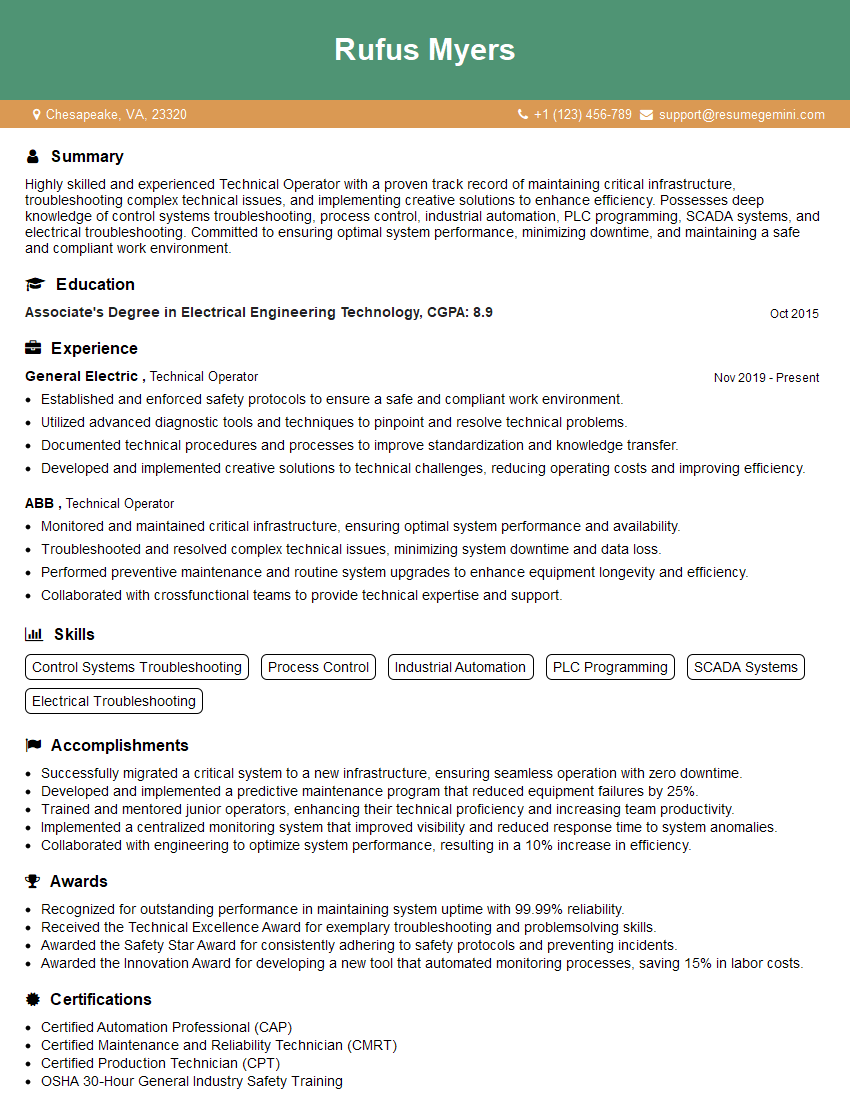
Technical Operator Resume Sample
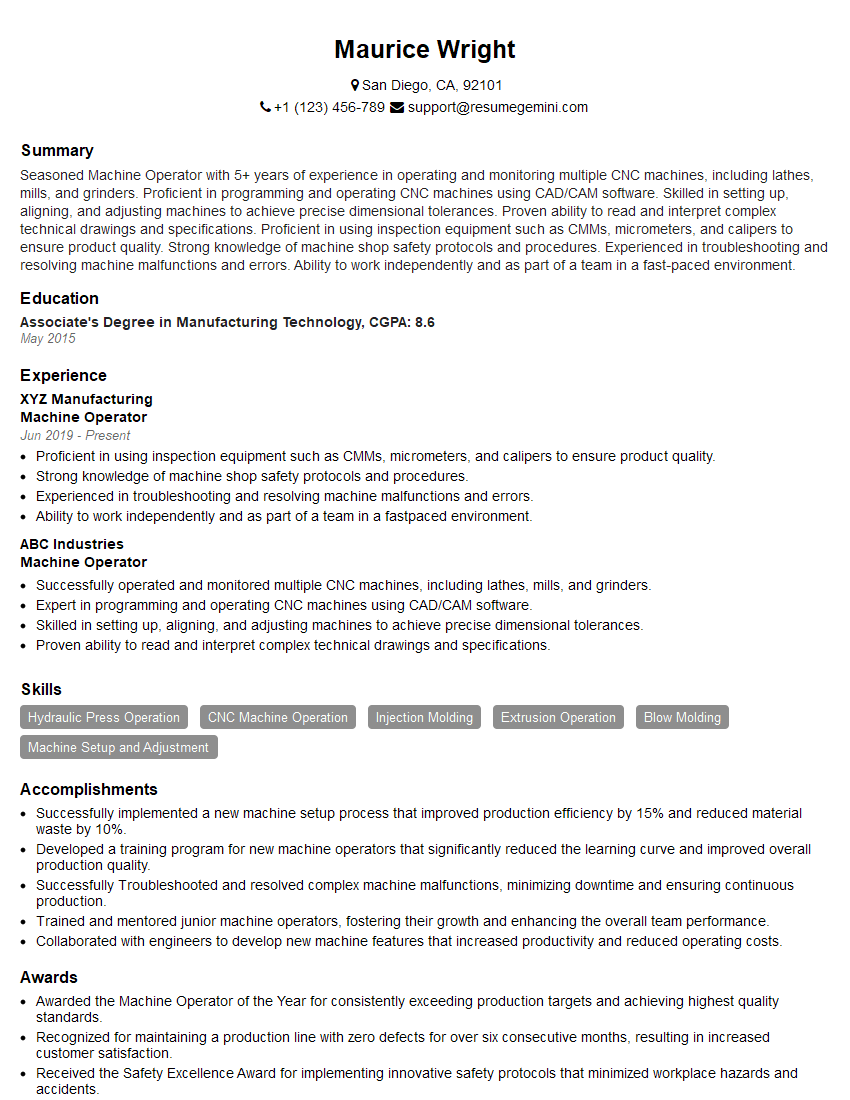
Machine Operator Resume Sample

Heavy Equipment Operator Resume Sample
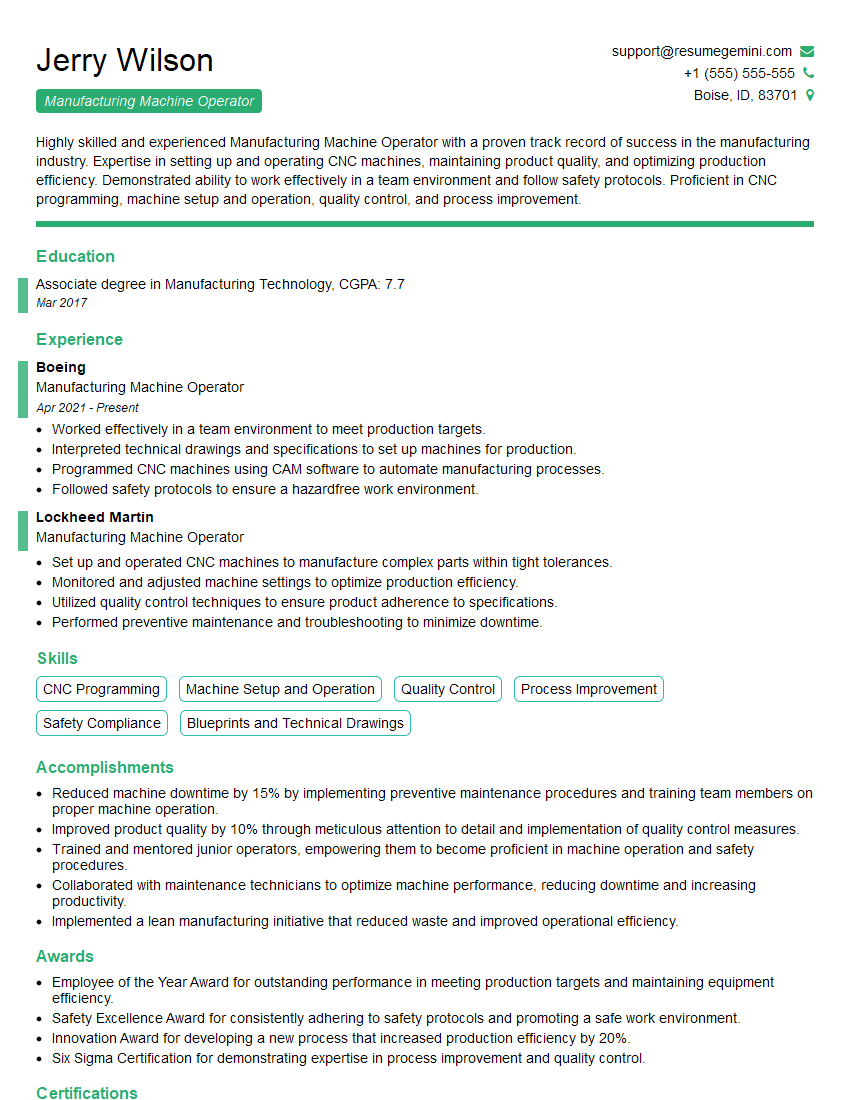
Manufacturing Machine Operator Resume Sample
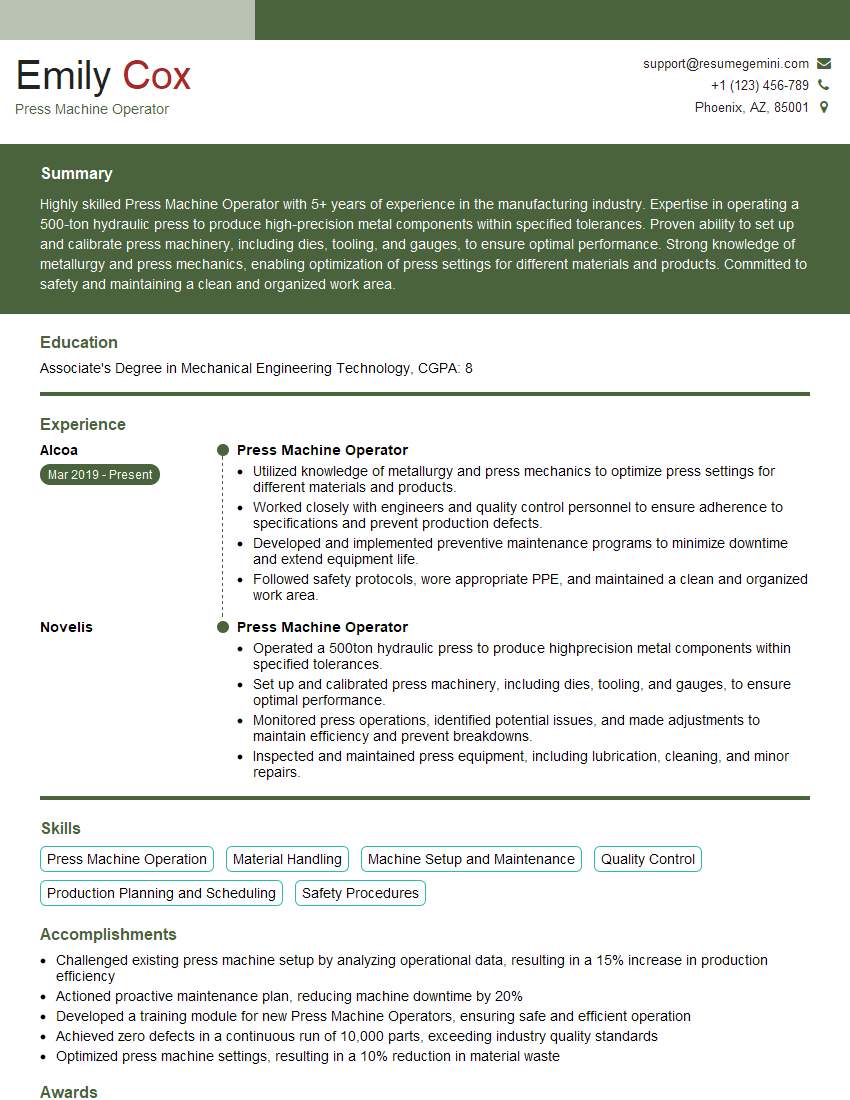
Press Machine Operator Resume Sample
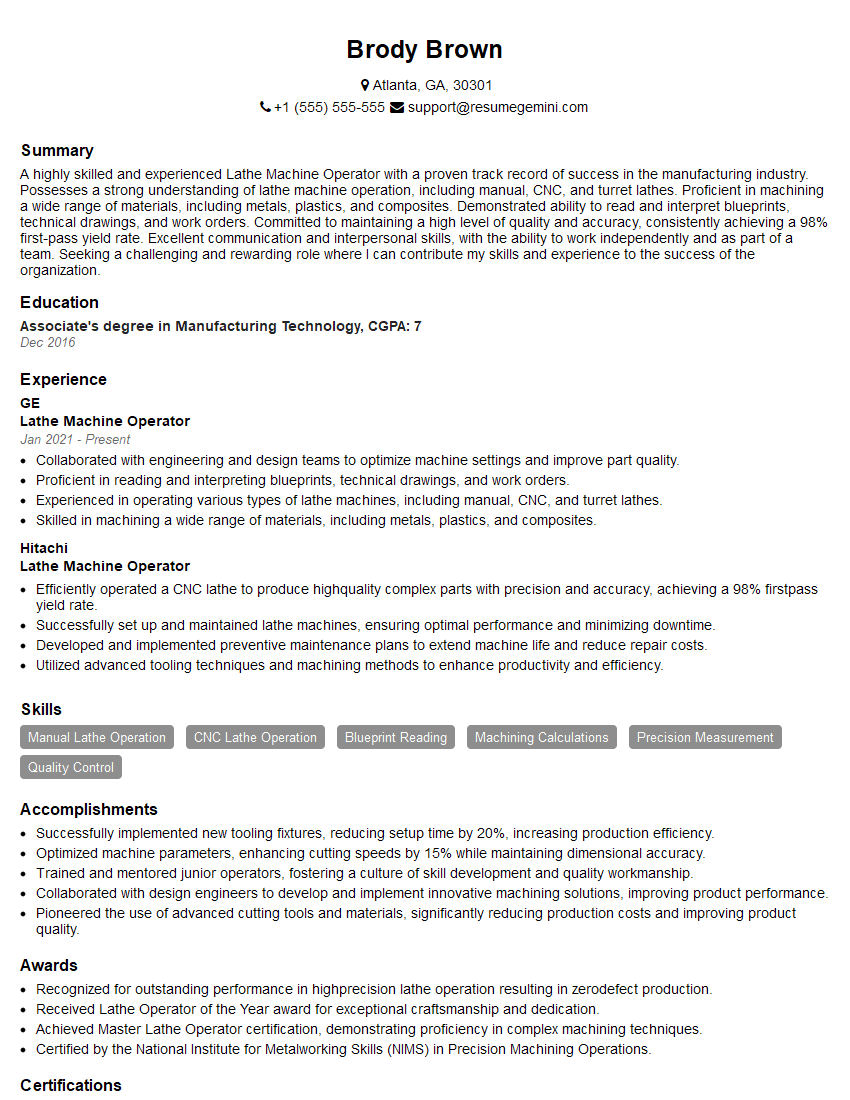
Lathe Machine Operator Resume Sample
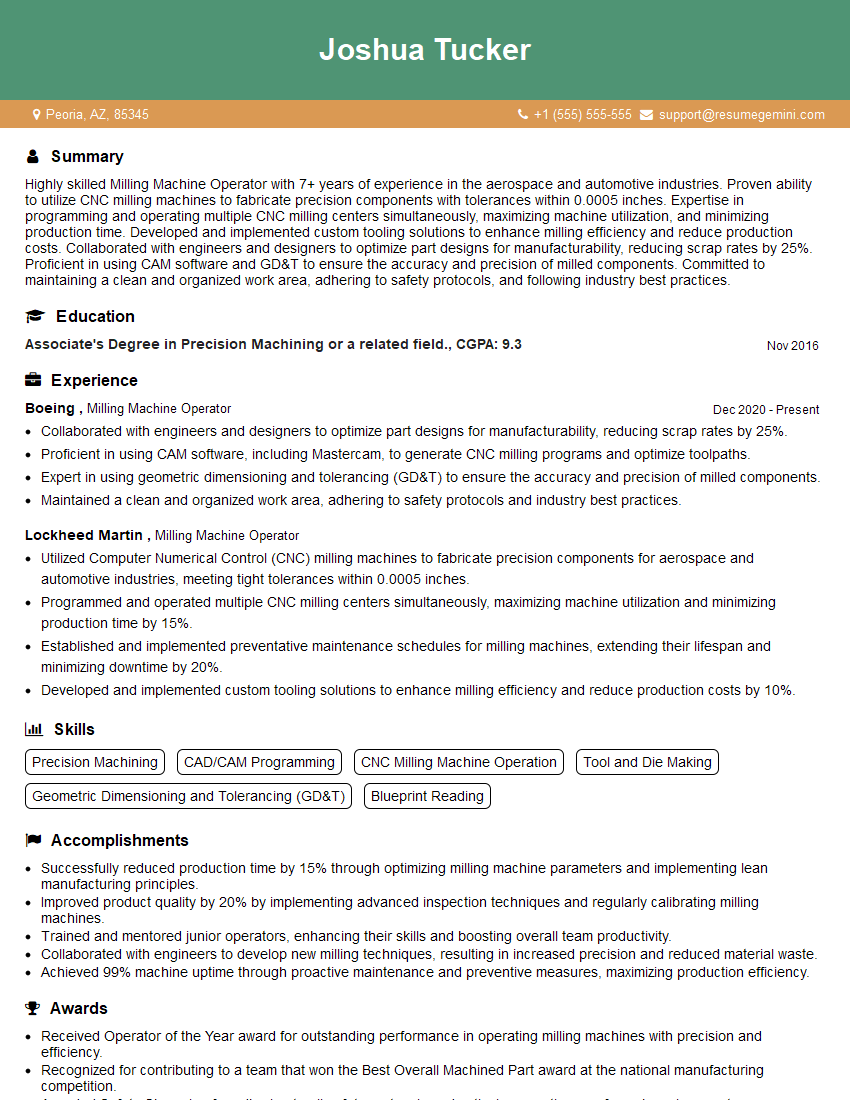
Milling Machine Operator Resume Sample
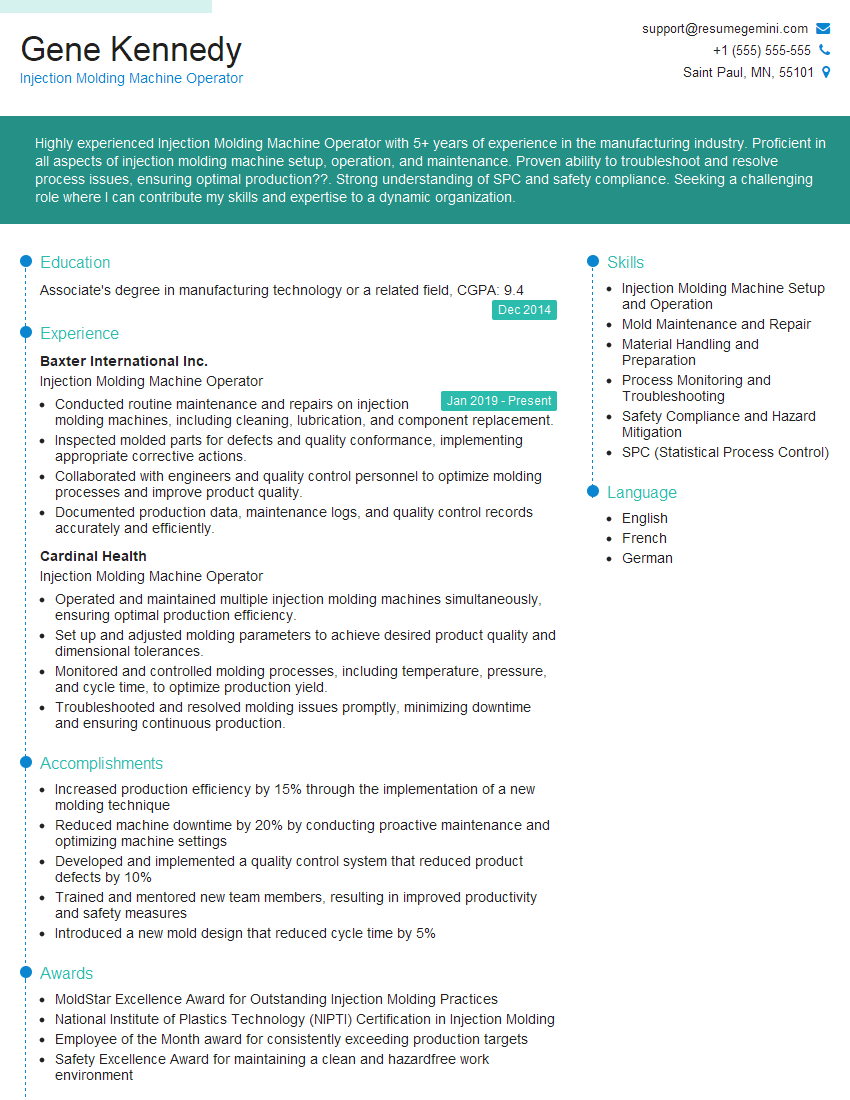
Injection Molding Machine Operator Resume Sample

Welding Machine Operator Resume Sample
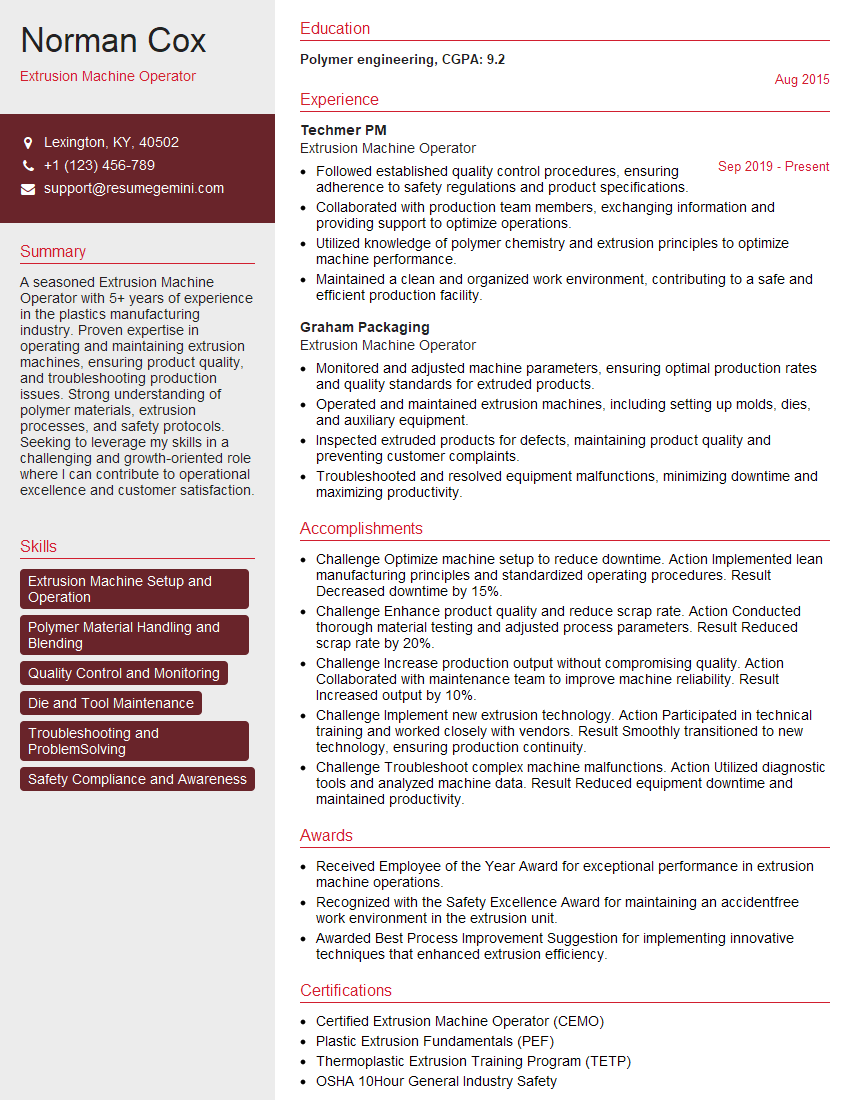
Extrusion Machine Operator Resume Sample
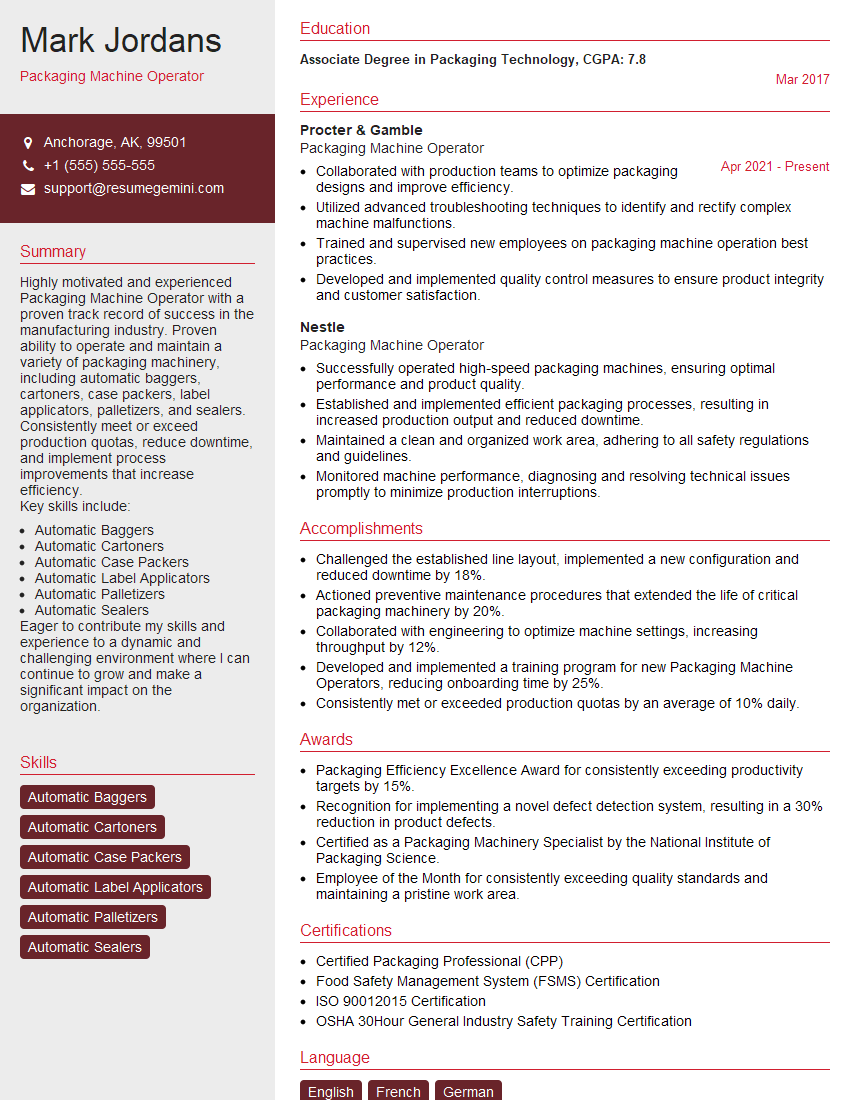
Packaging Machine Operator Resume Sample
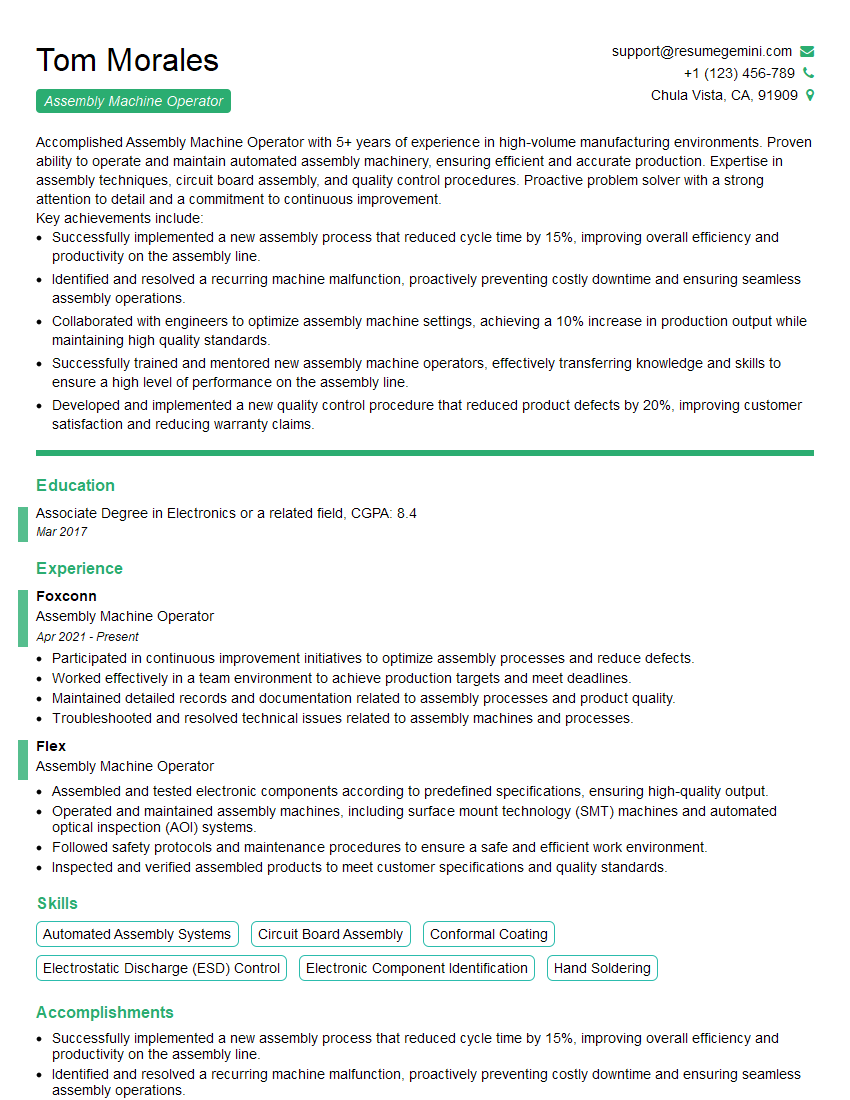
Assembly Machine Operator Resume Sample
- Technical Operator
- Machine Operator
- Heavy Equipment Operator
- Manufacturing Machine Operator
- Press Machine Operator
- Lathe Machine Operator
- Milling Machine Operator
- Injection Molding Machine Operator
- Welding Machine Operator
- Extrusion Machine Operator
- Packaging Machine Operator
- Assembly Machine Operator
Explore more articles
Users Rating of Our Blogs
Share Your Experience
We value your feedback! Please rate our content and share your thoughts (optional).
What Readers Say About Our Blog
Very informative content, great job.
good