Unlock your full potential by mastering the most common Machinery Knowledge interview questions. This blog offers a deep dive into the critical topics, ensuring you’re not only prepared to answer but to excel. With these insights, you’ll approach your interview with clarity and confidence.
Questions Asked in Machinery Knowledge Interview
Q 1. Explain the difference between preventative and predictive maintenance.
Preventative and predictive maintenance are both crucial for keeping machinery running smoothly, but they differ significantly in their approach. Preventative maintenance is scheduled maintenance based on time or usage, aiming to prevent failures before they occur. Think of it like changing your car’s oil every 3,000 miles – you do it regardless of the car’s current condition. Predictive maintenance, on the other hand, is data-driven. It uses sensors and data analysis to predict when a failure is likely to occur, allowing for maintenance only when necessary.
Preventative Maintenance Example: Regularly scheduled lubrication of a conveyor belt system, replacing filters at set intervals, or conducting routine inspections of critical components. This approach is cost-effective for preventing common wear-and-tear issues but can lead to unnecessary maintenance if the component’s lifespan exceeds the schedule.
Predictive Maintenance Example: Using vibration sensors on a motor to detect abnormal vibrations indicating bearing wear, then scheduling maintenance before a catastrophic failure. This approach is more efficient by focusing on only components that actually need attention, reducing unnecessary downtime and costs.
In essence, preventative maintenance is proactive but can be wasteful, while predictive maintenance is intelligent and efficient but requires investment in sensors and data analytics.
Q 2. Describe your experience with PLC programming (specific PLCs preferred).
I have extensive experience programming PLCs, primarily using Allen-Bradley Logix5000 and Siemens TIA Portal. My work has involved developing and implementing programs for various industrial processes, including automated assembly lines, robotic control systems, and process control systems in manufacturing plants.
For instance, in one project using Allen-Bradley PLCs, I developed a program to control a high-speed packaging line. This involved intricate timing sequences, sensor integration (photoelectric sensors, proximity sensors), and robust error handling to ensure consistent and reliable operation. The program also included HMI (Human-Machine Interface) development using FactoryTalk View SE, enabling operators to monitor and control the process effectively.
With Siemens TIA Portal, I’ve been involved in projects requiring complex motion control, using advanced functions like coordinated motion and cam profiles. I’ve used structured programming techniques to create highly modular and easily maintainable code, adhering to industry best practices for safety and reliability. I’m proficient in using ladder logic, structured text, and function block diagrams, adapting my programming style to suit the specific needs of each project.
Q 3. How familiar are you with different types of hydraulic systems (e.g., open-center, closed-center)?
My familiarity with hydraulic systems includes both open-center and closed-center systems, as well as their variations. I understand the principles of fluid power, including Pascal’s Law, and how it governs the operation of these systems.
Open-center systems are characterized by a continuous flow of hydraulic fluid, even when the actuators are not in use. This leads to higher power dissipation and potential for heat build-up, although it’s simpler and often less expensive. They are frequently used in simpler applications like some agricultural machinery.
Closed-center systems, in contrast, only direct flow when the actuators are operating. This conserves energy, reduces heat generation, and provides more precise control. These are better suited for more complex applications where precise control and energy efficiency are crucial, such as machine tools or robotic arms.
I’m also familiar with other system types like load-sensing systems which automatically adjust the hydraulic pump output to match the load, significantly improving energy efficiency. Furthermore, I understand the importance of selecting appropriate hydraulic components, such as pumps, valves, and actuators, based on the specific application requirements and understanding potential issues like cavitation or contamination.
Q 4. What are the common causes of machinery downtime, and how would you address them?
Common causes of machinery downtime stem from a variety of sources, broadly categorized as mechanical, electrical, pneumatic, hydraulic, or software related. Mechanical issues, like bearing failure, wear and tear, or misalignment, are frequent culprits. Electrical problems, including motor failures, wiring issues, or control system malfunctions, also contribute significantly. Hydraulic and pneumatic system leaks or component failures can cause interruptions. Finally, software glitches or programming errors in PLCs or other control systems can lead to unexpected stoppages.
Addressing these issues requires a systematic approach. First, a thorough investigation is essential to pinpoint the root cause. This might involve visual inspection, data analysis from sensors, or testing individual components. Once identified, appropriate corrective actions can be taken – replacing faulty components, performing alignments, repairing wiring, or debugging software code. Preventive measures should also be implemented to reduce the likelihood of future failures, such as implementing a robust preventative or predictive maintenance program. This might include regular lubrication, vibration analysis, oil analysis, and routine inspections.
For instance, if consistent downtime is caused by a specific motor repeatedly failing, the solution might involve upgrading the motor to a more robust model, investigating the load on the motor, ensuring adequate cooling, or a combination of all three. Addressing the underlying cause, rather than just repeatedly replacing the motor, is crucial for long-term reliability.
Q 5. Describe your experience with troubleshooting mechanical issues in machinery.
My experience in troubleshooting mechanical issues involves a systematic process that combines practical skills with analytical thinking. I typically start with a thorough visual inspection, looking for obvious signs of damage, wear, or misalignment. This often involves using various tools like dial indicators, calipers, and micrometers to take precise measurements.
Beyond visual inspection, I rely on listening for unusual noises that can indicate a problem—grinding, squeaking, or knocking sounds often provide valuable clues. I use my understanding of mechanical principles to diagnose potential problems, such as analyzing vibration patterns to identify bearing issues or checking for play in joints and linkages to detect looseness or wear. I often use systematic elimination to narrow down the possible causes, focusing on components most likely to be affected.
For example, when troubleshooting a machine with inconsistent output, I traced the problem to a worn gear. The wear caused inconsistent torque transmission, leading to the fluctuating output. Replacing the worn gear solved the issue, highlighting the importance of understanding mechanical systems and their interactions.
Documentation throughout the troubleshooting process is essential, ensuring that the problem and its solution are clearly recorded for future reference. This prevents repetition of mistakes and helps improve overall maintenance practices.
Q 6. Explain the principles of lubrication and its importance in machinery maintenance.
Lubrication is fundamental to machinery maintenance. It involves introducing a lubricant—oil, grease, or other substances—between moving parts to reduce friction, wear, and heat. This is achieved through several mechanisms:
- Friction Reduction: Lubricants create a thin film between surfaces, separating them and reducing the direct contact that causes friction. This minimizes wear and tear.
- Heat Dissipation: Lubricants help dissipate heat generated by friction, preventing overheating that could damage components.
- Corrosion Prevention: Many lubricants contain additives that protect against corrosion, extending the lifespan of metal components.
- Cleaning: Some lubricants help remove contaminants and debris from moving parts, maintaining cleanliness and preventing further damage.
The importance of lubrication is paramount. Insufficient lubrication leads to increased friction, excessive wear, premature failure of components, and ultimately, costly downtime. The type of lubricant, the frequency of application, and the lubrication method (e.g., oil bath, grease gun, centralized lubrication system) all depend on the specific machinery and its operating conditions. Choosing the right lubricant is critical, considering factors such as temperature, load, and the materials of the interacting surfaces.
Q 7. What are your experiences with different types of sensors used in machinery monitoring?
My experience encompasses a range of sensors used in machinery monitoring, including:
- Vibration Sensors (Accelerometers): These measure vibrations to detect bearing wear, imbalance, misalignment, and other mechanical issues. I’ve used both contact and non-contact types, depending on the application.
- Temperature Sensors (Thermocouples, RTDs): These monitor operating temperatures to detect overheating, which can be indicative of problems such as friction, electrical faults, or insufficient lubrication.
- Pressure Sensors: These measure hydraulic or pneumatic pressure, aiding in the detection of leaks, blockages, or other issues in fluid power systems.
- Proximity Sensors: These detect the presence or absence of objects without physical contact, often used for position sensing and safety applications.
- Current Sensors: These measure the current draw of motors and other electrical components to identify potential faults like winding failures or overloading.
- Acoustic Emission Sensors: These detect high-frequency sound waves generated by events like crack propagation or particle impacts, providing early warning of potential failures.
The data collected from these sensors is often used in conjunction with predictive maintenance strategies. By analyzing sensor data over time, it’s possible to identify trends that might indicate impending failure, allowing for timely intervention and minimizing downtime. The selection of appropriate sensors depends heavily on the specific needs of the application and the type of machinery being monitored.
Q 8. How do you ensure safety protocols are followed during machinery operation and maintenance?
Ensuring safety during machinery operation and maintenance is paramount. It’s not just about following rules; it’s about cultivating a safety-first culture. This involves a multi-layered approach.
- Lockout/Tagout Procedures (LOTO): Before any maintenance, we rigorously follow LOTO procedures. This means completely de-energizing machinery, applying locks and tags to prevent accidental startup. I’ve personally overseen the implementation and training for LOTO in a food processing plant, significantly reducing near-miss incidents.
- Personal Protective Equipment (PPE): Appropriate PPE, including safety glasses, gloves, hearing protection, and steel-toe boots, is mandatory. Regular inspections and training ensure everyone uses the correct PPE for the task. For example, when working with high-pressure hydraulic systems, specialized gloves and eye protection are crucial.
- Regular Safety Audits and Training: We conduct routine safety audits to identify potential hazards and ensure compliance. Regular training sessions cover topics like hazard identification, risk assessment, safe work practices, and emergency procedures. I’ve developed and delivered several such training programs, focusing on practical application and scenario-based learning.
- Machine Guarding and Interlocks: Ensuring all machinery has appropriate guarding and interlocks is vital. These prevent accidental access to hazardous moving parts. In one instance, I designed and implemented a new guarding system for a robotic arm, effectively eliminating a pinch point hazard.
- Emergency Response Plans: Clear emergency response plans, including procedures for handling accidents, injuries, and equipment malfunctions, are essential. We regularly practice these plans to ensure everyone knows their roles and responsibilities. This includes understanding the location and use of fire extinguishers and first-aid kits.
Safety isn’t a checklist; it’s an ongoing commitment. It requires constant vigilance, proactive measures, and a team dedicated to preventing accidents.
Q 9. Describe your experience with CAD software for machinery design or analysis.
I have extensive experience with CAD software, primarily SolidWorks and AutoCAD. I utilize these tools throughout the machinery design process, from conceptualization to detailed drawings and simulations.
- Design and Modeling: I use SolidWorks to create 3D models of machinery components and assemblies, allowing for detailed visualization and analysis before physical prototyping. This significantly reduces design errors and saves time and resources.
- Finite Element Analysis (FEA): I employ SolidWorks Simulation to conduct FEA on machine components, predicting stress, strain, and deflection under various loading conditions. This helps in optimizing designs for strength, durability, and longevity. For example, I used FEA to optimize the design of a high-speed rotating shaft, minimizing stress concentrations and preventing potential failures.
- 2D Drawings and Documentation: AutoCAD is essential for creating detailed 2D drawings, including assembly drawings, fabrication drawings, and general arrangement drawings. These drawings are crucial for manufacturing and maintenance purposes.
- Collaboration and Data Management: CAD software also allows for effective collaboration with other engineers and designers. We use data management systems to ensure that everyone works with the most up-to-date designs and documentation.
My experience extends beyond just creating models. I’m proficient in using CAD software to generate bills of materials (BOMs), conduct design reviews, and prepare documentation for manufacturing.
Q 10. Explain the concept of Total Productive Maintenance (TPM).
Total Productive Maintenance (TPM) is a philosophy that aims to maximize equipment effectiveness by involving all employees in maintaining and improving the machinery they use. It moves away from a reactive, breakdown-focused maintenance approach to a proactive, preventative one.
- Autonomous Maintenance: Operators are trained to perform basic maintenance tasks, such as lubrication, cleaning, and minor adjustments, reducing the workload on maintenance personnel and empowering operators to take ownership of their equipment.
- Planned Maintenance: A comprehensive schedule of preventative maintenance tasks is developed and followed, preventing breakdowns and extending equipment lifespan. This includes regular inspections, lubrication schedules, and part replacements.
- Early Detection of Problems: TPM emphasizes techniques for early detection of potential problems, such as vibration analysis and oil analysis, allowing for timely interventions and preventing major breakdowns.
- Improvement Activities: Continuous improvement activities are undertaken to optimize equipment performance and efficiency. This can involve streamlining processes, redesigning components, or implementing new technologies.
- Teamwork and Collaboration: TPM relies heavily on teamwork and collaboration between operators, maintenance personnel, and management. Open communication and shared responsibility are crucial.
Think of it like regularly servicing your car – you don’t wait for it to break down; you perform routine maintenance to prevent problems and extend its life. TPM applies this principle to industrial machinery, resulting in increased uptime, reduced costs, and improved safety.
Q 11. How do you handle unexpected machinery breakdowns?
Handling unexpected machinery breakdowns requires a structured and systematic approach. The key is quick response, accurate diagnosis, and efficient repair.
- Immediate Response: The first step is to secure the area, ensuring the safety of personnel. Then, we follow established emergency procedures to shut down the affected machine safely.
- Diagnosis: Once the machine is secured, we begin the diagnostic process, systematically checking for causes. This may involve checking power supplies, inspecting components, reviewing operational logs, and potentially using diagnostic tools like multimeters or vibration analyzers.
- Repair or Replacement: Once the root cause is identified, we proceed with the repair or replacement of the faulty component. This may involve contacting suppliers for parts, or if the repair is complex, coordinating with specialized technicians.
- Documentation and Analysis: After the repair, we meticulously document the entire process, including the cause of the breakdown, repair actions, and downtime. This information is analyzed to identify trends and prevent future occurrences.
- Preventative Measures: A critical step is implementing preventative measures to avoid similar breakdowns. This could involve revising maintenance schedules, modifying operating procedures, or upgrading equipment components.
In one instance, a sudden shutdown of a critical conveyor system was traced to a worn bearing. By quickly replacing the bearing and analyzing the root cause (lack of regular lubrication), we prevented further disruptions and implemented a new lubrication schedule.
Q 12. What are your experiences with different types of machine control systems (e.g., CNC, HMI)?
I have extensive experience with various machine control systems, including CNC (Computer Numerical Control) and HMI (Human-Machine Interface) systems.
- CNC Systems: I’m proficient in programming and operating CNC machines, including milling machines, lathes, and routers. I understand G-code programming and can troubleshoot CNC control systems, including diagnosing and resolving issues related to program execution, axis movements, and tool changes. I’ve worked with Fanuc, Siemens, and Heidenhain controls.
- HMI Systems: I have experience designing and implementing HMIs using various software platforms. I understand the importance of intuitive interfaces for machine operators, allowing for easy monitoring and control of machinery. This includes designing displays, alarm systems, and operator input functions. I’ve used Rockwell Automation and Siemens TIA Portal software for HMI development.
- PLC Programming (Programmable Logic Controllers): My expertise extends to PLC programming, which forms the core of many automated systems. I can design, program, and troubleshoot PLC programs to control machine sequences and automate processes. I’m familiar with Allen-Bradley and Siemens PLC platforms.
The integration of CNC, HMI, and PLC systems is crucial for modern automated machinery. My experience allows me to design and implement efficient and reliable control systems that meet specific production requirements.
Q 13. Describe your experience with root cause analysis techniques for machinery failures.
Root cause analysis is crucial for preventing recurring machinery failures. I employ several techniques, including the ‘5 Whys’ and fault tree analysis.
- 5 Whys: This iterative questioning technique helps to drill down to the root cause of a problem by repeatedly asking “why” until the fundamental issue is identified. For instance, if a machine overheats, we might ask: Why did it overheat? (Lack of cooling). Why was there a lack of cooling? (Clogged filter). Why was the filter clogged? (Insufficient maintenance). Why was there insufficient maintenance? (Lack of training). Why was there a lack of training? (Insufficient budget for training). This final “why” reveals a systemic issue that needs addressing.
- Fault Tree Analysis (FTA): FTA is a top-down, deductive reasoning approach used to identify the root causes of a system failure. We start with the undesirable event (failure) and work backward, identifying contributing events and causes until we reach the root causes. FTA is particularly useful for complex systems with multiple potential failure points. I use this regularly for diagnosing complex hydraulic system failures.
- Pareto Analysis: This statistical technique helps to identify the vital few causes responsible for the majority of problems. By analyzing failure data, we can focus our efforts on addressing the most significant issues first.
Combining these techniques helps create a comprehensive understanding of the failure, leading to effective corrective actions and preventing similar issues in the future.
Q 14. What is your experience with vibration analysis for machinery diagnostics?
Vibration analysis is a powerful diagnostic tool for detecting and diagnosing machinery problems before they escalate into major failures. It’s based on the principle that faulty components often exhibit characteristic vibration patterns.
- Data Acquisition: We use accelerometers and vibration analyzers to measure the vibrations of machinery components at various operating speeds. The data is typically recorded as time waveforms, frequency spectra, and other relevant parameters.
- Frequency Analysis: Using Fast Fourier Transform (FFT) techniques, we analyze the frequency content of the vibration data. Specific frequencies are often associated with specific faults, such as bearing defects, imbalance, misalignment, or looseness.
- Fault Diagnosis: By comparing the measured vibration characteristics with known fault signatures, we can identify potential problems. Software packages and databases of fault signatures assist in this process. For example, a high-amplitude peak at a particular frequency may indicate a bearing defect.
- Trend Analysis: Monitoring vibration levels over time allows us to detect gradual changes indicating developing problems. This enables proactive maintenance, preventing catastrophic failures.
Vibration analysis isn’t just about identifying problems; it’s about predicting them. This proactive approach minimizes downtime, extends equipment life, and improves overall reliability. I have successfully used vibration analysis to detect and rectify a bearing issue in a large industrial pump, preventing a costly and disruptive failure.
Q 15. Explain the concept of machine learning in predictive maintenance.
Predictive maintenance, powered by machine learning, moves beyond reactive repairs (fixing things after they break) and scheduled maintenance (performing upkeep at fixed intervals). Instead, it leverages data analysis to anticipate potential equipment failures before they occur. This involves collecting data from various sensors on machinery – vibration, temperature, pressure, current, etc. – and feeding this data into machine learning algorithms. These algorithms identify patterns and anomalies that signal impending problems. For example, a gradual increase in vibration might indicate bearing wear, allowing for proactive replacement before a catastrophic failure.
Imagine a fleet of delivery trucks. Predictive maintenance can analyze engine data to pinpoint trucks nearing a critical component failure, scheduling maintenance before the truck breaks down, minimizing downtime and costly repairs. Common machine learning algorithms employed include regression models (predicting a continuous value like remaining useful life), classification models (predicting a categorical outcome like failure/no failure), and anomaly detection techniques (identifying unusual patterns indicative of problems).
Career Expert Tips:
- Ace those interviews! Prepare effectively by reviewing the Top 50 Most Common Interview Questions on ResumeGemini.
- Navigate your job search with confidence! Explore a wide range of Career Tips on ResumeGemini. Learn about common challenges and recommendations to overcome them.
- Craft the perfect resume! Master the Art of Resume Writing with ResumeGemini’s guide. Showcase your unique qualifications and achievements effectively.
- Don’t miss out on holiday savings! Build your dream resume with ResumeGemini’s ATS optimized templates.
Q 16. How familiar are you with different types of bearings and their applications?
My familiarity with bearings is extensive. I’m well-versed in various types, including:
- Ball bearings: Ideal for high-speed applications requiring low friction and are widely used in motors, pumps, and automotive components. They’re relatively simple and cost-effective.
- Roller bearings: Excellent for heavy radial loads, commonly found in industrial machinery like conveyors and presses. Different types like cylindrical, tapered, and spherical roller bearings offer various load-handling capabilities.
- Plain bearings (Sleeve bearings): Simpler and less expensive than rolling element bearings but handle lower speeds and loads. They’re often used in situations where lubrication is readily available.
- Thrust bearings: Specifically designed to handle axial loads (forces along the shaft’s axis), crucial in applications like propeller shafts or vertical turbines.
Selecting the right bearing depends on factors like load, speed, operating environment, and cost considerations. For example, a high-speed motor would benefit from a low-friction ball bearing, while a heavy-duty press would require a robust roller bearing.
Q 17. Explain the different types of gears and their applications.
Gears are fundamental components in power transmission, and their selection is critical to the overall system’s efficiency and durability. Key gear types include:
- Spur gears: The simplest type, with teeth parallel to the axis of rotation. They are efficient for transmitting power between parallel shafts but can be noisy at high speeds.
- Helical gears: Teeth are inclined to the axis, resulting in smoother operation and quieter performance compared to spur gears. They can however introduce axial thrust forces.
- Bevel gears: Used to transmit power between intersecting shafts. Straight bevel gears are simpler, while spiral bevel gears offer smoother operation and higher load capacity.
- Worm gears: Consist of a worm (screw) and a worm gear (wheel). They offer high gear ratios in compact spaces but are less efficient and can generate significant heat.
Application selection depends on factors like speed, load, space constraints, and required gear ratio. For example, a car’s transmission uses a combination of spur, helical, and bevel gears to provide different speed ratios, while a robotic arm might employ worm gears for precise, low-speed movements.
Q 18. What are your experiences with different types of power transmission systems?
My experience with power transmission systems encompasses a wide range of mechanisms, including:
- Belt drives: Simple, versatile systems using belts to transmit power between shafts. Different belt types (V-belts, flat belts, timing belts) are suited for various applications based on power transmission requirements and speed. They are cost-effective and easy to maintain but less efficient than gears at high power levels.
- Chain drives: Robust systems offering high efficiency and precise power transmission. They’re ideal for high loads but can be noisy and require regular lubrication. Examples include bicycle chains and industrial conveyor systems.
- Gear drives: Highly efficient for precise power transmission but are more complex and costly. The type of gear (spur, helical, bevel etc.) influences the application. They are frequently used in high-power machinery.
- Fluid drives: Employ hydraulic or pneumatic systems to transmit power using fluids under pressure. They offer flexibility and overload protection but have lower efficiency compared to mechanical systems. They’re often used in applications requiring smooth and controlled power transmission, such as industrial robots.
Choosing the right system involves considering factors like power requirements, speed, efficiency, cost, space constraints, and maintenance needs. In a manufacturing plant, for instance, you might choose belt drives for less critical processes and gear drives for high-precision operations.
Q 19. Describe your experience with welding and fabrication techniques relevant to machinery repair.
My welding and fabrication experience is extensive, encompassing various techniques crucial for machinery repair. I’m proficient in:
- Shielded Metal Arc Welding (SMAW): A versatile process suitable for various metals and readily adaptable to field repairs.
- Gas Metal Arc Welding (GMAW): Efficient for joining thicker materials, often used in automated industrial settings.
- Gas Tungsten Arc Welding (GTAW): Produces high-quality welds ideal for thin materials or situations requiring precision. This process is highly precise but often slower.
- Oxy-fuel welding: A relatively simpler process used for joining metals in situations where electric welding is not feasible or appropriate.
Fabrication skills include cutting, shaping, and assembling metal components. I’m experienced in using various tools including plasma cutters, grinders, and various hand tools to prepare parts for welding and ensure the final weld is structurally sound and meets required tolerances.
For example, I’ve repaired broken machine frames using SMAW and fabricated custom brackets for specific machinery using GTAW, ensuring the repaired sections met the original specifications and structural integrity.
Q 20. How familiar are you with different types of manufacturing processes?
My understanding of manufacturing processes spans a broad spectrum, including:
- Casting: Creating parts by pouring molten material into a mold. This is cost-effective for high-volume production of complex shapes.
- Forging: Shaping metal using compressive forces, resulting in high strength and durability. Common in manufacturing components requiring high strength like crankshafts.
- Machining: Removing material from a workpiece using tools to create precise shapes and dimensions. This is suitable for high-precision components requiring tight tolerances.
- Additive Manufacturing (3D Printing): Building parts layer by layer from a digital design. This allows for complex geometries and rapid prototyping but might have material limitations.
- Sheet metal forming: Shaping sheet metal into various forms using processes like stamping, bending, and drawing. Widely used in automotive and appliance manufacturing.
The choice of manufacturing process depends on factors like material properties, part complexity, production volume, and cost. For example, casting might be ideal for producing large quantities of simple engine blocks, while machining would be preferred for creating precise and intricate parts like engine components requiring close tolerances.
Q 21. What is your understanding of OSHA regulations related to machinery safety?
My understanding of OSHA regulations related to machinery safety is thorough. I know that OSHA (Occupational Safety and Health Administration) sets standards to prevent workplace injuries and fatalities. Key aspects include:
- Machine guarding: Ensuring moving parts are properly guarded to prevent contact injuries. This involves using various guards, interlocks, and safety devices.
- Lockout/Tagout (LOTO): Procedures to prevent accidental energy release during maintenance and repair, ensuring machinery is safely de-energized and locked out to prevent accidental startup.
- Personal Protective Equipment (PPE): Requiring appropriate PPE like safety glasses, gloves, hearing protection, and safety shoes to mitigate risks associated with machinery operation and maintenance.
- Training and education: Mandating comprehensive training for operators and maintenance personnel on safe operating procedures and emergency response.
- Regular inspections and maintenance: Requiring regular inspection and preventative maintenance to identify and address potential hazards.
Non-compliance can lead to severe penalties, including fines and even closure of the facility. My experience ensures I always prioritize safety and adhere to all relevant OSHA standards in all my work related to machinery.
Q 22. Explain your experience with implementing lean manufacturing principles.
Lean manufacturing focuses on eliminating waste and maximizing efficiency. My experience implementing lean principles involved a multi-faceted approach. In my previous role at Acme Manufacturing, we implemented 5S (Sort, Set in Order, Shine, Standardize, Sustain) to improve workplace organization. This resulted in a 15% reduction in search time for tools and parts. We also utilized Kanban systems for inventory management, reducing our warehouse storage needs by 10% and minimizing stockouts. Furthermore, we introduced Value Stream Mapping to identify and eliminate bottlenecks in our production process. By analyzing the entire process flow, we were able to streamline operations and reduce lead times by 20%. These improvements were measured using key performance indicators (KPIs) such as cycle time, inventory turnover, and defect rate.
- 5S Implementation: We clearly defined areas for each tool and material, improving workflow and reducing clutter.
- Kanban System: Using visual signals, we optimized the flow of materials, preventing overproduction and shortages.
- Value Stream Mapping: By charting every step of the manufacturing process, we identified areas for improvement, focusing on waste reduction and process optimization.
Q 23. Describe your experience with using different types of measuring tools.
My experience encompasses a wide range of measuring tools, from basic to highly specialized instruments. I’m proficient with calipers, micrometers, dial indicators, and height gauges for precise dimensional measurements. I also have experience with laser measurement systems for non-contact measurements, particularly useful for delicate or moving parts. For surface finish inspection, I utilize surface roughness testers. Furthermore, I’m familiar with coordinate measuring machines (CMMs) for high-accuracy three-dimensional measurements. The choice of measuring tool depends heavily on the application, required precision, and the nature of the part being measured. For instance, a simple caliper might suffice for a rough measurement of a large component, while a CMM would be necessary for inspecting the intricate features of a precision-engineered part.
- Calipers and Micrometers: Used for everyday dimensional measurements, offering high accuracy.
- Dial Indicators: Employed for measuring runout, parallelism, and other surface irregularities.
- Laser Measurement Systems: Provide non-contact measurements, beneficial for fragile or moving components.
- Coordinate Measuring Machines (CMMs): Deliver highly accurate 3D measurements for complex geometries.
Q 24. How familiar are you with different types of motors and their applications?
My understanding of motors extends across various types, including AC motors (Induction, Synchronous), DC motors (Brushed, Brushless), and Stepper motors. Each has its own strengths and weaknesses, making it suitable for different applications. AC induction motors are ubiquitous due to their robustness, simplicity, and relatively low cost, ideal for many industrial applications like conveyor belts and pumps. Synchronous motors offer precise speed control and high efficiency, frequently used in precision machinery. DC motors are versatile, particularly brushless DC motors which offer high efficiency and longer lifespan. They are often found in robotics and servo mechanisms. Stepper motors, known for their precise positioning capabilities, are commonly used in CNC machines and 3D printers. The selection of a motor depends on factors like required torque, speed, precision, operating environment, and cost considerations. For instance, a high-torque AC induction motor would be suitable for a heavy-duty application, while a precise stepper motor would be preferred for a CNC milling machine.
- AC Induction Motors: Robust, cost-effective, and widely used in general industrial applications.
- DC Motors (Brushed & Brushless): Versatile, offering good speed and torque control; brushless versions provide higher efficiency and longevity.
- Stepper Motors: Provide precise angular movement, commonly used in CNC machinery and robotics.
Q 25. How do you manage a team during a machinery breakdown?
During a machinery breakdown, swift and organized action is crucial. My approach involves a multi-step process. First, I ensure the safety of the team and the immediate area, shutting down power and isolating the affected equipment. Next, I gather information; this includes assessing the extent of the damage, understanding any immediate hazards, and reviewing the machine’s maintenance history. Then, I assign roles to my team members, delegating tasks based on their expertise. Some may be tasked with finding replacement parts while others focus on initial diagnostics. Clear communication is essential; I use regular updates and briefings to keep the team informed and focused. Throughout the process, I prioritize a structured troubleshooting approach, following a systematic checklist or using diagnostic tools. Once the problem is identified and a solution is implemented, I ensure thorough documentation of the breakdown, repairs made, and preventative measures to avoid recurrence.
- Safety First: Securing the area and ensuring team safety is the top priority.
- Information Gathering: Assessing the damage and reviewing maintenance history.
- Teamwork and Delegation: Assigning roles based on expertise for efficient problem-solving.
- Structured Troubleshooting: Using a systematic approach and diagnostic tools.
- Documentation: Recording details of the breakdown, repairs, and preventative measures.
Q 26. Explain your experience with creating and interpreting machinery schematics.
Creating and interpreting machinery schematics is fundamental to my work. I’m proficient in reading and creating both electrical and pneumatic schematics. I utilize industry-standard symbols and notations to convey information clearly and accurately. I understand the importance of using clear labeling, annotations, and a logical layout to ensure schematics are easily understood by others. For instance, I can interpret a pneumatic schematic to understand the sequence of operations in a complex automated system. Conversely, I can create an electrical schematic from a detailed description of a circuit, ensuring all components and connections are accurately represented. My experience also extends to using CAD software to create and modify schematics, enabling efficient design and modification.
- Electrical Schematics: Understanding circuit diagrams, component symbols, and connections.
- Pneumatic Schematics: Interpreting diagrams representing air pressure and flow in automated systems.
- CAD Software Proficiency: Using software like AutoCAD or SolidWorks for schematic design and modification.
- Industry Standards: Adherence to relevant standards and notations for clarity and consistency.
Q 27. Describe a time you had to troubleshoot a complex machinery problem. What was your approach?
One challenging situation involved a sudden shutdown of a crucial assembly line due to a recurring fault. The initial diagnosis was inconclusive, and several technicians had already attempted repairs without success. My approach involved a systematic breakdown of the problem. First, I reviewed all available data, including maintenance logs, error codes, and sensor readings. I then focused on identifying potential sources of the issue, creating a prioritized list of possibilities. I utilized a combination of diagnostic tools, including specialized software and multimeters, to test individual components. I meticulously checked wiring, connections, and sensor calibration, systematically eliminating possibilities. Finally, I discovered a faulty sensor that was intermittently providing incorrect data, leading to the system’s shutdown. Replacing the sensor resolved the issue, and we implemented a preventative maintenance schedule to prevent similar occurrences. The key was a structured and methodical approach, backed by a deep understanding of the machine’s operation and the use of appropriate diagnostic tools.
- Data Review: Analyzing maintenance logs, error codes, and sensor readings.
- Prioritized Troubleshooting: Creating a list of potential causes and addressing them systematically.
- Diagnostic Tool Utilization: Employing multimeters, specialized software, and other tools.
- Component-Level Testing: Meticulously examining wiring, connections, and component performance.
- Preventative Measures: Implementing a maintenance schedule to avoid future problems.
Q 28. What are your career goals related to machinery and engineering?
My career goals center around continuous growth and leadership in the field of machinery and engineering. I aim to expand my expertise in automation and robotics, seeking opportunities to lead innovative projects that improve efficiency and productivity. I’m particularly interested in exploring the integration of advanced technologies like AI and machine learning in manufacturing processes. I envision myself in a senior engineering role, mentoring and guiding younger engineers, and contributing to the advancement of sustainable and efficient manufacturing practices. My long-term goal is to contribute to the development and implementation of innovative solutions that address global challenges in manufacturing and industrial automation.
Key Topics to Learn for Machinery Knowledge Interview
- Mechanical Principles: Understanding fundamental concepts like mechanics of materials, thermodynamics, fluid mechanics, and kinematics is crucial. Consider how these principles apply to the specific machinery you’re familiar with.
- Machine Design and Operation: Familiarize yourself with different types of machinery, their components, and how they function. Think about the design choices involved and potential points of failure.
- Maintenance and Troubleshooting: Demonstrate your understanding of preventative maintenance, diagnostic techniques, and common troubleshooting procedures for various machinery. Be prepared to discuss real-world examples.
- Safety Procedures and Regulations: Highlight your knowledge of relevant safety standards and regulations pertaining to machinery operation and maintenance. This shows responsibility and commitment to workplace safety.
- Manufacturing Processes: Understanding the manufacturing processes involved in creating the machinery you’re discussing will demonstrate a holistic understanding of the industry.
- Automation and Control Systems: Discuss your experience with automated machinery and control systems, including PLC programming, sensors, and actuators, if applicable.
- Problem-Solving and Analytical Skills: Prepare to discuss how you approach troubleshooting machinery issues, emphasizing your analytical skills and ability to identify root causes.
Next Steps
Mastering Machinery Knowledge is paramount for career advancement in this dynamic field. A strong understanding of these concepts will significantly improve your job prospects and open doors to exciting opportunities. To stand out, create an ATS-friendly resume that highlights your skills and experience effectively. ResumeGemini can help you build a professional resume that showcases your expertise. We offer examples of resumes tailored to Machinery Knowledge to guide you. Take advantage of this resource to present yourself in the best possible light and secure your dream role.

Maintenance Manager Resume Sample
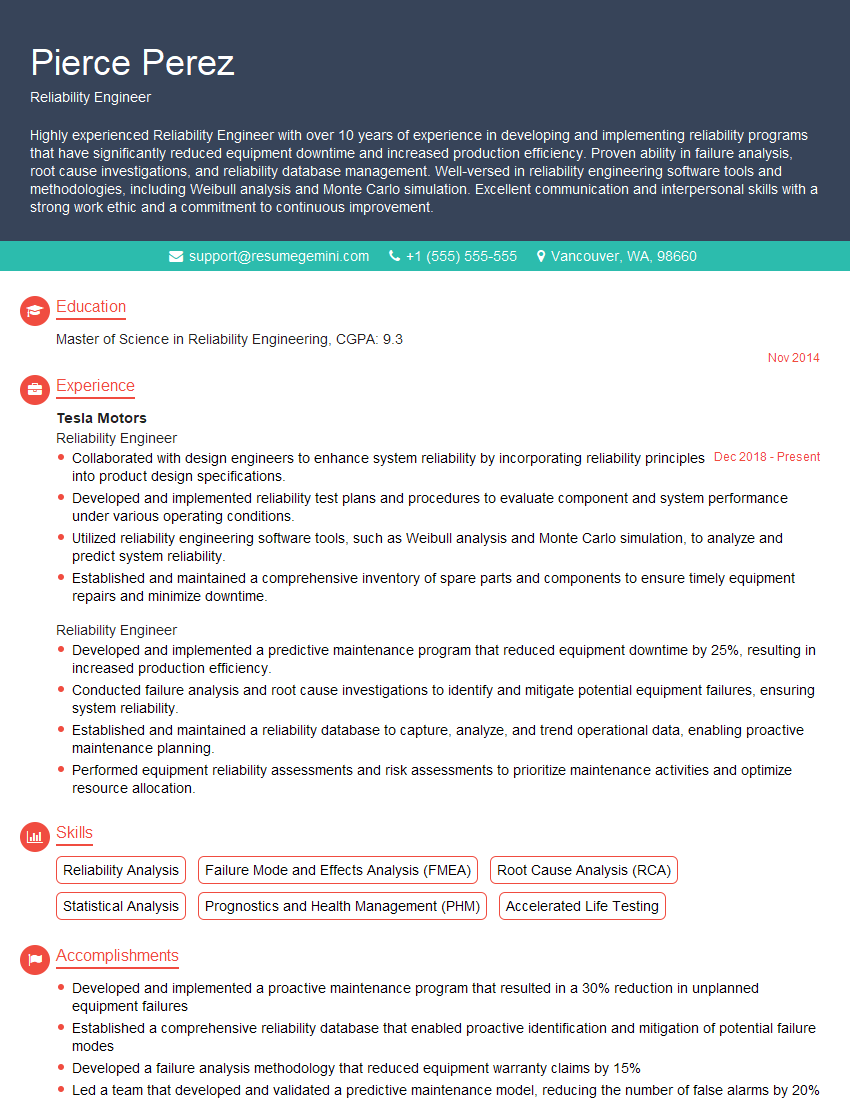
Reliability Engineer Resume Sample
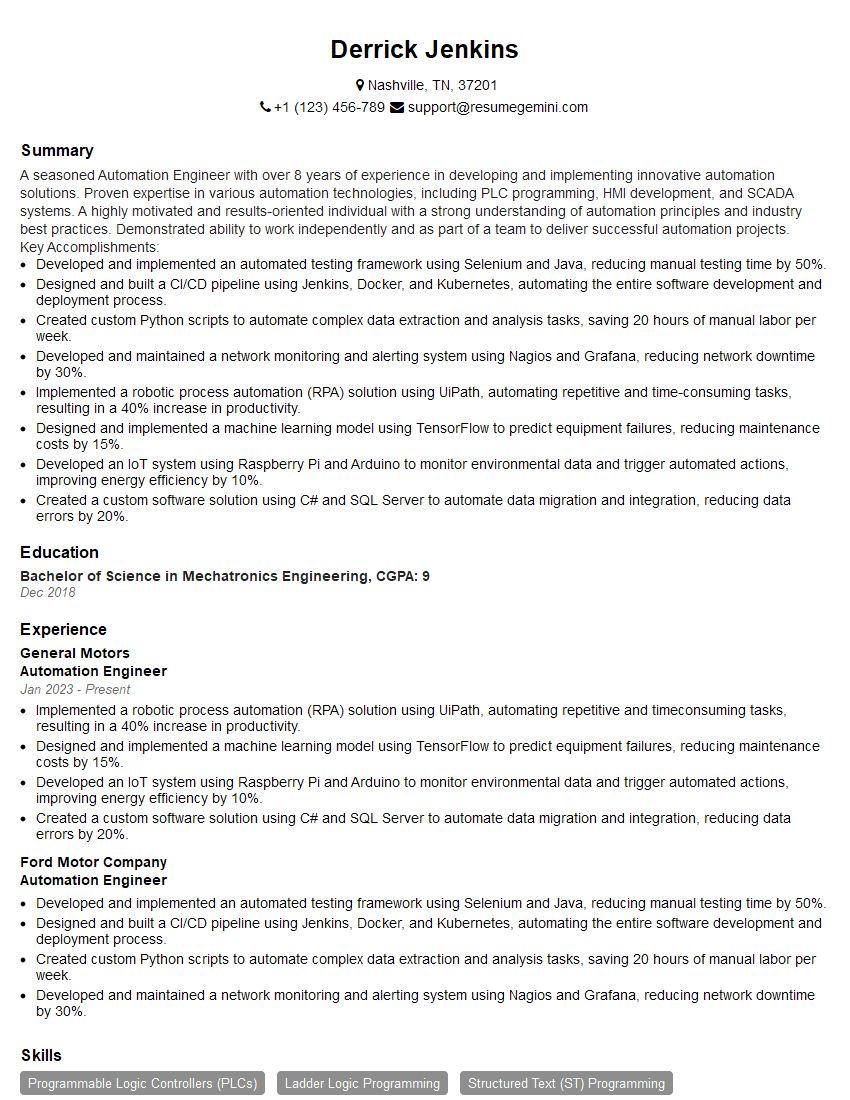
Automation Engineer Resume Sample
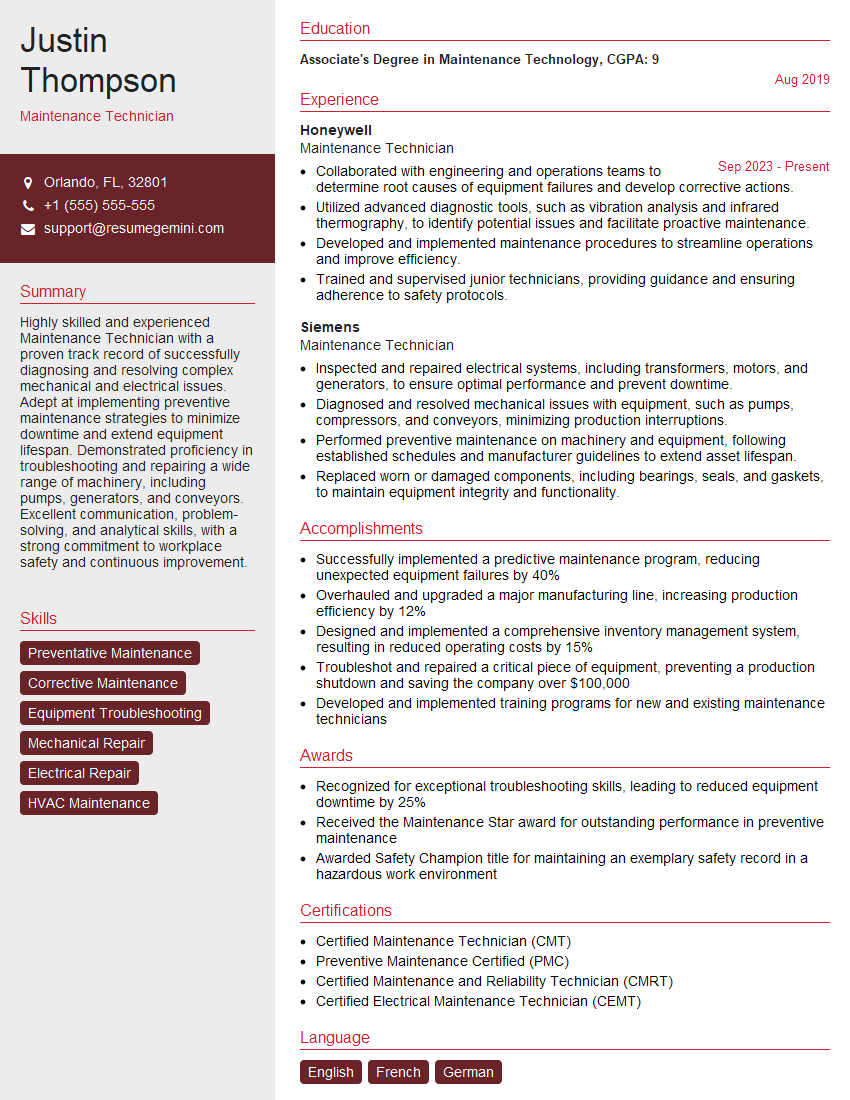
Maintenance Technician Resume Sample
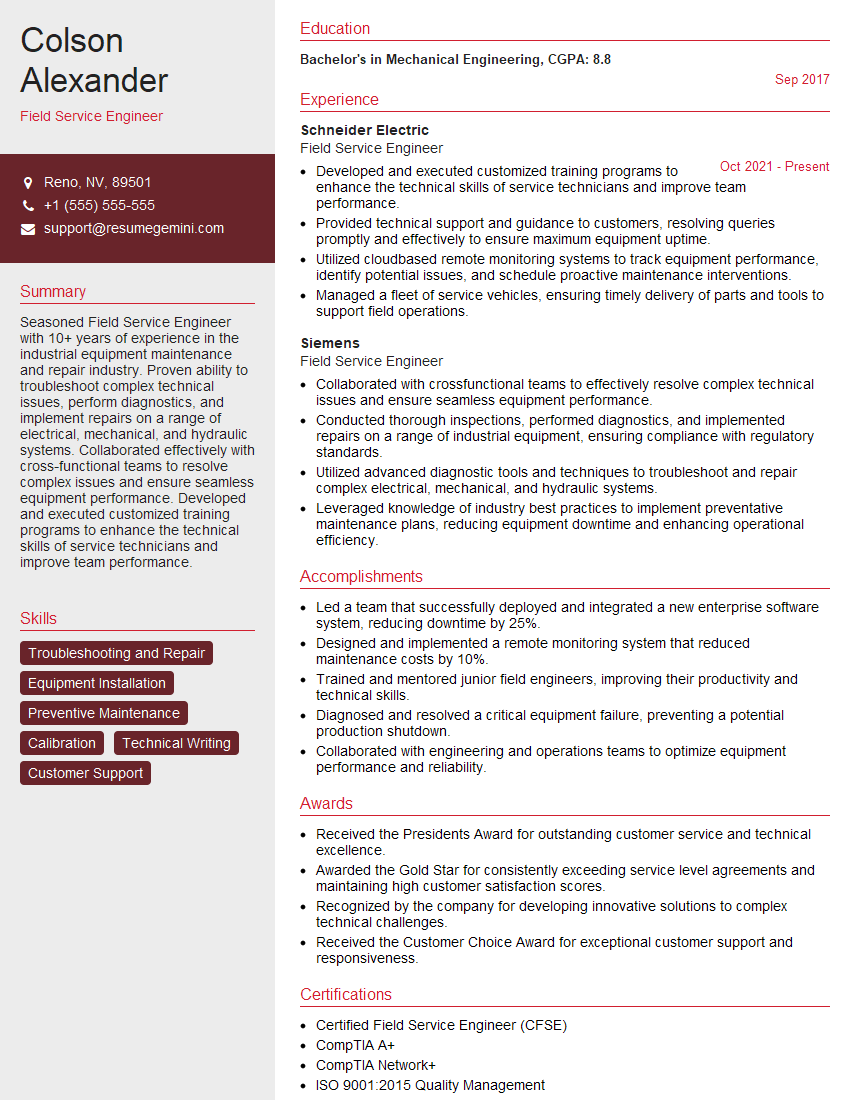
Field Service Engineer Resume Sample
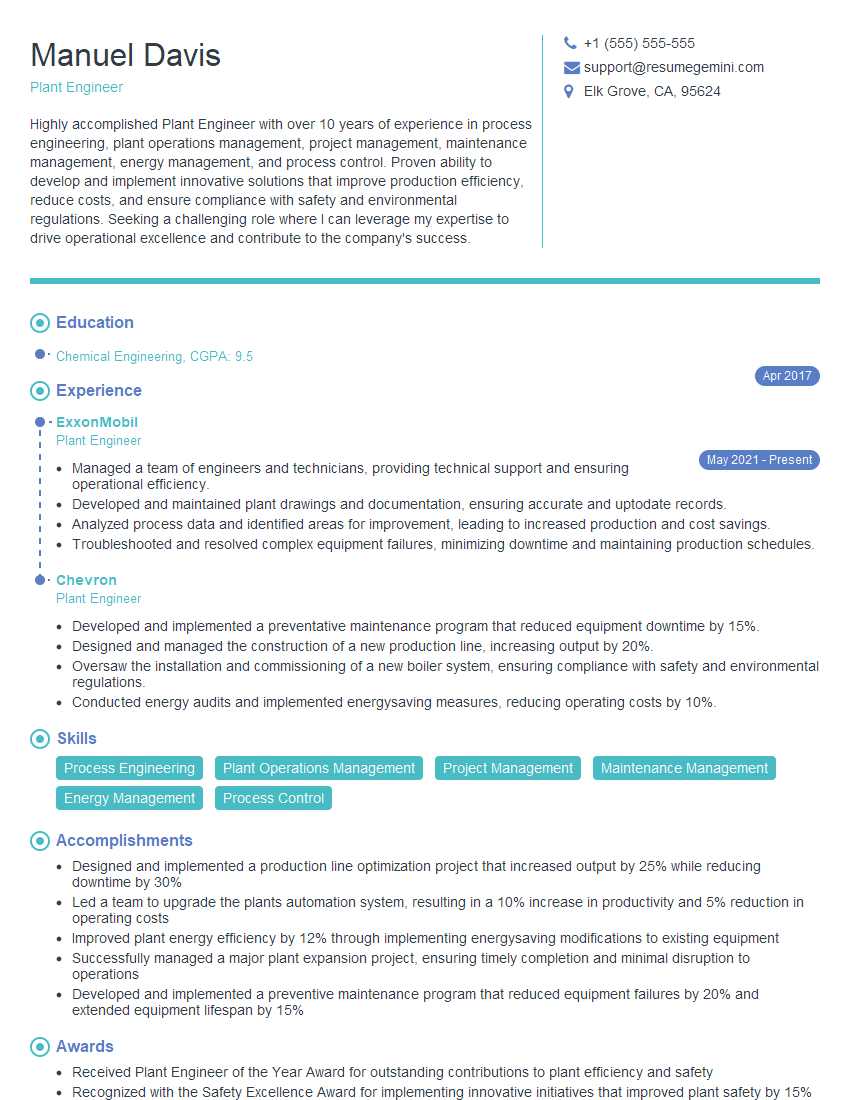
Plant Engineer Resume Sample
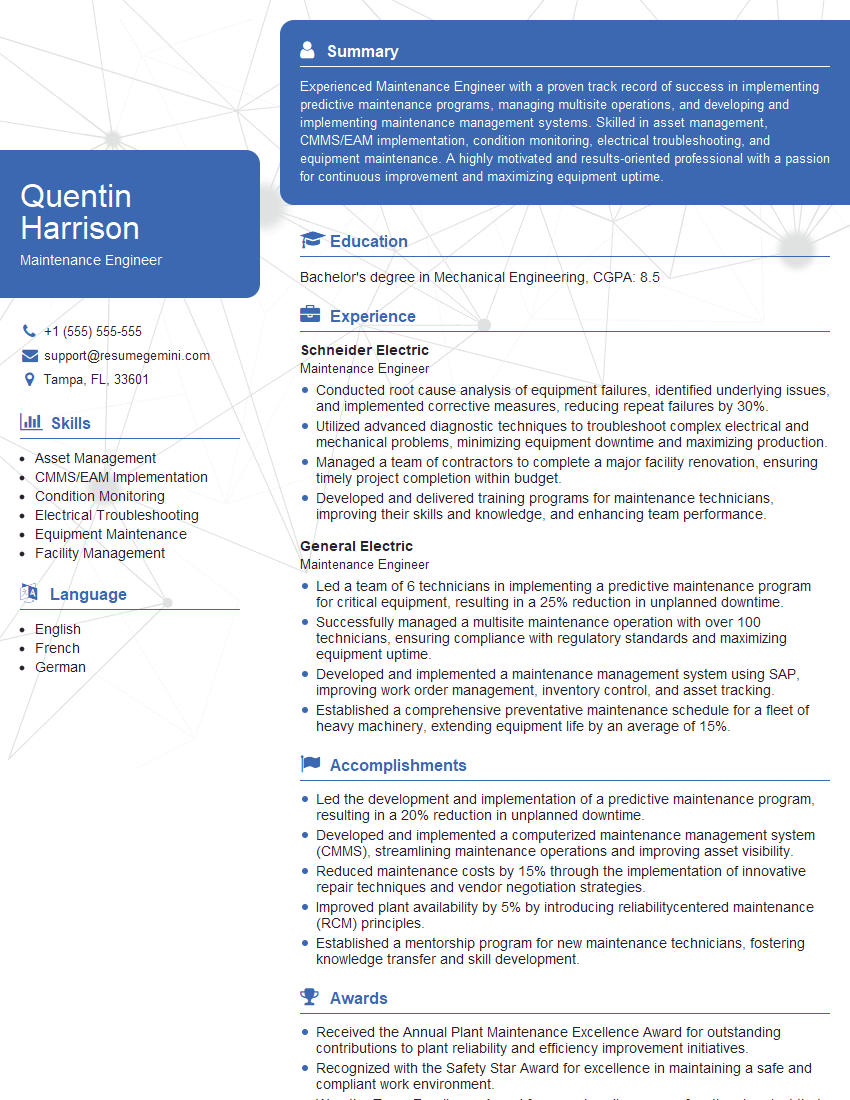
Maintenance Engineer Resume Sample

Equipment Engineer Resume Sample
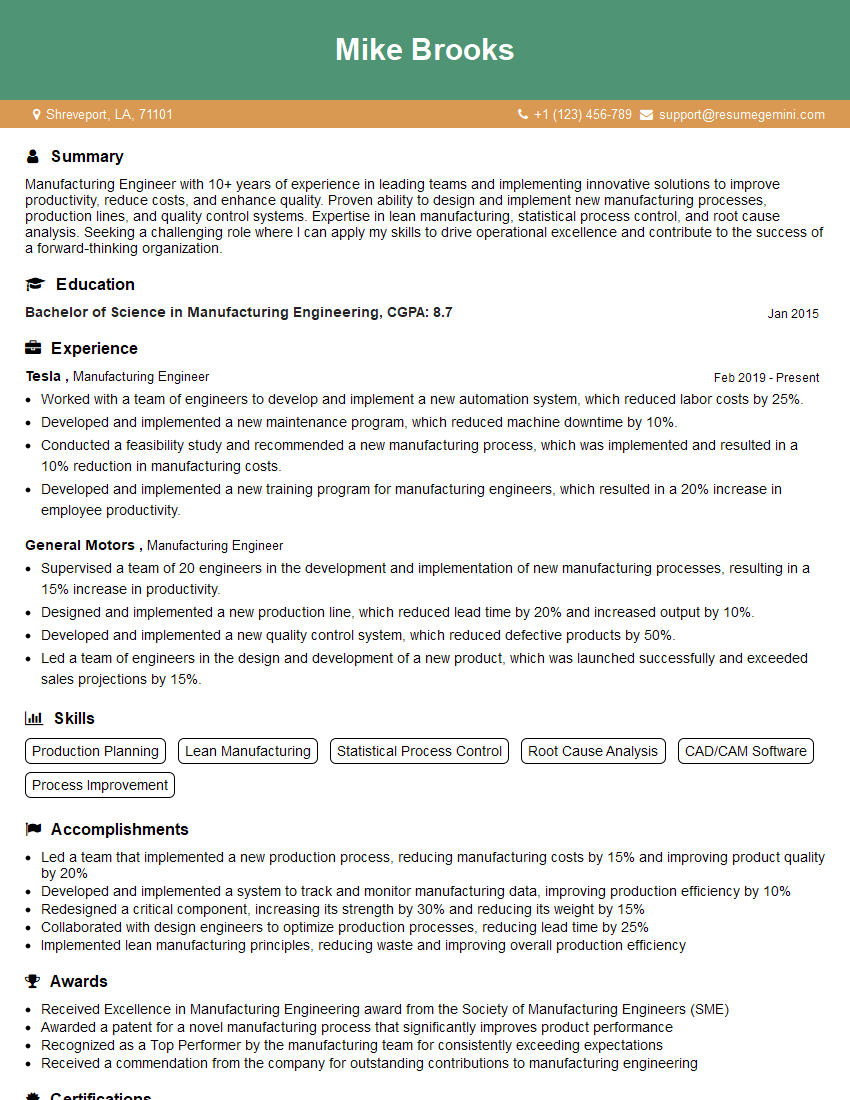
Manufacturing Engineer Resume Sample
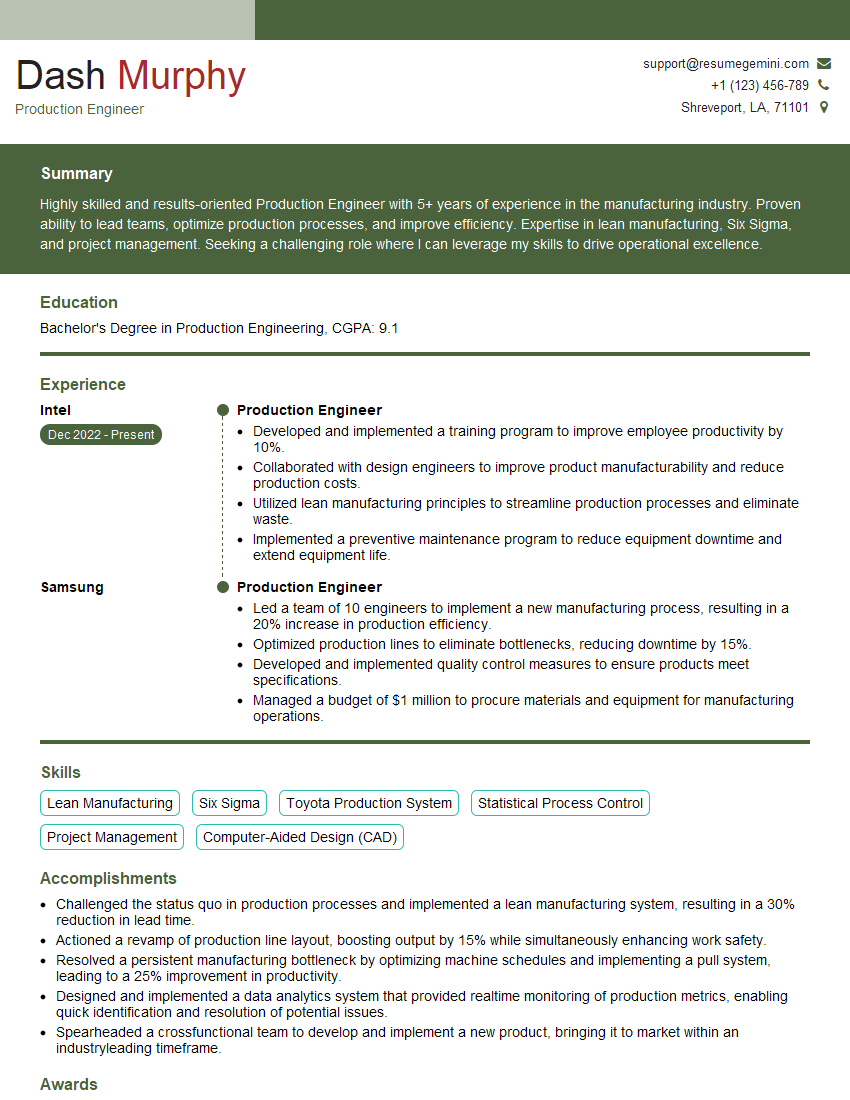
Production Engineer Resume Sample
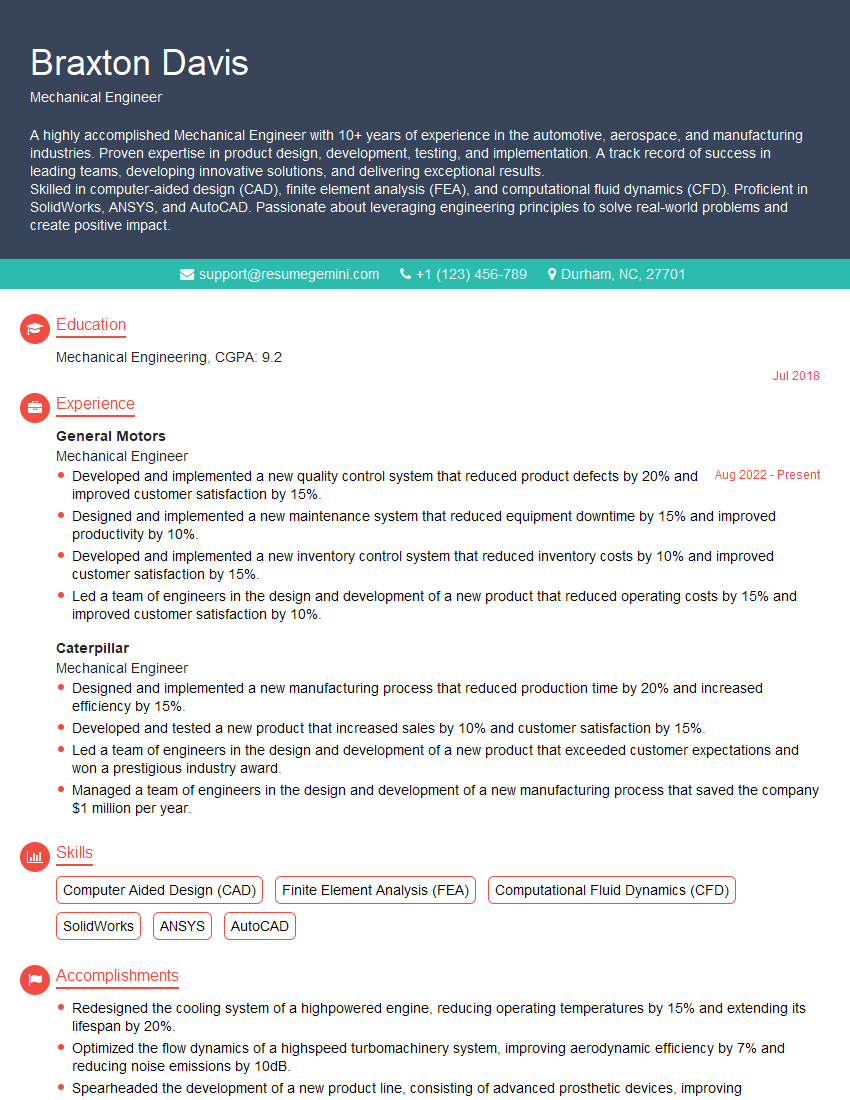
Mechanical Engineer Resume Sample

Control Systems Engineer Resume Sample

Robotics Engineer Resume Sample

Instrumentation Technician Resume Sample
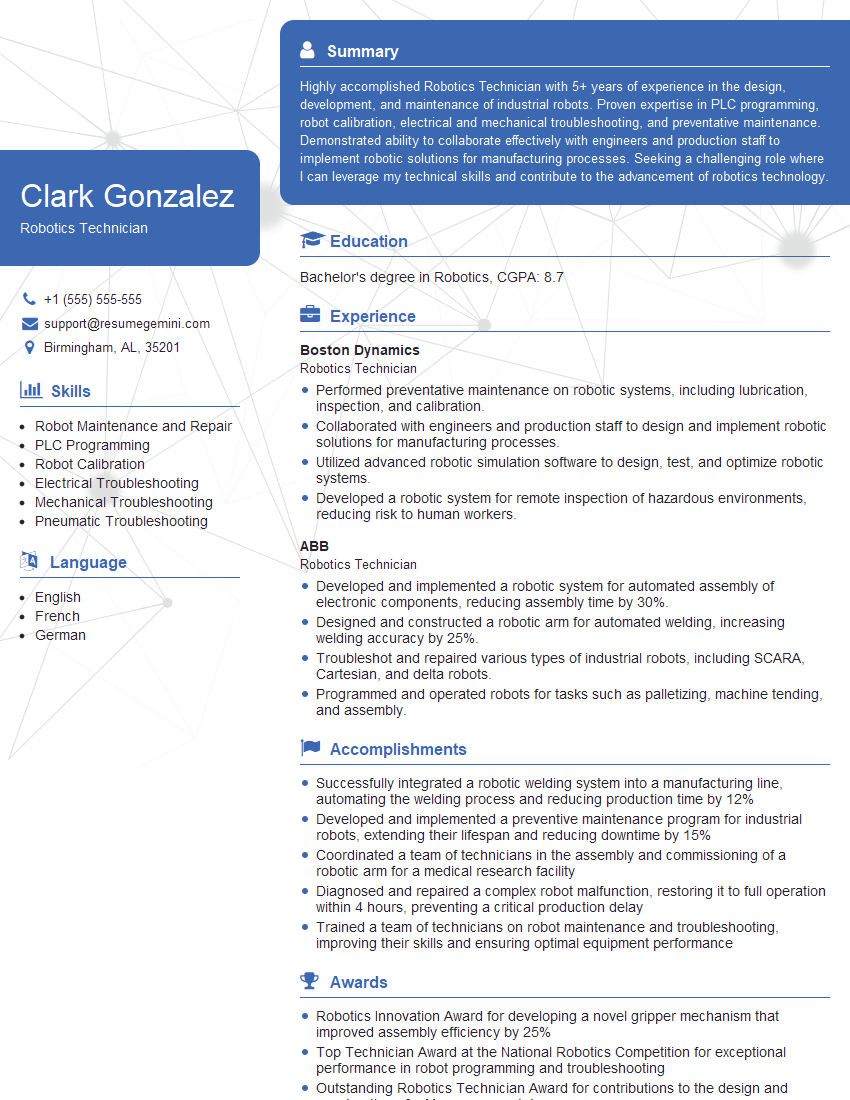
Robotics Technician Resume Sample
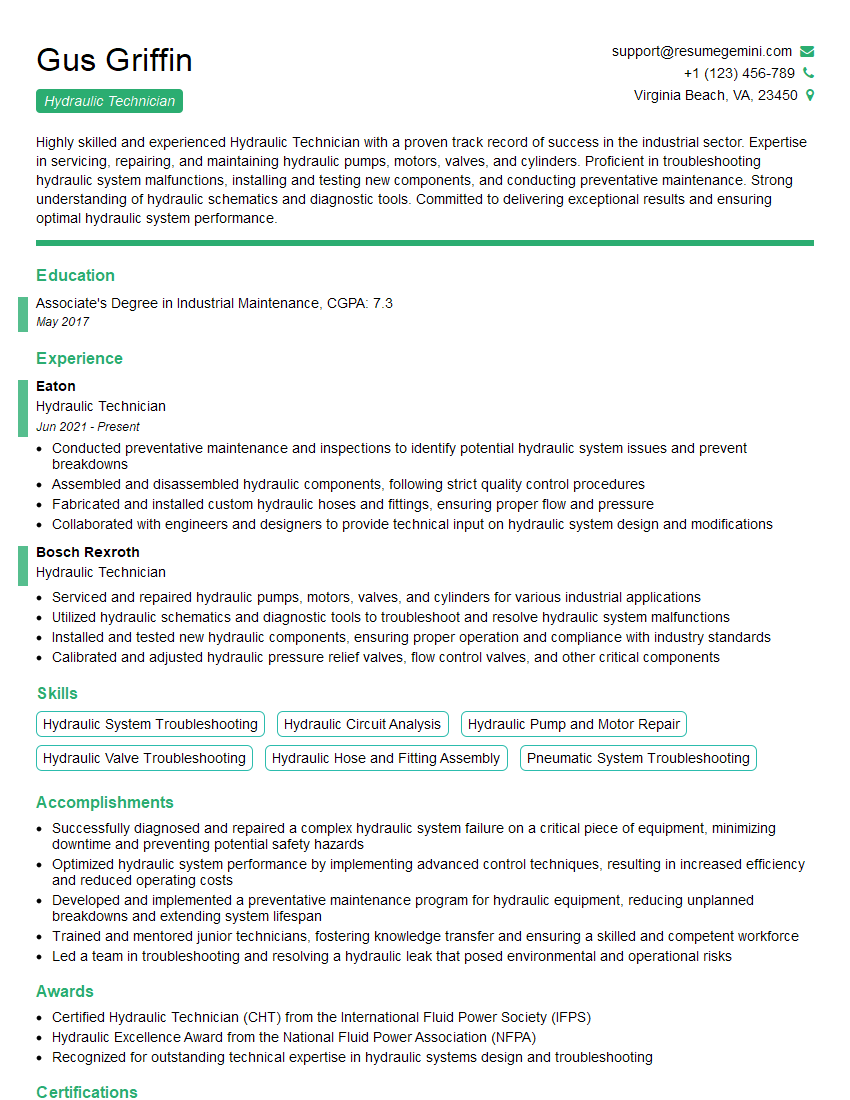
Hydraulic Technician Resume Sample

Machinist Resume Sample
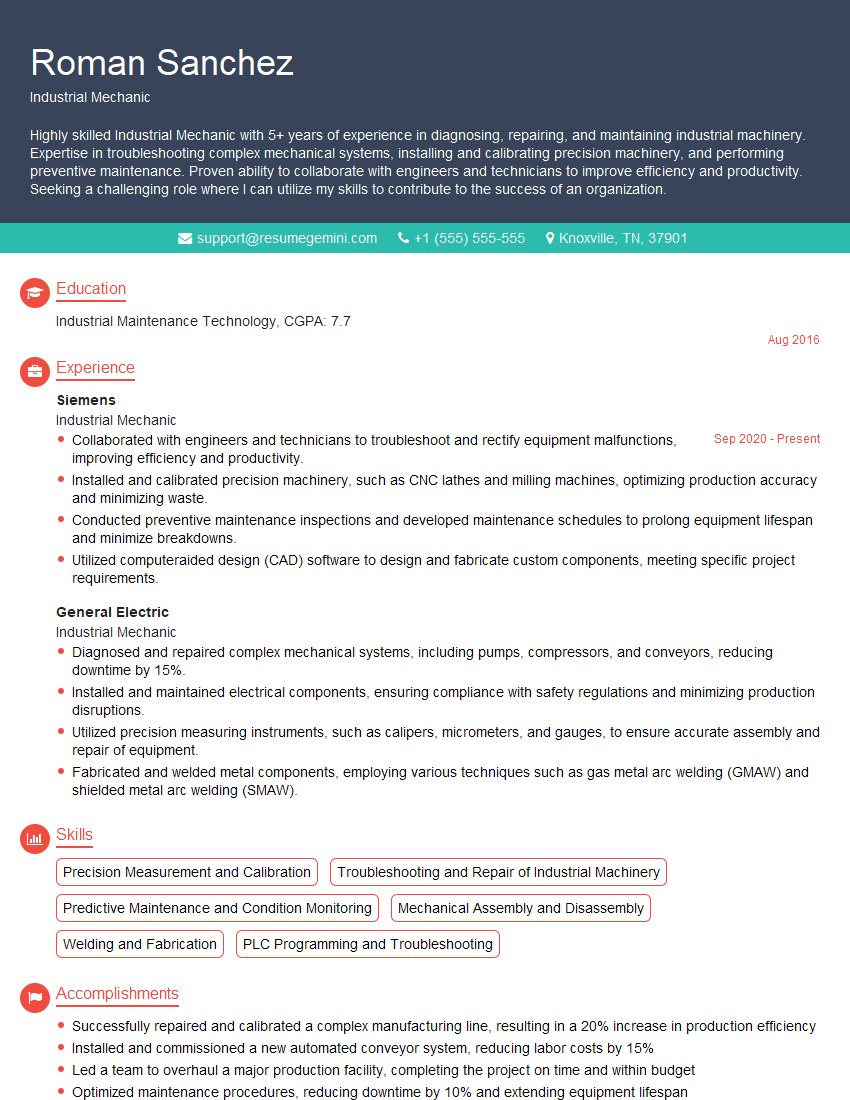
Industrial Mechanic Resume Sample
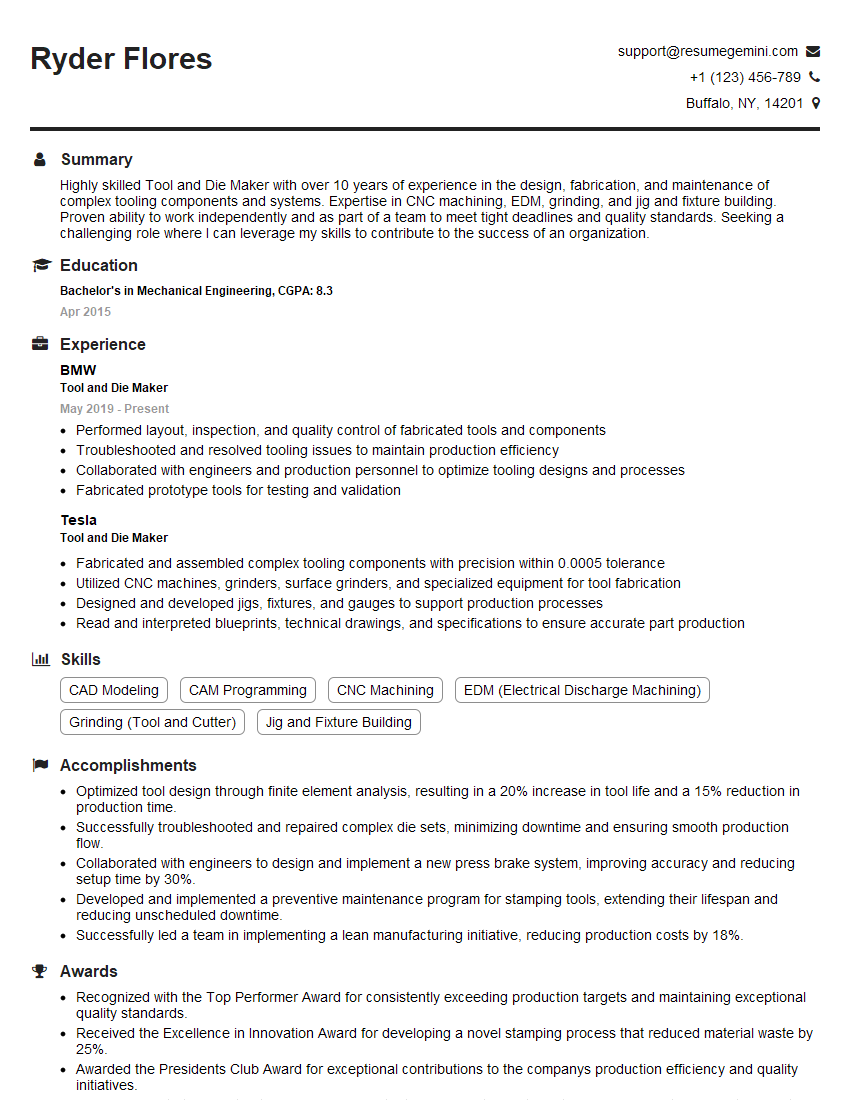
Tool and Die Maker Resume Sample
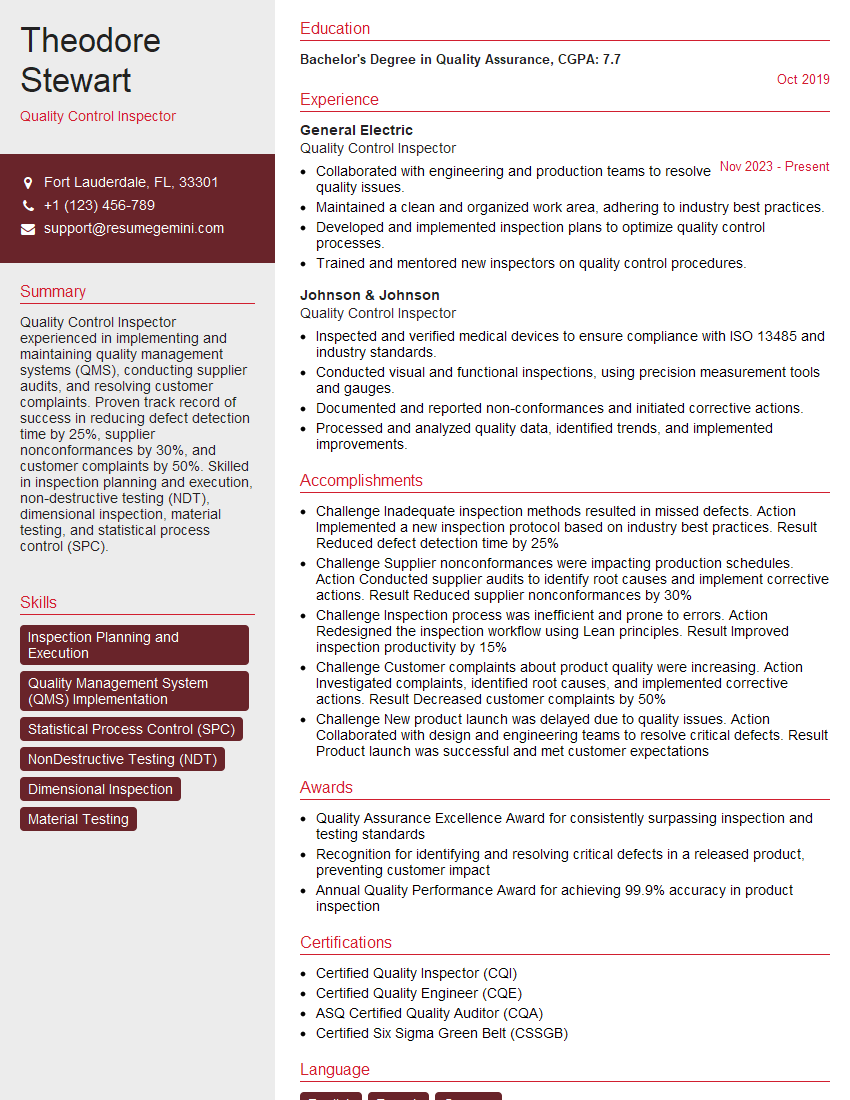
Quality Control Inspector Resume Sample
- Maintenance Manager
- Reliability Engineer
- Automation Engineer
- Maintenance Technician
- Field Service Engineer
- Plant Engineer
- Maintenance Engineer
- Equipment Engineer
- Manufacturing Engineer
- Production Engineer
- Mechanical Engineer
- Control Systems Engineer
- Robotics Engineer
- Instrumentation Technician
- Robotics Technician
- Hydraulic Technician
- Machinist
- Industrial Mechanic
- Tool and Die Maker
- Quality Control Inspector
Explore more articles
Users Rating of Our Blogs
Share Your Experience
We value your feedback! Please rate our content and share your thoughts (optional).
What Readers Say About Our Blog
Very informative content, great job.
good