The thought of an interview can be nerve-wracking, but the right preparation can make all the difference. Explore this comprehensive guide to Maintain a safe and clean work environment interview questions and gain the confidence you need to showcase your abilities and secure the role.
Questions Asked in Maintain a safe and clean work environment Interview
Q 1. Describe your experience implementing safety protocols.
Implementing safety protocols involves a multi-faceted approach that goes beyond simply posting signs. It requires a thorough understanding of potential hazards, development of preventative measures, and consistent monitoring and enforcement. In my previous role at a manufacturing facility, I spearheaded the implementation of a new lockout/tagout (LOTO) procedure. This involved a comprehensive risk assessment identifying all energy sources, the creation of detailed step-by-step procedures for each machine, and regular audits to ensure compliance. We also incorporated employee training programs with hands-on demonstrations to ensure complete understanding and proficiency. The result was a significant reduction in near-miss incidents and a demonstrable improvement in overall workplace safety.
Another example involves implementing a new safety data sheet (SDS) management system. We transitioned from a paper-based system to a digital one, making SDS information readily accessible to all employees via a central database. This improved our response time in emergency situations and ensured everyone had the up-to-date information needed to handle chemical hazards safely.
Q 2. How do you identify and mitigate workplace hazards?
Identifying and mitigating workplace hazards begins with proactive hazard identification. This includes regular workplace inspections, conducting job hazard analyses (JHAs), and soliciting feedback from employees. Think of it like a detective investigating a crime scene – you systematically examine the environment, looking for anything that could cause harm. For instance, a JHA for operating a forklift might identify hazards like uneven flooring, obstructed pathways, or blind spots.
Once hazards are identified, mitigation involves implementing control measures using the hierarchy of controls: elimination (removing the hazard entirely), substitution (replacing it with a less hazardous alternative), engineering controls (modifying equipment or processes), administrative controls (changing work practices or procedures), and finally, personal protective equipment (PPE) as a last resort. Continuing with the forklift example, mitigation might involve leveling the floor, improving lighting to eliminate blind spots, implementing speed limits, and providing employees with high-visibility vests.
Q 3. What are your methods for maintaining a clean and organized workspace?
Maintaining a clean and organized workspace is crucial for both safety and efficiency. My approach is based on a combination of visual management, 5S methodology, and regular cleaning schedules. Visual management uses clear labeling, color-coding, and shadow boards to ensure tools and materials are easily located and put away. 5S (Sort, Set in Order, Shine, Standardize, Sustain) provides a structured framework for organizing the workspace, reducing clutter, and improving efficiency. We regularly conduct 5S audits to ensure the system is maintained.
Regular cleaning schedules are crucial and tailored to the specific needs of each area. For instance, areas with high dust generation require more frequent cleaning than others. We use color-coded cleaning supplies to avoid cross-contamination and ensure that everyone understands their responsibilities in maintaining a clean and organized workspace. This creates a positive and productive work environment.
Q 4. Explain your understanding of OSHA regulations.
My understanding of OSHA regulations is comprehensive. I’m familiar with OSHA’s mission to assure safe and healthful working conditions for workers by setting and enforcing standards and by providing training, outreach, education and assistance. I understand that OSHA’s standards cover a wide range of topics, including hazard communication, personal protective equipment (PPE), lockout/tagout (LOTO), fall protection, and emergency action plans.
I’m particularly familiar with the General Duty Clause, which states employers must provide a workplace free from recognized hazards. This is a broad but critical aspect of OSHA compliance. I am also aware of the reporting requirements for workplace accidents and illnesses, and the importance of maintaining accurate records and conducting thorough investigations to prevent future incidents. Staying updated on OSHA changes and guidance is a continuous process, and I actively seek training and resources to ensure compliance.
Q 5. How do you handle workplace accidents and injuries?
Handling workplace accidents and injuries involves a rapid and systematic response. The immediate priority is to provide first aid and ensure the injured person receives necessary medical attention. This involves calling emergency services if needed and following established first aid procedures.
Following immediate care, a thorough investigation is crucial. This involves documenting the incident, interviewing witnesses, identifying contributing factors, and analyzing the root cause of the accident. This information is critical for implementing corrective actions to prevent similar incidents from occurring in the future. We also ensure compliance with all reporting requirements, including OSHA 300 logs, as required. Post-incident reviews with staff help to refine safety protocols and improve workplace safety overall.
Q 6. Describe your experience with safety training and education.
Safety training and education is a cornerstone of a safe work environment. My experience involves developing and delivering various safety training programs, including new hire orientations, refresher courses, and specialized training for specific tasks or equipment. These programs utilize a blended learning approach combining classroom instruction, hands-on demonstrations, and interactive exercises to enhance knowledge retention and practical skills.
For example, I developed a comprehensive training program on the proper use of respiratory protection, including fit testing and selection of appropriate respirators based on the specific hazards. I also created a training module on ergonomics to help employees understand the importance of proper posture and body mechanics to prevent musculoskeletal injuries. Ongoing training ensures that employees stay current on best practices and new safety regulations.
Q 7. How do you ensure compliance with environmental regulations?
Ensuring compliance with environmental regulations is essential for responsible and sustainable operations. This involves understanding and adhering to all applicable federal, state, and local environmental laws and regulations. This includes managing hazardous waste, reducing air and water pollution, and conserving resources.
For instance, I’ve been involved in developing and implementing waste management plans, ensuring proper disposal of hazardous materials in accordance with relevant regulations. This often involves working closely with environmental consultants and regulatory agencies to ensure compliance. We also utilize methods to reduce our environmental footprint, such as implementing energy-efficient practices and reducing water consumption. Regular environmental audits and employee training on environmental responsibilities are vital components of our ongoing compliance efforts.
Q 8. What is your approach to waste management and disposal?
My approach to waste management and disposal is multifaceted and prioritizes safety, environmental responsibility, and regulatory compliance. It begins with a robust waste segregation program. We categorize waste into different streams – recyclable materials (paper, plastic, metal, etc.), hazardous waste (chemicals, batteries, sharps), organic waste (food scraps, yard waste), and general waste. Each stream has a designated container and disposal method.
For example, recyclable materials are collected separately and sent to a recycling facility. Hazardous waste requires specialized handling and disposal by a licensed contractor, adhering to all relevant environmental regulations, such as the ones stipulated by the EPA. Organic waste might be composted on-site if feasible, reducing landfill waste. Regular audits ensure proper labeling, storage, and handling of all waste streams. Detailed records are kept to track waste generation and disposal, vital for compliance reporting and identifying areas for improvement.
This system minimizes environmental impact, optimizes resource utilization, and prevents accidental exposure to hazardous materials, creating a cleaner and safer work environment. We also incorporate employee training on proper waste segregation and disposal procedures, reinforcing the importance of responsible waste management.
Q 9. How do you monitor and improve workplace safety performance?
Monitoring and improving workplace safety performance is a continuous process, not a one-time event. It starts with proactive hazard identification using methods like job safety analyses (JSAs) and regular safety inspections. We track key performance indicators (KPIs) such as the number of accidents, near misses, and safety violations. These data are analyzed to identify trends and potential hazards.
We utilize leading indicators, such as the number of safety training hours conducted or the frequency of safety inspections, to predict future safety performance. Lagging indicators, such as accident rates, show the results of our safety efforts. Regular safety meetings and toolbox talks are held to discuss safety concerns, review incidents, and share best practices. We also encourage a culture of reporting near misses, as they often provide valuable insights into potential hazards before they escalate into accidents.
Continuous improvement is achieved through implementing corrective actions to address identified hazards, reviewing safety procedures, and adapting safety programs based on the data analysis and employee feedback. We use a system of regular audits and management reviews to ensure the effectiveness of our safety program.
Q 10. Describe a time you improved workplace safety.
In a previous role, we noticed a significant increase in minor hand injuries related to the use of a particular piece of machinery. The existing safety guards were inadequate and difficult to use. I initiated a project to improve the situation. First, I collaborated with the maintenance team and safety officers to assess the situation, identifying the specific hazards. Then, I researched and selected improved safety guards that were both more effective and easier to operate.
Next, I secured the necessary budget for procurement and installation. We also organized training sessions for all operators on the proper use of the new guards. After implementation, we monitored the injury rate. Within a few months, we saw a significant reduction in hand injuries associated with that machine, demonstrating the effectiveness of the intervention. The project also fostered a more positive safety culture as employees felt heard and their safety concerns addressed proactively.
Q 11. Explain your experience with emergency response procedures.
I have extensive experience with emergency response procedures, including fire safety, first aid, and emergency evacuation. I’m certified in first aid and CPR. I have participated in numerous fire drills and emergency response training exercises. My understanding goes beyond just knowing the procedures; it involves actively participating in planning, coordinating, and practicing them.
For instance, in a past role, I was instrumental in developing and updating our emergency response plan, incorporating feedback from employees and aligning it with relevant regulations. This included establishing clear communication channels, designating roles and responsibilities, and outlining escape routes. I’ve also been involved in conducting regular drills to ensure everyone is familiar with and prepared for emergencies. Knowing the location of emergency equipment, understanding evacuation procedures, and being able to provide immediate first aid are crucial aspects of my emergency response capability.
Q 12. How do you conduct safety inspections?
Safety inspections are conducted using a systematic approach. I typically use a checklist based on relevant regulations and industry best practices, covering areas such as electrical safety, fire safety, machinery guarding, housekeeping, and personal protective equipment (PPE). The checklist helps ensure a thorough and consistent inspection process.
During an inspection, I observe working conditions, examine equipment for defects or damage, verify the proper use of PPE, and check for compliance with established safety procedures. I document all findings, including observations of hazards, non-compliance, and corrective actions needed. This documentation is crucial for tracking progress, identifying trends, and demonstrating due diligence. Following the inspection, I communicate the findings to management and the relevant personnel, recommending corrective actions with clear timelines for implementation and follow-up to ensure completion.
Q 13. What are your strategies for preventing workplace accidents?
Preventing workplace accidents requires a proactive and multi-pronged strategy. It starts with identifying and controlling hazards through risk assessments and JSAs. This includes implementing engineering controls (e.g., guarding machinery), administrative controls (e.g., establishing safe work procedures), and personal protective equipment (PPE) where necessary. Regular maintenance of equipment is essential to prevent malfunctions that could lead to accidents.
Employee training is crucial. Workers must be adequately trained on safe work practices, the use of equipment, and the proper use of PPE. A strong safety culture, where employees feel empowered to report hazards and near misses without fear of retribution, is vital. We also promote a culture of continuous improvement by regularly reviewing safety procedures, investigating incidents thoroughly, and implementing corrective actions to prevent recurrence. Employee engagement and participation in safety initiatives are also key components of this strategy.
Q 14. How do you communicate safety procedures to employees?
Communicating safety procedures effectively requires a multi-faceted approach, considering different learning styles and communication preferences. We utilize several methods to ensure everyone understands and follows safety protocols. This includes both written and verbal communication.
Safety training sessions, both initial and refresher courses, are conducted, utilizing interactive methods such as demonstrations, discussions, and hands-on practice. We provide employees with clear, concise written materials, including safety manuals, checklists, and job-specific safety instructions. Visual aids, such as signage and posters, reinforce key safety messages. Regular toolbox talks, brief informal discussions about safety issues, keep safety awareness top-of-mind. We also encourage open communication and feedback channels, ensuring that employees feel comfortable asking questions and expressing concerns regarding safety procedures.
Q 15. How do you handle employee concerns related to safety?
Addressing employee safety concerns requires a multi-pronged approach focusing on open communication, proactive measures, and responsive action. I believe in creating a culture where employees feel comfortable voicing their concerns without fear of retribution. This starts with establishing clear reporting channels – perhaps a suggestion box, regular safety meetings, or even an anonymous online platform.
Once a concern is raised, I follow a structured process: first, I listen attentively and acknowledge the employee’s worry. Then, I thoroughly investigate the issue, assessing the potential risk involved. This might involve conducting site visits, reviewing safety procedures, and talking to other employees. Based on the findings, I develop and implement corrective actions, ensuring the employee is kept informed every step of the way. For example, if an employee expresses concern about inadequate lighting in a particular area, I’d investigate, potentially involving the facilities team to install better lighting or provide additional portable lighting in the interim. Following the corrective action, I would follow up with the employee to ensure their satisfaction and to see if further action is needed.
Career Expert Tips:
- Ace those interviews! Prepare effectively by reviewing the Top 50 Most Common Interview Questions on ResumeGemini.
- Navigate your job search with confidence! Explore a wide range of Career Tips on ResumeGemini. Learn about common challenges and recommendations to overcome them.
- Craft the perfect resume! Master the Art of Resume Writing with ResumeGemini’s guide. Showcase your unique qualifications and achievements effectively.
- Don’t miss out on holiday savings! Build your dream resume with ResumeGemini’s ATS optimized templates.
Q 16. What is your experience with using safety equipment?
My experience with safety equipment spans over ten years, encompassing various roles in industrial and office settings. I’m proficient in the use and maintenance of a wide range of PPE (Personal Protective Equipment), including respirators, safety glasses, hearing protection, gloves, and safety footwear. I’ve also received extensive training in the proper donning and doffing procedures for these items, ensuring correct fit and functionality. Beyond personal use, I’ve been involved in inspecting and maintaining equipment, ensuring its compliance with regulations and proper functionality. For example, I’ve managed regular respirator fit testing and ensured that all employees are aware of the inspection schedules and procedures of their personal PPE.
Furthermore, I’m familiar with the procedures for reporting damaged or malfunctioning equipment and have experience in coordinating replacements or repairs. This includes maintaining accurate records and tracking the lifecycle of the safety equipment, ensuring its effectiveness and longevity.
Q 17. Describe your knowledge of different types of PPE.
My knowledge of PPE is extensive and covers a wide range of equipment tailored to specific hazards. This includes:
- Respiratory Protection: This ranges from simple dust masks to full-face respirators, each chosen based on the specific airborne hazards present. I understand the importance of proper fit testing and training for respirator use.
- Eye and Face Protection: Safety glasses, goggles, face shields – each offering varying levels of protection against impacts, chemicals, and radiation.
- Head Protection: Hard hats are crucial in environments with falling objects or overhead hazards. I know the importance of choosing a hard hat appropriate to the specific hazard.
- Hand Protection: Gloves offer protection against cuts, abrasions, chemicals, and extreme temperatures. Selection depends heavily on the task and potential hazards involved.
- Foot Protection: Steel-toed boots and other protective footwear prevent foot injuries from falling objects or punctures. Specific types are chosen based on the type of hazard present.
- Body Protection: This can include aprons, coveralls, and other garments offering protection against chemicals, heat, or impacts, depending on the specific work being performed.
Understanding the limitations of each type of PPE is as important as knowing its applications. For instance, a simple pair of safety glasses won’t protect against chemical splashes, while a basic work glove might not offer sufficient protection against sharp objects. Proper selection is key to effective safety.
Q 18. How do you maintain a clean and sanitary environment in a high-traffic area?
Maintaining a clean and sanitary environment in a high-traffic area requires a proactive and multi-faceted approach. It’s not enough to simply clean up after messes; you need to prevent them from happening in the first place. This starts with establishing clear expectations and procedures for cleanliness, communicated effectively to all employees and visitors. A key aspect is regular scheduled cleaning, with specific tasks assigned and monitored. This includes frequent trash removal, sweeping, mopping, and dusting of high-touch surfaces.
In high-traffic areas, sanitation is paramount. I’d implement a regular disinfection schedule, targeting high-touch areas like door handles, light switches, and handrails, using appropriate EPA-registered disinfectants. Providing readily accessible hand sanitizer stations is crucial, encouraging frequent handwashing. Signage promoting proper hygiene practices helps reinforce the importance of cleanliness. Regular inspections of the area are important to ensure that cleaning protocols are being followed and to identify any potential issues before they escalate.
For example, in a busy office building, I’d establish a cleaning schedule that includes daily cleaning of common areas, weekly deep cleaning, and monthly professional carpet cleaning. Regular inspections would ensure that trash cans are emptied, surfaces are clean, and hand sanitizer dispensers are full.
Q 19. What are your strategies for dealing with spills and leaks?
Dealing with spills and leaks requires a rapid and organized response to minimize risk and prevent further problems. My approach involves a series of steps:
- Immediate Action: The first step is to establish a safe perimeter around the spill or leak to prevent accidents. This may involve evacuation of the immediate area.
- Assessment: Identify the spilled substance. Is it hazardous? Is it flammable? This dictates the appropriate cleanup procedures.
- Appropriate PPE: Don the necessary personal protective equipment (PPE) based on the nature of the spill, such as gloves, eye protection, and respirators.
- Containment: Contain the spill using absorbent materials, such as spill pads or kitty litter, to prevent it from spreading. For leaks, shut off the source if possible and safe.
- Cleanup: Carefully clean up the spill using the appropriate cleaning agents and methods. Hazardous materials may require specialized procedures and disposal.
- Documentation: Record the incident, including the type and quantity of spilled substance, cleanup methods used, and any injuries or damages sustained.
For instance, if a chemical spill occurs, I would immediately cordon off the area, contact emergency services if necessary, and then use absorbent pads and appropriate neutralizing agents to safely clean the spill. Afterwards, I’d dispose of the contaminated materials according to regulations and document the entire incident for future reference.
Q 20. How do you manage hazardous materials?
Managing hazardous materials requires strict adherence to safety regulations and established protocols. This begins with proper identification and labeling of all hazardous materials, ensuring that all containers are clearly marked with their contents, hazards, and handling instructions. Storage is crucial; hazardous materials must be stored in designated areas, separated appropriately to prevent incompatible materials from reacting, and stored securely to prevent spills or unauthorized access. Inventory management is essential for tracking quantities, expiration dates, and usage. Proper disposal procedures are critical to ensure environmental safety and compliance with regulations.
Employee training is paramount. All personnel handling hazardous materials must receive thorough training on their properties, risks, handling procedures, and emergency response. Regular safety inspections and audits are necessary to verify compliance with safety regulations and identify potential hazards. Emergency response plans must be in place, including procedures for spills, leaks, and other emergencies.
For instance, in a laboratory setting, I would ensure that all chemicals are properly labeled and stored according to their compatibility, maintain detailed inventory records, and provide regular training to staff on safe handling procedures and emergency response protocols.
Q 21. Explain your understanding of lockout/tagout procedures.
Lockout/Tagout (LOTO) procedures are critical for preventing accidental start-up or release of energy during maintenance or repair activities. LOTO ensures that equipment is completely de-energized before work begins, protecting workers from serious injury or death. The process generally involves several steps:
- Preparation: Identify all energy sources to be isolated (electrical, hydraulic, pneumatic, etc.).
- Notification: Notify all relevant personnel that LOTO procedures are about to begin.
- Shut Down: Safely shut down the equipment and verify that it is off.
- Isolation: Isolate the energy sources using lockout devices (locks) to prevent the energy from being restored.
- Tagging: Attach tags clearly indicating that the equipment is locked out and identifying the person responsible.
- Verification: Verify that the equipment is de-energized before commencing work.
- Release: Once work is complete, the energy sources are restored only by the person who applied the lockout, after verification that it’s safe to do so. All tags and locks are removed.
Think of it like this: LOTO is a safety net preventing accidental energy release. It’s a disciplined procedure that ensures worker safety during maintenance. Compliance requires strict adherence to established procedures and regular training for all employees involved.
Q 22. Describe your experience with incident reporting and investigation.
Incident reporting and investigation are crucial for maintaining a safe workplace. My approach begins with a thorough understanding of the incident, gathering all relevant information from witnesses and reviewing any available documentation, such as security footage or equipment logs. I then use a systematic approach to identify the root cause, not just the immediate trigger. This involves analyzing the sequence of events, identifying contributing factors (human error, equipment malfunction, inadequate training, etc.), and determining what preventative measures could have been taken. For example, if a slip and fall occurred due to a spilled liquid, the investigation wouldn’t just focus on the spill itself but also on the cleaning procedures, employee awareness of spills, and the effectiveness of the cleaning supplies. The final step is to document the findings comprehensively in a formal report, which includes recommendations for corrective actions to prevent similar incidents in the future. These reports are vital for continuous improvement and for demonstrating compliance with safety regulations.
In a previous role, I investigated an incident where an employee suffered a minor burn due to a malfunctioning piece of equipment. Through detailed interviews and equipment inspection, I discovered the safety interlock mechanism was faulty. The report resulted in immediate equipment repair and a comprehensive review of all similar equipment, leading to preventative maintenance schedules and enhanced employee training.
Q 23. How do you ensure the proper disposal of sharps and biohazards?
Safe disposal of sharps and biohazards is paramount to prevent injuries and infections. We adhere strictly to established protocols, which often involve using designated puncture-resistant containers specifically labeled for sharps. These containers are securely sealed and disposed of by a licensed medical waste disposal service. Biohazardous waste, such as contaminated bandages or lab specimens, is placed in designated biohazard bags or containers that are also clearly labeled. These containers are sealed and handled according to local and national regulations, often involving autoclaving (sterilization using high pressure steam) prior to disposal. Regular training for all personnel on proper handling and disposal procedures is essential. We use color-coded containers and labels to make the identification process simple and unambiguous, leaving no room for error. Think of it like this: handling biohazardous waste is like handling a delicate bomb; if the procedures are not followed meticulously, things can go terribly wrong.
Q 24. What are your methods for preventing slips, trips, and falls?
Preventing slips, trips, and falls requires a multi-pronged approach. Firstly, we focus on workplace cleanliness. Regular cleaning and prompt spill cleanup are essential. We provide adequate lighting to eliminate dark spots and provide clear visibility of walkways and obstacles. Secondly, we ensure proper housekeeping: cables and cords are neatly managed; walkways are free from obstructions; and we use non-slip mats in areas prone to spills or moisture. Thirdly, we educate employees on safe walking practices, encouraging them to wear appropriate footwear and to be mindful of their surroundings. We conduct regular safety inspections, specifically targeting potential hazards like uneven flooring, loose rugs, and inadequate lighting. For example, we might add handrails on staircases, install anti-slip treads, and implement a system for regularly inspecting and maintaining the floor surfaces. Regular training and communication are critical to ensure everyone understands and adheres to the safety procedures.
Q 25. How do you maintain a clean and organized storage area?
Maintaining a clean and organized storage area is critical for efficiency and safety. We utilize a 5S methodology (Sort, Set in Order, Shine, Standardize, Sustain) to optimize our storage. Items are clearly labeled and categorized, allowing for easy retrieval. We regularly declutter, discarding expired or unused materials, and ensure proper storage for chemicals and hazardous materials, complying with all relevant regulations. Aisles are kept clear to allow for safe movement of equipment and personnel. We use appropriate shelving and racking systems to maximize space and prevent items from falling. Regular inspections ensure the system remains organized and efficient. The goal is to create a storage space that is both efficient and a safe place to work – avoiding any unnecessary clutter that could cause an accident.
Q 26. How do you enforce safety rules and regulations?
Enforcing safety rules and regulations requires a combination of proactive measures and responsive actions. We start with comprehensive training, ensuring all employees understand the rules and the reasons behind them. We regularly review safety procedures and communicate updates clearly. We conduct regular safety inspections and audits to identify any non-compliance. We address safety violations promptly and consistently, using progressive discipline when necessary. This might range from verbal warnings to written reprimands, depending on the severity of the infraction. We emphasize positive reinforcement, rewarding employees who consistently adhere to safety protocols. Safety is not merely a set of rules, but a shared responsibility. By creating a culture of accountability and open communication, we encourage everyone to actively participate in maintaining a safe environment.
Q 27. Describe your experience with creating and implementing safety plans.
Creating and implementing safety plans requires a collaborative, data-driven approach. We begin by conducting a thorough risk assessment, identifying potential hazards and evaluating the associated risks. We then develop a detailed safety plan addressing these hazards, incorporating both preventative and corrective measures. This plan should include specific procedures, emergency response protocols, and training programs. The plan is not a static document; we regularly review and update it based on new information, changes in the workplace, or incidents that occur. For example, I helped develop a comprehensive safety plan for a construction site which involved detailed protocols for equipment use, fall protection, and emergency procedures. The plan was disseminated to all workers, and regular drills were conducted to ensure everyone was familiar with the procedures. This resulted in a significant reduction in workplace incidents.
Q 28. What are your strategies for promoting a safety-conscious culture?
Promoting a safety-conscious culture is a continuous process that requires leadership commitment and employee engagement. We start by clearly communicating the importance of safety and demonstrating a commitment to it at all levels of the organization. We involve employees in safety initiatives, providing them with opportunities to contribute ideas and participate in safety training and inspections. We recognize and reward safe work behaviors, creating a positive feedback loop. We use regular safety meetings, newsletters, and visual reminders to keep safety top of mind. We foster open communication, encouraging employees to report safety concerns without fear of reprisal. Ultimately, a safety-conscious culture is one where everyone feels responsible for and empowered to contribute to a safe working environment. Think of it like a team sport; everyone needs to play their part for the team to succeed, and in this case, success means everyone going home safe at the end of the day.
Key Topics to Learn for Maintaining a Safe and Clean Work Environment Interview
- Hazard Identification and Risk Assessment: Understanding methods for identifying potential hazards (e.g., slips, trips, falls, chemical exposure) and assessing the associated risks. This includes knowing how to use risk matrices and implementing control measures.
- Safety Regulations and Compliance: Familiarity with relevant safety regulations (OSHA, local regulations) and best practices for ensuring compliance. This includes understanding safety data sheets (SDS) and proper handling procedures for hazardous materials.
- Emergency Procedures: Knowledge of emergency response plans, including evacuation procedures, first aid protocols, and reporting procedures for accidents and near misses. Practical experience with emergency equipment is highly valued.
- Cleaning and Sanitation Procedures: Understanding proper cleaning techniques for different surfaces and materials, including the use of appropriate cleaning agents and disposal methods for waste. This also includes knowledge of infection control and hygiene protocols.
- Personal Protective Equipment (PPE): Knowing when and how to use appropriate PPE (e.g., gloves, safety glasses, respirators) and understanding the limitations of different types of PPE.
- Waste Management and Disposal: Understanding procedures for handling different types of waste (hazardous and non-hazardous) and ensuring proper disposal according to regulations.
- Maintaining a Clean and Organized Workspace: Explaining practical strategies for maintaining a clean, organized, and efficient workspace, emphasizing its impact on safety and productivity.
- Teamwork and Communication: Highlighting the importance of effective communication and teamwork in maintaining a safe and clean environment. This includes reporting safety concerns and collaborating with colleagues.
- Problem-Solving and Preventative Measures: Demonstrating the ability to identify and solve workplace safety issues proactively, emphasizing preventative measures to avoid accidents.
Next Steps
Mastering the ability to maintain a safe and clean work environment significantly enhances your value to any employer, showcasing your responsibility, attention to detail, and commitment to workplace well-being. This translates to increased job prospects and career advancement opportunities. To boost your job search, create an ATS-friendly resume that clearly highlights your relevant skills and experience. ResumeGemini is a trusted resource to help you build a professional and impactful resume. Examples of resumes tailored to highlight expertise in maintaining a safe and clean work environment are available to guide you through the process.
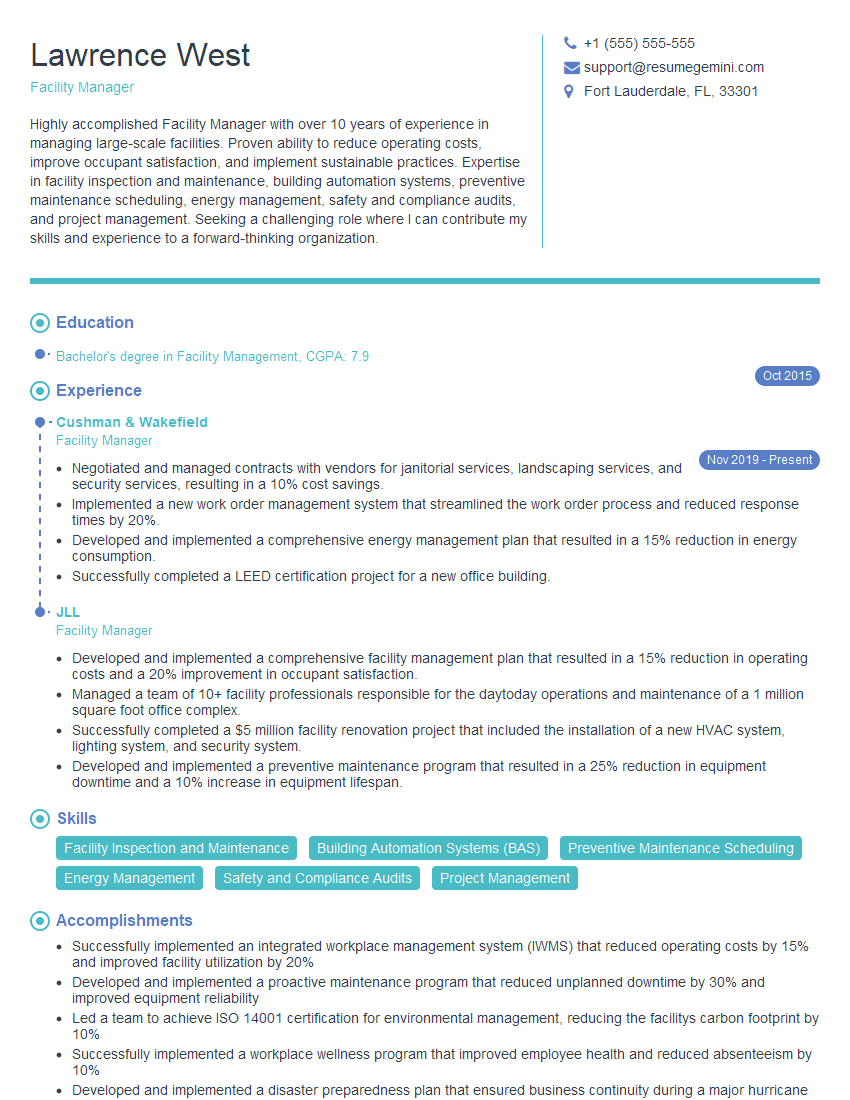
Facility Manager Resume Sample

Operations Manager Resume Sample
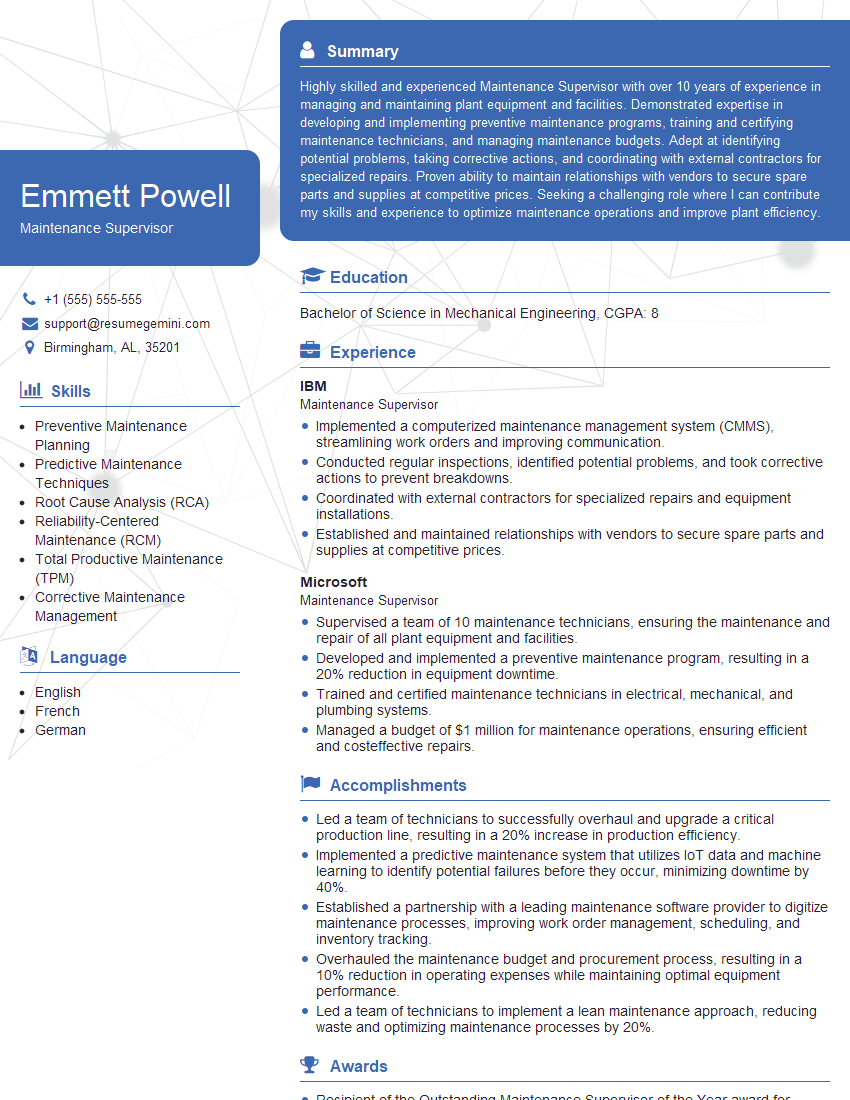
Maintenance Supervisor Resume Sample
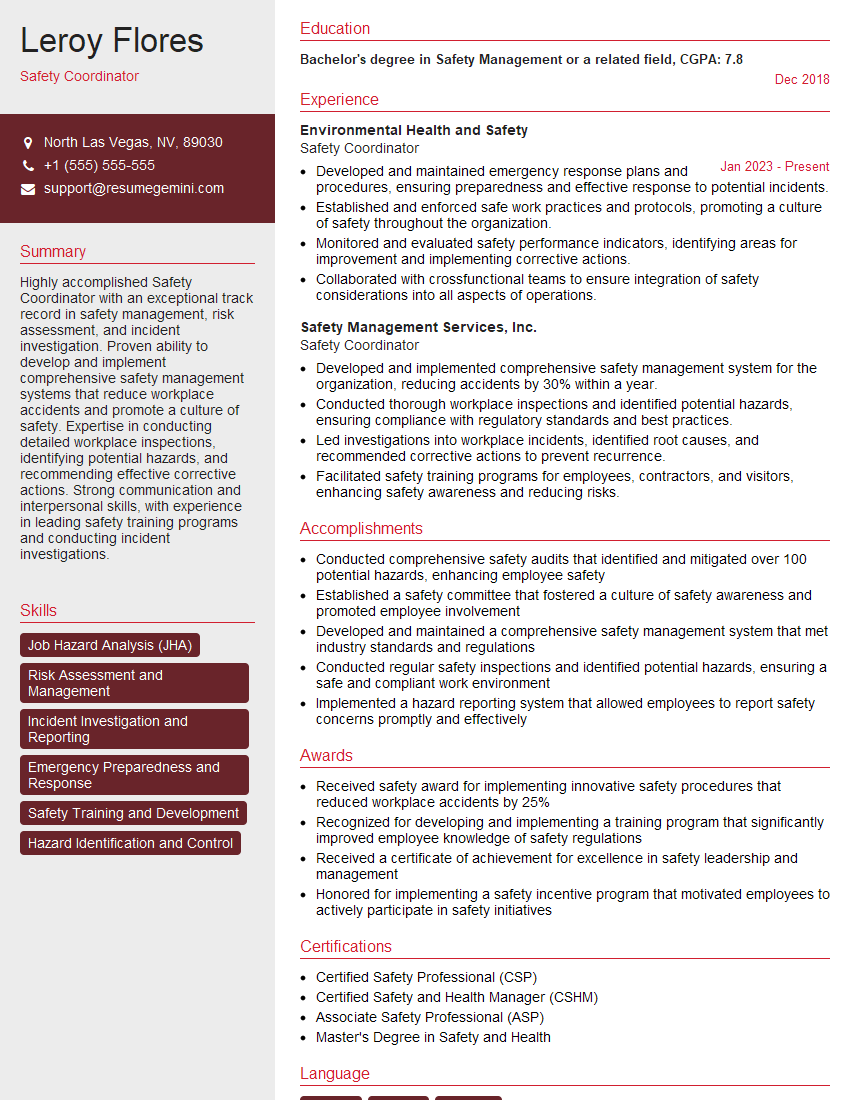
Safety Coordinator Resume Sample

Compliance Officer Resume Sample
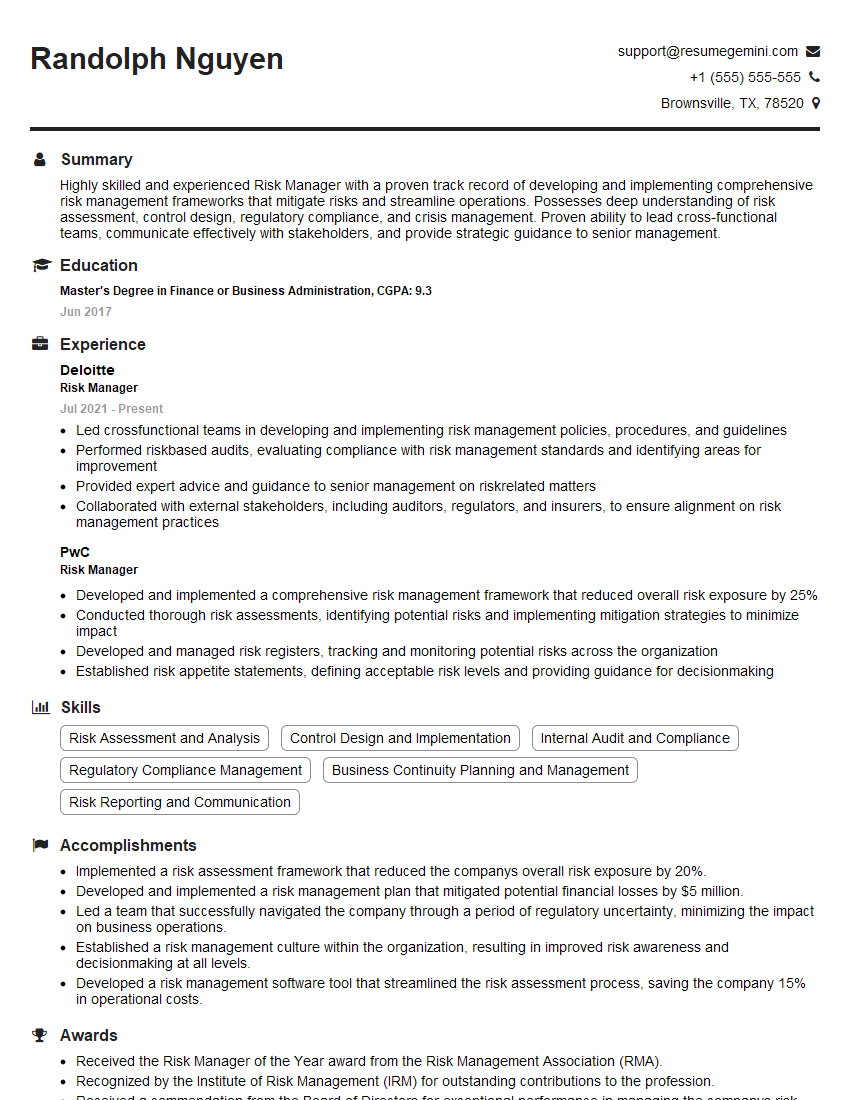
Risk Manager Resume Sample
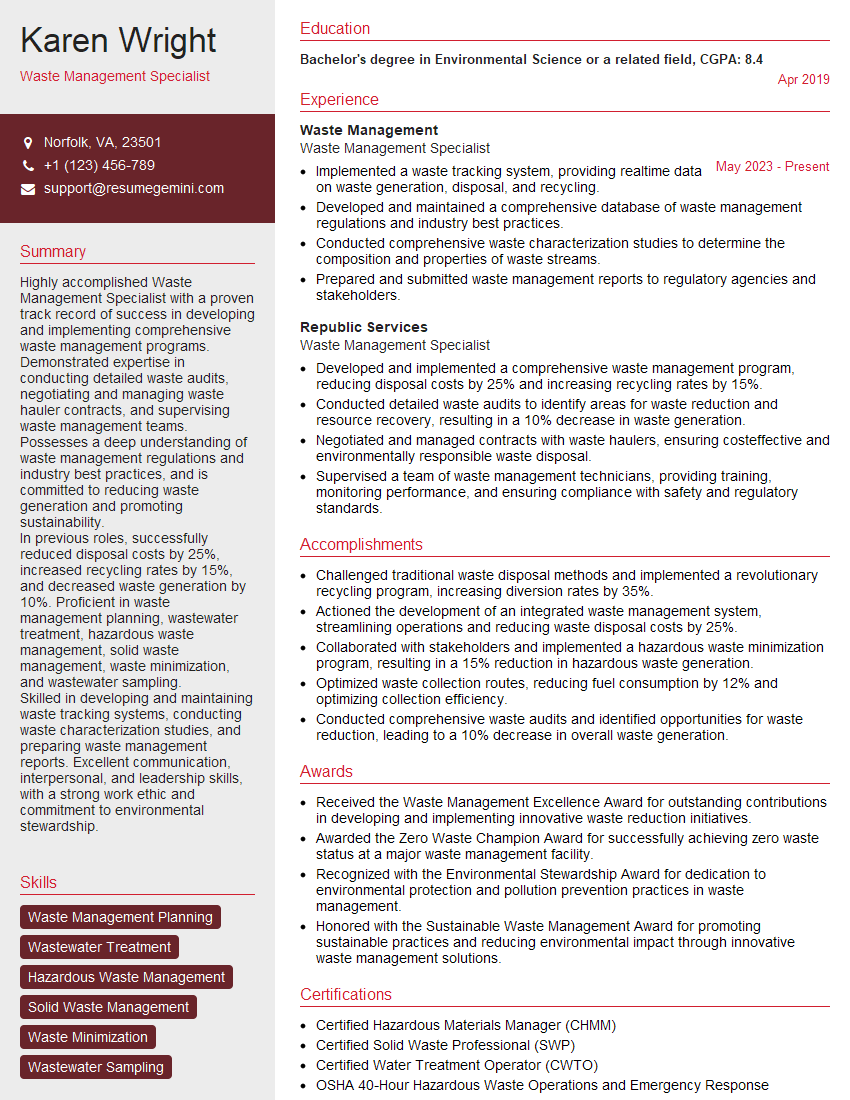
Waste Management Specialist Resume Sample
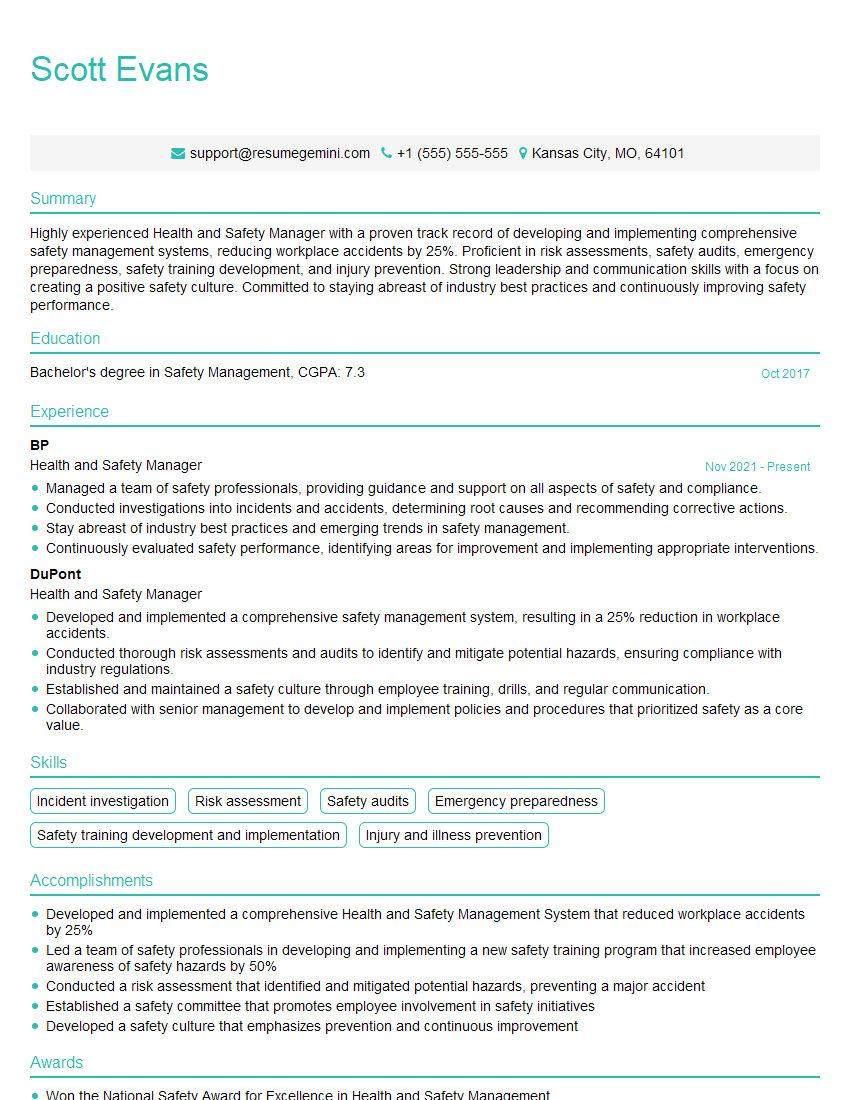
Health and Safety Manager Resume Sample
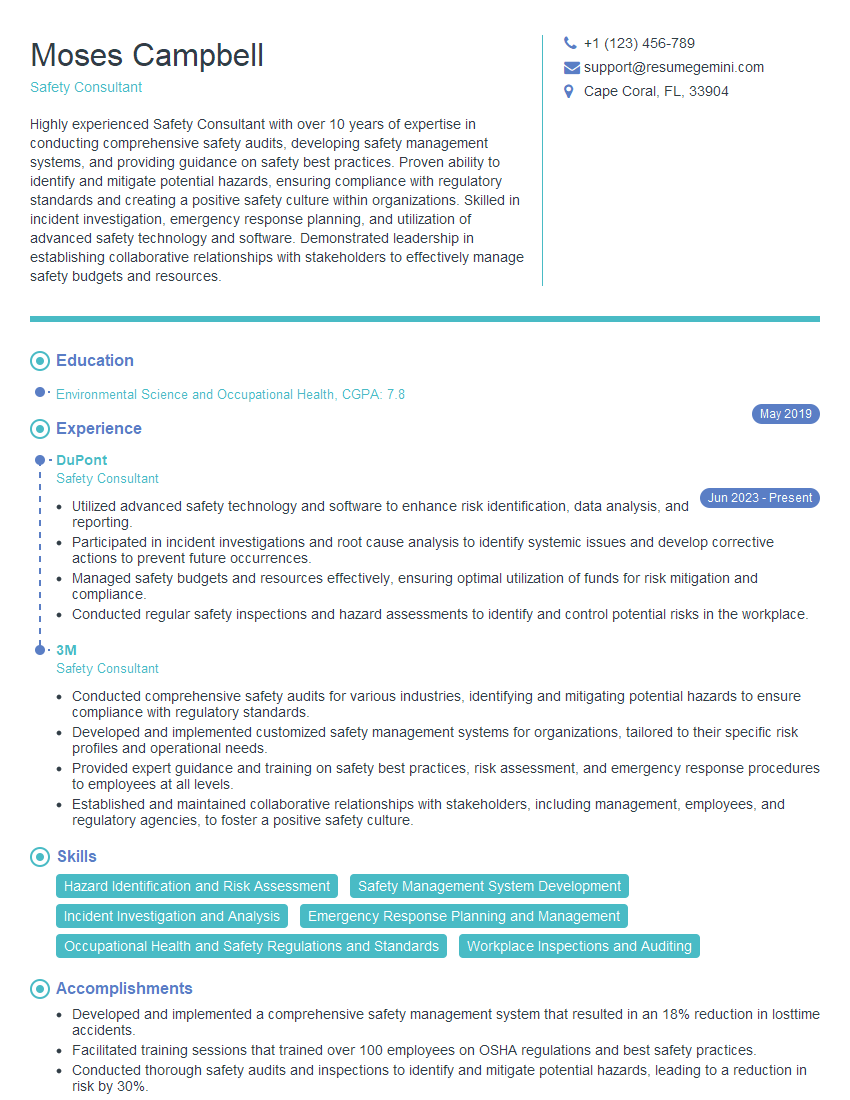
Safety Consultant Resume Sample
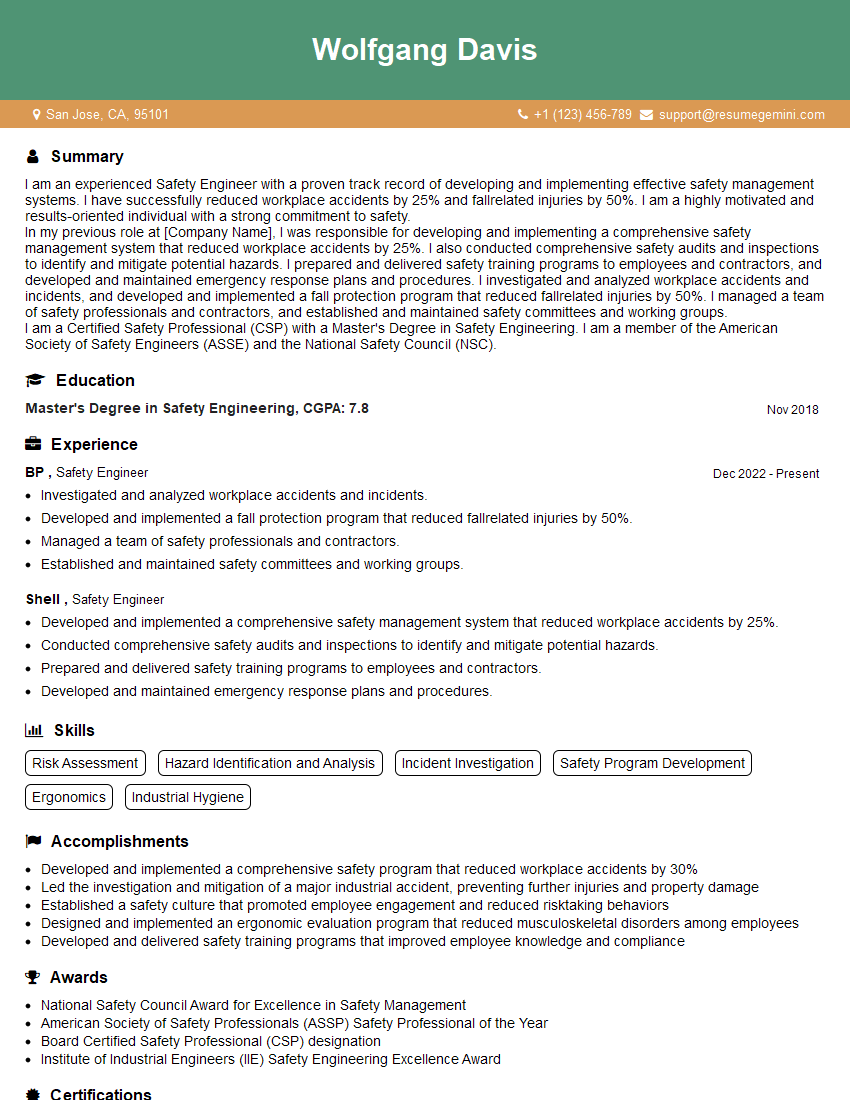
Safety Engineer Resume Sample
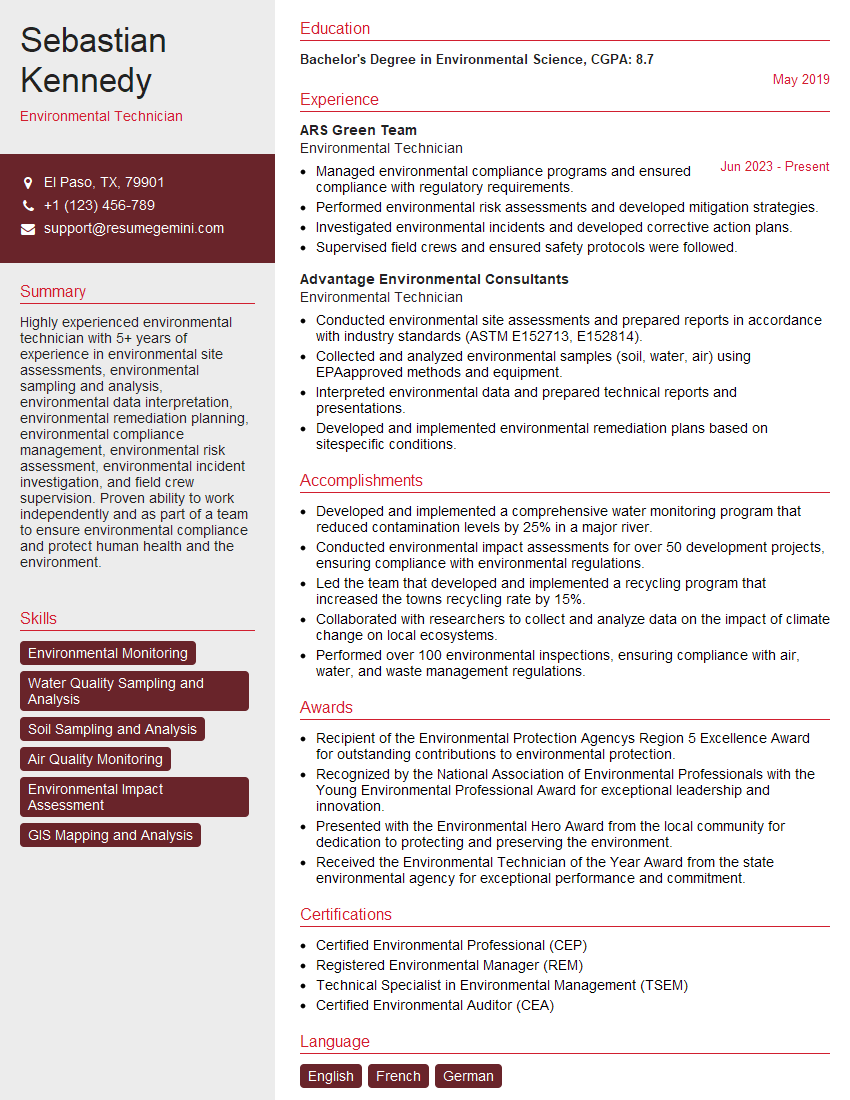
Environmental Technician Resume Sample
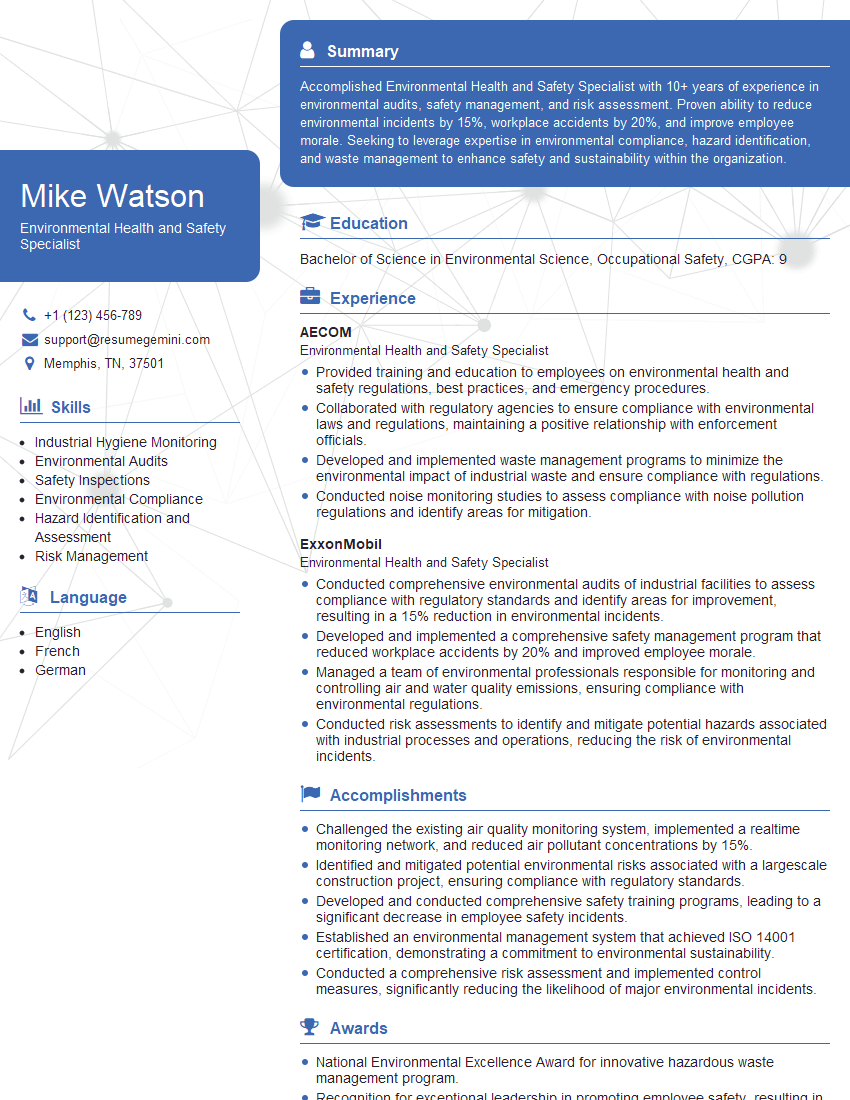
Environmental Health and Safety Specialist Resume Sample
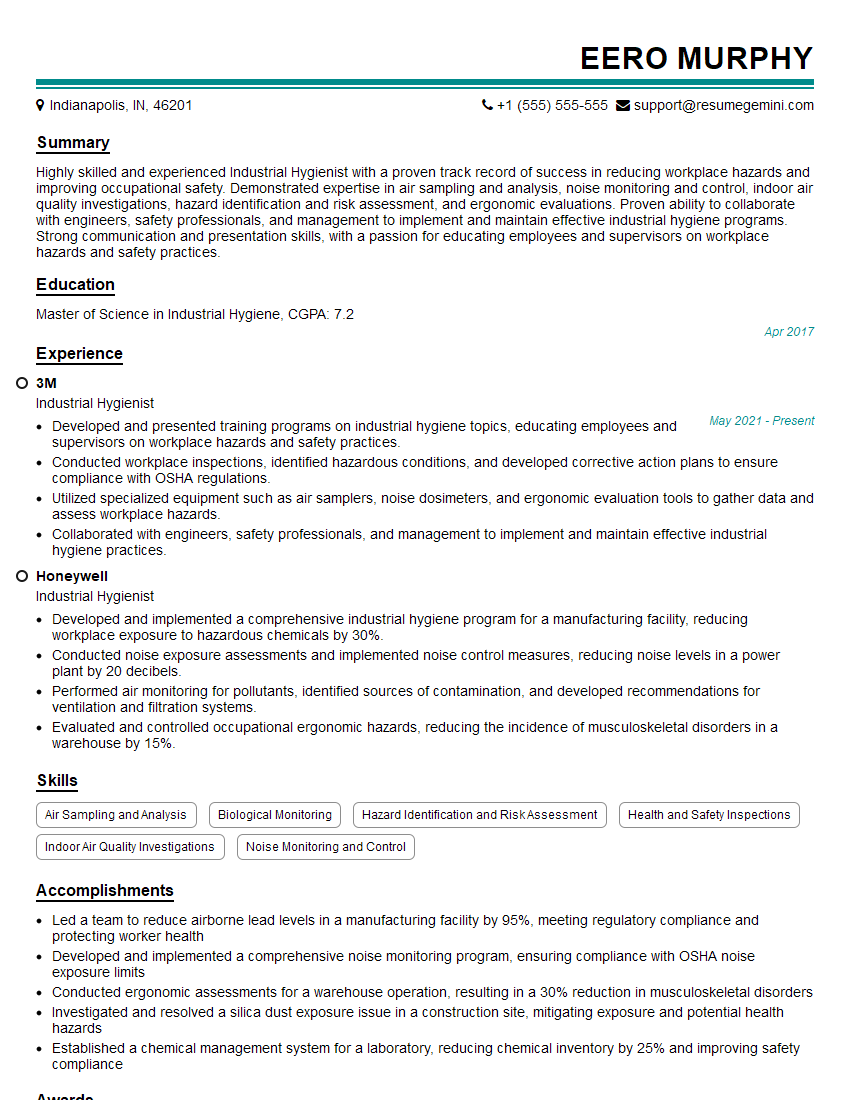
Industrial Hygienist Resume Sample
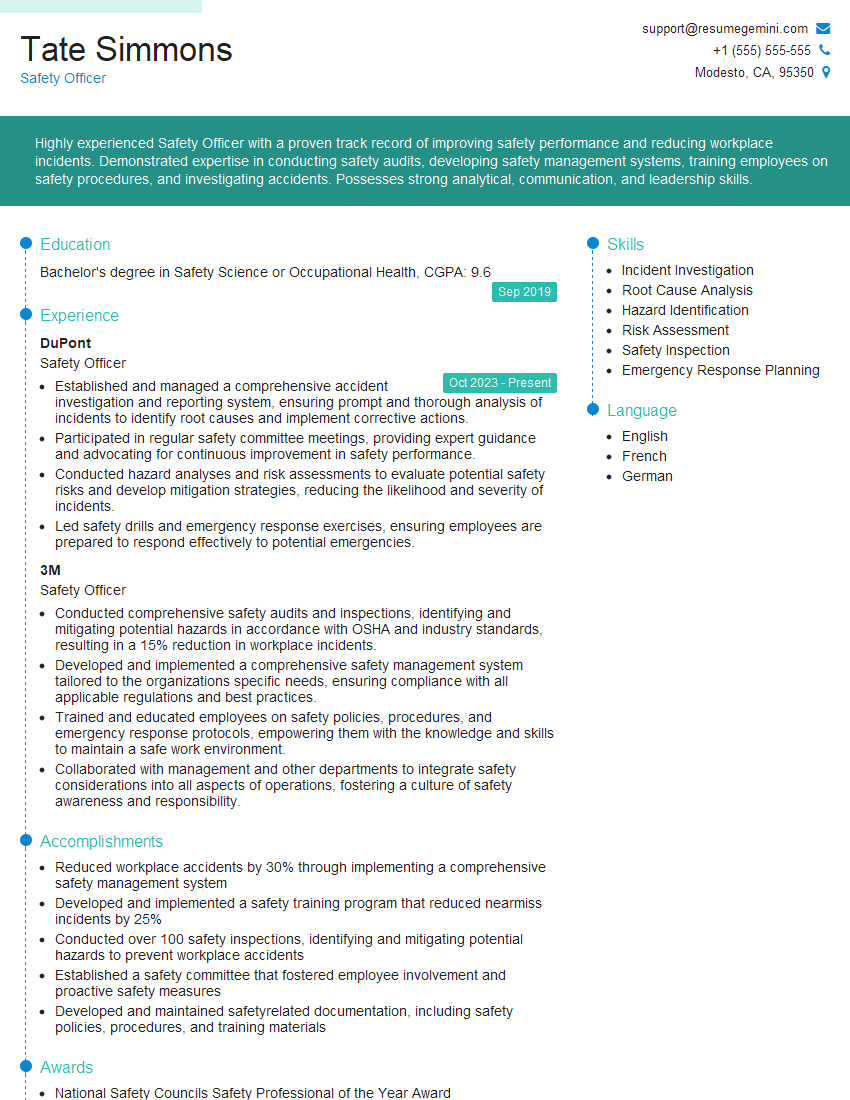
Safety Officer Resume Sample
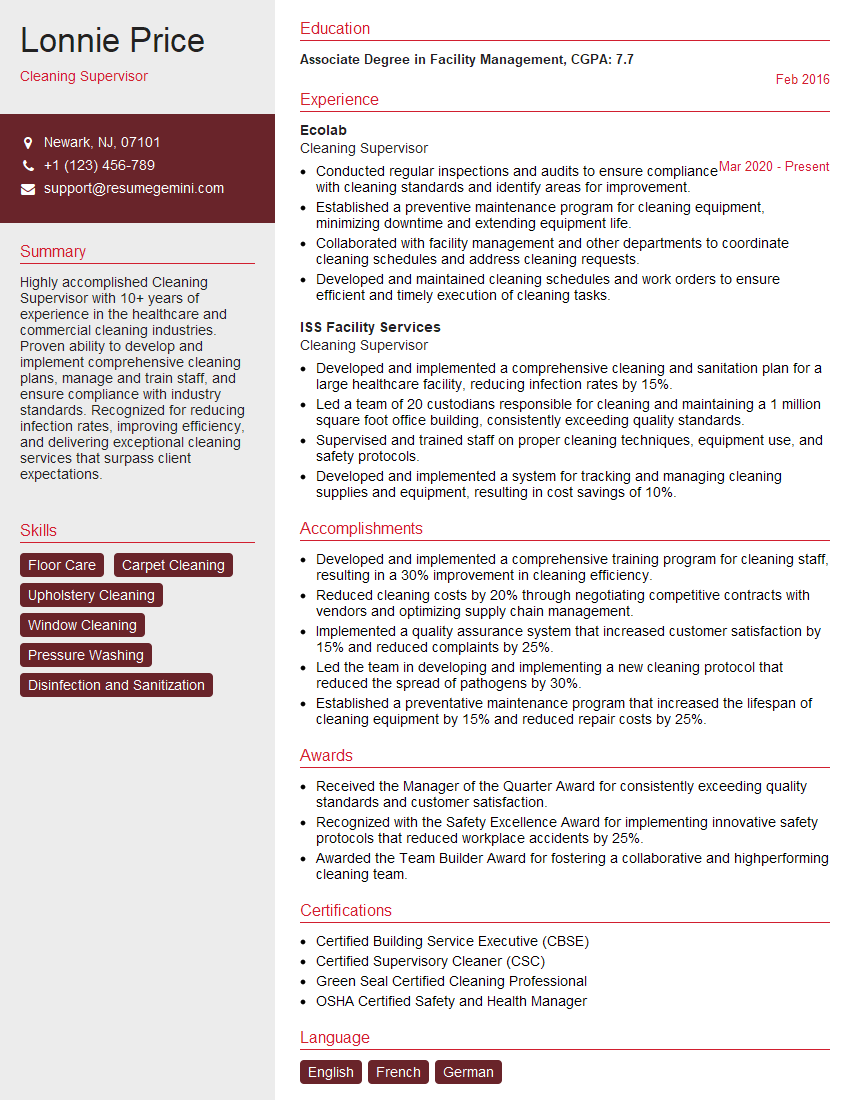
Cleaning Supervisor Resume Sample
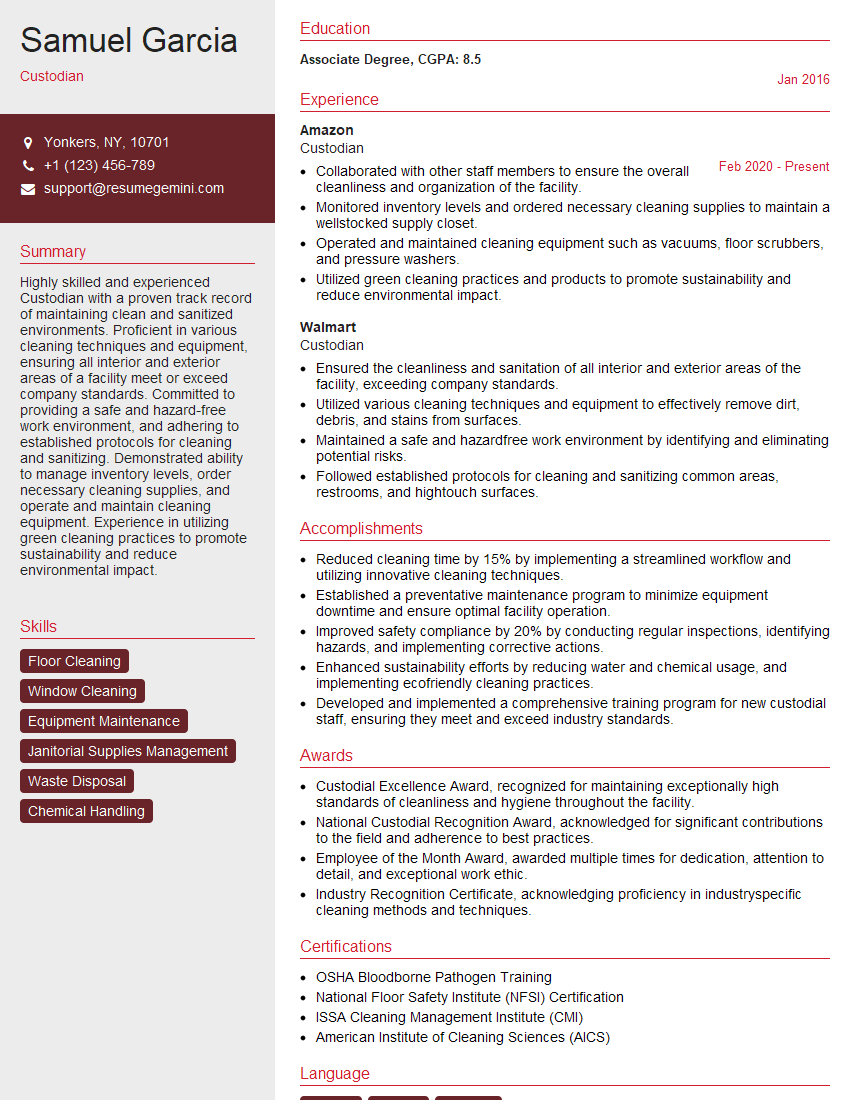
Custodian Resume Sample
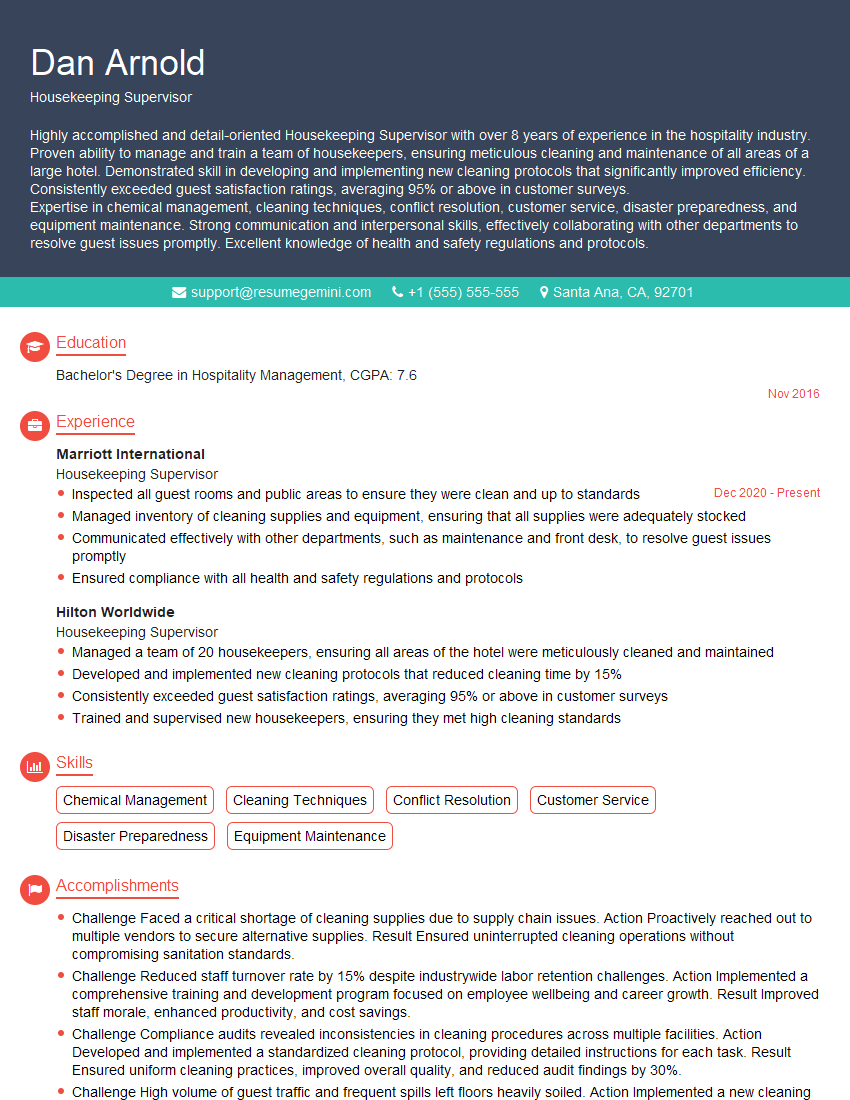
Housekeeping Supervisor Resume Sample
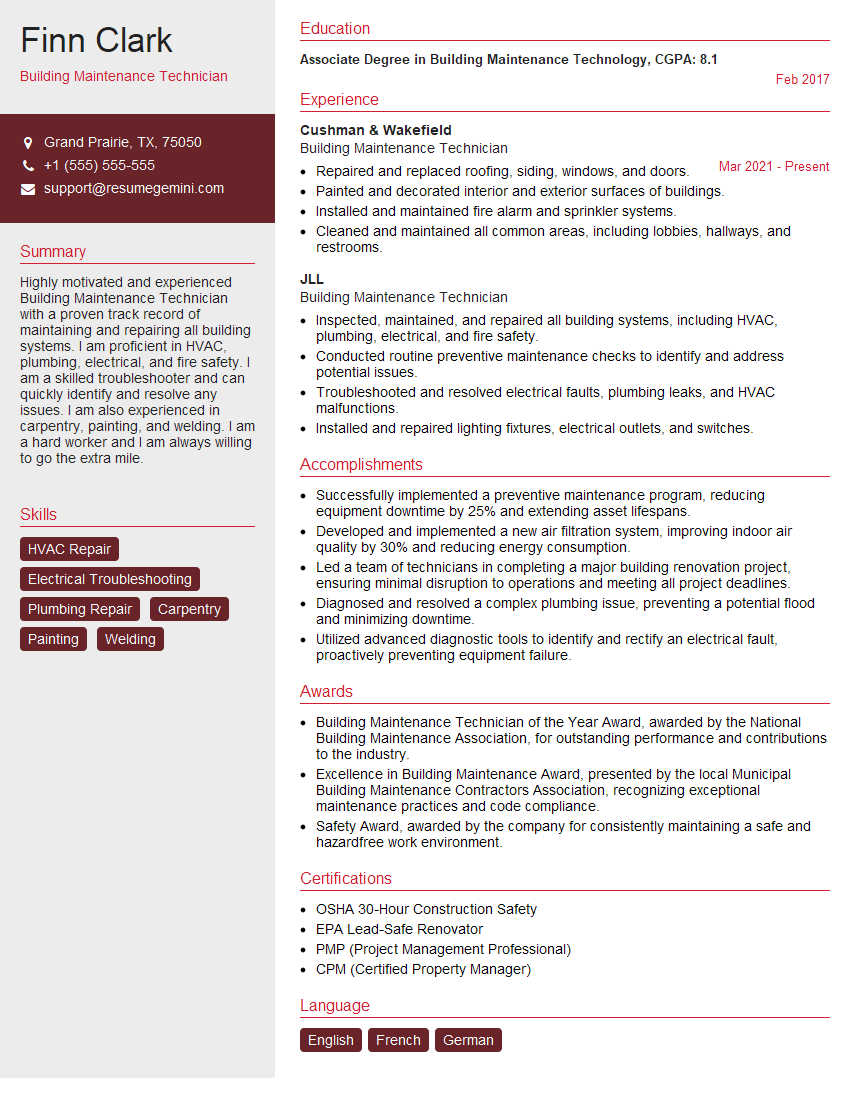
Building Maintenance Technician Resume Sample
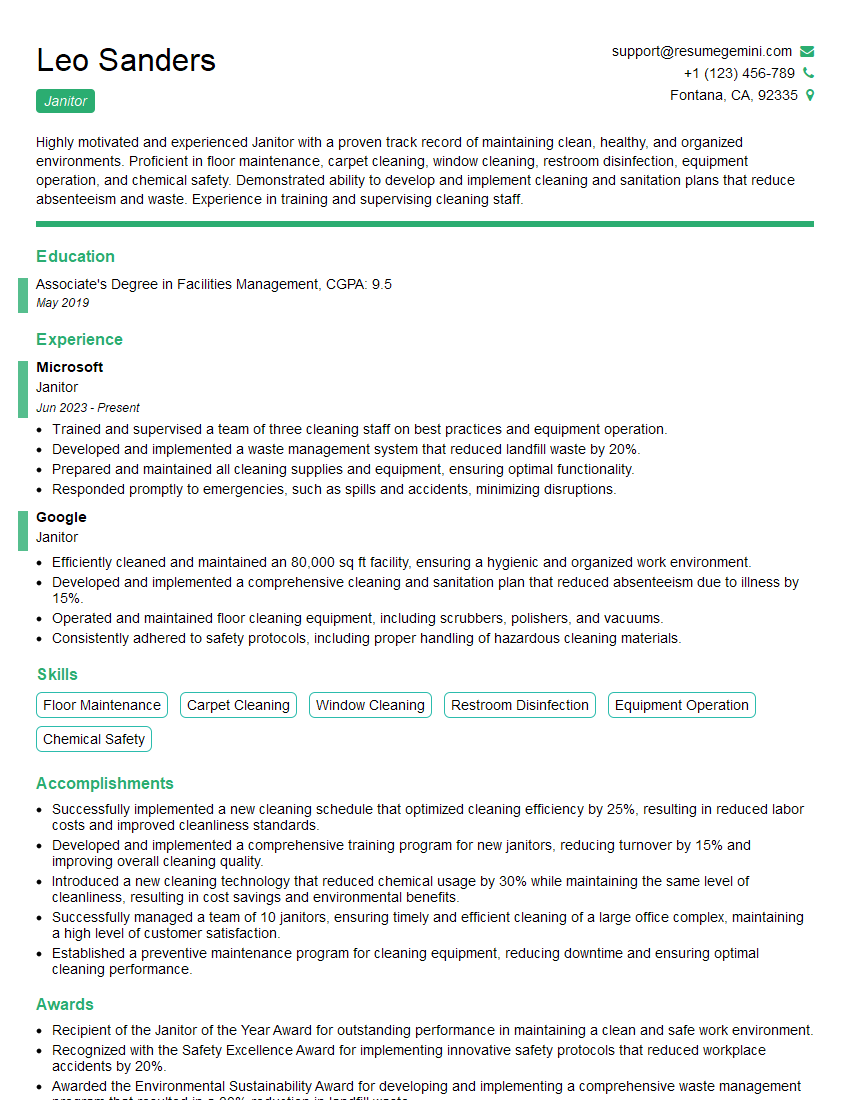
Janitor Resume Sample
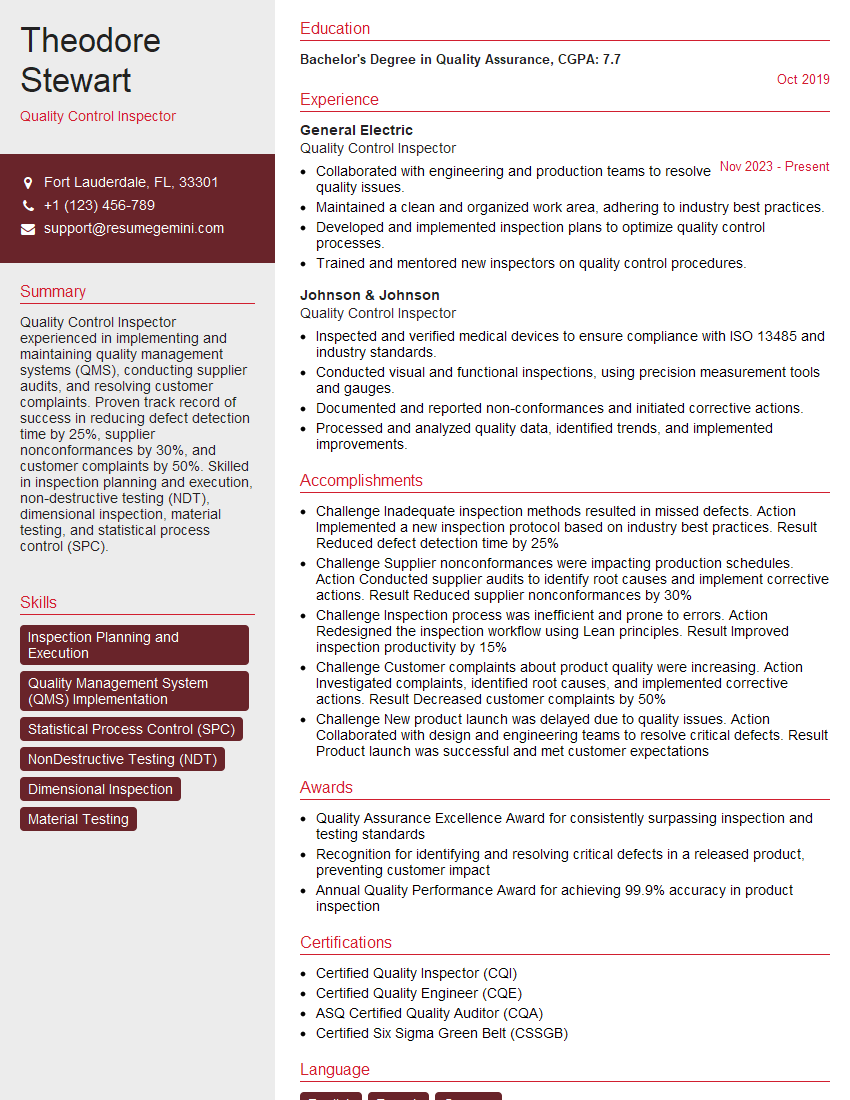
Quality Control Inspector Resume Sample
- Facility Manager
- Operations Manager
- Maintenance Supervisor
- Safety Coordinator
- Compliance Officer
- Risk Manager
- Waste Management Specialist
- Health and Safety Manager
- Safety Consultant
- Safety Engineer
- Environmental Technician
- Environmental Health and Safety Specialist
- Industrial Hygienist
- Safety Officer
- Cleaning Supervisor
- Custodian
- Housekeeping Supervisor
- Building Maintenance Technician
- Janitor
- Quality Control Inspector
Explore more articles
Users Rating of Our Blogs
Share Your Experience
We value your feedback! Please rate our content and share your thoughts (optional).
What Readers Say About Our Blog
Very informative content, great job.
good