Every successful interview starts with knowing what to expect. In this blog, we’ll take you through the top Maintain physical fitness to perform heavy lifting interview questions, breaking them down with expert tips to help you deliver impactful answers. Step into your next interview fully prepared and ready to succeed.
Questions Asked in Maintain physical fitness to perform heavy lifting Interview
Q 1. Describe your experience with proper lifting techniques.
Proper lifting techniques are paramount to prevent injuries. It’s all about minimizing strain on your back and utilizing your leg muscles as your primary power source. This involves a series of steps: 1. Planning: Assess the weight and size of the object, and ensure a clear path. 2. Stance: Position yourself close to the object, feet shoulder-width apart, with one foot slightly ahead of the other for stability. 3. Grip: Get a firm, comfortable grip. Use gloves if necessary. 4. Lift: Bend your knees, keeping your back straight. Lift with your legs, not your back. Keep the object close to your body. 5. Movement: Move smoothly, avoiding twisting or jerky movements. 6. Set Down: Lower the object slowly, using your legs to control the descent. Imagine lifting a heavy box: you wouldn’t bend over and yank it up. Instead, you’d get low, grip it firmly, and power the lift from your legs, keeping your back straight.
- Example: Lifting a heavy filing cabinet involves planning the route beforehand to avoid obstacles, getting a good grip on both sides, using a squat stance to lift from the legs, and moving smoothly, never twisting my body during the lift.
Q 2. What strategies do you employ to prevent injuries during heavy lifting?
Injury prevention is my top priority. My strategies include: 1. Proper Lifting Techniques: As previously discussed, adhering to the correct lifting techniques is fundamental. 2. Warm-up: Always start with dynamic stretching, targeting major muscle groups like legs, back, and core. This prepares your body for the physical exertion. 3. Strength Training: Regular strength training builds muscle strength and endurance, reducing the strain on your body during heavy lifting. Focus on exercises like squats, deadlifts, and core work. 4. Body Mechanics: Maintaining good posture and body alignment during lifting is crucial. Avoid twisting your back while lifting or carrying heavy objects. 5. Gradual Progression: Don’t suddenly lift heavy weights without building up to it gradually. 6. Listen to your body: Pay attention to pain signals. If something feels wrong, stop and reassess the situation. A small twinge ignored can become a major injury. Think of it as preventative maintenance on a valuable machine – your body.
Q 3. How do you assess the weight and stability of an object before lifting?
Assessing weight and stability is done through a combination of visual inspection and tactile assessment. 1. Visual Inspection: Observe the size, shape, and apparent weight of the object. Look for any obvious damage that could compromise its stability. 2. Tactile Assessment: Gently try to move or shake the object to assess its stability. If it feels unstable or too heavy, use appropriate lifting aids. For instance, before lifting a large box, I’d check if it’s evenly distributed, if any contents could shift during the lift, and carefully estimate its weight by trying to gently rock it back and forth – if it feels too heavy for a safe lift, I’d get assistance or use a dolly. Ignoring these steps is like driving a car without checking the tires—a recipe for disaster.
Q 4. Explain your understanding of ergonomic principles in heavy lifting.
Ergonomic principles are central to safe heavy lifting. These principles focus on reducing physical strain by adjusting the work environment and lifting techniques to match the human body’s capabilities. Key elements include: 1. Posture: Maintaining a neutral spine throughout the lift is crucial. 2. Load Placement: Keeping the load close to the body minimizes stress on the back. 3. Leverage: Using mechanical advantage through tools or aids is paramount. 4. Repetition Avoidance: Minimize repetitive lifting. 5. Work Surface Height: The height of work surfaces should be adjusted to minimize bending or reaching. In practice, this means avoiding awkward postures and making sure the work area allows for smooth, efficient movements. A poorly designed workspace can lead to unnecessary strain and injury even with proper lifting techniques.
Q 5. What are the common causes of back injuries during heavy lifting?
Common causes of back injuries during heavy lifting are often linked to improper techniques. 1. Incorrect Lifting Technique: Lifting with your back instead of your legs is the most frequent cause. 2. Twisting: Twisting while lifting can put immense strain on the spine. 3. Overexertion: Attempting to lift an object that is too heavy for your capabilities is another major factor. 4. Poor Posture: Maintaining poor posture during lifting, including slouching or hunching, increases risk. 5. Pre-existing Conditions: Underlying back conditions can be aggravated by heavy lifting. Understanding these risks is critical for prevention. It’s like driving a car with faulty brakes—you might get away with it for a while, but the risk of a serious accident is dramatically increased.
Q 6. How do you adjust your lifting techniques based on the object’s size and shape?
Adjusting techniques to the object’s size and shape is essential. For large, bulky items, teamwork and appropriate equipment are crucial. A wider stance and possibly more than one person might be needed. For awkwardly shaped objects, extra care must be taken with grip and stability, ensuring the object is securely held. Small, heavy objects require a careful assessment of the center of gravity, maintaining proper body posture to prevent twisting and to avoid sudden shifts in weight. For instance, lifting a long, narrow pipe requires a different approach than lifting a large box; you’d likely use two hands, positioning them for optimum control and stability throughout the movement.
Q 7. What is your experience with using lifting aids (e.g., dollies, hand trucks)?
I have extensive experience using lifting aids such as dollies, hand trucks, and pallet jacks. These tools are invaluable for safe and efficient heavy lifting, especially with larger or heavier objects. Dollies are great for moving heavy boxes or furniture over short distances. Hand trucks are excellent for carrying longer items. Pallet jacks are ideal for moving heavy pallets. My experience includes selecting the appropriate aid based on object weight, size, and distance to be moved. For example, if I need to move a heavy refrigerator across a room, a dolly would be my choice, but for transporting numerous heavy boxes across a warehouse, I’d choose a hand truck. These tools aren’t just for convenience; they’re a crucial safety component when managing heavy loads.
Q 8. Describe a time you had to lift a heavy object with limited assistance.
One time, I was tasked with moving a large, antique grandfather clock – easily weighing over 300 pounds – from one room to another in a historic building. The clock’s intricate design made using traditional lifting equipment difficult. I had limited assistance; only one other person was available, unlike our usual team of four. We couldn’t risk damaging the clock, so we developed a strategy that prioritized safety and precision. First, we meticulously assessed the clock’s weight distribution and identified its center of gravity. Next, we padded the clock’s base with thick blankets and secured it with straps to maintain its structural integrity. We then employed a series of carefully coordinated lifts and small movements to navigate the doorways and hallways, communicating constantly to maintain balance and prevent strain.
This experience emphasized the importance of thorough planning and effective communication even under limited resource conditions. Our slow, methodical approach, focusing on proper body mechanics and constant communication, ensured the safe and successful relocation of the clock without injury or damage.
Q 9. How do you maintain your physical fitness for heavy lifting tasks?
Maintaining physical fitness for heavy lifting requires a holistic approach. My routine centers around three key areas: strength training, cardiovascular fitness, and flexibility.
- Strength Training: I focus on compound exercises that engage multiple muscle groups simultaneously, mimicking the movements involved in heavy lifting. This includes squats, deadlifts, overhead presses, and rows. I progressively increase the weight and resistance to build strength and power.
- Cardiovascular Fitness: Cardiovascular health is crucial for endurance and stamina. I incorporate regular activities like running, cycling, or swimming to improve my overall cardiovascular efficiency, reducing fatigue during prolonged heavy lifting tasks.
- Flexibility and Mobility: Maintaining flexibility prevents injuries. I practice regular stretching, including dynamic stretches before lifting and static stretches afterward, to improve my range of motion and prevent muscle stiffness.
I also prioritize proper nutrition and adequate sleep to support muscle recovery and overall energy levels. Regular check-ups with my physician ensure any potential issues are addressed promptly.
Q 10. What is your routine for stretching and warming up before heavy lifting?
My warm-up routine is designed to prepare my body for the physical demands of heavy lifting. It consists of two phases: dynamic stretching and light cardio.
- Dynamic Stretching (5-10 minutes): This involves controlled movements that gradually increase range of motion. Examples include arm circles, leg swings, torso twists, and cat-cow stretches. These prepare muscles for exertion without overstretching cold muscles.
- Light Cardio (5-10 minutes): Light cardio, such as jumping jacks, brisk walking, or jogging, increases blood flow to muscles and elevates heart rate, optimizing muscle performance.
After the warm-up, I perform several practice lifts with lighter weights to further prepare my body for the heavier loads. This ensures my muscles are primed and reduces the risk of injury.
Q 11. How do you stay hydrated and energized during physically demanding work?
Staying hydrated and energized is paramount during physically demanding work. I consistently drink plenty of water throughout the day, especially before, during, and after lifting sessions. I avoid sugary drinks which can lead to energy crashes. Instead, I opt for electrolytes to replenish minerals lost through sweat.
For sustained energy, I focus on a balanced diet. I consume complex carbohydrates for long-lasting fuel and lean proteins for muscle repair and growth. I also incorporate healthy fats into my meals for hormone production and overall health. Small, frequent meals help to maintain energy levels throughout the day rather than relying on one large meal.
Q 12. What measures do you take to stay alert and avoid fatigue while lifting heavy objects?
Maintaining alertness and avoiding fatigue requires a multifaceted approach. Firstly, adequate sleep is crucial. Aiming for 7-9 hours of quality sleep per night allows for proper physical and mental recovery. Secondly, regular breaks are essential to prevent muscle exhaustion and mental burnout. Short breaks every hour allow for rest and rehydration.
Throughout the workday, I use techniques to boost alertness such as deep breathing exercises to increase oxygen intake and improve focus. Maintaining good posture during lifting prevents unnecessary muscle strain and fatigue. Lastly, I avoid working while overly tired or under the influence of any substance that may impair my judgment or physical abilities. Safety is always the top priority.
Q 13. How do you communicate effectively with your team regarding heavy lifting tasks?
Clear communication is vital in heavy lifting environments to prevent accidents and ensure efficient workflow. Before commencing any task, I have a pre-lift meeting with my team. We discuss the load’s weight, size, and any potential obstacles. We determine the best lifting technique, assign roles, and establish clear communication signals.
During the lift, constant verbal communication – using clear and concise instructions – is crucial. We use hand signals to ensure everyone is aware of the movement and to coordinate the lift effectively. After the lift, we debrief, highlighting any potential improvements in technique or communication for future tasks. This collaborative approach ensures everyone is on the same page, maximizing safety and productivity.
Q 14. Describe your experience with safety procedures in heavy lifting environments.
My experience with safety procedures in heavy lifting environments emphasizes a commitment to risk mitigation. This includes regular training on safe lifting techniques, using proper equipment like harnesses and lifting straps, and adhering to all workplace safety regulations. We’re thoroughly trained on using lifting equipment such as forklifts and cranes, always prioritizing safety checks before operation.
I understand and practice the principles of proper ergonomics, including maintaining a straight back, bending at the knees, and keeping the load close to the body. I am always aware of my surroundings, avoiding obstacles, and ensuring a safe working environment. Furthermore, I actively report any unsafe conditions or near misses to the appropriate personnel to proactively address potential hazards and prevent future incidents. Safety isn’t just a procedure, it’s a core principle.
Q 15. What is your understanding of workplace safety regulations related to heavy lifting?
Workplace safety regulations regarding heavy lifting are crucial for preventing injuries and ensuring a safe work environment. These regulations often involve specific guidelines on lifting techniques, the use of appropriate personal protective equipment (PPE), and the assessment of risk factors associated with the lifting task. They typically cover aspects like maximum permissible weights, the importance of mechanical aids (like forklifts or hoists), and the need for proper training.
- Weight Limits: Regulations often specify maximum allowable weights for manual lifting, often varying based on factors like the individual’s physical capabilities and the nature of the load.
- Mechanical Aids: Regulations usually mandate the use of mechanical lifting devices (cranes, forklifts, pallet jacks) whenever feasible to reduce the strain on human workers. This is especially true for heavy or awkward loads.
- Training and Assessment: Comprehensive training programs on safe lifting techniques are usually required, along with risk assessments to identify potential hazards and implement appropriate control measures.
- Reporting Mechanisms: Clear procedures for reporting near misses and lifting-related injuries are vital to improve workplace safety and identify trends.
For instance, OSHA (Occupational Safety and Health Administration) in the US provides detailed guidelines on heavy lifting, emphasizing the importance of proper posture, teamwork, and the use of appropriate equipment.
Career Expert Tips:
- Ace those interviews! Prepare effectively by reviewing the Top 50 Most Common Interview Questions on ResumeGemini.
- Navigate your job search with confidence! Explore a wide range of Career Tips on ResumeGemini. Learn about common challenges and recommendations to overcome them.
- Craft the perfect resume! Master the Art of Resume Writing with ResumeGemini’s guide. Showcase your unique qualifications and achievements effectively.
- Don’t miss out on holiday savings! Build your dream resume with ResumeGemini’s ATS optimized templates.
Q 16. Have you ever experienced a lifting-related injury? If so, how was it handled?
Yes, I once suffered a minor back strain while attempting to lift a heavy box improperly. I failed to bend my knees and keep the load close to my body. The injury resulted in significant discomfort and limited mobility for a few days.
The incident was immediately reported to my supervisor. First aid was administered, and I was advised to rest and avoid any strenuous activity. The company’s safety officer conducted a review of the incident, analyzing the circumstances and identifying the contributing factors. I was also provided with a refresher course on proper lifting techniques to prevent future injuries. Importantly, the company’s swift response, focus on rehabilitation, and proactive approach to safety training helped in the quick recovery.
Q 17. What is your experience with different types of lifting equipment?
My experience encompasses a range of lifting equipment, from basic hand trucks and pallet jacks to more complex machinery like forklifts, overhead cranes, and powered lift tables. I am proficient in operating and maintaining these tools safely and efficiently.
- Hand Trucks and Pallet Jacks: I am experienced in maneuvering these devices, ensuring proper load securing and safe operation on various surfaces.
- Forklifts: I have a valid forklift operator’s license and extensive experience operating different types of forklifts, including counterbalance and reach trucks, adhering strictly to safety protocols.
- Overhead Cranes: I’ve worked with overhead cranes under the supervision of certified operators, understanding the importance of load weight limits, proper rigging, and communication.
- Powered Lift Tables: I am familiar with using powered lift tables to raise and lower heavy items, ensuring appropriate load placement and control.
Understanding the limitations and proper operating procedures for each type of equipment is vital to prevent accidents. For instance, I know the importance of regular inspections for forklifts to ensure they’re in optimal working condition before operation.
Q 18. Describe your problem-solving skills in handling unexpected heavy lifting challenges.
My problem-solving approach when facing unexpected heavy lifting challenges involves a systematic process prioritizing safety. I use a framework involving assessment, planning, and execution:
- Assessment: Carefully assess the situation. What is the weight and shape of the object? What are the surrounding conditions (space, surface, obstacles)? Are there any potential hazards? Are there any alternative lifting methods?
- Planning: Determine the best lifting technique and equipment needed. If manual lifting is necessary, I would use proper lifting techniques, ensuring I have sufficient help. If mechanical aids are required, I’d identify the most appropriate equipment (forklift, crane, etc.) and ensure it’s properly maintained and operated.
- Execution: Execute the planned lifting procedure, ensuring proper communication with any team members involved. If I encounter unforeseen issues, I will stop the procedure, reassess the situation, and adjust the plan accordingly. Safety always takes precedence.
For example, if I encounter an unusually shaped object that’s difficult to grasp, I would find appropriate straps or padding to enhance grip and stability before lifting. If I’m uncertain about handling a load on my own, I’d immediately seek assistance from co-workers.
Q 19. How do you prioritize safety over speed when lifting heavy objects?
Prioritizing safety over speed in heavy lifting is paramount. Speed is irrelevant if it compromises safety. My approach involves:
- Proper Technique: Always using the correct lifting techniques, bending at the knees, keeping the back straight, and maintaining a stable base. Rushing increases the risk of injury.
- Load Assessment: Thoroughly assessing the weight and dimensions of the object before attempting to lift it. If it’s too heavy or awkward, I will seek assistance or use appropriate equipment.
- Clear Communication: Communicating clearly with team members if assistance is needed. Teamwork prevents unnecessary strain and potential injuries.
- Equipment Use: Choosing and utilizing appropriate lifting equipment whenever feasible. This significantly reduces the physical strain and risk of injury.
Think of it like this: A race car can go incredibly fast, but if it doesn’t handle well, it’s likely to crash. Similarly, lifting quickly without the right technique is a recipe for disaster. Safe, steady lifting is far more effective in the long run.
Q 20. How would you train a new employee on proper heavy lifting techniques?
Training new employees on proper heavy lifting techniques is critical. My approach involves a multi-faceted strategy:
- Classroom Instruction: Begin with a classroom session covering the anatomy of lifting, common causes of lifting injuries, the proper lifting techniques (including the importance of posture, foot placement, and utilizing leg muscles), and the importance of reporting any injuries or near misses.
- Practical Demonstration: Demonstrate the proper lifting techniques using various weights and scenarios. This provides a visual example and reinforces the points from the classroom session.
- Hands-on Practice: Allow the new employees to practice lifting with progressively heavier loads under supervision. Provide continuous feedback and correction.
- Equipment Training: Provide training on the safe use of all relevant lifting equipment, including hand trucks, forklifts (if applicable), and other mechanical aids.
- Ongoing Assessment and Reinforcement: Regularly assess the employee’s lifting technique and provide feedback. Incorporate regular refresher courses to reinforce proper technique.
It’s important to emphasize that proper lifting techniques aren’t just about avoiding immediate injuries; they’re about long-term protection against musculoskeletal issues.
Q 21. What is your experience with working in various weather conditions while lifting?
My experience includes working in various weather conditions while lifting. Different conditions necessitate adjusting techniques and precautions.
- Extreme Heat: In hot conditions, dehydration and heat exhaustion are significant risks. I would take frequent breaks, hydrate adequately, and wear appropriate clothing to minimize exposure to the heat.
- Cold Weather: Cold temperatures can reduce dexterity and increase the risk of slips and falls. I would wear warm, layered clothing, ensure appropriate footwear with good traction, and use additional caution to avoid injury.
- Wet or Icy Conditions: Working in wet or icy conditions increases the risk of slips, trips, and falls. I would use extra caution, wearing appropriate footwear, and utilize additional safety measures such as salt or anti-slip material on surfaces.
- Windy Conditions: Strong winds can affect balance and make lifting more challenging. I’d be mindful of the wind’s direction and strength and take extra precautions to maintain stability.
Adaptability and awareness of the environmental factors are essential to safe lifting in any conditions. Safety procedures need to be adjusted accordingly to ensure safety, such as using a buddy system or reducing the weight of the loads carried.
Q 22. How do you adapt your lifting strategies to different physical environments?
Adapting lifting strategies to different physical environments is crucial for safety and efficiency. Factors like temperature, terrain, and available space significantly impact lifting techniques.
- Temperature: Extreme heat can lead to dehydration and muscle fatigue, requiring more frequent breaks and potentially modifying the lifting method to reduce strain. In cold environments, proper layering to maintain body warmth is essential to prevent muscle stiffness and injury.
- Terrain: Uneven ground necessitates careful footing and potentially the use of assistive devices like ramps or dollies to avoid slips, trips, and falls. Lifting on slopes requires adjusting body posture to maintain balance and minimize strain.
- Space Constraints: Confined spaces may necessitate adjusting lifting techniques to accommodate limited maneuverability. This might involve using smaller, lighter equipment or employing different lifting methods to prevent collisions or injuries.
For example, lifting heavy sacks of cement on a hot, sunny day would require more frequent hydration breaks and a slower, more deliberate lifting technique compared to lifting the same sacks in a cool, shaded warehouse with ample space.
Q 23. What are the potential risks associated with improper heavy lifting techniques?
Improper heavy lifting techniques pose serious risks, leading to a wide range of injuries. These can range from minor muscle strains to severe, career-ending injuries.
- Back Injuries: This is the most common risk, often resulting in herniated discs, muscle sprains, and chronic back pain. Lifting with a rounded back or twisting while lifting significantly increases this risk.
- Muscle Strains and Sprains: Improper lifting can strain or sprain muscles in the back, legs, shoulders, and arms. This can lead to significant pain and reduced mobility.
- Ligament Tears: Sudden or forceful movements during lifting can tear ligaments in the knees, ankles, or other joints.
- Joint Damage: Repeated improper lifting can lead to osteoarthritis and other degenerative joint conditions.
- Hernia: Lifting with excessive force or improper form can cause an abdominal or inguinal hernia.
Imagine lifting a heavy box without bending your knees. You’re putting all the strain on your lower back, significantly increasing the risk of injury. Conversely, bending your knees, keeping your back straight, and lifting using your leg muscles is a far safer approach.
Q 24. How familiar are you with different types of personal protective equipment (PPE) for heavy lifting?
Familiarity with personal protective equipment (PPE) for heavy lifting is paramount. Different situations necessitate different types of PPE.
- Safety Shoes: Steel-toe boots protect feet from dropped objects.
- Gloves: Depending on the material being lifted, gloves offer protection against cuts, abrasions, or chemical exposure.
- Back Supports: Lumbar supports provide additional support to the lower back, helping to prevent injuries. However, they are not a replacement for proper lifting technique.
- Helmets: Protect the head from falling objects in overhead lifting operations.
- Eye Protection: Safety glasses or goggles protect eyes from flying debris.
For instance, when handling potentially sharp materials, cut-resistant gloves are crucial. When working at heights, a safety harness and helmet are non-negotiable.
Q 25. Describe your experience with handling hazardous materials during heavy lifting.
Handling hazardous materials during heavy lifting demands meticulous attention to safety protocols. The specific handling procedures depend on the nature of the hazard.
- Chemical Hazards: Requires understanding Material Safety Data Sheets (MSDS) and using appropriate PPE like respirators, gloves, and protective clothing.
- Biological Hazards: Involves careful handling to prevent exposure to pathogens, often requiring specialized containers and decontamination procedures.
- Radioactive Materials: Requires strict adherence to radiation safety regulations, involving specialized equipment and monitoring devices.
For example, lifting drums of corrosive chemicals necessitates wearing chemical-resistant gloves and eye protection, working in a well-ventilated area, and following specific procedures for spills or leaks. Improper handling can lead to severe burns or poisoning.
Q 26. How do you identify and avoid potential hazards in heavy lifting situations?
Identifying and avoiding potential hazards is proactive risk management. This involves a systematic approach.
- Pre-lift Assessment: Carefully evaluate the load’s weight, shape, and condition. Assess the lifting environment for obstacles, uneven surfaces, and potential hazards.
- Proper Lifting Techniques: Utilizing proper body mechanics and techniques is fundamental to prevent injuries.
- Communication: Communicating clearly with colleagues about the lifting plan, potential hazards, and safety concerns is crucial, especially in team lifting scenarios.
- Equipment Inspection: Ensuring all lifting equipment (e.g., forklifts, cranes, slings) is in good working order and properly maintained.
For instance, before lifting a heavy pallet, I would check the pallet’s stability, clear any obstacles in the path, ensure the forklift is functioning correctly, and communicate the lifting plan to my colleagues.
Q 27. How would you react to an emergency situation involving a heavy lifting accident?
Responding to a heavy lifting accident requires a swift and organized approach.
- Immediate Action: Secure the accident site to prevent further injuries. Assess the injured person’s condition and provide first aid if qualified.
- Emergency Services: Immediately call emergency medical services (EMS) and report the incident to the supervisor.
- Witness Accounts: Collect statements from witnesses to help reconstruct the events.
- Investigation: Cooperate fully with any investigation into the cause of the accident.
My actions would prioritize the safety and well-being of the injured person while ensuring the site is safe for emergency personnel. Accurate documentation is vital for any subsequent investigation.
Q 28. How do you manage stress and maintain a positive attitude during physically demanding work?
Managing stress and maintaining a positive attitude during physically demanding work is essential for both physical and mental well-being. It’s a matter of establishing healthy habits and routines.
- Physical Conditioning: Regular exercise and a healthy diet enhance strength and endurance, reducing fatigue and stress.
- Proper Rest and Recovery: Adequate sleep and rest periods are vital to allow the body to recover from physical exertion.
- Stress Management Techniques: Practices such as mindfulness, meditation, or deep breathing exercises can help reduce stress and improve mental clarity.
- Teamwork and Support: A positive work environment and supportive colleagues can significantly impact morale and stress levels.
For me, regular exercise, a balanced diet, and prioritizing sufficient sleep are key. Also, I find that working collaboratively with my team fosters a supportive environment and boosts morale, which helps manage stress during challenging lifts.
Key Topics to Learn for Maintaining Physical Fitness to Perform Heavy Lifting Interview
- Understanding Ergonomics and Proper Lifting Techniques: Learn the principles of safe lifting, including proper posture, foot placement, and the use of legs to lift, minimizing strain on the back and other body parts. Consider different lifting scenarios and adapt your technique accordingly.
- Strength Training and Conditioning: Explore the importance of targeted strength training exercises to build the necessary muscle groups for heavy lifting. Understand how to develop a balanced workout routine focusing on core strength, leg strength, and back strength. Discuss the practical application of these exercises in a workplace setting and how to adapt them based on individual needs and limitations.
- Preventing Injuries: Discuss common injuries associated with heavy lifting (strains, sprains, back injuries) and strategies to prevent them. This includes understanding the role of warm-up and cool-down routines, proper hydration, and recognizing personal limitations.
- Body Mechanics and Awareness: Learn about the importance of body awareness and recognizing when you are exceeding your physical limits. Discuss the importance of knowing your own physical capabilities and seeking assistance when necessary. This includes understanding the principles of leverage and balance.
- Workplace Safety Regulations and Procedures: Familiarize yourself with relevant safety regulations and company-specific procedures concerning heavy lifting. Understand the importance of reporting injuries and near misses. Discuss how to use safety equipment provided by the employer.
Next Steps
Mastering the ability to maintain physical fitness for heavy lifting is crucial for career advancement in many physically demanding roles. It demonstrates a commitment to safety and efficiency, impacting your overall productivity and reducing the risk of workplace injuries. To stand out to potential employers, create an ATS-friendly resume that highlights your relevant skills and experience. ResumeGemini is a trusted resource to help you build a professional and effective resume. Examples of resumes tailored to highlight experience in maintaining physical fitness for heavy lifting are available within ResumeGemini to guide you in crafting your own compelling application.
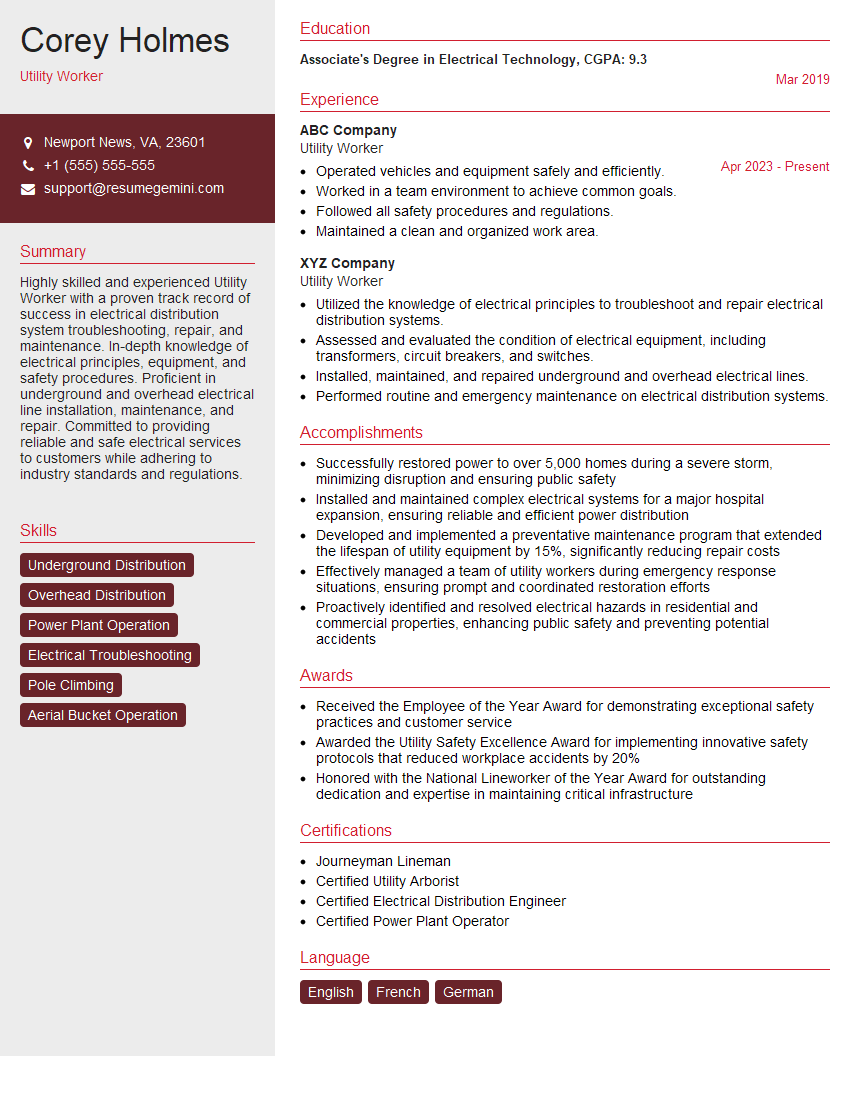
Utility Worker Resume Sample

Crane Operator Resume Sample

Shipping and Receiving Clerk Resume Sample
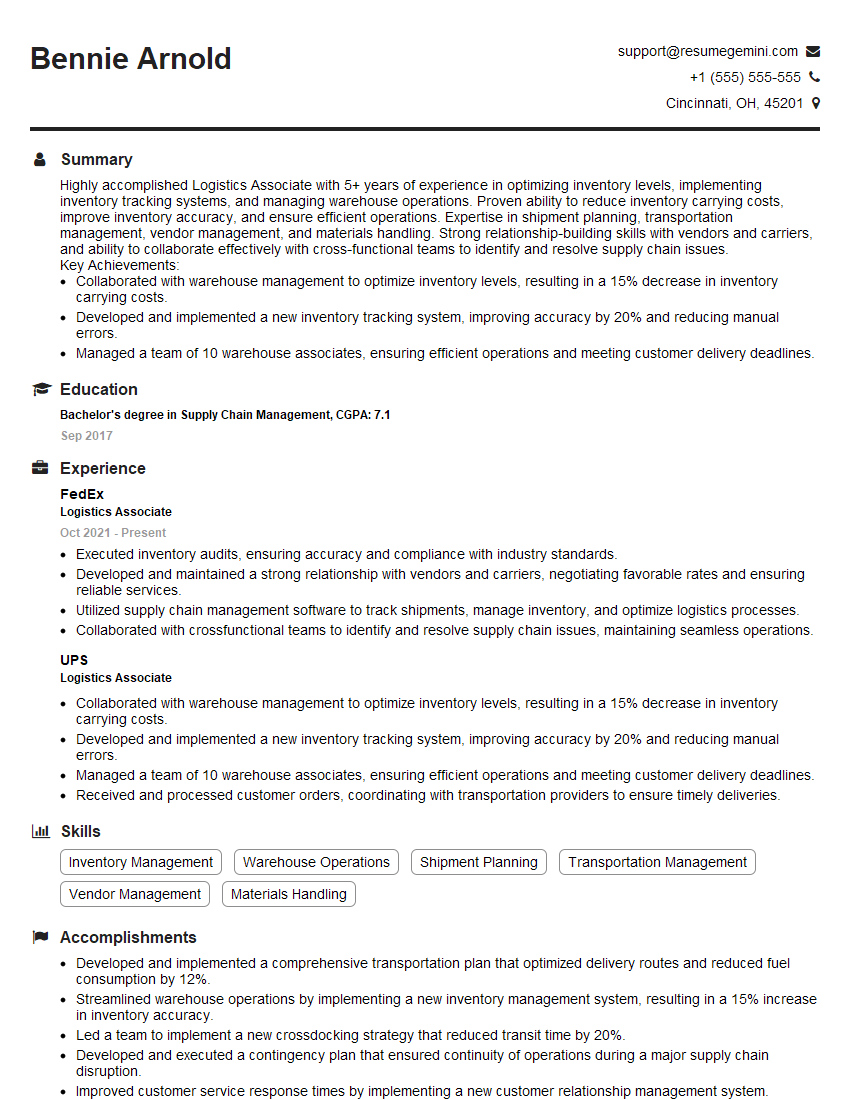
Logistics Associate Resume Sample
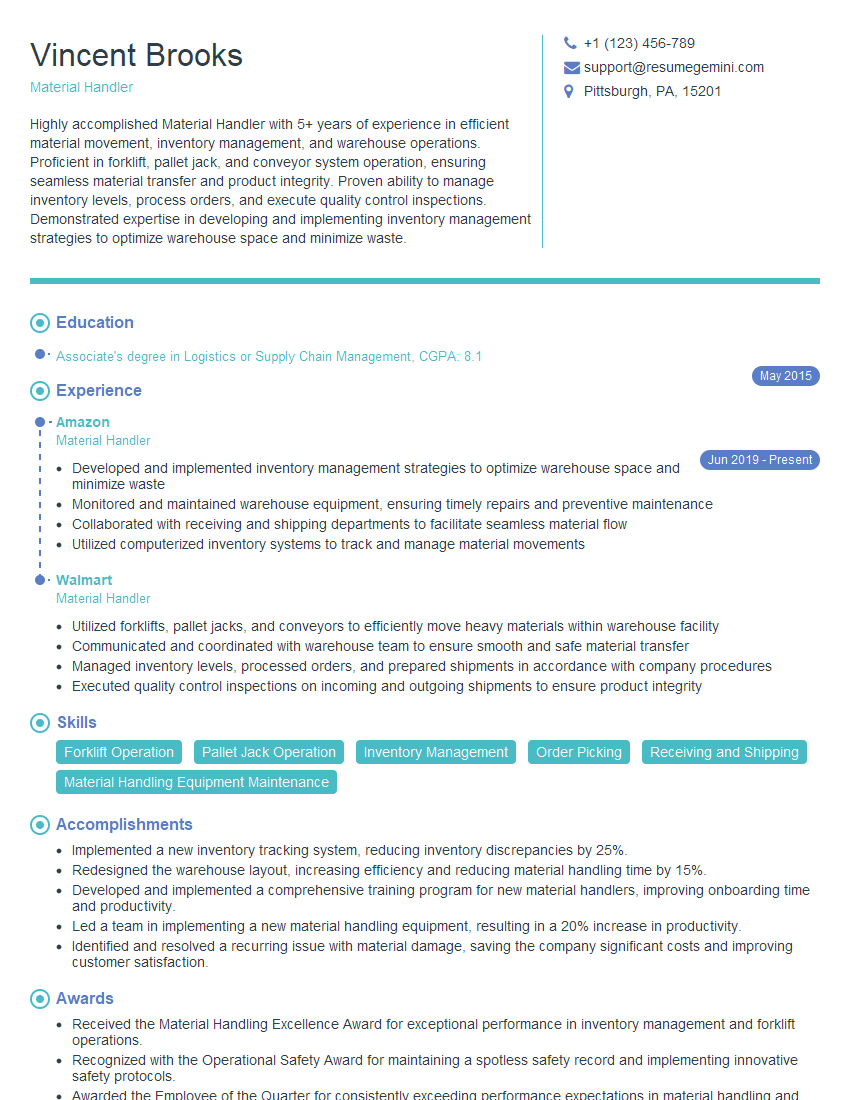
Material Handler Resume Sample
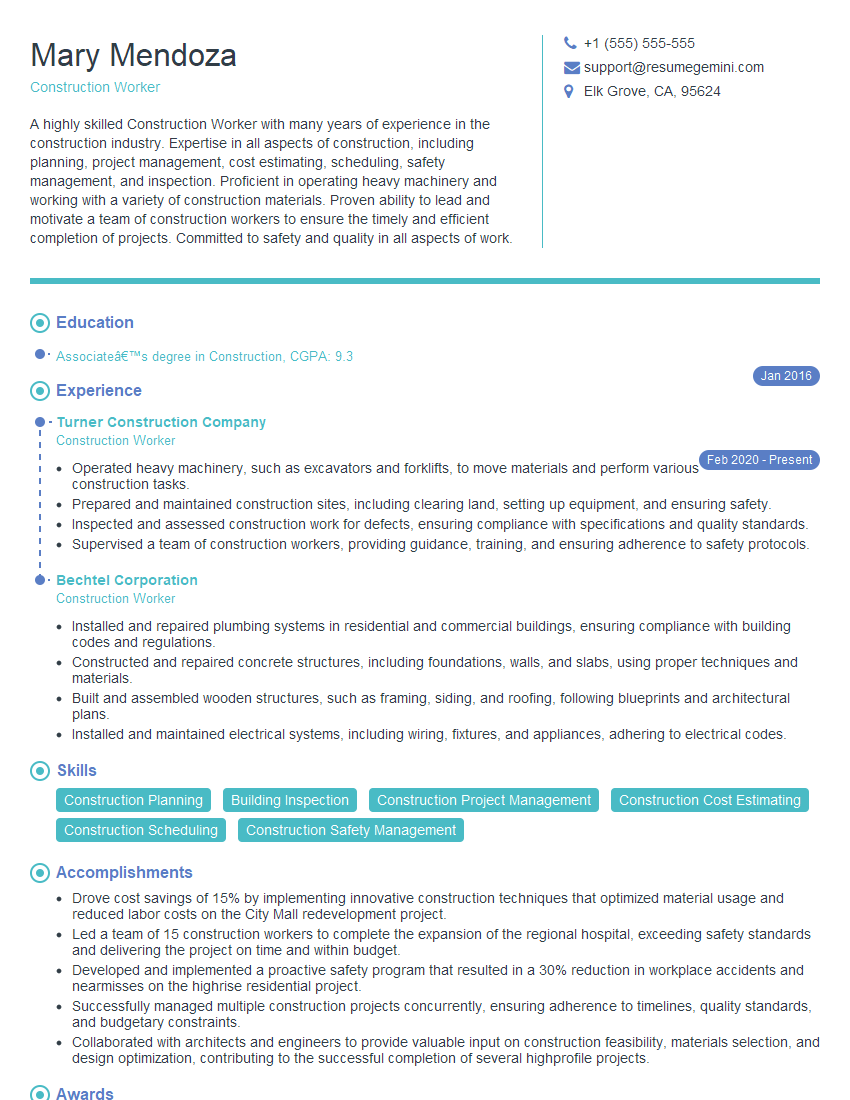
Construction Worker Resume Sample
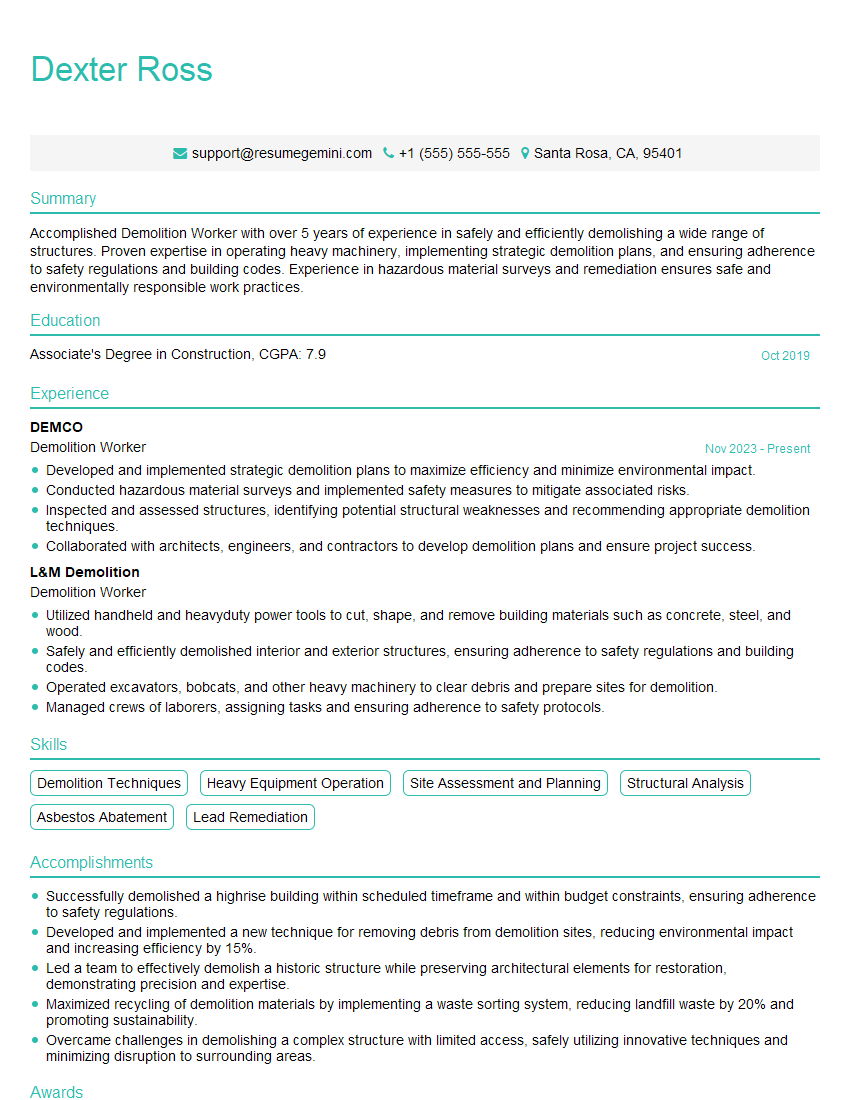
Demolition Worker Resume Sample
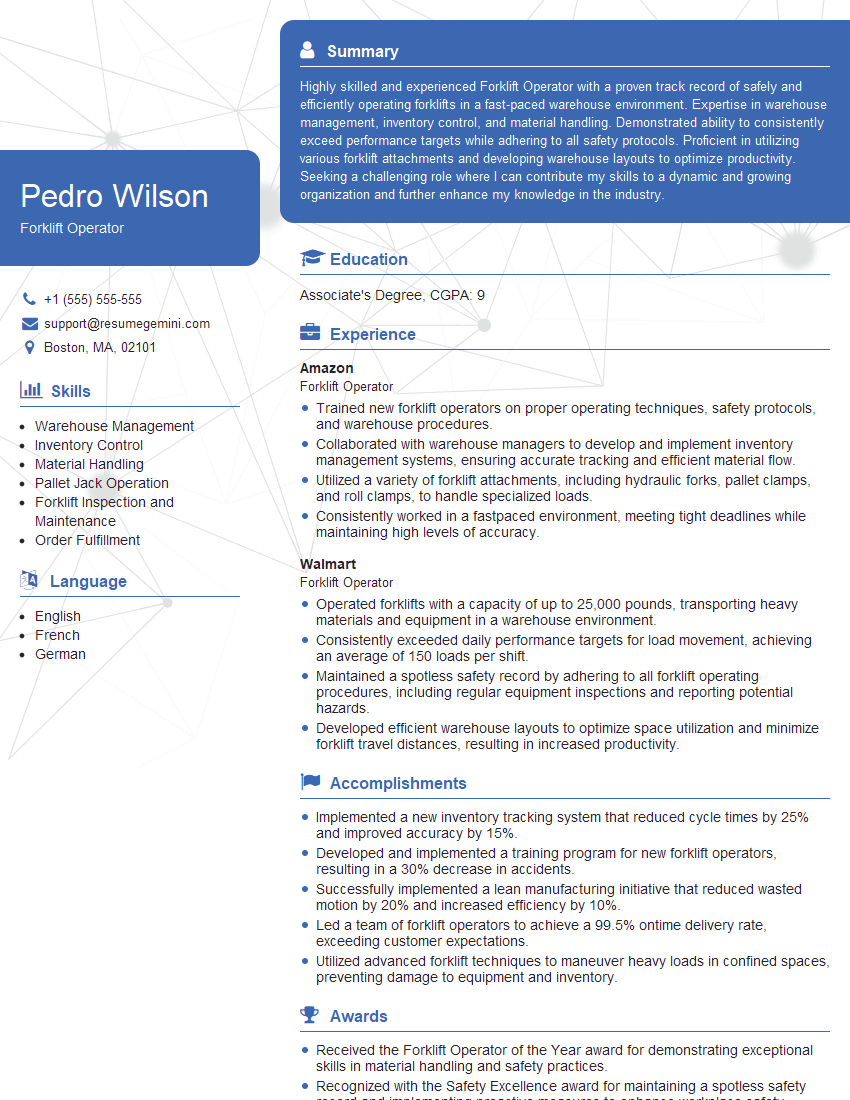
Forklift Operator Resume Sample
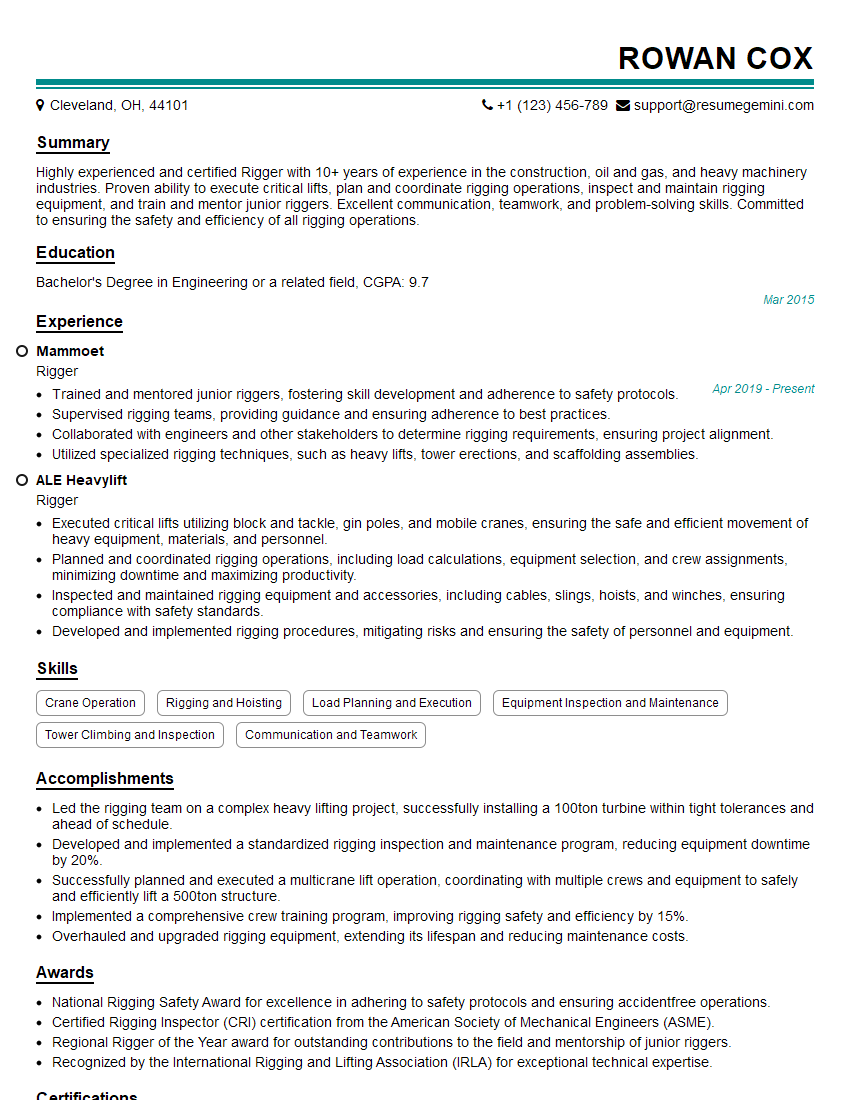
Rigger Resume Sample
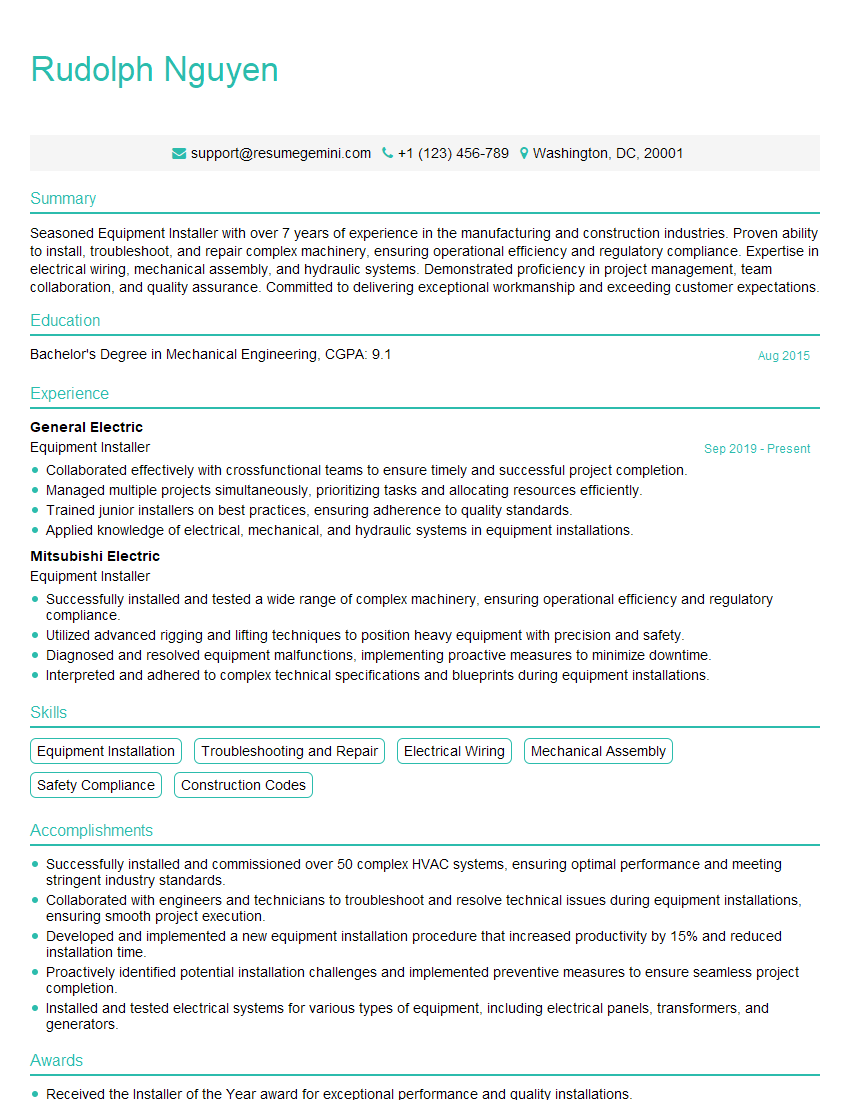
Equipment Installer Resume Sample
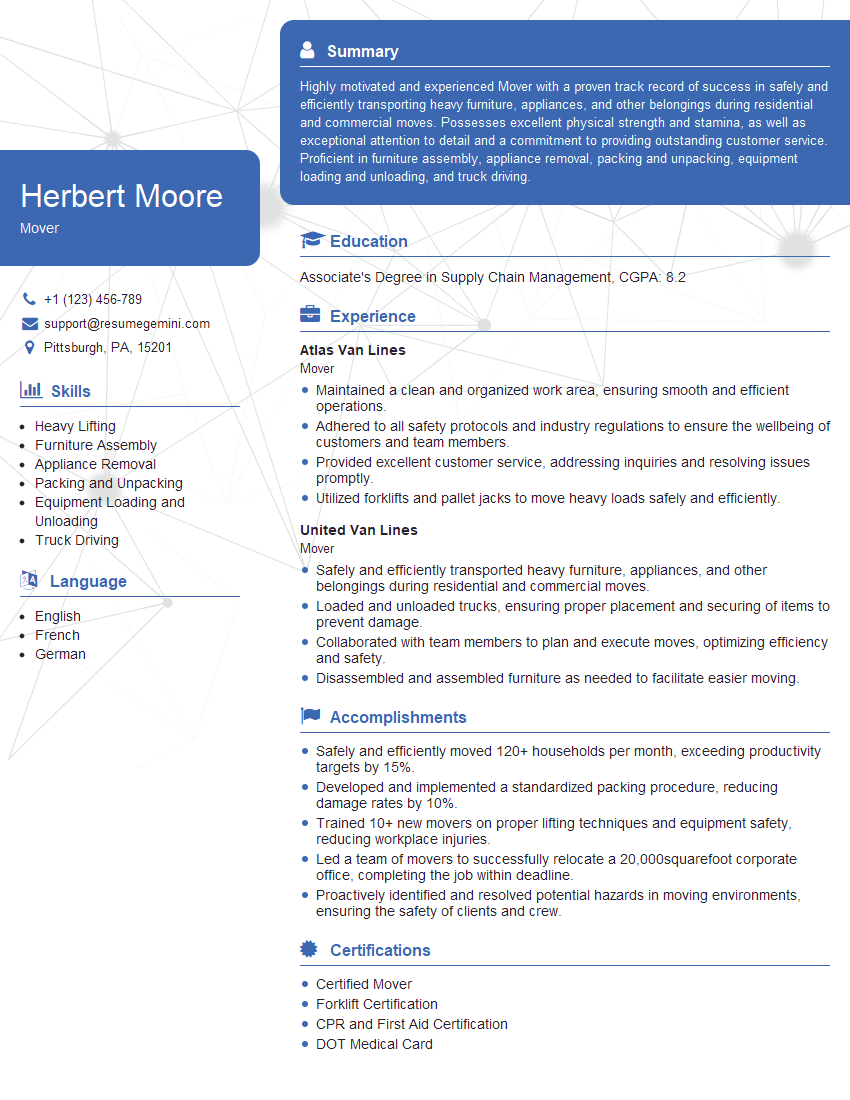
Mover Resume Sample
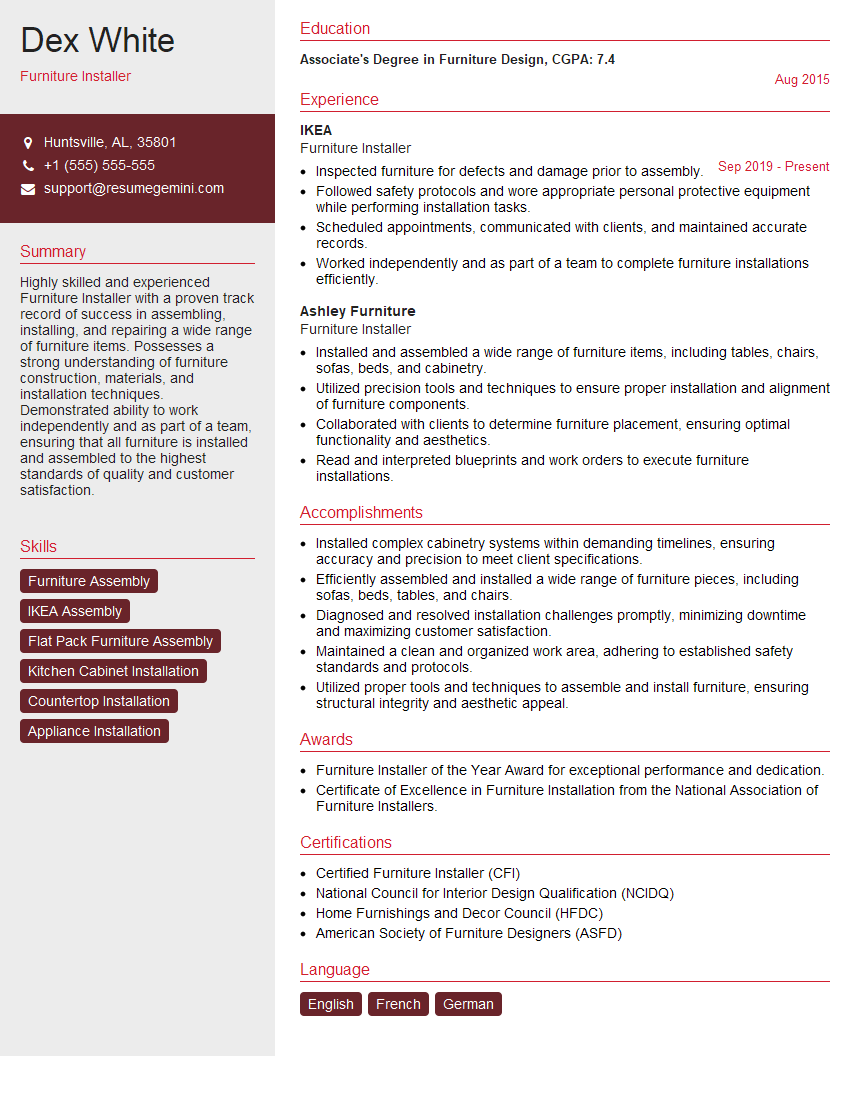
Furniture Installer Resume Sample
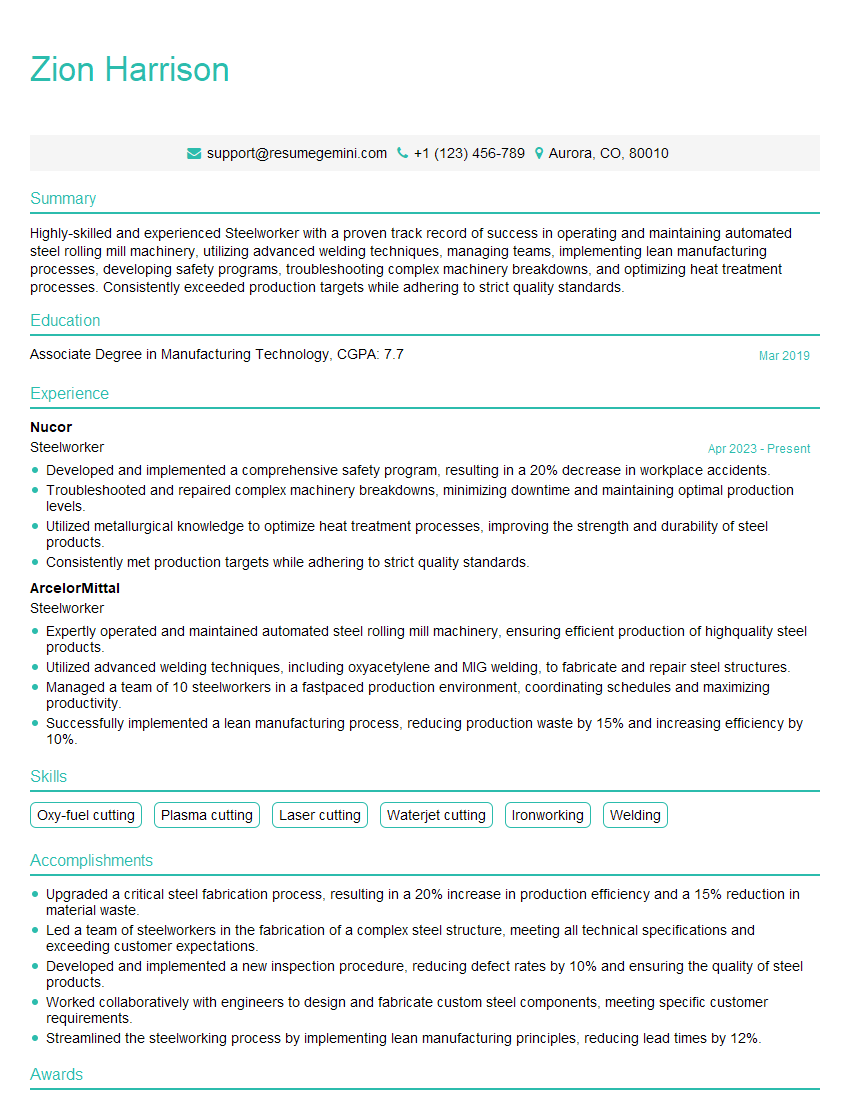
Steelworker Resume Sample
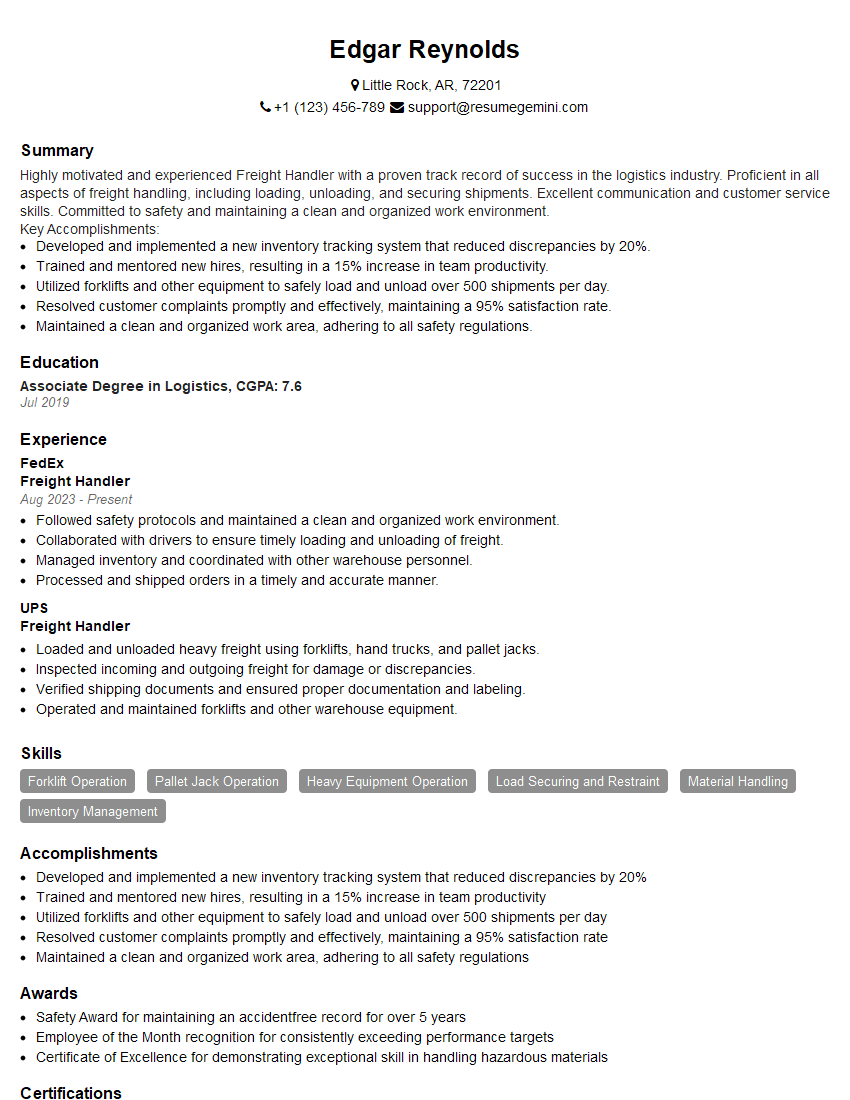
Freight Handler Resume Sample
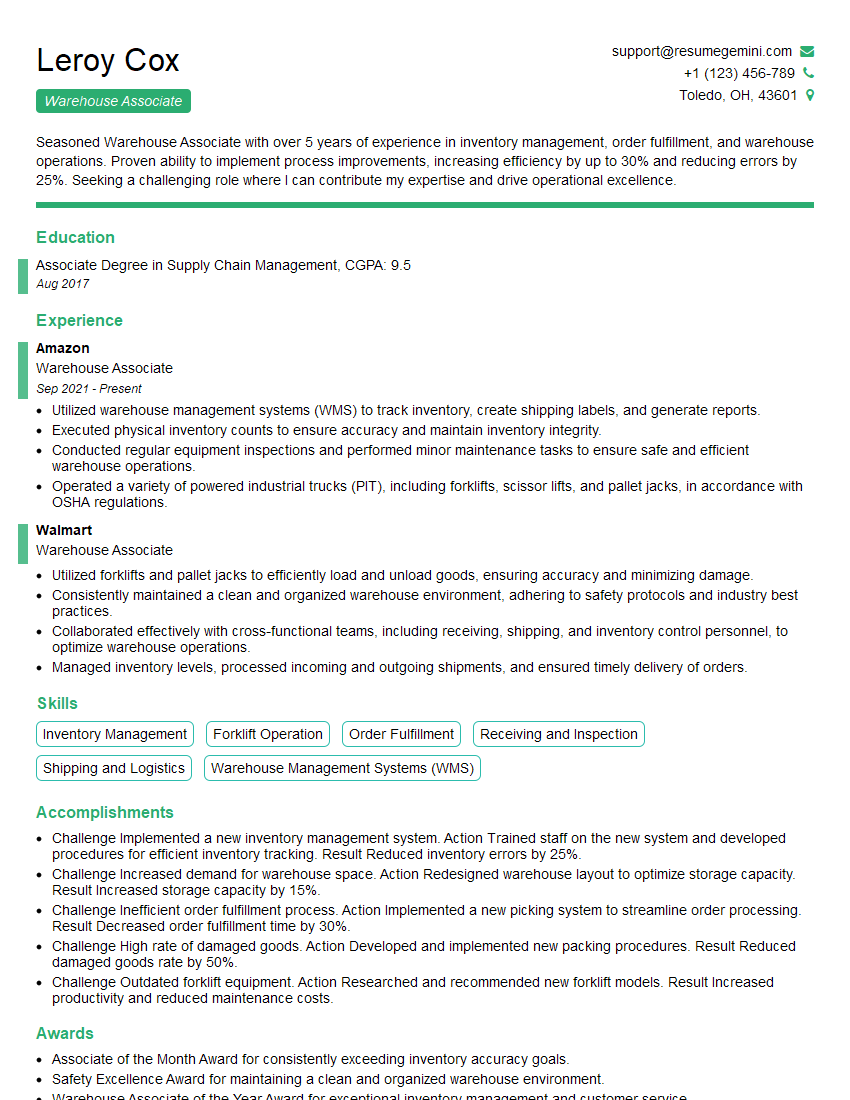
Warehouse Associate Resume Sample
Explore more articles
Users Rating of Our Blogs
Share Your Experience
We value your feedback! Please rate our content and share your thoughts (optional).
What Readers Say About Our Blog
Very informative content, great job.
good