The right preparation can turn an interview into an opportunity to showcase your expertise. This guide to Maintaining a Clean Work Environment interview questions is your ultimate resource, providing key insights and tips to help you ace your responses and stand out as a top candidate.
Questions Asked in Maintaining a Clean Work Environment Interview
Q 1. What cleaning methods are most effective for different types of surfaces?
Choosing the right cleaning method depends heavily on the surface material. Different materials react differently to various cleaning agents and techniques, and using the wrong method can damage the surface.
- Hard surfaces like tile, countertops, and sealed stone: These usually benefit from a simple solution of warm water and a mild detergent. For tougher stains, a slightly stronger cleaner might be needed, but always test in an inconspicuous area first. Avoid abrasive cleaners or scouring pads which can scratch the surface. For example, a granite countertop might be cleaned with a pH-neutral cleaner to avoid etching.
- Wood surfaces: Wood requires gentler treatment. Use a wood cleaner specifically designed for the type of wood (e.g., hardwood floors require different treatment than furniture). Always wipe up spills immediately to prevent staining. Avoid excessive moisture. A microfiber cloth is your best friend here.
- Glass and mirrors: These shine best with a glass cleaner and a clean microfiber cloth. Spray the cleaner onto the cloth, not directly onto the glass to avoid streaks. For stubborn smudges, you can use a razor blade scraper (carefully!)
- Fabric upholstery and carpets: Vacuum regularly. For spot cleaning, use a specialized upholstery or carpet cleaner, and always follow the product instructions. Consider professional cleaning for deep cleaning.
Remember, always test any cleaning solution on a small, inconspicuous area before applying it to the entire surface.
Q 2. How do you prioritize tasks in a high-volume cleaning environment?
In a high-volume cleaning environment, prioritization is key. It’s not about just cleaning, it’s about efficient and effective cleaning. My approach is a blend of urgency and strategic planning.
- High-priority tasks: These are areas with the highest traffic or those presenting immediate health and safety risks. Think restrooms, spills, and high-touch surfaces like doorknobs and light switches.
- Medium-priority tasks: These involve regularly cleaned areas that maintain a decent standard of cleanliness. This might include general dusting, vacuuming, and emptying trash cans.
- Low-priority tasks: These are tasks which can be completed when time allows, and these are often deeper cleaning tasks, like detailed cleaning of rarely used spaces or more intricate cleaning that takes longer.
I use a checklist system combined with a color-coded map to visualize areas that need immediate attention. This also helps in training new staff or efficiently delegating tasks, thereby maximizing efficiency.
Q 3. Describe your experience with various cleaning chemicals and equipment.
My experience encompasses a wide range of cleaning chemicals and equipment. I’m proficient in using various types of cleaning agents, from all-purpose cleaners and disinfectants to specialized solutions for different surfaces, including those that are eco-friendly and environmentally safe.
In terms of equipment, I’m familiar with operating various floor cleaning machines, including vacuums (both upright and canister), buffers, and auto-scrubbers. I also have experience with steam cleaners, pressure washers (used appropriately for exterior areas), and various hand tools like mops, brooms, and specialized brushes.
I understand the importance of choosing the right chemical for the job and the proper use of equipment to ensure efficiency and effectiveness, and I am skilled in the safe handling of all such tools and chemicals.
Q 4. What safety precautions do you take when handling cleaning products?
Safety is paramount when handling cleaning products. My safety protocol involves several key steps:
- Always read and follow the instructions on the label of any cleaning product. This includes understanding dilution ratios, appropriate application methods, and necessary safety precautions.
- Wear appropriate personal protective equipment (PPE) such as gloves, eye protection, and sometimes a mask or respirator, depending on the product and the task.
- Work in well-ventilated areas to minimize exposure to fumes. Use appropriate ventilation or, in certain cases, seek to work outdoors where possible.
- Store cleaning products safely, away from food and children, and in their original containers with labels intact. Never mix cleaning products, as this can create dangerous fumes or reactions.
- Dispose of cleaning products and waste properly according to local regulations.
I also prioritize proper training and awareness amongst colleagues about the safe handling of cleaning products to maintain a secure and safe work environment for everyone.
Q 5. How do you maintain a consistent cleaning schedule?
Maintaining a consistent cleaning schedule is crucial for maintaining a clean and hygienic environment. My approach involves a combination of planning, scheduling, and monitoring.
I start by creating a detailed cleaning schedule that outlines daily, weekly, and monthly tasks. This schedule factors in high-traffic areas requiring more frequent attention, and it may even take into account time-of-day variations in need for cleaning in certain areas. I use digital tools or a physical checklist to track progress and ensure accountability. Regular reviews and adjustments of the schedule are made to adapt to changing needs or feedback.
For example, a daily schedule might include cleaning restrooms and high-traffic areas, while a weekly schedule could encompass more thorough tasks like vacuuming carpets and dusting.
Q 6. How do you handle unexpected spills or messes?
Unexpected spills and messes require immediate attention to prevent damage and ensure safety. My response involves a series of quick and decisive actions:
- Assess the situation: Identify the nature of the spill (e.g., liquid, solid, hazardous material) and its location.
- Contain the spill: Prevent further spreading by using absorbent materials like towels or spill kits.
- Clean the spill: Use appropriate cleaning agents and methods specific to the type of spill. For hazardous materials, consult the safety data sheet (SDS) and follow the recommended procedures.
- Dispose of waste: Properly dispose of contaminated materials following safety guidelines and regulatory requirements.
- Report the incident: If necessary, report the incident to the appropriate personnel and follow established protocols.
For example, a coffee spill would be handled differently than a chemical spill, which would require more stringent protocols and potential emergency response.
Q 7. How do you ensure the safety of yourself and others while cleaning?
Ensuring the safety of myself and others is always my top priority. My approach includes:
- Proper training and awareness: I ensure that I and my team receive comprehensive training on safe cleaning practices, including the use of cleaning chemicals and equipment.
- Risk assessment: I routinely assess the workplace for potential hazards and take steps to mitigate these risks, such as ensuring clear walkways, proper lighting, and securing potentially dangerous equipment or chemicals.
- Communication and teamwork: I communicate clearly with my team and other staff about potential hazards and safety precautions. Teamwork is essential in preventing accidents.
- Adherence to safety protocols: I strictly follow all safety protocols, including the use of PPE, and ensure that the team I work with does so too.
- Regular inspections: I conduct regular inspections to identify and address potential safety issues.
Prioritizing safety fosters a productive and healthy work environment for everyone.
Q 8. What experience do you have with specialized cleaning equipment (e.g., floor buffers, carpet extractors)?
Throughout my career, I’ve extensively used a variety of specialized cleaning equipment. My experience includes operating floor buffers of different types – from rotary buffers for high-gloss finishes to orbital buffers for gentler cleaning on delicate surfaces. I’m proficient in using carpet extractors, understanding the importance of pre-treatment solutions and proper extraction techniques to remove stains and deep-seated dirt. I’m also familiar with operating other equipment such as pressure washers (for exterior cleaning), vacuum cleaners with HEPA filtration (for allergy-friendly environments), and window cleaning systems. I always prioritize proper safety procedures and equipment maintenance, ensuring optimal performance and longevity.
For instance, when cleaning a large office space with heavy foot traffic, I’d use a rotary buffer with a high-speed setting for quick and efficient floor cleaning. However, in a more delicate environment like a library, I would opt for an orbital buffer to prevent damage to the flooring. Similarly, when tackling stubborn carpet stains, I employ different pre-treatment techniques based on the stain type before using the carpet extractor.
Q 9. How familiar are you with OSHA safety standards for cleaning?
OSHA safety standards are paramount in my cleaning practice. I’m well-versed in the regulations surrounding the use of cleaning chemicals, including proper handling, storage, and disposal procedures. This includes understanding Safety Data Sheets (SDS) for all products and following the manufacturer’s instructions meticulously. I am trained in the safe operation of all cleaning equipment, and I always wear the appropriate Personal Protective Equipment (PPE), such as gloves, eye protection, and safety shoes. I also understand the importance of proper ventilation and awareness of potential hazards such as slips, trips, and falls.
For example, I’m always careful to avoid mixing different cleaning chemicals, as this can create dangerous fumes. I ensure proper ventilation is in place before and during the cleaning process to prevent build-up of hazardous vapors. Before operating any equipment, I conduct a thorough inspection to ensure it’s in good working order and that all safety features are functioning correctly.
Q 10. How would you address a complaint about the cleanliness of a specific area?
Addressing a cleanliness complaint involves a systematic approach. First, I’d actively listen to the complainant, acknowledging their concerns and showing empathy. Next, I’d conduct a thorough inspection of the area in question, documenting any issues identified. Depending on the nature of the complaint, this might involve checking for visible dirt, debris, or damage. I’d then develop a plan of action, outlining specific cleaning tasks and timelines to rectify the situation. This plan would be communicated to the complainant, along with an estimated timeframe for completion. After completing the cleaning tasks, I’d follow up with the complainant to ensure they’re satisfied with the resolution. If the issue persists, I’d escalate it to my supervisor, documenting all steps taken thus far.
For example, if a complaint concerned a restroom, I would check for cleanliness of sinks, toilets, floors, and the presence of any spills or waste. I’d ensure the appropriate cleaning supplies were used and that the area was disinfected and thoroughly dried to prevent future issues.
Q 11. How do you organize your cleaning supplies for efficiency?
Organizing cleaning supplies for efficiency is crucial for productivity and safety. I use a color-coded system, grouping similar supplies together in clearly labeled containers. This includes separating disinfectants from other cleaning agents, and storing them securely away from food or consumables. Cleaning carts are organized logically, placing frequently used items within easy reach and less frequently used items in designated storage compartments. I ensure all containers are properly labeled with both the product name and safety instructions. Regular inventory checks help prevent running out of essential supplies.
For example, all disinfectants might be in blue containers, while all-purpose cleaners are in green. This visual system ensures I quickly locate the necessary product without wasting time searching.
Q 12. Describe your experience working independently and as part of a team.
I’m equally comfortable working independently and as part of a team. When working independently, I’m highly self-motivated and able to manage my time effectively to meet deadlines and ensure quality work. I proactively identify tasks and prioritize them according to their importance. As part of a team, I’m a collaborative and supportive team member, contributing my skills and experience to the collective effort. I communicate effectively with colleagues and am always willing to assist others when needed. I respect individual strengths and contribute to a positive work environment.
In my previous role, I successfully managed a large cleaning project independently, developing a detailed cleaning schedule and ensuring the task was completed on time and to the client’s satisfaction. In another instance, I worked as part of a team to clean a large event space after a conference, coordinating our efforts to ensure a swift and thorough cleanup.
Q 13. How do you adapt your cleaning methods to different types of facilities?
Adapting cleaning methods to different facilities requires flexibility and attention to detail. I assess the specific needs of each facility, considering factors like the size, type of flooring, types of surfaces, and the level of traffic. I tailor my cleaning solutions and techniques accordingly. For example, I would use different cleaning products and methods for a hospital than for a school or office building. A hospital would require more stringent disinfection protocols, while a school might prioritize allergen-friendly cleaning agents.
For instance, in a healthcare facility, I’d prioritize using hospital-grade disinfectants and following strict infection control protocols. In a retail setting, I would focus on maintaining a clean and welcoming appearance for customers, paying attention to high-traffic areas and display areas.
Q 14. What is your experience with inventory management of cleaning supplies?
My experience with inventory management of cleaning supplies includes tracking stock levels, ordering new supplies when needed, and ensuring proper storage to prevent spoilage or damage. I’m adept at using inventory management software or spreadsheets to maintain accurate records of stock levels and usage patterns. I identify cost-effective suppliers while maintaining quality standards. Regular inventory checks prevent shortages and ensure there are sufficient supplies on hand for ongoing cleaning needs.
I use a combination of physical inventory counts and software to monitor stock levels, ensuring we never run low on critical items. By tracking usage, I can predict demand and optimize ordering schedules, minimizing waste and storage costs.
Q 15. How do you identify and report maintenance issues related to cleanliness?
Identifying and reporting maintenance issues related to cleanliness involves a systematic approach. It starts with regular inspections – think of it like a doctor’s check-up for the facility. I would visually inspect all areas, paying attention to details like spills, damaged flooring, malfunctioning equipment (e.g., a broken hand dryer), and signs of pest infestation. My checklist would include specific areas like restrooms, kitchens, common areas, and any specialized spaces.
For reporting, I utilize a clear and concise method, usually a documented system like a digital log or a physical report book. This includes a detailed description of the issue (e.g., ‘Cracked tile in restroom near sink, stall 3’), its location, the potential hazard it poses (e.g., ‘Trip hazard’), and the urgency (e.g., ‘Immediate attention needed’). I would also include photos or videos as evidence, particularly for significant damage. I then submit the report to the designated maintenance personnel or supervisor, ensuring prompt action and follow-up to verify that the issue has been resolved. A well-maintained log facilitates tracking of issues over time, helping predict future needs and improve preventative maintenance strategies.
Career Expert Tips:
- Ace those interviews! Prepare effectively by reviewing the Top 50 Most Common Interview Questions on ResumeGemini.
- Navigate your job search with confidence! Explore a wide range of Career Tips on ResumeGemini. Learn about common challenges and recommendations to overcome them.
- Craft the perfect resume! Master the Art of Resume Writing with ResumeGemini’s guide. Showcase your unique qualifications and achievements effectively.
- Don’t miss out on holiday savings! Build your dream resume with ResumeGemini’s ATS optimized templates.
Q 16. What are your time management skills in a cleaning role?
Effective time management in a cleaning role is crucial for efficiency and productivity. My approach involves several key strategies. Firstly, I prioritize tasks based on urgency and importance, focusing on high-impact areas first, like restrooms or high-traffic zones. This ensures that the most critical cleaning needs are addressed immediately. I then break down large tasks into smaller, more manageable chunks to avoid feeling overwhelmed, and I use timers to track my progress on individual tasks, promoting consistency and preventing time wastage. For example, I might allocate 15 minutes for cleaning a specific section of a room and then move on to the next area.
I also utilize cleaning schedules and checklists to ensure consistency and completeness. These tools also aid in training new personnel and maintaining a standard across the facility. Lastly, I am adept at multitasking where appropriate, for example, allowing cleaning solutions to dwell while I move on to other tasks within the same area. My goal is to finish all tasks within the allotted time while upholding quality standards.
Q 17. How do you deal with challenging or difficult customers/clients?
Dealing with challenging customers requires patience, empathy, and effective communication. My approach is always to listen attentively to their concerns, acknowledging their frustrations without getting defensive. I aim to understand the root cause of their dissatisfaction, be it a cleanliness issue, a perceived lack of responsiveness, or a misunderstanding about procedures.
For instance, if a client expresses concern about a dirty area, I would first apologize for the inconvenience and then immediately address the issue, explaining the steps I’ll take to rectify it. If the issue stems from a broader operational problem, I would respectfully relay their concerns to my supervisor and explain my efforts to find a solution. Maintaining a calm and professional demeanor, even under pressure, is key. Clear communication and a genuine willingness to resolve the situation often diffuses tense situations and fosters positive relationships with clients.
Q 18. What is your experience with disposal of hazardous waste?
My experience with hazardous waste disposal involves strict adherence to safety regulations and proper handling procedures. This includes understanding different types of hazardous waste (e.g., chemical cleaners, sharps, batteries) and their specific disposal requirements. I am familiar with proper labeling, containment, and segregation methods to prevent accidental spills or contamination.
For instance, I have experience properly labeling containers of used cleaning solutions, ensuring they are stored securely and away from incompatible materials. I am also trained in the proper handling and disposal of sharps, using puncture-resistant containers and following designated protocols for their removal by licensed waste management companies. My approach always emphasizes safety first, minimizing risks to myself and the environment.
Q 19. Describe your knowledge of various disinfectants and their appropriate uses.
I possess in-depth knowledge of various disinfectants and their appropriate uses. This includes understanding their chemical composition, their efficacy against different microorganisms (bacteria, viruses, fungi), and their appropriate application methods. For example, I know that bleach solutions are effective against a broad range of pathogens but require proper dilution to avoid damage to surfaces.
I understand that different disinfectants are suitable for various surfaces and applications. For instance, I would use a specialized cleaner for delicate surfaces like granite countertops, while a different disinfectant might be used for restroom surfaces. I am well-versed in reading and interpreting safety data sheets (SDS) to understand the safe handling and application of each product, including appropriate personal protective equipment (PPE) such as gloves and eye protection. This knowledge ensures I am using the most effective and safest cleaning agents for each situation.
Q 20. How do you ensure compliance with relevant health and safety regulations?
Compliance with health and safety regulations is paramount. My approach involves several key steps. Firstly, I am familiar with relevant legislation and standards, such as OSHA guidelines in the US or equivalent regulations in other jurisdictions. I understand and comply with all requirements related to personal protective equipment (PPE), handling of chemicals, safe use of cleaning equipment, and emergency procedures.
I regularly participate in safety training programs to stay updated on best practices and any changes in regulations. I am also proactive in reporting any unsafe conditions or practices, immediately notifying my supervisor of any potential hazards. Maintaining a clean and organized workspace is crucial to minimize risks and prevent accidents. For example, I ensure that walkways are always clear, spills are cleaned promptly, and all equipment is stored properly after use.
Q 21. How familiar are you with different types of flooring and their appropriate cleaning methods?
I am familiar with various types of flooring and their appropriate cleaning methods. This includes understanding the unique properties and sensitivities of different materials. For example, I know that hardwood floors require different cleaning techniques than tile or carpet.
Hardwood floors often require specialized cleaners to avoid damaging the finish, while carpet cleaning may involve vacuuming, spot treatment, and periodic deep cleaning. Tile floors, depending on the type of tile, may require specific cleaning products to prevent discoloration or damage. I carefully select the appropriate cleaning tools and techniques based on the flooring material to ensure effective cleaning without causing damage. This includes using the correct type of mop, vacuum, or cleaning solution for the specific surface.
Q 22. Describe a time you had to solve a complex cleaning problem.
One particularly challenging cleaning problem involved a severe grease buildup in a commercial kitchen exhaust hood. It wasn’t just a surface-level grime; years of accumulated grease had hardened, creating a fire hazard. Solving this required a multi-step approach.
- Assessment: First, I carefully assessed the extent of the buildup, noting its thickness and location. Safety was paramount, so I ensured proper ventilation and wore appropriate personal protective equipment (PPE) including gloves, eye protection, and a respirator.
- Degreasing: I used a powerful, commercial-grade degreaser, applying it in sections and allowing sufficient dwell time for it to penetrate the hardened grease. This wasn’t a one-size-fits-all solution; the specific degreaser was chosen based on the type of grease and the material of the exhaust hood.
- Mechanical Cleaning: After the degreaser had worked its magic, I employed a combination of scraping tools (carefully to avoid damaging the hood) and high-pressure washing to remove the loosened grease. This phase demanded precision and patience to avoid spreading the grease or damaging the equipment.
- Final Cleaning and Sanitization: Once all visible grease was removed, I thoroughly rinsed the hood and sanitized the surface using a food-safe sanitizer. This ensured a hygienic and safe environment.
This experience highlighted the importance of a systematic approach, proper PPE, and choosing the right cleaning agents for specific tasks. The result was a completely clean and safe exhaust hood, significantly reducing the fire risk.
Q 23. What are your strategies for preventing the spread of germs and bacteria?
Preventing the spread of germs and bacteria is fundamental to maintaining a clean environment. My strategies revolve around a multi-pronged approach focusing on hygiene, disinfection, and proper waste disposal.
- Frequent Handwashing: This is the simplest and most effective method. I emphasize proper handwashing technique – washing with soap and water for at least 20 seconds, paying attention to all surfaces of the hands and under the fingernails. Hand sanitizers are also used between tasks, particularly when handwashing isn’t immediately available.
- Disinfection: Regular disinfection of frequently touched surfaces like doorknobs, light switches, and countertops is crucial. I use EPA-registered disinfectants following the manufacturer’s instructions meticulously. Different disinfectants are effective against various pathogens; selecting the appropriate one is key.
- Proper Cleaning Techniques: Cleaning should always proceed from the cleanest to the dirtiest areas to avoid cross-contamination. For example, when cleaning a bathroom, I start with the toilet and work my way out to the door.
- Personal Protective Equipment (PPE): Using gloves and other PPE not only protects the cleaner but also prevents the spread of germs from contaminated surfaces to other areas.
- Waste Disposal: Proper disposal of cleaning waste, including contaminated materials, minimizes the risk of spreading bacteria. This includes using appropriate waste bins and disposing of materials according to local regulations.
Think of it like building a defense against an army of invisible invaders – multiple layers of protection are needed for complete effectiveness.
Q 24. How do you ensure the proper disposal of cleaning waste?
Proper disposal of cleaning waste is crucial for environmental safety and public health. My approach is guided by adherence to local regulations and best practices for handling hazardous materials.
- Segregation: I meticulously segregate waste into different categories: regular trash, recyclable materials, and hazardous waste. Hazardous waste, such as chemical solutions or used cleaning wipes, are handled separately according to manufacturer instructions and local regulations.
- Proper Labeling: Containers used for hazardous waste are clearly labeled with the contents and any necessary safety precautions.
- Safe Handling: I always wear appropriate PPE when handling cleaning waste and avoid spilling or mixing different chemicals.
- Compliance with Regulations: I am aware of local regulations concerning cleaning waste disposal and ensure that all materials are disposed of according to these guidelines. This may include working with specialized waste disposal companies for hazardous materials.
Imagine a chain of responsibility; each step – segregation, labeling, safe handling, and compliance – is a vital link in the chain that protects both the environment and human health.
Q 25. Describe your experience with different types of cleaning equipment.
My experience encompasses a wide range of cleaning equipment, from basic tools to sophisticated machinery.
- Basic Tools: I’m proficient in using mops, brooms, dustpans, sponges, cloths, and various brushes for different surfaces.
- Vacuum Cleaners: I have experience with both upright and canister vacuums, understanding the nuances of using each for different floor types and cleaning tasks. I understand the importance of maintaining and regularly emptying them.
- Floor Cleaning Machines: My experience includes operating automatic scrubbers and floor buffers for efficient and effective cleaning of large floor areas. This includes understanding the different cleaning solutions and techniques for various flooring materials.
- High-Pressure Washers: I am skilled in using high-pressure washers, but only when appropriate, understanding the potential for damage to surfaces if misused. I prioritize safety precautions when operating this machinery.
- Specialized Equipment: Depending on the job, I am also comfortable using specialized cleaning equipment such as steam cleaners, carpet extractors, and window cleaning systems.
The key is to understand the capabilities and limitations of each piece of equipment and use it appropriately and safely.
Q 26. What are your strategies for maintaining a high standard of cleanliness?
Maintaining a high standard of cleanliness involves a proactive and systematic approach.
- Regular Cleaning Schedule: A well-defined cleaning schedule is fundamental. This ensures that all areas are cleaned regularly and prevents dirt and grime from accumulating.
- Detailed Cleaning Procedures: I follow specific cleaning procedures for different areas and surfaces to ensure thorough and effective cleaning. This includes established methods for disinfecting high-touch areas.
- Quality Control Checks: Regular checks and inspections are vital to ensure that the cleaning standards are met. This involves regular self-audits and reviewing my work for thoroughness and effectiveness.
- Continuous Improvement: I am always looking for ways to improve my cleaning techniques and processes. This includes staying updated on new cleaning products and technologies.
- Communication: Effective communication with supervisors and colleagues ensures that cleaning needs are met and potential issues are addressed promptly.
Maintaining a high standard is like tending a garden – it requires consistent effort, attention to detail, and a willingness to adapt to changing conditions.
Q 27. How do you handle situations where cleaning materials are low or run out unexpectedly?
Unexpected shortages of cleaning materials are always a possibility. My strategy focuses on preparedness and efficient problem-solving.
- Inventory Management: Regularly checking inventory levels and ordering supplies well in advance of anticipated needs minimizes the risk of unexpected shortages.
- Alternative Solutions: When a specific cleaning product runs out unexpectedly, I assess the situation to determine if a suitable substitute is available. For example, if a particular disinfectant is unavailable, I’ll check if an equally effective alternative is on hand.
- Prioritization: If a complete cleaning cannot be done due to a shortage, I prioritize cleaning high-traffic and high-risk areas to minimize health risks.
- Communication: I communicate the shortage to my supervisor immediately to ensure that the necessary supplies are reordered as quickly as possible.
Having a plan B is as important as having a plan A. Flexibility and proactive communication are crucial in handling these unexpected situations.
Q 28. What is your experience with deep cleaning and restorative cleaning procedures?
Deep cleaning and restorative cleaning are more intensive processes than routine cleaning. My experience includes both.
- Deep Cleaning: Deep cleaning goes beyond routine cleaning, addressing hard-to-reach areas and focusing on thorough cleaning and disinfection of all surfaces. This might include cleaning behind appliances, detailed window cleaning, or meticulous carpet cleaning.
- Restorative Cleaning: Restorative cleaning focuses on revitalizing heavily soiled or neglected areas. This might involve removing stubborn stains, repairing minor damage, or restoring the original appearance of surfaces. For example, I’ve restored the shine to heavily stained grout using specific cleaning agents and techniques.
- Specialized Procedures: Both deep cleaning and restorative cleaning may require the use of specialized equipment and cleaning solutions tailored to specific materials and soil types. For example, restorative cleaning of antique furniture may require different techniques than cleaning modern surfaces.
Deep cleaning and restorative cleaning are akin to major home renovation versus minor repairs; they both aim for cleanliness but tackle different levels of grime and deterioration.
Key Topics to Learn for Maintaining a Clean Work Environment Interview
- Safety and Hygiene Protocols: Understanding and adhering to workplace safety regulations regarding hygiene, waste disposal, and the use of cleaning agents.
- Cleaning Techniques and Equipment: Demonstrating knowledge of appropriate cleaning methods for various surfaces and equipment, including the safe and effective use of cleaning tools and machinery.
- Organization and Inventory Management: Explaining strategies for efficient storage, organization of supplies, and managing inventory to ensure a consistently clean and well-stocked environment.
- Waste Management and Recycling: Understanding proper procedures for waste segregation, recycling, and disposal in compliance with environmental regulations.
- Infection Control (if applicable): Knowledge of infection prevention and control measures, particularly relevant in healthcare or food service settings.
- Teamwork and Communication: Highlighting the importance of collaboration with colleagues to maintain cleanliness, effective communication regarding cleaning schedules and any issues.
- Problem-Solving and Adaptability: Demonstrating the ability to identify and address unexpected cleaning challenges, adapting to changing work demands and maintaining a clean environment despite unforeseen circumstances.
- Quality Control and Inspection: Understanding the importance of regular inspections and quality checks to ensure consistent standards of cleanliness are maintained.
Next Steps
Mastering the art of maintaining a clean work environment demonstrates key skills highly valued by employers: responsibility, attention to detail, and a commitment to safety and efficiency. These attributes significantly boost your career prospects across diverse industries. To enhance your job search, crafting an ATS-friendly resume is crucial. This ensures your application gets noticed by hiring managers. ResumeGemini is a trusted resource to help you build a professional and impactful resume that highlights your relevant skills and experience. Examples of resumes tailored to Maintaining a Clean Work Environment are available to help you get started.
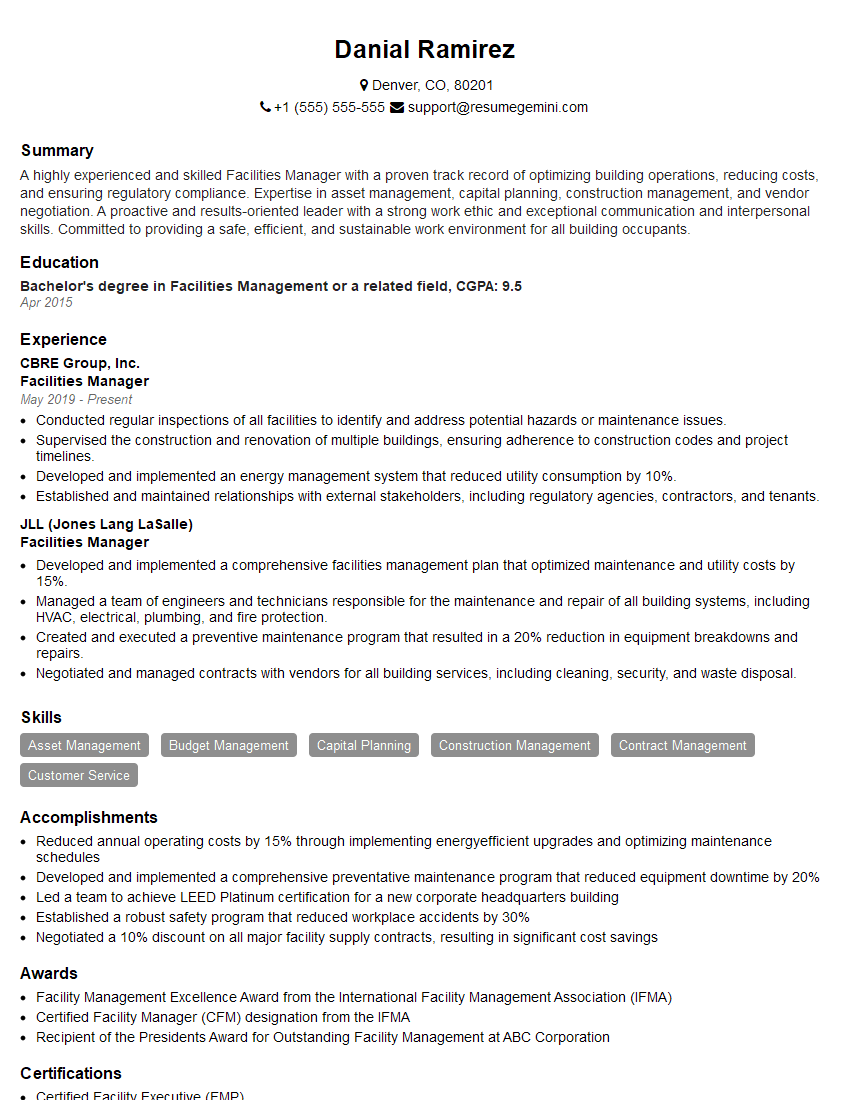
Facilities Manager Resume Sample
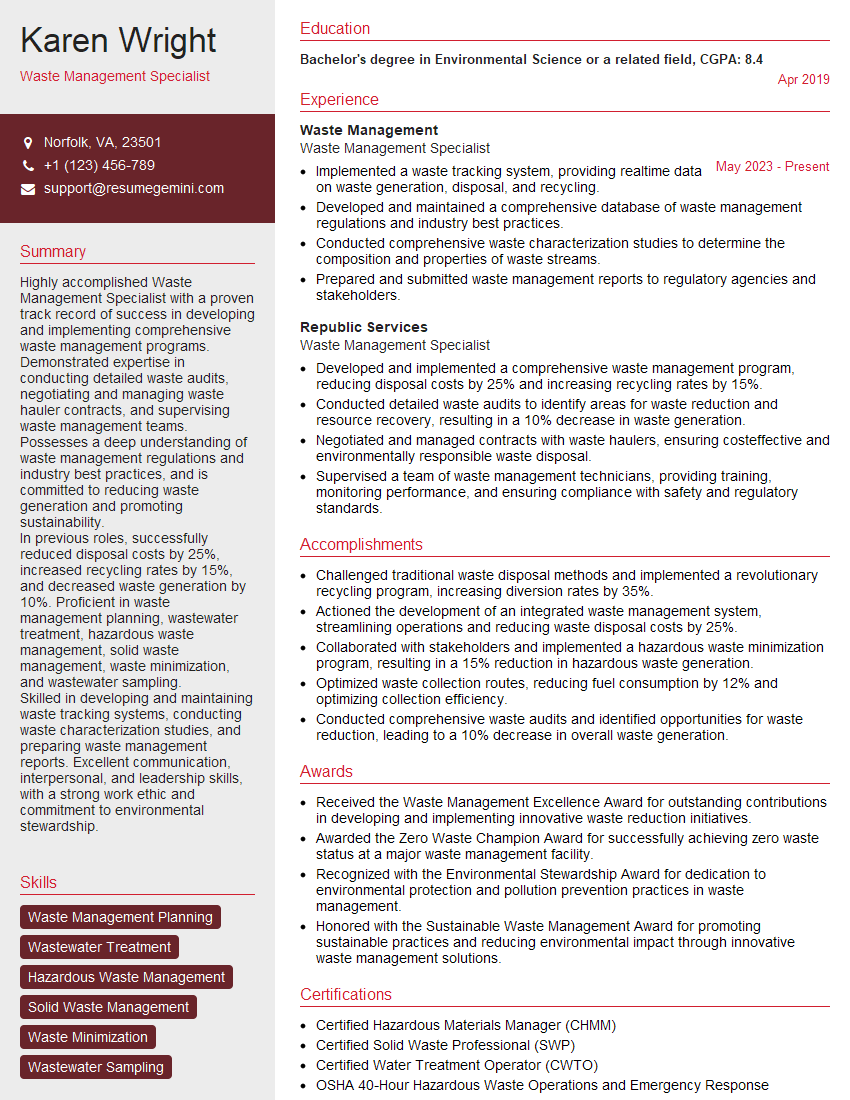
Waste Management Specialist Resume Sample
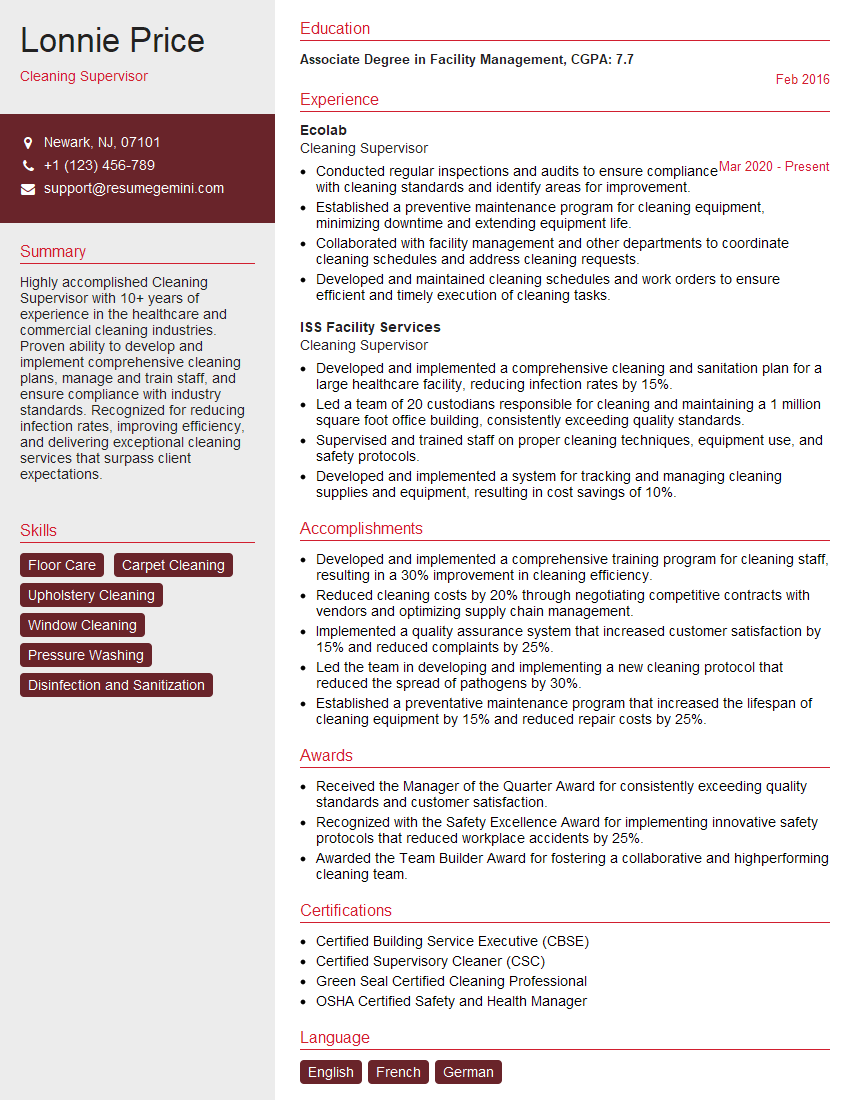
Cleaning Supervisor Resume Sample
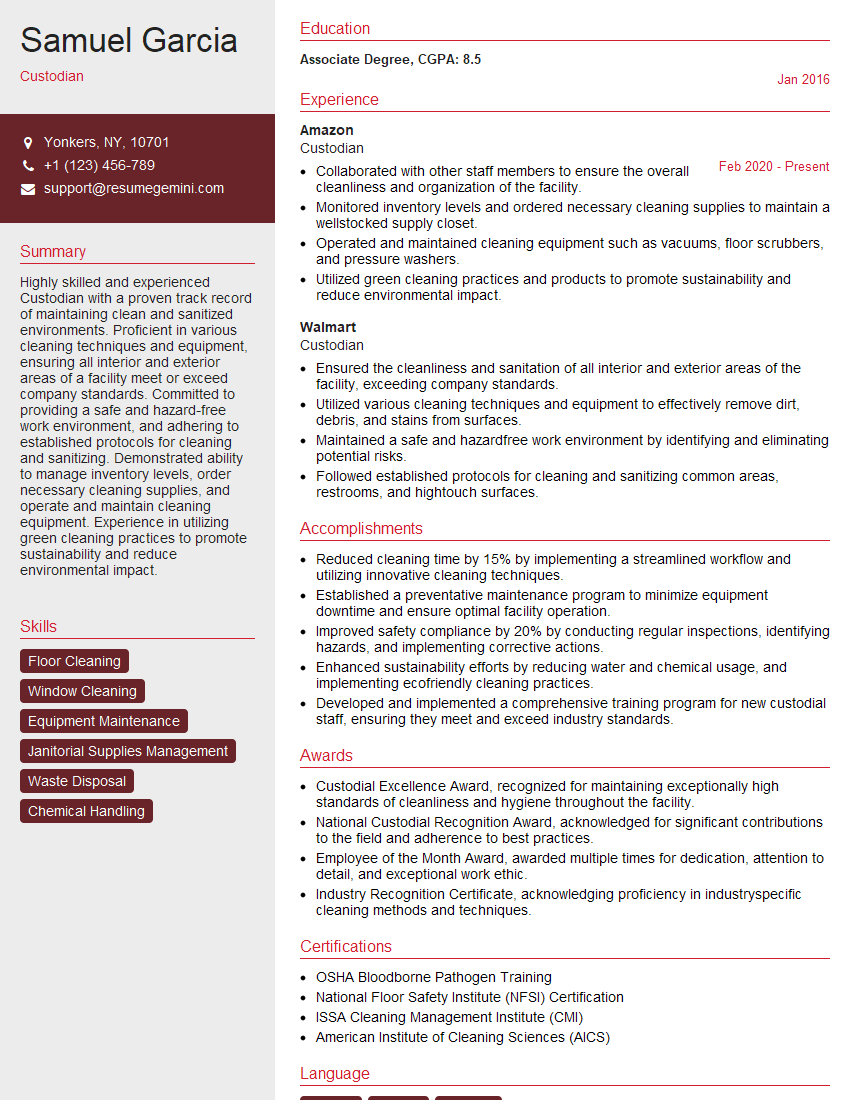
Custodian Resume Sample
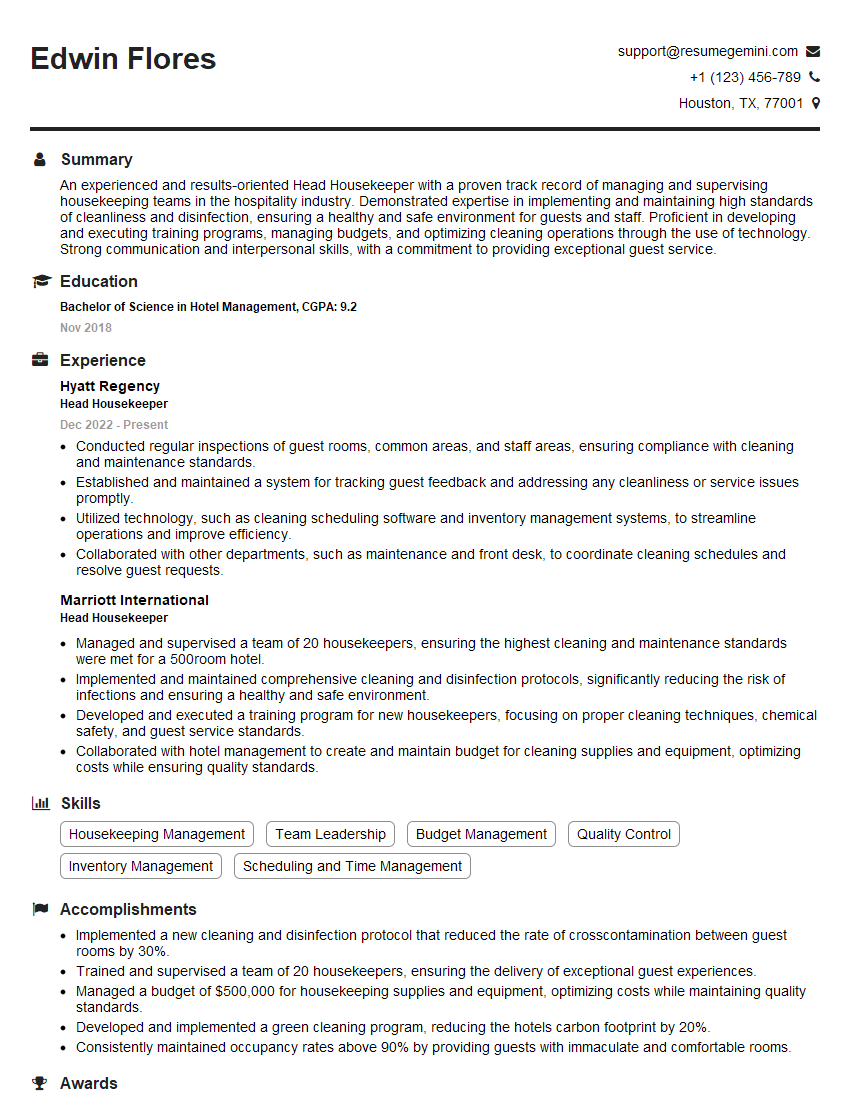
Head Housekeeper Resume Sample
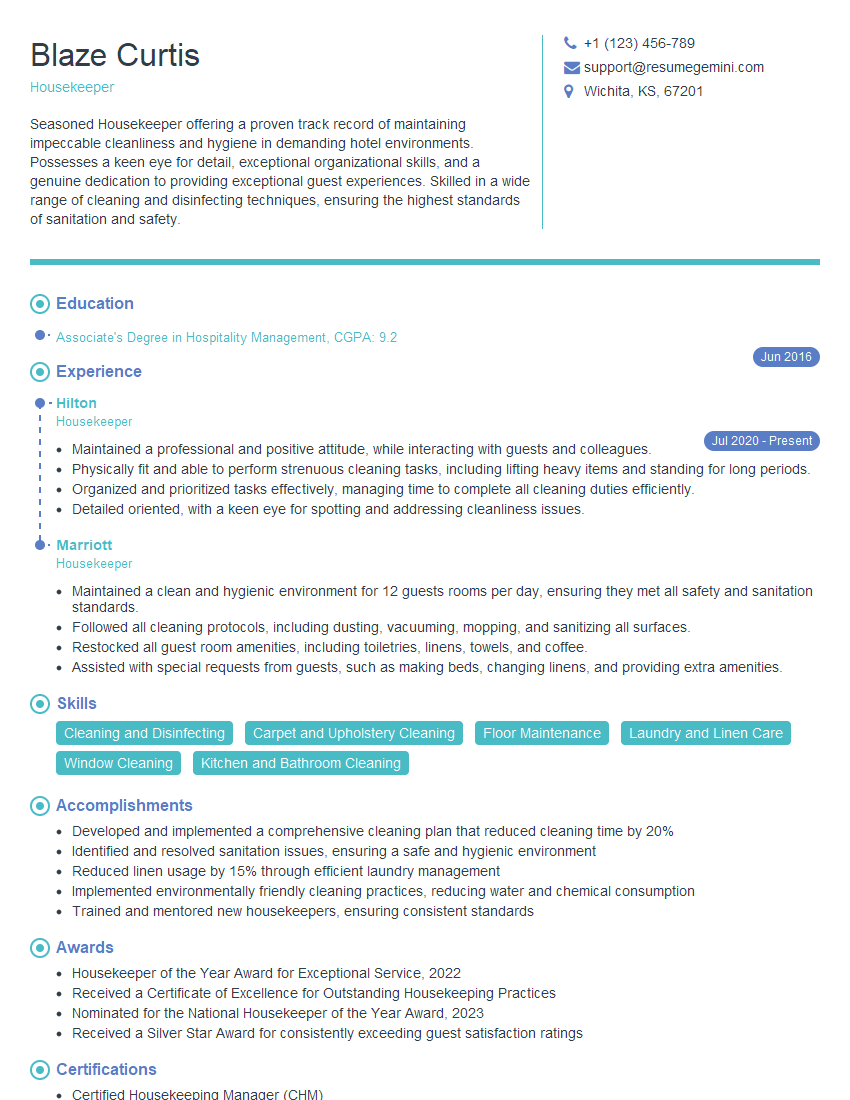
Housekeeper Resume Sample

Carpet Cleaner Resume Sample
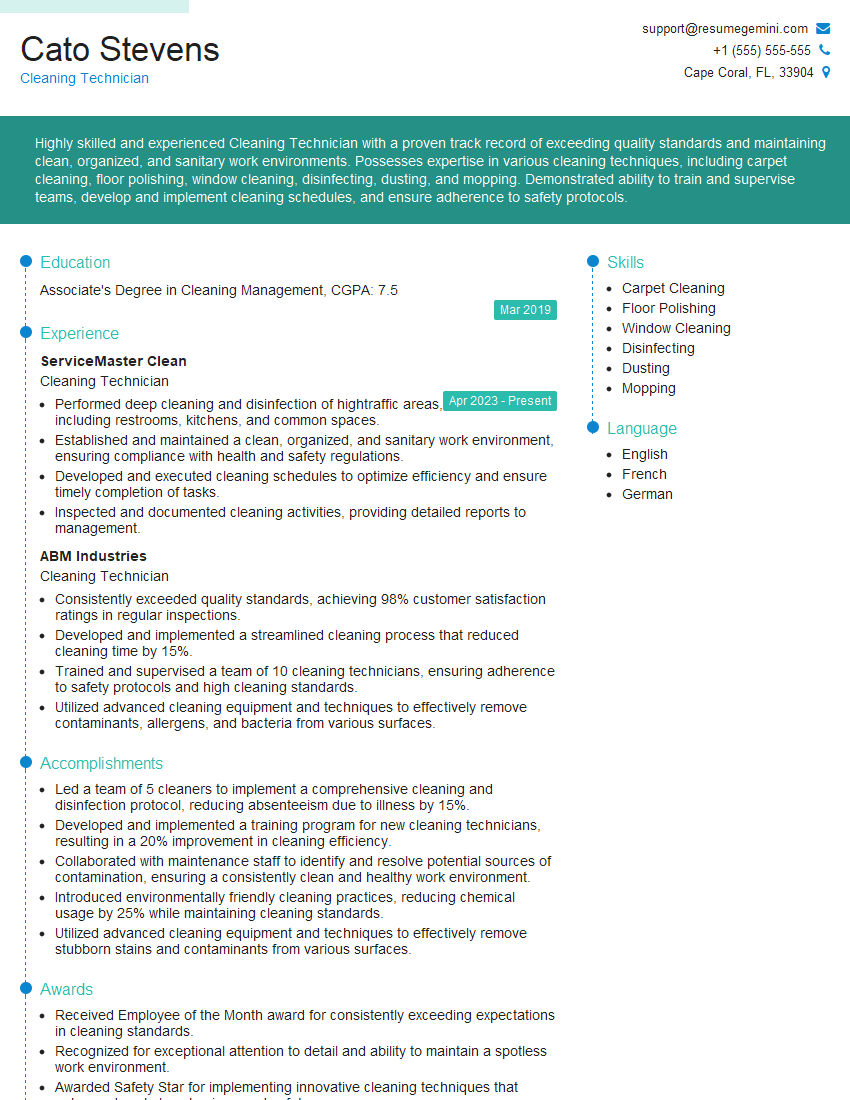
Cleaning Technician Resume Sample
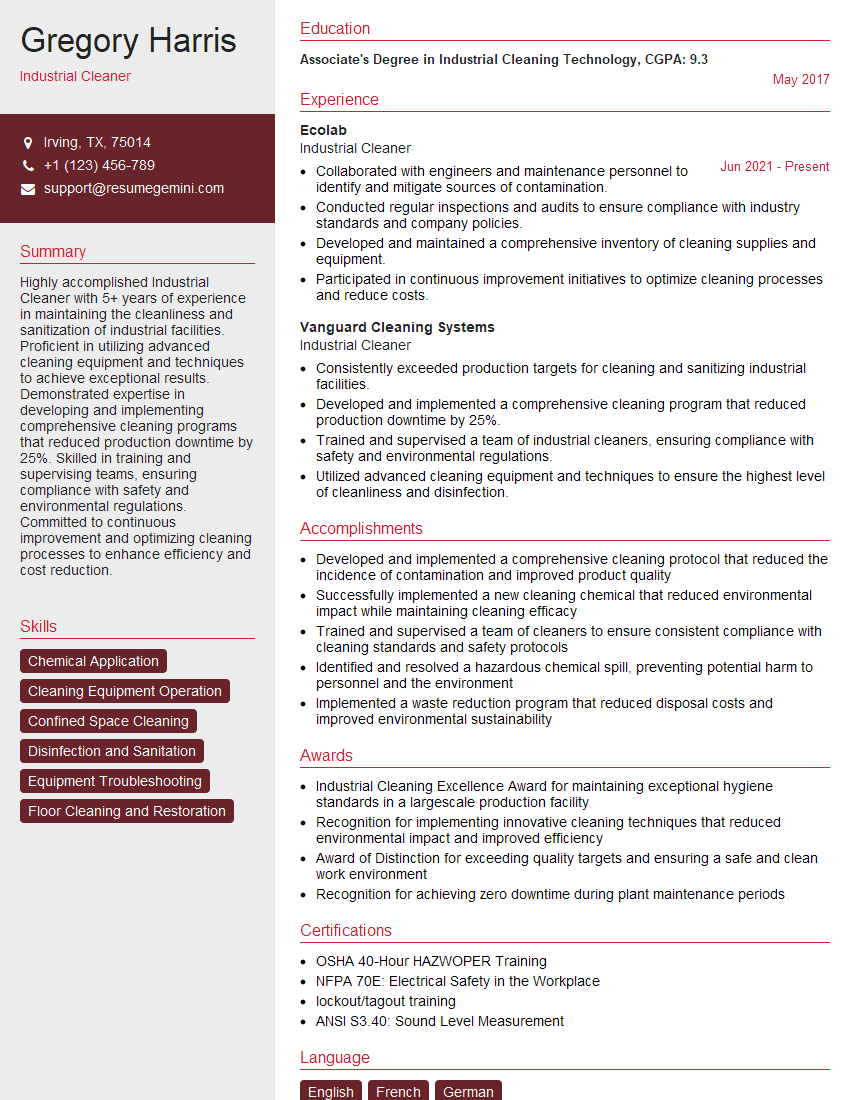
Industrial Cleaner Resume Sample
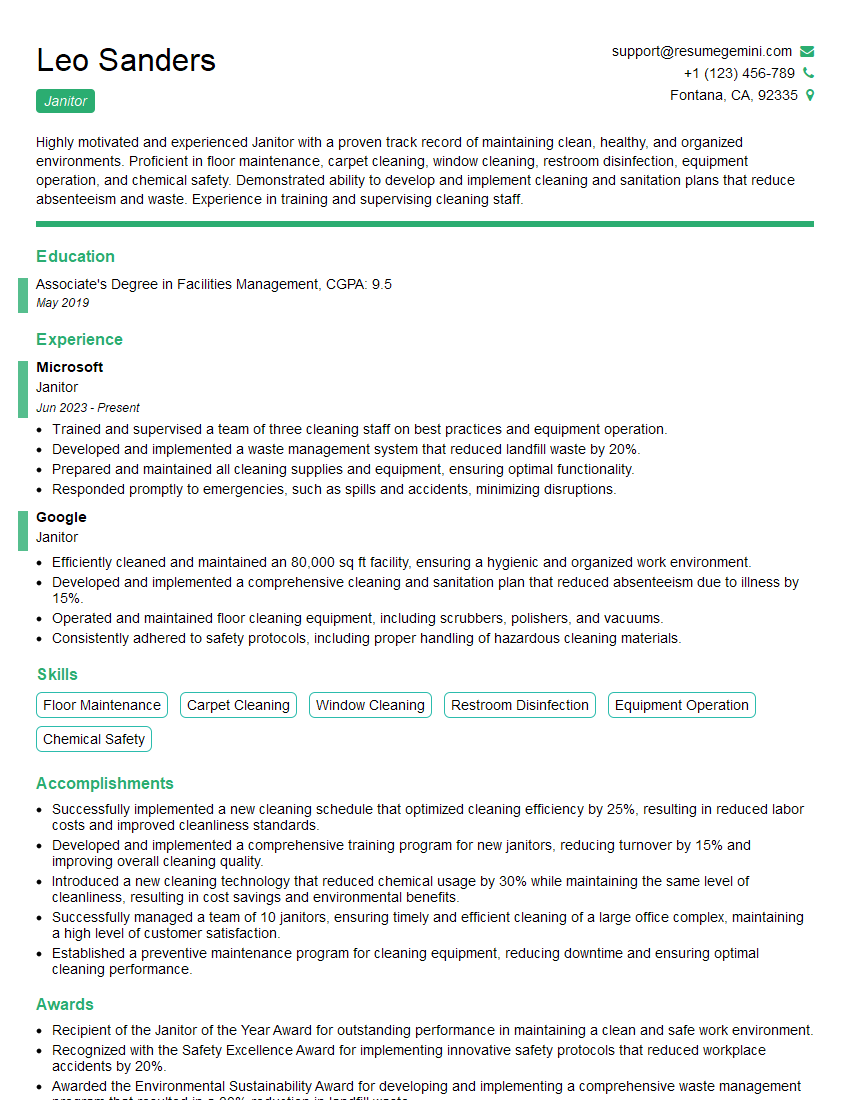
Janitor Resume Sample
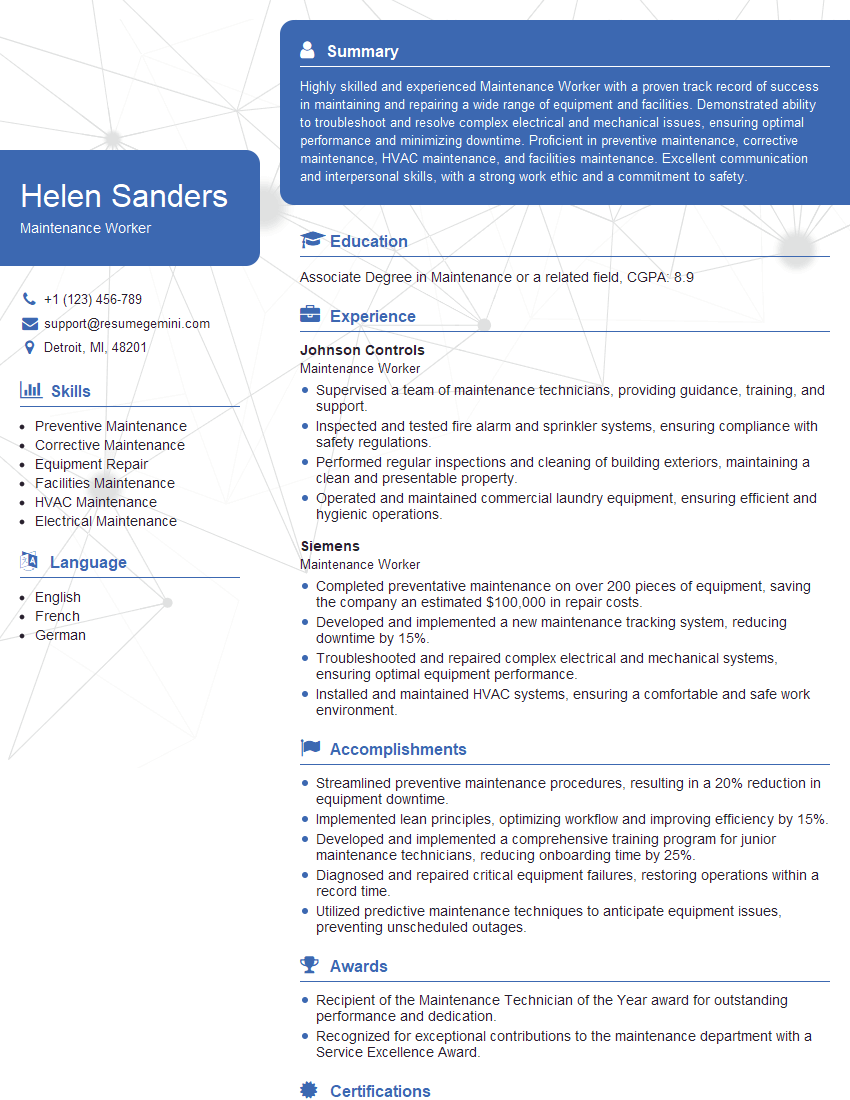
Maintenance Worker Resume Sample
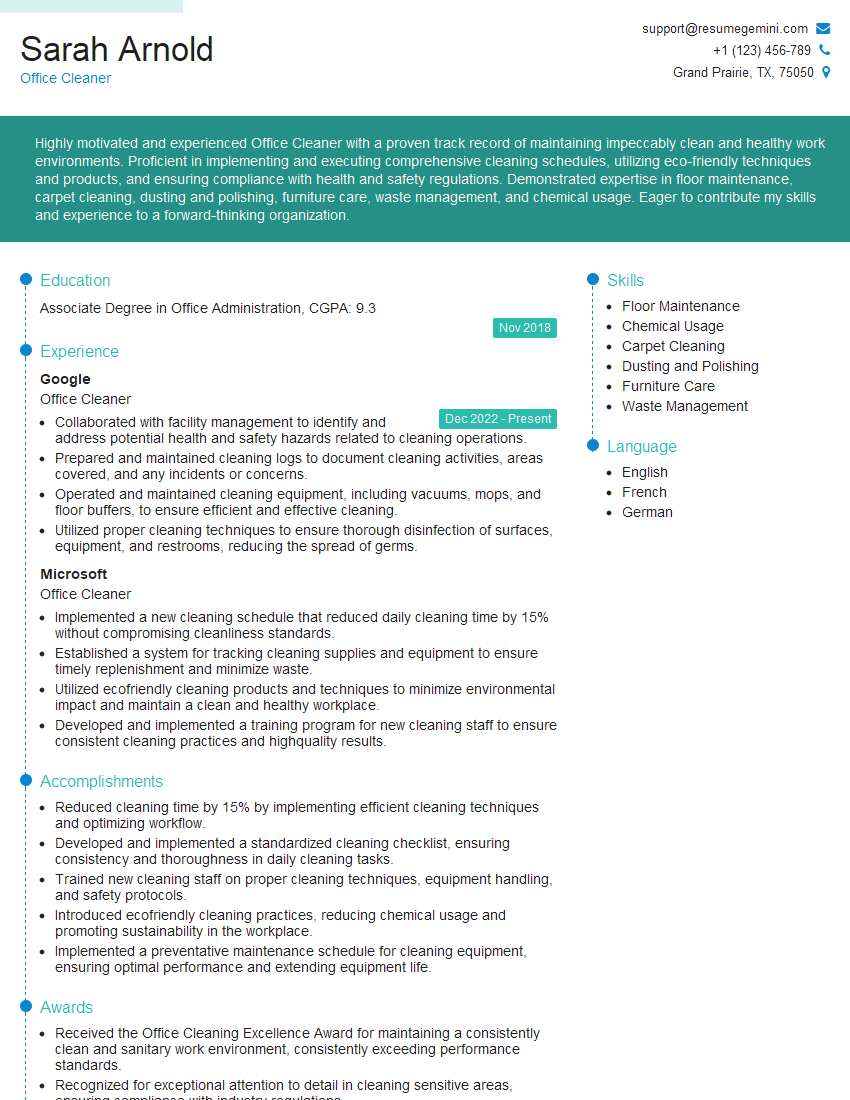
Office Cleaner Resume Sample
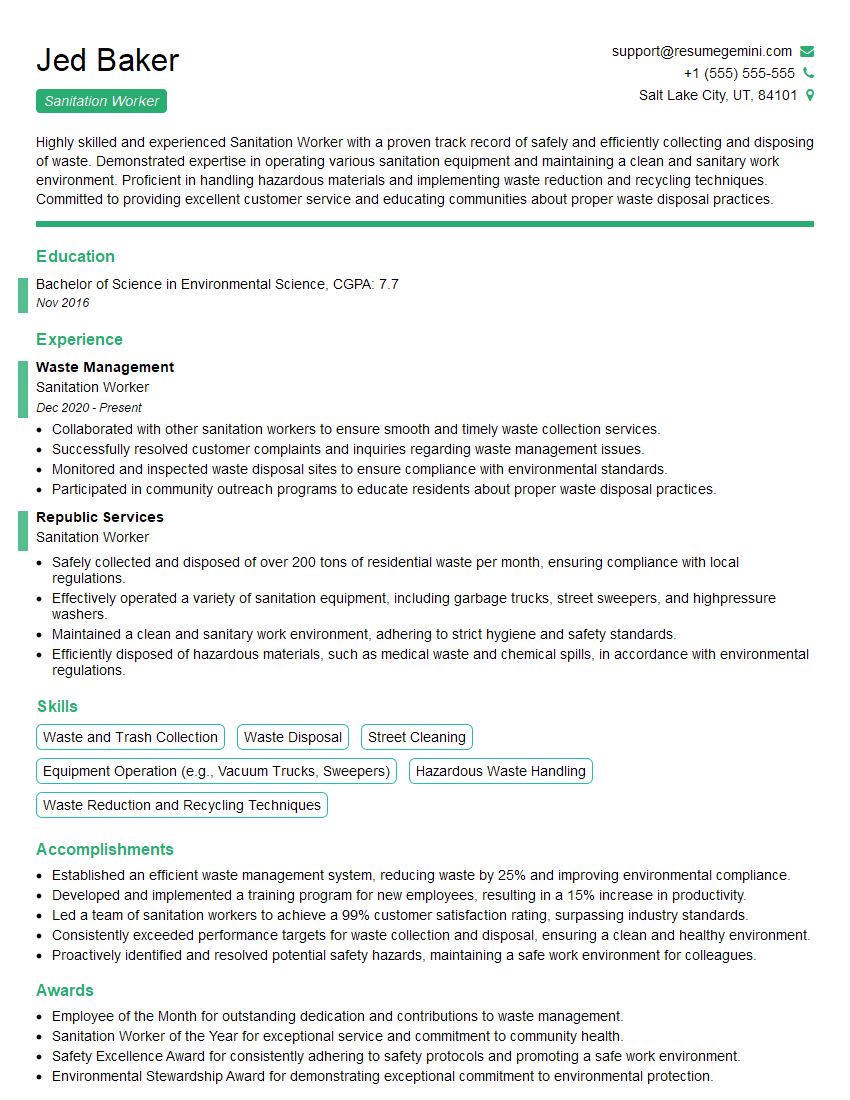
Sanitation Worker Resume Sample
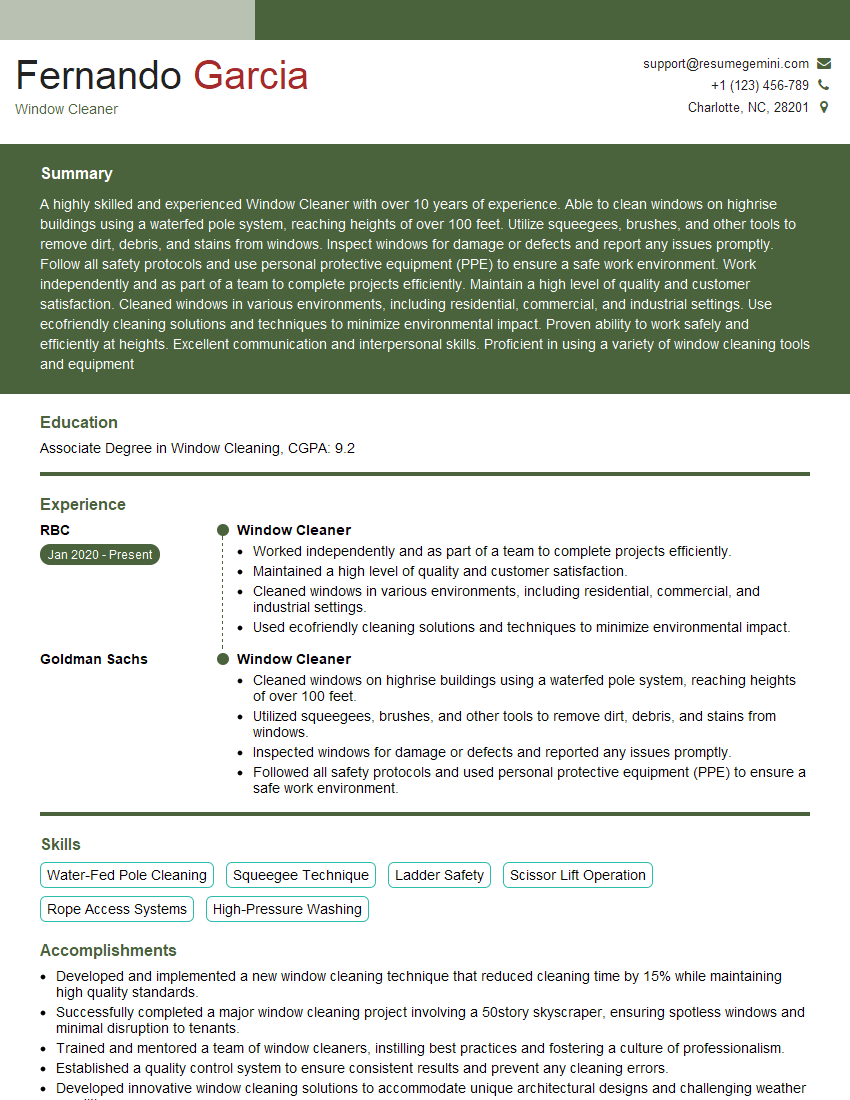
Window Cleaner Resume Sample
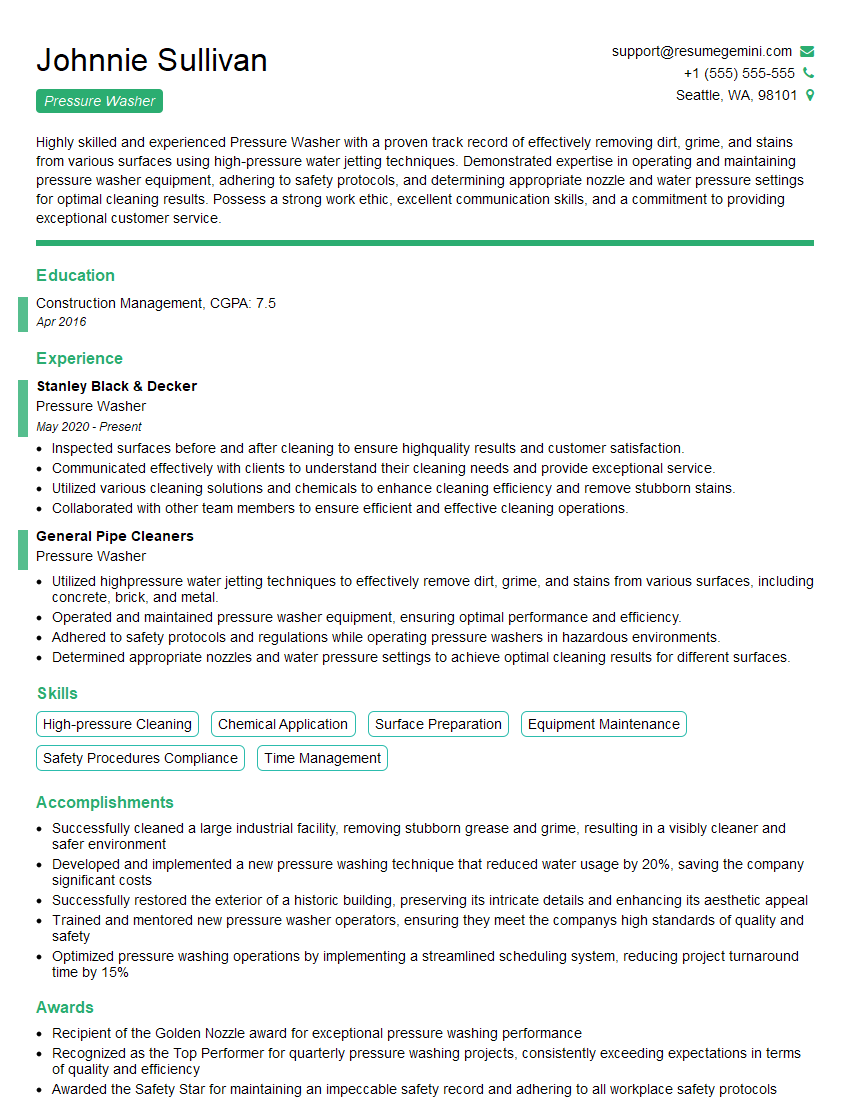
Pressure Washer Resume Sample
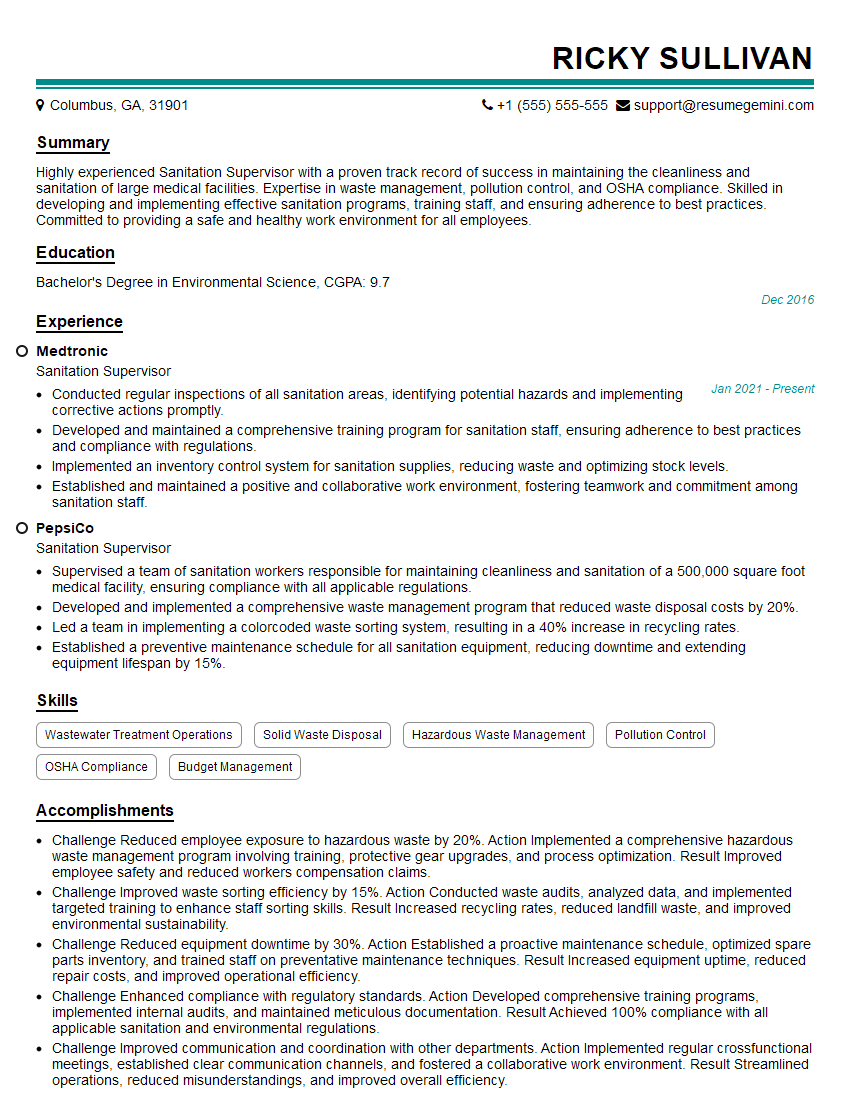
Sanitation Supervisor Resume Sample
Explore more articles
Users Rating of Our Blogs
Share Your Experience
We value your feedback! Please rate our content and share your thoughts (optional).
What Readers Say About Our Blog
Very informative content, great job.
good