Preparation is the key to success in any interview. In this post, we’ll explore crucial Maintaining sanitation and cleanliness interview questions and equip you with strategies to craft impactful answers. Whether you’re a beginner or a pro, these tips will elevate your preparation.
Questions Asked in Maintaining sanitation and cleanliness Interview
Q 1. Describe your experience with different cleaning agents and their appropriate use.
My experience encompasses a wide range of cleaning agents, from everyday disinfectants to specialized industrial-strength solutions. Understanding their appropriate use is crucial for effective and safe sanitation. For instance, I’m proficient in using bleach solutions for disinfecting surfaces, but I know the importance of diluting it correctly to avoid damage and ensure safety. Too strong a solution can damage surfaces, while too weak a solution won’t effectively kill bacteria and viruses. Similarly, I’m experienced with using enzymatic cleaners for breaking down organic matter like grease and food residue, and alkaline cleaners for tackling tougher grime and mineral deposits. I always carefully read and follow the manufacturer’s instructions, paying close attention to safety precautions and recommended dilutions. I also understand the differences between disinfectants (killing germs), sanitizers (reducing germ counts), and sterilants (eliminating all microbial life) and choose the appropriate agent for each task. For example, in a food preparation area, a sanitizer would be the priority for routine cleaning, while a disinfectant might be needed after a spill of raw meat.
- Bleach Solutions: Effective disinfectant, but requires precise dilution for safety and surface protection.
- Enzymatic Cleaners: Ideal for organic matter breakdown, particularly in kitchens and restrooms.
- Alkaline Cleaners: Powerful for removing grease, grime, and mineral deposits, but may require additional rinsing.
- Acidic Cleaners: Effective on mineral deposits like lime scale, but can damage certain surfaces.
Q 2. How do you prioritize tasks in a high-pressure cleaning environment?
Prioritizing tasks in a high-pressure cleaning environment demands a structured approach. I utilize a system combining urgency, impact, and safety. I always start with the most critical tasks – those posing immediate health risks or disrupting operations. This might include addressing a hazardous spill or cleaning up a biohazard before tackling other areas. Next, I focus on high-impact areas, those with the most visible impact on cleanliness and overall impression, such as entrances, customer-facing areas and frequently-touched surfaces. I then tackle tasks that are less critical but still important to maintain overall cleanliness. I regularly reassess priorities based on changing conditions, ensuring that I’m always adapting to the needs of the environment. Think of it like a triage system – the most critical issues receive immediate attention, followed by those with significant impact, and then the others. Time management and effective multitasking are also key to success in such a setting.
Q 3. Explain your knowledge of OSHA and sanitation regulations.
My knowledge of OSHA (Occupational Safety and Health Administration) and sanitation regulations is comprehensive. I’m familiar with the Hazard Communication Standard (HazCom), which mandates the proper labeling, handling, and storage of chemicals. I understand the Bloodborne Pathogens Standard, ensuring safe handling of potentially infectious materials. I am adept at implementing proper personal protective equipment (PPE) protocols, which include wearing gloves, eye protection, and respirators when necessary, depending on the task. Furthermore, I’m knowledgeable about specific sanitation regulations relevant to the industry, whether it’s food service, healthcare, or manufacturing. This includes following proper procedures for cleaning and disinfecting equipment and surfaces to meet standards such as those set by the FDA (Food and Drug Administration) or other regulatory bodies. Regular training and updates ensure my knowledge remains current and compliant. For example, I’m always aware of proper waste disposal procedures to avoid cross-contamination and environmental hazards.
Q 4. What methods do you use to ensure efficient waste management?
Efficient waste management is crucial for maintaining cleanliness and adhering to regulations. My approach involves a multi-pronged strategy. First, I emphasize waste reduction through proper cleaning techniques to minimize the amount of waste generated. This might involve using microfiber cloths that are washable and reusable instead of single-use paper towels. Second, I meticulously sort waste into designated containers according to the facility’s waste management plan. This usually includes separate bins for recyclables, general waste, and hazardous waste. Third, I ensure proper labeling and secure storage of hazardous waste to comply with safety regulations. Finally, I coordinate with waste disposal services for timely and appropriate removal. Using color-coded bins for different waste streams (e.g., blue for recyclables, green for organic waste) makes this process intuitive and reduces errors. In some settings, this also includes the proper disposal of sharps or medical waste, following all relevant protocols.
Q 5. How would you handle a hazardous spill?
Handling hazardous spills requires immediate and decisive action. The first step is always to ensure my own safety by using appropriate PPE, such as gloves, eye protection, and potentially a respirator, depending on the substance. Next, I’d contain the spill by preventing its spread. This might involve using absorbent materials like spill pads or kitty litter to soak up the liquid. Then, I’d carefully clean the area following the manufacturer’s instructions on the chemical’s safety data sheet (SDS). This often involves using a neutralizer or specialized cleaning agent appropriate for the specific hazardous material. Finally, I would dispose of all contaminated materials according to proper safety regulations, which may include documenting the spill and following specific reporting procedures. It’s critical to remember that every hazardous spill is unique, and the appropriate response will depend on the nature of the substance. Consulting the SDS is always the first step, and if the spill involves a large amount or an unknown substance, contacting emergency services is paramount.
Q 6. How do you maintain inventory of cleaning supplies?
Maintaining inventory of cleaning supplies requires a system that tracks stock levels, anticipates needs, and ensures timely replenishment. I often use a combination of physical inventory checks and a digital system, like a spreadsheet or inventory management software. Regular physical checks allow for real-time assessment of stock levels and identifying potential shortages. This system also involves tracking the usage rate of each cleaning supply to better anticipate future demand. The digital component helps in monitoring the inventory, generating reports, and setting automated alerts when stock levels fall below a certain threshold. This prevents running out of essential supplies during critical times. I always keep a list of preferred vendors and contact information for quick reordering when necessary. This proactive inventory management guarantees that the cleaning process is never interrupted due to a lack of supplies.
Q 7. Describe your experience with different types of cleaning equipment.
My experience includes using a variety of cleaning equipment, from basic tools to more advanced machinery. I’m proficient with standard cleaning tools like mops, brooms, vacuum cleaners, and various brushes, each suited for different surfaces and tasks. I also have experience with more specialized equipment, including pressure washers for outdoor cleaning and heavy-duty cleaning, floor buffers for maintaining polished floors, and carpet extractors for deep cleaning carpets. I understand the proper operation, maintenance, and safety precautions for each piece of equipment. For example, I know how to adjust the pressure setting on a pressure washer to avoid damaging surfaces, and how to properly maintain floor buffers to prevent damage to floors. Familiarization with the equipment’s manual and undergoing safety training are key to effective and safe usage. Regular maintenance of the equipment is also essential to ensure optimal performance and longevity.
Q 8. How do you train and supervise cleaning staff?
Training and supervising cleaning staff is crucial for maintaining consistent high standards of sanitation. My approach is multifaceted, combining initial onboarding with ongoing mentorship and performance monitoring.
- Onboarding: New staff receive comprehensive training covering all aspects of cleaning procedures, including the use of equipment, chemicals, and safety protocols. This includes both theoretical instruction and hands-on practice. We use visual aids like checklists and diagrams to ensure understanding. For example, we use color-coded cleaning cloths to prevent cross-contamination.
- Ongoing Supervision: Regular inspections are conducted to assess the quality of work and address any issues promptly. Feedback is provided both verbally and through written performance evaluations. We also utilize regular team meetings to discuss best practices, challenges, and new cleaning techniques.
- Mentorship: Experienced staff members mentor newer colleagues, fostering a culture of collaboration and knowledge sharing. This helps ensure consistent application of standards and promotes a positive team environment.
- Continuing Education: I encourage staff to participate in workshops and training sessions on advanced cleaning techniques, infection control, and emerging industry best practices. Staying updated on new technologies and methods is vital.
Q 9. How do you ensure adherence to sanitation protocols?
Adherence to sanitation protocols is paramount. We achieve this through a combination of clear communication, regular monitoring, and accountability.
- Clearly Defined Protocols: Detailed, easy-to-understand written protocols are provided to all staff, covering every aspect of cleaning, disinfection, and waste disposal. These protocols are regularly reviewed and updated as needed.
- Regular Inspections and Audits: Scheduled inspections, both announced and unannounced, ensure protocols are followed. These inspections use checklists that specifically address each cleaning task and its relevant protocol.
- Data-Driven Monitoring: We track key performance indicators (KPIs) such as the frequency of cleaning tasks, the consumption of cleaning supplies, and the incidence of reported sanitation issues. This data helps identify areas for improvement and measure the effectiveness of our protocols.
- Accountability and Consequences: Failure to adhere to protocols is addressed promptly and fairly, through coaching, retraining, or disciplinary action if necessary. The focus is always on improvement and maintaining the highest standards.
For instance, we might use a color-coded system for different areas, ensuring the correct cleaning solutions are always used in designated zones.
Q 10. What is your experience with infection control procedures?
My experience with infection control procedures is extensive. I have a deep understanding of the principles of hygiene, disinfection, and sterilization, and I have implemented these principles successfully in various settings.
- Understanding Infection Control Principles: I’m familiar with the chain of infection and how to break it. This includes proper hand hygiene, the use of personal protective equipment (PPE), appropriate disinfection and sterilization techniques, and waste management protocols.
- Practical Application: In previous roles, I have developed and implemented infection control plans, trained staff on proper procedures, and managed outbreaks effectively. I’ve used various disinfection methods, including chemical disinfection and ultraviolet (UV) light disinfection, selecting the most appropriate method based on the specific situation.
- Compliance with Regulations: I’m thoroughly familiar with relevant health and safety regulations regarding infection control, ensuring all our operations strictly adhere to these guidelines. For example, I am well-versed in the guidelines set by the CDC and other relevant health authorities.
- Incident Response: I have experience developing and executing response plans for suspected or confirmed infections, involving thorough cleaning and disinfection, contact tracing, and communication with relevant authorities.
Q 11. How do you identify and address sanitation issues?
Identifying and addressing sanitation issues requires a proactive and systematic approach.
- Regular Inspections: Routine inspections, both visual and more detailed checks, help identify potential problems before they escalate. This includes checking for visible dirt, grime, spills, and signs of pest infestation.
- Feedback Mechanisms: We encourage staff and clients to report sanitation concerns, providing multiple channels for feedback (e.g., suggestion boxes, online forms, direct communication).
- Data Analysis: Tracking KPIs allows us to identify recurring issues or trends. For example, if we see a spike in complaints about a particular area, we investigate to determine the root cause and implement corrective actions.
- Root Cause Analysis: When a sanitation issue is identified, we conduct a root cause analysis to understand the underlying problem. This may involve interviewing staff, reviewing cleaning logs, and examining equipment to determine the contributing factors.
- Corrective Actions: Based on the root cause analysis, we implement appropriate corrective actions, which may include retraining staff, improving cleaning procedures, repairing or replacing equipment, or enhancing our inspection protocols. We document all corrective actions and their effectiveness.
Q 12. Describe your experience with deep cleaning procedures.
Deep cleaning procedures are more intensive than routine cleaning and are crucial for maintaining a truly hygienic environment. My experience encompasses various methods and techniques.
- Planning and Preparation: Before commencing deep cleaning, a detailed plan is developed, including scheduling, resource allocation, and safety precautions. This plan outlines which areas will be cleaned, the methods to be used, and the specific cleaning agents required. We might even close off areas to prevent disruption during the process.
- Equipment and Supplies: The appropriate equipment and supplies are gathered, including specialized cleaning tools and high-quality cleaning agents. We ensure sufficient quantities of everything needed to complete the task effectively and safely.
- Methodical Approach: A systematic approach is followed to ensure complete coverage of all areas. This typically involves a top-to-bottom, left-to-right approach to minimize the risk of cross-contamination. We might use specific protocols for different surfaces, such as glass, wood, or metal.
- Documentation: Detailed records are maintained, noting the date, time, areas cleaned, methods used, and personnel involved. This documentation is essential for maintaining accountability and tracking the effectiveness of the cleaning process.
- Post-Cleaning Inspection: A thorough inspection is carried out following deep cleaning to ensure all areas have been cleaned to the required standard.
For example, deep cleaning might involve removing and washing all upholstery, vacuuming and mopping, and disinfecting all hard surfaces. We may also conduct a thorough cleaning of any HVAC systems.
Q 13. How do you manage time effectively to meet cleaning deadlines?
Effective time management is essential for meeting cleaning deadlines. My strategies focus on planning, prioritization, and efficient execution.
- Detailed Scheduling: A detailed cleaning schedule is created that outlines all tasks and their allocated timeframes. This schedule considers the size of the area, the complexity of the tasks, and the availability of staff. We typically use scheduling software to optimize the allocation of cleaning staff.
- Prioritization: Tasks are prioritized based on their importance and urgency. High-traffic areas, for example, receive more frequent cleaning than less-used areas.
- Efficient Workflows: We optimize cleaning workflows to minimize wasted time and motion. This includes utilizing appropriate equipment and supplies and ensuring staff have clear instructions and the necessary resources.
- Teamwork and Communication: Effective teamwork and clear communication are vital. Team members work together efficiently, ensuring that all tasks are completed on time and to the required standard. Regular communication helps us to address any unexpected delays or issues promptly.
- Flexibility: It’s important to build flexibility into the schedule. Unexpected issues or emergencies may arise, and having some buffer time allows for adaptability.
Q 14. How do you handle customer complaints about cleanliness?
Handling customer complaints regarding cleanliness requires a calm, professional, and empathetic approach. My strategy focuses on prompt resolution and preventing future issues.
- Immediate Response: Customer complaints are addressed immediately and acknowledged promptly. The customer is assured that their concern is being taken seriously.
- Thorough Investigation: A thorough investigation is conducted to understand the nature and extent of the complaint. This may involve inspecting the area, interviewing staff, and reviewing cleaning logs.
- Corrective Actions: Appropriate corrective actions are taken to resolve the issue promptly. This may include re-cleaning the area, providing additional training to staff, or making adjustments to cleaning protocols.
- Follow-Up: A follow-up is made with the customer to ensure their satisfaction and address any remaining concerns.
- Preventive Measures: Steps are taken to prevent similar complaints from occurring in the future. This may involve revising cleaning schedules, improving communication with staff, or enhancing training.
For instance, if a client complains about a spill not being cleaned, I would first apologize, then have the area cleaned immediately. I would also investigate why the spill was missed, perhaps leading to a review of cleaning procedures or staff training. Transparency and a commitment to resolution are vital.
Q 15. What are your strategies for maintaining a clean and organized workspace?
Maintaining a clean and organized workspace is paramount for efficiency and safety. My strategy involves a multi-pronged approach focusing on preventative measures and consistent maintenance. It begins with a clearly defined workspace layout, ensuring easy access to supplies and minimizing clutter. I implement a ‘clean as you go’ philosophy, addressing spills and messes immediately to prevent buildup. Regular decluttering sessions, perhaps weekly or bi-weekly depending on the workspace’s use, are essential. This includes discarding unnecessary items, organizing tools and supplies, and wiping down surfaces. For example, in a hospital setting, this might mean regularly emptying waste bins, sanitizing equipment after use, and carefully organizing medical charts. In an office setting, it could involve filing papers, emptying trash cans, and cleaning shared equipment like printers and copiers. I also utilize color-coded systems for waste disposal to streamline the process and enhance efficiency. Finally, a scheduled deep clean is crucial, perhaps monthly or quarterly, to tackle more thorough tasks like carpet cleaning or window washing.
Career Expert Tips:
- Ace those interviews! Prepare effectively by reviewing the Top 50 Most Common Interview Questions on ResumeGemini.
- Navigate your job search with confidence! Explore a wide range of Career Tips on ResumeGemini. Learn about common challenges and recommendations to overcome them.
- Craft the perfect resume! Master the Art of Resume Writing with ResumeGemini’s guide. Showcase your unique qualifications and achievements effectively.
- Don’t miss out on holiday savings! Build your dream resume with ResumeGemini’s ATS optimized templates.
Q 16. How do you ensure the safety of cleaning staff and the public?
Ensuring the safety of cleaning staff and the public is my top priority. This involves comprehensive safety training for all staff, covering topics like the proper use of cleaning chemicals, handling of equipment (auto scrubbers, for instance), and ergonomic practices to prevent injuries. Personal Protective Equipment (PPE), including gloves, eye protection, and appropriate respiratory masks, is mandatory and readily available. I also implement clear signage to alert the public to wet floors or cleaning in progress. Regular safety checks of equipment and the work environment are crucial to identify and eliminate hazards. For instance, we conduct regular inspections to ensure proper ventilation in areas where strong cleaning chemicals are used. Furthermore, comprehensive safety protocols are in place for handling hazardous waste, including proper disposal and labeling. Finally, I ensure all staff are updated on relevant safety regulations and best practices.
Q 17. Describe your experience with different types of flooring and their cleaning requirements.
My experience encompasses various flooring types, each demanding unique cleaning approaches. For example, hardwood floors require regular sweeping and dust mopping to prevent scratches, followed by damp mopping with a pH-neutral cleaner. Tile floors, while durable, are prone to grout staining and require more frequent cleaning, often with specialized grout cleaners. Carpet, susceptible to dirt and stains, requires regular vacuuming and occasional deep cleaning with a carpet shampooer. In high-traffic areas, more frequent cleaning is required. Resilient flooring, like vinyl or linoleum, is generally easy to maintain but should be cleaned regularly to prevent staining. Understanding the material’s composition and sensitivity to chemicals is crucial for selecting the right cleaning method and products. Using abrasive cleaners or inappropriate methods can damage the surface. For instance, using harsh chemicals on hardwood floors can dull the finish.
Q 18. What experience do you have with specialized cleaning equipment (e.g., auto scrubbers)?
I possess extensive experience operating and maintaining various specialized cleaning equipment, including auto scrubbers. I’m proficient in their safe operation, including understanding the appropriate settings for different flooring types and understanding safety features such as emergency stops. Regular maintenance, including checking fluid levels, battery charge, and brush condition, is crucial for optimal performance and longevity. I’m also experienced in troubleshooting common issues, saving time and resources. For instance, I can identify and address problems like clogged nozzles or malfunctioning motors. Moreover, I understand the importance of regular servicing to keep the equipment functioning safely and efficiently. This ensures not just the equipment’s lifespan but also the safety of the personnel operating it.
Q 19. Explain your knowledge of various cleaning techniques (e.g., wet mopping, dry mopping).
My understanding of cleaning techniques is comprehensive, encompassing both wet and dry methods. Dry mopping, using a dust mop or microfiber cloth, is ideal for removing loose dust and dirt from hard surfaces before wet cleaning. It’s a preventative measure that stops the spreading of dirt and prevents scratches. Wet mopping, using a mop and bucket filled with cleaning solution, is more effective in removing stains and embedded dirt. It’s crucial to use the right type of mop (e.g., microfiber for better absorption) and the correct dilution of cleaning solutions to avoid leaving residue. Other techniques include vacuuming (for carpets and rugs), steam cleaning (for deeper cleaning and sanitization), and specialized cleaning for sensitive surfaces (e.g., granite countertops). The choice of technique depends on the surface type, level of soiling, and the desired level of cleanliness. For example, a hospital would require more stringent sanitation procedures than a regular office building.
Q 20. How do you assess the effectiveness of your cleaning strategies?
Assessing the effectiveness of cleaning strategies relies on a combination of visual inspection and more objective measures. Visual inspection involves checking for visible dirt, stains, and overall cleanliness. This is a fundamental aspect and provides immediate feedback on the cleaning process. More objective measures include using ATP testing (Adenosine Triphosphate), a method that measures the presence of biological residues (bacteria, etc.) indicating the level of cleanliness. Feedback from staff and clients, combined with regular audits and checklists, provides further insights. This data-driven approach helps to identify areas for improvement, optimizing procedures and resource allocation. For instance, if ATP testing consistently shows high levels of residue in a particular area, it highlights a need for a change in cleaning frequency or methodology for that specific area.
Q 21. Describe your experience with pest control protocols.
My experience with pest control protocols emphasizes preventative measures and collaboration with licensed pest control professionals. Preventative measures include regular cleaning, proper waste disposal, and sealing cracks and crevices to prevent pest entry. This is especially important in areas like kitchens or storage rooms. For instance, regularly emptying trash cans and cleaning up spills to prevent attracting pests like rodents and insects is crucial. I work closely with pest control professionals, providing them with access to the facility and ensuring they adhere to safety regulations while carrying out their treatments. Regular inspections for signs of pest activity are conducted, and records are maintained to track pest control efforts and ensure their effectiveness. This proactive approach minimizes the risk of infestations and maintains a safe and hygienic environment.
Q 22. How do you maintain a consistent level of cleanliness across a large area?
Maintaining consistent cleanliness across a large area requires a structured, systematic approach. Think of it like orchestrating a symphony – each section needs to play its part in harmony to achieve the overall goal. This involves several key strategies:
- Zone-Based Cleaning: Divide the large area into smaller, manageable zones. This allows for focused cleaning efforts and easier tracking of progress. For instance, in a large office building, you might assign different teams to different floors or wings.
- Scheduled Cleaning: Implement a detailed cleaning schedule specifying the frequency and type of cleaning for each zone. This could include daily sweeping, weekly deep cleaning, and monthly specialized cleaning (e.g., carpet shampooing).
- Standard Operating Procedures (SOPs): Develop clear, concise SOPs outlining the specific cleaning procedures for each task and zone. This ensures consistency and quality, even with multiple cleaning personnel.
- Training and Supervision: Thoroughly train cleaning staff on the SOPs, providing hands-on demonstrations and regular refresher courses. Effective supervision helps maintain standards and address any deviations.
- Regular Inspections: Conduct regular inspections to monitor cleanliness levels and identify any areas needing attention. This could involve checklists, visual inspections, or even using a scoring system.
- Technology and Tools: Utilize appropriate cleaning equipment and technology, such as automated cleaning systems or software for scheduling and tracking.
For example, in a large hospital, a zone-based approach might assign teams to different wards, operating rooms, or patient rooms, each following specific cleaning protocols to maintain infection control standards.
Q 23. What are some common sanitation challenges you’ve faced and how did you overcome them?
Throughout my career, I’ve encountered several sanitation challenges. One common issue is managing unexpected events, like spills or biohazard incidents. For example, a large sewage leak in a facility required immediate action. We followed a three-step protocol:
- Containment and Isolation: First, we immediately contained the area, preventing further spread. We used absorbent materials to soak up the spill and barriers to isolate the affected area.
- Decontamination: After containment, we proceeded with decontamination using appropriate cleaning agents, following all safety protocols. This involved the careful removal of contaminated materials and thorough disinfection of surfaces.
- Disposal and Reporting: We followed strict protocols for the disposal of contaminated materials, including proper labeling and transportation to a licensed disposal facility. A thorough report documenting the event, response, and remediation was filed.
Another challenge is managing staff turnover. Consistent training and well-defined SOPs, along with a strong team culture, helped mitigate this by ensuring consistent performance.
Q 24. How familiar are you with different types of disinfectants and their efficacy?
I’m very familiar with various disinfectants and their efficacy. My knowledge includes understanding their chemical composition, application methods, contact times, and target microorganisms. I know the difference between disinfectants (killing most pathogens), sterilizers (killing all microorganisms), and antiseptics (used on living tissue).
- Quaternary Ammonium Compounds (Quats): Effective against a broad spectrum of bacteria and viruses, but less effective against spores.
- Chlorine Bleach: Powerful disinfectant effective against many microorganisms, but corrosive and needs careful handling.
- Hydrogen Peroxide: Effective against a wide range of pathogens, including spores, and leaves no toxic residue.
- Alcohol-based solutions: Effective against many bacteria and viruses, but not effective against spores.
Choosing the right disinfectant depends on the specific situation. For example, in a hospital, you might use a high-level disinfectant for surfaces in operating rooms, while a lower-level disinfectant might suffice for general ward areas. Always refer to the manufacturer’s instructions for proper dilution and application.
Q 25. What is your experience with implementing and maintaining a sanitation program?
I have extensive experience in implementing and maintaining sanitation programs. This includes:
- Needs Assessment: Conducting thorough assessments to identify specific sanitation needs and risks.
- Program Development: Designing and developing comprehensive sanitation programs tailored to the specific environment (e.g., hospital, food processing facility, office building).
- Resource Allocation: Securing necessary resources, including personnel, equipment, and supplies.
- Training and Education: Providing training to staff on proper sanitation techniques and protocols.
- Monitoring and Evaluation: Regularly monitoring performance and making adjustments as needed.
- Documentation: Maintaining accurate and complete records.
In a previous role, I implemented a new sanitation program in a large food processing plant. This involved redesigning cleaning schedules, introducing new cleaning technologies, and retraining staff. The result was a significant reduction in contamination rates and improved compliance with regulatory standards.
Q 26. How do you adapt your cleaning approach to different environments?
Adapting cleaning approaches to different environments is crucial. The cleaning strategies for a hospital operating room are vastly different from those needed for a commercial kitchen or an office building. This involves:
- Understanding the Specific Needs: Identifying the specific risks and challenges of each environment. A hospital, for instance, needs strict infection control protocols, while a food processing facility requires stringent sanitation procedures to prevent foodborne illness.
- Tailoring Cleaning Procedures: Adapting cleaning procedures and frequencies to the specific needs of the environment. This includes using different cleaning agents, equipment, and techniques.
- Utilizing Appropriate Technologies: Employing appropriate cleaning equipment and technologies based on the environment. For example, using specialized equipment for cleaning delicate surfaces in a museum versus powerful cleaning systems for industrial settings.
- Compliance with Regulations: Ensuring compliance with all relevant regulations and industry standards for each environment.
For instance, a healthcare setting requires a higher level of disinfection compared to a regular office environment. Understanding these differences and adjusting cleaning protocols accordingly is key to ensuring effective sanitation.
Q 27. Describe your experience with dealing with biohazardous materials.
I have extensive experience handling biohazardous materials, adhering to strict safety protocols to protect myself and others. This includes:
- Risk Assessment: Identifying and assessing the risks associated with the biohazardous materials.
- Personal Protective Equipment (PPE): Using appropriate PPE, including gloves, gowns, eye protection, and respirators, as per the risk assessment.
- Safe Handling Procedures: Following safe handling procedures, including proper containment, labeling, and disposal.
- Decontamination Procedures: Using appropriate decontamination procedures to neutralize the biohazard before disposal.
- Emergency Preparedness: Having a well-defined emergency plan in place to handle spills or accidents.
- Compliance with Regulations: Strictly adhering to all relevant regulations and guidelines.
I have experience handling materials ranging from blood spills to contaminated lab samples. Strict adherence to protocols is paramount to prevent cross-contamination and protect everyone involved.
Q 28. How do you track and report sanitation performance metrics?
Tracking and reporting sanitation performance metrics is essential to demonstrate effectiveness and identify areas for improvement. We utilize a multi-pronged approach:
- Inspection Checklists: Regularly using standardized checklists to document cleaning activities and identify deficiencies.
- Data Collection: Gathering quantitative data, such as cleaning times, supplies used, and number of cleaning tasks completed.
- Environmental Monitoring: Implementing environmental monitoring techniques, such as swabbing surfaces to test for bacterial contamination.
- Key Performance Indicators (KPIs): Defining and tracking KPIs, such as cleaning cycle times, compliance rates, and incident rates.
- Reporting and Analysis: Regularly reporting sanitation performance metrics to relevant stakeholders, along with analysis to identify trends and areas for improvement.
- Software and Technology: Using software to collect, track, and analyze data, facilitating easy reporting and identification of trends.
For example, tracking the number of contamination incidents over time can help assess the effectiveness of the sanitation program and highlight areas requiring additional attention. Regular reporting and analysis allows for continuous improvement and ensures high sanitation standards.
Key Topics to Learn for Maintaining Sanitation and Cleanliness Interview
- Infection Control and Prevention: Understanding and applying principles of hygiene, disinfection, and sterilization techniques. This includes knowledge of different cleaning agents and their appropriate uses.
- Waste Management: Safe and effective handling, storage, and disposal of different types of waste (hazardous and non-hazardous) according to relevant regulations and best practices. Practical application includes understanding color-coded waste systems and proper disposal procedures.
- Cleaning and Disinfection Techniques: Mastering various cleaning methods for different surfaces and equipment, including appropriate selection and use of cleaning tools and equipment. This includes understanding the difference between cleaning, sanitizing, and sterilizing.
- Health and Safety Regulations: Familiarity with relevant health and safety regulations, including OSHA guidelines (or equivalent in your region), pertaining to sanitation and cleanliness in the workplace. This includes understanding Personal Protective Equipment (PPE) and its proper use.
- Cleaning and Sanitation Procedures: Developing and implementing effective cleaning schedules and protocols to maintain high standards of cleanliness in various settings (e.g., hospitals, restaurants, schools). This includes problem-solving related to unexpected spills or contamination.
- Quality Control and Monitoring: Implementing methods to monitor and maintain consistent cleanliness standards, including documentation and reporting procedures. This includes identifying areas needing improvement and implementing corrective actions.
- Equipment Maintenance: Understanding the proper maintenance and care of cleaning equipment to ensure optimal performance and longevity. This includes troubleshooting common equipment malfunctions.
Next Steps
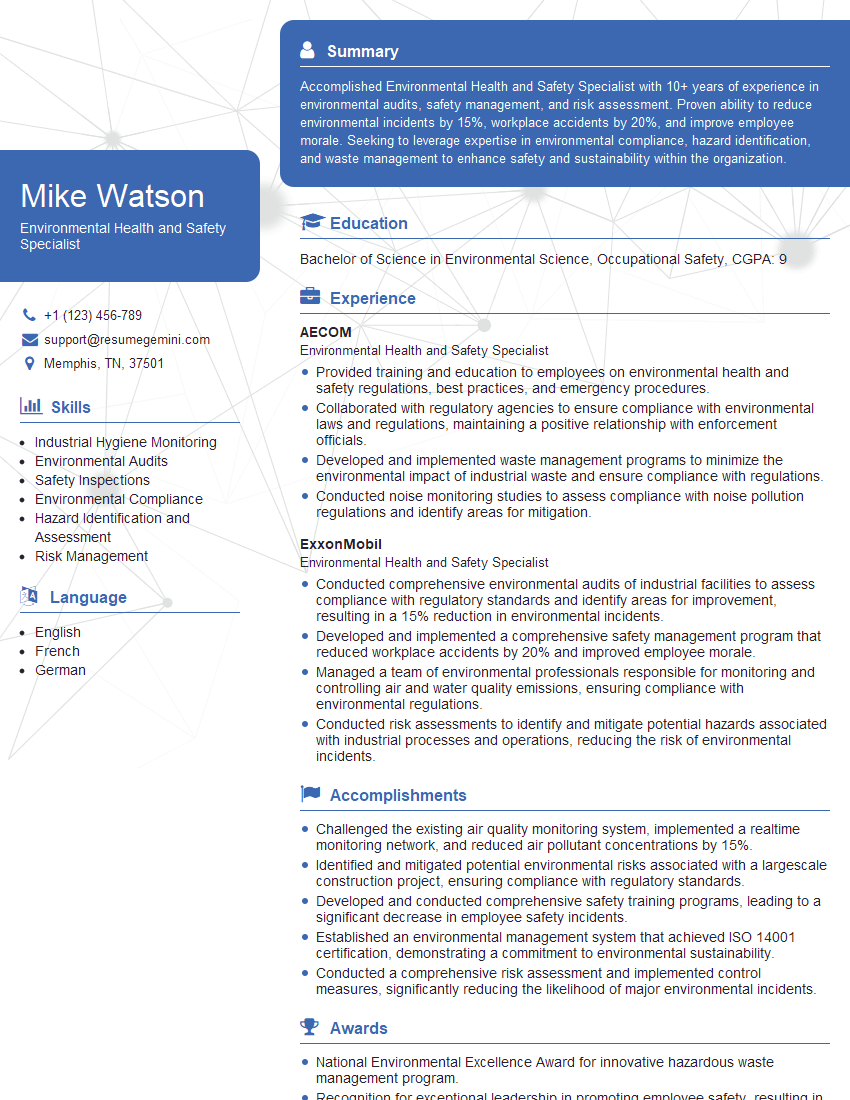
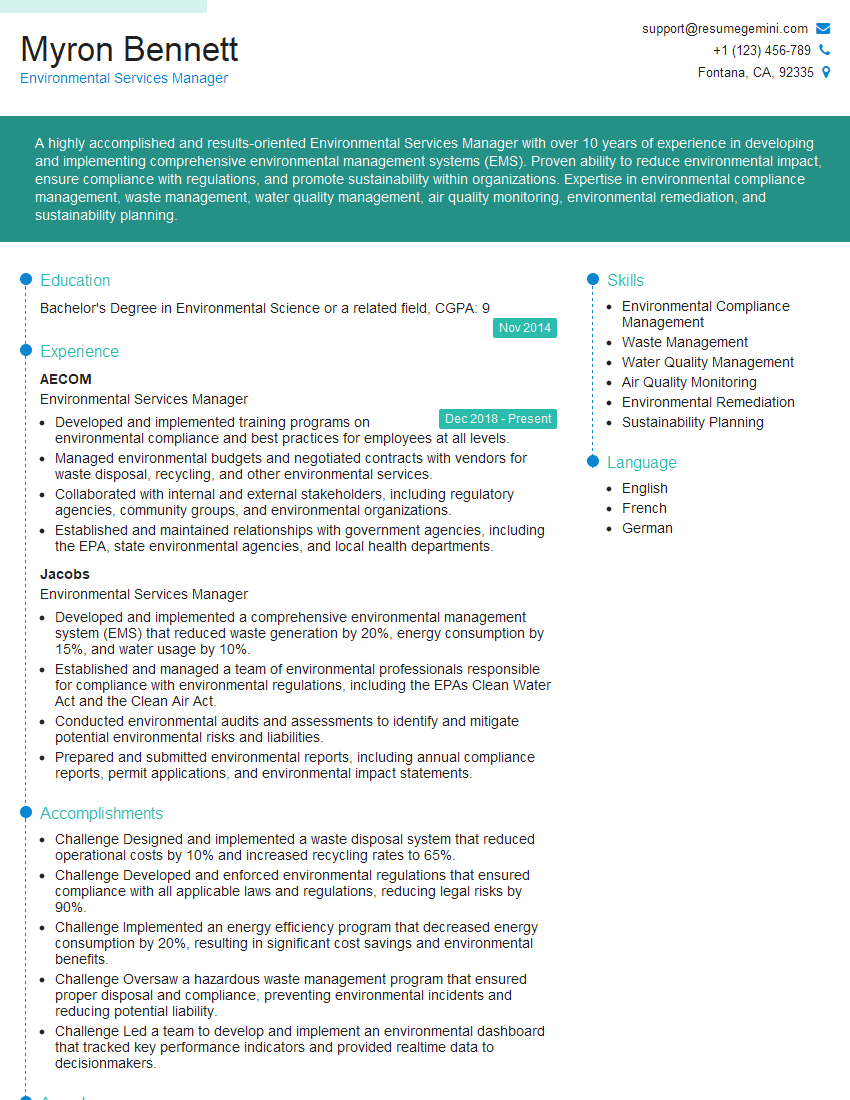
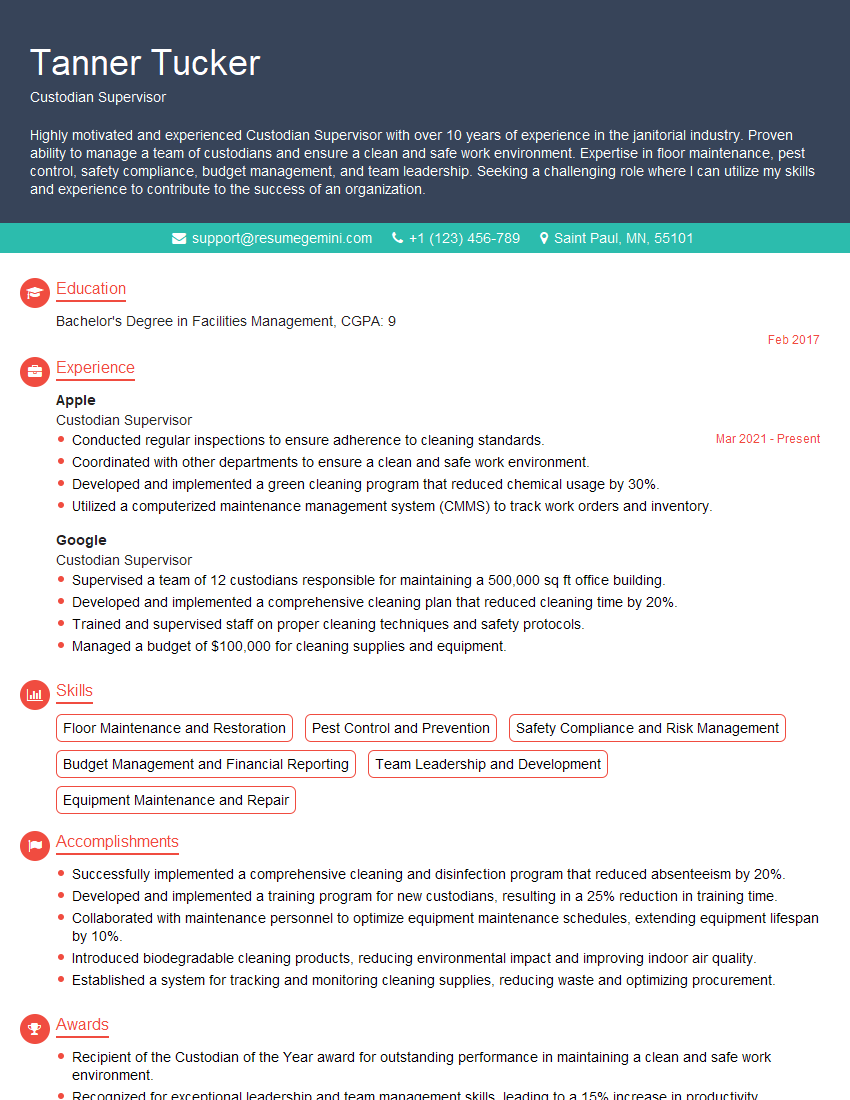
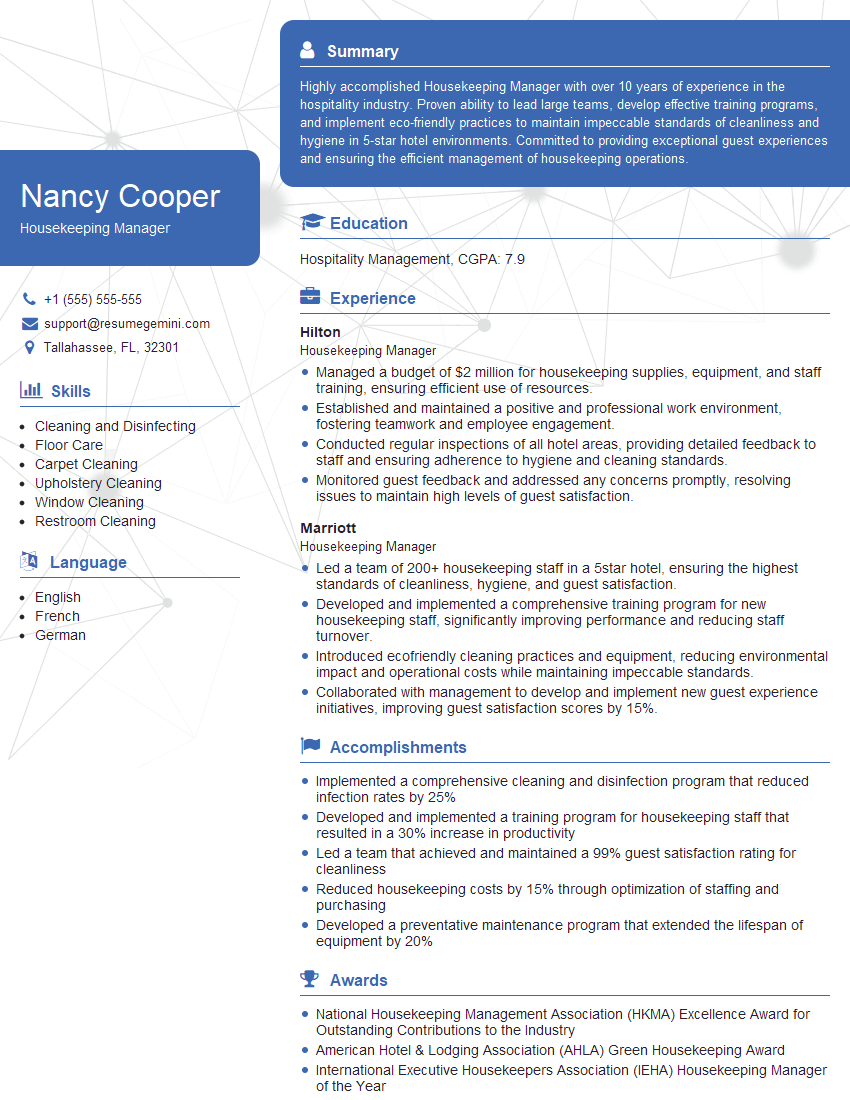
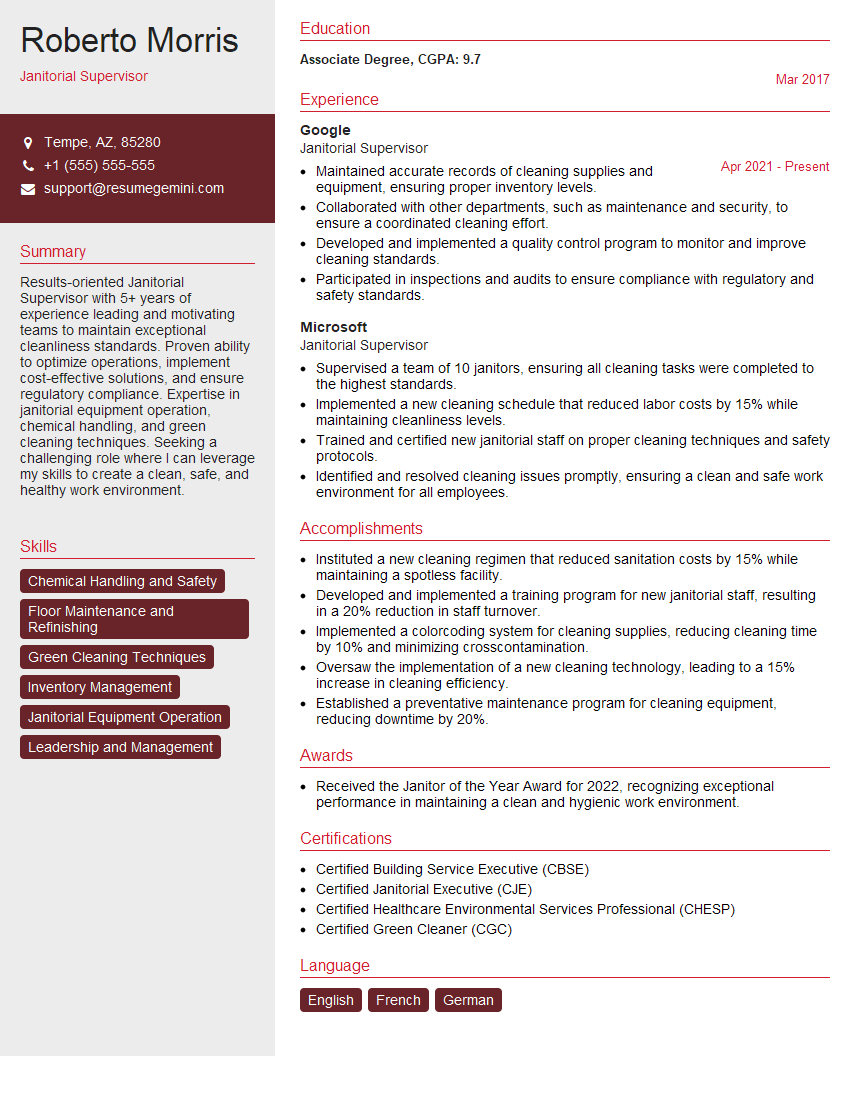
Mastering sanitation and cleanliness principles is crucial for career advancement in various sectors. A strong understanding of these topics demonstrates your commitment to safety, health, and efficiency, making you a highly valuable asset to any organization. To enhance your job prospects, focus on creating an ATS-friendly resume that highlights your skills and experience effectively. ResumeGemini is a trusted resource that can help you build a professional and impactful resume. They provide examples of resumes tailored to the Maintaining Sanitation and Cleanliness field, allowing you to craft a document that showcases your unique qualifications. Invest in your future – create a standout resume today!
Explore more articles
Users Rating of Our Blogs
Share Your Experience
We value your feedback! Please rate our content and share your thoughts (optional).
What Readers Say About Our Blog
good