The thought of an interview can be nerve-wracking, but the right preparation can make all the difference. Explore this comprehensive guide to Maintenance and cleaning interview questions and gain the confidence you need to showcase your abilities and secure the role.
Questions Asked in Maintenance and cleaning Interview
Q 1. Describe your experience with preventative maintenance.
Preventative maintenance is all about proactively addressing potential issues before they become major problems. Think of it like regular check-ups at the doctor – far better to catch a minor ailment early than to wait until it’s a full-blown crisis. My experience encompasses developing and implementing comprehensive preventative maintenance schedules for various facilities, including office buildings, retail spaces, and industrial sites. This involves meticulously inspecting equipment, performing routine cleaning, lubricating moving parts, and replacing worn components according to manufacturers’ recommendations and best practices. For example, in one office building, I implemented a schedule for HVAC system filter changes every three months, significantly reducing air conditioning breakdowns and improving air quality. Another example involved creating a lubrication schedule for all factory machinery, leading to a marked decrease in equipment failure and associated downtime.
Q 2. How do you prioritize maintenance tasks?
Prioritizing maintenance tasks requires a systematic approach. I typically use a combination of factors: criticality, urgency, and cost. Criticality refers to the impact of equipment failure on operations; urgent tasks are those that need immediate attention to prevent further damage or safety hazards; and cost considers the resources needed for repair or replacement. I often use a matrix to visually represent this, prioritizing tasks based on a weighted scoring system for each factor. For example, a faulty fire alarm system would score high on criticality and urgency, while routine carpet cleaning might score lower. Using this system, I can efficiently allocate resources and ensure that the most important tasks are addressed first, optimizing both safety and productivity.
Q 3. What safety procedures do you follow while cleaning?
Safety is paramount in any cleaning operation. My procedures always begin with a thorough risk assessment, identifying potential hazards such as wet floors, electrical equipment, and chemical exposure. I always wear appropriate Personal Protective Equipment (PPE), which might include gloves, safety glasses, respirators, and sturdy footwear, depending on the task. Before starting any cleaning task, I ensure the area is properly cordoned off if necessary, with clear warning signs. I’m also trained in the safe handling and disposal of hazardous materials, and I adhere strictly to all relevant safety regulations and guidelines. A crucial aspect is ensuring adequate ventilation when using cleaning chemicals to minimize exposure to harmful fumes. For instance, when cleaning with strong disinfectants, I would open windows to improve ventilation and ensure that I use the recommended safety equipment. Proper labeling and storage of cleaning agents are also strictly adhered to.
Q 4. Explain your experience with various cleaning chemicals and their proper usage.
I have extensive experience with a wide range of cleaning chemicals, including disinfectants, degreasers, floor cleaners, and specialized solutions for various surfaces. My knowledge encompasses understanding their chemical composition, proper dilution ratios, application methods, and safety precautions. I am trained to identify the specific cleaning agent needed based on the material and level of soiling. For instance, I wouldn’t use a harsh abrasive cleaner on delicate marble surfaces. I meticulously follow the manufacturer’s instructions for each product, including safety data sheets (SDS), paying close attention to things like contact time and ventilation requirements. I also understand the importance of proper disposal to prevent environmental contamination and comply with all regulations. In one instance, I successfully identified and removed a stubborn stain using a specialized enzyme cleaner, avoiding the use of harmful chemicals.
Q 5. How do you handle unexpected maintenance issues?
Unexpected maintenance issues are inevitable. My approach involves a calm, methodical response. First, I assess the situation to determine the extent of the problem and any potential safety hazards. Then, I take immediate action to mitigate any immediate risks. This may involve shutting down equipment, containing spills, or evacuating the area if necessary. Next, I document the issue thoroughly, including photographs and details of the circumstances. Then, I follow established protocols for reporting the issue to the appropriate personnel, whether it’s a supervisor, maintenance team, or emergency services if required. Depending on my skillset and the nature of the issue, I may attempt temporary repairs to restore functionality until permanent solutions can be implemented. Finally, I conduct a post-incident review to analyze what happened and identify ways to prevent similar issues in the future. For instance, a burst pipe required immediate shut off, cleanup, and contact with the building management, along with detailed documentation of the damage and steps taken.
Q 6. Describe your experience with equipment repair and maintenance.
My equipment repair and maintenance experience includes both preventative and corrective actions. I am proficient in troubleshooting minor equipment malfunctions, performing basic repairs, and replacing worn parts. My skills encompass working with various types of equipment, including HVAC systems, cleaning machinery (e.g., floor buffers, vacuum cleaners), and basic plumbing and electrical systems. For example, I routinely perform minor repairs on vacuum cleaners such as replacing belts or filters. I also understand the importance of regularly inspecting equipment for signs of wear and tear and scheduling preventative maintenance tasks to prolong its lifespan and ensure optimal performance. However, I understand the limitations of my expertise and always involve qualified technicians for complex repairs or those requiring specialized knowledge. For larger issues, I document the problem clearly and escalate it to the appropriate specialized personnel for resolution.
Q 7. How do you manage your time effectively during a busy cleaning schedule?
Effective time management during a busy cleaning schedule relies on careful planning and prioritization. Before starting my shift, I review my tasks, prioritizing them based on urgency and importance, just as I do with preventative maintenance. I then create a detailed schedule, allocating specific time slots for each task. I use checklists to track progress and ensure that nothing is missed. I also employ strategies like grouping similar tasks together (e.g., cleaning all bathrooms at once) to improve efficiency. Furthermore, I regularly assess my progress and adjust my schedule as needed to adapt to unexpected events. Communicating with my team (if applicable) is also critical to coordinate tasks and maintain productivity. Finally, maintaining a consistent pace and avoiding distractions allows for optimal use of time and ensures a systematic approach to completion. For example, I might allocate 30 minutes for cleaning one area to keep a steady progress while being aware of potential time-consuming tasks needing a slightly longer schedule.
Q 8. What is your experience with different cleaning techniques (e.g., wet mopping, dry mopping)?
My experience encompasses a wide range of cleaning techniques, each tailored to the specific surface and soil type. Wet mopping, for instance, is ideal for hard floors like tile or vinyl, effectively removing dirt and grime using a mop saturated with cleaning solution. The key is to use the right amount of solution – too much leaves a sticky residue, while too little is ineffective. I always ensure thorough rinsing to prevent residue buildup. Dry mopping, on the other hand, is excellent for quick cleanups or for maintaining floors between wet mops, removing dust and loose debris. I’m proficient in various techniques, including damp mopping for delicate surfaces and specialized mopping procedures for high-traffic areas. For example, in a hospital setting, wet mopping protocols would be far stricter, prioritizing disinfection and preventing the spread of pathogens. I also have experience with microfiber mops, which are extremely effective at trapping dust and dirt and are more environmentally friendly.
Q 9. How familiar are you with OSHA safety regulations?
I’m very familiar with OSHA safety regulations, particularly those pertaining to cleaning and maintenance. This includes proper handling and storage of chemicals (SDS sheets are always reviewed and followed), the use of personal protective equipment (PPE) like gloves, eye protection, and respirators when necessary, and the safe operation of cleaning equipment. I understand the importance of hazard communication, preventing slips, trips, and falls, and maintaining a safe working environment free from hazards. For example, I’m trained to identify and report any workplace hazards, such as spills or faulty equipment, and I know how to properly dispose of hazardous waste. Regular safety training is crucial, and I actively participate in all relevant sessions to stay up-to-date on best practices and new regulations.
Q 10. How do you maintain a clean and organized workspace?
Maintaining a clean and organized workspace is paramount for efficiency and safety. My approach involves a combination of proactive and reactive strategies. Proactively, I ensure tools and equipment are stored in their designated places after each use, supplies are replenished as needed, and trash is disposed of regularly. Reactively, I address spills and messes immediately to prevent them from becoming larger problems. I use color-coded systems for supplies and tools, making it easy to identify and locate items quickly. A clean workspace is not just about aesthetics; it minimizes the risk of accidents and improves workflow. Think of it like this: a cluttered workspace is like a cluttered mind – it’s harder to focus and be efficient. Visual organization is key, which helps me to not only keep things clean but also find things quickly. I regularly declutter to remove unnecessary items.
Q 11. Describe your experience with carpet cleaning.
I have extensive experience with carpet cleaning, employing various methods depending on the carpet type and the nature of the stains. I’m proficient in using both hot water extraction (steam cleaning) and dry cleaning methods. Hot water extraction is effective for removing deep-seated dirt and stains, while dry cleaning is suitable for delicate carpets or quick cleanups. I understand the importance of pre-treating stains, using appropriate cleaning solutions, and allowing adequate drying time to prevent mold and mildew growth. I have also used specialized equipment like carpet shampooers and rotary machines for different tasks, always adhering to the manufacturer’s instructions. For instance, in a recent project, I successfully removed a stubborn red wine stain from a wool carpet using a specialized enzyme cleaner and blotter technique to preserve the fibers.
Q 12. How do you troubleshoot common plumbing issues?
While I’m not a licensed plumber, I can troubleshoot some basic plumbing issues. This includes identifying and clearing minor clogs in drains using plungers or drain snakes. I can also identify and temporarily fix a dripping faucet by tightening the valve or replacing a worn-out washer (providing I have the correct replacement part). However, for major plumbing problems, like burst pipes or sewer line issues, I always call a qualified professional. Safety is paramount, and attempting to fix complex plumbing problems without proper training could lead to more significant damage or injury. Early identification and reporting of potentially larger issues is very important to reduce costly repairs.
Q 13. How do you handle customer complaints effectively?
Handling customer complaints effectively involves active listening, empathy, and a problem-solving approach. I always start by listening carefully to the customer’s concerns without interruption, showing genuine understanding of their frustration. Then, I clearly and calmly explain the situation, apologizing for any inconvenience or dissatisfaction. I offer solutions to resolve the issue, such as rescheduling a service, offering a discount, or making necessary repairs. Following up afterwards is crucial to ensure the customer’s satisfaction. A classic example would be a customer complaining about missed spots after a cleaning. I would apologize, re-clean the areas in question, and possibly offer a small discount for the inconvenience.
Q 14. What is your experience with window cleaning?
Window cleaning is another area where I have considerable experience. I use various techniques depending on the type of window and its condition. This includes traditional methods using squeegees and cloths, as well as more specialized tools for hard-to-reach areas. I understand the importance of using appropriate cleaning solutions and avoiding harsh chemicals that could damage the window frames or surrounding surfaces. For high-rise buildings or large windows, I would use safety harnesses and specialized equipment. Proper streak-free cleaning is a priority, achieved by using a clean squeegee and overlapping strokes consistently. Preparation is key, which includes clearing away any obstacles or debris.
Q 15. Describe your experience with floor care (stripping, waxing, polishing).
Floor care, encompassing stripping, waxing, and polishing, is a crucial aspect of maintaining clean and aesthetically pleasing environments. Stripping involves removing old wax buildup using a specialized stripper solution and machine. This is essential as old wax can become dull and harbor dirt. Waxing applies a new layer of protective and glossy finish, enhancing the floor’s appearance and durability. Finally, polishing buffs the waxed floor to a high shine, extending its lifespan and improving its visual appeal.
In my experience, I’ve worked with various floor types, including vinyl, hardwood, and terrazzo, each requiring tailored techniques and products. For example, hardwood floors necessitate gentler stripping and waxing methods than more resilient vinyl. I’ve successfully managed large-scale floor care projects in busy office buildings, requiring meticulous planning and efficient teamwork to minimize disruption. I always ensure proper ventilation and safety measures, including the use of appropriate Personal Protective Equipment (PPE) such as gloves, eye protection, and respirators.
One specific example involves a recent project in a large retail store where we stripped, waxed, and polished over 10,000 square feet of vinyl flooring overnight to minimize business disruption. We used a team approach, dividing the floor into sections and coordinating tasks to ensure timely completion and a flawless result. We carefully followed manufacturer instructions on product usage and drying times to guarantee optimal performance and longevity.
Career Expert Tips:
- Ace those interviews! Prepare effectively by reviewing the Top 50 Most Common Interview Questions on ResumeGemini.
- Navigate your job search with confidence! Explore a wide range of Career Tips on ResumeGemini. Learn about common challenges and recommendations to overcome them.
- Craft the perfect resume! Master the Art of Resume Writing with ResumeGemini’s guide. Showcase your unique qualifications and achievements effectively.
- Don’t miss out on holiday savings! Build your dream resume with ResumeGemini’s ATS optimized templates.
Q 16. How do you maintain a high standard of cleanliness in a high-traffic area?
Maintaining cleanliness in high-traffic areas demands a proactive and multi-faceted approach. It’s not enough to simply clean up messes as they occur; a preventative strategy is key. This involves frequent, scheduled cleaning cycles, strategic placement of waste receptacles, and the use of durable, easy-to-clean materials. Regular vacuuming, sweeping, and mopping are vital, with more frequent cleaning in high-traffic zones.
In addition to routine cleaning, employing specialized cleaning equipment, such as heavy-duty vacuum cleaners and auto-scrubbers, significantly improves efficiency and effectiveness, especially in larger spaces. Implementing a system for quickly addressing spills and accidents is also crucial to prevent dirt and grime from accumulating. Think of it like this: it’s much easier to wipe up a small spill immediately than it is to scrub a large, dried stain later.
I have successfully implemented this approach in several busy office buildings and shopping malls. By employing a combination of preventative measures, appropriate equipment, and a well-trained cleaning staff, we have consistently maintained exceptionally high standards of cleanliness despite high foot traffic, resulting in positive feedback from clients and building occupants.
Q 17. How do you handle waste disposal and recycling procedures?
Waste disposal and recycling procedures are crucial for environmental responsibility and maintaining a clean and safe environment. This involves a comprehensive understanding of local regulations and company policies. It’s important to separate waste into appropriate categories, such as recyclable materials (paper, plastic, glass, metal), organic waste (food scraps), and general waste. Proper labeling of bins is essential for ensuring correct sorting by all personnel.
Furthermore, adhering to safety protocols when handling waste is paramount. Sharp objects should be disposed of in puncture-resistant containers; hazardous materials (e.g., cleaning chemicals) must be handled and disposed of according to strict guidelines, often requiring specialized containers and potentially professional removal services. Regular emptying and cleaning of waste receptacles prevents overflow and unpleasant odors. We often use color-coded bins to simplify sorting and improve efficiency.
In my experience, I’ve successfully implemented and managed waste disposal and recycling programs in various settings, optimizing efficiency and minimizing environmental impact. For example, I once implemented a new waste management system in a large corporate office, reducing landfill waste by 25% through improved recycling practices and employee education programs.
Q 18. What software or tools do you use for scheduling and maintenance tracking?
Efficient scheduling and maintenance tracking are critical for streamlined operations. Several software solutions and tools are available to assist with this, ranging from simple spreadsheets to sophisticated Computerized Maintenance Management Systems (CMMS).
I have extensive experience using both simple scheduling tools such as Google Calendar and Microsoft Outlook for smaller projects and more complex CMMS software like UpKeep and Fiix for larger facilities. These systems allow for detailed scheduling of cleaning tasks, tracking of maintenance activities, inventory management of cleaning supplies, and generation of reports to track performance. For instance, a CMMS can automate reminders for routine maintenance, track the life cycle of equipment, and provide valuable data for optimizing cleaning schedules and resource allocation.
Using these tools has enabled me to improve efficiency and reduce costs by optimizing resource allocation and preventing costly equipment failures. For example, using a CMMS allowed me to predict and prevent a major HVAC system failure by scheduling timely maintenance, saving thousands of dollars in potential repair costs.
Q 19. Describe your experience with pest control measures.
Pest control is an essential part of maintaining a clean and healthy environment. This requires a multi-pronged approach, combining preventative measures with targeted interventions. Preventative measures include regular cleaning, proper waste disposal, sealing cracks and crevices, and storing food properly. Targeted interventions may involve using traps, baits, or employing professional pest control services when necessary.
It’s important to choose environmentally friendly and safe pest control methods, minimizing the use of harmful chemicals and prioritizing the safety of building occupants. Regular inspections to identify pest activity are also essential for timely intervention. Keeping detailed records of pest sightings, treatments, and results is crucial for tracking effectiveness and identifying patterns.
I’ve successfully managed various pest control challenges, ranging from minor infestations to larger-scale problems. For example, I successfully eliminated an ant infestation in a large office building by combining preventative measures (sealing cracks and improving sanitation) with targeted treatments (using bait stations). The key was identifying the source of the infestation and then using a comprehensive approach to eliminate it and prevent its recurrence.
Q 20. How do you ensure the safety and security of the premises?
Ensuring the safety and security of premises involves a layered approach that combines preventative measures with responsive strategies. Preventative measures include implementing proper lighting, securing entry points, regularly inspecting facilities for potential hazards, and maintaining a clean and well-organized environment. Responsive strategies involve establishing clear procedures for handling emergencies, including fire safety plans, evacuation procedures, and reporting mechanisms for security incidents.
This includes training staff on safety protocols and emergency procedures, regularly testing security systems, and ensuring adequate security personnel are on-site, especially during nighttime or low-occupancy periods. Regular inspections should encompass fire safety equipment, security cameras, and overall building security. These inspections help identify potential security vulnerabilities and risks before they escalate into serious incidents.
In my previous roles, I have been instrumental in developing and implementing comprehensive safety and security plans, reducing the risk of accidents and improving the overall security posture of facilities. For instance, I helped implement a new security system in a healthcare facility that significantly improved security protocols and staff training, resulting in fewer security incidents and an enhanced feeling of safety among patients and staff.
Q 21. How do you handle working with hazardous materials?
Handling hazardous materials requires strict adherence to safety regulations and established protocols. This begins with proper training, encompassing the identification of hazardous substances through Safety Data Sheets (SDS), and the understanding of associated risks. It includes the proper use of Personal Protective Equipment (PPE), such as gloves, goggles, and respirators, to minimize exposure.
Storage of hazardous materials must be secure, following strict guidelines for segregation and labeling, preventing accidental spills and leaks. Disposal of hazardous materials must be in accordance with local and national regulations, often requiring specialized disposal services. Spills must be handled promptly and effectively, following pre-defined emergency procedures to contain the spill and minimize environmental impact. Thorough documentation of all handling, storage, and disposal procedures is critical for accountability and compliance.
My experience includes handling various hazardous materials, from cleaning chemicals to biological waste, always prioritizing safety and compliance. For example, I successfully managed a chemical spill in a laboratory setting, following established protocols to minimize exposure, contain the spill, and ensure the safe disposal of contaminated materials. In every case, safety is my paramount concern.
Q 22. Describe your experience with using various cleaning equipment (e.g., vacuums, buffers).
My experience with cleaning equipment is extensive and spans various types. I’m proficient with upright and canister vacuums, understanding the differences in suction power and suitability for different floor types. For instance, I prefer using a canister vacuum with specialized attachments for detailed cleaning of upholstery and hard-to-reach areas, while an upright is more efficient for larger, open spaces like hallways.
With floor buffers, I’m experienced in both rotary and orbital models. Rotary buffers are powerful for deep cleaning and removing stubborn stains, but require careful handling to avoid damage. Orbital buffers, on the other hand, are gentler and better suited for everyday maintenance and polishing. I understand the importance of using the correct pads and cleaning solutions for various floor materials like vinyl, tile, and hardwood to maintain their shine and longevity. I’ve also worked with pressure washers for exterior cleaning, always following safety protocols and using appropriate nozzles to avoid damage to surfaces.
Q 23. What is your experience with HVAC system maintenance?
My HVAC maintenance experience includes preventative maintenance checks, filter replacements, and minor repairs. I’m familiar with inspecting air filters for cleanliness and replacing them according to the manufacturer’s recommendations or the building’s maintenance schedule. I can identify and report issues like unusual noises, leaking fluids, or unusual odors emanating from the system, all of which are critical for preventing larger, more costly problems. I’m comfortable with basic cleaning procedures such as cleaning condenser coils (crucial for efficient cooling) and checking the refrigerant levels, although I would always defer major repairs to a qualified HVAC technician.
Q 24. How do you communicate effectively with colleagues and supervisors?
Effective communication is crucial in a maintenance and cleaning role. I believe in clear, concise, and respectful communication with colleagues and supervisors. I always actively listen to instructions, clarifying any uncertainties before proceeding. I regularly provide updates on my progress, highlighting any challenges or potential delays. If an issue arises, I immediately inform my supervisor, offering potential solutions. For instance, if I notice a recurring problem with a particular cleaning solution on a specific floor type, I would discuss it with my supervisor to find a more effective and potentially cost-saving alternative.
I also foster positive relationships through teamwork and collaboration. I help colleagues when needed and share my knowledge and experience to improve the team’s overall efficiency and performance.
Q 25. How do you deal with difficult or challenging customers?
Dealing with difficult customers requires patience, empathy, and effective communication. My approach is to actively listen to their concerns, acknowledging their frustration without getting defensive. I aim to understand the root of their complaint and respond calmly and professionally. I always strive to find a solution that satisfies both the customer and the organization’s policies. For example, if a customer complains about a missed spot during cleaning, I apologize sincerely, explain the process to ensure clarity, and immediately rectify the situation. If the issue is more complex and requires additional resources, I escalate it to my supervisor, maintaining transparent communication with the customer throughout the process.
Q 26. Describe a time you had to deal with a complex maintenance issue. How did you solve it?
One time, our building’s main water heater malfunctioned, causing a significant disruption. Water pressure dropped dramatically, and several areas experienced no hot water. It was a Friday afternoon, right before a major event in the building, adding pressure to the situation. I immediately identified the problem—a faulty pressure relief valve—by systematically checking the system components.
My initial solution was to try and temporarily fix the valve, however, I realized the problem was more significant than a simple adjustment, and a full replacement was needed. I contacted the building’s maintenance contractor, explained the urgency of the situation and collaborated with them to quickly arrange a replacement valve and ensure a technician came immediately to install it. This required managing expectations with my supervisor and also keeping the event organizers informed regarding progress on the repair. We were able to restore hot water before the event started, minimizing disruption and ensuring the event went smoothly. This situation highlighted the importance of quick thinking, problem-solving, resourcefulness, and effective communication in resolving complex maintenance issues.
Q 27. What are your strengths and weaknesses in a maintenance or cleaning role?
My strengths lie in my meticulous attention to detail, my ability to work both independently and collaboratively, and my problem-solving skills. I am highly organized, ensuring tasks are completed efficiently and effectively. My experience with a wide range of equipment and my proactive approach to preventative maintenance allow me to identify potential problems before they escalate.
A weakness I’m actively working on is delegating tasks. I sometimes take on more responsibility than is necessary, hindering my overall efficiency. I’m currently working on improving my delegation skills to better manage my workload and empower my team.
Q 28. Where do you see yourself in 5 years in the maintenance and cleaning field?
In five years, I see myself as a more experienced and skilled maintenance professional. I aim to gain more advanced certifications, further developing my expertise in areas such as HVAC systems and specialized equipment repair. I would also like to take on more leadership responsibilities, potentially mentoring junior staff and sharing my knowledge. I envision myself contributing significantly to the efficiency and safety of the maintenance and cleaning operations within a larger organization.
Key Topics to Learn for Maintenance and Cleaning Interview
- Safety Procedures and Regulations: Understanding and adhering to workplace safety protocols, including the proper use of cleaning agents and equipment, handling hazardous materials, and reporting accidents.
- Cleaning Techniques and Methods: Mastering various cleaning techniques for different surfaces and materials (e.g., carpet cleaning, window cleaning, floor polishing, sanitation procedures). Practical application includes demonstrating knowledge of appropriate cleaning agents for various surfaces and understanding the importance of detail and efficiency.
- Equipment Operation and Maintenance: Familiarization with various cleaning equipment (vacuum cleaners, floor buffers, pressure washers etc.) including their safe operation, maintenance, and troubleshooting common issues. This includes understanding preventative maintenance schedules.
- Inventory Management and Supply Ordering: Understanding the importance of maintaining adequate stock levels of cleaning supplies and equipment. Practical application involves demonstrating knowledge of stock rotation and ordering procedures.
- Organization and Time Management: Demonstrating the ability to prioritize tasks, manage time effectively, and work independently or as part of a team to complete cleaning schedules efficiently.
- Communication and Customer Service: Effective communication skills to interact with supervisors, colleagues, and potentially clients or residents (depending on the job setting). This includes professional demeanor and problem-solving skills.
- Sustainable Cleaning Practices: Understanding and implementing environmentally friendly cleaning methods, using eco-friendly products, and minimizing waste.
Next Steps
Mastering maintenance and cleaning skills opens doors to a fulfilling and stable career with opportunities for advancement. A strong resume is crucial for showcasing your abilities to potential employers. Building an ATS-friendly resume significantly increases your chances of getting noticed. We highly recommend using ResumeGemini to create a professional and impactful resume that highlights your skills and experience effectively. ResumeGemini provides examples of resumes tailored to the Maintenance and Cleaning sector to help guide you through the process.
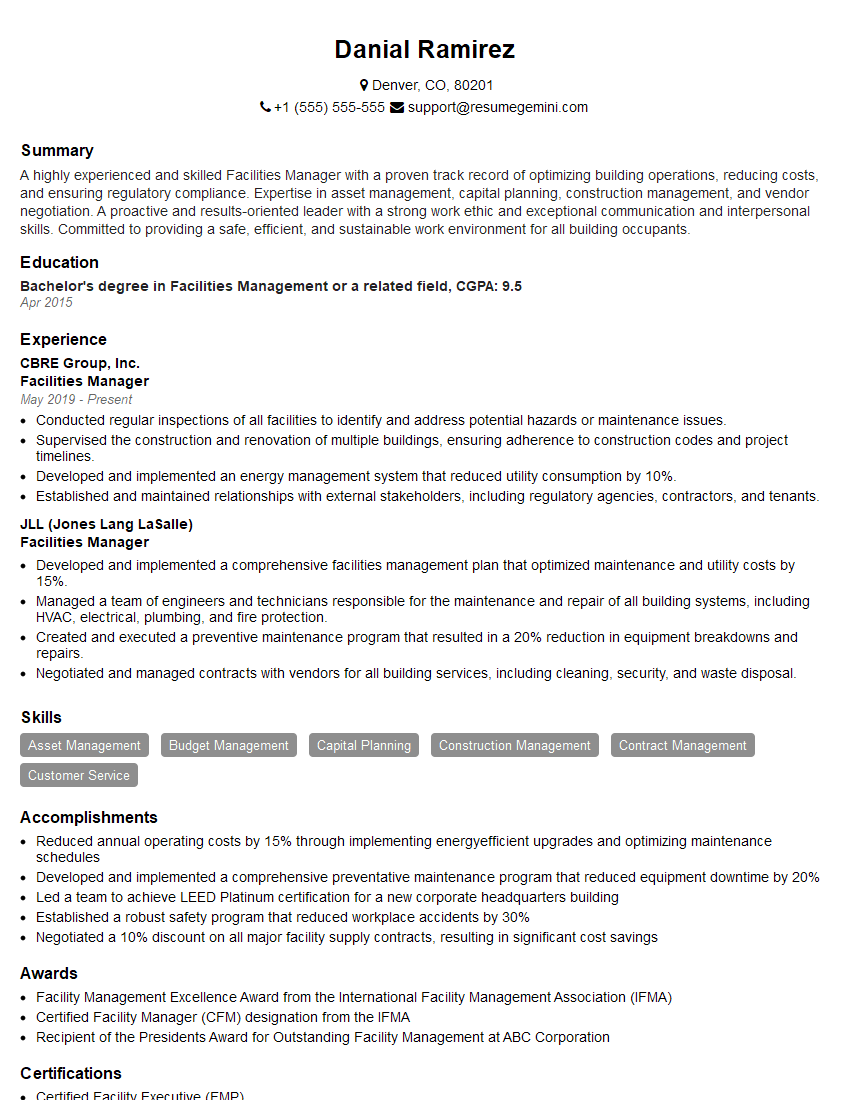
Facilities Manager Resume Sample
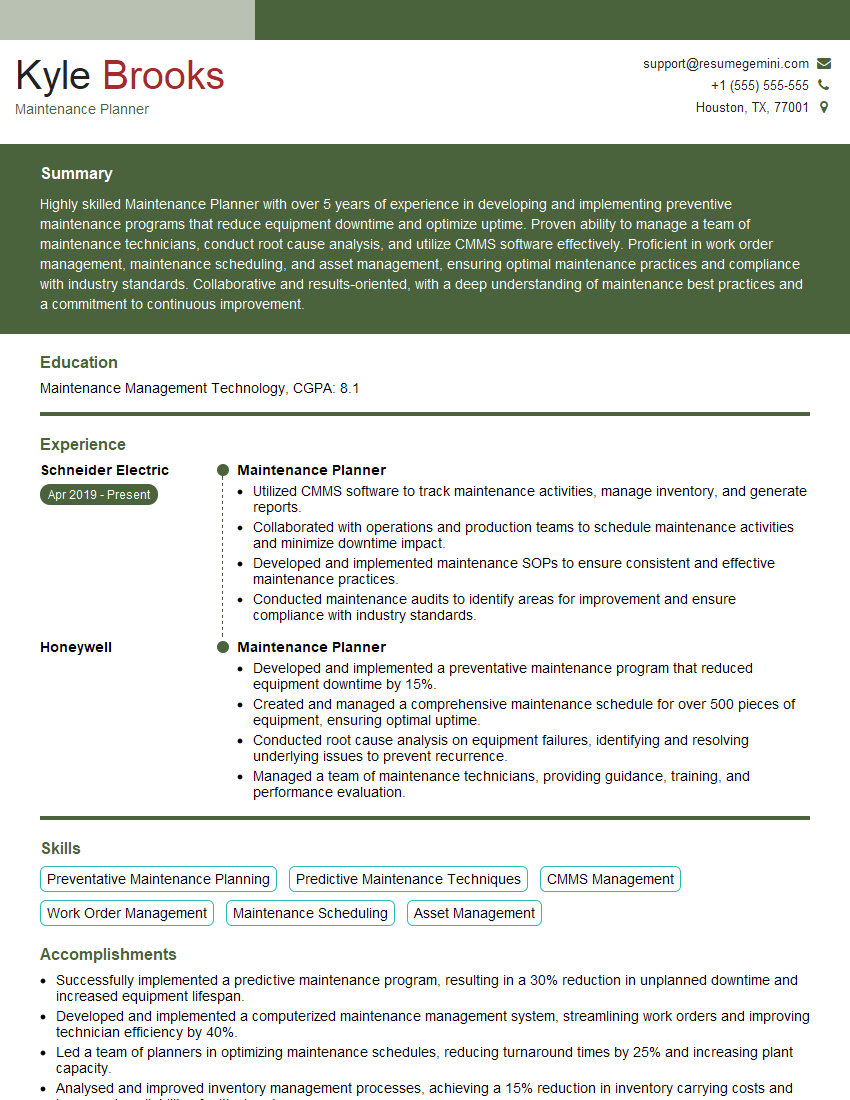
Maintenance Planner Resume Sample
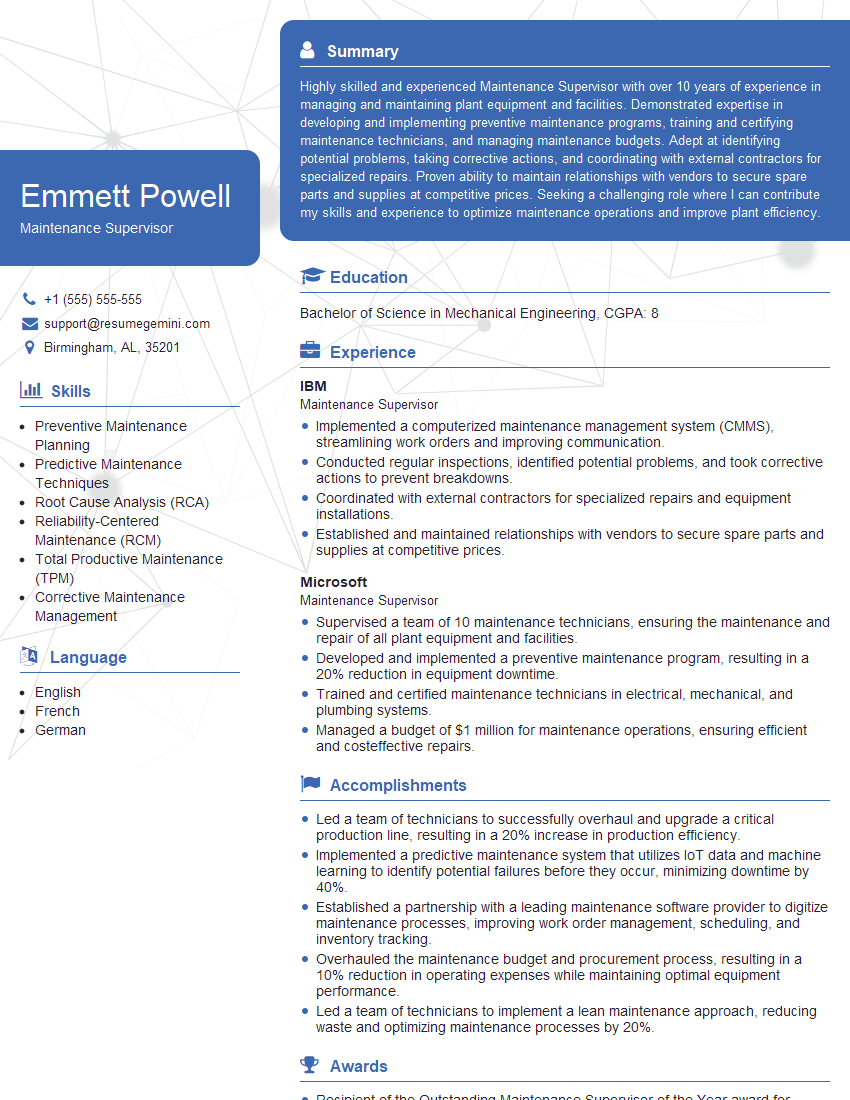
Maintenance Supervisor Resume Sample
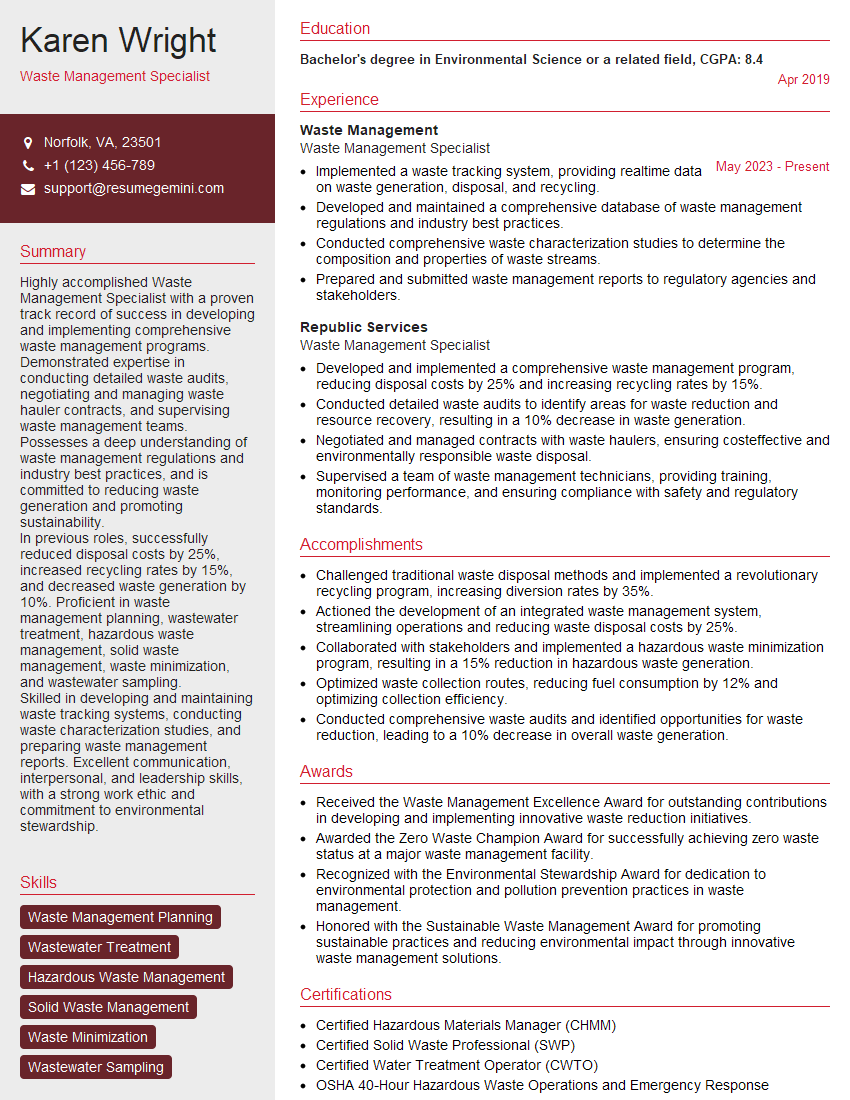
Waste Management Specialist Resume Sample
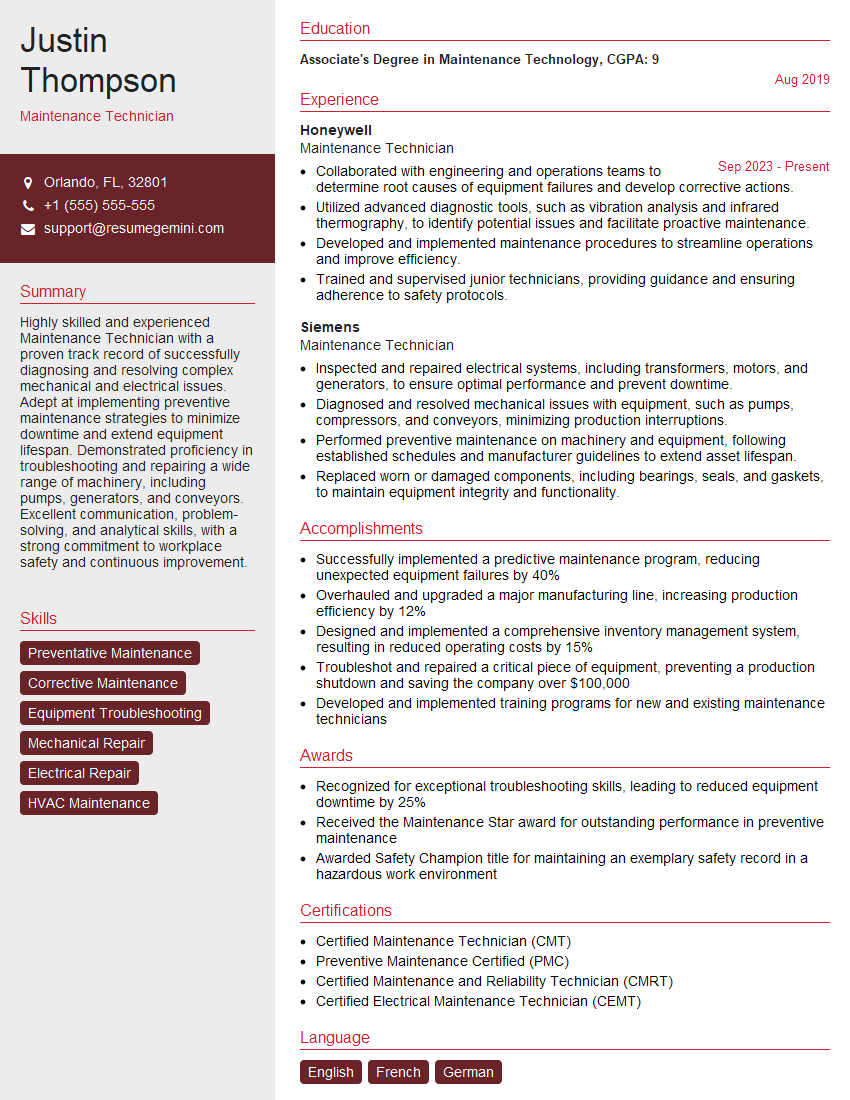
Maintenance Technician Resume Sample
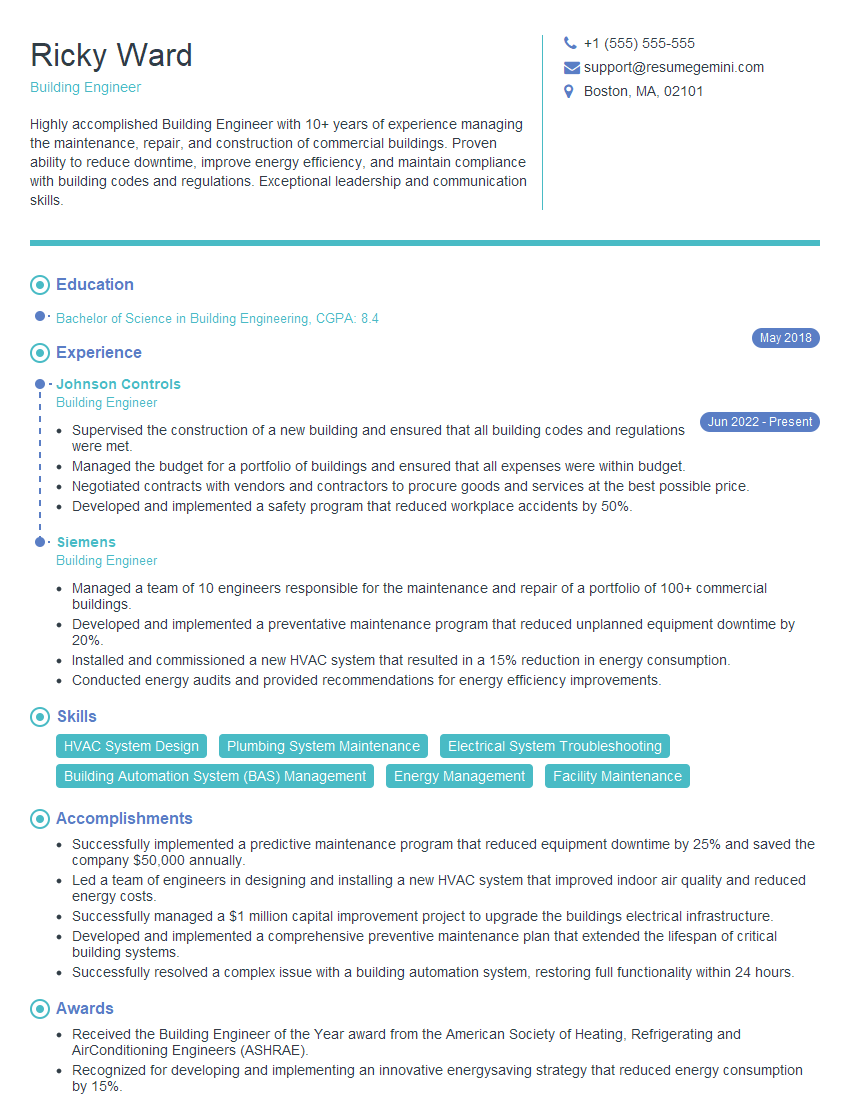
Building Engineer Resume Sample
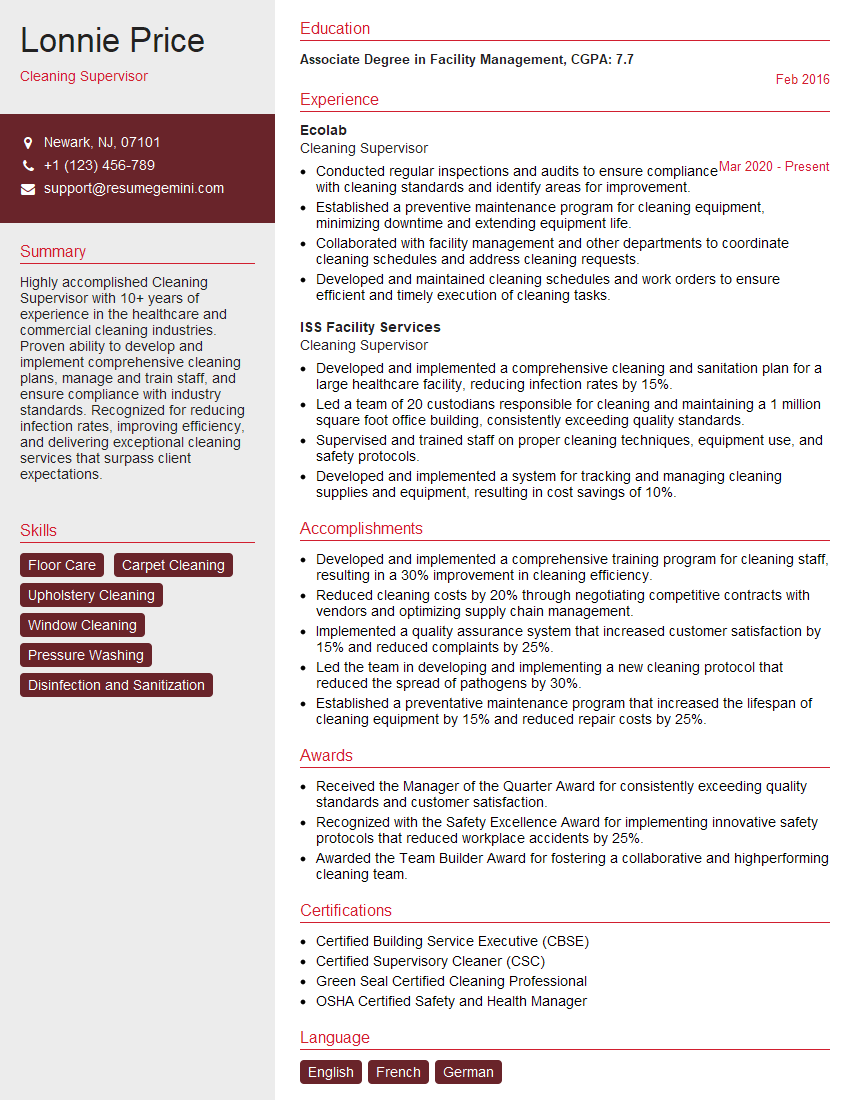
Cleaning Supervisor Resume Sample
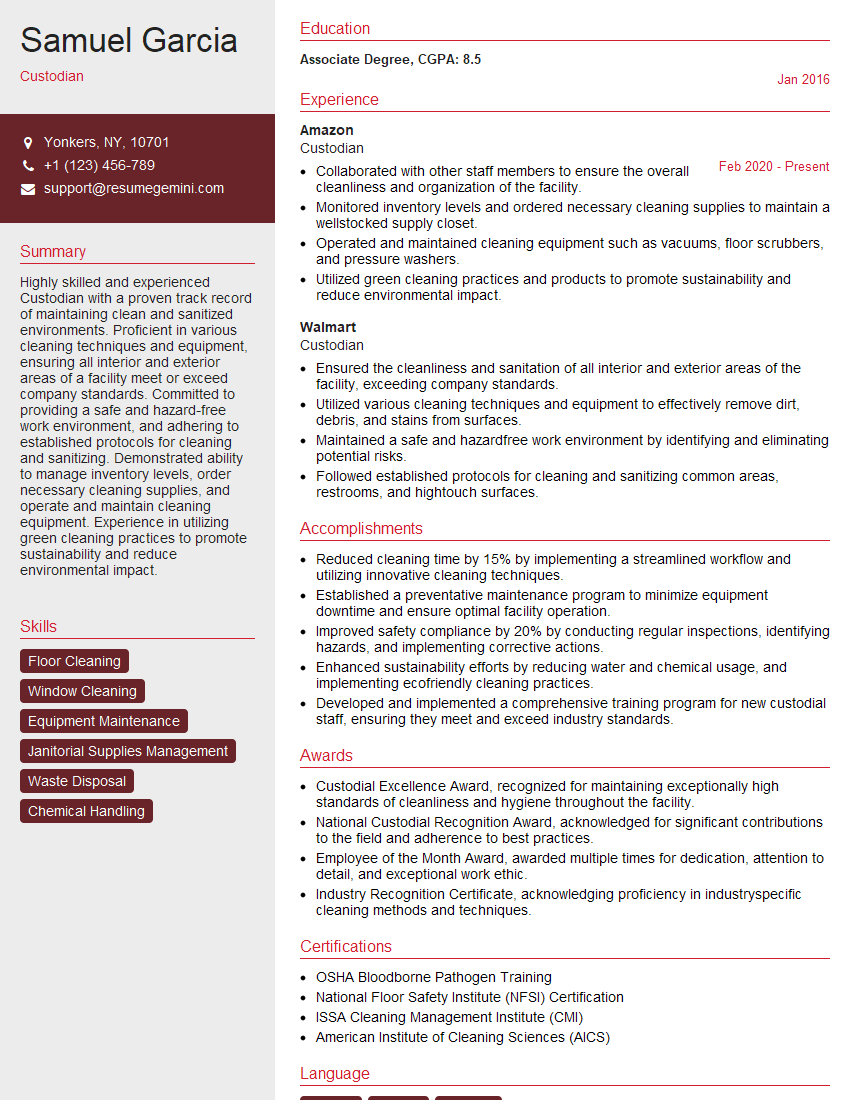
Custodian Resume Sample
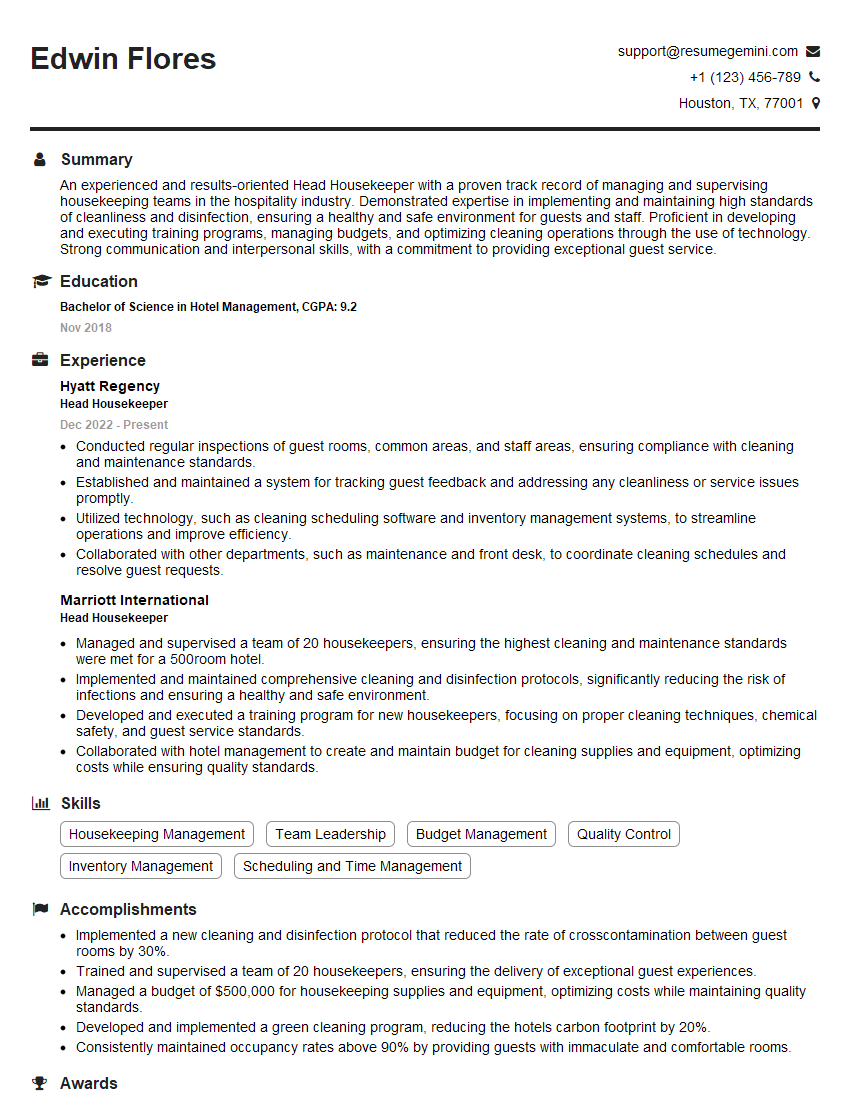
Head Housekeeper Resume Sample
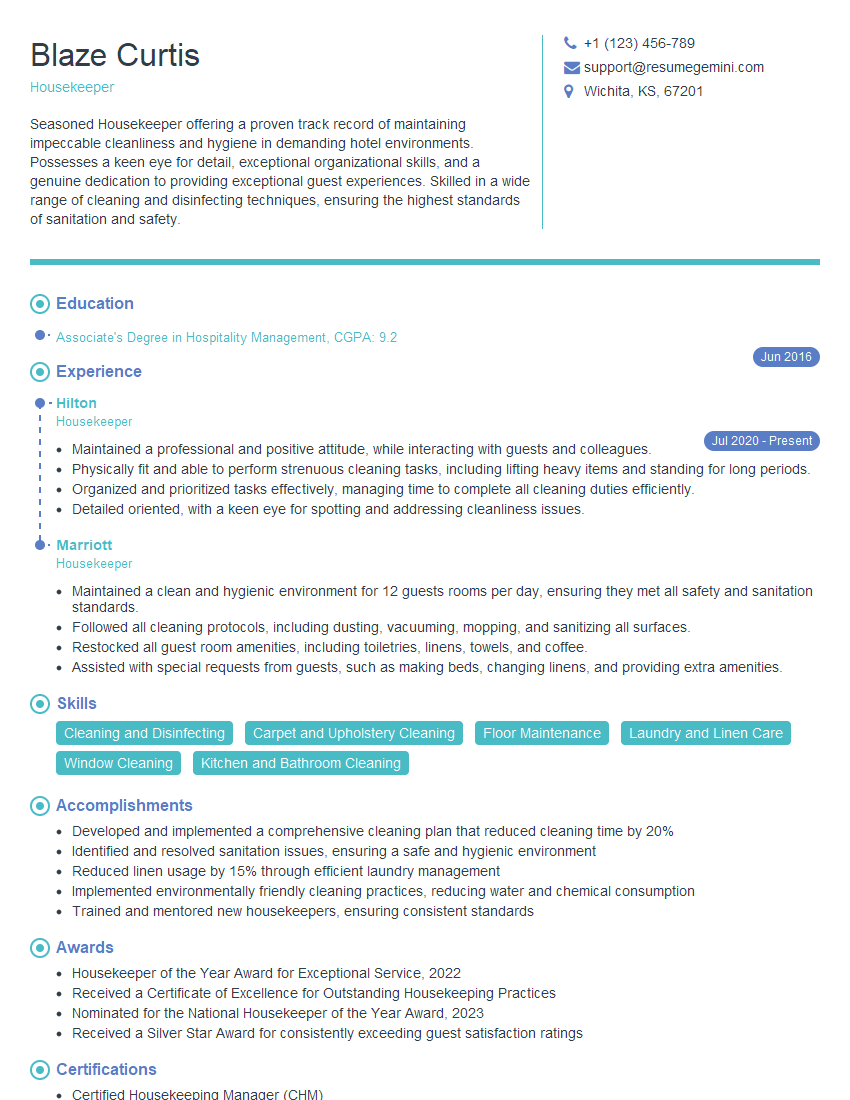
Housekeeper Resume Sample
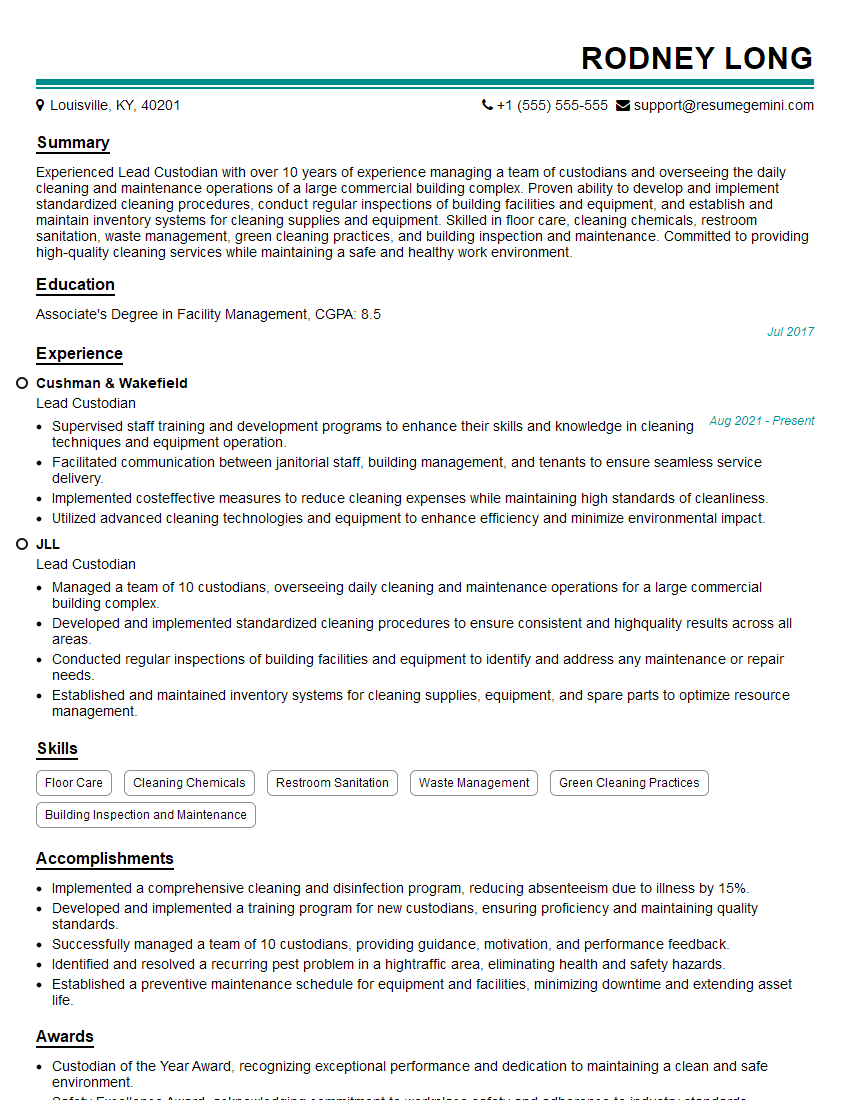
Lead Custodian Resume Sample
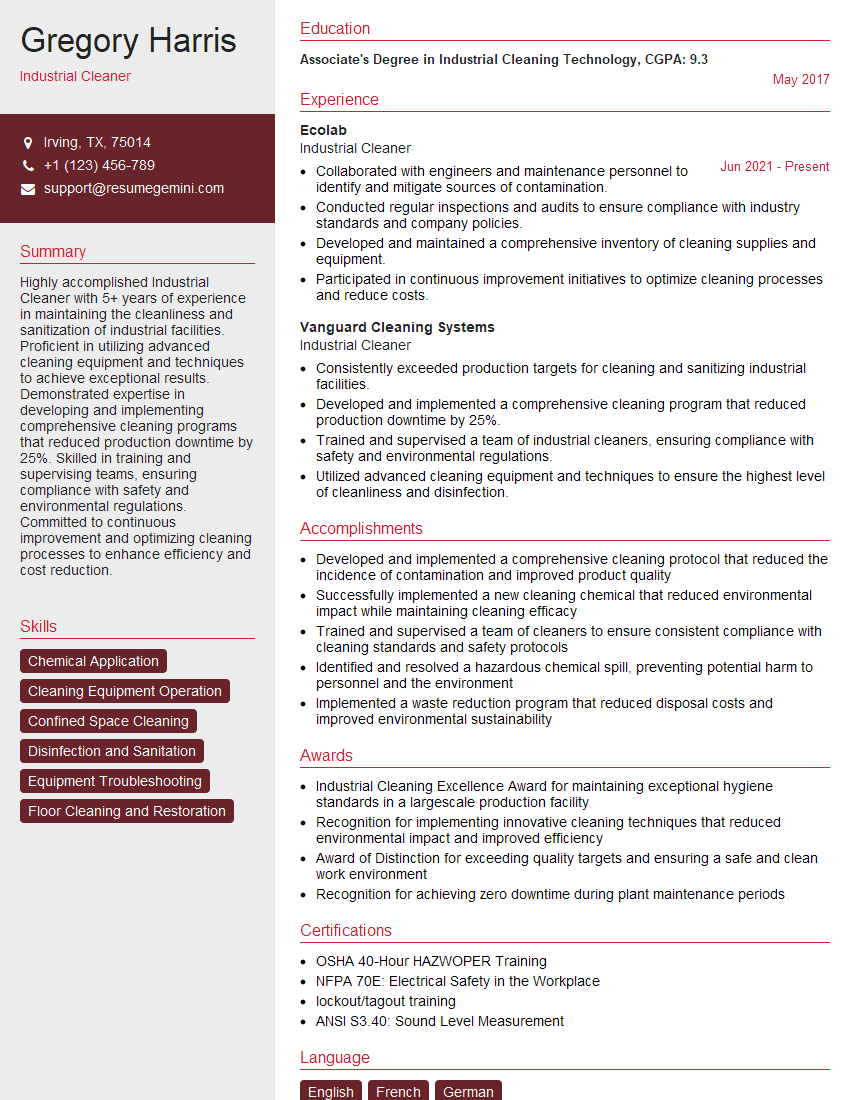
Industrial Cleaner Resume Sample
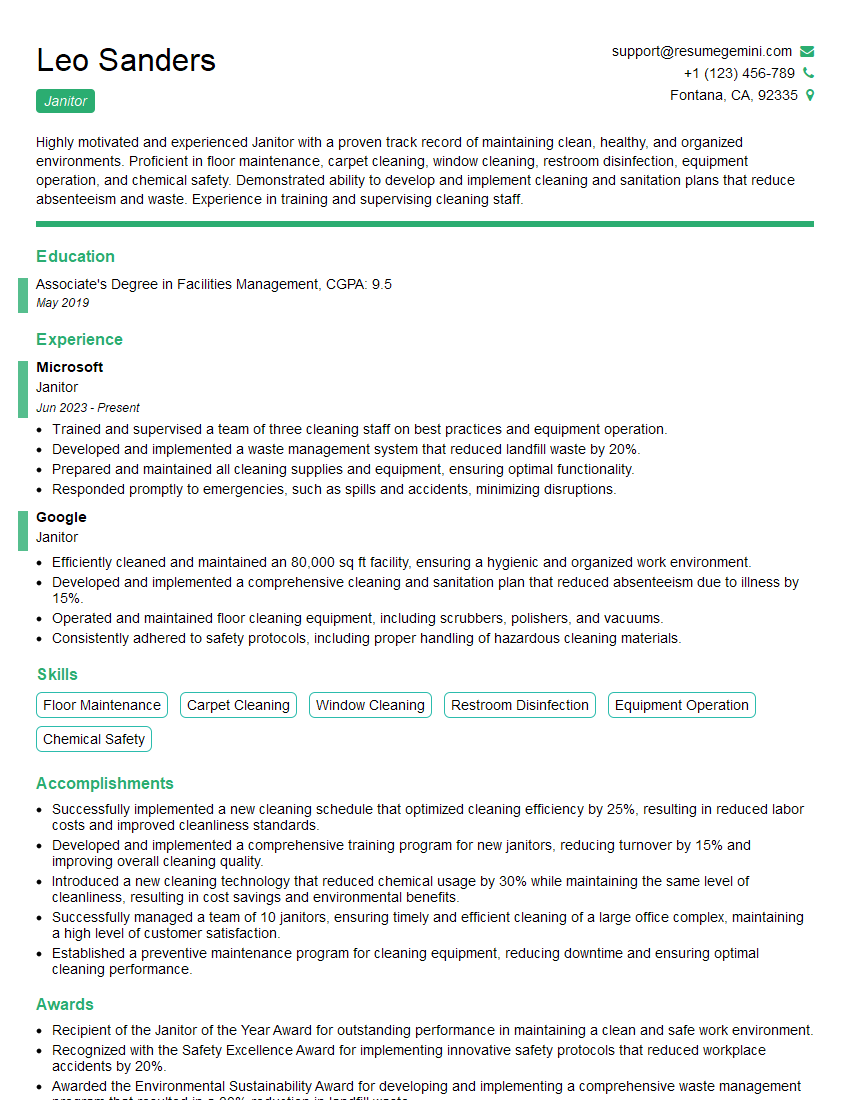
Janitor Resume Sample
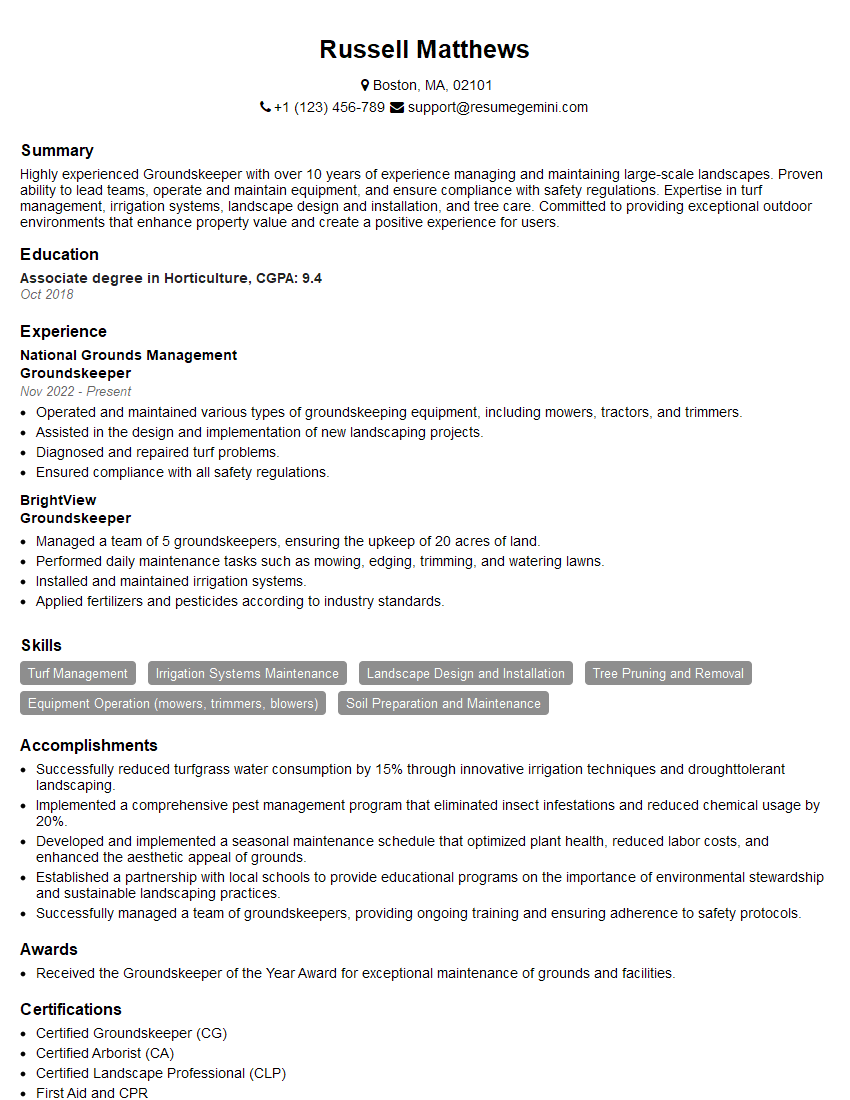
Groundskeeper Resume Sample
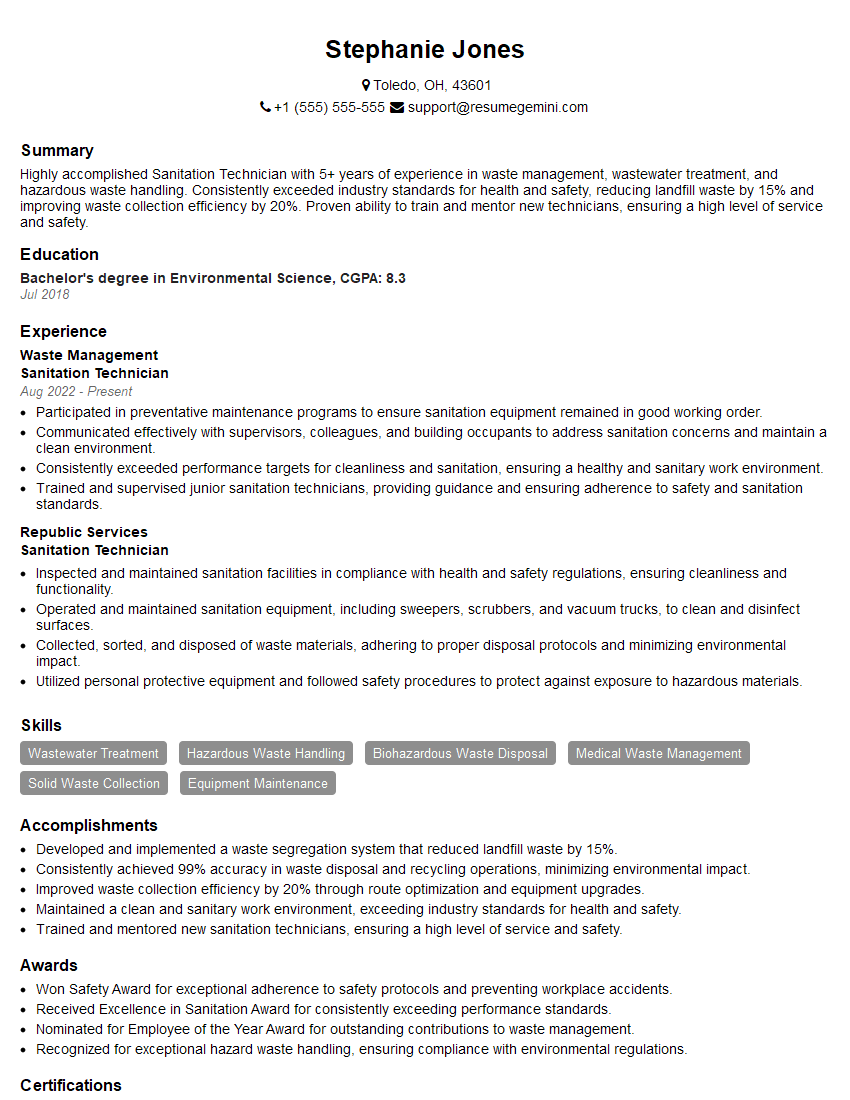
Sanitation Technician Resume Sample
Explore more articles
Users Rating of Our Blogs
Share Your Experience
We value your feedback! Please rate our content and share your thoughts (optional).
What Readers Say About Our Blog
Very informative content, great job.
good