Cracking a skill-specific interview, like one for Maintenance and Repair Procedures, requires understanding the nuances of the role. In this blog, we present the questions you’re most likely to encounter, along with insights into how to answer them effectively. Let’s ensure you’re ready to make a strong impression.
Questions Asked in Maintenance and Repair Procedures Interview
Q 1. Describe your experience with preventative maintenance procedures.
Preventative maintenance (PM) is all about proactively addressing potential issues before they cause downtime or major failures. Think of it like regular check-ups at the doctor – catching small problems early prevents them from becoming big ones.
My experience with PM spans various industrial settings, including manufacturing and data centers. I’ve developed and implemented PM schedules for diverse equipment, from conveyor belts and robotic arms to HVAC systems and server racks. This involves creating detailed checklists, specifying inspection intervals, and defining necessary lubrication, cleaning, or adjustment procedures. For example, in a manufacturing plant, I’d develop a PM schedule for a robotic arm that includes daily lubrication checks, weekly visual inspections for wear and tear, and monthly functional tests to ensure consistent performance. I also meticulously track PM activities using CMMS software to ensure compliance and identify trends.
- Developing PM schedules: I analyze equipment specifications, historical maintenance data, and manufacturer recommendations to determine optimal inspection and maintenance intervals.
- Implementing PM procedures: I train maintenance technicians on proper procedures and ensure they have the necessary tools and resources.
- Tracking and reporting: I utilize CMMS to monitor PM completion rates, identify areas for improvement, and generate reports for management.
Q 2. Explain the difference between corrective and preventative maintenance.
Corrective maintenance (CM) addresses problems *after* they occur, while preventative maintenance (PM) aims to prevent them in the first place. CM is reactive; PM is proactive.
Imagine a car: CM is fixing a flat tire after it happens. PM is rotating your tires regularly to prevent uneven wear and extend their lifespan. In a manufacturing setting, CM might involve repairing a broken machine after it malfunctions, disrupting production. PM would be regularly inspecting and lubricating that machine to prevent such failures.
- Corrective Maintenance (CM): This is unplanned, often urgent, and involves repairing or replacing a broken component. It disrupts operations and can be costly.
- Preventative Maintenance (PM): This is planned, scheduled, and aims to prevent breakdowns. It reduces downtime, extends equipment lifespan, and lowers overall maintenance costs.
Q 3. How do you prioritize maintenance tasks in a high-pressure environment?
Prioritizing maintenance tasks in high-pressure environments requires a structured approach. I use a combination of techniques to ensure critical equipment receives timely attention.
My methodology often involves a combination of:
- Criticality Analysis: Assessing the impact of equipment failure on overall operations. Equipment vital to production gets higher priority.
- Risk Assessment: Evaluating the likelihood of failure and its potential consequences. Equipment with a high probability of failure and significant impact needs immediate attention.
- Urgency/Impact Matrix: A visual tool plotting urgency against impact to quickly identify the most critical tasks. This helps avoid firefighting and allows for proactive scheduling.
- CMMS Integration: Using a CMMS to schedule and track PM tasks, allowing for efficient allocation of resources.
For example, in a data center, a failing cooling unit poses an immediate threat to servers, so it would be prioritized over a less critical piece of equipment.
Q 4. What is your experience with CMMS (Computerized Maintenance Management Systems)?
I have extensive experience with various CMMS (Computerized Maintenance Management Systems), including IBM Maximo, SAP PM, and UpKeep. I’m proficient in using these systems for work order management, preventative maintenance scheduling, inventory tracking, and generating reports.
My experience encompasses:
- Work Order Management: Creating, assigning, tracking, and closing work orders efficiently.
- Preventative Maintenance Scheduling: Developing and implementing optimized PM schedules based on equipment criticality and manufacturer recommendations.
- Inventory Management: Tracking spare parts, consumables, and tools to minimize downtime due to stockouts.
- Reporting and Analysis: Generating reports on maintenance costs, equipment reliability, and PM effectiveness to identify areas for improvement.
- Data Analysis: Utilizing CMMS data to identify trends, predict potential failures, and optimize maintenance strategies.
I’m adept at configuring CMMS systems to meet specific business requirements and integrating them with other enterprise systems.
Q 5. Describe your troubleshooting methodology for malfunctioning equipment.
My troubleshooting methodology follows a structured approach, ensuring thorough investigation and efficient resolution. I use a systematic process, often described as the 5 Whys or a fault tree analysis.
The steps usually involve:
- Gather Information: Start by collecting information about the malfunction. This includes symptoms, error codes, and operational history.
- Visual Inspection: Carefully inspect the equipment for obvious problems, such as loose connections, damaged components, or leaks.
- Testing and Diagnostics: Use appropriate diagnostic tools and techniques to pinpoint the problem’s source. This might involve checking voltage, current, pressure, or temperature.
- Isolate the Problem: Systematically eliminate potential causes until the root cause is identified.
- Implement Corrective Action: Repair or replace the faulty component, ensuring the equipment functions correctly.
- Verify Solution: Test the repaired equipment thoroughly to ensure the problem is resolved and won’t reoccur.
For instance, if a pump fails to operate, I would first check the power supply, then the motor, then the impeller, etc., until the faulty component is discovered.
Q 6. How do you identify the root cause of a recurring equipment failure?
Identifying the root cause of recurring equipment failures requires a deeper analysis than simply fixing the immediate problem. A common technique I use is Root Cause Analysis (RCA), such as the 5 Whys or Fishbone diagrams.
My approach usually includes:
- Data Collection: Gathering data on past failures, including maintenance logs, repair records, and operational data.
- Trend Analysis: Identifying patterns and trends in failures to pinpoint potential underlying causes.
- Root Cause Analysis (RCA): Applying techniques like the 5 Whys (repeatedly asking “why” to drill down to the root cause) or Fault Tree Analysis to systematically investigate the failure.
- Corrective Actions: Implementing effective corrective actions to prevent future recurrences. This could involve equipment upgrades, process improvements, or operator training.
- Verification: Monitoring the equipment’s performance after implementing corrective actions to ensure the issue is resolved.
For example, if a conveyor belt keeps breaking, repeated RCA might reveal a design flaw or inadequate maintenance practices as the root cause.
Q 7. What safety procedures do you follow during maintenance and repair work?
Safety is paramount during all maintenance and repair activities. I strictly adhere to established safety procedures, ensuring my own safety and the safety of others.
My safety practices include:
- Lockout/Tagout (LOTO): Always performing LOTO procedures before working on energized equipment to prevent accidental start-up.
- Personal Protective Equipment (PPE): Consistent use of appropriate PPE, such as safety glasses, gloves, hearing protection, and steel-toe boots, based on the task.
- Hazard Identification and Risk Assessment: Conducting thorough risk assessments before starting any task to identify potential hazards and implement control measures.
- Following Safety Regulations: Adhering to all relevant safety regulations, company policies, and industry best practices.
- Emergency Procedures: Being aware of and prepared for emergency situations, including having access to first aid and emergency communication systems.
- Proper Tool Usage: Using tools correctly and ensuring they are in good working condition to prevent accidents.
Safety is not just a checklist but an ingrained attitude. I consistently emphasize safe work practices and encourage my team to report any unsafe conditions immediately.
Q 8. How do you document maintenance activities and repairs?
Accurate and thorough documentation is the cornerstone of effective maintenance and repair. My approach involves a multi-faceted system ensuring traceability, accountability, and continuous improvement. This typically includes a combination of digital and physical records.
Computerized Maintenance Management System (CMMS): I utilize CMMS software to log all maintenance activities, including work orders, preventative maintenance schedules, repair histories, and parts usage. This allows for easy tracking of equipment performance, identification of recurring issues, and forecasting future maintenance needs. For example, I’d record the date, time, technician, problem description, parts used, labor hours, and the final resolution in the CMMS.
Physical Logs and Work Orders: While digital records are primary, I maintain physical work orders, signed by both the technician and the client (if applicable), detailing the work performed. These provide a hard copy backup and are crucial in situations with limited digital access.
Photographs and Diagrams: Visual documentation is invaluable. I take before-and-after photographs of repairs, especially for complex issues, and often create simple diagrams to illustrate the problem and the solution. This is exceptionally useful for future troubleshooting.
Detailed Reports: Periodically, I generate reports summarizing maintenance activities, equipment performance, and costs. These reports are crucial for identifying trends, justifying maintenance budgets, and supporting continuous improvement initiatives.
Q 9. Describe a time you had to deal with an unexpected equipment failure.
During my time at a large manufacturing plant, we experienced a catastrophic failure of a crucial conveyor belt system during peak production. The entire line shut down, resulting in significant production loss. My immediate response was to activate our emergency protocol. This involved:
Assessing the Situation: I quickly assessed the damage, noting the extent of the failure and identifying any immediate safety hazards.
Securing the Area: I ensured the area was made safe to prevent further accidents or injuries.
Initiating Troubleshooting: Using our diagnostic tools, I systematically checked the motor, drives, sensors, and the belt itself to pinpoint the root cause. It turned out to be a combination of worn bearings and a power surge.
Coordinating Repairs: I then coordinated the procurement of replacement parts and organized a team to repair the conveyor system. We worked around the clock to minimize downtime.
Root Cause Analysis (RCA): Post-repair, we conducted an RCA to determine why the bearings wore out prematurely and implement preventive measures to avoid future failures. This resulted in a change to our preventative maintenance schedule.
This experience highlighted the importance of effective emergency response procedures, proactive maintenance, and thorough root cause analysis.
Q 10. What are your skills in using diagnostic tools and equipment?
I’m proficient in using a wide range of diagnostic tools and equipment. My expertise extends beyond simply operating these tools to understanding their underlying principles and how to interpret the data they provide. This includes:
Multimeters: For measuring voltage, current, and resistance in electrical systems.
Oscilloscope: To analyze waveforms and identify electrical anomalies.
Infrared Cameras: For detecting overheating components, a common precursor to equipment failure.
Vibration Analyzers: To identify imbalances and other mechanical issues in rotating equipment.
Pressure Gauges and Transducers: For measuring pressure in hydraulic and pneumatic systems.
Specialized Software: I’m experienced with diagnostic software specific to certain equipment brands and types.
I believe that understanding the ‘why’ behind a reading is just as important as the reading itself. A good technician uses these tools not just to identify problems but to understand their root causes.
Q 11. What is your experience with hydraulic systems maintenance and repair?
My experience with hydraulic systems maintenance and repair is extensive. I have worked on a variety of hydraulic systems, from simple lift systems to complex industrial presses. My skills encompass:
Troubleshooting: Identifying leaks, pressure drops, and other malfunctions using pressure gauges, flow meters, and visual inspection.
Repair: Replacing seals, hoses, pumps, valves, and other components.
Maintenance: Performing preventative maintenance tasks such as fluid changes, filter replacements, and lubrication.
System Design and Improvement: I have also been involved in improving existing hydraulic systems, increasing efficiency, and reducing downtime.
For example, I once resolved a recurring leak in a large hydraulic press by identifying a faulty accumulator and recommending its replacement. This prevented costly downtime and potential safety hazards.
Q 12. What is your experience with pneumatic systems maintenance and repair?
My experience with pneumatic systems mirrors my work with hydraulic systems. Pneumatics, using compressed air, present unique challenges related to air leakage and contamination. My expertise includes:
Leak Detection: Using specialized leak detectors to identify air leaks in fittings, hoses, and cylinders.
Component Repair and Replacement: Replacing pneumatic valves, actuators, cylinders, and air filters.
System Optimization: Improving system efficiency by reducing air consumption and minimizing pressure drops.
Troubleshooting: Diagnosing problems using pressure gauges, flow meters, and system schematics.
A recent project involved improving the efficiency of a robotic arm’s pneumatic system by identifying and sealing minor leaks. This resulted in a noticeable reduction in compressed air consumption and operational costs.
Q 13. What is your experience with electrical systems maintenance and repair?
Electrical systems maintenance and repair is a critical aspect of my skillset. I possess a solid understanding of electrical theory and safety procedures, coupled with hands-on experience in diagnosing and fixing electrical faults. My experience covers:
Troubleshooting: Using multimeters and other diagnostic tools to identify short circuits, open circuits, and other electrical problems.
Wiring and Cabling: Installing, repairing, and replacing electrical wiring and cables.
Motor Control: Diagnosing and repairing motor control circuits, including starters, contactors, and overload relays.
Electrical Safety: Adhering to all relevant safety regulations and using appropriate safety equipment.
I once successfully repaired a complex electrical control system on a CNC machine, eliminating intermittent operational failures. This involved careful tracing of the circuitry and replacing a faulty component. The repair minimized production downtime and prevented potential damage to the machine.
Q 14. How familiar are you with various types of lubrication and their applications?
Selecting the appropriate lubricant is crucial for extending equipment life and preventing premature failures. I understand the properties of various lubricants and their applications in different equipment types and operating conditions. This includes:
Grease: Different greases have varying levels of viscosity, temperature resistance, and water resistance. Selecting the correct grease is critical for bearings and other moving parts.
Oils: From light machine oils to heavy-duty gear oils, the viscosity and additive packages (e.g., anti-wear, anti-oxidation) are chosen based on the specific application and operating conditions.
Specialized Lubricants: I’m familiar with specialized lubricants such as high-temperature greases, food-grade lubricants, and environmentally friendly biolubricants.
Lubrication Techniques: I am proficient in various lubrication methods, including grease guns, oil cups, and centralized lubrication systems.
Improper lubrication can lead to excessive wear, friction, and ultimately, equipment failure. Choosing the right lubricant and applying it correctly is a fundamental aspect of preventative maintenance.
Q 15. Explain your understanding of vibration analysis in predictive maintenance.
Vibration analysis is a crucial predictive maintenance technique that allows us to detect developing mechanical problems in equipment before they lead to catastrophic failures. It works by measuring the vibrations produced by machinery during operation. Healthy machinery produces vibrations within a specific range and pattern. However, as components wear, become misaligned, or develop imbalances, the vibration patterns change—becoming more intense, exhibiting different frequencies, or showing unusual characteristics.
For example, increased high-frequency vibrations might indicate bearing wear, while low-frequency vibrations could suggest imbalance in a rotating component. We use specialized instruments, such as accelerometers and vibration analyzers, to collect vibration data. This data is then analyzed using software that compares the measured vibrations to baseline readings or established thresholds. Deviations from the norm signal potential issues, allowing for proactive maintenance before a breakdown occurs, thus minimizing downtime and repair costs. This is far more cost-effective than reactive maintenance, which deals with issues only after they cause a failure.
In a previous role, I used vibration analysis to detect an impending failure in a large industrial fan. The analysis revealed a characteristic frequency increase that indicated bearing damage, allowing us to schedule a preventative replacement before the bearing completely failed, preventing a costly and disruptive production halt.
Career Expert Tips:
- Ace those interviews! Prepare effectively by reviewing the Top 50 Most Common Interview Questions on ResumeGemini.
- Navigate your job search with confidence! Explore a wide range of Career Tips on ResumeGemini. Learn about common challenges and recommendations to overcome them.
- Craft the perfect resume! Master the Art of Resume Writing with ResumeGemini’s guide. Showcase your unique qualifications and achievements effectively.
- Don’t miss out on holiday savings! Build your dream resume with ResumeGemini’s ATS optimized templates.
Q 16. How do you manage spare parts inventory for efficient maintenance?
Efficient spare parts inventory management is critical for minimizing downtime and ensuring smooth maintenance operations. My approach involves a multi-faceted strategy. Firstly, accurate demand forecasting is crucial. This involves analyzing historical usage patterns, considering equipment age, and anticipating future needs based on planned maintenance and potential equipment upgrades. Secondly, I utilize a robust inventory management system (IMS), typically software-based, that tracks stock levels, monitors consumption, and automatically generates re-order points. This system should also manage lead times for different suppliers, ensuring that critical parts are readily available when needed.
Thirdly, I employ the ABC analysis method to categorize spare parts based on their value and criticality. ‘A’ items are high-value, critical components that require close monitoring and tight inventory control. ‘B’ items are moderately important, and ‘C’ items are low-value, low-criticality parts that can be managed with less stringent controls. This allows for optimized stock levels and allocation of resources. Finally, regular inventory audits and reconciliation ensure accuracy and identification of obsolete or excess stock.
In my previous experience, I implemented an IMS that reduced our spare parts inventory costs by 15% while simultaneously improving our mean time to repair (MTTR) by 10%. This was achieved through more accurate demand forecasting and optimized stock levels based on the ABC analysis.
Q 17. Describe your experience with welding and fabrication techniques.
I possess extensive experience in various welding and fabrication techniques, including shielded metal arc welding (SMAW), gas metal arc welding (GMAW), gas tungsten arc welding (GTAW), and various brazing and soldering methods. My expertise extends to selecting appropriate welding processes based on material type, thickness, and required joint strength. I’m proficient in reading and interpreting welding symbols to ensure correct weld procedures are followed. Fabrication involves the creation of parts from raw materials, requiring skills in cutting, shaping, and joining materials to build complete assemblies or components. I’m skilled in using various cutting tools such as plasma cutters, oxy-fuel torches, and saws, along with forming and bending equipment. I also have experience with different materials including mild steel, stainless steel, aluminum, and various plastics.
For instance, in a previous role, I was responsible for fabricating custom support structures for a large industrial oven. This involved designing the structure, selecting appropriate materials, cutting and shaping the steel components, performing the welds, and finally applying a protective coating to ensure durability and longevity. I always prioritize safety and adhere to all relevant codes and standards during welding and fabrication processes.
Q 18. What is your experience with blueprint reading and technical manuals?
Blueprint reading and the ability to interpret technical manuals are fundamental skills for any maintenance professional. I’m proficient in reading and interpreting various types of engineering drawings, including orthographic projections, isometric views, and schematic diagrams. I can extract dimensions, tolerances, material specifications, and other critical information from blueprints to understand the design and functionality of equipment. My experience with technical manuals goes beyond simply reading them; I can troubleshoot and resolve issues using the provided information, often using diagrams, parts lists, and troubleshooting guides to identify causes of malfunctions and implement corrective actions. I’m particularly adept at understanding electrical schematics and pneumatic/hydraulic diagrams, which are crucial for diagnosing and resolving complex mechanical and electrical problems.
For example, during a recent equipment repair, I used a blueprint to identify the location of a faulty sensor. This was crucial in accelerating the repair process and avoiding unnecessary dismantling of other parts. My ability to effectively utilize technical manuals and blueprints streamlines the troubleshooting process and significantly reduces downtime.
Q 19. How do you ensure compliance with relevant safety regulations during maintenance?
Safety is my paramount concern during all maintenance activities. I meticulously follow all relevant safety regulations, including OSHA (Occupational Safety and Health Administration) guidelines and any industry-specific standards applicable to the equipment being maintained. Before starting any work, I conduct thorough risk assessments to identify potential hazards and implement appropriate control measures, such as lockout/tagout procedures to isolate energy sources, using personal protective equipment (PPE) like safety glasses, gloves, and hearing protection, and ensuring proper ventilation in confined spaces.
I regularly participate in safety training programs and stay updated on any changes in safety regulations. I am also responsible for ensuring that all team members involved in the maintenance process follow safety procedures, providing training and guidance as needed. I document all safety procedures followed and any incidents encountered. Furthermore, I actively participate in safety meetings and contribute to the continuous improvement of safety practices within the workplace.
Q 20. What is your experience with maintaining industrial machinery?
I have extensive experience maintaining a wide range of industrial machinery, including conveyors, pumps, compressors, packaging equipment, and material handling systems. My experience covers both preventative and corrective maintenance, including routine inspections, lubrication, adjustments, repairs, and overhauls. I’m familiar with various maintenance management systems like CMMS (Computerized Maintenance Management System) and have used them to track maintenance activities, schedule preventative maintenance tasks, and manage work orders. I’m adept at troubleshooting mechanical, electrical, and pneumatic/hydraulic systems, and I have the skills to diagnose problems, identify root causes, and implement effective repair solutions.
In a past role, I was responsible for maintaining a high-speed bottling line. I implemented a preventative maintenance program that significantly reduced downtime and improved the line’s overall efficiency. My knowledge of industrial machinery encompasses various industry standards and regulations related to safety and performance.
Q 21. Describe your experience with rotating equipment maintenance.
My experience with rotating equipment maintenance is extensive, covering various types of machines such as motors, pumps, turbines, compressors, and fans. This involves detailed knowledge of their operational principles, common failure modes, and preventative maintenance practices. I’m skilled in performing tasks such as balancing, alignment, lubrication, and vibration analysis. I have experience working with various types of bearings, seals, and couplings, and I can diagnose and resolve issues related to these components. I’m also familiar with the use of specialized tools and equipment, such as laser alignment tools and dynamic balancing machines, used in maintaining rotating equipment.
For example, I once diagnosed and repaired a misaligned pump that was causing excessive vibration and reduced efficiency. Using laser alignment tools, I accurately realigned the pump, significantly reducing vibration and restoring its efficiency. My experience also includes working on large-scale industrial machinery, requiring adherence to strict safety regulations and the implementation of comprehensive lockout/tagout procedures.
Q 22. What is your experience with PLC (Programmable Logic Controller) troubleshooting?
My experience with PLC troubleshooting is extensive. PLCs are the brains of many automated systems, and understanding their logic is crucial for effective maintenance. My approach involves a systematic process: I begin by reviewing the PLC program, looking for obvious errors or inconsistencies in the ladder logic. I then utilize diagnostic tools, such as the PLC’s built-in diagnostics and monitoring software, to pinpoint potential issues. For example, I might check for faulty input/output signals or examine the status of timers and counters. If the problem is hardware related, I’d use a multimeter to check for voltage and continuity. A common scenario is a faulty sensor causing the entire production line to shut down. I’d isolate the sensor, test its output, and compare it to the expected signal within the PLC program. If the program is the culprit, I’d use the PLC’s programming software to make the necessary corrections, always adhering to strict safety protocols and creating backups before making changes. I’ve successfully diagnosed and resolved issues ranging from simple wiring problems to complex programming errors in various PLC brands, including Allen-Bradley and Siemens, improving overall system efficiency and reducing downtime.
Q 23. How do you manage your workload and prioritize tasks effectively?
Effective workload management is key in my field. I utilize several strategies. First, I prioritize tasks based on urgency and importance, often employing a matrix system: urgent and important tasks come first, followed by important but not urgent, then urgent but not important, and finally, neither urgent nor important. I break down larger tasks into smaller, manageable steps, making them less daunting. I also use a digital task management system, meticulously tracking deadlines and progress. For instance, I might allocate a specific time block for troubleshooting a particular machine, ensuring focused attention and minimizing interruptions. Proactive planning, clear communication with colleagues and supervisors, and regular review of my schedule helps me avoid feeling overwhelmed and maintain a steady pace, ensuring timely completion of all tasks.
Q 24. How do you stay updated on the latest maintenance and repair technologies?
Staying current in maintenance and repair technologies is essential for my career. I achieve this through several avenues. I actively participate in professional development programs and workshops offered by industry organizations, learning about the latest advancements in PLC programming, predictive maintenance techniques, and sensor technologies. I subscribe to industry journals and online publications, keeping abreast of new equipment and best practices. Additionally, I engage with online communities and forums dedicated to maintenance and repair, allowing for peer-to-peer learning and knowledge sharing. For example, learning about the benefits of implementing vibration analysis for predictive maintenance on critical equipment would significantly reduce unexpected failures and downtime. I also encourage participation in vendor-led training sessions to fully understand the operation and maintenance of the equipment.
Q 25. Describe a situation where you had to work collaboratively with other technicians.
In one instance, our facility experienced a major power outage affecting a critical production line. This required a collaborative effort. I, along with two other technicians, specialized in electrical and mechanical systems, worked together to diagnose the issue. My expertise lay in PLC programming and troubleshooting, while my colleagues handled the electrical and mechanical aspects. We followed a systematic approach: first, we secured the area for safety. Then, we divided the problem into smaller tasks: one technician checked the power supply and main breakers, another focused on the motor controllers and drives, while I investigated the PLC and its input/output signals. By clearly defining roles and communicating effectively, we quickly identified a faulty circuit breaker that caused the disruption. This collaborative approach ensured that the problem was solved efficiently and safely, minimizing downtime.
Q 26. How do you handle conflict or disagreements with colleagues during maintenance work?
Disagreements are inevitable in a collaborative environment. My approach focuses on open and respectful communication. When a conflict arises, I try to understand the other person’s perspective and explain my own clearly and calmly. I focus on the problem, not the person. For instance, if I disagree with a colleague’s proposed solution, I’d present alternative approaches and explain their merits, emphasizing safety and efficiency. If a solution can’t be reached, I advocate for seeking guidance from a supervisor, ensuring a fair and unbiased resolution. The goal is to find a solution that is both safe and effective, preserving positive working relationships.
Q 27. What is your approach to continuous improvement in maintenance procedures?
Continuous improvement is vital in maintenance. My approach involves regular reviews of maintenance procedures. After each maintenance activity, I analyze the process, identifying areas for optimization. This includes evaluating the effectiveness of existing preventative maintenance schedules, tool usage, and the overall efficiency of the repair process. For example, if a particular repair task takes longer than anticipated, I investigate whether better tools or a revised procedure could improve efficiency. I document these findings and propose improvements, using data to support the suggested changes. This data-driven approach helps to refine existing processes and proactively identify potential weaknesses.
Q 28. Describe your experience with root cause analysis (RCA) techniques.
Root cause analysis (RCA) is a crucial skill. My experience involves utilizing various techniques, including the 5 Whys and Fishbone diagrams. The 5 Whys involves repeatedly asking “why” to drill down to the root cause of a problem. For instance, if a machine keeps malfunctioning, I might ask: Why did the machine malfunction? (Answer: faulty sensor). Why did the sensor fail? (Answer: excessive vibration). Why was there excessive vibration? (Answer: loose bearing). Why was the bearing loose? (Answer: inadequate lubrication). Why was the lubrication inadequate? (Answer: incorrect maintenance schedule). Fishbone diagrams allow a more visual representation of potential contributing factors. Through these methods, I’ve successfully identified the root cause of many recurring issues, leading to effective solutions and preventing future problems. Documenting the findings is crucial to share knowledge within the team and prevent similar issues in the future.
Key Topics to Learn for Maintenance and Repair Procedures Interview
- Preventive Maintenance Strategies: Understanding and implementing proactive maintenance schedules to minimize downtime and extend equipment lifespan. This includes understanding predictive maintenance techniques and the use of CMMS (Computerized Maintenance Management Systems).
- Diagnostic Techniques: Mastering troubleshooting methodologies, including fault finding, using diagnostic tools, and interpreting technical documentation to pinpoint the root cause of equipment malfunctions. Practical experience with specific diagnostic equipment is highly valuable.
- Repair Procedures and Documentation: Thorough understanding of safe and efficient repair processes, adhering to safety regulations, and meticulously documenting all repairs performed, including parts used and time spent. Familiarity with different repair methodologies (e.g., reactive, proactive).
- Safety Regulations and Compliance: Demonstrating a strong understanding of relevant safety protocols, lockout/tagout procedures, and hazard identification to ensure a safe working environment. Familiarity with relevant industry standards and regulations is crucial.
- Parts Management and Inventory Control: Understanding the importance of efficient parts management, inventory control systems, and procurement processes to minimize downtime and optimize costs. Experience with inventory management software is a plus.
- Root Cause Analysis (RCA): Applying RCA techniques to identify the underlying causes of recurring problems and implement effective solutions to prevent future occurrences. This demonstrates problem-solving skills beyond simple repairs.
- Communication and Teamwork: Highlighting your ability to effectively communicate technical information to both technical and non-technical audiences, as well as your experience working collaboratively within a team.
Next Steps
Mastering Maintenance and Repair Procedures is crucial for career advancement in this field. A strong understanding of these procedures demonstrates competence, efficiency, and a commitment to safety, making you a highly valuable asset to any organization. To significantly boost your job prospects, create an ATS-friendly resume that highlights your skills and experience effectively. ResumeGemini is a trusted resource that can help you build a professional and impactful resume tailored to your specific experience. Examples of resumes tailored to Maintenance and Repair Procedures are available to help guide you.
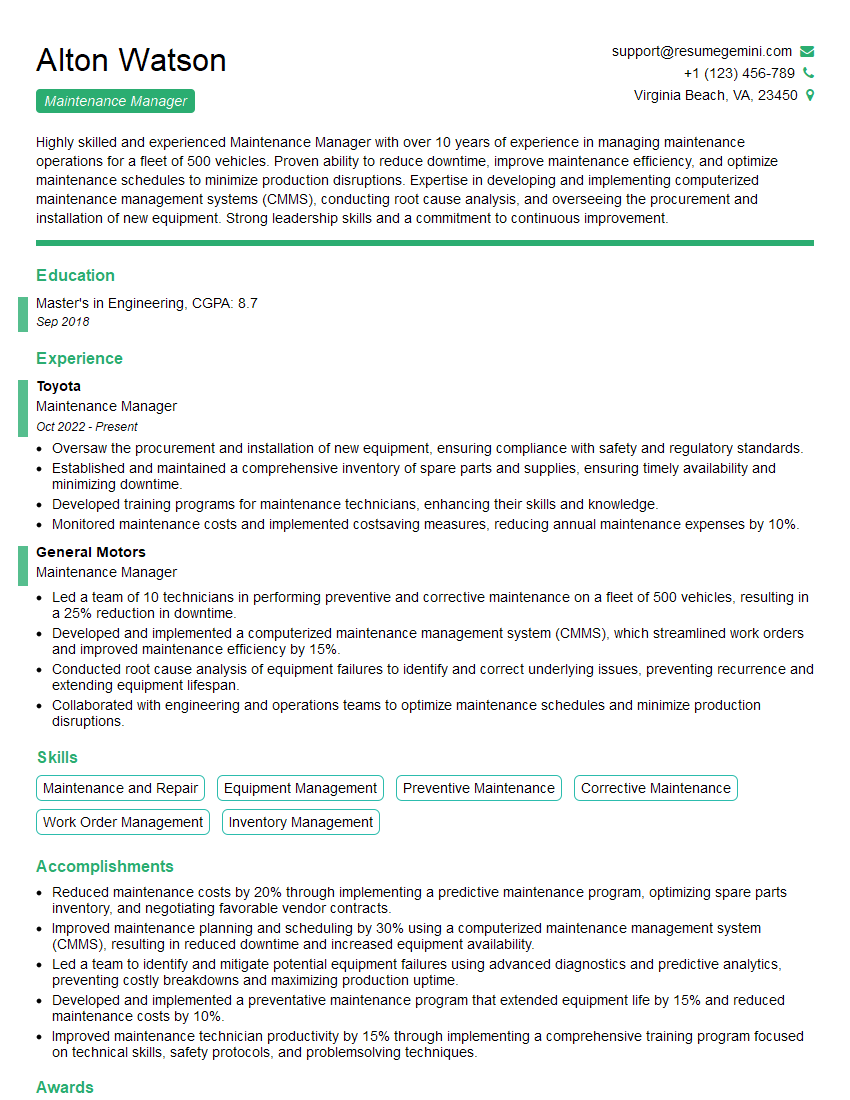
Maintenance Manager Resume Sample
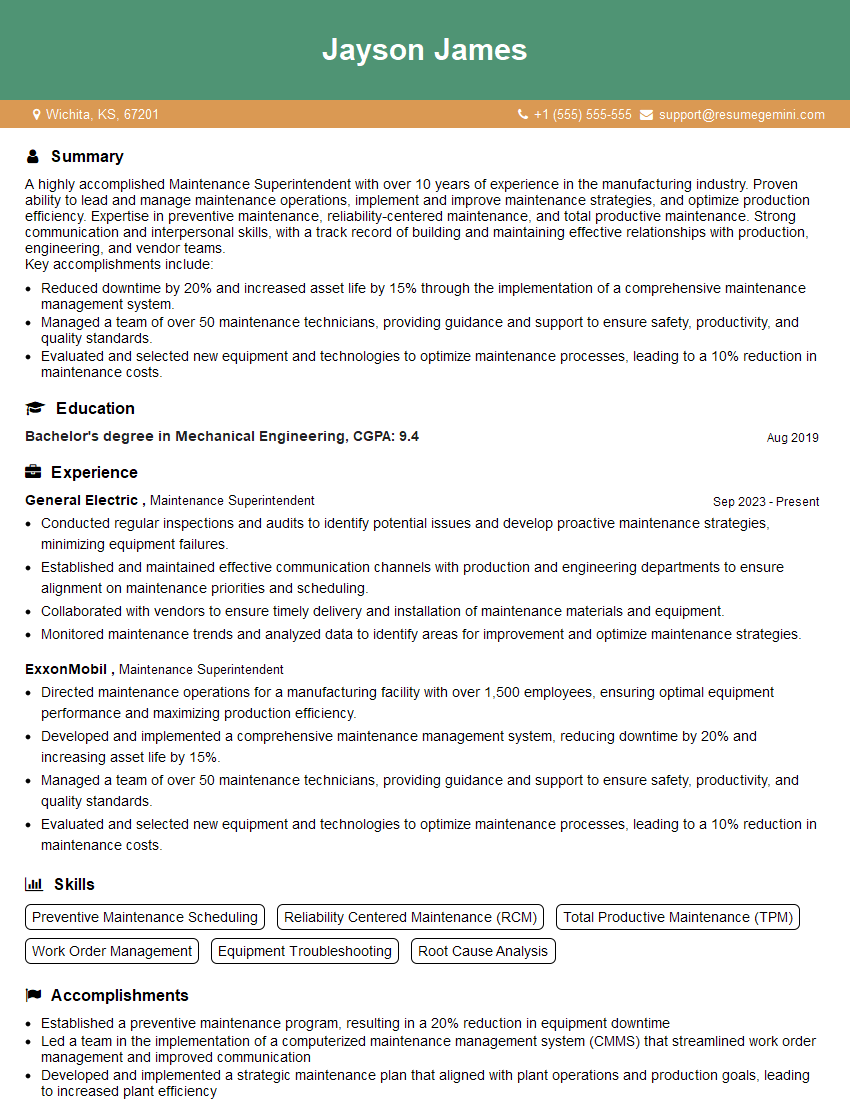
Maintenance Superintendent Resume Sample
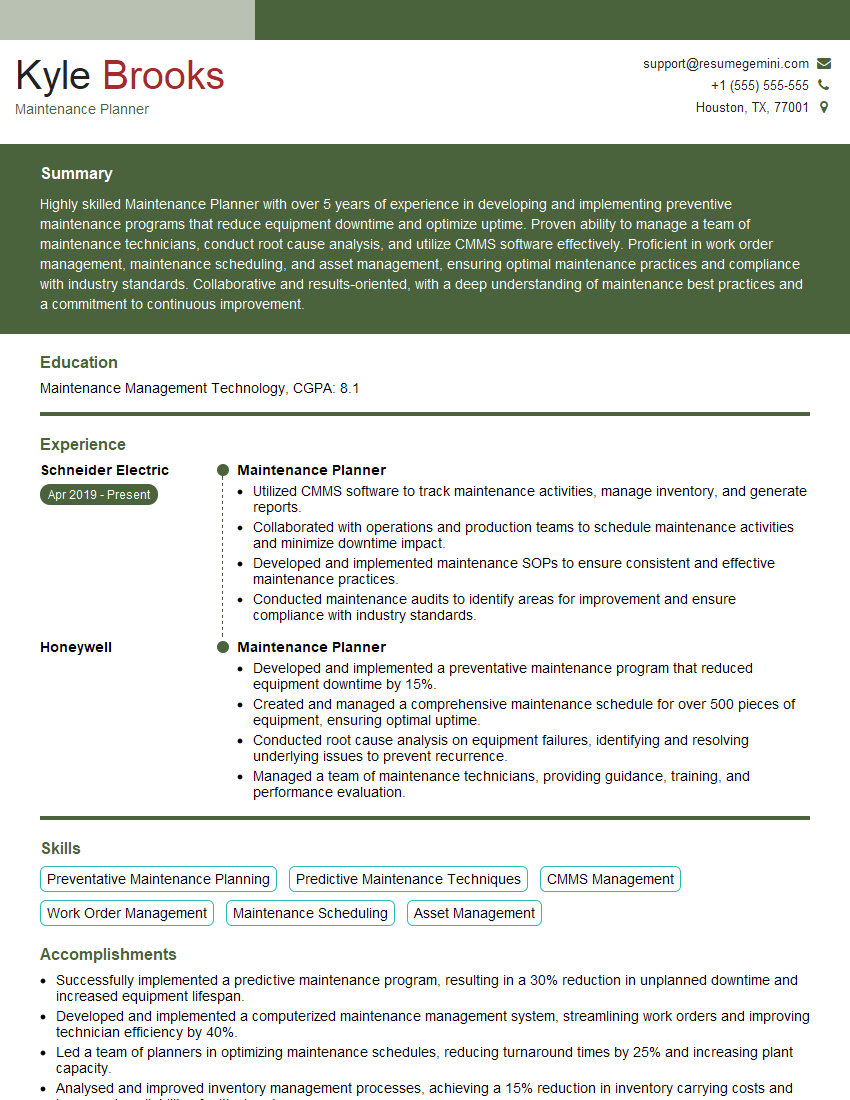
Maintenance Planner Resume Sample
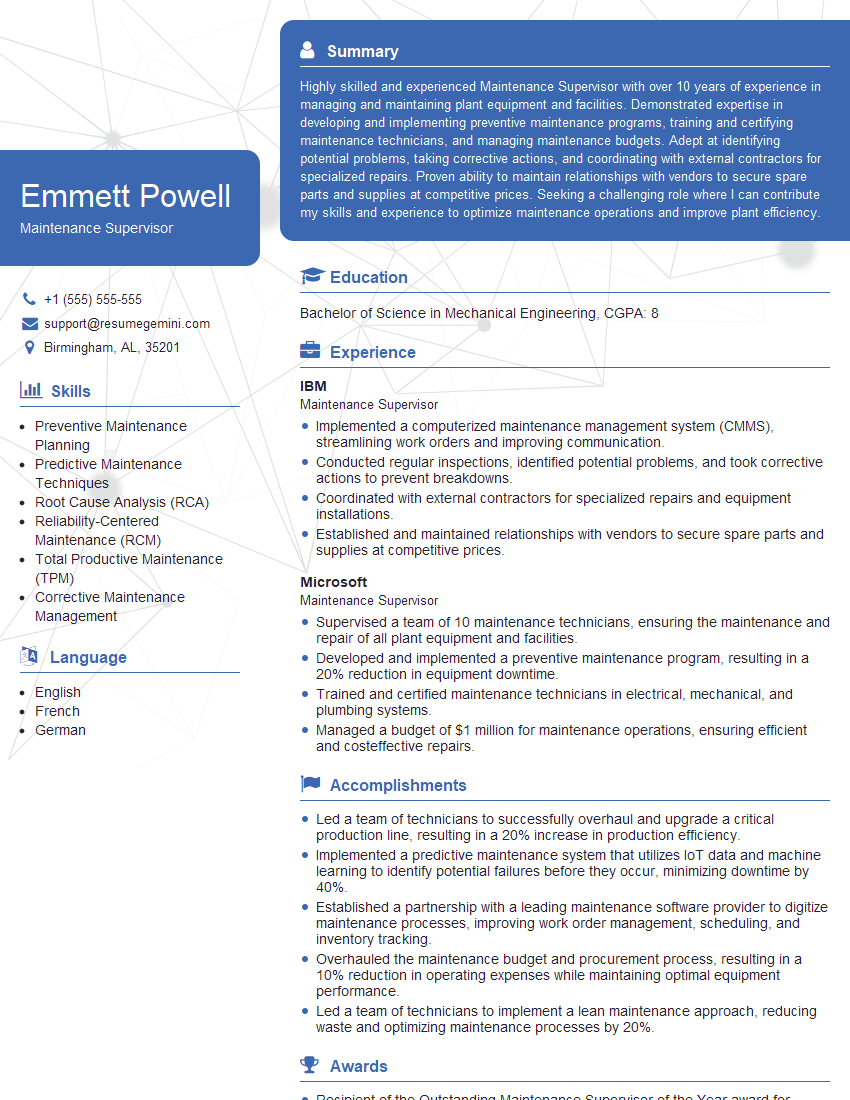
Maintenance Supervisor Resume Sample
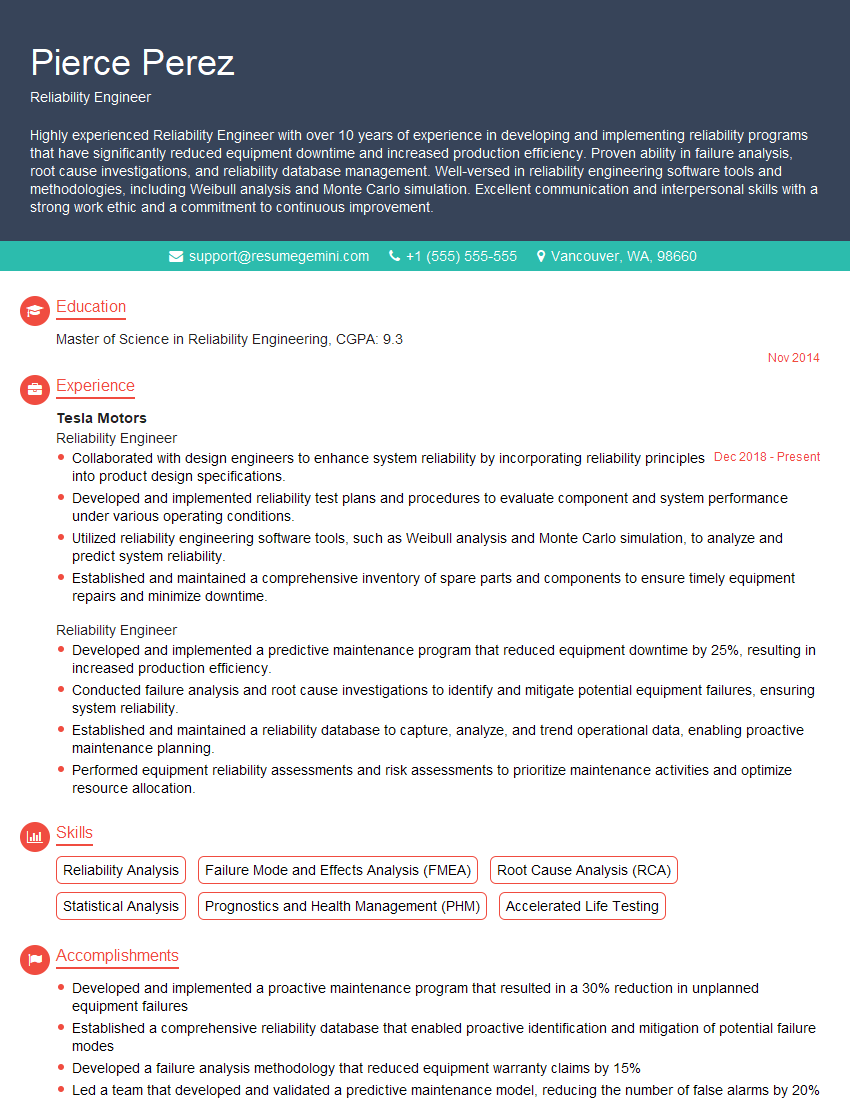
Reliability Engineer Resume Sample
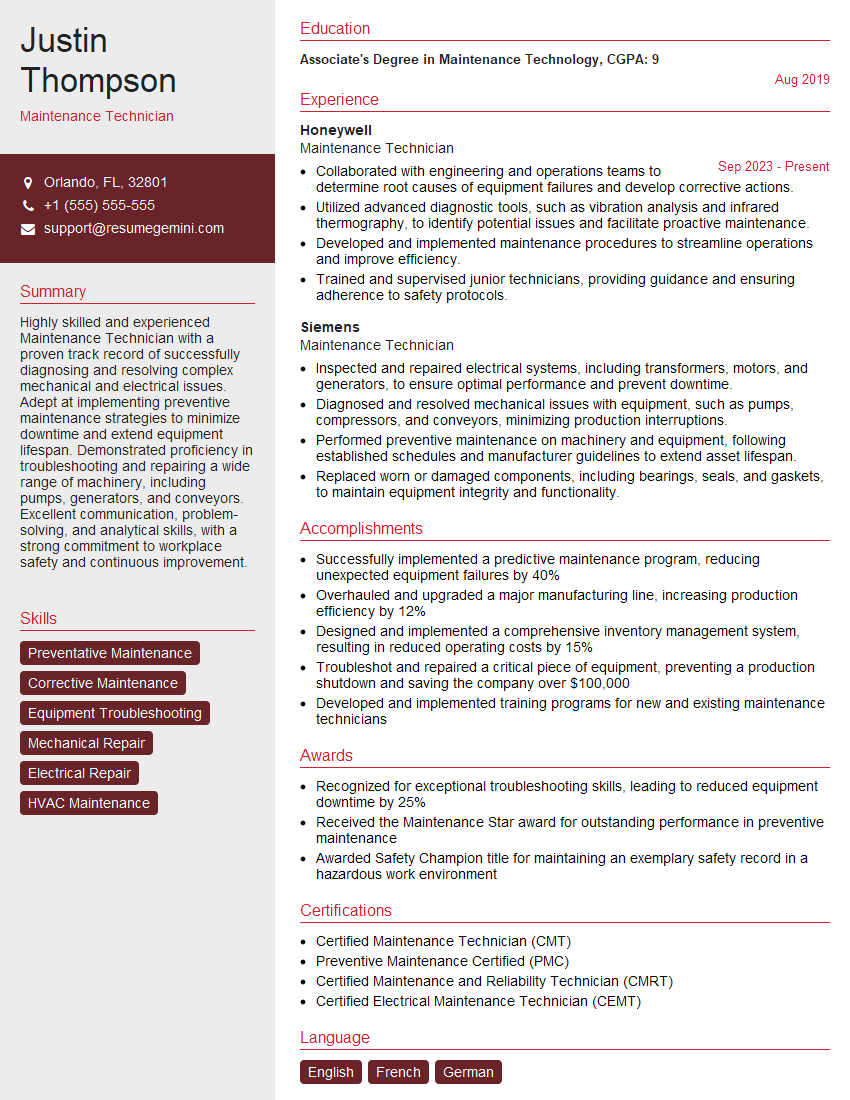
Maintenance Technician Resume Sample
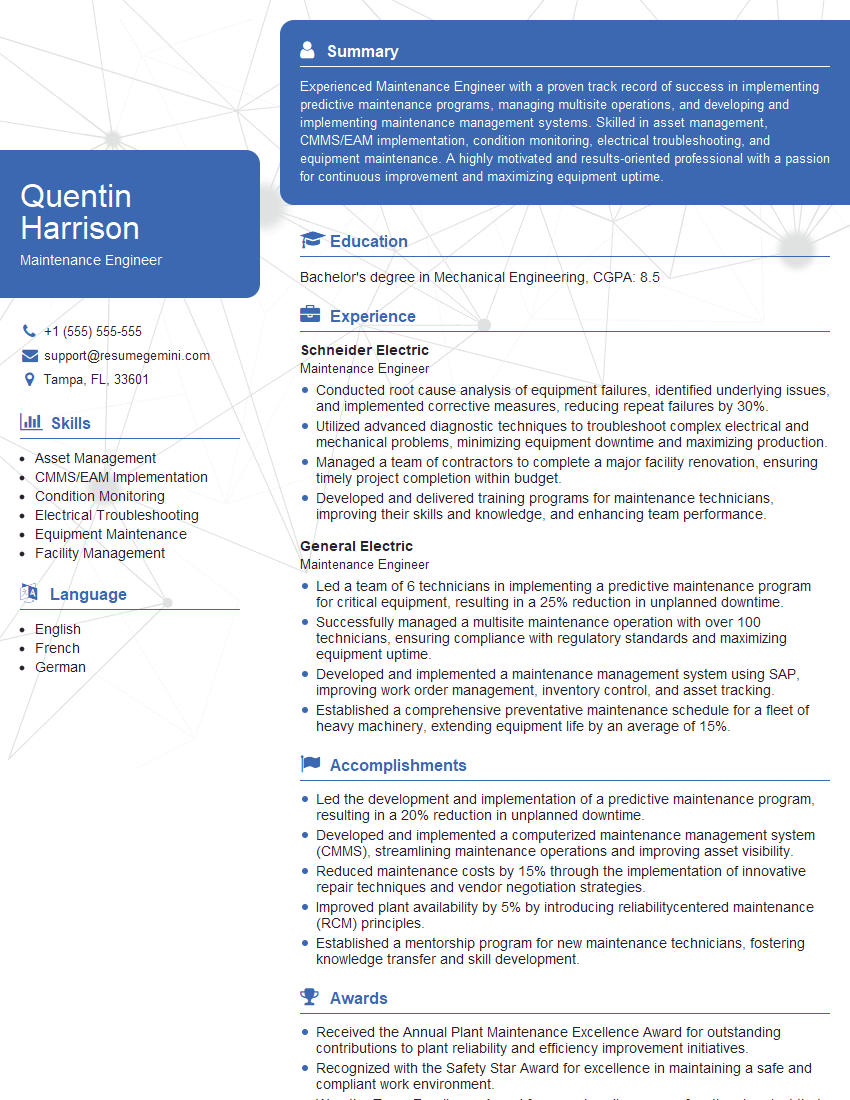
Maintenance Engineer Resume Sample
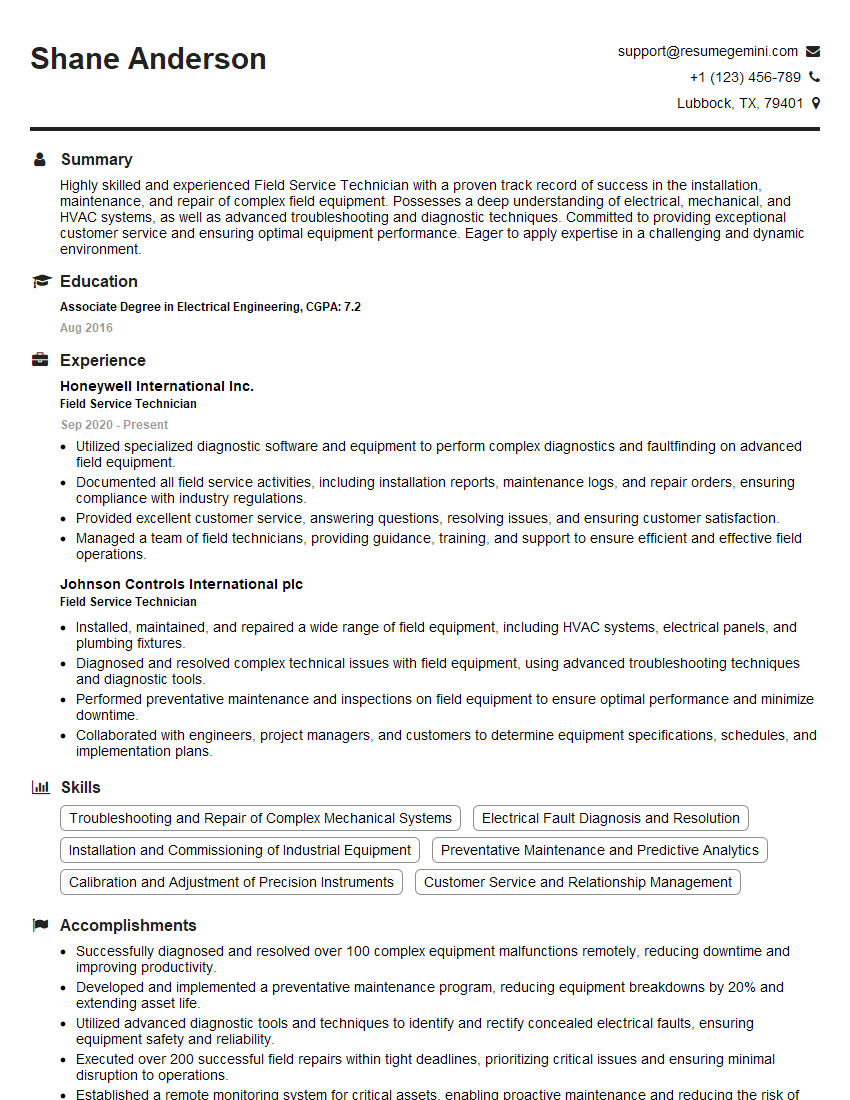
Field Service Technician Resume Sample
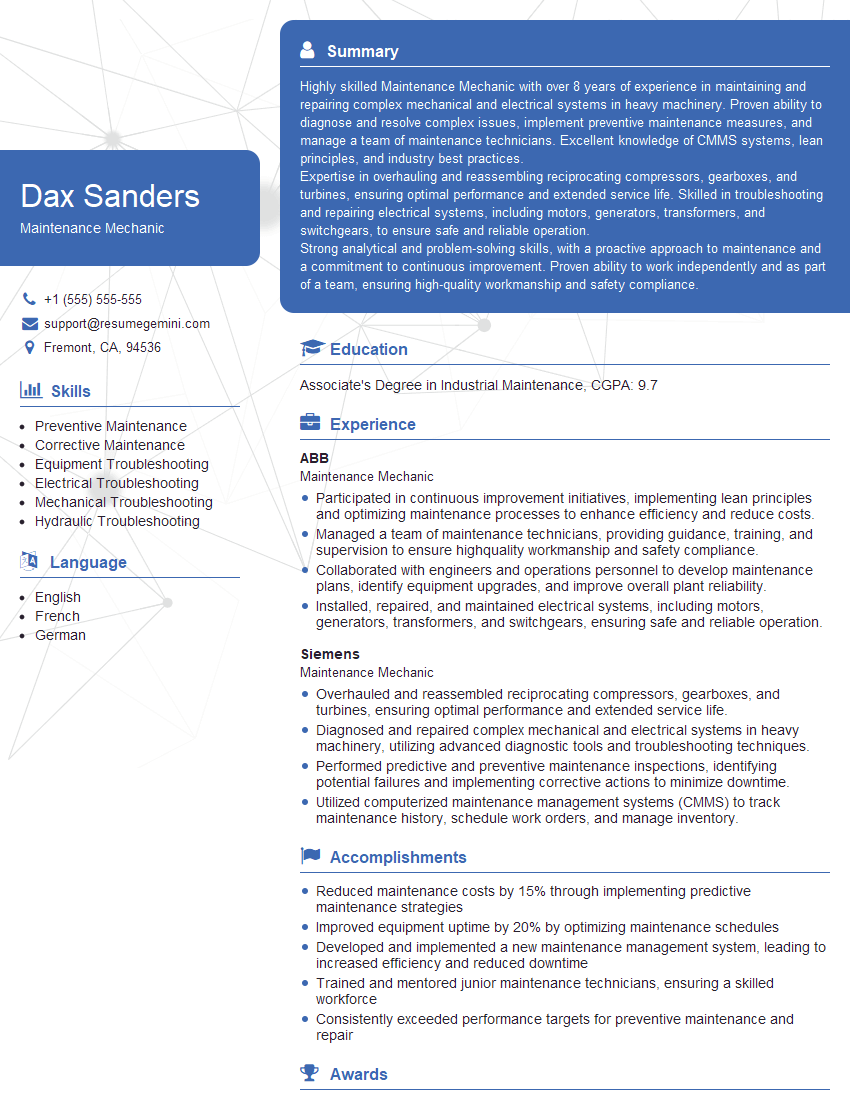
Maintenance Mechanic Resume Sample
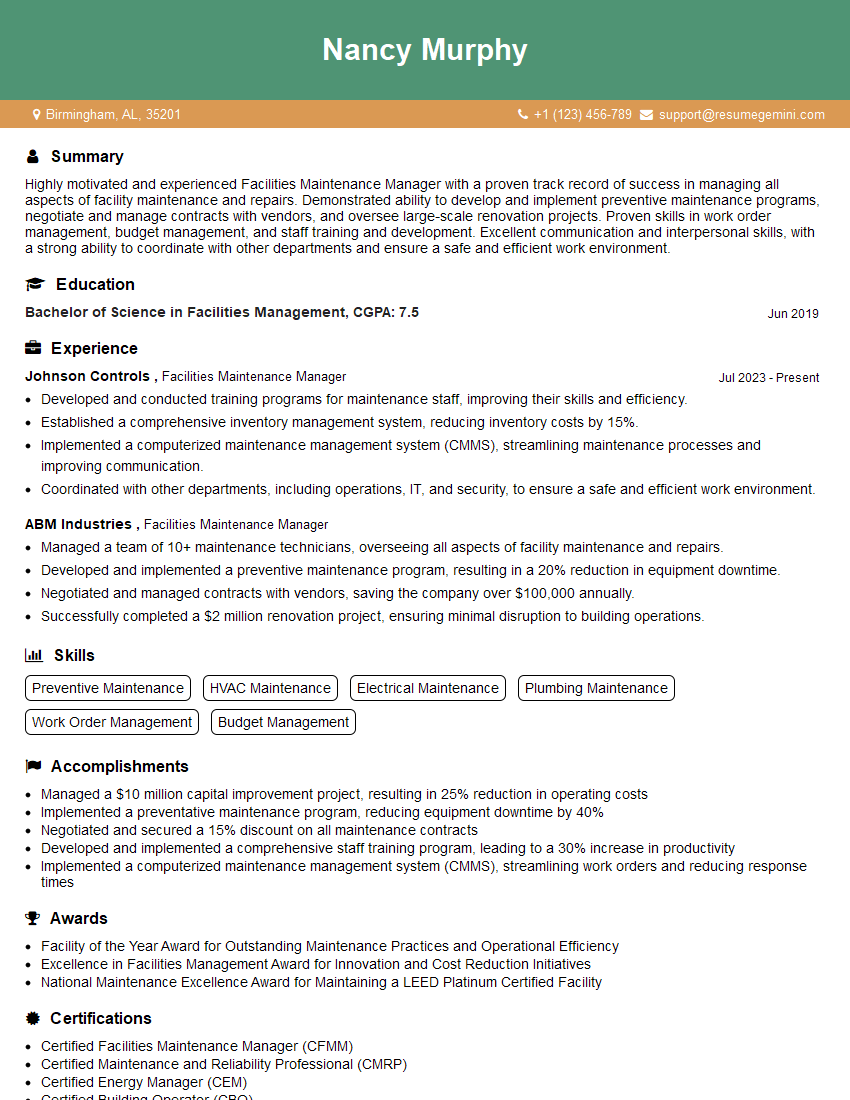
Facilities Maintenance Manager Resume Sample
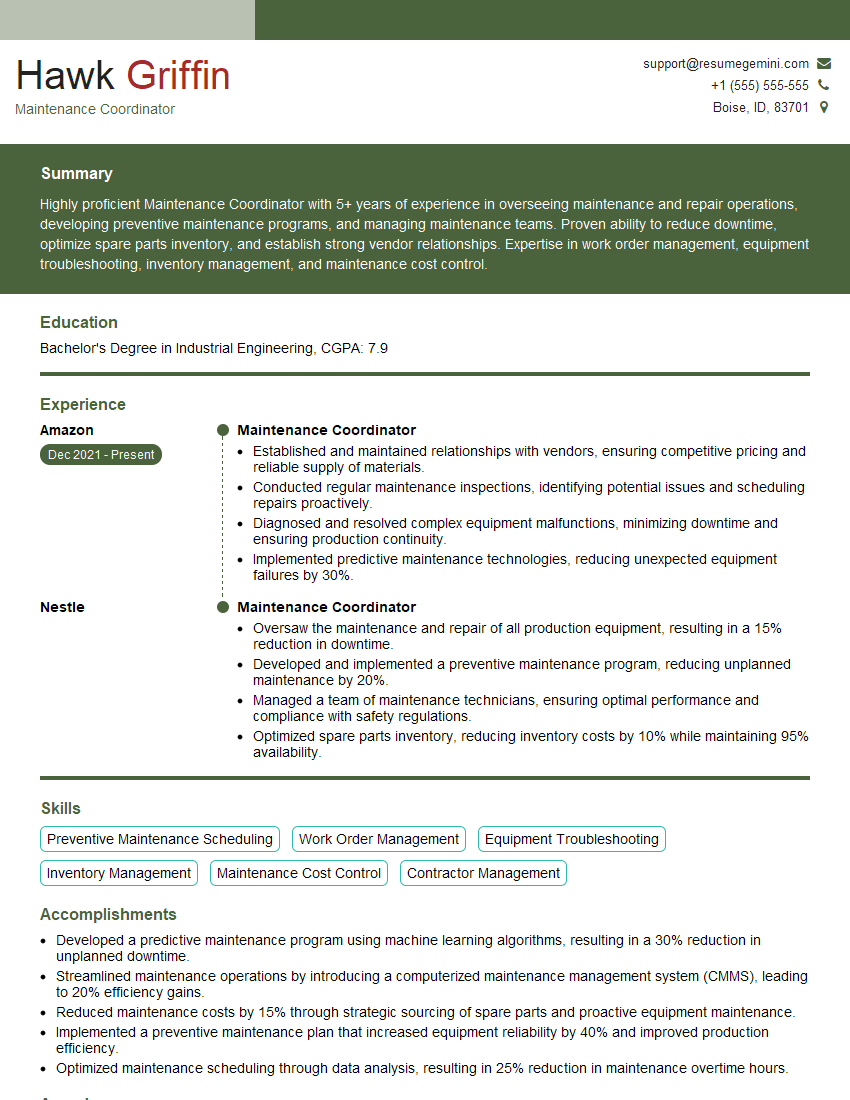
Maintenance Coordinator Resume Sample
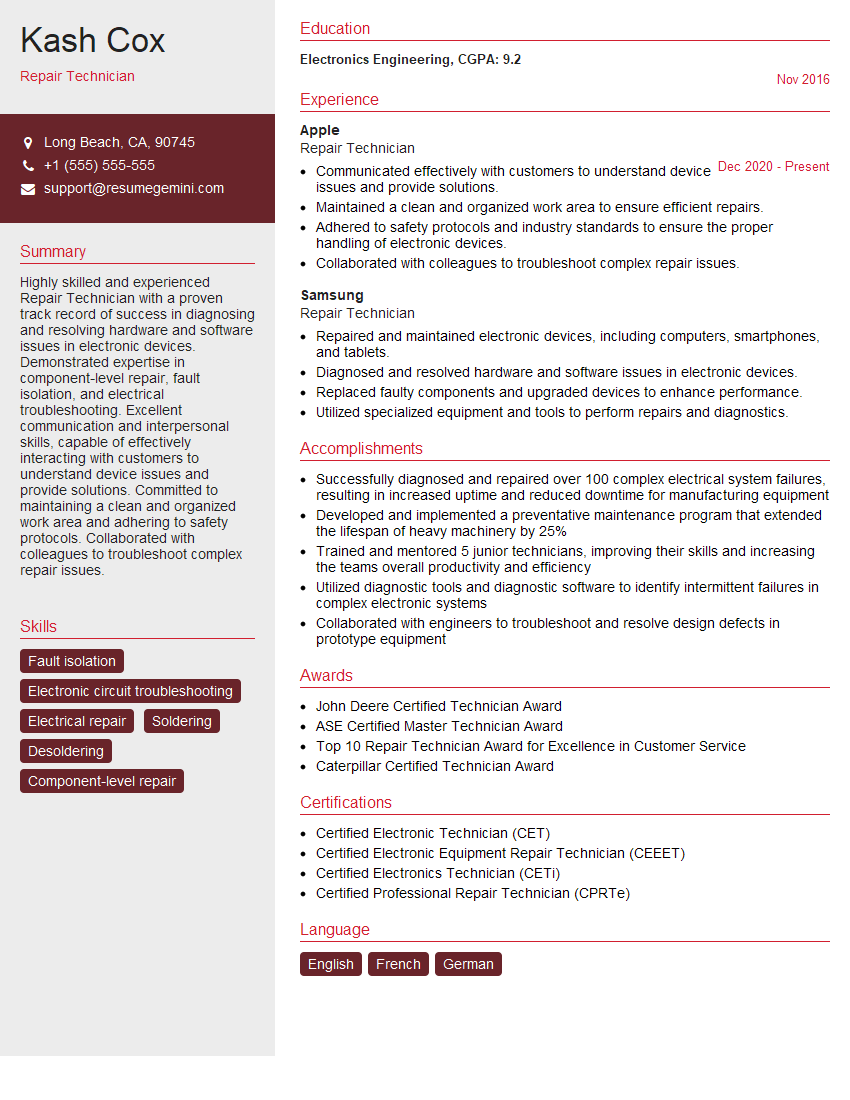
Repair Technician Resume Sample

Electrical Maintenance Technician Resume Sample
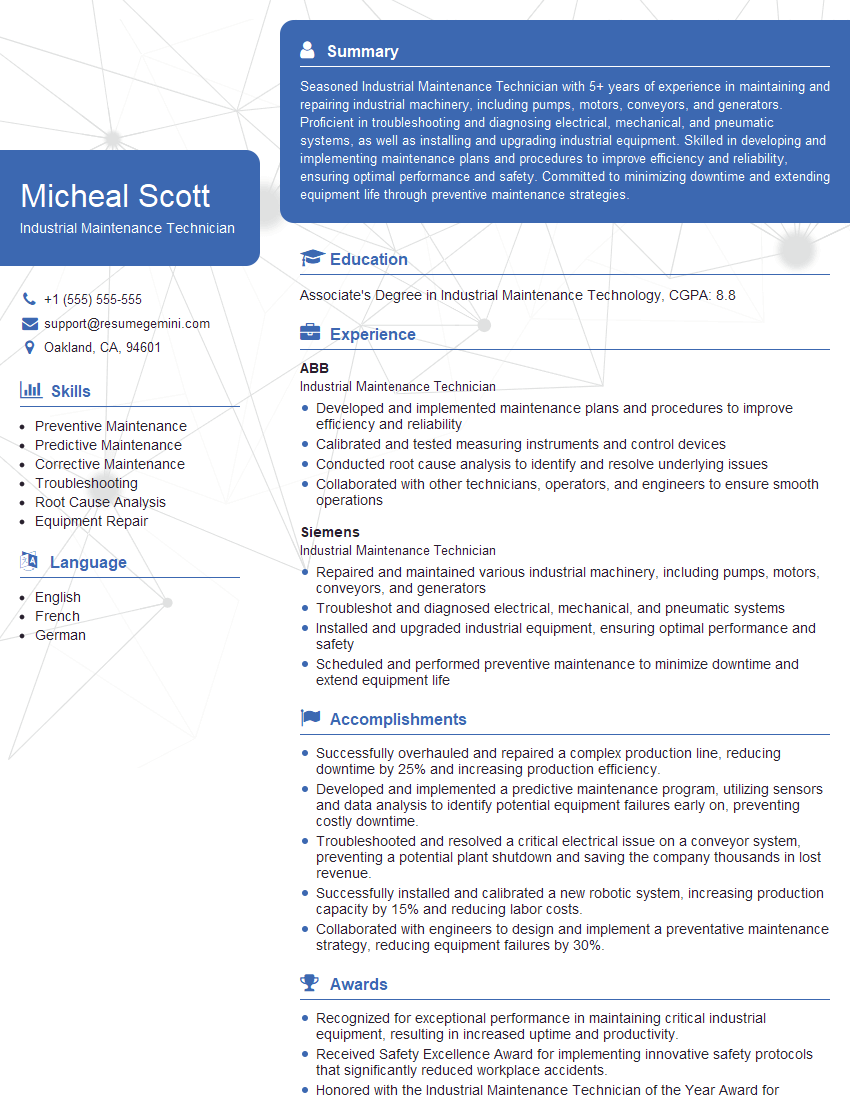
Industrial Maintenance Technician Resume Sample
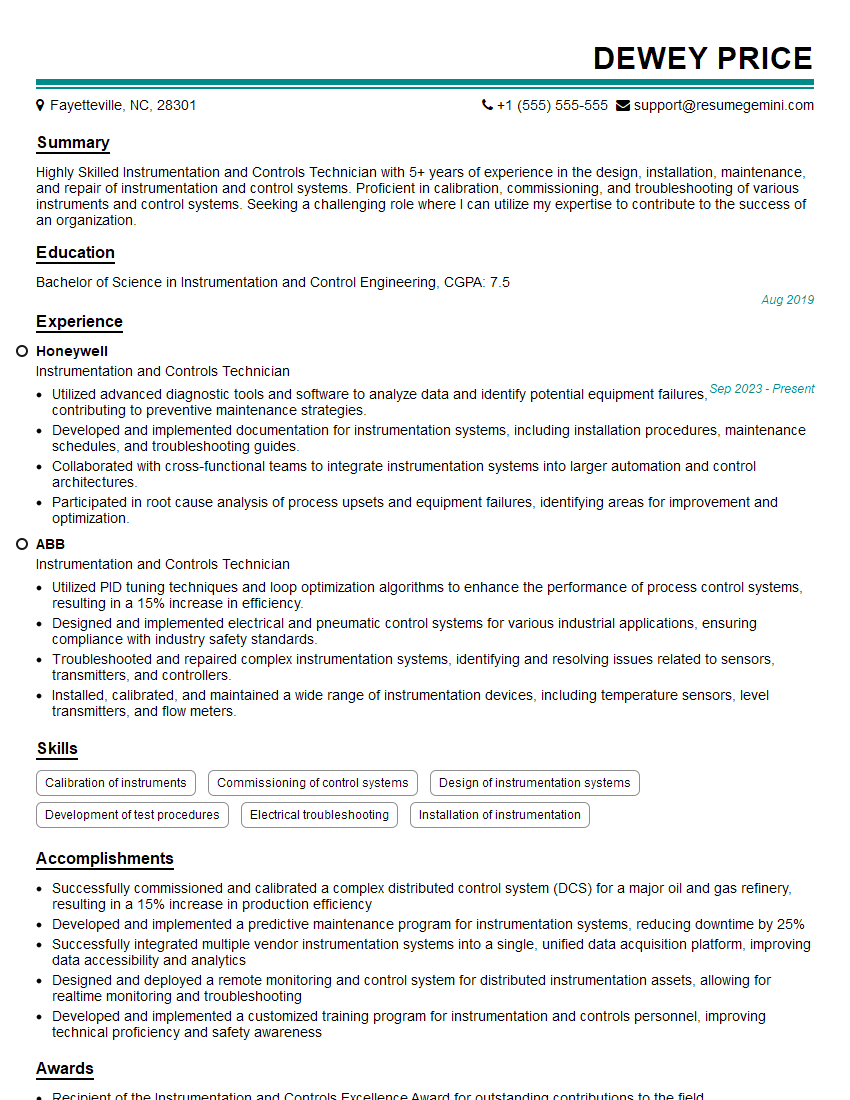
Instrumentation and Controls Technician Resume Sample
- Maintenance Manager
- Maintenance Superintendent
- Maintenance Planner
- Maintenance Supervisor
- Reliability Engineer
- Maintenance Technician
- Maintenance Engineer
- Field Service Technician
- Maintenance Mechanic
- Facilities Maintenance Manager
- Maintenance Coordinator
- Repair Technician
- Electrical Maintenance Technician
- Industrial Maintenance Technician
- Instrumentation and Controls Technician
Explore more articles
Users Rating of Our Blogs
Share Your Experience
We value your feedback! Please rate our content and share your thoughts (optional).
What Readers Say About Our Blog
Very informative content, great job.
good