Are you ready to stand out in your next interview? Understanding and preparing for Managing a team of assistant coaches interview questions is a game-changer. In this blog, we’ve compiled key questions and expert advice to help you showcase your skills with confidence and precision. Let’s get started on your journey to acing the interview.
Questions Asked in Managing a team of assistant coaches Interview
Q 1. Describe your experience managing a team of assistant coaches.
My experience managing assistant coaches spans over eight years, encompassing various levels from youth to collegiate sports. I’ve consistently led teams of 3-5 assistant coaches, each possessing unique strengths and areas needing development. My approach focuses on building strong working relationships, establishing clear expectations, and providing consistent support and mentorship. For example, in my previous role with the University Wildcats, I successfully guided a team of four assistant coaches through a particularly challenging season, ultimately achieving a winning record and improving player morale significantly. This involved not only tactical planning but also navigating personality differences and ensuring everyone felt valued and empowered within their roles.
Q 2. How do you delegate tasks effectively among assistant coaches?
Effective delegation hinges on understanding each coach’s skills and preferences. I employ a process I call ‘Skills-Based Delegation.’ First, I conduct a thorough assessment of each assistant’s strengths and weaknesses. Then, I match tasks to these strengths. For instance, an assistant with a keen eye for detail might handle scouting reports, while a highly communicative coach might lead player meetings. I also consider workload balance and career aspirations. Finally, I provide clear instructions, deadlines, and resources. This prevents confusion and empowers them to take ownership. In one instance, I delegated strength and conditioning to an assistant coach with a background in kinesiology and it resulted in increased player performance and a noticeable reduction in injuries.
Q 3. What strategies do you use to ensure consistent coaching across your team?
Maintaining consistent coaching requires clear communication and a shared philosophy. We start by developing a comprehensive coaching manual outlining our team’s values, training methods, and tactical approaches. Regular team meetings are crucial, where we discuss player performance, game strategies, and refine our methods based on feedback and data. This ensures everyone is on the same page. I also conduct regular observations during practices and games, offering feedback and adjusting strategies as needed. For instance, if I notice one coach employs a different drill than the others, I’ll address it constructively in a team meeting to ensure consistency. This collaborative approach avoids discrepancies and reinforces uniformity across our coaching methods.
Q 4. How do you handle conflict resolution among assistant coaches?
Conflict resolution requires a proactive and empathetic approach. I encourage open communication and facilitate a safe space for coaches to express their concerns. I act as a mediator, guiding them to identify the root cause of the conflict through active listening and collaborative problem-solving. I focus on finding solutions that respect everyone’s perspectives and contribute to the team’s overall goals. For example, if two coaches disagree on a training method, I guide them through a data-driven discussion, examining evidence to support their perspectives and arrive at a consensus. Ignoring conflicts can be detrimental; a proactive and fair approach strengthens team cohesion.
Q 5. Explain your approach to providing constructive feedback to your assistant coaches.
Constructive feedback is delivered regularly, both formally through evaluations and informally through ongoing discussions. I use the SBI model: Situation, Behavior, Impact. I describe the specific situation, their observed behavior, and the positive or negative impact of that behavior. I avoid personal attacks and focus on specific actions and their consequences. For example, instead of saying ‘You’re not motivating enough,’ I might say ‘During yesterday’s practice, I noticed some players seemed disengaged during the drills. Perhaps focusing on positive reinforcement during those drills might improve their enthusiasm.’ I always end with specific, actionable suggestions for improvement and offer my support in achieving them.
Q 6. How do you evaluate the performance of your assistant coaches?
Performance evaluation is multifaceted. I use a combination of methods: observation of practices and games, analysis of player development, player and peer feedback, and self-evaluations. Specific metrics include player improvement, team performance, adherence to coaching plans, contributions to team morale, and professional development. I conduct regular one-on-one meetings to discuss their progress and address any concerns. This provides both a formal record and a chance for meaningful dialogue. A 360-degree feedback system, where input is gathered from players and peers, helps provide a holistic view of their performance.
Q 7. How do you foster a positive and collaborative team environment among your assistant coaches?
Fostering a positive and collaborative environment requires intentional effort. I prioritize open communication, team-building activities, and mutual respect. Regular social gatherings outside of work strengthen relationships. I encourage sharing of best practices and collaboration on coaching plans. Recognizing and appreciating individual contributions strengthens team morale. Providing opportunities for professional development, such as attending coaching clinics or workshops, demonstrates investment in their growth, boosting engagement and team spirit. A positive team dynamic is not just about wins; it’s about creating a supportive community where every member feels valued and empowered.
Q 8. Describe your experience with coaching staff training and development.
Coaching staff training and development is crucial for team success. My approach is multifaceted, focusing on both technical skills and leadership qualities. It begins with a thorough needs assessment, identifying individual strengths and weaknesses through performance reviews, observation during practices and games, and feedback from players.
Training programs are tailored to address these specific needs. This might include workshops on specific offensive or defensive schemes, video analysis techniques, player management strategies, and even communication skills training. I also encourage participation in external coaching clinics and conferences to broaden their knowledge and network with other professionals.
I utilize a mentorship program where senior coaches guide junior members, fostering a culture of continuous learning and improvement. Regular feedback sessions, both formal and informal, ensure ongoing progress tracking and provide opportunities for immediate adjustments. I track progress using a combination of observation checklists, performance metrics, and self-assessment tools to measure the effectiveness of the training initiatives. For example, if an assistant coach struggles with player motivation, I might arrange for them to shadow a coach known for their motivational techniques, then follow up with coaching sessions focused on specific communication and motivational strategies.
Q 9. What are your methods for identifying and addressing skill gaps among assistant coaches?
Identifying skill gaps is an ongoing process. I regularly observe practices and games, analyzing coaching performance. Player feedback is invaluable; anonymous surveys or individual conversations can highlight areas where coaching could improve. I also utilize performance data, reviewing statistics to identify patterns indicating areas where strategic adjustments or tactical training are needed.
Addressing skill gaps involves a combination of individualized training plans, targeted workshops, and mentorship. If, for instance, an assistant coach struggles with in-game adjustments, I’d provide them with more opportunities to lead tactical discussions during practice, providing feedback and guidance in real time. This might involve using video analysis to review situations and discuss alternative approaches. I firmly believe in positive reinforcement and providing constructive criticism to encourage growth and improvement. Sometimes, assigning specific responsibilities that directly address the skill gap is most effective. For example, if a coach needs to improve their scouting skills, I’ll give them more games to scout and provide feedback on their reports.
Q 10. How do you ensure compliance with league rules and regulations among your assistant coaches?
Compliance with league rules and regulations is paramount. My approach involves clear communication and thorough training. Before the season starts, I conduct mandatory sessions that cover all relevant rules, emphasizing consequences of non-compliance. This might involve reviewing specific rule books, presentations, and engaging in interactive Q&A sessions to ensure understanding.
I provide regular updates on rule changes or clarifications throughout the season. I utilize online resources and distribute relevant documents to all assistant coaches to maintain accessibility. I also create and regularly update a comprehensive checklist of compliance requirements, ensuring all aspects are consistently monitored. Open communication is crucial; assistant coaches are encouraged to ask questions and raise concerns immediately, preventing potential violations. Finally, a ‘zero tolerance’ policy for any rule infractions is explicitly stated and consistently enforced.
Q 11. How do you manage the workload distribution among your assistant coaches?
Workload distribution is about fairness and efficiency. I start by identifying each coach’s strengths and interests. Some coaches might excel at offense, others at defense, strength and conditioning, or player recruitment. This allows me to assign responsibilities based on individual expertise and preferences, maximizing team productivity.
I use a shared digital calendar or project management tool to track assignments and deadlines. This promotes transparency and allows for adjustments as needed. Regular team meetings help coordinate efforts and resolve conflicts. I also have mechanisms for regularly evaluating workload; If one coach is consistently overloaded while another has less, I adjust responsibilities accordingly. Open dialogue is key; coaches are encouraged to discuss workload and make suggestions for improved efficiency. For example, I might assign a particular coach responsibility for the film breakdown of specific opponents, based on their recognized skill in this area.
Q 12. How do you handle scheduling conflicts among your assistant coaches?
Scheduling conflicts are inevitable. My strategy involves proactive planning and open communication. I utilize a shared online calendar for all team activities, making it easily accessible to all assistant coaches. Before finalizing schedules, I hold a meeting to discuss individual commitments, enabling early identification and resolution of potential conflicts.
When conflicts do arise, I employ flexible strategies; this might involve rearranging practice schedules, splitting responsibilities, or finding substitute coaches where appropriate. Open communication is crucial in finding solutions that accommodate everyone’s needs and ensures no impact on team performance. The goal is to find mutually agreeable solutions, always prioritizing team needs. For example, If two coaches have a conflict on the same night, I may ask one to handle a different part of practice, or use a combination of assistant coach and volunteer support.
Q 13. What is your approach to mentoring and supporting the professional growth of your assistant coaches?
Mentoring and supporting professional growth is an ongoing commitment. I foster a supportive environment where learning and development are actively encouraged. This involves regular one-on-one meetings with each assistant coach to discuss their career goals, identify areas for improvement, and create personalized development plans.
I provide opportunities for them to lead practices, take on increasing responsibilities, and receive constructive feedback on their performance. I encourage attendance at coaching conferences and workshops, and provide resources for further learning. I also encourage them to build their professional network by connecting them with other coaches and mentors in the field. I might give an assistant coach the opportunity to present their training methods to the rest of the coaching staff, which allows them to practice their presentation skills and receive feedback from their peers.
Q 14. How do you maintain open and honest communication with your assistant coaches?
Open and honest communication is foundational to a successful coaching team. I ensure regular team meetings, where coaches can share updates, discuss challenges, and collaborate on solutions. I also encourage regular one-on-one meetings to discuss individual concerns, progress, and provide personalized feedback. I prioritize creating a safe space where coaches feel comfortable voicing their opinions and concerns without fear of retribution.
I make myself accessible for informal chats and discussions; this encourages open dialogue and enables me to promptly address any issues. I utilize various communication tools, like email, instant messaging, and shared documents, to efficiently share information and stay connected with my team. Transparency is key; I share team strategies, upcoming plans, and any relevant updates with the entire coaching staff, fostering a collaborative team environment. Feedback, both positive and constructive, is encouraged and provided regularly, ensuring everyone feels valued and heard.
Q 15. Describe your experience in using coaching software or performance tracking systems.
My experience with coaching software and performance tracking systems is extensive. I’ve utilized platforms like Hudl, SportsEngine, and TeamSnap to manage player statistics, analyze game film, track individual and team progress, and even facilitate communication with players and parents. For instance, using Hudl’s video analysis tools, I was able to identify a recurring defensive lapse in our team’s performance. By breaking down the film and sharing specific clips with my assistant coaches, we collaboratively developed a refined defensive strategy, directly leading to a significant improvement in our team’s performance within a few weeks. Beyond statistical tracking, I leverage these platforms to streamline communication, assigning specific tasks and responsibilities to assistant coaches, ensuring everyone is aligned and informed. This digital organization significantly enhances efficiency and allows for a more data-driven coaching approach.
Career Expert Tips:
- Ace those interviews! Prepare effectively by reviewing the Top 50 Most Common Interview Questions on ResumeGemini.
- Navigate your job search with confidence! Explore a wide range of Career Tips on ResumeGemini. Learn about common challenges and recommendations to overcome them.
- Craft the perfect resume! Master the Art of Resume Writing with ResumeGemini’s guide. Showcase your unique qualifications and achievements effectively.
- Don’t miss out on holiday savings! Build your dream resume with ResumeGemini’s ATS optimized templates.
Q 16. How do you handle budgetary constraints within your coaching staff?
Budgetary constraints are a reality in most coaching environments. My approach involves a three-pronged strategy: prioritization, resourcefulness, and collaboration. Firstly, I prioritize essential needs – equipment repairs, essential training materials – before considering discretionary purchases. Secondly, I actively seek out affordable, even free, resources. This could involve leveraging free online training modules, collaborating with other schools or teams to share equipment, or finding sponsorships. Finally, I encourage open communication with my assistant coaches, involving them in the budgeting process to foster understanding and encourage creative solutions. For example, instead of purchasing new equipment, we repurposed old equipment, resulting in significant cost savings without compromising the quality of training.
Q 17. What strategies do you use to motivate and inspire your assistant coaches?
Motivating and inspiring assistant coaches requires fostering a culture of trust, appreciation, and professional development. I regularly provide constructive feedback, highlighting both their strengths and areas for improvement, focusing on a growth mindset. I also empower them by delegating meaningful responsibilities, allowing them ownership over specific aspects of the team’s development. Furthermore, I invest in their professional growth by encouraging attendance at coaching clinics and workshops, providing resources for ongoing learning, and facilitating peer mentorship opportunities. For example, I organized a team-building retreat where assistant coaches shared best practices and discussed challenges, fostering a strong sense of camaraderie and mutual support.
Q 18. How do you build strong relationships with parents, athletes, and administrators?
Building strong relationships with parents, athletes, and administrators is crucial for creating a positive and supportive team environment. With parents, I maintain open and consistent communication, providing regular updates on the team’s progress, and addressing any concerns promptly and professionally. With athletes, I foster a culture of respect, trust, and open dialogue, encouraging them to express their needs and concerns. With administrators, I maintain a professional and collaborative relationship, regularly providing updates on the team’s performance and proactively seeking their support and guidance. Transparency and proactive communication are key across all these relationships. For instance, I regularly hold parent-coach meetings to ensure clear communication and address any misunderstandings.
Q 19. Describe a time when you had to make a difficult decision regarding your assistant coaches.
One challenging decision involved an assistant coach whose coaching style clashed with the team’s overall philosophy. While he was a technically skilled coach, his methods were overly critical and sometimes demotivated players. After careful consideration, and documented instances of negative feedback from players, I initiated a series of private meetings to discuss my concerns and offer support. However, the behavior persisted. I ultimately had to make the difficult decision to reassign his responsibilities within the coaching staff, focusing him on areas where his strengths could be better utilized while minimizing his direct interaction with players. The decision was difficult, but necessary to maintain a positive team environment and player well-being. The process involved open communication, clear documentation of the issues and solutions attempted, and a focus on constructive solutions for both the coach and the team.
Q 20. How do you create a culture of accountability within your coaching staff?
Creating a culture of accountability starts with clearly defined roles and responsibilities for each assistant coach. I establish performance metrics and expectations upfront and regularly review progress with each individual. I foster a culture of open feedback where everyone feels comfortable sharing ideas, concerns, and constructive criticism without fear of retribution. Regular team meetings, where progress is reviewed and challenges are discussed, reinforce accountability. I believe in leading by example, demonstrating accountability in my own actions and decisions. Furthermore, celebrating successes and acknowledging individual contributions reinforces positive behavior and fosters a supportive yet demanding environment.
Q 21. How do you handle situations where assistant coaches disagree on coaching strategies?
Disagreements on coaching strategies are inevitable. My approach focuses on facilitating constructive dialogue and finding common ground. I encourage my assistant coaches to openly present their perspectives, supported by data and rationale. We then collaboratively analyze the different approaches, considering the strengths and weaknesses of each strategy, and weighing them against the team’s overall goals and players’ needs. This often involves a data-driven discussion, reviewing player statistics and game film to objectively assess the efficacy of different approaches. The goal isn’t to force consensus, but to arrive at a strategy that maximizes the team’s potential, while respecting the expertise and viewpoints of all involved. Sometimes, a compromise or a trial period to test different approaches is necessary.
Q 22. What is your approach to ensuring athlete safety and well-being?
Athlete safety and well-being are paramount. My approach is multifaceted, prioritizing prevention and proactive measures. It begins with a comprehensive understanding of each athlete’s physical and mental health status, achieved through regular check-ins, physical assessments, and open communication. We implement strict adherence to safety protocols specific to our sport, including proper equipment usage, conditioning guidelines, and emergency response plans. This involves regular training for assistant coaches in recognizing and responding to injuries, heat stroke, and other potential health concerns. We also foster a culture of open communication where athletes feel comfortable reporting concerns without fear of reprisal. For example, we’ve implemented anonymous reporting channels and ensured that all coaches receive training on recognizing signs of burnout or mental health challenges. Finally, we maintain detailed records of athlete health and participation, allowing us to track trends and identify potential risks proactively.
Q 23. How do you ensure that your assistant coaches are aligned with the team’s overall goals?
Aligning assistant coaches with the team’s overall goals starts with clearly defining those goals in a shared document or presentation. This includes outlining both short-term and long-term objectives, performance metrics, and the overall team philosophy. Regular meetings are crucial for maintaining alignment. These aren’t just informational sessions; they’re interactive discussions where we brainstorm, problem-solve, and ensure everyone understands their role in achieving our collective goals. I delegate tasks based on individual strengths and provide ongoing feedback, ensuring consistent progress towards the shared vision. For example, if the team goal is to improve our free-throw percentage, I’d ensure each assistant coach understands their specific role—perhaps one focuses on shooting technique, another on mental preparation, and another on data analysis. Finally, we use shared digital tools to track progress and provide updates on goals so everyone can stay informed and accountable.
Q 24. How do you stay current on best practices and advancements in coaching methodologies?
Staying current requires a multi-pronged approach. I regularly attend coaching clinics and conferences, networking with other professionals and learning about innovative techniques. I subscribe to relevant coaching journals and online resources, continuously seeking out new research and best practices. This includes exploring cutting-edge technology that can enhance training and performance analysis. Moreover, I encourage my assistant coaches to engage in continuous professional development, providing them with the resources and support they need to attend workshops, take online courses, and pursue certifications. We even dedicate a portion of our team meetings to discussing recent articles and research findings, fostering a culture of continuous learning. For instance, recently we explored the latest findings on player burnout and adjusted our training regimen to incorporate more rest and recovery periods.
Q 25. Describe your experience with recruiting and hiring assistant coaches.
My experience in recruiting and hiring assistant coaches centers around a thorough vetting process. It starts with creating a detailed job description that clearly outlines the responsibilities, required qualifications, and the team’s culture. I use a variety of recruiting channels, including professional networks, university coaching programs, and online job boards. The interview process includes multiple stages: initial screening, in-person interviews (or video calls for remote candidates), and potentially even trial coaching sessions. In interviews, I assess their coaching philosophy, their communication skills, their understanding of our team’s culture, and their ability to work collaboratively. I also carefully check references to verify their past performance and gather insights from previous colleagues. Background checks are essential, ensuring a safe and supportive environment for our athletes. I seek coaches who aren’t just technically skilled but are also good communicators, patient, and able to build strong relationships with athletes.
Q 26. What are your strategies for onboarding new assistant coaches?
Onboarding new assistant coaches is crucial for a smooth transition. It starts with a detailed welcome package containing information about the team, the program’s goals, and the team’s culture. We then have a structured orientation program that includes meetings with key personnel, introductions to the athletes, and a thorough review of team protocols and policies. I provide them with access to all relevant documents and resources, including training plans, communication protocols, and athlete profiles. I assign them a mentor from within the coaching staff who can guide them and answer their questions during their initial weeks. We also conduct regular check-ins to assess their progress, address their concerns, and provide feedback. This structured process ensures that new coaches feel supported and confident in their role from day one.
Q 27. How do you handle performance issues among assistant coaches?
Addressing performance issues is a delicate process that requires a professional and constructive approach. I start by documenting specific instances of underperformance, avoiding generalizations. I then schedule a private meeting with the assistant coach, focusing on constructive feedback rather than criticism. The meeting aims to understand the root cause of the issue, whether it’s a lack of understanding, insufficient resources, or a personal challenge. We collaborate to develop a performance improvement plan (PIP) with specific, measurable, achievable, relevant, and time-bound (SMART) goals. This plan outlines the steps the coach needs to take to improve their performance, along with regular check-ins to monitor their progress. If the issues persist despite support and interventions, further disciplinary actions may be necessary, but this will always be a last resort, based on progressive discipline procedures.
Q 28. How do you measure the overall success of your coaching staff?
Measuring the success of my coaching staff involves a multi-faceted approach. We use a combination of quantitative and qualitative measures. Quantitative metrics include the team’s win-loss record, player performance statistics (e.g., points scored, assists, rebounds), and improvements in key performance indicators (KPIs) set at the beginning of the season. Qualitative measures include assessing the athletes’ overall development and satisfaction, gauging their improvement in technical skills, and evaluating the team’s overall morale and cohesion. We also conduct regular feedback sessions with the athletes, gaining insights into their perceptions of the coaching staff. Finally, peer reviews and self-assessments help us identify areas of strength and weaknesses and allow for adjustments in our coaching strategies. This comprehensive approach ensures that we evaluate our success not just by wins and losses, but also by the overall growth and well-being of our athletes.
Key Topics to Learn for Managing a Team of Assistant Coaches Interview
- Leadership Styles and Their Application: Understanding different leadership approaches (transformational, transactional, servant leadership) and their suitability for coaching teams. Practical application: Analyzing situations where one style might be more effective than another in motivating and managing diverse coaching personalities.
- Effective Communication and Feedback Strategies: Developing clear communication channels and providing constructive feedback to assistant coaches. Practical application: Creating a system for regular check-ins, performance evaluations, and addressing performance gaps constructively.
- Delegation and Empowerment: Assigning tasks effectively, empowering assistant coaches with autonomy, and providing the necessary resources and support. Practical application: Outlining a clear process for delegating responsibilities based on individual strengths and team goals.
- Conflict Resolution and Team Dynamics: Addressing conflicts within the coaching team promptly and fairly, fostering a positive and collaborative team environment. Practical application: Developing strategies for mediating disagreements and promoting a culture of respect and mutual support.
- Performance Management and Goal Setting: Setting clear team goals, monitoring individual and team progress, and providing appropriate recognition and support. Practical application: Implementing a system for tracking key performance indicators (KPIs) and using data to inform decisions about team development.
- Talent Development and Mentoring: Identifying areas for growth in assistant coaches, providing mentoring and training opportunities to enhance their skills and capabilities. Practical application: Creating individual development plans for each assistant coach, aligned with their career aspirations and team needs.
- Resource Allocation and Budget Management: Effectively managing resources (time, equipment, budget) to achieve team goals. Practical application: Developing a budget proposal and justifying resource allocation decisions to upper management.
Next Steps
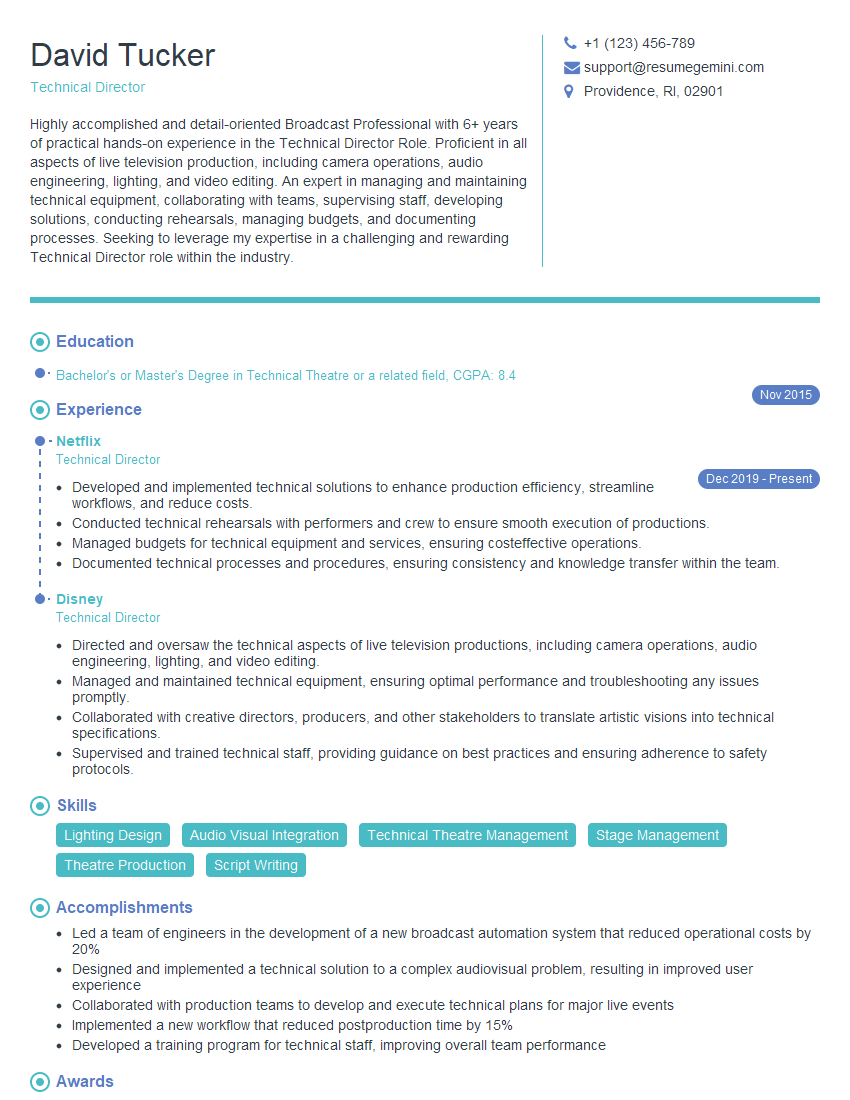
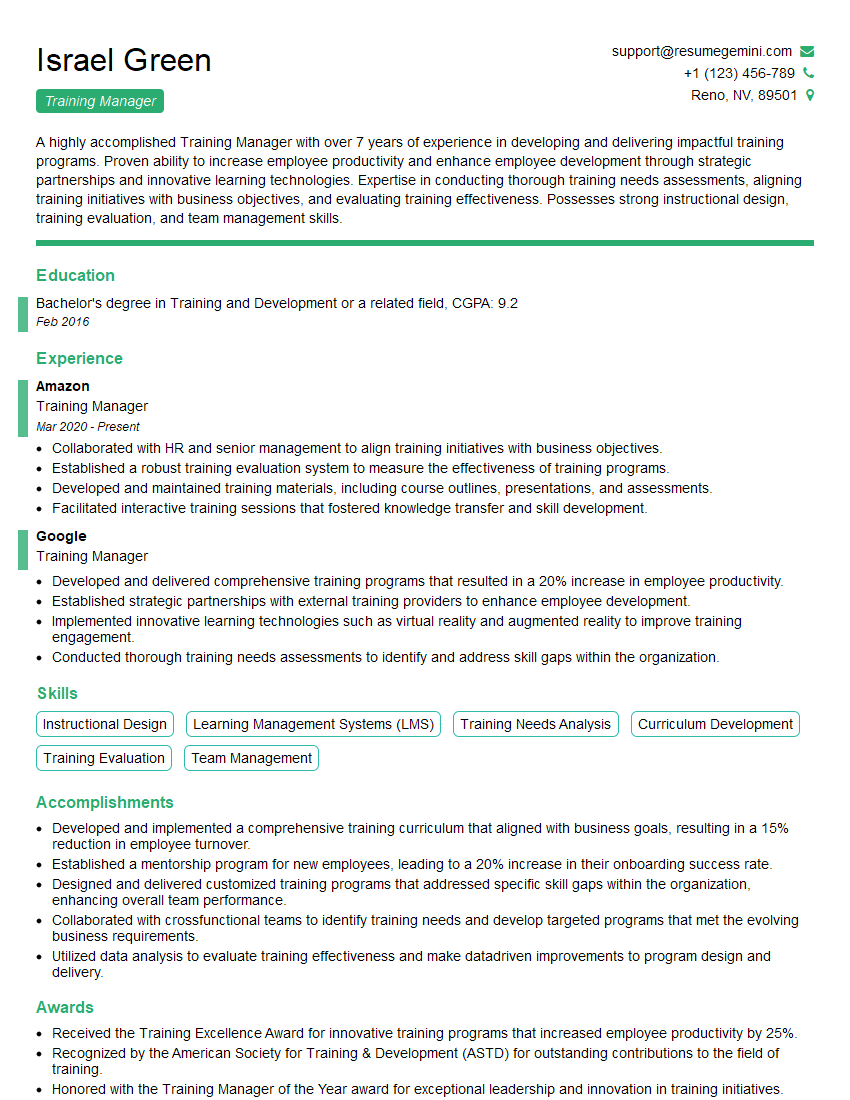
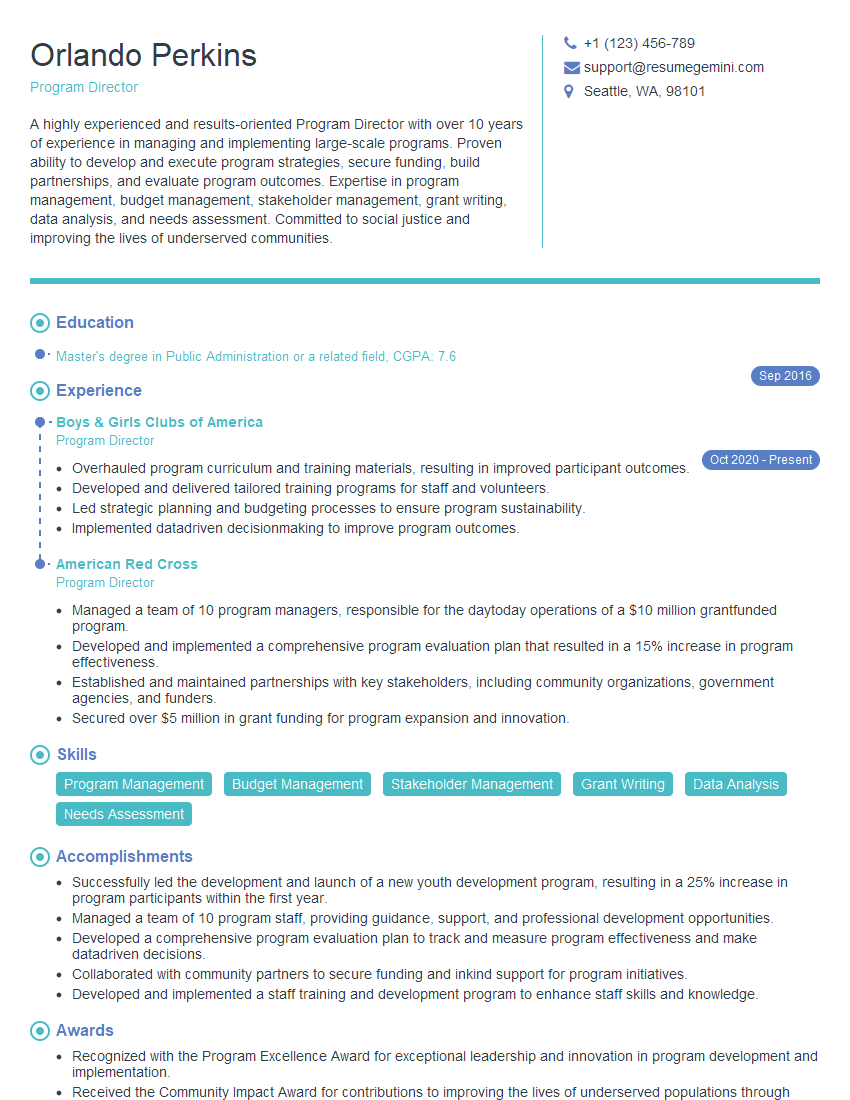
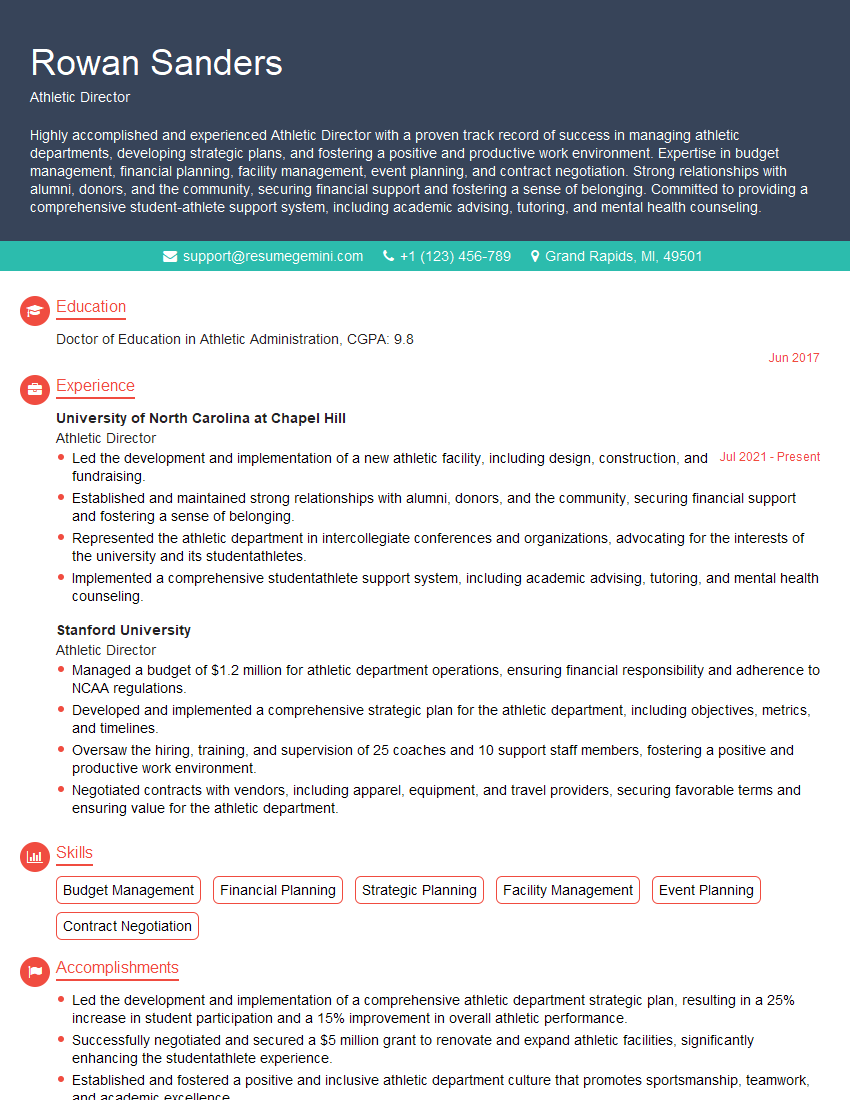
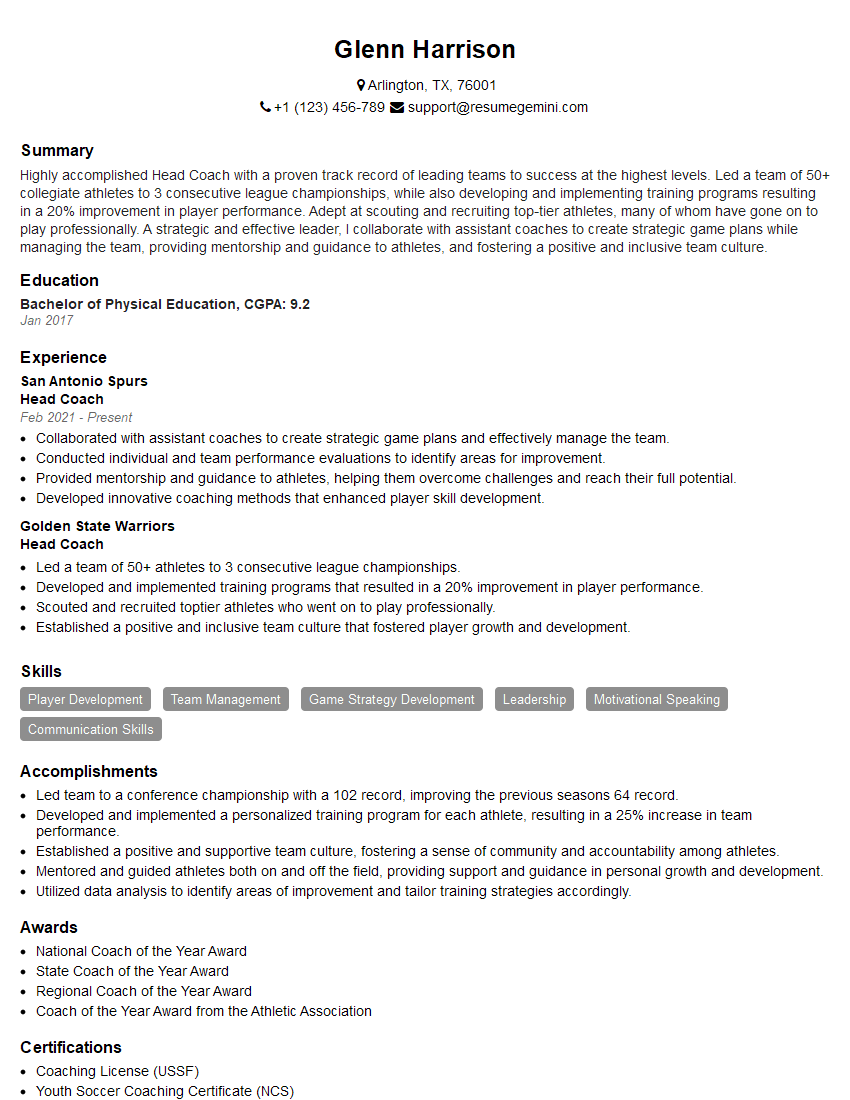
Mastering the art of managing a team of assistant coaches is crucial for career advancement in sports and related fields. It demonstrates strong leadership skills, organizational abilities, and the capacity to develop and mentor others. To significantly boost your job prospects, crafting an ATS-friendly resume is essential. ResumeGemini can be a trusted partner in this process, providing the tools and resources you need to create a compelling and effective resume that highlights your relevant skills and experience. Examples of resumes tailored to managing a team of assistant coaches are available to guide you.
Explore more articles
Users Rating of Our Blogs
Share Your Experience
We value your feedback! Please rate our content and share your thoughts (optional).
What Readers Say About Our Blog
Very informative content, great job.
good