Unlock your full potential by mastering the most common Manuscript Appraisal interview questions. This blog offers a deep dive into the critical topics, ensuring you’re not only prepared to answer but to excel. With these insights, you’ll approach your interview with clarity and confidence.
Questions Asked in Manuscript Appraisal Interview
Q 1. Explain the different methods used for manuscript appraisal.
Manuscript appraisal employs several methods, all aiming to establish a fair market value. These methods often overlap and are used in conjunction, not in isolation.
- Comparative Market Analysis: This is the cornerstone of manuscript appraisal. We examine recently sold comparable manuscripts—similar authors, genres, condition, and provenance—to establish a price range. For example, if a handwritten letter by a lesser-known author sold for $500, a similar letter in comparable condition might fall within a similar range, adjusted for nuances.
- Auction Records: Databases of past auction results provide invaluable data points. We meticulously track sales to identify trends and value fluctuations for specific authors and manuscript types. This informs our understanding of market demand.
- Expert Opinion: Consulting with other manuscript specialists and experts, particularly those specializing in the specific author or genre, can provide valuable insight and corroborate our findings. This is crucial for rare or unusual manuscripts.
- Intrinsic Value Assessment: This considers the manuscript’s inherent qualities beyond its market value. Factors such as historical significance, literary merit, and the author’s reputation all contribute to this intrinsic worth. A first draft of a seminal work, even if damaged, may hold significant intrinsic value.
Q 2. How do you determine the condition of a manuscript and its impact on value?
Manuscript condition significantly impacts its value. We use a detailed system to assess physical condition, considering factors such as:
- Physical Integrity: Tears, creases, stains, foxing (brown spots from age), and overall completeness are carefully documented. A manuscript with significant damage will inherently be worth less than a pristine copy.
- Binding and Paper Quality: The type of binding (e.g., original or later binding), the quality of the paper, and the presence of any annotations or alterations all play a crucial role. Original binding adds significant value.
- Writing Material: The type of ink, quill, or pen used can reveal important information about the manuscript’s age and authenticity.
Documentation is crucial. We use standardized descriptions and photographic records to ensure transparency and prevent misinterpretations. A detailed condition report is essential for any appraisal.
Q 3. Describe your experience with different types of manuscripts (e.g., letters, diaries, novels).
My experience spans a broad range of manuscript types. I’ve appraised:
- Letters: From personal correspondence to significant historical letters, I’ve assessed their condition, authenticity, and historical context. For instance, a letter from a historical figure discussing a key event could be vastly more valuable than a mundane personal letter.
- Diaries: These offer unique insights into personal lives and historical periods. The detail and length of the diary, as well as the writer’s identity and historical importance, heavily influence value. A detailed diary covering a significant historical event would command a high price.
- Novels and Short Stories: I’ve appraised both published and unpublished manuscripts, focusing on factors like authorship, literary merit, and the manuscript’s position in the author’s oeuvre. A previously unknown manuscript by a famous author can be incredibly valuable.
Each type presents unique challenges and rewards. The key is always meticulous research and careful attention to detail.
Q 4. What are the key factors influencing the market value of a manuscript?
Many factors contribute to a manuscript’s market value. These can be broadly categorized as:
- Authorship: The author’s fame, literary reputation, and historical significance are paramount. A manuscript by a Nobel Prize winner will naturally fetch a higher price than one by an unknown writer.
- Rarity and Uniqueness: Manuscripts in high demand and low supply will command premium prices. A unique draft or a previously unknown version of a famous work exemplifies this.
- Historical Significance: Manuscripts with historical or cultural importance beyond literary merit (e.g., a letter discussing a significant historical event) can be incredibly valuable.
- Condition: As discussed previously, the manuscript’s physical state is a crucial determinant of value.
- Provenance: A clear and well-documented chain of ownership adds significant value and authenticity. A provenance spanning generations with credible ownership records strengthens the manuscript’s value.
- Literary Merit: The quality of the writing itself, its influence on literature, and its lasting impact are important considerations for works by lesser known authors.
Q 5. How do you research the provenance of a manuscript?
Researching provenance involves meticulously tracing the manuscript’s ownership history. This often requires archival research, examining sales records, consulting with collectors and experts, and verifying documentation. We utilize a range of resources:
- Auction Catalogues: Checking auction records reveals previous sales and owners, providing a partial timeline.
- Archival Records: Museums, libraries, and private archives can hold crucial information about a manuscript’s ownership, especially in cases of important historical manuscripts.
- Family Histories and Personal Papers: When possible, exploring the family histories of previous owners helps fill in the gaps in provenance.
- Collectors’ Databases: Specialized databases of collectors and their holdings can sometimes uncover valuable information about ownership.
The aim is to create a comprehensive provenance report, demonstrating a clear and unbroken chain of custody from the author to the present owner.
Q 6. Explain the concept of ‘attribution’ in manuscript appraisal.
Attribution in manuscript appraisal refers to the process of verifying the authorship of a manuscript. This is particularly critical for works by well-known authors, where a spurious claim of authorship could significantly inflate the value. Establishing attribution requires rigorous methods:
- Handwriting Analysis: Comparing the manuscript’s handwriting to known samples of the author’s writing is a crucial step. Experts in graphology are often consulted.
- Stylistic Analysis: Analyzing the writing style, vocabulary, and sentence structure can provide evidence supporting or refuting the claimed authorship. This often involves comparing the manuscript to the known writings of the purported author.
- Paper and Ink Analysis: Analyzing the paper and ink used can help date the manuscript and provide clues to its authenticity. Scientific techniques like Carbon-14 dating can be utilized for verification.
- Historical Contextualization: The manuscript’s content and the historical context in which it was allegedly written can be analyzed to determine its plausibility. Inconsistencies may suggest forgery.
Attribution is crucial for ensuring the authenticity and therefore the value of a manuscript. A misattributed manuscript can hold little value compared to a properly authenticated one.
Q 7. How do you identify potential forgeries or fraudulent manuscripts?
Identifying forgeries and fraudulent manuscripts requires a keen eye and a multi-faceted approach.
- Inconsistencies in Handwriting: Variations in handwriting style within a single manuscript can be a red flag.
- Anomalous Paper or Ink: The use of inappropriate paper or ink for the claimed period can suggest a forgery. Scientific analysis can reveal discrepancies.
- Lack of Provenance: A missing or poorly documented provenance history is a significant warning sign.
- Contradictory Information: Information within the manuscript that contradicts established facts or historical records can raise suspicions.
- Use of Modern Materials: The use of modern materials, such as pens or ink, inconsistent with the alleged date of the manuscript is a common indicator of forgery.
Careful scrutiny and expert consultation are vital in detecting forgeries. I always recommend seeking multiple opinions and employing scientific analysis when there are concerns about authenticity.
Q 8. Describe your experience with using various appraisal standards and guidelines.
Manuscript appraisal relies on a robust understanding of various standards and guidelines. My experience encompasses utilizing the Uniform Standards of Professional Appraisal Practice (USPAP), which provides a framework for credible appraisals. I also incorporate guidelines from organizations like the International Association of Autograph Collectors (IAAC) and the Manuscript Society, depending on the type of manuscript being appraised. For instance, when appraising a literary manuscript, I’ll refer heavily to recent sales data and auction records cataloged by organizations like Sotheby’s or Christie’s, often looking for comparable sales of similar authors and works. For historical documents, I’d consider provenance—its chain of ownership—and the significance of the historical events recorded. The key is adapting the general principles of USPAP to the specific nuances of the manuscript market.
For example, a first edition of a Hemingway novel would be appraised differently from a collection of letters by a lesser-known author, even if both are from the same era. Each requires a distinct approach informed by specific guidelines and market analyses relevant to its category.
Q 9. How do you handle discrepancies in information regarding a manuscript’s history?
Discrepancies in a manuscript’s history are common and require careful investigation. My approach involves a systematic process of verifying information from multiple sources. This might involve cross-referencing information from auction catalogs, archival records, private collections, and even contacting experts in the relevant field. I meticulously document each source and any inconsistencies, analyzing the credibility and reliability of each. This might involve comparing handwriting styles, examining watermarks on paper, or carbon-dating materials.
For example, if a seller claims a manuscript belonged to a famous author, but the provenance documentation is incomplete or contradictory, I would rigorously investigate, potentially consulting experts in authentication and historical verification. The goal is to reconcile discrepancies where possible, or if not, to clearly articulate the uncertainties in the appraisal report.
Q 10. What software or tools do you utilize for manuscript appraisal?
Technology plays a crucial role in modern manuscript appraisal. I regularly use specialized databases containing auction records and sales data, providing invaluable market information. Software like Excel is vital for data analysis and creating comprehensive reports. Furthermore, I use image analysis software to scrutinize documents for authenticity, identifying potential alterations or forgeries. Finally, dedicated research databases (like JSTOR or EBSCOhost) help me verify historical context and authorship. The combination of these tools ensures a thorough and efficient appraisal process.
Q 11. Explain your understanding of copyright and intellectual property rights related to manuscripts.
Copyright and intellectual property rights are fundamental considerations in manuscript appraisal. Copyright protects the expression of ideas, not the ideas themselves, and it typically lasts for the author’s lifetime plus a set number of years. Understanding copyright allows me to assess the legal implications of ownership and potential restrictions on reproduction or publication. For example, a manuscript still under copyright might have a lower value than an equivalent manuscript in the public domain, simply due to the restrictions on its commercial use. The appraisal report always clearly states the copyright status and any implications for the value.
Beyond copyright, I also consider other intellectual property aspects, such as trademarks related to an author’s name or brand. This is particularly relevant for manuscripts by well-known authors.
Q 12. How do you determine the appropriate valuation method for a given manuscript?
Choosing the appropriate valuation method depends entirely on the manuscript and its intended use. For instance, a manuscript intended for sale at auction might be valued using a market approach—analyzing comparable sales data—while one being donated to an archive might benefit from a cost approach, based on its replacement cost. An income approach, focusing on potential future income generated from the manuscript (like a successful book based on it), could be applied in specific scenarios. The objective is always to select the method that best reflects the manuscript’s characteristics and intended purpose, ensuring the valuation is both realistic and relevant.
Therefore, I often use a combination of approaches; for instance, using market data as a primary method but supplementing it with insights from the cost approach to create a more complete picture.
Q 13. How do you account for the impact of market trends on manuscript value?
Market trends significantly influence manuscript values. I carefully monitor auction results, sales data, and news relating to the manuscript market. Factors such as the popularity of an author, recent biographies or film adaptations, and broader economic conditions all play a role. For example, increased interest in a particular author due to a recent bestseller might drastically elevate the value of their earlier manuscripts. Conversely, a recessionary market might dampen demand for even the most sought-after manuscripts. My awareness of these trends allows me to provide current, accurate, and future-conscious valuations.
I use trend analysis techniques to identify patterns and predict possible changes in value, offering insights into potential future growth or decline in value.
Q 14. Describe your experience with preparing appraisal reports.
Preparing appraisal reports is the culmination of the appraisal process. My reports are meticulously written, following USPAP guidelines and ensuring clarity and transparency. They include a detailed description of the manuscript, a discussion of the valuation methodology employed, a comprehensive analysis of market data, and a clear statement of value. The report also outlines any limitations or assumptions made during the appraisal process. I ensure the report is easily understandable to both a layperson and a legal professional. Each report is customized to meet the specific needs and purpose for which the appraisal was commissioned.
A comprehensive appraisal report not only provides a numerical value but also serves as a historical record and a detailed analysis of the manuscript’s significance.
Q 15. How do you ensure the accuracy and objectivity of your appraisals?
Ensuring accuracy and objectivity in manuscript appraisal is paramount. It’s a multi-faceted process involving rigorous research, meticulous examination, and a commitment to unbiased judgment. I achieve this through several key steps:
- Comprehensive Research: Before even handling the manuscript, I conduct thorough research into the author, the period of creation, and comparable works sold at auction or privately. This provides a crucial context for understanding the manuscript’s potential value.
- Detailed Physical Examination: A hands-on examination is crucial. I meticulously assess the manuscript’s condition, noting any damage, repairs, or alterations. This includes evaluating the paper type, ink, binding, and overall state of preservation. For example, I might note the presence of foxing (brown spots caused by mold), water damage, or previous repairs, all of which impact value.
- Comparative Analysis: I consult auction records, private sales data, and scholarly publications to identify comparable manuscripts. This allows me to establish a reasonable range of value based on similar items with similar characteristics. I consider factors like authorship, rarity, historical significance, and condition.
- Documentation and Transparency: Every step of the appraisal process is meticulously documented. My report clearly outlines the methodology, the evidence considered, and the rationale behind the valuation. This transparency ensures accountability and allows for scrutiny by clients or other experts.
- Professional Standards Adherence: I adhere strictly to professional appraisal standards and ethical guidelines. This involves maintaining objectivity, avoiding conflicts of interest, and continually updating my knowledge of the field.
For instance, I recently appraised a collection of letters by a relatively unknown 19th-century author. By researching his life and comparing his writing style to similar authors, and assessing the physical condition of the letters, I was able to arrive at a valuation that reflected its true market value, even though it wasn’t a widely known piece.
Career Expert Tips:
- Ace those interviews! Prepare effectively by reviewing the Top 50 Most Common Interview Questions on ResumeGemini.
- Navigate your job search with confidence! Explore a wide range of Career Tips on ResumeGemini. Learn about common challenges and recommendations to overcome them.
- Craft the perfect resume! Master the Art of Resume Writing with ResumeGemini’s guide. Showcase your unique qualifications and achievements effectively.
- Don’t miss out on holiday savings! Build your dream resume with ResumeGemini’s ATS optimized templates.
Q 16. How do you deal with challenging or unusual manuscripts?
Challenging manuscripts present unique opportunities. They often require specialized knowledge and creative problem-solving. I approach them systematically:
- Identify the Challenges: The first step is to accurately identify the unusual aspects. This might involve unusual materials, unusual binding techniques, significant damage, or a lack of clear provenance (history of ownership).
- Consult Experts: When dealing with materials or techniques outside my immediate expertise, I consult with other specialists, such as conservators, paper scientists, or historians. This ensures the appraisal incorporates the latest scientific and historical understanding.
- Utilize Advanced Techniques: Depending on the challenge, I may employ advanced techniques such as scientific analysis of inks and pigments, or utilize digital imaging to create a detailed record of the manuscript’s condition.
- Adjust Valuation Methodology: The valuation method may need to be adjusted. While standard comparative market analysis remains the core, I might also incorporate elements of cost analysis (considering the cost of materials and labor) or insurance valuation (assessing replacement value) if appropriate.
- Transparency in Report: The appraisal report will clearly document the challenges faced, the methods used to address them, and any limitations of the appraisal.
For example, I recently appraised a manuscript written on unusual papyrus-like material. By consulting a paper conservator and researching the material’s origins and potential age, I could accurately assess its condition and historical significance, allowing for a fair valuation.
Q 17. How do you handle disagreements with clients regarding manuscript valuation?
Disagreements are a possibility in any valuation. I handle them professionally and transparently:
- Review the Appraisal: I begin by carefully reviewing my own appraisal, ensuring the methodology was sound and the data accurately reflected.
- Open Communication: I encourage open and respectful dialogue with the client, patiently explaining my reasoning and providing additional data or evidence to support the valuation.
- Second Opinion (If Necessary): If the disagreement persists, I suggest seeking a second opinion from another qualified manuscript appraiser. This impartial assessment can often help resolve the issue.
- Documentation is Key: The entire process, including the disagreement and its resolution, is carefully documented.
It is crucial to remember that an appraisal is an opinion of value, not a definitive price. The goal is to arrive at a valuation that is supported by sound evidence and that the client understands. Sometimes, a client’s expectations might be unrealistic given the current market, and a respectful conversation can bridge that gap.
Q 18. Describe your experience in presenting appraisals to clients or legal entities.
I have extensive experience presenting appraisals to both individual clients and legal entities. My approach is tailored to the audience:
- Clear and Concise Presentation: Regardless of the audience, my presentations are clear, concise, and avoid overly technical jargon. I use visual aids, such as photographs or scans of the manuscript, to enhance understanding.
- Client-Specific Language: When presenting to individual clients, I focus on the implications of the valuation for their personal situation, using plain language to explain the valuation’s relevance to their goals.
- Formal Report for Legal Entities: For legal entities, the presentation is more formal and follows a structured format, incorporating details like detailed research, methodology, and supporting documentation. The report adheres to any specific guidelines or requirements stipulated by the legal entity.
- Question and Answer Session: I always allow time for questions and address any concerns or uncertainties the client might have. My aim is to ensure the client thoroughly understands the process and feels comfortable with the appraisal.
For example, when presenting to a law firm for an estate valuation, I presented my findings in a clear, concise report with all supporting documentation, addressing their specific legal requirements. This allowed for a seamless integration of the appraisal into the legal proceedings.
Q 19. What is your understanding of different types of binding and their impact on value?
The type of binding significantly impacts a manuscript’s value. Binding reflects not only the craftsmanship but also the era and intended use of the manuscript. Here are some examples:
- Sewn Binding: This traditional method, where sections are hand-sewn together, is highly valued, especially in older manuscripts. The quality of the stitching and the materials used affect its worth.
- Case Binding: Common in books, this involves sewing the sections and then adhering them to covers. The type of cover material (e.g., leather, cloth) and the quality of the construction significantly influence value.
- Spiral Binding or Mechanical Binding: These modern methods, while functional, typically detract from the value of a historical manuscript unless the original binding is preserved alongside these newer additions.
- Unbound Manuscripts: Loose sheets or gatherings without binding are generally less valuable unless they are extraordinarily rare or important.
A fine example would be a 17th-century manuscript bound in calfskin leather, meticulously hand-sewn. The quality of the binding, as well as its age and condition, would significantly enhance the manuscript’s value compared to a similar manuscript with a simpler or more modern binding.
Q 20. How do you account for the material composition of a manuscript in your appraisal?
The material composition is a critical factor. I consider both the paper and any other materials used:
- Paper Type: The type of paper (e.g., handmade, machine-made, vellum, parchment) significantly impacts value. Handmade paper, especially from historical periods, is highly valued due to its rarity and unique qualities. The presence of watermarks or other distinguishing features is also carefully noted.
- Ink: The type of ink (iron gall, vegetable dye, etc.) and its condition influences value. Faded or damaged ink can lower a manuscript’s value.
- Other Materials: The presence of other materials, such as illustrations, decorations (e.g., gold leaf), or embellishments, adds to the value and complexity of the appraisal. I take into account the quality, rarity, and condition of these materials.
- Authenticity: It is also crucial to determine the authenticity of the materials. I might use scientific methods to verify their age and origin.
For instance, a manuscript written on vellum (fine animal skin) with hand-painted illuminations would command a much higher price than one written on ordinary machine-made paper with no ornamentation. The quality and originality of the materials are key indicators of value.
Q 21. Explain your knowledge of different types of inks and paper used in manuscripts.
My understanding of inks and paper is crucial. This allows me to assess age, authenticity, and condition:
- Iron Gall Ink: A common ink in historical manuscripts, it is characterized by its acidic nature, which can cause damage to paper over time. Its presence and condition are important indicators of age and provide clues about the manuscript’s history.
- Vegetable Dyes: These inks, made from plant extracts, are generally less acidic than iron gall ink and show different characteristics over time. Their presence helps determine the age and potentially the geographical origin of the manuscript.
- Modern Inks: Many modern inks are chemically formulated and may be less likely to show age-related degradation than historical inks. Their presence might indicate later additions or alterations.
- Paper Types: I consider the type of paper, such as handmade paper (identifiable by its deckle edges and variations in texture), machine-made paper, vellum, or parchment. These factors provide insights into the date and provenance of the manuscript.
- Paper Analysis: In some cases, I consult with paper scientists or use scientific techniques to analyze the paper and ink, to determine their composition and age. This is especially useful for potentially controversial or problematic manuscripts.
Identifying the type of ink and paper in a manuscript often helps establish its approximate age and geographic origin, enhancing the accuracy and precision of the appraisal. For example, the presence of iron gall ink and specific types of handmade paper could significantly indicate a manuscript is from the 17th century European context.
Q 22. How do you assess the significance of a manuscript within its historical context?
Assessing a manuscript’s historical significance requires a multifaceted approach. It’s not just about the age of the document; it’s about understanding its context within the broader sweep of history. We must consider the author, the intended audience, the historical events surrounding its creation, and its subsequent impact.
- Authorship: Is it by a known historical figure? A lesser-known individual whose work offers unique insights? The author’s position in society and their contribution to their field significantly influences the manuscript’s value.
- Content: What does the manuscript reveal about the time period? Does it offer new perspectives on historical events, social structures, or cultural practices? A manuscript containing a previously unknown account of a pivotal battle, for instance, holds immense historical significance.
- Provenance: The chain of custody – who owned the manuscript and how it was passed down – significantly impacts its authenticity and value. A continuous, well-documented provenance adds to a manuscript’s historical weight.
- Rarity and Condition: A manuscript’s rarity automatically increases its value. However, the condition is crucial; a well-preserved manuscript is inherently more valuable than a fragmented one. The condition provides clues about its handling and preservation through history.
For example, a seemingly mundane grocery list from the early American colonies might hold significant historical value if it reveals insights into the economic conditions or daily lives of the time, exceeding the value of a more visually appealing but less historically informative document.
Q 23. Describe your experience with working with insurance companies or legal professionals on manuscript appraisals.
I have extensive experience collaborating with insurance companies and legal professionals. My role typically involves providing independent, objective appraisals for various purposes: estate settlements, insurance claims (in case of damage or loss), and legal disputes concerning ownership or authenticity.
With insurance companies, the focus is on establishing accurate market value for insurance purposes. This often involves detailed documentation, photographic evidence, and a comprehensive report outlining the appraisal methodology and supporting rationale.
In legal contexts, my appraisals are often used as expert testimony. This requires meticulous record-keeping and the ability to clearly articulate my findings in a manner easily understandable by non-experts. I have provided expert witness testimony in several cases involving the provenance, authenticity, and valuation of contested manuscripts. My reports are always prepared according to the highest professional standards, ensuring they withstand rigorous scrutiny.
Q 24. How familiar are you with different auction houses and their procedures for manuscript sales?
I am very familiar with major auction houses worldwide, including Sotheby’s, Christie’s, Bonhams, and numerous specialized houses. I understand their procedures for manuscript sales, which generally involve:
- Consignment: The seller consigns the manuscript to the auction house, who then markets and sells it on their behalf.
- Cataloging and Appraisal: The auction house conducts its own appraisal, often consulting with specialists like myself to ensure accurate valuation.
- Pre-sale Exhibition: Manuscripts are often exhibited before the auction to generate interest among potential buyers.
- Auction: The manuscript is sold through a competitive bidding process.
- Post-sale Settlement: The auction house processes the sale, and the seller receives the proceeds (less commission).
Knowing the specific procedures of each auction house allows me to better advise clients on the most advantageous sales strategies. Factors like estimated value, expected audience, and auction house specialization influence the chosen sales approach.
Q 25. How do you stay current with the latest trends and developments in the field of manuscript appraisal?
Staying current in manuscript appraisal requires continuous learning. I achieve this through several strategies:
- Professional Organizations: Active membership in organizations like the Manuscript Society and attending their conferences and workshops provides access to the latest research, methodologies, and networking opportunities.
- Academic Journals and Publications: Regularly reviewing scholarly journals and publications focused on book history, bibliography, and archival studies keeps me informed about new discoveries and research trends.
- Auction Catalogs and Market Research: Analyzing auction results and catalogs helps track market trends, price fluctuations, and the demand for specific types of manuscripts.
- Networking and Collaboration: Discussions with colleagues, fellow appraisers, archivists, and librarians are invaluable for exchanging insights and gaining diverse perspectives.
- Continuing Education Courses: I regularly participate in continuing education courses focusing on specific appraisal techniques, authentication methods, and emerging technologies related to manuscript analysis.
Q 26. Describe a time you had to resolve a complex appraisal issue.
I once had to appraise a collection of letters purportedly written by a famous 19th-century author. The issue was their authenticity. The handwriting was similar, but some stylistic inconsistencies raised concerns.
To resolve this, I employed a multi-pronged approach:
- Handwriting Analysis: I consulted a renowned handwriting expert to compare the questioned letters with authenticated examples of the author’s handwriting.
- Paper and Ink Analysis: Scientific analysis of the paper and ink was conducted to determine their age and consistency with the period.
- Historical Contextualization: I thoroughly researched the historical context of the letters, examining their content for any inconsistencies or anachronisms.
- Provenance Research: A rigorous investigation into the letters’ chain of ownership was crucial to assess their authenticity.
The combined evidence revealed some of the letters were likely forgeries. My report detailed the findings, supporting my conclusion with all the evidence gathered, allowing the client to make an informed decision.
Q 27. How do you prioritize your workload when handling multiple manuscripts simultaneously?
Managing multiple manuscript appraisals simultaneously requires a structured approach. I utilize a project management system that incorporates:
- Prioritization Matrix: I prioritize manuscripts based on urgency, complexity, and client importance. This involves assigning deadlines and allocating resources accordingly.
- Detailed Scheduling: I create a detailed schedule outlining specific tasks for each manuscript, including research, analysis, and report writing. This approach ensures that deadlines are met efficiently.
- Regular Check-ins: Regular check-ins with clients keep them updated on the progress of their appraisals and allows for immediate addressing of any issues or changes in requirements.
- Documentation: Meticulous documentation throughout the appraisal process is paramount. This helps track progress, ensure consistency, and reduces the likelihood of errors.
Think of it like a conductor managing an orchestra – each instrument (manuscript) has its own part, but the conductor ensures harmony and timely execution of the overall performance.
Q 28. Explain your experience with cataloging and archiving manuscripts.
Cataloging and archiving manuscripts is an integral part of my work. It involves creating detailed descriptions of the manuscripts, including physical characteristics, content summaries, and provenance information. This information is crucial for preservation, research, and future appraisal purposes.
My experience includes:
- Descriptive Cataloging: Creating detailed descriptions of manuscripts using standardized cataloging rules (like AACR2 or RDA) to ensure consistency and findability.
- Digital Archiving: Creating digital surrogates (e.g., high-resolution images) for preservation and accessibility, often using specialized software and metadata standards.
- Physical Preservation: Advising on appropriate storage and handling practices to minimize deterioration and damage to manuscripts. This involves understanding different materials and environmental factors.
- Metadata Creation: Developing comprehensive metadata – descriptive, structural, and administrative – that enriches the digital record and facilitates search and retrieval.
Proper cataloging and archiving are essential to ensure the long-term preservation and accessibility of these invaluable historical documents.
Key Topics to Learn for Manuscript Appraisal Interview
- Manuscript History and Provenance: Understanding the historical context of a manuscript, including its authorship, creation date, and subsequent ownership, is crucial for accurate appraisal.
- Material Condition Assessment: Learn to evaluate the physical condition of a manuscript, including paper type, binding, inks, and any damage or repairs. This directly impacts value.
- Rarity and Demand: Analyze the factors that contribute to a manuscript’s rarity and market demand. This involves research into similar manuscripts and current market trends.
- Authorship Verification and Attribution: Develop skills in verifying authorship and attributing manuscripts to specific authors, considering handwriting analysis, stylistic features, and external evidence.
- Valuation Methods: Understand and apply various valuation methods, including comparable sales analysis, income capitalization, and replacement cost approaches specific to manuscripts.
- Legal and Ethical Considerations: Familiarize yourself with legal and ethical issues related to manuscript appraisal, including ownership rights, authentication, and potential forgery detection.
- Market Research and Trend Analysis: Stay updated on current market trends in manuscript values and the factors influencing them. This requires ongoing research and professional development.
- Presentation of Findings: Practice clearly and concisely communicating appraisal results in written reports, supporting your conclusions with evidence and rationale.
Next Steps
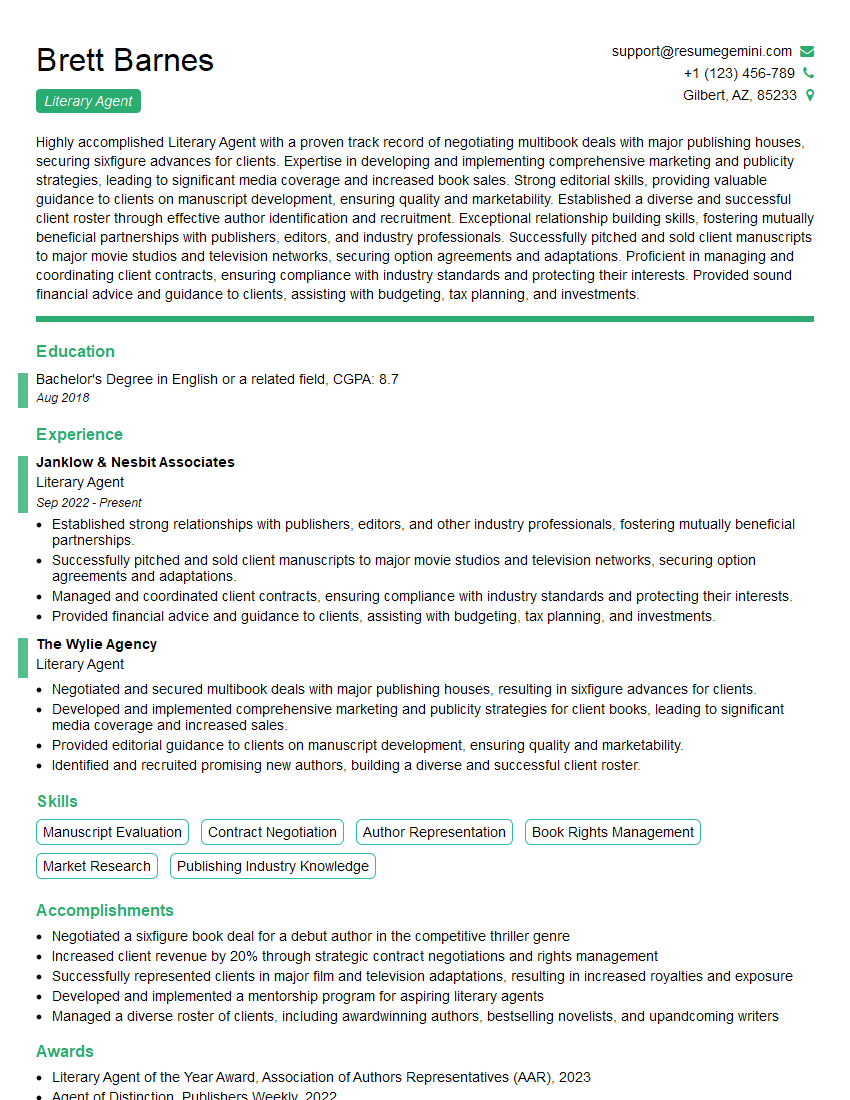
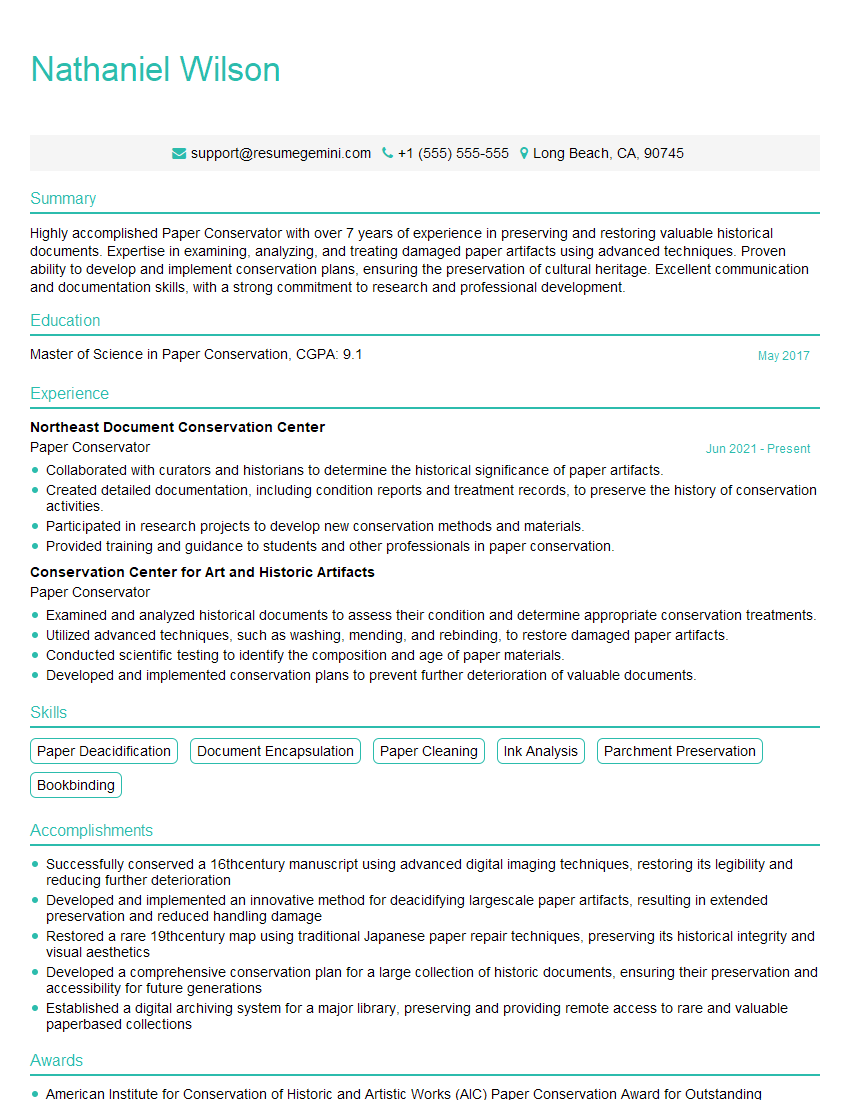
Mastering manuscript appraisal opens doors to exciting career opportunities in archives, libraries, auction houses, and private collections. To maximize your job prospects, creating a strong, ATS-friendly resume is essential. ResumeGemini can significantly enhance your resume-building experience, providing tools and resources to create a professional document that highlights your skills and experience. Examples of resumes tailored to Manuscript Appraisal are available to help you get started.
Explore more articles
Users Rating of Our Blogs
Share Your Experience
We value your feedback! Please rate our content and share your thoughts (optional).
What Readers Say About Our Blog
Very informative content, great job.
good