Feeling uncertain about what to expect in your upcoming interview? We’ve got you covered! This blog highlights the most important Map and Compass Skills interview questions and provides actionable advice to help you stand out as the ideal candidate. Let’s pave the way for your success.
Questions Asked in Map and Compass Skills Interview
Q 1. Explain the process of orienting a map.
Orienting a map means aligning it with the real world so that features on the map correspond to their actual locations on the ground. Think of it like matching a puzzle piece – you need to get the map’s orientation right to make sense of it.
The most common method is using a compass. First, find a recognizable feature on your map (like a road or a river). Then, locate that same feature on the ground. Next, rotate the map until the north arrow on the map aligns with the magnetic north indicated by your compass needle. Once aligned, your map is oriented, and you can accurately determine directions and your location relative to the map features.
For example, if you see a prominent river on your map and recognize it on the ground, you’d align the river on the map with the river you see. Your compass needle, pointing north, helps you complete the alignment.
Q 2. Describe three different methods for determining your location using a map and compass.
There are several ways to determine your location using a map and compass. Here are three:
- Resection: This involves identifying at least two features visible on the ground (like landmarks or intersections) that are also clearly marked on your map. Using your compass, take bearings to each feature. On your map, draw lines from each feature representing the bearings you took. The point where these lines intersect is your approximate location. Accuracy improves with more features.
- Intersection: In this method, you take a bearing to a known feature on the ground. On your map, find that same feature and draw a line from it along the bearing you took. You will need to repeat this with another known feature and its bearing. The intersection of these two lines will give you your location.
- Walking Azimuth (Dead Reckoning): If you know your starting point, you can estimate your location by carefully tracking your direction and distance traveled. This method relies on measuring your pace length and maintaining a consistent direction, but accumulated errors can lead to inaccuracies over longer distances. Always use a compass to check your direction periodically.
Remember, combining these methods often yields more accurate results.
Q 3. How do you use a compass to follow a bearing?
Following a bearing with a compass involves maintaining a specific direction. Let’s say you need to follow a bearing of 060 degrees (60 degrees East of North).
- Orient the compass: Hold the compass level and ensure it’s not affected by nearby metal objects.
- Set the direction: Turn the compass bezel (the rotating ring) until the directional arrow points to 060 degrees.
- Find your direction: Rotate your body until the orienting arrow (often marked with a ‘N’ or an arrow) aligns with the magnetic needle. You are now facing 060 degrees.
- Walk the bearing: Walk in the direction you’re facing, regularly checking your compass to ensure you stay on the bearing. You might need to make small corrections.
It’s crucial to walk steadily and regularly recheck the bearing, especially in challenging terrain or poor visibility.
Q 4. What are the common errors in using a map and compass, and how can they be avoided?
Common map and compass errors include:
- Incorrect map orientation: Failing to properly align the map with the terrain. This is avoided by diligently using the compass to match map north with magnetic north, and by identifying key features on the ground.
- Incorrect bearing measurements: Errors in reading or following a compass bearing. Consistent practice, double-checking readings, and using a quality compass are essential to avoid this.
- Declination errors: Ignoring or incorrectly accounting for magnetic declination (the difference between true north and magnetic north). Using an up-to-date declination value and understanding how to apply it is crucial for accuracy.
- Poor pacing technique: Inconsistent stride lengths when measuring distance. Maintaining a consistent stride length and practicing pacing over known distances beforehand are key to improvement.
- Misidentification of features: Confusing map features with actual terrain features. Detailed map study before heading out can mitigate this issue, and cross-referencing with other features reduces error.
Careful planning, thorough map study, and practicing these techniques are the best ways to minimize errors and build confidence.
Q 5. How do you calculate distance on a map?
Calculating distance on a map involves using the map’s scale. The scale typically shows how many units on the map represent a certain distance in the real world (e.g., 1:50,000 – 1 cm on the map equals 50,000 cm or 500 meters on the ground).
Method: Measure the distance on the map using a ruler or dividers. Then, apply the map’s scale to convert the map measurement into real-world distance. For instance, if the distance on a 1:50,000 map measures 3 cm, the actual distance is 3 cm * 50,000 cm = 150,000 cm, which converts to 1.5 kilometers.
Some maps offer a graphic scale for easy visual conversion, making the process more straightforward.
Q 6. Explain the concept of magnetic declination and its importance in navigation.
Magnetic declination is the angle between true north (the geographical North Pole) and magnetic north (the direction the compass needle points). It varies depending on location and changes over time. True north and magnetic north aren’t the same, think of it like two slightly offset targets.
Importance: Since maps are based on true north, ignoring declination leads to errors in navigation. If you don’t adjust for declination, you will be consistently off course, especially over long distances. Your compass will point to magnetic north, not true north. To compensate, you must either apply the declination angle mathematically or use a map with an adjusted grid.
Most maps indicate the declination for the map’s area, often by an isogonic line (a line connecting points of equal declination). Knowing the declination is critical for accurate bearings and location determination.
Q 7. What are contour lines and how do you interpret them?
Contour lines are lines on a map that connect points of equal elevation. They show the shape and slope of the terrain. Imagine them as slices through a landscape, showing the height at each level. Closely spaced contour lines indicate a steep slope, whereas widely spaced lines indicate a gentle slope. A contour line’s value (e.g., 100m, 200m) provides its height above a datum (usually sea level).
Interpretation:
- Spacing: Closely spaced lines mean a steep slope; widely spaced lines indicate a gentle slope.
- Shape: Circular or closed contours usually indicate a hill or depression. V-shaped contours pointing uphill indicate a valley; V-shaped contours pointing downhill indicate a ridge.
- Value: Each line’s height value is crucial to understanding the elevation change across the area.
Understanding contour lines is vital for safe and efficient navigation, especially in mountainous or hilly terrain.
Q 8. How do you identify features on a topographic map?
Identifying features on a topographic map involves understanding the map’s symbology and its representation of the terrain. Topographic maps use contour lines to show elevation, with closer lines indicating steeper slopes and wider spacing showing flatter areas.
- Contour Lines: These are the most important feature. They connect points of equal elevation. Imagine them as the shoreline of a lake if the land were slowly submerged.
- Spot Heights: These are precise elevation markings indicated by numbers. They provide reference points for contour interpretation.
- Relief Shading: This technique uses shading to simulate the three-dimensional appearance of the land, helping visualize slopes and valleys.
- Symbols: Maps utilize standardized symbols for various features like forests (represented by green shading or tree symbols), water bodies (blue), roads (black lines), buildings (various icons), and even terrain features like cliffs or swamps (specific symbols).
For example, a tightly clustered group of contour lines indicates a steep cliff, while widely spaced lines indicate a gentle slope. Learning to interpret these symbols and their density is crucial for accurate map reading.
Q 9. Describe how you would plan a route using a map and compass.
Planning a route using a map and compass involves several steps ensuring safety and efficiency. It’s like plotting a course across an ocean using a chart and compass.
- Define your destination: Identify your starting point and destination on the map.
- Choose a route: Select a safe and feasible path, considering terrain, obstacles (rivers, mountains), and your physical capabilities. Avoid dangerous areas and aim for clear paths whenever possible.
- Break the route into sections: Divide your route into smaller, manageable segments, making navigation easier. Each section will have a bearing and distance.
- Take bearings: Use the compass to determine the bearing (direction) to each waypoint or significant landmark along your route. This involves aligning the compass with the map to translate the map direction into a real-world compass reading.
- Pace out distance: Estimate distance using pace counting (explained later). Regularly check your progress against the map.
- Take regular bearings: As you travel, frequently reorient yourself using your compass and map to ensure you are staying on course. Frequent checks prevent cumulative errors.
- Account for declination: Correct for magnetic declination (the difference between magnetic north and true north) for accurate navigation. Your map will specify the declination.
For example, while planning a hike across mountainous terrain, you might choose a less steep route with fewer obstacles, breaking the journey into segments based on prominent landmarks like peaks or valleys. You would take bearings from one landmark to another, regularly checking your progress against the map and using your compass to correct for drift.
Q 10. What are the limitations of using a map and compass?
Map and compass navigation, while effective, has limitations. It’s not a perfect system, and relying solely on it can be risky.
- Map Accuracy: Maps can be outdated or inaccurate, leading to navigation errors. The terrain might have changed since the map was created.
- Magnetic Interference: Metal objects, power lines, and even strong magnetic fields can affect the compass’s accuracy, giving false readings.
- Weather Conditions: Heavy rain, snow, or fog can obscure visibility, making it difficult to identify landmarks or follow the route.
- Human Error: Misinterpreting the map, making wrong calculations, or failing to account for declination can lead to navigation errors. Even experienced navigators make mistakes.
- Lack of Detail: Maps may lack detailed information about the terrain, particularly in remote areas, leading to unexpected obstacles.
For instance, an outdated map might not show a recently constructed road, causing a navigator to miss a shortcut or encounter unexpected terrain. Magnetic interference from a nearby power line could deflect the compass needle, leading to incorrect bearings. Understanding these limitations is crucial for safety.
Q 11. How do you use a compass in conjunction with GPS technology?
GPS technology and map and compass skills complement each other, increasing navigational precision and safety. Think of it as having two independent systems providing cross-checks.
- GPS as a Primary Tool: GPS devices can provide precise location data and help plot routes. Use it to confirm your location and plan routes.
- Map and Compass as a Backup: In case of GPS failure (battery depletion, signal loss in dense forests or canyons), map and compass provide a reliable backup navigation system.
- Cross-referencing: Compare your GPS location with your map position to verify accuracy. Discrepancies may indicate errors in either the GPS or your map reading.
- Route Planning: Use GPS to plan your route and then transfer waypoints to your map for offline use with compass navigation.
For example, during a long trek, GPS is primarily used to track progress and plan routes. However, regularly checking your position on the map using a compass helps detect and correct any discrepancies or potential errors in the GPS data. The combination ensures a safe and accurate journey.
Q 12. What are some alternative navigation techniques if your compass or map fails?
If your map and compass fail, alternative navigation techniques are crucial. These fall into the categories of natural navigation and using available technology.
- Natural Navigation: Use celestial navigation (sun, stars), observation of natural features (rivers typically flow downhill, moss often grows on north-facing sides of trees in the Northern Hemisphere), and following animal trails. This requires deep understanding of the local environment.
- Technological Alternatives: If a phone with service is available, GPS apps can help. If in a group, consider distributing navigational aids and assigning backup navigation roles.
- Landmark Navigation: Keep track of prominent landmarks along your path. These can act as visual cues, even if your formal navigation aids fail.
For example, in a wilderness setting, knowing how to find north using the sun and observing how water flows can help determine your approximate location and direction, even without a map or compass. If a mobile phone with signal is available, using a map app is an alternative method.
Q 13. How do you estimate your pace count and its importance in navigation?
Pace counting is a method of estimating distance traveled by counting your steps. It’s like having an internal odometer.
- Determine your pace length: Measure the average length of your stride (the distance covered in one step). This can vary with terrain and speed.
- Count your steps: Count the number of steps you take over a known distance to calculate your average steps per unit of distance (e.g., steps per 100 meters).
- Estimate distance: Use your calculated average steps per unit distance to estimate distance traveled or remaining based on your step count.
Importance: Accurate pace counting is crucial for map navigation because it helps estimate distance covered along a route. It assists in verifying your progress against planned distances on the map, preventing significant navigation errors. Regularly comparing your estimated distance (based on pace count) with the map is a key part of effective navigation.
For example, if your average pace length is 0.75 meters, and you count 100 steps, you’ve traveled approximately 75 meters (100 steps * 0.75 meters/step). Regularly comparing this to your map distance will ensure your navigation remains accurate.
Q 14. Explain the concept of triangulation in navigation.
Triangulation is a navigation technique used to pinpoint your location by taking bearings to two or more known landmarks. Think of it as drawing a triangle to locate yourself.
- Identify Landmarks: Locate at least two easily identifiable features on the map (peaks, buildings, prominent rock formations) visible from your location.
- Take Bearings: Use your compass to determine the magnetic bearing to each landmark.
- Plot Bearings on the Map: On your map, place the compass rose (north direction) at the approximate location you believe you are, and draw lines from this point corresponding to your measured bearings. These lines represent lines of position (LOP).
- Locate Intersection: The intersection of the bearing lines indicates your approximate location.
The more landmarks you use, the more accurate your position will be. If bearings to three landmarks are obtained, the intersection of the three resulting lines should converge at a single point, providing a highly precise location.
For example, if you see a church steeple and a distant mountain, taking bearings to both and plotting these on your map will give a good estimate of your current position. Adding a third landmark (a radio tower, for example) would further refine the accuracy of your location determination.
Q 15. How do you handle unexpected situations, such as getting lost, while using a map and compass?
Getting lost is a possibility, even for experienced navigators. The key is proactive planning and a systematic approach to recovery. If I find myself disoriented, I immediately stop, sit down, and take deep breaths to avoid panic. This allows for rational decision-making. My first step is to confirm my last known good position (LKGP) – the last point where I was certain of my location. Then, I carefully re-orient myself using my compass and map, identifying prominent features around me that match those on the map. If I still can’t pinpoint my location, I’ll use backtracking – retracing my steps to find my LKGP. If that fails, I rely on my emergency plan: activating my personal locator beacon (PLB) or contacting emergency services, ensuring I provide accurate location details if possible. Regularly taking bearings and marking my progress on the map dramatically reduces the risk of getting lost in the first place.
For example, while hiking in unfamiliar terrain, I noticed that the surrounding trees didn’t match my map. Instead of panicking, I retraced my steps, carefully comparing landmarks with the map, ultimately realizing I had taken a wrong turn at a fork in the trail. Learning from this mistake, I am now more meticulous about verifying my position at every significant feature.
Career Expert Tips:
- Ace those interviews! Prepare effectively by reviewing the Top 50 Most Common Interview Questions on ResumeGemini.
- Navigate your job search with confidence! Explore a wide range of Career Tips on ResumeGemini. Learn about common challenges and recommendations to overcome them.
- Craft the perfect resume! Master the Art of Resume Writing with ResumeGemini’s guide. Showcase your unique qualifications and achievements effectively.
- Don’t miss out on holiday savings! Build your dream resume with ResumeGemini’s ATS optimized templates.
Q 16. How do you read a map scale?
Map scale represents the ratio between a distance on the map and the corresponding distance on the ground. It’s usually expressed as a representative fraction (RF), for example, 1:50,000. This means that 1 unit on the map represents 50,000 of the same units on the ground. So, 1cm on the map equals 50,000cm (500m) on the ground. Maps also often include a graphical scale – a line segmented to show distances directly, which is useful for quick estimations even without calculations. Understanding map scale is crucial for accurate distance estimations and navigation.
Imagine planning a hike using a map with a scale of 1:25,000. If the map shows a trail distance of 4cm, the actual trail distance would be 4cm x 25,000 = 100,000cm, or 1 kilometer.
Q 17. What are the different types of maps and their uses?
Many types of maps cater to different needs. Topographic maps show elevation using contour lines, ideal for hiking and mountaineering, giving detailed relief information. They are indispensable when assessing terrain challenges. Trail maps focus on paths and trails, commonly used for recreational activities like hiking and biking. Road maps, showing roads, towns, and other significant features, are useful for driving or planning road trips. Nautical charts are specifically designed for maritime navigation, incorporating depths, currents, and navigational hazards. Aerial photos, obtained from airborne platforms, provide a bird’s-eye view, showing land use, infrastructure, and other geographical features. Each map type serves a specific purpose, and choosing the correct one is vital for successful navigation.
Q 18. What safety precautions should be followed when using a map and compass in the field?
Safety is paramount when using a map and compass. Before heading out, inform someone of your planned route and estimated return time. Always carry a first-aid kit, extra food, water, and appropriate clothing for the conditions. Check the weather forecast and be prepared for changes. Never venture alone – ideally navigate with a partner. Understand the terrain you’ll be traversing, identifying potential hazards like steep slopes, water crossings, or wildlife. Regularly check your position on the map and compass to avoid getting lost. If you encounter unexpected difficulties, do not hesitate to turn back or activate your emergency plan. Knowledge of basic survival skills is beneficial in unexpected circumstances. Always choose appropriate navigation tools relative to the environment and activity.
Q 19. Describe different types of compass and their advantages and disadvantages.
Several types of compasses exist, each with advantages and disadvantages. Baseplate compasses are simple, durable, and affordable, widely used for general navigation. Their downside is their lack of precision for very accurate bearings. Lensatic compasses offer precise bearings due to their magnifying lens, suitable for detailed navigation, but can be slightly more complex to use. Clinometers, which measure angles of inclination, are especially useful in surveying or mountaineering for determining slope angles. GPS devices, though not strictly compasses, provide location information and navigational assistance. While GPS is convenient, it relies on satellite signals, which may be unavailable in certain areas. The choice depends on the task; a simple baseplate compass suffices for most recreational activities, while professional surveying might require a more sophisticated instrument like a lensatic compass and a clinometer in conjunction with a GPS.
Q 20. How do you determine your grid coordinates?
Grid coordinates are used to pinpoint a location on a map using a grid system. Most maps use a Universal Transverse Mercator (UTM) or Military Grid Reference System (MGRS) grid. To determine grid coordinates, locate the intersection of the easting and northing lines that intersect the point of interest. Easting refers to the horizontal coordinate, and northing refers to the vertical coordinate. Reading these numbers off the map gives you the coordinates. The accuracy of the coordinate depends on the map scale and the grid resolution. For example, a 6-figure grid reference provides a precision of 100 meters. Greater precision requires more digits in the grid reference.
For example, on a map with a UTM grid, a location might be given as 324576 481239. The first part is the easting coordinate, and the second is the northing coordinate. The accuracy of this reading depends on the map scale and the grid used.
Q 21. How do you interpret map symbols and legends?
Map symbols and legends are crucial for understanding map features. The legend explains what each symbol represents. For instance, a small square might represent a building, a blue line a river, and brown lines contour lines indicating elevation. Interpreting these symbols correctly allows you to create a mental picture of the terrain and its features. Thoroughly reviewing the map legend before embarking on a trip is essential. It allows you to understand the terrain you’ll be facing, recognize potential hazards, and plan your route effectively.
For instance, if the map shows a symbol of a mountain peak along with elevation information, you can plan around potential challenges like steep climbs and the need for additional preparation.
Q 22. How does weather affect map and compass navigation?
Weather significantly impacts map and compass navigation. Adverse conditions can severely limit visibility, making it difficult to identify landmarks and features shown on your map. For example, heavy fog or a blizzard can completely obscure your surroundings, rendering visual navigation impossible. Rain can make map handling difficult, potentially damaging the paper and making it hard to read. Strong winds can affect your compass readings, causing inaccurate bearings due to magnetic interference.
Furthermore, extreme temperatures can impact both your equipment and your ability to function effectively. Cold weather can cause your compass to freeze, leading to malfunctions, and frostbite can limit fine motor control needed for precise map reading and compass use. Intense heat can lead to dehydration and exhaustion, negatively affecting your decision-making abilities.
To mitigate these risks, always check the weather forecast before any trip and dress appropriately. Use waterproof map cases and a compass with a reliable temperature compensation system. If conditions become too hazardous, delay or cancel your trip entirely – safety is paramount.
Q 23. How do you account for relief when navigating with a map and compass?
Accounting for relief (the shape and elevation of the land) is critical for accurate navigation. Maps depict relief using contour lines – lines connecting points of equal elevation. Ignoring relief can lead to significant errors in estimating distance and position.
Imagine you’re navigating a steep valley. The map distance between two points might seem short, but the actual ground distance will be considerably longer due to the ups and downs. You’ll need to allow more time and energy to negotiate the slope. Similarly, a compass bearing might point directly to your destination, but a mountain range blocking your path would require you to detour. You need to interpret the contour lines to plan a route that accounts for the physical terrain, perhaps choosing a less direct, but more traversable path.
A common technique is to identify prominent features such as ridges, valleys, and summits on your map, and then use these features to locate yourself on the ground. This helps you understand your elevation relative to your destination and to choose the best route.
Q 24. What are the key differences between a topographic map and a planimetric map?
Topographic and planimetric maps differ fundamentally in their representation of the Earth’s surface. A topographic map shows both the horizontal position of features (like roads and buildings) and their elevation. It uses contour lines to depict changes in elevation, creating a three-dimensional representation of the terrain. Think of it as a detailed landscape model.
A planimetric map, on the other hand, only shows the horizontal position of features. It omits elevation information, presenting a flat, two-dimensional view of the area. It’s like looking at a bird’s-eye view of a city; buildings might be shown but their height is not depicted. Planimetric maps are often simpler and easier to use for tasks not requiring elevation data, such as finding the route along a road network.
For example, a topographic map would clearly show the slope of a hill, while a planimetric map would simply depict the hill’s outline without indicating its incline.
Q 25. Describe the process of taking a bearing to a landmark.
Taking a bearing to a landmark involves using your compass to determine the direction to that landmark. Here’s the process:
- Identify the Landmark: Choose a distinct and easily identifiable landmark visible on your map and in the field (e.g., a tall tower, a distinctive rock formation).
- Orient the Map: Align your map with the terrain using features you can identify both on the map and on the ground. This is crucial for accurate bearing measurement.
- Locate the Landmark on the Map: Pinpoint the landmark’s location on your map.
- Align the Compass: Place the baseplate of the compass on the map, aligning the compass’s direction of travel (usually marked with a directional arrow) with the landmark’s position.
- Read the Bearing: Note the bearing (azimuth) indicated by the compass needle; this is the angle measured clockwise from north.
- Record the Bearing: Write down the bearing, along with the landmark’s name and the time it was taken for reference.
For instance, if the compass needle points to 135 degrees when aligned with a specific building, your bearing to that building is 135 degrees.
Q 26. How would you describe the location of a feature relative to another using grid references?
Grid references provide a precise method for describing a location on a map. Using a six-figure grid reference, we can describe the location of one feature relative to another.
For example, if Feature A is located at grid reference 345678 and Feature B is located at grid reference 346789, then we can describe the position of Feature B relative to Feature A. Feature B is approximately 100 meters east and 100 meters north of Feature A. This is determined by comparing the eastings and northings of both grid references. The difference between the eastings represents the east-west displacement, and the difference between the northings represents the north-south displacement. It’s important to remember that this is an approximation and the actual distance may vary slightly based on map scale and terrain.
Therefore, by comparing grid references, we can describe the location of any feature precisely in relation to another feature on the map.
Q 27. Explain the concept of resection in navigation.
Resection is a navigation technique used to determine your location on a map by taking bearings to at least two (ideally three) known points. It’s incredibly useful when you’re unsure of your precise position.
The process involves:
- Identify at least two known points: These could be landmarks clearly marked on your map (e.g., summits, buildings, intersections).
- Take bearings to each point: Using your compass, take bearings to each known point and carefully record them.
- Plot the bearings on the map: On the map, using a protractor or compass, draw a line from each known point, radiating outward in the direction of its recorded bearing. This line represents the bearing taken to the point.
- Find the intersection: The point where these lines intersect (or nearly intersect in the case of minor errors) is your approximate location.
Adding a third bearing increases accuracy and helps resolve any minor discrepancies. Resection is particularly helpful in areas where there are few easily identifiable features and you need to determine your location quickly and efficiently.
Q 28. How do you use a compass to navigate in low visibility conditions?
Navigating with a compass in low visibility conditions is crucial for safety. Because visual cues are unavailable, accurate compass work is paramount.
Firstly, ensure your compass is functioning correctly and that you have a good map and plan. Before entering low visibility conditions, orient yourself to your surroundings and plan your route carefully, making note of significant landmarks that you will use as references.
Next, take a bearing to your intended destination. This bearing acts as your guide. Remember to frequently check your compass to maintain your direction, particularly when traversing uneven terrain. Regularly check your progress against your map, even if you can’t see the landmarks around you, as the map allows you to anticipate any route changes.
Consider using additional navigational aids, such as a GPS device, although always maintain your compass skills and understanding as a primary method of navigation.
Remember, in low visibility conditions, slow and steady movement is vital to avoid getting disoriented. Regular stops to check bearings and compare your position to the map will significantly improve accuracy and safety.
Key Topics to Learn for Map and Compass Skills Interview
- Map Fundamentals: Understanding map scales, symbols, contours, and grid references. Practical application includes interpreting topographic maps to identify terrain features and plan routes.
- Compass Navigation: Mastering compass bearing, orientation, and taking accurate readings. Practical application involves using a compass to navigate across varied terrain, following bearings, and correcting for declination.
- Route Planning & Navigation: Developing effective route plans using maps and compasses, considering terrain, obstacles, and time constraints. Practical application involves planning and executing a journey using map and compass, including calculating distances and travel times.
- GPS Integration: Understanding the limitations of GPS and how to integrate it effectively with map and compass navigation for redundancy and enhanced situational awareness. Practical application includes using GPS to verify location and cross-reference map data.
- Troubleshooting & Problem Solving: Identifying and resolving common navigation challenges, such as inaccurate readings, unexpected obstacles, and environmental limitations. Practical application includes adapting plans in response to unexpected conditions.
- Safety Procedures: Implementing safe navigation practices, including trip planning, risk assessment, and emergency procedures. Practical application involves outlining and practicing safety protocols for various scenarios.
Next Steps
Mastering map and compass skills is crucial for career advancement in numerous fields, demonstrating essential problem-solving abilities and practical skills highly valued by employers. A strong resume is vital for showcasing your expertise to potential employers. To increase your chances of getting noticed by Applicant Tracking Systems (ATS), focus on creating an ATS-friendly resume. ResumeGemini is a trusted resource for building professional, impactful resumes tailored to your specific skills and experience. We provide examples of resumes tailored to Map and Compass Skills to guide you in showcasing your qualifications effectively. Take the next step toward your dream career – create a winning resume with ResumeGemini today!
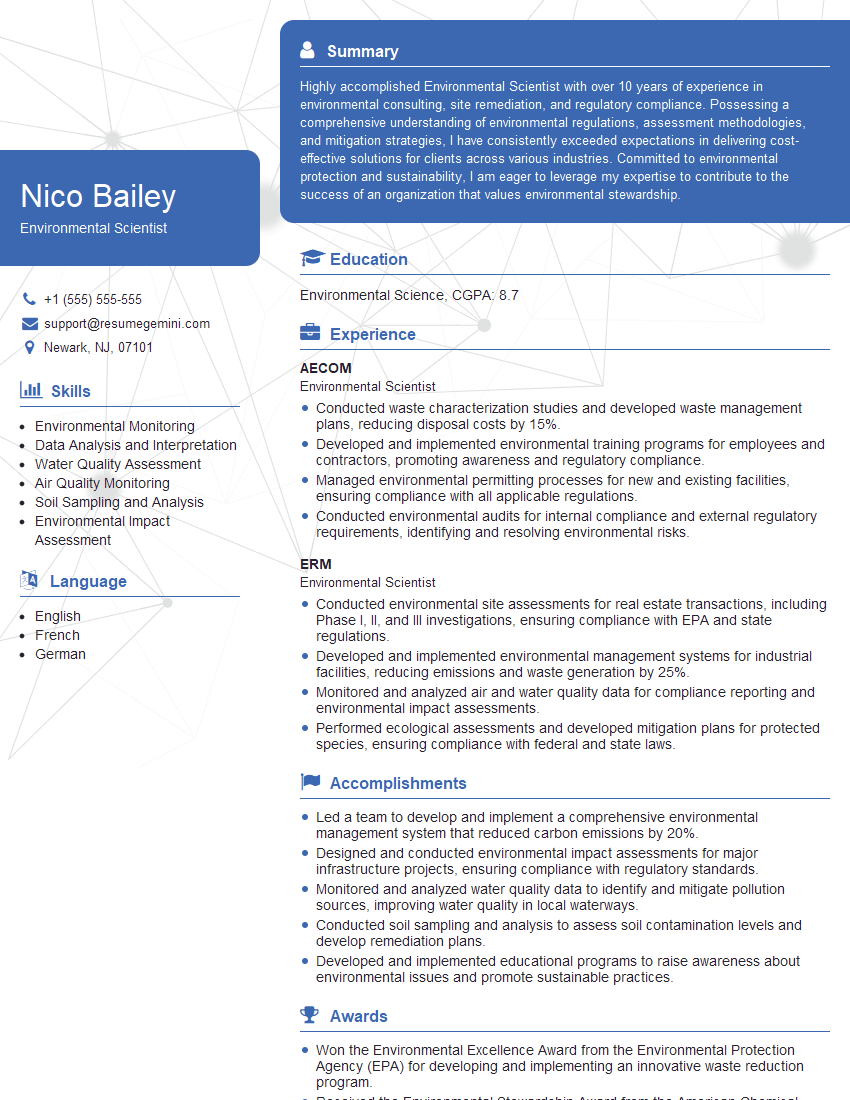
Environmental Scientist Resume Sample
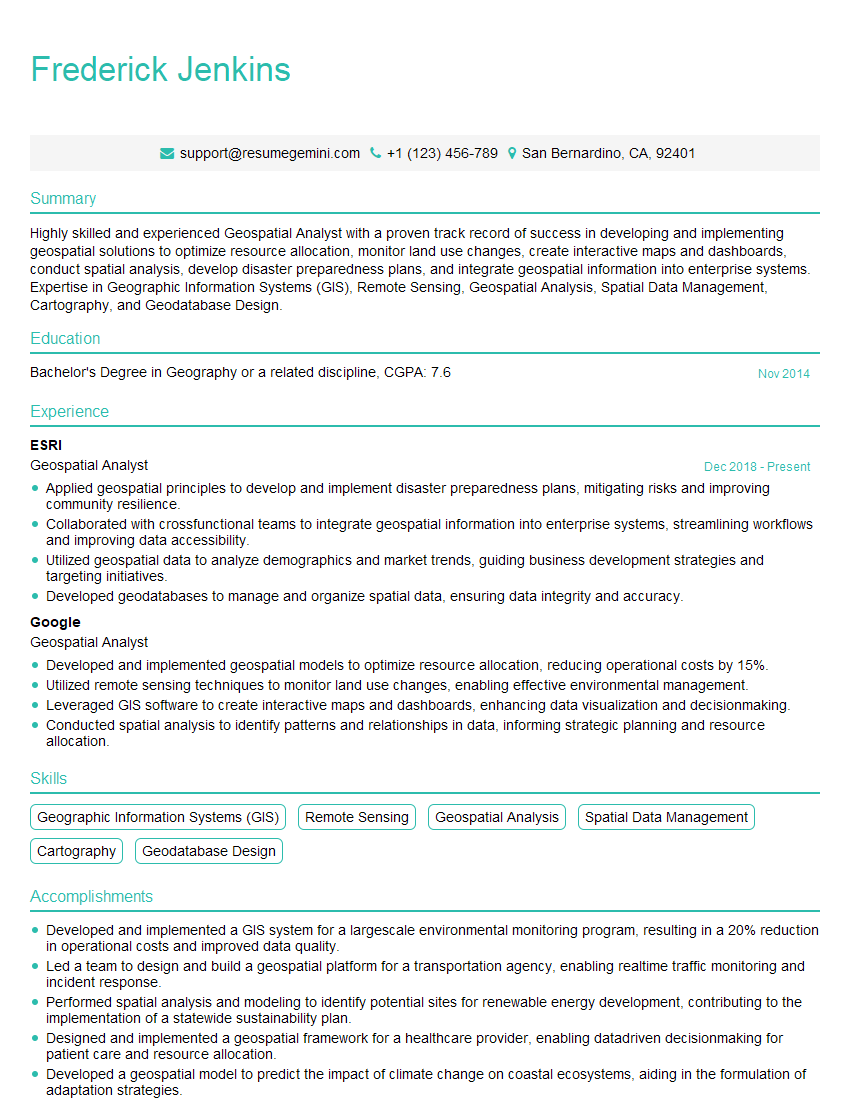
Geospatial Analyst Resume Sample
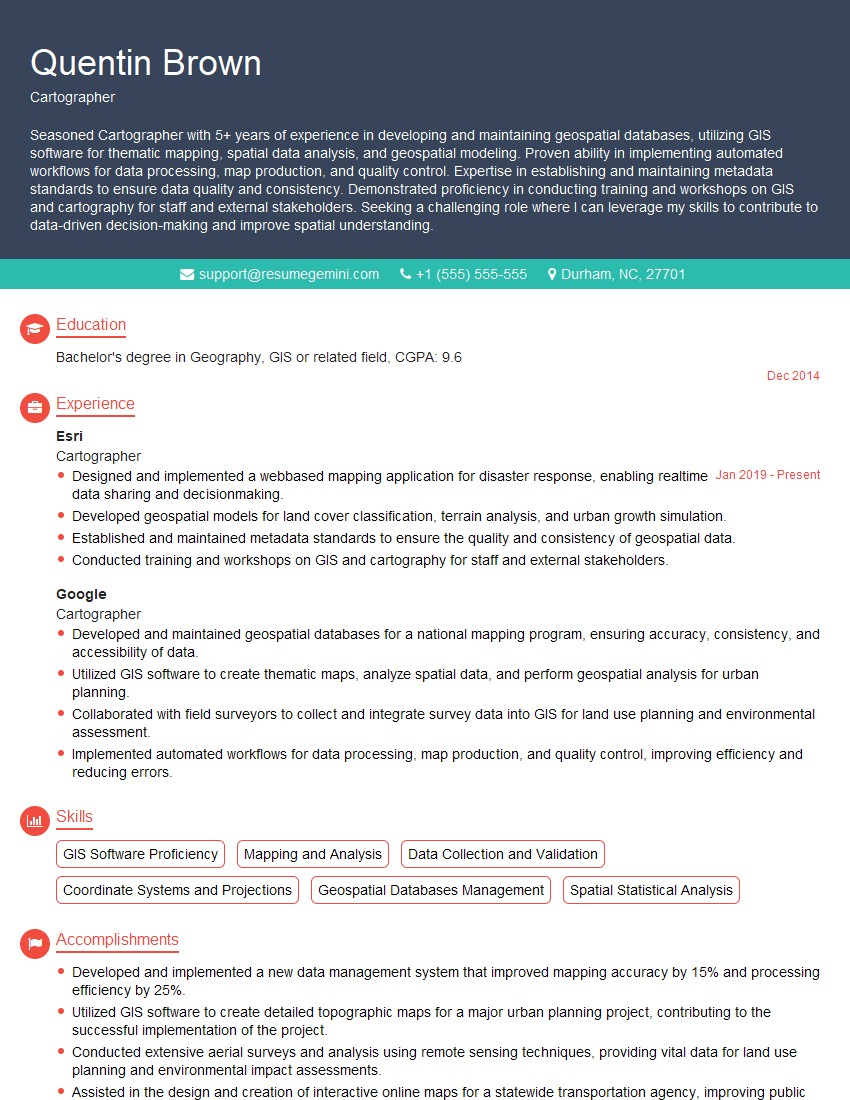
Cartographer Resume Sample
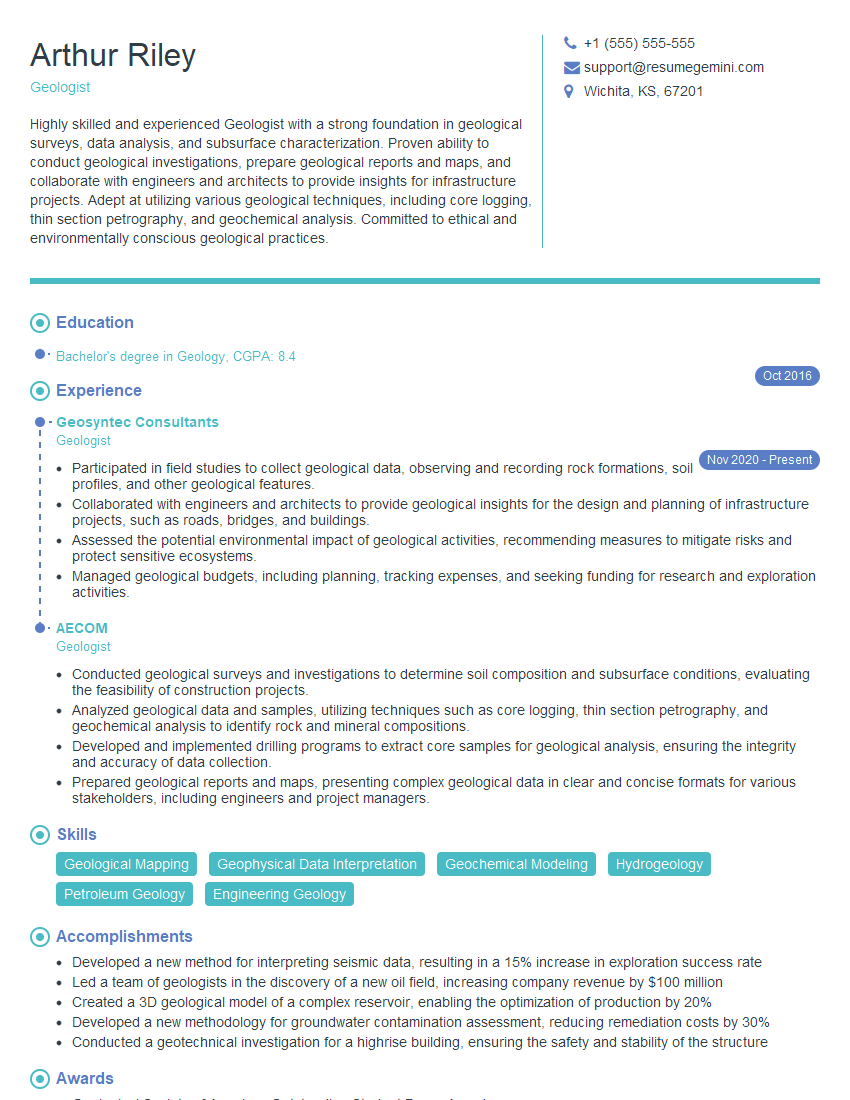
Geologist Resume Sample
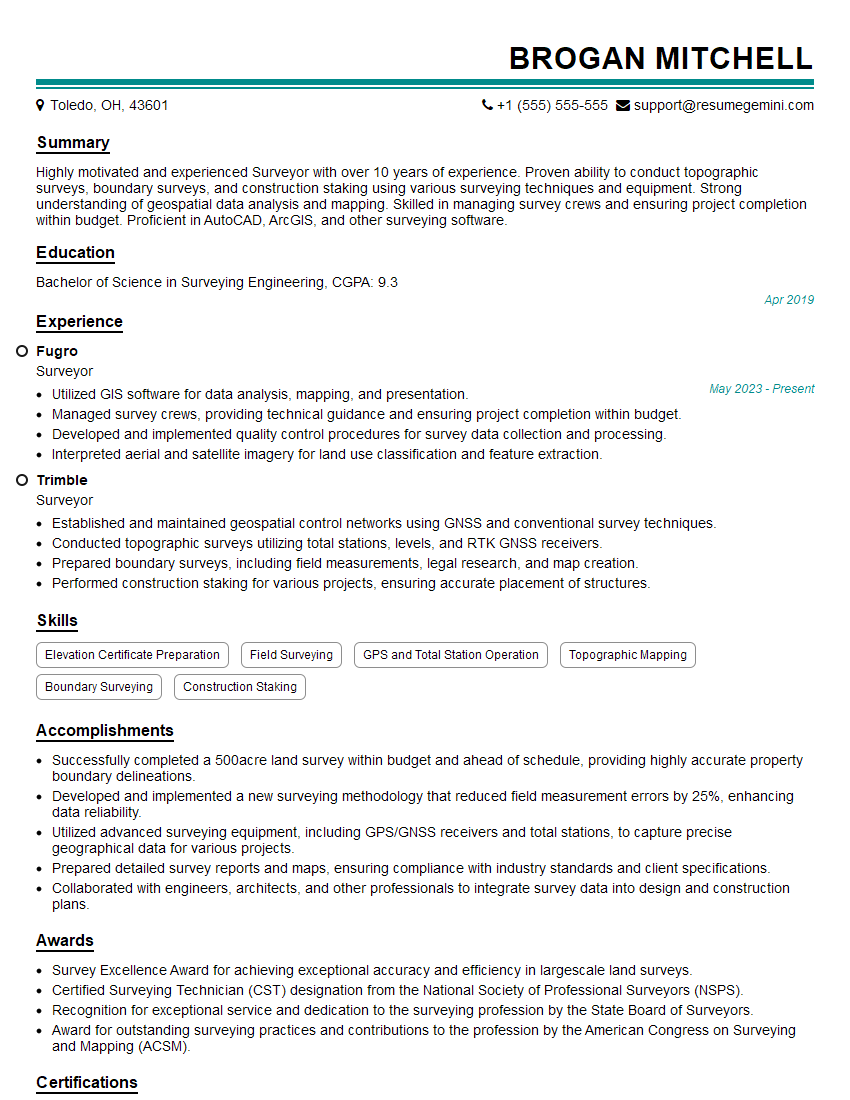
Surveyor Resume Sample
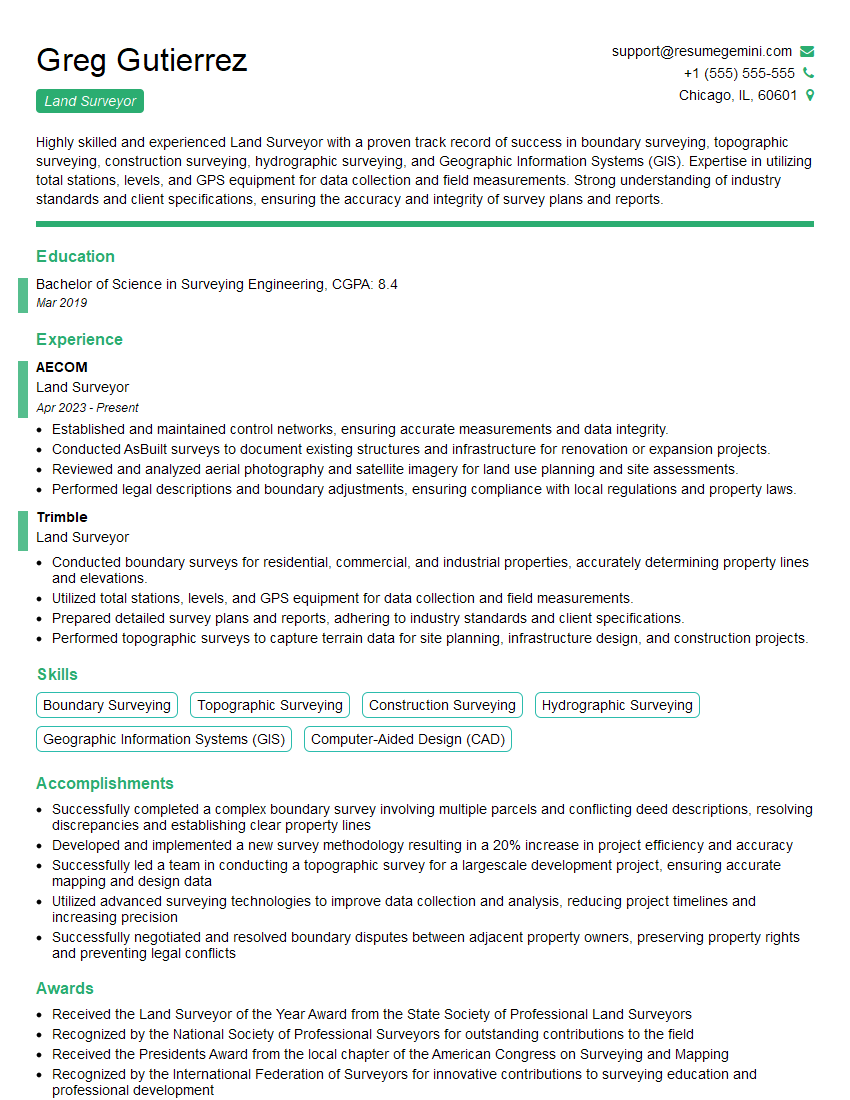
Land Surveyor Resume Sample
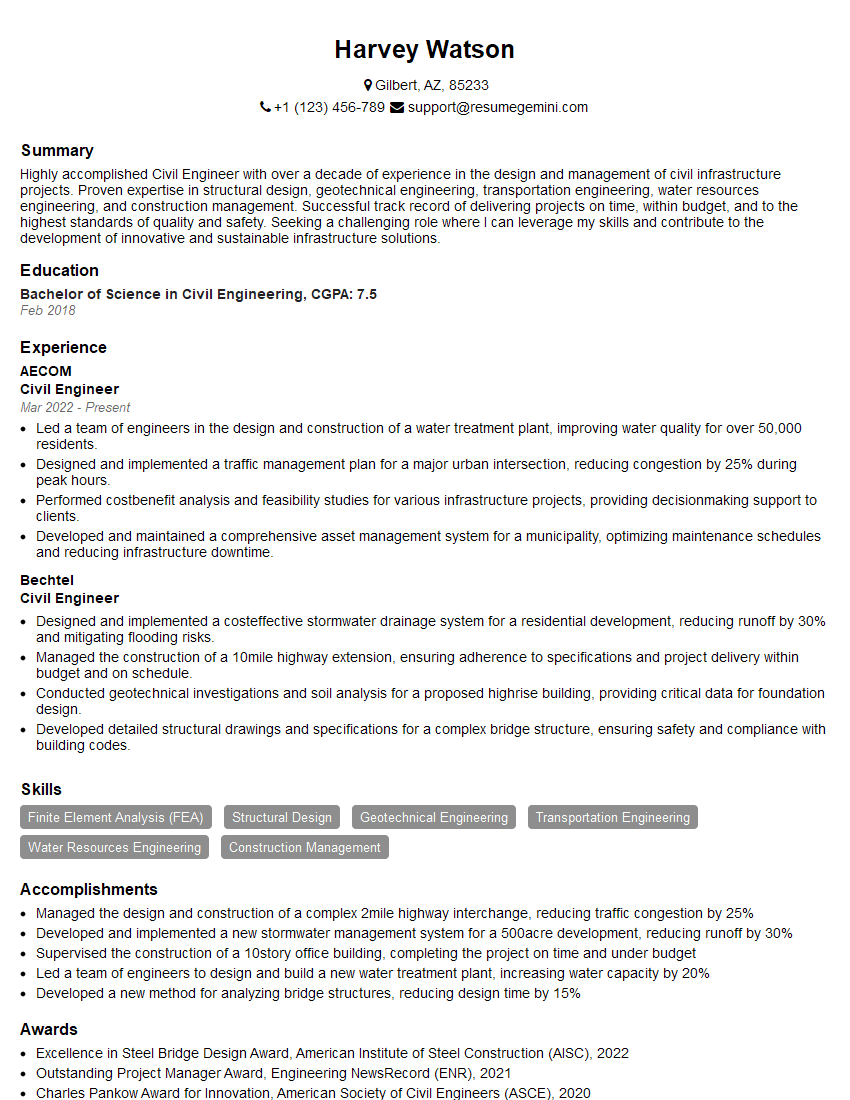
Civil Engineer Resume Sample
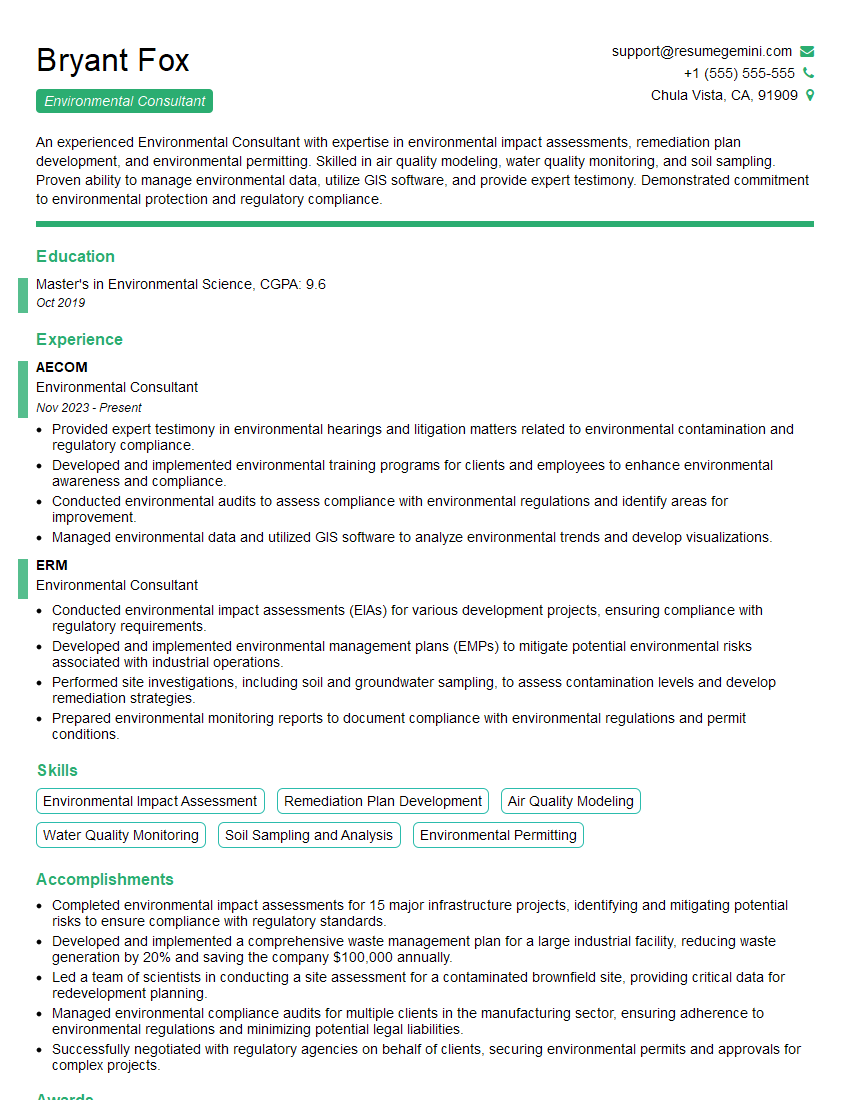
Environmental Consultant Resume Sample
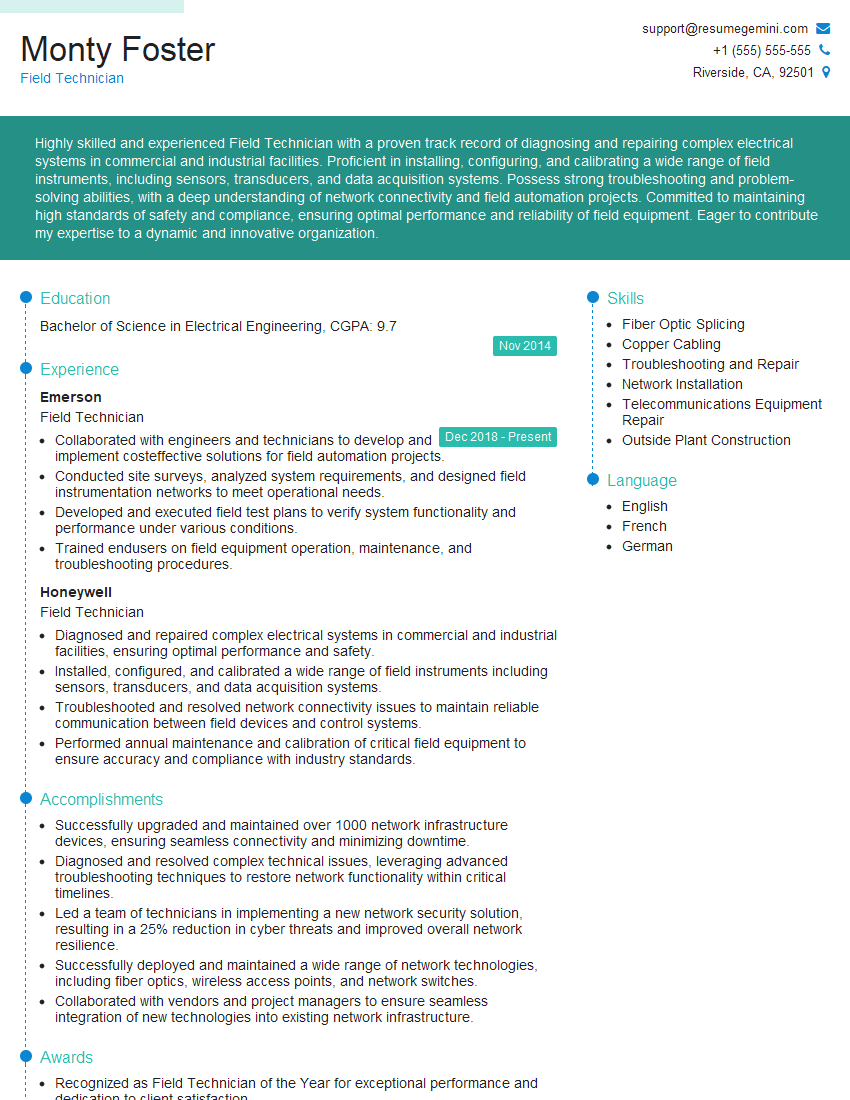
Field Technician Resume Sample
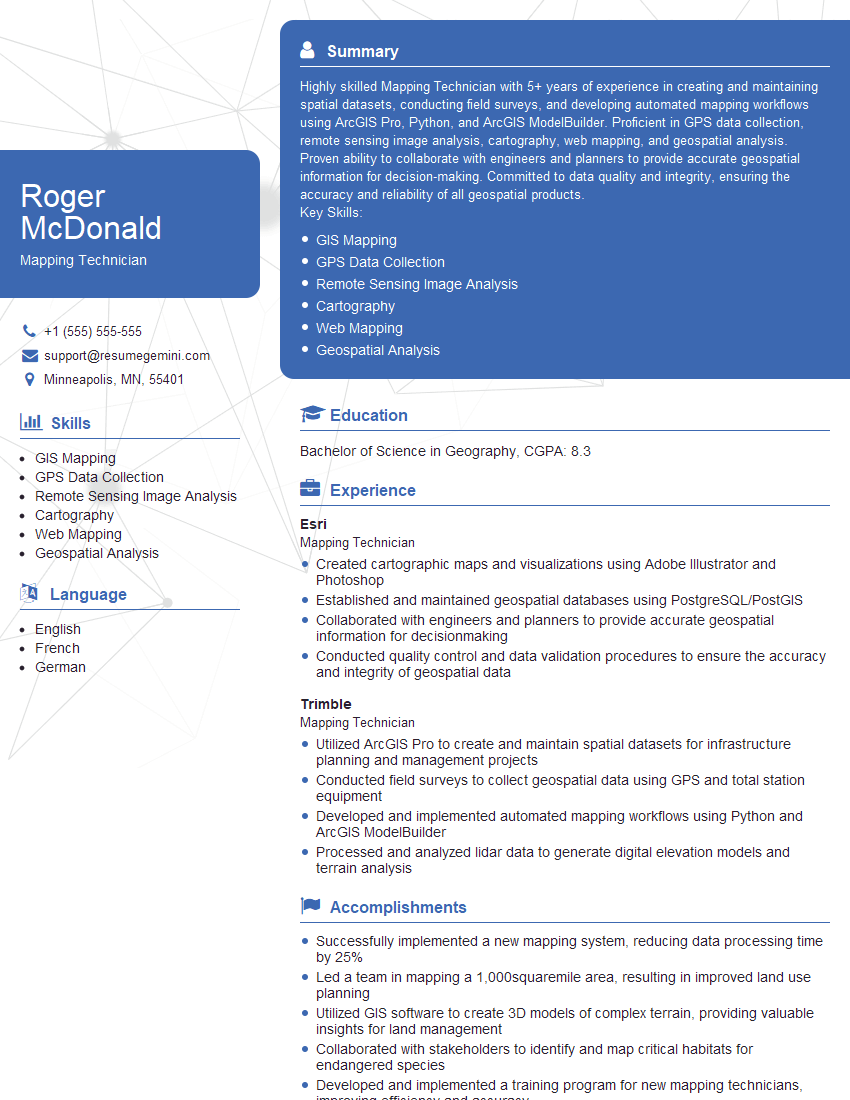
Mapping Technician Resume Sample
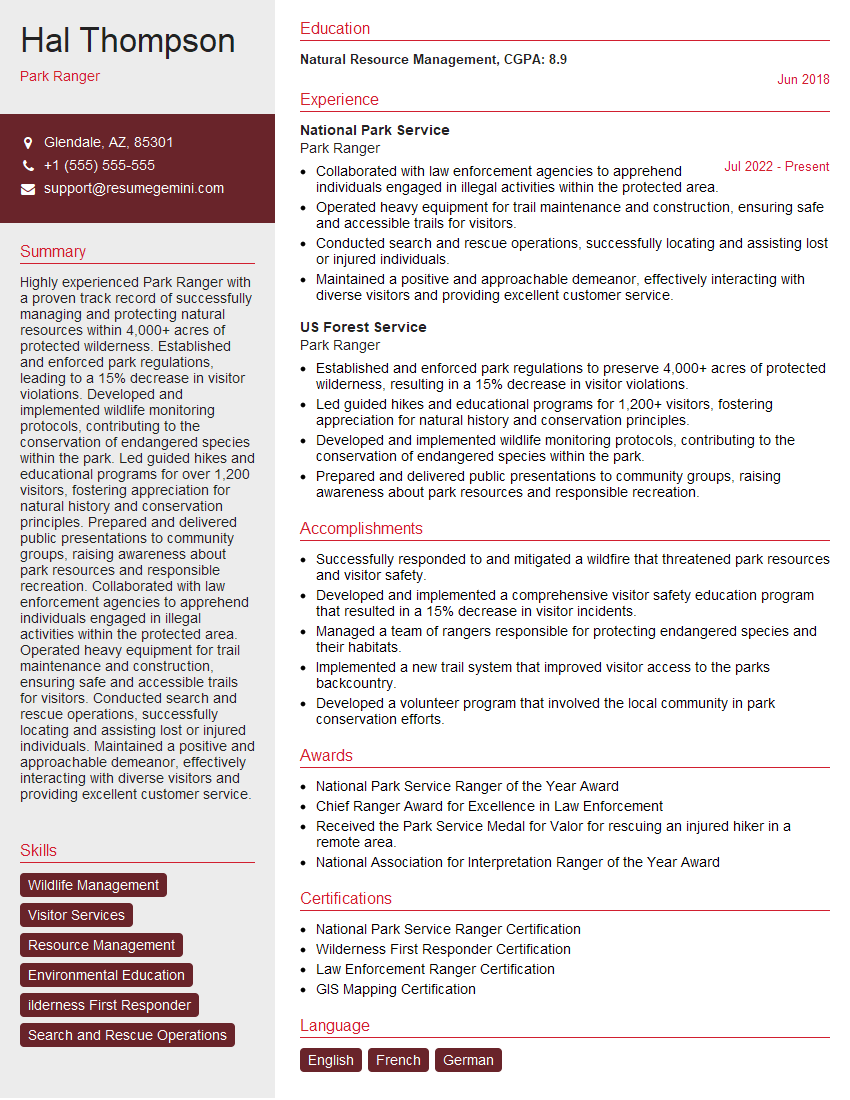
Park Ranger Resume Sample
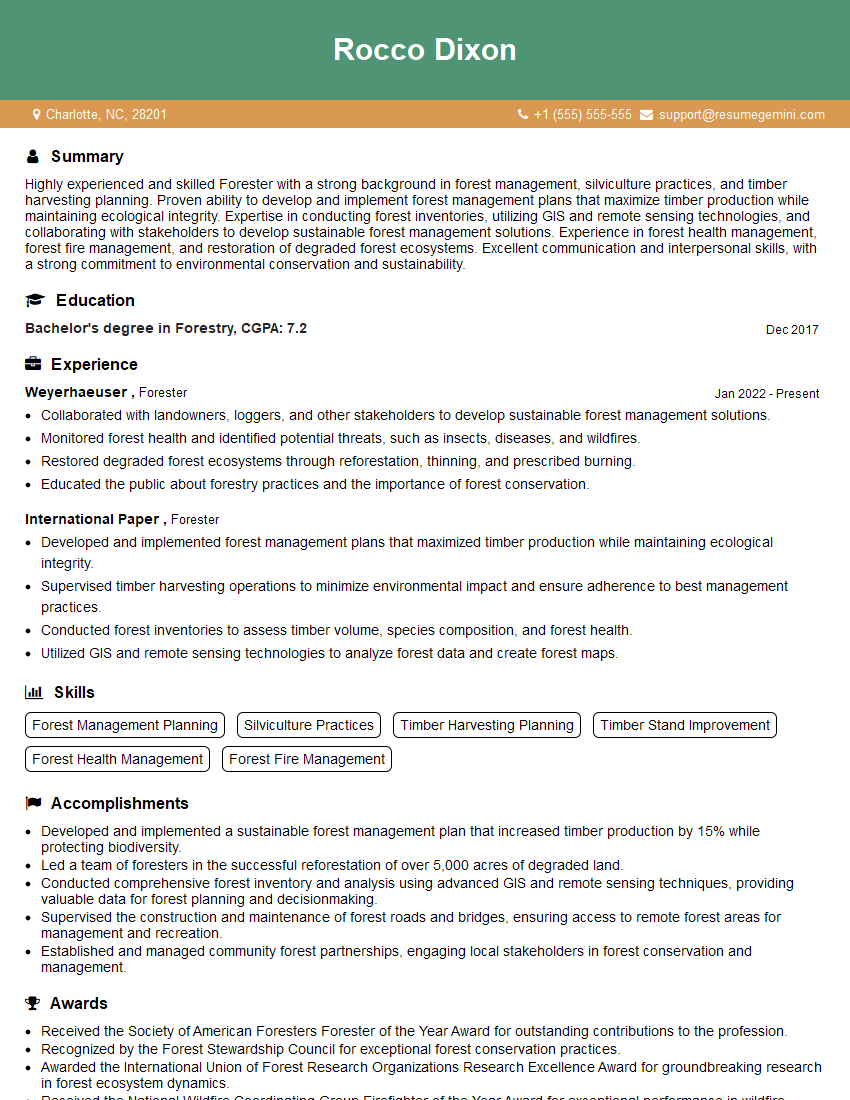
Forester Resume Sample
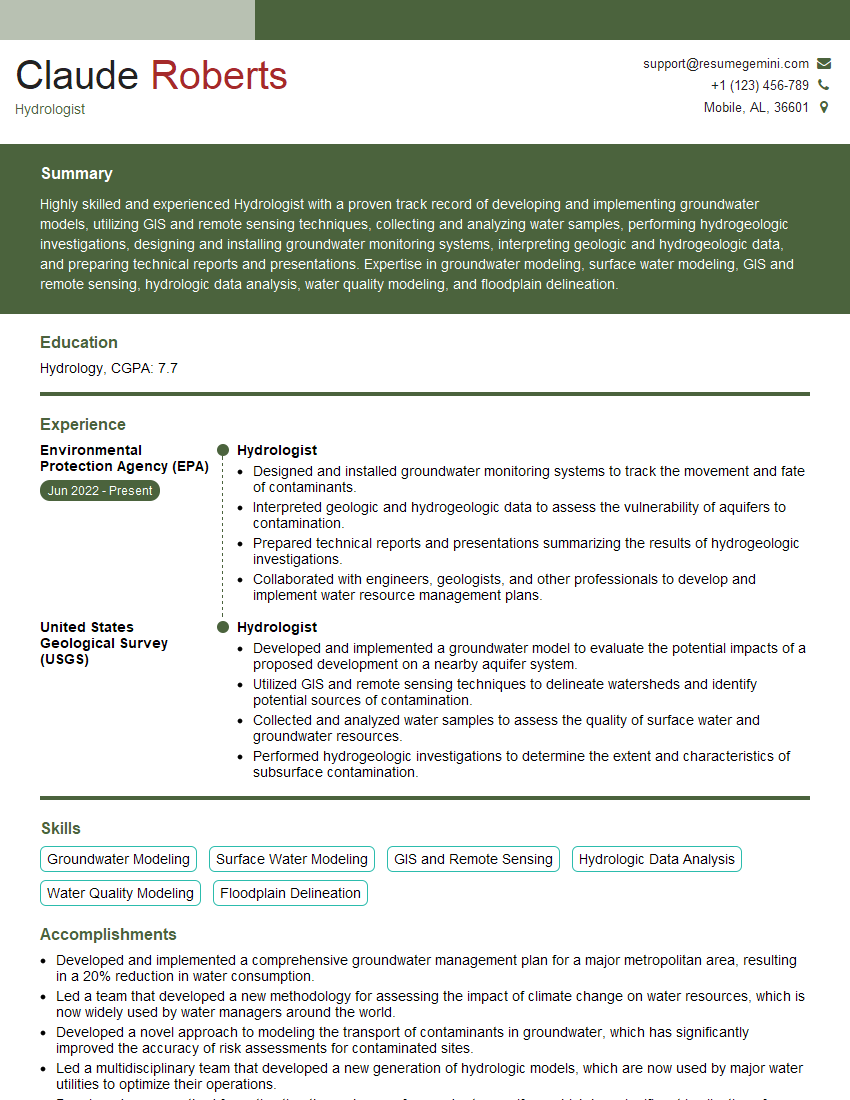
Hydrologist Resume Sample
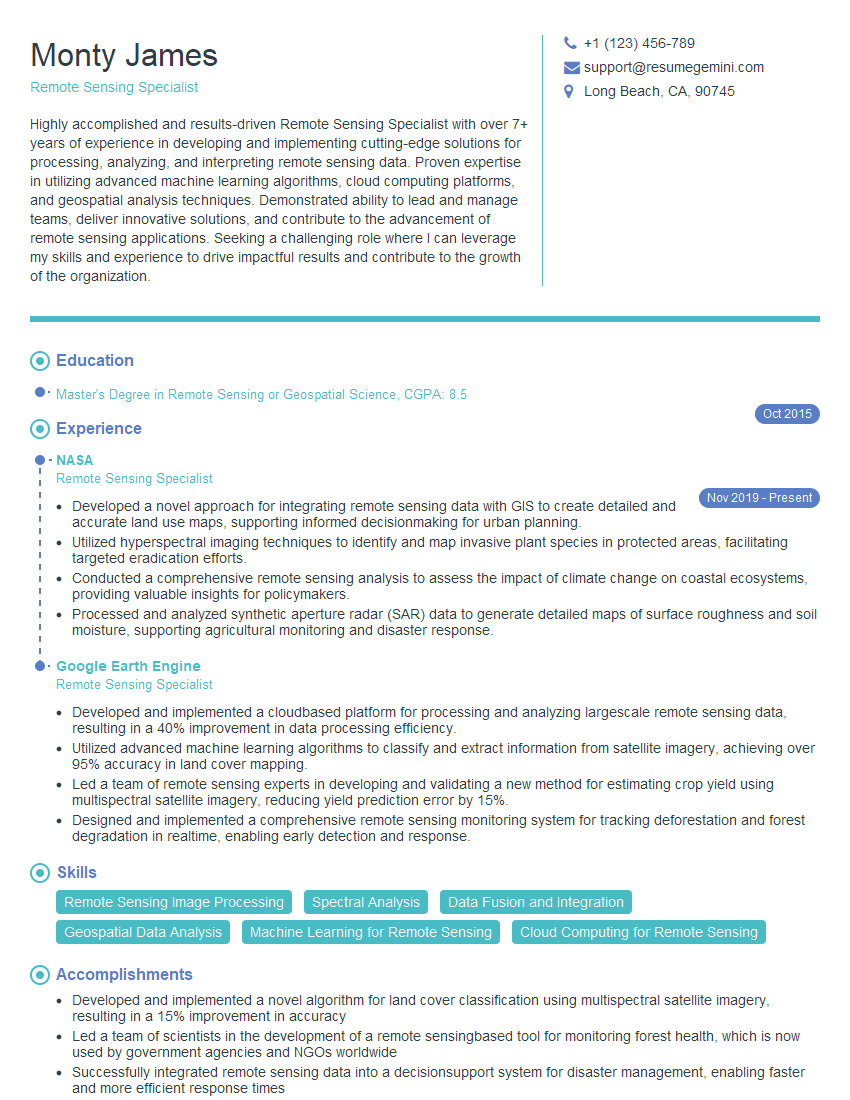
Remote Sensing Specialist Resume Sample
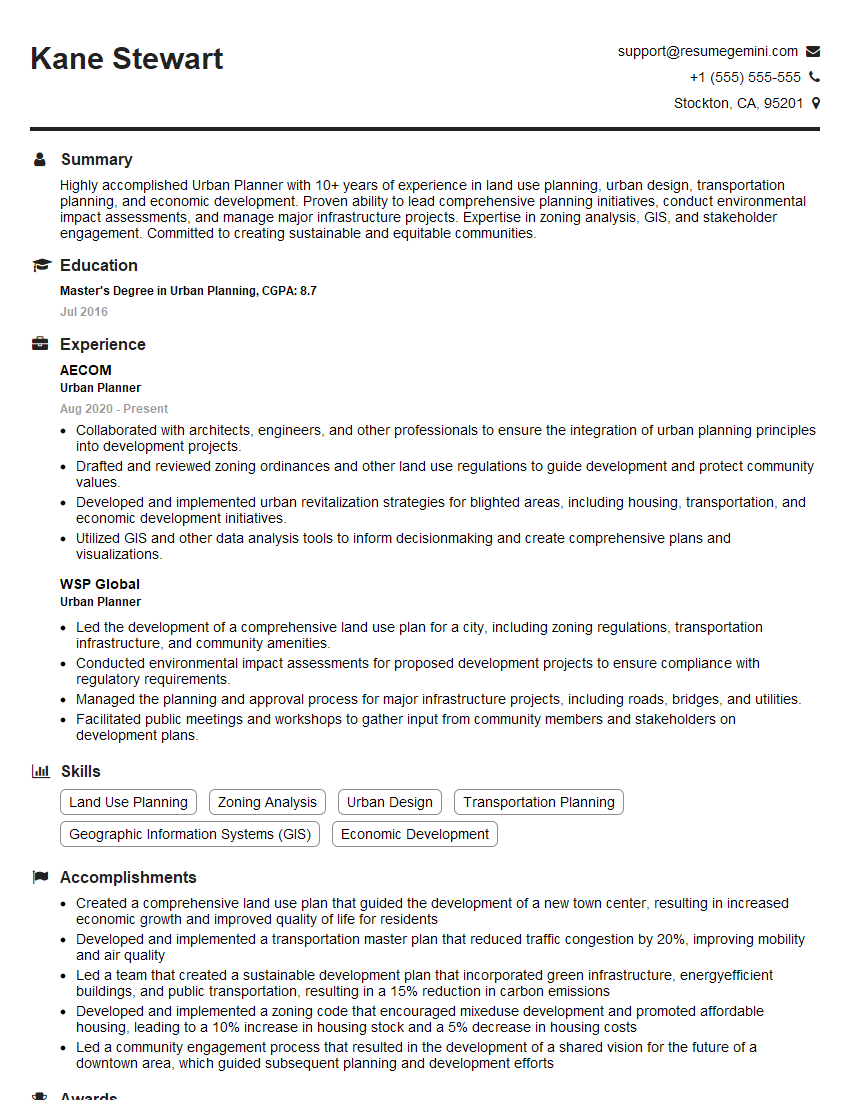
Urban Planner Resume Sample
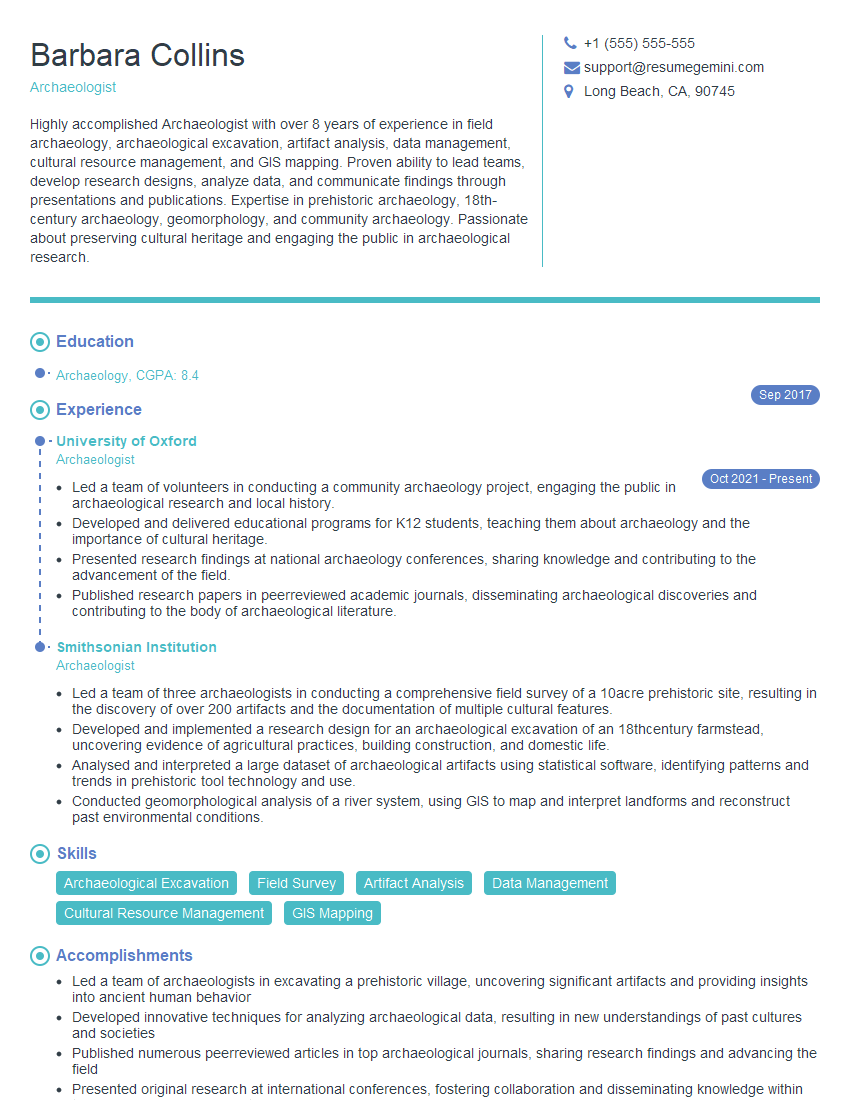
Archaeologist Resume Sample
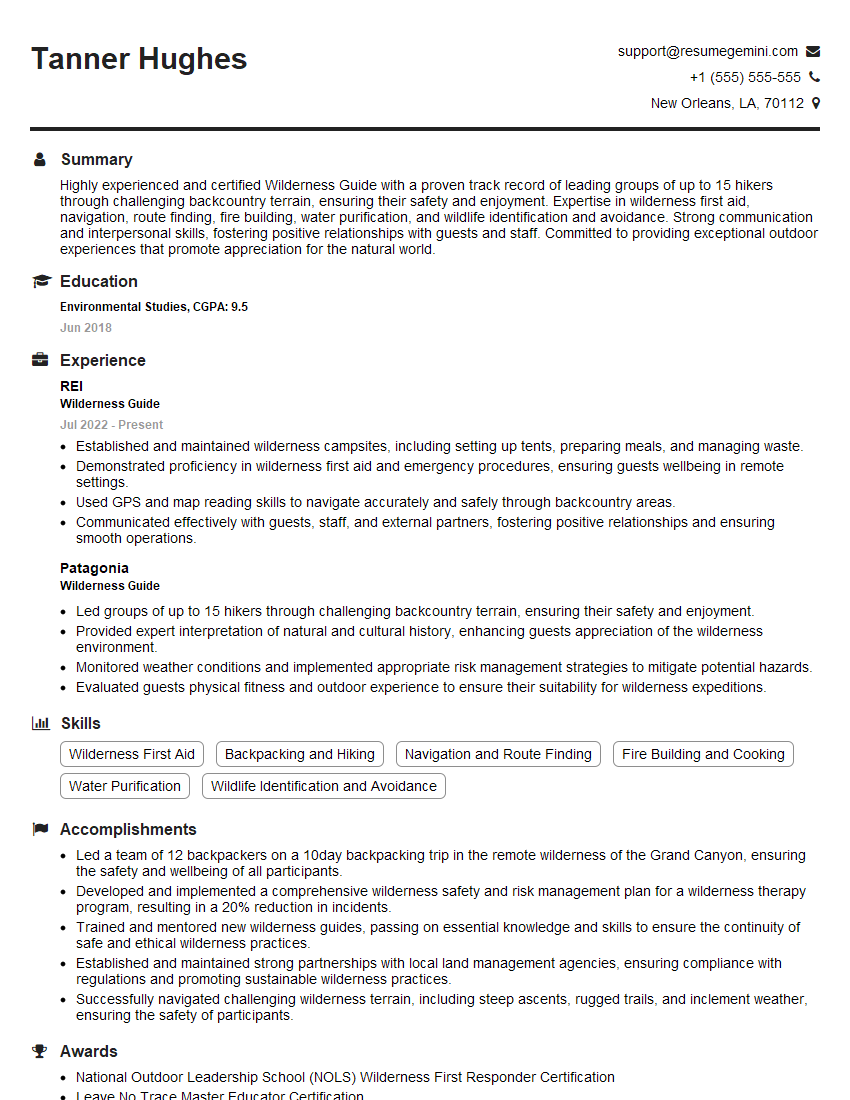
Wilderness Guide Resume Sample
Pilot Resume Sample
Explore more articles
Users Rating of Our Blogs
Share Your Experience
We value your feedback! Please rate our content and share your thoughts (optional).
What Readers Say About Our Blog
Very informative content, great job.
good