Feeling uncertain about what to expect in your upcoming interview? We’ve got you covered! This blog highlights the most important Material Mixing and Preparation interview questions and provides actionable advice to help you stand out as the ideal candidate. Let’s pave the way for your success.
Questions Asked in Material Mixing and Preparation Interview
Q 1. Explain the different types of mixing equipment and their applications.
Mixing equipment selection depends heavily on the material properties and desired outcome. Think of it like choosing the right tool for a job – a screwdriver for screws, a hammer for nails. We have a range of options, each with its strengths.
- High-Shear Mixers: These are workhorses for creating incredibly fine dispersions and emulsions. Imagine a powerful blender – they use intense shear forces to break down clumps and create homogenous mixtures. They’re ideal for things like paints, inks, and cosmetics where a smooth, consistent texture is paramount. The rotor-stator design creates intense turbulence, leading to rapid mixing.
- Low-Shear Mixers: These are gentler, focusing on avoiding damage to sensitive materials. Think of gently stirring a cake batter – you want to combine ingredients without overmixing. They’re suitable for viscous materials or those that are prone to degradation under high shear. Ribbon blenders are a common example, excellent for mixing powders and pastes.
- Planetary Mixers: These are versatile, using multiple mixing actions simultaneously. Imagine a combination of stirring, kneading, and whipping all at once. The rotating bowl and multiple attachments allow for efficient mixing of a wide range of viscosities, making them popular in the food industry (like for dough) and some chemical applications.
- Paddle Mixers: These are simple, robust mixers often used for larger-scale mixing of less viscous materials. They’re like a large spoon, effectively moving and blending materials in a tank or container.
- Twin-Shell Blenders: These create a tumbling action, excellent for dry powders requiring a gentle but thorough blend. They are very effective in creating homogenous mixtures of powders with different particle sizes.
The choice depends on factors like viscosity, particle size distribution, desired homogeneity, and scale of operation. For example, creating a fine emulsion of oil and water would demand a high-shear mixer, while blending dry ingredients for a concrete mix might utilize a twin-shell blender or a paddle mixer.
Q 2. Describe your experience with various mixing techniques (e.g., high-shear, low-shear, planetary).
My experience encompasses a wide range of mixing techniques. I’ve worked extensively with high-shear mixers in the development of high-performance coatings, achieving precise dispersion of pigments for superior color and gloss. I’ve also used low-shear techniques for sensitive biological materials, ensuring that cell viability wasn’t compromised during mixing. With planetary mixers, I’ve optimized dough formulation in a food processing setting, achieving the ideal consistency for optimal baking results. Understanding the nuances of each technique is crucial for achieving the desired material properties. For instance, I once had to troubleshoot a problem where a high-shear mixer was causing excessive heat generation in a heat-sensitive polymer. Switching to a low-shear technique and optimizing mixing time effectively resolved the issue.
Q 3. How do you ensure the accuracy and consistency of material proportions during mixing?
Accuracy and consistency in material proportions are paramount. Think of baking a cake – getting the ratios wrong can lead to a disaster! We use several methods to ensure precision:
- Precise Weighing and Measuring Equipment: We utilize calibrated scales and volumetric measuring devices to ensure accurate measurement of ingredients.
- Automated Systems: For large-scale operations, automated systems with feedback control loops are employed to maintain precise proportions throughout the mixing process.
- Statistical Process Control (SPC): We implement SPC techniques to monitor and control the variability in material proportions, allowing for early detection of deviations.
- Material Tracking and Management Systems: Sophisticated systems track the quantity and quality of materials used, providing a complete audit trail.
For example, in a project involving the production of a specific composite material, we implemented an automated feeding system with real-time monitoring to ensure accurate proportions of the individual components, leading to a significant reduction in waste and improvement in product consistency.
Q 4. What are the common challenges encountered during material mixing and how have you addressed them?
Common challenges include achieving uniform dispersion, managing heat generation (especially in high-shear mixing), preventing material segregation (especially in powder blending), and ensuring complete mixing within a reasonable timeframe. I’ve tackled these by:
- Optimizing Mixing Parameters: Adjusting factors such as speed, time, and mixing geometry. Sometimes, a slight change in impeller design can greatly improve mixing efficiency.
- Implementing Cooling Systems: Incorporating cooling jackets or other cooling mechanisms to control temperature during exothermic reactions.
- Choosing Appropriate Additives: Using dispersants or flow agents to improve mixing and prevent segregation. For example, adding a small amount of a surfactant can drastically improve the mixing of two immiscible liquids.
- Employing Multiple Mixing Stages: Using a combination of different mixing techniques to achieve optimal results. For instance, pre-mixing dry ingredients separately before adding liquids is a standard practice.
One memorable instance involved a problematic powder blend that suffered from significant segregation. We solved this by using a twin-shell blender with baffles and optimizing the blending cycle, ensuring a much more uniform product.
Q 5. Describe your experience with quality control procedures in material mixing.
Quality control in material mixing is an ongoing process, not a one-time event. It involves:
- Regular Calibration of Equipment: Ensuring accuracy of weighing and measuring devices through routine calibration.
- Sampling and Testing: Taking representative samples at various stages of the mixing process and performing tests for parameters such as particle size distribution, viscosity, and homogeneity.
- Visual Inspection: Checking for lumps, inconsistencies, or other defects.
- Documentation and Record Keeping: Maintaining detailed records of mixing parameters, materials used, and test results.
We use statistical methods to track quality metrics over time, allowing for proactive identification of trends and potential problems. This allows us to promptly adjust the mixing process or identify any issues with material quality.
Q 6. How do you identify and troubleshoot problems related to material incompatibility?
Material incompatibility can manifest in various ways – from simple non-mixing to chemical reactions and degradation. Troubleshooting involves:
- Understanding Material Properties: Thoroughly reviewing the chemical and physical properties of the materials involved. Are they compatible? Do they react with each other?
- Testing for Compatibility: Conducting small-scale mixing tests to assess compatibility before large-scale production. This helps to prevent costly mistakes.
- Using Additives: Employing compatibilizers or stabilizers to mitigate incompatibility issues.
- Adjusting Mixing Parameters: Altering mixing speed, time, or temperature to optimize mixing and minimize unwanted reactions.
For instance, I once encountered a situation where two polymers were incompatible, leading to phase separation. By adding a small amount of a compatibilizer, we were able to successfully create a homogenous blend.
Q 7. Explain your understanding of different material properties and their influence on the mixing process.
Material properties profoundly influence the mixing process. Think of trying to mix sand and water – it’s very different from mixing oil and water. Key properties include:
- Viscosity: High-viscosity materials require more energy and different mixing techniques than low-viscosity materials.
- Density: Density differences can lead to segregation, necessitating careful consideration of mixing methods.
- Particle Size Distribution: Fine particles mix differently than coarse particles. A fine powder might require a high-shear mixer to prevent clumping.
- Rheology: The flow behavior of the material (e.g., shear-thinning or shear-thickening) greatly affects the mixing process.
- Chemical Reactivity: Certain materials can react with each other, generating heat or undergoing unwanted changes.
A deep understanding of these properties allows us to choose the appropriate mixing equipment, parameters, and additives to achieve the desired outcome. Neglecting these considerations can result in poor mixing efficiency, product defects, or even hazardous situations.
Q 8. How do you maintain accurate records and documentation during material mixing processes?
Maintaining accurate records is paramount in material mixing. Think of it like a recipe for a complex dish – without precise measurements and steps, you won’t get consistent results. We use a combination of digital and physical methods. For digital records, we leverage dedicated software systems to log batch numbers, material quantities (using precise weight measurements from scales), mixing times, temperatures, and any adjustments made during the process. This data is often linked to a batch-specific identifier, allowing for complete traceability. Physically, we maintain detailed batch records in logbooks, signed and dated by the operator. This serves as a backup and provides a readily available offline reference. Cross-referencing the digital and physical records ensures data integrity and allows for quick identification of any discrepancies. For example, in a recent project mixing polymer composites, meticulously tracking the weight ratios of filler materials and resin was crucial for achieving the desired mechanical properties. Any deviation, even a few grams, was immediately flagged and investigated.
Q 9. Describe your experience with safety procedures in a material mixing environment.
Safety is non-negotiable in material mixing. My experience emphasizes a multi-layered approach. This starts with thorough training on the use of all equipment, including mixers, safety showers, and eyewash stations. We also adhere strictly to Personal Protective Equipment (PPE) protocols, requiring the use of safety glasses, gloves, respirators (depending on the materials), and appropriate clothing to prevent splashes and inhalation of hazardous substances. Regular safety audits ensure that equipment is properly maintained and functioning correctly. For example, we conduct regular checks on emergency shut-off switches and ensure all safety guards are in place before starting a mixing operation. Moreover, we have established robust procedures for handling spills and emergencies, including the proper disposal of waste materials in accordance with all relevant environmental regulations. A recent incident involving a minor chemical spill taught us the importance of quick response and effective containment, reinforcing the importance of our established safety procedures.
Q 10. How do you handle deviations from established mixing procedures or specifications?
Deviations from established procedures are immediately investigated and documented. We follow a structured process: First, we pause the mixing process and assess the nature of the deviation. This might involve comparing the current process parameters to the established specifications. Then, we identify the root cause. Was it a measurement error, a malfunctioning piece of equipment, or an unexpected change in material properties? After identifying the cause, we take corrective action. This might involve adjusting the mixing parameters, replacing faulty equipment, or modifying the procedure based on our findings. Finally, we document all steps taken, including the deviation, the root cause analysis, and the corrective actions implemented. This information is used to prevent similar deviations in the future. For instance, if a batch of paint was significantly off-color, we’d investigate if the pigment concentration was incorrect, if the mixing time was insufficient, or if the pigment itself had degraded. The analysis and corrective actions are then formally documented for future reference and process improvement.
Q 11. What are your strategies for optimizing mixing time and energy efficiency?
Optimizing mixing time and energy efficiency requires a multifaceted approach. First, we focus on selecting the appropriate mixing equipment for the specific material and application. High-shear mixers might be ideal for rapidly dispersing solid particles, while lower-shear mixers are better suited for delicate materials. Secondly, we optimize the mixing parameters, including the speed, time, and the geometry of the mixing vessel. Computational Fluid Dynamics (CFD) simulations can be incredibly valuable here, helping predict optimal mixing patterns and minimizing energy waste. Thirdly, we focus on preventative maintenance, ensuring that our equipment is well-maintained and lubricated to maximize efficiency. For example, we monitor energy consumption of the mixers and implement energy-saving strategies, such as using variable-frequency drives to control the mixer’s speed based on the need. In one project, we were able to reduce mixing time by 15% and energy consumption by 10% through a combination of optimized mixing parameters and improved equipment maintenance.
Q 12. Describe your experience with cleaning and maintaining mixing equipment.
Cleaning and maintaining mixing equipment is crucial for preventing cross-contamination and ensuring the longevity of the equipment. We follow strict cleaning procedures tailored to the specific materials being processed. This might involve rinsing the equipment with solvents, using specialized cleaning agents, or employing high-pressure washing systems. For particularly stubborn residues, we might use ultrasonic cleaning. After cleaning, all equipment is thoroughly inspected for any damage or wear and tear. Regular lubrication of moving parts is also essential. We keep detailed maintenance logs, tracking cleaning cycles and any repairs made. Thorough cleaning prevents cross-contamination and ensures that subsequent batches are not affected by residues from previous mixes. This is especially critical in the food and pharmaceutical industries where stringent hygiene standards are mandatory. For example, we have specific protocols for cleaning mixers used for food-grade materials that are significantly more rigorous than those for industrial applications.
Q 13. Explain your understanding of scale-up and scale-down principles in material mixing.
Scale-up and scale-down in material mixing involve adapting mixing processes from one scale to another. It’s not simply a matter of multiplying or dividing quantities. Scale-up, for instance, from lab-scale to production-scale, requires careful consideration of mixing times, power inputs, and heat transfer. Geometric similarity is important; the shape and dimensions of the mixer vessel must be appropriately scaled to maintain the same flow patterns. Power input per unit volume must also be maintained consistently. Scale-down, on the other hand, needs careful consideration of maintaining the same Reynolds number and mixing patterns from larger scale down to smaller ones. It might require adjustments to the mixing speed or impeller design. Accurate modeling and simulations, as well as pilot-scale testing, are crucial for successful scale-up and scale-down. In a past project, we transitioned from a 5-liter laboratory mixer to a 500-liter production mixer. We used CFD simulations to predict mixing behavior at the larger scale, adjusted the impeller design, and conducted pilot trials to ensure the desired mixing quality was achieved.
Q 14. How do you ensure the proper dispersion of solid particles in a liquid medium?
Ensuring proper dispersion of solid particles in a liquid medium is vital for creating homogenous mixtures. This often involves using high-shear mixing to overcome the forces that tend to aggregate particles. The choice of mixing equipment is critical: high-shear mixers, like rotor-stator mixers, are highly effective at breaking down agglomerates and distributing particles evenly. The properties of the liquid medium, such as viscosity and surface tension, also play a significant role. The addition of dispersants or wetting agents can further enhance dispersion by reducing surface tension and preventing particle aggregation. The mixing time and speed also influence the homogeneity. Insufficient mixing can result in uneven distribution and poor product quality. In the production of paints, for instance, the proper dispersion of pigment particles is essential for achieving a smooth, consistent color and texture. We carefully control the mixing parameters and the addition of dispersants to ensure optimal pigment dispersion and prevent the formation of clumps.
Q 15. What are your strategies for preventing agglomeration and clumping during mixing?
Agglomeration and clumping are common problems in material mixing, hindering homogeneity. Preventing them involves a multi-pronged approach focusing on material properties and mixing techniques.
- Pre-treatment of materials: For materials prone to clumping (e.g., powders with high surface energy), pre-treatment like size reduction (milling), surface modification (coating with anti-caking agents), or fluidization (introducing air to break up clumps) can be extremely effective. Imagine trying to mix flour that’s already formed into large lumps – it’s far harder than mixing finely ground flour.
- Careful selection of mixing equipment: High shear mixers, for example, are ideal for breaking down clumps and ensuring good dispersion of solids in liquids. Conversely, gentle mixing is required for delicate materials to prevent damage or excessive shear forces leading to agglomeration.
- Optimized mixing parameters: Excessive speed or prolonged mixing times can actually increase agglomeration due to over-shearing or the formation of localized high-concentration zones. Experimentation to find the optimal balance is crucial.
- Addition of processing aids: Incorporating dispersants or wetting agents helps to reduce surface tension and improve the wettability of particles, preventing agglomeration. This is analogous to adding soap to water to help mix oil and water.
- Controlled feeding and addition sequences: The order and rate at which components are added to the mixer can significantly influence the final mixture’s homogeneity. Adding small amounts gradually often leads to better results compared to dumping everything at once.
For instance, in the pharmaceutical industry, ensuring even distribution of active pharmaceutical ingredients in a tablet formulation requires careful control of powder mixing to prevent agglomeration and ensure consistent drug delivery.
Career Expert Tips:
- Ace those interviews! Prepare effectively by reviewing the Top 50 Most Common Interview Questions on ResumeGemini.
- Navigate your job search with confidence! Explore a wide range of Career Tips on ResumeGemini. Learn about common challenges and recommendations to overcome them.
- Craft the perfect resume! Master the Art of Resume Writing with ResumeGemini’s guide. Showcase your unique qualifications and achievements effectively.
- Don’t miss out on holiday savings! Build your dream resume with ResumeGemini’s ATS optimized templates.
Q 16. How do you handle volatile or hazardous materials during mixing?
Handling volatile or hazardous materials demands stringent safety protocols and specialized equipment. The key is containment and control.
- Closed systems: Mixing should always occur in enclosed vessels to minimize exposure risks. This prevents the release of vapors or the spread of hazardous dust.
- Inert atmosphere: For materials sensitive to oxidation or requiring an inert environment, a nitrogen or argon blanket can be used to displace oxygen and prevent unwanted reactions.
- Appropriate Personal Protective Equipment (PPE): Operators must wear the proper PPE, including respirators, gloves, and eye protection, depending on the material’s specific hazards.
- Ventilation and exhaust systems: Effective ventilation is essential to remove potentially hazardous fumes or dust generated during the mixing process, preventing accumulation and ensuring operator safety.
- Emergency shutdown systems: In case of spills or unexpected events, readily accessible emergency shutdown systems are a must to prevent further incidents.
- Material compatibility: Careful selection of mixing equipment and seals is crucial to ensure the compatibility of materials with the equipment to prevent leaks or chemical reactions.
For example, when working with flammable solvents, all electrical equipment must be explosion-proof, and the mixing process needs to take place in a well-ventilated area away from any ignition sources.
Q 17. Describe your experience with different types of mixing vessels and their suitability for various materials.
Different mixing vessels cater to diverse material characteristics and process requirements. My experience spans several types:
- Ribbon blenders: Excellent for dry powder blending, achieving good homogeneity in large quantities. They are not suitable for high-viscosity materials or those requiring intense shear.
- High-shear mixers: Ideal for creating fine dispersions of solids in liquids, particularly for applications requiring small particle size. They are less suited for very viscous materials or those sensitive to high shear.
- Planetary mixers: Employ both rotational and orbital motion to ensure thorough blending, suited for medium-viscosity materials and some semi-solids.
- Fluidized bed processors: Useful for coating particles and creating uniform mixtures, particularly for free-flowing powders. Not suited for clumping powders or high-viscosity materials.
- Double-cone blenders: A gentler blending option, suitable for temperature-sensitive materials and those that need to avoid excessive shearing. Less ideal for achieving very high degrees of homogeneity.
The selection depends on factors such as material properties (viscosity, particle size, density), required degree of homogeneity, batch size, and throughput requirements. For instance, a pharmaceutical company making a cream might use a planetary mixer, whereas a food processing company making a powder blend might utilize a ribbon blender.
Q 18. What is your experience with rheology and its impact on material mixing?
Rheology, the study of material flow and deformation, is paramount in material mixing. The material’s rheological properties directly impact mixing efficiency and the final product’s quality.
- Viscosity: High-viscosity materials require more energy and specialized equipment (e.g., high-shear mixers) for effective mixing. Low-viscosity materials, on the other hand, are easier to mix but might require careful control to prevent segregation.
- Yield stress: Materials with a high yield stress require a significant force to initiate flow, and specialized mixers capable of overcoming this threshold are needed.
- Thixotropy and viscoelasticity: Time-dependent changes in viscosity, like thixotropy (shear-thinning behavior) or viscoelasticity (combination of viscous and elastic properties), influence the mixing process, requiring tailored mixing strategies.
- Non-Newtonian fluids: Many materials exhibit non-Newtonian behavior (their viscosity varies with shear rate). Understanding this behavior is crucial for optimizing mixing parameters.
For instance, mixing a high-viscosity polymer solution requires different techniques and equipment compared to blending low-viscosity liquids. A rheological analysis aids in selecting the appropriate mixer and optimizing parameters such as speed and mixing time.
Q 19. How do you select appropriate mixing parameters (speed, time, etc.) for a specific material?
Selecting appropriate mixing parameters involves a combination of theoretical understanding and practical experimentation. It’s often an iterative process.
- Material properties: Rheological properties (viscosity, yield stress, etc.) are fundamental in determining the required mixing energy.
- Desired homogeneity: The required level of uniformity dictates the mixing intensity and duration.
- Equipment capabilities: The mixer’s power, geometry, and design limit the achievable mixing intensity.
- Scale-up considerations: Parameters optimized for small-scale experiments might not directly translate to larger-scale production.
- Experimental design: A systematic approach, varying one parameter at a time (speed, time, mixing pattern), is crucial to determine optimal conditions. Statistical methods like Design of Experiments (DOE) are frequently used.
I often start with a small-scale test to explore a range of parameters and then scale up to pilot scale, constantly monitoring the results and making adjustments. Visual inspection, sampling, and analytical tests are employed to assess the homogeneity of the mixture. For example, mixing cement requires high energy for a sufficient amount of time to reach the optimal consistency.
Q 20. Explain your experience with statistical process control (SPC) in material mixing.
Statistical Process Control (SPC) is essential in maintaining consistent material mixing quality over time. It involves monitoring key process parameters and identifying potential deviations from the desired state.
- Control charts: These are used to track parameters like mixing time, speed, temperature, and the resulting mixture properties (e.g., particle size distribution, viscosity). Control limits define the acceptable range of variation. Any point outside these limits indicates a problem requiring investigation.
- Process capability analysis: This assesses the ability of the mixing process to meet specifications consistently. It helps identify areas for improvement and optimize the process for better quality control.
- Root cause analysis: When deviations from control limits are observed, root cause analysis is used to determine the underlying factors contributing to the problem. This is a crucial step towards implementing corrective actions.
- Data logging and analysis: Continuous data acquisition and analysis allow for real-time monitoring and early detection of potential problems.
In practice, this means regularly collecting samples from the mixer, performing tests to evaluate quality attributes, and using control charts to identify any trends or unusual variations. For example, in the food industry, maintaining consistent viscosity in a sauce requires continuous monitoring of mixing parameters and use of SPC tools to prevent unwanted variations.
Q 21. Describe your experience with automated mixing systems.
My experience includes working with various automated mixing systems, offering significant advantages in terms of efficiency, consistency, and safety. Automation can improve repeatability, reduce human error, and enhance throughput.
- Programmable Logic Controllers (PLCs): PLCs are used to control and monitor all aspects of the mixing process, including speed, temperature, time, and ingredient addition sequences.
- Supervisory Control and Data Acquisition (SCADA) systems: SCADA systems provide real-time monitoring and control of multiple mixers, allowing for centralized management and data analysis.
- Automated ingredient dispensing systems: Precise and automated dispensing of ingredients ensures consistent batch-to-batch reproducibility. This minimizes variations due to human error.
- Automated cleaning systems: Automated cleaning systems reduce downtime and prevent cross-contamination between different batches.
- Integration with other systems: Advanced automated systems can be integrated with other parts of the manufacturing process, such as material handling, quality control, and packaging.
For example, in a large-scale pharmaceutical manufacturing plant, automated mixing systems play a critical role in ensuring consistent product quality and high production rates, often integrated with other process automation software, providing detailed documentation and real-time tracking.
Q 22. How do you ensure the proper temperature control during the mixing process?
Temperature control during mixing is crucial as it directly impacts the reaction kinetics, viscosity, and final product properties. For instance, excessive heat can degrade sensitive materials, while insufficient heat might prevent complete reactions. We ensure proper temperature control through several methods.
- Jacketed Vessels: Many mixers utilize jacketed vessels. These are double-walled vessels with a space between the walls where a heating or cooling fluid (like water, glycol, or steam) circulates, allowing precise temperature regulation. We often monitor the temperature of the jacket fluid as well as the material itself.
- Internal Cooling/Heating Coils: For smaller-scale processes or specific material needs, internal coils immersed directly in the mixing vessel provide efficient temperature control.
- Real-time Monitoring and Control Systems: Sophisticated systems, often incorporating PLCs (Programmable Logic Controllers), allow for precise temperature adjustments based on setpoints and real-time feedback. These systems can automatically adjust the heating or cooling fluid flow rate to maintain the desired temperature profile.
- Material-Specific Considerations: We always consider the material’s thermal properties. For example, highly viscous materials may require slower heating/cooling rates to prevent thermal gradients and ensure uniform temperature.
In one project involving a highly exothermic reaction, we used a jacketed vessel with an advanced control system to precisely manage the temperature increase, preventing runaway reactions and ensuring product quality.
Q 23. What is your experience with different types of mixing impellers and their characteristics?
Mixing impellers are the heart of any mixing operation, each design having unique characteristics impacting mixing efficiency. My experience spans various types, including:
- Axial Flow Impellers (e.g., pitched blade turbines): These generate strong axial flow, ideal for blending large volumes of low-viscosity liquids. They are effective for bulk mixing but may not be as efficient for creating homogenous blends of materials with significantly different densities.
- Radial Flow Impellers (e.g., Rushton turbines): These create high radial flow and turbulence, excellent for dispersing solids in liquids or creating high shear environments. They are less efficient at creating axial mixing.
- Helical Ribbon Impellers: Specifically designed for high-viscosity materials, these impellers move the material along the vessel wall, preventing dead zones and ensuring thorough mixing even in very thick fluids.
- Anchor Impellers: Similar to helical ribbons, but they scrape the vessel walls, making them particularly suitable for materials with high viscosity and a tendency to stick to surfaces.
Choosing the right impeller depends on the fluid’s rheology (flow properties), the desired degree of mixing, and the scale of operation. I always conduct computational fluid dynamics (CFD) simulations when possible to optimize impeller selection for the specific application before building a prototype.
Q 24. Describe your experience with in-line mixing processes.
In-line mixing involves mixing materials as they continuously flow through a pipe or tube, unlike batch mixing in a large vessel. This offers advantages such as continuous processing, reduced space requirements, and often improved mixing efficiency for certain applications.
My experience includes working with various in-line mixers, including static mixers (using fixed elements to create turbulence), dynamic mixers (with moving parts), and specialized designs for specific applications, such as those incorporating high-shear elements for emulsion creation or high-speed dispersion. The design considerations for in-line mixers are different compared to batch mixers and demand precise calculations to ensure adequate mixing time and energy input within the constrained space.
One project involved designing an in-line mixing system for a high-viscosity polymer solution. We used a combination of static mixers and a high-shear inline homogenizer to ensure a consistent product with a uniform viscosity. This system ultimately replaced a batch process, significantly improving production efficiency.
Q 25. How do you validate the effectiveness of your mixing process?
Validating the effectiveness of a mixing process is critical to ensure product consistency and quality. We use a combination of techniques:
- Visual Inspection: For visually distinguishable components, we visually assess the homogeneity of the final mixture.
- Sampling and Analysis: We take multiple samples from various locations within the mixing vessel or the in-line process, performing chemical or physical analyses (e.g., particle size distribution, viscosity measurements, or component concentration analysis) to quantify the degree of mixing.
- Statistical Methods: We use statistical analysis to determine if the variation in the measurements of the samples is within an acceptable range, indicating sufficient mixing.
- Tracer Studies: In cases where visual inspection is not sufficient, we can introduce a tracer material (e.g., a dye) and monitor its dispersion to assess mixing efficiency.
- Computational Fluid Dynamics (CFD): CFD modeling allows us to predict the mixing behavior before the actual mixing process occurs, aiding in optimizing impeller design and process parameters.
The specific validation methods depend on the nature of the materials and the desired level of homogeneity. We establish acceptance criteria based on product specifications, and the validation process is documented thoroughly.
Q 26. How do you troubleshoot issues with incomplete mixing or segregation?
Troubleshooting incomplete mixing or segregation requires a systematic approach. Here’s a typical workflow:
- Identify the Problem: Carefully characterize the extent and nature of the problem (e.g., are certain components clumped together? Is there a clear density gradient?). Collect data on the mix properties.
- Analyze Process Parameters: Review the mixing time, impeller speed, mixing intensity, and temperature profile. Were any deviations from the established procedure observed?
- Evaluate Material Properties: Investigate the properties of the materials being mixed. Are the materials compatible? Do they have significantly different densities or viscosities that might hinder mixing?
- Assess Mixing Equipment: Inspect the mixing equipment for any signs of malfunction or damage (e.g., worn impellers, dead zones in the vessel).
- Implement Corrective Actions: Based on the analysis, implement corrective actions. This might involve increasing the mixing time, adjusting the impeller speed, changing the impeller type, optimizing the addition sequence of ingredients, or modifying the mixing vessel design.
- Re-validate the Process: After implementing changes, re-validate the mixing process to ensure the problem is resolved and the desired homogeneity is achieved.
For example, I once encountered segregation in a powder blend due to significant differences in particle size. By optimizing the powder feeding system and adopting a high-shear mixer, we overcame this issue.
Q 27. Describe your experience with material characterization techniques relevant to mixing.
Material characterization is fundamental to designing and validating effective mixing processes. My experience includes using several techniques:
- Particle Size Analysis: Techniques such as laser diffraction, sieve analysis, or image analysis determine the particle size distribution, which significantly affects mixing behavior. Understanding particle size is crucial for selecting the right type of mixer and optimizing the mixing parameters.
- Rheological Measurements: Rheometers are used to measure the viscosity and other flow properties of materials. This data is essential for selecting the appropriate impeller type and speed, and for predicting mixing time.
- Density and Specific Gravity Measurements: Density differences between components can lead to segregation. Measuring these properties helps in predicting and mitigating segregation issues.
- Moisture Content Analysis: Moisture content significantly impacts the flowability and mixing behavior of powders. Accurate moisture content determination is vital for optimizing the process.
- Chemical Composition Analysis: This helps verify the composition of the mix and detect any potential reactions or incompatibilities between the components.
The specific techniques used depend on the nature of the materials being mixed and the goals of the characterization. The results provide invaluable insights in designing a robust and efficient mixing process.
Q 28. How would you approach designing a mixing process for a new material?
Designing a mixing process for a new material starts with a thorough understanding of its properties. It’s a multi-step approach:
- Material Characterization: Conduct comprehensive material characterization to determine its physical and chemical properties relevant to mixing (particle size distribution, rheology, density, reactivity, etc.).
- Mixing Objectives: Clearly define the mixing objectives. What level of homogeneity is required? What are the critical quality attributes (CQAs)?
- Scale of Operation: Determine the scale of the mixing process (laboratory, pilot plant, or production scale). This dictates the type and size of the mixing equipment.
- Mixing Equipment Selection: Based on the material properties and mixing objectives, select the appropriate mixing equipment. Consider impellers, vessels, and associated controls.
- Process Parameter Optimization: Optimize the process parameters, such as mixing time, impeller speed, and temperature, to achieve the desired level of homogeneity. CFD simulations can be invaluable here.
- Process Validation: Thoroughly validate the process to ensure it consistently delivers the desired product quality, and that CQAs are met consistently.
For example, when designing a mixing process for a new type of nanocomposite material, we started with extensive particle size and rheological analysis to understand how the nanoparticles behave in the polymer matrix. We then used this information to select a high-shear mixer capable of creating a stable and homogeneous dispersion.
Key Topics to Learn for Material Mixing and Preparation Interview
- Material Properties and Selection: Understanding the physical and chemical properties of various materials (e.g., powders, liquids, aggregates) and their impact on mixing and preparation processes. This includes considerations like particle size distribution, viscosity, and reactivity.
- Mixing Equipment and Techniques: Familiarity with different types of mixers (e.g., planetary mixers, high-shear mixers, ribbon blenders) and their applications in various industries. Understanding the principles behind efficient mixing and the selection of appropriate equipment for specific materials and production scales.
- Process Control and Optimization: Knowledge of techniques used to monitor and control the mixing process, including temperature, mixing time, and shear rate. Understanding how to optimize mixing parameters to achieve desired product quality and consistency. This includes troubleshooting common mixing problems.
- Scale-Up and Scale-Down: Understanding the challenges and methodologies involved in scaling up or down mixing processes from laboratory to pilot plant and full-scale production. This includes maintaining consistency in product quality across different scales.
- Safety and Quality Control: Awareness of safety protocols and quality control measures involved in material mixing and preparation, including handling hazardous materials, complying with industry regulations, and ensuring consistent product quality through appropriate testing and analysis.
- Material Characterization and Testing: Understanding the importance of characterizing materials before, during, and after the mixing process. This might include particle size analysis, rheological measurements, and chemical analysis to ensure the final product meets specifications.
Next Steps
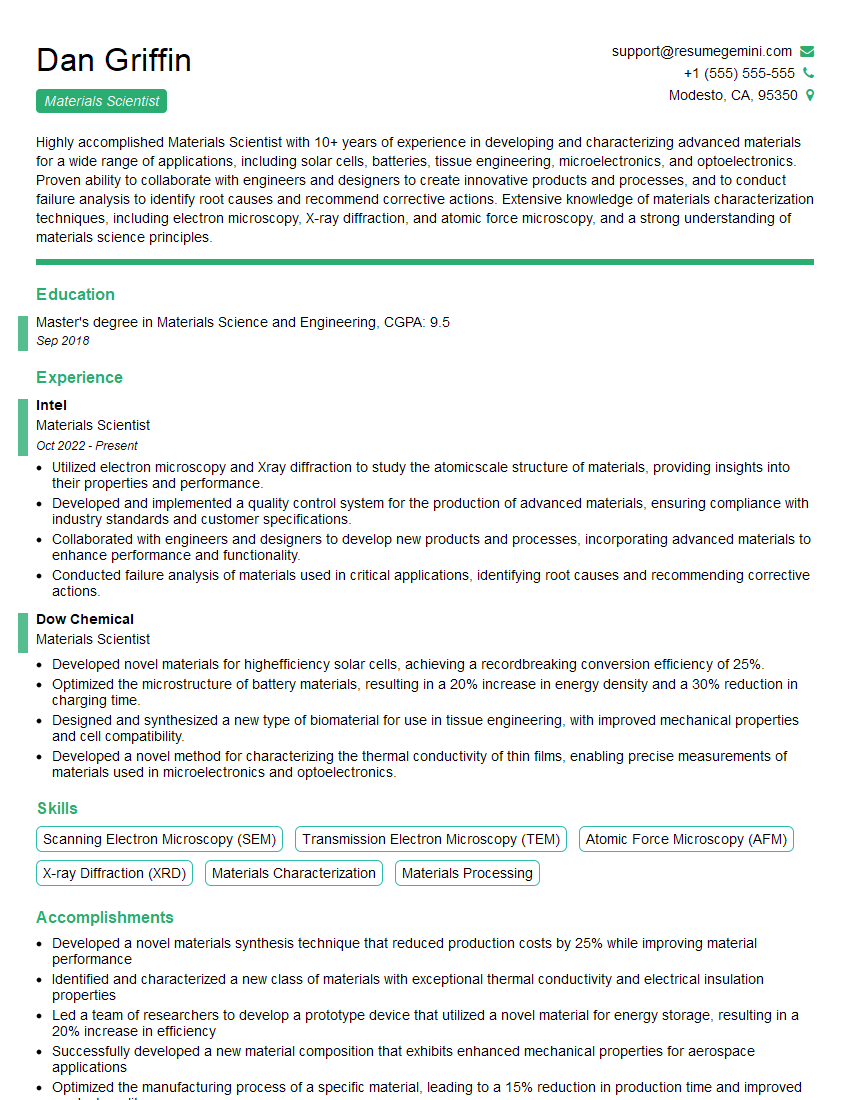
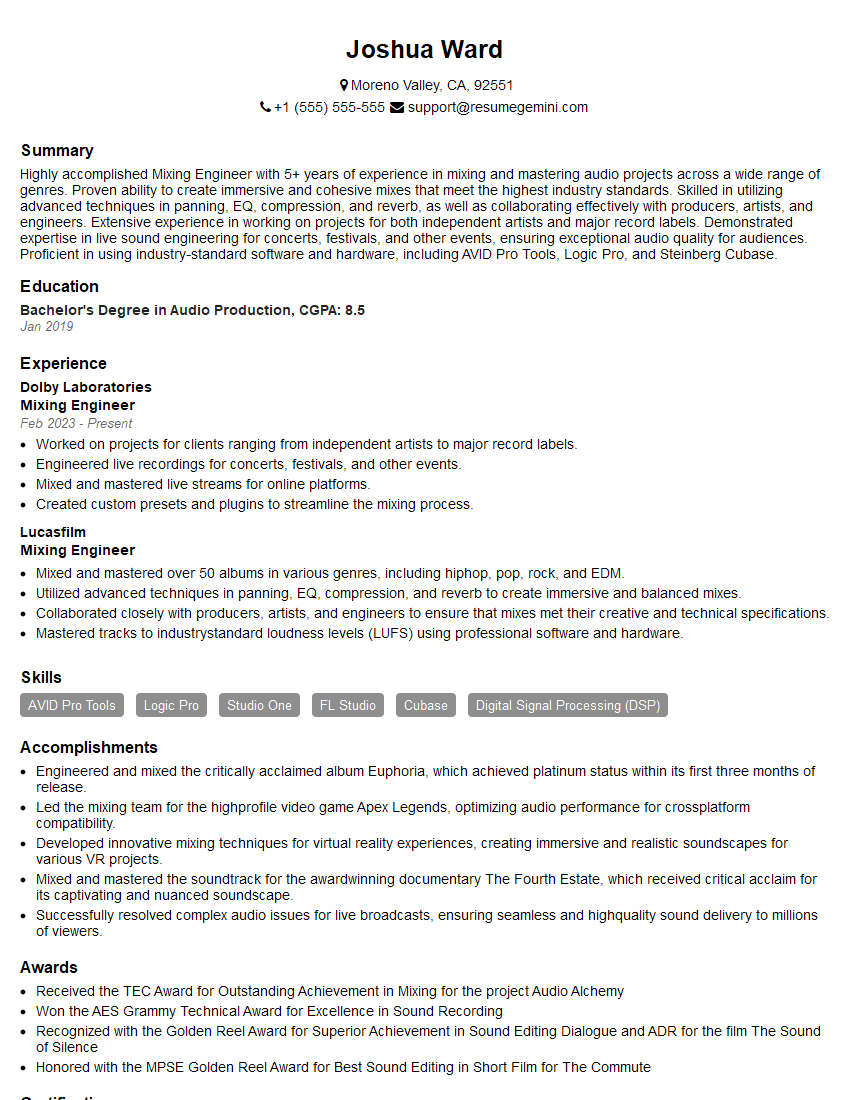
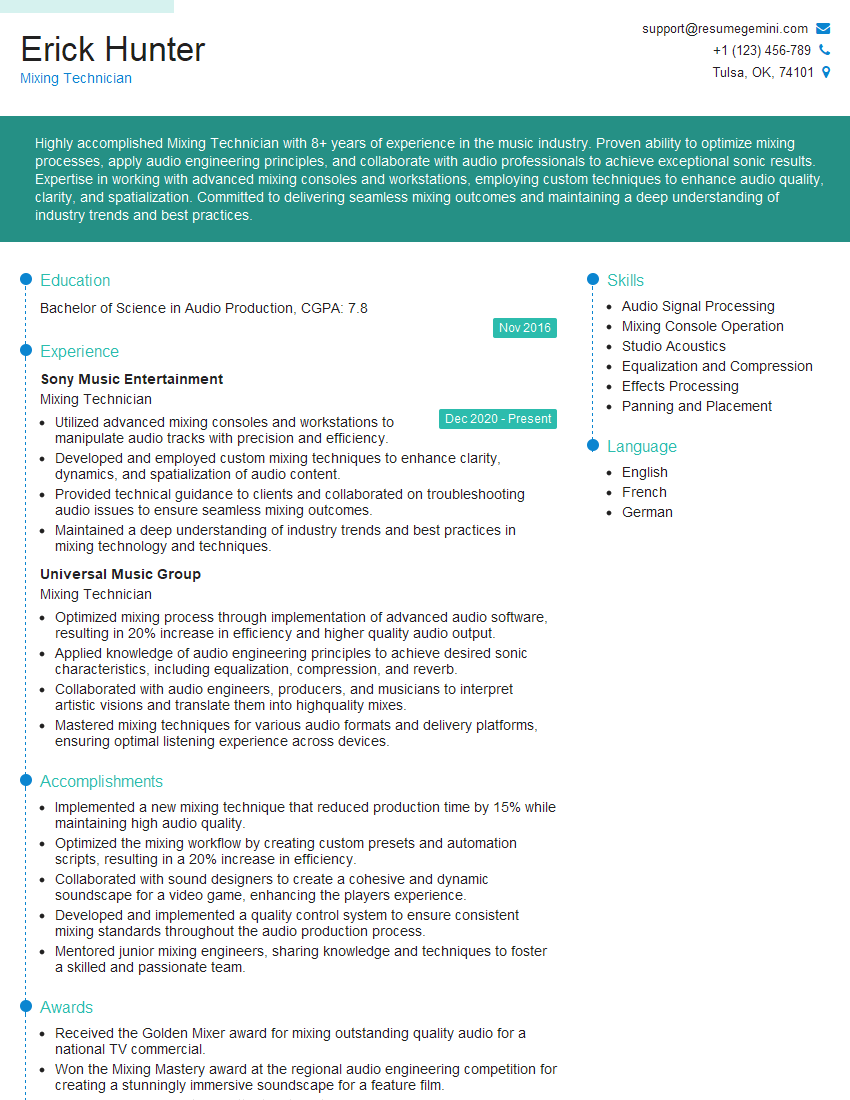
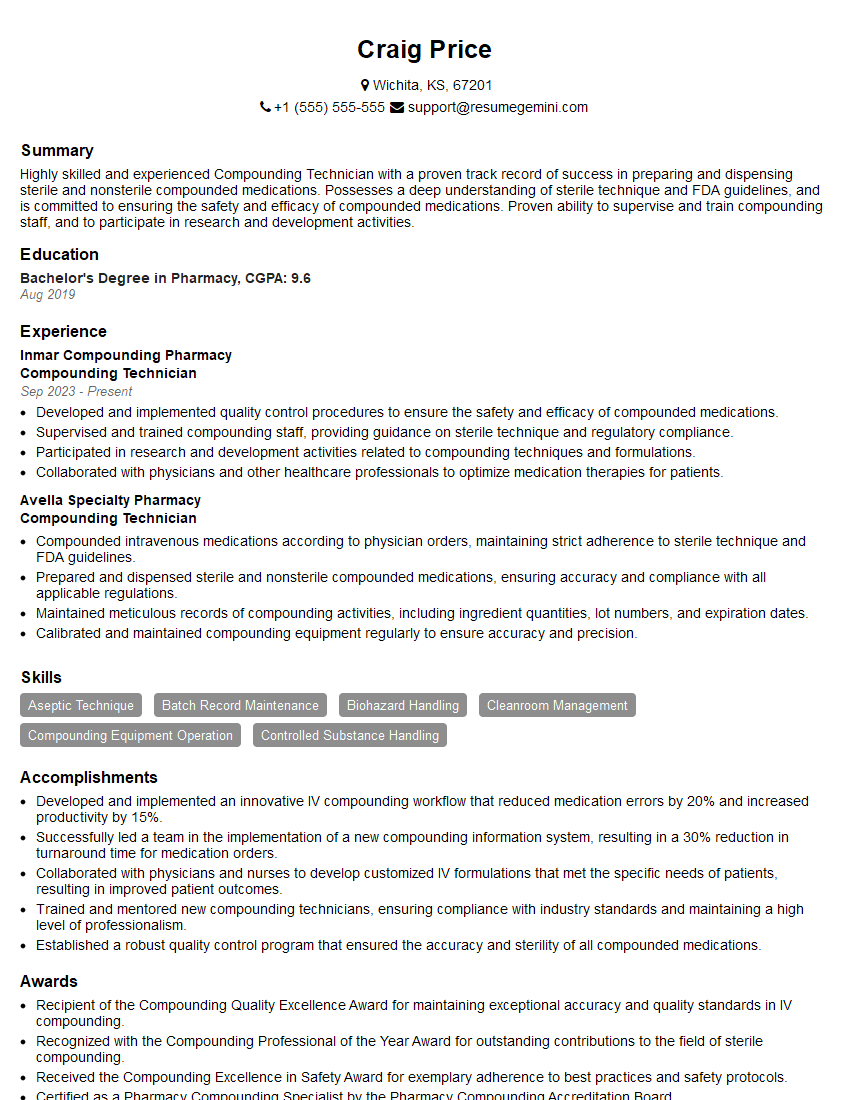
Mastering Material Mixing and Preparation is crucial for career advancement in numerous industries. A strong understanding of these concepts opens doors to specialized roles and higher responsibilities. To maximize your job prospects, crafting a compelling and ATS-friendly resume is essential. ResumeGemini is a valuable resource to help you build a professional and effective resume that highlights your skills and experience. Examples of resumes tailored specifically to Material Mixing and Preparation are available to guide you through the process, ensuring your application stands out.
Explore more articles
Users Rating of Our Blogs
Share Your Experience
We value your feedback! Please rate our content and share your thoughts (optional).
What Readers Say About Our Blog
Very informative content, great job.
good