Interviews are opportunities to demonstrate your expertise, and this guide is here to help you shine. Explore the essential Material Mixing interview questions that employers frequently ask, paired with strategies for crafting responses that set you apart from the competition.
Questions Asked in Material Mixing Interview
Q 1. Explain the different types of mixing equipment and their applications.
Material mixing equipment varies widely depending on the material properties and desired outcome. The choice often hinges on factors like viscosity, particle size distribution, and the required degree of homogeneity.
- Low-shear mixers: These are ideal for delicate materials that can be easily damaged. Examples include ribbon blenders (used for dry powders and granules), paddle mixers (suitable for viscous liquids and pastes), and plough mixers (efficient for dry mixing). Think of a ribbon blender gently folding ingredients together, preventing damage. Their application spans pharmaceuticals, food processing, and plastics.
- High-shear mixers: These are necessary when creating very fine dispersions or emulsions. High-speed impellers create significant shear forces, breaking down agglomerates and distributing components uniformly. Examples include high-speed dispersers (used in paints, inks, and coatings), homogenizers (used in food and pharmaceutical industries), and planetary mixers (for high viscosity products like dough). Imagine the powerful blending action needed to make a smooth mayonnaise—that requires high shear.
- Static mixers: These are passive devices that utilize a series of static elements within a pipe to create turbulent flow and induce mixing. They are effective for continuous processing and require no moving parts. Their simplicity makes them easy to clean and maintain. Applications range from polymer processing to chemical manufacturing.
- Fluidized bed processors: These use upward airflow to suspend particles, allowing for efficient mixing and coating. This is particularly useful for creating uniform coatings on granules or powders, commonly seen in the pharmaceutical and food industries. Consider evenly coating candies—a fluidized bed processor ensures uniform distribution of coating materials.
Selecting the correct equipment requires a careful consideration of material characteristics and desired mixing outcome. Often, a combination of mixers is used for optimal results.
Q 2. Describe the process of scale-up in material mixing.
Scaling up material mixing involves transitioning from a laboratory or pilot-scale process to a larger industrial scale. It’s more than just increasing the size of the equipment; it’s about ensuring the same mixing quality is maintained at the larger scale. This is a complex process that involves several crucial steps.
- Geometric Similarity: Maintaining the same aspect ratios (height-to-diameter, impeller diameter-to-tank diameter) between the smaller and larger mixers is critical. This helps ensure similar flow patterns.
- Power Input per Unit Volume: Instead of simply increasing the power, we maintain a consistent power input per unit volume (power number). This ensures equivalent mixing intensity at both scales. A smaller mixer requiring 10 kW for 1 cubic meter of material might need 100 kW for 10 cubic meters to maintain the same effectiveness.
- Mixing Time Adjustment: Scaling up usually necessitates adjusting the mixing time. Larger volumes require longer mixing times to achieve homogeneity. Careful experimentation is necessary to determine the appropriate time.
- Material Properties: The rheology (flow properties) of the materials can significantly change at larger scales. This can necessitate modifications to the mixing process and perhaps equipment selection to accommodate.
Scale-up is often iterative, involving multiple tests and adjustments to ensure consistency and efficiency at the industrial scale. Simulation tools can be invaluable in predicting the behavior of the larger system, reducing the need for extensive experimentation.
Q 3. How do you ensure the homogeneity of a mixed material?
Homogeneity in material mixing means the uniform distribution of all components throughout the mixture. Achieving this requires careful consideration of multiple factors.
- Appropriate Mixing Equipment: Selecting the right mixer for the material properties is paramount. As discussed previously, high shear might be needed for some and low shear for others.
- Optimal Mixing Parameters: Finding the ideal mixing speed, time, and impeller design is crucial. Experimentation and process analysis are essential here.
- Material Properties: The particle size distribution, density, and viscosity of the components significantly influence the homogeneity. Pre-processing steps, such as size reduction or the use of dispersants, may be necessary.
- Monitoring and Analysis: Regular monitoring throughout the mixing process is crucial. Techniques like in-line spectroscopic measurements or sampling and laboratory analysis are employed to assess the degree of homogeneity. In-situ monitoring allows for real-time adjustments.
Ensuring homogeneity is a critical quality control aspect in various industries. Inconsistent mixtures can result in sub-par product quality, potentially impacting safety and performance. For example, in pharmaceuticals, lack of homogeneity can result in inconsistent drug delivery, impacting patient health.
Q 4. What are the common causes of mixing inconsistencies and how do you troubleshoot them?
Mixing inconsistencies stem from various issues, requiring careful diagnosis and troubleshooting. Common causes include:
- Inappropriate Mixing Equipment: Using a mixer unsuitable for the material’s properties (e.g., using a low-shear mixer for a highly viscous material).
- Incorrect Mixing Parameters: Insufficient mixing time, too low or high mixing speed, and ineffective impeller design can all lead to inhomogeneity.
- Material Properties: Highly viscous materials, non-Newtonian fluids, and materials with a wide range of particle sizes can be challenging to mix homogeneously. The presence of agglomerates also poses significant challenges.
- Equipment Issues: Malfunctioning impellers, improper sealing leading to material loss, or inadequate cleaning between batches can introduce inconsistencies.
Troubleshooting Steps:
- Identify the Nature of Inconsistency: Determine if the problem is lack of uniformity, incomplete mixing, or segregation.
- Review Process Parameters: Examine mixing time, speed, and impeller design. Adjust parameters systematically, documenting changes and their effects.
- Analyze Material Properties: Investigate particle size distribution, viscosity, density, and the possibility of agglomeration. Pre-treatment steps (size reduction, dispersants) may be necessary.
- Inspect Equipment: Check for any damage to the equipment, leakage, or cleaning issues. Ensure proper calibration and functioning of instruments used to monitor the process.
- Conduct Experiments: Carry out controlled experiments with different mixing conditions to optimize parameters and identify the root cause.
Troubleshooting requires a systematic approach, combining knowledge of mixing principles, material properties, and equipment characteristics.
Q 5. Explain the concept of mixing time and its importance.
Mixing time is the duration required to achieve a desired degree of homogeneity in a mixture. It’s a critical parameter in determining the efficiency and quality of the mixing process.
Importance:
- Homogeneity: Insufficient mixing time leads to an inhomogeneous product, with uneven distribution of components. Excessive mixing time can also be problematic, leading to unnecessary energy consumption and potential degradation of the product.
- Process Efficiency: Optimized mixing time maximizes productivity while minimizing operational costs. Shorter mixing times are generally preferred if they don’t compromise homogeneity.
- Product Quality: Proper mixing time is essential for consistent product quality, meeting specifications and avoiding defects.
Determining the optimal mixing time usually involves experimentation, often using statistical design of experiments (DOE) to efficiently explore the parameter space. Monitoring the mixing process using techniques like spectroscopy or sampling and laboratory analysis is crucial to track the evolution of homogeneity over time.
Q 6. How do you determine the optimal mixing speed for a specific material?
Determining the optimal mixing speed is crucial for effective mixing while avoiding excessive energy consumption or product degradation. It depends heavily on the material properties and the mixer design.
Methods for Determination:
- Experimental Approach: A systematic approach, gradually varying the speed while monitoring the resulting homogeneity. Techniques like image analysis or laser diffraction can quantify homogeneity. Statistical design of experiments can efficiently optimize the process.
- Rheological Analysis: Understanding the material’s rheological behavior (viscosity, yield stress) allows for better prediction of optimal mixing speeds. Materials with high viscosity usually require slower speeds to prevent excessive energy dissipation without achieving good mixing.
- Computational Fluid Dynamics (CFD): CFD simulations can model fluid flow patterns within the mixer for different speeds, providing insights into mixing efficiency and areas of poor mixing. This allows virtual optimization before physical experiments.
- Empirical Correlations: Some empirical correlations exist that relate mixing speed, power input, and material properties for specific mixer types. However, these are generally applicable only within a limited range of conditions.
Finding the sweet spot requires a careful balance between achieving efficient mixing and minimizing shear forces that could damage sensitive materials or cause excessive energy use. Real-time process monitoring can help make informed decisions during the process.
Q 7. Describe your experience with different mixing techniques (e.g., high-shear, low-shear).
My experience encompasses a wide range of mixing techniques, including high-shear and low-shear mixing, tailored to specific material characteristics and process requirements.
High-Shear Mixing: I’ve extensively worked with high-shear mixers, including rotor-stator dispersers and homogenizers, primarily in applications requiring fine particle dispersion or emulsion creation. For example, I was involved in optimizing the production of a nano-emulsion for a pharmaceutical application, where precise control of droplet size was critical. The high shear forces effectively broke down agglomerates, leading to a stable and uniform product.
Low-Shear Mixing: In contrast, my experience includes working with low-shear mixers such as ribbon blenders and paddle mixers, particularly for processing materials sensitive to high shear forces. A project involved blending delicate pharmaceutical powders using a ribbon blender. The gentle mixing action prevented degradation and ensured consistent distribution of components.
Beyond these, my experience extends to other techniques such as static mixing, used extensively in continuous processing lines where efficient and consistent mixing is required without additional equipment, and fluidized bed processing for coating applications. I’ve always strived to select and optimize the most suitable technique based on a thorough understanding of material properties and processing goals.
Each technique requires careful consideration of parameters such as mixing time, speed, and impeller design, which are fine-tuned based on experimental data and process monitoring. The goal is always to achieve the desired homogeneity with maximum efficiency and minimum impact on product quality.
Q 8. How do you handle material segregation during mixing?
Material segregation, where components of a mixture separate during handling or processing, is a major challenge in material mixing. Think of a bag of mixed nuts – if you don’t shake it well, you’ll likely find clusters of just peanuts or just cashews. To combat this, we employ several strategies.
- Proper Feeding Techniques: Introducing materials simultaneously and evenly into the mixer is crucial. We often use specialized feeders that control the flow rate and distribution of each ingredient. For instance, using a twin-screw feeder ensures uniform delivery of powders.
- Optimized Mixer Design: The mixer’s design itself plays a vital role. High-shear mixers, for example, are excellent for breaking up clumps and promoting homogenous dispersion. Ribbon blenders, with their helical blades, are effective for mixing powders of different densities. The choice of mixer depends on the material properties.
- Mixing Time and Speed: Insufficient mixing time can lead to segregation. Determining the optimal mixing parameters through experimentation is crucial. We carefully monitor the process, often using image analysis or particle size distribution measurements to confirm homogeneity.
- Additives: Sometimes, adding small amounts of a flow-enhancing agent can significantly reduce segregation. These additives improve the flowability of the mixture, making it less prone to separation.
For instance, in a recent project mixing cement and aggregates, we discovered that adjusting the feed rate of the finer cement powder and utilizing a planetary mixer with its high-shear mixing action successfully eliminated segregation issues. Regular monitoring through sampling and analysis confirmed our success.
Q 9. What are the safety precautions you take while operating mixing equipment?
Safety is paramount in material mixing. We adhere to strict protocols to mitigate risks associated with operating heavy machinery, handling potentially hazardous materials, and managing high-energy processes. Our safety precautions include:
- Lockout/Tagout Procedures: Before any maintenance or cleaning, we utilize lockout/tagout procedures to prevent accidental startup of the mixer.
- Personal Protective Equipment (PPE): Appropriate PPE, including safety glasses, gloves, hearing protection, and respirators (if dealing with dust or volatile substances), is mandatory.
- Emergency Shut-off Systems: Easily accessible emergency stop buttons are strategically placed around the mixing equipment.
- Regular Equipment Inspection: We conduct regular inspections to identify and address any potential mechanical failures, ensuring the equipment is in safe operating condition.
- Training and Awareness: All personnel are thoroughly trained in safe operating procedures and emergency response protocols.
- Ventilation and Dust Control: Adequate ventilation is critical to prevent the buildup of dust or hazardous fumes. We use dust collection systems whenever necessary.
For example, in a project involving the mixing of flammable solvents, we established a strict permit-to-work system, ensuring all safety checks were completed before commencing the mixing operation. Regular fire drills were conducted to ensure everyone was familiar with emergency procedures.
Q 10. Explain your understanding of viscosity and its impact on mixing.
Viscosity, or a fluid’s resistance to flow, is a critical factor influencing the effectiveness of mixing. Imagine trying to stir honey versus water – honey’s high viscosity makes it much harder to mix thoroughly. The viscosity of the materials being mixed dictates the type of mixer and mixing parameters required.
- High-Viscosity Materials: High-viscosity materials require mixers with high shear forces to overcome the resistance to flow and achieve proper mixing. Examples include high-viscosity polymers or pastes. We often utilize high-shear mixers or kneaders.
- Low-Viscosity Materials: Low-viscosity liquids, like water, are easier to mix, requiring less powerful mixers. However, ensuring proper mixing, especially when dealing with multiple components, still requires consideration of flow patterns and potential segregation.
- Non-Newtonian Fluids: Certain materials exhibit non-Newtonian behavior, meaning their viscosity changes with shear rate or time. These materials pose a unique challenge, and specialized mixing techniques and equipment may be needed.
In a project involving the mixing of a highly viscous polymer solution, we employed a high-shear disperser, and the mixing time was optimized based on rheological measurements to ensure uniform distribution of the components. The results showed a significant improvement in product quality and consistency compared to using a lower shear mixer.
Q 11. How do you ensure the accurate measurement of ingredients in material mixing?
Accurate ingredient measurement is fundamental to consistent product quality. We employ a variety of techniques depending on the material and required precision.
- Weighing Scales: For most applications, we use high-precision weighing scales capable of measuring ingredients to the nearest gram or even milligram. Regular calibration is crucial to maintain accuracy.
- Volumetric Measurement: For liquids, volumetric measurement using calibrated tanks or containers can be employed, provided the density of the liquid is known and consistent.
- Automated Dispensing Systems: For large-scale production, automated dispensing systems ensure precise and consistent ingredient delivery. These systems often incorporate feedback mechanisms to compensate for variations in material properties.
- Statistical Process Control (SPC): We utilize SPC methods to monitor and control the measurement process, identifying and addressing any potential sources of variation or error. This helps us to build quality control charts that demonstrate the accuracy and consistency of our measurement process.
In a recent pharmaceutical mixing operation, we implemented an automated dispensing system integrated with a quality control software for weighing and recording each ingredient’s mass. The system automatically rejected batches that did not meet the pre-defined weight tolerances, enhancing the accuracy and repeatability of our production.
Q 12. Describe your experience with different types of mixing vessels.
My experience encompasses a wide range of mixing vessels, each suited for specific applications:
- Ribbon Blenders: Excellent for mixing dry powders and granular materials due to their helical ribbon blades that create both radial and axial mixing patterns. Ideal for homogenous blending of different particle sizes.
- V-Blenders: Simple and cost-effective for mixing dry powders, they rely on tumbling action for blending, however, not as efficient as other designs for highly viscous or sticky materials.
- High-Shear Mixers: Employ high-speed rotors to generate significant shear forces, effective for breaking up agglomerates and dispersing solids in liquids, ideal for pastes, paints, and other high-viscosity fluids.
- Planetary Mixers: Feature multiple mixing elements that rotate independently, generating a complex mixing pattern ideal for a range of viscosities and achieving a homogeneous mix.
- Nauta Mixers: These double-cone mixers effectively mix a wide range of materials, often used for powder-liquid mixing and incorporating liquids into powders. Useful for achieving very high degrees of homogeneity.
For example, in food production, we successfully utilized a ribbon blender for mixing dry ingredients, then transferred the mixture to a high-shear mixer to incorporate a liquid phase resulting in a homogeneous and consistent product.
Q 13. How do you control temperature during the mixing process?
Temperature control is often crucial in material mixing, as many reactions are temperature-sensitive. Methods for temperature control vary depending on the process and material properties.
- Jacketed Vessels: Many mixing vessels are designed with jackets allowing for heating or cooling through circulation of a temperature-controlled fluid (e.g., water, steam, or coolant). This provides a precise and controlled method for temperature regulation.
- Internal Heating/Cooling Coils: These coils are placed within the mixing vessel, facilitating direct heat transfer to or from the mixture. This is suitable for processes where close temperature control is needed.
- External Heat Exchangers: In some cases, the mixture is circulated through an external heat exchanger to control its temperature before being returned to the mixing vessel.
- Cooling Baths: For smaller-scale mixing processes, cooling baths can provide effective temperature control.
In a process involving an exothermic reaction, we employed a jacketed vessel with a cooling fluid circulating through the jacket to maintain the reaction temperature within a safe and optimal range. Continuous monitoring using thermocouples ensured precise temperature control throughout the process.
Q 14. What are the key quality control checks you perform during and after mixing?
Quality control checks are vital for ensuring the consistency and quality of the final product. These checks are performed throughout the mixing process and after mixing is complete.
- In-process Monitoring: We continuously monitor parameters such as temperature, mixing speed, and torque during the mixing process. This helps us to detect and address any deviations from the desired process parameters.
- Sampling and Analysis: Regular samples are taken at various stages of the mixing process to assess the homogeneity and properties of the mixture. Techniques like particle size analysis, rheological measurements, and chemical analysis are utilized depending on the application.
- Visual Inspection: A visual inspection of the final product is also performed to check for any obvious inconsistencies, such as clumps, color variations, or the presence of foreign materials.
- Post-Mixing Testing: Once the mixing process is complete, additional tests are often conducted to verify that the final product meets the required specifications. These tests could include tests for viscosity, density, strength, or other relevant properties.
In a recent concrete mixing project, we used in-line sensors to continuously monitor the mix’s temperature and consistency. Samples were analyzed for compressive strength, slump, and air content to ensure the concrete met the required specifications. This rigorous approach minimized variability and ensured consistent quality.
Q 15. How do you document the mixing process and ensure traceability?
Thorough documentation and traceability are crucial in material mixing for quality control, regulatory compliance, and efficient troubleshooting. My approach involves a multi-layered system. Firstly, I utilize a batch record or mixing log for each mixing operation. This document meticulously records all parameters, including the date, time, materials used (with lot numbers and quantities), mixing equipment used, mixing parameters (speed, time, temperature), and the final product’s characteristics (viscosity, homogeneity etc.).
Secondly, all materials are tracked with unique identification numbers (lot numbers) from receipt to the final product. This ensures complete traceability throughout the process. I also incorporate a robust sample management system, where samples are taken at different stages of the mixing process and archived for future reference or quality testing. This is essential for detecting any deviations and tracing their root cause.
Finally, I leverage digital tools and software like LIMS (Laboratory Information Management System) or MES (Manufacturing Execution System) to streamline the documentation process and enhance data accessibility. These systems automate data entry, enhance data integrity, and provide a centralized repository for all mixing data, facilitating effortless traceability and analysis.
Career Expert Tips:
- Ace those interviews! Prepare effectively by reviewing the Top 50 Most Common Interview Questions on ResumeGemini.
- Navigate your job search with confidence! Explore a wide range of Career Tips on ResumeGemini. Learn about common challenges and recommendations to overcome them.
- Craft the perfect resume! Master the Art of Resume Writing with ResumeGemini’s guide. Showcase your unique qualifications and achievements effectively.
- Don’t miss out on holiday savings! Build your dream resume with ResumeGemini’s ATS optimized templates.
Q 16. Explain your experience with different types of materials (e.g., liquids, powders, pastes).
My experience spans a wide range of materials, including liquids, powders, and pastes. Working with liquids often involves understanding viscosity and the potential for segregation. For instance, mixing high-viscosity liquids like resins requires specialized equipment like high-shear mixers to ensure homogeneity. I’ve worked with both Newtonian and non-Newtonian liquids, adjusting mixing parameters based on their rheological properties.
Powder mixing presents unique challenges due to particle size distribution and the potential for segregation. Techniques like tumble blending or fluidized bed mixing are often employed. I’ve dealt with both fine and coarse powders, understanding that fine powders are more prone to agglomeration and require careful handling.
Mixing pastes requires a balance between achieving homogeneity and avoiding excessive shear, which can lead to structural breakdown. I have experience with various paste mixing techniques, from simple paddle mixers to advanced planetary mixers, ensuring the optimal mix for different paste compositions. Each material requires a tailored approach considering its unique physical and chemical properties to ensure a consistent and high-quality final product.
Q 17. How do you manage waste generated during the mixing process?
Waste management is a critical aspect of responsible material mixing. My approach is rooted in minimizing waste generation through efficient processes and precise material handling. This begins with accurate calculations to avoid excess material usage.
For unavoidable waste, I follow strict procedures in line with company environmental policies and relevant regulations. This includes segregating waste based on its composition (hazardous or non-hazardous), proper containerization and labeling, and utilizing approved disposal methods.
For example, spent solvents are handled as hazardous waste and sent to licensed disposal facilities. Non-hazardous waste like packaging materials are recycled whenever possible. We maintain detailed waste records to track quantities, disposal methods, and associated costs. Continuous improvement efforts focus on identifying and minimizing waste streams through process optimization and exploring alternative materials or technologies.
Q 18. Describe your experience with cleaning and maintaining mixing equipment.
Cleaning and maintaining mixing equipment is essential for preventing cross-contamination, ensuring product quality, and extending equipment lifespan. My approach involves a standardized cleaning procedure, documented and rigorously followed. This typically involves a multi-step process: initial rinsing, thorough cleaning with appropriate detergents, rinsing again with clean water, and final sanitization if necessary.
The choice of cleaning agents depends on the material being processed and the type of equipment. I’m familiar with cleaning various types of mixers, including high-shear mixers, planetary mixers, and ribbon blenders, each having specific cleaning requirements. Regular preventative maintenance is crucial. This includes inspecting the equipment for wear and tear, lubricating moving parts, and replacing worn components.
I also keep detailed maintenance logs, recording cleaning schedules, maintenance activities, and any identified issues. This data is invaluable in predicting potential problems, optimizing maintenance schedules, and ensuring the equipment is always operating at peak efficiency and safety.
Q 19. How do you interpret and apply mixing specifications?
Mixing specifications are crucial for achieving consistent product quality. These specifications define critical parameters such as mixing time, speed, temperature, and the desired level of homogeneity.
My approach involves carefully reviewing the specifications and understanding the rationale behind each parameter. For example, a longer mixing time might be necessary for achieving a higher degree of homogeneity, while a higher mixing speed could be required for viscous materials. I also consider the implications of deviating from the specifications.
I use various measuring instruments to monitor the mixing process and ensure compliance with the specifications. This includes using viscometers to monitor viscosity, temperature sensors to control temperature, and particle size analyzers to ensure proper dispersion. I meticulously document all deviations, investigating root causes, and implementing corrective actions as required. The goal is not just adherence to specifications, but a deep understanding of how they contribute to the final product quality.
Q 20. How do you troubleshoot issues related to mixing efficiency?
Troubleshooting mixing efficiency issues requires a systematic approach. I start by carefully reviewing the batch records and mixing parameters. Are there any deviations from the established procedure? Have there been changes in the raw materials?
Next, I assess the mixing equipment itself. Are there any mechanical issues, such as a faulty motor or impeller? Is the equipment properly calibrated? I then analyze the final product, examining its homogeneity, viscosity, and other relevant properties.
Depending on the root cause, the solutions could range from adjusting mixing parameters (speed, time, temperature), replacing worn components, or recalibrating equipment. In some cases, it may require refining the mixing process or even implementing a new mixing technique. I consider data analysis essential for identifying trends and preventing recurring issues.
Q 21. Explain your understanding of rheology and its relation to material mixing.
Rheology is the study of the flow and deformation of matter. Understanding rheology is critical in material mixing because the flow behavior of a material dictates how it will mix. The viscosity of a material, a key rheological property, influences the power required for mixing and the time needed to achieve homogeneity.
For example, high-viscosity materials require more energy and longer mixing times than low-viscosity materials. Non-Newtonian fluids, whose viscosity changes with shear rate, present additional complexities. Understanding their shear-thinning or shear-thickening behavior is critical for choosing the right mixing equipment and optimizing the mixing process.
I use rheological data, often obtained through rheometer measurements, to select appropriate mixing equipment and parameters. This ensures efficient and effective mixing, preventing issues such as inadequate mixing or excessive shear. In essence, a strong understanding of rheology is fundamental to achieving optimal mixing results and consistent product quality.
Q 22. How do you handle unexpected changes in material properties during mixing?
Handling unexpected changes in material properties during mixing requires a proactive and adaptive approach. It starts with thorough initial characterization of the materials, including rheological properties (flow behavior), particle size distribution, and chemical composition. This baseline data allows us to establish expected behavior during mixing. However, variations can occur due to supplier changes, environmental factors (temperature and humidity), or even slight inconsistencies in raw materials.
My strategy involves incorporating real-time monitoring during the mixing process. This usually includes sensors for temperature, viscosity, and sometimes even color or particle size distribution, depending on the specific application. If deviations from the expected values are detected, I have a tiered response system:
- Minor deviations: These are often addressed by adjusting mixing parameters like speed, time, or the addition of small amounts of processing aids (e.g., dispersants or lubricants).
- Significant deviations: These require a more thorough investigation. We’d analyze samples to identify the root cause—was there a change in raw material quality, a malfunctioning sensor, or an unexpected chemical reaction? Once the cause is identified, corrective actions can be implemented, ranging from replacing materials to adjusting the mixing process recipe.
- Emergency Situations: In case of a major issue (e.g., runaway reaction or equipment failure), safety protocols are paramount. Emergency shut-down procedures are followed, the situation is assessed, and appropriate safety measures are enacted before resuming operations. A post-incident analysis is always performed to prevent recurrence.
For example, in a project involving the mixing of polymers, we experienced an unexpected increase in viscosity. By using inline rheometry, we quickly detected the problem and traced it to a batch of raw material with a higher molecular weight than specified. Minor adjustments to the mixing parameters initially mitigated the issue, and we subsequently worked with the supplier to prevent future occurrences.
Q 23. What are the common challenges faced in material mixing and how have you overcome them?
Common challenges in material mixing include achieving homogenous mixtures, controlling the temperature, managing agglomeration of particles, optimizing mixing time and energy consumption, and ensuring scale-up consistency.
- Achieving Homogeneity: This can be challenging with materials of varying particle sizes and densities. We often employ techniques like high-shear mixing, multiple mixing stages, or the addition of dispersing agents to overcome this. Imagine trying to mix sand and water – simply stirring won’t do; you need a more powerful technique.
- Temperature Control: Exothermic or endothermic reactions during mixing can lead to temperature fluctuations. This necessitates the use of jacketed mixers, cooling or heating systems, and precise temperature control strategies. Maintaining consistent temperature is crucial to preventing unwanted chemical reactions or phase changes.
- Agglomeration: Powders, especially fine powders, tend to agglomerate, creating uneven distributions. This can be countered by using suitable dispersants, pre-blending techniques, and controlled mixing speeds. In some cases, using a high-energy mixer like a fluid energy mill can help.
- Scale-up: A recipe that works perfectly in a laboratory setting may not scale up efficiently to a larger industrial mixer. Understanding scale-up principles, employing computational fluid dynamics (CFD) modeling, and careful experimental validation are crucial to avoid inconsistencies.
For instance, we once encountered significant agglomeration in a powder blend. By implementing a pre-mixing stage with a low-shear mixer, followed by high-shear mixing with the addition of a dispersant, we successfully resolved the problem and improved the homogeneity of the final product.
Q 24. Describe your experience with process optimization in material mixing.
Process optimization in material mixing involves finding the optimal balance between achieving the desired product quality, minimizing production costs, and ensuring safety. It’s an iterative process involving experimentation, data analysis, and continuous improvement.
My approach to optimization typically involves these steps:
- Defining Objectives: Clearly define the desired product properties and process parameters (e.g., homogeneity, viscosity, mixing time, energy consumption).
- Experimental Design: Use statistical methods (like Design of Experiments or DOE) to plan efficient experiments, exploring a range of process variables (e.g., mixing speed, time, temperature, additive concentration).
- Data Acquisition and Analysis: Collect relevant data during mixing and analyze it using statistical software to identify significant factors and their interactions.
- Model Development: Develop mathematical models (empirical or mechanistic) to predict the relationship between process parameters and product properties. This helps predict the outcome of future changes.
- Optimization: Use optimization techniques (e.g., Response Surface Methodology or RSM) to determine the optimal set of process parameters that meets the defined objectives.
- Validation: Validate the optimized process using multiple production runs to ensure its robustness and reproducibility.
In a recent project, we used RSM to optimize the mixing parameters for a paint formulation. By systematically varying mixing speed, time, and the concentration of a dispersing agent, we were able to reduce mixing time by 20% while maintaining the desired viscosity and homogeneity. This resulted in significant cost savings and improved throughput.
Q 25. How do you ensure compliance with safety and regulatory standards during material mixing?
Ensuring compliance with safety and regulatory standards during material mixing is paramount. This involves adhering to both company-specific safety protocols and relevant industry regulations (e.g., OSHA, EPA). My approach focuses on several key areas:
- Risk Assessment: Conduct thorough risk assessments to identify potential hazards associated with the materials being mixed (e.g., flammability, toxicity, reactivity). This helps prioritize safety precautions.
- Personal Protective Equipment (PPE): Ensure appropriate PPE is used by all personnel involved, including gloves, safety glasses, respirators, and protective clothing, depending on the materials and processes.
- Equipment Safety: Regularly inspect and maintain mixing equipment to prevent malfunctions and ensure proper functioning of safety features (e.g., emergency shut-off systems).
- Material Handling Procedures: Establish and enforce safe material handling procedures to prevent spills, leaks, or accidental exposure.
- Emergency Response Planning: Develop and regularly practice emergency response plans to handle spills, leaks, or other incidents. This includes training personnel on appropriate procedures and having the necessary equipment readily available.
- Waste Management: Implement a robust waste management plan to handle waste materials safely and in compliance with environmental regulations. This includes proper labeling, storage, and disposal.
- Documentation: Maintain detailed records of all mixing procedures, safety inspections, and training sessions. This ensures traceability and facilitates audits.
For instance, when working with flammable solvents, we implemented strict fire safety protocols, including the use of explosion-proof equipment, adequate ventilation, and a designated fire-suppression system.
Q 26. Describe a situation where you had to resolve a mixing-related problem. What was the outcome?
In one instance, we experienced inconsistent product quality in a batch process involving the mixing of several pigments with a resin. The final product showed noticeable color variations across different batches. Initial troubleshooting focused on the uniformity of pigment dispersion. We tried adjusting the mixing speed and time but this did not entirely solve the problem.
My systematic approach involved:
- Detailed Analysis: We meticulously analyzed samples from multiple batches, examining pigment particle size distribution, resin viscosity, and the mixing process parameters.
- Identifying the Root Cause: The analysis revealed that the inconsistencies stemmed from variations in the viscosity of the resin supplied by our vendor. Slight fluctuations in the resin’s molecular weight distribution impacted its ability to uniformly disperse the pigments.
- Developing a Solution: To mitigate this, we implemented a quality control check on the incoming resin, measuring its viscosity before use. We also adjusted the mixing process to incorporate a pre-mixing step to ensure better wetting of the pigments before the main mixing cycle.
- Validation: This improved the consistency of the final product, substantially reducing color variations across batches.
The outcome was a significant improvement in product quality and customer satisfaction. We also established a closer working relationship with the resin supplier to improve the consistency of their product.
Q 27. How do you stay updated with the latest advancements in material mixing technology?
Staying updated in the field of material mixing necessitates a multi-faceted approach.
- Industry Publications and Conferences: I regularly read journals like the ‘Journal of Dispersion Science and Technology’ and attend conferences such as the AIChE Annual Meeting. These provide insights into the latest research and technological advancements.
- Online Resources: I actively follow reputable online resources and industry websites for updates on new mixing equipment, technologies, and best practices.
- Professional Networks: Networking with colleagues and industry experts through professional organizations helps share knowledge and learn about current challenges and solutions.
- Vendor Collaboration: Maintaining contact with equipment vendors keeps me informed about the newest developments in mixer design and technology. Many companies offer training and workshops on their equipment.
- Continuing Education: I actively pursue continuing education opportunities, including online courses and workshops, to refresh and expand my knowledge base.
For example, I recently completed a course on advanced rheology and its application in material mixing, significantly enhancing my ability to analyze and optimize mixing processes for complex fluids. Continuous learning ensures I remain at the forefront of this dynamic field.
Key Topics to Learn for Material Mixing Interview
- Material Properties: Understanding the physical and chemical properties of different materials (e.g., viscosity, density, reactivity) and how they influence mixing processes.
- Mixing Equipment: Familiarity with various mixing technologies (e.g., high-shear mixers, planetary mixers, ribbon blenders) and their applications in different industries.
- Mixing Principles: Grasping fundamental mixing concepts like laminar and turbulent flow, mixing time, and energy dissipation.
- Scale-up and Scale-down: Understanding the challenges and methodologies involved in transferring mixing processes from lab-scale to production scale and vice-versa.
- Process Optimization: Knowledge of techniques for optimizing mixing processes to achieve desired product quality, consistency, and efficiency (e.g., Design of Experiments (DOE)).
- Quality Control and Testing: Understanding the methods used to ensure the quality and consistency of mixed materials (e.g., particle size analysis, rheological measurements).
- Safety and Regulations: Awareness of safety protocols and regulatory compliance related to material handling and mixing processes.
- Troubleshooting and Problem Solving: Ability to diagnose and resolve common issues encountered during material mixing operations (e.g., agglomeration, segregation, incomplete mixing).
- Computational Fluid Dynamics (CFD): Familiarity with the application of CFD for simulating and optimizing mixing processes (optional, depending on the role).
Next Steps
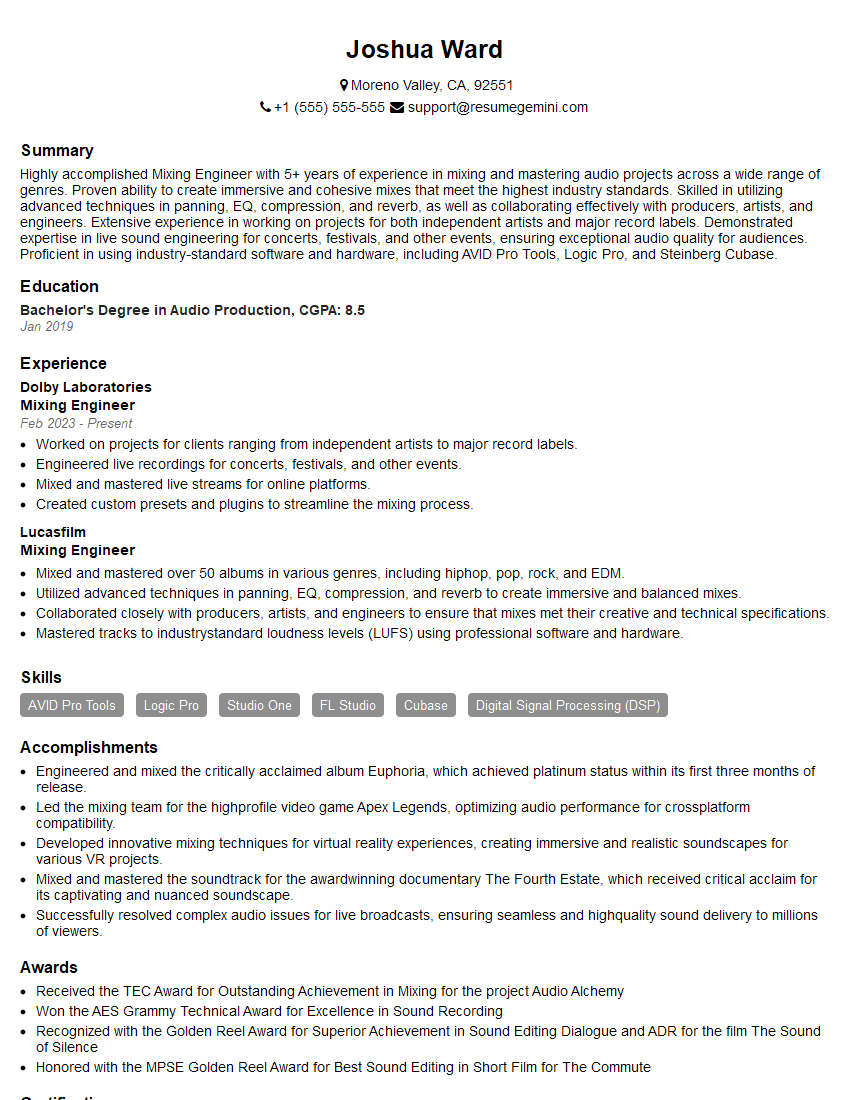
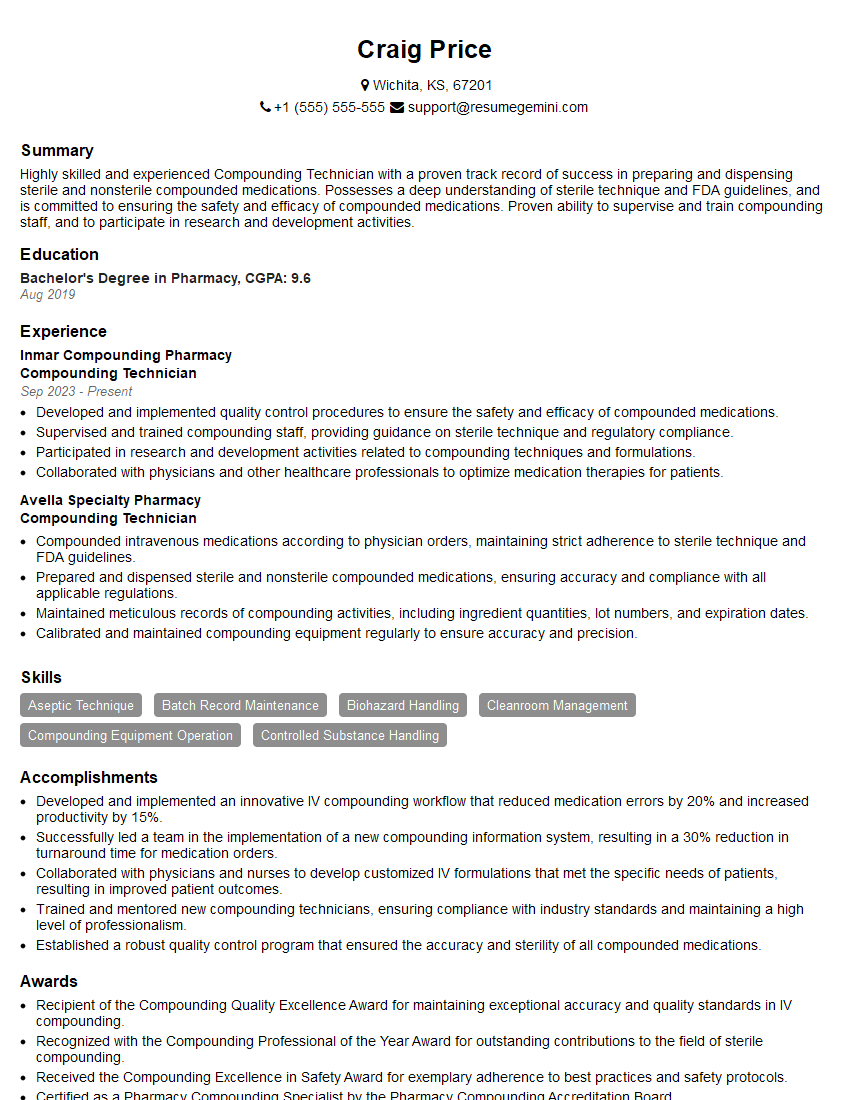
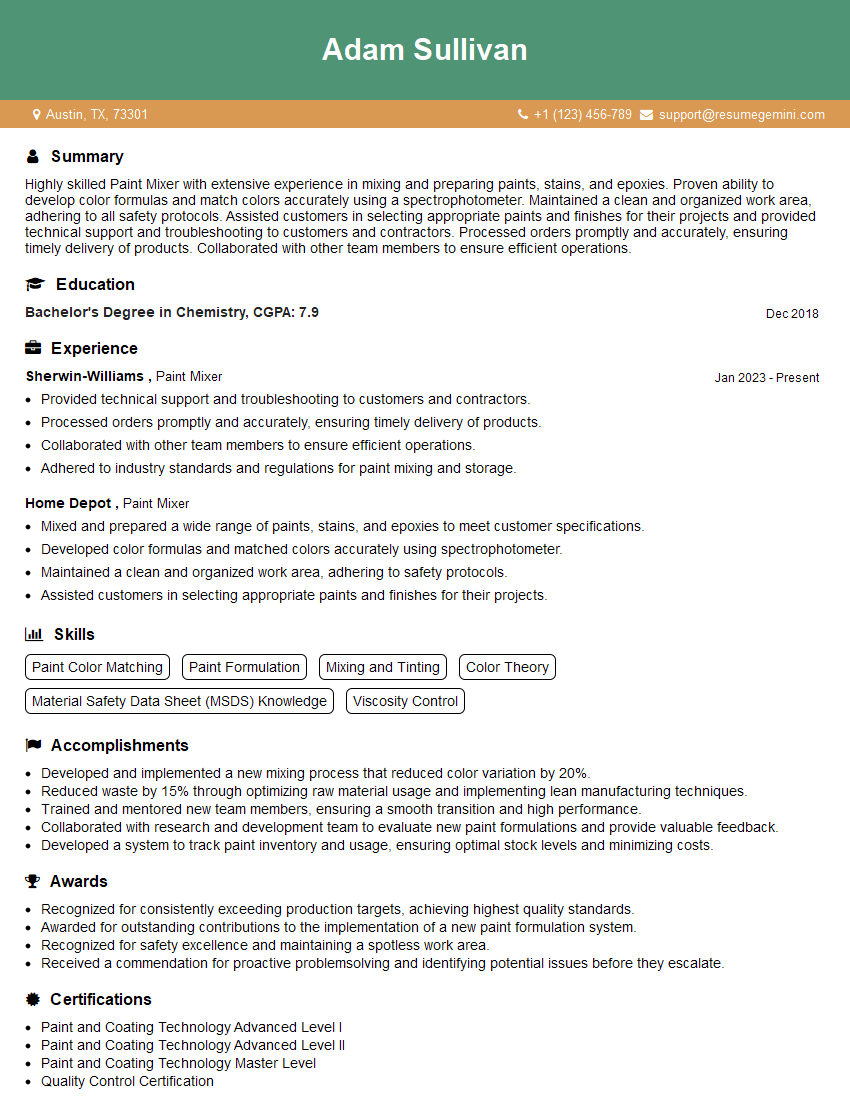
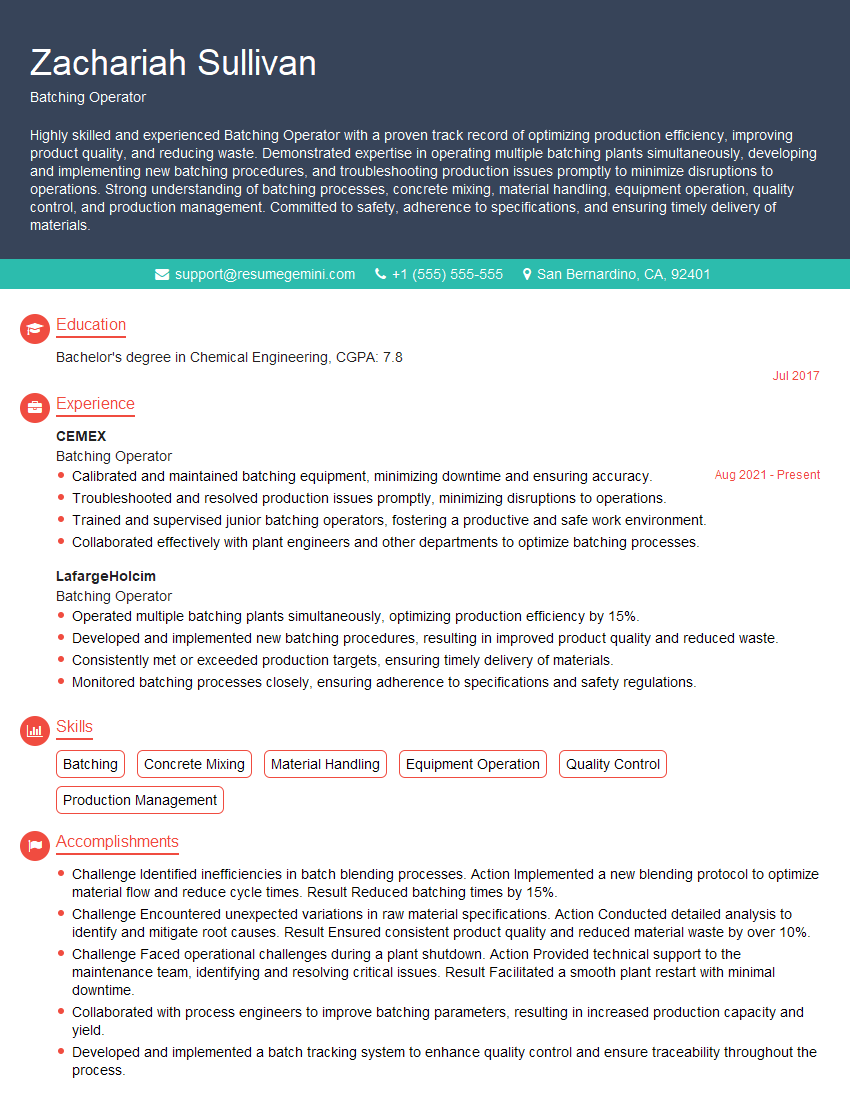
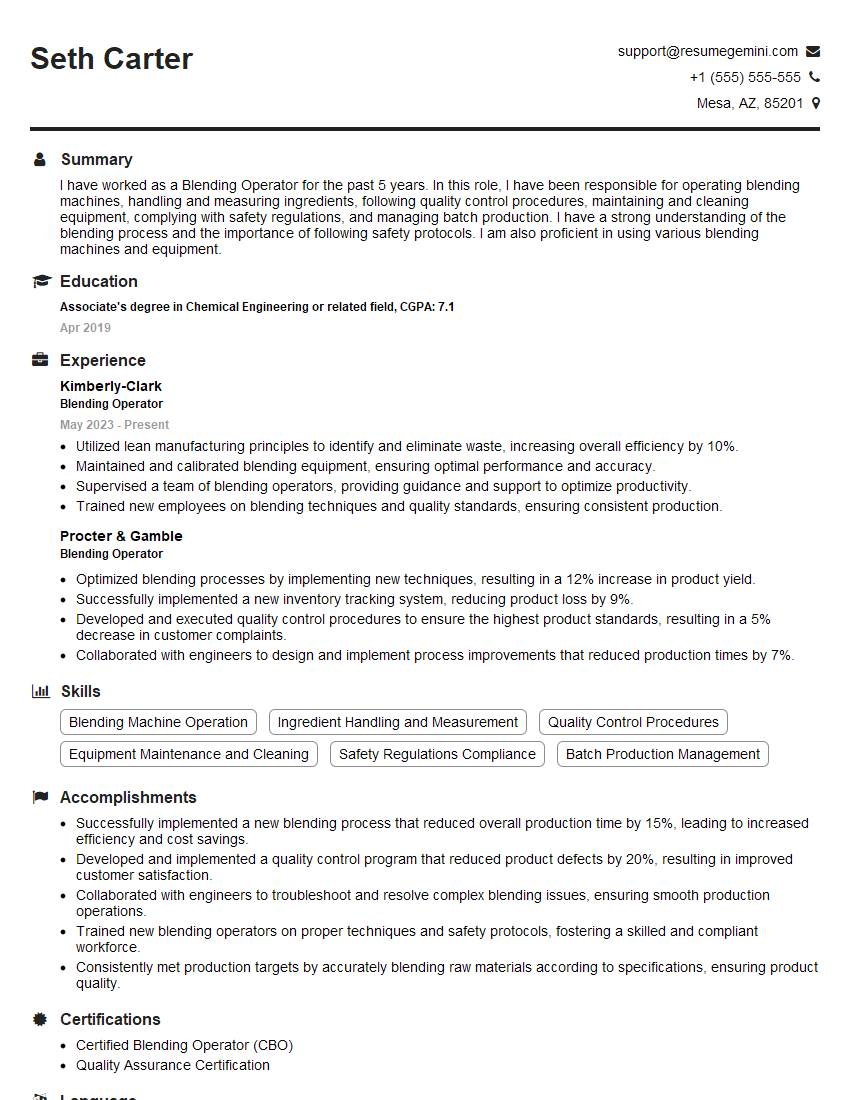
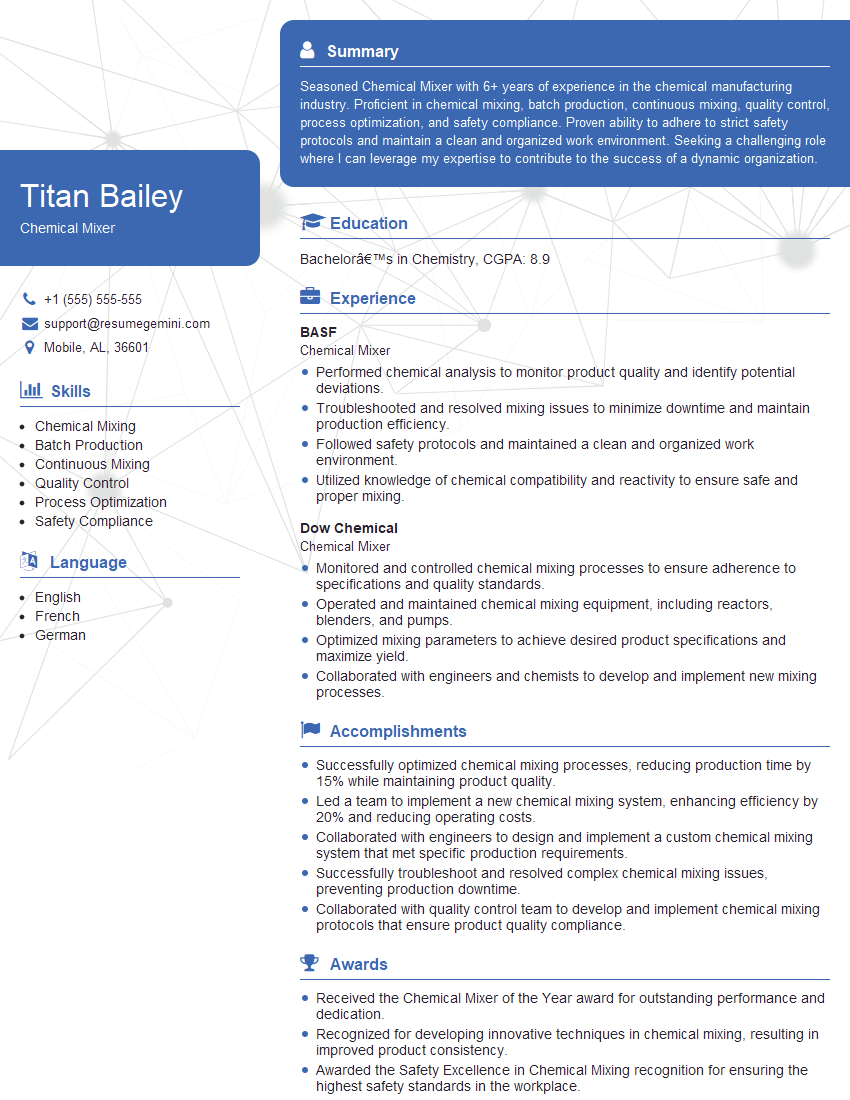
Mastering material mixing opens doors to exciting career opportunities in various industries, from pharmaceuticals and cosmetics to food processing and construction materials. A strong understanding of these principles is highly sought after and will significantly enhance your career prospects. To maximize your chances of landing your dream job, create an ATS-friendly resume that effectively showcases your skills and experience. ResumeGemini is a trusted resource to help you build a professional and impactful resume. Examples of resumes tailored specifically to the Material Mixing field are available to guide you. Invest the time to craft a compelling resume – it’s your first impression on potential employers.


Explore more articles
Users Rating of Our Blogs
Share Your Experience
We value your feedback! Please rate our content and share your thoughts (optional).
What Readers Say About Our Blog
Very informative content, great job.
good