Are you ready to stand out in your next interview? Understanding and preparing for Material Preparation and Feeding interview questions is a game-changer. In this blog, we’ve compiled key questions and expert advice to help you showcase your skills with confidence and precision. Let’s get started on your journey to acing the interview.
Questions Asked in Material Preparation and Feeding Interview
Q 1. Describe your experience with different material handling equipment.
My experience with material handling equipment spans a wide range, encompassing both bulk and unit handling systems. I’ve worked extensively with:
- Conveyors: Belt conveyors for moving large volumes of materials, screw conveyors for handling powders and granular materials, and roller conveyors for smaller items. I’m familiar with their design, maintenance, and troubleshooting.
- Elevators and Lifts: Bucket elevators for vertical transport of bulk materials, and various types of lifts for handling pallets and containers. I understand the safety protocols and capacity limitations for each type.
- Automated Guided Vehicles (AGVs): I’ve worked with AGVs in warehouse settings, optimizing routes and integrating them with other material handling systems for efficient flow.
- Forklifts and Pallet Jacks: I’m proficient in their safe operation and have experience selecting the appropriate equipment for different materials and tasks.
- Robotics and Automated Systems: My expertise extends to integrated robotic systems for tasks like palletizing, depalletizing and pick-and-place operations, improving efficiency and safety.
For example, in a previous role, I optimized the layout of a belt conveyor system in a cement plant, reducing material jams and increasing throughput by 15%. This involved analyzing the material flow, adjusting the conveyor incline, and implementing a better cleaning schedule.
Q 2. Explain the importance of proper material weighing and batching.
Accurate material weighing and batching are crucial for maintaining consistent product quality and minimizing waste. Inconsistent material ratios can lead to variations in product properties, impacting performance and potentially causing production defects.
Proper weighing ensures that the correct amounts of raw materials are used in each batch, adhering to the specified recipe. Precise batching is especially critical in industries like pharmaceuticals, food processing, and chemical manufacturing, where even minor variations can have significant consequences.
For instance, imagine baking a cake: too much flour makes it dry, while too little yields a crumbly texture. Similarly, inconsistent ingredient ratios in a chemical process could lead to a flawed end product or a hazardous reaction.
Modern weighing and batching systems often utilize load cells and automated control systems to ensure accuracy and traceability. They generate records that are essential for quality control and process optimization.
Q 3. How do you ensure the quality of raw materials before processing?
Ensuring raw material quality is a multi-step process involving inspection and testing at various stages. It starts with verifying supplier certifications and quality control reports. We use a combination of methods including:
- Visual Inspection: Checking for physical defects, contamination, or inconsistencies in size, color, and texture.
- Sampling and Laboratory Testing: Representative samples are taken and analyzed to determine parameters like particle size distribution, moisture content, chemical composition, and purity. This often involves techniques like spectroscopy, chromatography, and microscopy.
- Quality Control Checks: Data analysis and statistical process control (SPC) are used to monitor the consistency of raw material quality over time and identify any potential deviations from specifications.
For example, in the food industry, we might test for contaminants such as heavy metals or microorganisms, ensuring compliance with food safety regulations. In a metal processing plant, we might analyze the chemical composition of an alloy to verify it meets the specifications for strength and durability.
Q 4. What safety procedures do you follow when handling materials?
Safety is paramount when handling materials. My procedures always start with a thorough risk assessment to identify potential hazards associated with the specific materials being handled. We follow strict guidelines including:
- Personal Protective Equipment (PPE): Using appropriate PPE such as safety glasses, gloves, respirators, and safety shoes, depending on the material and the task.
- Lockout/Tagout Procedures: Following established procedures to isolate equipment before maintenance or repair to prevent accidental start-ups.
- Safe Lifting Techniques: Proper training on lifting and moving heavy objects to prevent injuries. This includes using lifting aids when necessary.
- Emergency Response Plans: Knowing the location of safety equipment (fire extinguishers, eyewash stations) and emergency procedures in case of spills or accidents.
- Housekeeping: Maintaining a clean and organized workspace to reduce the risk of trips, falls, and other accidents.
Regular safety training and audits are essential to reinforce these procedures and ensure compliance.
Q 5. Describe your experience with different material feeding systems.
My experience with material feeding systems includes a variety of technologies suited to different materials and production rates:
- Gravity Feeders: Simple and effective for free-flowing materials. I’ve utilized hopper feeders and chutes in various applications.
- Screw Feeders: Ideal for handling powders, granules, and other non-free-flowing materials. I have experience designing and optimizing screw feeders for specific material characteristics and throughput requirements.
- Vibratory Feeders: Effective for metering and controlling the flow of materials, especially useful for precise dosing in automated systems. I’ve worked with both linear and circular vibratory feeders.
- Belt Feeders: Provide a continuous flow of materials, often used in conjunction with conveyors for large-scale operations. I’ve overseen the installation and maintenance of belt feeders in several manufacturing plants.
- Automated Feeding Systems: I’ve integrated automated robotic systems for precise material handling and feeding, especially in high-precision applications such as electronics manufacturing.
In one project, I replaced a gravity feeder with a vibratory feeder in a pharmaceutical production line, leading to a significant improvement in the consistency of powder dispensing and a reduction in material waste.
Q 6. How do you troubleshoot issues with material flow?
Troubleshooting material flow issues requires a systematic approach. I typically follow these steps:
- Identify the problem: Pinpoint the location and nature of the blockage or disruption. Is it a complete stoppage, a reduction in flow rate, or inconsistent flow?
- Gather data: Collect information on the material properties, equipment settings, and recent changes to the process. Check sensor readings and process logs.
- Investigate potential causes: Consider factors such as material properties (moisture content, particle size, cohesiveness), equipment malfunctions (conveyor belt wear, screw feeder jams, sensor failures), and process variables (feed rate, incline angle).
- Test and implement solutions: Based on the suspected cause, test potential solutions systematically. This might involve adjustments to equipment settings, cleaning or repair of equipment, or even changes to material handling procedures.
- Monitor and refine: After implementing a solution, closely monitor the material flow to ensure the problem is resolved and to prevent recurrence.
For example, if a belt conveyor is experiencing frequent jams, I would investigate whether the material is too sticky, the belt is worn, or the incline angle is too steep. The solution might involve changing the belt, adjusting the incline, or adding a material conditioner.
Q 7. Explain your experience with different types of conveyors.
My experience with conveyors includes a broad range of types, each suited to different material handling needs:
- Belt Conveyors: Used for transporting large volumes of bulk materials over long distances. I’m familiar with different belt materials, pulley systems, and tensioning mechanisms.
- Screw Conveyors: Excellent for conveying powders and granular materials, particularly in enclosed systems. I understand the principles of screw design and the selection of appropriate screw pitch and diameter for specific applications.
- Roller Conveyors: Simple and cost-effective for moving items manually or with gravity. They are often used for lighter materials and smaller packages.
- Chain Conveyors: Used for heavier loads and items that require more secure transport. Different chain types are used depending on the application and material characteristics.
- Apron Conveyors: Similar to belt conveyors, but use metal pans or plates instead of a continuous belt. This type is suitable for handling heavier and bulkier materials.
- Overhead Conveyors: Space-saving solution for transporting items overhead, often found in manufacturing plants.
I’ve selected and implemented conveyor systems for various industries, considering factors such as material characteristics, throughput requirements, space limitations, and budget constraints. Careful selection and maintenance are key to maximizing conveyor efficiency and minimizing downtime.
Q 8. How do you maintain a clean and organized workspace?
Maintaining a clean and organized workspace in material preparation and feeding is paramount for safety, efficiency, and quality control. It’s not just about aesthetics; it’s about preventing accidents, minimizing downtime, and ensuring consistent product quality. My approach is multifaceted:
- 5S Methodology: I rigorously follow the 5S methodology – Sort, Set in Order, Shine, Standardize, and Sustain. This ensures that all materials are properly stored, labeled, and easily accessible. For example, I would sort through all raw materials, discarding expired or unusable items, and then organize the remaining materials by type and usage frequency.
- Regular Cleaning Schedule: I establish and adhere to a regular cleaning schedule, including sweeping, mopping, and wiping down equipment. This prevents the buildup of dust, debris, and spills that can lead to contamination or equipment malfunction. A specific time is set aside daily to focus on this, and it’s followed meticulously.
- Designated Storage Areas: I ensure that all materials have designated storage areas with clear labeling to minimize confusion and prevent cross-contamination. This is particularly crucial for handling different types of materials with varying properties and sensitivities.
- Preventive Maintenance: Regular preventative maintenance on equipment is crucial in keeping the workspace clean and reduces the potential for spills or leaks.
- Immediate Cleanup: Spills or leaks are addressed immediately. Training and procedures are put in place for this, and clear communication channels are established so that all staff understand their roles and responsibilities.
By consistently applying these strategies, I contribute to a safe and productive work environment.
Q 9. Describe your experience with automated material handling systems.
My experience with automated material handling systems spans several years and includes working with conveyor systems, robotic palletizers, automated guided vehicles (AGVs), and various types of automated dispensing systems. In a previous role, I was responsible for the implementation and optimization of a new automated conveyor system for transporting raw materials to multiple production lines. This involved working closely with engineers and technicians to ensure seamless integration with existing equipment and processes. We utilized PLCs (Programmable Logic Controllers) to control the system, and I was involved in the programming and troubleshooting of these systems. Specific examples include:
- Troubleshooting conveyor jams: Analyzing system logs, identifying bottlenecks, and implementing corrective actions to minimize downtime.
- Optimizing throughput: Adjusting conveyor speeds and sequencing to maximize efficiency and meet production demands.
- Implementing safety protocols: Ensuring the system adhered to all safety regulations and incorporated emergency stop mechanisms.
This experience not only improved efficiency and reduced labor costs, but also significantly enhanced safety in the workplace by reducing the manual handling of heavy materials.
Q 10. Explain your understanding of different material properties and their impact on processing.
Understanding material properties is fundamental to effective material preparation and feeding. Different materials exhibit varying characteristics that significantly impact their processing behavior. For example:
- Particle size and distribution: This impacts flowability, mixing efficiency, and overall processing time. Fine powders are prone to dusting and agglomeration, requiring specific handling techniques. Coarse materials might require crushing or milling before processing.
- Density and bulk density: These properties affect storage capacity, flow characteristics, and the accuracy of volumetric measurements. High-density materials require stronger handling equipment and may necessitate adjustments in feeder settings.
- Hygroscopy: Some materials absorb moisture from the air, influencing their flowability and potentially causing clumping. Proper storage and handling are crucial to avoid this.
- Abrasiveness: Abrasive materials can cause wear and tear on equipment. Material selection and appropriate equipment choices are necessary to minimize this.
- Chemical reactivity: Reactive materials require special handling to prevent hazardous reactions. This may involve inerting the environment or using specific materials of construction for equipment.
Consider the example of processing cement versus flour. Cement is abrasive and requires robust equipment, while flour is prone to dusting and requires careful handling to prevent explosions. Recognizing these differences is crucial for selecting the right equipment and processes.
Q 11. How do you handle material spills or leaks?
Handling material spills or leaks requires a swift and systematic response prioritizing safety and environmental protection. My approach involves:
- Immediate Isolation: First, I would isolate the spill to prevent further spread. This may involve blocking off the area or diverting material flow.
- Personal Protective Equipment (PPE): I would ensure myself and others involved are wearing appropriate PPE, such as gloves, respirators, and safety glasses, depending on the nature of the spilled material.
- Spill Containment: Depending on the material, I would use absorbent materials (e.g., spill pads, sawdust) to contain the spill and prevent it from entering drains or spreading to other areas. For liquid spills, diking or diversion techniques might be necessary.
- Material Removal: Appropriate methods of cleaning and removal would be implemented; this might include sweeping, vacuuming, or using specialized equipment. For hazardous materials, specialized cleanup crews might be necessary.
- Waste Disposal: All contaminated materials and cleaning supplies would be disposed of according to safety regulations and local environmental guidelines.
- Root Cause Analysis: After cleanup, I would investigate the cause of the spill to prevent similar incidents in the future. This might involve inspecting equipment, reviewing procedures, or providing further training to personnel.
This systematic approach ensures a safe and effective cleanup while minimizing environmental impact and preventing future occurrences.
Q 12. What are your experience with different types of mixing and blending equipment?
My experience encompasses various mixing and blending equipment, including:
- Ribbon blenders: Excellent for blending powders and light solids. I’ve used these in applications requiring homogenous mixtures of dry ingredients.
- Double-cone blenders: Suitable for blending powders and granules, providing excellent mixing uniformity. These were particularly useful when working with heat-sensitive materials.
- High-shear mixers: Ideal for creating highly viscous or pasty mixtures. I have experience with their usage in applications involving the dispersion of solids in liquids.
- Planetary mixers: Used extensively for mixing doughs, pastes, and other viscous materials. These require careful speed and timing adjustments to achieve optimal results.
- Fluidized-bed processors: Used for coating and drying materials, which has been valuable in my work with granule coating operations.
Selecting the appropriate mixing equipment depends on material properties, desired homogeneity, and production scale. I have a strong understanding of the strengths and limitations of each type of mixer and can select and operate them effectively.
Q 13. How do you ensure the accuracy of material measurements?
Ensuring accurate material measurements is crucial for consistent product quality and efficient production. My approach employs a combination of methods:
- Calibration and Verification: All weighing and measuring equipment (scales, volumetric feeders, etc.) are regularly calibrated and verified against certified standards. This is often done through external calibration services.
- Redundant Measurement Systems: Whenever possible, I implement redundant measurement systems to verify the accuracy of readings. For instance, cross-checking weights using different scales.
- Material Properties Consideration: I take into account material properties that might affect measurement accuracy, such as density variations, moisture content, and settling. Adjustments are made to the measurement techniques to compensate for these effects.
- Statistical Process Control (SPC): Implementing SPC methodologies allows for the continuous monitoring and control of material measurements. Control charts are used to detect and address variations from the target.
- Automated Measurement Systems: Whenever feasible, I integrate automated measurement systems, minimizing human error. This could be weight sensors or flow meters integrated into a control system.
By employing these strategies, I strive for high accuracy and minimize the impact of measurement errors on product quality and consistency.
Q 14. What is your experience with inventory management of raw materials?
Effective inventory management of raw materials is essential for preventing production delays, minimizing waste, and optimizing costs. My experience involves:
- Inventory Tracking Systems: I’m proficient in using various inventory management systems, both manual and computerized, to track material quantities, locations, and expiry dates. This includes using barcodes and RFID tracking systems for improved efficiency and accuracy.
- First-In, First-Out (FIFO) Method: I utilize the FIFO method to ensure that older materials are used before newer ones, minimizing the risk of spoilage or expiration.
- Just-in-Time (JIT) Inventory Management: I have experience implementing JIT systems, optimizing inventory levels to minimize storage costs and reduce waste. This requires close coordination with suppliers and production planning.
- Regular Inventory Audits: I conduct regular physical inventory audits to reconcile recorded inventory levels with actual stock. This helps detect discrepancies and improves the accuracy of inventory records.
- Supplier Relationship Management: Maintaining strong relationships with suppliers is crucial for timely procurement and securing reliable sources of materials.
Efficient inventory management ensures that raw materials are available when needed, reducing production downtime and maximizing efficiency while minimizing storage costs.
Q 15. Explain your understanding of FIFO and LIFO inventory methods.
FIFO and LIFO are inventory management methods that dictate the order in which materials are used or sold. FIFO stands for “First-In, First-Out,” meaning the oldest materials are used first. LIFO stands for “Last-In, First-Out,” where the newest materials are used first. The choice between these methods significantly impacts accounting, particularly the cost of goods sold and inventory valuation.
FIFO: Imagine a bakery. The first loaves of bread baked are the first ones sold. This is FIFO. In material handling, this ensures older materials, which might have shorter shelf lives or risk degradation, are used before they expire or deteriorate. This is particularly crucial in industries like food processing or pharmaceuticals.
LIFO: Consider a metal fabrication shop. They may receive new batches of steel with slightly different properties. Using LIFO, they’d prioritize using the most recently received steel, perhaps because it’s from a new, better supplier, or the current project requires specific characteristics of a newer batch.
Impact: FIFO generally results in a lower cost of goods sold during periods of inflation, as older, cheaper materials are used first. Conversely, LIFO leads to a higher cost of goods sold during inflation, as newer, more expensive materials are used first. The choice depends heavily on the specific industry, accounting practices, and the nature of the materials.
Career Expert Tips:
- Ace those interviews! Prepare effectively by reviewing the Top 50 Most Common Interview Questions on ResumeGemini.
- Navigate your job search with confidence! Explore a wide range of Career Tips on ResumeGemini. Learn about common challenges and recommendations to overcome them.
- Craft the perfect resume! Master the Art of Resume Writing with ResumeGemini’s guide. Showcase your unique qualifications and achievements effectively.
- Don’t miss out on holiday savings! Build your dream resume with ResumeGemini’s ATS optimized templates.
Q 16. How do you identify and resolve material handling bottlenecks?
Identifying and resolving material handling bottlenecks requires a systematic approach. It starts with careful observation and data collection. I typically employ the following steps:
- Identify Bottlenecks: This involves analyzing the entire material flow, from receiving to storage to production and shipping. Look for areas where materials accumulate, causing delays or backups. This might involve studying production schedules, analyzing downtime reports, and observing the flow of materials firsthand.
- Data Analysis: Collect data on throughput times, cycle times, and equipment utilization at each stage. This data can pinpoint the specific areas causing congestion. Tools like Value Stream Mapping are incredibly useful here.
- Root Cause Analysis: Once bottlenecks are identified, determine the root cause. Is it equipment malfunction? Inefficient processes? Inadequate staffing? Lack of sufficient storage space? The 5 Whys technique can be particularly helpful here.
- Implement Solutions: Based on the root cause analysis, implement corrective actions. This could range from simple process improvements (e.g., reorganizing warehouse layout) to upgrading equipment or hiring additional personnel. Solutions should be data-driven and prioritized based on their potential impact.
- Monitor and Evaluate: After implementing solutions, monitor the system closely to ensure the bottleneck is resolved and the improvements are sustained. Regularly review data to identify new bottlenecks that may emerge.
Example: In a previous role, we identified a bottleneck at the palletizing stage due to an outdated machine operating below its capacity. After analyzing the data and considering several options, we upgraded the palletizer, resulting in a 20% increase in throughput.
Q 17. Describe your experience with preventative maintenance of material handling equipment.
Preventative maintenance is crucial for maximizing equipment lifespan, minimizing downtime, and ensuring safety. My experience involves establishing and implementing a comprehensive preventative maintenance program. This includes:
- Regular Inspections: Scheduled inspections, often using checklists, to identify potential issues before they become major problems. This includes visual inspections, lubrication checks, and functional tests.
- Lubrication Schedules: Adhering to strict lubrication schedules for all moving parts, using the correct lubricants specified by the manufacturer.
- Calibration: Regular calibration of measuring and weighing equipment to maintain accuracy and consistency.
- Component Replacement: Proactive replacement of components that are nearing the end of their lifespan to prevent unexpected failures.
- Documentation: Meticulous record-keeping of all maintenance activities, including date, time, work performed, and any identified issues. This forms a historical record that helps predict future maintenance needs and improve overall maintenance planning.
Example: I implemented a computerized maintenance management system (CMMS) in a previous role, which significantly improved our ability to schedule and track preventative maintenance tasks, reduce unplanned downtime, and extend the lifespan of our conveyor systems.
Q 18. How do you track and document material usage?
Accurate material tracking and documentation are essential for inventory management, cost control, and production efficiency. Methods I utilize include:
- Barcode/RFID Systems: Implementing barcode or RFID systems to track materials throughout the entire process from receiving to usage. This allows for real-time tracking and automated data collection.
- Inventory Management Software: Utilizing inventory management software to manage stock levels, track material usage, generate reports, and forecast future needs. Examples include ERP systems and specialized inventory management platforms.
- Bill of Materials (BOM): Developing detailed BOMs for each product to specify the exact quantity and type of materials required. This ensures accurate material requisition and reduces material waste.
- Regular Inventory Counts: Conducting regular physical inventory counts to verify the accuracy of the inventory records and identify any discrepancies.
- Material Requisition Forms: Using properly documented material requisition forms to control material withdrawals and ensure accountability.
Example: In a previous project, we implemented a barcode system for tracking raw materials in a manufacturing plant, which reduced material waste by 15% and improved inventory accuracy.
Q 19. How do you ensure compliance with safety regulations related to material handling?
Ensuring compliance with safety regulations is paramount in material handling. My approach involves:
- Regular Safety Training: Providing comprehensive safety training to all personnel involved in material handling, covering topics such as safe lifting techniques, lockout/tagout procedures, hazard communication, and emergency response.
- Compliance Audits: Conducting regular safety audits to identify potential hazards and ensure compliance with all relevant regulations and company policies.
- Personal Protective Equipment (PPE): Providing and enforcing the use of appropriate PPE, such as safety shoes, gloves, hard hats, and high-visibility clothing, depending on the specific hazards.
- Equipment Inspections: Regular inspection and maintenance of material handling equipment to prevent accidents and malfunctions. This includes checking for damage, wear and tear, and proper functioning of safety devices.
- Emergency Procedures: Establishing clear emergency procedures and ensuring all personnel are trained on how to respond to various scenarios, such as spills, equipment malfunctions, or injuries.
Example: I developed and implemented a comprehensive safety program for a warehouse operation, resulting in a significant reduction in workplace accidents and improved employee safety awareness.
Q 20. What is your experience with different types of packaging equipment?
My experience encompasses a variety of packaging equipment, including:
- Pallettizers: Experience with both robotic and conventional pallettizers, for various product sizes and configurations. Understanding of different palletizing patterns (e.g., layer patterns) and optimization for space efficiency.
- Case Erectors/Sealers: Knowledge of automatic and semi-automatic case erectors and sealers, for various case sizes and materials. Experience with different sealing techniques (e.g., hot melt, tape).
- Stretch Wrappers: Experience with different types of stretch wrappers, including turntable and robotic wrappers, understanding the impact of film type and tension on packaging security.
- Shrink Wrappers: Knowledge of different shrink wrapping methods (e.g., L-seal, tunnel shrink) and the ability to optimize settings for different products and materials.
- Filling Equipment: Experience with different types of filling equipment for liquid, powder, and granular products, including volumetric, gravimetric, and auger filling systems.
Example: In one project, I selected and implemented a high-speed robotic palletizer that significantly increased our packaging throughput and reduced labor costs.
Q 21. How do you handle materials with special handling requirements?
Handling materials with special handling requirements demands careful planning and execution. My approach includes:
- Material Safety Data Sheets (MSDS): Thorough review of MSDS to understand the hazards associated with the material and the required handling procedures. This includes understanding potential risks like flammability, toxicity, reactivity, or corrosiveness.
- Specialized Equipment: Utilizing specialized equipment, such as vacuum lifters, explosion-proof containers, or temperature-controlled storage facilities, as needed for the specific material.
- Designated Storage Areas: Establishing clearly designated storage areas for materials with special handling requirements, ensuring appropriate segregation and preventing cross-contamination.
- Trained Personnel: Ensuring personnel handling these materials are adequately trained and equipped to handle the specific hazards and follow established procedures.
- Protective Measures: Implementing appropriate protective measures, such as ventilation systems for hazardous fumes, containment systems for spills, and personal protective equipment (PPE) to minimize exposure risks.
Example: I managed the handling and storage of hazardous chemicals in a previous role, ensuring strict adherence to safety protocols, including proper labeling, storage in designated areas, and the use of appropriate PPE. This resulted in a zero-incident record for chemical handling.
Q 22. How do you ensure the proper segregation of materials?
Proper material segregation is crucial for maintaining product quality, ensuring efficient processing, and preventing contamination. Think of it like organizing a well-stocked kitchen – you wouldn’t want to mix flour with sugar! We achieve this through a multi-pronged approach.
Visual Inspection: This is the first line of defense. Trained personnel visually inspect incoming materials for any signs of contamination, mixing, or degradation. For example, we’d check for color variations in a batch of raw powder to identify potential inconsistencies.
Sampling and Testing: Representative samples are taken and analyzed to confirm the material’s composition and purity. This can involve chemical analysis, particle size distribution measurements, or moisture content testing. Imagine testing a batch of concrete – you need to make sure it contains the correct proportion of cement, sand, and aggregate.
Dedicated Storage: We employ clearly labeled and segregated storage areas for different materials. This often involves using different bins, silos, or containers with clear identifiers preventing accidental mixing. Imagine color-coded bins in a warehouse, each dedicated to a specific ingredient.
Material Tracking Systems: Implementing robust tracking systems – often computerized – ensures materials are identified, traced, and managed throughout the process. This prevents accidental mixing and provides traceability in case of any quality issues. It’s like a detailed inventory management system, keeping tabs on every single ingredient.
Q 23. What are your experience with different types of storage systems for raw materials?
My experience encompasses a wide range of raw material storage systems, each chosen based on the material’s properties, volume, and required handling. The right system is key to preventing material degradation and ensuring efficient retrieval.
Silos: Ideal for bulk storage of free-flowing materials like grains or powders. I’ve worked with systems that include automated level sensors and discharge mechanisms for precise control. Imagine the large grain silos you often see in agricultural regions.
Bins and Hoppers: These are suitable for smaller quantities or materials requiring more careful handling. We often use these for pre-weighed components or materials sensitive to moisture. It’s like having various spice containers in your kitchen, each specifically labeled.
Automated Storage and Retrieval Systems (AS/RS): For high-volume operations, AS/RS provides efficient storage and retrieval using automated cranes and conveyor systems. This minimizes manual handling and improves inventory management accuracy. Think of a massive warehouse where robotic arms fetch materials according to demand.
Bulk Bags (Super Sacks): These flexible containers are convenient for transport and storage of larger quantities of materials. I’ve ensured their proper handling to avoid spills and maintain material integrity. This is a good option for one-time large shipments.
Q 24. How do you manage and prioritize multiple tasks in a fast-paced environment?
In fast-paced environments, effective prioritization is paramount. I utilize a combination of techniques to manage multiple tasks efficiently.
Prioritization Matrices: I use tools like Eisenhower Matrix (urgent/important) to categorize tasks and focus on the most critical ones first. It’s about identifying the tasks that will have the biggest impact on the project’s success.
Time Management Techniques: I employ techniques like time blocking and the Pomodoro Technique to allocate dedicated time slots for specific tasks, ensuring focused work and preventing distractions. This ensures that I can concentrate on one thing at a time and get it done efficiently.
Communication and Delegation: Clear communication with the team is crucial. When necessary, I delegate tasks effectively, empowering team members and ensuring efficient workload distribution. It’s about teamwork and leverage – knowing who can do what best.
Flexibility and Adaptability: In a dynamic setting, unexpected situations arise. I’m adept at adapting to changing priorities and maintaining a flexible approach to meet evolving demands. This requires constant reassessment and a willingness to adjust the plans when necessary.
Q 25. Describe your experience with using computer systems for material tracking and management.
My experience with computer systems for material tracking and management is extensive. I’m proficient in using various software solutions for inventory management, material tracking, and production scheduling.
Enterprise Resource Planning (ERP) Systems: I’ve worked with ERP systems such as SAP and Oracle to manage inventory levels, track material movements, and integrate with production planning systems. These offer centralized data management and comprehensive tracking capabilities.
Warehouse Management Systems (WMS): WMS software helps optimize warehouse operations, improving efficiency in material handling, storage, and retrieval. It automates tasks such as order fulfillment and inventory control.
Manufacturing Execution Systems (MES): I have experience utilizing MES to integrate material tracking with the production process, ensuring real-time visibility into material flow and production status. This allows for efficient troubleshooting and proactive problem-solving.
Custom Databases and Spreadsheets: For specific needs or smaller-scale operations, I’ve developed and utilized custom databases or spreadsheets for effective material tracking. These are helpful for simpler needs that don’t necessarily require enterprise-level systems.
Q 26. How do you contribute to a safe and efficient work environment?
Contributing to a safe and efficient work environment is a top priority. My approach involves proactive measures and adherence to safety regulations.
Safety Training and Compliance: I ensure all team members receive adequate safety training and adhere to company safety protocols. This includes proper handling of materials, use of personal protective equipment (PPE), and reporting of safety hazards. Safety isn’t just a set of rules; it’s a culture.
Hazard Identification and Mitigation: I actively participate in identifying potential hazards in the workplace and implementing measures to mitigate risks. This involves regular inspections, risk assessments, and implementing safety improvements.
5S Methodology: Implementing the 5S methodology (Sort, Set in Order, Shine, Standardize, Sustain) helps maintain a clean, organized, and efficient workspace, reducing the risk of accidents and improving overall productivity. Think of it as keeping your workstation tidy and efficient.
Promoting a Safety Culture: I encourage open communication regarding safety concerns and foster a culture of safety awareness among team members. This includes proactive reporting of near misses and regular safety meetings.
Q 27. Explain your experience with different material preparation techniques.
My experience covers a broad spectrum of material preparation techniques, tailored to the specific material and intended application. The goal is always to transform raw materials into a form suitable for processing or use.
Size Reduction: I’ve worked with various techniques such as crushing, grinding, and milling to reduce the size of raw materials. For example, crushing large rocks into smaller pieces for construction or grinding grains into flour for food production.
Mixing and Blending: I’m experienced in mixing and blending materials to achieve desired compositions and properties. This could involve dry mixing of powders, liquid mixing, or a combination of both, like mixing concrete.
Drying and Dehumidification: Removing excess moisture is crucial for many materials. I’ve used various drying techniques, including air drying, oven drying, and spray drying, to achieve the optimal moisture content. Think of drying fruits or vegetables for preservation.
Screening and Classification: Separating materials based on size or other properties is crucial for quality control. I’ve used sieves, screens, and other separation equipment to classify materials based on size, density, or other physical attributes. Imagine separating sand into different particle sizes for construction.
Q 28. Describe your problem-solving skills related to material handling challenges.
Problem-solving is inherent to material handling. My approach is systematic and data-driven.
Root Cause Analysis: When a material handling challenge arises, I begin with a thorough investigation to identify the root cause. This often involves analyzing process data, interviewing personnel, and reviewing historical records. It’s like detective work, identifying the source of the issue.
Data Analysis: I utilize data analysis techniques to identify trends, patterns, and potential areas for improvement. This can involve statistical analysis, process mapping, and data visualization. Data helps us understand the ‘why’ behind a problem.
Creative Solutions: Once the root cause is identified, I explore creative solutions tailored to the specific problem. This often involves brainstorming sessions with the team, evaluating different approaches, and selecting the most effective solution. Think outside the box – there is often more than one solution.
Implementation and Monitoring: After implementing a solution, I closely monitor its effectiveness and make adjustments as needed. Continuous monitoring ensures that the solution is sustainable and effective in the long run. Continuous improvement is key.
Key Topics to Learn for Material Preparation and Feeding Interview
- Material Handling Techniques: Understanding various methods for conveying, storing, and processing materials (e.g., conveyor belts, pneumatic systems, robotic arms). Consider the advantages and disadvantages of each method in different industrial settings.
- Material Characterization: Knowing how to analyze material properties (size, shape, moisture content, density) and their impact on processing efficiency and product quality. Explore different testing methods and their applications.
- Feeding Systems Design: Learn the principles behind designing efficient and reliable material feeding systems. This includes understanding factors like flow rate control, material distribution, and preventing blockages.
- Process Control and Automation: Explore the role of automation and control systems in optimizing material preparation and feeding processes. This includes understanding sensors, actuators, and programmable logic controllers (PLCs).
- Safety and Regulations: Familiarize yourself with relevant safety protocols and industry regulations concerning material handling and processing. Understanding potential hazards and mitigation strategies is crucial.
- Troubleshooting and Maintenance: Develop your problem-solving skills related to identifying and resolving issues within material preparation and feeding systems. Understanding preventative maintenance strategies is equally important.
- Process Optimization: Learn how to analyze and improve the efficiency and effectiveness of existing material preparation and feeding systems. This might involve utilizing data analysis and lean manufacturing principles.
Next Steps
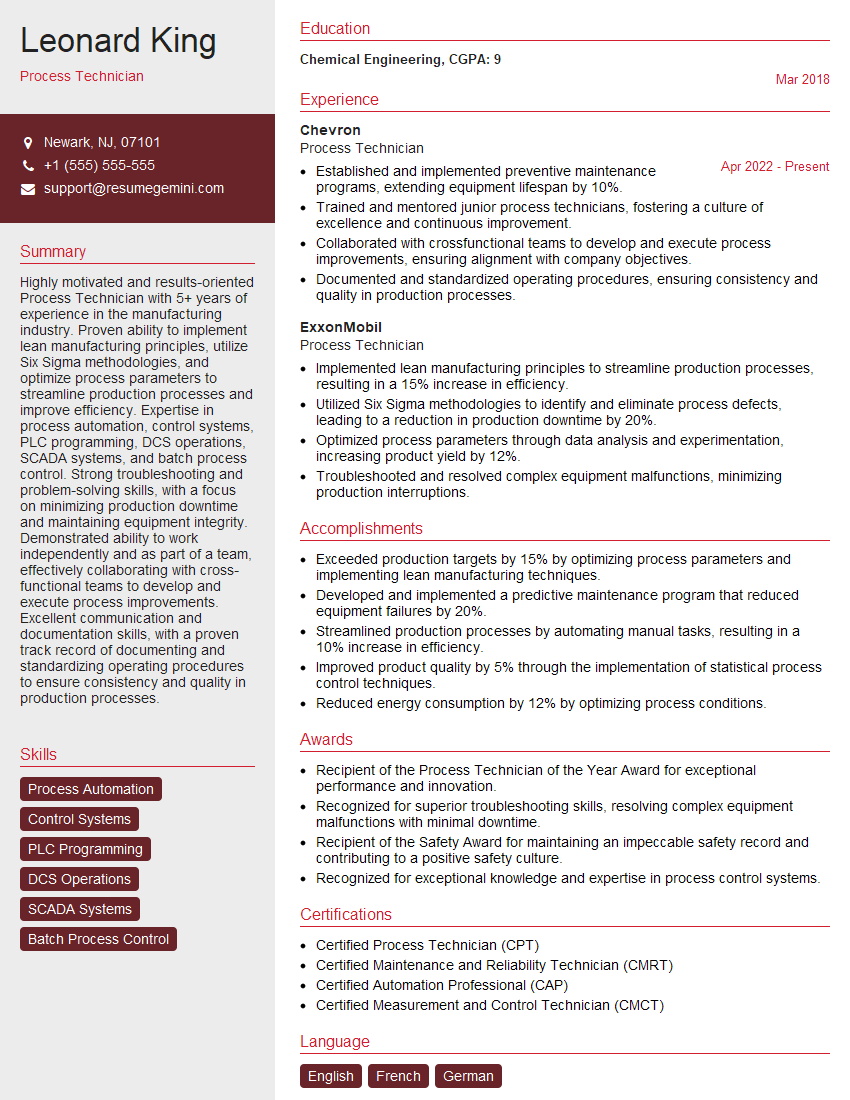
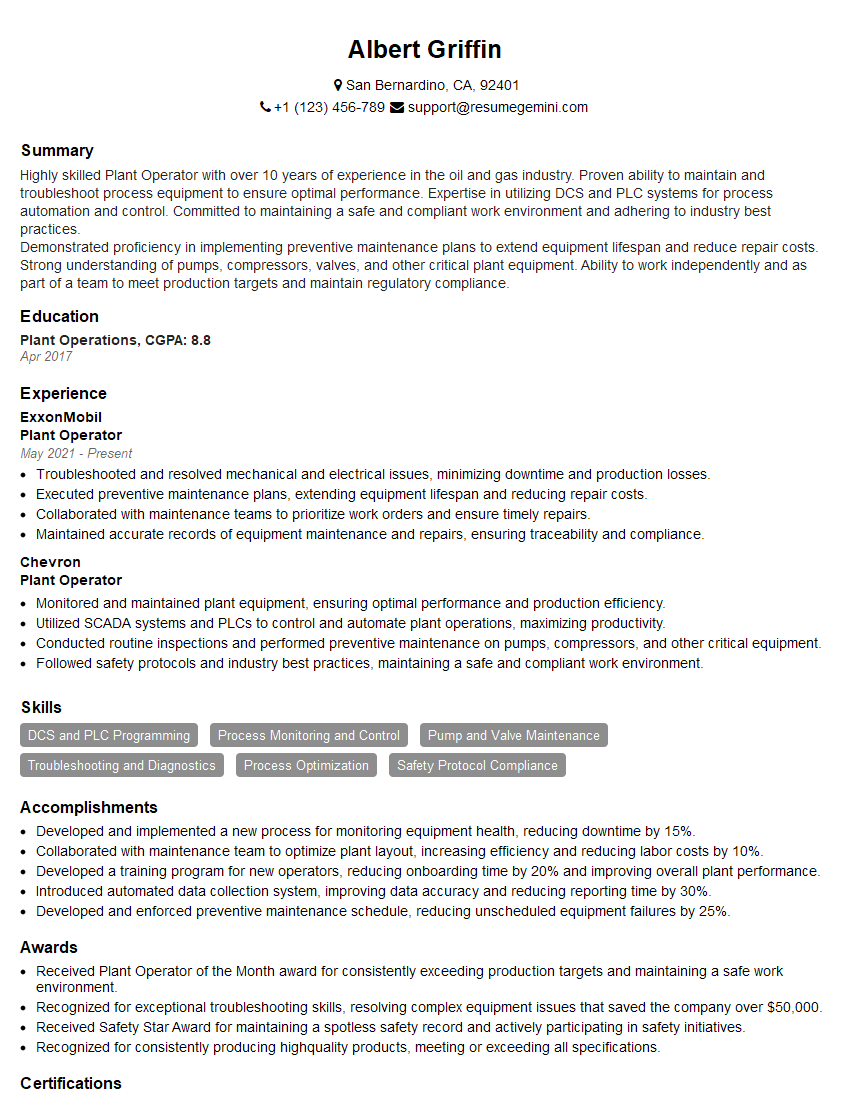
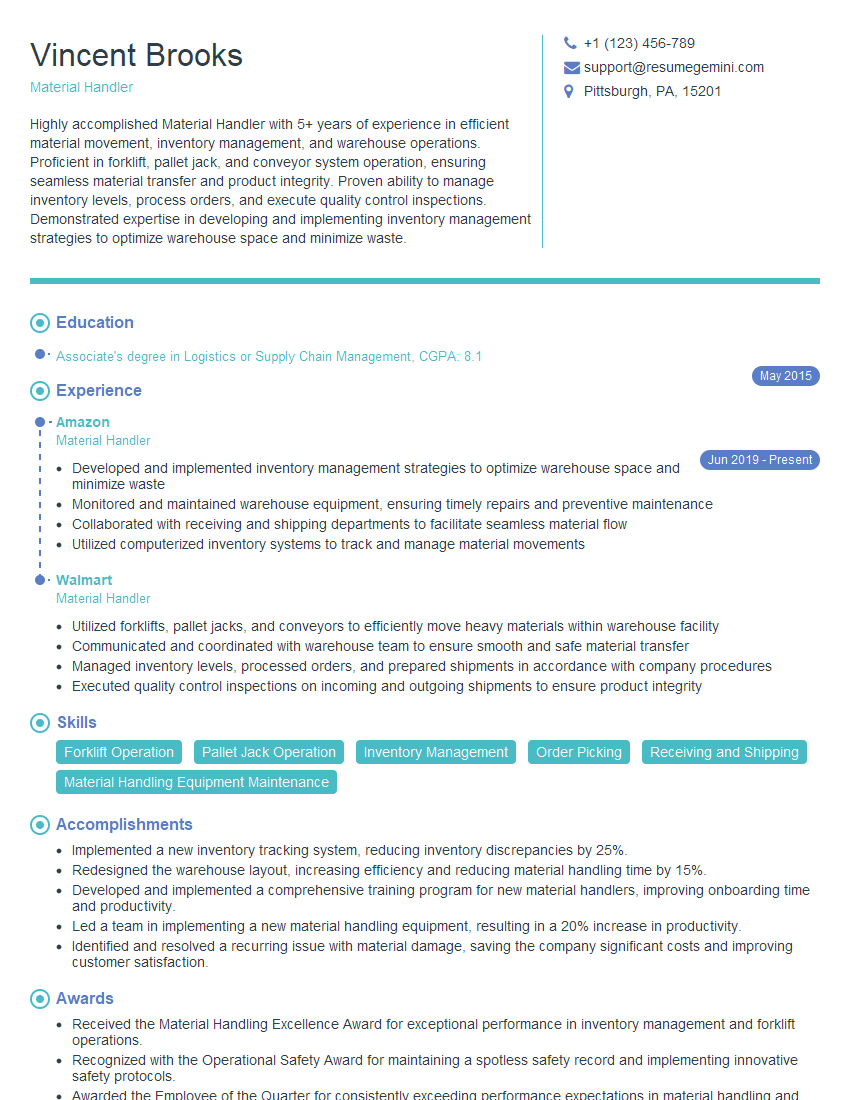
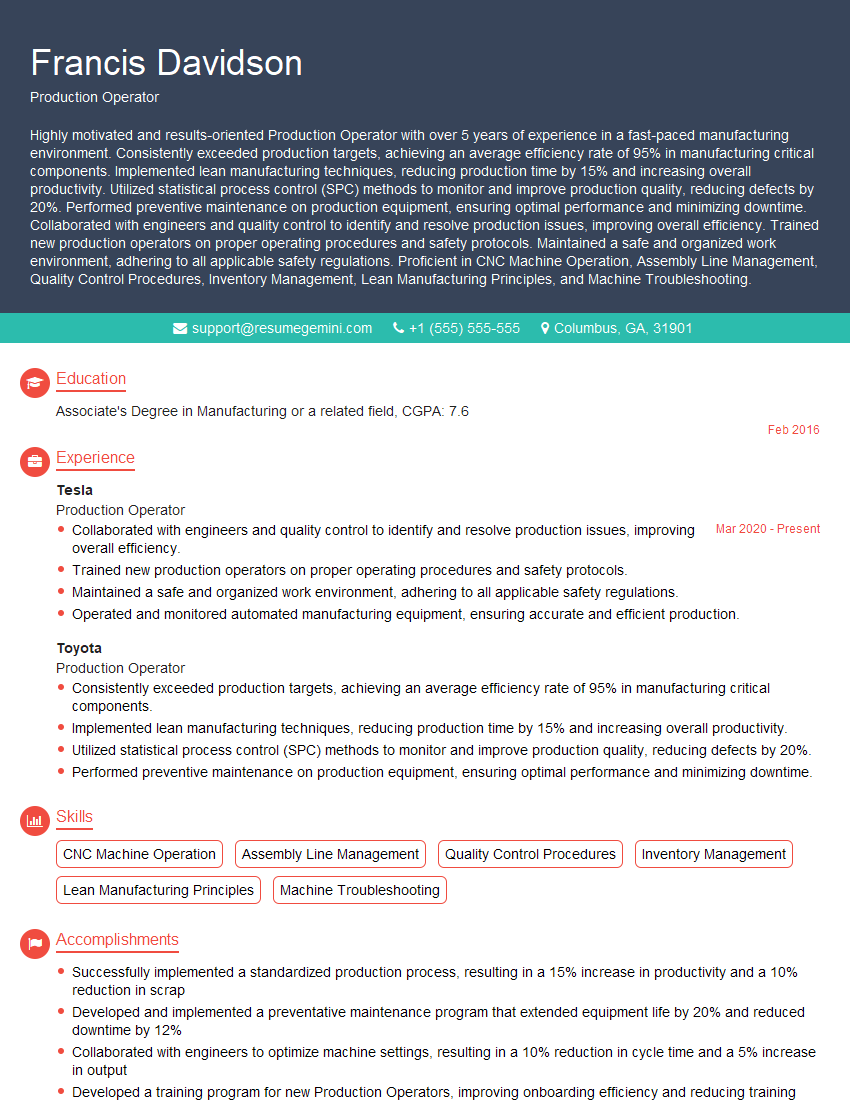
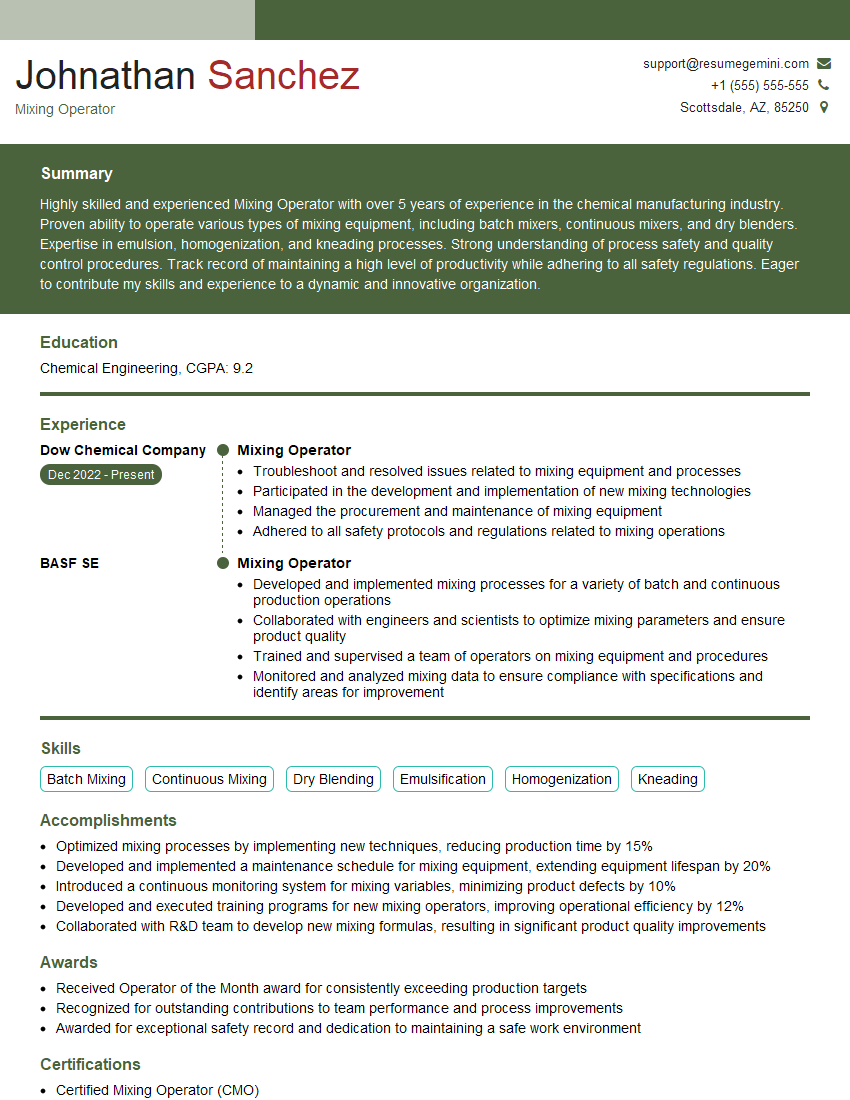
Mastering Material Preparation and Feeding opens doors to exciting career opportunities in various industries, offering excellent growth potential and competitive salaries. To maximize your job prospects, it’s crucial to present your skills effectively. Building an ATS-friendly resume is key to getting your application noticed by recruiters. ResumeGemini is a trusted resource that can help you craft a professional and impactful resume tailored to your unique experience. We provide examples of resumes specifically designed for candidates in Material Preparation and Feeding to help guide you in creating your own compelling application materials.



Explore more articles
Users Rating of Our Blogs
Share Your Experience
We value your feedback! Please rate our content and share your thoughts (optional).
What Readers Say About Our Blog
Very informative content, great job.
good