Unlock your full potential by mastering the most common Material Safety Data Sheet Creation interview questions. This blog offers a deep dive into the critical topics, ensuring you’re not only prepared to answer but to excel. With these insights, you’ll approach your interview with clarity and confidence.
Questions Asked in Material Safety Data Sheet Creation Interview
Q 1. What are the key sections of a Material Safety Data Sheet (MSDS) or Safety Data Sheet (SDS)?
A Safety Data Sheet (SDS), formerly known as a Material Safety Data Sheet (MSDS), is a document that provides comprehensive information on the hazards and safe handling of a chemical product. Think of it as a chemical’s resume, detailing everything you need to know to work with it safely. Key sections typically include:
- Identification: Product name, manufacturer contact information, emergency phone numbers.
- Hazard(s) Identification: Classification of the chemical according to the Globally Harmonized System (GHS), including hazard statements and precautionary statements. This section alerts users to potential dangers, like flammability or toxicity.
- Composition/Information on Ingredients: Lists the chemical components and their concentrations. This allows for proper risk assessment and understanding of potential interactions.
- First-aid Measures: Instructions for handling exposure scenarios, including eye contact, skin contact, inhalation, and ingestion. This section provides critical information for immediate response.
- Fire-fighting Measures: Suitable extinguishing media, specific hazards arising from the chemical, and protective equipment needed during firefighting. This ensures the safety of firefighters responding to emergencies.
- Accidental Release Measures: Procedures for containing and cleaning up spills, including personal protective equipment (PPE) recommendations. Proper spill management minimizes environmental and health risks.
- Handling and Storage: Precautions for safe handling, storage conditions (temperature, ventilation), and incompatibilities with other materials. This section outlines the proper care and storage of chemicals to prevent accidents.
- Exposure Controls/Personal Protection: Engineering controls, work practices, and PPE needed to minimize worker exposure. This section emphasizes worker safety through proper equipment and procedures.
- Physical and Chemical Properties: Relevant physical properties like appearance, boiling point, melting point, and solubility. Understanding these properties is crucial for safe handling and storage.
- Stability and Reactivity: Information about the chemical’s stability, conditions to avoid (e.g., heat, light), and hazardous decomposition products. This section provides insight into potential risks under certain conditions.
- Toxicological Information: Information on the potential health effects of the chemical, based on toxicology studies. This section is essential for understanding long-term and short-term health impacts.
- Ecological Information: Environmental effects of the chemical, including its toxicity to aquatic life and potential for bioaccumulation. This section addresses environmental responsibility.
- Disposal Considerations: Recommended methods for disposal of the chemical and its containers. Proper disposal methods minimize environmental impact.
- Transport Information: Information relevant to the transportation of the chemical, including UN numbers and hazard class. This section is crucial for safe transport according to regulations.
- Regulatory Information: List of relevant regulations and compliance information. This section shows the legal framework related to the chemical.
- Other Information: Additional information, such as references to other documents or sources.
Q 2. Explain the Globally Harmonized System of Classification and Labelling of Chemicals (GHS).
The Globally Harmonized System of Classification and Labelling of Chemicals (GHS) is an internationally agreed-upon system for classifying chemicals according to their hazards and communicating those hazards on labels and Safety Data Sheets. Think of it as a universal language for chemical safety. It aims to standardize how chemicals are categorized worldwide, preventing confusion and improving safety across borders. Key aspects include:
- Hazard Classification: Chemicals are categorized into hazard classes based on their physical (flammability, explosiveness), health (toxicity, carcinogenicity), and environmental (ecotoxicity) hazards. This classification drives the required safety measures.
- Hazard Communication: The system uses standardized signal words (Danger, Warning), hazard statements (clear descriptions of the hazards), and precautionary statements (instructions for safe handling) to convey information effectively. This ensures consistent understanding of risks.
- Labels: GHS mandates specific label elements including pictograms (symbols representing hazards), signal words, hazard statements, and precautionary statements. These labels are easily recognizable and understood internationally.
- SDS: The GHS also specifies the format and content of SDSs, ensuring consistent information globally. This ensures the information is uniformly accessible and understandable.
For example, a highly flammable liquid will have a specific hazard class, a ‘flammable’ pictogram, and corresponding hazard and precautionary statements on its label and in the SDS. The standardization ensures anyone, regardless of their location, understands the inherent risk.
Q 3. How do you ensure the accuracy and completeness of an MSDS/SDS?
Ensuring accuracy and completeness of an SDS is paramount for worker safety and regulatory compliance. My approach involves a multi-step process:
- Thorough Data Collection: Gathering information from various sources, including the manufacturer’s specifications, test reports, relevant literature, and regulatory databases. Cross-referencing ensures consistency and completeness.
- Careful Review and Interpretation: Critically reviewing all data, considering uncertainties and potential conflicts. Applying sound scientific judgment to interpret results and draw conclusions.
- Expert Consultation: When necessary, consulting with toxicology experts, chemists, or other specialists to clarify ambiguous information or resolve discrepancies. Collaboration ensures accuracy.
- Internal Review Process: Implementing a system of internal review and approval, involving qualified individuals who can scrutinize the SDS for accuracy, completeness, and clarity. A second pair of eyes catches inconsistencies.
- Version Control: Using version control software to track all changes made to the SDS. This ensures transparency and allows for easy identification of updates.
- Regular Updates: Regularly reviewing and updating the SDS to reflect any changes in the chemical composition, handling procedures, or regulatory requirements. Staying current is critical for compliance.
For example, if conflicting boiling points are found from different sources, I’d investigate the discrepancies, potentially contacting the manufacturer for clarification or reviewing the methodology of each source to determine the most reliable value.
Q 4. Describe your experience with updating and revising MSDS/SDS documents.
I have extensive experience updating and revising SDSs, both for new products and for existing ones requiring modification. My process involves:
- Identifying the Need for Revision: This could be triggered by a change in chemical composition, new toxicological data, changes in regulations, or feedback from users highlighting ambiguities or inaccuracies.
- Gathering and Reviewing New Information: Gathering relevant data, such as new test reports, regulatory updates, or scientific publications. Thoroughly reviewing this information to understand the implications for the SDS.
- Updating the Relevant Sections: Modifying the appropriate sections of the SDS to reflect the new information. This might involve updating hazard classifications, first-aid measures, or regulatory information.
- Review and Approval: Following the internal review and approval process to ensure the updated SDS is accurate, complete, and compliant with all relevant regulations.
- Distribution: Distributing the updated SDS to all relevant stakeholders, including employees, customers, and regulatory agencies.
In one instance, I oversaw the revision of an SDS after a new study revealed a previously unknown health hazard associated with a particular chemical. This required significant updates to the toxicological information section, first-aid measures, and exposure controls, ultimately ensuring worker safety.
Q 5. What are the legal and regulatory requirements for MSDS/SDS creation and distribution?
Legal and regulatory requirements for MSDS/SDS creation and distribution vary depending on the jurisdiction but are generally stringent. Key aspects include:
- Compliance with GHS: Most countries have adopted the GHS, requiring SDSs to follow its standardized format and content.
- Specific National/Regional Regulations: Beyond GHS, there are often specific national or regional regulations that add further requirements, such as language requirements or specific data reporting obligations. Compliance varies by country and region.
- Workplace Hazardous Materials Information System (WHMIS) in Canada, OSHA in the US, and REACH in Europe are key examples of regional regulations impacting SDS creation and distribution.
- Right-to-Know Laws: Employees have a right to know about the hazards of the chemicals they handle. Employers must provide access to SDSs and ensure employee training.
- SDS Distribution: Employers must ensure SDSs are readily accessible to employees, often through a centralized system or online database. Prompt distribution is essential for safety.
- Accurate and Up-to-Date Information: SDSs must contain accurate and up-to-date information. Failure to do so can lead to serious consequences, including fines and legal action.
Ignoring these legal requirements can result in significant penalties and puts workers and the environment at risk. Staying abreast of the ever-changing regulatory landscape is crucial.
Q 6. How do you handle conflicting information from various sources when creating an MSDS/SDS?
Handling conflicting information requires a methodical approach:
- Identify the Source: Determine the source of each piece of conflicting information. This includes evaluating the credibility and reliability of the source, such as a peer-reviewed publication versus an unverified website.
- Evaluate the Methodology: Examine the methodology used to obtain the information. Was it a well-designed study with rigorous controls, or was it based on anecdotal evidence? The methodology’s quality is critical.
- Consider the Context: Evaluate the context in which the information was obtained. Factors such as the specific chemical formulation, testing conditions, or measurement techniques can impact results. Understanding the conditions is vital for accurate interpretation.
- Consult Expert Opinions: Seek expert advice from chemists, toxicologists, or other relevant specialists to resolve ambiguities. Expert opinions add weight to the decision.
- Prioritize the Most Reliable Data: After considering all factors, select the most reliable data to include in the SDS. This may involve justifying the selection in the SDS itself, explaining the rationale for prioritizing certain data over others.
- Document the Decision-Making Process: Maintain detailed records of the decision-making process, including the sources considered, the rationale behind the selection of data, and any limitations of the chosen information. Transparency is key.
For example, if one source reports a high acute toxicity value while another reports a lower value, I would carefully scrutinize the methodologies, possibly contacting the original researchers for clarification to determine the most accurate and reliable value to incorporate into the SDS.
Q 7. Explain the process of classifying chemicals according to hazard categories.
Classifying chemicals involves a systematic process based on their inherent hazards. This is heavily reliant on the Globally Harmonized System (GHS). The process typically includes:
- Data Gathering: Collecting relevant data from various sources, including test results, literature reviews, and manufacturer specifications. Data are the foundation of the classification.
- Hazard Identification: Determining the potential hazards associated with the chemical, including physical, health, and environmental hazards. This step identifies inherent risks.
- Hazard Category Assignment: Assigning the chemical to specific hazard categories based on the severity and nature of the hazards identified. This involves using established criteria and thresholds.
- Signal Word Assignment: Assigning a signal word (‘Danger’ or ‘Warning’) based on the severity of the hazards. This signals the level of risk.
- Hazard Statement Selection: Selecting appropriate hazard statements from the GHS list that accurately describe the identified hazards. These statements provide concise risk descriptions.
- Precautionary Statement Selection: Selecting appropriate precautionary statements from the GHS list to provide instructions on how to safely handle, store, use, and dispose of the chemical. These statements are safety instructions.
- Documentation: Thoroughly documenting the classification process, including the data used, the rationale behind the classification decisions, and any uncertainties or limitations. Good documentation is essential for traceability and transparency.
For instance, a chemical exhibiting high acute toxicity would be assigned to a specific toxicity hazard category, receive a ‘Danger’ signal word, and have corresponding hazard and precautionary statements reflecting the high risk level. This classification informs the required safety measures.
Q 8. How do you determine the appropriate pictograms and signal words for a chemical?
Determining the appropriate pictograms and signal words for a chemical is crucial for effective hazard communication. It’s governed by Globally Harmonized System of Classification and Labelling of Chemicals (GHS), a globally accepted system adopted by many countries, including the US through OSHA’s Hazard Communication Standard. The process involves first classifying the chemical based on its inherent hazards. This classification uses standardized criteria to determine if the chemical is hazardous, and to what degree.
For example, if a chemical is corrosive, it will require a specific corrosion pictogram (a circle with a hand inside indicating corrosion). Similarly, flammability, health hazards (like carcinogenicity), and environmental hazards all have their unique pictograms.
Signal words—’Danger’ and ‘Warning’—indicate the severity of the hazard. ‘Danger’ signifies more serious immediate hazards, while ‘Warning’ is used for less severe but still significant hazards. The selection is based on the hazard classification’s severity. A highly toxic chemical might need ‘Danger’, while a mildly irritant chemical might only require ‘Warning’.
- Step 1: Hazard Classification: Determine the chemical’s health, physical, and environmental hazards using established criteria and testing data.
- Step 2: Pictogram Selection: Based on the classification, select the corresponding pictograms from the GHS list.
- Step 3: Signal Word Selection: Choose the appropriate signal word (‘Danger’ or ‘Warning’) based on the hazard classes and categories.
For instance, a highly flammable and corrosive liquid would require both the flame and corrosion pictograms and the signal word ‘Danger’. Think of it like traffic signs: a simple ‘Warning’ is like a yield sign, while ‘Danger’ is like a stop sign indicating a much more serious potential consequence.
Q 9. What is your experience with different software or databases used for MSDS/SDS management?
My experience encompasses a range of software and databases for MSDS/SDS management, from simple spreadsheet systems to sophisticated enterprise-level solutions. I’ve worked with spreadsheets like Excel (though they lack robust features for large-scale management), dedicated SDS authoring tools such as Chemwatch and MSDSonline, and integrated EHS (Environmental, Health, and Safety) management systems. Each has its own strengths and weaknesses. Spreadsheets are good for small businesses with limited needs, but complex organizations require robust systems that ensure version control, update tracking, and easy access for all employees.
Database systems allow for efficient searching and filtering, essential for large chemical inventories. I’ve particularly found integrated EHS systems beneficial, offering centralized control over SDS, training records, incident reporting, and regulatory compliance. They provide a complete view of safety-related data and often automate many aspects of SDS management, drastically reducing manual effort and risk of errors.
Q 10. Describe your experience with SDS authoring tools and software.
My experience with SDS authoring tools is extensive. I’m proficient in using several leading software programs, including Chemwatch, MSDSonline, and other specialized platforms. These tools provide templates, structured formats, and features to streamline the authoring process. They help ensure compliance with regulatory requirements by automatically generating sections based on the provided chemical data. For instance, I’ve used such tools to author SDS for hundreds of different chemicals, encompassing diverse hazard classes and regulatory requirements.
Beyond simply filling templates, I’m experienced in using these tools’ advanced features, such as integrating data from laboratory tests, generating multiple language versions, and managing revisions and updates to SDS documents. The ability to automatically update SDS documents when new information becomes available is a key advantage of these tools, especially important for large organizations handling many substances.
Q 11. How do you ensure the SDS is accessible to employees with disabilities?
Ensuring SDS accessibility for employees with disabilities is paramount and ethically crucial. This requires adhering to accessibility guidelines such as WCAG (Web Content Accessibility Guidelines) and Section 508. It involves creating SDS that are easily understandable and usable by everyone, regardless of their abilities. This encompasses several key areas:
- Alternative Text for Images: Provide detailed alternative text for any pictograms or images used in the SDS.
- Text-Based Format: Make the document available in a readily accessible text-based format like PDF/UA (PDF/Universal Accessibility) or plain text.
- Screen Reader Compatibility: Ensure the document is compatible with screen readers, allowing employees using assistive technologies to access and understand the information.
- Simple Language: Use clear, concise language, avoiding technical jargon wherever possible.
- Large Font Sizes: Offer options for adjustable font sizes.
- High Contrast: Utilize high contrast between text and background colours.
- Audio Versions: Consider providing the SDS information in an audio format.
By implementing these measures, we ensure that all employees, regardless of disability, have equal access to critical safety information, promoting a safer and more inclusive workplace. It’s not just a legal requirement but a demonstration of a company’s commitment to its employees’ well-being.
Q 12. How do you manage multiple MSDS/SDS for a large organization?
Managing multiple MSDS/SDS for a large organization requires a systematic and organized approach. Relying solely on manual processes is inefficient and prone to errors. Utilizing a centralized, digital SDS management system is essential. Such systems offer features like:
- Centralized Database: Stores all SDS in a single, easily searchable database.
- Version Control: Tracks all revisions, ensuring everyone has access to the latest version.
- Automated Updates: Automatically updates SDS when new information from manufacturers is available.
- Access Control: Restricts access to authorized personnel only.
- Workflow Management: Manages the review and approval processes for SDS.
- Integration with other systems: Integrates with other EHS management software for a comprehensive view of safety data.
Implementing a robust system ensures data accuracy, simplifies regulatory compliance, and significantly reduces the risk of safety incidents due to outdated or unavailable information. Regular audits are also key to maintaining the integrity of the system and ensuring data accuracy.
Q 13. What is your experience with translating MSDS/SDS into multiple languages?
Translating MSDS/SDS into multiple languages is a critical aspect of global compliance and ensuring worker safety. Accuracy is paramount. Simply using a generic online translator is unacceptable; it can lead to misinterpretations of critical safety information with potentially serious consequences. Professional translation services are necessary. These services employ native speakers with expertise in scientific and technical terminology to guarantee accuracy and clarity.
The process often involves a rigorous review to ensure consistency across different languages, verifying that the meaning and intent of the original SDS is preserved. This requires specialized linguistic skills combined with an understanding of safety regulations and hazard communication standards in each target language region. Quality assurance checks must also be part of the process to prevent errors and ensure that the translated SDS is compliant with local regulations.
Q 14. How do you ensure compliance with OSHA’s Hazard Communication Standard?
Ensuring compliance with OSHA’s Hazard Communication Standard (HCS) is a fundamental responsibility. It involves a multifaceted approach. Firstly, a comprehensive chemical inventory must be maintained, accurately identifying all hazardous chemicals present in the workplace. SDSs must be readily available for every hazardous chemical, properly accessed and maintained.
Employee training is crucial. All employees must receive training on the HCS, proper use of SDSs, and understanding of workplace hazards. The training must be easily understandable and documented. Furthermore, labels on containers of hazardous chemicals must comply with the HCS pictograms and signal words. The workplace should have an easily accessible SDS location, often a centralized system, allowing quick access to needed documents.
Regular audits and updates are essential. The entire system – from chemical inventory to employee training to labeling – should be regularly audited to ensure ongoing compliance. Any changes in chemicals, regulations, or procedures should trigger immediate updates to the entire system. By following this comprehensive strategy, a company can confidently demonstrate its commitment to OSHA compliance and create a safer environment for its employees.
Q 15. Explain your understanding of the different types of hazards (physical, health, environmental).
Material Safety Data Sheets (MSDS), now globally standardized as Safety Data Sheets (SDS), categorize hazards into three main types: physical, health, and environmental. Understanding these is crucial for safe handling, storage, and disposal of chemicals.
- Physical Hazards: These relate to the inherent properties of a substance that pose a danger through physical means. Examples include flammability (e.g., gasoline), explosiveness (e.g., dynamite), reactivity (e.g., sodium reacting violently with water), and corrosivity (e.g., strong acids). Think of it like this: these hazards don’t require ingestion or inhalation to cause harm; the physical interaction itself is the danger.
- Health Hazards: These concern the potential for a substance to cause harm through inhalation, ingestion, or skin absorption. This includes acute effects (immediate reactions like burns or irritation) and chronic effects (long-term consequences like cancer or organ damage). Examples include toxicity (e.g., lead), carcinogenicity (e.g., asbestos), mutagenicity (e.g., certain benzene derivatives), and reproductive toxicity (e.g., some heavy metals). Think of it as the harm the body suffers from exposure.
- Environmental Hazards: These refer to the potential for a substance to harm the environment – air, water, or soil. This includes factors like aquatic toxicity (e.g., pesticides harming fish), ozone depletion potential (e.g., chlorofluorocarbons), and global warming potential (e.g., greenhouse gases). Think of the broader impact on ecosystems and the planet.
Accurately classifying these hazards is paramount in creating a comprehensive and effective SDS, guiding safe practices and minimizing risk.
Career Expert Tips:
- Ace those interviews! Prepare effectively by reviewing the Top 50 Most Common Interview Questions on ResumeGemini.
- Navigate your job search with confidence! Explore a wide range of Career Tips on ResumeGemini. Learn about common challenges and recommendations to overcome them.
- Craft the perfect resume! Master the Art of Resume Writing with ResumeGemini’s guide. Showcase your unique qualifications and achievements effectively.
- Don’t miss out on holiday savings! Build your dream resume with ResumeGemini’s ATS optimized templates.
Q 16. How do you handle requests for MSDS/SDS from customers or other stakeholders?
Handling SDS requests requires a structured approach. First, I verify the requester’s identity and their legitimate need for the information. This ensures responsible dissemination of data and protects confidential information. Then, I provide the most current SDS version, typically via email in PDF format. If a specific section is requested, I may offer that individually to save time and resources. For large-scale requests, I may explore using a secure, online SDS management system to streamline distribution and tracking.
I’m mindful of confidentiality, especially with proprietary chemicals or formulations. I may need to customize the SDS slightly to protect trade secrets, while still meeting all regulatory requirements. I also ensure I maintain a record of all SDS distribution to comply with auditing and traceability requirements.
Q 17. How do you stay updated on changes in regulations and best practices for MSDS/SDS?
Staying current with SDS regulations and best practices demands continuous effort. I subscribe to relevant regulatory updates from agencies like OSHA (in the US), WHMIS (in Canada), and Globally Harmonized System of Classification and Labelling of Chemicals (GHS). I also participate in professional development activities, workshops, and webinars focused on SDS creation and compliance. Industry publications and conferences are also invaluable sources of information and networking opportunities. I monitor changes to the GHS, ensuring our SDS formats and content remain aligned with the latest international standards.
Regular internal reviews are conducted to evaluate our SDS creation process and ensure compliance. It’s not simply about ticking a box; it’s about proactively adapting to changes in best practice and technology, which can include adopting new software tools for managing SDS databases more efficiently.
Q 18. Describe your experience with creating MSDS/SDS for different types of chemicals (e.g., liquids, solids, gases).
My experience spans a wide range of chemicals, including liquids, solids, and gases. Each presents unique challenges for SDS creation. For instance, a liquid chemical might require detailed information on its flammability and volatility, including flash point, autoignition temperature, and vapor pressure. Solid chemicals might require details on dust explosivity and potential for dermal irritation. Gases necessitate specifying their pressure, handling, and storage requirements under different temperatures.
Regardless of the state, I follow a consistent methodology: accurate hazard identification, thorough testing (if necessary) to determine the physical and health hazards, careful selection of appropriate phrases and precautionary statements based on classification criteria, and ensuring the SDS is clear, concise, and easy for non-experts to understand. This approach ensures each SDS accurately reflects the unique risks associated with the specific chemical.
Q 19. How do you address inconsistencies in information between different MSDS/SDS versions?
Inconsistencies between SDS versions are unacceptable and can lead to safety hazards. When identified, I initiate a thorough investigation. I trace the inconsistencies back to their origin, verifying data sources and reviewing any updates or revisions made to the chemical formulation or testing results. If the discrepancies are significant, I’ll work with the responsible parties (chemists, lab technicians, etc.) to resolve the issues and prepare an updated, corrected version. Any changes are meticulously documented, highlighting the differences and rationales behind the corrections. Version control is essential to manage revisions transparently.
A rigorous quality control process, including multiple reviews before final approval, helps prevent such inconsistencies from arising in the first place. The ultimate goal is a single source of truth for the SDS that is always accurate and up-to-date.
Q 20. Explain your process for reviewing and approving MSDS/SDS documents.
My review and approval process is multi-layered to ensure accuracy and compliance. First, a technical review focuses on the scientific accuracy of the data, including hazard classification, testing results, and the appropriateness of the precautionary statements. Then, a regulatory review ensures compliance with all relevant national and international standards (e.g., GHS). Finally, a quality control review checks for clarity, consistency, and completeness of the SDS, verifying that the information is presented in a user-friendly manner. Each reviewer signs off, documenting their approval. Any identified issues are addressed before final approval by a designated safety officer or senior management.
This layered approach minimizes errors and guarantees that the final SDS is of high quality, accurate, and legally compliant. Furthermore, this documented review trail can be extremely useful in auditing situations or in response to incident investigations.
Q 21. How do you handle situations where an MSDS/SDS is missing or incomplete?
A missing or incomplete SDS presents a serious safety risk. My immediate response involves identifying the source of the gap – is it a new chemical, a chemical with poorly documented history, or a procedural failure? Depending on the situation, I would prioritize finding the necessary information. This may involve contacting the chemical supplier, performing additional testing, or consulting relevant databases.
If rapid action is required for workplace safety and the information cannot be immediately obtained, a temporary SDS might be produced, clearly marking it as provisional. However, this is only used as a temporary measure until a complete SDS can be developed. Simultaneously, an immediate investigation would be started into the cause of the missing or incomplete data to prevent future occurrences. Proper documentation of this process would be absolutely crucial.
Q 22. What is your experience with MSDS/SDS training programs for employees?
Developing and delivering effective MSDS/SDS training is crucial for workplace safety. My experience encompasses designing and conducting training programs for employees at various levels, from shop floor workers to management personnel. These programs are tailored to the specific hazards present in the workplace and the employees’ roles. I leverage a multi-modal approach, combining interactive workshops, online modules, and hands-on demonstrations to ensure comprehension. For instance, I’ve developed a program for a manufacturing plant that included interactive scenarios simulating chemical spills and emergency response procedures, followed by a practical session on using safety equipment. This blended approach significantly improved employee understanding and confidence in handling hazardous materials. Assessment methods such as quizzes and practical tests are incorporated to gauge effectiveness and identify areas needing further clarification. Post-training, I also facilitate regular refresher courses and incorporate feedback to continuously improve the training materials and delivery methods.
Q 23. How do you ensure the confidentiality of sensitive information in MSDS/SDS?
Confidentiality of sensitive information within MSDS/SDS is paramount. My approach involves implementing robust security measures throughout the entire lifecycle of the SDS. This includes restricting access to SDS databases through role-based access controls, limiting distribution to authorized personnel only, and using secure file-sharing platforms with encryption capabilities. Physical security of hard copies is also important, often using locked cabinets and restricted access areas. Regular audits are conducted to ensure adherence to data protection policies. Furthermore, we employ data anonymization techniques where possible, removing personally identifiable information while retaining the crucial safety details. Employee training emphasizes the importance of data protection and the consequences of unauthorized disclosure. For example, we would never include a specific employee’s name or contact information on a chemical label or in an SDS; only relevant safety information is included. In the event of a data breach, we have established a clear incident response plan to mitigate any damage and ensure compliance with relevant regulations.
Q 24. Describe your experience with the SDS Authoring Tool.
I possess extensive experience using various SDS authoring tools, including both commercial software and specialized platforms. My expertise lies in leveraging these tools to create accurate, compliant, and user-friendly SDS documents. This includes mastering the software’s functionalities for data input, hazard classification, template customization, and regulatory compliance checks. I am proficient in managing large databases of chemical information, ensuring data integrity and consistency across multiple SDSs. I’ve used this expertise to streamline the SDS creation process in several organizations, reducing the time and resources required while improving the accuracy and consistency of the final documents. For instance, I used a particular software to automate the generation of SDSs based on a company’s internal chemical inventory, significantly improving efficiency. This automation also minimized human error in data entry, leading to a more reliable SDS database.
Q 25. Explain the difference between an MSDS and an SDS.
While both MSDS (Material Safety Data Sheet) and SDS (Safety Data Sheet) serve the same purpose – providing information on the hazards of chemicals – the SDS is the globally harmonized version, replacing the older MSDS format. The key difference lies in the standardized structure and format. SDSs adhere to the Globally Harmonized System of Classification and Labelling of Chemicals (GHS), which ensures consistency and clarity across international borders. MSDSs, being older and often company-specific, could have varied formats and levels of detail. This lack of standardization made it difficult for workers and employers to quickly grasp the crucial safety information. The SDS, on the other hand, presents information in a 16-section format with clear headings, making it much easier to understand and access critical safety data. Think of it like this: MSDS was like having a recipe written in different styles by different cooks; SDS is like having a standardized recipe book, making it easy to follow regardless of the origin of the dish (chemical).
Q 26. What is the role of a Safety Data Sheet (SDS) in workplace safety?
The SDS plays a vital role in workplace safety by providing crucial information about the hazards associated with a chemical product. It serves as the primary source of information for workers, employers, emergency responders, and transporters. By outlining physical and chemical properties, health hazards, potential environmental impacts, and safe handling procedures, the SDS empowers workers to use chemicals safely, reduces the risk of accidents, and enables effective emergency response. It’s a cornerstone of a comprehensive chemical safety program. For example, if a worker spills a chemical, the SDS will guide them on how to clean up the spill safely, including the necessary personal protective equipment (PPE) and emergency procedures. Without an SDS, workers would be left without the information required to protect themselves and the environment from potential hazards.
Q 27. How would you handle a situation where a chemical’s hazard classification is disputed?
Disputes regarding a chemical’s hazard classification require a careful and systematic approach. The first step would involve reviewing all available data, including the manufacturer’s classification, relevant scientific literature, and regulatory guidance. If the discrepancy stems from differing interpretations of available data, a thorough assessment considering the various methodologies used for hazard classification is necessary. If a consensus cannot be reached internally, seeking an expert opinion from a qualified toxicologist or chemist could help resolve the issue. Open communication with the manufacturer is also crucial; often, providing clear evidence of the discrepancy could lead to a resolution. Depending on the jurisdiction, regulatory agencies may need to be consulted to determine the correct classification. Maintaining thorough documentation of the entire process is vital, as it may be necessary to justify the classification decision to regulatory bodies or in the event of an incident.
Q 28. How familiar are you with WHMIS (Workplace Hazardous Materials Information System)?
I am very familiar with WHMIS (Workplace Hazardous Materials Information System), the Canadian occupational health and safety regulation. My understanding encompasses all aspects of WHMIS, including the classification of hazardous materials, the provision of workplace labels, and the preparation and dissemination of SDSs. I’m proficient in interpreting WHMIS regulations and ensuring that all SDSs created and used comply fully with the legislation. I’ve been involved in implementing WHMIS compliant training programs and ensuring proper labeling and handling of hazardous materials across various workplaces. The understanding of WHMIS extends to the different hazard classes and their associated precautionary measures. For example, I know the specific requirements for labeling and handling highly flammable materials versus materials that are toxic or corrosive. This knowledge allows me to create comprehensive safety programs that meet the standards required by Canadian law.
Key Topics to Learn for Material Safety Data Sheet Creation Interview
- Understanding GHS and its Implications: Grasp the Globally Harmonized System of Classification and Labelling of Chemicals and how it impacts MSDS creation. This includes understanding hazard pictograms, signal words, and hazard statements.
- Data Gathering and Interpretation: Learn how to effectively collect necessary data from various sources (e.g., chemical suppliers, laboratory testing) and interpret this information for accurate MSDS completion.
- Section-Specific Knowledge: Familiarize yourself with the content and requirements of each section of an MSDS, including identification, hazards identification, composition/information on ingredients, first-aid measures, fire-fighting measures, accidental release measures, handling and storage, exposure controls/personal protection, physical and chemical properties, stability and reactivity, toxicological information, ecological information, disposal considerations, transport information, regulatory information, and other information.
- Practical Application: Software and Templates: Gain experience using MSDS creation software and understanding various template formats. Practice creating MSDSs for different types of chemicals and materials.
- Hazard Communication and Compliance: Understand the legal and regulatory requirements for MSDS creation and distribution, and how MSDSs contribute to effective hazard communication within a workplace.
- Problem-Solving in MSDS Creation: Prepare for scenarios requiring critical thinking, such as resolving inconsistencies in data, handling ambiguous information, or adapting to evolving regulations.
- Data Validation and Quality Assurance: Learn how to ensure accuracy and completeness in MSDSs through thorough data validation and quality control processes.
Next Steps
Mastering Material Safety Data Sheet creation is crucial for a successful career in safety, environmental health, and chemical handling. A strong understanding of this critical process demonstrates your commitment to workplace safety and regulatory compliance, opening doors to numerous opportunities. To enhance your job prospects, focus on building an ATS-friendly resume that highlights your skills and experience effectively. ResumeGemini is a trusted resource to help you craft a professional and compelling resume. Examples of resumes tailored to Material Safety Data Sheet Creation are available to help guide your resume development. Take this opportunity to refine your resume and confidently present your expertise to potential employers.

Compliance Manager Resume Sample
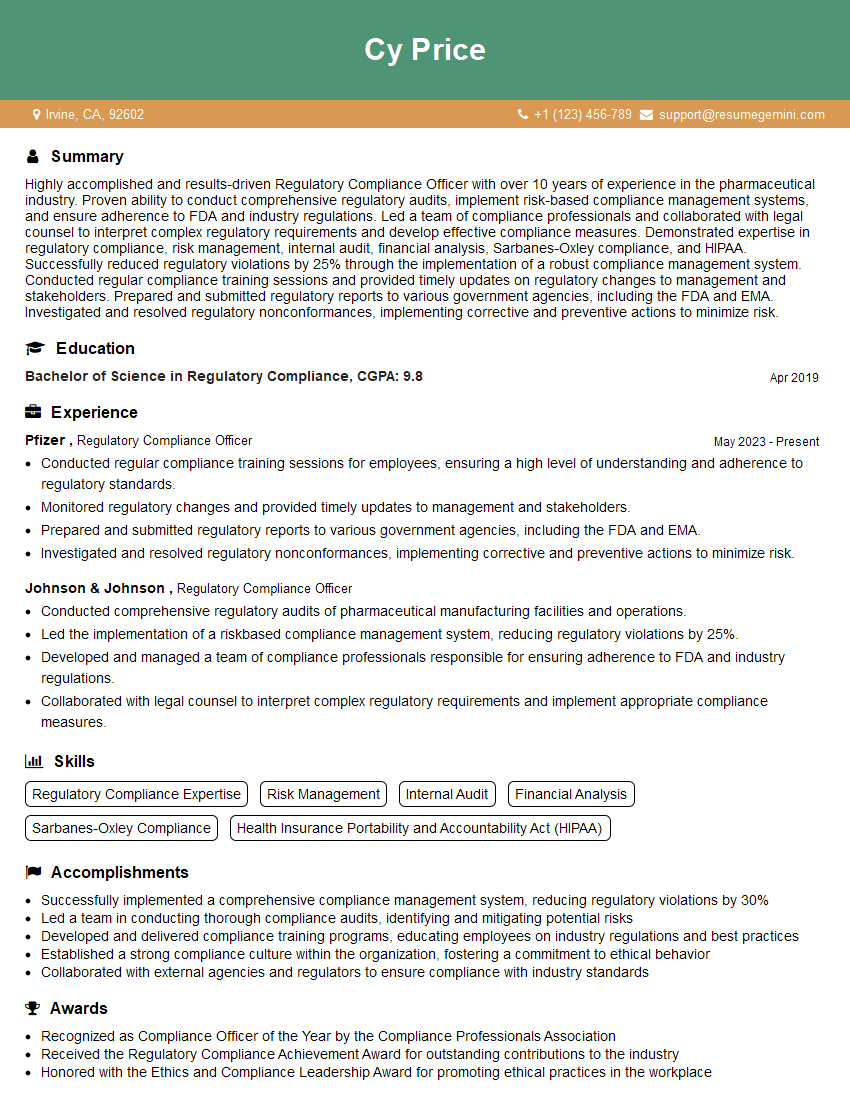
Regulatory Compliance Officer Resume Sample
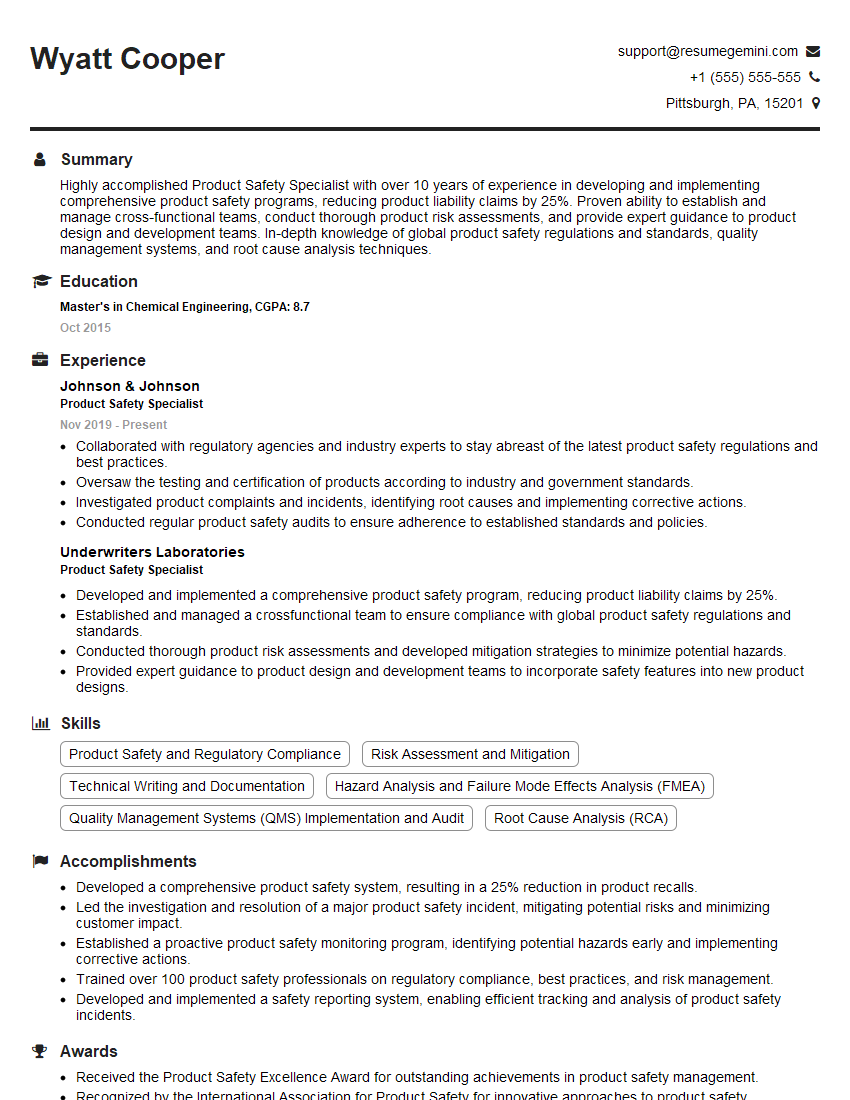
Product Safety Specialist Resume Sample
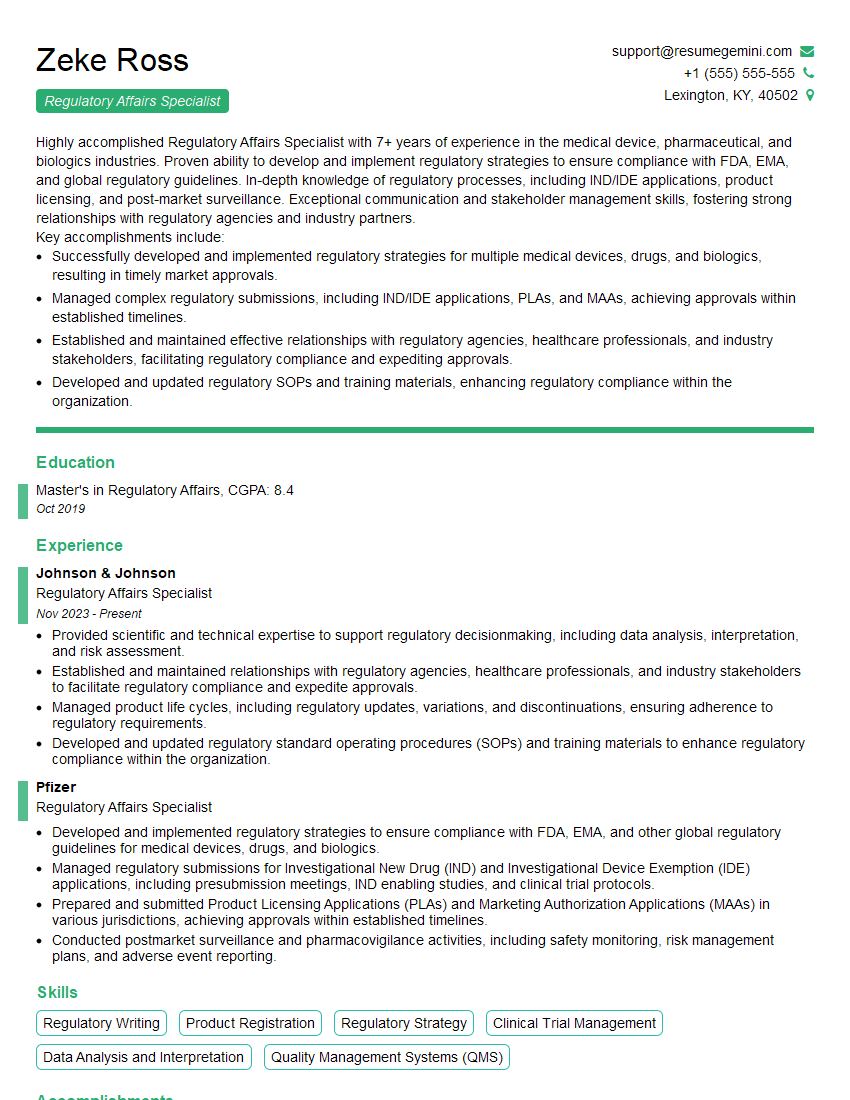
Regulatory Affairs Specialist Resume Sample
Supply Chain Specialist Resume Sample
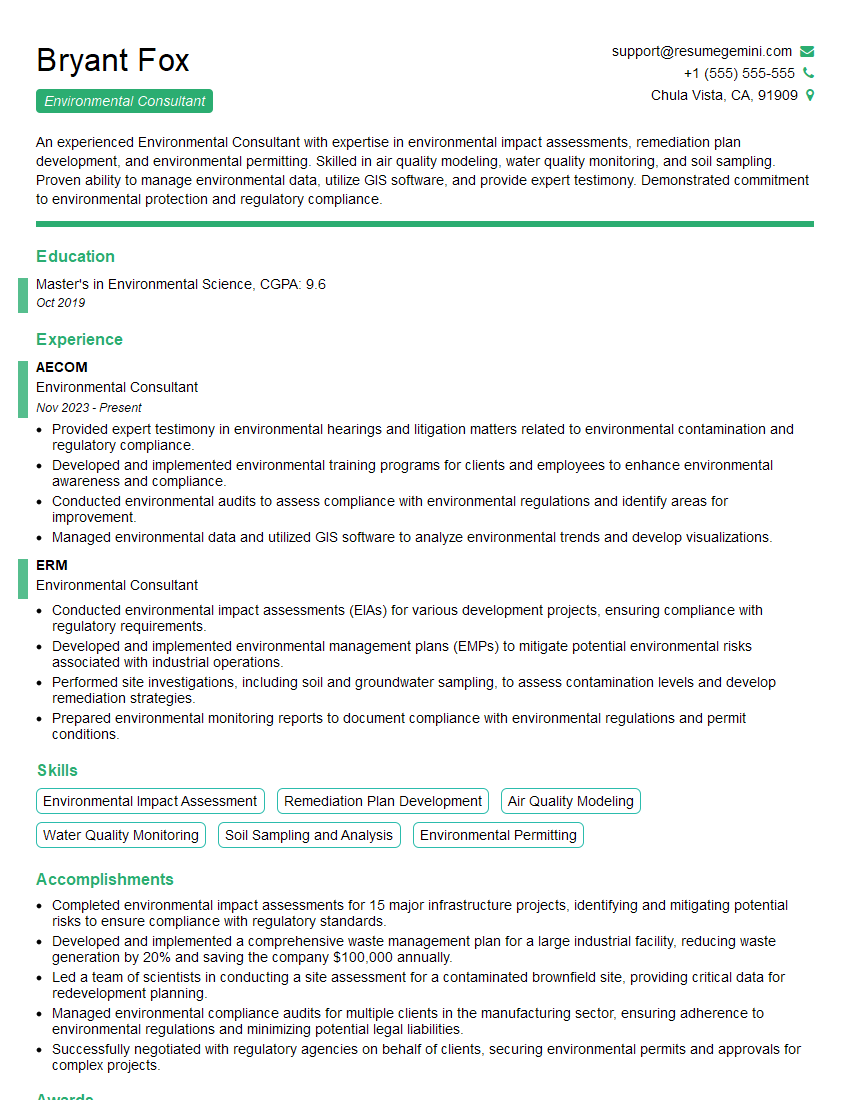
Environmental Consultant Resume Sample
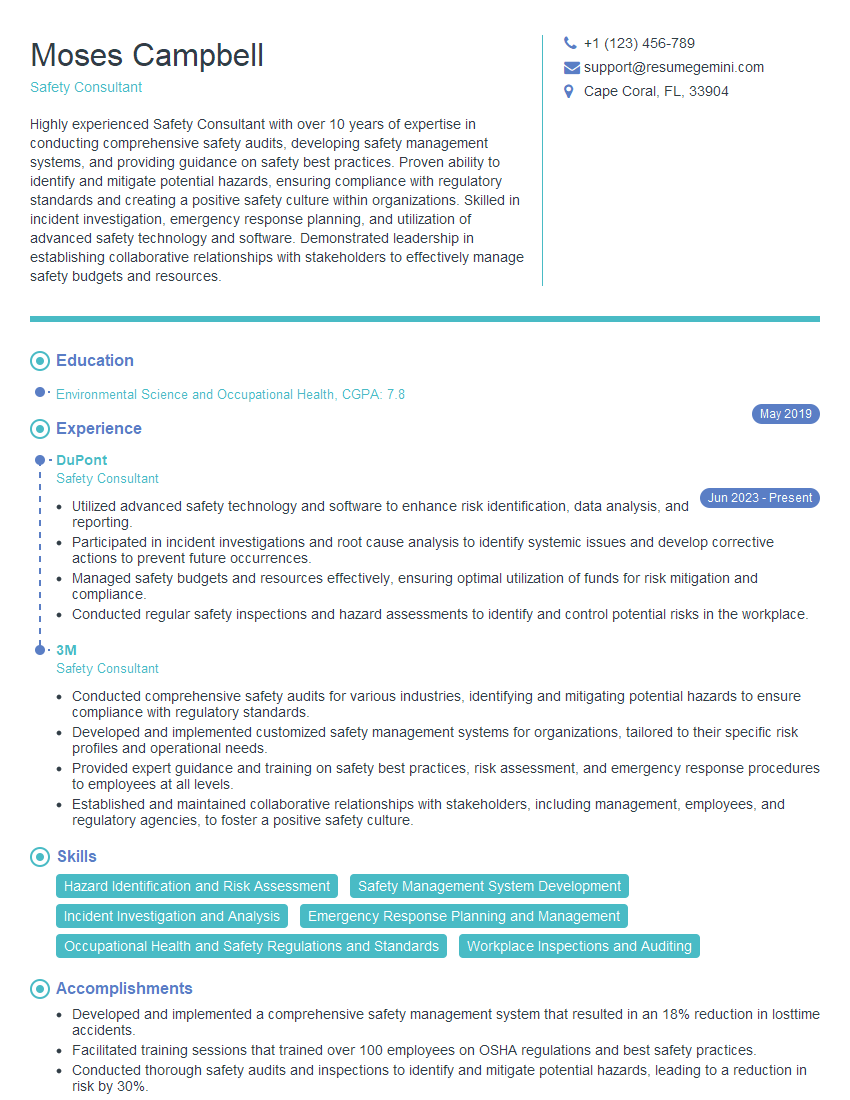
Safety Consultant Resume Sample
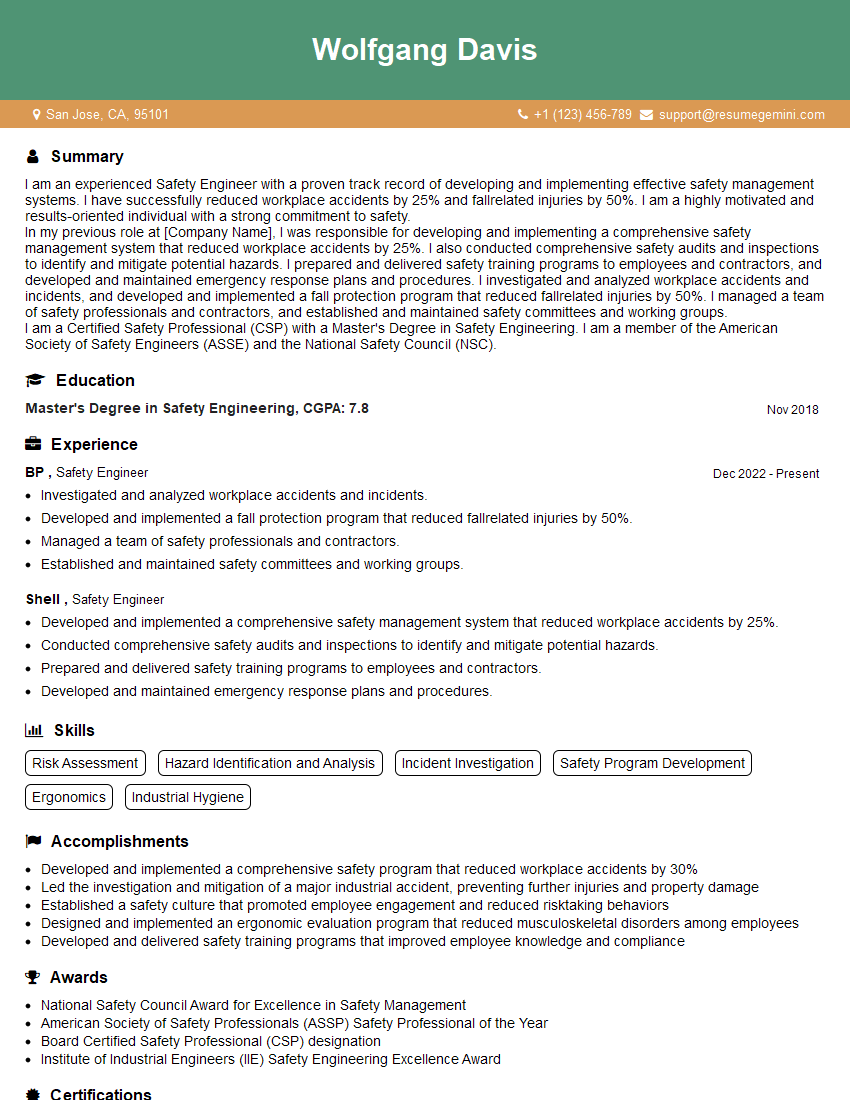
Safety Engineer Resume Sample
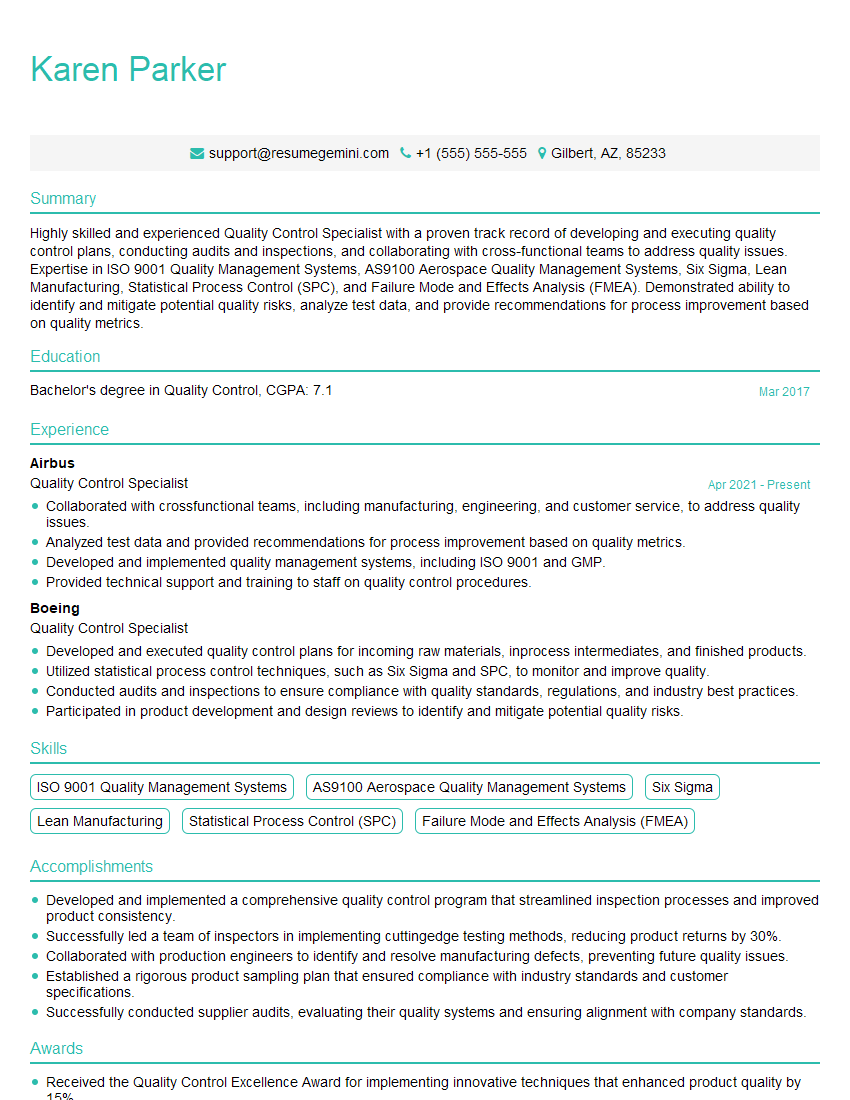
Quality Control Specialist Resume Sample
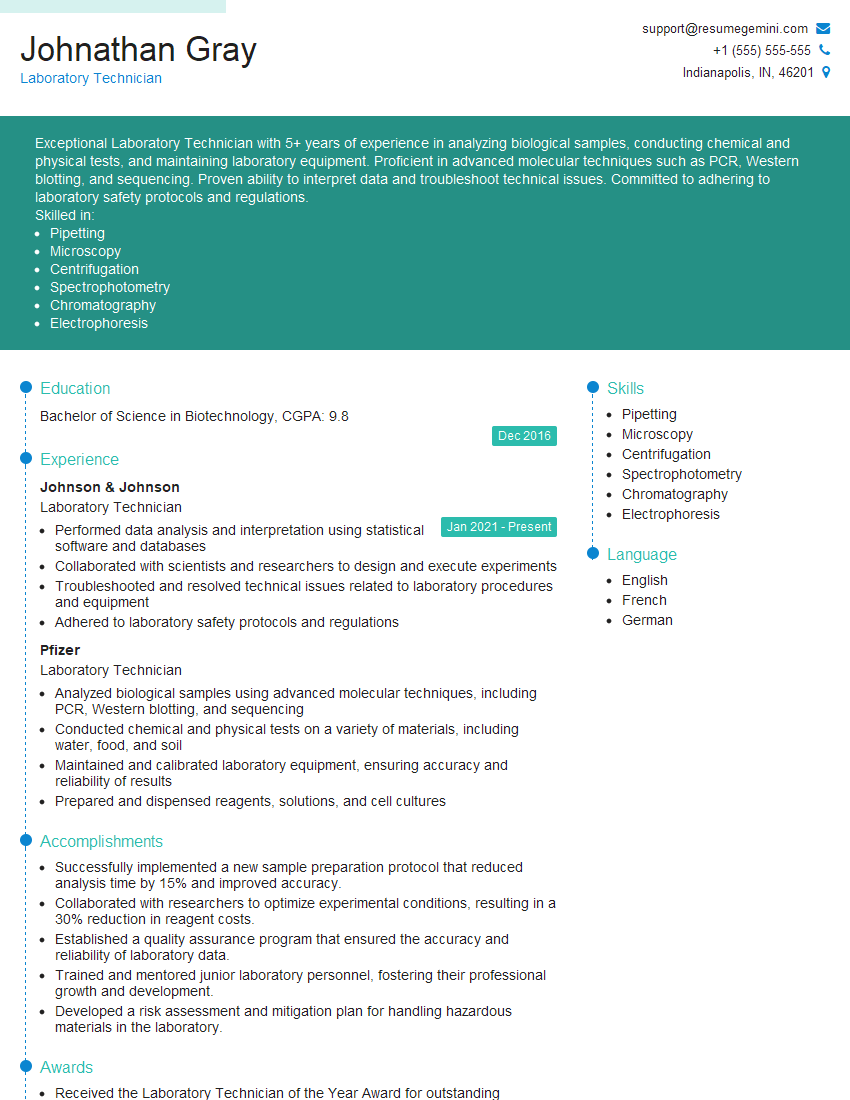
Laboratory Technician Resume Sample
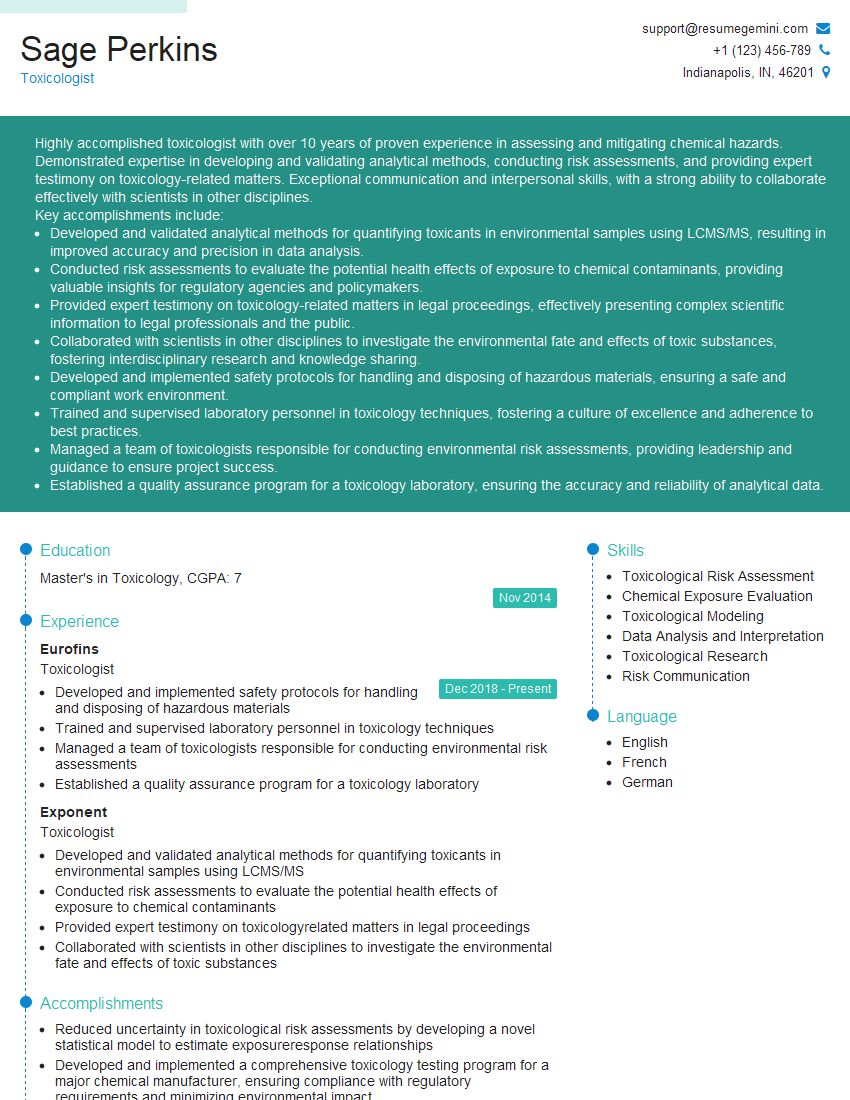
Toxicologist Resume Sample
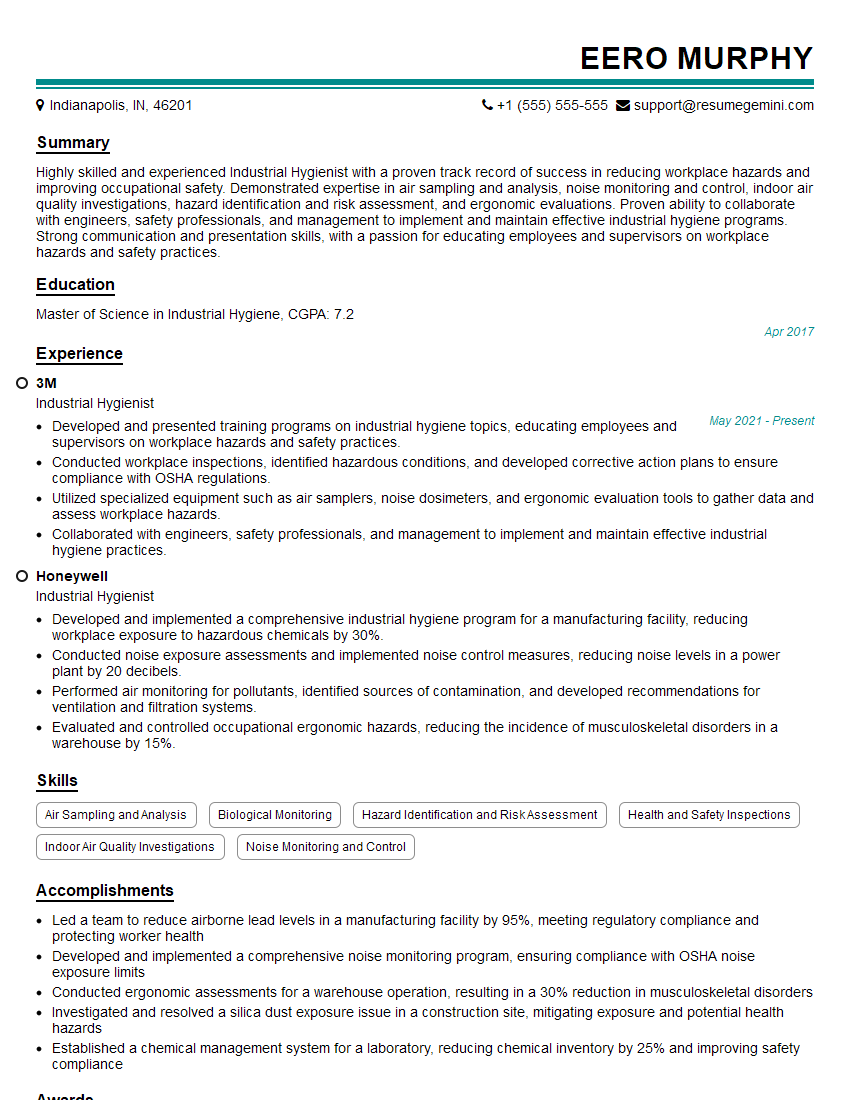
Industrial Hygienist Resume Sample
Explore more articles
Users Rating of Our Blogs
Share Your Experience
We value your feedback! Please rate our content and share your thoughts (optional).
What Readers Say About Our Blog
Very informative content, great job.
good