Interviews are more than just a Q&A session—they’re a chance to prove your worth. This blog dives into essential Material Selection and Customization interview questions and expert tips to help you align your answers with what hiring managers are looking for. Start preparing to shine!
Questions Asked in Material Selection and Customization Interview
Q 1. Explain the difference between tensile strength and yield strength.
Tensile strength and yield strength are both crucial measures of a material’s ability to withstand pulling forces, but they represent different points on the material’s stress-strain curve.
Tensile strength, also known as ultimate tensile strength, is the maximum stress a material can withstand before it breaks or fractures. Think of it like the breaking point – the ultimate limit before failure. It’s determined by finding the highest point on the stress-strain curve. For example, a steel bar with high tensile strength can withstand a significant amount of pulling force before snapping.
Yield strength, on the other hand, represents the stress at which a material begins to deform plastically – meaning it deforms permanently. This is the point where the material starts to yield and undergo irreversible changes in its shape, even if the force is removed. Imagine bending a paperclip – once you’ve bent it past its yield strength, it stays bent. It’s crucial for designing structures that need to maintain their shape under load. A high yield strength indicates a material’s resistance to permanent deformation.
In essence, tensile strength indicates the material’s breaking point, while yield strength signifies its point of permanent deformation. Both are vital in material selection, depending on the application’s requirements. A structural component might require high yield strength to avoid permanent deformation, while other applications might only need to withstand a certain load before breaking.
Q 2. Describe the process of selecting materials for a high-temperature application.
Selecting materials for high-temperature applications requires careful consideration of several critical properties. The primary concern is the material’s ability to retain its strength and integrity at elevated temperatures. This involves examining several key factors:
- Melting Point: The material’s melting point must be significantly higher than the operating temperature. A material melting below the operating temperature is clearly unsuitable.
- Creep Resistance: Creep is the slow, permanent deformation of a material under sustained stress and high temperatures. Materials with high creep resistance are essential to maintain structural integrity.
- Oxidation Resistance: At high temperatures, materials are susceptible to oxidation, which weakens them. Therefore, oxidation resistance is crucial. Coatings can sometimes help improve this.
- Thermal Shock Resistance: The ability to withstand rapid temperature changes without cracking or fracturing is critical in many applications.
- Thermal Conductivity: The material’s ability to conduct heat can affect its performance and lifespan at high temperatures. This needs to be considered depending on the specific application needs (e.g., heat dissipation).
The selection process often involves consulting material databases, conducting thermal analysis tests, and performing experimental evaluations under simulated high-temperature conditions. Superalloys, ceramics, and certain advanced polymers might be suitable candidates, depending on the specific constraints.
For example, in designing a gas turbine engine, superalloys are often preferred due to their exceptional high-temperature strength and creep resistance. However, the cost of these materials might be prohibitive, requiring a careful balance between performance and economics.
Q 3. What are the key considerations when choosing a material for biocompatibility?
Biocompatibility is paramount when selecting materials for medical implants and devices. It’s the ability of a material to perform with an appropriate host response in a specific application. Choosing biocompatible materials requires considering several factors:
- Cytotoxicity: The material shouldn’t be toxic to cells. This is often assessed through in vitro testing, exposing cells to the material’s extracts.
- Genotoxicity: It should not damage DNA or cause genetic mutations.
- Inflammation: The material shouldn’t cause excessive inflammation or immune response in the body.
- Hemocompatibility (for blood-contacting devices): For materials in contact with blood, ensuring they don’t trigger blood clotting or other adverse reactions is crucial.
- Surface Properties: The surface properties of the material influence its interaction with the body. Smooth surfaces often reduce inflammation and improve biocompatibility.
- Long-Term Stability: The material must retain its properties and biocompatibility over the implant’s lifespan. Degradation or leaching of toxic components is unacceptable.
Examples of commonly used biocompatible materials include titanium alloys, stainless steels (specific grades), and certain polymers like polyethylene. However, the specific choice depends on the application (e.g., hip implants vs. sutures) and the required mechanical properties.
Rigorous testing and regulatory approvals are mandatory before any biocompatible material can be used in medical devices, ensuring patient safety and efficacy.
Q 4. How do you determine the appropriate material for a specific cost constraint?
Material selection under cost constraints requires a systematic approach. The process begins with defining the functional requirements of the application, then identifying potential materials that meet these requirements. Next, a cost analysis is performed comparing the initial material cost with the anticipated lifetime costs, including manufacturing, maintenance, and potential replacement.
Step-by-step process:
- Define Requirements: Clearly define all necessary material properties (strength, durability, weight, etc.) and performance criteria.
- Preliminary Material Selection: Identify candidate materials using material databases or engineering handbooks.
- Cost Analysis: Determine the cost of each candidate material, considering factors like raw material price, manufacturing processes, and tooling.
- Life-Cycle Costing: Evaluate the overall cost over the material’s lifespan, including maintenance and potential replacements. This often reveals that a seemingly more expensive material might offer lower long-term costs due to increased durability.
- Trade-off Analysis: Consider the trade-offs between material properties and cost. Sometimes, a slight compromise in performance can lead to significant cost savings.
- Final Selection: Select the material that best balances performance, cost, and life-cycle considerations.
For instance, choosing between aluminum and steel for a car part: while steel might offer higher strength, aluminum might be cost-effective due to its lower weight and potentially simpler manufacturing processes, ultimately leading to lower overall costs despite the higher material price per unit weight.
Q 5. Explain the trade-offs between material properties (e.g., strength vs. weight).
Trade-offs between material properties are inherent in material selection. Often, improving one property comes at the expense of another. The classic example is the strength-versus-weight trade-off. High strength usually implies higher density and therefore greater weight. For instance, steel is significantly stronger than aluminum but also much heavier.
Examples:
- Strength vs. Weight: High-strength materials like titanium alloys are desirable for aerospace applications due to their strength-to-weight ratio, but they are significantly more expensive than steel or aluminum.
- Strength vs. Ductility: High-strength materials are often less ductile (less able to deform before breaking), which can be a concern in applications requiring impact resistance or flexibility.
- Stiffness vs. Flexibility: Stiff materials like ceramics are excellent for structural applications, but lack flexibility, making them prone to fracture under impact.
- Cost vs. Performance: Advanced materials often offer superior performance but at a substantially higher cost compared to traditional materials.
The optimal choice involves careful analysis and a balanced approach, understanding that a perfect material rarely exists. The designer must prioritize the most critical properties based on the specific application needs. A lightweight material might be chosen for aerospace components, despite a slight compromise in strength, while strength might be paramount in a bridge structure, even if it means a heavier design.
Q 6. What are the main types of material testing methods, and when would you use each?
Numerous material testing methods exist, each designed to assess specific properties. The choice of method depends on the required information and the material itself.
- Tensile Testing: Measures tensile strength, yield strength, elongation, and modulus of elasticity. It’s crucial for evaluating a material’s response to pulling forces and is a fundamental test for many applications.
- Compression Testing: Evaluates a material’s response to compressive forces. It is essential for materials used in load-bearing structures under compression, such as concrete or certain polymers.
- Flexural Testing (Three-Point Bend Test): Determines a material’s flexural strength and modulus. It’s common for testing brittle materials like ceramics.
- Impact Testing (Charpy or Izod Test): Measures a material’s resistance to impact loads, revealing its toughness and susceptibility to brittle fracture. This is crucial in applications involving sudden shocks or impacts.
- Hardness Testing (Rockwell, Brinell, Vickers): Measures a material’s resistance to indentation, indicating its hardness and wear resistance. This is commonly used for quality control and wear prediction.
- Fatigue Testing: Evaluates a material’s behavior under cyclic loading, determining its fatigue strength and life. It is crucial for components subjected to repeated stresses.
- Creep Testing: Assesses a material’s behavior under sustained stress at elevated temperatures. Essential for high-temperature applications.
The choice of testing method is application-specific. For example, designing a car bumper might require impact testing to evaluate its ability to absorb energy in a collision, while a bridge design might necessitate fatigue testing to ensure the structural integrity under repeated loading cycles.
Q 7. Discuss your experience with material data sheets and their interpretation.
Material data sheets (also known as datasheets or specification sheets) are indispensable resources in material selection. They provide comprehensive information about a material’s properties, characteristics, and applications. My experience involves extensively using these sheets to compare different materials, assess suitability, and inform design decisions.
Interpretation involves several steps:
- Identifying Relevant Properties: I carefully review the properties relevant to the application. For example, for a structural component, I will focus on tensile strength, yield strength, and modulus of elasticity. For a high-temperature application, thermal properties such as melting point and creep resistance are critical.
- Understanding Units and Standards: It’s essential to understand the units used (e.g., MPa for stress, % elongation for ductility) and the testing standards referenced (e.g., ASTM, ISO) to ensure the data is comparable and reliable. Inconsistencies in reporting can lead to significant errors.
- Considering Data Variability: Data sheets often report property ranges rather than single values to account for manufacturing variability. The potential variability must be considered to ensure the material meets the application’s requirements under all conditions.
- Correlating Data with Application Requirements: I compare the reported properties with the specific requirements of the design, considering factors such as safety factors and design constraints. This often involves iterative design refinements based on the material data.
- Checking for Additional Information: I often look for additional information such as manufacturing processes, limitations, and recommended applications.
In my professional experience, improper interpretation of material data sheets has led to design failures in the past. Accurate interpretation is critical in material selection to ensure performance, safety, and cost-effectiveness.
Q 8. How do you handle material failures or unexpected material behavior?
Material failures are unfortunately a reality in engineering. When faced with unexpected material behavior or failure, my approach is systematic and multi-faceted. It begins with a thorough root cause analysis. This involves carefully examining the failed component, analyzing the failure mode (e.g., fracture, fatigue, creep), and identifying the contributing factors. This might involve techniques like microscopy (SEM, optical), chemical analysis, and mechanical testing to determine the material’s properties at the point of failure.
For example, I once worked on a project where a plastic component unexpectedly cracked under load. Initial analysis pointed to a design flaw, but further investigation using SEM revealed microscopic voids within the material itself, indicating a problem with the manufacturing process. This led to a change in the supplier and a more rigorous quality control process.
Once the root cause is identified, corrective actions are implemented. This could involve redesigning the component, using a more suitable material, improving manufacturing techniques, or adjusting operating conditions. It’s crucial to document the entire process, including the failure analysis, root cause determination, and corrective actions taken. This ensures that similar failures can be prevented in the future. A comprehensive failure analysis report is vital for learning and improvement.
Q 9. Describe your experience with finite element analysis (FEA) in material selection.
Finite Element Analysis (FEA) is an indispensable tool in my material selection process. It allows me to predict the behavior of a component under various loading conditions before it’s even manufactured. I use FEA to simulate stress, strain, and deformation in components made of different materials, helping me choose the optimal material based on performance requirements and cost considerations.
For instance, when designing a lightweight yet strong car chassis, I’d use FEA to model the chassis under crash test conditions. By inputting material properties (yield strength, Young’s modulus, Poisson’s ratio) for various candidate materials (e.g., aluminum alloys, high-strength steel, carbon fiber composites), I can compare their performance in the simulation. The FEA results would help determine which material minimizes weight while meeting safety standards.
My expertise also extends to using FEA to optimize designs. By analyzing stress concentrations and weak points predicted by the simulation, I can make informed decisions about design modifications that improve component durability and performance. FEA software like ANSYS or Abaqus is routinely used in my workflow.
Q 10. How do you assess the sustainability of different material options?
Assessing the sustainability of materials requires considering their entire lifecycle, from raw material extraction to end-of-life management. I use a holistic approach that integrates various factors, including:
- Embodied carbon: The greenhouse gas emissions associated with the extraction, processing, manufacturing, and transportation of the material.
- Energy consumption: The energy required for each stage of the material’s lifecycle.
- Recyclability and reusability: The ease with which the material can be recycled or reused at the end of its life.
- Toxicity and environmental impact: The potential harm to human health and the environment during manufacturing and disposal.
- Material availability and sourcing: Ethical and responsible sourcing of materials is critical.
For example, when comparing steel and aluminum, I would consider that aluminum has a higher embodied carbon footprint due to energy-intensive extraction processes, but it’s often more easily recyclable. Life Cycle Assessment (LCA) software and databases help me quantify these factors and make informed choices. Sustainable material selection isn’t just an environmental responsibility; it often reduces long-term costs by promoting efficient resource management.
Q 11. Explain the concept of material fatigue and its implications in design.
Material fatigue refers to the progressive and localized structural damage that occurs when a material is subjected to cyclic loading. Think of bending a paper clip back and forth repeatedly – eventually, it will break, even though the force applied in each cycle is less than the material’s ultimate tensile strength. This is fatigue failure.
The implications in design are significant. Fatigue failures can be catastrophic and often occur unexpectedly, leading to component failure and potentially safety hazards. To mitigate fatigue, designers employ various strategies, such as:
- Selecting materials with high fatigue strength: Certain materials, like some high-strength steels and titanium alloys, exhibit superior resistance to fatigue.
- Optimizing design to reduce stress concentrations: Sharp corners and sudden changes in geometry can create stress concentrations, accelerating fatigue. Smoothing out these features improves fatigue life.
- Using surface treatments to enhance fatigue resistance: Shot peening or other surface treatments can introduce compressive residual stresses, increasing fatigue resistance.
- Incorporating safety factors and design margins: Ensuring that the design can withstand cyclic loading exceeding expected operational loads.
Ignoring fatigue can have serious consequences. A classic example is the De Havilland Comet airliner crashes in the 1950s, which were attributed to fatigue cracks originating from window corners.
Q 12. What is your experience with different types of surface treatments or coatings?
My experience encompasses a wide array of surface treatments and coatings, each tailored to specific material and application requirements. These treatments modify the surface properties of the base material to enhance its performance characteristics.
Examples include:
- Electroplating: Applying a thin layer of metal (e.g., chromium, nickel, zinc) to enhance corrosion resistance, wear resistance, or aesthetics.
- Anodizing: An electrochemical process used primarily on aluminum to create a hard, wear-resistant, and corrosion-resistant oxide layer.
- Powder coating: Applying a dry powder coating that is then cured to form a durable, protective, and aesthetically pleasing finish.
- Chemical conversion coatings: Treatments that create a chemical layer on the surface, such as phosphating or chromating, which enhance adhesion or corrosion resistance.
- Physical Vapor Deposition (PVD): A vacuum-based process for applying thin films of various materials for decorative, protective, or functional properties.
The choice of surface treatment depends on the application’s specific needs. For instance, a component requiring high corrosion resistance in a marine environment might be electroplated with nickel or zinc, while a decorative part might receive a powder coating. Selecting the right treatment is crucial for ensuring the longevity and reliability of the component.
Q 13. How do you select materials for corrosion resistance?
Material selection for corrosion resistance is critical in many applications. My approach involves considering several factors:
- Environment: The specific environment the material will be exposed to (e.g., freshwater, saltwater, acidic atmosphere) dictates the required corrosion resistance. The presence of chlorides, sulfates, or other aggressive ions greatly influences material choice.
- Material properties: Certain materials inherently possess greater corrosion resistance than others. Noble metals (e.g., gold, platinum) are highly corrosion-resistant, but their cost often makes them impractical. Stainless steels, various aluminum alloys, and polymers are also commonly used for their corrosion resistance.
- Protective coatings and surface treatments: As discussed earlier, coatings like electroplating, anodizing, or powder coating enhance corrosion protection. The choice of coating depends on the environment and required durability.
- Design considerations: Good design can minimize corrosion. Avoiding crevices, ensuring proper drainage, and selecting appropriate joining techniques all contribute to enhanced corrosion resistance.
For example, in a marine environment, stainless steel (specifically 316 grade) is often preferred due to its superior resistance to chloride-induced corrosion compared to mild steel. In acidic environments, materials like certain plastics or specialized alloys might be necessary.
Q 14. Describe your experience with different manufacturing processes and their impact on material choice.
Manufacturing processes profoundly impact material selection. The process’s capabilities and limitations directly influence the choice of material. For instance:
- Casting: Suitable for complex shapes and large volumes, but can result in lower mechanical properties compared to wrought processes. Materials with good castability are favored (e.g., aluminum alloys, cast iron).
- Forging: Produces high-strength parts with excellent grain structure, ideal for high-performance applications. Materials with good forgeability are needed (e.g., steel, titanium alloys).
- Machining: Versatile for precise shapes, but can be expensive and generate waste. Machinable materials are selected (e.g., aluminum, steel, plastics).
- Additive manufacturing (3D printing): Enables complex geometries and customized designs, but material choices are limited by the printing technology. Specialized materials designed for additive manufacturing are becoming increasingly available.
The cost and lead times associated with each manufacturing process also affect material selection. A cost-effective casting process might favor a less expensive material, whereas a high-precision forging might justify using a higher-performance, more expensive material. Understanding these trade-offs is essential for optimizing design and manufacturing.
Q 15. How would you determine the best material for a component requiring high impact resistance?
Selecting a material for high impact resistance involves considering its ability to absorb energy upon impact without fracturing or undergoing permanent deformation. This is primarily determined by properties like tensile strength, yield strength, and toughness. Toughness, in particular, is crucial, as it represents the energy absorbed per unit volume before fracture.
The process usually begins with identifying the type and magnitude of impact expected. Is it a single, high-energy impact, or repeated low-energy impacts? This helps narrow down the material choices.
- High-strength steels offer good impact resistance, especially when heat-treated. Think of the bumpers on cars; many use high-strength steel for its impact absorption capabilities.
- Polymeric materials, such as polycarbonate or ABS, are excellent choices for high impact resistance because they can absorb energy by deforming elastically. Think of protective helmets or safety eyewear; these often utilize polycarbonate for its ability to withstand impacts.
- Advanced composites, combining high-strength fibers (like carbon fiber or Kevlar) within a resin matrix, also exhibit superior impact resistance. This is why composites are used extensively in aerospace and sporting goods where impact is a primary concern.
Finally, the material’s design and geometry play a crucial role. A thicker component, for instance, generally offers higher impact resistance. Finite element analysis (FEA) is often employed to simulate impact scenarios and optimize the design for the selected material.
Career Expert Tips:
- Ace those interviews! Prepare effectively by reviewing the Top 50 Most Common Interview Questions on ResumeGemini.
- Navigate your job search with confidence! Explore a wide range of Career Tips on ResumeGemini. Learn about common challenges and recommendations to overcome them.
- Craft the perfect resume! Master the Art of Resume Writing with ResumeGemini’s guide. Showcase your unique qualifications and achievements effectively.
- Don’t miss out on holiday savings! Build your dream resume with ResumeGemini’s ATS optimized templates.
Q 16. Explain the importance of material traceability and documentation.
Material traceability and documentation are paramount for ensuring product quality, safety, and regulatory compliance. Traceability means being able to track a material’s origin, processing history, and handling throughout its lifecycle. This is critical for several reasons:
- Quality control: If a defect is identified, traceability helps pinpoint the source of the problem and prevent recurrence. For example, imagine a batch of defective plastic components. Traceability would allow the manufacturer to trace it back to a specific resin lot, helping them identify and address the root cause.
- Safety and liability: In industries like aerospace or medical devices, traceability is vital. If a failure occurs, comprehensive documentation helps determine the cause and mitigate risk.
- Regulatory compliance: Many industries have stringent regulations regarding material sourcing and traceability (like FDA requirements for medical devices). Adequate documentation is essential for demonstrating compliance.
Documentation typically includes material certificates of conformity, batch numbers, manufacturing dates, testing results, and handling records. These documents form an audit trail, facilitating investigations and ensuring accountability throughout the supply chain.
Q 17. How do you balance performance requirements with cost considerations during material selection?
Balancing performance and cost is a core aspect of material selection. It often involves a trade-off; superior performance often comes at a higher cost. The process requires a systematic approach:
- Define performance requirements: Clearly outline the essential properties (strength, weight, durability, etc.) needed for the component.
- Identify potential materials: Based on the requirements, create a shortlist of suitable materials.
- Analyze material properties and costs: Gather data on the properties and costs (material cost, processing costs, assembly costs) of each candidate material.
- Develop a cost-performance matrix: Plot material performance against cost to visualize the trade-offs. This allows for a comparative analysis of different options.
- Consider lifecycle costs: Factor in factors like maintenance, replacement, and potential disposal costs. A material with a higher initial cost may prove cheaper in the long run due to increased durability.
- Select the optimal material: Choose the material that offers the best balance of performance and cost, considering the overall lifecycle cost. This might involve accepting slightly lower performance to achieve significant cost savings, or vice versa.
For example, selecting a lightweight aluminum alloy instead of a high-strength steel might lead to cost savings in certain applications, even if the aluminum has a slightly lower strength.
Q 18. What is your experience with different types of polymers and their applications?
I have extensive experience with various polymers, including thermoplastics and thermosets. My experience spans their selection, processing, and application across diverse sectors.
- Thermoplastics (e.g., polyethylene (PE), polypropylene (PP), polyvinyl chloride (PVC), polycarbonate (PC), ABS): These materials can be repeatedly melted and reshaped, making them suitable for injection molding, extrusion, and other common manufacturing processes. PE and PP are widely used in packaging due to their low cost and ease of processing. PC and ABS find applications in high-impact components due to their strength and toughness. I’ve worked on projects involving the selection of ABS for automotive interior components due to its good impact resistance and paintability.
- Thermosets (e.g., epoxy resins, polyester resins, phenolic resins): These materials undergo irreversible chemical changes during curing, resulting in a rigid, cross-linked structure. They generally exhibit higher strength, stiffness, and thermal resistance than thermoplastics but are less amenable to recycling. I’ve been involved in projects utilizing epoxy resins in high-performance composite applications, leveraging their excellent adhesion properties.
Selecting the right polymer requires considering factors like mechanical properties, chemical resistance, thermal properties, processability, and cost. For instance, in medical device applications, biocompatibility is a critical factor, and materials like PEEK (polyetheretherketone) are favored for their high strength, biocompatibility and chemical inertness.
Q 19. How do you select materials for electrical conductivity or insulation?
Material selection for electrical conductivity or insulation depends heavily on the specific application and the required level of conductivity or insulation resistance.
- Electrical Conductivity: Materials like copper, aluminum, silver, and gold are excellent electrical conductors due to their high free electron density. Copper is widely used in wiring due to its good conductivity and relatively low cost. For applications demanding high conductivity and corrosion resistance, silver is often preferred. I have used silver-plated contacts in high-frequency applications to minimize signal loss.
- Electrical Insulation: Insulators possess a low free electron density, hindering the flow of electrical current. Common insulating materials include polymers like PTFE (polytetrafluoroethylene), polyethylene, and PVC. Ceramics like alumina and silica are also excellent insulators, often used in high-temperature applications. The choice depends on factors such as operating voltage, temperature, and environmental conditions. For instance, PTFE is chosen for its high dielectric strength and excellent chemical resistance, making it ideal for high-voltage applications.
The selection process often involves considering other factors besides just conductivity or insulation. For example, dielectric strength (the ability to withstand high voltage without breakdown) is a key parameter for insulators, and thermal conductivity might be important for heat dissipation in high-power applications.
Q 20. Describe your experience with composite materials and their design considerations.
I have significant experience with composite materials, including their design and application. Composites combine two or more materials with different properties to achieve a material with superior characteristics. The most common type is fiber-reinforced polymers (FRPs), where high-strength fibers (carbon fiber, glass fiber, aramid fiber) are embedded in a polymer matrix (epoxy, polyester).
Design considerations for composites are complex and involve:
- Fiber type and orientation: Fiber type dictates the strength and stiffness of the composite; the fiber orientation influences the overall mechanical properties. Layup design (the arrangement of fiber plies) is crucial for optimizing strength and stiffness in specific directions.
- Matrix selection: The matrix transfers loads between fibers and protects them from environmental damage. The matrix selection depends on factors like temperature resistance, chemical resistance, and processing methods.
- Manufacturing process: Common methods include hand layup, resin transfer molding (RTM), autoclave molding, and filament winding. The chosen process affects the final properties and cost of the composite.
- Failure modes: Composite materials can fail through fiber breakage, matrix cracking, delamination, or fiber-matrix debonding. Design must account for these potential failure modes.
I’ve worked on projects designing composite parts for aerospace applications using carbon fiber reinforced epoxy, optimizing the layup sequence to maximize strength-to-weight ratio while meeting stringent safety requirements. This often involves using FEA software to model stress distributions and predict failure points.
Q 21. Explain your understanding of material degradation mechanisms.
Material degradation mechanisms refer to the processes that cause a material’s properties to deteriorate over time. These mechanisms can be broadly classified into:
- Chemical degradation: This involves chemical reactions with the surrounding environment, such as oxidation (rusting of steel), corrosion (degradation of metals in the presence of electrolytes), and hydrolysis (degradation of polymers due to water absorption). For example, exposure to UV radiation can cause polymers to degrade, leading to embrittlement and loss of strength.
- Physical degradation: This includes processes like wear, erosion, and fatigue. Wear is the loss of material due to surface abrasion; erosion is the removal of material by impact from flowing fluids or particles; and fatigue is the weakening of a material due to cyclic loading.
- Biological degradation: This occurs when microorganisms attack and degrade materials. This is particularly relevant for biomaterials and materials exposed to biological environments.
- Thermal degradation: Exposure to high temperatures can cause materials to soften, melt, or decompose. For example, high temperatures can cause polymers to depolymerize, reducing their molecular weight and strength.
Understanding these mechanisms is critical for predicting a material’s lifespan and designing for durability. Strategies for mitigating degradation include selecting materials with inherent resistance to specific degradation processes, applying protective coatings, and designing for lower stress levels.
Q 22. How do you evaluate the long-term performance and durability of a material?
Evaluating the long-term performance and durability of a material requires a multi-faceted approach that goes beyond simple tensile strength tests. We need to consider the material’s behavior under various environmental conditions and over extended periods.
My process typically involves:
- Accelerated Life Testing: Subjecting samples to extreme conditions (e.g., high temperature, UV radiation, cyclic loading) to simulate years of normal use in a shorter timeframe. This allows us to predict material degradation and failure points more quickly. For example, we might expose a polymer to intense UV light to see how quickly it degrades, mimicking years of sunlight exposure.
- Material Characterization: Employing various techniques like microscopy (SEM, TEM), spectroscopy (FTIR, Raman), and thermal analysis (TGA, DSC) to understand the material’s microstructure and its response to environmental factors. This helps us identify potential weaknesses or points of failure.
- Field Testing and Case Studies: Analyzing real-world data from previously deployed materials. This involves reviewing historical performance data, conducting field inspections, and interviewing end-users. If a material has a proven track record, it increases our confidence in its long-term durability.
- Predictive Modeling: Utilizing advanced simulation software to model material behavior under different scenarios, incorporating factors like temperature, stress, and chemical exposure. This approach is particularly useful for new materials or complex applications.
By combining these methods, we can develop a comprehensive understanding of a material’s longevity and reliability, enabling us to make informed material selection decisions.
Q 23. Describe your process for selecting materials for a specific design project.
My material selection process is iterative and focuses on balancing performance requirements with cost and manufacturability. It typically involves these steps:
- Define Requirements: Clearly specifying the application’s needs, including mechanical properties (strength, stiffness, toughness), thermal properties (melting point, thermal conductivity), chemical resistance, aesthetic requirements, and regulatory compliance (e.g., food safety, biocompatibility).
- Preliminary Material Screening: Using material property databases and selection software to identify potential candidate materials based on the defined requirements. This often involves creating a decision matrix to compare different options based on weighted criteria.
- Prototype Testing and Validation: Fabricating prototypes using the shortlisted materials and performing rigorous testing to validate their performance under real-world conditions. This step often involves destructive testing to determine material limits and failure modes.
- Cost-Benefit Analysis: Evaluating the manufacturing costs, material costs, and lifecycle costs of each material to select the most economical option that still meets performance requirements.
- Final Selection and Documentation: Documenting the selection rationale, including material properties, test results, and cost analysis, providing a clear audit trail for future reference.
For example, in designing a bicycle frame, we’d consider materials like steel, aluminum, carbon fiber, and titanium, weighing factors such as strength-to-weight ratio, cost, and ease of manufacturing.
Q 24. What software or tools are you proficient in for material selection and analysis?
I’m proficient in several software and tools for material selection and analysis. These include:
- CES EduPack: A comprehensive material selection software that provides access to extensive material property databases and allows for interactive design exploration.
- MatWeb: A vast online database of material properties, offering quick access to information on various materials and alloys.
- ANSYS: A finite element analysis (FEA) software used for simulating material behavior under complex loading conditions and predicting component performance. I use this for stress analysis, fatigue life prediction, and thermal analysis.
- MATLAB/Simulink: Programming environments used for developing custom algorithms and tools for material data analysis and modeling.
- Microsoft Excel and other data analysis tools: Used for creating decision matrices, organizing material data, and performing statistical analysis.
My proficiency in these tools enables me to efficiently evaluate material options, perform detailed analyses, and communicate results effectively.
Q 25. How do you handle conflicting material requirements (e.g., strength and flexibility)?
Conflicting material requirements are a common challenge in material selection. For example, a material might need to be both strong and flexible, which are often opposing properties. To handle such conflicts, I employ a multi-pronged approach:
- Prioritization: Identifying the most critical requirements. Often, one property is more important than others, so we prioritize based on the application’s needs. For example, in a medical implant, biocompatibility might outweigh strength slightly.
- Compromise and Optimization: Seeking a material that offers an acceptable compromise between competing properties. This often involves using advanced materials like composites or alloys that offer a tailored combination of properties.
- Material Modification: Considering techniques to modify a material’s properties to better meet the needs. This might include heat treatment, surface coating, or reinforcement with fibers.
- Design Optimization: Adjusting the design to minimize the impact of conflicting properties. For instance, a structural component can be redesigned to reduce stress concentrations, allowing the use of a less strong but more flexible material.
- Multi-Material Design: Using different materials in different parts of the design. This allows each material to perform optimally in its assigned role.
It’s often an iterative process involving trade-offs, experimentation, and creative problem-solving to achieve the best balance.
Q 26. Explain your experience with material property databases and their usage.
Material property databases are indispensable tools in my work. I regularly use databases like MatWeb, CES EduPack, and ASM Handbook. These databases contain comprehensive information on the physical, mechanical, thermal, chemical, and electrical properties of a wide range of materials.
My usage involves:
- Material Screening: Identifying potential candidate materials based on specific property requirements. For example, searching for a polymer with high impact strength and good UV resistance.
- Data Comparison: Comparing the properties of different materials to assess their suitability for a given application. This often involves creating comparative charts and tables for easier visualization.
- Data Validation: Cross-referencing data from multiple sources to ensure accuracy and reliability. Databases aren’t always perfect, so cross-checking is essential.
- Trend Analysis: Identifying materials with desirable property combinations or exploring new materials with improved properties.
These databases significantly accelerate the material selection process, allowing me to focus on the design and optimization aspects rather than extensive material characterization from scratch.
Q 27. Describe a challenging material selection project you faced and how you overcame it.
One challenging project involved selecting a material for a high-performance aerospace component that needed to withstand extreme temperatures, high stress, and a corrosive environment. The initial candidates failed various tests, exceeding cost and time constraints.
My solution involved:
- Systematic Testing: I organized a rigorous testing program, focusing on accelerated life testing under simulated flight conditions. This allowed us to quickly identify failure points in the initial material candidates.
- Material Modeling: I collaborated with materials scientists to develop advanced predictive models that accurately simulated the material’s behavior under extreme conditions. This helped to identify potential candidates even before physical testing.
- Composite Material Development: Since no single material met all requirements, we developed a novel composite material, combining the best properties of a high-temperature ceramic matrix with the strength and durability of carbon fiber reinforcement. This approach was successful in meeting all criteria.
- Collaboration: The success relied heavily on effective communication and collaboration among engineers, material scientists, and manufacturing experts.
The project demonstrated the importance of a systematic, iterative approach to material selection, the power of advanced modeling techniques, and the potential for innovative material solutions when faced with challenging engineering problems.
Q 28. How do you stay updated on the latest advancements in materials science and engineering?
Staying updated in materials science and engineering is crucial. My approach includes:
- Professional Journals and Conferences: I regularly read publications like ‘Nature Materials’, ‘Advanced Materials’, and ‘Science’. I also attend relevant conferences and workshops to learn about the latest breakthroughs and research trends. This gives me direct access to cutting-edge research.
- Industry Publications and Trade Shows: I follow industry publications and attend trade shows focusing on material technologies. This provides insights into new materials entering the market and their applications.
- Online Resources and Databases: I regularly check online resources such as material property databases, scientific literature databases (e.g., Web of Science, Scopus), and reputable material science websites for updates.
- Networking: I maintain a professional network with materials scientists, engineers, and industry experts to exchange ideas and learn about new developments. This is crucial for gaining practical insights from real-world applications.
- Continuing Education: I participate in professional development courses and workshops to maintain my knowledge and acquire new skills in material selection and analysis techniques.
This multi-pronged approach helps me stay abreast of the latest developments and allows me to adapt my material selection strategies accordingly.
Key Topics to Learn for Material Selection and Customization Interview
- Material Properties and Characterization: Understanding material properties (mechanical, thermal, electrical, chemical) and various characterization techniques (e.g., tensile testing, microscopy) is crucial. This forms the foundation for informed material selection.
- Material Selection Criteria: Learn to define and prioritize selection criteria based on application requirements (performance, cost, sustainability, manufacturability). Practice weighing competing factors to arrive at optimal solutions.
- Design for Manufacturing (DFM): Understand how material choice impacts manufacturing processes and costs. Explore different manufacturing techniques and their compatibility with various materials.
- Sustainability and Lifecycle Analysis: Familiarize yourself with the environmental impact of materials and the principles of sustainable material selection. Learn about lifecycle assessment methodologies.
- Material Databases and Software: Gain proficiency in utilizing material property databases and software tools for efficient material selection and analysis. Understanding the capabilities of such tools is highly valued.
- Case Studies and Problem Solving: Analyze real-world case studies of material selection and customization. Practice solving problems that involve trade-offs between different material properties and manufacturing constraints.
- Emerging Materials and Technologies: Stay updated on the latest advancements in materials science and engineering, including novel materials and additive manufacturing techniques. Demonstrating awareness of industry trends is a significant advantage.
Next Steps
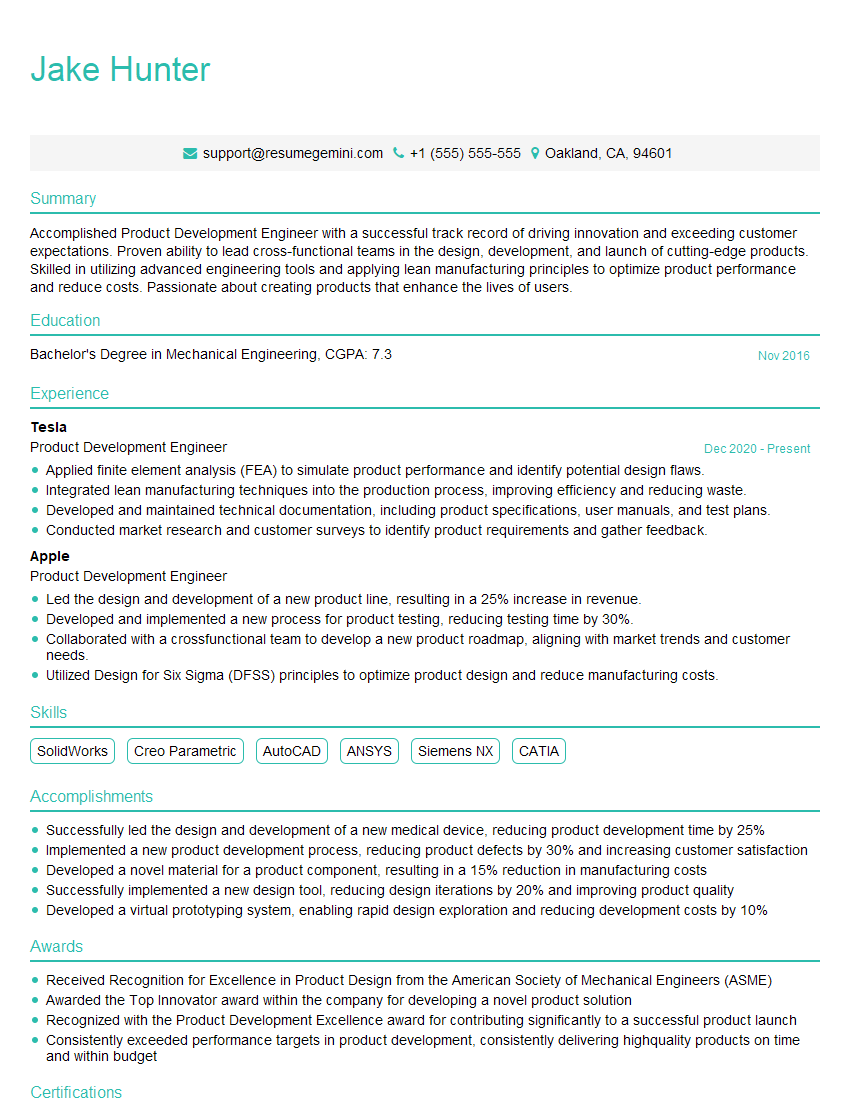
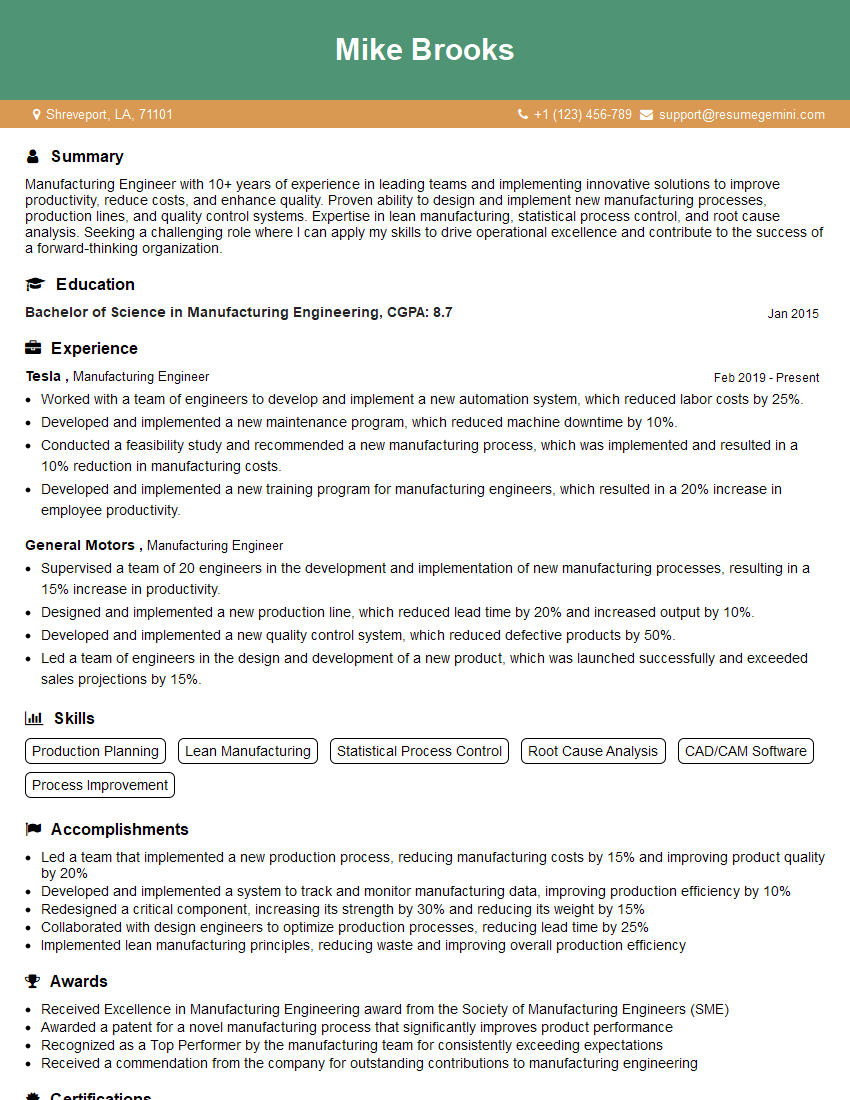
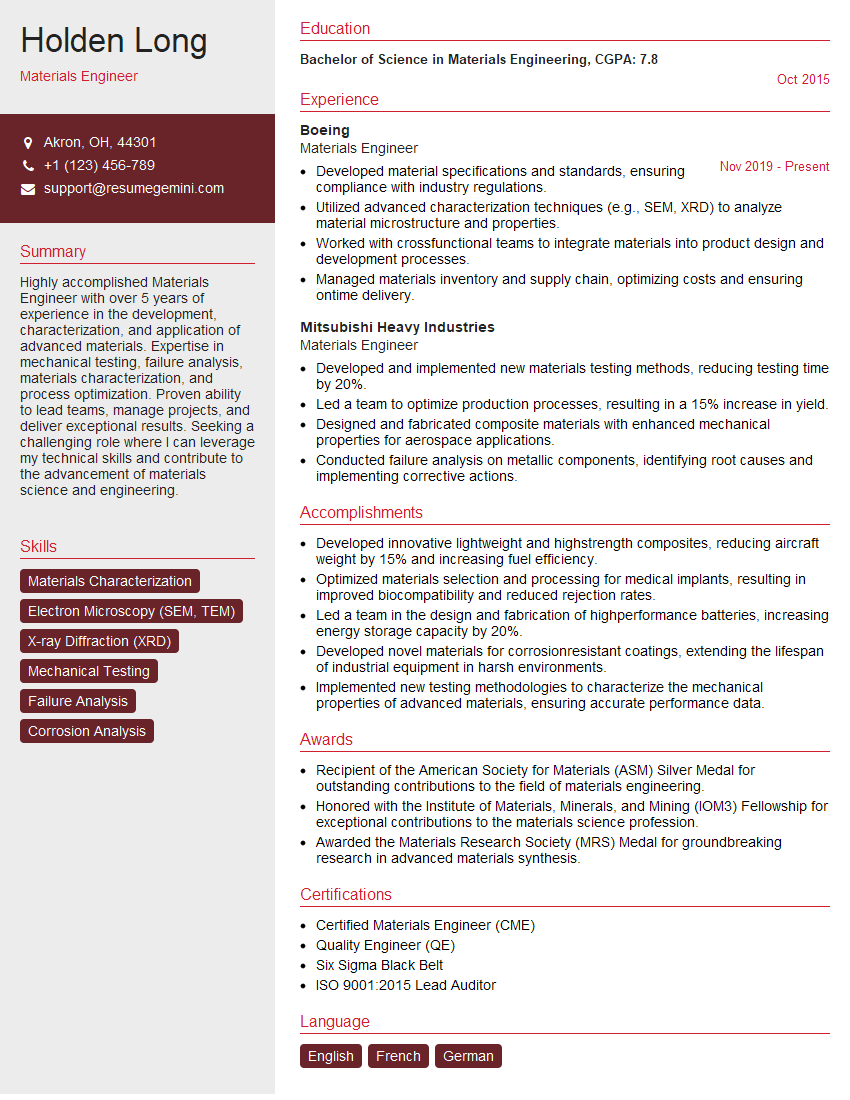
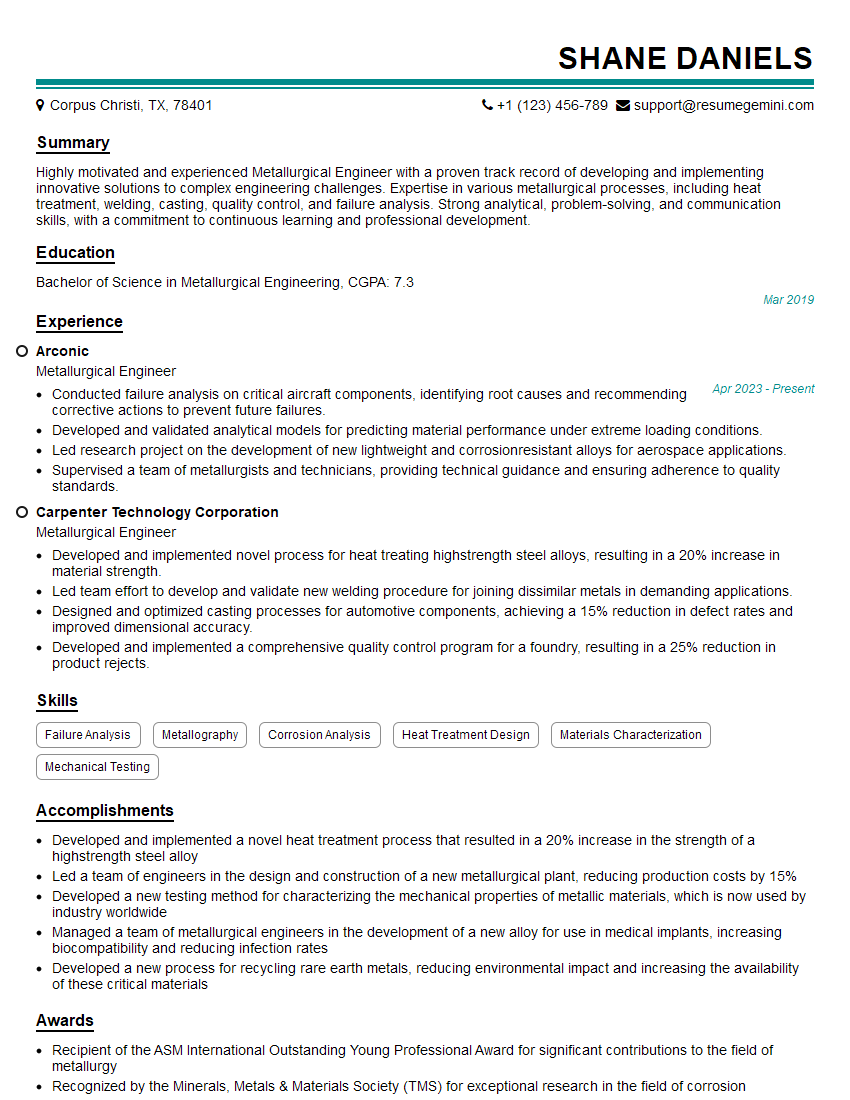
Mastering Material Selection and Customization is key to unlocking exciting career opportunities in various engineering disciplines. A strong understanding of these principles demonstrates a valuable skillset highly sought after by employers. To maximize your job prospects, create an ATS-friendly resume that effectively highlights your skills and experience. ResumeGemini is a trusted resource that can help you build a professional and impactful resume tailored to your specific career goals. Examples of resumes tailored to Material Selection and Customization are available to guide you through the process. Invest in crafting a compelling resume – it’s your first impression on potential employers.


Explore more articles
Users Rating of Our Blogs
Share Your Experience
We value your feedback! Please rate our content and share your thoughts (optional).
What Readers Say About Our Blog
Hello,
we currently offer a complimentary backlink and URL indexing test for search engine optimization professionals.
You can get complimentary indexing credits to test how link discovery works in practice.
No credit card is required and there is no recurring fee.
You can find details here:
https://wikipedia-backlinks.com/indexing/
Regards
NICE RESPONSE TO Q & A
hi
The aim of this message is regarding an unclaimed deposit of a deceased nationale that bears the same name as you. You are not relate to him as there are millions of people answering the names across around the world. But i will use my position to influence the release of the deposit to you for our mutual benefit.
Respond for full details and how to claim the deposit. This is 100% risk free. Send hello to my email id: [email protected]
Luka Chachibaialuka
Hey interviewgemini.com, just wanted to follow up on my last email.
We just launched Call the Monster, an parenting app that lets you summon friendly ‘monsters’ kids actually listen to.
We’re also running a giveaway for everyone who downloads the app. Since it’s brand new, there aren’t many users yet, which means you’ve got a much better chance of winning some great prizes.
You can check it out here: https://bit.ly/callamonsterapp
Or follow us on Instagram: https://www.instagram.com/callamonsterapp
Thanks,
Ryan
CEO – Call the Monster App
Hey interviewgemini.com, I saw your website and love your approach.
I just want this to look like spam email, but want to share something important to you. We just launched Call the Monster, a parenting app that lets you summon friendly ‘monsters’ kids actually listen to.
Parents are loving it for calming chaos before bedtime. Thought you might want to try it: https://bit.ly/callamonsterapp or just follow our fun monster lore on Instagram: https://www.instagram.com/callamonsterapp
Thanks,
Ryan
CEO – Call A Monster APP
To the interviewgemini.com Owner.
Dear interviewgemini.com Webmaster!
Hi interviewgemini.com Webmaster!
Dear interviewgemini.com Webmaster!
excellent
Hello,
We found issues with your domain’s email setup that may be sending your messages to spam or blocking them completely. InboxShield Mini shows you how to fix it in minutes — no tech skills required.
Scan your domain now for details: https://inboxshield-mini.com/
— Adam @ InboxShield Mini
Reply STOP to unsubscribe
Hi, are you owner of interviewgemini.com? What if I told you I could help you find extra time in your schedule, reconnect with leads you didn’t even realize you missed, and bring in more “I want to work with you” conversations, without increasing your ad spend or hiring a full-time employee?
All with a flexible, budget-friendly service that could easily pay for itself. Sounds good?
Would it be nice to jump on a quick 10-minute call so I can show you exactly how we make this work?
Best,
Hapei
Marketing Director
Hey, I know you’re the owner of interviewgemini.com. I’ll be quick.
Fundraising for your business is tough and time-consuming. We make it easier by guaranteeing two private investor meetings each month, for six months. No demos, no pitch events – just direct introductions to active investors matched to your startup.
If youR17;re raising, this could help you build real momentum. Want me to send more info?
Hi, I represent an SEO company that specialises in getting you AI citations and higher rankings on Google. I’d like to offer you a 100% free SEO audit for your website. Would you be interested?
Hi, I represent an SEO company that specialises in getting you AI citations and higher rankings on Google. I’d like to offer you a 100% free SEO audit for your website. Would you be interested?
good