Every successful interview starts with knowing what to expect. In this blog, we’ll take you through the top Experience with Green Building Practices interview questions, breaking them down with expert tips to help you deliver impactful answers. Step into your next interview fully prepared and ready to succeed.
Questions Asked in Experience with Green Building Practices Interview
Q 1. What are the key principles of green building design?
Green building design centers around minimizing the negative environmental impact of buildings throughout their lifecycle. This is achieved through a holistic approach incorporating several key principles.
- Sustainable Site Development: Prioritizing the use of existing infrastructure, minimizing land disturbance, and protecting natural habitats. For instance, selecting a site near public transportation reduces reliance on cars.
- Water Efficiency: Implementing strategies to reduce water consumption for irrigation, sanitation, and other building needs. This might involve using low-flow fixtures or rainwater harvesting systems.
- Energy Efficiency: Designing buildings to optimize energy performance through passive and active strategies. Examples include proper building orientation for solar gain and the use of high-performance insulation.
- Material and Resource Selection: Utilizing sustainable and locally sourced materials to reduce embodied carbon and transportation impacts. This could mean choosing recycled content materials or sustainably harvested timber.
- Indoor Environmental Quality: Creating a healthy and comfortable indoor environment through good ventilation, natural lighting, and the selection of low-VOC materials. This minimizes exposure to harmful pollutants.
- Innovation and Design: Embracing innovative technologies and design approaches to enhance sustainability. This could range from using renewable energy sources like solar panels to implementing smart building management systems.
These principles work together to create buildings that are environmentally responsible, resource-efficient, and contribute positively to the surrounding ecosystem.
Q 2. Explain the LEED rating system and its various levels.
LEED (Leadership in Energy and Environmental Design) is a globally recognized green building certification system. It provides a framework for evaluating and rating the environmental performance of buildings based on a points system across various categories. The higher the points, the higher the certification level.
- Certified: Represents a baseline level of green building practices. It’s a good starting point, indicating that the building exceeds minimum requirements.
- Silver: Demonstrates a higher level of performance compared to Certified, signifying a more significant commitment to sustainability.
- Gold: Indicates excellent performance and a substantial reduction in environmental impact through advanced green building strategies.
- Platinum: Represents the highest level of achievement, showcasing exceptional sustainability and leadership in the field. Platinum buildings are considered among the most environmentally responsible.
Each level requires meeting specific prerequisites and earning points across various categories, including sustainable sites, water efficiency, energy and atmosphere, materials and resources, indoor environmental quality, and innovation.
Q 3. Describe your experience with sustainable building materials.
My experience with sustainable building materials is extensive. I’ve specified and overseen the use of various materials in projects, considering their embodied carbon, lifecycle impact, and availability.
- Recycled Content Materials: I’ve incorporated recycled steel, aluminum, and concrete in numerous projects, reducing the demand for virgin materials. For instance, using recycled steel reduces energy consumption compared to producing new steel.
- Locally Sourced Materials: Reducing transportation emissions is crucial. I prioritize materials sourced within a reasonable radius to minimize the carbon footprint of construction. This often involves working closely with local suppliers to source sustainable timber or stone.
- Bio-based Materials: I’ve specified bamboo, straw bales, and other bio-based materials in appropriate applications. These materials offer excellent performance while sequestering carbon.
- Rapidly Renewable Materials: Materials like bamboo and certain types of fast-growing timber provide sustainable alternatives to slow-growing hardwoods.
Material selection is a critical aspect of green building, and understanding the entire lifecycle of a material is crucial for making informed decisions.
Q 4. How do you assess the embodied carbon of a building?
Assessing embodied carbon involves quantifying the greenhouse gas emissions associated with the extraction, manufacturing, transportation, and installation of building materials. It’s a crucial aspect of life-cycle assessment (LCA).
The process typically involves:
- Material Quantification: Determining the quantity and type of each material used in the building.
- Embodied Carbon Factor Determination: Using databases and environmental product declarations (EPDs) to find the embodied carbon factors for each material (usually expressed in kg CO2e per unit).
- Calculation: Multiplying the material quantities by their respective embodied carbon factors to calculate the total embodied carbon.
- Reporting and Analysis: Presenting the results and identifying opportunities for reduction.
Software tools are often used to simplify and automate this process. Accurate data is critical for effective assessment. Embodied carbon analysis allows for informed material selection to minimize the building’s overall carbon footprint.
Q 5. What strategies can be used to improve energy efficiency in buildings?
Improving energy efficiency in buildings requires a multi-pronged approach combining various strategies:
- High-Performance Envelope: Implementing measures to reduce heat transfer through the building envelope (walls, roof, windows). This involves using high-performance insulation, air sealing, and high-efficiency windows.
- Efficient HVAC Systems: Installing energy-efficient heating, ventilation, and air conditioning (HVAC) systems. This includes using variable refrigerant flow (VRF) systems, heat pumps, and advanced control systems.
- Renewable Energy Integration: Incorporating renewable energy sources like solar photovoltaic (PV) systems or geothermal energy to generate on-site electricity or heat.
- Building Automation Systems: Using smart building management systems to optimize energy use based on occupancy, weather conditions, and other factors.
- Lighting Optimization: Employing energy-efficient lighting fixtures and strategies like daylight harvesting to minimize reliance on artificial lighting.
- Energy Modeling: Using energy modeling software to simulate building performance and identify areas for improvement before construction.
A holistic approach that combines multiple strategies is generally the most effective.
Q 6. Explain your understanding of passive design strategies.
Passive design strategies aim to minimize energy consumption for heating and cooling by harnessing natural forces. This reduces reliance on mechanical systems, leading to significant energy savings and a reduced carbon footprint.
- Building Orientation: Positioning the building to maximize solar gain in winter and minimize it in summer. This often involves considering prevailing winds and sun angles.
- Shading Devices: Using overhangs, awnings, or trees to shade windows and reduce solar heat gain during hot periods.
- Thermal Mass: Utilizing materials with high thermal mass (e.g., concrete, brick) to store and release heat, moderating temperature fluctuations.
- Natural Ventilation: Designing buildings to allow for natural airflow to cool spaces and improve indoor air quality.
- Insulation and Air Sealing: Proper insulation and air sealing minimize heat loss in winter and heat gain in summer.
Passive design is a cost-effective and environmentally friendly approach that significantly contributes to a building’s overall sustainability.
Q 7. How do you incorporate water conservation measures in building design?
Water conservation in building design involves implementing strategies to reduce water consumption for various uses.
- Low-Flow Fixtures: Installing water-efficient toilets, faucets, and showerheads that significantly reduce water usage without compromising functionality.
- Water-Efficient Landscaping: Designing landscapes that require minimal irrigation, using drought-tolerant plants and efficient irrigation techniques like drip irrigation.
- Rainwater Harvesting: Collecting rainwater for non-potable uses such as irrigation or toilet flushing. This reduces reliance on municipal water supplies.
- Greywater Recycling: Recycling greywater (water from showers, sinks, and laundry) for irrigation or toilet flushing. This requires proper treatment to ensure safety.
- Water Metering and Monitoring: Implementing systems to monitor water usage and identify leaks or inefficiencies. This data can help track consumption and guide conservation efforts.
Effective water conservation measures not only reduce environmental impact but can also lead to cost savings for building owners.
Q 8. What is your experience with building commissioning?
Building commissioning is a quality assurance process for ensuring that systems in a building are designed, installed, tested, and operated to perform according to the owner’s project requirements. Think of it as a rigorous final check-up for the building’s vital systems before it’s occupied. My experience spans various project types, from commercial office buildings to educational facilities. I’ve been involved in all phases, from developing the commissioning plan and observing construction to performing functional performance testing and generating reports. For example, on a recent hospital project, commissioning ensured that the HVAC system met stringent air quality standards critical for patient health. This involved thorough testing of the filtration system, air balancing, and pressure differential checks. The process not only guaranteed optimal performance but also helped prevent costly rework and ensured a healthy, comfortable environment for occupants.
Q 9. Describe your experience with life-cycle assessment (LCA).
Life-cycle assessment (LCA) is a comprehensive analysis of the environmental impacts of a product or building throughout its entire lifespan, from raw material extraction to disposal. It helps us understand the ‘cradle-to-grave’ impact of our design choices. My experience includes using LCA software to evaluate the environmental performance of various building materials and construction methods. For instance, on a recent project, we compared the LCA of using locally-sourced lumber versus imported steel for structural framing. The LCA revealed that the locally-sourced lumber had a significantly lower carbon footprint due to reduced transportation emissions. This kind of data-driven analysis informs sustainable decision-making, promoting choices that minimize environmental burden.
Q 10. How do you address indoor air quality concerns in green building projects?
Addressing indoor air quality (IAQ) is paramount in green building. Poor IAQ can lead to health problems and reduced productivity. My approach involves a multi-pronged strategy: Firstly, we prioritize selecting low-emitting building materials – paints, adhesives, and carpets with low VOC (volatile organic compound) content. Secondly, we design for adequate ventilation, incorporating systems that provide sufficient fresh air and remove pollutants effectively. This often includes specifying high-efficiency filters and mechanical ventilation systems with heat recovery. Thirdly, we implement monitoring and testing during and after construction to verify IAQ meets specified standards. For example, we might use IAQ sensors to monitor CO2 levels and particle counts. Finally, we educate building occupants on proper maintenance and cleaning practices to further enhance IAQ. Think of it like keeping your home clean – the more you maintain it the healthier it is.
Q 11. What are some common challenges in green building projects, and how do you overcome them?
Green building projects often face challenges related to higher initial costs, longer lead times for sustainable materials, and a lack of skilled labor. For example, sourcing certified sustainable wood can be more expensive and take longer than using conventionally sourced lumber. I overcome these challenges through careful planning and proactive strategies. This involves collaborating closely with contractors and material suppliers early on in the process to identify and source sustainable materials efficiently and cost-effectively. We also explore innovative construction techniques to reduce overall project costs and timelines. We use BIM (Building Information Modeling) to optimize the design for constructability and minimize waste. Furthermore, I leverage my experience and network to find skilled professionals experienced in green building practices. It is a matter of strategic planning, communication, and resourceful problem-solving.
Q 12. Explain your understanding of renewable energy technologies.
Renewable energy technologies are crucial for reducing a building’s carbon footprint. My experience encompasses various technologies, including photovoltaic (PV) solar panels, solar thermal systems, wind turbines, and geothermal energy. PV panels convert sunlight directly into electricity, while solar thermal systems use sunlight to heat water or air. Wind turbines harness wind energy to generate electricity, and geothermal systems utilize the earth’s constant temperature for heating and cooling. The choice of technology depends on the site’s specific conditions and the building’s energy needs. For instance, a building with ample rooftop space might be ideal for PV panels, while a site with consistent wind speeds might benefit from a wind turbine. I am proficient in evaluating the feasibility and economic viability of different renewable energy options for each project.
Q 13. What are the benefits and limitations of using recycled content in building materials?
Using recycled content in building materials offers significant environmental benefits by reducing waste and conserving natural resources. For example, using recycled steel in structural framing reduces the demand for virgin iron ore. However, there are limitations. Recycled materials might have slightly lower performance characteristics compared to virgin materials, or their availability could be limited in certain regions. Also, the quality and consistency of recycled materials can be variable, requiring careful quality control. Therefore, a balance needs to be struck between the environmental benefits and performance requirements. This requires careful material selection and specifying appropriate quality standards. The environmental gains often outweigh the limitations, especially when considering the overall life-cycle impact.
Q 14. How do you integrate sustainable landscaping into a building design?
Sustainable landscaping plays a critical role in green building design. It aims to minimize water consumption, reduce reliance on chemical fertilizers and pesticides, and enhance biodiversity. My approach involves using drought-tolerant native plants, implementing rainwater harvesting for irrigation, and creating permeable paving to reduce runoff. We also prioritize creating green spaces to mitigate the urban heat island effect and improve air quality. For instance, we might incorporate green roofs or vertical gardens to reduce building energy consumption and improve aesthetics. Furthermore, we design for wildlife habitat, incorporating features like birdhouses or bat boxes. The goal is to create a landscape that is both aesthetically pleasing and environmentally responsible, fostering a harmonious relationship between the building and its surroundings.
Q 15. What is your experience with green building codes and standards?
My experience with green building codes and standards is extensive. I’m proficient in interpreting and applying codes like LEED (Leadership in Energy and Environmental Design), BREEAM (Building Research Establishment Environmental Assessment Method), and local green building ordinances. I understand the nuances of these standards, including their prerequisites and points systems. For instance, I’ve successfully guided numerous projects towards LEED certification, focusing on strategies for optimizing points across categories like energy efficiency, water conservation, and sustainable materials. This includes navigating the complexities of documentation and third-party verification processes. My expertise extends to understanding the evolving landscape of these standards and anticipating future requirements to proactively incorporate them into project planning. For example, I’ve been actively involved in projects incorporating emerging standards around embodied carbon and circular economy principles.
Career Expert Tips:
- Ace those interviews! Prepare effectively by reviewing the Top 50 Most Common Interview Questions on ResumeGemini.
- Navigate your job search with confidence! Explore a wide range of Career Tips on ResumeGemini. Learn about common challenges and recommendations to overcome them.
- Craft the perfect resume! Master the Art of Resume Writing with ResumeGemini’s guide. Showcase your unique qualifications and achievements effectively.
- Don’t miss out on holiday savings! Build your dream resume with ResumeGemini’s ATS optimized templates.
Q 16. How do you measure and verify the performance of a green building?
Measuring and verifying the performance of a green building involves a multi-faceted approach. We utilize a combination of pre- and post-occupancy monitoring techniques. Pre-occupancy involves energy modeling software (which I’ll discuss in more detail later) to predict performance, and thorough quality control during construction. Post-occupancy, we use building automation systems (BAS) to collect real-time data on energy consumption, water usage, and indoor environmental quality. This data is then compared against the predicted performance and benchmarks. Key performance indicators (KPIs) are established at the outset, and regular reporting allows us to track progress and identify areas for improvement. We also conduct regular site visits to visually assess building performance. For example, in one project, we discovered an unexpectedly high energy load in a specific zone through BAS monitoring. This led to an investigation and the identification of a faulty HVAC damper, demonstrating the value of ongoing performance monitoring.
Q 17. Describe your experience with energy modeling software.
I have extensive experience with various energy modeling software packages, including EnergyPlus, eQuest, and IES VE. My proficiency extends beyond simply running simulations; I understand the underlying physics and algorithms, enabling me to critically evaluate the results and make informed design decisions. I’ve used these tools to optimize building orientation, envelope design, and HVAC systems for maximum energy efficiency. For instance, in a recent project, using EnergyPlus, we compared the performance of different glazing types and shading strategies, ultimately selecting a solution that reduced annual energy consumption by 15%. The software also allows for detailed analyses of the impact of various design choices on factors such as peak demand and carbon emissions, which enables informed decisions aligned with sustainability goals.
Q 18. Explain your understanding of thermal bridging and its impact on building performance.
Thermal bridging refers to the uninterrupted flow of heat through a building envelope, bypassing insulation. This happens when materials with high thermal conductivity, like steel or concrete, connect the interior and exterior environments. This results in heat loss in winter and heat gain in summer, reducing the overall efficiency of the building’s insulation and increasing energy consumption. Imagine a cold winter day: heat escaping through a continuous concrete slab would be a thermal bridge. The impact on building performance is significant. It reduces the effectiveness of insulation, leads to higher heating and cooling costs, can cause condensation and mold growth, and contributes to discomfort for occupants. To mitigate thermal bridging, we employ strategies like using thermal breaks in windows and doors, continuous insulation, and selecting materials with high thermal resistance. In practice, this often involves detailed coordination with structural engineers to ensure the design minimizes thermal bridging while maintaining structural integrity.
Q 19. What are your thoughts on the role of building automation systems in green buildings?
Building automation systems (BAS) are critical in green buildings. They act as the central nervous system, allowing for real-time monitoring and control of various building systems, including HVAC, lighting, and security. A well-designed BAS facilitates energy optimization through automated adjustments based on occupancy, weather conditions, and other factors. Think of it as a smart home system, but on a much larger scale. For example, BAS can automatically dim lights in unoccupied spaces, adjust HVAC setpoints based on outside temperature, and optimize ventilation rates for improved indoor air quality. This leads to significant energy savings and increased occupant comfort. Moreover, the data collected by a BAS is invaluable for tracking energy consumption, identifying maintenance needs, and verifying the building’s overall performance against its design goals. In my experience, integrating a robust and user-friendly BAS is crucial for both maximizing energy efficiency and ensuring long-term operational efficiency.
Q 20. How do you prioritize conflicting sustainability goals in a project?
Prioritizing conflicting sustainability goals requires a holistic approach and often involves trade-off analyses. For instance, the use of locally sourced materials might reduce embodied carbon but increase transportation costs. We use a multi-criteria decision analysis (MCDA) framework, weighing various sustainability goals based on their importance to the project and its stakeholders. This involves assigning weights to factors like embodied carbon, operational energy, water consumption, and cost. We then analyze different design options, scoring them based on each criterion. The option with the highest overall score, considering the weighted factors, is selected. Transparency and clear communication with the project team and stakeholders are crucial throughout this process. It’s essential to document the decision-making process and the rationale behind the chosen priorities, ensuring everyone is on board with the final decisions.
Q 21. Describe your experience with project management in green building projects.
My project management experience in green building projects emphasizes proactive planning, collaboration, and thorough communication. I’ve successfully managed projects from inception to completion, ensuring adherence to green building standards and achieving the desired sustainability goals. This involves creating detailed schedules, managing budgets, coordinating with various stakeholders (architects, engineers, contractors, and clients), and overseeing the construction process. I prioritize risk management and proactive problem-solving, anticipating potential challenges and developing mitigation strategies early on. For example, in one project, we encountered a delay in the delivery of sustainable materials. Through proactive communication with the supplier and the contractor, we successfully implemented alternative materials without compromising the project’s sustainability goals or its timeline. Effective communication and meticulous documentation throughout the process are fundamental to successfully managing these complex projects.
Q 22. What software or tools are you familiar with for green building design and analysis?
I’m proficient in several software and tools crucial for green building design and analysis. This includes Building Information Modeling (BIM) software like Revit and Archicad, which allow for integrated design and energy modeling. For energy analysis, I use EnergyPlus, a powerful tool for simulating building energy performance. I also have experience with IES VE (Integrated Environmental Solutions Virtual Environment) for more sophisticated analyses, including daylighting and thermal comfort studies. Finally, for life cycle assessment (LCA) – evaluating the environmental impact of building materials throughout their entire lifespan – I utilize software like SimaPro and GaBi.
For example, in a recent project, using Revit’s energy modeling capabilities, I identified opportunities to optimize building orientation and shading to reduce energy consumption by 15%. IES VE then helped us fine-tune the design to maximize natural daylighting, minimizing the need for artificial lighting.
Q 23. How do you stay up-to-date on the latest trends and technologies in green building?
Keeping abreast of the latest green building trends is paramount. I achieve this through several avenues. I actively participate in professional organizations like the US Green Building Council (USGBC) and attend their conferences and webinars, which often feature cutting-edge research and case studies. I also subscribe to leading industry publications like Green Building Advisor and BuildingGreen. Furthermore, I regularly search for and review relevant academic research published in journals dedicated to sustainable architecture and engineering. Finally, networking with colleagues and attending industry events provides valuable insights into emerging technologies and best practices.
Q 24. Describe a time you had to overcome a challenge related to sustainability in a project.
On a recent project aiming for LEED Platinum certification, we faced a significant challenge regarding the sourcing of locally-produced, sustainably harvested timber. The initial supplier fell through due to unexpected delays in their certification process. We were already behind schedule. To overcome this, I immediately initiated a multi-pronged approach. First, I contacted several alternative suppliers, meticulously verifying their sustainability credentials and lead times. Second, I collaborated closely with the project manager to explore alternative materials (while remaining true to the design aesthetic). Third, I prepared a detailed risk assessment and mitigation plan that helped to keep the project on track while ensuring we didn’t compromise on our sustainability goals. Ultimately, we found a reliable, local supplier and completed the project successfully, achieving LEED Platinum as planned.
Q 25. How do you communicate the value of green building practices to clients or stakeholders?
Communicating the value of green building to clients hinges on demonstrating tangible benefits beyond just environmental responsibility. I approach this by showcasing the triple bottom line: people, planet, and profit. I highlight how sustainable design can lead to reduced operational costs through lower energy and water bills (profit). I also emphasize improved indoor environmental quality, leading to increased occupant health, productivity, and comfort (people). Finally, I demonstrate the positive environmental impact through reduced carbon emissions, minimized waste, and responsible material sourcing (planet). Presenting data-driven analyses, cost comparisons, and case studies strengthens my arguments and helps clients grasp the long-term value proposition.
For example, I’ll use simulations to show how a green roof can reduce energy consumption and increase building lifespan, comparing the upfront costs to the savings over time. Visual aids, such as before-and-after renderings of designs incorporating sustainable features are also effective.
Q 26. What are your salary expectations for this role?
My salary expectations for this role are between $X and $Y per year, depending on the specific benefits package and responsibilities involved. This range reflects my experience and expertise in green building practices, as well as my proven ability to deliver high-quality results on complex projects. I am open to discussing this further.
Q 27. Do you have any questions for me?
Yes, I have a few questions. First, can you describe the team I would be working with and the specific projects I would be involved in? Second, what are the company’s long-term sustainability goals, and how does this role contribute to them? Third, what opportunities are there for professional development and continued learning within the company?
Q 28. What are your long-term career goals in the field of green building?
My long-term career goals involve becoming a recognized leader in the field of sustainable building design. I aspire to contribute to the development of innovative, high-performance green buildings that minimize environmental impact while enhancing human well-being. I also aim to mentor and train the next generation of green building professionals, sharing my knowledge and expertise to accelerate the adoption of sustainable practices within the industry. Specifically, I see myself leading sustainability initiatives for large-scale projects and possibly pursuing advanced certifications in areas like passive house design or circular economy principles.
Key Topics to Learn for Experience with Green Building Practices Interview
- Sustainable Site Development: Understanding principles of minimizing land impact, protecting natural resources, and optimizing site design for energy efficiency. Practical application: Discussing experience with stormwater management, brownfield remediation, or habitat preservation.
- Energy Efficiency: Knowledge of building envelope design, HVAC systems, renewable energy technologies, and energy modeling. Practical application: Describing projects involving passive solar design, energy audits, or LEED certification.
- Water Efficiency: Familiarity with low-flow fixtures, rainwater harvesting, greywater recycling, and water-efficient landscaping. Practical application: Detailing experience with implementing water conservation strategies on construction sites.
- Materials and Resources: Understanding the environmental impact of building materials, sustainable sourcing, recycled content, and material reuse. Practical application: Explaining choices made regarding material selection in past projects, focusing on embodied carbon.
- Indoor Environmental Quality: Knowledge of strategies to improve air quality, thermal comfort, and daylighting. Practical application: Describing experience with selecting low-VOC materials, designing for natural ventilation, or implementing IAQ monitoring systems.
- LEED and Other Green Building Standards: Familiarity with LEED rating systems, other green building certifications (e.g., WELL, BREEAM), and their application in real-world projects. Practical application: Discussing your role in achieving LEED certification or other green building standards.
- Life Cycle Assessment (LCA): Understanding the environmental impact of a building throughout its entire lifespan, from construction to demolition. Practical application: Explaining how LCA principles have influenced your design or construction decisions.
- Problem-Solving in Green Building: Demonstrate your ability to address challenges related to cost, feasibility, and regulatory compliance in sustainable building projects. Practical application: Describe a situation where you had to overcome a challenge related to implementing green building practices.
Next Steps
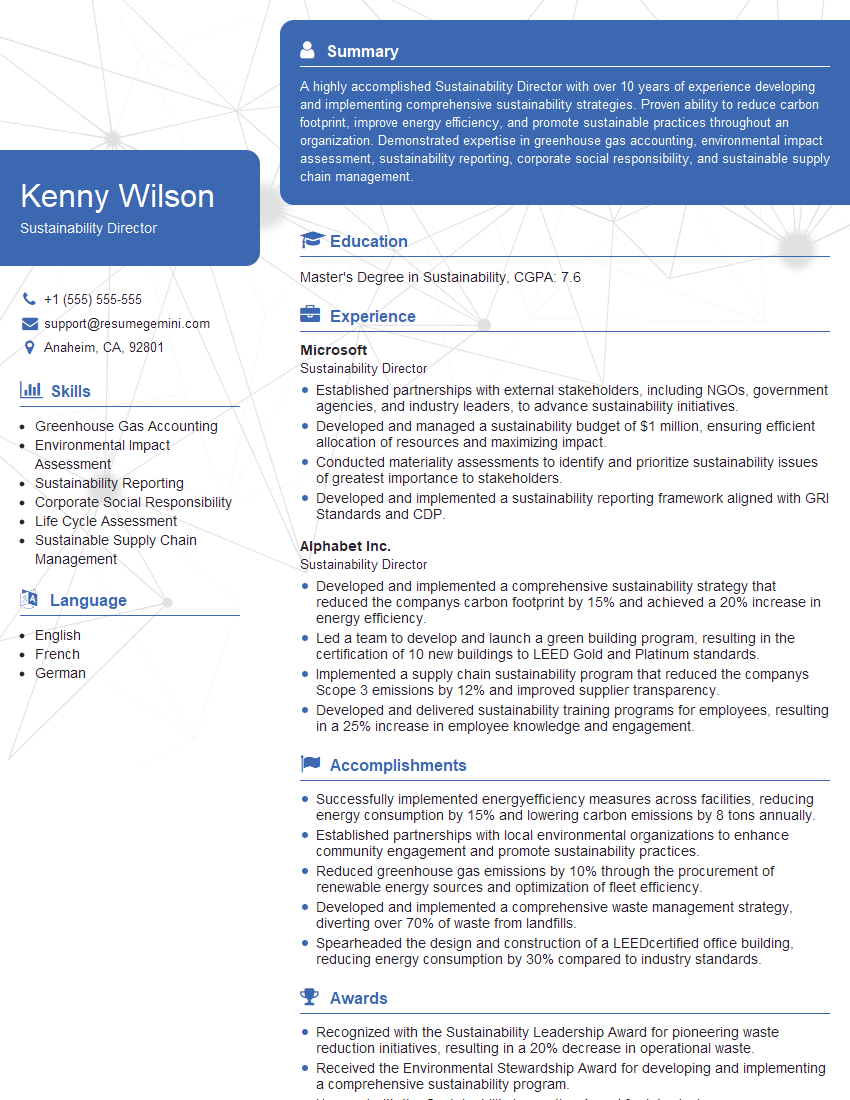
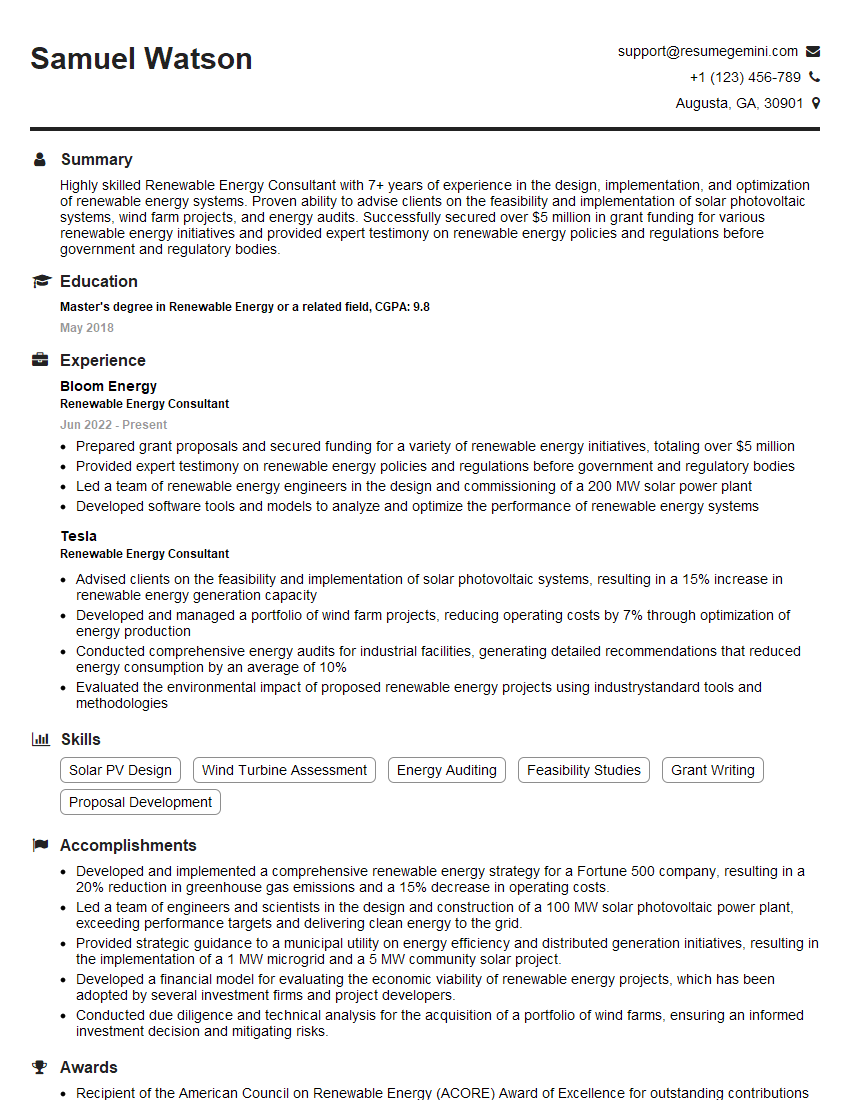
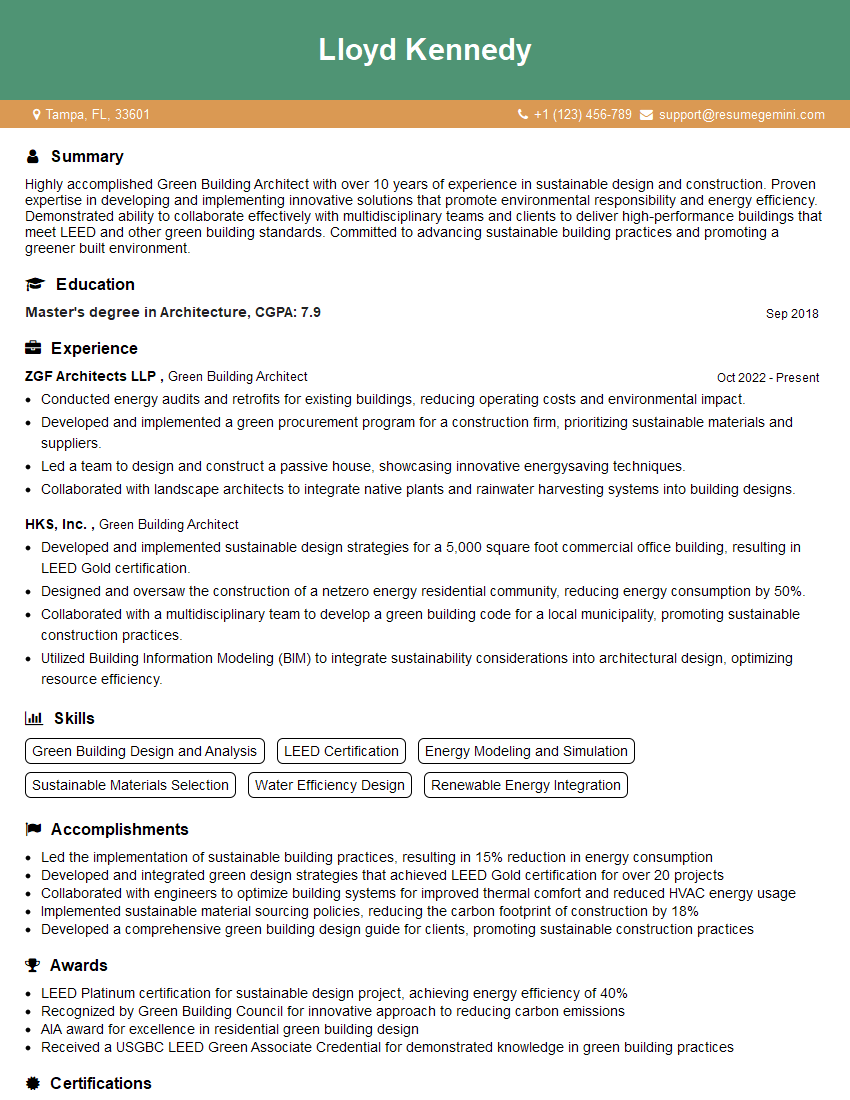
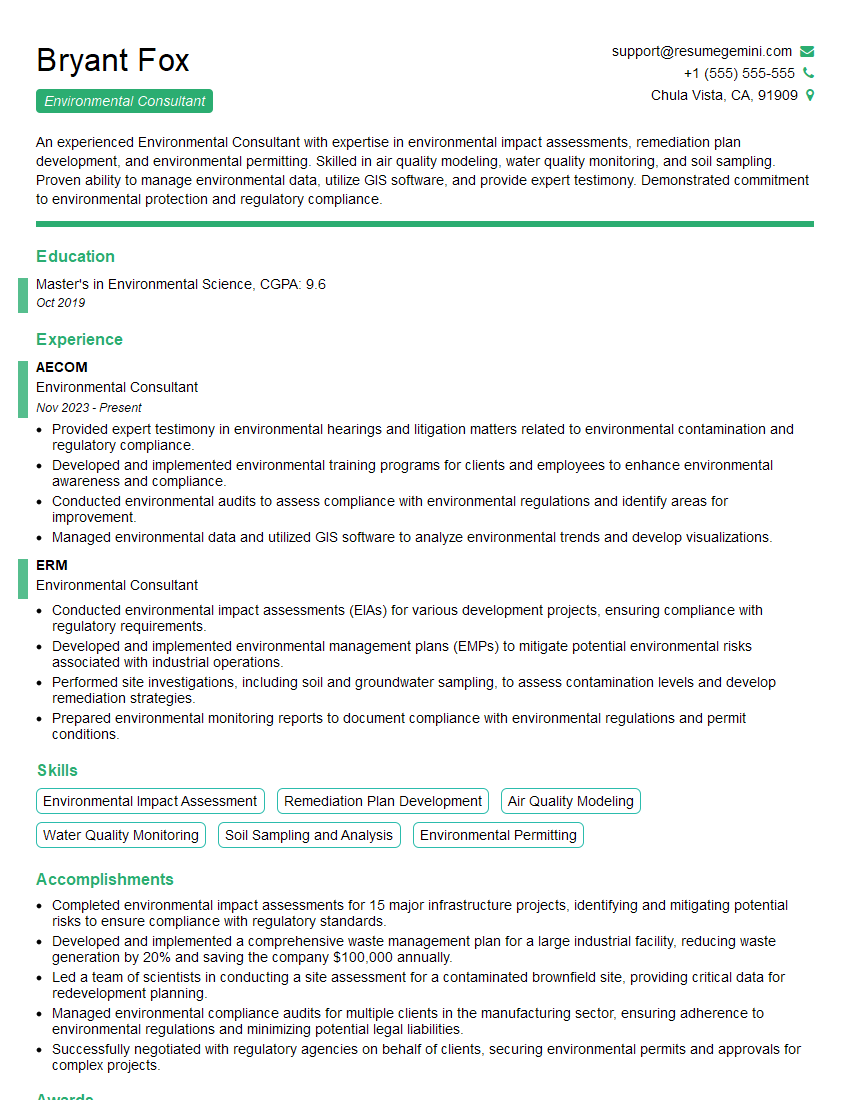
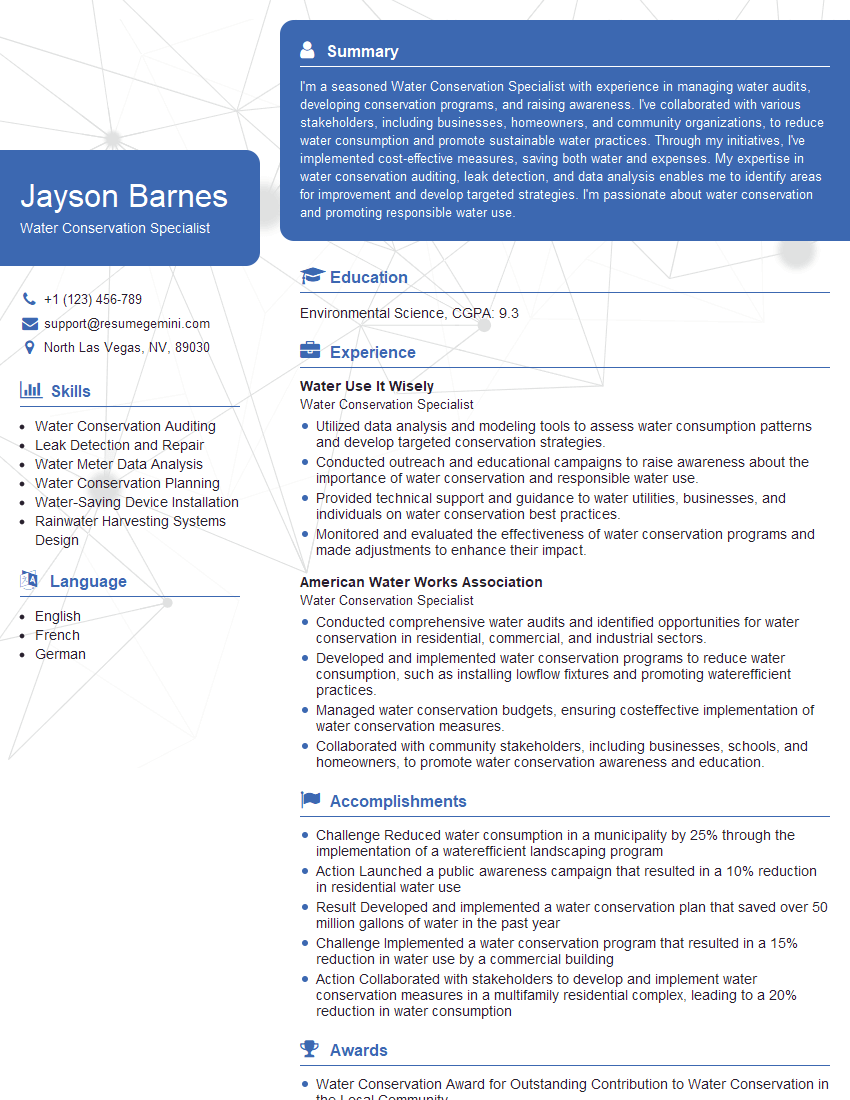
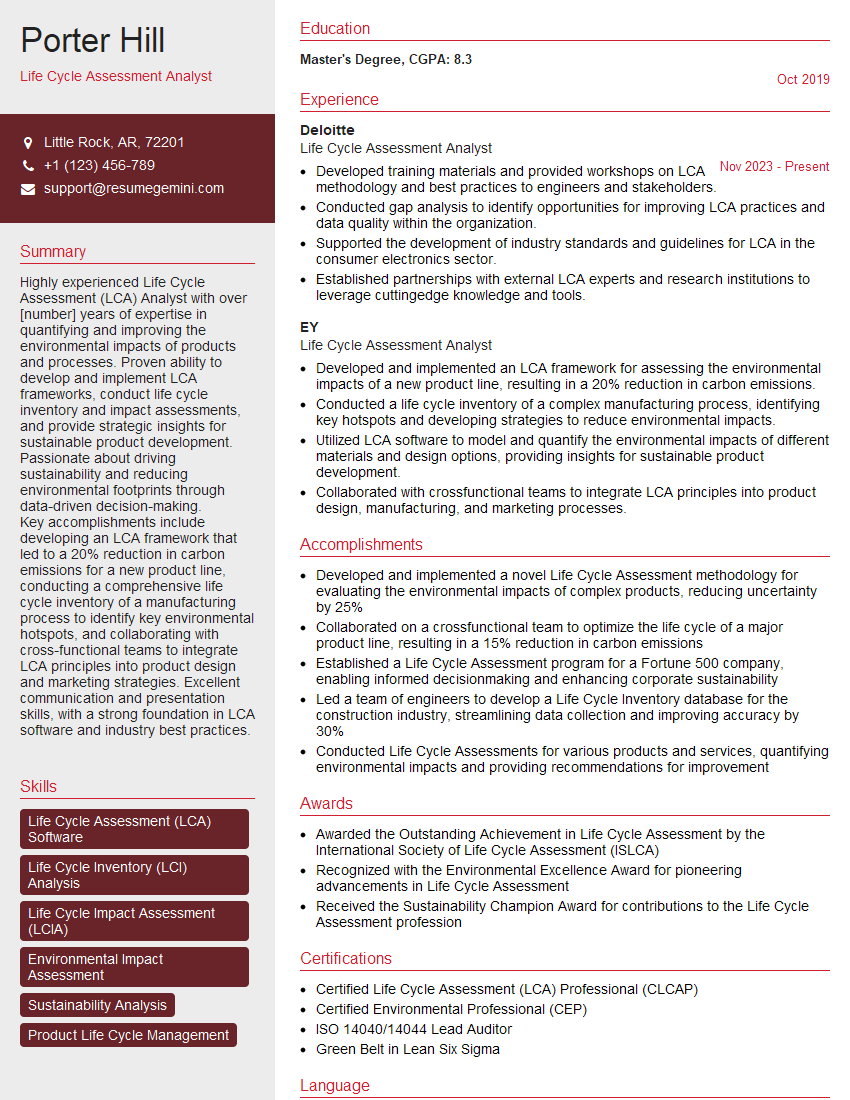
Mastering green building practices is crucial for career advancement in the increasingly sustainable construction industry. A strong understanding of these principles will significantly enhance your job prospects and open doors to exciting opportunities. To make yourself stand out, focus on building an ATS-friendly resume that highlights your key skills and accomplishments. ResumeGemini is a trusted resource that can help you create a compelling resume tailored to the specific requirements of green building roles. Examples of resumes tailored to Experience with Green Building Practices are available to help guide you. Take the next step towards your dream job today!

Explore more articles
Users Rating of Our Blogs
Share Your Experience
We value your feedback! Please rate our content and share your thoughts (optional).
What Readers Say About Our Blog
Very informative content, great job.
good