Feeling uncertain about what to expect in your upcoming interview? We’ve got you covered! This blog highlights the most important Maternal and Neonatal Care interview questions and provides actionable advice to help you stand out as the ideal candidate. Let’s pave the way for your success.
Questions Asked in Maternal and Neonatal Care Interview
Q 1. Describe your experience managing a postpartum hemorrhage.
Postpartum hemorrhage (PPH) is a leading cause of maternal mortality worldwide. It’s defined as blood loss exceeding 500ml after vaginal delivery or 1000ml after Cesarean section. Management hinges on rapid assessment and intervention. My approach involves a systematic process beginning with immediate assessment of the patient’s vital signs (blood pressure, heart rate, respiratory rate), uterine tone, and the amount of blood loss. I’d immediately initiate fundal massage to help the uterus contract and reduce bleeding. Simultaneously, I’d order lab work including a complete blood count (CBC) and coagulation studies to assess the severity of blood loss and the patient’s ability to clot.
Depending on the cause and severity, management may involve:
- Conservative Measures: Uterine massage, oxytocin administration (to stimulate uterine contractions).
- Medical Interventions: Administration of uterotonics like methergine or carboprost, tranexamic acid to aid clotting.
- Surgical Interventions: If conservative and medical measures fail, surgical interventions such as uterine artery embolization or hysterectomy may be necessary as a last resort to control bleeding and save the mother’s life.
For example, I once managed a patient who experienced a significant PPH after a vaginal delivery. Initial fundal massage and oxytocin were ineffective. We proceeded to administer carboprost, which successfully reduced bleeding. Close monitoring of vital signs and blood loss was crucial throughout the process, ensuring early identification of any complications.
Q 2. Explain the Apgar scoring system and its significance.
The Apgar score is a quick assessment of a newborn’s physical condition at 1 and 5 minutes after birth. It’s a crucial tool to evaluate the baby’s transition to extrauterine life and identify those needing immediate intervention. The score is based on five parameters: heart rate, respiratory effort, muscle tone, reflex irritability, and color, each rated from 0 to 2.
Here’s a breakdown:
- Heart Rate: 0 = absent; 1 = <100 bpm; 2 = >100 bpm
- Respiratory Effort: 0 = absent; 1 = slow, irregular; 2 = good, crying
- Muscle Tone: 0 = flaccid; 1 = some flexion; 2 = active motion
- Reflex Irritability: 0 = no response; 1 = grimace; 2 = cough or sneeze
- Color: 0 = blue, pale; 1 = acrocyanosis (blue extremities); 2 = pink
Significance: A score of 7-10 indicates a healthy baby. Scores of 4-6 suggest moderate difficulty, requiring close observation and possible intervention. Scores below 4 indicate severe distress, necessitating immediate resuscitation.
For instance, a baby with a 1-minute Apgar score of 3 would require immediate attention, including positive pressure ventilation and possibly supplemental oxygen.
Q 3. What are the signs and symptoms of neonatal sepsis?
Neonatal sepsis is a serious bloodstream infection in newborns. It can be early-onset (within the first 72 hours) or late-onset (after 72 hours). Signs and symptoms can be subtle and variable, making diagnosis challenging.
Signs and symptoms can include:
- Temperature instability: Hypothermia (low body temperature) or hyperthermia (high body temperature)
- Lethargy or irritability: The baby may be unusually sleepy or fussy.
- Poor feeding: Difficulty sucking or swallowing.
- Respiratory distress: Rapid breathing, grunting, nasal flaring.
- Apnea: Periods of stopped breathing.
- Jaundice: Yellowing of the skin and whites of the eyes.
- Pallor or cyanosis: Pale or bluish skin discoloration.
- Hypotonia or hypertonia: Decreased or increased muscle tone.
- Vomiting or diarrhea: Gastrointestinal problems.
It’s crucial to remember that many of these symptoms are nonspecific and can be seen in other conditions. A high index of suspicion, coupled with blood cultures and other investigations, is essential for timely diagnosis and treatment.
Q 4. How do you assess fetal well-being during labor?
Assessing fetal well-being during labor is paramount to ensure a safe delivery for both mother and baby. This is typically done using electronic fetal monitoring (EFM), which involves attaching sensors to the mother’s abdomen to monitor the fetal heart rate (FHR) and uterine contractions. Interpreting these patterns helps to identify any signs of fetal distress.
Key aspects of fetal well-being assessment include:
- Fetal heart rate (FHR): Baseline rate, variability, accelerations (increases in FHR), and decelerations (decreases in FHR) are analyzed. Recurrent late decelerations are a sign of fetal distress.
- Uterine contractions: Frequency, duration, and intensity are monitored to assess the adequacy of labor progression and to identify any signs of uterine hyperactivity (which can compromise fetal oxygenation).
- Amniotic fluid analysis: Assessment of amniotic fluid color and volume provides information about fetal well-being. Meconium-stained fluid (greenish-brown) can indicate fetal distress.
- Vaginal examination: To assess cervical dilation, effacement, and fetal station, providing information on the progress of labor.
For example, if EFM shows recurrent late decelerations, it indicates fetal hypoxia and necessitates immediate intervention, such as changing maternal position, administering oxygen, and potentially performing a cesarean section.
Q 5. Discuss your experience with managing premature infants.
Managing premature infants is a complex and challenging area, demanding a multidisciplinary approach. Premature infants, born before 37 weeks of gestation, often require intensive care due to their underdeveloped organ systems. My experience encompasses various aspects of their care, from respiratory support to nutritional management and preventing complications.
Key aspects of managing premature infants include:
- Respiratory Support: Many preemies require respiratory support, ranging from supplemental oxygen to mechanical ventilation, depending on the severity of respiratory distress syndrome (RDS).
- Temperature Control: Maintaining a stable body temperature is crucial, as preemies have difficulty regulating their body temperature.
- Nutritional Support: Appropriate nutrition is essential for growth and development. This may involve intravenous fluids, gavage feeding (feeding through a tube), or breastfeeding, as tolerated.
- Infection Prevention: Preemies are highly susceptible to infections, requiring strict infection control measures.
- Monitoring for Complications: Close monitoring for retinopathy of prematurity (ROP), necrotizing enterocolitis (NEC), intraventricular hemorrhage (IVH), and other potential complications is vital.
One memorable case involved a 26-week gestation infant who required prolonged ventilation and intensive care. Through diligent monitoring, aggressive management of complications, and collaboration with a multidisciplinary team, we successfully helped the infant survive and thrive. This experience highlights the importance of a holistic approach and the need for specialized knowledge and resources in caring for premature babies.
Q 6. Explain the process of administering phototherapy to a jaundiced newborn.
Phototherapy is a common treatment for neonatal jaundice, a condition characterized by yellowing of the skin and whites of the eyes due to elevated bilirubin levels. It involves exposing the newborn to specific wavelengths of light, primarily blue light, which converts bilirubin into a water-soluble form that can be excreted through the urine and stool.
The process involves:
- Assessment: The baby’s bilirubin levels are measured to determine the need for phototherapy and the intensity of treatment required.
- Positioning: The infant is placed under a phototherapy lamp, usually naked or with only a diaper on, to maximize skin exposure. Eye protection is essential to prevent retinal damage.
- Monitoring: The baby’s temperature, hydration status, and bilirubin levels are closely monitored throughout the treatment.
- Duration: The duration of phototherapy varies depending on the baby’s response and bilirubin levels, usually ranging from a few hours to several days.
- Post-treatment: After the completion of phototherapy, the baby’s bilirubin levels are reassessed to ensure effectiveness.
I’ve witnessed countless instances where phototherapy has effectively reduced bilirubin levels in jaundiced newborns, avoiding the need for more invasive interventions. It’s a relatively simple yet effective treatment option that significantly improves the outcome for many babies.
Q 7. What are the risk factors for gestational diabetes?
Gestational diabetes (GDM) is a form of diabetes that develops during pregnancy. It’s characterized by impaired glucose tolerance and poses risks to both the mother and the baby.
Risk factors for GDM include:
- Family history of diabetes: A mother with a family history of type 1 or type 2 diabetes is at increased risk.
- Obesity: Having a BMI of 30 or higher before pregnancy significantly increases the risk.
- Previous history of GDM: Women who have had GDM in a previous pregnancy have a higher chance of developing it again.
- Ethnicity: Certain ethnicities, such as African American, Hispanic, Native American, and Asian women, are at higher risk.
- Age: Women over 35 years of age are at increased risk.
- Polycystic ovary syndrome (PCOS): Women with PCOS are more prone to GDM.
- History of macrosomia (large baby): A previous pregnancy with a large baby may indicate a higher risk of GDM.
It’s important to note that these are risk factors, not guarantees. Regular screening during pregnancy helps identify GDM early, enabling timely management and reducing potential complications for both mother and baby.
Q 8. How do you counsel a patient about breastfeeding?
Counseling a patient about breastfeeding involves a multifaceted approach, beginning well before delivery. It’s crucial to initiate conversations during prenatal visits, addressing any concerns or misconceptions the patient might have. I start by emphasizing the numerous benefits of breastfeeding for both mother and baby, including enhanced immune function, reduced risk of infections, and improved bonding. I explain the different breastfeeding positions and latch techniques, demonstrating practically if possible.
I also discuss the challenges that might arise, such as nipple soreness, milk supply concerns, and latch difficulties. Importantly, I emphasize that breastfeeding is a learned skill and that support is readily available. I provide resources like lactation consultant referrals, support groups, and educational materials. For example, I might explain the importance of frequent skin-to-skin contact to stimulate early milk production. A common concern is insufficient milk supply; in these cases, I would reassure them that it’s often a matter of technique, frequency, and proper positioning, and we can work together to optimize the process.
Throughout the process, I aim to empower the patient to make informed decisions about feeding her baby, ensuring she feels supported and confident in her choices, whether it’s exclusive breastfeeding, mixed feeding, or formula feeding. It’s vital to create a safe space for her to express her anxieties and ask questions without judgment.
Q 9. Describe your experience with managing respiratory distress syndrome in a newborn.
Respiratory Distress Syndrome (RDS) in newborns, primarily affecting premature infants, is a serious condition characterized by insufficient surfactant production in the lungs. My experience managing RDS involves a multi-pronged approach, starting with immediate assessment of the newborn’s respiratory status, including oxygen saturation levels, heart rate, and respiratory effort. Early intervention is key.
Depending on the severity, management can range from supportive care, such as supplemental oxygen via nasal cannula or CPAP (Continuous Positive Airway Pressure), to more advanced interventions like mechanical ventilation with surfactant replacement therapy. Surfactant administration is crucial because it helps reduce surface tension in the alveoli, preventing lung collapse. Close monitoring of vital signs, blood gases, and chest x-rays is essential to guide treatment and assess its effectiveness.
For instance, I remember a case of a 28-week premature infant with severe RDS requiring intubation and mechanical ventilation. Following surfactant administration, the baby showed significant improvement within hours. Continuous monitoring and close collaboration with neonatology specialists, respiratory therapists, and nursing staff is crucial for optimal outcomes. Addressing potential complications such as pneumothorax (collapsed lung) or infection is also a critical part of our management strategy.
Q 10. What are the common complications of a cesarean section?
Cesarean sections, while life-saving procedures, carry potential complications. These can be categorized into immediate and long-term effects. Immediate complications include bleeding (hemorrhage), infection (wound infection, endometritis), injury to adjacent organs (bladder, bowel), and thromboembolic events (blood clots).
Long-term complications can encompass adhesion formation (scar tissue), chronic pelvic pain, post-cesarean infections, and psychological effects like post-traumatic stress disorder (PTSD) if the experience was particularly challenging. Additionally, future pregnancies may carry higher risks, including placenta previa (placenta implanted low in the uterus) or placenta accreta (placenta adheres too deeply into the uterine wall). It’s crucial to inform patients of these possibilities pre-operatively, allowing for a more informed consent and helping them manage expectations.
For instance, a patient might develop a wound infection requiring antibiotics and regular dressing changes. Another might experience chronic pelvic pain that requires additional evaluation and management, potentially including physiotherapy. Proper post-operative care, including monitoring for signs of infection, pain management, and mobility exercises, are vital in mitigating these risks.
Q 11. Explain the importance of newborn screening tests.
Newborn screening tests are crucial for early detection of potentially serious conditions that might not be apparent at birth. These conditions, if left untreated, can lead to significant developmental delays or even death. The tests are typically conducted within 24-48 hours after birth via a heel prick blood sample.
Commonly screened conditions include phenylketonuria (PKU), hypothyroidism, cystic fibrosis, and galactosemia. These tests allow for timely intervention and treatment, significantly improving the long-term outcome for affected babies. For example, early detection of PKU allows for dietary modifications to prevent irreversible brain damage. Similarly, early identification of congenital hypothyroidism allows for hormone replacement therapy to prevent intellectual disability.
It’s essential to explain the importance of newborn screening to parents, addressing any concerns or anxieties they may have about the procedure. I would emphasize the benefits of early detection and the potential for preventing long-term health complications. Providing clear and understandable information is crucial, ensuring parents feel empowered and confident in participating in this life-saving process.
Q 12. How do you identify and manage fetal distress during labor?
Identifying and managing fetal distress during labor is a critical aspect of obstetric care. Fetal distress is indicated by changes in the fetal heart rate (FHR) pattern, such as late decelerations (a decrease in FHR that begins after the onset of a uterine contraction and returns to baseline only after the contraction has ended), prolonged decelerations, or variable decelerations (sudden drops in FHR that don’t have a consistent relationship to contractions). Other signs may include meconium-stained amniotic fluid (the baby’s first bowel movement in the amniotic fluid).
Management depends on the cause and severity of the distress. Continuous fetal monitoring is essential. If concerning changes in the FHR are identified, interventions may include changing maternal position, administering oxygen, increasing intravenous fluids, or discontinuing oxytocin (a medication used to stimulate labor). In more severe cases, an immediate cesarean delivery may be necessary to prevent fetal hypoxia (lack of oxygen to the fetus).
For instance, if late decelerations are noted, I would immediately assess the mother’s oxygen saturation, reposition her, and administer supplemental oxygen. If the decelerations persist, further interventions would be considered, culminating in a cesarean section if the fetus continues to show signs of distress. The ultimate goal is to deliver the baby safely and minimize potential long-term complications.
Q 13. Discuss your experience with managing hypertensive disorders in pregnancy.
Hypertensive disorders in pregnancy, including gestational hypertension, preeclampsia, and eclampsia, are significant causes of maternal and fetal morbidity and mortality. My experience in managing these conditions involves careful monitoring of blood pressure, urine protein, and fetal well-being.
Management varies based on the severity and gestational age. Mild gestational hypertension might only require regular monitoring and lifestyle modifications, such as a low-sodium diet and regular exercise (as appropriate). However, more severe cases, such as preeclampsia, might require hospitalization, bed rest, and medication to control blood pressure. In cases of severe preeclampsia or eclampsia (seizures), immediate delivery of the baby is often necessary, irrespective of gestational age, to protect the life of both the mother and the baby. Anticonvulsant medications, like magnesium sulfate, are frequently used to prevent seizures.
I remember a patient who developed severe preeclampsia at 34 weeks gestation. Due to the severity, we opted for immediate delivery via cesarean section. Post-delivery, her blood pressure stabilized and she recovered well. Close monitoring and prompt intervention are vital in these situations to ensure favorable outcomes for both mother and child.
Q 14. What is your approach to pain management during labor?
Pain management during labor is crucial for optimizing maternal comfort and promoting a positive birthing experience. My approach is individualized, considering the patient’s preferences, pain tolerance, medical history, and stage of labor. I discuss various options early in the pregnancy and review them again during labor.
Non-pharmacological methods, such as breathing techniques, hydrotherapy (water immersion), aromatherapy, and massage, are often employed initially. Pharmacological options range from analgesics like intravenous opioids (for moderate to severe pain) to regional anesthesia, such as epidural analgesia, which provides targeted pain relief in the lower body. Epidurals are highly effective but carry potential side effects, such as hypotension (low blood pressure), and I thoroughly discuss the risks and benefits with each patient.
The decision of which method to use is collaborative and tailored to the individual’s needs and circumstances. For instance, a patient who desires a natural childbirth may opt for primarily non-pharmacological measures. Another might prefer an epidural for effective pain relief. Regular reassessment of pain levels and adjustments to the pain management plan throughout the labor process are vital to ensure optimal comfort and safety.
Q 15. How do you assess for newborn hypoglycemia?
Assessing for newborn hypoglycemia involves a multifaceted approach focusing on risk factors and clinical signs. We begin by identifying high-risk infants, including those born to mothers with diabetes, those who are small for gestational age (SGA), or those experiencing perinatal stress such as asphyxia.
Screening typically involves measuring blood glucose levels using a heel prick. The threshold for hypoglycemia varies slightly depending on the institution and the infant’s gestational age and clinical status; however, a blood glucose level below 40 mg/dL in the first few hours of life is generally considered hypoglycemia in term infants and even lower levels in preterm infants.
Clinical signs of hypoglycemia can be subtle and often nonspecific, making early screening crucial. These signs can include jitteriness, lethargy, poor feeding, apnea, cyanosis, temperature instability, and seizures. It’s vital to remember that some infants with hypoglycemia may show few or no symptoms, highlighting the importance of proactive screening in high-risk infants.
In practice, we frequently use a combination of risk assessment and blood glucose monitoring. For instance, every infant born to a mother with gestational diabetes undergoes routine blood glucose screening within the first hour of life, regardless of clinical presentation. For infants who are not at high risk, we generally assess blood glucose levels if clinical symptoms are present.
Career Expert Tips:
- Ace those interviews! Prepare effectively by reviewing the Top 50 Most Common Interview Questions on ResumeGemini.
- Navigate your job search with confidence! Explore a wide range of Career Tips on ResumeGemini. Learn about common challenges and recommendations to overcome them.
- Craft the perfect resume! Master the Art of Resume Writing with ResumeGemini’s guide. Showcase your unique qualifications and achievements effectively.
- Don’t miss out on holiday savings! Build your dream resume with ResumeGemini’s ATS optimized templates.
Q 16. Describe your experience with managing a baby with meconium aspiration syndrome.
Meconium aspiration syndrome (MAS) is a serious condition affecting newborns where meconium (the infant’s first stool) is aspirated into the lungs during or after birth, causing respiratory distress. My experience involves a structured approach focusing on prevention, early recognition, and aggressive management.
Prevention starts antenatally, where we carefully monitor fetal well-being. If there’s suspicion of fetal distress (for example, non-reassuring fetal heart rate tracing), we may consider early delivery. Intrapartum, if meconium is present, we carefully suction the infant’s mouth and nose immediately after delivery, before the first breath, preventing aspiration as much as possible. This technique is critical, as attempting to suction after the baby has started breathing can lead to lung injury.
For babies who have already aspirated meconium, management involves providing respiratory support, which may range from supplemental oxygen to mechanical ventilation, depending on the severity of the condition. Surfactant replacement therapy is often used to improve lung function, which is especially important for premature babies. We closely monitor the baby’s respiratory status, oxygen saturation, and blood gas levels, and will adjust the treatment plan accordingly.
One memorable case involved a term infant who developed severe respiratory distress due to MAS. He required intubation, mechanical ventilation, and surfactant therapy. After several days of intensive care, he gradually improved and eventually was weaned off the ventilator, ultimately making a full recovery. This case reinforced the importance of proactive prevention and immediate, aggressive management in improving outcomes.
Q 17. Explain the importance of kangaroo care for preterm infants.
Kangaroo care (KC) is a powerful intervention involving skin-to-skin contact between a parent and a preterm infant. It offers numerous benefits, impacting both physiological and psychological development. For preterm infants, KC is particularly crucial.
Physiologically, KC helps stabilize the infant’s temperature, heart rate, and breathing. It also improves oxygen saturation and reduces apnea episodes. This is largely because skin-to-skin contact provides warmth and helps regulate the infant’s immature thermoregulatory system. It also promotes improved feeding patterns and enhanced weight gain.
Psychologically, KC is vital for fostering bonding between the parent and infant, establishing a secure attachment. This is especially important for premature infants, who may have had a difficult start to life and require extra nurturing. KC also contributes to a calmer infant, leading to reduced stress and enhanced neurological development.
In clinical practice, we encourage all parents of preterm infants to participate in KC, educating them on its benefits and providing guidance on proper technique. We consider it an integral part of the care plan for preterm babies, integrating it alongside other medical interventions.
Q 18. How do you manage a patient with pre-eclampsia?
Pre-eclampsia is a potentially life-threatening condition characterized by hypertension and proteinuria during pregnancy. Management depends on the severity of the condition and gestational age.
Mild pre-eclampsia is typically managed with close monitoring of blood pressure, urine protein, and fetal well-being. Regular antenatal checkups including blood pressure readings and urine testing are essential. Lifestyle modifications, such as bed rest and a low-sodium diet, may be recommended.
Severe pre-eclampsia necessitates hospitalization and aggressive management. This may involve antihypertensive medications to control blood pressure, magnesium sulfate to prevent seizures (eclampsia), and close fetal monitoring using techniques such as non-stress tests and biophysical profiles. Delivery of the baby is often necessary, as this is the only definitive cure for pre-eclampsia. The timing of delivery is carefully considered, weighing the risks of pre-eclampsia against the risks of prematurity.
A key aspect of management is continuous monitoring and prompt intervention to prevent eclampsia, a life-threatening complication characterized by seizures. The decision to induce labor or perform a Cesarean section is based on a comprehensive assessment of maternal and fetal well-being.
Q 19. What are the signs and symptoms of placental abruption?
Placental abruption is a serious obstetric emergency where the placenta prematurely separates from the uterine wall before delivery. The signs and symptoms can vary greatly depending on the severity of the separation.
Common signs and symptoms include vaginal bleeding (which may be absent in some cases), abdominal pain (often described as a sudden, sharp pain), uterine tenderness or rigidity, and fetal distress (e.g., changes in fetal heart rate). In severe cases, signs of maternal shock, such as hypotension and tachycardia, may develop. The amount of bleeding doesn’t always correlate with the severity of the abruption; a small amount of bleeding can indicate a large and potentially dangerous detachment.
The diagnosis is largely clinical, based on the patient’s presentation and physical examination findings. Ultrasound may be helpful, but it’s not always definitive as the abruption may be hidden behind the placenta.
It’s crucial to remember that placental abruption is a time-sensitive condition. Prompt diagnosis and management are essential to minimize risks to both the mother and the baby. Immediate interventions may include blood transfusions, close fetal monitoring, and rapid delivery, often via Cesarean section.
Q 20. How do you counsel a patient about birth control options?
Counseling a patient about birth control options involves a comprehensive and individualized approach. This starts with understanding the patient’s needs, preferences, and health status. It is essential to have an open and non-judgmental conversation, acknowledging personal beliefs and circumstances.
We typically discuss a range of methods, including hormonal methods (e.g., combined oral contraceptives, progestin-only pills, patches, implants, injections), barrier methods (e.g., condoms, diaphragms), intrauterine devices (IUDs), and sterilization (e.g., tubal ligation, vasectomy). Each method has its own advantages and disadvantages, which we explain clearly. For instance, we discuss the effectiveness, side effects, and cost of each method. We also assess for contraindications specific to the patient.
A crucial aspect is shared decision-making. The patient should be actively involved in selecting the method that best fits their lifestyle, health status, and preferences. For example, a woman with a history of migraines might not be a good candidate for combined oral contraceptives. A patient who wants a long-term, reversible method might consider an IUD. After the selection, we provide thorough instructions on the correct usage and follow-up care. We also emphasize the importance of regular check-ups.
Q 21. Describe your experience with managing a patient with gestational hypertension.
Gestational hypertension is an elevation of blood pressure occurring during pregnancy without proteinuria. Managing gestational hypertension involves careful monitoring and addressing potential complications.
The primary management strategy is close monitoring of blood pressure. Regular check-ups are crucial to detect any significant changes. Lifestyle modifications, such as regular exercise, a balanced diet, and stress reduction techniques, may be beneficial.
If blood pressure remains elevated despite lifestyle modifications, antihypertensive medication may be necessary. The choice of medication must consider both maternal and fetal safety. Fetal surveillance, using techniques like non-stress tests and biophysical profiles, is essential to assess fetal well-being.
One of the key challenges is determining when to deliver the baby. For women with well-controlled hypertension, delivery timing is often based on gestational age and fetal maturity. However, if blood pressure remains uncontrolled or if there are signs of maternal or fetal complications, earlier delivery may be necessary. The decision is made by taking into consideration various maternal and fetal factors and weighing the risks of prematurity against the risks of uncontrolled hypertension.
Q 22. Explain the process of performing a newborn physical examination.
A newborn physical examination is a comprehensive assessment performed shortly after birth to identify any potential health issues. It’s a systematic process, typically completed within the first 24 hours, and involves a head-to-toe assessment.
- General Appearance: We assess the baby’s overall condition, noting skin color, tone, respiratory effort, and activity level. A healthy newborn should be pink, alert, and reactive.
- Vital Signs: Heart rate, respiratory rate, temperature, and blood pressure are measured. Abnormal readings can indicate underlying problems.
- Head and Neck: We check for head circumference, fontanelle size and tension (the soft spots on the skull), symmetry of facial features, and range of neck motion. A significantly large or small head may be indicative of underlying issues.
- Chest and Lungs: Auscultation (listening with a stethoscope) assesses breath sounds for any abnormalities, like crackles or wheezes, indicating potential respiratory distress.
- Heart: Auscultation of the heart reveals heart rate and rhythm. We listen for murmurs, which can signify congenital heart defects.
- Abdomen: Palpation (feeling) assesses organ size and shape, looking for any masses or distension. We also check for umbilical cord condition.
- Extremities: We examine the length and symmetry of limbs, assess muscle tone, check for any deformities or clubfoot, and assess range of motion in joints.
- Neurological Assessment: This involves assessing reflexes like the Moro reflex (startle reflex), grasp reflex, and rooting reflex. Abnormal reflexes may indicate neurological problems.
- Genitalia: A gentle examination of the genitalia is performed to assess for any anomalies.
For example, observing a bluish discoloration (cyanosis) around the mouth might signal a respiratory problem requiring immediate attention. Finding a heart murmur warrants further investigation with an echocardiogram. The entire examination is carefully documented for medical records.
Q 23. What are the risk factors for postpartum depression?
Postpartum depression (PPD) is a mood disorder affecting mothers after childbirth. Several risk factors increase a mother’s susceptibility:
- Previous history of depression or anxiety: A personal history significantly raises the risk.
- Family history of depression: Genetic predisposition plays a role.
- Stressful life events: Financial difficulties, relationship problems, or lack of social support can exacerbate the risk.
- Lack of social support: Inadequate support network from family, friends, or partner can contribute to feelings of isolation.
- Preeclampsia or gestational diabetes during pregnancy: Medical complications can increase the risk.
- Unplanned pregnancy or unwanted pregnancy: Negative feelings regarding the pregnancy can worsen symptoms.
- Difficult labor and delivery: Traumatic birthing experiences can be a contributing factor.
- Hormonal changes: The significant hormonal shifts postpartum can trigger mood instability.
- Sleep deprivation: Newborn care demands significant sleep disruption, furthering stress and impacting mood.
For instance, a mother with a prior history of major depressive disorder and limited family support is at substantially higher risk of developing PPD. Recognizing these risk factors enables proactive screening and interventions to minimize the impact on the mother and her child.
Q 24. How do you manage a newborn with hypothermia?
Hypothermia in newborns is a dangerous drop in body temperature (below 36.5°C or 97.7°F). Management focuses on gentle and rapid rewarming.
- Skin-to-skin contact: Placing the baby skin-to-skin with the mother (or caregiver) helps transfer heat.
- Radiant warmer: A radiant warmer provides a controlled heat source.
- Warmed blankets and hats: These help to minimize heat loss.
- Warm intravenous fluids: In severe cases, warmed intravenous fluids may be necessary to restore body temperature and hydration.
- Monitoring vital signs: Close monitoring of heart rate, respiratory rate, and temperature is crucial.
- Oxygen support: If respiratory distress is present, supplemental oxygen might be required.
The approach depends on the severity of hypothermia. Mild hypothermia often responds well to skin-to-skin contact and warming blankets. However, severe hypothermia requires more aggressive interventions in a neonatal intensive care unit (NICU).
Q 25. Explain the difference between physiological and pathological jaundice.
Jaundice, the yellowing of skin and whites of the eyes, is common in newborns. The distinction between physiological and pathological jaundice lies in the timing, cause, and severity.
- Physiological Jaundice: This is a benign condition, typically appearing after 24 hours of life and resolving within 2 weeks. It’s due to the immature liver’s inability to process bilirubin efficiently. This is a normal process in most newborns.
- Pathological Jaundice: This appears within the first 24 hours of life and can indicate serious underlying issues, such as hemolytic disease (Rh incompatibility), infections (sepsis), liver problems, or metabolic disorders. The bilirubin levels rise rapidly.
For example, a baby developing jaundice on day 3, with mild bilirubin levels and no other symptoms, likely has physiological jaundice. However, jaundice appearing on day 1 with high bilirubin levels and lethargy necessitates a thorough investigation to rule out pathological causes.
Q 26. How do you manage a patient with ectopic pregnancy?
Ectopic pregnancy is a dangerous condition where a fertilized egg implants outside the uterus, usually in the fallopian tube. Management depends on the location, size, and stability of the pregnancy, as well as the patient’s overall health.
- Medical Management: Methotrexate, a medication, can be used to dissolve the ectopic pregnancy in early stages, especially if it’s small and unruptured. This is less invasive than surgery.
- Surgical Management: Salpingectomy (removal of the affected fallopian tube) or salpingostomy (opening and repairing the tube) is performed if the pregnancy is larger, ruptured, or if medical management fails. This prevents life-threatening internal bleeding.
- Monitoring: Close monitoring of vital signs, blood counts, and hCG levels (a pregnancy hormone) is crucial, regardless of treatment approach.
- Pain management: Analgesics (pain medications) are administered to manage pain associated with the condition.
A patient with an unruptured ectopic pregnancy and good overall health might be a candidate for methotrexate. However, a ruptured ectopic pregnancy requires immediate surgical intervention to prevent life-threatening hemorrhage.
Q 27. What is your approach to managing a breech presentation?
Breech presentation refers to a baby positioned with its buttocks or feet first in the uterus during labor. Management strategy depends on several factors such as gestational age, fetal well-being, and maternal health.
- External Cephalic Version (ECV): A procedure where the doctor externally manipulates the baby’s position to convert it to a head-down presentation. This is attempted after 37 weeks gestation and only when conditions are favorable.
- Planned Cesarean Section: This is the most common method if ECV fails or is not attempted. It is generally safer for both mother and baby.
- Vaginal Delivery (in selected cases): Vaginal delivery might be attempted in specific circumstances where the baby is small, the mother’s pelvis is adequate, and the baby is not distressed. However, this approach has higher risks than a Cesarean section and is rarely considered.
- Close monitoring: Regardless of the chosen method, continuous fetal monitoring is essential to assess the baby’s well-being.
For instance, a healthy mother at 38 weeks with a breech baby might attempt ECV, but if unsuccessful, a Cesarean section would be recommended. A mother with a previous Cesarean section would likely opt for a repeat Cesarean section to avoid uterine rupture.
Q 28. Describe your experience with managing a prolapsed umbilical cord.
A prolapsed umbilical cord is a serious obstetric emergency where the umbilical cord comes out of the cervix before the baby. This can compromise the baby’s oxygen supply.
- Immediate action: The first step is to relieve pressure on the cord to restore blood flow to the baby. This often involves manually lifting the presenting part of the baby off the cord.
- Maternal positioning: Placing the mother in a knee-chest position or Trendelenburg position (head down) helps to alleviate pressure on the cord.
- Oxygen administration: The mother usually receives oxygen to enhance fetal oxygenation.
- Rapid delivery: Immediate Cesarean section is typically the definitive treatment to ensure delivery and prevent fetal hypoxia (oxygen deprivation).
- Continuous fetal monitoring: Close monitoring of fetal heart rate is essential to assess the baby’s condition throughout the process.
I’ve managed several cases of prolapsed umbilical cord, each requiring immediate action. The speed of response is critical. In my experience, rapid intervention, including immediate Cesarean delivery, has significantly improved neonatal outcomes. However, even with swift intervention, there are risks of neonatal morbidity and mortality.
Key Topics to Learn for Maternal and Neonatal Care Interview
- Antepartum Care: Understanding risk assessment, prenatal diagnosis, and management of high-risk pregnancies (e.g., gestational diabetes, preeclampsia). Consider the practical application of these assessments in a clinical setting and how to communicate effectively with patients.
- Intrapartum Care: Mastering labor and delivery management, including fetal monitoring, pain management techniques, and emergency interventions (e.g., recognizing and responding to fetal distress). Think through scenarios requiring quick decision-making and problem-solving.
- Postpartum Care: Familiarize yourself with postpartum hemorrhage prevention and management, common postpartum complications (e.g., infection, depression), and breastfeeding support. Be prepared to discuss the practical aspects of patient education and follow-up care.
- Neonatal Resuscitation and Stabilization: Develop a strong understanding of APGAR scoring, newborn resuscitation techniques, and the management of common neonatal conditions (e.g., hypothermia, hyperbilirubinemia). Focus on the practical application of these skills in a fast-paced environment.
- Neonatal Intensive Care (NICU) Management: If applying for NICU roles, thoroughly review the management of premature infants, respiratory distress syndrome, and other neonatal complications requiring specialized care. Practice explaining complex medical information to both medical professionals and families.
- Ethical and Legal Considerations: Understand informed consent, patient confidentiality, and ethical dilemmas common in maternal and neonatal care. Prepare to discuss challenging situations and your approach to ethical decision-making.
Next Steps
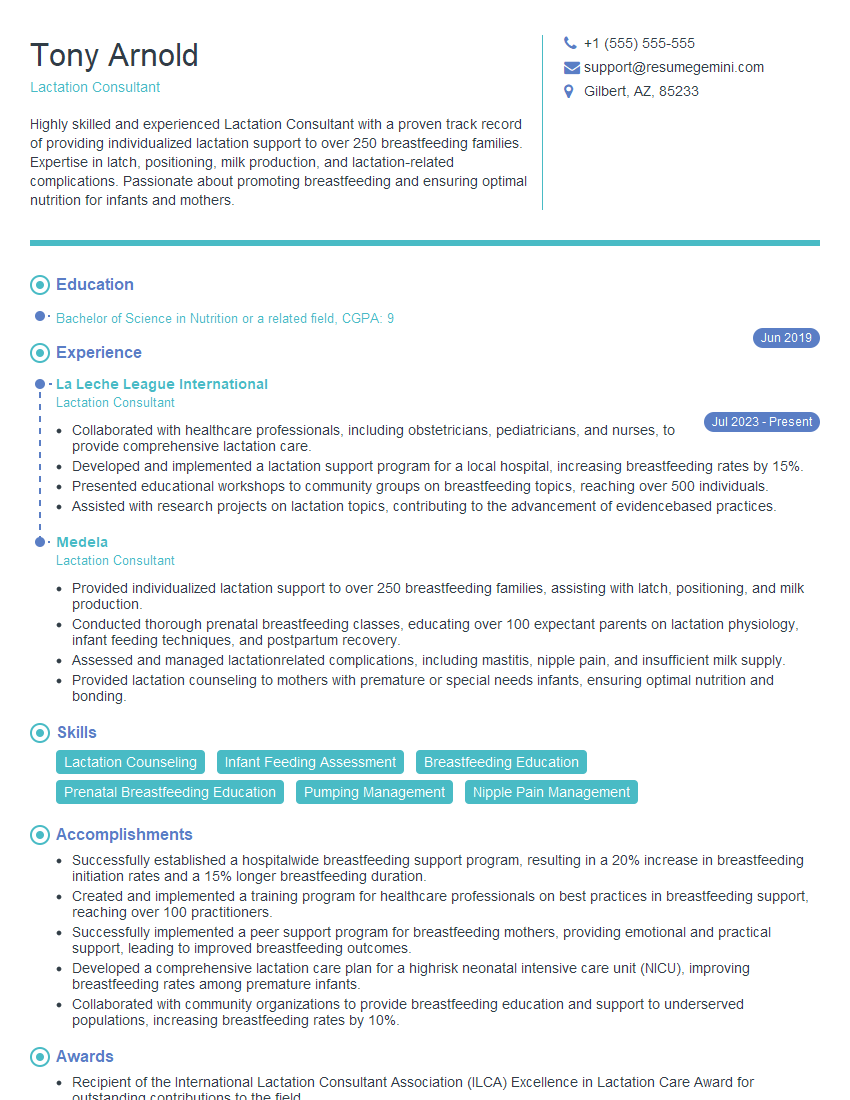
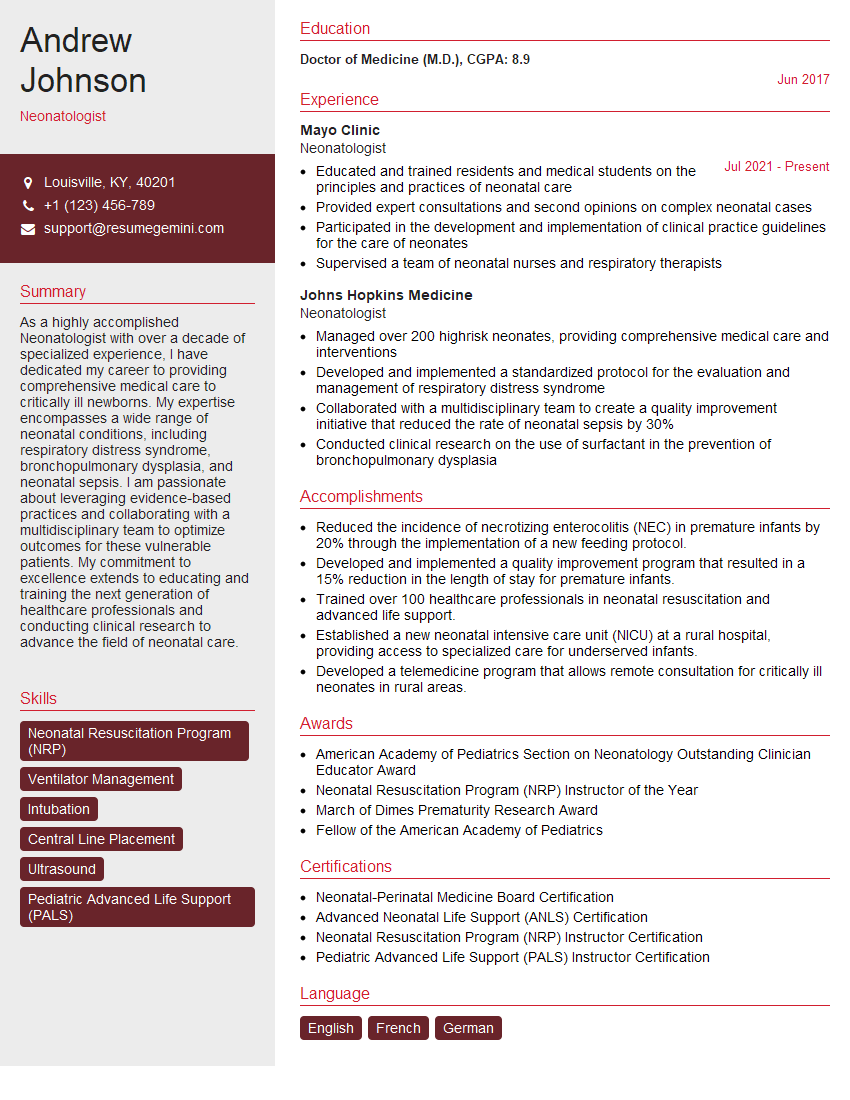
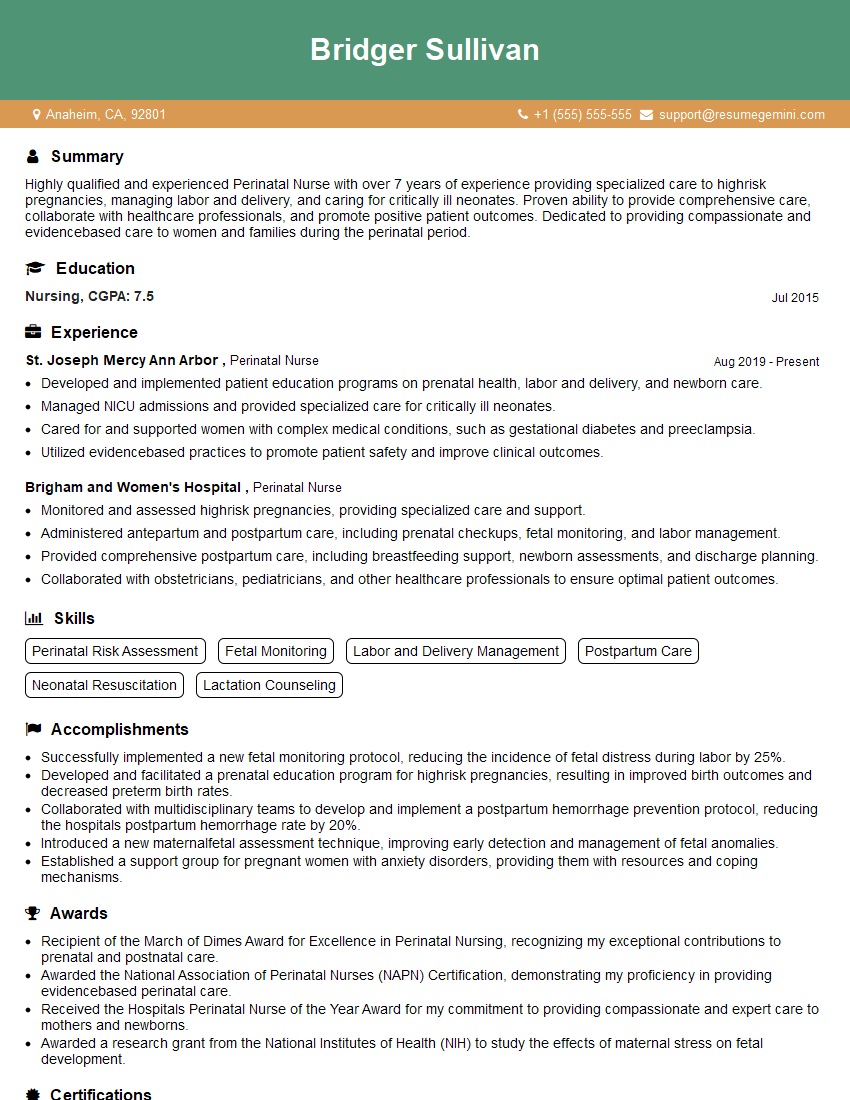
Mastering Maternal and Neonatal Care opens doors to rewarding and impactful careers, offering opportunities for specialization and advancement within healthcare. A strong resume is crucial for showcasing your skills and experience to potential employers. Creating an ATS-friendly resume is key to ensuring your application gets noticed. ResumeGemini is a trusted resource to help you build a professional and effective resume that highlights your qualifications. Examples of resumes tailored to Maternal and Neonatal Care are available to guide you, ensuring your application stands out and makes a lasting impression.


Explore more articles
Users Rating of Our Blogs
Share Your Experience
We value your feedback! Please rate our content and share your thoughts (optional).
What Readers Say About Our Blog
Very informative content, great job.
good