Preparation is the key to success in any interview. In this post, we’ll explore crucial Measurement & Inspection interview questions and equip you with strategies to craft impactful answers. Whether you’re a beginner or a pro, these tips will elevate your preparation.
Questions Asked in Measurement & Inspection Interview
Q 1. Explain the difference between accuracy and precision in measurement.
Accuracy and precision are crucial concepts in measurement, often confused but distinct. Accuracy refers to how close a measurement is to the true or accepted value. Think of it like hitting the bullseye on a dartboard – a highly accurate measurement is very close to the center. Precision, on the other hand, refers to how close repeated measurements are to each other. It’s about consistency. Imagine consistently hitting the same spot on the dartboard, even if that spot is far from the bullseye – that’s high precision, but low accuracy.
For example, if the true length of a component is 10cm, and you measure it three times as 9.9cm, 10.1cm, and 10.0cm, you have high precision (measurements are close together) and high accuracy (average is close to 10cm). If your measurements were 9.0cm, 9.2cm and 8.8cm, you have high precision (measurements close together), but low accuracy (far from 10cm).
In manufacturing, both are vital. High accuracy ensures the product meets specifications, while high precision indicates a reliable and repeatable measurement process. We strive for both!
Q 2. Describe your experience with various measurement instruments (e.g., calipers, micrometers, CMMs).
Throughout my career, I’ve extensively used various measurement instruments. I’m proficient with dial calipers for quick and accurate measurements of external and internal dimensions, understanding their limitations regarding measuring very small or irregularly shaped parts. Micrometers provide even greater precision for finer details, requiring careful handling and technique to avoid errors. I’ve worked extensively with Coordinate Measuring Machines (CMMs), both contact and non-contact types. CMMs allow for highly accurate 3D measurements of complex geometries, from simple shapes to intricate components, using touch probes or optical scanning. My experience includes programming CMMs to execute complex measurement routines, analyzing the resulting data, and generating reports for quality control. I’ve also used other instruments such as optical comparators for detailed dimensional inspection and surface roughness testers to assess surface finish quality.
One memorable project involved inspecting highly intricate injection-molded plastic parts using a CMM. The challenge was to accurately measure extremely small features with tight tolerances. Using advanced CMM programming techniques and the right probe, we were able to meet the required precision, preventing costly rejects and production delays.
Q 3. How do you ensure the traceability of your measurements?
Traceability ensures the reliability and validity of our measurements by linking them to internationally recognized standards. This involves a chain of calibrations that connects our instruments to national or international standards. We use traceable calibration certificates for all our measurement instruments, verifying their accuracy against calibrated standards. This involves periodic calibrations by accredited labs or in-house with calibrated equipment. Each calibration provides a certificate showing the instrument’s performance against the standard, and this documentation creates the traceable chain. For example, our micrometers are calibrated against a calibrated gauge block, which is, in turn, traceable to national standards maintained by organizations like NIST (National Institute of Standards and Technology).
Maintaining traceability is essential in industries demanding high quality, such as aerospace or medical devices, where precise measurements are crucial for safety and functionality. Without traceability, the reliability of measurement results becomes questionable.
Q 4. What are the common sources of measurement error, and how do you mitigate them?
Measurement errors are unavoidable but can be minimized. Common sources include:
- Instrument error: Wear and tear, miscalibration, or inherent limitations of the instrument itself.
- Environmental error: Temperature, humidity, and vibration can affect measurements.
- Operator error: Incorrect handling, improper reading, or parallax error (incorrect angle when reading).
- Part error: Deformation of the part during measurement or variations within the part itself.
Mitigating these errors involves a multi-pronged approach:
- Regular calibration and maintenance: Ensures instruments are functioning accurately.
- Controlled environment: Maintaining stable temperature and humidity reduces environmental influences.
- Proper training and procedures: Ensures operators use instruments correctly.
- Statistical analysis: Helps identify and quantify sources of error through repeat measurements and analysis of data variability.
- Using multiple measurement systems: Cross-checking measurements with different instruments helps reduce the impact of individual instrument errors.
For example, I once identified a systematic error in our CMM measurements caused by slight temperature variations in the lab. By implementing improved temperature control, we significantly reduced this error source and improved the accuracy of our measurements.
Q 5. Explain your understanding of statistical process control (SPC) and its application in measurement.
Statistical Process Control (SPC) is a powerful tool for monitoring and controlling manufacturing processes, including measurement processes. It uses statistical methods to identify and manage process variations. Control charts, a key component of SPC, visually represent data over time, allowing us to monitor for trends, shifts, and patterns. The most commonly used charts include X-bar and R charts (for average and range) or individual and moving range charts (for individual measurements). Control limits are established based on historical data, and points falling outside these limits signal potential problems.
In measurement, SPC helps to ensure consistent accuracy and precision. For instance, if we’re measuring the diameter of a part, we can use an X-bar and R chart to monitor the average diameter and the variation in measurements over time. If a trend develops indicating a gradual shift in the average diameter or increased variability, we can investigate the underlying causes (e.g., tool wear, material change) and take corrective action. SPC enables proactive identification of issues, minimizing defects and reducing waste.
Example: If a control chart shows several points consistently above the upper control limit, it suggests a process shift, requiring immediate attention.
Q 6. Describe your experience with different types of inspection methods (e.g., visual, dimensional, functional).
My experience encompasses various inspection methods. Visual inspection is fundamental, involving careful examination using magnifying glasses or even microscopes to detect surface defects, scratches, cracks, or other visible imperfections. Dimensional inspection focuses on measuring precise dimensions using instruments like calipers, micrometers, or CMMs, ensuring the part conforms to specified tolerances. Functional inspection verifies that the part performs its intended function, often requiring specialized testing equipment depending on the part’s purpose (e.g., electrical testing, pressure testing).
I’ve had experience with various non-destructive testing (NDT) methods like ultrasonic testing to detect internal flaws in materials, and X-ray inspection to evaluate the internal structure of components. In a past project, we combined visual, dimensional and functional inspections to verify the quality of automotive components, ensuring all aspects met rigorous quality standards.
Q 7. How do you interpret measurement data and identify trends?
Interpreting measurement data involves more than just looking at individual values; it requires analyzing patterns and trends. I utilize various techniques including:
- Graphical representation: Histograms, scatter plots, and control charts visually display data to reveal patterns.
- Statistical analysis: Calculating mean, standard deviation, and other statistics to quantify data variability and identify outliers.
- Trend analysis: Identifying patterns in data over time using moving averages or other time-series analysis techniques.
- Root cause analysis: Investigating the underlying causes of deviations from expectations or identified trends.
For example, if a histogram shows a skewed distribution of measurements, it may indicate a problem with the manufacturing process or the measurement instrument. By analyzing the data using statistical methods and investigating potential causes, we can identify and address the root of the problem, improving quality and consistency. I often utilize software packages like Minitab or JMP to aid in data analysis and visualization.
Q 8. Explain your experience with creating and maintaining measurement standards.
Creating and maintaining measurement standards is crucial for ensuring consistent and reliable measurements throughout a manufacturing process or research project. It involves establishing a traceable chain of custody from national or international standards down to the individual measuring instruments used on the shop floor or in the lab. This ensures that everyone is working with the same reference points.
My experience involves developing and implementing standard operating procedures (SOPs) for calibrating various instruments, including micrometers, calipers, and coordinate measuring machines (CMMs). I’ve also been involved in selecting appropriate standards (e.g., gauge blocks) based on the precision required for specific applications. For example, in one project manufacturing precision bearings, we established a system of regular calibration checks using certified gauge blocks traceable to NIST standards, ensuring that our micrometers maintained accuracy within ±0.0001 inches, meeting the demanding tolerances for the components. This involved meticulous record-keeping and maintaining detailed calibration certificates.
Beyond instrument calibration, I’ve also worked on developing internal standards for dimensional measurements, especially in cases where specialized parts require unique measurement techniques. This often involves creating detailed measurement plans, specifying the necessary instrumentation, and outlining clear procedures to ensure consistency and accuracy.
Q 9. Describe a time you had to troubleshoot a measurement problem. What was your approach?
During the production of a high-precision optical component, we experienced unexpectedly high rejection rates due to discrepancies in surface finish measurements. Initially, our profilometer readings were inconsistent. My approach to troubleshooting involved a systematic investigation following a structured problem-solving methodology.
- Identify the Problem: Clearly defined the issue as inconsistent surface finish measurements leading to high rejection rates.
- Gather Data: Collected data from multiple profilometers, including instrument calibration records, operator logs, and sample measurements from different batches. We also checked environmental conditions (temperature, humidity) to rule out external factors.
- Analyze Data: Identified a pattern of higher discrepancies with certain operators and with measurements taken at the end of the workday, which indicated potential operator error or instrument drift.
- Develop and Test Solutions: Implemented stricter operator training on instrument usage and surface preparation, introduced a new calibration schedule for the profilometers, and investigated the impact of environmental factors. We also ran control samples to verify consistency.
- Implement Solution: Incorporated the improved training program, implemented the new calibration schedule and adjusted the production layout to minimize environmental variability.
This systematic approach pinpointed the problems — inconsistent operator technique and instrument drift — allowing us to implement targeted solutions that reduced rejection rates significantly. We also implemented a preventive maintenance schedule for the profilometers to further reduce the risk of future issues.
Q 10. How do you handle discrepancies between measurements and specifications?
Discrepancies between measurements and specifications are a common challenge in manufacturing and inspection. The handling of these discrepancies depends on the magnitude of the difference, the criticality of the affected dimension, and the root cause. A structured approach helps maintain quality and efficiency.
- Investigate the Root Cause: First and foremost, determine why the discrepancy exists. Is it due to measurement error (instrument calibration, operator technique), process variation (material inconsistencies, machine settings), or design error (incorrect specifications)?
- Assess Severity: Determine if the discrepancy falls within the acceptable tolerance range. If it does, documentation is usually sufficient; if not, further investigation is required.
- Implement Corrective Actions: If the discrepancy is outside the tolerance, corrective actions may include recalibrating equipment, adjusting machine settings, retraining operators, or investigating material sources. If the root cause is a design error, design changes may be necessary.
- Document Everything: Maintain detailed records of the discrepancy, including measurements, investigation findings, corrective actions, and verification of the effectiveness of those actions.
A crucial aspect of managing discrepancies is to prevent recurrence. This often involves implementing process improvements or strengthening quality control procedures. For instance, if operator error is identified, it necessitates retraining or improved work instructions.
Q 11. What are your preferred methods for documenting inspection results?
Documenting inspection results is critical for traceability and accountability in any measurement and inspection process. My preferred methods leverage both digital and physical records to ensure data integrity and ease of access.
- Digital Systems: I favor using Computerized Maintenance Management Systems (CMMS) or specialized metrology software to record inspection data. These systems often integrate directly with measuring instruments, allowing for automated data capture and analysis. Data is typically stored in databases and can be easily searched and analyzed.
- Physical Records: While digital systems are preferred, physical records, such as inspection reports, are vital for situations where digital access might be limited or as a backup. These reports typically include measurement data, acceptance criteria, and operator signatures.
- Data Visualization: Charts and graphs representing inspection data are very useful for identifying trends, outliers, and potential process issues. Control charts, for instance, allow real-time monitoring of process capability.
Regardless of the method, all documentation adheres to company and industry standards and regulations. This includes clear identification of parts, dates, operators, and equipment used, ensuring traceability and facilitating potential investigations.
Q 12. Explain your understanding of tolerance and its importance in manufacturing.
Tolerance in manufacturing represents the permissible variation in a dimension or characteristic of a part or product. It defines the acceptable range of values that still meet the functional requirements of the component. It’s crucial because it balances manufacturing practicality with product performance.
For example, a shaft with a specified diameter of 10mm might have a tolerance of ±0.1mm. This means that any shaft with a diameter between 9.9mm and 10.1mm is considered acceptable. Exceeding these limits would make the part non-conforming and potentially cause functionality issues in the final assembly. If tolerance limits are too tight, it increases manufacturing costs, making it more difficult and expensive to produce parts that meet the specification. Conversely, tolerances that are too wide can compromise the reliability and performance of the assembled product.
Understanding tolerances is vital for selecting appropriate manufacturing processes, choosing suitable measuring instruments, and evaluating product quality. It’s a fundamental concept throughout the entire product lifecycle, from design and manufacturing to inspection and quality control.
Q 13. Describe your experience with different types of gauges (e.g., plug gauges, ring gauges).
I have extensive experience with various types of gauges, especially those used for dimensional measurement. My experience includes using and calibrating plug gauges, ring gauges, snap gauges, and other specialized gauges.
- Plug Gauges: These are cylindrical gauges used to check the inside diameter of holes. I’ve used them extensively in quality control for ensuring that holes are within the specified tolerance range. GO and NO-GO plug gauges are commonly used to quickly check whether a hole is within the specified tolerance.
- Ring Gauges: These are used to check the outside diameter of shafts or pins. Similar to plug gauges, they come in GO and NO-GO versions, providing quick acceptance/rejection decisions. I’ve used these extensively to ensure shaft diameters meet specifications during machining operations.
- Snap Gauges: These are used to quickly check whether a component is within the specified tolerance range, typically providing GO, NO-GO, and possibly a third limit (e.g., a warning limit). They are simple to use and efficient for high-volume inspection.
Selecting the appropriate gauge depends on the required precision, the type of feature being measured, and the production volume. Proper gauge calibration and maintenance are crucial for accurate measurements.
Q 14. How familiar are you with different measurement units (e.g., inches, millimeters, microns)?
I am highly familiar with various measurement units, including inches, millimeters, microns, and others. The choice of units often depends on the application and the level of precision required. Converting between units is a routine part of my work.
- Inches: Commonly used in some industries, particularly in the United States, often expressed in fractions (e.g., 1/16 inch) or decimals (e.g., 0.005 inch).
- Millimeters: More widely used internationally, offering a convenient decimal system.
- Microns (µm): Used for extremely precise measurements, often required in micro-manufacturing or optical applications. One micron is one-thousandth of a millimeter (1µm = 0.001 mm).
Accuracy in unit conversions is paramount. I regularly utilize conversion tools and formulas to ensure precision in calculations and comparisons across various units.
Understanding the context of measurement is also critical. For example, specifying a dimension in inches might not be appropriate when dealing with micro-components, where microns are more practical and precise.
Q 15. Explain your experience with using Coordinate Measuring Machines (CMMs).
My experience with Coordinate Measuring Machines (CMMs) spans over eight years, encompassing various machine types – from traditional bridge-type CMMs to articulated arm CMMs and even laser scanning CMMs. I’m proficient in operating and programming different CMM software packages, including PC-DMIS and Calypso. My work involves diverse applications like first-article inspection, in-process monitoring, and reverse engineering. For instance, I once used a bridge-type CMM to inspect the intricate geometry of a turbine blade, ensuring its dimensions met the tight tolerances specified in the design. This required meticulous probe positioning, strategic scanning patterns, and the careful interpretation of the resulting data to identify any deviations.
Beyond routine inspections, I’ve also contributed to optimizing CMM measurement processes. This includes developing efficient probing strategies to minimize measurement time while maintaining accuracy, and implementing statistical process control (SPC) techniques to monitor process capability and identify potential sources of variation. In one project, I reduced the inspection time for a complex automotive part by 30% by redesigning the probing strategy and utilizing automated routines. My experience extends to troubleshooting CMM issues, ensuring the machine is functioning optimally and producing reliable data.
Career Expert Tips:
- Ace those interviews! Prepare effectively by reviewing the Top 50 Most Common Interview Questions on ResumeGemini.
- Navigate your job search with confidence! Explore a wide range of Career Tips on ResumeGemini. Learn about common challenges and recommendations to overcome them.
- Craft the perfect resume! Master the Art of Resume Writing with ResumeGemini’s guide. Showcase your unique qualifications and achievements effectively.
- Don’t miss out on holiday savings! Build your dream resume with ResumeGemini’s ATS optimized templates.
Q 16. Describe your experience with GD&T (Geometric Dimensioning and Tolerancing).
Geometric Dimensioning and Tolerancing (GD&T) is fundamental to my work. I possess a thorough understanding of ASME Y14.5 standards and apply this knowledge daily to interpret engineering drawings, assess part conformance, and communicate inspection results effectively. Understanding GD&T isn’t just about reading symbols; it’s about understanding the functional implications of tolerances. For example, understanding positional tolerance helps to guarantee the proper mating of parts, preventing assembly issues.
My experience includes creating GD&T callouts on engineering drawings and performing dimensional inspections based on these callouts. I’ve trained colleagues on the interpretation and application of GD&T and frequently resolve discrepancies between design intent and actual measurements. I can provide examples of how specific GD&T symbols, like position, perpendicularity, and runout affect part functionality and how to properly measure them on the CMM or other inspection equipment. For example, a poorly understood perpendicularity tolerance could lead to a faulty assembly even if all other linear dimensions are within tolerance.
Q 17. How do you ensure the integrity and calibration of your measurement equipment?
Maintaining the integrity and calibration of measurement equipment is paramount. We adhere to a rigorous calibration schedule, using traceable standards certified by accredited laboratories. Each CMM undergoes regular calibration, including verification of its spatial accuracy, probe calibration, and software verification. We document all calibration activities meticulously, generating reports that demonstrate compliance with ISO 9001 quality standards.
Beyond scheduled calibrations, we employ ongoing monitoring techniques. This involves using calibrated master parts or standard artifacts to regularly check for drift in measurement results. We also monitor environmental conditions such as temperature and humidity, as these factors can influence the accuracy of measurements. Any deviations are thoroughly investigated and corrected to maintain the reliability of our measurement data. In case of significant discrepancies, we will initiate a root cause analysis to prevent recurrences.
Q 18. What are your experience with using software for data acquisition and analysis in measurement?
My experience with data acquisition and analysis software is extensive. I’m proficient in using various CMM software packages, including PC-DMIS and Calypso, for programming measurement routines, data acquisition, and statistical analysis. I’m also experienced with metrology software like Polyworks for reverse engineering and point cloud processing. My skills extend to using spreadsheet software like Excel to perform statistical analysis, create control charts, and generate comprehensive inspection reports.
I’m adept at utilizing the software’s reporting features to generate comprehensive reports including graphical representations of measurement results, statistical analyses, and deviations from specified tolerances. I can readily extract and interpret statistical data like Cp and Cpk values to assess process capability and identify areas for improvement. I’ve used this data to identify and resolve quality issues during production, preventing defective parts from reaching the customer.
Q 19. How do you ensure the safety of yourself and others during inspection procedures?
Safety is a top priority in our measurement and inspection procedures. We follow strict safety protocols, including proper use of personal protective equipment (PPE), such as safety glasses and gloves, when handling measurement equipment and parts. We receive regular training on safe operating procedures for all equipment, including CMMs and other inspection tools.
Our workspace is designed to minimize hazards. We maintain a clean and organized work area to prevent accidents. We are also trained to recognize and mitigate potential hazards, such as electrical shock, moving parts, and ergonomic risks. Regular safety audits and training sessions reinforce these procedures and ensure a safe working environment for everyone.
Q 20. Describe your experience with non-destructive testing methods (NDT).
My experience with non-destructive testing (NDT) methods includes visual inspection, liquid penetrant testing (LPT), magnetic particle testing (MT), and ultrasonic testing (UT). I’m proficient in performing these inspections according to relevant standards and interpreting the results. Visual inspection forms the basis of many of my inspections, allowing for quick identification of surface flaws. Liquid penetrant testing is often used to detect surface cracks in components, while magnetic particle testing is employed for detecting subsurface defects in ferromagnetic materials.
Ultrasonic testing is a powerful tool for detecting internal flaws and measuring component thickness. I understand the principles behind each method, including the limitations and potential sources of error. I can choose the appropriate NDT method based on the specific application and material being inspected. For example, I would choose UT for inspecting welds in a pressure vessel, while LPT might be sufficient for detecting cracks on a painted surface.
Q 21. Explain your understanding of different sampling techniques used in inspection.
Understanding different sampling techniques is crucial for efficient and effective inspection. The choice of sampling method depends on factors such as the lot size, the acceptable quality level (AQL), and the cost of inspection. Common sampling techniques include random sampling, stratified sampling, systematic sampling, and cluster sampling. Random sampling ensures every item in the lot has an equal chance of being selected. Stratified sampling divides the lot into subgroups and samples each subgroup proportionally.
Systematic sampling selects items at a fixed interval, while cluster sampling selects groups or clusters of items. The selection of an appropriate sampling plan is based on statistical principles and aims to provide a representative sample that accurately reflects the quality of the entire lot. Incorrect sampling can lead to inaccurate conclusions about the quality of a production run. I’m proficient in applying these techniques and calculating sample sizes to achieve the required level of confidence in inspection results.
Q 22. How do you handle situations where you find a critical defect during inspection?
Discovering a critical defect during inspection requires immediate and decisive action. My approach prioritizes safety and preventing further issues. First, I immediately halt the process involving the defective item to prevent its further use or incorporation into a larger assembly. This is crucial to avoid cascading failures. Then, I meticulously document the defect – using photos, detailed descriptions, and precise measurements, ensuring complete traceability. I then notify my supervisor and relevant stakeholders immediately, providing the documented evidence. This clear communication ensures everyone is aware of the situation and can contribute to finding a resolution. Finally, depending on the severity and nature of the defect, we would initiate a root cause analysis to understand why it occurred and implement corrective actions to prevent recurrence. For instance, in a previous role, discovering a critical weld defect in a pressure vessel led to immediate shutdown, detailed documentation, and a thorough investigation which revealed a faulty welding machine setting. This investigation resulted in recalibration of all welding machines and retraining of welding technicians.
Q 23. Describe your experience with creating and reviewing inspection plans.
Creating a robust inspection plan is essential for efficient and effective quality control. I begin by understanding the product specifications, relevant standards, and customer requirements. Then, I meticulously define the inspection criteria, including specific measurements, tolerances, and acceptance criteria. I carefully select appropriate inspection methods and equipment, ensuring they are calibrated and validated. For instance, if we’re inspecting the surface finish of a part, I might specify the use of a calibrated surface roughness tester and define the acceptable Ra value. The plan also outlines the sampling procedures and the frequency of inspections. This ensures a representative sample is inspected without overburdening the process. Finally, reviewing inspection plans involves verifying that all criteria are clearly defined, the methods are appropriate, and the documentation is complete and unambiguous. This review process often involves cross-checking with engineering drawings, relevant standards (like ASME Y14.5), and input from other team members to ensure thoroughness and prevent oversights. I’ve often led the review process for complex components, ensuring everyone understands the plan and can effectively execute it.
Q 24. Explain your experience with root cause analysis of measurement discrepancies.
Root cause analysis of measurement discrepancies is a systematic approach to identify the underlying reasons for deviations from expected values. My approach uses a structured methodology, often utilizing tools like the 5 Whys, fishbone diagrams (Ishikawa diagrams), or Pareto charts. For example, if we consistently find a dimension to be slightly smaller than the specification, I’d use the 5 Whys to drill down: Why is the dimension too small? Because the machine is not calibrated. Why isn’t it calibrated? Because the calibration schedule wasn’t followed. Why wasn’t the schedule followed? Because of insufficient training. The Pareto chart would help me focus on the most impactful factors that are contributing to the discrepancies. I’ve used this methodology in several situations, for instance, when repeated measurements of a machined part showed inconsistencies. After performing the root cause analysis, we identified issues with tool wear, leading to implementing a more rigorous tool change schedule which reduced variability and improved product quality. Accurate documentation throughout the entire process is crucial to ensure objectivity and traceability.
Q 25. How do you prioritize your inspection tasks when faced with multiple deadlines?
Prioritizing inspection tasks with multiple deadlines involves a strategic approach. I use a combination of techniques to manage my workload effectively. First, I create a prioritized list based on the criticality of the items to be inspected. Items that impact safety or have tight delivery deadlines are prioritized over others. I use a system to categorize tasks by urgency and importance, often employing a matrix to visualize this. Then, I break down larger tasks into smaller, manageable units to improve efficiency and progress tracking. Timeboxing is also a valuable tool; allocating specific time blocks for specific tasks, ensuring that I allocate sufficient time to high-priority items. For instance, if I have several inspections to conduct, I will prioritize tasks requiring specialized equipment or those with immediate safety implications. Proactive communication with stakeholders regarding potential delays or challenges ensures transparency and prevents conflicts. Through careful planning and execution, I manage to meet all deadlines while maintaining accuracy and thoroughness.
Q 26. Describe your experience with working in a team environment to complete inspection tasks.
Teamwork is vital in measurement and inspection. I believe in collaborative efforts for efficient and accurate results. In team settings, I ensure clear communication, assigning responsibilities and roles based on individual strengths and expertise. I participate actively in team meetings, contribute my insights, and actively listen to others’ perspectives. For instance, in a recent project involving the inspection of a complex assembly, we divided the tasks according to individual expertise – one team member focused on dimensional checks, while another specialized in surface finish inspection. This division ensured efficiency and accuracy. We frequently cross-check each other’s work to ensure the quality and accuracy of the inspections. Open communication and regular updates within the team are crucial to ensure that everyone is on the same page. This collaboration ensures efficient use of resources and helps resolve issues proactively.
Q 27. Explain your understanding of ISO 9001 and its relevance to measurement and inspection.
ISO 9001 is a globally recognized quality management system standard, and its principles are fundamental to effective measurement and inspection. The standard emphasizes the importance of establishing a quality management system (QMS) that ensures the consistent delivery of products and services that meet customer and regulatory requirements. Within the context of measurement and inspection, ISO 9001 mandates the control of measuring equipment through calibration and verification programs, ensuring accuracy and traceability. It also requires the establishment of documented procedures for inspection activities, including clear criteria, methodologies, and record-keeping practices. Furthermore, ISO 9001 emphasizes the importance of competency and training of personnel involved in measurement and inspection. This means ensuring inspectors possess the necessary skills and knowledge to perform their tasks effectively and accurately. Adherence to ISO 9001 provides a framework for ensuring that measurement and inspection activities are conducted consistently, reliably, and with documented evidence, ultimately leading to improved product quality and customer satisfaction. In my experience, working in organizations certified to ISO 9001 has significantly improved the structure and efficiency of our measurement and inspection processes.
Q 28. How do you stay current with the latest advancements in measurement and inspection technology?
Staying current in measurement and inspection technology requires continuous learning and engagement with industry advancements. I regularly attend industry conferences and workshops to learn about the latest equipment and techniques. I also actively subscribe to relevant industry journals and publications, keeping myself updated on new developments and research. Online resources such as webinars and technical papers are also valuable sources of information. Additionally, I actively seek opportunities to engage with other professionals in the field through networking events and online forums, exchanging knowledge and best practices. I actively participate in professional development courses, focusing on newer technologies like 3D scanning, laser measurement systems, and advanced image analysis techniques. Continuous learning in this field allows me to apply innovative solutions, improve efficiency, and maintain a high level of proficiency in my work.
Key Topics to Learn for Measurement & Inspection Interview
- Dimensional Metrology: Understanding various measurement techniques (e.g., CMM, laser scanning, optical comparators), their principles, and applications in quality control.
- Statistical Process Control (SPC): Applying SPC charts (e.g., control charts, histograms) to monitor and analyze process variation, identify trends, and improve quality.
- Calibration and Traceability: Knowing the importance of calibration standards, traceability to national standards, and maintaining accurate measurement systems.
- Geometric Dimensioning and Tolerancing (GD&T): Interpreting GD&T symbols and specifications on engineering drawings to ensure part conformance.
- Measurement Uncertainty and Error Analysis: Understanding sources of measurement error, quantifying uncertainty, and minimizing its impact on inspection results.
- Non-Destructive Testing (NDT) Methods: Familiarity with common NDT techniques (e.g., visual inspection, ultrasonic testing, magnetic particle inspection) and their applications.
- Data Acquisition and Analysis: Proficiency in using measurement software and analyzing collected data to identify trends and make informed decisions.
- Quality Management Systems (QMS): Understanding the role of measurement and inspection within quality management systems like ISO 9001.
- Problem-solving and Root Cause Analysis: Applying methodologies like 5 Whys or Fishbone diagrams to identify and resolve issues related to measurement and inspection discrepancies.
- Practical Applications: Be prepared to discuss real-world examples of how you’ve applied measurement and inspection techniques to solve problems in previous roles. Consider scenarios involving troubleshooting, data interpretation, or process improvement.
Next Steps
Mastering Measurement & Inspection opens doors to exciting career opportunities in manufacturing, engineering, and quality assurance. A strong understanding of these principles is highly valued by employers and demonstrates your commitment to precision and quality. To enhance your job prospects, create an ATS-friendly resume that highlights your skills and experience effectively. ResumeGemini is a trusted resource to help you build a professional and impactful resume. We offer examples of resumes tailored specifically to Measurement & Inspection roles to guide you in showcasing your qualifications.

Quality Assurance Manager Resume Sample

Quality Control Manager Resume Sample
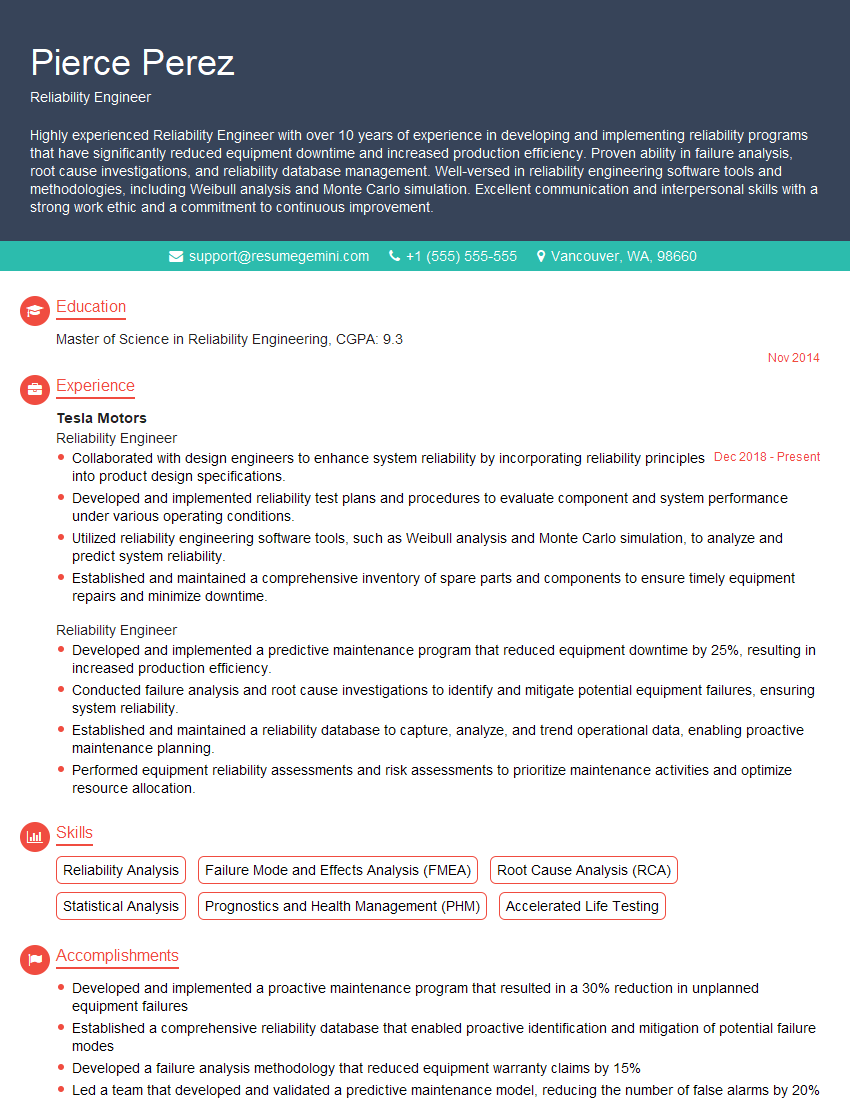
Reliability Engineer Resume Sample
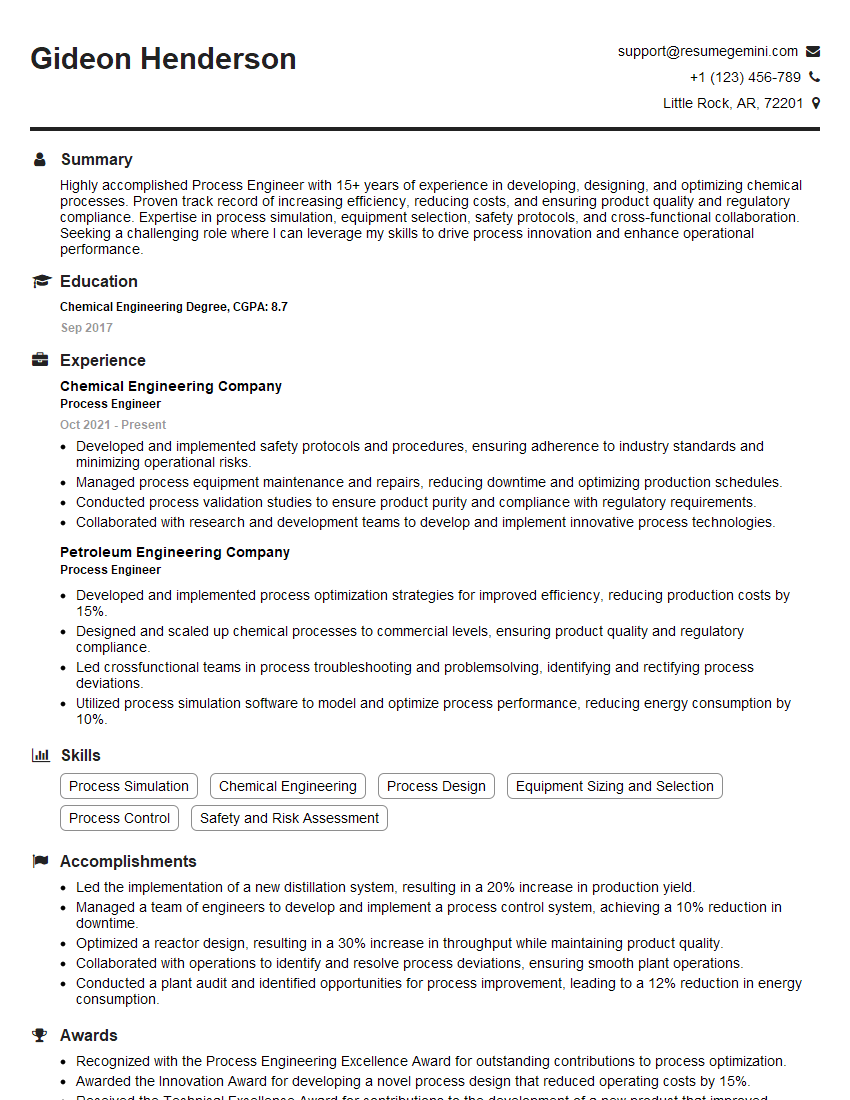
Process Engineer Resume Sample
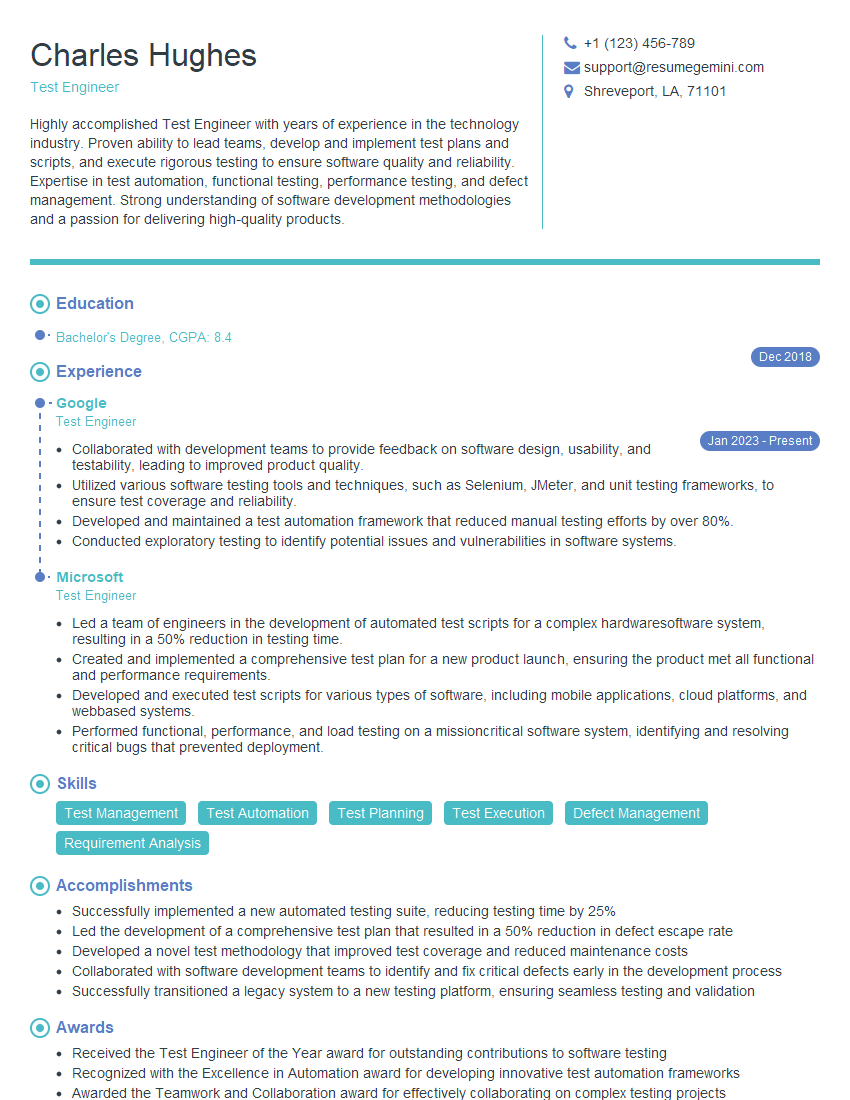
Test Engineer Resume Sample
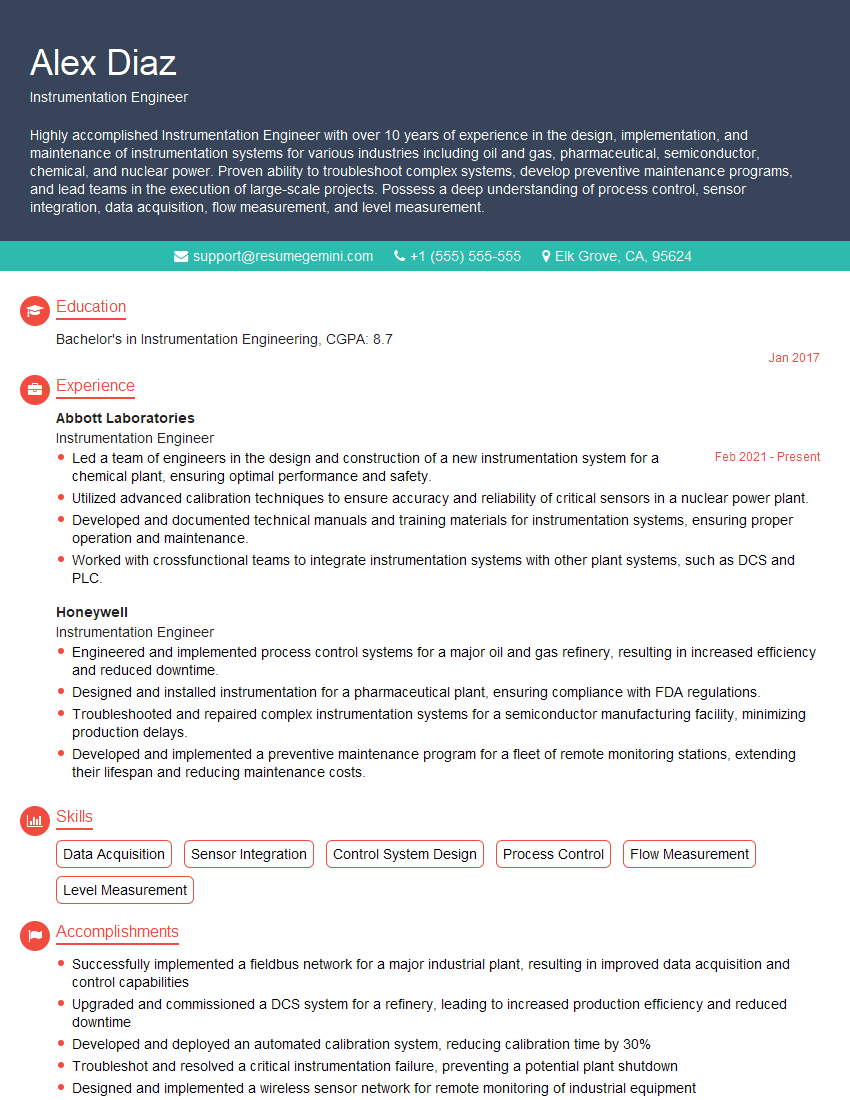
Instrumentation Engineer Resume Sample
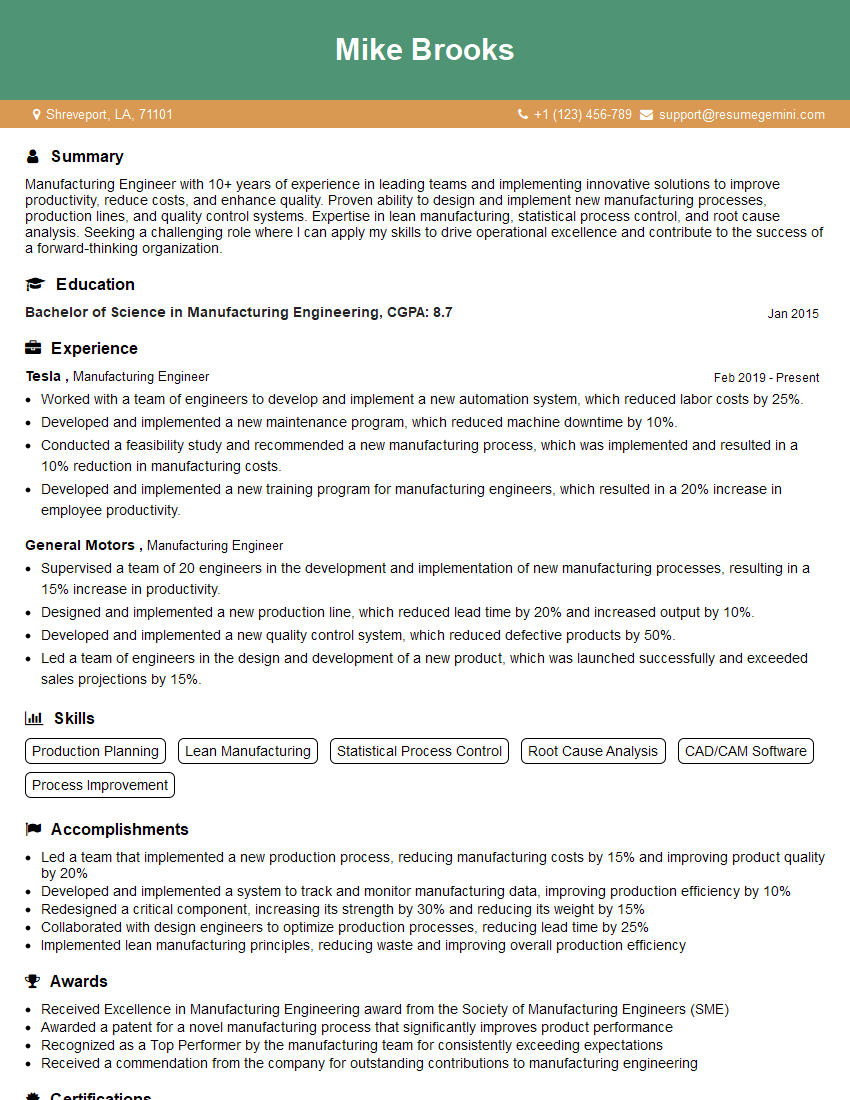
Manufacturing Engineer Resume Sample

Metrologist Resume Sample

Quality Assurance Engineer Resume Sample
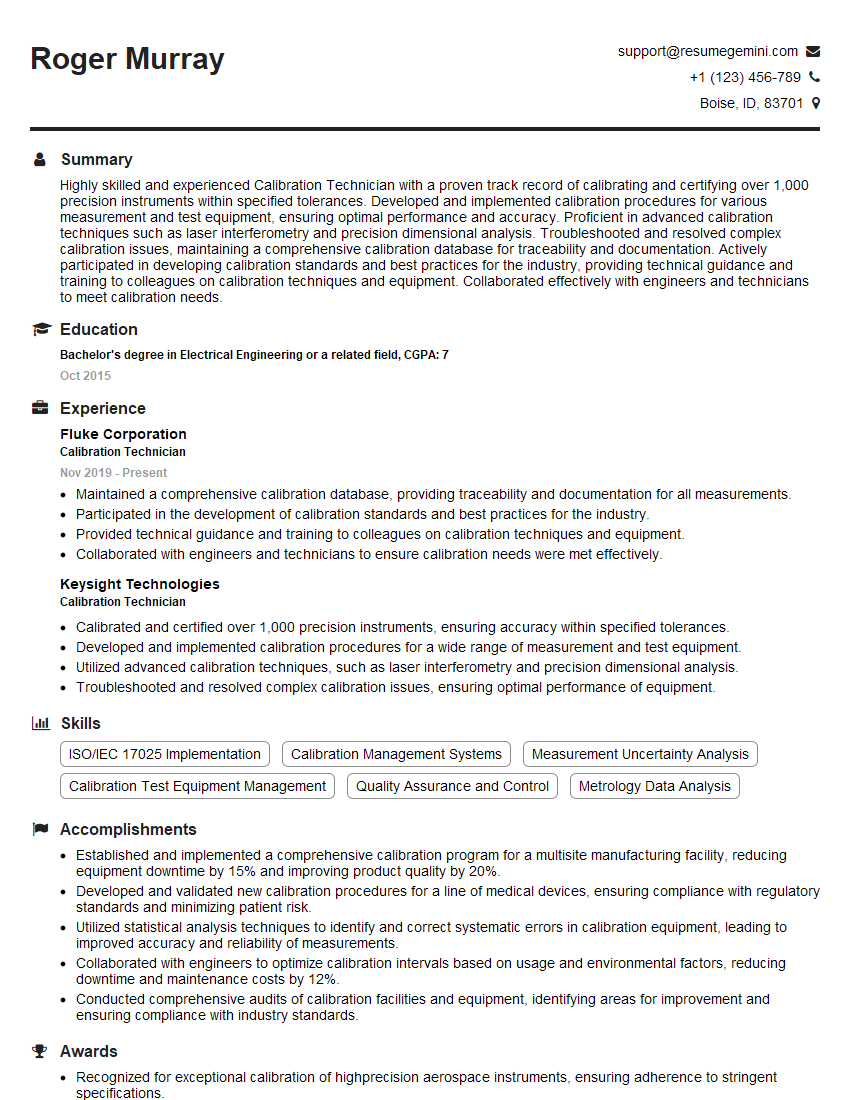
Calibration Technician Resume Sample
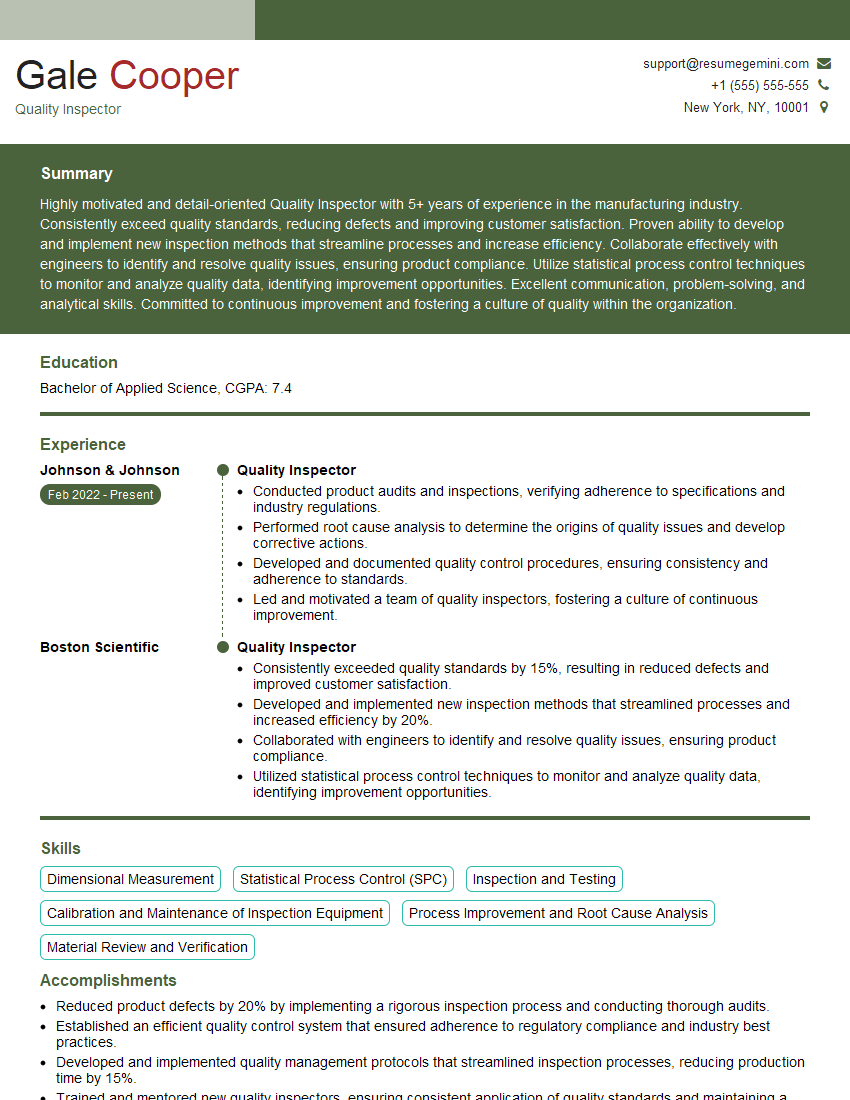
Quality Inspector Resume Sample
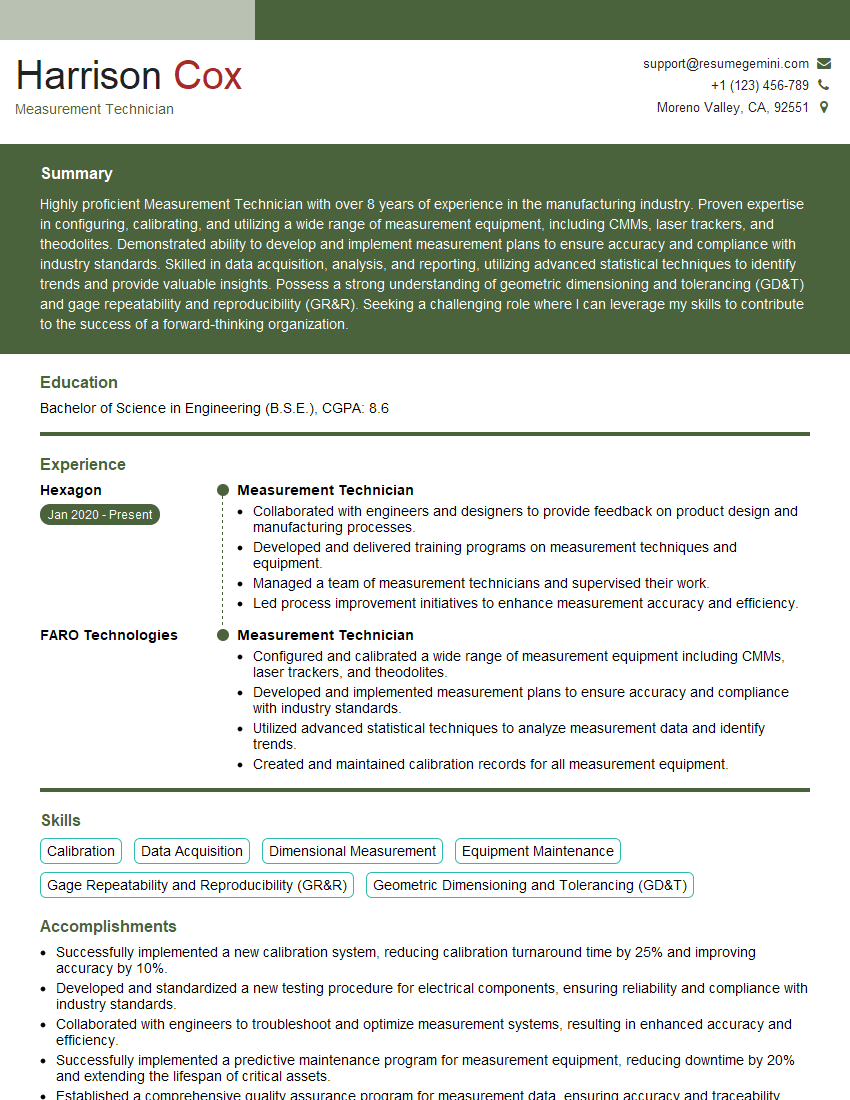
Measurement Technician Resume Sample
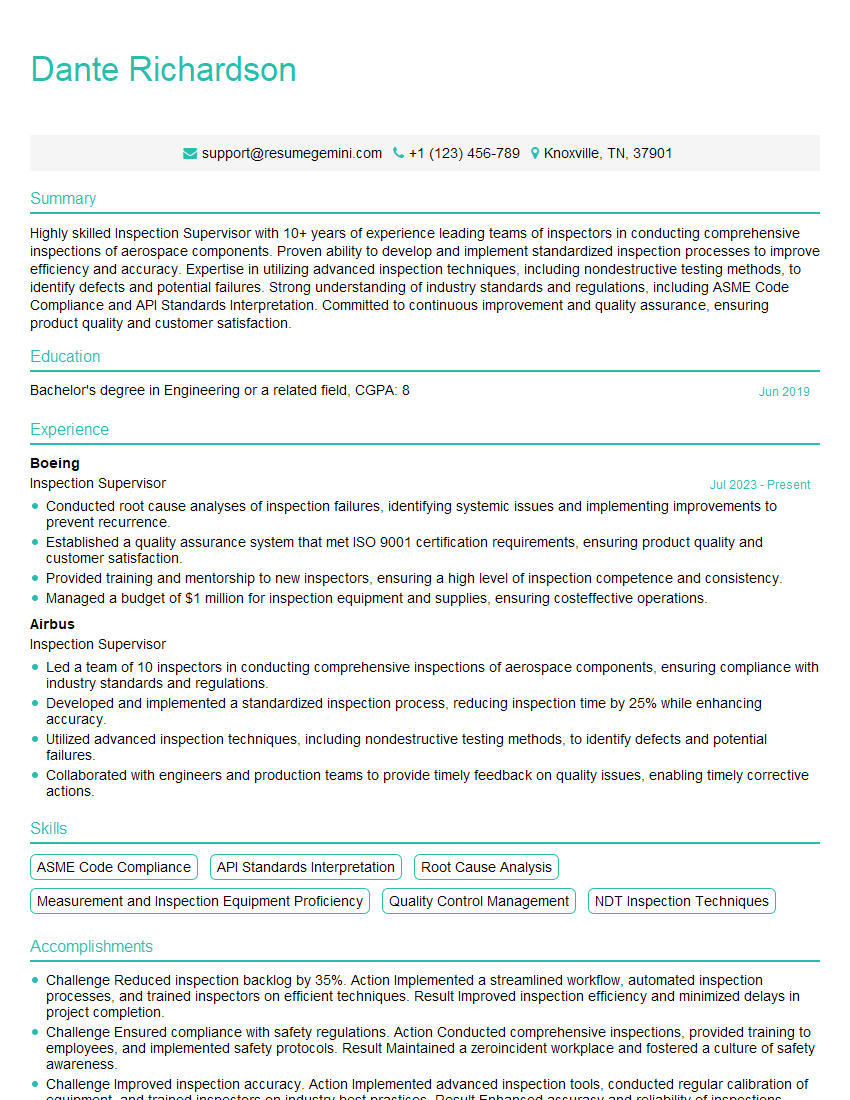
Inspection Supervisor Resume Sample
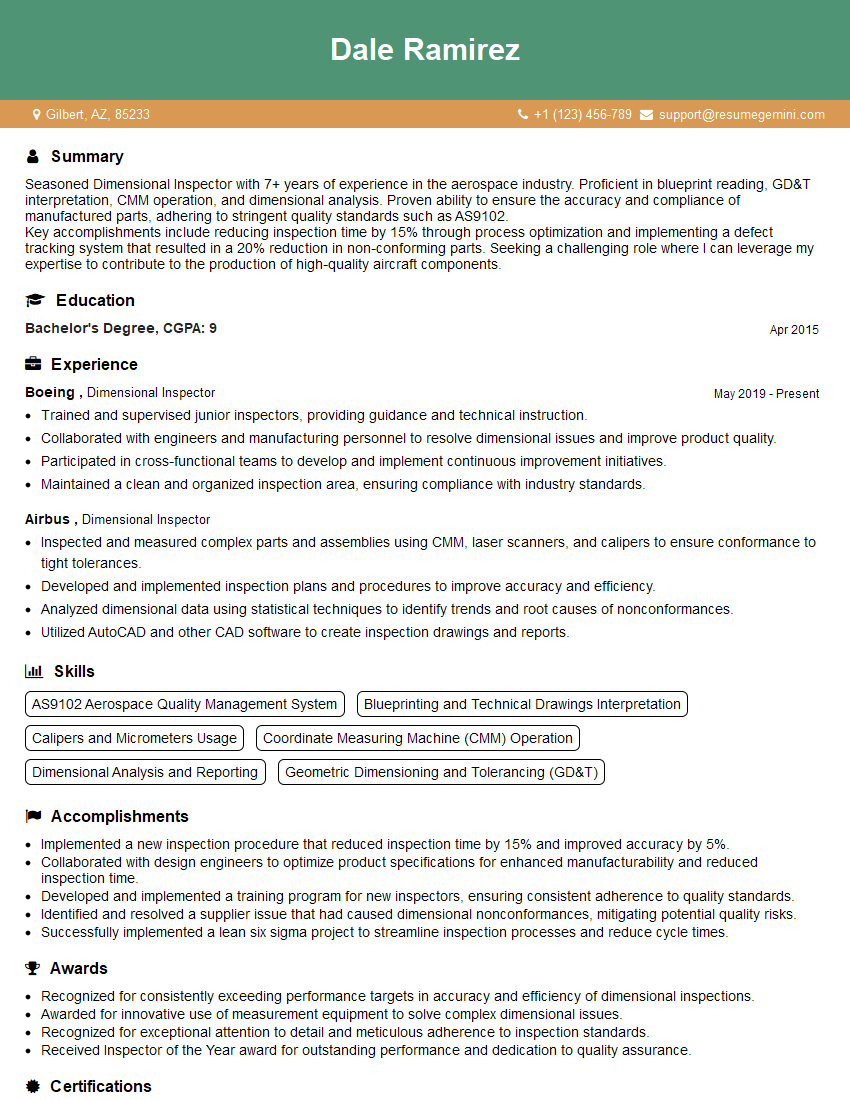
Dimensional Inspector Resume Sample
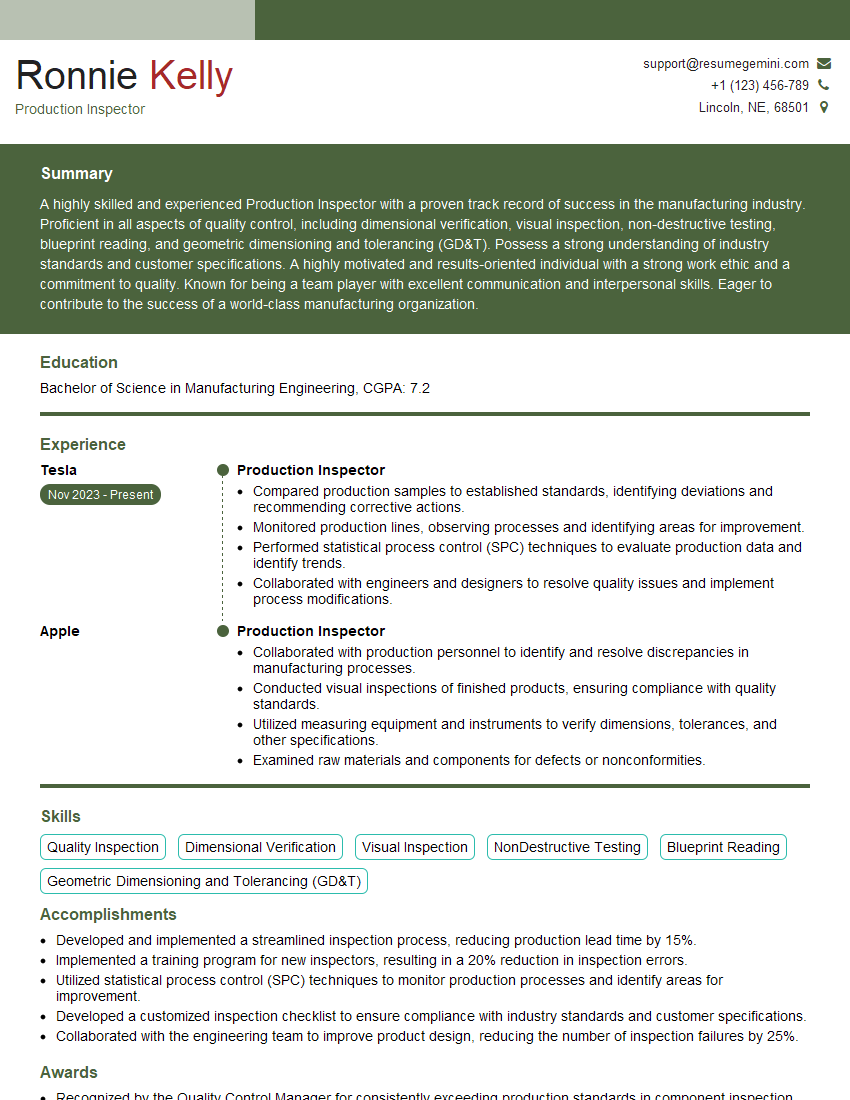
Production Inspector Resume Sample

Quality Control Inspector Resume Sample
- Quality Assurance Manager
- Quality Control Manager
- Reliability Engineer
- Process Engineer
- Test Engineer
- Instrumentation Engineer
- Manufacturing Engineer
- Metrologist
- Quality Assurance Engineer
- Calibration Technician
- Quality Inspector
- Measurement Technician
- Inspection Supervisor
- Dimensional Inspector
- Production Inspector
- Quality Control Inspector
Explore more articles
Users Rating of Our Blogs
Share Your Experience
We value your feedback! Please rate our content and share your thoughts (optional).
What Readers Say About Our Blog
Very informative content, great job.
good