The thought of an interview can be nerve-wracking, but the right preparation can make all the difference. Explore this comprehensive guide to Measuring and Gauging interview questions and gain the confidence you need to showcase your abilities and secure the role.
Questions Asked in Measuring and Gauging Interview
Q 1. Explain the difference between accuracy and precision in measurement.
Accuracy and precision are two crucial aspects of measurement, often confused but distinct. Accuracy refers to how close a measurement is to the true or accepted value. Think of it like hitting the bullseye on a dartboard – a high accuracy measurement is one that lands very close to the center. Precision, on the other hand, refers to how close repeated measurements are to each other. It’s about consistency. Imagine repeatedly throwing darts; high precision would mean all the darts cluster together, even if they’re not near the bullseye. You can have high precision but low accuracy (all darts clustered together, but far from the bullseye), high accuracy but low precision (darts scattered around the bullseye), or ideally, both high accuracy and high precision.
Example: Let’s say the true length of a metal rod is 10 cm. Measurement A gives readings of 10.1, 10.0, and 10.2 cm. Measurement B gives readings of 9.8, 10.3, and 9.9 cm. Measurement A is more precise (measurements are closer together), but Measurement B might be more accurate if the average of its readings is closer to 10 cm.
Q 2. Describe various types of measuring instruments and their applications.
The world of measuring instruments is vast and diverse, catering to a wide range of applications. Some common types include:
- Vernier Calipers: Precise measuring instruments used for measuring external, internal, and depth dimensions. I’ve personally used these extensively in manufacturing for quality control checks on machined parts.
- Micrometers: Offer even higher precision than calipers, ideal for measuring small dimensions with exceptional accuracy. Their use requires careful technique to avoid errors.
- Dial Indicators: Useful for measuring small displacements, deviations, and runout. I’ve used these for checking the flatness of surfaces and alignment of machine components.
- Tape Measures: Simple and versatile for measuring lengths in construction, surveying, and various other applications. While less precise than other tools, their convenience makes them invaluable.
- Laser Distance Measurers: Utilize laser technology for accurate distance measurements over longer ranges, frequently used in construction and surveying.
- Digital Multimeters: Measure voltage, current, and resistance, essential in electrical and electronics applications. Their ability to rapidly take and store data has improved efficiency in troubleshooting.
The choice of instrument depends heavily on the application, required precision, and the size and type of object being measured.
Q 3. How do you handle measurement uncertainty and its impact on quality?
Measurement uncertainty is inherent in every measurement process. It reflects the doubt associated with a measurement result. Handling it effectively is crucial for ensuring quality. We quantify uncertainty using statistical methods and express it as a range of values around the measured value, often as a plus or minus (±) value. For instance, a measurement might be reported as 10.00 ± 0.05 cm, signifying that the true value likely lies between 9.95 and 10.05 cm.
The impact on quality is significant. Large uncertainties can lead to non-conforming products, rework, and increased costs. To mitigate this, we implement robust measurement procedures, use calibrated instruments, and carefully consider environmental factors that could contribute to uncertainty. Statistical process control (SPC) techniques allow us to monitor measurement variations over time and detect and correct any systemic errors.
Q 4. Explain the concept of calibration and its importance in measuring and gauging.
Calibration is the process of comparing a measuring instrument to a known standard of higher accuracy to determine the instrument’s deviation. This ensures that the instrument’s readings are reliable and traceable to national or international standards. It’s a cornerstone of accurate and reliable measurements. Without calibration, instruments can drift out of alignment over time, introducing systematic errors which can drastically impact the quality of measurements.
Importance: Calibration is crucial for maintaining consistent and accurate measurements across different times, locations, and operators. It helps identify potential problems with the measuring instrument early on, preventing costly errors in manufacturing or research.
Example: A micrometer used in a precision manufacturing environment needs regular calibration against a certified standard to ensure that its readings remain accurate within the required tolerance. This is typically done by a qualified metrologist.
Q 5. What are the common sources of measurement error, and how can they be minimized?
Numerous sources can contribute to measurement errors. These can be broadly classified as:
- Instrument Errors: These stem from imperfections in the measuring instrument itself, such as wear and tear, misalignment, or faulty components.
- Environmental Errors: Temperature, humidity, vibration, and other environmental factors can significantly influence measurements. For example, a steel rule will expand slightly with temperature increases, affecting the accuracy of length measurements.
- Observer Errors: Human factors like parallax error (reading a scale from an angle), misinterpretation of scales, or improper handling of the instrument can introduce errors.
- Method Errors: Faulty procedures, inadequate setup, or incorrect measurement techniques can contribute to errors.
Minimizing Errors: We can minimize these errors through careful instrument selection, proper calibration, controlled environmental conditions, rigorous training of operators, standardized procedures, and the use of appropriate statistical techniques.
Q 6. Describe your experience with different types of gauges (e.g., dial indicators, micrometers, calipers).
I have extensive experience with a variety of gauges, including:
- Dial Indicators: I’ve used these for checking surface flatness, runout, and alignment. Their visual and easy-to-read display makes them ideal for quick checks and continuous monitoring. One project involved using a dial indicator to check the concentricity of a rotating shaft, identifying a slight wobble that could have led to premature failure.
- Micrometers: My proficiency with micrometers allows me to make precise measurements of small components, ensuring that dimensions are within the specified tolerances. I’ve extensively used them in quality control inspections for ensuring consistent component sizes.
- Vernier Calipers: These are my workhorses for a wide range of measuring tasks. Their versatility allows me to check internal and external dimensions quickly and accurately, streamlining the inspection process. I’ve used them routinely to verify the dimensions of manufactured parts.
My experience spans various industrial settings, and I’m adept at selecting the appropriate gauge for the task and interpreting the readings accurately.
Q 7. How do you select the appropriate measuring instrument for a specific task?
Selecting the right measuring instrument involves careful consideration of several factors:
- Required Accuracy and Precision: The level of accuracy needed dictates the choice of instrument. A high-precision task might necessitate a micrometer, while a less demanding task might be suitable for a simple ruler.
- Size and Shape of the Object: The size and geometry of the object being measured influence the instrument choice. Vernier calipers are well-suited for various shapes, while specialized gauges might be needed for intricate parts.
- Material of the Object: The material’s properties might influence the choice of instrument. For example, measuring the thickness of a thin sheet of metal requires a different approach than measuring the length of a wooden beam.
- Environmental Conditions: Temperature, humidity, and other environmental factors can affect measurements, influencing instrument choice and the need for additional precautions.
- Cost and Availability: The cost and availability of the instruments should also be considered within the budget and resources available.
By carefully considering these factors, one can select the most appropriate and effective measuring instrument for the specific task at hand, ensuring the reliability and accuracy of measurements.
Q 8. Explain the process of verifying the accuracy of a measuring instrument.
Verifying the accuracy of a measuring instrument is crucial for ensuring reliable results. This process, often called calibration, involves comparing the instrument’s readings against a known standard of higher accuracy. Think of it like checking a kitchen scale against certified weights – you’re confirming its readings are trustworthy.
The process generally involves these steps:
- Selection of a traceable standard: Choose a standard that’s been calibrated to a national or international standard, ensuring traceability.
- Preparation: Ensure the instrument and standard are at the correct temperature and humidity, as these can affect readings. Properly clean the instrument and standard as needed.
- Measurement: Take multiple measurements at different points across the instrument’s range. It’s crucial to follow the manufacturer’s instructions for proper use.
- Comparison and Analysis: Compare the instrument’s readings to the standard’s known values. Calculate the deviations and assess whether they fall within acceptable tolerances (specified by the instrument’s manufacturer or relevant standards).
- Documentation: Meticulously document all measurements, deviations, and the date of calibration. This forms the calibration certificate which is crucial evidence of the instrument’s reliability.
- Adjustment (if necessary): Some instruments allow for adjustments to minimize deviations. This should be done only by qualified personnel and according to manufacturer’s guidelines.
For example, if we’re verifying a micrometer, we’d use gauge blocks (precisely manufactured blocks of known dimensions) as our standard. We’d measure several gauge blocks with the micrometer and compare the readings to the known values of the blocks. If the deviations are outside the acceptable range, the micrometer requires recalibration or repair.
Q 9. How do you interpret and document measurement data?
Interpreting and documenting measurement data is as important as the measurement itself. Accurate documentation ensures data integrity and enables effective analysis. Think of it as building a strong foundation for any conclusions or decisions.
My approach involves:
- Clear Identification: Each data point should be clearly identified with information such as the date, time, instrument used, operator, part number, and specific measurement location.
- Organized Data Tables: I use spreadsheets or dedicated measurement software to organize data in tables. This facilitates easy sorting, filtering, and analysis.
- Statistical Analysis: Calculations like mean, standard deviation, and range help summarize data and understand its variability. This is particularly important for identifying trends or potential issues.
- Graphical Representation: Charts and graphs (histograms, control charts) provide a visual representation of data, making trends and patterns easier to identify. A simple histogram can easily show if a distribution is normal or skewed.
- Proper Units and Significant Figures: Maintaining consistent units and appropriate significant figures is essential for accuracy. Reporting a length as 10.2mm instead of 10mm when dealing with high precision measurements is vital.
- Data Storage and Retrieval: Data should be stored securely and in a readily retrievable format to facilitate future analysis or audits.
For instance, in a manufacturing setting, I might document the diameter of a batch of shafts using a table showing individual measurements, the mean diameter, the standard deviation, and a histogram illustrating the distribution of diameters. This allows for quick assessment of part quality and the identification of any out-of-spec parts.
Q 10. Describe your experience with statistical process control (SPC) in relation to measurement data.
Statistical Process Control (SPC) is a crucial tool for monitoring and improving measurement processes. It involves using statistical methods to analyze measurement data and identify potential sources of variation. Think of it as a proactive approach to quality control, rather than a reactive one.
My experience includes implementing and interpreting control charts, such as X-bar and R charts, and Cpk calculations. I use these tools to:
- Monitor process stability: Control charts visually represent process variation over time, allowing for early detection of shifts in the mean or increases in variability.
- Identify assignable causes of variation: When data points fall outside control limits, it indicates a potential problem needing investigation. This might involve machine malfunction, operator error, or changes in raw materials.
- Improve process capability: Cpk (process capability index) measures how well a process meets specifications. Analyzing Cpk values helps identify areas for process improvement to reduce variability and improve consistency.
- Reduce waste and rework: By promptly identifying and addressing process issues, SPC helps reduce the number of defective parts and the associated costs of rework or scrap.
For example, in a production line manufacturing screws, I’d use X-bar and R charts to monitor the screw length. If the data consistently falls within the control limits, it suggests the process is stable. However, a sudden shift beyond the control limits would indicate a problem needing immediate attention – perhaps a machine needs adjustment or replacement.
Q 11. What are your experiences using CMM (Coordinate Measuring Machine)?
My experience with Coordinate Measuring Machines (CMMs) is extensive. CMMs are highly precise instruments used for three-dimensional measurements of parts. They provide highly accurate data and are indispensable in quality control and reverse engineering.
My experience encompasses:
- Operating various CMM types: I’m proficient in operating both bridge-type and articulated-arm CMMs, understanding their strengths and limitations for different applications.
- Probe selection and calibration: Choosing the right probe type (e.g., touch-trigger, scanning) and ensuring its proper calibration is critical for accurate measurements.
- Software proficiency: I’m fluent in using various CMM software packages for programming measurement routines, data acquisition, and report generation. This includes creating complex inspection plans.
- Part programming and alignment: I can effectively program complex measurement routines, ensuring efficient data collection and minimizing measurement time. Proper part alignment is critical to accurate results.
- Data analysis and reporting: I can analyze CMM data to assess dimensional accuracy, identify deviations from specifications, and generate comprehensive reports summarizing the findings.
For example, I used a CMM to inspect the intricate features of a complex injection-molded part, ensuring that its dimensions met stringent tolerances. The CMM data was crucial in identifying minor deviations that might have led to functional problems if unnoticed.
Q 12. How do you troubleshoot measurement equipment malfunctions?
Troubleshooting measurement equipment malfunctions requires a systematic approach combining technical knowledge, problem-solving skills, and a methodical approach. It’s like being a detective, carefully examining clues to identify the source of the problem.
My troubleshooting strategy usually involves:
- Identifying the Symptom: Precisely define the malfunction. Is it inaccurate readings, erratic behavior, or complete failure?
- Check the Obvious: Start with simple checks like power supply, connections, and environmental conditions (temperature, humidity). Sometimes, the issue is simpler than expected.
- Consult Documentation: Refer to the instrument’s manual for troubleshooting guides, error codes, and recommended procedures.
- Systematic Testing: Conduct tests to isolate the problem. For example, use known standards to check the accuracy of readings and eliminate the instrument itself as the source.
- Calibration Verification: If accuracy is the issue, check the calibration certificate and confirm the instrument is within acceptable tolerances. Recalibration might be necessary.
- Seek External Help: If the problem persists, consult the manufacturer or a qualified service technician. It’s always better to get professional assistance if needed.
For instance, if a digital caliper displays erratic readings, I’d first check the battery and connections. Then, I’d test it against gauge blocks to see if the problem is consistent across the range. If so, I’d consider if recalibration is necessary. If not, I would likely need to replace the internal sensor or the whole caliper.
Q 13. Explain the significance of traceability in measurement.
Traceability in measurement is the ability to link a measurement result back to a known standard through an unbroken chain of calibrations. It’s like tracing a family tree back to a common ancestor – it verifies the validity and reliability of the measurement.
Traceability is significant because it ensures:
- Comparability of results: Measurements made in different locations or by different laboratories can be compared reliably.
- Confidence in results: Knowing that a measurement is traceable to a national or international standard gives confidence in its accuracy and validity.
- Meeting regulatory requirements: Many industries have regulations requiring traceability of measurements for compliance. This is particularly critical in areas like aerospace and pharmaceuticals.
- Improved quality control: Traceability helps ensure consistency and reliability in manufacturing processes, reducing errors and improving product quality.
Without traceability, measurements become isolated and unreliable. Imagine trying to build a bridge with measurements taken using an uncalibrated tape measure – the safety of the structure would be compromised. Traceability provides the crucial link to ensure measurements are reliable and trustworthy.
Q 14. Describe your experience with different measurement standards (e.g., ISO, ANSI).
My experience includes working with various measurement standards, including ISO and ANSI standards. These standards provide frameworks for ensuring measurement accuracy, consistency, and traceability.
Understanding these standards is crucial because:
- Ensuring compliance: Adhering to relevant standards is necessary to meet regulatory requirements and demonstrate quality assurance.
- Improving consistency: Standards provide a common language and methodology for measurement, enhancing the comparability of results from different sources.
- Enhancing accuracy: Standards define tolerances and procedures that help minimize measurement uncertainties and errors.
For example, when working with dimensional measurements in a manufacturing setting, I would adhere to ISO standards for dimensional tolerances, calibration procedures, and uncertainty analysis. Similarly, I would follow relevant ANSI standards when working with specific measurement instruments or processes. Understanding and applying these standards ensures that measurements are reliable, consistent, and meet both internal and external requirements.
Q 15. How do you maintain the cleanliness and proper care of measuring instruments?
Maintaining the cleanliness and proper care of measuring instruments is paramount to ensuring accurate and reliable measurements. Neglect can lead to significant errors and costly rework. My approach involves a multi-pronged strategy focusing on preventative maintenance, regular cleaning, and proper storage.
Preventative Maintenance: This includes adhering to the manufacturer’s recommended calibration schedules. For instance, micrometers require regular lubrication and careful handling to prevent damage to the anvil and spindle. Calipers should be checked for zero-point accuracy frequently. I also perform visual inspections for any signs of wear, damage, or corrosion.
Regular Cleaning: The cleaning method depends on the instrument. For example, I use a soft, lint-free cloth and isopropyl alcohol to clean optical comparators, avoiding harsh chemicals that could damage the lenses. For steel measuring instruments, I’d use a specialized cleaning solution and ensure they are thoroughly dried to prevent rust. Compressed air can be useful for removing debris from hard-to-reach areas, but should be used cautiously to avoid damaging delicate components.
Proper Storage: Instruments should be stored in a clean, dry, and temperature-controlled environment, preferably in their designated cases or protective containers. This prevents accidental damage, dust accumulation, and corrosion. For example, sensitive instruments like laser interferometers need to be stored in climate-controlled rooms to maintain their accuracy.
Following these procedures ensures the longevity and accuracy of the instruments, minimizing the risk of measurement errors and ultimately, contributing to a higher quality product.
Career Expert Tips:
- Ace those interviews! Prepare effectively by reviewing the Top 50 Most Common Interview Questions on ResumeGemini.
- Navigate your job search with confidence! Explore a wide range of Career Tips on ResumeGemini. Learn about common challenges and recommendations to overcome them.
- Craft the perfect resume! Master the Art of Resume Writing with ResumeGemini’s guide. Showcase your unique qualifications and achievements effectively.
- Don’t miss out on holiday savings! Build your dream resume with ResumeGemini’s ATS optimized templates.
Q 16. What are your experience with different types of gage R&R studies?
I have extensive experience conducting various Gage R&R (repeatability and reproducibility) studies, crucial for assessing the variability of measurement systems. My experience encompasses different types, including:
Cross-Type Gage R&R: This involves multiple operators measuring multiple parts multiple times. This design allows us to separate the variation due to the operators, parts and the gauge itself, providing a comprehensive understanding of measurement system capability. I’ve used this extensively when evaluating the precision of CMMs (Coordinate Measuring Machines) or dial indicators.
Nested Gage R&R: Suitable for situations with a large number of parts and limited time. Here, operators measure a subset of parts multiple times, offering a balance between data collection effort and robustness of the analysis. This approach is practical when dealing with high-volume production runs.
Attribute Gage R&R: Used when measurements are categorical (go/no-go, pass/fail), focusing on the consistency of classifying parts. This has been useful in evaluating visual inspection processes or simple pass/fail gauges.
In each case, I meticulously follow established statistical methods, employing software packages like Minitab to analyze the data, calculate key metrics (e.g., %Contribution, %Study Variation), and generate reports that communicate the findings clearly and concisely. This ensures that we have confidence in our measurement processes and can identify areas for improvement.
Q 17. How do you handle discrepancies between measurements?
Discrepancies between measurements demand a systematic investigation to identify the root cause. My approach involves a structured process:
Verification of Measurement Systems: First, I verify the accuracy and calibration of the instruments used. A recalibration might be necessary if the instruments are found to be outside their tolerances.
Repeatability Check: I re-measure the part using the same instrument and operator to confirm the discrepancy isn’t due to a simple measurement error.
Reproducibility Check: If the discrepancy persists, I repeat the measurement with a different operator and/or instrument to assess the reproducibility of the measurement.
Part Evaluation: I inspect the part for any defects or variations that might explain the differences in measurement.
Environmental Factors: I consider environmental factors such as temperature, humidity, and vibration that may affect measurement accuracy.
Root Cause Analysis: Based on the above steps, I conduct a root cause analysis (e.g., using 5 Whys or Fishbone Diagram) to pinpoint the underlying issue causing the discrepancy.
Corrective Action: Once the root cause is identified, I implement appropriate corrective actions, which may include recalibration, operator training, equipment repair, or process adjustments.
Documenting each step of this process is crucial for traceability and continuous improvement. For example, a discrepancy in a critical dimension of an aircraft component would trigger a thorough investigation, potentially involving multiple specialists and possibly halting production until the issue is resolved.
Q 18. Explain your understanding of tolerance and its implications in manufacturing.
Tolerance defines the permissible variation in a dimension or characteristic of a part. In manufacturing, it’s the acceptable range of values around a nominal (target) value. Understanding and managing tolerances is crucial for ensuring product functionality and interchangeability.
For example, a shaft with a nominal diameter of 10mm might have a tolerance of ±0.1mm. This means the acceptable range is 9.9mm to 10.1mm. Parts outside this range are considered non-conforming and might require rework or rejection.
The implications of tolerance are far-reaching:
Functionality: Tolerances ensure parts fit together correctly and perform their intended function. Too tight tolerances can make assembly difficult and expensive; too loose tolerances can compromise performance.
Interchangeability: Tolerances allow for the mass production of parts that can be used interchangeably without requiring custom fitting. This is especially important in assembly lines.
Cost: Tight tolerances typically increase manufacturing costs due to the need for more precise machinery and more rigorous quality control.
Quality: Proper tolerance control ensures that products meet the required quality standards and function reliably.
Effective tolerance management involves careful consideration of design requirements, manufacturing capabilities, and cost constraints. It often involves using statistical methods to determine appropriate tolerance levels.
Q 19. Describe your experience with geometric dimensioning and tolerancing (GD&T).
Geometric Dimensioning and Tolerancing (GD&T) is a symbolic language used on engineering drawings to define the size, form, orientation, location, and runout of features. My experience with GD&T is extensive, covering the interpretation of GD&T symbols on drawings, the application of GD&T principles in inspection planning, and the use of GD&T compliant measurement equipment.
I’m proficient in using various GD&T symbols, such as:
Position: To specify the allowable variation in the location of a feature.
Orientation: To define the allowable angular variation of a feature.
Form: To control the shape of a feature, including straightness, flatness, circularity, and cylindricity.
Runout: To control the variation in the axial or circular runout of a feature.
I use this knowledge in selecting appropriate measuring equipment and developing inspection plans to ensure that parts meet the specified GD&T requirements. For example, to verify the position tolerance of a hole, I would use a coordinate measuring machine (CMM) and appropriate software to analyze the measured data. Understanding and applying GD&T is crucial for ensuring high-quality, interchangeable parts and preventing costly assembly problems.
Q 20. How familiar are you with different types of measurement software?
I’m familiar with a variety of measurement software packages, each offering specific functionalities suited to different applications. My experience includes:
CMM Software: Such as PC-DMIS, Calypso, and others. These are essential for programming CMM routines, acquiring and processing measurement data, and generating reports with statistical analysis. I’ve used these extensively for complex part inspections.
Image Analysis Software: For analyzing images from optical comparators, microscopes, or vision systems. This allows for automated dimensional measurement and defect detection.
Statistical Process Control (SPC) Software: Such as Minitab, JMP, or other packages. These are vital for analyzing measurement data, creating control charts, and monitoring process capability.
Data Acquisition Software: For integrating data from various measurement instruments into a central database for analysis and reporting.
My ability to adapt to and utilize different software packages ensures efficient data analysis and reporting, facilitating informed decision-making in quality control and process improvement.
Q 21. What is your experience with automated measuring systems?
I have significant experience working with automated measuring systems, including:
Coordinate Measuring Machines (CMMs): I’m proficient in operating and programming both bridge-type and articulated-arm CMMs. These systems automate the measurement process, offering higher throughput and improved accuracy compared to manual methods. I have experience with various probing systems and software packages for CMMs.
Vision Systems: These systems use cameras and image processing software to perform automated dimensional measurements and defect detection. I have experience integrating vision systems into automated assembly lines to perform in-line inspection.
Automated Gauge Systems: These systems integrate various gauges, such as air gauges or laser sensors, with automated data acquisition and analysis systems, providing rapid, high-volume measurement capabilities.
My experience extends to the setup, calibration, and maintenance of these systems. The use of automated systems leads to greater efficiency, improved consistency, and reduced human error in the measurement process. For instance, the use of automated optical inspection systems in printed circuit board manufacturing significantly improves the speed and reliability of defect detection compared to manual visual inspection.
Q 22. Explain your understanding of Six Sigma methodologies in relation to measurement.
Six Sigma methodologies are crucial for achieving process excellence, and measurement plays a pivotal role. At its core, Six Sigma aims to minimize defects and variability in any process. In the context of measurement, this means ensuring our measurement systems are accurate, precise, and reliable. We use statistical tools like Gage R&R (Gauge Repeatability and Reproducibility) studies to assess the variability introduced by the measurement system itself. This helps determine if the variation we observe is due to the process or the measurement process. A high Gage R&R indicates significant measurement error, requiring improvements like better equipment, training, or process changes. Furthermore, control charts are instrumental in monitoring the stability of the measurement process over time, alerting us to any drift or shifts that could compromise data integrity. For example, in a manufacturing setting, measuring the diameter of a shaft using a micrometer, a Gage R&R study would determine if the variability in measurements is due to the operator, the micrometer, or the actual shaft variation.
Q 23. How do you ensure the integrity of your measurement processes?
Ensuring the integrity of measurement processes involves a multi-pronged approach. First, we meticulously calibrate all equipment regularly using traceable standards to national or international standards. This ensures our instruments provide consistent and accurate readings. Secondly, we implement rigorous procedures for handling, storing, and maintaining measuring equipment, preventing damage or degradation that might affect accuracy. We also conduct regular Gage R&R studies, as mentioned previously, to evaluate the performance of our measurement systems and identify areas for improvement. Finally, operator training is paramount. We ensure all personnel involved in measurements receive comprehensive training on proper techniques, instrument usage, and data recording to minimize human error. For instance, if we’re using a CMM (Coordinate Measuring Machine), we’d establish standardized probing techniques and software settings to ensure consistency across operators.
Q 24. Describe a situation where you had to solve a measurement-related problem.
In a previous role, we were experiencing inconsistent measurements of surface roughness on a newly introduced material. Our initial measurements were highly variable, impacting the production process and potentially leading to rejected parts. To troubleshoot, I first verified the calibration of our surface roughness tester. After confirming its calibration was accurate, I systematically investigated potential sources of error. This included analyzing the sample preparation technique, ensuring consistent cleaning and handling. We also conducted a Gage R&R study to assess the measurement system’s contribution to the observed variability. Ultimately, the investigation revealed that inconsistent sample preparation was the primary culprit. By implementing a standardized sample preparation protocol and providing additional training to the operators, we significantly reduced the measurement variability and resolved the issue.
Q 25. How do you stay updated with the latest advancements in measuring and gauging technology?
Staying current with advancements in measuring and gauging technology is crucial. I actively participate in industry conferences and webinars, attending seminars and workshops to learn about new techniques and technologies. I also subscribe to relevant trade publications and journals, and regularly review the latest literature. Online resources such as professional organization websites and manufacturer’s websites are also valuable sources of information. Furthermore, I actively engage with colleagues and peers through professional networks to exchange insights and learn from their experiences with new technologies and measurement challenges. For instance, I’ve recently been exploring the applications of laser scanning technology and its potential advantages over traditional contact measurement techniques for certain applications.
Q 26. What are your strengths and weaknesses in this field?
My strengths lie in my analytical and problem-solving skills. I’m adept at identifying and troubleshooting measurement issues, applying statistical methods to analyze data and identify root causes. My experience across diverse industries and materials gives me a broad perspective on measurement challenges. A weakness I’m actively working to improve is my proficiency in some of the newer, more specialized software packages for data analysis. I’m currently enrolled in an online course to enhance my skills in this area. This continuous learning approach ensures I remain at the forefront of the field.
Q 27. Describe your experience with different materials and their measurement considerations.
My experience spans a variety of materials, each presenting unique measurement considerations. For example, measuring the dimensions of brittle materials like ceramics requires careful handling to prevent damage, and specialized techniques might be needed to avoid inducing stress or fractures during the measurement process. With flexible materials like plastics, the measurement method must account for material deformation under load, requiring specific fixturing and potentially non-contact measurement techniques. For metals, considerations include surface finish, temperature, and the potential for magnetic interference when using certain instruments. Understanding the material’s properties is paramount to selecting the appropriate measurement method and instrumentation, ensuring accurate and reliable results. For example, I’ve worked with both optical and contact methods for measuring the thickness of thin films depending on the film’s properties and the required level of precision.
Q 28. Explain how you ensure data integrity and avoid human error in your measurements.
Data integrity and minimizing human error are essential. We use standardized measurement procedures and checklists to ensure consistency and reduce variability. Automated measurement systems, where feasible, help reduce human intervention and the associated errors. For instance, we use CMMs for high-precision measurements, eliminating subjective interpretation. When manual measurements are necessary, we employ multiple operators and compare results to identify potential discrepancies, and we utilize statistical process control (SPC) charts to monitor measurement trends and identify outliers promptly. Furthermore, thorough documentation of all measurements, including date, time, operator, equipment used, and any relevant conditions, ensures traceability and facilitates error detection and correction. A robust quality control system, including regular audits of measurement practices, is vital for maintaining data integrity.
Key Topics to Learn for Measuring and Gauging Interview
- Measurement Principles: Understanding accuracy, precision, tolerance, and error analysis. Explore different types of measurement uncertainties and their propagation.
- Common Gauging Instruments: Become familiar with the operation, calibration, and limitations of various measuring tools, including calipers, micrometers, dial indicators, height gauges, and coordinate measuring machines (CMMs).
- Dimensional Metrology: Learn about techniques for measuring linear, angular, and surface dimensions. Understand geometric dimensioning and tolerancing (GD&T) principles and their practical application in manufacturing.
- Statistical Process Control (SPC): Familiarize yourself with control charts, capability analysis, and other SPC techniques used to monitor and improve measurement processes. Understand how to interpret control chart data and identify potential sources of variation.
- Material Properties and Testing: Gain knowledge of relevant material properties (e.g., hardness, tensile strength) and the methods used to measure them. Understand the role of destructive and non-destructive testing in quality control.
- Data Acquisition and Analysis: Understand how data from various measuring instruments is acquired, processed, and analyzed. Learn about data interpretation and reporting techniques.
- Calibration and Traceability: Understand the importance of instrument calibration, traceability to national standards, and the documentation required to maintain measurement accuracy.
- Problem-Solving and Troubleshooting: Develop your ability to identify and resolve measurement-related problems. Practice analyzing measurement data to pinpoint sources of error and implement corrective actions.
Next Steps
Mastering Measuring and Gauging opens doors to rewarding careers in manufacturing, quality control, and engineering. A strong understanding of these principles is highly valued by employers and significantly boosts your career prospects. To maximize your chances of landing your dream job, focus on creating an ATS-friendly resume that effectively showcases your skills and experience. ResumeGemini is a trusted resource that can help you build a professional and impactful resume. They provide examples of resumes tailored to Measuring and Gauging roles, giving you a head start in crafting a compelling application.

Quality Control Manager Resume Sample

Production Supervisor Resume Sample
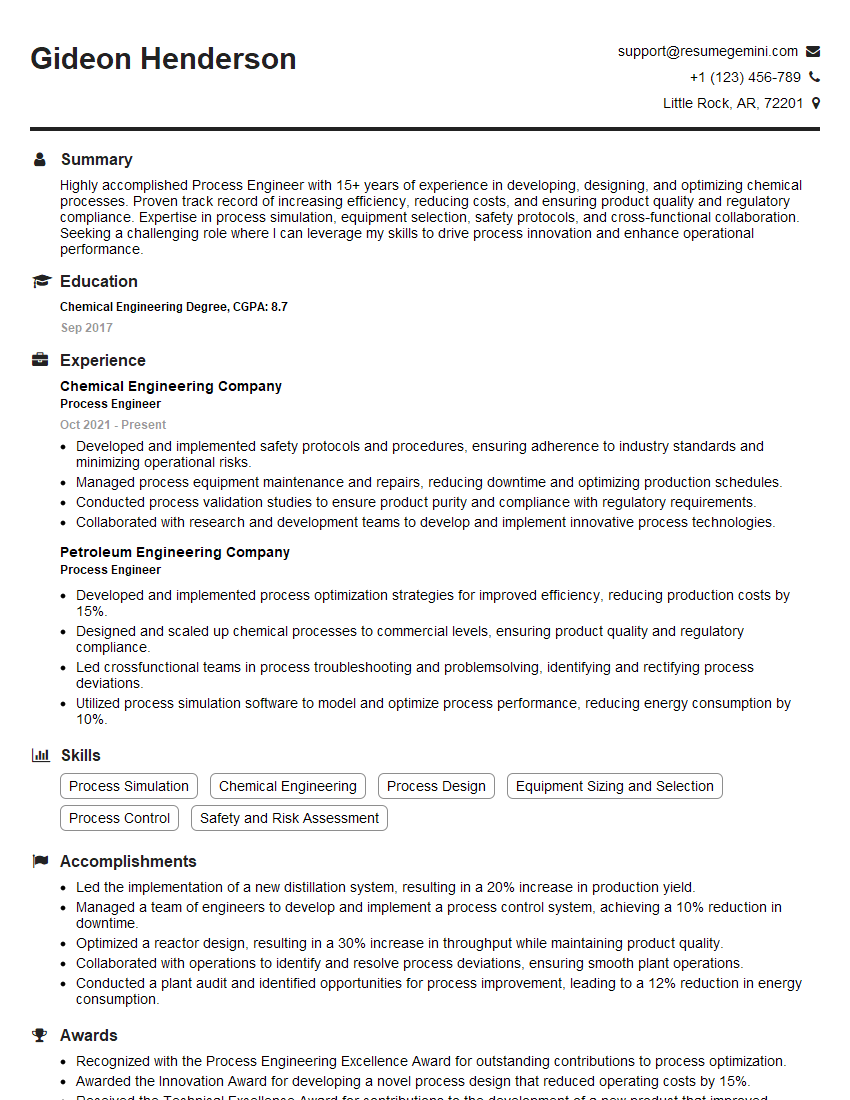
Process Engineer Resume Sample
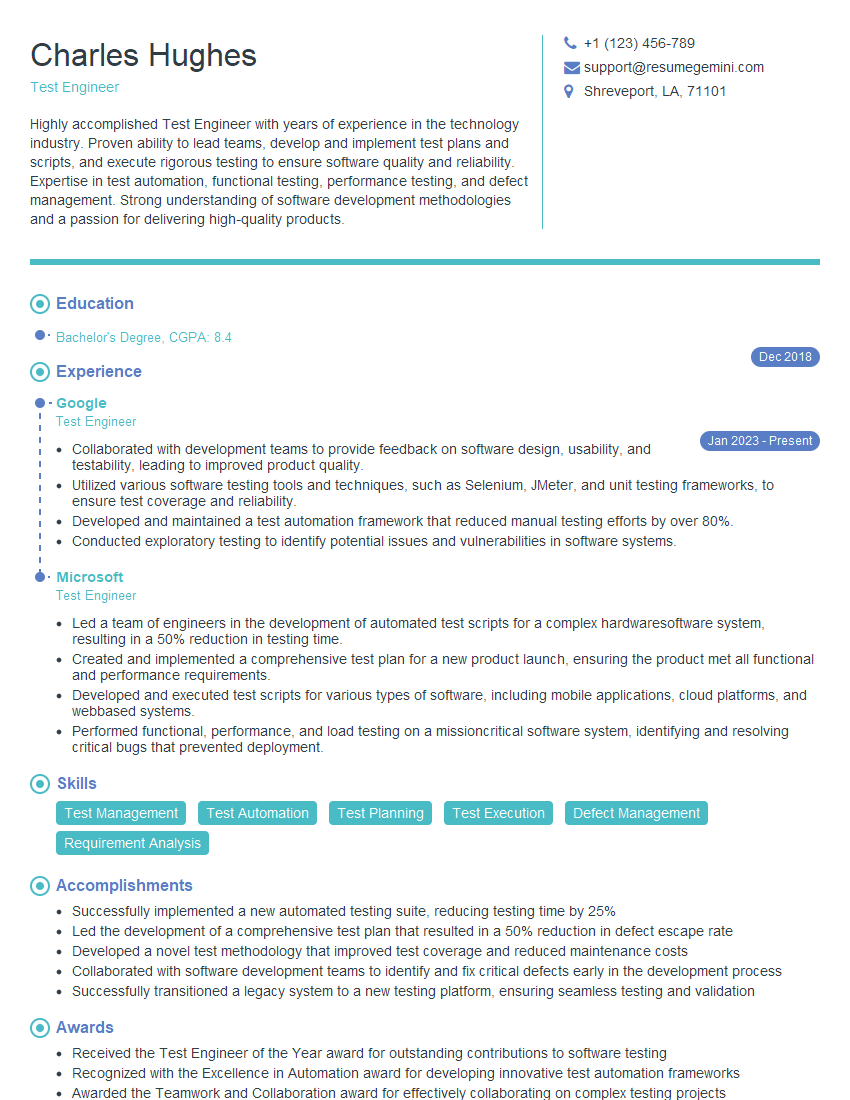
Test Engineer Resume Sample
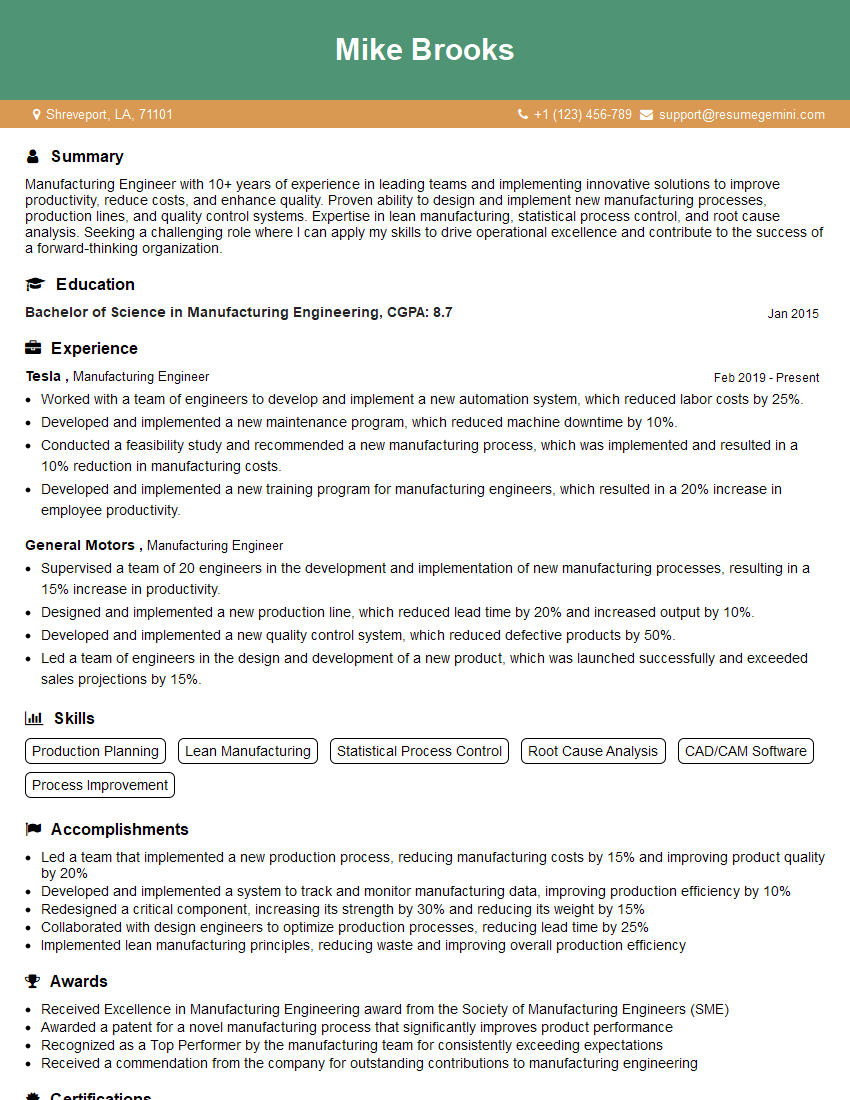
Manufacturing Engineer Resume Sample
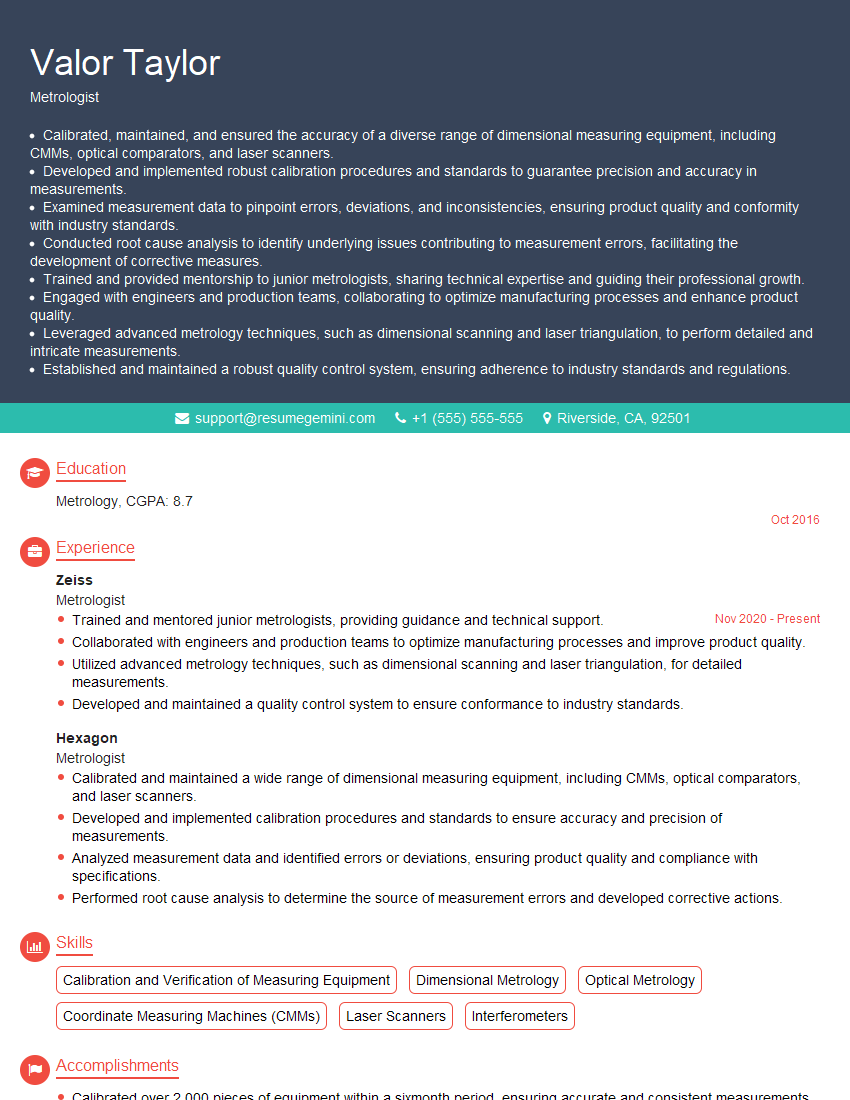
Metrologist Resume Sample

Quality Control Specialist Resume Sample

Quality Assurance Engineer Resume Sample
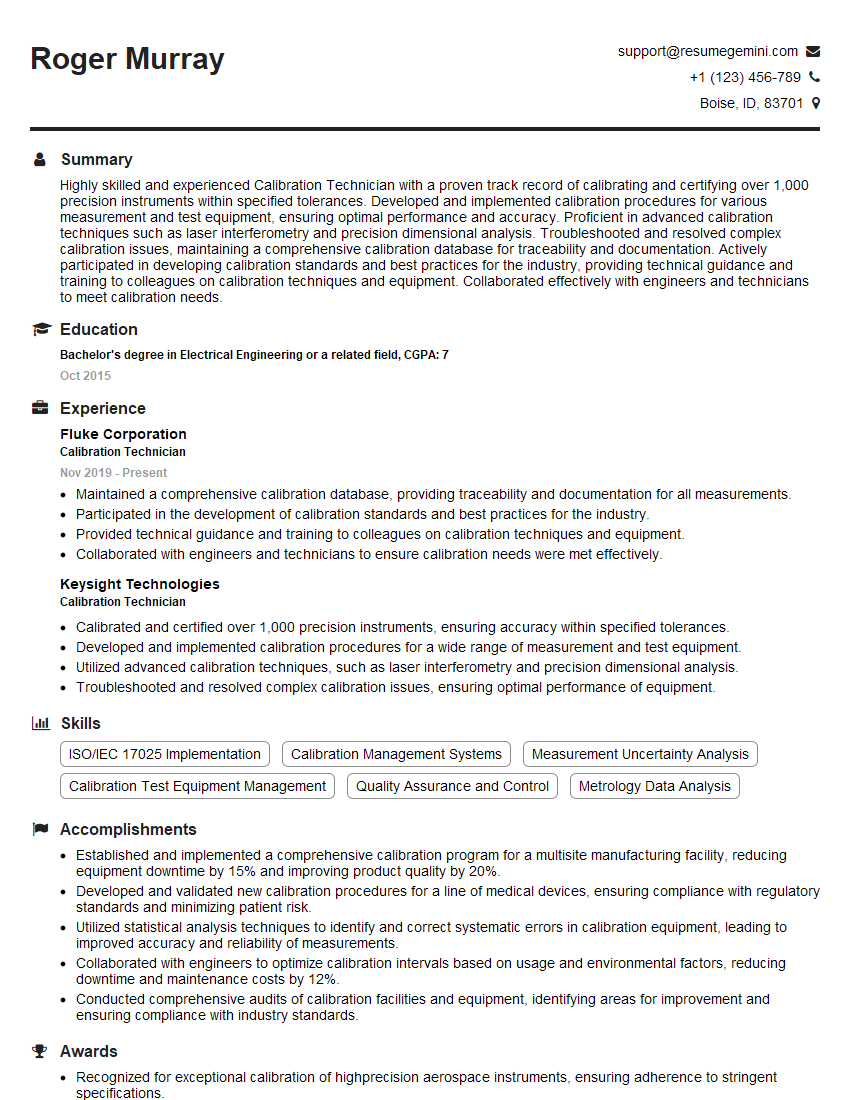
Calibration Technician Resume Sample
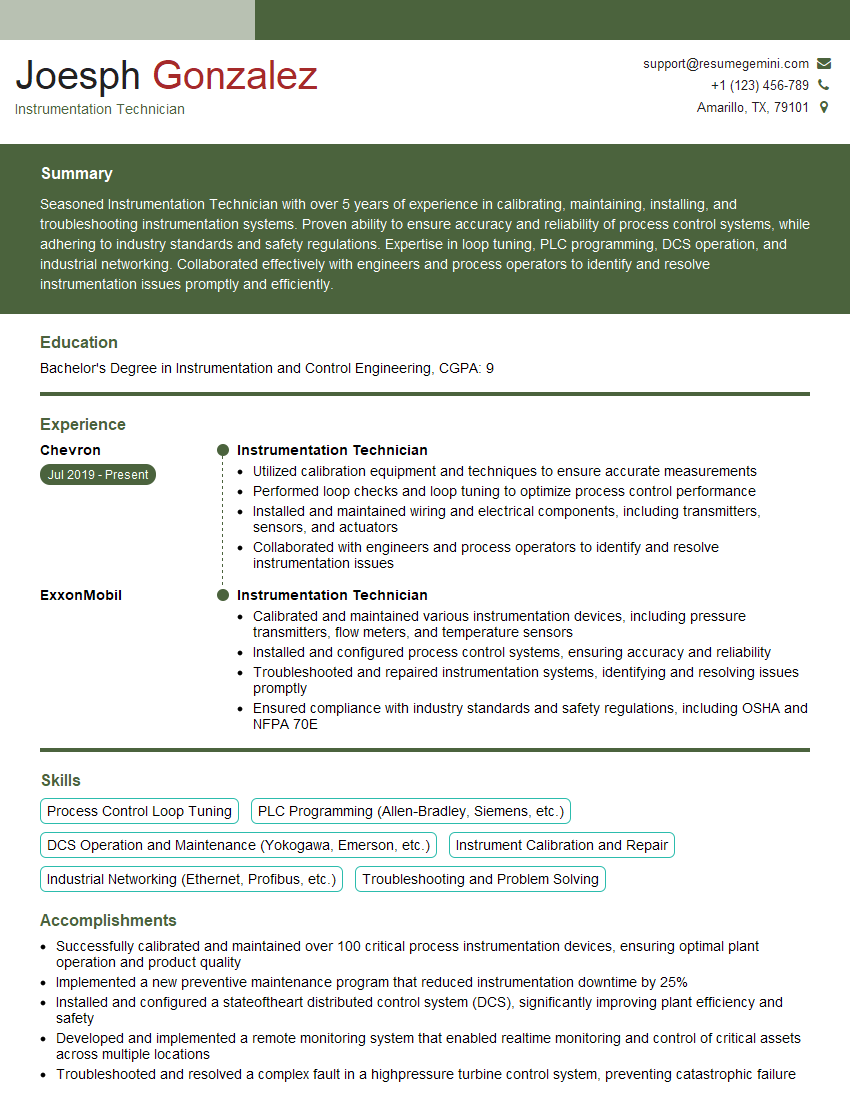
Instrumentation Technician Resume Sample

Manufacturing Technician Resume Sample

Metrology Technician Resume Sample
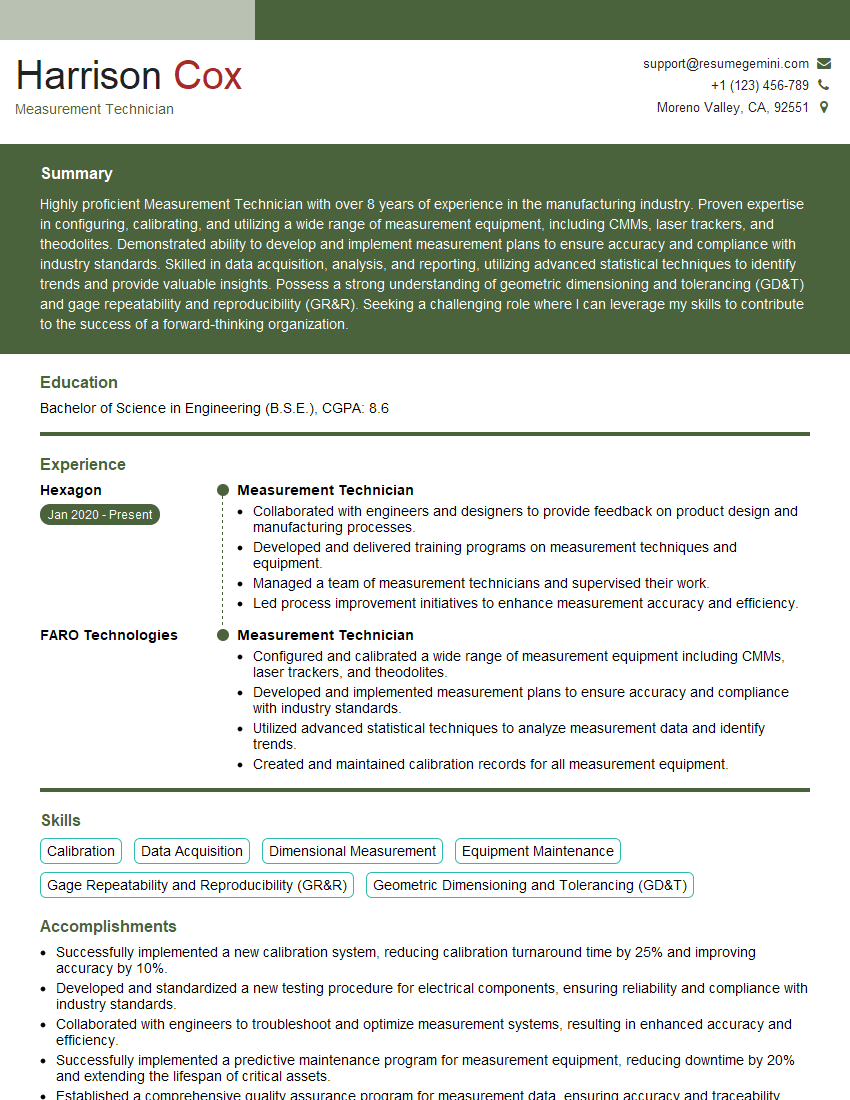
Measurement Technician Resume Sample

Toolmaker Resume Sample

Quality Control Inspector Resume Sample
- Quality Control Manager
- Production Supervisor
- Process Engineer
- Test Engineer
- Manufacturing Engineer
- Metrologist
- Quality Control Specialist
- Quality Assurance Engineer
- Calibration Technician
- Instrumentation Technician
- Manufacturing Technician
- Metrology Technician
- Measurement Technician
- Toolmaker
- Quality Control Inspector
Explore more articles
Users Rating of Our Blogs
Share Your Experience
We value your feedback! Please rate our content and share your thoughts (optional).
What Readers Say About Our Blog
Very informative content, great job.
good