Unlock your full potential by mastering the most common Media Fill and Sterility Testing interview questions. This blog offers a deep dive into the critical topics, ensuring you’re not only prepared to answer but to excel. With these insights, you’ll approach your interview with clarity and confidence.
Questions Asked in Media Fill and Sterility Testing Interview
Q 1. Describe the purpose of a media fill study.
A media fill study is a simulation of a pharmaceutical manufacturing process using a sterile growth medium (like Soybean Casein Digest Medium) instead of the actual drug product. Its primary purpose is to verify the aseptic processing techniques and equipment’s effectiveness in preventing microbial contamination. Think of it as a ‘worst-case scenario’ test – if the sterile medium doesn’t get contaminated, then the actual drug product, with its inherent antimicrobial properties, is much less likely to be contaminated. It provides strong evidence that the process is capable of consistently producing sterile products.
Q 2. Explain the difference between direct and indirect inoculation in media fill studies.
The difference between direct and indirect inoculation in media fills lies in how the potential for contamination is introduced. Direct inoculation involves deliberately introducing a known number of microorganisms into the system at a specific point. This allows for precise assessment of contamination at that specific point in the process, for example, at the filling needle. This is not typical in routine media fills, but it may be a part of an investigation to root cause a contamination. Indirect inoculation, the more common approach, doesn’t involve deliberate introduction. Instead, it assesses the efficacy of the aseptic process by monitoring for the presence of any microbial growth after the entire process is complete. It mimics real-world scenarios where contamination might originate from various sources.
Q 3. What are the critical parameters monitored during a media fill study?
Several critical parameters are meticulously monitored during a media fill study. These include:
- Environmental monitoring: Air quality (viable and non-viable particles), surface cleanliness (swabs), and personnel gowning and garbing.
- Process parameters: Filling speed, volume accuracy, equipment settings (temperature, pressure), and operator actions.
- Incubation conditions: Temperature, time, and atmosphere (aerobic and anaerobic) during the incubation of filled units.
- Number of units filled: This is typically based on statistical considerations to provide sufficient confidence in the results. For example, the amount of units filled depends on the filling volume.
- Visual inspection: Checking the filled containers for any visible defects or contamination before and after incubation.
Detailed records of all these parameters are essential for accurate interpretation and future process improvements.
Q 4. How do you interpret the results of a media fill study?
Interpreting media fill results involves carefully examining the number of contaminated units. A media fill is considered successful if it demonstrates that the aseptic process consistently produces sterile product. The number of contaminated units post incubation is crucial to interpret results. Zero growth is the ideal outcome, but a small number of contaminated units (often defined by regulatory guidelines) may be acceptable depending on the investigation. For example, a single contaminated unit out of many thousands may indicate a minor, easily corrected deviation, while multiple contaminated units point towards systemic process failures needing immediate attention. The investigation is key to understanding the reason for the contamination and implementing corrective actions.
Q 5. What are the acceptance criteria for a media fill study?
Acceptance criteria for a media fill study are typically defined by regulatory agencies and internal standards. Commonly, a study is considered successful if the number of contaminated units is below a pre-determined limit. For instance, a common acceptance criterion for a low-volume production may allow for one contaminated unit per 1,000 units filled, while larger-scale production may have stricter criteria. The exact criteria depend on factors like the product’s sterility assurance level, the complexity of the process, and regulatory requirements. Exceeding the acceptance criteria triggers a thorough investigation to identify and rectify the root cause of contamination.
Q 6. What are the potential sources of contamination in a media fill study?
Potential sources of contamination in a media fill study are numerous and can be broadly categorized as:
- Personnel: Shedding of skin flakes, hair, or clothing fibers.
- Equipment: Faulty equipment, poorly maintained equipment, or improperly sterilized equipment.
- Environment: Airborne particles, dust, or surface contamination.
- Materials: Contaminated containers, closures, or other materials.
- Process: Deviations from established procedures or inadequate aseptic technique.
Identifying the precise source necessitates a comprehensive investigation utilizing various investigative techniques. A systematic approach using a process flowchart helps identify high risk areas for contamination and will help in the investigation of deviations.
Q 7. How do you investigate deviations during a media fill study?
Investigating deviations during a media fill study is crucial for maintaining the sterility assurance of the manufacturing process. The investigation must follow a structured approach, typically involving:
- Immediate containment: Preventing further contamination and securing the involved materials.
- Root cause analysis: A thorough investigation to identify the source of contamination, using techniques like fault tree analysis (FTA) or 5 Whys.
- Corrective actions: Implementing measures to prevent recurrence, such as equipment upgrades, retraining of personnel, or process modifications.
- Preventive actions: Implementing actions to prevent future occurrences.
- Documentation: Meticulous documentation of all findings, actions, and conclusions is crucial for compliance purposes.
A well-documented investigation demonstrates a commitment to quality and helps prevent similar issues in the future. Remember, the goal isn’t just to fix the immediate problem but to prevent it from happening again.
Q 8. What are the regulatory requirements for media fill studies?
Regulatory requirements for media fill studies are stringent and vary slightly depending on the regulatory agency (e.g., FDA in the US, EMA in Europe). The overarching goal is to demonstrate that your aseptic processing environment and procedures effectively prevent microbial contamination. These studies simulate a typical production run, using a sterile growth medium instead of the actual drug product. Key requirements include:
- Comprehensive documentation: Detailed Standard Operating Procedures (SOPs) for the entire process must be followed and meticulously documented. This includes equipment setup, personnel gowning, environmental monitoring, and sampling procedures.
- Representative conditions: The media fill should simulate the worst-case scenarios for your aseptic process, including the longest processing time, largest batch size, and most complex manipulations.
- Appropriate media: A suitable growth medium, such as Soybean-Casein Digest Medium (SCDM), must be used to support the growth of a wide range of microorganisms. The media should be prepared and sterilized according to validated procedures.
- Sampling and incubation: A statistically appropriate number of samples are taken from different stages of the process and incubated under controlled conditions (typically 14 days) to observe for microbial growth.
- Zero contamination acceptance criteria: Ideally, zero growth should be observed in all samples. Regulatory agencies generally have a very low allowable rate of contamination (often 0.1%). Failure to meet these criteria necessitates investigation into the root cause and implementation of corrective actions before resubmission.
- Periodic review and updates: Media fill studies are not one-time events; they need to be repeated periodically (frequency depends on the specific process and regulatory guidelines) to ensure continued compliance.
Think of a media fill study as a ‘dress rehearsal’ for your aseptic process, ensuring everything runs smoothly and minimizes the risk of contamination before you use your valuable and potentially sensitive drug product.
Q 9. Describe the different types of sterility testing methods.
Sterility testing methods aim to detect the presence of viable microorganisms in a sample. The primary methods used are:
- Membrane Filtration: This is the most common method, particularly for low bioburden products. It involves filtering a sample through a membrane filter with a pore size small enough to trap bacteria and fungi. The filter is then placed onto a suitable growth medium, and the presence of colonies indicates contamination.
- Direct Inoculation: This method involves directly inoculating the sample into a suitable growth medium. It’s suitable for samples that cannot be easily filtered (e.g., viscous products).
- Automated Systems: These systems automate various steps in sterility testing, such as sample handling, inoculation, and incubation, increasing throughput and reducing human error.
The choice of method depends on the nature of the product, its expected bioburden, and the available resources.
Q 10. Explain the principle behind membrane filtration sterility testing.
Membrane filtration sterility testing relies on the principle of physically separating microorganisms from a sample using a membrane filter. The sample, which is generally liquid, is passed through a sterile filter with a pore size of typically 0.22 μm or 0.45 μm. This pore size is small enough to trap bacteria and fungi, while allowing the liquid to pass through. The membrane filter is then aseptically transferred onto a suitable nutrient-rich growth medium such as Tryptic Soy Agar (TSA) or Fluid Thioglycollate Medium (FTM), which allows any trapped microorganisms to grow and form colonies if present. The appearance of colonies indicates contamination of the original sample. Imagine it as a very fine sieve that separates microbes from the liquid – anything trapped in the sieve indicates contamination.
Q 11. What are the advantages and disadvantages of direct inoculation sterility testing?
Direct inoculation sterility testing involves directly adding the sample to a suitable growth medium. It is a simpler method compared to membrane filtration, but it does have advantages and disadvantages:
- Advantages:
- Suitable for viscous or particulate samples that are difficult to filter.
- Relatively simple and quick procedure.
- Disadvantages:
- Can be less sensitive than membrane filtration, especially for low bioburden samples.
- Inhibitory substances in the sample might interfere with microbial growth.
- Potential for false negatives if the sample contains substances that inhibit microbial growth.
- There is higher potential for human error with direct inoculation compared to membrane filtration.
For example, a thick ointment might be challenging to filter effectively, making direct inoculation the more appropriate choice. However, if the sample contains preservatives that inhibit microbial growth, this could lead to false negative results.
Q 12. What are the critical parameters monitored during sterility testing?
Several critical parameters are monitored during sterility testing to ensure the reliability and validity of the results. These include:
- Environmental conditions: Temperature, humidity, and air pressure within the testing environment are crucial to maintaining sterility and preventing contamination. These are often monitored using calibrated equipment.
- Media preparation: The sterility of the growth media itself needs to be verified before use, usually through separate sterility testing.
- Incubation conditions: Temperature and duration of incubation are meticulously controlled to allow for optimal microbial growth while preventing the growth of unwanted contaminants. Parameters are selected based on the type of media used and expected organisms.
- Sample handling: Procedures need to be carefully followed to prevent contamination of the sample during testing. This includes using aseptic techniques during the transfer of the sample from the original container.
- Personnel training and qualification: Staff involved in sterility testing should be properly trained and qualified to perform the procedure correctly. Regular competency assessment ensures consistent quality.
Monitoring these parameters ensures compliance with regulatory guidelines and the accuracy of the test results. Any deviation from the established parameters may invalidate the test.
Q 13. How do you interpret the results of a sterility test?
Interpreting sterility test results is straightforward: the absence of microbial growth after the incubation period indicates that the sample is sterile. The presence of any microbial growth, however, indicates that the sample is contaminated. The type and number of colonies observed can provide clues about the source of contamination. It is very important to note that sterility testing is only probabilistic; a negative result indicates that no microorganisms were detected above the limit of detection within the tested sample, but it does not absolutely guarantee the sterility of the entire batch.
In case of positive results, a thorough investigation is needed to identify the root cause of contamination. This involves reviewing the entire process, from raw materials to the final product, to pinpoint the source and implement corrective and preventive actions (CAPA).
Q 14. What are the acceptance criteria for a sterility test?
Acceptance criteria for sterility tests are usually defined by regulatory guidelines and are typically stringent. The most common criterion is zero growth. Any microbial growth, no matter how small, is usually considered a failure. However, some allowance for a small percentage of positive results might be allowed, depending on the specific circumstances and the regulatory agency. This requires a thorough investigation and documented justification.
For example, if one positive result is observed from a large number of samples, investigation is paramount before declaring the batch non-sterile. The investigation would focus on potential sources of contamination such as a fault in the procedure, or a contamination of the testing materials. The investigation might require re-testing.
These stringent criteria are in place to ensure that drug products intended for use in patients are safe and free of microbial contamination.
Q 15. What are the potential sources of contamination during sterility testing?
Contamination during sterility testing can originate from various sources, compromising the reliability of results. Think of it like baking a cake – if your ingredients or utensils are unclean, the cake will be ruined. Similarly, sterility testing demands impeccable cleanliness.
- Sampling and transfer errors: Improper aseptic techniques during sample collection and transfer to the test media can introduce contaminants from the environment or the operator.
- Test media contamination: The growth media itself might be contaminated, yielding false positive results. This highlights the critical need for rigorous quality control of the media preparation process.
- Environmental contamination: Airborne particles, surface contamination in the testing environment (e.g., dust, microbes), or contaminated equipment can lead to false positives.
- Operator error: Lack of proper training and adherence to aseptic techniques by the testing personnel is a significant source of contamination. A simple cough or a touch to a non-sterile surface can jeopardize the entire process.
- Contamination of the product itself: In some cases, the product itself might already be contaminated before testing begins, indicating a failure in the manufacturing process.
For example, a poorly maintained laminar flow hood in the testing laboratory might harbor fungal spores, leading to false positives in sterility tests.
Career Expert Tips:
- Ace those interviews! Prepare effectively by reviewing the Top 50 Most Common Interview Questions on ResumeGemini.
- Navigate your job search with confidence! Explore a wide range of Career Tips on ResumeGemini. Learn about common challenges and recommendations to overcome them.
- Craft the perfect resume! Master the Art of Resume Writing with ResumeGemini’s guide. Showcase your unique qualifications and achievements effectively.
- Don’t miss out on holiday savings! Build your dream resume with ResumeGemini’s ATS optimized templates.
Q 16. How do you investigate false positive results in sterility testing?
Investigating false positive results in sterility testing requires a systematic approach. It’s like solving a detective mystery; you need to follow the evidence.
- Repeat the test: First, repeat the sterility test with a fresh sample, using a new batch of growth media and ensuring strict adherence to aseptic techniques. If the result is still positive, move to the next step.
- Investigate the media: Perform sterility testing on the batch of media used. If the media itself is contaminated, this explains the false positive. Discard the media batch and use a newly prepared batch for subsequent testing.
- Environmental monitoring: Analyze the environmental monitoring data from the testing area to identify potential sources of contamination, such as high counts of airborne particles or surface contamination. This could be airborne particles from a faulty HEPA filter or contaminated surfaces in the laboratory.
- Review aseptic techniques: A thorough review of the aseptic techniques used during sample collection, transfer, and testing is crucial. Assess if any deviations from the standard operating procedures occurred, including the operator’s training records.
- Investigate the product: If the repeated tests continue to show contamination, examine the product itself for potential contamination sources – contamination during the manufacturing process.
- Retest a different batch of product: If all the above do not yield a cause, then test a different batch of product to rule out the batch’s problem
For example, a consistently high level of airborne particles in the testing environment might indicate a problem with the HVAC system, requiring immediate investigation and remediation.
Q 17. What are the regulatory requirements for sterility testing?
Regulatory requirements for sterility testing vary depending on the product and its intended use, but common principles apply. Think of these regulations as the rules of the game. You must play by them to win approval.
- Pharmacopeial standards: Tests must meet standards set by compendia like the United States Pharmacopeia (USP) or European Pharmacopoeia (Ph. Eur). These provide detailed methods and acceptance criteria.
- Good Manufacturing Practices (GMP): Sterility testing falls under the broader umbrella of GMP, emphasizing good documentation, quality control, and adherence to established procedures. Documentation is key!
- Specific regulations: Depending on the type of product (e.g., injectables, implants), further specific regulatory requirements from agencies like the FDA (in the US) or EMA (in Europe) might apply.
Failing to meet these regulatory requirements can lead to product recalls, regulatory actions, and significant financial losses. Strict adherence is paramount.
Q 18. Explain the importance of environmental monitoring in aseptic processing.
Environmental monitoring in aseptic processing is critical for preventing contamination. Think of it as a proactive safety net. It allows you to identify potential problems *before* they affect product sterility. It’s better to prevent contamination than to deal with a costly recall.
- Early detection of contamination: Environmental monitoring allows you to identify potential sources of contamination early, preventing them from affecting the product.
- Validation of cleaning and disinfection: Monitoring data helps validate the effectiveness of cleaning and disinfection procedures within the aseptic environment.
- Assessment of personnel training: Monitoring can highlight areas where personnel training and practices need improvement.
- Compliance with regulations: Robust environmental monitoring demonstrates compliance with regulatory requirements and good manufacturing practices.
For instance, a sudden increase in viable particles in the air of a cleanroom could point to a problem with the HEPA filter or a breach in aseptic techniques.
Q 19. What are the different types of environmental monitoring methods?
Various methods are employed for environmental monitoring. Each method serves a different purpose, just like a detective uses different tools for an investigation.
- Air sampling: Methods like active air samplers (e.g., impaction samplers) or passive air samplers (e.g., settle plates) measure the microbial content of the air.
- Surface sampling: Contact plates, swabs, or dipslides are used to assess the microbial load on surfaces within the aseptic environment.
- Personnel monitoring: Gloves, gowns, and other personnel garments can be sampled to ensure that the operators are not introducing contamination.
Choosing the appropriate method depends on the area being monitored and the type of contamination you expect to find.
Q 20. How do you interpret the results of environmental monitoring?
Interpreting environmental monitoring results requires careful consideration. It’s not just about numbers; it’s about understanding the trends and potential implications.
- Trend analysis: Look for patterns and trends in the data over time. A sudden spike in microbial counts might indicate a problem that needs immediate attention.
- Comparison to alert and action levels: Compare the results to pre-defined alert and action levels. Exceeding these levels triggers investigations and corrective actions.
- Identification of microorganisms: Identify the microorganisms found in samples. Certain microorganisms might be indicative of specific contamination sources.
- Correlation with other data: Correlate environmental monitoring data with other data sources, such as product sterility test results or operator observations, to provide a comprehensive understanding.
For instance, repeated high counts of a specific bacteria on a particular surface might suggest that the cleaning and disinfection procedure for that surface needs improvement.
Q 21. What are the action levels for environmental monitoring?
Action levels for environmental monitoring are pre-defined limits that trigger corrective actions when exceeded. They act as warning signals.
- Alert levels: Exceeding alert levels triggers an investigation to identify the root cause of the increased microbial count. This is a warning signal.
- Action levels: Exceeding action levels requires immediate corrective actions, such as increased cleaning and disinfection, equipment repairs, or staff retraining. This necessitates immediate response.
These levels are typically established based on historical data, risk assessments, and regulatory guidelines. They vary depending on the facility’s classification and the nature of the aseptic processes.
For example, a cleanroom might have an alert level of 1 colony-forming unit (CFU) per cubic meter of air for non-viable particles and an action level of 5 CFU per cubic meter, triggering a more comprehensive investigation and potential shut-down of the process until the problem is resolved.
Q 22. Describe the different types of microbial growth media used in sterility testing.
Sterility testing relies on various growth media to detect the presence of microorganisms. The choice of media depends on the product being tested and the types of microorganisms expected. We generally use two types: fluid thioglycollate medium (FTM) and soybean-casein digest medium (SCD).
Fluid Thioglycollate Medium (FTM): This is a rich, non-selective medium that supports the growth of both aerobic (requiring oxygen) and anaerobic (not requiring oxygen) bacteria. Its reduced oxygen environment allows even anaerobic organisms a chance to grow. Think of it as a ‘buffet’ for a wide range of bacterial species.
Soybean-Casein Digest Medium (SCD): This medium is also rich and non-selective, supporting the growth of a broad range of bacteria and fungi. Unlike FTM, it is primarily designed for aerobic organisms. It’s like a ‘buffet’ specifically catered to bacteria and fungi that thrive in oxygen-rich environments.
In some cases, specific media might be chosen based on prior knowledge of potential contaminants or the nature of the product. For example, if we’re testing a product suspected to contain a specific type of fungus, we might supplement the SCD with additional nutrients to promote its growth. Proper selection of media is crucial for accurate and reliable sterility testing.
Q 23. Explain the importance of proper aseptic technique in media fill and sterility testing.
Aseptic technique is paramount in both media fills and sterility testing. It’s the cornerstone of ensuring sterility and preventing false-positive results. Imagine trying to bake a cake without washing your hands – the risk of contamination is high. Similarly, any contamination introduced during the procedure will compromise the test’s validity.
In media fills, maintaining aseptic technique during the entire process ensures that the filled units remain sterile. This involves meticulous cleaning and sterilization of equipment, using sterile gloves and gowns, and working in a controlled environment, such as a cleanroom. Even a small lapse can lead to microbial growth in the media, rendering the fill invalid.
During sterility testing, aseptic technique ensures that the test samples are not contaminated during manipulation. This includes proper handling of the sample, use of sterile equipment, and careful work practices to minimize exposure to airborne contaminants. A single breach could lead to false positive results, indicating contamination when there’s none.
In my experience, strict adherence to written procedures and documented training are critical for consistent aseptic technique. Regular competency assessments and environmental monitoring programs help further assure that aseptic techniques are being maintained at all times.
Q 24. What are the different types of incubators used in sterility testing?
Various incubators are used in sterility testing, each with specific capabilities. The choice depends on the type of microorganism being tested for and regulatory requirements.
Standard Incubators: These provide a controlled temperature environment, typically around 30-35°C for bacteria and 20-25°C for fungi. They maintain a stable temperature and humidity for optimal microbial growth. They’re our workhorses for most sterility testing applications.
Incubators with CO2 Control: Some microorganisms require a specific level of carbon dioxide for optimal growth. These incubators provide precise CO2 control in addition to temperature and humidity, mimicking the atmospheric conditions needed for accurate testing of specific microorganisms.
Environmental Monitoring Incubators: These incubators are often used in conjunction with environmental monitoring programs within cleanrooms. They are particularly useful for determining the microbiological quality of the air or surfaces. This helps identify potential contamination sources and ensures the environmental integrity of the manufacturing area.
Regardless of type, all incubators must be regularly calibrated and validated to ensure accuracy and reliability. Calibration checks are routinely performed and documented. In the absence of regular calibration and maintenance, false results may occur. Accurate temperature and humidity control are vital to the success and reliability of sterility testing.
Q 25. How do you maintain the integrity of sterility testing samples?
Maintaining the integrity of sterility testing samples is crucial for accurate results. Contamination can easily occur at any point in the process. My approach includes several key steps:
Appropriate Sample Handling: Samples are handled using aseptic techniques, with trained personnel wearing appropriate personal protective equipment (PPE) such as sterile gowns, gloves and masks. Work surfaces are sanitized before and after handling samples.
Suitable Storage Conditions: Samples are stored under appropriate conditions (usually refrigerated) to prevent microbial growth or degradation before testing. Temperature monitoring ensures consistent storage conditions.
Chain of Custody Documentation: Complete chain of custody documentation is maintained, tracking sample handling from the time of collection until testing is completed. This provides a full audit trail and allows the investigation of any discrepancies.
Environmental Monitoring: Environmental monitoring of the testing area helps detect any potential contamination source. Air and surface samples are regularly taken and analyzed. This identifies areas requiring further cleaning or improved procedures.
Any deviation from established procedures is immediately investigated and documented. Maintaining sample integrity is not just about technical procedure, but about commitment to meticulous attention to detail to ensure reliable sterility testing.
Q 26. Describe your experience with different sterility testing methods.
My experience encompasses various sterility testing methods, including both membrane filtration and direct inoculation. Each technique has its own strengths and weaknesses:
Membrane Filtration: This method is ideal for products that can be easily filtered, such as parenteral solutions. It’s effective because it concentrates the microorganisms onto the filter membrane, making detection easier. I have extensive experience with this method across a variety of pharmaceutical products and find it to be highly efficient when used correctly.
Direct Inoculation: This is suitable for products that cannot be filtered or for products where filtration might alter their composition, like creams or ointments. A sample is directly added to the growth medium, providing a direct assessment of microbial contamination. The method is straightforward, however its sensitivity may be affected by the sample’s composition and the potential for antimicrobial agents to hinder microorganism growth.
The choice between these methods depends on the specific product characteristics and regulatory guidelines. In my experience, a thorough understanding of both methods is essential for selecting the most appropriate approach for each product and ensuring reliable and accurate sterility testing.
Q 27. What is your experience with investigating sterility test failures?
Investigating sterility test failures is a critical process that requires a systematic approach to identify the root cause. It demands a combination of scientific rigor and investigative skills.
My approach typically involves these steps:
Immediate Containment and Isolation: The failed batch or product is immediately isolated to prevent further distribution or contamination. This ensures patient safety remains the highest priority.
Review of Manufacturing Records: A thorough review of all manufacturing records, including batch records, environmental monitoring data, and equipment logs is conducted. This often reveals potential process deviations or anomalies that might have contributed to contamination.
Retesting and Microbial Identification: The failed sample undergoes retesting to confirm the initial results. If contamination is confirmed, the microorganism is identified to determine its source and characteristics. This information is crucial for pinpointing the point of contamination.
Environmental Investigation: An in-depth investigation of the production environment is carried out. Air and surface samples are taken to identify the presence of potential contamination sources within the cleanroom environment.
Root Cause Analysis (RCA): A detailed RCA is performed using appropriate tools, such as a 5-Why analysis, to identify the underlying cause of the sterility failure. This will facilitate the development of corrective and preventive actions (CAPA).
Corrective and Preventive Actions (CAPA): Based on the RCA, specific CAPAs are implemented to prevent future failures. These actions might involve process improvements, equipment upgrades, or enhanced training of personnel. Thorough documentation throughout the whole process provides traceability and evidence to support regulatory compliance.
Investigating sterility test failures is a complex undertaking, but a systematic and thorough approach ensures that corrective actions are effective and prevent future occurrences.
Q 28. Describe your understanding of GMP principles related to sterility assurance.
Good Manufacturing Practices (GMP) principles are fundamental to sterility assurance. They provide a framework for producing sterile products consistently and reliably. My understanding encompasses several key areas:
Facility Design and Control: Cleanroom design and control are crucial, including environmental monitoring, personnel training, gowning procedures and air handling systems. This creates a controlled environment that minimizes the risk of contamination.
Equipment Qualification and Validation: All equipment used in the production of sterile products, such as autoclaves and filling machines, must be qualified and validated to ensure their efficacy. This ensures the equipment consistently performs as intended. Calibration logs and validation reports are meticulously maintained.
Process Validation: The entire manufacturing process must be validated to demonstrate its capability to consistently produce sterile products. This includes media fills, which simulate the manufacturing process using growth media instead of the actual product.
Personnel Training and Competency: Personnel involved in the manufacturing and testing of sterile products must receive adequate training on aseptic techniques, GMP principles and appropriate documentation. Regular assessments and competency checks ensure consistently high standards are maintained.
Deviations and CAPAs: Any deviations from established procedures must be investigated thoroughly and documented. CAPAs must be implemented to prevent recurrence. Proper documentation of this process is key to both maintaining quality and demonstrating compliance.
GMP compliance isn’t just a regulatory requirement; it’s a commitment to producing high-quality, safe, and effective sterile products. A strong understanding of these principles and diligent adherence are crucial for ensuring patient safety.
Key Topics to Learn for Media Fill and Sterility Testing Interview
- Media Fill Fundamentals: Understanding the principles behind media fill studies, including their purpose, design, and execution. This includes a thorough grasp of aseptic processing techniques.
- Sterility Testing Methods: Familiarize yourself with various sterility testing methods, such as membrane filtration, direct inoculation, and the implications of different test methodologies.
- Data Integrity and Documentation: Mastering the critical aspects of maintaining accurate and complete documentation throughout the entire process, adhering to regulatory guidelines (e.g., GMP).
- Interpretation of Results: Develop the ability to critically analyze results, understand potential sources of contamination, and interpret deviations from expected outcomes.
- Validation and Qualification: Learn about the processes of validating equipment and methods used in media fill and sterility testing, and understand the role of qualification in ensuring reliability.
- Regulatory Compliance: Gain a strong understanding of relevant regulations (e.g., USP <71>, FDA guidelines) and their impact on media fill and sterility testing procedures.
- Troubleshooting and Problem-Solving: Practice identifying and resolving common issues encountered during media fill studies and sterility testing, applying critical thinking skills to investigate and rectify deviations.
- Aseptic Techniques and Practices: Develop a detailed understanding of proper aseptic techniques and their critical role in preventing contamination during pharmaceutical manufacturing.
- Environmental Monitoring: Learn the importance of environmental monitoring in maintaining a sterile environment and its correlation with the success of media fill and sterility testing.
- Statistical Analysis: Develop the ability to interpret and analyze the statistical aspects of media fill and sterility testing data.
Next Steps
Mastering Media Fill and Sterility Testing is crucial for career advancement in pharmaceutical manufacturing and quality control. A strong understanding of these techniques showcases your commitment to quality and compliance, opening doors to specialized roles and higher responsibilities. To enhance your job prospects, focus on creating an ATS-friendly resume that highlights your skills and experience effectively. ResumeGemini is a trusted resource that can help you build a professional resume tailored to the pharmaceutical industry. Examples of resumes specifically designed for candidates with experience in Media Fill and Sterility Testing are available to help you showcase your qualifications effectively.
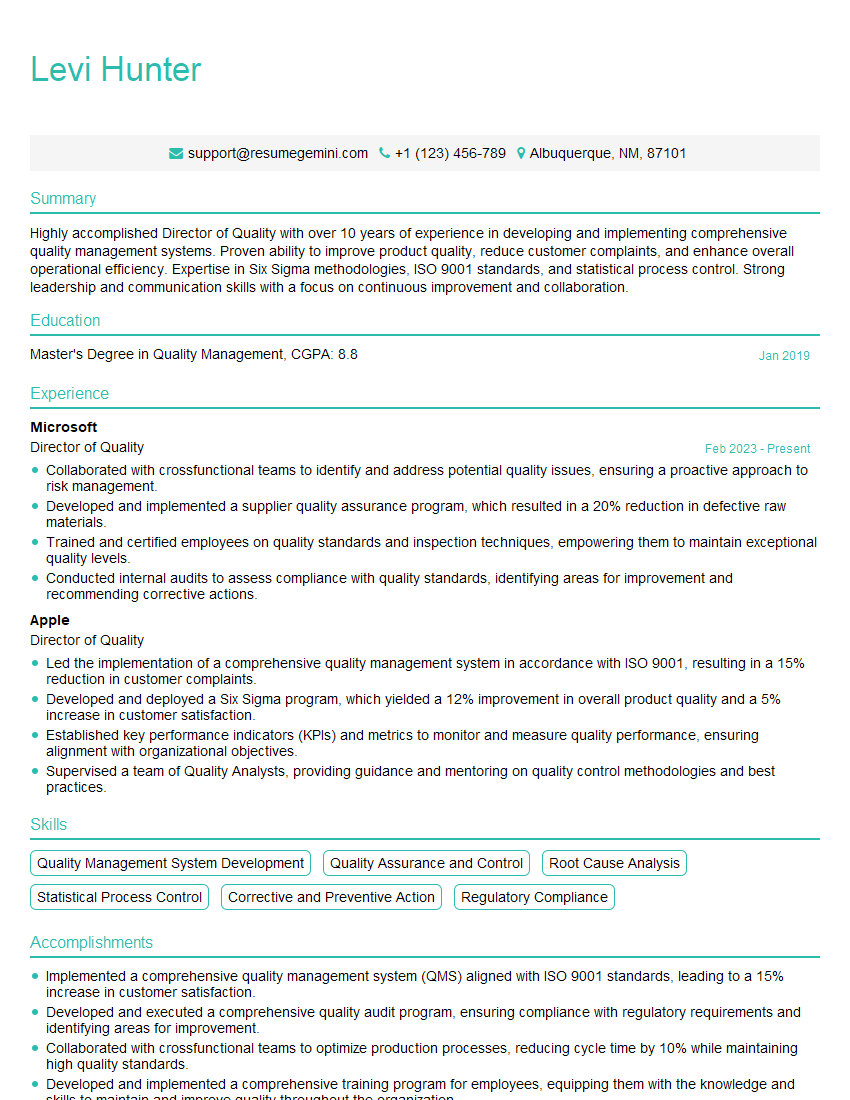
Director of Quality Resume Sample

Quality Control Manager Resume Sample

Compliance Officer Resume Sample
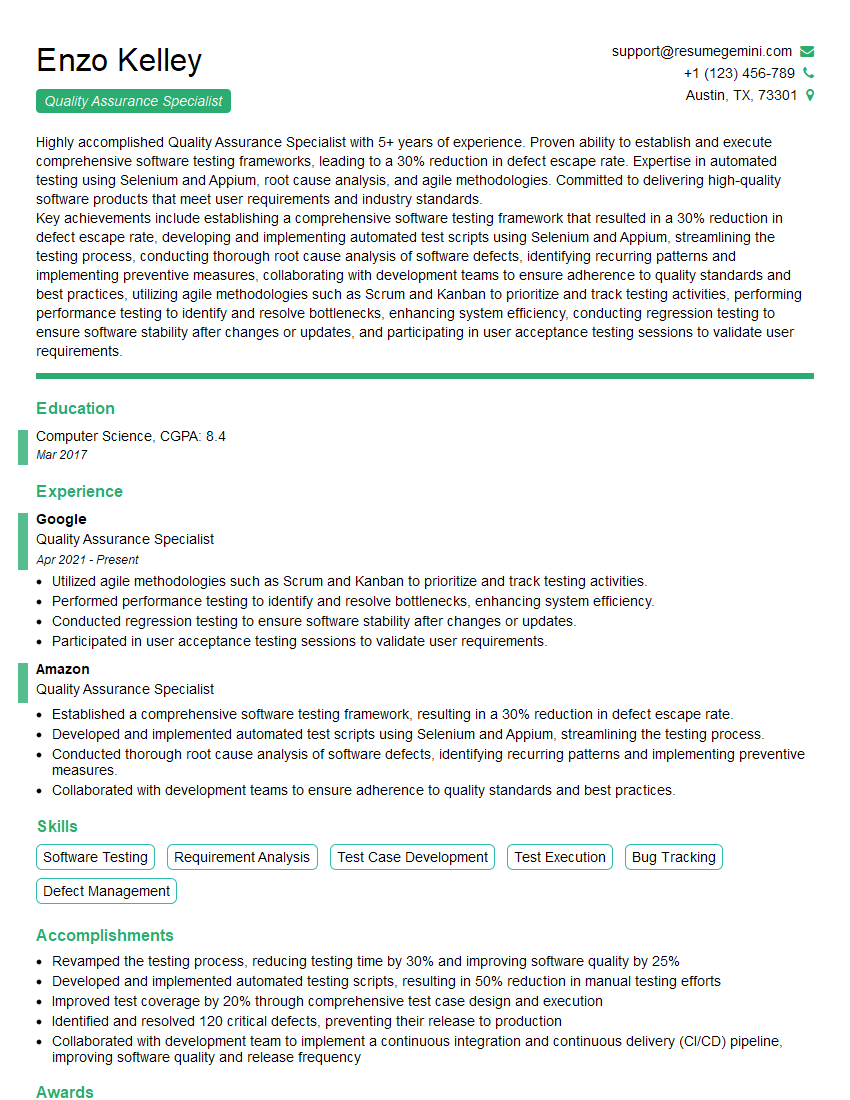
Quality Assurance Specialist Resume Sample
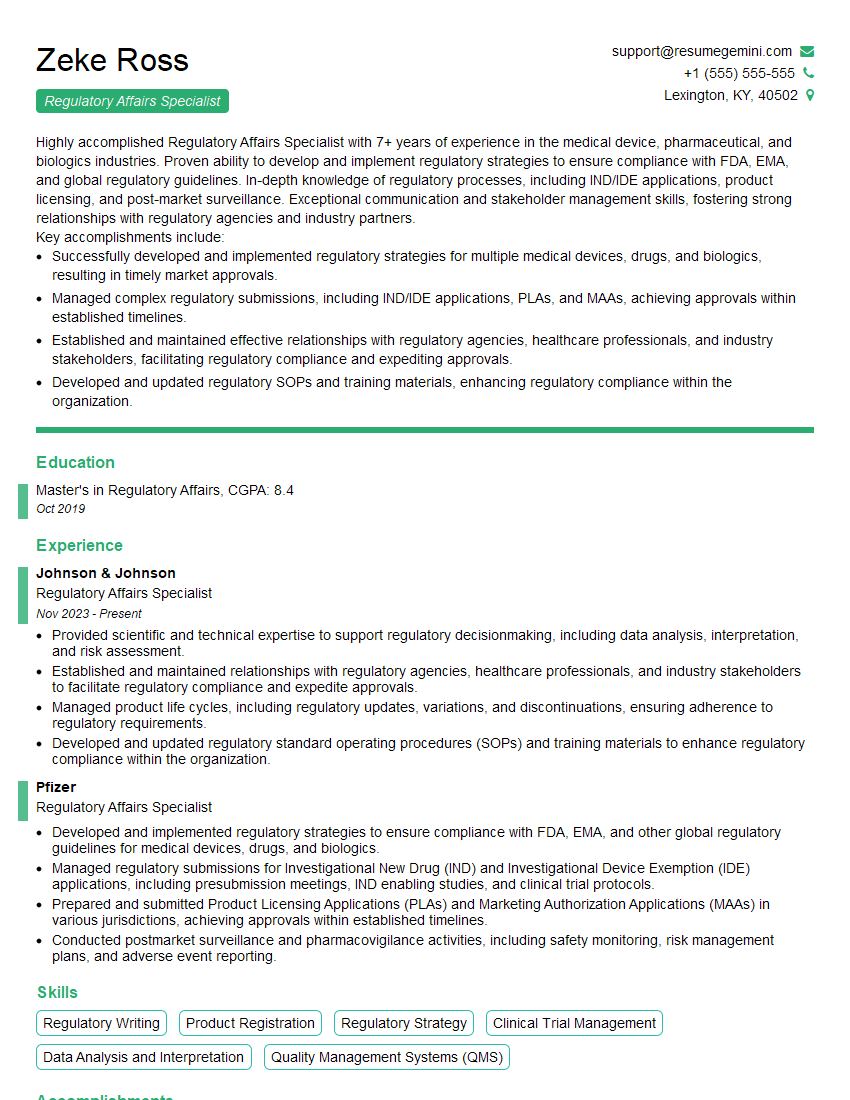
Regulatory Affairs Specialist Resume Sample

Quality Control Specialist Resume Sample
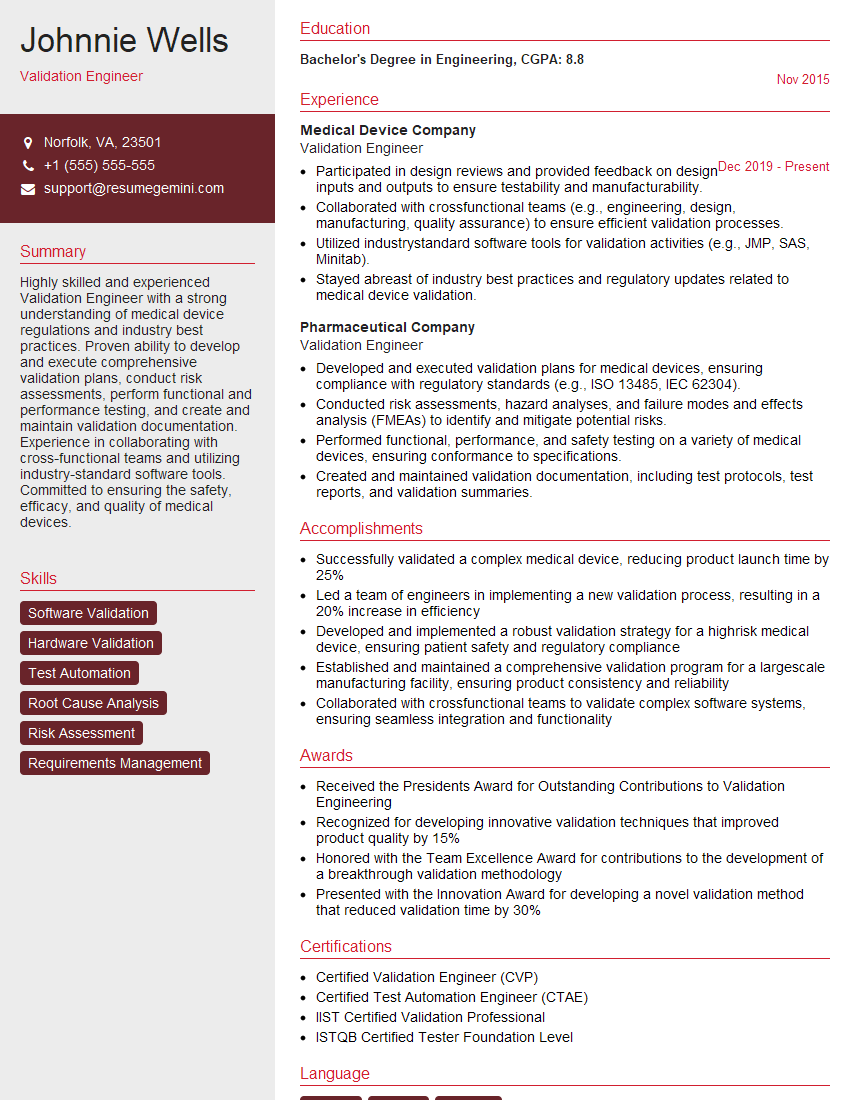
Validation Engineer Resume Sample
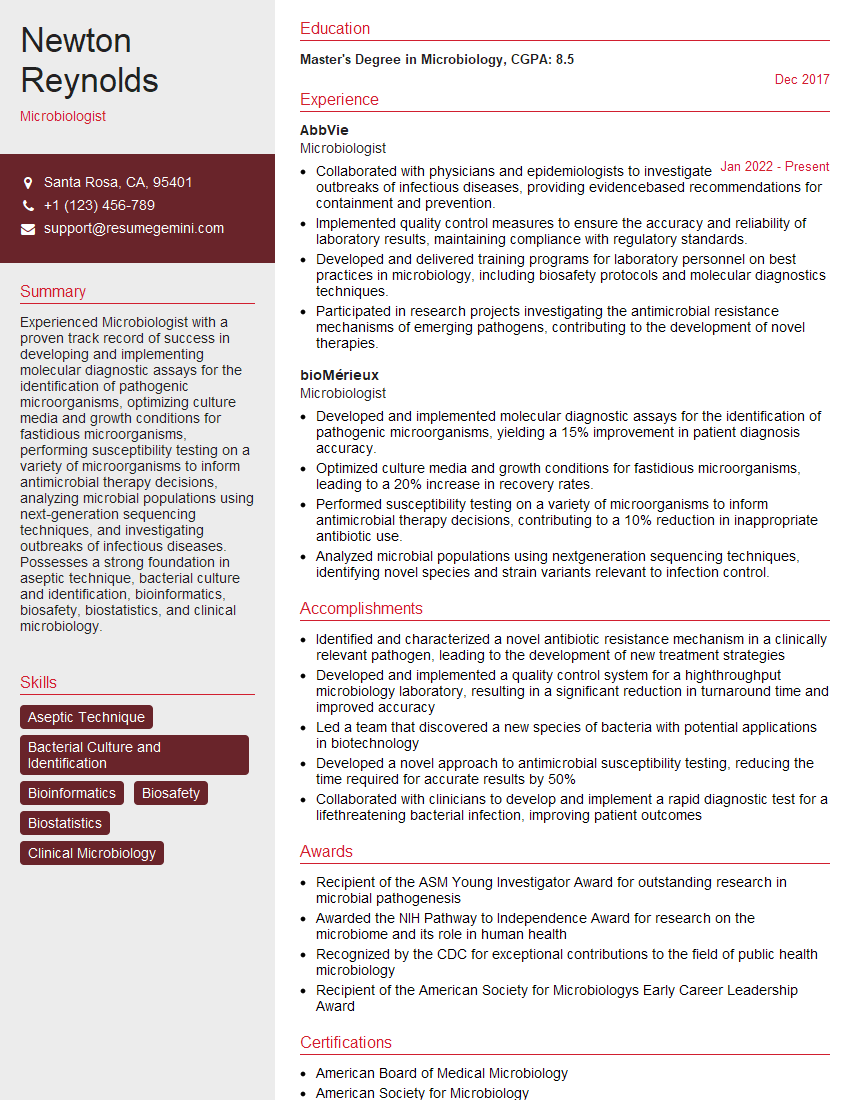
Microbiologist Resume Sample

Microbiology Supervisor Resume Sample

Analytical Chemist Resume Sample
Explore more articles
Users Rating of Our Blogs
Share Your Experience
We value your feedback! Please rate our content and share your thoughts (optional).
What Readers Say About Our Blog
good