Interviews are opportunities to demonstrate your expertise, and this guide is here to help you shine. Explore the essential Medical Attention interview questions that employers frequently ask, paired with strategies for crafting responses that set you apart from the competition.
Questions Asked in Medical Attention Interview
Q 1. Describe your experience with triage and patient prioritization.
Triage is the process of prioritizing patients based on the urgency of their medical needs. It’s like a triage nurse in a busy emergency room – deciding who needs immediate attention and who can wait. My experience involves assessing patients’ vital signs, chief complaints, and overall presentation to determine their level of acuity. This requires a systematic approach. I use a combination of established protocols (like the ESI triage system) and clinical judgment. For example, a patient with chest pain and shortness of breath would be prioritized over a patient with a minor cut. This ensures that the most critical patients receive timely care, maximizing positive outcomes and minimizing risks. I’ve found proficiency in rapid assessment and prioritization crucial in high-pressure situations, like during mass casualty events or sudden influxes of patients during a flu season.
- Initial Assessment: Rapidly gathering vital signs (heart rate, blood pressure, respiratory rate, oxygen saturation) and assessing the patient’s chief complaint.
- Severity Determination: Determining the potential for life threat, organ damage, or disability.
- Prioritization: Applying a standardized triage system or clinical judgment to place patients into acuity categories, assigning them to appropriate care areas.
Q 2. Explain the process of administering medication, including dosage calculation and safety protocols.
Administering medication is a critical task requiring precision and safety. It begins with verifying the patient’s identity, checking their allergies, reviewing their medical history, and confirming the medication’s name, dosage, route, and frequency against the doctor’s order (six rights of medication administration). Dosage calculation requires careful attention to detail and often involves using formulas. For example, calculating the correct dose of a medication for a child based on their weight is crucial. Safety protocols include proper hygiene, using sterile techniques when necessary, and carefully monitoring the patient for any adverse reactions. Documentation of medication administration is paramount, including time, dose, route, and the patient’s response. I always double-check my calculations and the medication before administering it, and I never hesitate to ask for clarification if I have any doubts. A critical instance involves using a medication calculator and cross-checking it with a colleague to ensure the safety of pediatric dosages.
Example Dosage Calculation: A doctor orders 25mg/kg of a drug for a child weighing 22 lbs (approximately 10 kg). The calculation would be: 25 mg/kg * 10 kg = 250 mg.Following these protocols minimizes the risk of medication errors and ensures patient safety.
Q 3. How do you handle a patient exhibiting signs of distress?
Handling a patient exhibiting signs of distress requires a calm, efficient, and empathetic approach. My first priority is to ensure the patient’s safety and well-being. This involves immediately assessing their vital signs, identifying the cause of their distress (e.g., pain, anxiety, shortness of breath), and providing appropriate interventions. If the distress is life-threatening (e.g., cardiac arrest, severe bleeding), immediate resuscitation measures are initiated while simultaneously calling for help. If the distress is less severe (e.g., anxiety, pain), I’d offer comfort measures, such as reassurance, positioning, and administering appropriate medication as per protocols. Clear, concise communication with the patient and the medical team is essential throughout the process. In one specific scenario, a patient experiencing acute anxiety benefited from a combination of calming techniques, oxygen therapy, and medication, resulting in a considerable reduction in their distress levels.
- Assess and Stabilize: Quickly assess the patient’s condition and take steps to ensure safety.
- Identify the Cause: Determine the underlying cause of distress through observation and questioning.
- Implement Interventions: Provide appropriate interventions, ranging from basic comfort measures to emergency medical care.
- Communicate: Keep the patient informed, involve the medical team, and update family members as appropriate.
Q 4. What is your approach to communicating with patients and their families during stressful situations?
Communicating with patients and their families during stressful situations is a critical skill. It requires empathy, active listening, and clear, concise language. I believe in providing honest and understandable information, avoiding medical jargon whenever possible. I take the time to explain the situation, answer questions, and address concerns. Active listening is crucial; I observe body language and non-verbal cues to understand their emotional state. I tailor my communication style to each individual’s needs and level of understanding. For example, I might use simple language and visual aids for an elderly patient or provide more detailed information to a medical professional. Maintaining a calm and reassuring demeanor helps reduce anxiety for both the patient and their family. One instance involved explaining a complex diagnosis to a family in a compassionate yet straightforward manner, which fostered trust and cooperation.
- Active Listening: Pay close attention to both verbal and nonverbal cues.
- Clear Communication: Use simple, easy-to-understand language, avoiding jargon.
- Empathy: Show compassion and understanding.
- Honesty and Transparency: Provide truthful and accurate information.
- Involve Family: Include family in decision-making as appropriate.
Q 5. Describe your experience with electronic health records (EHRs).
My experience with Electronic Health Records (EHRs) is extensive. I am proficient in using various EHR systems, including Epic and Cerner. I am comfortable navigating the systems to access patient information, including medical history, lab results, medication lists, and progress notes. I use EHRs to document patient encounters, order tests and medications, and communicate with other healthcare providers. I understand the importance of maintaining accurate and up-to-date records in EHRs and consistently adhere to documentation standards. The use of EHRs has improved efficiency in many aspects of patient care, including medication reconciliation and reducing the risk of medical errors through built-in alerts and reminders. For example, EHR systems often flag potential drug interactions, alerting clinicians to prevent adverse events. It has also facilitated better communication among healthcare providers, leading to better coordination of care. I also recognize the importance of using EHRs in a HIPAA-compliant manner.
Q 6. How do you ensure patient confidentiality and comply with HIPAA regulations?
Patient confidentiality is paramount, and I strictly adhere to HIPAA regulations. This includes protecting patient data from unauthorized access, use, or disclosure. I only access patient information that is necessary for my role and follow strict protocols for data security. I understand that any breach of confidentiality can have serious consequences, both legally and ethically. My practice includes using secure passwords, logging out of systems when not in use, and reporting any suspected breaches immediately. In addition, I only discuss patient information with authorized individuals and always obtain consent before sharing information with anyone outside the medical team. It’s important to remember that even seemingly minor details about a patient’s health should be treated with utmost confidentiality. Consistent compliance with HIPAA standards is a fundamental principle in my professional practice.
Q 7. Explain your understanding of different levels of patient acuity.
Patient acuity refers to the level of intensity of care required by a patient. It’s a way to categorize patients based on their illness severity and the need for resources. Acuity levels often range from 1 (least critical) to 5 (most critical), or a similar scale depending on the facility. A level 1 patient might require routine care, while a level 5 patient might need immediate life-saving intervention. Understanding patient acuity helps in appropriate resource allocation, staffing, and treatment prioritization. Factors considered in determining acuity include vital signs, level of consciousness, severity of illness, and need for monitoring or intervention. Accurate acuity assessment is vital for efficient healthcare delivery and patient safety. For instance, a patient with stable vital signs and a minor injury would have a lower acuity level than a patient in respiratory distress.
- Level 1 (Lowest Acuity): Stable patients requiring routine care.
- Level 2: Patients with some instability requiring close monitoring.
- Level 3: Patients with significant instability requiring frequent monitoring and intervention.
- Level 4: Patients with life-threatening conditions requiring immediate intervention.
- Level 5 (Highest Acuity): Patients requiring immediate resuscitation.
Q 8. How do you identify and respond to potential medical errors?
Identifying and responding to potential medical errors requires a multi-faceted approach emphasizing proactive measures and a culture of safety. It starts with a strong understanding of human factors – recognizing that errors often stem from system flaws, not individual negligence.
- Pre-emptive Measures: Implementing standardized procedures, double-checking medications, using checklists, and employing technological aids like barcoding systems minimize the chance of errors.
- Error Recognition: Active surveillance through regular chart reviews, incident reporting, and near-miss analysis is crucial. This involves identifying trends and patterns indicative of systemic issues. For example, a high number of medication errors involving a particular drug might highlight a problem with its dispensing or labeling.
- Responding to Errors: If an error occurs, immediate action is paramount. This involves assessing the patient’s condition, taking corrective measures, documenting the event thoroughly, and initiating appropriate investigations (e.g., root cause analysis). Transparency and honest communication with the patient and their family are vital.
- Learning from Errors: A key component is a ‘just culture’ that encourages reporting errors without fear of blame. The focus should be on learning from mistakes to prevent recurrence. This often involves implementing changes in workflows, training, or technology.
For instance, during my time in the ICU, we implemented a new medication reconciliation process that involved two nurses verifying each order before administration. This led to a significant reduction in medication errors.
Q 9. What are your strategies for managing a high-pressure environment?
Managing high-pressure environments in healthcare demands resilience, adaptability, and effective prioritization skills. It’s a matter of training and practice.
- Prioritization and Time Management: In urgent situations, I prioritize tasks based on their impact on patient safety and acuity. This involves delegating appropriately, utilizing resources efficiently, and staying focused on the most critical needs.
- Stress Management Techniques: I utilize stress-reduction techniques such as deep breathing exercises, mindfulness, and regular physical activity to maintain composure under pressure. Effective communication and teamwork also alleviate stress.
- Maintaining Focus and Calmness: In chaotic situations, I focus on systematic approaches to problem-solving. I break down complex tasks into smaller, manageable steps and maintain clear communication with my team.
- Self-Care: Prioritizing sleep, nutrition, and breaks is crucial for maintaining both physical and mental resilience. Recognizing my limits and seeking support when needed is equally important.
For example, during a mass casualty incident simulation, I utilized my knowledge of triage protocols to efficiently assign tasks and ensure that the most critically injured patients received timely attention.
Q 10. Describe your experience with wound care.
My experience with wound care encompasses a broad spectrum, from basic wound cleansing and dressing to the management of complex, chronic wounds. I’m proficient in various techniques and dressings based on wound type and stage of healing.
- Assessment and Classification: I accurately assess wounds using standardized scales (e.g., PUSH, Wagner) to determine depth, size, presence of infection, and the appropriate treatment strategy.
- Wound Cleansing and Debridement: I’m skilled in performing wound cleansing using appropriate solutions to remove debris and necrotic tissue. Debridement techniques, such as sharp debridement or enzymatic debridement, are employed when necessary under proper aseptic conditions.
- Dressing Selection: I choose dressings based on the wound type and healing stage. This includes selecting from a range of options like hydrocolloids, alginates, foams, and gauze dressings. I also understand the use of negative pressure wound therapy (NPWT).
- Infection Prevention and Management: I follow rigorous infection control protocols to prevent wound infection and recognize signs of infection, initiating appropriate antibiotic treatment when necessary.
For instance, I successfully managed a patient with a Stage III pressure ulcer using NPWT, resulting in significant wound healing within six weeks.
Q 11. How do you handle conflicts with colleagues or patients?
Handling conflicts effectively requires strong communication and interpersonal skills. My approach emphasizes mutual respect and collaborative problem-solving.
- Active Listening: I begin by actively listening to all perspectives, ensuring I understand the concerns of both colleagues and patients before formulating a response.
- Empathy and Understanding: I try to understand the underlying reasons for the conflict, approaching the situation with empathy and considering perspectives.
- Collaborative Solutions: I work collaboratively to find mutually agreeable solutions, focusing on common goals and shared objectives. This might involve mediation or seeking input from a supervisor if needed.
- Professional Conduct: I always maintain a professional demeanor, avoiding personal attacks or emotional outbursts. I focus on resolving the issue, not winning an argument.
In one instance, I mediated a disagreement between a colleague and a patient concerning a treatment plan. By actively listening to both sides and facilitating open communication, I helped them reach a compromise that satisfied everyone involved.
Q 12. How do you stay up-to-date on the latest medical advancements and best practices?
Staying current with medical advancements is essential. I employ several strategies to ensure my knowledge remains up-to-date:
- Professional Journals and Publications: I regularly read peer-reviewed journals such as the New England Journal of Medicine and The Lancet to stay abreast of groundbreaking research and clinical trials.
- Medical Conferences and Workshops: Attending medical conferences and workshops allows me to network with colleagues and learn from experts in the field.
- Continuing Medical Education (CME): I actively participate in CME activities, which provide opportunities for professional development and certification maintenance.
- Online Resources: Reputable online resources such as UpToDate and PubMed offer valuable information on the latest research and guidelines.
- Professional Organizations: Membership in professional organizations provides access to continuing education opportunities, publications, and networking events.
For example, recently I attended a conference focusing on the latest advancements in diabetes management, which enhanced my understanding of new treatment modalities.
Q 13. Describe a time you had to make a quick, critical decision regarding patient care.
During my time in the ER, a patient presented with severe anaphylaxis following a bee sting. The situation demanded immediate action.
I immediately recognized the severity, initiated advanced cardiac life support (ACLS) protocols, and ensured the patient received epinephrine via IV injection. Simultaneously, I coordinated with other team members to secure an airway, administer oxygen, and monitor vital signs. The patient’s condition rapidly stabilized thanks to the immediate and coordinated response. This experience reinforced the importance of rapid assessment, decisive action, and efficient teamwork in critical situations. The thorough documentation of the event afterward was also crucial for learning and improvement.
Q 14. What are your strengths and weaknesses related to patient care?
My strengths in patient care include strong communication skills, empathy, and a commitment to providing holistic care. I am detail-oriented, a skilled problem-solver, and a collaborative team player. I strive to build strong rapport with patients and their families.
One area I am working on is delegation. While I’m proficient at many tasks, effectively delegating responsibilities to other team members to optimize efficiency is an ongoing area of development. I’m actively seeking opportunities to improve my skills in this area through mentorship and observation of other experienced professionals.
Q 15. Explain your understanding of infection control protocols.
Infection control protocols are a cornerstone of safe and effective healthcare. They are designed to prevent the spread of infectious agents, protecting both patients and healthcare workers. These protocols encompass a wide range of practices, all aimed at minimizing the risk of transmission.
- Hand Hygiene: This is the single most important infection control measure. It involves frequent and thorough handwashing with soap and water or the use of alcohol-based hand rubs. The correct technique, including scrubbing for at least 20 seconds, is crucial.
- Personal Protective Equipment (PPE): PPE, such as gloves, gowns, masks, and eye protection, must be used appropriately based on the risk of exposure to bodily fluids or airborne pathogens. Knowing when and how to don and doff PPE correctly is critical to prevent contamination.
- Environmental Cleaning and Disinfection: Regularly cleaning and disinfecting surfaces and equipment helps eliminate infectious agents. This includes using appropriate disinfectants and adhering to established procedures for cleaning different areas and types of equipment.
- Waste Management: Proper disposal of medical waste, including sharps, contaminated materials, and bodily fluids, prevents the spread of infection. Different categories of waste require specific disposal methods to ensure safety.
- Isolation Precautions: These measures are used to prevent the spread of infectious agents from patients with known or suspected infections. Different types of isolation precautions (e.g., contact, droplet, airborne) are implemented depending on the mode of transmission of the specific pathogen. For example, a patient with tuberculosis would require airborne precautions, while a patient with MRSA would require contact precautions.
In my experience, meticulous adherence to these protocols is not only a matter of following rules but a demonstration of professional responsibility and respect for the well-being of others. I’ve witnessed firsthand how a lapse in infection control can have serious consequences, emphasizing the importance of diligent practice.
Career Expert Tips:
- Ace those interviews! Prepare effectively by reviewing the Top 50 Most Common Interview Questions on ResumeGemini.
- Navigate your job search with confidence! Explore a wide range of Career Tips on ResumeGemini. Learn about common challenges and recommendations to overcome them.
- Craft the perfect resume! Master the Art of Resume Writing with ResumeGemini’s guide. Showcase your unique qualifications and achievements effectively.
- Don’t miss out on holiday savings! Build your dream resume with ResumeGemini’s ATS optimized templates.
Q 16. How do you assess a patient’s vital signs and what actions do you take based on the findings?
Assessing a patient’s vital signs is a fundamental skill in healthcare. It provides a snapshot of the patient’s immediate physiological state and can alert us to potential problems. Vital signs typically include:
- Temperature: Measured orally, rectally, axially or tympanically, providing an indication of the body’s ability to regulate its temperature. Elevated temperature often suggests infection.
- Pulse (Heart Rate): Measured at the radial artery or other pulse points, reflecting the heart’s rate and rhythm. Changes in heart rate can indicate stress, dehydration, or underlying cardiac issues.
- Respiratory Rate: The number of breaths per minute, indicating the efficiency of gas exchange. Abnormal respiratory rates can be a sign of respiratory distress or other complications.
- Blood Pressure: Measured using a sphygmomanometer, blood pressure reflects the force of blood against the artery walls. High blood pressure (hypertension) and low blood pressure (hypotension) are both serious conditions.
- Oxygen Saturation (SpO2): Measured using a pulse oximeter, this indicates the percentage of oxygen bound to hemoglobin in the blood. Low SpO2 levels indicate hypoxemia and require immediate attention.
Based on the findings, I would take appropriate action. For example, an elevated temperature might prompt a more thorough examination for infection, while a low blood pressure could signal a need for intravenous fluids. I always document the findings meticulously and report any significant deviations from normal ranges to the attending physician.
For instance, I once noticed a patient’s respiratory rate suddenly increased and their SpO2 dropped significantly. Immediate action was taken, including supplemental oxygen and contacting the doctor, preventing a potential respiratory crisis.
Q 17. Describe your experience with CPR and other emergency life support techniques.
I am certified in Basic Life Support (BLS) and Advanced Cardiac Life Support (ACLS), and possess extensive experience with Cardiopulmonary Resuscitation (CPR) and other emergency life support techniques. My training includes both adult and pediatric CPR, as well as the management of various cardiac arrhythmias.
CPR involves a combination of chest compressions and rescue breaths, designed to maintain circulation and oxygenation until more advanced interventions can be implemented. ACLS expands on BLS, incorporating advanced interventions such as defibrillation, drug administration, and advanced airway management. I am comfortable and proficient in the use of automated external defibrillators (AEDs) and other life support equipment.
In practice, I regularly participate in simulation drills to maintain my skills and competency in emergency situations. One memorable instance involved a patient experiencing cardiac arrest in the emergency department. My quick response and application of BLS and ACLS protocols, working alongside the emergency medical team, helped stabilize the patient and contribute to a positive outcome.
Q 18. How do you manage patient pain effectively?
Effective pain management is crucial for patient comfort, healing, and overall well-being. My approach involves a holistic strategy that incorporates multiple factors.
- Assessment: Thoroughly assessing the patient’s pain, including its location, intensity, character, and duration, is the first step. I use validated pain scales like the numerical rating scale (NRS) or the visual analog scale (VAS) to quantify the pain level.
- Non-Pharmacological Interventions: These include measures like repositioning, applying heat or cold packs, relaxation techniques, and distraction therapies. These methods are often used in conjunction with pharmacological interventions to enhance pain relief.
- Pharmacological Interventions: Analgesics are selected based on the severity and nature of pain. This can range from over-the-counter medications like acetaminophen or ibuprofen to opioid analgesics for more severe pain. Careful consideration is given to potential side effects and drug interactions.
- Patient Education: Educating patients about their pain and the treatment plan empowers them to actively participate in their care. This includes explaining the purpose of medications, potential side effects, and the importance of reporting any changes in pain intensity.
A memorable case involved a post-surgical patient experiencing severe pain. Using a combination of strong analgesics, meticulous monitoring for side effects, and non-pharmacological measures like gentle massage and relaxation techniques, I was able to successfully manage their pain and improve their comfort, allowing for more effective recovery.
Q 19. What is your experience with managing different types of medical equipment?
Throughout my career, I have gained extensive experience in managing various types of medical equipment, ranging from basic tools to sophisticated technological devices. This includes:
- Vital Signs Monitoring Equipment: Proficient in using pulse oximeters, blood pressure cuffs, thermometers, and other devices for accurately measuring and recording vital signs.
- Infusion Pumps: Experienced in programming and monitoring intravenous (IV) infusion pumps to deliver medications and fluids safely and accurately.
- Electrocardiogram (ECG) Machines: Skilled in obtaining and interpreting ECGs to detect and assess cardiac arrhythmias.
- Ventilators: Familiar with the operation and maintenance of ventilators, including adjusting settings and monitoring patient parameters. (Note: This would be dependent on specific training and scope of practice).
- Other Equipment: I’m also comfortable using various other equipment such as suction machines, oxygen delivery systems, and patient lifts.
Safety and proper technique are paramount when operating any medical equipment. I consistently follow manufacturer instructions and participate in regular training and competency assessments to maintain my proficiency. This ensures safe and effective use of these tools to support patient care.
Q 20. Describe your experience with patient education and discharge planning.
Patient education and discharge planning are integral components of comprehensive care. Effective education empowers patients to manage their health conditions after leaving the hospital, promoting better outcomes. My approach involves:
- Assessing Learning Needs: Determining the patient’s understanding of their condition, treatment plan, and potential complications is crucial. I tailor my teaching approach to the patient’s learning style and health literacy.
- Providing Clear and Concise Information: Explaining medical information in simple, non-technical terms is essential for understanding. Using visual aids, demonstrations, and written materials can greatly enhance comprehension.
- Developing a Discharge Plan: Collaborating with the patient, family, and other healthcare professionals to create a personalized discharge plan is key. This plan outlines medication schedules, follow-up appointments, dietary restrictions, activity guidelines, and signs/symptoms requiring immediate attention.
- Addressing Concerns: Openly addressing patients’ concerns and providing support ensures they feel confident and well-prepared for discharge.
For example, I recently worked with a patient recovering from a stroke. Through comprehensive education and discharge planning, I ensured the patient and their family understood medication regimens, physiotherapy exercises, and signs of potential complications. This proactive approach resulted in a smooth transition home and successful rehabilitation.
Q 21. How do you handle a situation where you disagree with a colleague’s medical judgment?
Disagreements regarding medical judgment can occur in healthcare. When faced with this situation, my priority is patient safety and well-being. I approach such situations constructively and professionally, using established channels for conflict resolution.
- Private Discussion: I would first attempt a private conversation with my colleague to understand their reasoning and express my concerns respectfully. The goal is to find common ground and collaboratively reach a decision.
- Seeking a Second Opinion: If the disagreement persists, seeking a second opinion from a senior colleague or specialist is appropriate. This ensures a thorough review of the case and helps reach a consensus.
- Escalating to Supervisor: If the issue cannot be resolved through discussion and a second opinion, escalating the matter to a supervisor or other designated authority is necessary. Documentation of the disagreement and attempts to resolve it is essential.
- Maintaining Professionalism: Throughout the process, maintaining a professional and respectful demeanor is crucial. Personal attacks or undermining the colleague’s competence will not resolve the issue and could have negative consequences.
In one instance, I respectfully disagreed with a colleague’s treatment plan for a patient with chronic pain. After a private discussion and seeking a second opinion, we agreed on a modified approach that addressed both our concerns and ultimately improved the patient’s outcome. This highlighted the importance of professional collaboration and open communication in resolving medical disagreements.
Q 22. Explain your understanding of medical terminology.
Medical terminology is a specialized language used in healthcare to accurately and concisely describe medical conditions, procedures, and treatments. It’s crucial for clear communication between healthcare professionals, and also for educating patients. Understanding this terminology involves knowing prefixes, suffixes, and root words that are frequently combined to form complex medical terms.
- Example: ‘Gastritis’ combines ‘gastro’ (stomach) and ‘itis’ (inflammation), clearly indicating inflammation of the stomach.
- Example: ‘Cardiomyopathy’ uses ‘cardio’ (heart), ‘myo’ (muscle), and ‘pathy’ (disease) to describe a disease of the heart muscle.
My knowledge extends beyond simply recognizing terms; I understand the underlying anatomy, physiology, and pathology related to each term. This ensures I can not only understand the documentation but also contribute meaningfully to patient care conversations.
Q 23. Describe your experience with patient advocacy.
Patient advocacy is central to my role. It involves ensuring patients receive the best possible care, respecting their autonomy, and acting as a liaison between them and the healthcare system. I’ve advocated for patients in several ways:
- Navigating the Healthcare System: I’ve helped patients understand complex medical bills, insurance processes, and scheduling appointments, often acting as a bridge to overcome language or logistical barriers.
- Protecting Patient Rights: I’ve ensured patients understand their rights regarding consent, confidentiality, and access to their medical records. I intervene if I see any infringement on these rights.
- Communicating Effectively: I’ve acted as a translator both literally (for language barriers) and figuratively (clarifying complex medical information for patients in easy-to-understand terms).
A particularly memorable case involved a patient who was facing significant financial hardship due to unexpected medical expenses. I worked with the hospital’s financial assistance program to secure a reduction in their bills, ensuring they could afford essential treatment.
Q 24. How do you handle a situation where a patient refuses treatment?
When a patient refuses treatment, respecting their autonomy is paramount. The first step is to understand the reasons behind their refusal. This involves a calm and empathetic conversation to explore their concerns and fears.
- Open Communication: I would actively listen to their concerns without judgment, addressing misconceptions or clarifying any uncertainties about the treatment plan.
- Exploring Alternatives: Depending on the situation, I might explore alternative treatment options or management strategies that align with their wishes.
- Documentation: Meticulous documentation of the conversation, the patient’s reasons for refusal, and any alternative solutions discussed is crucial.
- Involving Family/Support: If appropriate and with the patient’s consent, I might involve family members or support systems in the discussion to help persuade them, while still respecting the patient’s final decision.
It’s important to remember that the patient’s decision, even if we disagree with it, must be respected. We aim for shared decision-making, but ultimately, the right to refuse treatment is a fundamental patient right.
Q 25. How do you prioritize tasks when dealing with multiple patients?
Prioritizing tasks with multiple patients requires a systematic approach. I use a combination of urgency and importance, applying a triage system to ensure the most critical needs are addressed first.
- Urgency: Patients with life-threatening conditions or immediate needs (e.g., respiratory distress, severe bleeding) take top priority.
- Importance: Patients requiring medication administration, vital sign monitoring, or other time-sensitive tasks are next.
- Efficiency: I aim for efficient workflow by batching similar tasks (e.g., medication rounds) and using assistive technology where possible.
- Communication: Open communication with the care team and patients keeps everyone informed about any potential delays or adjustments in the care plan.
Thinking of it like a traffic controller managing traffic flow helps me visualize this process – directing resources to the most urgent situations while ensuring a smooth overall flow of care.
Q 26. Describe your experience with assisting physicians during procedures.
Assisting physicians during procedures involves a range of tasks depending on the specific procedure and my role. My experience encompasses:
- Preparation: Setting up the sterile field, preparing instruments, and ensuring all necessary supplies are readily available.
- Intraoperative Assistance: Handing instruments, retracting tissues, suctioning fluids, and assisting with wound closure under the physician’s guidance.
- Postoperative Care: Helping transfer the patient to recovery, monitoring vital signs, and assisting with post-procedure dressing changes.
- Maintaining Sterility: Strict adherence to sterile techniques to prevent infection is crucial.
I’ve assisted with various procedures, including minor surgeries, biopsies, and endoscopies. My attention to detail and ability to anticipate the physician’s needs are key aspects of my contribution to these procedures. Safety and efficiency are always my top priorities.
Q 27. What steps do you take to prevent medical errors?
Preventing medical errors is a continuous process requiring a multi-faceted approach. My approach centers around several key strategies:
- Double-checking: I always double-check medications, dosages, patient identification, and procedure details before administering any treatment or performing any task.
- Following Protocols: Strict adherence to established protocols and checklists minimizes the chances of mistakes.
- Effective Communication: Clear and concise communication with colleagues ensures everyone is on the same page and aware of potential risks.
- Incident Reporting: Reporting any near misses or actual errors, no matter how minor, allows for a thorough analysis and improvement in processes.
- Continuous Learning: Staying updated on best practices, new technologies, and evidence-based guidelines minimizes the risk of human error.
The ‘five rights of medication administration’ (right patient, right drug, right dose, right route, right time) are a cornerstone of my practice; I meticulously follow them for every medication administration.
Q 28. How do you maintain professionalism in challenging situations?
Maintaining professionalism in challenging situations involves a combination of emotional intelligence, effective communication, and a strong ethical compass. This includes:
- Emotional Regulation: Remaining calm and composed, even under pressure, prevents impulsive actions or emotional outbursts.
- Active Listening: Patiently listening to patients, families, and colleagues helps understand perspectives and de-escalate tension.
- Empathy and Compassion: Showing empathy and compassion towards patients and their families builds trust and improves communication.
- Respectful Communication: Addressing conflicts and disagreements respectfully and professionally, even when emotions run high.
- Seeking Support: Not hesitating to seek help from supervisors or mentors if I’m struggling to manage a difficult situation.
For example, I once had a patient who was verbally abusive due to pain and frustration. By remaining calm, actively listening, and validating their feelings, I successfully de-escalated the situation and provided the necessary care. My focus remained on providing the best possible care, while maintaining professional boundaries.
Key Topics to Learn for Medical Attention Interview
- Patient Assessment and Triage: Understanding the process of evaluating patient needs, prioritizing urgency, and determining appropriate interventions.
- Emergency Response Procedures: Knowing how to react effectively in emergency situations, including CPR, first aid, and utilizing emergency equipment.
- Medical Terminology and Documentation: Demonstrating proficiency in using medical terminology and accurately documenting patient care and observations.
- Communication and Interpersonal Skills: Highlighting your ability to effectively communicate with patients, families, and colleagues, including active listening and empathy.
- Ethical Considerations in Patient Care: Understanding and applying ethical principles, such as confidentiality, patient autonomy, and beneficence.
- Infection Control and Prevention: Demonstrating knowledge of hygiene practices, standard precautions, and infection control protocols to ensure patient safety.
- Pharmacology Basics (as applicable): Understanding basic medication administration principles and potential side effects (relevant to specific roles).
- Teamwork and Collaboration: Showcasing your ability to work effectively within a multidisciplinary team to provide holistic patient care.
- Problem-Solving and Critical Thinking: Demonstrating your ability to analyze situations, identify problems, and develop appropriate solutions under pressure.
- Regulatory Compliance and Legal Aspects: Understanding relevant healthcare regulations, legal responsibilities, and patient rights.
Next Steps
Mastering the key aspects of Medical Attention significantly enhances your career prospects within the healthcare industry. It opens doors to diverse roles and allows for professional growth and advancement. To improve your chances of landing your dream job, it’s crucial to present your skills and experience effectively. Creating an ATS-friendly resume is essential for navigating applicant tracking systems and ensuring your application gets noticed. We highly recommend using ResumeGemini to build a professional and impactful resume tailored to your specific goals. ResumeGemini provides tools and examples of resumes specifically designed for Medical Attention roles, helping you showcase your qualifications in the best possible light.
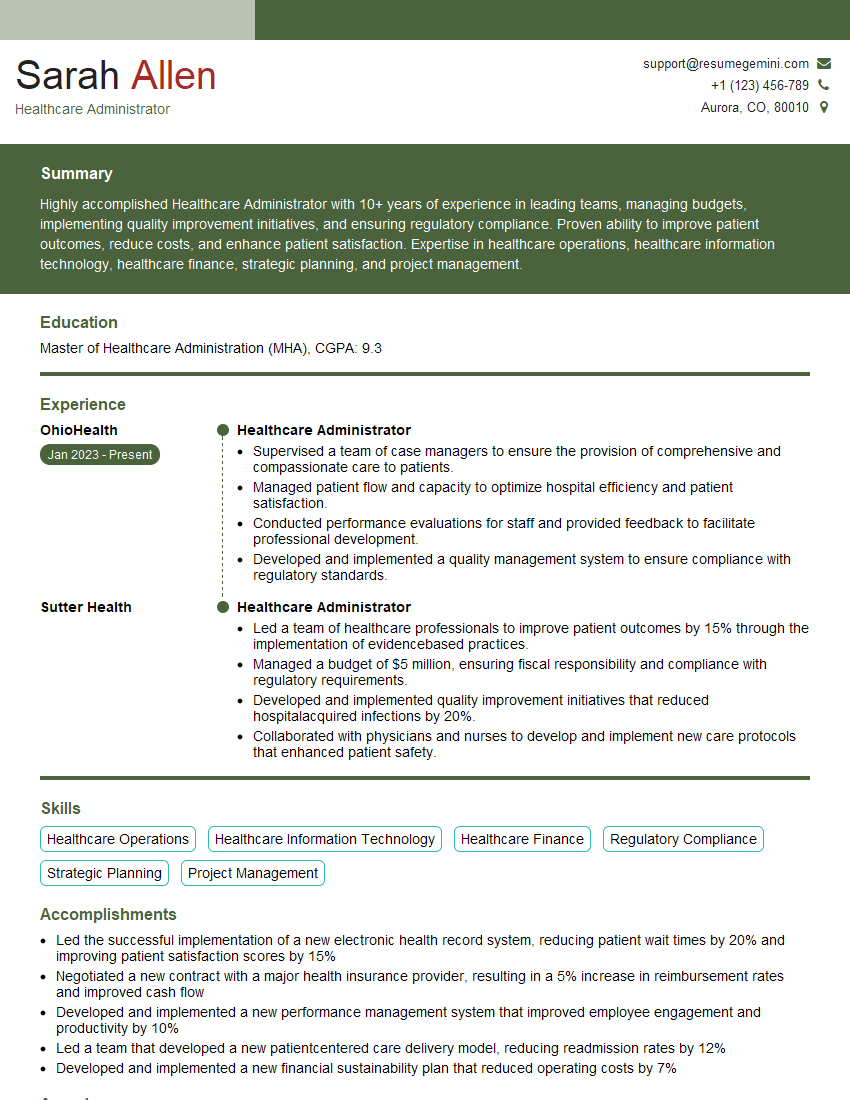
Healthcare Administrator Resume Sample
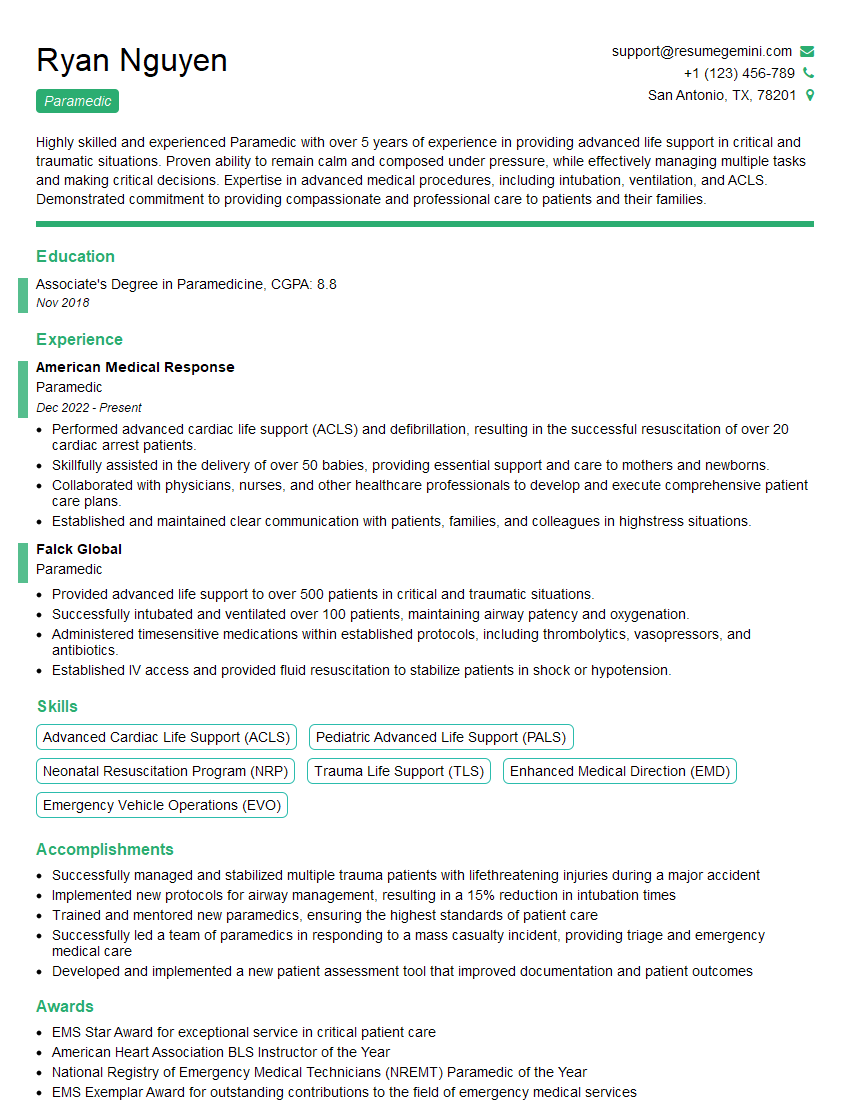
Paramedic Resume Sample
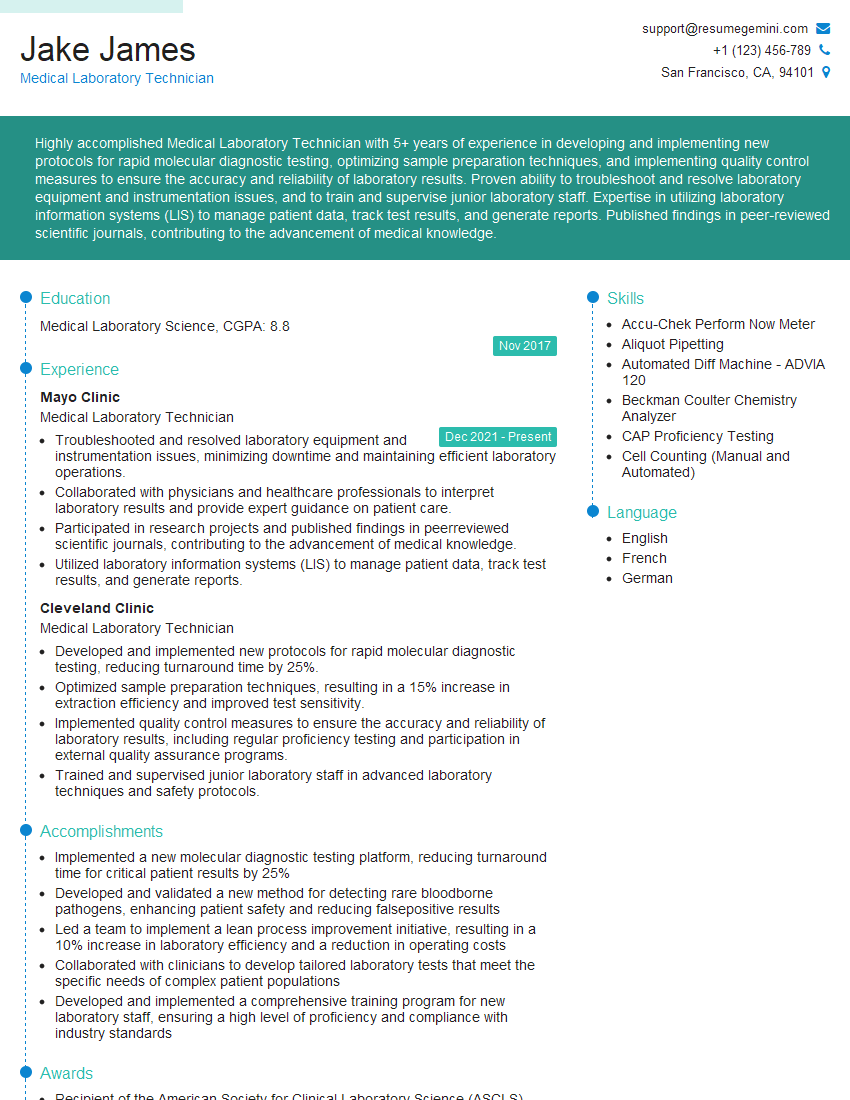
Medical Laboratory Technician Resume Sample
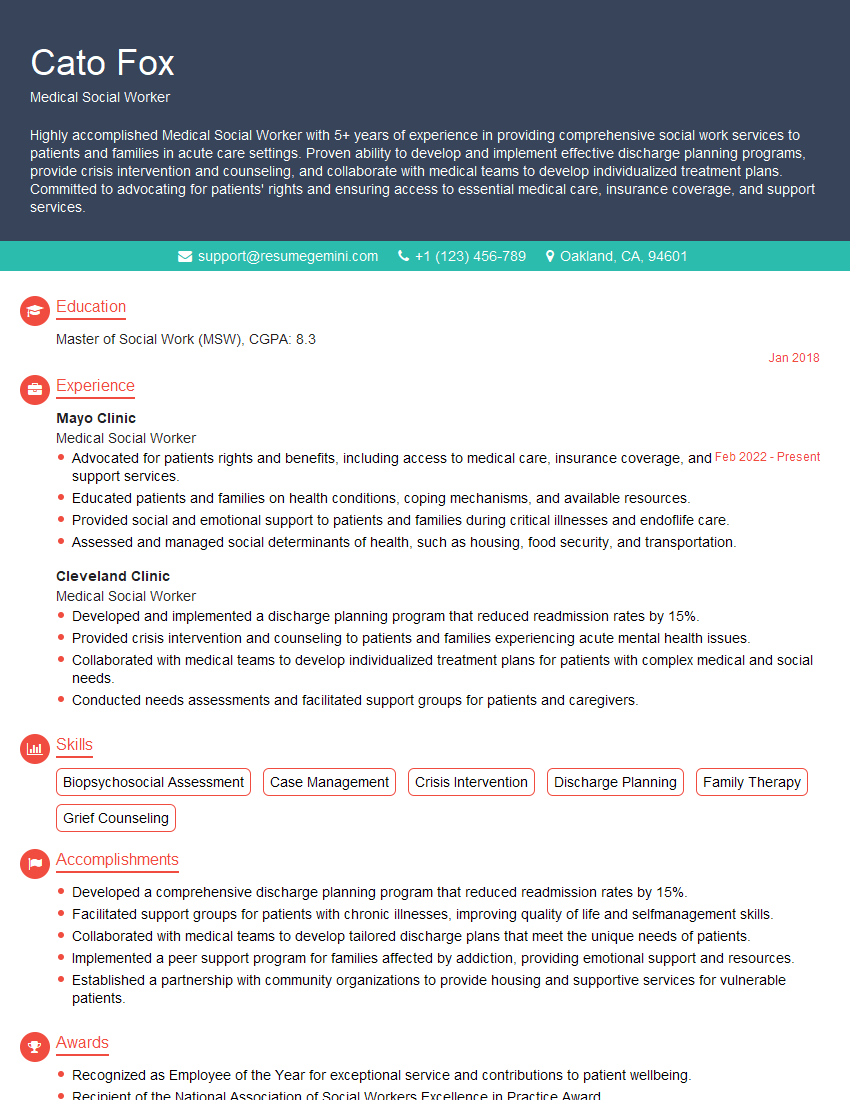
Medical Social Worker Resume Sample
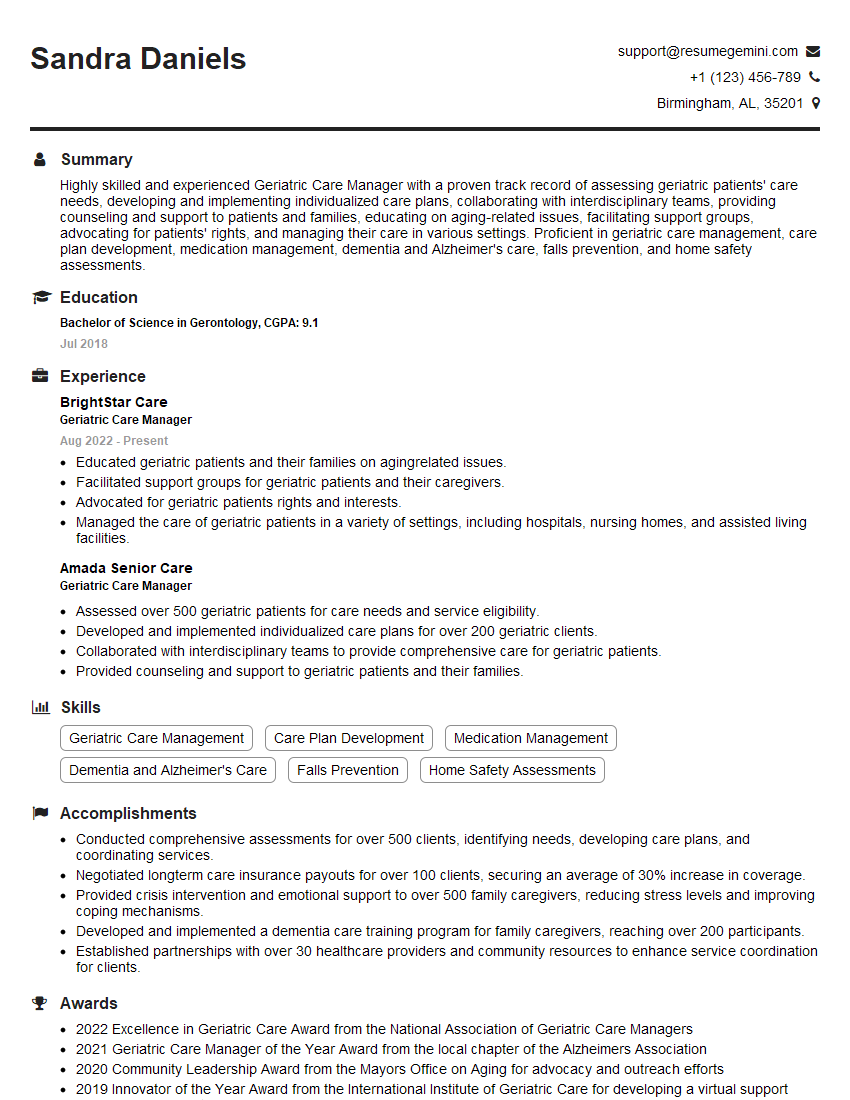
Geriatric Care Manager Resume Sample
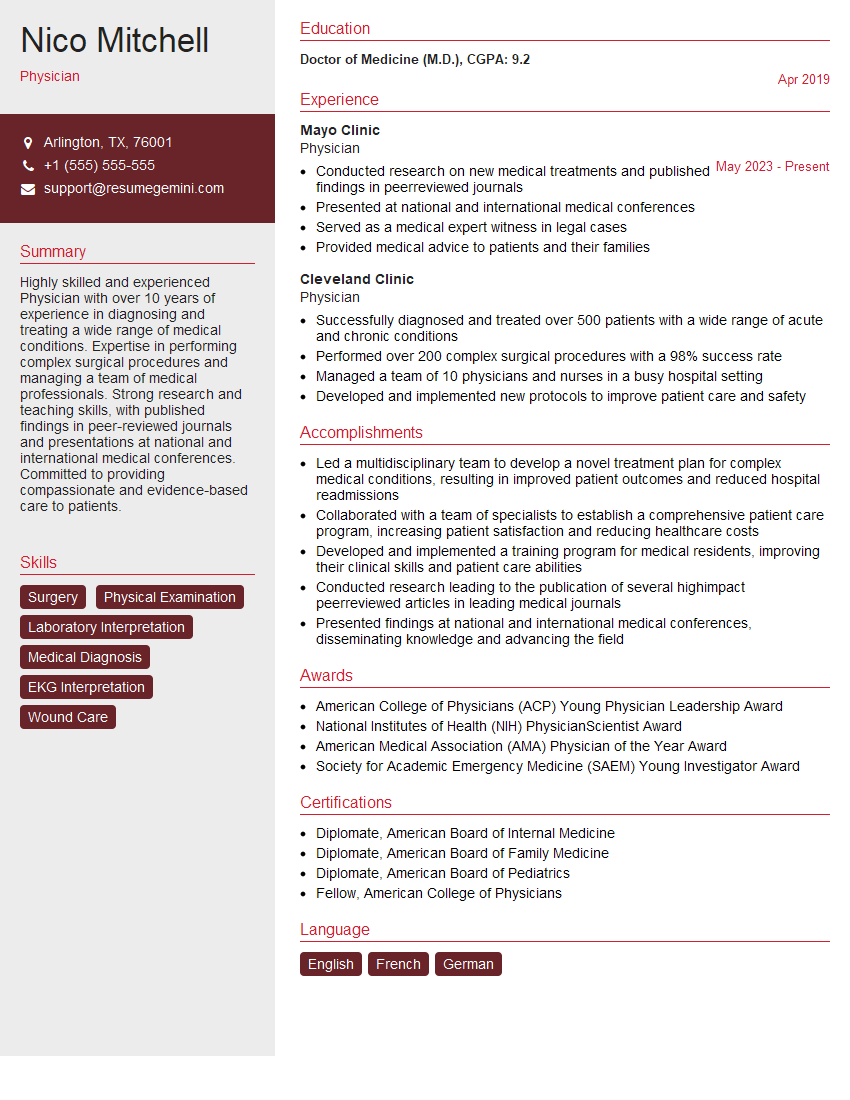
Physician Resume Sample
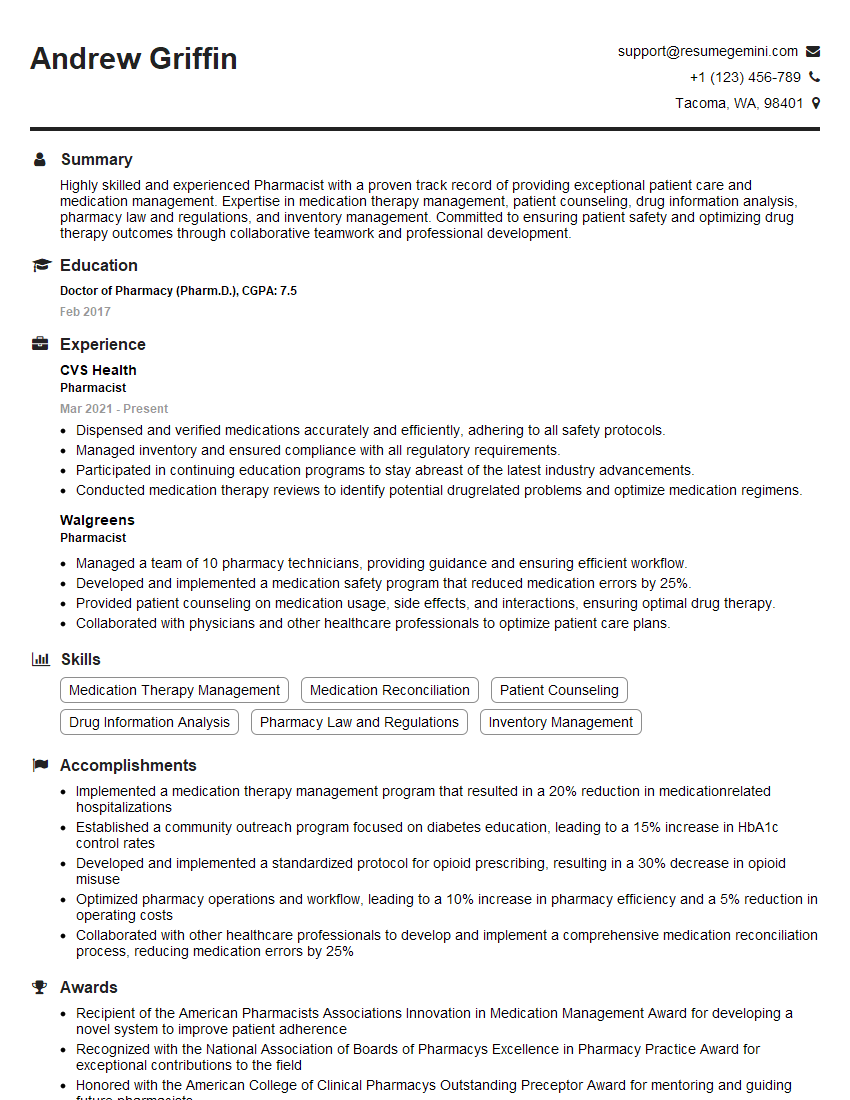
Pharmacist Resume Sample
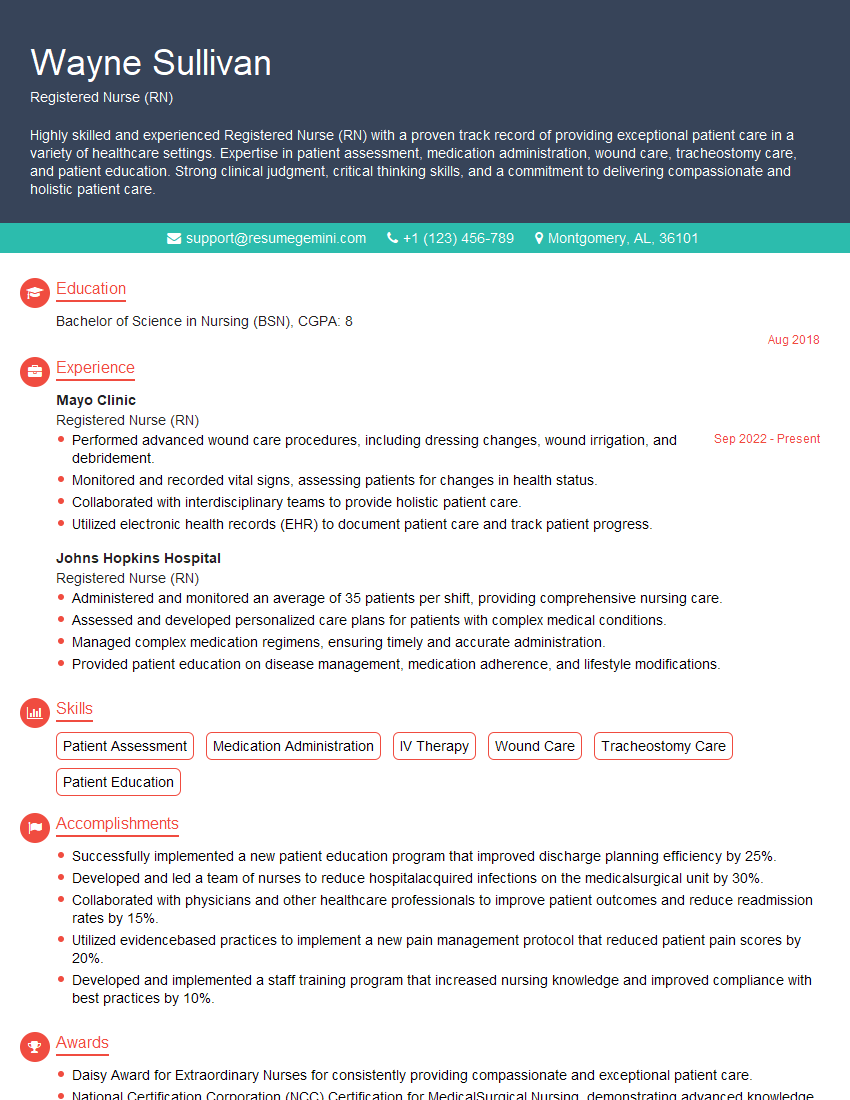
Registered Nurse (RN) Resume Sample
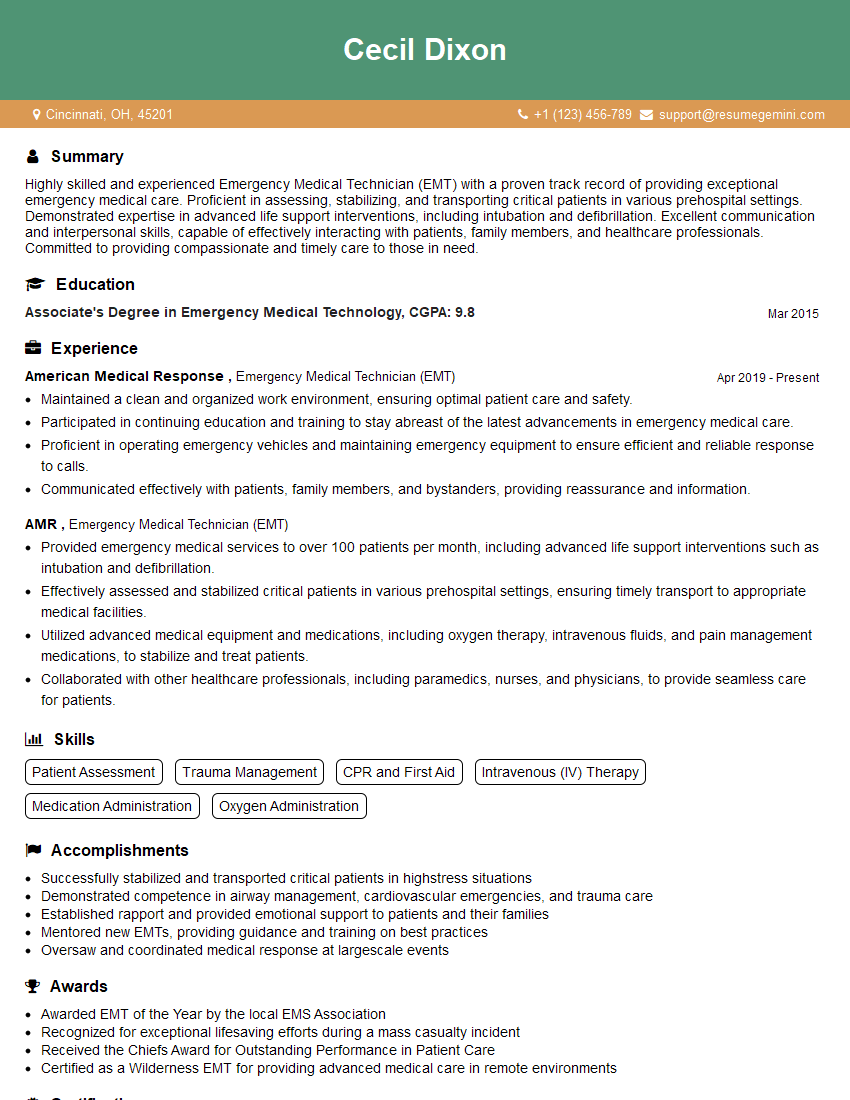
Emergency Medical Technician (EMT) Resume Sample
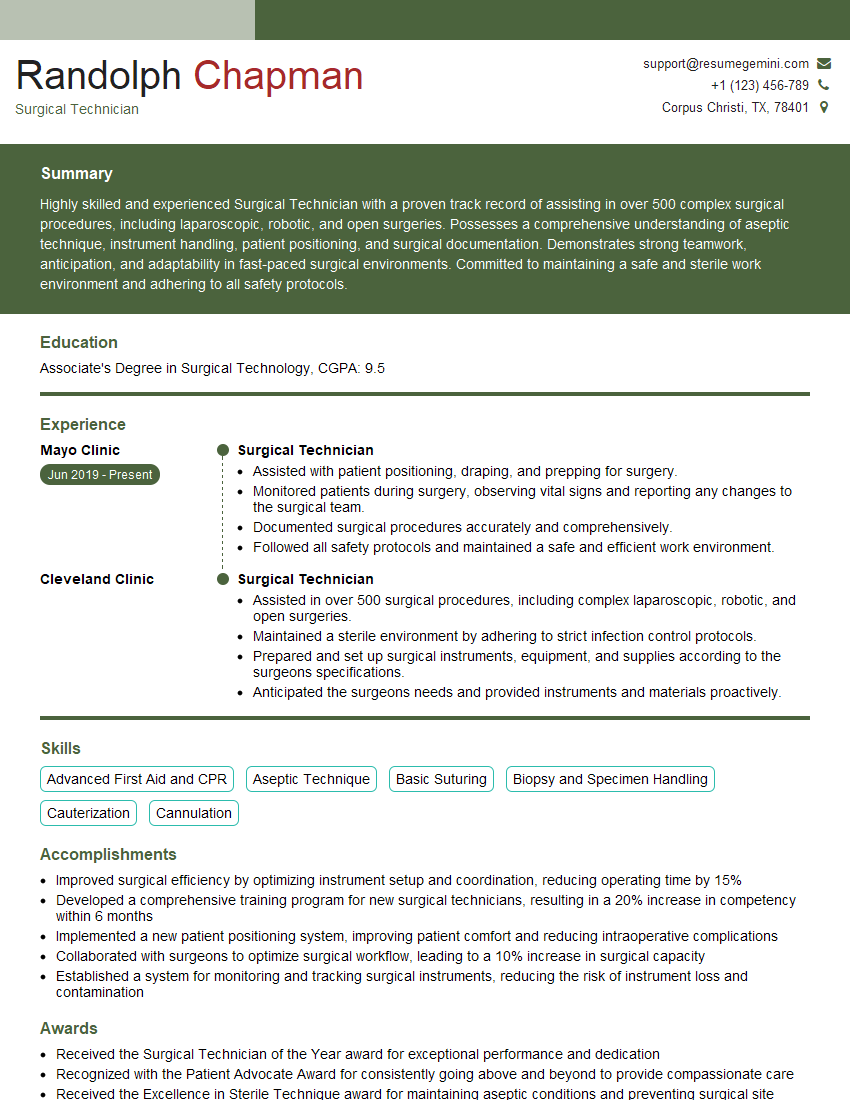
Surgical Technician Resume Sample
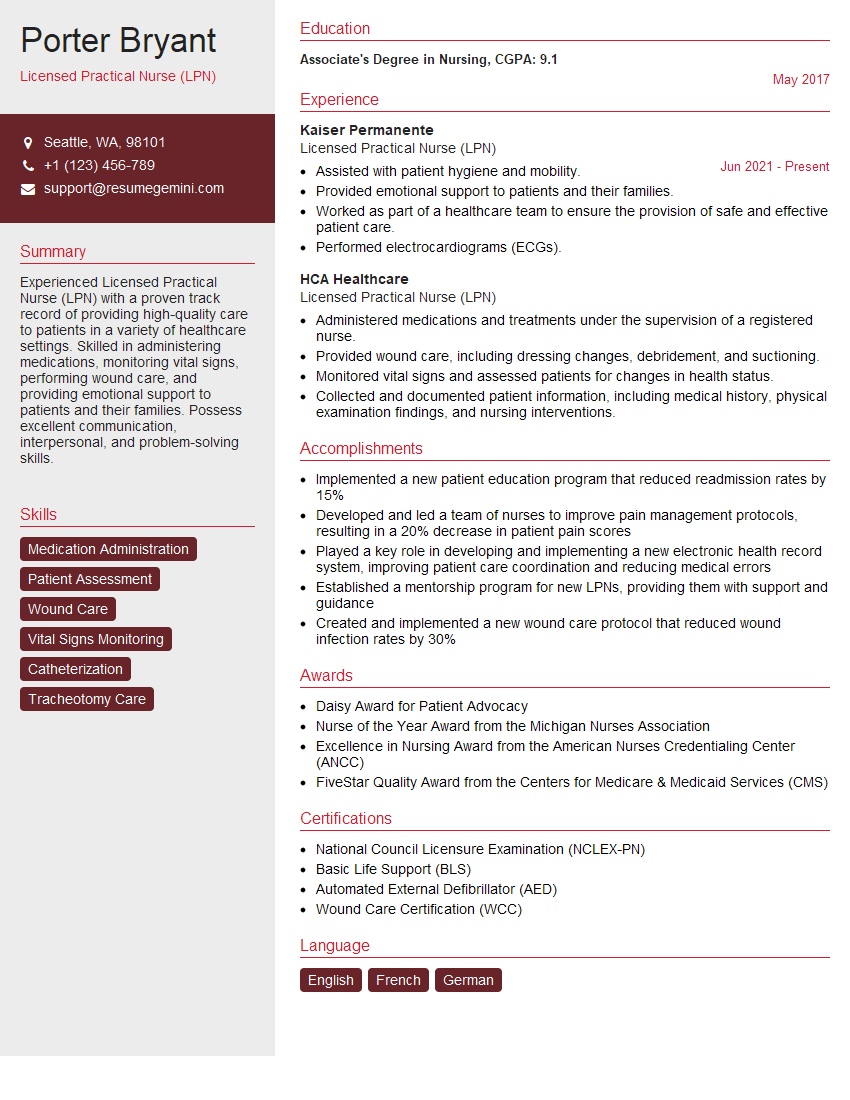
Licensed Practical Nurse (LPN) Resume Sample
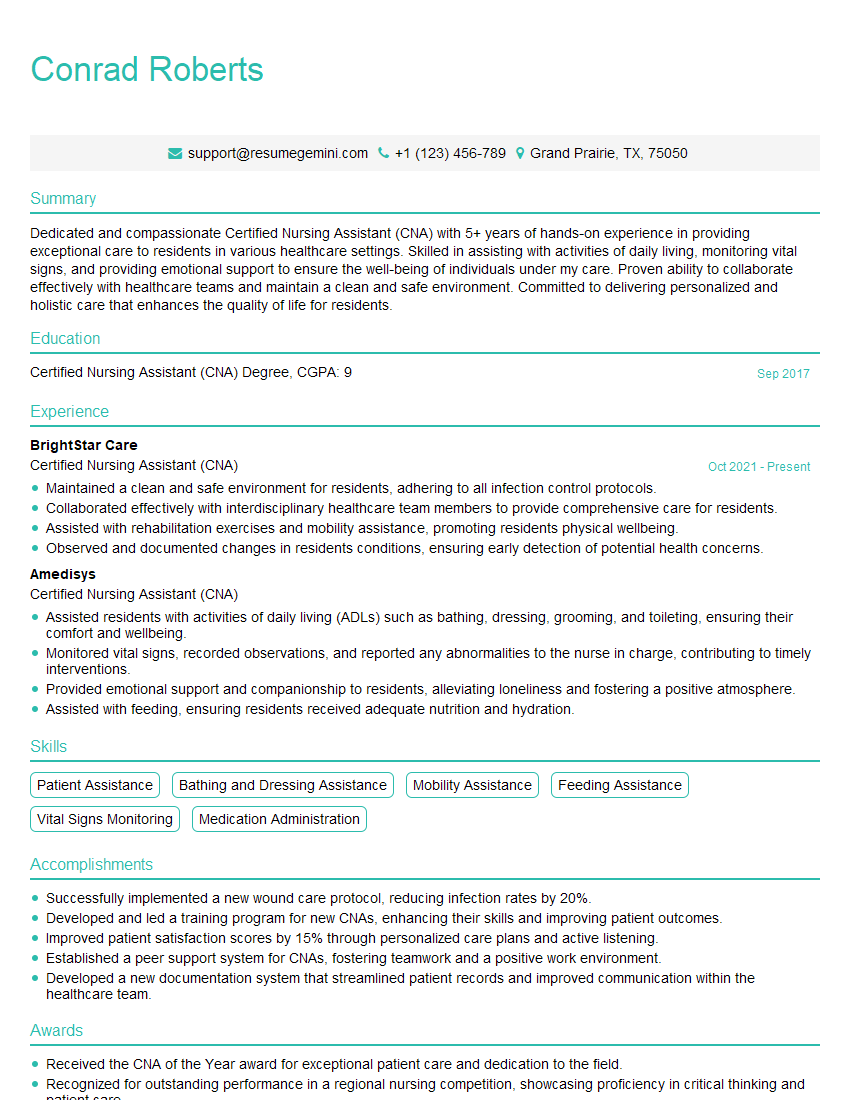
Certified Nursing Assistant (CNA) Resume Sample
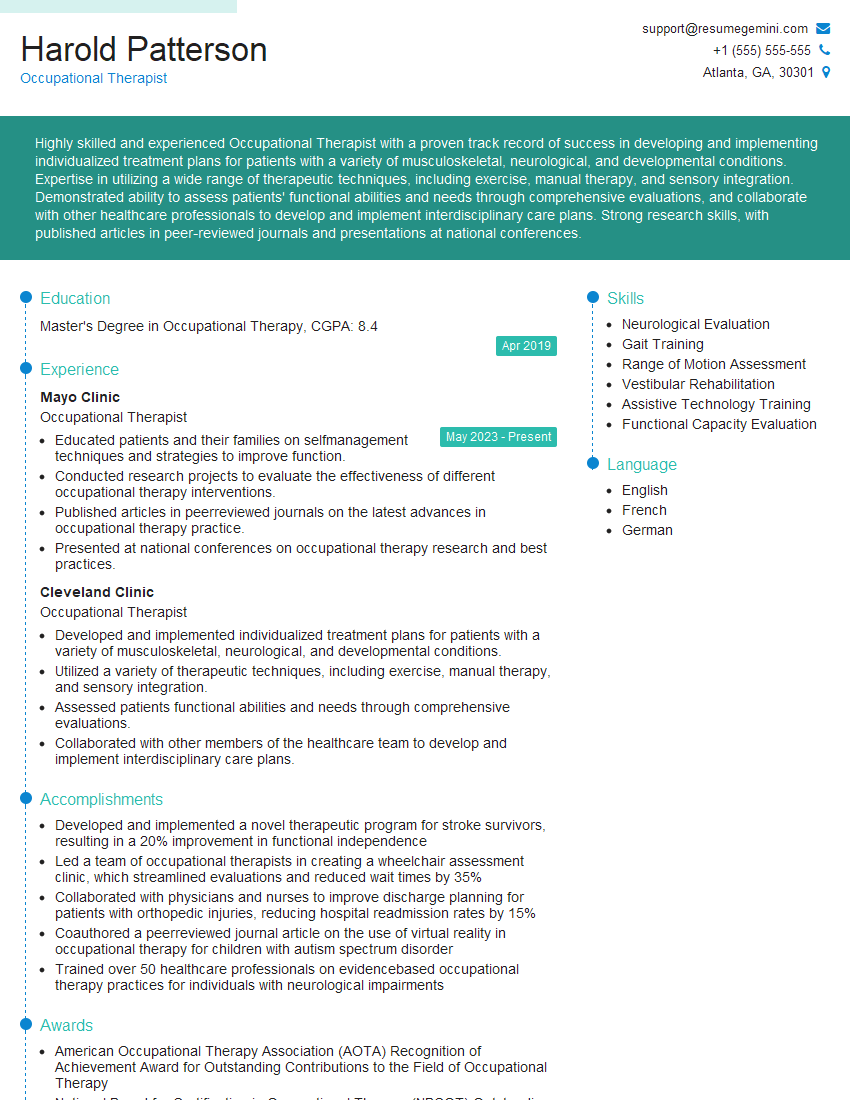
Occupational Therapist Resume Sample
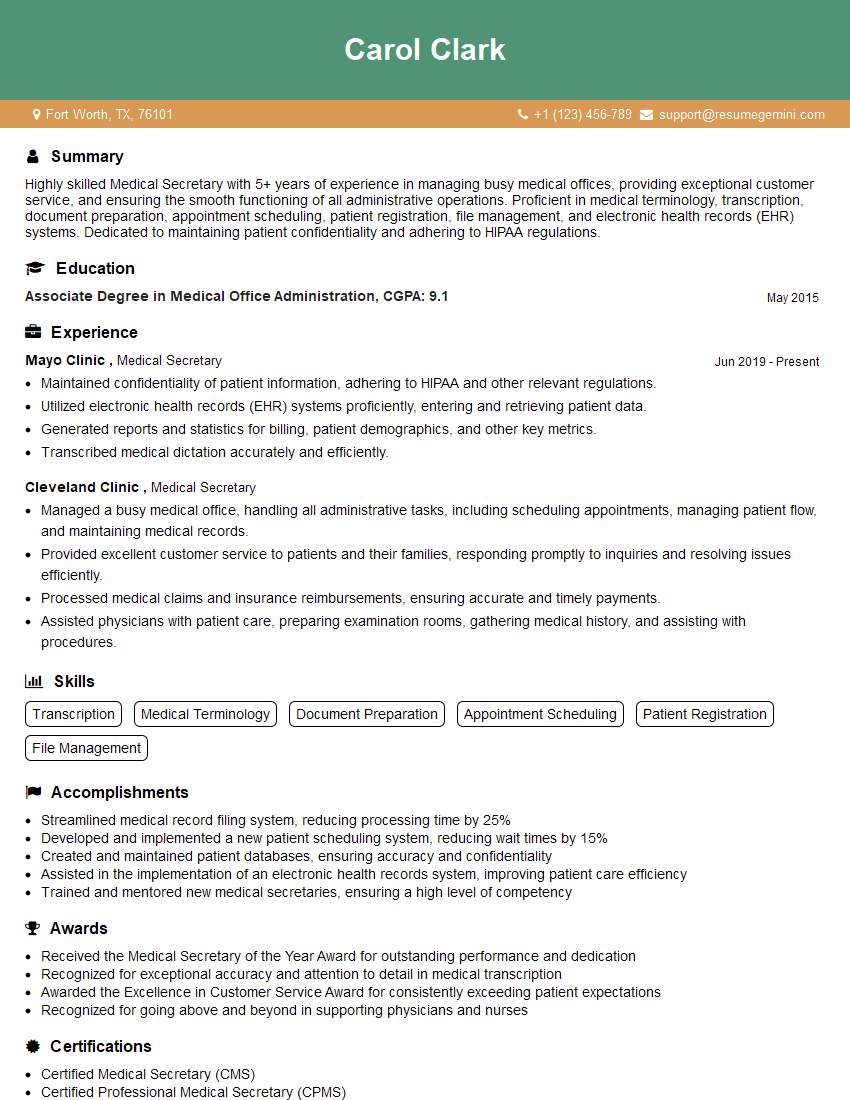
Medical Secretary Resume Sample
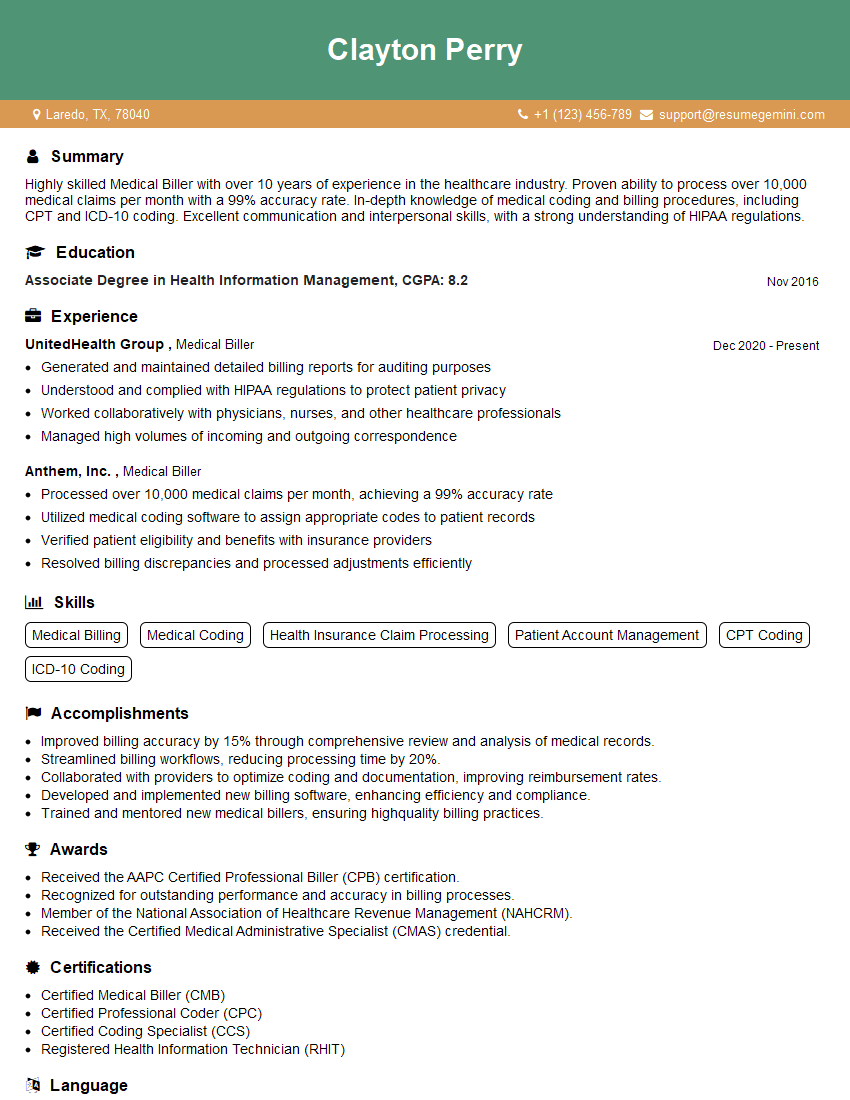
Medical Biller Resume Sample
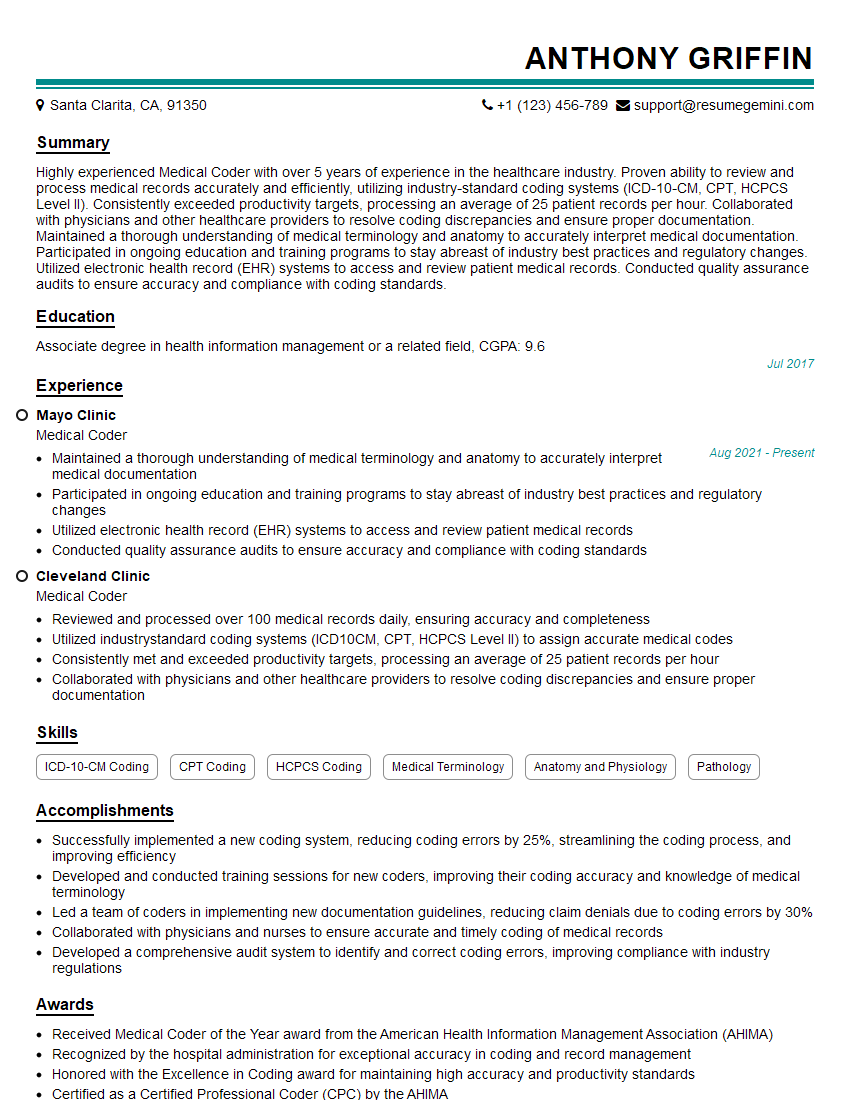
Medical Coder Resume Sample
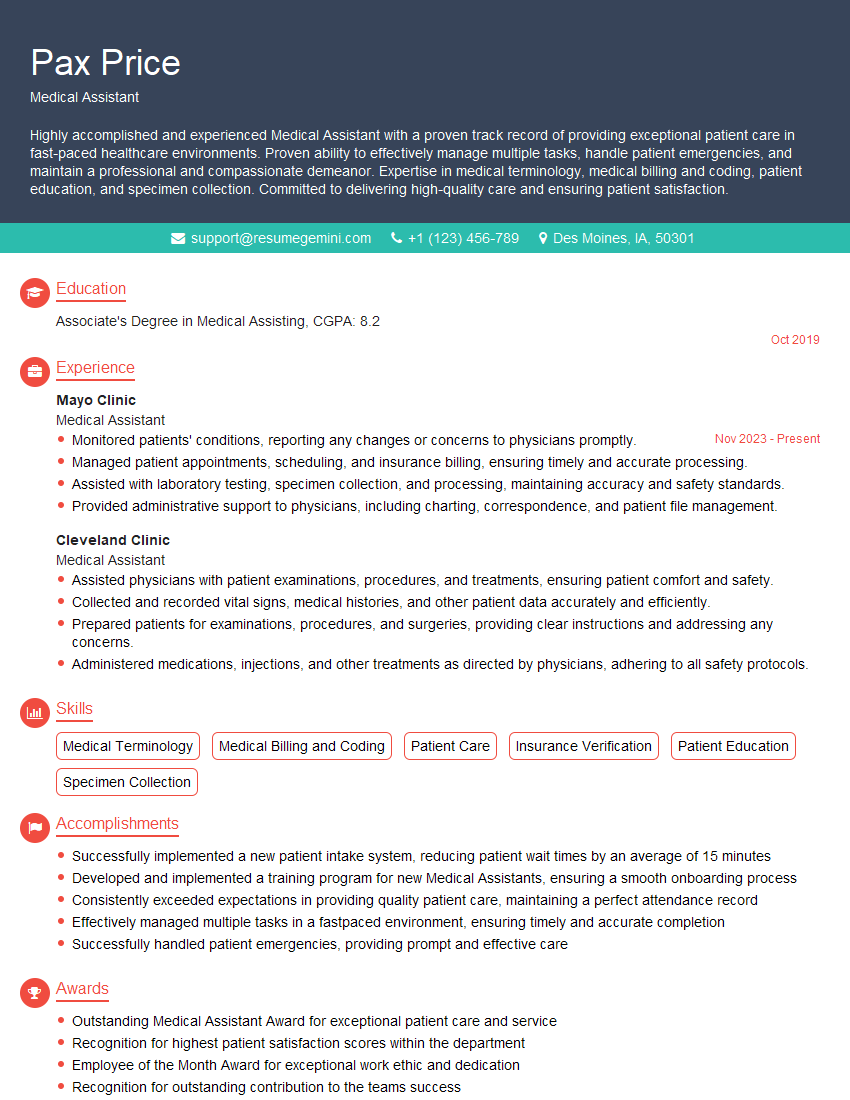
Medical Assistant Resume Sample
- Healthcare Administrator
- Paramedic
- Medical Laboratory Technician
- Medical Social Worker
- Geriatric Care Manager
- Physician
- Pharmacist
- Registered Nurse (RN)
- Emergency Medical Technician (EMT)
- Surgical Technician
- Licensed Practical Nurse (LPN)
- Certified Nursing Assistant (CNA)
- Occupational Therapist
- Medical Secretary
- Medical Biller
- Medical Coder
- Medical Assistant
Explore more articles
Users Rating of Our Blogs
Share Your Experience
We value your feedback! Please rate our content and share your thoughts (optional).
What Readers Say About Our Blog
Very informative content, great job.
good