Interviews are opportunities to demonstrate your expertise, and this guide is here to help you shine. Explore the essential Mentoring and Developing Assistant Coaches interview questions that employers frequently ask, paired with strategies for crafting responses that set you apart from the competition.
Questions Asked in Mentoring and Developing Assistant Coaches Interview
Q 1. Describe your experience in identifying coaching talent.
Identifying coaching talent involves a multifaceted approach that goes beyond simply looking at wins and losses. I look for a combination of technical expertise, interpersonal skills, and a genuine passion for player development. I begin by assessing their understanding of the sport’s tactical and strategic aspects through observation during practices and games. This includes analyzing their ability to communicate effectively, provide constructive feedback, and build rapport with players. I also delve into their leadership qualities, assessing their ability to motivate, inspire, and manage a team. I employ a combination of methods: reviewing game film to assess their tactical decisions, conducting interviews to explore their coaching philosophy and experience, and observing their interactions with athletes and other staff. For instance, I once identified a promising assistant coach whose game analysis was exceptional, even though their on-field coaching style was initially quite reserved. Through targeted mentoring on communication and motivational techniques, they became a highly effective leader.
Q 2. How do you assess an assistant coach’s strengths and weaknesses?
Assessing an assistant coach’s strengths and weaknesses requires a balanced and objective approach. I utilize a 360-degree feedback system, gathering input from players, other coaches, and even support staff. This helps me get a comprehensive picture of their impact. Observations during practices and games are crucial, noting their tactical decisions, player interactions, and problem-solving skills. I also review game film, focusing on specific situations to analyze their strengths and areas for improvement. Finally, regular one-on-one meetings allow for open and honest discussions about their performance. For example, one assistant coach demonstrated exceptional skill in player skill development but struggled with game strategy. This allowed us to focus our development plan on enhancing their strategic thinking.
Q 3. Explain your approach to providing constructive feedback to assistant coaches.
Constructive feedback is vital for growth. My approach focuses on specificity, objectivity, and a supportive tone. Instead of broad criticisms, I focus on specific behaviors and their impact. I use the SBI (Situation-Behavior-Impact) model: I describe the situation, their behavior in that situation, and the impact of that behavior. For instance, instead of saying “You’re not motivating the players,” I might say, “During the last drill, I noticed the players seemed disengaged after you provided instructions. The behavior I observed was a lack of enthusiasm in your tone and brief instructions. The impact was a lack of focus and decreased performance.”
I always frame feedback within the context of their overall performance and highlight their strengths before discussing areas for improvement. I ensure two-way communication, encouraging them to share their perspective and collaborate on a plan for improvement.
Q 4. What methods do you use to foster a collaborative coaching environment?
A collaborative coaching environment is built on trust, open communication, and mutual respect. I encourage open dialogue and brainstorming sessions where all staff members share ideas and contribute to strategy development. I facilitate regular meetings where we discuss game analysis, player evaluations, and upcoming challenges. I promote shared responsibility, ensuring that each assistant coach has ownership over specific areas of player development or game strategy. I also value diverse viewpoints, and encourage staff to share their experiences and approaches to coaching. This fosters a more inclusive environment where individuals can learn from one another.
Q 5. How do you handle conflicts or disagreements within the coaching staff?
Conflicts are inevitable in any team setting. My approach focuses on open communication and problem-solving. When a conflict arises, I encourage the involved parties to express their perspectives openly and respectfully. I facilitate a discussion focused on understanding the root causes of the disagreement, not assigning blame. We collaboratively work to identify solutions that address the concerns of all parties. If necessary, I might mediate the discussion to ensure a fair and productive outcome. The goal is to find common ground, strengthen relationships, and foster a more cohesive coaching staff. I always emphasize the importance of maintaining professionalism and respecting the opinions of others, even when disagreements exist.
Q 6. How do you measure the effectiveness of your coaching development programs?
Measuring the effectiveness of coaching development programs requires a multi-faceted approach. I track several key metrics, including the assistant coaches’ performance evaluations, player development statistics, and overall team performance. I also gather feedback from players, observing improvements in their skills and attitudes. I regularly conduct one-on-one meetings with assistant coaches to monitor their progress and make any necessary adjustments to our development plan. Qualitative data, like observations from practices and games, and feedback from the coaches themselves, is just as important as quantifiable results. These combined data points give a holistic picture of the effectiveness of our program, allowing me to continuously improve and adapt our methods.
Q 7. Describe a time you had to mentor an assistant coach struggling in a specific area.
One assistant coach struggled significantly with managing player discipline. While technically proficient, they lacked the interpersonal skills to address behavioral issues effectively. We started by observing game film, identifying specific instances where their approach was unproductive. Then, we discussed different communication techniques, conflict resolution strategies, and positive reinforcement methods. We role-played scenarios, allowing the coach to practice their communication and receive immediate feedback. We also implemented a mentorship program, pairing them with an experienced coach known for their player management skills. Over several months, this combination of direct training, role-playing, and peer mentoring led to significant improvement in their ability to manage player behavior effectively. Player discipline improved considerably, and the assistant coach gained confidence in their ability to address disciplinary issues constructively.
Q 8. What strategies do you use to support assistant coaches’ professional growth?
Supporting assistant coaches’ professional growth requires a multifaceted approach combining mentorship, targeted training, and opportunities for practical application. I utilize a personalized development plan for each assistant, focusing on their individual strengths and areas needing improvement. This involves regular one-on-one meetings to discuss their progress, set goals, and identify challenges. I also encourage them to attend workshops, conferences, and online courses related to coaching methodologies and relevant sports science. Finally, I provide opportunities for them to lead drills, design training sessions, and deliver feedback to players, gradually increasing their responsibilities and fostering independence.
For example, one assistant coach who excelled in technical analysis but struggled with communication was given opportunities to lead technical drills, but I also paired them with a more experienced coach to co-lead team meetings and observe effective communication strategies. We also implemented regular feedback sessions using a structured approach, focusing on both strengths and areas for improvement.
Q 9. How do you ensure your assistant coaches are consistently applying best practices?
Ensuring consistent application of best practices relies on a combination of clear communication, regular observation, and constructive feedback. First, I establish clear expectations and guidelines based on evidence-based coaching principles. We use a shared coaching philosophy document that outlines our team’s values, training methods, and communication strategies. Second, I conduct regular observations during practices and games, using a structured observation checklist to assess the assistant coaches’ application of these principles. Finally, I provide regular, specific, and actionable feedback, highlighting both successes and areas for improvement. This feedback is delivered in a supportive environment, fostering a culture of continuous improvement rather than criticism.
For instance, if an assistant coach consistently neglects to provide individualized feedback to players, I’ll schedule a meeting to discuss this observation. We’ll review video footage together, identify specific examples, and brainstorm strategies to incorporate more individualized feedback into their coaching style. We might role-play different scenarios to enhance communication effectiveness.
Q 10. Describe your approach to onboarding new assistant coaches.
Onboarding new assistant coaches involves a structured process designed to integrate them smoothly into the team and equip them with the necessary knowledge and skills. This process begins with a comprehensive introduction to the team’s philosophy, values, and expectations. We review the shared coaching philosophy document and discuss its practical implications. The new assistant then shadows experienced coaches during practices and games, observing their methods and gaining a firsthand understanding of team dynamics. I provide them with access to relevant resources, such as training manuals, video libraries, and professional development materials. We then gradually introduce increasing responsibilities, starting with smaller tasks before moving to more significant roles. This phased approach allows them to learn and adapt at their own pace.
For a new assistant, their first week might involve reviewing team rosters, learning player names, and assisting with basic drills. By week three, they might lead parts of practice, and by month three, they might be assigned to lead specific player skill development sessions. Regular check-ins and feedback loops ensure they feel supported and comfortable.
Q 11. How do you delegate responsibilities effectively to your assistant coaches?
Effective delegation involves matching tasks to individual skills and providing the necessary support and autonomy. I assess each assistant coach’s strengths and weaknesses, identifying tasks where they can excel and develop. I clearly define expectations, timelines, and resources for each task. This includes providing clear instructions, access to necessary materials, and establishing communication channels for updates and questions. Importantly, I empower my assistant coaches by giving them ownership of their responsibilities and allowing them to make decisions within their assigned areas. Regular feedback sessions allow us to monitor progress, address challenges, and make adjustments as needed.
For example, one coach might be skilled in strength and conditioning. I would delegate the design and implementation of strength and conditioning programs for the team, providing them with the necessary resources, access to athlete data, and support from other members of the sports medicine team. I would then monitor their progress, provide feedback on program effectiveness, and offer support should any challenges arise.
Q 12. How do you foster a culture of continuous learning within your coaching team?
Fostering a culture of continuous learning requires creating an environment that values professional growth and provides ongoing opportunities for development. This involves creating dedicated time for professional development activities, such as attending conferences, workshops, or online courses. We organize regular team meetings where we discuss current research, best practices, and new coaching strategies. I encourage my assistant coaches to share their learning experiences with the rest of the team, promoting peer-to-peer learning. Furthermore, I encourage them to seek mentorship from other experienced coaches within and outside the organization. I also provide them with access to relevant journals, books, and online resources.
Examples of this could include allocating time during team meetings for sharing articles or podcasts, assigning assistants to lead presentations on a topic related to their specific area of interest, or creating a reading list of relevant books on coaching techniques.
Q 13. What strategies do you use to motivate and inspire your assistant coaches?
Motivating and inspiring assistant coaches involves recognizing their contributions, providing opportunities for growth, and fostering a positive and supportive team environment. I regularly acknowledge their achievements, both big and small, providing specific and genuine praise. I create opportunities for them to take on challenging assignments that stretch their capabilities and foster a sense of accomplishment. I also encourage open communication, ensuring they feel heard and valued, and I foster a culture of mutual respect and collaboration within the coaching team. I strive to make work enjoyable and rewarding by celebrating successes and learning from failures together.
For example, publicly acknowledging an assistant coach’s successful implementation of a new drill during a team meeting, or recognizing their contribution to a player’s improvement through a personal thank you note, can significantly boost their morale and motivation. Providing opportunities for them to contribute to team strategy discussions or to mentor newer coaches can also increase engagement and enhance their sense of ownership.
Q 14. How do you create a supportive and inclusive environment for your assistant coaches?
Creating a supportive and inclusive environment is crucial for fostering a high-performing and engaged coaching team. This involves establishing clear communication channels, promoting open dialogue, and actively listening to the perspectives of each assistant coach. I strive to create an environment where all team members feel safe to share their ideas, concerns, and experiences without fear of judgment. I actively encourage diversity of thought and perspectives, valuing different coaching styles and backgrounds. I promote fairness and equity in the distribution of responsibilities and opportunities, ensuring everyone has a chance to grow and contribute. Regular social events and team-building activities help to strengthen team bonds and foster a sense of camaraderie.
For example, implementing regular team check-in meetings where each member has dedicated time to share updates and discuss concerns, creating a team charter outlining principles of respect and inclusivity, and organizing informal social gatherings outside of work hours can promote a more connected and supportive team environment.
Q 15. How do you manage the workload and responsibilities of your assistant coaches?
Effective workload management for assistant coaches hinges on clear delegation and communication. I begin by creating a detailed breakdown of responsibilities, ensuring each assistant coach understands their specific roles and how they contribute to the overall team goals. This often involves a visual aid like a flowchart or a shared document outlining tasks, deadlines, and reporting structures.
For instance, one assistant might focus on player skill development, another on game strategy, and a third on team logistics. Regular check-ins—weekly or bi-weekly meetings—are crucial. These meetings aren’t just for updates; they’re for open dialogue, addressing challenges, and proactively adjusting workloads based on individual capacity and evolving team needs. I believe in empowering my assistants, allowing them autonomy within their defined roles, while maintaining clear lines of communication to avoid overload or duplication of effort.
Finally, I advocate for a culture of mutual support. Assistant coaches should feel comfortable seeking help from each other or from me when facing unexpected challenges or overwhelming workloads. This collaborative approach fosters a positive and efficient working environment.
Career Expert Tips:
- Ace those interviews! Prepare effectively by reviewing the Top 50 Most Common Interview Questions on ResumeGemini.
- Navigate your job search with confidence! Explore a wide range of Career Tips on ResumeGemini. Learn about common challenges and recommendations to overcome them.
- Craft the perfect resume! Master the Art of Resume Writing with ResumeGemini’s guide. Showcase your unique qualifications and achievements effectively.
- Don’t miss out on holiday savings! Build your dream resume with ResumeGemini’s ATS optimized templates.
Q 16. Explain your process for evaluating the performance of your assistant coaches.
Evaluating assistant coaches goes beyond simply looking at wins and losses. My process employs a multi-faceted approach that includes observation, feedback gathering, and data analysis. Regular observation during practices and games allows me to assess their coaching techniques, communication skills, and ability to manage players.
I collect feedback from players through anonymous surveys and individual conversations. This provides valuable insights into how the assistant coaches are perceived and how their coaching styles are impacting player development. Data analysis, such as tracking player performance metrics (e.g., improvement in shooting percentage, reduction in turnovers), helps quantify the impact of their coaching efforts.
Finally, I conduct formal performance reviews using a structured rubric. This rubric outlines key performance indicators (KPIs) across areas like player development, game strategy, communication, and professionalism. The review is a collaborative process, allowing the assistant coach to reflect on their performance and identify areas for improvement. The goal is not only to evaluate but also to provide constructive feedback and support for growth.
Q 17. How do you ensure alignment between the head coach’s vision and the assistant coaches’ roles?
Aligning the head coach’s vision with the assistant coaches’ roles is paramount for team success. This starts with clear and consistent communication. I ensure every assistant coach understands the overall team goals and philosophy, receiving detailed explanations of strategic plans and the rationale behind them.
Regular team meetings where we discuss long-term goals, short-term objectives, and strategic decisions ensure everyone is on the same page. I also use visual aids, like strategic plans or diagrams, to ensure everyone has a shared understanding. Each assistant coach then receives a clear role description outlining how their specific responsibilities contribute to the broader team vision. This includes outlining specific KPIs aligned with the head coach’s overall objectives.
For example, if the overall team goal is to improve three-point shooting accuracy, an assistant might focus specifically on shooting technique, while another might work on offensive play design to create more open shots. By connecting individual roles to the overarching goals, I ensure everyone feels a sense of purpose and ownership in contributing to the team’s success.
Q 18. Describe your approach to providing opportunities for assistant coaches’ professional development.
I strongly believe in providing ongoing opportunities for my assistant coaches’ professional development. This includes both formal and informal learning experiences. Formal opportunities include sponsoring attendance at coaching clinics, workshops, and conferences related to their specific areas of expertise or areas they want to improve.
I also encourage and support them in pursuing coaching certifications or advanced degrees relevant to coaching or sports science. Informal development opportunities are equally important. I encourage mentoring relationships among the assistant coaches, fostering peer learning and support. I also provide regular feedback and coaching myself, identifying areas for improvement and suggesting strategies for development.
For example, if an assistant struggles with player motivation, I might suggest they read specific books on motivational techniques or shadow a coach known for their strong motivational skills. This multifaceted approach ensures continuous growth and keeps the coaching staff fresh, innovative, and engaged.
Q 19. How do you utilize technology and resources to enhance coaching development?
Technology and resources play a vital role in enhancing coaching development. We utilize video analysis software to review game footage, allowing assistant coaches to analyze player performance, identify strengths and weaknesses, and develop targeted training plans.
Performance tracking software helps us monitor player statistics and progress over time, providing objective data to guide coaching decisions. Online learning platforms provide access to a wealth of coaching resources, courses, and articles, facilitating continuous professional development. Cloud-based communication tools (e.g., Slack, Microsoft Teams) allow for seamless communication, efficient sharing of resources, and quick resolution of issues, even outside of formal meetings.
For instance, we might use a video platform to record practices and have assistants review footage independently, then discuss their observations and create a shared coaching plan. This ensures that all assistants are utilizing the available resources to the fullest extent and enhancing their coaching skills collectively.
Q 20. How do you handle performance issues with assistant coaches?
Addressing performance issues with assistant coaches requires a sensitive yet firm approach. My first step is always a private conversation, focusing on specific observable behaviors rather than making general judgments. I use a structured approach, beginning by expressing my concerns clearly and specifically, providing concrete examples of the performance issue.
I then actively listen to the assistant coach’s perspective, seeking to understand the underlying reasons for the performance gap. This might uncover issues such as lack of resources, inadequate training, personal problems, or misunderstandings.
Together, we develop a performance improvement plan (PIP) outlining specific, measurable, achievable, relevant, and time-bound (SMART) goals. This plan includes clear expectations, support mechanisms, and regular check-ins to monitor progress. If the performance issue persists despite the PIP, more significant disciplinary action might be necessary, following organizational policies and procedures. The goal is always to support the coach in improving their performance, while ensuring the overall success of the team.
Q 21. What are some common challenges you face in mentoring and developing assistant coaches?
Mentoring and developing assistant coaches present several common challenges. One significant challenge is managing diverse coaching styles and personalities. Each coach brings unique strengths, weaknesses, and approaches to the game. Balancing these differing styles and creating a cohesive coaching unit requires strong communication, conflict resolution, and a commitment to a unified team vision.
Another challenge is time management. Balancing the demands of coaching with the need to provide individual mentorship and professional development opportunities can be demanding. Effective time management strategies, including scheduling dedicated mentoring time and prioritizing tasks, are crucial.
Finally, fostering a culture of continuous learning and improvement requires consistent effort. Some assistant coaches may be resistant to feedback or may lack the motivation for self-improvement. Addressing this requires patience, empathy, and a commitment to providing positive and constructive feedback in a way that fosters growth and not defensiveness.
Q 22. How do you adapt your mentorship style to different learning styles?
Adapting my mentorship style hinges on understanding and catering to diverse learning preferences. I employ a multifaceted approach, recognizing that individuals learn best through different modalities – visual, auditory, kinesthetic, and reading/writing.
- Visual Learners: For these individuals, I use diagrams, charts, and presentations to illustrate concepts. I might even create visual aids summarizing key takeaways from our sessions.
- Auditory Learners: With auditory learners, I prioritize discussions, one-on-one conversations, and group brainstorming sessions. I might record key points from our meetings to provide them with a tangible reference.
- Kinesthetic Learners: These learners benefit from hands-on activities and practical application. I’d incorporate role-playing scenarios, simulations of game situations, or opportunities for them to actively participate in practice sessions.
- Reading/Writing Learners: I supply detailed written materials, summaries, articles, and relevant research papers. We might discuss written evaluations of their performance and how to improve.
Regularly assessing learning styles through observation and open communication allows me to personalize my approach and maximize their learning potential. It’s about finding the right blend of methods, not rigidly adhering to one style.
Q 23. How do you provide support to assistant coaches who are dealing with personal challenges?
Supporting assistant coaches facing personal challenges requires empathy, confidentiality, and a strategic approach. My priority is to create a safe and supportive environment where they feel comfortable sharing their struggles.
- Active Listening: I begin by attentively listening without judgment. Understanding their perspective is paramount.
- Resource Provision: I connect them with appropriate resources, such as employee assistance programs (EAPs), mental health professionals, or support groups. This might involve providing contact information or facilitating an introduction.
- Workload Adjustment: Where feasible, I adjust their workload to alleviate undue pressure. This could involve redistributing tasks or offering extended deadlines.
- Open Communication: I maintain consistent, open communication, checking in regularly to gauge their progress and offer ongoing support. My role is to support them, not to solve their problems for them, but to guide them towards finding their own solutions.
It’s crucial to respect their privacy and avoid imposing solutions. My goal is to empower them to navigate their challenges effectively and maintain a healthy work-life balance.
Q 24. How do you identify and address potential biases within your coaching staff?
Identifying and addressing potential biases within the coaching staff demands consistent vigilance and proactive measures. It begins with fostering self-awareness among the coaching team.
- Bias Awareness Training: I incorporate workshops and training sessions focusing on implicit bias and its impact on coaching decisions. This includes discussions around gender, race, ethnicity, socioeconomic background, and other potential areas of bias.
- Data Analysis: Analyzing performance data and player selection patterns can reveal potential unconscious biases. We might examine if certain player demographics receive disproportionate amounts of playing time or feedback.
- Open Dialogue and Feedback: I create a safe space for open dialogue and constructive criticism. Team members are encouraged to openly discuss observations of potential bias within the group, fostering a culture of accountability.
- Mentorship and Role Modeling: I act as a role model by actively challenging my own biases and demonstrating inclusive behavior. This creates a ripple effect, encouraging the team to do the same.
Addressing bias isn’t a one-time event; it’s an ongoing process requiring continuous learning and adjustments. The aim is to build a fair and equitable coaching environment that values diversity and inclusivity.
Q 25. Describe a situation where you successfully mentored an assistant coach to overcome a significant challenge.
One assistant coach, Sarah, was struggling with effectively communicating complex tactical strategies to our younger players. Her feedback sessions were often confusing and ineffective, leading to frustration among both herself and the players.
My approach involved a three-pronged strategy:
- Observation and Feedback: I observed several of her coaching sessions, taking detailed notes on her communication style. Then, I provided constructive feedback, focusing on specific areas for improvement—simplifying language, using visual aids, and involving more interactive exercises.
- Resource Provision: I provided her with articles and books on effective youth coaching techniques and communication strategies. I also connected her with experienced youth coaches who could share their best practices.
- Practice and Refinement: We implemented a structured plan for her to practice different communication techniques during practice sessions. I provided ongoing feedback, helping her refine her approach until she felt confident and competent.
Through this collaborative process, Sarah transformed her communication style. Her sessions became more engaging, resulting in improved player understanding and significantly increased team performance.
Q 26. What strategies do you employ to create a culture of accountability within your coaching team?
Creating a culture of accountability involves establishing clear expectations, setting measurable goals, and fostering a system of regular feedback and evaluation.
- Clearly Defined Roles and Responsibilities: Each assistant coach has a clearly defined role and responsibilities. These are documented and regularly reviewed.
- Performance Metrics: We establish measurable performance goals for each assistant coach and regularly track their progress. This might involve evaluating their player development, game preparation, or communication effectiveness.
- Regular Feedback Sessions: We hold regular one-on-one feedback sessions, providing constructive criticism and celebrating successes. This ensures transparency and facilitates continuous improvement.
- Open Communication: A culture of open communication fosters accountability. The team feels comfortable discussing successes and challenges, without fear of judgment or retribution.
Accountability is not about blame; it’s about shared responsibility and collective growth. By emphasizing continuous improvement and mutual support, I cultivate a high-performance culture.
Q 27. How do you foster open communication and feedback within your coaching staff?
Fostering open communication and feedback within the coaching staff requires a deliberate and sustained effort. It’s about creating a safe space where everyone feels comfortable sharing their thoughts and ideas, even if they differ from the majority opinion.
- Regular Team Meetings: We hold regular team meetings specifically dedicated to open dialogue. These provide opportunities for sharing ideas, concerns, and feedback on strategies, practices, and individual performance.
- Anonymous Feedback Mechanisms: To encourage honest feedback, I sometimes utilize anonymous feedback mechanisms, such as surveys or suggestion boxes. This allows people to express their opinions without fear of retribution.
- Active Listening and Respectful Dialogue: I actively listen to every team member’s perspective, even if I disagree. The meetings emphasize respectful dialogue and collaborative problem-solving.
- Constructive Criticism: I promote a culture of constructive criticism by focusing on the behavior, not the person. This ensures that feedback is delivered in a way that is both helpful and respectful.
By consistently reinforcing the importance of open communication and providing a supportive environment, I encourage team members to openly share their ideas, offer feedback, and contribute to a collaborative and dynamic team.
Q 28. How do you ensure that your assistant coaches are adhering to ethical guidelines and regulations?
Ensuring adherence to ethical guidelines and regulations requires a multi-pronged approach that combines education, monitoring, and accountability.
- Initial Training and Ongoing Education: All assistant coaches receive comprehensive training on ethical guidelines and regulations at the start of their employment and receive refresher training periodically throughout the year. This training covers topics such as athlete welfare, sportsmanship, fair play, and conflict of interest.
- Clear Code of Conduct: We have a clearly defined code of conduct that outlines expected ethical behavior. This code is readily accessible and regularly reviewed with the coaching staff.
- Reporting Mechanisms: We establish clear reporting mechanisms for any ethical violations or concerns. This ensures that any issues are addressed promptly and appropriately.
- Regular Monitoring and Review: I regularly monitor the coaches’ actions and decisions to ensure that they are adhering to the ethical guidelines. This might involve reviewing their coaching practices, communications, and interactions with athletes and parents.
Maintaining high ethical standards is essential to the integrity of the program. A commitment to ethical conduct fosters trust, respect, and a positive environment for all involved.
Key Topics to Learn for Mentoring and Developing Assistant Coaches Interview
- Understanding Coaching Philosophies: Explore different coaching models (e.g., growth mindset, transformational coaching) and their practical application in a mentorship setting. Consider how these philosophies influence your approach to developing assistant coaches.
- Developing Training Programs: Learn how to design and implement effective training programs for assistant coaches, covering topics such as skill development, communication strategies, and performance management. Consider different learning styles and how to adapt your training accordingly.
- Performance Evaluation and Feedback: Master the art of providing constructive feedback and conducting performance evaluations for assistant coaches. Understand how to identify areas for improvement and foster a growth mindset within your team.
- Building Rapport and Trust: Explore techniques for establishing strong mentor-mentee relationships built on trust, open communication, and mutual respect. How will you create a safe space for feedback and growth?
- Conflict Resolution and Mediation: Develop strategies for addressing conflicts and disagreements within the coaching team. Learn effective mediation techniques to resolve issues constructively.
- Mentorship Strategies: Understand the nuances of effective mentorship, including goal setting, progress tracking, and providing ongoing support and guidance. Consider how you will tailor your approach to individual mentees.
- Effective Communication & Delegation: Explore techniques for clear and concise communication, both written and verbal. Practice delegating tasks effectively while ensuring accountability and appropriate support.
Next Steps
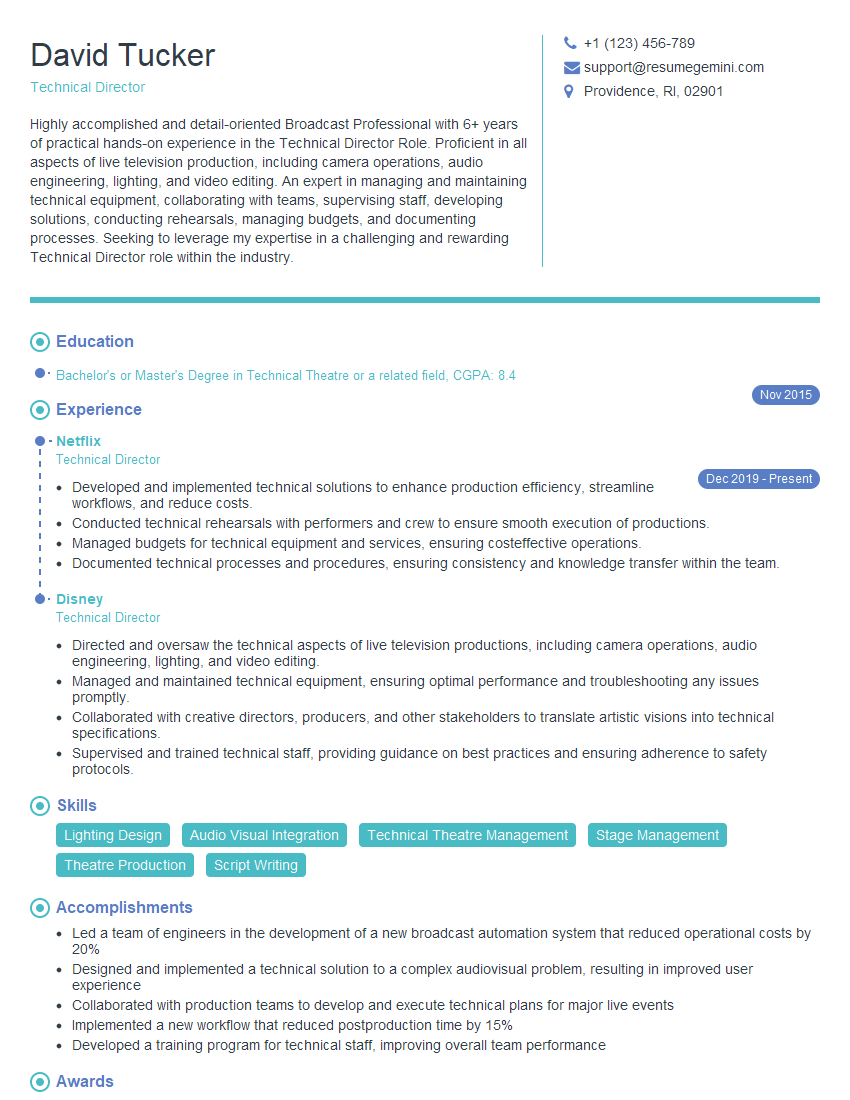
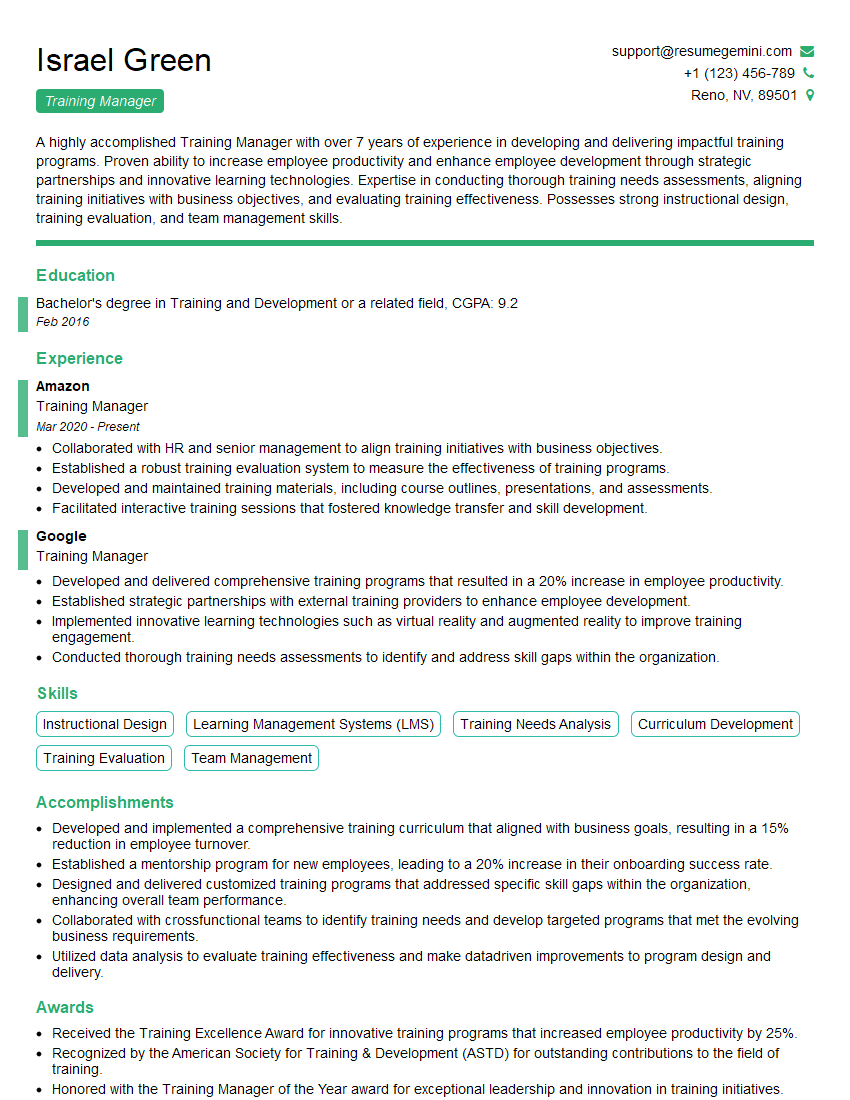
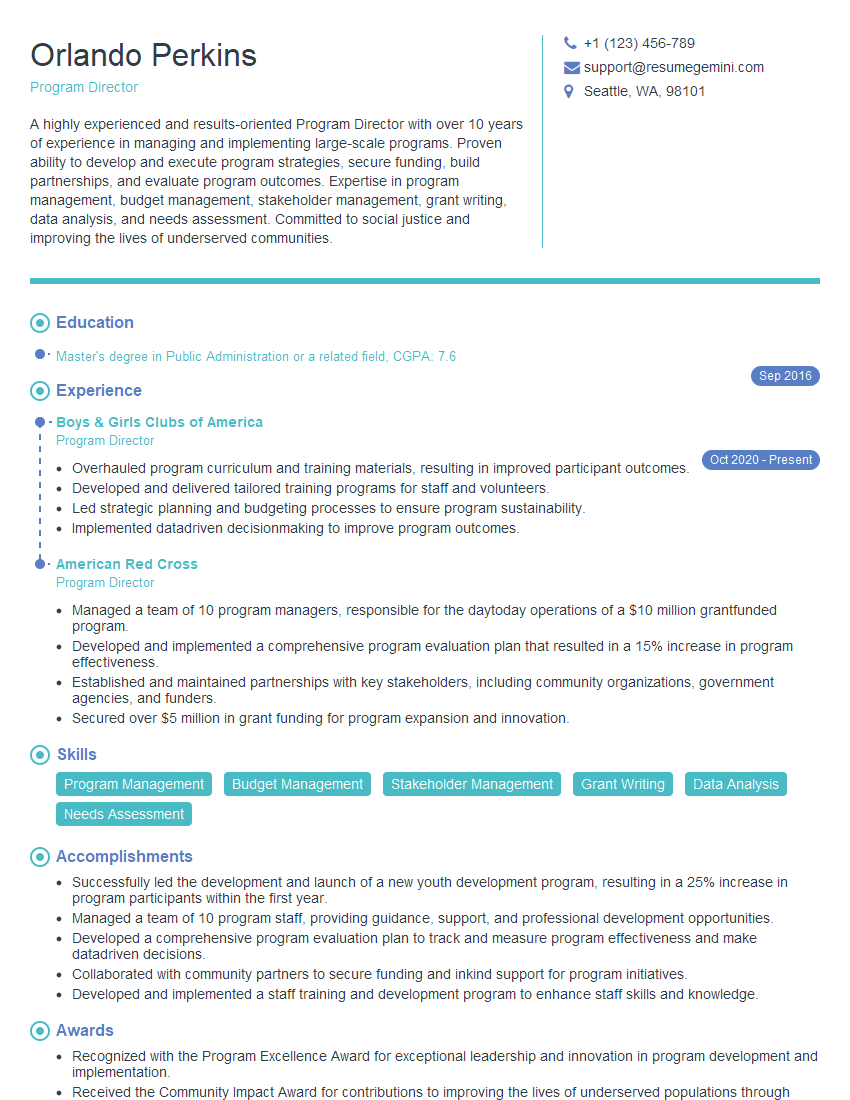
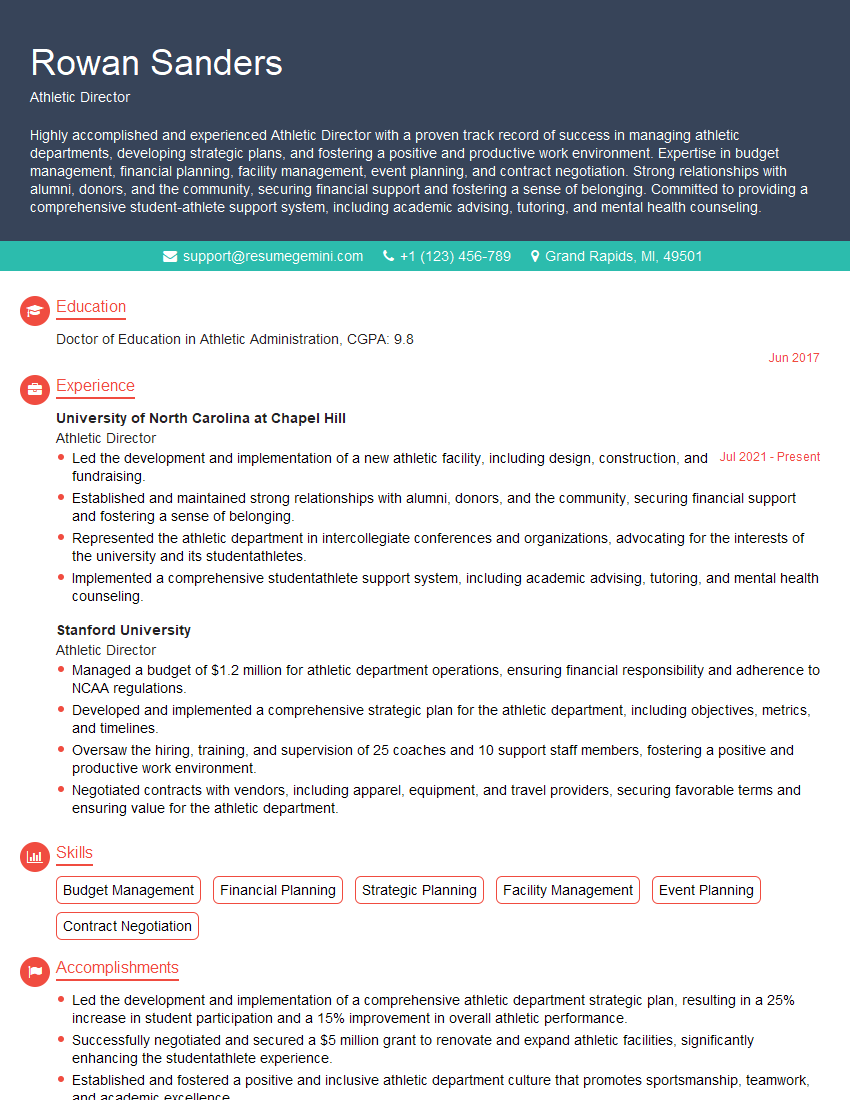
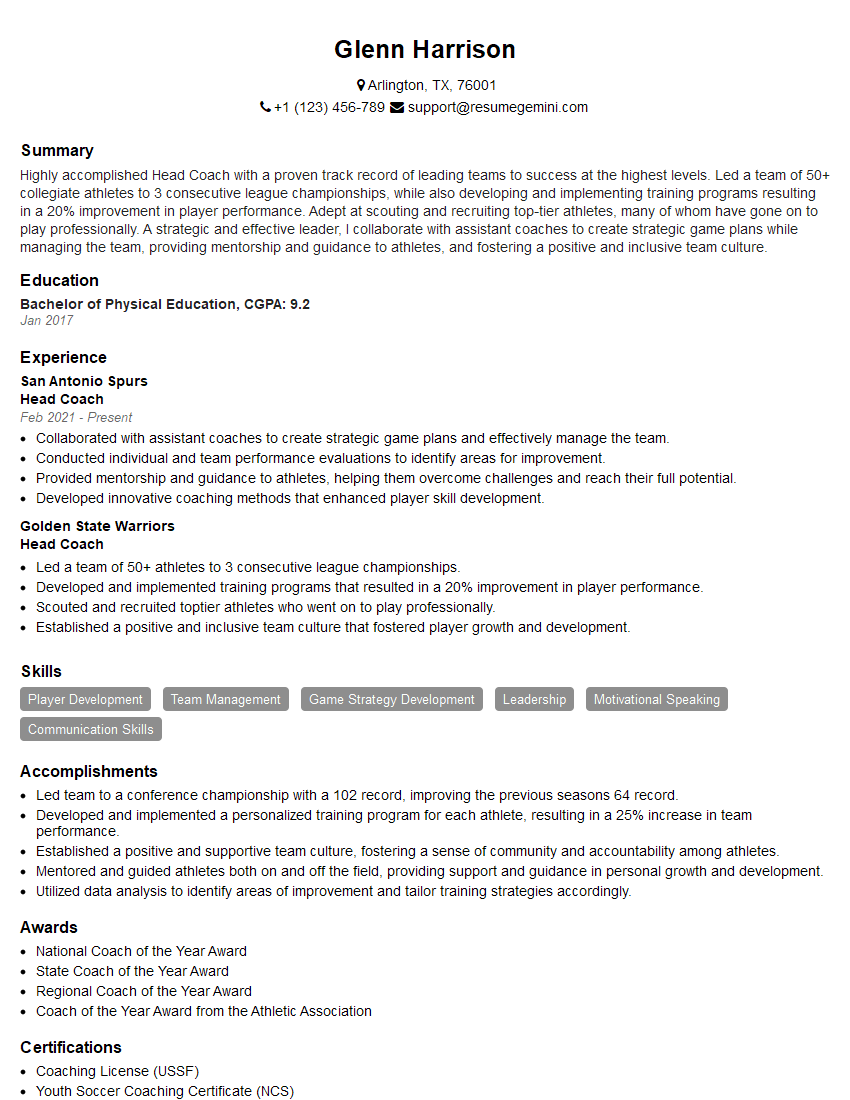
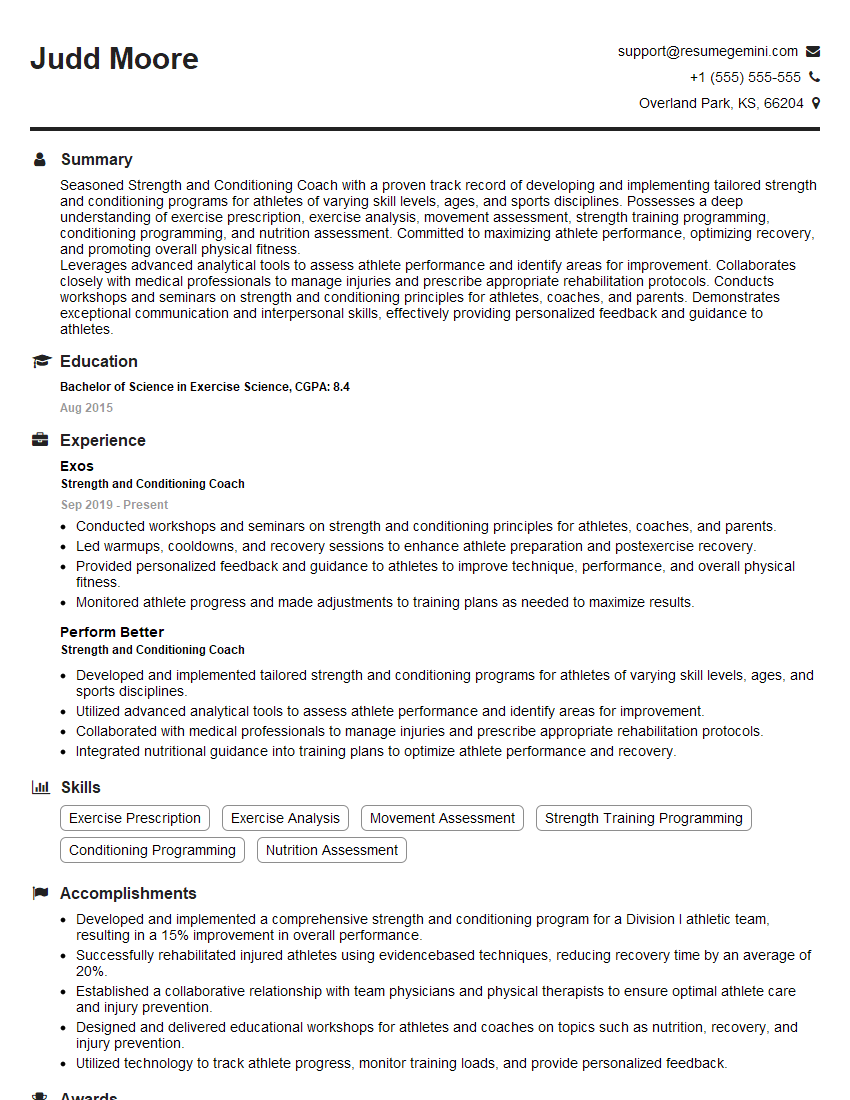
Mastering the art of mentoring and developing assistant coaches is crucial for career advancement in leadership and management roles. It demonstrates your ability to build high-performing teams and cultivate talent within an organization. To significantly boost your job prospects, creating an ATS-friendly resume is essential. This will ensure your application gets noticed by recruiters and hiring managers. We highly recommend using ResumeGemini to build a professional and impactful resume. ResumeGemini offers a streamlined process and provides examples of resumes tailored to Mentoring and Developing Assistant Coaches, helping you present your skills and experience effectively.
Explore more articles
Users Rating of Our Blogs
Share Your Experience
We value your feedback! Please rate our content and share your thoughts (optional).
What Readers Say About Our Blog
Very informative content, great job.
good