The thought of an interview can be nerve-wracking, but the right preparation can make all the difference. Explore this comprehensive guide to Mentoring and Guiding Players interview questions and gain the confidence you need to showcase your abilities and secure the role.
Questions Asked in Mentoring and Guiding Players Interview
Q 1. Describe your approach to identifying a player’s strengths and weaknesses.
Identifying a player’s strengths and weaknesses is a multifaceted process that goes beyond simply observing their performance. It involves a combination of direct observation, data analysis, and insightful conversations.
Direct Observation: I carefully watch players during training sessions and matches, noting their technical skills, tactical awareness, physical abilities, and mental fortitude. For instance, I might observe a player consistently making accurate passes but struggling with their shooting accuracy.
Data Analysis: Utilizing performance metrics – such as passing completion rate, shots on goal, tackles won, or error rates – provides quantifiable data to support observations. This helps to identify areas needing improvement and confirm initial impressions. For example, a low passing completion rate might suggest the need for improved technique or decision-making.
Insightful Conversations: I conduct regular one-on-one meetings with players, fostering open communication. These conversations explore their self-perception, their aspirations, and their challenges. This allows players to identify their own strengths and weaknesses, offering a valuable perspective.
By combining these methods, I create a comprehensive profile of each player, highlighting both their areas of excellence and those requiring focused development.
Q 2. How do you tailor your mentoring style to different player personalities?
My mentoring style is highly adaptable, recognizing that players respond differently to various approaches. I utilize different communication styles based on individual player personalities.
Visual Learners: For players who learn best through visual aids, I use diagrams, videos, and demonstrations to illustrate concepts and techniques. I might show a video of a successful tackle to illustrate proper technique.
Auditory Learners: With auditory learners, I emphasize verbal explanations, discussions, and feedback. This involves detailed explanations and regular check-ins, ensuring understanding.
Kinesthetic Learners: For those who learn by doing, I incorporate hands-on practice and drills into our sessions. I might focus on repetitive practice to improve technique.
Personality Types: I also adapt to different personality types. For example, a more introverted player might benefit from quieter, more reflective coaching sessions, while an extroverted player might thrive in a more collaborative and interactive environment. This means carefully tailoring feedback and communication to their preferences.
This personalized approach ensures that each player receives the support and guidance that best suits their learning style and personality, maximizing the effectiveness of the mentoring process.
Q 3. Explain your process for setting realistic goals for player development.
Setting realistic goals is crucial for player development. It’s about creating a path to improvement that is both challenging and achievable. My process involves:
Collaborative Goal Setting: I work closely with each player to define their goals. This ensures buy-in and commitment. We discuss both short-term (e.g., improving passing accuracy by 10% in the next month) and long-term (e.g., becoming a starting player in the team) objectives.
SMART Goals: I use the SMART framework – Specific, Measurable, Achievable, Relevant, and Time-bound – to ensure goals are well-defined and trackable. A vague goal like “improve my game” is less effective than “increase my average shots on goal from 2 to 4 per game within 2 months”.
Skill Assessment: I base the goals on a thorough assessment of the player’s current skill level, identifying areas for growth and setting achievable milestones. This ensures the goals are both challenging and attainable, avoiding demotivation.
Regular Review and Adjustment: Goals are not static; I regularly review progress with players, making adjustments as needed. This ensures the goals remain relevant and motivating throughout the development process.
This ensures that the process of goal-setting remains collaborative, encouraging ownership and commitment.
Q 4. How do you measure the effectiveness of your mentoring strategies?
Measuring the effectiveness of mentoring strategies is vital to ensure continuous improvement. I employ a range of methods:
Performance Data: Tracking performance metrics (as mentioned previously) provides objective evidence of improvement in specific areas. For example, an increase in passing accuracy or a decrease in error rate demonstrates progress.
Player Self-Assessment: Regular feedback sessions allow players to reflect on their progress and identify their own improvements. This gives a subjective perspective complementary to the objective data.
Coach and Team Feedback: I seek feedback from other coaches and teammates to gain a broader understanding of the player’s development. This offers diverse perspectives and can reveal areas I might have overlooked.
Goal Achievement: The extent to which a player achieves their defined goals is a primary indicator of success. Reaching milestones reinforces positive behavior and motivates further development.
By combining these methods, I obtain a holistic picture of mentoring effectiveness, identifying what works well and areas requiring refinement.
Q 5. What techniques do you use to provide constructive feedback to players?
Providing constructive feedback is an art. I prioritize a positive and supportive environment while addressing areas for improvement.
Focus on Behavior, Not Personality: I focus feedback on specific actions and behaviors rather than making personal judgments. Instead of saying “You’re lazy,” I might say, “I noticed you weren’t fully engaged in the last drill. Let’s discuss how we can improve your focus.”
Specific and Actionable Feedback: Feedback should be concrete and detailed, offering clear steps for improvement. Instead of saying “improve your shooting”, I might say, “Focus on your follow-through during your shooting motion. Let’s work on that individually after practice.”
Positive Reinforcement: I start by acknowledging strengths and positive aspects before addressing weaknesses. This creates a receptive environment and avoids demoralization.
Two-Way Conversation: I encourage a dialogue, allowing players to share their perspectives and ask clarifying questions. This fosters understanding and ownership of the feedback.
Timely Feedback: I deliver feedback promptly after an event, while the details are still fresh in the player’s mind, maximizing its impact.
The goal is to create a safe space for players to receive feedback and actively use it to enhance their performance.
Q 6. Describe a time you had to address a conflict between players. What was your approach?
I once had to address a conflict between two players who were competing for the same position on the team. One felt the other was receiving preferential treatment, leading to tension and poor team dynamics.
My approach involved:
Individual Meetings: I met with each player separately to understand their perspectives, concerns, and feelings without judgment. This helped uncover the root cause of the conflict, avoiding premature conclusions.
Facilitation, Not Arbitration: In a joint meeting, I facilitated a discussion, encouraging open and honest communication. I guided them to express their feelings and understand each other’s viewpoints without interrupting or taking sides.
Focus on Shared Goals: I shifted the focus from personal competition to the team’s shared goals. We discussed how their individual contributions were essential to the team’s success and emphasized the importance of mutual support.
Setting Expectations: We established clear expectations for professional conduct, emphasizing teamwork and respect. We created an action plan to improve communication and collaboration between them.
Follow-Up and Monitoring: After the meeting, I regularly checked in with both players to monitor progress, offer support, and address any emerging issues. This helped prevent the conflict from resurfacing.
The key was to create a safe and neutral space for them to express themselves, understand each other’s perspectives, and work towards a resolution that benefited both individuals and the team as a whole.
Q 7. How do you motivate players who are struggling or experiencing setbacks?
Motivating struggling players requires empathy, patience, and a focus on building confidence.
Identify the Root Cause: I begin by understanding why the player is struggling. Is it a lack of skill, confidence issues, personal problems, or something else? This directs the support accordingly.
Positive Reinforcement: Focusing on their strengths and past successes reminds players of their capabilities. This helps rebuild confidence and reinforces the belief in their potential for improvement.
Break Down Tasks: Overwhelming tasks can be daunting. Breaking down large goals into smaller, manageable steps creates a sense of accomplishment and builds momentum.
Provide Support and Guidance: Offer practical strategies, techniques, and resources to help them overcome challenges. This could involve extra coaching sessions, personalized training plans, or access to sports psychologists.
Celebrate Small Wins: Acknowledging and celebrating even minor achievements helps reinforce positive behaviors and boosts morale. It shows progress and motivates further effort.
Focus on Process, Not Just Outcome: Emphasize the importance of effort, learning, and improvement, not just the final result. This shifts the focus from potential failure to consistent effort and learning.
The goal is to nurture their self-belief and create a positive and supportive environment where they feel empowered to overcome their setbacks.
Q 8. How do you handle situations where players are resistant to your guidance?
Resistance to guidance is common, especially when players feel their methods are effective, or they perceive feedback as criticism. My approach is built on understanding the root cause of the resistance. I start by actively listening to their perspective and validating their feelings. This builds trust and opens a dialogue.
Next, I frame my guidance not as directives, but as suggestions for improvement. I might say something like, ‘I’ve noticed you’re using X technique. Have you considered trying Y? It might help with Z.’ This collaborative approach encourages exploration rather than imposition. If the resistance persists, I might involve a peer mentor or coach to provide a different perspective. Ultimately, my goal is to empower the player to make informed choices, even if those choices aren’t initially what I’d suggested.
For example, I once worked with a young goalkeeper who resisted my advice on footwork. After careful listening, I discovered he felt his current technique was perfectly adequate. Instead of forcing the issue, I offered a video analysis session showing him subtle improvements in his positioning that would reduce reaction time. Seeing concrete evidence of the benefits, he embraced the new technique far more readily.
Q 9. Describe your experience in creating and delivering training programs for players.
I’ve designed and delivered various training programs focusing on different aspects of player development, from technical skills to strategic thinking and team dynamics. My approach centers around a needs assessment, identifying skill gaps and learning objectives specific to the players’ current level. For example, I designed a program focusing on decision-making under pressure for a youth soccer team. This involved realistic game simulations, video analysis of successful and unsuccessful plays, and role-playing scenarios to practice communication and strategic thinking.
My training programs incorporate a blended learning approach using online modules, interactive exercises, and practical drills. I use various teaching methods, including demonstration, observation, feedback, and individualized coaching to cater to diverse learning styles. I always ensure the sessions are interactive and engaging, incorporating games and challenges to maintain motivation. Feedback mechanisms are integral, allowing me to tailor the program and track player progress effectively. Post-training evaluations and follow-up sessions reinforce learning and ensure continuous improvement.
Q 10. How do you foster a positive and supportive learning environment for players?
Creating a positive learning environment is paramount. It begins with fostering a culture of respect, trust, and open communication. I encourage players to express their thoughts and concerns without fear of judgment. This involves actively listening to their feedback, acknowledging their efforts, and celebrating successes, both big and small.
I actively promote psychological safety by setting clear expectations, providing constructive feedback, and offering support when players encounter challenges. I use positive reinforcement techniques to encourage progress and build confidence. For instance, I praise effort and improvement, even if the final outcome isn’t perfect. I also encourage peer-to-peer support and learning by using team-based activities and group discussions. This not only helps to build camaraderie, but also allows players to learn from each other.
Regular check-ins and informal chats further enhance the positive learning environment. These casual conversations are fantastic opportunities to address concerns, provide encouragement, and build rapport, which ultimately contributes to a supportive and productive learning atmosphere.
Q 11. What strategies do you use to encourage teamwork and collaboration among players?
Encouraging teamwork and collaboration is vital for success. I utilize various strategies to achieve this. First, I design activities that necessitate collaborative problem-solving and shared responsibility. For example, I might use escape room-style challenges that require players to leverage their unique skills and work together to achieve a common goal.
Furthermore, I emphasize the importance of communication and shared decision-making. During training sessions, I facilitate discussions and encourage players to actively contribute their ideas. I model effective communication myself and provide constructive feedback on communication skills. I also utilize team-building exercises designed to strengthen interpersonal relationships and promote mutual understanding. The use of shared goals and recognition of collective achievements fosters a sense of unity and interdependence among team members.
Regular feedback sessions focused on team dynamics help identify areas for improvement. This collaborative reflection allows the players to analyze their interactions, acknowledge strengths, and strategize for addressing weaknesses. This continuous improvement process is key to building a high-performing, collaborative team.
Q 12. How do you adapt your mentoring approach to different age groups or skill levels?
Adapting my approach to different age groups and skill levels is crucial. Younger players, for example, often require more hands-on guidance and simpler explanations. I use age-appropriate language, demonstrations, and games to maintain engagement. With older players or those with higher skill levels, I can focus on more complex concepts and encourage independent problem-solving. I might use advanced drills, video analysis, or strategic discussions to challenge them.
For instance, while teaching dribbling techniques to younger players, I might focus on basic footwork and ball control through engaging games. With older players, I might explore advanced dribbling maneuvers, including fakes and changes of pace, incorporating video analysis to improve technique. Similarly, my communication style adjusts to the maturity and experience level of the player. I would have a more direct and instructional approach with younger players, whereas older players benefit from more open dialogue and collaborative problem-solving.
Regular assessment of individual player progress is crucial for tailored support. This allows me to identify their strengths and weaknesses and adjust my mentoring strategy to ensure each player is receiving the right level of challenge and support.
Q 13. Describe your experience using technology to enhance player development.
Technology plays a significant role in modern player development. I extensively use video analysis software to review game footage, identifying strengths and weaknesses in individual performance and team dynamics. This allows for detailed feedback and targeted coaching. For example, I might use slow-motion playback to analyze a player’s shooting technique or highlight tactical errors during a match.
Online platforms and apps offer excellent tools for personalized training programs and progress tracking. Players can access training schedules, exercises, and educational resources anytime, anywhere. Furthermore, I utilize data analytics to track player performance metrics, allowing me to make data-driven decisions regarding training plans and player development strategies.
Virtual reality (VR) and augmented reality (AR) technologies offer immersive training experiences that simulate real-game scenarios. Players can practice skills in a safe and controlled environment, improving their decision-making abilities and reaction time under pressure.
Q 14. How do you ensure players understand and adhere to team rules and regulations?
Ensuring players understand and adhere to team rules and regulations starts with clear communication. I make sure all rules are clearly defined, easily accessible (perhaps in a team handbook), and regularly reviewed with players. This isn’t a one-time explanation but an ongoing process integrated into team meetings and discussions.
I emphasize the reasons behind each rule, explaining how they contribute to team success, fair play, and a positive team environment. Instead of focusing solely on punishment, I prioritize education and understanding. For example, I might discuss the importance of respecting teammates and opponents, explaining how negative behavior can impact morale and performance.
Consistent enforcement is vital. Fair and consistent application of consequences for rule violations reinforces their importance and maintains a sense of equity within the team. Open communication channels allow players to express concerns or ask for clarification without fear of reprisal. This proactive approach ensures everyone understands the rules, values them, and contributes to a well-managed and successful team.
Q 15. What is your approach to managing player expectations?
Managing player expectations is crucial for a positive and productive mentoring relationship. My approach involves a three-step process: Setting clear expectations, Open communication, and Regular feedback.
Setting clear expectations begins with a thorough discussion of goals, roles, and responsibilities. This includes outlining realistic timelines and milestones, acknowledging potential challenges, and collaboratively defining success metrics. For example, if a player aims to improve their shooting accuracy in basketball, we’d define a specific percentage improvement target within a set timeframe, along with the practice drills needed to achieve it.
Open communication is paramount. I encourage players to share their concerns, progress, and setbacks regularly. This creates a safe space for honest dialogue, preventing misunderstandings and addressing issues proactively. I use regular check-ins and informal conversations to ensure everyone stays on the same page.
Regular feedback forms the third pillar. This isn’t just about highlighting shortcomings; it’s about providing constructive criticism coupled with positive reinforcement. I focus on specific behaviors and their impact, offering suggestions for improvement while celebrating achievements, no matter how small. For instance, instead of saying ‘Your shooting is poor,’ I might say, ‘I noticed your follow-through is inconsistent. Let’s work on that using this specific drill, and I’m confident you’ll see improvements.’
Career Expert Tips:
- Ace those interviews! Prepare effectively by reviewing the Top 50 Most Common Interview Questions on ResumeGemini.
- Navigate your job search with confidence! Explore a wide range of Career Tips on ResumeGemini. Learn about common challenges and recommendations to overcome them.
- Craft the perfect resume! Master the Art of Resume Writing with ResumeGemini’s guide. Showcase your unique qualifications and achievements effectively.
- Don’t miss out on holiday savings! Build your dream resume with ResumeGemini’s ATS optimized templates.
Q 16. How do you address issues related to player discipline or misconduct?
Addressing player discipline or misconduct requires a fair, consistent, and supportive approach. I believe in a restorative justice model, focusing on understanding the root cause of the behavior rather than simply punishing the player. My process involves:
- Understanding the situation: Gathering all facts from multiple perspectives before jumping to conclusions.
- Private discussion: Addressing the issue privately with the player, allowing them to explain their actions and express remorse.
- Collaborative solution: Working together to develop a plan to address the behavior, focusing on behavioral change and accountability. This might involve setting consequences, recommending resources, or developing a mentorship plan to address underlying issues.
- Consistent application: Ensuring consistent application of rules and consequences across all players to avoid perceptions of unfairness.
- Follow-up and support: Regularly checking in with the player to monitor progress and provide ongoing support.
For instance, if a player consistently arrives late to practice, I’d discuss the impact this has on the team and the player’s own development, then collaboratively create a plan that includes a structured reminder system and agreed-upon consequences for continued lateness.
Q 17. How do you build rapport and trust with players?
Building rapport and trust is fundamental to effective mentoring. I achieve this through active listening, empathy, consistency, and authenticity.
Active listening means fully focusing on what the player is saying, both verbally and nonverbally. This demonstrates respect and creates a safe space for open communication. Asking clarifying questions and summarizing their points ensures I understand their perspective fully.
Empathy is about understanding and sharing the player’s feelings and experiences. Putting myself in their shoes helps me connect with them on a deeper level and respond with sensitivity and understanding.
Consistency is crucial in building trust. Being reliable, following through on commitments, and maintaining fairness build credibility and fosters a sense of security.
Authenticity means being genuine and transparent. Sharing my own experiences (where appropriate) helps create a more relatable and human connection. Players can better connect with a mentor who is honest and open about their strengths and weaknesses.
Q 18. Describe your experience working with diverse groups of players.
I have extensive experience working with diverse groups of players, encompassing different ages, skill levels, cultural backgrounds, and personalities. My approach is rooted in recognizing and valuing individual differences. I adapt my communication style and mentoring strategies to accommodate the unique needs and preferences of each player.
For example, I’ve mentored young athletes from various cultural backgrounds, adapting my communication to ensure clear understanding and respecting their cultural norms. I also worked with a team of players with vastly different skill levels, creating individualized training plans to address their specific needs and fostering a supportive environment where everyone feels valued and respected. I make sure to leverage the strengths of each individual to build a cohesive and effective team.
Understanding and respecting diversity is essential in fostering a positive and inclusive learning environment where every player can thrive.
Q 19. How do you maintain confidentiality when dealing with sensitive player information?
Maintaining confidentiality is paramount in my role. I adhere strictly to ethical guidelines and any organizational policies regarding the handling of sensitive player information. This includes:
- Only accessing necessary information: I only access information directly relevant to my mentoring responsibilities.
- Secure storage of information: I store all sensitive information securely, using appropriate password protection and adhering to data privacy regulations.
- Limited disclosure: I only disclose information when legally required or with the player’s explicit consent.
- Confidentiality agreements: Where appropriate, I utilize confidentiality agreements to reinforce the importance of protecting player information.
I emphasize the importance of confidentiality to players from the outset of our relationship, creating a culture of trust and ensuring they feel comfortable sharing information without fear of it being disclosed inappropriately.
Q 20. How do you prioritize player development needs in a time-constrained environment?
Prioritizing player development needs in a time-constrained environment requires efficient planning and strategic allocation of resources. My approach involves:
- Needs assessment: Conducting a thorough assessment of each player’s individual needs and development goals.
- Prioritization: Identifying the most critical development areas and prioritizing those accordingly.
- Goal setting: Setting SMART (Specific, Measurable, Achievable, Relevant, Time-bound) goals to ensure focused effort.
- Efficient training strategies: Implementing efficient training methods and utilizing technology to maximize the impact of limited time.
- Regular monitoring and adjustment: Regularly monitoring progress and adjusting the plan as needed to adapt to changing circumstances.
For example, if I have limited time with a group of players, I might focus on a core set of fundamental skills first, using group training for efficiency, then offer individualized attention to address specific needs during smaller training sessions or through tailored feedback and exercises.
Q 21. How do you handle criticism or feedback from players or stakeholders?
Handling criticism or feedback from players or stakeholders requires a mature and professional approach. My strategy includes:
- Active listening: Listening carefully to the feedback without interrupting or becoming defensive.
- Seeking clarification: Asking clarifying questions to ensure I fully understand the feedback.
- Validation: Acknowledging the feedback and validating the person’s feelings and concerns.
- Addressing the issues: Addressing the issues raised in a constructive manner, explaining my rationale and taking appropriate action.
- Follow-up: Following up with the person to demonstrate my commitment to addressing the feedback and maintaining a positive relationship.
Even if the feedback is critical, I view it as an opportunity to improve. I try to learn from every interaction and use it to enhance my skills and approach. If necessary, I might seek guidance from supervisors or colleagues to ensure I’m taking the best course of action. My goal is to use feedback as a tool for growth and improvement.
Q 22. Describe your experience in documenting player progress and development.
Documenting player progress is crucial for effective mentoring. I utilize a multi-faceted approach, combining quantitative and qualitative data. Quantitatively, I track key performance indicators (KPIs) relevant to the player’s goals – this might include win rates, accuracy scores, or completion times depending on the game or activity. I record this data in spreadsheets or dedicated performance tracking software. Qualitative data, equally important, captures the player’s growth in areas like strategic thinking, teamwork, problem-solving, and communication. This is documented through regular observation notes, feedback sessions, and self-assessments. I might use a simple rating scale (e.g., 1-5) for certain skills, supplemented by written comments detailing specific examples of their performance. This approach allows for a holistic view of a player’s journey, identifying both strengths and areas for improvement.
For instance, with a new strategy game player, I’d track their win/loss ratio, average game time, and resource management efficiency. Alongside these numbers, I’d document their understanding of core game mechanics, their ability to adapt to different opponent styles, and their overall strategic decision-making through written observations during gameplay sessions. This combined approach offers a rich and comprehensive picture of their development.
Q 23. What resources or tools do you typically use to support player development?
Supporting player development requires a toolbox of resources. I regularly use performance tracking software like [Software Name - Example], which allows for efficient data logging and analysis. I also utilize video recording and playback tools to review gameplay, offering concrete examples during feedback sessions. Besides software, I rely on curated learning materials: online tutorials, strategy guides, and relevant articles. Finally, and perhaps most importantly, I foster a supportive and collaborative learning environment. This includes facilitating peer-to-peer learning through group discussions, friendly competitions, and shared learning opportunities. Direct communication and constructive feedback are always central.
For example, I might use video recording to show a player a specific mistake they made during a match and then guide them through alternative strategies using a shared digital whiteboard or screen-sharing tools. This direct, visual method is often very effective in demonstrating improvement areas.
Q 24. How do you stay current with best practices in mentoring and guiding players?
Staying current in mentoring requires ongoing professional development. I regularly attend workshops and conferences focused on player development and coaching strategies. I actively participate in online communities and forums dedicated to mentoring and game-related topics, engaging in discussions and sharing best practices with other professionals. I also subscribe to relevant journals and publications in the field of education and psychology, which often offer insightful research into learning styles and effective teaching methods applicable to mentoring players. Finally, I continuously research emerging technologies and tools that can enhance the mentoring process, ensuring I’m always utilizing the best approaches.
This might involve attending webinars on using specific software for player analysis, or researching pedagogical approaches to adapt to different learning styles within a diverse player base. Staying updated is crucial in a dynamic field.
Q 25. Describe a time you had to modify your mentoring strategy due to unforeseen circumstances.
During a recent mentoring engagement, I encountered a player struggling significantly with anxiety related to competition. My initial strategy, focused on performance-based feedback, proved counterproductive, increasing their anxiety. I adjusted my approach by shifting focus towards building confidence and fostering a positive learning environment. This involved incorporating more relaxed, skill-focused practice sessions, emphasizing effort over immediate results, and incorporating mindfulness techniques. I also introduced peer mentoring, pairing them with a more experienced and supportive player. This modification resulted in a significant improvement in their engagement and overall performance.
This experience highlighted the importance of adaptability and recognizing that a ‘one-size-fits-all’ approach rarely works. Understanding individual player needs and adjusting accordingly is paramount.
Q 26. What are your strengths and weaknesses as a mentor?
My strengths lie in my ability to build strong rapport with players, creating a safe and trusting environment where they feel comfortable taking risks and making mistakes. I’m adept at tailoring my approach to individual learning styles and providing constructive feedback that promotes growth. My patience and empathy allow me to work effectively with players of varying skill levels and personalities. However, a weakness is occasionally getting too invested in a player’s success, sometimes blurring the line between mentor and friend. I’m actively working on setting clearer professional boundaries to avoid this.
I regularly reflect on my mentoring sessions and seek feedback from players and colleagues to identify areas for improvement and maintain a balanced and effective approach.
Q 27. How do you ensure ongoing professional development in your field?
My ongoing professional development is a continuous process. I regularly dedicate time to self-reflection and seek feedback to identify areas for improvement. Beyond conferences and workshops, I engage in peer mentoring with other professionals, exchanging experiences and best practices. I also actively participate in relevant online communities, staying up-to-date on the latest research and innovations in player development and mentoring. I aim to maintain a mindset of continuous learning and improvement, understanding that the field is constantly evolving.
This commitment to lifelong learning ensures I remain a relevant and effective mentor in the long term.
Q 28. What are your salary expectations for this role?
My salary expectations are commensurate with my experience and qualifications within the industry. Based on my research and understanding of current market rates for experienced mentors in this field, I am seeking a salary range of [Salary Range - Example]. I am, of course, open to discussing this further based on the specific responsibilities and benefits package offered.
Key Topics to Learn for Mentoring and Guiding Players Interview
- Understanding Player Psychology: Learn to identify different player personalities, motivations, and learning styles to tailor your approach effectively. Consider the impact of individual differences on learning and performance.
- Effective Communication Techniques: Master active listening, constructive feedback delivery, and motivational interviewing skills. Practice providing clear, concise, and encouraging instructions.
- Goal Setting and Progress Tracking: Develop strategies for collaboratively setting realistic and achievable goals with players, and implement methods for monitoring and celebrating progress. Understand how to adjust goals based on player performance.
- Conflict Resolution and Problem-Solving: Learn techniques for addressing disagreements and resolving conflicts constructively. Develop strategies for troubleshooting performance issues and guiding players through challenges.
- Building Rapport and Trust: Explore methods for establishing positive relationships with players based on mutual respect and understanding. Consider the importance of empathy and creating a safe learning environment.
- Adaptability and Flexibility: Understand the importance of adapting your mentoring style to different players and situations. Practice improvising and adjusting your approach based on player needs and feedback.
- Assessing Player Needs and Strengths: Develop techniques for identifying individual player strengths and weaknesses. Learn how to leverage strengths while addressing areas for improvement.
- Utilizing Feedback Mechanisms: Explore methods for gathering and utilizing player feedback to improve your mentoring effectiveness. Understand how to provide constructive criticism and solicit feedback constructively.
Next Steps
Mastering the art of mentoring and guiding players is crucial for career advancement in many fields. It demonstrates valuable leadership, communication, and interpersonal skills highly sought after by employers. To significantly boost your job prospects, crafting a strong, ATS-friendly resume is essential. ResumeGemini is a trusted resource that can help you build a professional and impactful resume tailored to highlight your abilities in mentoring and guiding players. Examples of resumes tailored to this specific skillset are available within ResumeGemini to provide you with a head start in crafting your own compelling application.
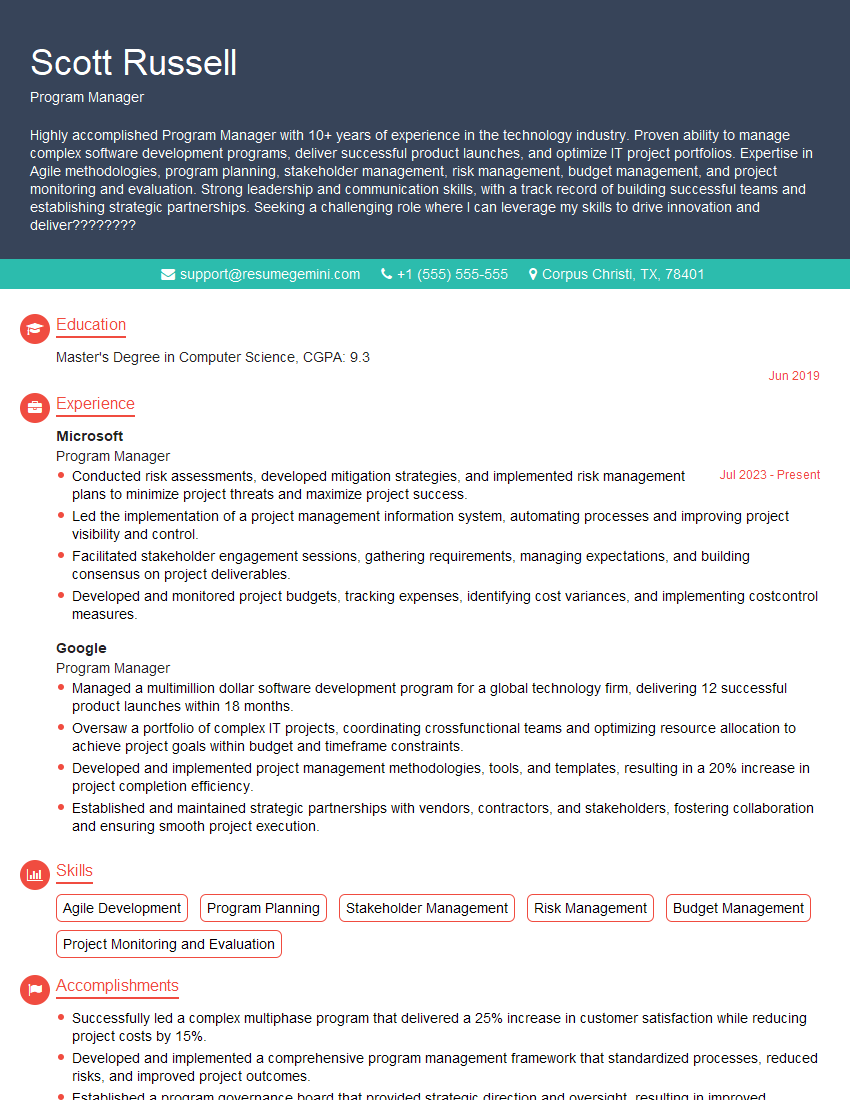
Program Manager Resume Sample
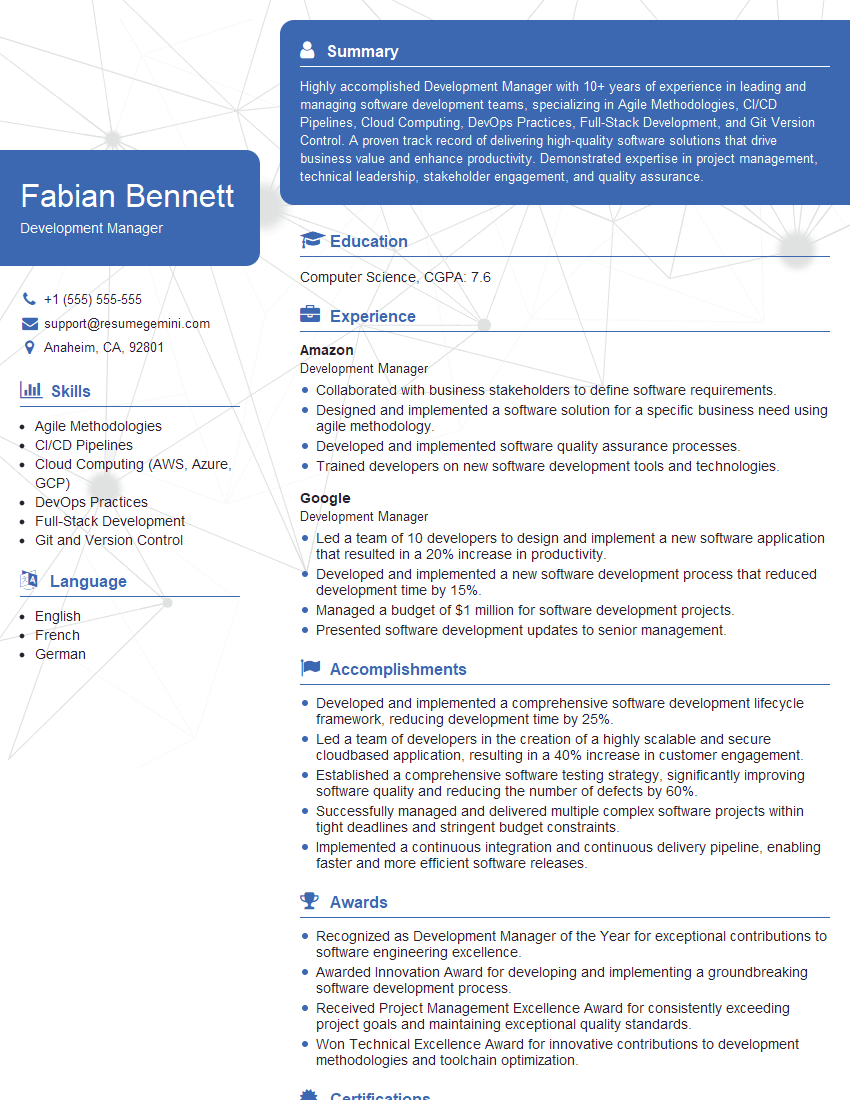
Development Manager Resume Sample
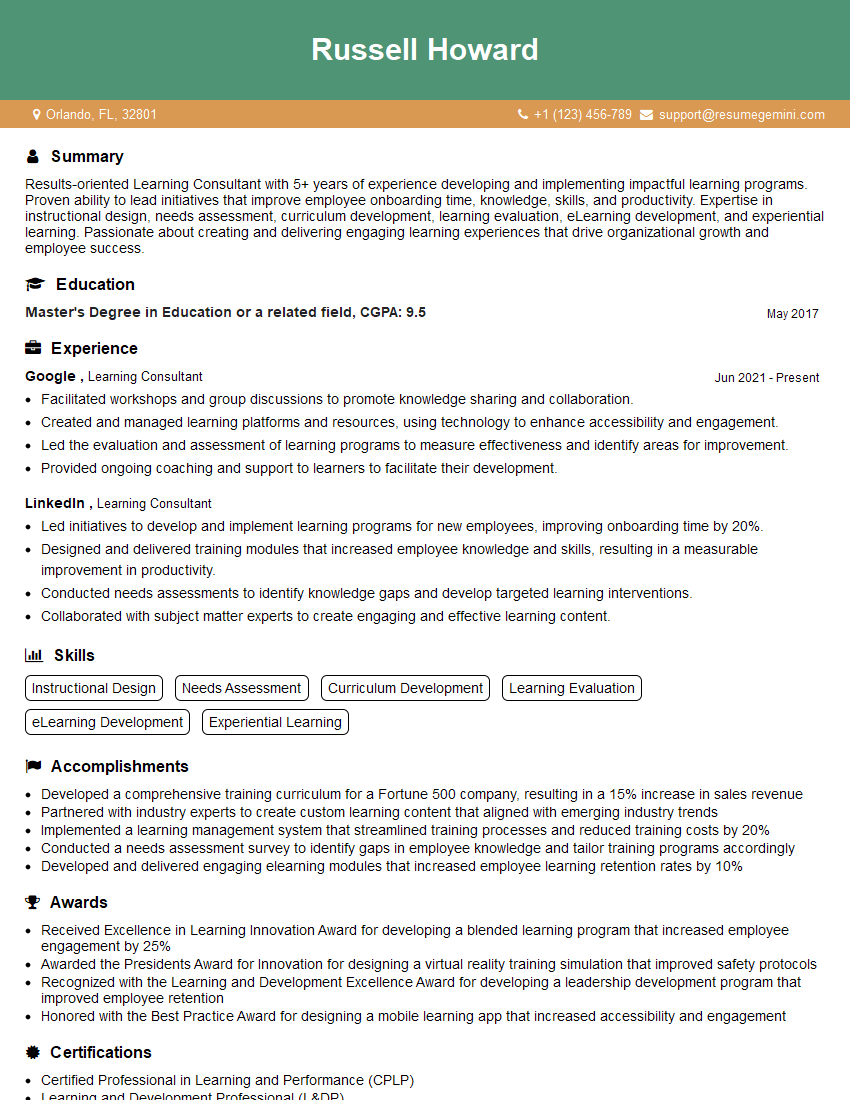
Learning Consultant Resume Sample
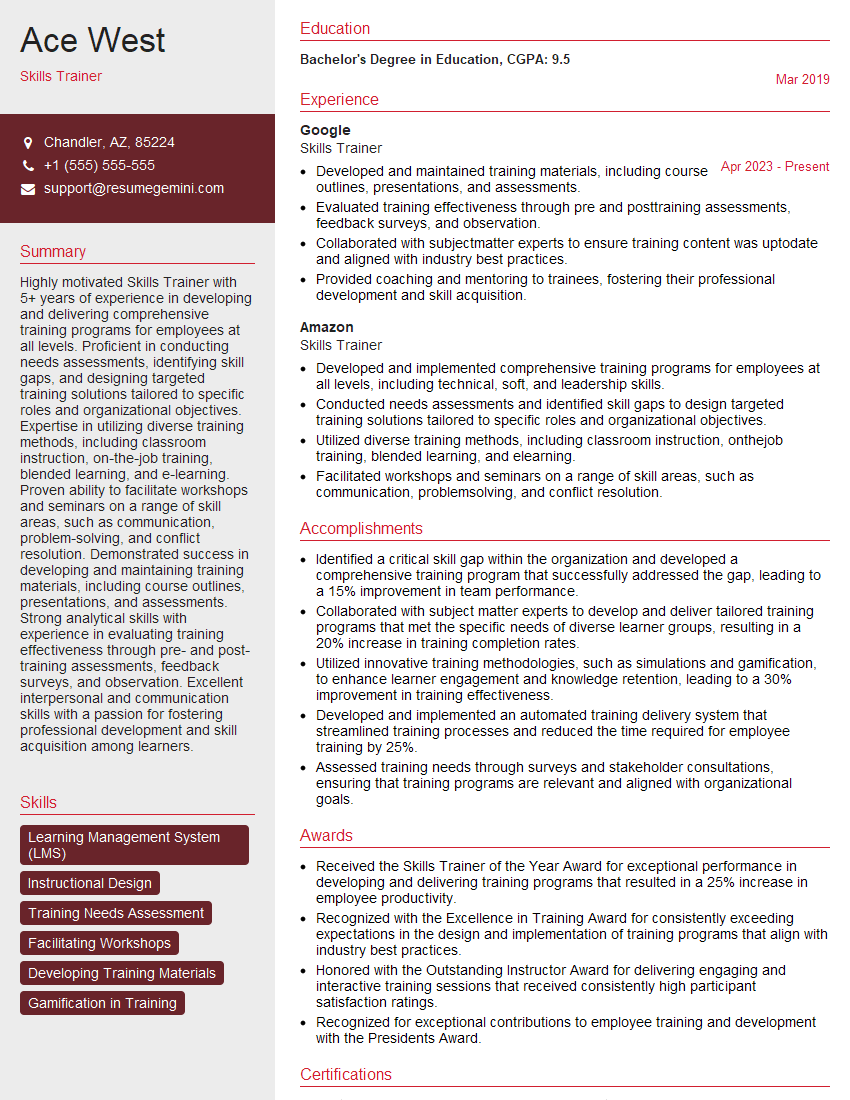
Skills Trainer Resume Sample
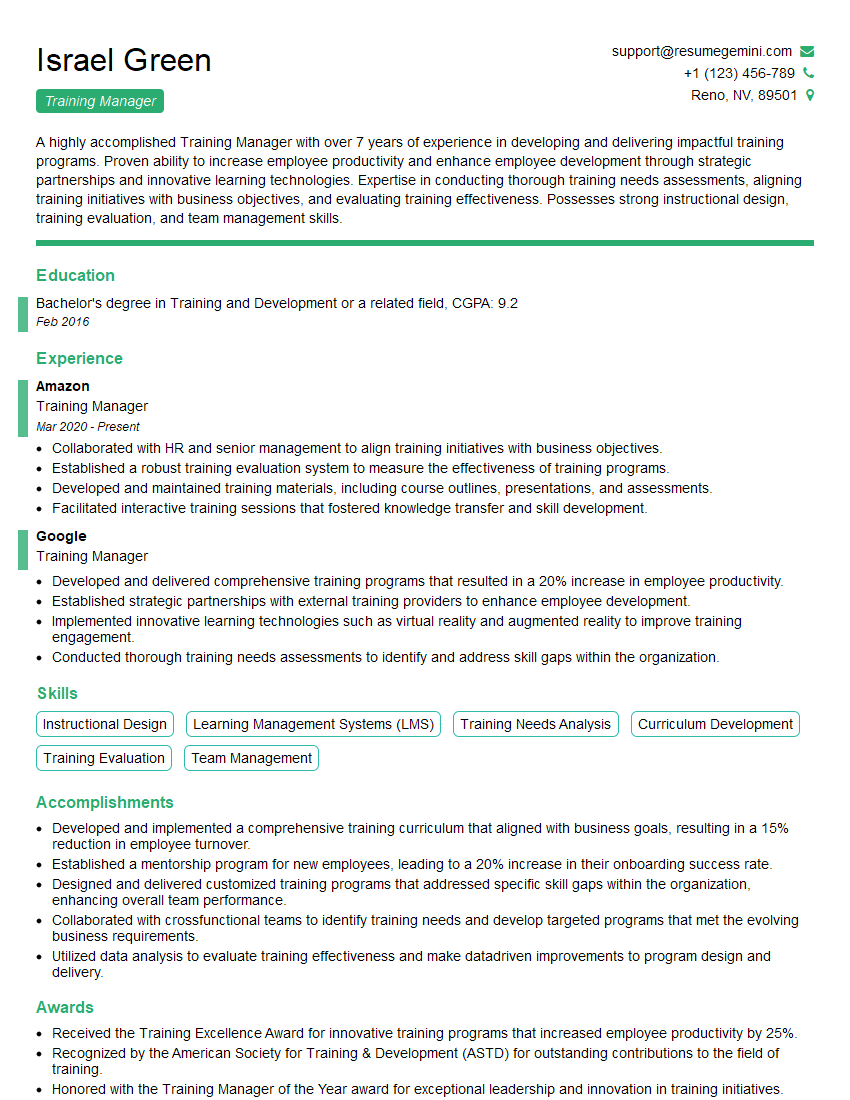
Training Manager Resume Sample
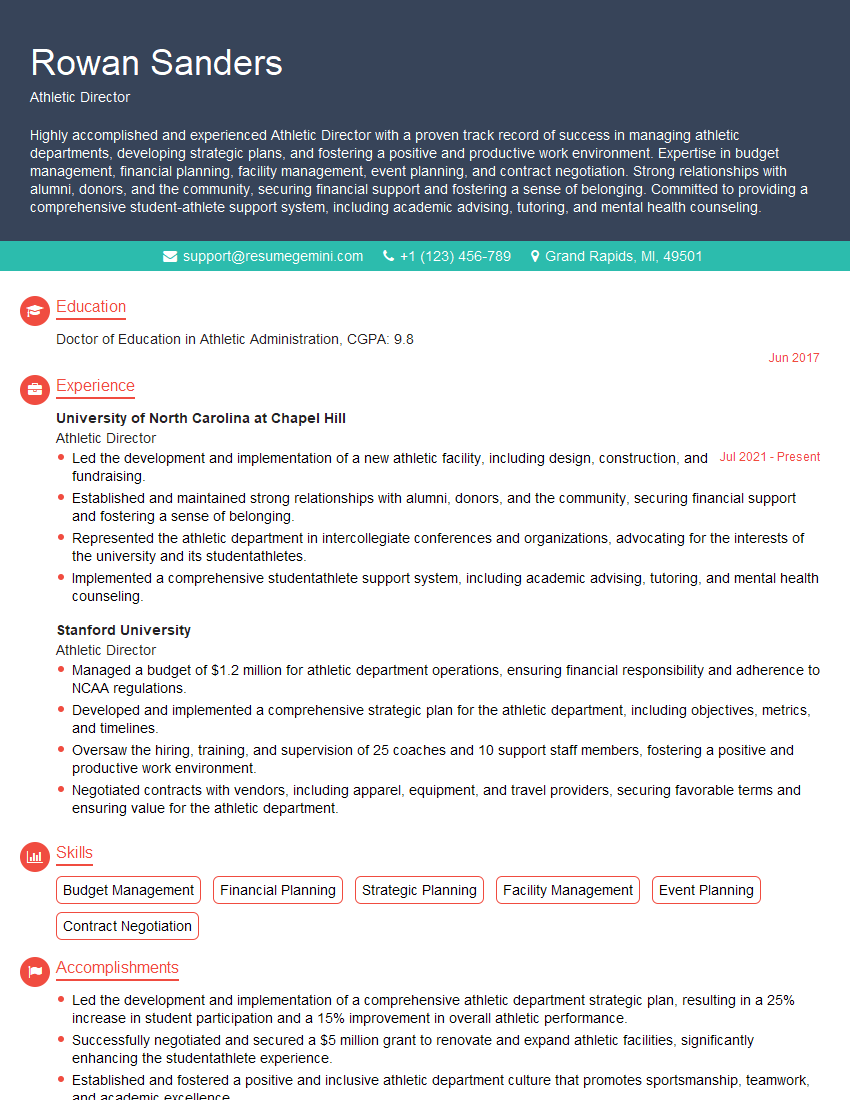
Athletic Director Resume Sample
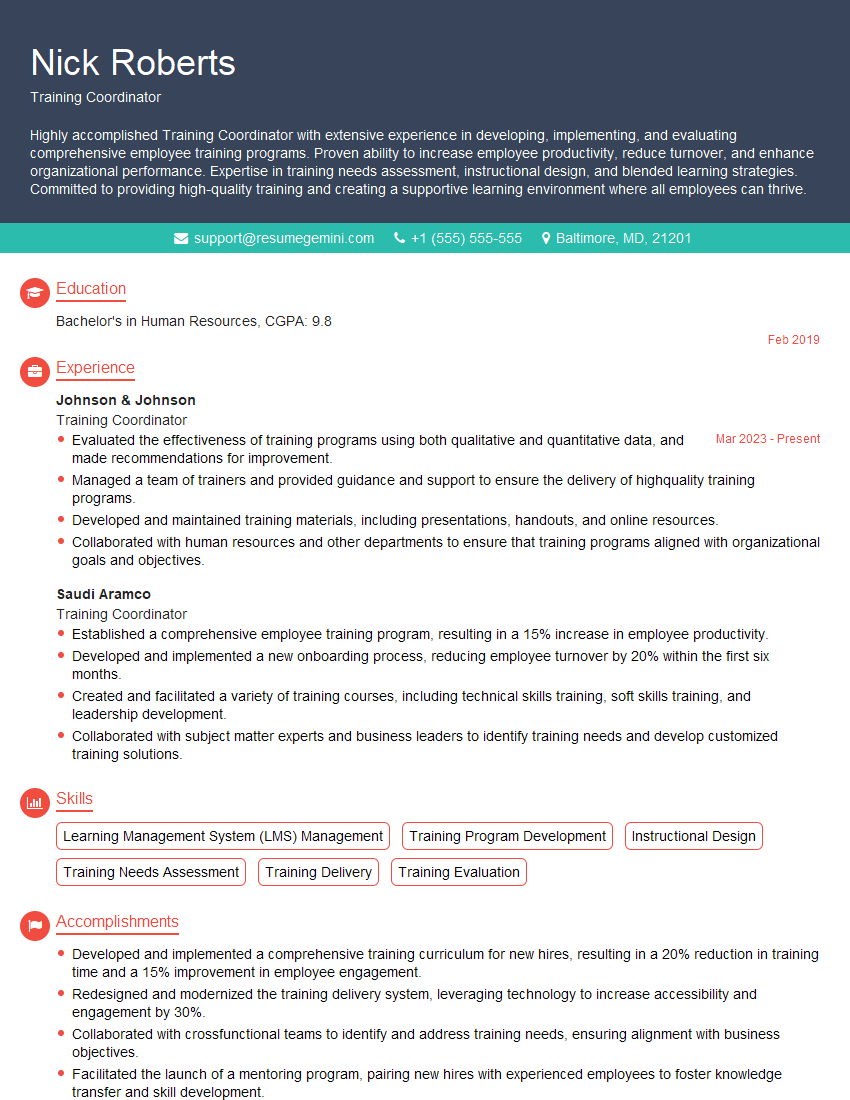
Training Coordinator Resume Sample
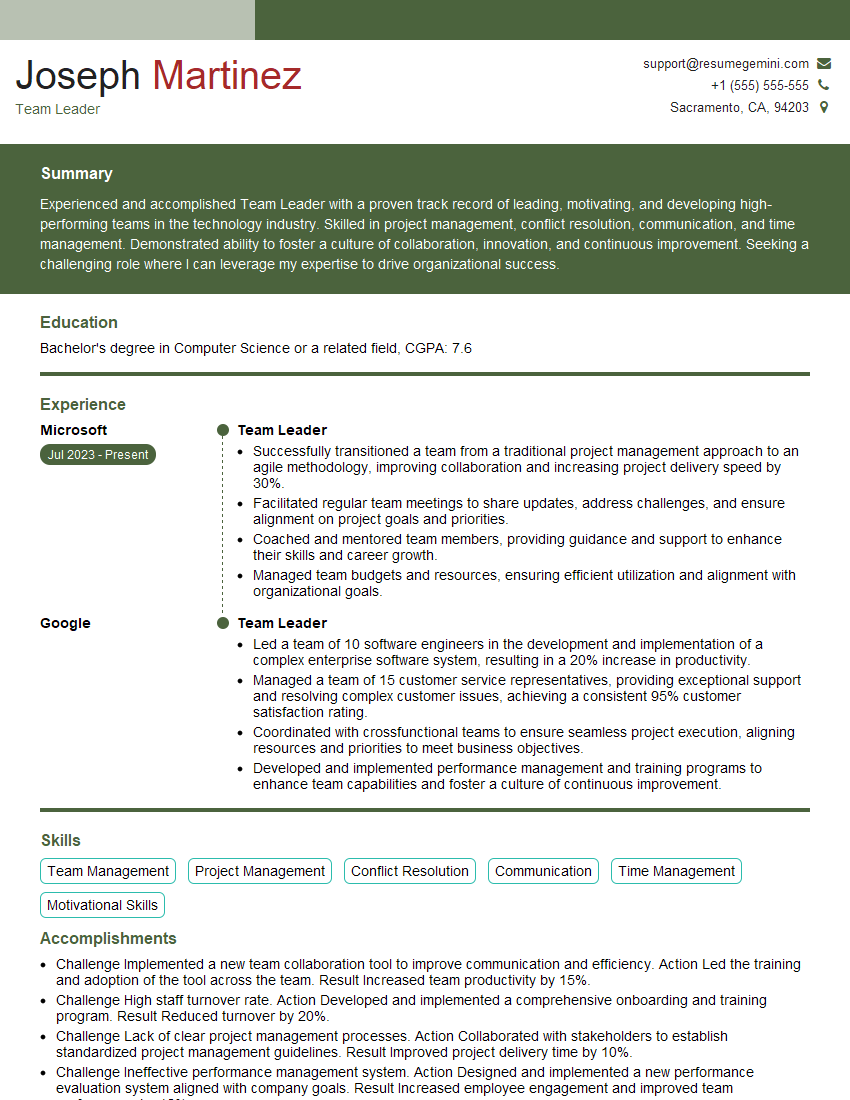
Team Leader Resume Sample

Curriculum Developer Resume Sample
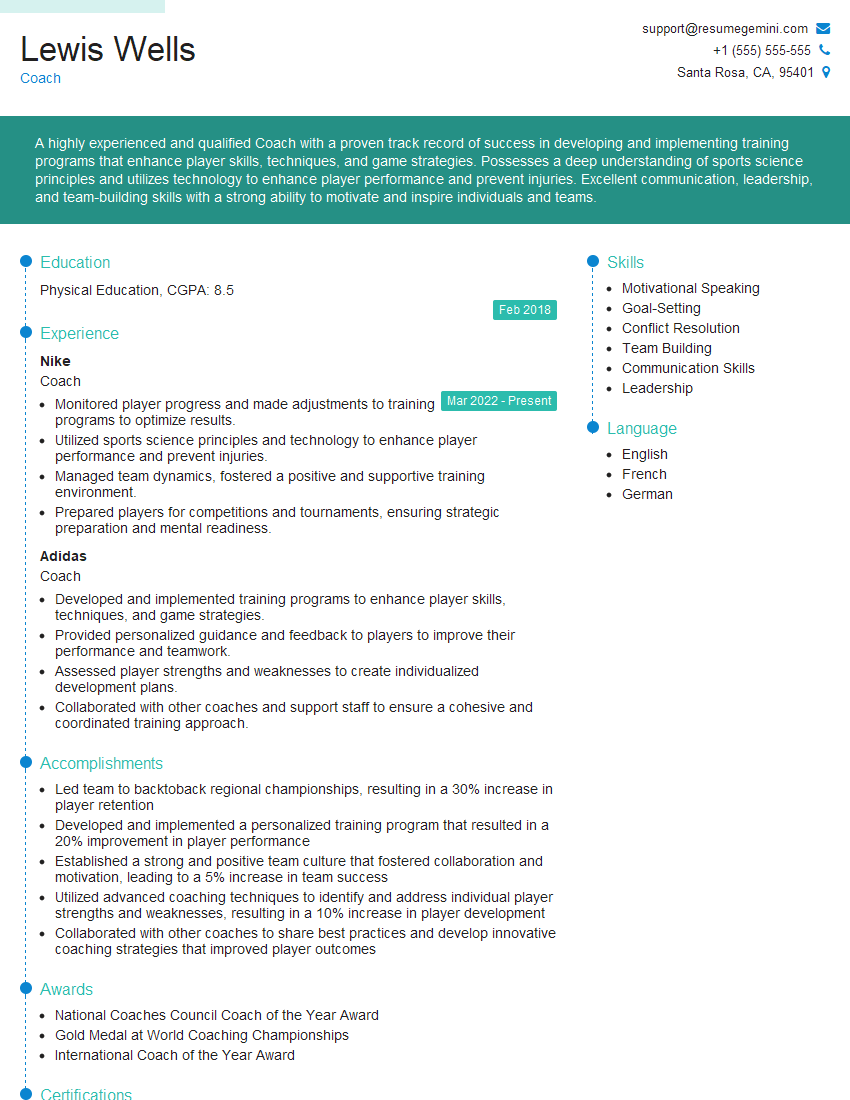
Coach Resume Sample
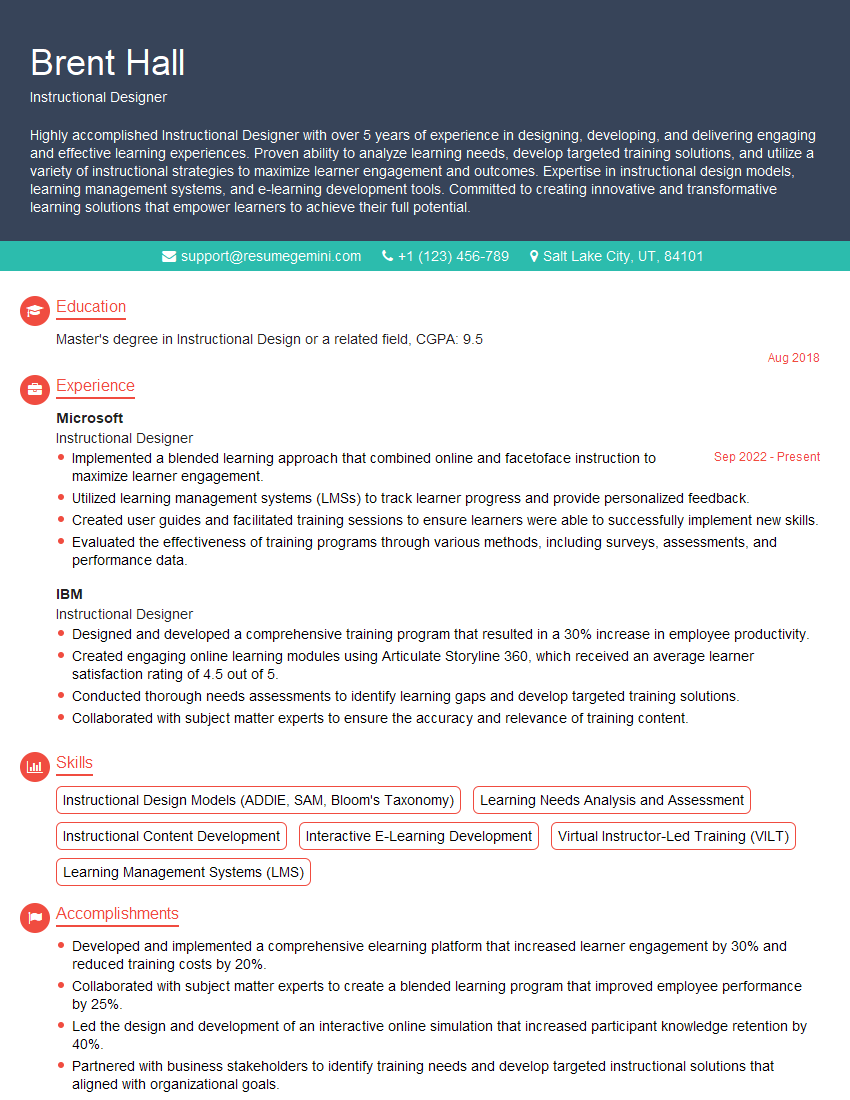
Instructional Designer Resume Sample
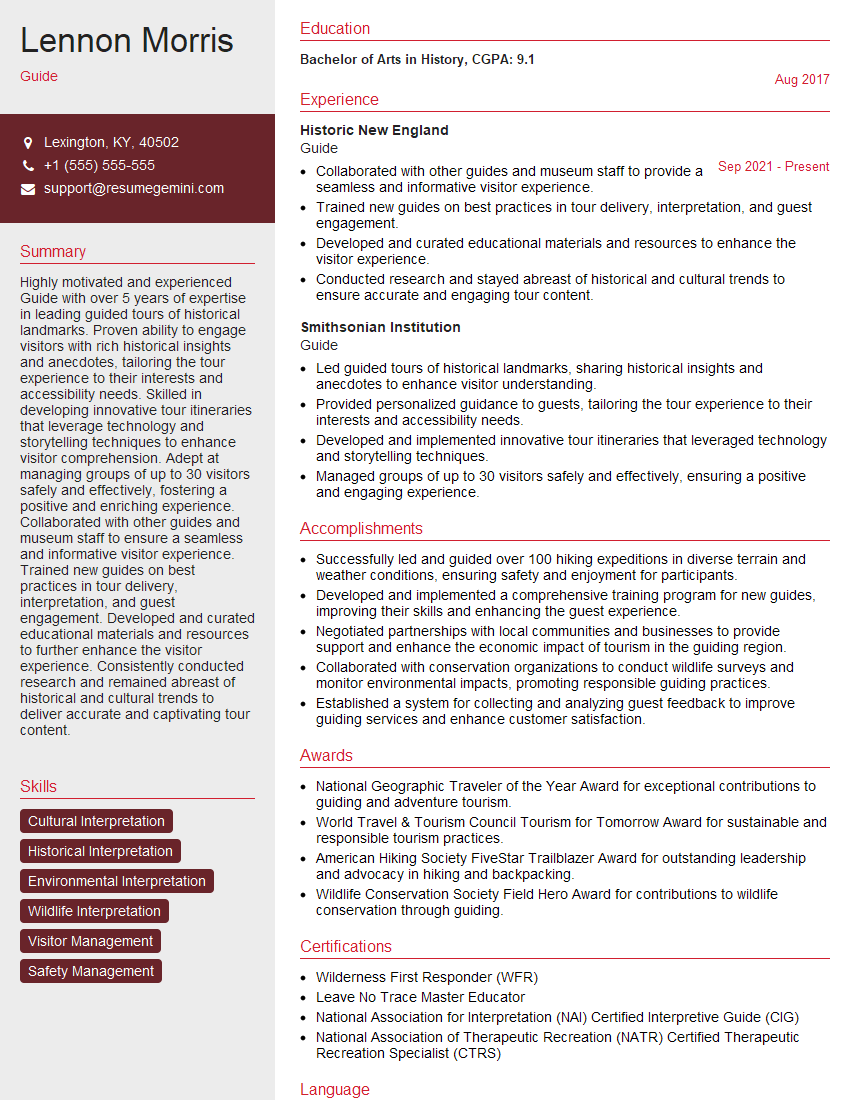
Guide Resume Sample
Explore more articles
Users Rating of Our Blogs
Share Your Experience
We value your feedback! Please rate our content and share your thoughts (optional).
What Readers Say About Our Blog
Very informative content, great job.
good