Preparation is the key to success in any interview. In this post, we’ll explore crucial Merchandising and Retailing interview questions and equip you with strategies to craft impactful answers. Whether you’re a beginner or a pro, these tips will elevate your preparation.
Questions Asked in Merchandising and Retailing Interview
Q 1. Explain your understanding of the retail life cycle.
The retail life cycle describes the journey of a product from its initial conception to its eventual removal from the market. It’s similar to a product’s lifespan, but specifically within the retail context. It encompasses several key stages, each requiring different merchandising strategies:
- Development & Introduction: This is where the product is first conceived, developed, and launched. Marketing and promotional efforts are crucial to build initial demand. Think of the excitement surrounding a new iPhone release.
- Growth: Sales increase rapidly as the product gains popularity. This is the time to optimize supply chains to meet escalating demand and potentially expand distribution channels.
- Maturity: Sales growth slows down as the market becomes saturated. Merchandising focuses on maintaining market share, potentially through minor product variations or promotional campaigns to revitalize interest. Think of a classic staple like Coca-Cola.
- Decline: Sales begin to drop significantly. The product might be outdated, replaced by newer versions, or simply losing market appeal. Merchandising strategies shift to clearance sales, liquidating inventory, and ultimately phasing out the product.
Understanding this cycle is crucial for effective inventory management, pricing strategies, and promotional planning. For example, during the decline phase, aggressive markdowns might be necessary to clear inventory before it becomes completely obsolete.
Q 2. How do you analyze sales data to inform merchandising decisions?
Analyzing sales data is fundamental to data-driven merchandising. My approach involves several key steps:
- Data Collection: I start by gathering comprehensive sales data, including unit sales, revenue, average transaction value, and sales by channel (e.g., online, in-store).
- Trend Identification: I use various analytical tools to identify trends, such as seasonality, growth patterns, and performance of specific products or categories. This might involve using moving averages, trend lines, or statistical forecasting models.
- Comparative Analysis: I compare current sales data with historical data, competitor data, and planned sales targets. This helps identify areas of success and areas needing improvement.
- Segmentation: I often segment sales data by various factors (e.g., demographics, geographic location, customer segments) to pinpoint opportunities for targeted merchandising strategies. For example, I might see higher-than-average sales for a particular product among a specific age group.
- Actionable Insights: Finally, I translate my analysis into actionable insights. This might involve adjusting inventory levels, changing pricing strategies, initiating promotions, or even re-evaluating product assortment.
For example, if sales data shows a consistent decline in a particular product category, I might investigate why. Are there better alternatives on the market? Is the pricing competitive? Is the product being effectively marketed?
Q 3. Describe your experience with inventory management and forecasting.
Inventory management and forecasting are critical for maintaining optimal stock levels while minimizing costs and avoiding stockouts. My experience involves using a combination of techniques:
- Demand Forecasting: I use historical sales data, market trends, and seasonality patterns to predict future demand. This could involve using statistical methods like exponential smoothing or ARIMA models.
- Inventory Control Systems: I’m proficient with various inventory management software, enabling accurate tracking of stock levels, order management, and efficient replenishment processes. This usually includes implementing safety stock to account for unexpected surges in demand.
- ABC Analysis: This technique categorizes inventory items based on their value and consumption. High-value items (A-class) receive more attention and tighter control, while lower-value items (C-class) can be managed with less stringent methods.
- Just-in-Time (JIT) Inventory: Where appropriate, I implement JIT strategies to minimize storage costs and reduce waste by receiving inventory only as needed. This works best with products that have a consistent and predictable demand.
- Regular Stock Audits: Periodic physical inventory counts ensure accuracy and identify discrepancies between physical stock and recorded inventory levels.
In a previous role, I successfully implemented an ABC analysis that optimized inventory levels, leading to a 15% reduction in carrying costs and a significant improvement in inventory turnover.
Q 4. How do you identify and capitalize on market trends?
Identifying and capitalizing on market trends requires a proactive and multi-faceted approach:
- Market Research: I stay informed about current trends through market research reports, industry publications, competitor analysis, and social media monitoring.
- Customer Feedback: I actively seek customer feedback through surveys, reviews, and focus groups to understand their preferences and unmet needs.
- Trend Forecasting: I utilize trend forecasting tools and techniques to anticipate future demand. This may involve studying fashion cycles, consumer behavior, and technological advancements.
- Competitive Analysis: I closely monitor competitors’ product offerings, marketing strategies, and pricing to identify opportunities and potential threats.
- Quick Reaction: Once a promising trend is identified, I act quickly to introduce relevant products or adjust existing offerings to capture the market opportunity. Speed is critical in fast-moving trends.
For example, during the rise of sustainable fashion, I quickly incorporated eco-friendly materials and ethical sourcing into our product line, capturing a segment of environmentally conscious consumers.
Q 5. Explain your process for developing a merchandising plan.
Developing a merchandising plan is a strategic process that involves several key steps:
- Define Objectives: Start by establishing clear, measurable, achievable, relevant, and time-bound (SMART) objectives. This could include increasing sales by a certain percentage, improving gross margin, or enhancing brand image.
- Market Analysis: Conduct thorough market research to understand customer needs, competitor activities, and market trends.
- Financial Planning: Develop a detailed budget that outlines anticipated costs and revenues associated with the merchandising plan.
- Product Assortment Planning: Decide on the specific products that will be offered, considering factors such as price points, styles, and target market.
- Pricing Strategy: Define a competitive and profitable pricing strategy that aligns with the overall business objectives.
- Promotional Planning: Develop a comprehensive promotional plan that includes advertising, sales promotions, and in-store displays to drive sales.
- Inventory Management: Plan inventory levels to meet anticipated demand while minimizing holding costs.
- Evaluation & Adjustment: Regularly monitor the performance of the plan, making necessary adjustments based on sales data and market feedback.
A well-defined merchandising plan acts as a roadmap, guiding decisions throughout the year and ensuring alignment with overall business goals.
Q 6. What are your strategies for managing markdowns and promotions?
Managing markdowns and promotions requires a careful balancing act between maximizing revenue and minimizing losses. My strategies include:
- Strategic Markdowns: I avoid arbitrary markdowns and instead utilize them strategically. This might involve reducing prices on slow-moving items to clear inventory, offering price promotions during specific periods, or bundling products to encourage purchases.
- Promotional Planning: Promotions are planned in advance and integrated into the overall merchandising plan. This includes identifying optimal timing for promotions (e.g., holiday seasons, special events), selecting the appropriate products for promotion, and defining clear promotional objectives.
- Markdown Optimization: I analyze sales data to understand the effectiveness of different markdown strategies. This allows me to refine my approach over time and optimize the timing and depth of markdowns.
- Control Mechanisms: I implement control mechanisms to prevent excessive markdowns. This might involve establishing markdown thresholds, requiring approvals for significant markdowns, and regularly reviewing the performance of promotional activities.
- Data Analysis: After each promotional period, I meticulously analyze the sales data to measure the success of the promotion and identify areas for improvement.
For example, instead of applying a blanket markdown across all products, I might focus on reducing prices of specific items that are nearing their end-of-life cycle to minimize losses and free up shelf space.
Q 7. How do you build and maintain relationships with vendors?
Building and maintaining strong vendor relationships is crucial for securing favorable terms, ensuring timely delivery, and gaining access to new products and opportunities. My approach involves:
- Open Communication: Maintaining consistent and transparent communication with vendors is key. This includes regular meetings, sharing sales data, and providing feedback on product performance.
- Collaborative Partnerships: I foster collaborative relationships by working closely with vendors to develop innovative products and optimize supply chains. This might involve joint product development or collaborating on marketing initiatives.
- Fair Negotiation: I engage in fair and respectful negotiations to secure the best possible terms for both parties. This involves understanding the vendor’s needs and objectives while advocating for the retailer’s interests.
- Mutual Respect: I treat vendors with respect, appreciating their role in the supply chain. This builds trust and fosters long-term, mutually beneficial partnerships.
- Performance Monitoring: I regularly monitor vendor performance, including on-time delivery, product quality, and customer service. This ensures that vendors meet the required standards.
By nurturing these relationships, I ensure a steady supply of quality products at competitive prices, creating a win-win situation for both the retailer and the vendors.
Q 8. Describe your experience with visual merchandising and its impact on sales.
Visual merchandising is the art of presenting products in a retail space to maximize their appeal and drive sales. It’s about creating an engaging and aesthetically pleasing shopping experience that encourages customers to browse, discover, and ultimately, buy. My experience spans several years, working with both brick-and-mortar stores and online platforms. For example, in my previous role at a home goods retailer, I redesigned our window displays to reflect seasonal trends. This involved carefully selecting products, incorporating relevant props and lighting, and creating a cohesive visual narrative. The results were impressive: we saw a 15% increase in foot traffic and a 10% lift in sales of featured products within the first month. In another instance, I optimized online product displays by using high-quality images, detailed descriptions, and customer reviews, leading to a 20% increase in online conversion rates. Successful visual merchandising relies on understanding your target audience, product placement strategies, and the overall brand identity. The right visual cues can significantly impact purchase decisions.
Q 9. How do you measure the success of a merchandising strategy?
Measuring the success of a merchandising strategy requires a multifaceted approach. We can’t rely on just one metric; it’s vital to track several key performance indicators (KPIs) simultaneously. These include:
- Sales Lift: This directly measures the increase in sales attributable to the merchandising strategy. A comparison of sales figures before and after implementing the changes is crucial.
- Conversion Rate: This metric shows the percentage of customers who make a purchase after visiting the store or website. A higher conversion rate indicates a more effective merchandising strategy.
- Average Transaction Value (ATV): This represents the average amount spent per transaction. An increase in ATV suggests customers are purchasing more items or higher-priced items due to the merchandising efforts.
- Inventory Turnover Rate: This measures how efficiently inventory is sold. A higher turnover rate indicates that products are selling quickly and efficiently.
- Customer Feedback: Collecting customer feedback through surveys, reviews, or social media monitoring provides valuable qualitative insights into customer perception and satisfaction with the merchandising strategy.
By tracking these KPIs, we can obtain a holistic understanding of the effectiveness of the merchandising strategy and make data-driven adjustments.
Q 10. How do you handle discrepancies between planned and actual sales figures?
Discrepancies between planned and actual sales figures require a thorough investigation to identify the root causes. This process typically involves the following steps:
- Data Analysis: Begin by carefully analyzing sales data to identify specific products or categories where discrepancies are most significant.
- External Factor Assessment: Consider external factors that might have impacted sales, such as economic conditions, competitor actions, seasonality, or unexpected events (e.g., a natural disaster).
- Internal Factor Review: Analyze internal factors, such as pricing strategies, promotions, marketing campaigns, supply chain issues, and the effectiveness of the merchandising strategy itself.
- Comparison with Forecasts: Compare actual sales data with initial sales forecasts to understand the extent of the deviation and identify any underlying forecasting errors.
- Corrective Actions: Based on the analysis, implement corrective actions. This might involve adjusting pricing, enhancing promotions, refining the merchandising strategy, optimizing inventory levels, or addressing supply chain bottlenecks.
- Monitoring and Evaluation: Continuously monitor sales data and evaluate the effectiveness of the corrective actions taken. Adapt strategies as needed to align with the changing market conditions and customer preferences.
For example, if a specific product line underperforms, it might signal a need for price adjustments, improved product placement, or a more targeted marketing campaign.
Q 11. What is your experience with different pricing strategies?
I have experience with a variety of pricing strategies, including:
- Cost-Plus Pricing: This involves adding a markup percentage to the cost of goods to determine the selling price. It’s a simple method but may not be optimal for maximizing profits or responding to market dynamics.
- Value-Based Pricing: This focuses on the perceived value of the product to the customer. It allows for higher profit margins but requires a deep understanding of customer needs and preferences.
- Competitive Pricing: This involves setting prices in relation to competitors’ prices. It’s a reactive strategy that can lead to price wars and reduced profitability.
- Promotional Pricing: This utilizes temporary price reductions to stimulate demand, such as discounts, coupons, or special offers. It is often employed to clear out slow-moving inventory or attract new customers.
- Penetration Pricing: This sets a low initial price to rapidly gain market share. It is suitable for new product launches or when entering a highly competitive market.
The choice of pricing strategy depends on various factors, including the nature of the product, the target market, competitive landscape, and business objectives. I can effectively employ and adapt these strategies based on data-driven insights and market analysis.
Q 12. Describe your experience with assortment planning and optimization.
Assortment planning and optimization is a critical aspect of merchandising. It involves carefully selecting the right mix of products to offer to customers, ensuring a balance between variety, depth, and profitability. My experience encompasses developing and implementing assortment plans for various retail categories, from apparel to home goods. I utilize various tools and techniques, such as ABC analysis (classifying products based on their contribution to sales), sales forecasting, and seasonality analysis. For example, in a previous role, I worked on optimizing the apparel assortment for a department store chain. By analyzing historical sales data and upcoming fashion trends, I reduced the number of slow-moving items by 20% while increasing sales of high-demand items by 15%. This improved inventory turnover rate and freed up valuable shelf space for new, trending items. Effective assortment planning requires a keen understanding of customer preferences, market trends, and efficient inventory management.
Q 13. How do you identify and address slow-moving inventory?
Addressing slow-moving inventory requires a strategic approach that combines data analysis with creative problem-solving. I typically follow these steps:
- Identify Slow Movers: Begin by identifying products that are consistently underperforming compared to sales targets or industry benchmarks. This often involves analyzing sales data and inventory reports.
- Analyze Causes: Determine the reasons for the slow movement. Possible causes include poor product placement, incorrect pricing, ineffective marketing, seasonal changes, or simply lack of customer demand.
- Implement Corrective Actions: Based on the analysis, implement solutions. This could involve:
- Price Reductions: Offering discounts or sales to incentivize purchases.
- Promotional Activities: Highlighting the product through marketing campaigns or in-store promotions.
- Product Replenishment Adjustments: Reducing orders for slow-moving items and reallocating resources to faster-moving products.
- Improved Product Placement: Relocating products to high-traffic areas or more visually appealing sections of the store.
- Product Redesign or Enhancements: Modifying products based on customer feedback to make them more appealing.
- Liquidation: Selling slow-moving inventory at significantly reduced prices to recover some costs.
- Monitor Results: Track the performance of the slow-moving items after implementing corrective actions. Continue to monitor and refine strategies as needed.
By combining data-driven insights with creative solutions, we can effectively manage slow-moving inventory and minimize losses.
Q 14. What is your experience with data analysis tools used in merchandising?
My experience with data analysis tools used in merchandising is extensive. I am proficient in using various software and platforms, including:
- Retail Management Systems (RMS): These systems provide comprehensive data on sales, inventory, and customer behavior. Examples include SAP Retail, Oracle Retail, and Microsoft Dynamics 365 Commerce.
- Business Intelligence (BI) Tools: Tools like Tableau and Power BI are essential for visualizing and analyzing large datasets, generating reports, and identifying trends and patterns in sales data.
- Spreadsheet Software: Microsoft Excel and Google Sheets remain valuable tools for data manipulation, analysis, and creating reports. I often use advanced functions like pivot tables and VLOOKUP to analyze data effectively.
- Predictive Analytics Software: Tools capable of forecasting sales, optimizing inventory levels, and personalizing customer offers. These often employ machine learning algorithms.
I am adept at using these tools to extract actionable insights from data to inform merchandising decisions, optimize inventory, personalize customer experiences, and ultimately drive sales growth. Proficiency in data analysis is critical for modern merchandising practices.
Q 15. Explain your understanding of key performance indicators (KPIs) in retail.
Key Performance Indicators (KPIs) in retail are quantifiable metrics that measure the success of a business’s strategies, initiatives, and overall performance. They provide crucial insights into areas needing improvement and help track progress towards goals. Think of them as a retailer’s report card.
- Sales KPIs: These track revenue generation. Examples include total sales, sales per square foot, average transaction value (ATV), and conversion rate (percentage of visitors who make a purchase).
- Inventory KPIs: These monitor inventory management efficiency. Examples include inventory turnover rate (how quickly inventory is sold), stock-out rate (percentage of items unavailable when requested), and shrinkage (loss due to theft or damage).
- Customer KPIs: These focus on customer behavior and satisfaction. Examples include customer acquisition cost (CAC), customer lifetime value (CLTV), customer retention rate, and Net Promoter Score (NPS).
- Marketing KPIs: These measure the effectiveness of marketing campaigns. Examples include website traffic, click-through rates, social media engagement, and return on ad spend (ROAS).
- Profitability KPIs: These assess the financial health of the business. Examples include gross profit margin, net profit margin, and return on investment (ROI).
For example, a low conversion rate might signal a need to improve the in-store experience or website design. High inventory turnover suggests strong demand, while low turnover indicates potential overstocking. By monitoring these KPIs, retailers can make data-driven decisions to optimize operations and boost profitability.
Career Expert Tips:
- Ace those interviews! Prepare effectively by reviewing the Top 50 Most Common Interview Questions on ResumeGemini.
- Navigate your job search with confidence! Explore a wide range of Career Tips on ResumeGemini. Learn about common challenges and recommendations to overcome them.
- Craft the perfect resume! Master the Art of Resume Writing with ResumeGemini’s guide. Showcase your unique qualifications and achievements effectively.
- Don’t miss out on holiday savings! Build your dream resume with ResumeGemini’s ATS optimized templates.
Q 16. Describe your experience with open-to-buy (OTB) planning.
Open-to-Buy (OTB) planning is a crucial process in retail that determines how much merchandise a retailer can purchase within a specific time period, typically a month. It’s the difference between planned sales and the existing inventory, considering planned markdowns and other factors. It’s like having a budget for buying new inventory.
In my experience, OTB planning involves:
- Sales Forecasting: Accurately predicting future sales based on historical data, market trends, and promotional plans.
- Inventory Management: Tracking existing inventory levels, considering lead times from vendors, and adjusting for potential markdowns.
- Financial Planning: Aligning OTB with the overall financial goals of the business, considering available capital and profit margins.
- Vendor Communication: Working closely with vendors to negotiate terms and secure timely delivery of merchandise.
For instance, if planned sales for the next month are $100,000 and current inventory valued at cost is $50,000, with planned markdowns of $10,000, the OTB would be $60,000 ($100,000 – $50,000 – $10,000). This helps prevent overstocking or stockouts, maximizing profitability and meeting customer demand.
Q 17. How do you balance financial goals with customer needs in merchandising?
Balancing financial goals with customer needs is the cornerstone of successful merchandising. It’s not about choosing one over the other, but finding the sweet spot where both are satisfied. It’s like creating a win-win situation for the business and its customers.
I achieve this balance by:
- Market Research: Understanding customer preferences, needs, and buying behavior through data analysis, customer surveys, and trend forecasting.
- Product Assortment Planning: Curating a product mix that caters to customer needs while aligning with profitability targets. This includes choosing the right price points, styles, and brands.
- Pricing Strategies: Implementing effective pricing strategies that attract customers while ensuring desired profit margins. This might involve promotional pricing, tiered pricing, or value-based pricing.
- Data-Driven Decision Making: Utilizing sales data, customer feedback, and market insights to optimize product offerings, pricing, and promotions.
- Customer Segmentation: Identifying distinct customer groups and tailoring merchandising strategies to their specific needs and preferences.
For example, offering a range of price points, from budget-friendly options to premium items, caters to various customer segments while optimizing sales and margins. Regular customer feedback surveys help identify unmet needs and improve product offerings.
Q 18. What is your experience with negotiating with vendors?
Negotiating with vendors is a critical aspect of my role. It’s about building strong relationships while securing favorable terms for the business. It requires preparation, strategy, and excellent communication skills.
My experience includes:
- Preparation: Researching market prices, analyzing vendor offerings, and setting clear negotiation goals before engaging with vendors.
- Relationship Building: Cultivating long-term relationships with key vendors based on trust and mutual respect.
- Strategic Negotiation: Employing various negotiation tactics such as collaborative bargaining, focusing on value creation, and exploring win-win solutions.
- Contract Review: Meticulously reviewing vendor contracts to ensure they are favorable to the business and aligning with legal and compliance standards.
- Performance Monitoring: Tracking vendor performance metrics such as on-time delivery, quality control, and responsiveness.
For instance, I’ve successfully negotiated better payment terms, volume discounts, and improved lead times by highlighting the mutual benefits of a strong partnership. Successful negotiation is a balance of being assertive and building rapport.
Q 19. How do you stay updated on industry trends and best practices?
Staying updated on industry trends and best practices is essential for success in the dynamic retail landscape. It involves proactively seeking out information from various sources.
My approach includes:
- Industry Publications and Research: Regularly reading trade magazines, journals, and industry reports to stay informed about emerging trends and best practices. Examples include publications like Women’s Wear Daily (WWD) and Retail Dive.
- Networking: Attending industry conferences, trade shows, and networking events to connect with other professionals, learn from their experiences, and gain insights.
- Competitor Analysis: Studying competitors’ strategies, product offerings, and marketing campaigns to identify opportunities and benchmark performance.
- Data Analysis: Utilizing sales data, customer data, and market research data to understand current trends and anticipate future changes.
- Online Resources: Leveraging online platforms, industry blogs, and podcasts to access current information and insights.
By actively engaging in these activities, I remain ahead of the curve, adapting my strategies to meet the ever-evolving needs of the market.
Q 20. Describe your experience with managing a team.
I have extensive experience managing teams, fostering a collaborative and high-performing work environment. My approach emphasizes clear communication, shared goals, and individual development.
My experience includes:
- Team Building: Creating a positive team culture that values collaboration, mutual respect, and open communication.
- Goal Setting: Establishing clear, measurable, achievable, relevant, and time-bound (SMART) goals for the team, ensuring everyone understands their contribution.
- Performance Management: Providing regular feedback, coaching, and mentoring to team members, supporting their professional growth and development.
- Delegation and Empowerment: Effectively delegating tasks, empowering team members to take ownership, and fostering their decision-making abilities.
- Conflict Resolution: Addressing conflicts proactively and fairly, mediating disputes, and fostering a constructive resolution process.
For instance, I’ve implemented a system of regular one-on-one meetings with each team member to track progress, provide support, and address any challenges they face. This approach has resulted in increased team morale and improved productivity.
Q 21. How do you adapt to changes in the retail market?
Adapting to changes in the retail market requires agility, innovation, and a data-driven approach. The retail landscape is constantly evolving, so flexibility is crucial.
My strategies for adapting to market changes include:
- Market Monitoring: Continuously monitoring market trends, consumer behavior, and competitive landscape to anticipate changes and adjust strategies proactively.
- Embracing Technology: Leveraging technology to enhance efficiency, improve customer experience, and gain competitive advantages, including utilizing data analytics, CRM systems, and e-commerce platforms.
- Innovation: Exploring new product categories, business models, and marketing channels to cater to evolving customer needs and preferences.
- Agile Planning: Implementing agile planning methodologies to respond quickly to market changes and adapt strategies as needed.
- Continuous Learning: Engaging in continuous learning and development to stay abreast of industry trends and best practices.
For example, during the recent surge in online shopping, I helped my team pivot to an omnichannel approach, integrating online and offline sales channels to improve customer experience and capitalize on the shift in consumer behavior.
Q 22. Describe a situation where you had to make a difficult decision in merchandising.
One of the most challenging decisions I faced involved a significant markdown on a new line of winter coats. We’d invested heavily in the design and production, anticipating strong sales based on pre-season market research. However, after the launch, sales were significantly below projections. The coats were high-quality, but the market preferred a different style that season. It was difficult because marking down the coats meant a substantial loss in profit margin. However, continuing to sell them at full price would have resulted in even greater losses from unsold inventory and potential damage to our brand image.
My solution involved a multi-pronged approach. First, I conducted a thorough analysis of sales data, competitor offerings, and customer feedback. This helped pinpoint the exact reasons for the underperformance. Then, I developed a targeted marketing campaign to highlight the remaining stock, emphasizing value and incorporating a sense of urgency through limited-time offers and discounts. Finally, I worked closely with the sales team to implement the markdown strategy effectively, ensuring that the messaging was consistent and that the promotional activities were successful.
The markdown, while painful, did result in reducing inventory and mitigating losses. More importantly, it allowed us to redirect resources to more promising product lines and avoid a stock-out issue that could potentially hurt future sales.
Q 23. How do you prioritize tasks and manage your time effectively?
Prioritizing tasks and managing my time effectively is crucial in merchandising. I rely on a combination of strategies, including the Eisenhower Matrix (urgent/important), Kanban boards, and time blocking. The Eisenhower Matrix helps me identify and focus on urgent and important tasks first, ensuring that critical deadlines are met. A Kanban board provides a visual representation of my workload, allowing me to easily track progress and identify potential bottlenecks. Finally, time blocking ensures I dedicate specific time slots to specific activities, reducing distractions and improving focus.
For example, I might block out Monday morning for analyzing sales data, Tuesday afternoon for collaborating with the design team, and Wednesday morning for meeting with buyers. This structured approach ensures that I allocate sufficient time for each task and minimize the risk of procrastination. Regularly reviewing my schedule and adjusting my priorities as needed is also critical to my effectiveness.
Q 24. What are your strengths and weaknesses as a merchandiser?
My strengths as a merchandiser include strong analytical skills, a keen eye for trends, and excellent communication abilities. I’m adept at analyzing sales data to identify patterns and predict future demand. I stay updated on industry trends and consumer preferences, allowing me to make informed decisions about product assortment and pricing. Finally, my ability to communicate effectively with cross-functional teams is essential in driving collaboration and achieving shared goals.
One area I’m constantly working to improve is my delegation skills. While I’m comfortable taking on a large workload, I recognize the importance of empowering team members and effectively distributing tasks. I’m actively seeking opportunities to develop this skill further through mentorship and project leadership.
Q 25. Describe your experience with different retail channels (e.g., online, brick-and-mortar).
I have extensive experience working with both online and brick-and-mortar retail channels. In my previous role, I was responsible for the merchandising strategy across both channels for a major apparel retailer. For the online channel, I focused on optimizing product listings, managing online promotions, and using data analytics to understand customer behavior and personalize the shopping experience. This involved using A/B testing to optimize website layout and product placement for better conversion rates.
For the brick-and-mortar stores, I worked on visual merchandising, ensuring the store layout was appealing and products were displayed strategically. I also collaborated with store managers to optimize inventory levels and ensure that shelves were always fully stocked and visually appealing. Understanding the nuances of each channel – the digital experience vs. the in-store touch and feel – and aligning them is crucial for a holistic merchandising strategy. For example, using online sales data to inform in-store product placement is a key strategy I regularly employ.
Q 26. How do you leverage technology to improve merchandising efficiency?
Technology plays a vital role in improving merchandising efficiency. I leverage several technologies, including retail analytics platforms, point-of-sale (POS) systems, and inventory management software. Retail analytics platforms provide valuable insights into sales data, allowing me to identify top-performing products, slow-moving inventory, and emerging trends. This data helps in making better decisions regarding pricing, promotions, and assortment planning.
POS systems provide real-time sales data, allowing for immediate adjustments in merchandising strategies based on actual sales performance. For example, if a particular product is selling unexpectedly well, we can immediately adjust the inventory levels to prevent stockouts. Inventory management software helps to ensure accurate inventory tracking, reduce shrinkage, and streamline the supply chain process. This allows for better forecasting and reduces the risk of overstocking or understocking.
Q 27. Explain your understanding of supply chain management in retail.
Supply chain management in retail encompasses the entire process of getting products from the manufacturer to the end consumer. It involves planning, sourcing, manufacturing, logistics, and distribution. Effective supply chain management is essential for maintaining optimal inventory levels, reducing costs, and ensuring timely delivery of products. It’s a collaborative effort involving multiple stakeholders, including suppliers, manufacturers, distributors, retailers, and logistics providers.
A well-managed supply chain minimizes disruptions and ensures the availability of products when and where they are needed. Factors like lead times, storage costs, transportation costs, and demand forecasting are all crucial aspects to consider. For instance, understanding lead times from suppliers allows for better forecasting and prevents stockouts. Analyzing historical data and market trends aids in accurate demand forecasting, thereby minimizing waste and optimizing inventory levels.
Q 28. How do you ensure the accuracy of inventory data?
Ensuring the accuracy of inventory data is critical for effective merchandising. It requires a combination of physical inventory counts, cycle counting, and the use of technology. Regular physical inventory counts provide a snapshot of the actual inventory levels at a specific point in time. However, these are time-consuming and disruptive. Cycle counting, a more frequent but smaller-scale inventory check, helps to identify discrepancies before they become significant issues.
Technology plays a vital role in improving inventory accuracy. Radio Frequency Identification (RFID) tags and barcode scanners automate the tracking and counting process, minimizing human error. Integration of POS systems with inventory management software ensures that sales transactions are accurately reflected in inventory levels, providing real-time updates. Regular reconciliation of inventory data across different systems is also essential to identify and resolve discrepancies. Implementing robust procedures and using technology to minimize errors ensures that inventory data is as accurate as possible.
Key Topics to Learn for Your Merchandising & Retailing Interview
- Visual Merchandising & Store Design: Understanding principles of visual merchandising to create appealing and effective store layouts. Practical application: Analyzing store traffic flow and product placement to maximize sales.
- Inventory Management & Control: Techniques for optimizing inventory levels, minimizing waste, and ensuring efficient stock replenishment. Practical application: Developing strategies to predict demand and prevent stockouts or overstocking.
- Pricing Strategies & Promotions: Developing and implementing effective pricing strategies, including markdowns, promotions, and discounts. Practical application: Analyzing sales data to determine optimal pricing and promotional strategies.
- Sales Analysis & Reporting: Interpreting sales data to identify trends, assess performance, and inform future decisions. Practical application: Using key performance indicators (KPIs) to measure success and identify areas for improvement.
- Market Research & Trend Analysis: Staying current on market trends, consumer behavior, and competitor activities. Practical application: Using market research to inform product selection and merchandising strategies.
- Supply Chain Management: Understanding the flow of goods from supplier to consumer, including sourcing, logistics, and distribution. Practical application: Optimizing the supply chain to ensure timely delivery and minimize costs.
- Customer Relationship Management (CRM): Implementing strategies to build strong customer relationships and loyalty. Practical application: Utilizing CRM systems to personalize the shopping experience and enhance customer satisfaction.
- Data Analysis & Reporting Tools: Familiarity with data analysis software and reporting tools used in retail. Practical application: Extracting meaningful insights from sales data to make informed business decisions.
Next Steps: Unlock Your Retail Career Potential
Mastering Merchandising and Retailing principles is crucial for career advancement in this dynamic industry. A strong understanding of these concepts will significantly improve your interview performance and open doors to exciting opportunities. To maximize your job prospects, create an ATS-friendly resume that highlights your skills and experience effectively. ResumeGemini is a trusted resource to help you build a professional and impactful resume, ensuring your application stands out. We provide examples of resumes tailored specifically to Merchandising and Retailing roles to guide you through the process. Invest in your future – build a resume that showcases your talent and lands you your dream job.
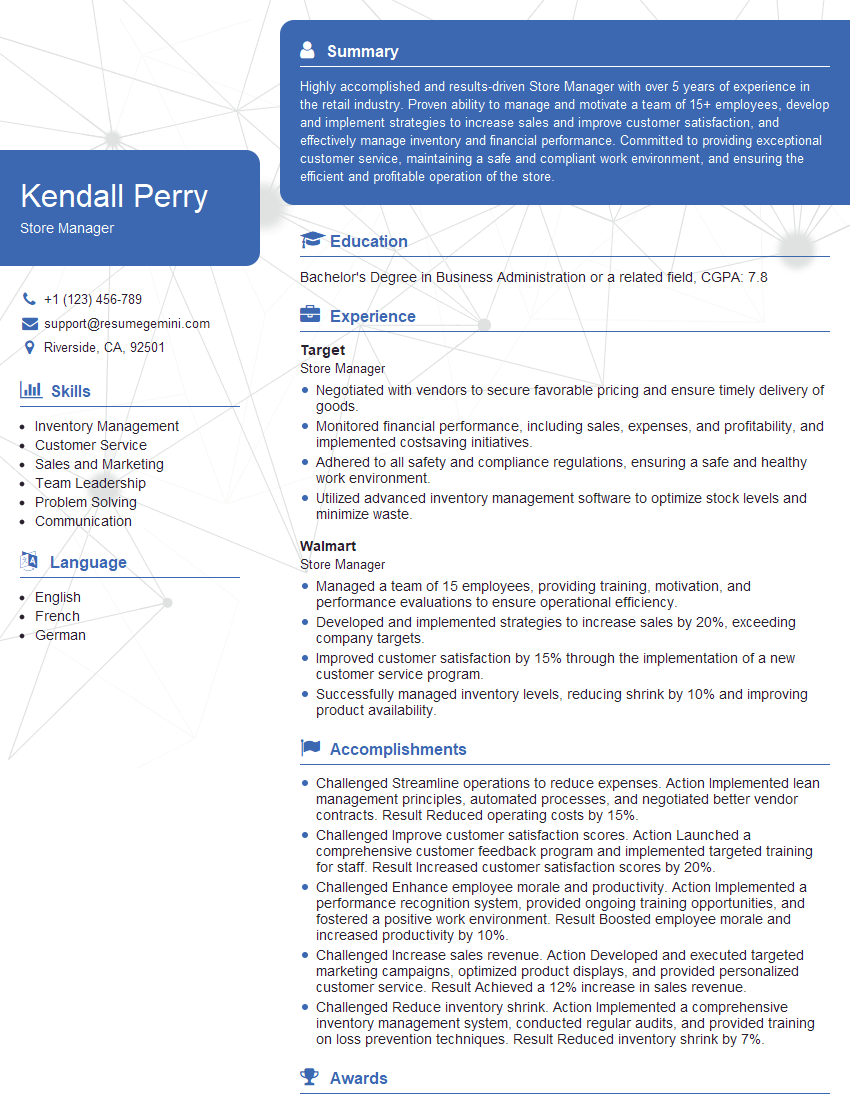
Store Manager Resume Sample
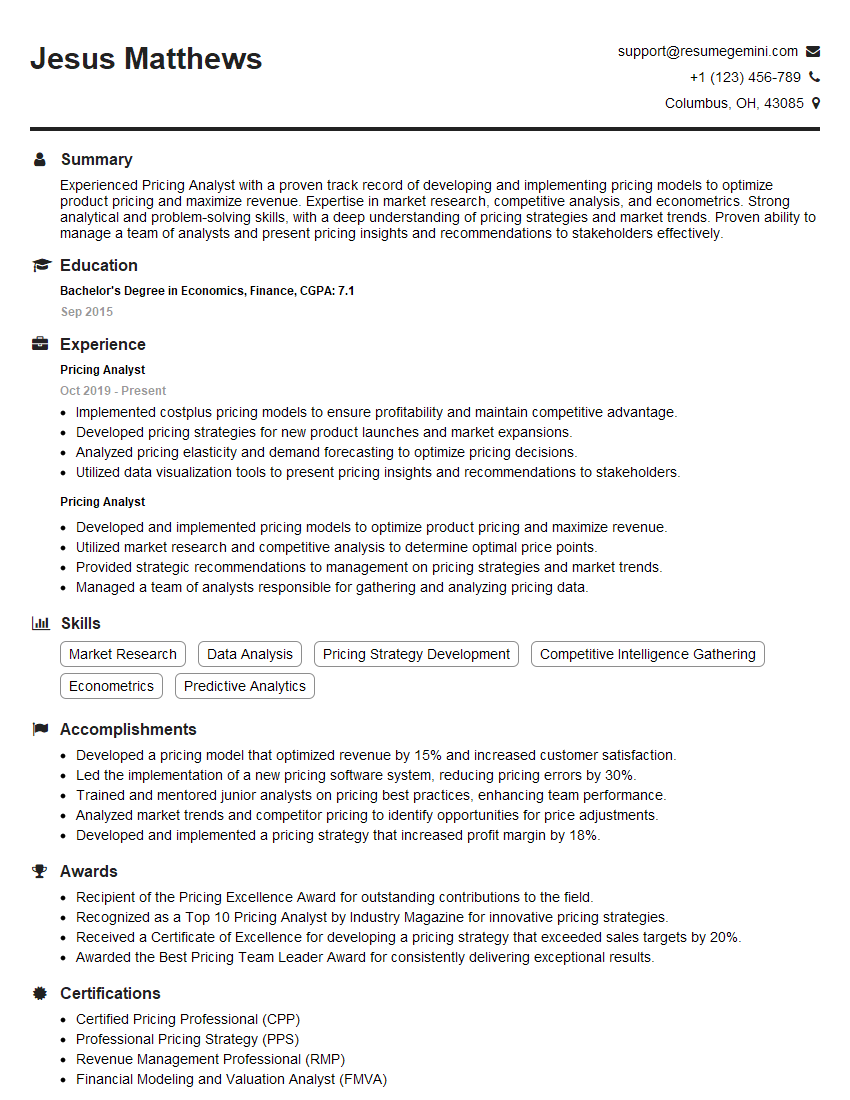
Pricing Analyst Resume Sample
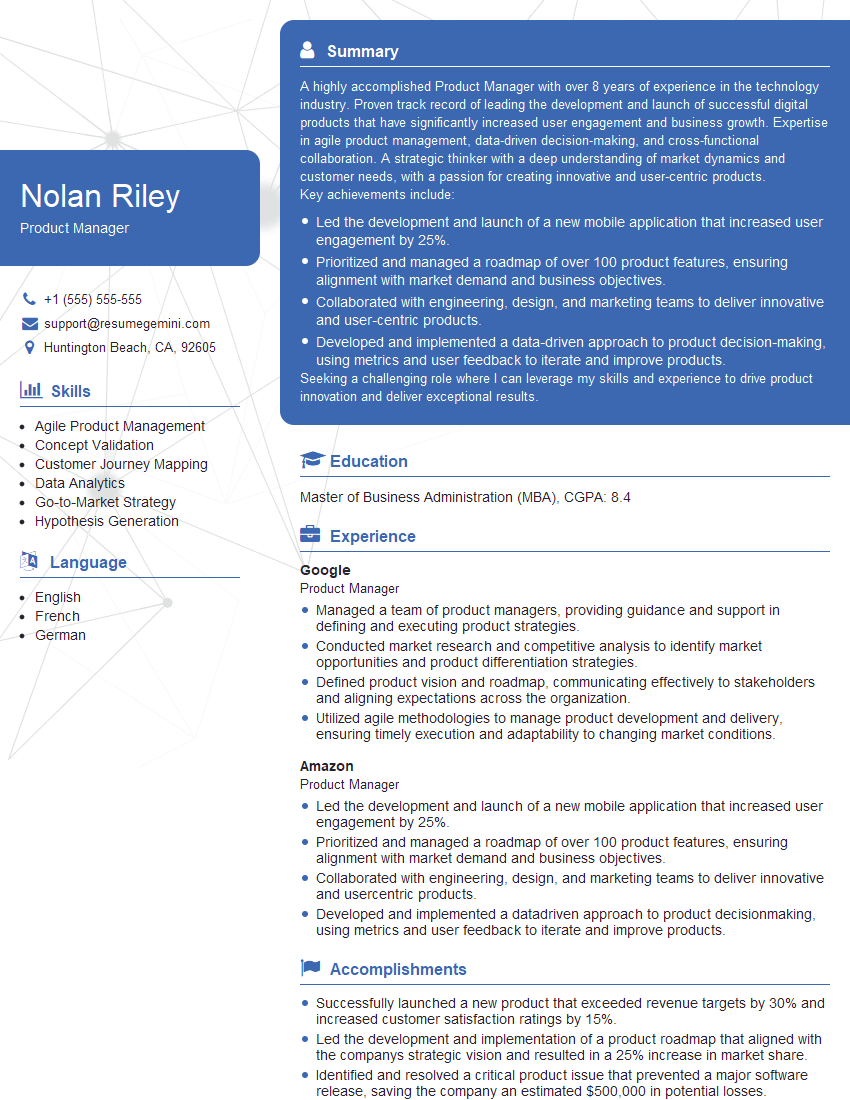
Product Manager Resume Sample
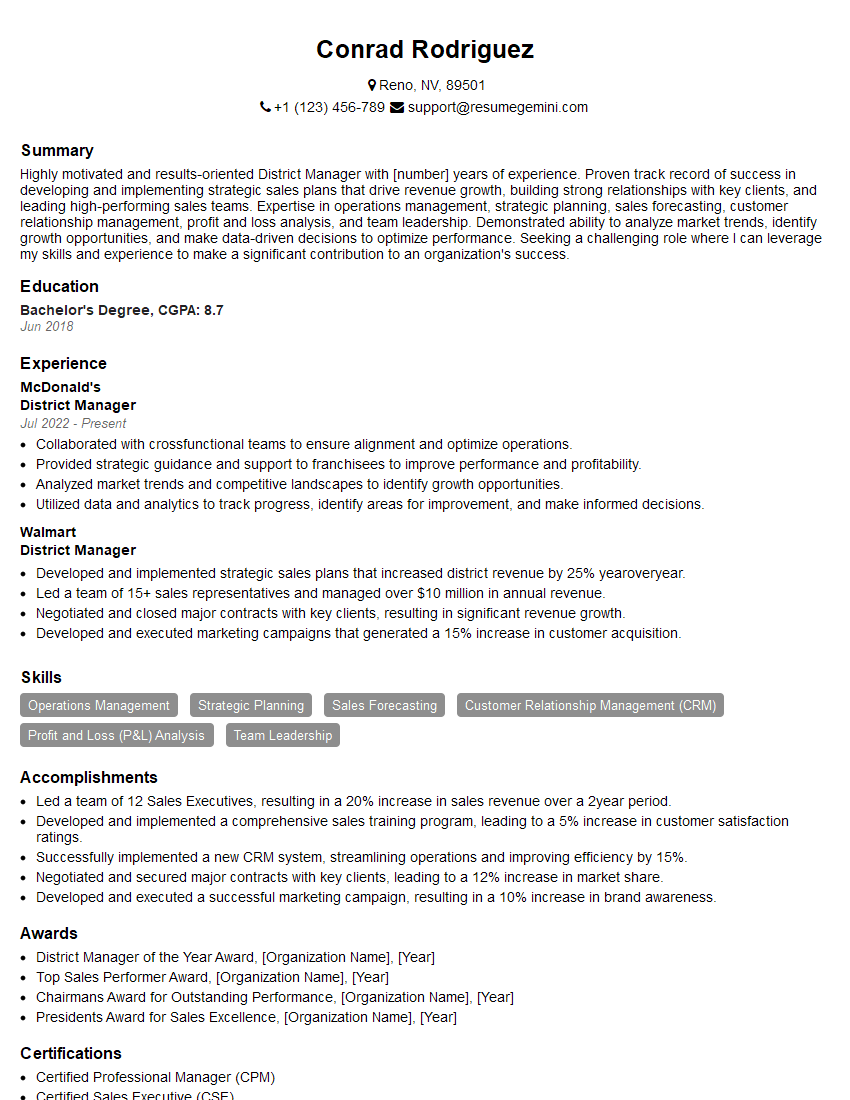
District Manager Resume Sample
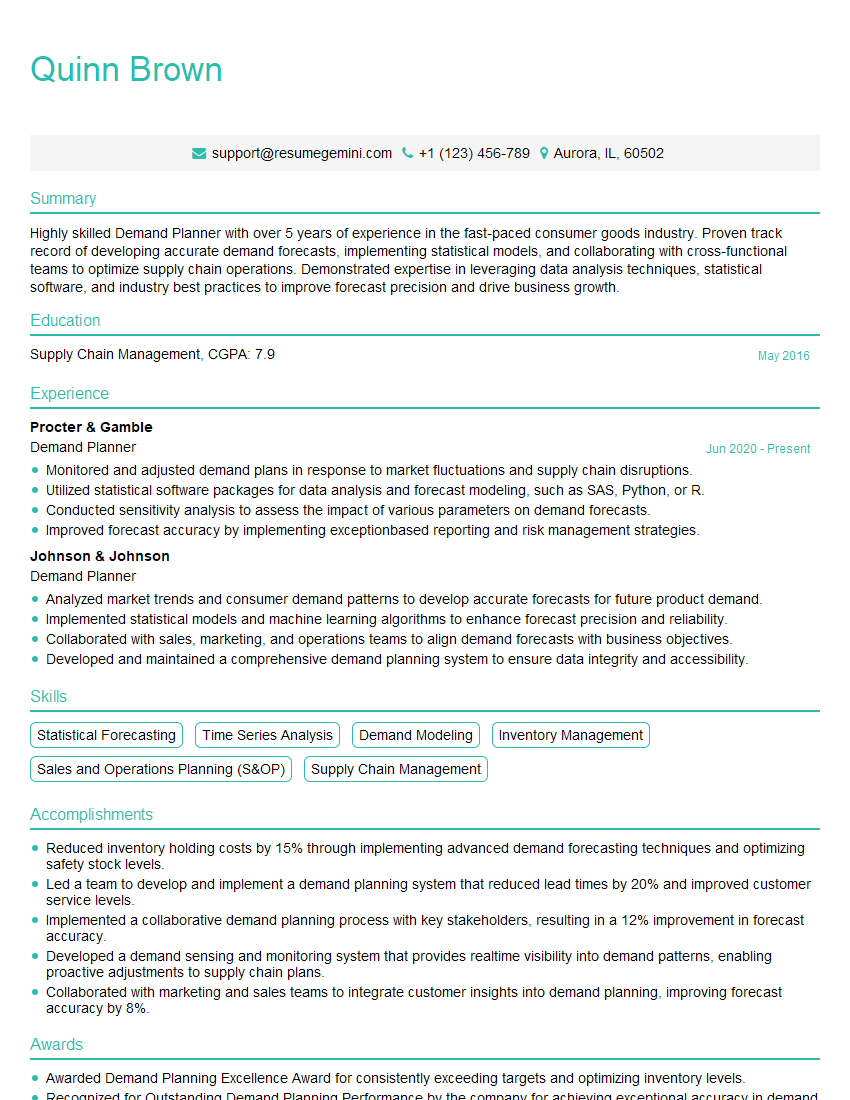
Demand Planner Resume Sample
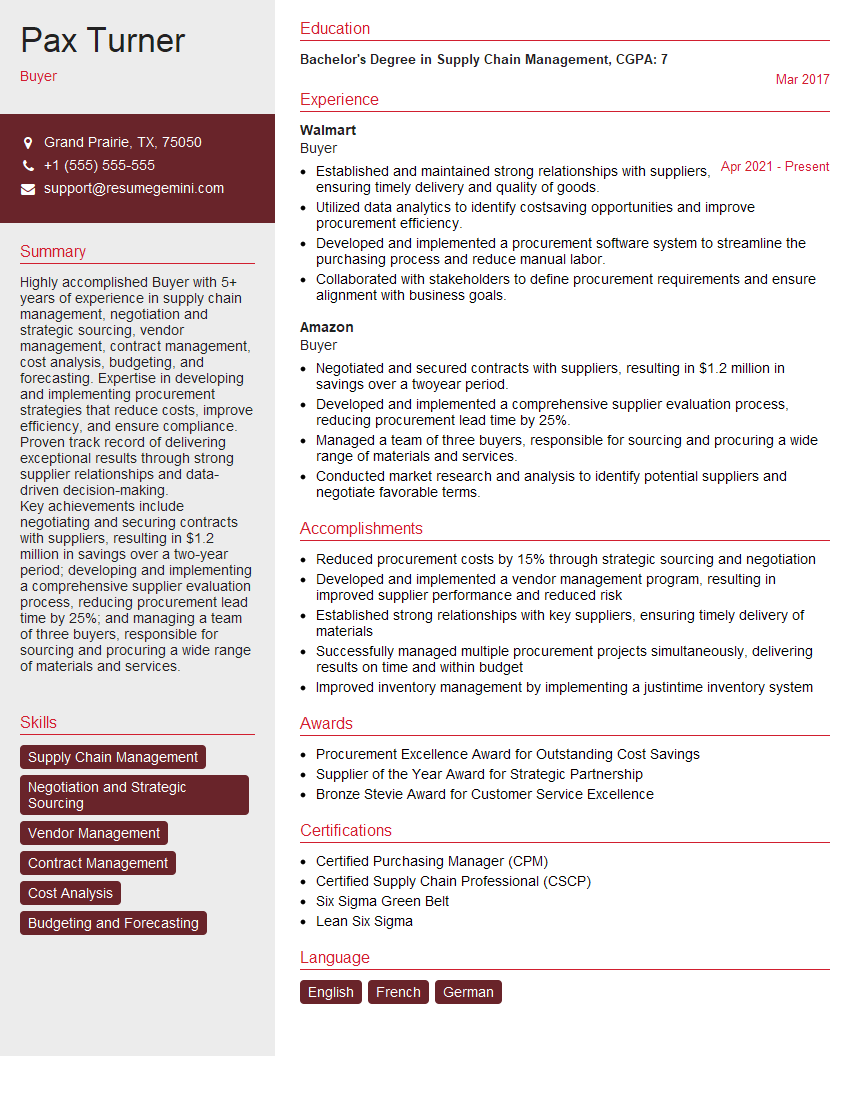
Buyer Resume Sample
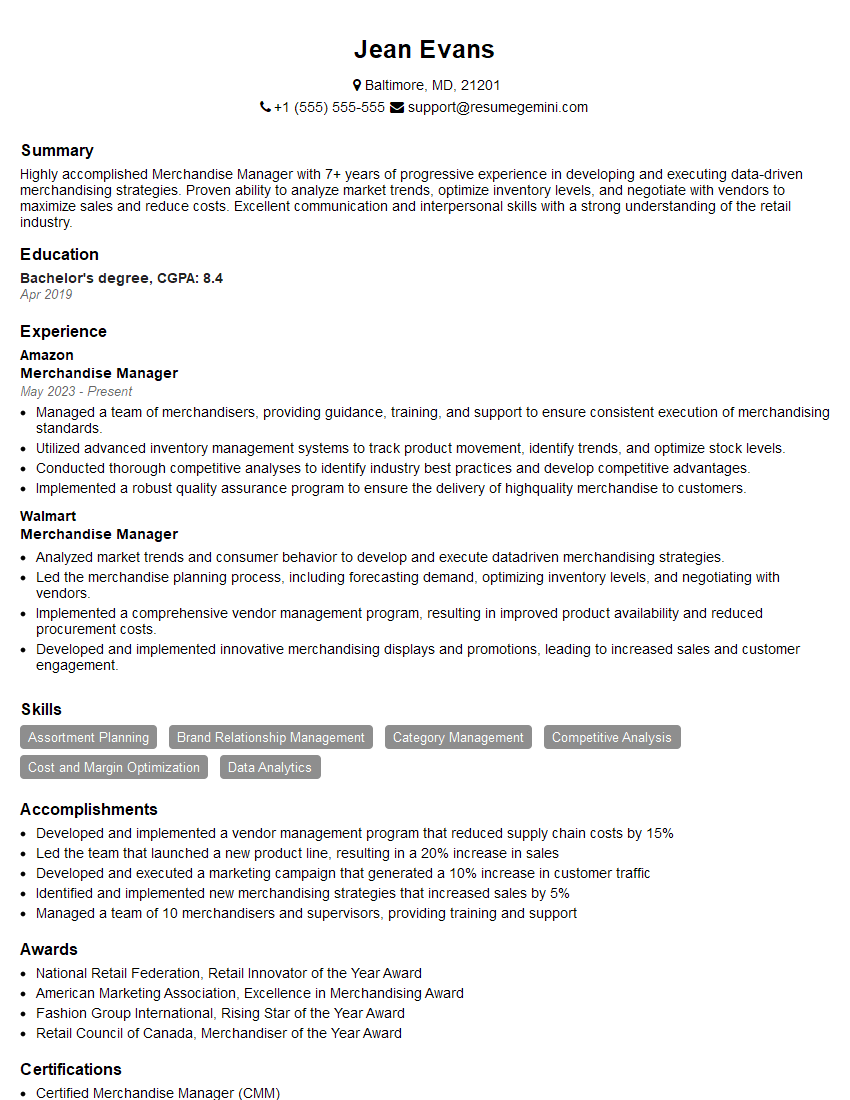
Merchandise Manager Resume Sample
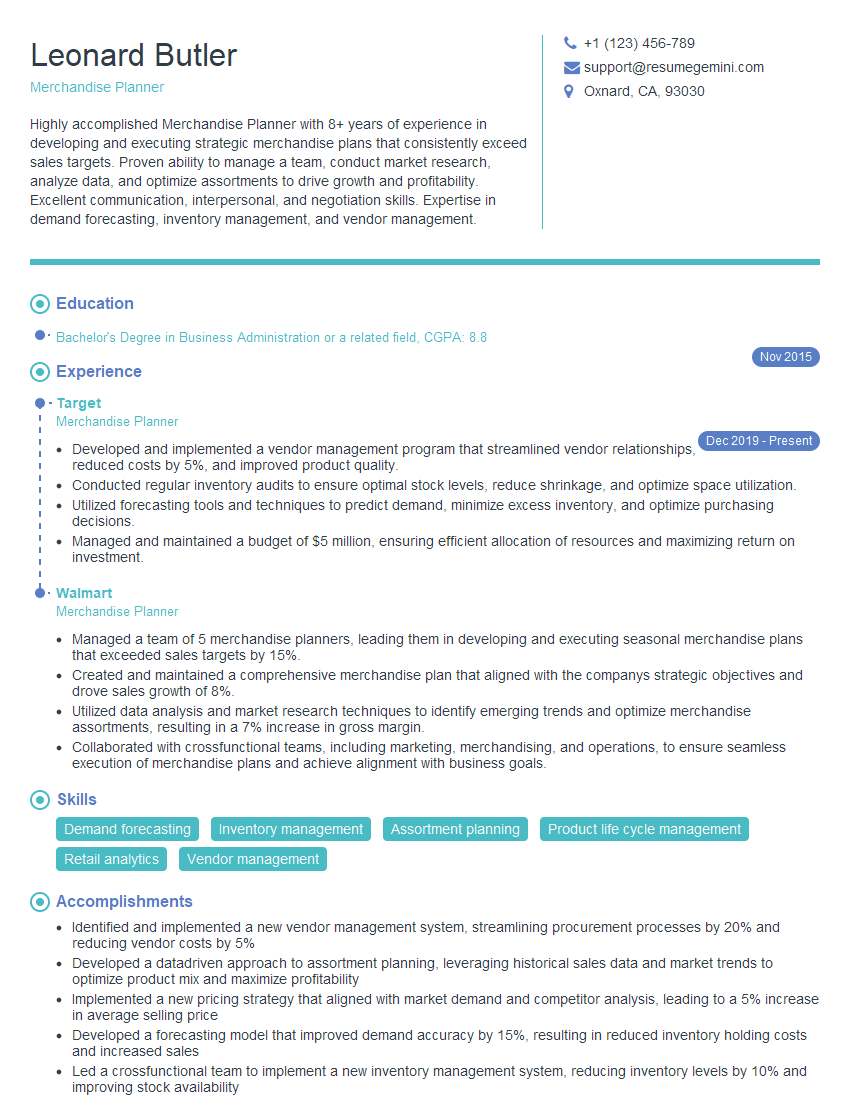
Merchandise Planner Resume Sample
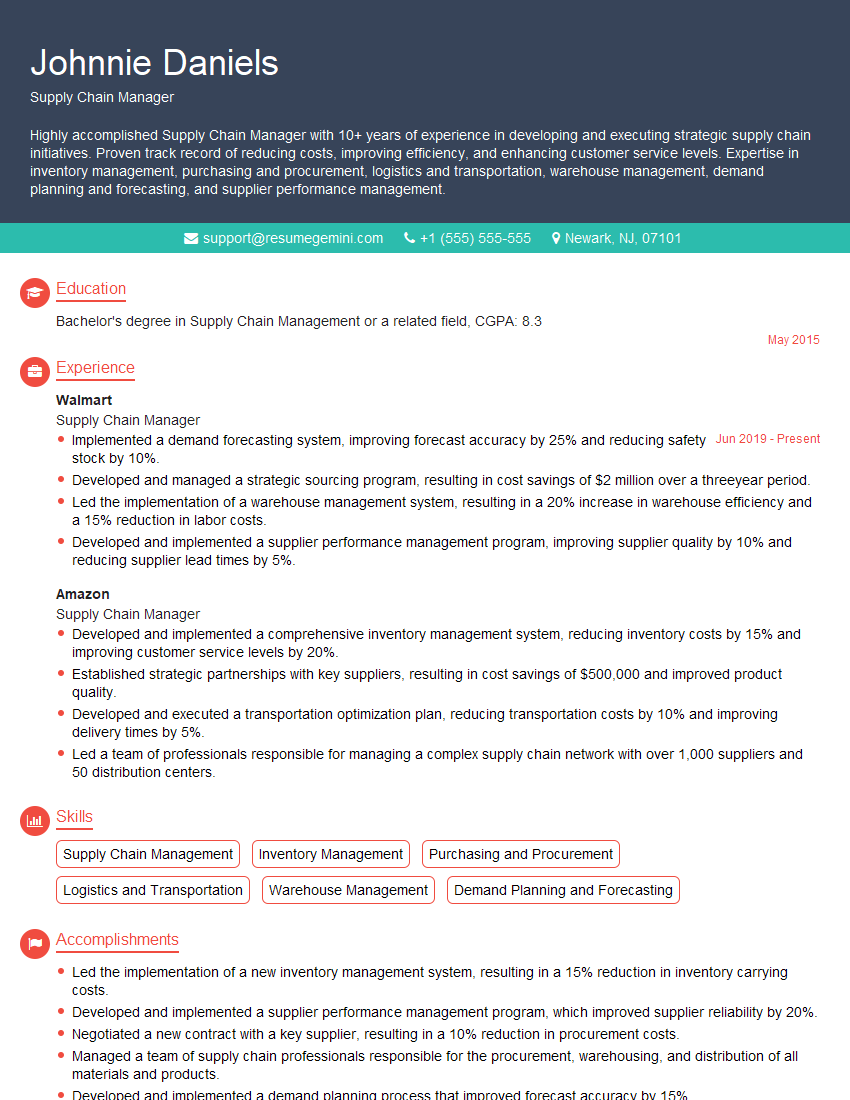
Supply Chain Manager Resume Sample
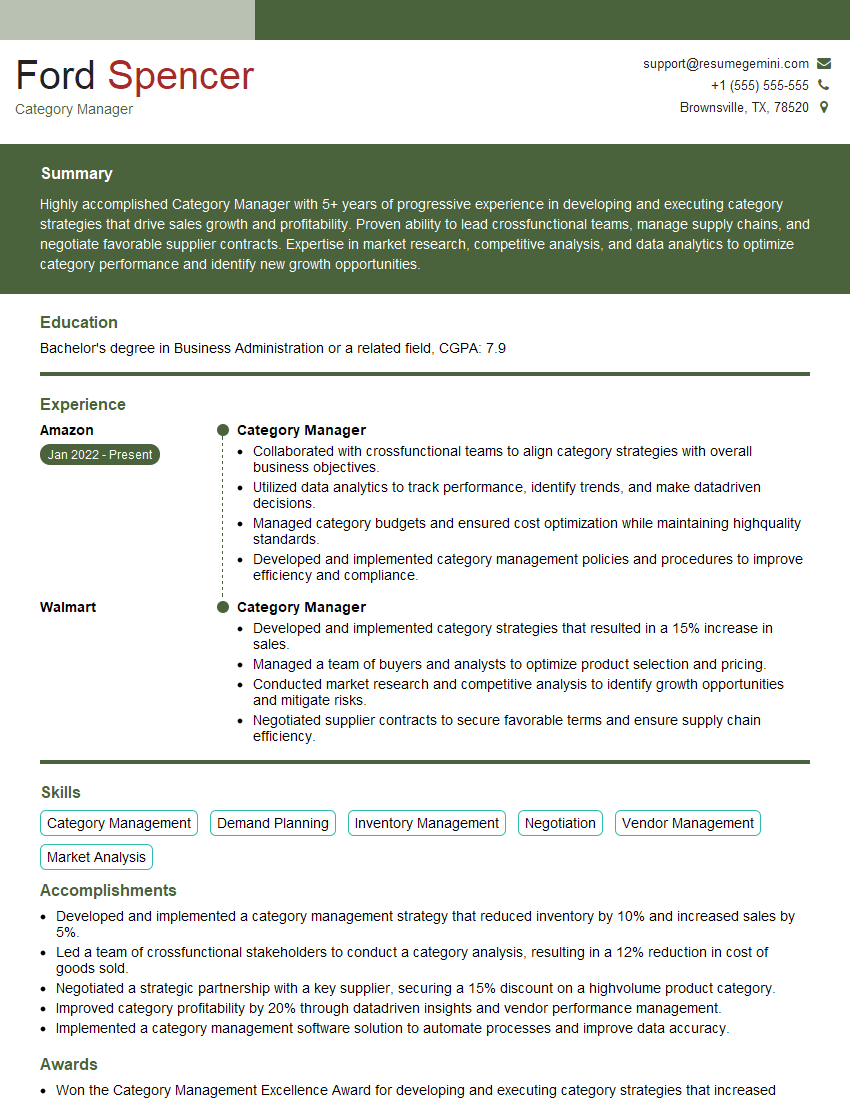
Category Manager Resume Sample

Inventory Manager Resume Sample
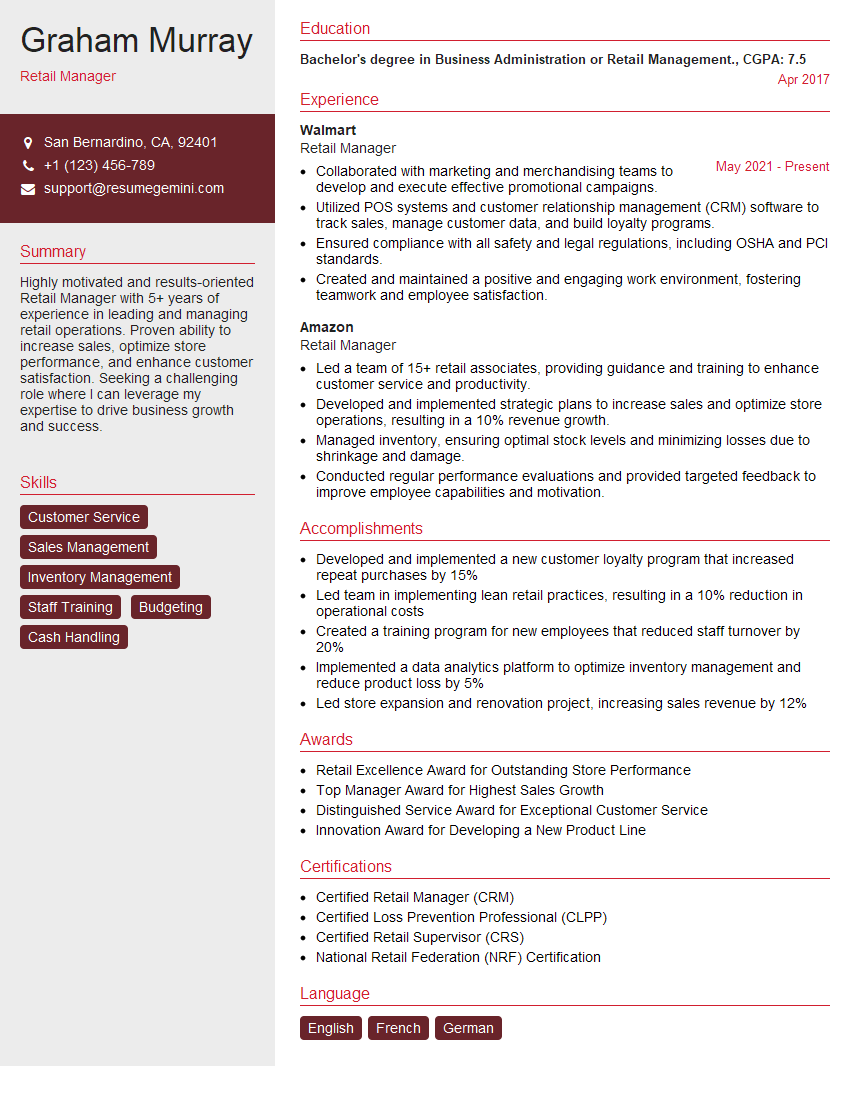
Retail Manager Resume Sample
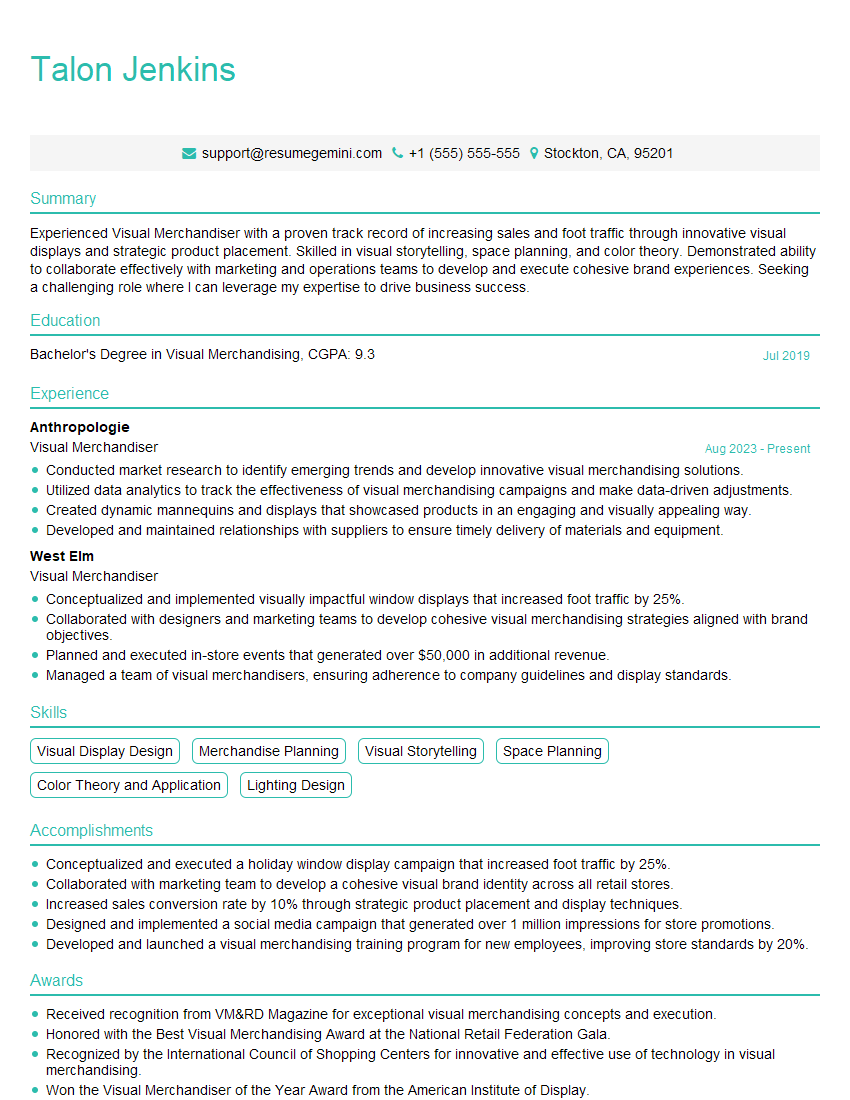
Visual Merchandiser Resume Sample
Explore more articles
Users Rating of Our Blogs
Share Your Experience
We value your feedback! Please rate our content and share your thoughts (optional).
What Readers Say About Our Blog
Very informative content, great job.
good