Unlock your full potential by mastering the most common Mercury-Free Thermometer Use interview questions. This blog offers a deep dive into the critical topics, ensuring you’re not only prepared to answer but to excel. With these insights, you’ll approach your interview with clarity and confidence.
Questions Asked in Mercury-Free Thermometer Use Interview
Q 1. What are the different types of mercury-free thermometers?
Mercury-free thermometers offer a range of alternatives to traditional mercury thermometers, each with its own advantages and disadvantages. The most common types include:
- Digital Thermometers: These are the most prevalent type today. They use a thermistor or thermocouple to measure temperature and display the reading digitally. They come in various forms, including oral, rectal, and axillary (armpit) versions, as well as specialized thermometers for infants and for taking temperatures of objects.
- Gallium Thermometers: These thermometers utilize gallium, a metallic element with a low melting point, similar to mercury but without the toxicity. They function similarly to mercury thermometers, showing a liquid column rising with increasing temperature, but are much safer in case of breakage.
- Thermocouple Thermometers: These thermometers use a thermocouple – a junction of two dissimilar metals – to measure temperature based on the voltage generated at the junction due to a temperature difference. They’re often used in industrial settings and some medical applications, offering highly accurate readings over a wide temperature range.
- Infrared Thermometers (Non-Contact): These thermometers measure temperature by detecting infrared radiation emitted by an object. They’re particularly useful for taking temperatures quickly and without physical contact, making them ideal for infants or individuals who are uncomfortable with traditional thermometers.
The choice of thermometer depends on the specific application and desired level of accuracy.
Q 2. Explain the advantages of using mercury-free thermometers over mercury thermometers.
The primary advantage of mercury-free thermometers is safety. Mercury is a highly toxic substance; accidental breakage can release dangerous fumes and pose severe health risks, particularly to children and developing fetuses. Mercury-free options eliminate this risk entirely.
Furthermore, many mercury-free thermometers offer enhanced convenience and features. Digital thermometers, for instance, provide quick, easy-to-read digital displays and often include memory functions to store past readings. Some also offer fever alerts. Gallium thermometers, while not as widely used, are a safer alternative that maintains the visual simplicity of a liquid-in-glass thermometer.
While mercury thermometers might offer slightly higher precision in some niche applications, the inherent safety risks far outweigh this minor advantage in most situations.
Q 3. Describe the proper technique for using a digital thermometer.
The proper technique for using a digital thermometer depends on the type of thermometer and the location of temperature measurement (oral, rectal, axillary). However, general steps include:
- Clean the thermometer: Always clean the thermometer thoroughly with soap and water or an appropriate disinfectant before and after each use.
- Turn on the thermometer: Press the on/off button. Wait for the thermometer to indicate that it’s ready.
- Proper Placement: Follow manufacturer instructions for placement – under the tongue (oral), under the armpit (axillary), or in the rectum (rectal). Ensure good contact between the thermometer and the body.
- Hold in place: Keep the thermometer in place for the duration recommended by the manufacturer (usually 30-60 seconds for oral/axillary, and slightly shorter for rectal).
- Read the display: Once the reading is stable, remove the thermometer and read the display.
- Turn off the thermometer: Turn the thermometer off after each use.
- Clean and store: Clean and store the thermometer according to manufacturer instructions.
Always refer to the specific instructions provided with your digital thermometer for detailed guidance.
Q 4. How do you ensure accurate readings with a digital thermometer?
Ensuring accurate readings with a digital thermometer involves careful attention to several factors:
- Proper Placement: Accurate placement of the thermometer is critical. A poorly positioned thermometer can lead to inaccurate readings.
- Sufficient Contact Time: The thermometer must remain in contact with the body for the duration recommended by the manufacturer to allow for an accurate temperature reading.
- Calibration: Regular calibration, as described below, will help maintain accuracy.
- Cleanliness: A dirty thermometer probe can interfere with heat transfer, leading to inaccurate readings.
- Battery Life: Low batteries can affect accuracy and performance. Replace batteries regularly as recommended.
Following these steps diligently will increase the likelihood of obtaining accurate and reliable measurements.
Q 5. What are the common sources of error when using a digital thermometer?
Common sources of error when using a digital thermometer include:
- Improper Placement: Incorrect placement (e.g., not enough contact with the skin for oral or axillary measurements) can lead to inaccurate readings.
- Insufficient Contact Time: Removing the thermometer too early leads to low readings.
- Recent Food or Drink Consumption: Hot or cold food or drinks can temporarily affect oral temperature readings. Waiting for at least 15-20 minutes is advised.
- Environmental Factors: Extremely hot or cold environments can also impact readings.
- Faulty Thermometer: Malfunctioning or damaged thermometers should be replaced.
- Calibration Issues: An uncalibrated thermometer will give inaccurate readings.
Careful technique and regular maintenance can minimize these errors.
Q 6. How do you calibrate a digital thermometer?
Calibrating a digital thermometer is usually not possible for the average user. Most digital thermometers are not designed for user calibration. If your digital thermometer is providing consistently inaccurate readings, it is essential to consult the manufacturer’s instructions. They might provide guidance on basic troubleshooting, or you may need to contact their customer support or replace the thermometer.
Calibration in a professional setting usually involves using a certified thermometer with known accuracy as a reference point and adjusting the digital thermometer’s internal settings to match. This is typically done with specialized calibration equipment and requires technical expertise.
Q 7. What are the safety precautions to consider when using a digital thermometer?
Safety precautions when using a digital thermometer include:
- Always clean the thermometer: Clean the thermometer probe before and after each use to prevent the spread of germs.
- Handle with care: Avoid dropping or damaging the thermometer.
- Proper placement: Follow the manufacturer’s instructions for proper placement. Forceful insertion can cause injury.
- Supervision: Supervise young children or individuals with cognitive impairments when using a thermometer to prevent injury or ingestion.
- Battery Safety: Keep batteries away from children.
- Dispose properly: Dispose of the thermometer properly at the end of its lifespan according to local guidelines.
Following these precautions will help ensure safe and effective thermometer use.
Q 8. How do you clean and disinfect a digital thermometer after use?
Cleaning and disinfecting a digital thermometer is crucial for preventing the spread of infection. After each use, regardless of the measurement site, you should:
- Wipe down the probe: Use a soft cloth or cotton swab dampened with 70% isopropyl alcohol. Ensure you clean the entire probe thoroughly. Allow it to air dry completely before storing.
- For visibly soiled probes: Wash with soap and water first, then disinfect with alcohol.
- Never immerse the thermometer in water or other liquids: This can damage the internal electronics and render the thermometer unusable.
Think of it like washing your hands – a simple yet effective way to prevent the spread of germs. This meticulous cleaning ensures accuracy and hygiene for subsequent measurements.
Q 9. What is the appropriate storage method for digital thermometers?
Proper storage of a digital thermometer is essential for maintaining its accuracy and longevity. Store it in a clean, dry, and safe place, away from extreme temperatures and direct sunlight. A protective case can be helpful.
Imagine your thermometer as a delicate instrument. Keeping it in a cool, dark, and dry place, much like you would store a fine watch, will extend its life and ensure its accuracy. Avoiding extreme temperatures prevents damage to the internal components and ensures accurate readings.
Q 10. How do you handle a malfunctioning digital thermometer?
A malfunctioning digital thermometer should never be used. Common issues include inaccurate readings, slow response times, or a display that doesn’t work. If you encounter such problems:
- Check the battery: Replace the battery if necessary.
- Inspect the probe for damage: Any cracks or bends can affect readings.
- Refer to the manufacturer’s instructions: Troubleshooting steps are often provided.
- If the issue persists, discontinue use: Do not attempt to repair the thermometer yourself. Contact the manufacturer or your healthcare provider for advice on replacement or repair.
Using a faulty thermometer could lead to misdiagnosis and inappropriate treatment. Safety and accuracy should always be your priorities.
Q 11. What are the disposal procedures for damaged or expired digital thermometers?
Disposal procedures for damaged or expired digital thermometers vary depending on local regulations and waste management practices. Generally:
- Check local guidelines: Some areas have specific guidelines for electronic waste disposal.
- Do not throw in regular trash: Batteries and other components can be harmful to the environment.
- Use designated electronic waste recycling centers: Many communities provide facilities to safely dispose of electronic devices.
- Follow manufacturer’s recommendations: Some manufacturers might have specific disposal instructions.
Responsible disposal is crucial for environmental protection and public health.
Q 12. What are the differences in usage between oral, rectal, and axillary thermometers?
Digital thermometers can be used orally, rectally, or axillary (under the arm). Each site offers slightly different accuracy and speed:
- Oral: Quick and convenient for older children and adults. However, it can be affected by factors such as recent food or drink consumption.
- Rectal: Generally considered the most accurate method, especially for infants and young children. However, it requires more preparation and might be less comfortable for the patient.
- Axillary: The least accurate and takes the longest to measure. It is suitable for when other methods are not feasible. It is often preferred for infants.
The choice of site depends on the patient’s age, condition, and comfort level.
Q 13. How do you choose the appropriate thermometer type for different patient populations (e.g., infants, adults)?
Choosing the right thermometer depends on the patient’s age and condition:
- Infants and young children: Rectal measurement often provides the most accurate reading. Axillary can be an option, but remember that it’s less accurate.
- Older children and adults: Oral or axillary measurements are typically sufficient, but rectal can still be used when needed.
- Patients with certain conditions: In cases where oral measurements are not possible, axillary or rectal temperature taking should be considered. If the patient has a compromised immune system, extra care should be taken to use a clean thermometer.
Always prioritize the patient’s comfort and safety. Choosing the right method improves accuracy and reduces discomfort.
Q 14. What are the limitations of digital thermometers?
While digital thermometers are convenient and generally accurate, they do have some limitations:
- Accuracy can be affected by factors such as environmental temperature, probe cleanliness, and the measurement site. A dirty probe or inconsistent placement can lead to inaccurate readings.
- They require batteries, which can run out unexpectedly. Always keep spare batteries on hand, particularly in clinical settings.
- Malfunction is possible. Regular checks for accuracy and proper handling are crucial.
- Some digital thermometers may not be waterproof Always check manufacturer instructions before cleaning.
Being aware of these limitations will help users obtain reliable results and avoid potential issues.
Q 15. How do you interpret temperature readings from a digital thermometer?
Interpreting temperature readings from a digital thermometer is straightforward. The display will show the temperature in either degrees Celsius (°C) or Fahrenheit (°F), clearly indicating the body’s temperature. For example, a reading of 37°C (98.6°F) is considered normal. Make sure to check the thermometer’s display for any error messages or unusual readings. Always confirm the correct measurement units are being displayed. If you’re unsure, consult the thermometer’s instruction manual. Remember, the accuracy of a reading depends on proper placement and sufficient time allowed for the measurement.
Career Expert Tips:
- Ace those interviews! Prepare effectively by reviewing the Top 50 Most Common Interview Questions on ResumeGemini.
- Navigate your job search with confidence! Explore a wide range of Career Tips on ResumeGemini. Learn about common challenges and recommendations to overcome them.
- Craft the perfect resume! Master the Art of Resume Writing with ResumeGemini’s guide. Showcase your unique qualifications and achievements effectively.
- Don’t miss out on holiday savings! Build your dream resume with ResumeGemini’s ATS optimized templates.
Q 16. What are the signs and symptoms of a fever?
Fever, medically defined as a body temperature above the normal range, typically manifests with various symptoms. These can range from mild to severe and can vary depending on the individual and the severity of the fever. Common signs include:
- Elevated body temperature (usually above 100.4°F or 38°C)
- Sweating
- Headache
- Muscle aches
- Chills
- Fatigue
- Loss of appetite
- Irritability
In children, additional symptoms might include: fussiness, lethargy, and decreased responsiveness. If a high fever is accompanied by other concerning symptoms like seizures, difficulty breathing, or a stiff neck, immediate medical attention is crucial.
Q 17. How do you manage a patient with a high fever based on thermometer readings?
Managing a patient with a high fever involves a multifaceted approach, always prioritizing safety and comfort. The first step is accurate temperature assessment using a reliable mercury-free thermometer.
Based on the reading and the patient’s overall condition, management may include:
- Hydration: Encourage the intake of fluids like water, clear broths, or electrolyte solutions to prevent dehydration, which can worsen the fever.
- Rest: Sufficient rest helps the body fight infection.
- Medications: Over-the-counter medications like acetaminophen (Tylenol) or ibuprofen (Advil, Motrin), administered according to age and weight guidelines, can help reduce fever and alleviate discomfort. Never give aspirin to children or adolescents due to the risk of Reye’s syndrome.
- Cooling measures: For very high fevers, tepid (not cold) sponge baths can help lower the temperature. Avoid cold baths, as these can cause shivering, which can actually increase the body temperature.
- Monitoring: Closely monitor the patient’s temperature, hydration status, and overall condition. Seek immediate medical attention if the fever persists for more than a few days, is exceptionally high, or is accompanied by other serious symptoms.
Remember, self-treating a fever is acceptable for mild cases, but always consult a healthcare professional if you have concerns.
Q 18. Explain the importance of accurate temperature measurement in healthcare.
Accurate temperature measurement is paramount in healthcare for several reasons. It is a crucial vital sign indicating the body’s overall health and response to illness or treatment. Inaccurate temperature readings can lead to misdiagnosis, inappropriate treatment, and delayed intervention, potentially causing harm to the patient.
For instance, a falsely low temperature reading in a patient with an infection could delay appropriate antibiotic treatment. Conversely, a falsely high reading could lead to unnecessary medication or interventions. Accurate temperature data is essential for tracking disease progression, evaluating treatment effectiveness, and making informed clinical decisions, thereby improving patient care and outcomes.
Q 19. How do you troubleshoot common issues encountered with different types of mercury-free thermometers?
Troubleshooting mercury-free thermometers involves understanding the specific type. Here’s a general approach:
- Digital Thermometers: If a digital thermometer gives an error message or displays an unusual reading, check the battery. Ensure the probe is clean and free of debris. Consult the manufacturer’s instructions for specific troubleshooting steps. If the issue persists, consider replacing the thermometer.
- Infrared Thermometers: For ear or forehead infrared thermometers, ensure the probe is clean and correctly positioned against the skin. Check the battery. Ambient temperature can influence readings; ensure the surrounding environment is not too hot or cold. Calibration issues are rare but may require professional attention.
- Pacifier Thermometers: Make sure the pacifier thermometer is placed correctly in the baby’s mouth for the appropriate duration, usually indicated in the instruction manual. Clean it thoroughly after each use.
If troubleshooting steps fail, contact the manufacturer for support or replace the thermometer. Regular calibration and maintenance, as detailed in the instruction manual, help maintain the accuracy of your thermometer.
Q 20. How does the technology behind digital thermometers ensure accuracy?
Digital thermometers employ various technologies to ensure accuracy. Most commonly, they use thermistors, which are electronic components whose resistance changes predictably with temperature. The thermometer measures this resistance change and converts it into a digital temperature reading.
Advanced digital thermometers incorporate features like self-calibration, where the device automatically adjusts its readings based on internal temperature sensors. Others might use multiple sensors for improved accuracy and reliability. High-quality digital thermometers are designed with internal circuitry and algorithms to compensate for environmental factors and minimize error, thereby producing a more accurate temperature measurement.
Q 21. What are some alternative methods for measuring body temperature aside from thermometers?
While thermometers provide the most accurate and reliable temperature measurement, alternative methods exist. These are generally less precise and are best used in situations where a thermometer is unavailable:
- Palpation: Touching the forehead or back of the neck can provide a general idea of whether a fever is present. This is subjective and not accurate.
- Visual Observation: Assessing for flushed skin or excessive sweating can be indicative of a fever, but not a reliable measurement.
- Patient Self-Report: A patient might report feeling hot or chilly; however, this is not a substitute for objective temperature measurement.
It’s crucial to understand that these alternative methods are highly subjective and should not replace using a thermometer, especially for accurate medical diagnosis or treatment.
Q 22. Compare and contrast different mercury-free thermometer technologies (e.g., infrared, tympanic).
Mercury-free thermometers offer several technologies, each with its strengths and weaknesses. Let’s compare a few:
- Infrared (IR) Thermometers: These non-contact thermometers measure infrared radiation emitted by the skin. They’re quick, convenient, and ideal for infants or uncooperative patients. However, accuracy can be affected by environmental factors like ambient temperature and the presence of sweat or other substances on the skin. Readings can also vary depending on the area of the body measured (forehead vs. temporal artery).
- Tympanic Thermometers: These measure temperature inside the ear canal. They’re fast and relatively accurate but require proper technique to ensure reliable readings. Wax buildup or incorrect placement can significantly affect accuracy. Furthermore, they may not be suitable for all age groups, particularly young children.
- Oral and Axillary Thermometers (Digital): These digital thermometers utilize thermistors or thermocouples to measure temperature. Oral readings are generally more accurate than axillary (armpit) readings, but both require the patient to remain still for several minutes to obtain a reliable result. They are inexpensive and widely available.
In summary, the best choice depends on the specific clinical situation and patient factors. IR thermometers offer speed and convenience but may lack precision. Tympanic thermometers are quick but require accurate placement. Digital oral and axillary thermometers are less convenient but often offer better accuracy under controlled conditions.
Q 23. Discuss the regulatory standards and guidelines for using medical thermometers.
Regulatory standards for medical thermometers vary by country and region but generally focus on accuracy, safety, and performance. These standards often involve:
- Accuracy Specifications: Manufacturers must demonstrate that their thermometers meet specific accuracy tolerances within a defined temperature range. These tolerances are often expressed in degrees Celsius or Fahrenheit.
- Safety Standards: This includes aspects like the absence of hazardous materials (like mercury), biocompatibility of materials, and proper design to prevent injury during use.
- Performance Testing: Thermometers undergo rigorous testing to validate their accuracy, reproducibility, and response time.
- Calibration Procedures: Regulations often dictate periodic calibration procedures to maintain the accuracy of thermometers used in clinical settings.
- Quality Control: Strict quality control measures are essential throughout the manufacturing and distribution process to ensure consistency and reliability.
Organizations like the FDA (in the US) and equivalent bodies in other countries play a key role in setting and enforcing these standards. Clinics and hospitals must maintain records demonstrating compliance with these regulations.
Q 24. Describe your experience with different brands and models of mercury-free thermometers.
Throughout my career, I’ve worked extensively with various mercury-free thermometer brands and models. I’ve found that some key features distinguish reliable brands:
- Brand A: Known for their robust and durable tympanic thermometers. Their models offer fast response times but require regular cleaning. I found their accuracy to be consistent provided the ear canal was clear of debris.
- Brand B: Their digital oral thermometers are particularly user-friendly with large displays and clear instructions. However, I’ve noticed some minor variations in readings between different units, highlighting the importance of regular calibration.
- Brand C: Their infrared thermometers are convenient and quick, but I’ve found their accuracy to be somewhat less reliable compared to other brands, especially in environments with fluctuating temperatures. I’ve seen instances where ambient temperature changes significantly affected their readings.
It’s crucial to consider not only the brand but also the specific model and its intended use when selecting a thermometer. User reviews and independent testing data are valuable resources for making informed choices.
Q 25. What are the factors that influence the accuracy of temperature readings (e.g., environmental conditions)?
Several factors can influence the accuracy of temperature readings. These include:
- Environmental Temperature: Significant variations in ambient temperature can affect the accuracy of infrared and even some digital thermometers. Extreme heat or cold can cause inaccurate readings.
- Patient Factors: Recent food or drink consumption, smoking, or even vigorous exercise can temporarily elevate body temperature and affect readings. For example, a hot drink before an oral temperature measurement could lead to an overestimation of the actual body temperature.
- Thermometer Technique: Improper placement of a thermometer (e.g., an oral thermometer not placed correctly under the tongue) or insufficient measurement time can lead to inaccuracies. Consistent and proper technique is essential.
- Calibration: Over time, thermometers can drift from their calibrated readings. Regular calibration is crucial, especially in clinical settings, to ensure accuracy.
- Malfunction: Faulty thermometers can provide incorrect readings. It’s essential to visually inspect thermometers for any damage before each use and replace faulty ones promptly.
Understanding these potential sources of error is critical for obtaining reliable temperature measurements and making appropriate clinical judgments.
Q 26. Explain the importance of proper patient education regarding thermometer use.
Proper patient education is paramount for ensuring accurate and safe thermometer use. Effective education should cover:
- Choosing the right thermometer: Explaining the different types of thermometers and which is most appropriate for the individual (e.g., tympanic for infants, oral for adults).
- Correct technique: Providing clear, step-by-step instructions on how to use the specific type of thermometer correctly. Demonstrations with visual aids can be incredibly helpful.
- Interpreting readings: Educating patients on what the temperature readings mean in the context of their health. This includes understanding normal temperature ranges and signs of fever.
- Hygiene and cleaning: Stressing the importance of proper hygiene and cleaning procedures for the thermometer to prevent cross-contamination.
- When to seek medical attention: Informing patients about when elevated temperatures warrant seeking medical attention.
Empowering patients with this knowledge ensures they can accurately measure and interpret their body temperature, leading to better self-management and more effective healthcare.
Q 27. How do you document temperature readings accurately and efficiently in a clinical setting?
Accurate and efficient documentation of temperature readings is vital in a clinical setting. Here’s how it’s typically handled:
- Time of Measurement: The exact time of the temperature reading should be clearly recorded. This allows for tracking changes in temperature over time.
- Method of Measurement: Specify the method used (e.g., oral, axillary, tympanic, rectal, infrared). This is crucial for interpreting the reading and ensuring consistency in data collection.
- Temperature Reading: Record the temperature in degrees Celsius or Fahrenheit, depending on the unit used in the facility. Using clear, legible handwriting is important, and if using electronic systems, inputting accurate values is essential.
- Patient Identification: Clearly identify the patient to whom the reading belongs. This might involve using medical record numbers or other unique identifiers.
- Electronic Health Records (EHRs): In most modern clinical settings, temperature readings are entered directly into EHRs. This ensures data accessibility, reduces errors, and allows for efficient data analysis. However, even with EHRs, maintaining accurate and legible hand-written documentation during instances of system failure is a crucial safeguard.
Consistency in documentation practices is key to ensuring that the information is readily available, accurate, and easily understood by all healthcare professionals involved in the patient’s care.
Key Topics to Learn for Mercury-Free Thermometer Use Interview
- Types of Mercury-Free Thermometers: Understanding the differences between various mercury-free thermometer technologies (e.g., digital, infrared, gallium-based) and their respective advantages and limitations.
- Calibration and Accuracy: Mastering proper calibration techniques to ensure accurate readings and understanding the sources of potential inaccuracies in mercury-free thermometers.
- Safe Handling and Disposal: Learning best practices for handling and storing mercury-free thermometers, as well as environmentally responsible disposal methods.
- Practical Applications in Various Settings: Exploring the use of mercury-free thermometers in different contexts, such as healthcare, research, and industrial settings, and adapting techniques to those environments.
- Troubleshooting and Maintenance: Developing problem-solving skills to identify and address common malfunctions or issues related to mercury-free thermometers. This includes understanding error codes and performing basic maintenance.
- Regulatory Compliance: Familiarizing yourself with relevant safety regulations and guidelines surrounding the use and handling of mercury-free thermometers.
- Comparison with Mercury Thermometers: Understanding the advantages and disadvantages of mercury-free thermometers compared to traditional mercury thermometers, and being able to articulate the reasons for the shift away from mercury.
- Data Interpretation and Recording: Practicing accurate data recording and interpretation from different types of mercury-free thermometers, including understanding units of measurement and potential sources of error.
Next Steps
Mastering mercury-free thermometer use significantly enhances your value in various healthcare and scientific fields. Proficiency in this area demonstrates a commitment to safety, accuracy, and environmental responsibility – highly sought-after qualities by employers. To increase your chances of landing your dream role, it’s crucial to present your skills effectively. Creating an ATS-friendly resume is key to getting your application noticed. ResumeGemini is a trusted resource to help you build a professional and impactful resume that highlights your expertise. Examples of resumes tailored specifically to highlight mercury-free thermometer use are available to help guide you.
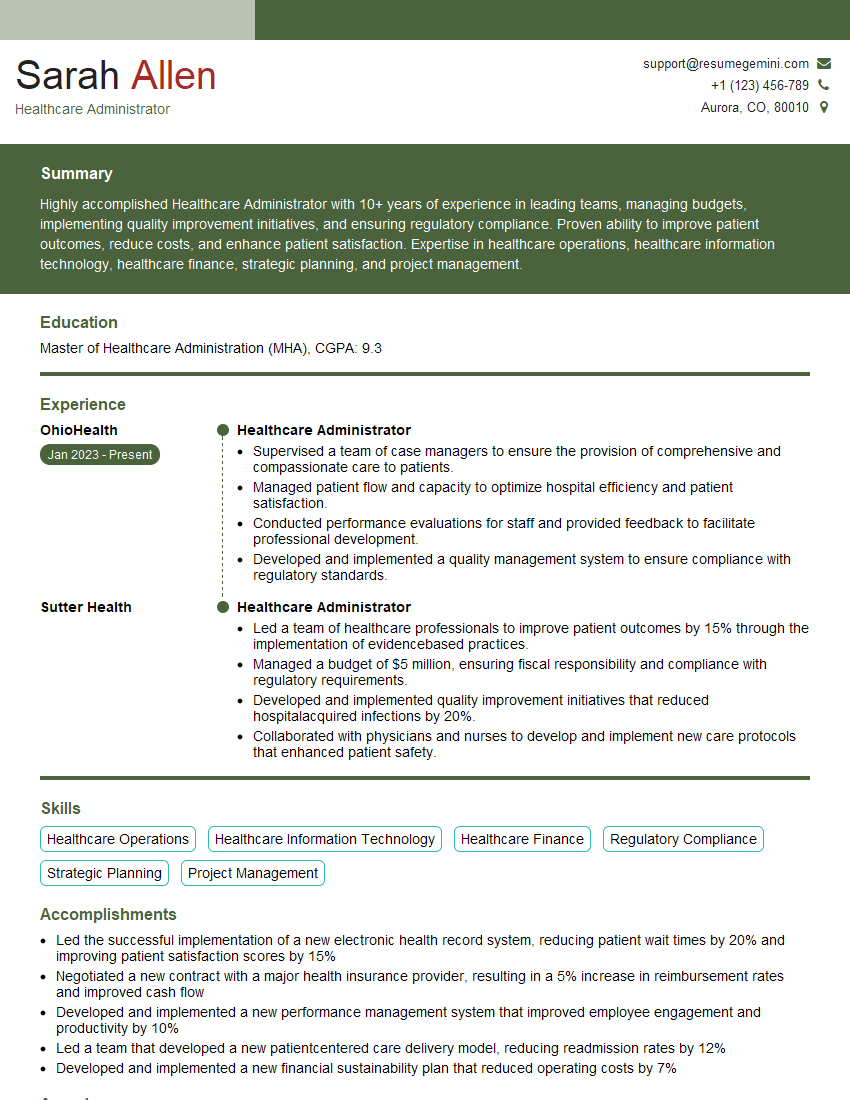
Healthcare Administrator Resume Sample

Paramedic Resume Sample

Regulatory Affairs Specialist Resume Sample

Research Scientist Resume Sample
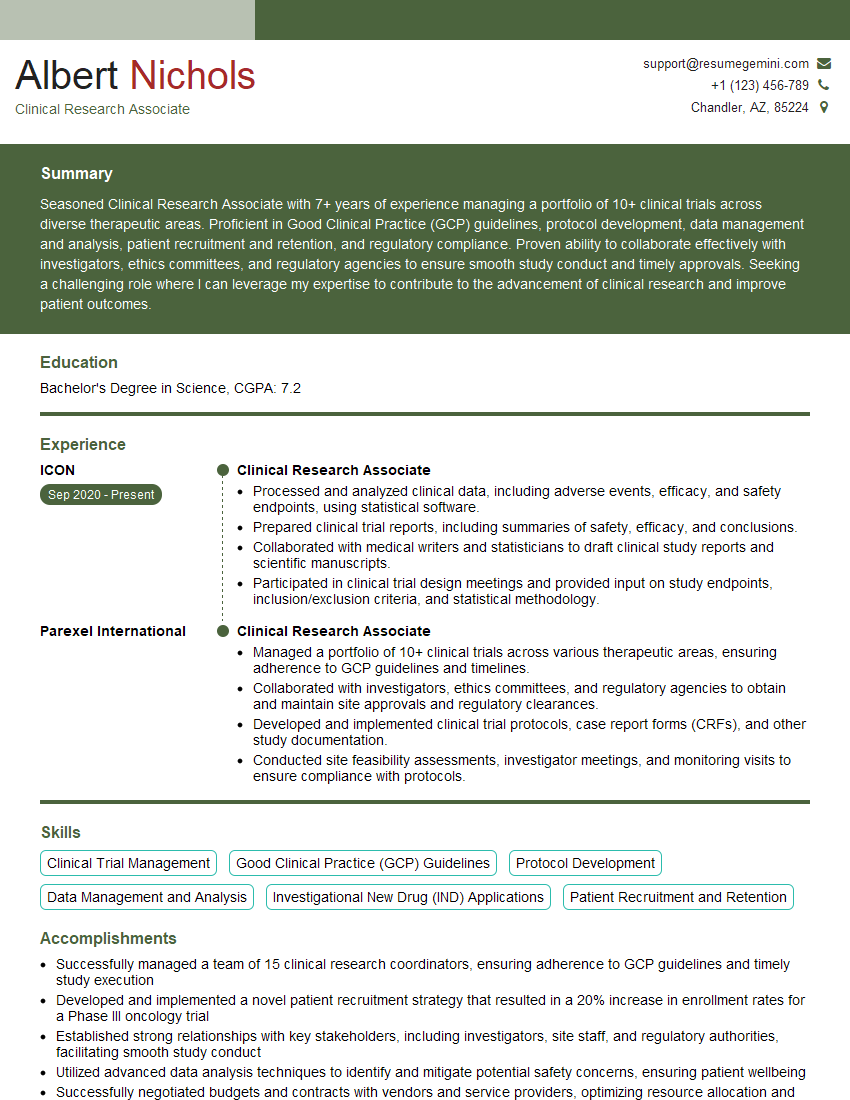
Clinical Research Associate Resume Sample

Quality Control Specialist Resume Sample

Laboratory Technician Resume Sample

Doctor Resume Sample
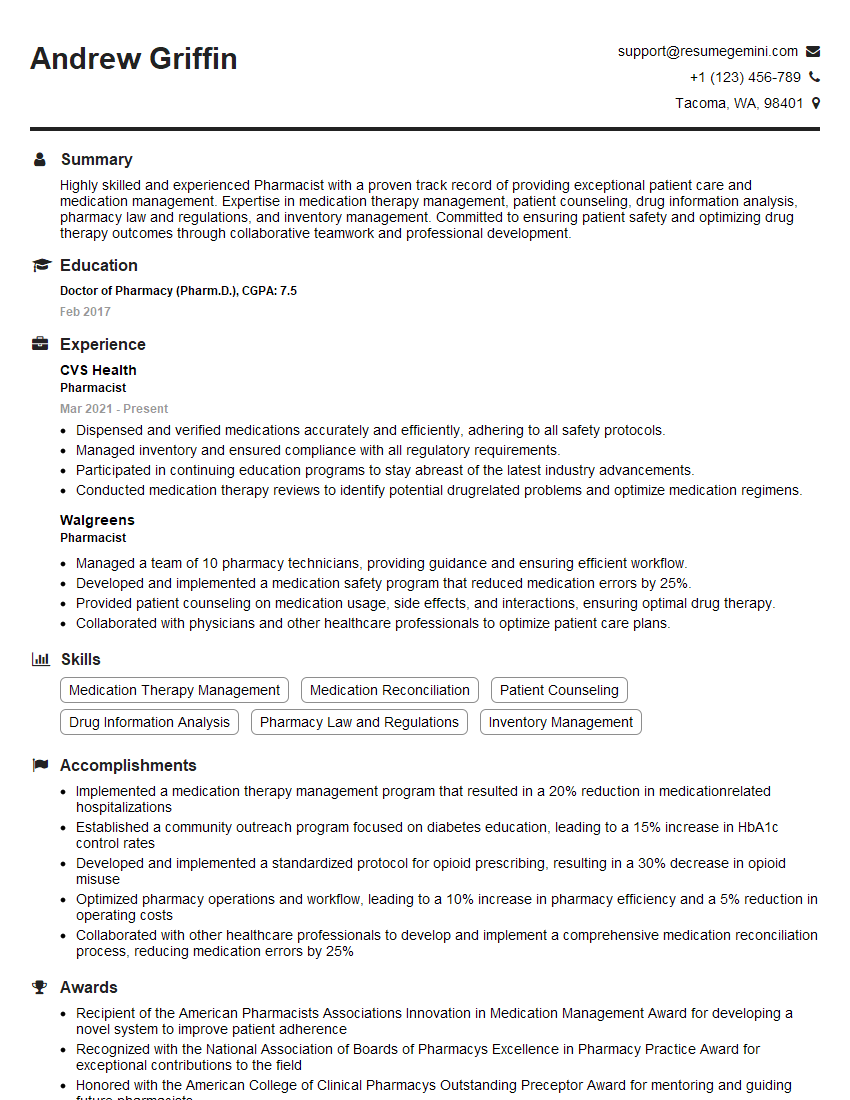
Pharmacist Resume Sample

Physician Assistant Resume Sample

Medical Technician Resume Sample
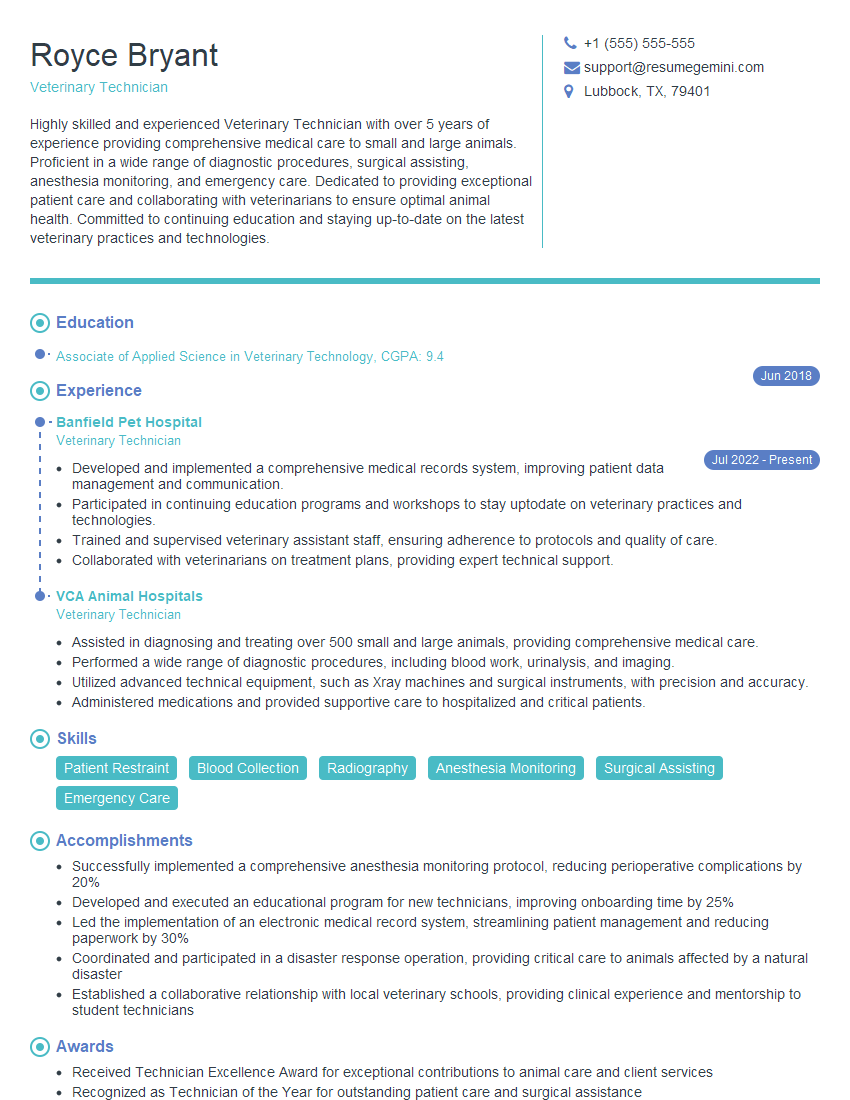
Veterinary Technician Resume Sample
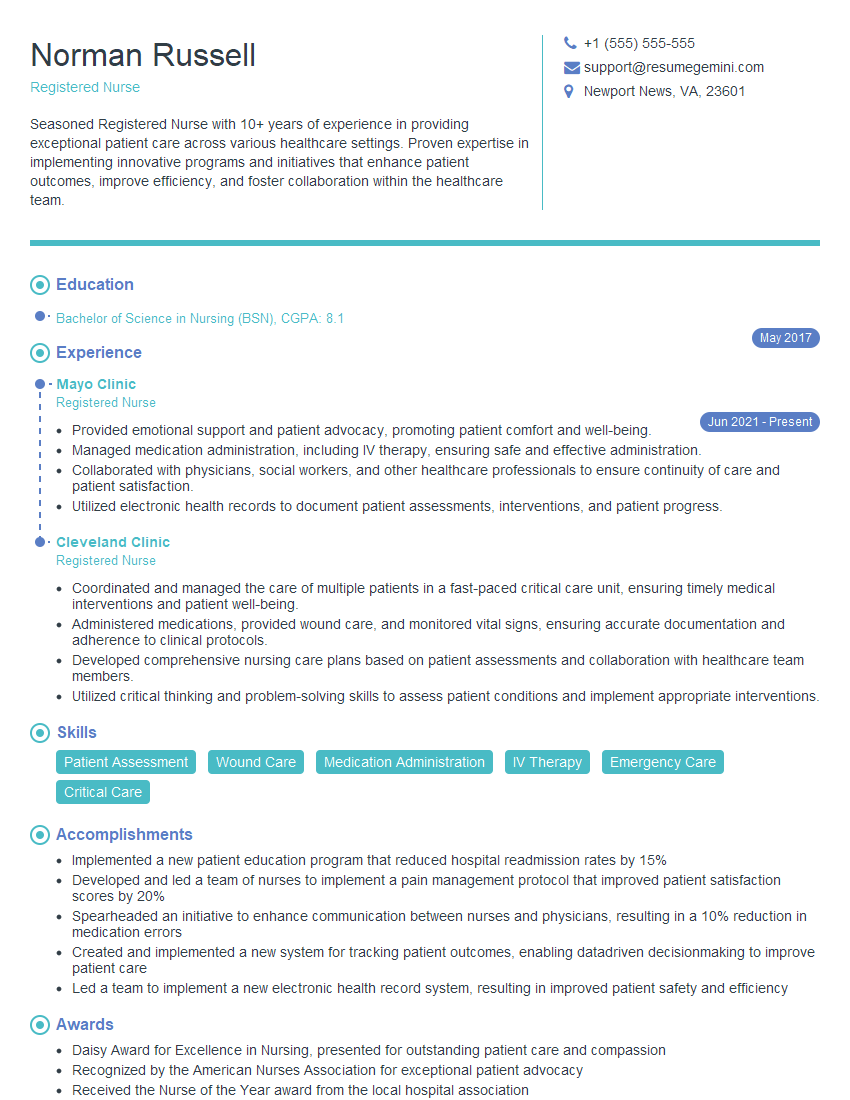
Registered Nurse Resume Sample
Explore more articles
Users Rating of Our Blogs
Share Your Experience
We value your feedback! Please rate our content and share your thoughts (optional).
What Readers Say About Our Blog
Very informative content, great job.
good