Cracking a skill-specific interview, like one for Metal Plating, requires understanding the nuances of the role. In this blog, we present the questions you’re most likely to encounter, along with insights into how to answer them effectively. Let’s ensure you’re ready to make a strong impression.
Questions Asked in Metal Plating Interview
Q 1. Explain the difference between electroplating and electroless plating.
The key difference between electroplating and electroless plating lies in the need for an external electrical current. Electroplating uses an external power source to drive the deposition of metal ions onto a conductive substrate. Think of it like a battery – it forces metal ions to move from the anode (positive electrode) to the cathode (negative electrode), which is your part to be plated. Electroless plating, on the other hand, is an autocatalytic process that doesn’t require an external current. Instead, a chemical reducing agent in the plating bath reduces metal ions to their metallic state, causing them to deposit on the substrate. This is more like a self-contained chemical reaction, where the substrate itself acts as a catalyst.
Imagine painting a car: electroplating is like using an airbrush connected to a compressor (external power), while electroless plating is like using a self-reacting paint that adheres to the surface without any external force.
Q 2. Describe the process of nickel plating.
Nickel plating is a widely used electroplating process that involves depositing a layer of nickel onto a substrate. The process typically starts with careful preparation of the substrate – cleaning, degreasing, and sometimes etching – to ensure good adhesion. Then, the part is immersed in a nickel plating bath, which is an aqueous solution containing nickel salts (like nickel sulfamate or nickel chloride), conductive salts (to improve conductivity), and buffering agents (to maintain the pH). An external direct current is applied, making the part the cathode and a nickel anode the positive electrode. The nickel ions in the bath migrate towards the cathode, where they are reduced and deposited as a metallic nickel layer. The thickness and properties of the nickel layer are controlled by parameters like current density, bath temperature, and plating time.
For example, in the automotive industry, nickel plating is frequently used as an undercoat for chrome plating, improving corrosion resistance and adhesion.
Q 3. What are the common types of plating baths used in industrial applications?
Industrial applications utilize a variety of plating baths, each tailored to the specific metal and desired properties. Common types include:
- Watts nickel bath: A widely used bath for nickel plating, known for its relatively simple composition and good throwing power.
- Sulfamate nickel bath: Offers higher plating rates and smoother deposits compared to Watts nickel baths, particularly useful for applications requiring high-quality finishes.
- Chloride nickel bath: Used for applications where high-speed plating is required.
- Cyanide baths: Historically used for plating certain metals like gold, silver, and copper, but are increasingly being replaced by less toxic alternatives due to environmental concerns.
- Acid copper baths: Used for building up thicker layers of copper before nickel or other plating.
- Alkaline zinc baths: Provide good corrosion protection for steel and other metals.
The choice of bath depends on factors like the base metal, desired plating thickness, surface finish, and environmental regulations.
Q 4. How do you ensure the adhesion of the plating to the substrate?
Adhesion of the plating to the substrate is paramount for the durability and performance of the final product. Several steps ensure strong adhesion:
- Thorough cleaning: Removing oils, grease, and other contaminants from the substrate surface using solvents, detergents, and sometimes ultrasonic cleaning.
- Surface preparation: Mechanical methods like polishing or abrasive blasting can create a rougher surface, increasing surface area for better adhesion. Chemical etching can also be employed to further improve surface properties.
- Pre-plating treatments: Applying a thin layer of a different metal (like copper or zinc) can act as an intermediary layer, improving adhesion between the substrate and the final plating.
- Careful control of plating parameters: Maintaining optimal current density, temperature, and solution composition in the plating bath prevents defects that would hinder adhesion.
Imagine trying to glue two pieces of wood together – if the surfaces aren’t clean and properly prepared, the glue won’t adhere properly. The same principle applies to metal plating.
Q 5. What are the factors that affect the plating thickness?
Plating thickness is influenced by several key factors:
- Current density: Higher current density generally leads to faster plating rates and thicker deposits, but can also result in rougher surfaces or porous deposits if not controlled carefully.
- Plating time: Longer plating times naturally result in thicker coatings.
- Bath temperature: Temperature affects the rate of chemical reactions, influencing the plating rate.
- Solution concentration: Higher concentrations of metal ions in the plating bath lead to faster plating rates.
- Agitation: Stirring or agitating the plating bath helps to replenish metal ions at the cathode, resulting in a more uniform and thicker coating.
Think of it like filling a container with water – the faster you pour (current density), the longer you pour (plating time), and the more water you have available (concentration), the fuller (thicker) the container will get.
Q 6. How do you measure plating thickness?
Several methods exist for measuring plating thickness, each with its own advantages and limitations:
- Microscopy: Cross-sectional microscopy involves cutting and polishing a sample to reveal the plating layer, then using a microscope to measure its thickness.
- Electrochemical methods: These techniques, such as coulometry, use electrochemical principles to determine the amount of metal deposited and thus the thickness.
- X-ray fluorescence (XRF): This non-destructive technique uses X-rays to determine the composition and thickness of the plating layer.
- Magnetic methods: Suitable for ferromagnetic coatings, these methods measure the magnetic properties to infer the thickness.
The choice of method depends on factors such as the desired accuracy, the nature of the plating, and the availability of equipment.
Q 7. Explain the concept of throwing power in electroplating.
Throwing power in electroplating refers to the ability of the plating bath to deposit a uniform coating on a complex-shaped part. A bath with good throwing power will produce a relatively uniform thickness even on recessed areas and sharp edges, while a bath with poor throwing power will result in thicker deposits on prominent areas and thinner deposits in recesses. This is crucial for ensuring consistent protection and performance across the entire surface.
Factors influencing throwing power include the type of plating bath, current density distribution, and the geometry of the part. Additives are often added to plating baths to improve throwing power, allowing for more uniform coatings on complex parts. Think of spraying paint on a car – a good throwing power ensures the paint reaches all the nooks and crannies equally, while poor throwing power may leave some areas poorly coated.
Q 8. What are the common defects found in metal plating and how are they addressed?
Metal plating, while offering excellent surface properties, is susceptible to various defects. These defects can significantly impact the final product’s quality, appearance, and functionality. Common defects include:
- Pitting: Small holes or cavities in the plating caused by impurities, insufficient agitation, or localized variations in current density. Think of it like tiny craters on the moon’s surface.
- Burning: An excessive build-up of plating material, often appearing as dark, rough patches. This happens when the current density is too high, essentially ‘overcooking’ the plating process.
- Nodules: Small, raised bumps on the surface. These can be caused by contamination in the plating bath or inadequate filtration.
- Roughness: An uneven, textured surface, often caused by poor surface preparation, improper current density, or contaminants.
- Blistering: The formation of bubbles or blisters under the plating layer, typically caused by trapped hydrogen gas or inadequate cleaning.
- Peeling/Flaking: The plating separates from the base metal, often due to poor adhesion caused by inadequate pre-treatment or stress from the plating process itself.
Addressing these defects requires a systematic approach. This usually involves carefully reviewing the entire plating process, from pre-treatment to final rinsing. For example, pitting might be resolved by improving solution filtration, increasing agitation, or adjusting the current density. Roughness might require a finer polishing of the substrate before plating. Blistering often necessitates a more thorough cleaning process to remove all traces of oil or grease. In essence, defect resolution requires a thorough understanding of the plating parameters and meticulous troubleshooting.
Q 9. Describe the importance of pre-treatment processes before plating.
Pre-treatment processes are absolutely crucial in metal plating. They prepare the substrate surface for optimal adhesion of the plating layer, ensuring a high-quality, durable final product. Imagine trying to glue two pieces of wood together without cleaning them first – the bond would be weak and prone to failure. Similarly, a poorly prepared surface leads to plating defects such as peeling, blistering, and poor corrosion resistance.
Common pre-treatment steps include:
- Cleaning: Removing oils, greases, and other contaminants using solvents, alkaline cleaners, or electro-cleaning.
- Degreasing: A more thorough cleaning process, often involving ultrasonic cleaning or vapor degreasing, ensuring complete removal of organic matter.
- Pickling: Using acidic solutions (like sulfuric acid for steel) to remove oxides and other surface imperfections.
- Etching: A more aggressive process that slightly roughens the surface, improving adhesion. This is like creating tiny microscopic anchors for the plating to grip onto.
- Rinsing: Thoroughly rinsing the substrate with deionized water after each cleaning or etching step to remove any residual chemicals.
The specific pre-treatment steps depend on the base metal and the type of plating being applied. Proper pre-treatment significantly enhances the final product’s quality, durability, and corrosion resistance.
Q 10. What are the safety precautions involved in metal plating?
Metal plating involves working with chemicals that can be hazardous to human health and the environment. Stringent safety precautions are paramount. These include:
- Personal Protective Equipment (PPE): This is absolutely essential and includes gloves, eye protection (goggles or face shields), aprons, and respirators, especially when handling strong acids or cyanide-based solutions.
- Ventilation: Adequate ventilation is crucial to remove toxic fumes and gases generated during the plating process. This often involves using exhaust hoods or local ventilation systems.
- Emergency Procedures: A comprehensive emergency plan should be in place, including procedures for handling spills, chemical burns, and exposure to hazardous materials. Emergency showers and eyewash stations should be readily accessible.
- Waste Management: Proper disposal of plating solutions and waste materials is crucial to minimize environmental impact. This usually involves adhering to strict regulations and using licensed waste disposal services.
- Training and Education: All personnel involved in metal plating should receive thorough training on safe handling procedures, hazard identification, and emergency response protocols.
Neglecting safety precautions can lead to serious health issues and environmental damage. Prioritizing safety is not just a recommendation, it’s a mandatory requirement for responsible and ethical metal plating operations.
Q 11. Explain the role of current density in electroplating.
Current density plays a vital role in electroplating. It refers to the amount of electric current applied per unit area of the substrate’s surface (typically measured in Amperes per square decimeter, A/dm²). Think of it as the intensity of the plating process.
Optimal current density is crucial for achieving uniform and high-quality plating. Too low a current density results in slow plating rates and potentially poor adhesion. Too high a current density can lead to burning, pitting, and other defects. The ideal current density depends on several factors including:
- Type of plating solution: Different plating solutions have different optimal current densities.
- Temperature of the bath: Higher temperatures generally allow for higher current densities.
- Agitation: Agitation helps distribute the current more evenly, allowing for higher current densities without burning.
- Substrate material: Different metals may require different current densities.
Controlling current density is often achieved by adjusting the voltage and the surface area of the cathode (the part being plated). Careful monitoring and adjustment are key to achieving a high-quality plating finish.
Q 12. What are the environmental considerations related to metal plating?
Metal plating has significant environmental implications. Many plating solutions contain heavy metals (like chromium, cadmium, nickel), cyanide, and other toxic chemicals. Improper handling and disposal of these materials can lead to water and soil contamination, harming both human health and the ecosystem. The key environmental concerns are:
- Heavy metal pollution: Improper disposal of plating solutions can contaminate water sources, leading to bioaccumulation in aquatic life and potentially entering the food chain.
- Cyanide pollution: Cyanide-based plating solutions are highly toxic and require specialized treatment before disposal.
- Wastewater treatment: Plating wastewater often requires extensive treatment to remove heavy metals and other contaminants before being released into the environment. This is crucial for maintaining water quality.
- Air emissions: Some plating processes can release harmful fumes into the air, which needs to be controlled through appropriate ventilation and air pollution control measures.
Addressing these concerns involves implementing responsible waste management practices, using environmentally friendly plating solutions (where available), and adhering to stringent environmental regulations. Adopting cleaner production methods and embracing sustainable technologies is becoming increasingly important in the metal plating industry.
Q 13. How do you control the pH of a plating bath?
Precise pH control is essential in metal plating. The pH of the plating bath affects the rate of plating, the quality of the deposit, and the overall efficiency of the process. Deviations from the optimal pH can lead to poor plating quality, reduced plating rate, and even the formation of unwanted precipitates.
pH control is typically achieved through the addition of acids or bases. For example, to increase the pH (make it more alkaline), a base like sodium hydroxide (NaOH) might be added. To decrease the pH (make it more acidic), an acid like sulfuric acid (H₂SO₄) might be used. The specific acid or base and the amount added depend on the type of plating solution and the desired pH.
Monitoring the pH is done using a pH meter. Automatic control systems are often employed in industrial plating operations to maintain the pH within a narrow, predetermined range. Regular monitoring and adjustment are essential for consistently high-quality plating.
Q 14. Describe the process of chrome plating.
Chrome plating is an electroplating process used to deposit a thin layer of chromium onto a substrate. It’s highly valued for its hardness, corrosion resistance, and brilliant, shiny appearance. Chrome plating is widely used in various applications, from automotive parts to plumbing fixtures.
The process generally involves these steps:
- Pre-treatment: Thorough cleaning and preparation of the substrate (usually steel, zinc, or plastic) are crucial for optimal adhesion.
- Plating: The substrate is immersed in a chromic acid-based plating bath, with the addition of sulfuric acid as a catalyst. A direct current is applied, causing chromium ions to be reduced and deposited onto the substrate.
- Rinsing: The plated part is rinsed thoroughly to remove any residual plating solution.
- Post-treatment (optional): Additional treatments, such as passivation (to enhance corrosion resistance) or polishing, may be performed.
The most common type of chrome plating is decorative chrome, known for its shiny finish. Hard chrome plating uses a different bath composition and typically produces a thicker, harder chromium layer, ideal for applications requiring enhanced wear resistance. Chrome plating, while offering superior properties, requires careful control of plating parameters and adherence to safety regulations due to the hazardous nature of chromic acid.
Q 15. What is the difference between hard chrome and decorative chrome plating?
Hard chrome and decorative chrome plating differ primarily in their thickness and intended purpose. Think of it like this: decorative chrome is like a shiny coat of paint, while hard chrome is like a tough, protective armor.
Decorative chrome plating is relatively thin (typically 0.25-0.5 µm) and applied primarily for aesthetic reasons. It enhances the appearance of a part, giving it a bright, reflective finish. You see it on car bumpers, bathroom fixtures, and many other consumer products. Its focus is on looks, not durability against wear and tear.
Hard chrome plating, on the other hand, is much thicker (typically 25-50 µm or more). It’s applied to improve the surface hardness, wear resistance, and corrosion resistance of a part. This is crucial for components in high-stress applications, such as engine parts, molds, and cutting tools. The emphasis is on functionality and longevity, not just visual appeal. The increased thickness contributes significantly to its superior durability and resistance to abrasion.
Career Expert Tips:
- Ace those interviews! Prepare effectively by reviewing the Top 50 Most Common Interview Questions on ResumeGemini.
- Navigate your job search with confidence! Explore a wide range of Career Tips on ResumeGemini. Learn about common challenges and recommendations to overcome them.
- Craft the perfect resume! Master the Art of Resume Writing with ResumeGemini’s guide. Showcase your unique qualifications and achievements effectively.
- Don’t miss out on holiday savings! Build your dream resume with ResumeGemini’s ATS optimized templates.
Q 16. How do you maintain the quality of a plating bath?
Maintaining a plating bath’s quality is crucial for consistent and high-quality plating. It’s a delicate balance, and regular monitoring and adjustments are essential. Think of it as tending a garden – consistent care leads to beautiful results.
- Regular Analysis: Frequent chemical analysis of the bath is paramount. We use titration and other analytical techniques to measure the concentrations of the key metal ions, additives, and other components. This helps identify any deviations from the optimal parameters.
- Filtration: The plating bath must be kept clean. Filtration systems remove solid contaminants and prevent them from affecting the plating process. Think of it like filtering out impurities in a water purification system.
- pH Control: The pH of the bath significantly affects the plating process. We use automated systems and manual adjustments to maintain the correct pH range. An incorrect pH can lead to poor plating quality or even damage to the bath.
- Additive replenishment: Plating additives, like brighteners and levelers, are consumed during the plating process. Regular replenishment ensures consistent plating quality. These additives are like the secret ingredients in a chef’s recipe, ensuring the best possible result.
- Periodic Cleaning and Maintenance: Periodic cleaning of the plating tank and associated equipment removes build-up and ensures efficient operation. This preventative maintenance minimizes downtime and maximizes the bath’s lifespan.
Q 17. What are the different types of plating racks and their applications?
Plating racks hold the parts to be plated and ensure uniform coating. The type of rack depends heavily on the part’s geometry and the plating process. Choosing the wrong rack is like trying to fit a square peg into a round hole; it just won’t work.
- Barrel Plating Racks: These are used for small parts like screws or fasteners. Parts are loaded into a rotating barrel, ensuring even distribution and coating of each item. This is ideal for high-volume, small-part applications.
- Hook Racks: These racks use hooks to individually suspend parts. They’re suitable for larger parts or those with intricate designs where uniform coverage is essential. This is a common choice for more intricate items where barrel plating would be unsuitable.
- Jigs: Jigs are custom-designed fixtures holding parts to ensure precise and uniform plating. They’re crucial for complex shapes or parts with critical plating requirements. Think of them as specialized tools ensuring each part receives the perfect plating.
- Comb Racks: These are primarily used in high volume applications with similarly shaped parts. Their design enables more parts to be plated simultaneously compared to individual hooks. Efficiency is key here.
Q 18. Explain the concept of anode and cathode in electroplating.
In electroplating, the anode and cathode are the electrodes where oxidation and reduction reactions occur, respectively. Imagine them as the positive and negative terminals of a battery driving the plating process.
The anode is the positive electrode. It’s typically made of the metal being plated (e.g., copper anode for copper plating). At the anode, the metal dissolves into the plating solution as metal ions (oxidation). Think of it as the source of the metal ions needed for the plating.
The cathode is the negative electrode, onto which the workpiece (the part to be plated) is connected. The metal ions in the plating solution are reduced at the cathode and deposited onto the workpiece, forming the plating layer (reduction). This is where the magic happens: the metal ions attach to the workpiece to form the plating.
The flow of electric current between the anode and cathode drives the entire electroplating process. The current carries the metal ions from the anode to the cathode, allowing them to deposit on the workpiece, creating the desired metal coating.
Q 19. How do you troubleshoot a plating process that produces poor results?
Troubleshooting a plating process that produces poor results requires a systematic approach. It’s like detective work, systematically eliminating possibilities until you find the root cause.
- Visual Inspection: Begin by carefully examining the plated parts for defects like pitting, burning, roughness, or poor adhesion. This will help pinpoint the nature of the problem.
- Chemical Analysis: Analyze the plating bath’s composition. Are the metal ion concentrations correct? Is the pH within the acceptable range? This helps ensure the bath is in optimal condition.
- Current Density Check: Verify that the current density is appropriate for the specific plating process. Too high a current density can lead to burning, while too low may result in a slow or incomplete deposit.
- Temperature Control: Check if the bath temperature is correctly maintained. Temperature affects the reaction rates and the quality of the plating.
- Pre-treatment Evaluation: Examine the surface preparation of the parts before plating. Proper cleaning and preparation are crucial for good adhesion. Issues here often lead to poor results.
- Anode Condition: Examine the anode for any issues, such as passivation or contamination. This may reduce the availability of metal ions for plating.
By systematically checking these aspects, you can isolate the problem and take corrective actions. Sometimes, it’s a combination of factors, requiring a holistic approach.
Q 20. What are the different types of plating solutions used for different metals?
Different metals require different plating solutions, tailored to their specific electrochemical properties. It’s like choosing the right key to open a specific lock.
- Copper Plating: Typically uses a copper sulfate bath, often with additives to improve brightness and leveling.
- Nickel Plating: Uses nickel sulfate or nickel chloride baths, sometimes with boric acid as a buffering agent.
- Chrome Plating: Employs chromic acid-based baths, with sulfuric acid and other additives for different plating properties (hard or decorative).
- Gold Plating: Uses various gold cyanide or gold sulfite baths, with other additives for specific colors and properties.
- Silver Plating: Typically uses a silver cyanide bath, known for its high throwing power, enabling consistent plating even on complex shapes.
- Zinc Plating: Uses zinc sulfate or zinc chloride baths, often applied as a corrosion-resistant coating.
The specific composition and operating parameters of each plating solution are optimized to achieve the desired properties of the final plating layer. The solution’s selection is critical for the success of the plating process.
Q 21. Describe the process of gold plating.
Gold plating is an electrochemical process where a thin layer of gold is deposited onto a conductive surface. It’s often used for its attractive appearance, corrosion resistance, and excellent electrical conductivity. It’s a delicate process requiring precision and care.
- Part Preparation: Thorough cleaning and surface preparation of the workpiece are vital for good adhesion of the gold layer. This often involves degreasing, etching, and rinsing to ensure a clean surface.
- Plating Solution Preparation: A gold plating solution is prepared, typically a gold cyanide or gold sulfite bath, containing gold ions and other additives that affect the plating’s color and characteristics. The concentration and composition of these baths are extremely important.
- Electroplating Process: The prepared workpiece is connected as the cathode, and a gold anode (or an inert anode for certain bath types) is immersed in the plating solution. A direct current is applied, causing gold ions to migrate from the anode to the cathode and deposit onto the workpiece, forming a thin, even gold coating.
- Rinsing and Finishing: After plating, the workpiece is thoroughly rinsed to remove any residual plating solution. Further finishing steps, such as polishing or passivation, may be performed to enhance the final appearance and durability of the gold layer.
The thickness of the gold layer, plating current, and bath temperature all influence the final quality and color of the gold plating. Controlling these parameters is essential for producing high-quality results. Different types of gold baths allow for different shades and colors of gold plating to be achieved, catering to diverse applications.
Q 22. What are the common problems associated with zinc plating?
Common problems in zinc plating stem from its inherent properties and the plating process itself. One major issue is hydrogen embrittlement, where hydrogen atoms absorbed during plating diffuse into the base metal, making it brittle and prone to cracking under stress. Another is poor adhesion, often caused by inadequate surface preparation of the base metal. This can lead to peeling or flaking of the zinc coating. We can also encounter problems with porosity, meaning tiny holes in the plating that compromise corrosion resistance. Finally, whitish deposits (zinc carbonate) can form on the surface due to exposure to air and moisture, affecting the appearance.
For instance, I once worked on a project where improperly cleaned steel parts resulted in significant adhesion issues, leading to production delays and increased costs. We addressed this by implementing stricter cleaning protocols, including a pre-treatment stage with alkaline cleaners.
Q 23. How do you prevent hydrogen embrittlement during plating?
Preventing hydrogen embrittlement is crucial for the integrity of zinc-plated parts. The key strategies involve controlling the plating process parameters and employing post-treatment methods. Lowering the plating current density reduces hydrogen absorption. Using addtives in the plating bath, such as brighteners or organic inhibitors, can also help minimize hydrogen uptake. Furthermore, a post-plating bake at a controlled temperature allows the trapped hydrogen to escape. The choice of plating bath chemistry is also important; some formulations generate less hydrogen than others. Finally, selecting a base metal with low susceptibility to hydrogen embrittlement can also be beneficial.
In my experience, a post-plating bake at 150°C for two hours effectively mitigated hydrogen embrittlement in high-strength steel components. This procedure was implemented after we encountered cracking issues in a batch of automotive parts.
Q 24. What are the quality control tests performed on plated parts?
Quality control tests for plated parts are critical to ensure consistent quality and performance. These tests fall into several categories:
- Visual Inspection: A simple but vital first step, checking for surface imperfections, such as pits, cracks, discoloration, and coating thickness uniformity.
- Thickness Measurement: Employing methods like magnetic thickness gauges or coulometric methods to confirm the plating layer meets specifications. This is critical for corrosion resistance.
- Adhesion Testing: Various methods exist, such as the tape test, scratch test, or pull-off test, to evaluate the bond between the plating and the base metal.
- Porosity Testing: Techniques like the Preece test or the ferroxyl test reveal any pores or imperfections in the plating layer that could compromise its protective properties.
- Corrosion Testing: Salt spray testing or humidity testing simulates real-world conditions to assess the corrosion resistance of the plated parts.
For example, during a project involving marine hardware, salt spray testing was essential to verify the plating’s ability to withstand harsh coastal environments.
Q 25. Describe your experience with different plating techniques (e.g., barrel plating, rack plating).
My experience encompasses both barrel plating and rack plating, each with its own advantages and limitations. Barrel plating is ideal for small parts that can be tumbled together in a rotating barrel. It’s a high-throughput, cost-effective method for mass production. However, it can lead to less uniform plating on complex shapes. Rack plating, on the other hand, offers greater control and precision, allowing for the plating of larger and more intricately shaped parts. It provides a more uniform coating but is generally less efficient for large-scale operations.
I’ve managed projects involving both techniques. One instance involved barrel plating fasteners for a large construction project, while another involved rack plating specialized electronic components requiring precise coating thickness and uniformity.
Q 26. What are your skills in troubleshooting plating equipment malfunctions?
Troubleshooting plating equipment is a regular aspect of my work, requiring a systematic approach. I begin with a careful assessment of the problem, including observing the visual symptoms and checking process parameters such as current, voltage, temperature, and solution chemistry. I then use a combination of diagnostic tools and my knowledge of the equipment’s operation to pinpoint the cause of the malfunction. This might involve checking for leaks, examining pumps and filters, analyzing the solution chemistry, or even replacing worn components.
For instance, I once resolved an issue with inconsistent plating thickness by identifying a faulty rectifier in the power supply. A methodical approach that combined careful observation and electrical measurements allowed for quick identification and replacement of the faulty component.
Q 27. How do you ensure compliance with environmental regulations in metal plating?
Environmental compliance in metal plating is paramount. This includes proper management of hazardous waste, such as spent plating solutions and rinse water, which often contain heavy metals like zinc, nickel, or chromium. We follow strict procedures for wastewater treatment, often employing technologies like chemical precipitation, ion exchange, or reverse osmosis to remove contaminants before discharging wastewater. We also adhere to all relevant air emission regulations, controlling fumes and particulate matter released during the plating process. Thorough record-keeping and regular reporting are vital in demonstrating our compliance.
A key part of our process involves regular monitoring of effluent quality and maintaining detailed records of all chemical usage and waste disposal activities. This ensures we remain in full compliance with local and national environmental regulations.
Q 28. Describe your experience with different plating materials (e.g., zinc, nickel, chrome, gold).
My experience covers a wide range of plating materials, each with its unique properties and applications. Zinc plating offers excellent corrosion protection, especially in outdoor environments, and is commonly used for fasteners and hardware. Nickel plating provides a highly durable and smooth finish, often used as an undercoat for chrome plating or for decorative purposes. Chrome plating is known for its exceptional hardness, shine, and corrosion resistance, frequently used in automotive and industrial applications. Finally, gold plating, while more expensive, is prized for its superior electrical conductivity and corrosion resistance, making it ideal for electronics and connectors.
I have worked with all four materials in various applications, from the high-volume zinc plating of automotive parts to the intricate gold plating of delicate electronic components. The selection of the appropriate material always depends on the specific application’s requirements for corrosion resistance, wear resistance, conductivity, and aesthetic appeal.
Key Topics to Learn for Your Metal Plating Interview
- Electroplating Fundamentals: Understand the principles of electrodeposition, including Faraday’s laws, current density, and the role of electrolytes.
- Plating Processes: Become familiar with various plating techniques such as barrel plating, rack plating, and brush plating, including their applications and limitations.
- Metal Selection and Properties: Know the properties of common plating metals (e.g., chromium, nickel, zinc, gold) and how these properties influence their applications in different industries.
- Surface Preparation: Master the importance of proper surface cleaning, pre-treatment methods (e.g., etching, degreasing), and their impact on plating adhesion and quality.
- Quality Control and Troubleshooting: Learn about common plating defects (e.g., pitting, burning, peeling), their causes, and the methods used for quality control and troubleshooting.
- Wastewater Treatment and Environmental Regulations: Understand the environmental impact of metal plating and the necessary steps for responsible wastewater treatment and compliance with relevant regulations.
- Safety Procedures and Practices: Familiarize yourself with the safety protocols and personal protective equipment (PPE) required in a metal plating facility.
- Plating Bath Chemistry and Maintenance: Understand the composition and maintenance of different plating baths, including the role of additives and their effects on plating quality.
- Practical Applications Across Industries: Explore the diverse applications of metal plating in industries such as automotive, electronics, aerospace, and jewelry.
- Advanced Plating Techniques: Research more advanced techniques like electroless plating and pulse plating, and their specific applications.
Next Steps
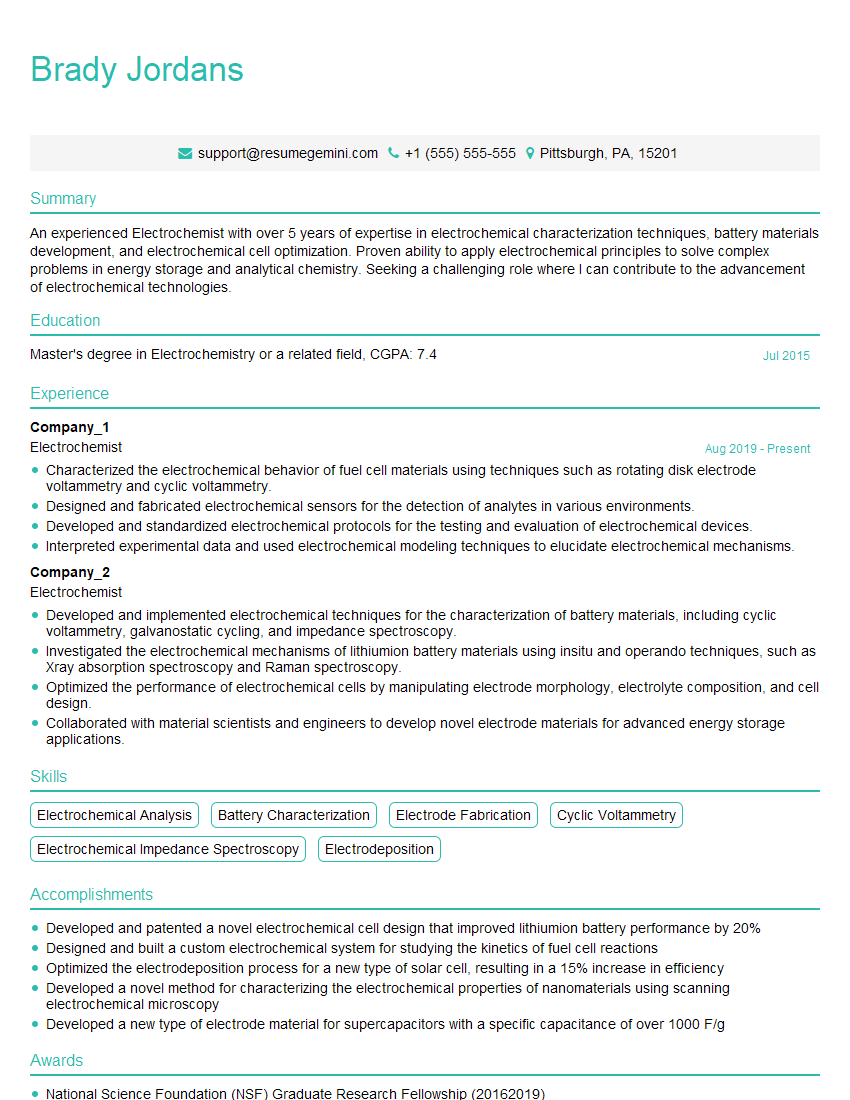
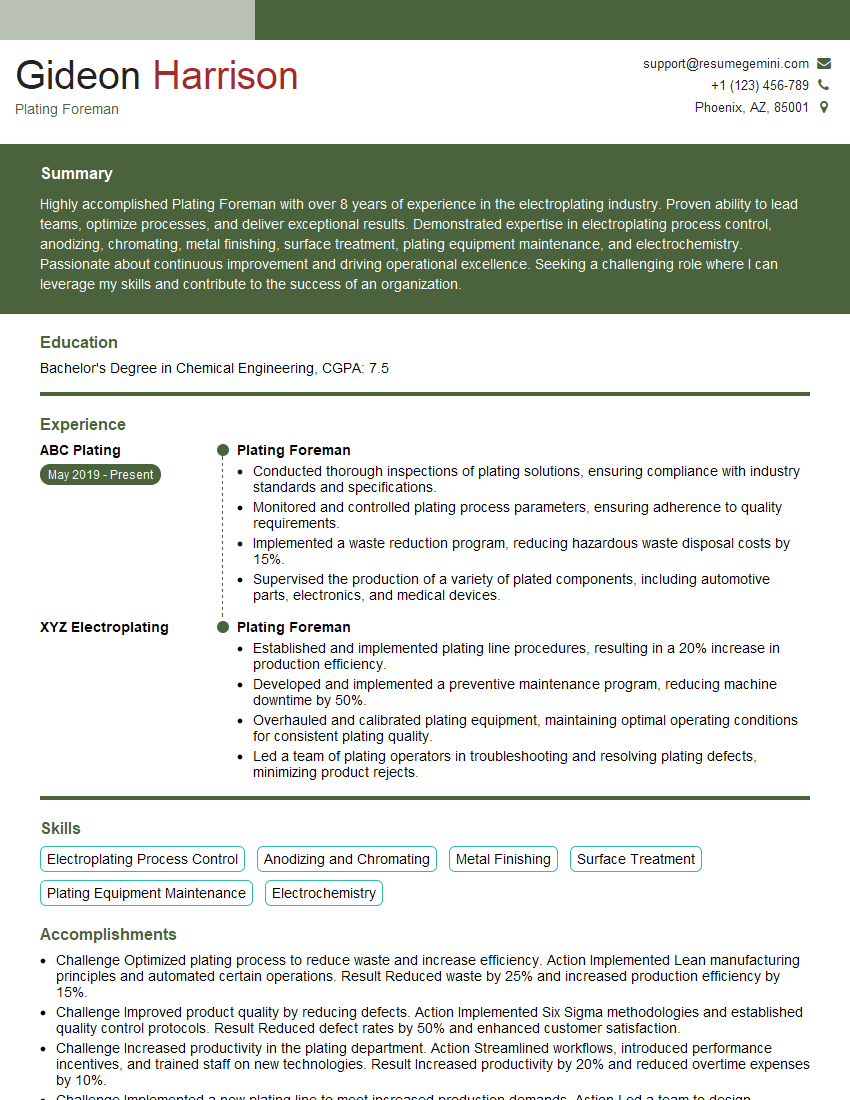
Mastering metal plating opens doors to exciting career opportunities in a diverse range of industries. To maximize your chances of landing your dream job, a strong resume is crucial. Building an ATS-friendly resume is key to getting past applicant tracking systems and into the hands of hiring managers. We strongly recommend using ResumeGemini to craft a professional and impactful resume that highlights your skills and experience effectively. ResumeGemini offers examples of resumes tailored to the Metal Plating industry, giving you a head start in creating a winning application.

Explore more articles
Users Rating of Our Blogs
Share Your Experience
We value your feedback! Please rate our content and share your thoughts (optional).
What Readers Say About Our Blog
Very informative content, great job.
good