Feeling uncertain about what to expect in your upcoming interview? We’ve got you covered! This blog highlights the most important Microbiology and Infectious Disease Control interview questions and provides actionable advice to help you stand out as the ideal candidate. Let’s pave the way for your success.
Questions Asked in Microbiology and Infectious Disease Control Interview
Q 1. Describe the different types of bacterial morphology.
Bacterial morphology refers to the shape and arrangement of bacteria. Understanding this is crucial for initial identification. Bacteria exhibit a variety of shapes, primarily categorized as follows:
- Cocci (spherical): These can be found singly, in pairs (diplococci), chains (streptococci), clusters (staphylococci), or tetrads (groups of four).
- Bacilli (rod-shaped): Bacilli can be single rods, diplobacilli (pairs), streptobacilli (chains), or coccobacilli (short, plump rods that resemble cocci).
- Spiral: This category includes spirilla (rigid spirals), vibrios (comma-shaped), and spirochetes (flexible spirals).
Imagine trying to identify a suspect – their build (cocci, bacilli, spiral) is one of your first clues! The arrangement adds further detail; a strep throat infection, for example, is caused by Streptococcus pyogenes, identified by its characteristic chain formation.
Q 2. Explain the process of Gram staining and its significance.
Gram staining is a crucial differential staining technique used to classify bacteria based on their cell wall structure. The process involves:
- Primary stain (Crystal violet): This stains all bacterial cells purple.
- Mordant (Gram’s iodine): This forms a complex with crystal violet, trapping it within the cell.
- Decolorizer (alcohol or acetone): This step is critical. It decolorizes Gram-negative bacteria but not Gram-positive bacteria.
- Counterstain (safranin): This stains decolorized Gram-negative bacteria pink or red.
Significance: Gram staining provides rapid, preliminary identification, guiding treatment decisions. Gram-positive bacteria, retaining the crystal violet-iodine complex, appear purple, whereas Gram-negative bacteria, taking up the safranin counterstain, appear pink. This difference in staining reflects fundamental differences in cell wall composition, impacting antibiotic susceptibility and virulence.
For instance, a positive Gram stain of a pus sample might suggest a staphylococcal infection (Gram-positive), while a negative stain could point towards an E. coli infection (Gram-negative).
Q 3. What are the key differences between Gram-positive and Gram-negative bacteria?
The key difference lies in their cell wall structure, impacting their staining properties and susceptibility to antibiotics:
| Feature | Gram-positive | Gram-negative |
|---|---|---|
| Cell Wall | Thick peptidoglycan layer | Thin peptidoglycan layer, outer membrane with lipopolysaccharide (LPS) |
| Gram stain | Purple | Pink/Red |
| Susceptibility to antibiotics | Generally susceptible to penicillin and other β-lactams | Often resistant to penicillin due to outer membrane, may require different antibiotics |
| LPS (Endotoxin) | Absent | Present |
Think of it like this: Gram-positive bacteria have a thick, sturdy outer layer (peptidoglycan) that retains the purple dye, while Gram-negative bacteria have a thinner peptidoglycan layer with an additional outer membrane, causing them to lose the purple dye and take up the pink counterstain. This structural difference significantly impacts their response to antibiotics.
Q 4. Describe the mechanisms of action of common antibiotics.
Common antibiotics target different bacterial processes, preventing growth or causing cell death. Mechanisms of action include:
- Inhibition of cell wall synthesis: β-lactams (penicillin, cephalosporins) inhibit the enzymes that cross-link peptidoglycan, weakening the cell wall, leading to cell lysis.
- Inhibition of protein synthesis: Aminoglycosides (gentamicin), tetracyclines, macrolides (erythromycin) bind to bacterial ribosomes, preventing protein synthesis.
- Inhibition of nucleic acid synthesis: Quinolones (ciprofloxacin) inhibit DNA gyrase, an enzyme essential for DNA replication, while rifampin inhibits RNA polymerase, preventing RNA synthesis.
- Inhibition of metabolic pathways: Sulfonamides and trimethoprim inhibit folate synthesis, a vital metabolic pathway.
Each antibiotic targets a specific bacterial process, and selecting the right antibiotic requires careful consideration of the infecting organism and its susceptibility.
Q 5. Explain the concept of antibiotic resistance and its implications.
Antibiotic resistance occurs when bacteria evolve mechanisms to survive exposure to antibiotics, rendering the drugs ineffective. This is a serious global health threat. Mechanisms of resistance include:
- Enzyme production: Bacteria may produce enzymes (e.g., β-lactamases) that inactivate antibiotics.
- Altered target site: Mutations can alter the target site of the antibiotic, preventing binding.
- Reduced permeability: Changes in the bacterial cell wall can reduce the entry of antibiotics.
- Efflux pumps: Bacteria can develop pumps that actively expel antibiotics from the cell.
Implications: Antibiotic resistance leads to treatment failures, prolonged illness, increased healthcare costs, and higher mortality rates. It necessitates the development of new antibiotics and strategies to combat resistance, including prudent antibiotic use, infection control practices, and development of alternative therapies.
Q 6. What are the different methods used for microbial identification?
Microbial identification relies on a combination of techniques:
- Phenotypic methods: These methods assess observable characteristics like morphology (shape, arrangement), Gram stain reaction, colony morphology (size, color, texture), biochemical tests (e.g., identifying enzymes produced), and growth characteristics.
- Genotypic methods: These analyze the genetic material of the microorganism, such as DNA sequencing (16S rRNA gene sequencing for bacteria), PCR (Polymerase Chain Reaction), and pulsed-field gel electrophoresis (PFGE).
- Immunological methods: These use antibodies to detect specific antigens of the microorganism, such as ELISA (enzyme-linked immunosorbent assay) and immunofluorescence.
- Mass Spectrometry: MALDI-TOF (Matrix-Assisted Laser Desorption/Ionization–Time of Flight) mass spectrometry allows rapid identification based on protein profiles.
Often, a combination of methods is used to ensure accurate identification. For example, a Gram stain might suggest Staphylococcus aureus; this is then confirmed using biochemical tests (coagulase test) or molecular methods like PCR.
Q 7. Describe the lifecycle of a virus.
Viral lifecycles vary depending on the virus, but generally involve these steps:
- Attachment: The virus binds to specific receptors on the host cell surface.
- Entry: The virus enters the host cell, either by fusion with the cell membrane, receptor-mediated endocytosis, or direct injection of the viral genome.
- Uncoating: The viral capsid is removed, releasing the viral genome into the host cell.
- Replication: The viral genome is replicated using the host cell’s machinery.
- Assembly: New viral particles are assembled from newly synthesized viral components.
- Release: The newly assembled viruses are released from the host cell, either by budding (enveloped viruses) or lysis (non-enveloped viruses).
Think of it like a hijacking: the virus attaches to the cell, gets inside, takes over the cell’s machinery to make copies of itself, and then escapes to infect more cells. Understanding this lifecycle is critical for developing antiviral strategies that target specific steps in the process.
Q 8. Explain the process of viral replication.
Viral replication is the process by which viruses multiply inside a host cell. It’s a fascinatingly complex process, varying slightly depending on the virus type, but generally involves these key steps:
- Attachment: The virus attaches to a specific receptor on the surface of the host cell. Think of it like a key fitting into a lock; only specific viruses can infect specific cells.
- Entry: The virus enters the host cell. This can happen through various mechanisms, such as direct fusion with the cell membrane, receptor-mediated endocytosis (where the cell engulfs the virus), or injection of its genetic material.
- Uncoating: Once inside, the virus sheds its protective protein coat, releasing its genetic material (either DNA or RNA) into the cell’s cytoplasm.
- Replication: The viral genetic material hijacks the host cell’s machinery to produce more viral components: copies of its genome and proteins.
- Assembly: New viral particles are assembled from the newly synthesized components. Imagine this as a cellular factory producing new viruses.
- Release: The newly formed viruses are released from the host cell. This can happen through cell lysis (bursting), budding (where the virus slowly exits the cell without immediate destruction), or exocytosis. This release allows the cycle to repeat, infecting more cells.
For example, the influenza virus uses hemagglutinin on its surface to attach to host cells, then enters via endocytosis. HIV, on the other hand, fuses directly with the cell membrane.
Q 9. What are the different types of viral infections?
Viral infections are categorized in various ways. One common classification is based on the type of host cell they infect:
- Acute infections: These infections develop rapidly, with symptoms appearing quickly and resolving within a relatively short period. The common cold is a classic example.
- Persistent infections: These infections last for a prolonged period, sometimes for life. They can be further divided into:
- Chronic infections: The virus continually produces infectious particles. Hepatitis B is an example.
- Latent infections: The virus remains dormant for extended periods, only reactivating under specific circumstances. Herpes simplex virus is a prime example.
- Slow infections: These infections progress slowly over a long period, often with a long incubation period before symptoms appear. HIV is a slow infection that progresses to AIDS.
- Transforming infections: These infections lead to changes in the host cell, potentially causing the cell to become cancerous. Human papillomavirus (HPV) is associated with cervical cancer.
Another way to classify viral infections is by the body system they affect – for example, respiratory infections, gastrointestinal infections, or neurological infections. Understanding these classifications helps in diagnosis, treatment, and prevention strategies.
Q 10. Describe the different methods used for viral diagnosis.
Diagnosing viral infections involves several methods, each with its strengths and weaknesses:
- Serology: This method detects antibodies in a patient’s blood serum that are produced in response to a viral infection. It identifies past or current infections but can’t distinguish between active or inactive infections.
- Antigen detection: This directly detects viral antigens (proteins) in patient samples like blood or nasal secretions using techniques like ELISA or immunofluorescence. This provides faster results than serology.
- Nucleic acid amplification tests (NAATs): These tests, such as PCR, detect viral genetic material (DNA or RNA). They are highly sensitive and specific, even detecting low viral loads, making them ideal for early diagnosis.
- Viral culture: This involves growing the virus in a laboratory setting from patient samples. This is a gold standard technique but is time-consuming and requires specialized facilities.
- Electron microscopy: This method allows visualization of the viruses under a powerful microscope. While useful for identification, it is not commonly used due to high cost and complexity.
The choice of diagnostic method depends on factors like the suspected virus, the stage of the infection, and the availability of resources. Often, a combination of methods is used for a more definitive diagnosis.
Q 11. What are the key factors contributing to the spread of infectious diseases?
The spread of infectious diseases is a complex interplay of factors:
- Agent factors: This refers to the characteristics of the infectious agent itself, such as its virulence (ability to cause disease), transmissibility, and resistance to antimicrobial agents.
- Host factors: These are characteristics of the individual being infected. This includes their age, immune status (compromised immune systems are more susceptible), overall health, and genetic predisposition.
- Environmental factors: The surrounding environment plays a significant role. Factors such as climate (influenza outbreaks are often seasonal), sanitation, access to clean water and healthcare, population density, and vector presence (mosquitoes transmitting malaria) all contribute to the spread of diseases.
- Transmission modes: Infectious agents can be transmitted through various routes, including direct contact (touching an infected person), indirect contact (contaminated surfaces), droplet transmission (coughing, sneezing), airborne transmission (small particles suspended in the air), fecal-oral transmission (contaminated food or water), vector-borne transmission (through insects), and blood-borne transmission. Understanding the mode of transmission is crucial for effective control measures.
For example, the rapid spread of COVID-19 was facilitated by its high transmissibility and the large number of susceptible individuals in the population, coupled with airborne transmission.
Q 12. Explain the principles of infection prevention and control.
Infection prevention and control (IPC) focuses on reducing the risk of infection transmission. The principles revolve around several key strategies:
- Standard precautions: These are applied to all patients, regardless of their infection status, to prevent the transmission of pathogens. This includes hand hygiene, use of personal protective equipment (PPE), and safe handling of sharps and body fluids.
- Transmission-based precautions: These are additional precautions implemented for patients with known or suspected infections transmitted via specific routes (airborne, droplet, contact). These might involve isolation, specific PPE, and environmental disinfection.
- Environmental hygiene: Maintaining a clean and disinfected environment is crucial. This includes proper cleaning and disinfection of surfaces, equipment, and waste disposal.
- Immunization: Vaccination plays a vital role in preventing infectious diseases, by conferring immunity to targeted pathogens.
- Surveillance and outbreak management: Tracking and investigating infections allows for timely interventions to prevent wider outbreaks.
- Education and training: Educating healthcare workers and the public about hygiene and infection control practices is critical for successful IPC.
Implementing these principles is vital in healthcare settings, but they also have broader implications in public health, food safety, and other areas.
Q 13. Describe the different types of sterilization and disinfection methods.
Sterilization and disinfection are crucial in infection control. Sterilization completely eliminates all forms of microbial life, while disinfection reduces the number of microbes to a safe level.
- Sterilization methods:
- Heat sterilization: This includes autoclaving (moist heat under pressure), dry heat sterilization, and incineration. Autoclaving is commonly used for medical instruments.
- Chemical sterilization: This uses chemicals like ethylene oxide gas or glutaraldehyde to kill microbes. Ethylene oxide is effective but requires specialized equipment and is toxic.
- Radiation sterilization: This uses ionizing radiation (gamma rays or electron beams) to sterilize medical devices that cannot withstand heat.
- Disinfection methods:
- Chemical disinfection: Various disinfectants are used, including alcohols (ethanol, isopropanol), chlorine-based compounds (bleach), and quaternary ammonium compounds. The choice of disinfectant depends on the target microbe and the surface being treated.
- Physical disinfection: This includes methods such as boiling, pasteurization (for heat-sensitive liquids), and ultraviolet (UV) radiation.
Proper selection and application of these methods are essential for preventing the spread of infections. For example, surgical instruments require sterilization, whereas cleaning surfaces might only require disinfection.
Q 14. What are standard precautions in healthcare settings?
Standard precautions in healthcare settings are fundamental to infection control. They are applied to all patients, regardless of their diagnosis or infection status. These precautions aim to prevent the transmission of bloodborne and other pathogens.
- Hand hygiene: This is the single most important measure. Hands should be washed thoroughly with soap and water or disinfected with an alcohol-based hand rub before and after patient contact, and after contact with potentially contaminated surfaces.
- Personal protective equipment (PPE): PPE should be used appropriately to prevent contact with blood and body fluids. This includes gloves, gowns, masks, and eye protection, as needed.
- Safe injection practices: Using disposable needles and syringes and proper disposal of sharps are crucial to prevent needle-stick injuries and the transmission of bloodborne pathogens.
- Safe handling of soiled linen: Linen contaminated with body fluids should be handled carefully and laundered appropriately.
- Environmental cleaning and disinfection: Regular cleaning and disinfection of patient care areas, equipment, and surfaces is essential to minimize the risk of infection transmission.
Adherence to standard precautions is crucial in reducing healthcare-associated infections, protecting both healthcare workers and patients. Effective training and consistent implementation are key to their success.
Q 15. How do you interpret a culture and sensitivity report?
A culture and sensitivity (C&S) report provides crucial information for guiding antibiotic treatment. It involves two parts: the culture identifies the specific bacteria or fungi causing the infection, while the sensitivity testing determines which antibiotics are most effective against that identified microorganism.
Let’s break it down: The culture portion involves growing a sample (e.g., blood, urine, sputum) in a lab to isolate the infectious agent. The results will typically identify the genus and species of the microorganism, for example, Staphylococcus aureus or Escherichia coli.
The sensitivity test assesses the susceptibility of the identified microbe to various antibiotics. The report will show the minimum inhibitory concentration (MIC), which is the lowest concentration of an antibiotic that prevents bacterial growth. Results are often reported as ‘Susceptible (S)’, ‘Intermediate (I)’, or ‘Resistant (R)’. A ‘Susceptible’ result means the antibiotic is likely to be effective, while ‘Resistant’ indicates the antibiotic is unlikely to work. ‘Intermediate’ signifies a grey area, where the antibiotic might work depending on various factors like the site of infection and dosage.
Example: A C&S report might state: ‘Culture: Escherichia coli; Sensitivity: Amoxicillin – R, Cefuroxime – S, Ciprofloxacin – S’. This tells us the infection is caused by E. coli and that Cefuroxime and Ciprofloxacin are appropriate treatment options, while Amoxicillin is ineffective. Understanding these reports is vital for clinicians in choosing the correct antibiotic, preventing antibiotic resistance, and ensuring the best patient outcomes.
Career Expert Tips:
- Ace those interviews! Prepare effectively by reviewing the Top 50 Most Common Interview Questions on ResumeGemini.
- Navigate your job search with confidence! Explore a wide range of Career Tips on ResumeGemini. Learn about common challenges and recommendations to overcome them.
- Craft the perfect resume! Master the Art of Resume Writing with ResumeGemini’s guide. Showcase your unique qualifications and achievements effectively.
- Don’t miss out on holiday savings! Build your dream resume with ResumeGemini’s ATS optimized templates.
Q 16. Explain the concept of herd immunity.
Herd immunity is a form of indirect protection from infectious diseases. It occurs when a significant portion of a population becomes immune to an infectious agent, making the spread of disease to susceptible individuals unlikely. This immunity can be achieved through vaccination or prior infection. Think of it like a shield protecting the whole community.
Imagine a population where a highly contagious virus is circulating. If only a few individuals are immune, the virus can easily spread through the community. However, if a large percentage (typically above 70%, but this varies depending on the disease and its characteristics) of the population is immune, the virus struggles to find enough susceptible hosts to continue its transmission. This protects even those who aren’t immune, like infants too young to be vaccinated or individuals with compromised immune systems.
Example: Measles vaccination programs have been remarkably effective in achieving herd immunity in many countries, drastically reducing measles incidence and preventing outbreaks. However, declining vaccination rates can compromise herd immunity, leading to resurgence of diseases previously under control.
Q 17. Describe the role of epidemiology in infectious disease control.
Epidemiology plays a central role in infectious disease control by studying the distribution and determinants of health-related states or events in specified populations, and the application of this study to control health problems. It’s essentially detective work to understand how and why infectious diseases spread.
Epidemiological investigations help identify the source of outbreaks, track the spread of diseases, evaluate the effectiveness of control measures, and inform public health policies. This involves systematically gathering and analyzing data on disease occurrence, risk factors, and potential interventions. For instance, tracing the source of a foodborne illness outbreak, studying risk factors for a sexually transmitted infection, and evaluating the effectiveness of a vaccination campaign all fall under the purview of epidemiology.
Practical Application: During a pandemic like COVID-19, epidemiologists played a critical role in tracking the virus’s spread, identifying high-risk groups, and recommending public health interventions such as lockdowns, mask mandates, and vaccination programs. Their work provided the evidence-based guidance crucial for effective pandemic management.
Q 18. What are the different types of epidemiological studies?
Epidemiological studies employ various designs, each with strengths and limitations:
- Descriptive studies: These describe the occurrence of a disease in terms of person, place, and time. Examples include case reports, case series, and ecological studies. They are useful for generating hypotheses but don’t prove causation.
- Analytical studies: These explore the association between exposures and outcomes.
- Observational studies: Researchers observe the exposure and outcome without intervention. These include:
- Cohort studies: Follow a group of individuals over time to see who develops the disease. They are excellent for studying causal relationships.
- Case-control studies: Compare individuals with a disease (cases) to individuals without the disease (controls) to identify risk factors. They are useful for studying rare diseases.
- Cross-sectional studies: Assess the prevalence of a disease and exposures at a single point in time. They provide a snapshot of the disease at that moment but don’t establish causality.
- Experimental studies (Intervention studies): Researchers intervene to change exposure and observe the outcome. A randomized controlled trial (RCT) is a gold standard, where participants are randomly assigned to an intervention or control group.
Choosing the appropriate study design depends on the research question, available resources, and ethical considerations.
Q 19. Explain the process of outbreak investigation.
Outbreak investigation is a systematic process to identify the source and cause of an infectious disease outbreak, implement control measures, and prevent further spread. It typically involves these steps:
- Verify the diagnosis: Confirm that the cases are truly caused by the suspected infectious agent through laboratory testing.
- Define a case: Establish a clear case definition (e.g., symptoms, laboratory confirmation) to ensure consistent identification of cases.
- Identify cases: Actively search for cases using various methods (e.g., contacting healthcare providers, reviewing hospital records).
- Describe the outbreak: Characterize the outbreak in terms of time, place, and person (the epidemiological triad). This involves creating an epidemiological curve to visualize the pattern of cases over time.
- Develop hypotheses: Formulate hypotheses about the source and mode of transmission of the infectious agent based on the epidemiological data.
- Test hypotheses: Gather additional data to test the hypotheses, which might involve environmental investigations, food sampling, interviews, or contact tracing.
- Implement control measures: Implement interventions to control the outbreak, such as isolation, quarantine, disinfection, or vaccination.
- Communicate findings: Disseminate the findings to relevant stakeholders, such as public health officials and healthcare providers, to inform ongoing and future responses.
- Evaluate interventions: Assess the effectiveness of the control measures implemented.
Example: During a foodborne illness outbreak, investigators might trace the source to a specific restaurant by interviewing affected individuals and analyzing menu items.
Q 20. Describe the different types of vaccines and their mechanisms of action.
Vaccines are biological preparations that provide immunity against particular diseases. They trigger an immune response without causing the disease. Different types exist:
- Live-attenuated vaccines: Use weakened versions of the infectious agent. They provide strong and long-lasting immunity. Examples include measles, mumps, and rubella (MMR) vaccines.
- Inactivated vaccines: Use killed versions of the infectious agent. They generally require multiple doses to achieve full immunity. Examples include polio (IPV) and influenza vaccines.
- Subunit, recombinant, polysaccharide, and conjugate vaccines: These use specific components of the infectious agent (e.g., proteins, sugars) rather than the whole organism. They are safer than whole-agent vaccines but may not provide as strong or long-lasting immunity. Examples include Hepatitis B and HPV vaccines.
- Toxoid vaccines: Use inactivated toxins produced by the infectious agent. They are effective against diseases caused by bacterial toxins. Examples include diphtheria and tetanus vaccines.
- mRNA vaccines: Deliver messenger RNA that instructs cells to produce a viral protein, triggering an immune response. The mRNA itself doesn’t integrate into the genome. Examples include some COVID-19 vaccines.
- Viral vector vaccines: Use a modified virus (the vector) to deliver genetic material encoding a viral protein, triggering an immune response. Examples include some COVID-19 vaccines.
The mechanism of action involves triggering both humoral (antibody-mediated) and cell-mediated immunity, creating immunological memory, enabling the body to quickly respond to future encounters with the infectious agent.
Q 21. Explain the concept of vaccine efficacy and effectiveness.
Vaccine efficacy and effectiveness are both measures of a vaccine’s success, but they differ in how they’re assessed:
Vaccine efficacy refers to the reduction in disease incidence in a controlled clinical trial setting, typically a randomized controlled trial (RCT). It assesses the vaccine’s performance under ideal conditions, comparing the incidence of the disease in vaccinated versus unvaccinated groups. Efficacy is usually expressed as a percentage.
Vaccine effectiveness refers to the reduction in disease incidence observed in a real-world setting. It considers factors such as non-compliance with vaccination schedules, differences in vaccine delivery, population susceptibility, and the emergence of new variants. Effectiveness is influenced by various factors not controlled in clinical trials and is typically lower than efficacy.
Example: A clinical trial may show a vaccine to have 90% efficacy against a disease (meaning 90% fewer cases in the vaccinated group). However, in real-world implementation, the effectiveness might be only 70% due to variations in vaccine coverage and compliance, or the emergence of a new variant against which the vaccine is less effective. Understanding this distinction is vital for interpreting vaccine performance and guiding public health strategies.
Q 22. What are the ethical considerations in infectious disease control?
Ethical considerations in infectious disease control are multifaceted and crucial for ensuring fairness, protecting individual rights, and promoting public health. They encompass several key areas:
- Individual Rights vs. Public Health: Balancing the individual’s right to privacy and autonomy with the need to protect the wider community. For example, mandatory quarantine measures raise ethical concerns about individual liberty, but are sometimes necessary to prevent widespread outbreaks. The ethical framework must justify such measures based on the potential severity of the disease and the effectiveness of the intervention.
- Resource Allocation: Decisions about allocating limited resources (e.g., vaccines, treatments, testing kits) during outbreaks raise complex ethical dilemmas. Prioritization criteria must be transparent and justifiable, potentially involving considerations of vulnerability, risk factors, and the potential to prevent wider spread. A fair and equitable approach is paramount.
- Informed Consent and Transparency: Individuals must be fully informed about the risks and benefits of diagnostic testing, treatment, and preventive measures before consenting to participate. Transparency regarding public health strategies is also essential to build trust and cooperation within the community.
- Stigma and Discrimination: Infectious diseases can be associated with significant social stigma, leading to discrimination against individuals and communities. Public health messaging must actively counter these attitudes and promote inclusive and respectful approaches.
- Data Privacy and Security: Protecting the privacy and security of personal health information is crucial, especially in the context of disease surveillance and contact tracing. Strict adherence to data protection regulations is essential.
Ethical decision-making in infectious disease control requires careful consideration of these competing values and a commitment to transparency, fairness, and respect for individual rights. It often necessitates interdisciplinary collaboration involving ethicists, public health officials, clinicians, and community members.
Q 23. How do you manage a patient with a suspected infectious disease?
Managing a patient with a suspected infectious disease involves a systematic approach emphasizing prompt diagnosis, appropriate isolation and infection control measures, and effective treatment.
- Initial Assessment and Isolation: The first step is to assess the patient’s symptoms, travel history, and potential exposures to identify possible infectious agents. Appropriate isolation precautions (e.g., contact, droplet, airborne) must be implemented immediately to prevent transmission to healthcare personnel and other patients. This often involves placing the patient in a private room with negative air pressure for airborne diseases.
- Specimen Collection and Laboratory Testing: Specimens (e.g., blood, sputum, stool) are collected following standard procedures to minimize risk of contamination. Rapid diagnostic tests may be employed where available, followed by confirmatory tests, including culture, PCR, or serology, as appropriate for the suspected pathogen.
- Treatment and Monitoring: Treatment should be initiated promptly based on the suspected pathogen and the patient’s clinical status. This may involve antibiotics, antivirals, or antifungals depending on the cause. Close monitoring of the patient’s vital signs and clinical status is essential. The patient’s response to treatment and any complications are carefully monitored.
- Infection Control Measures: Strict adherence to infection control practices such as hand hygiene, use of personal protective equipment (PPE), and proper disposal of contaminated materials is critical. Environmental decontamination is essential to prevent further spread.
- Contact Tracing and Public Health Notification: If the case is confirmed, contact tracing should be initiated to identify and monitor individuals who may have been exposed to the patient. Public health authorities may need to be notified to assist in control measures.
This process requires a multidisciplinary team approach involving physicians, nurses, laboratory personnel, and infection control specialists working in close collaboration.
Q 24. Describe the importance of antimicrobial stewardship.
Antimicrobial stewardship is a coordinated program that promotes the appropriate use of antimicrobial agents (antibiotics, antivirals, antifungals) to optimize therapeutic outcomes, minimize adverse effects, and prevent the emergence and spread of antimicrobial resistance (AMR).
Its importance stems from the global threat of AMR. The overuse and misuse of antimicrobials drive the selection and evolution of resistant microorganisms, rendering treatments ineffective and leading to increased morbidity, mortality, and healthcare costs. Imagine a world where common infections become untreatable – that’s the stark reality of unchecked AMR.
- Reducing Antimicrobial Resistance: Stewardship programs aim to reduce the selection pressure for resistance by promoting the responsible use of antimicrobials. This includes choosing the most appropriate agent based on the pathogen and susceptibility profile, utilizing narrow-spectrum agents when feasible, and minimizing the duration of therapy.
- Improving Patient Outcomes: Appropriate antimicrobial use leads to better clinical outcomes by ensuring that patients receive effective treatment while minimizing the risk of adverse events. Narrow spectrum agents reduce the chance of collateral damage to the patient’s microbiome.
- Decreasing Healthcare Costs: AMR contributes significantly to healthcare costs through prolonged hospital stays, increased need for more expensive treatments, and mortality. Stewardship programs can lessen these financial burdens.
- Protecting Public Health: AMR is a significant threat to public health globally. Effective antimicrobial stewardship programs are vital to preserving the effectiveness of existing antimicrobial agents for future generations.
Strategies for antimicrobial stewardship include pre-authorization protocols, guidelines for empiric therapy, diagnostic testing strategies, de-escalation of therapy, and continuous education and monitoring. It requires a collaborative effort among clinicians, pharmacists, infection control personnel, and laboratory professionals.
Q 25. Explain the role of public health in preventing and controlling infectious diseases.
Public health plays a critical role in preventing and controlling infectious diseases through a multi-pronged approach. It’s akin to a layered security system, each layer contributing to overall protection:
- Surveillance and Monitoring: Public health agencies constantly monitor disease trends through surveillance systems to detect outbreaks early. This involves collecting data from various sources, such as healthcare providers, laboratories, and schools. Early detection is crucial for initiating timely interventions.
- Prevention and Education: Public health campaigns educate the public about preventive measures such as hand hygiene, vaccination, safe food handling, and vector control. These campaigns increase awareness and promote responsible behaviors to limit transmission.
- Immunization Programs: Public health programs implement and maintain robust vaccination programs to protect populations from vaccine-preventable diseases. Immunization is arguably one of the most impactful public health interventions ever devised.
- Outbreak Investigation and Response: When outbreaks occur, public health agencies investigate to identify the source, mode of transmission, and factors contributing to the spread. They implement control measures, such as contact tracing, isolation, and quarantine, to contain outbreaks rapidly and effectively.
- Policy Development and Enforcement: Public health agencies develop and enforce policies and regulations to prevent and control infectious diseases. These may include regulations related to food safety, water sanitation, and workplace safety.
- International Collaboration: Global infectious disease threats require international collaboration. Public health organizations work across borders to share information, coordinate responses, and prevent cross-border transmission of pathogens.
In essence, public health acts as a proactive and reactive force, preventing diseases before they arise and controlling them effectively when outbreaks occur.
Q 26. Describe your experience with laboratory safety protocols.
My experience with laboratory safety protocols is extensive and ingrained in my professional practice. I’ve worked in Biosafety Level 2 (BSL-2) and BSL-3 laboratories, and have always adhered to strict guidelines. My experience includes:
- Proper use of PPE: Consistent and correct use of gloves, lab coats, eye protection, and respirators (as required) depending on the risk assessment of the work.
- Aseptic techniques: Strict adherence to aseptic techniques during specimen processing, culture preparation, and other procedures to prevent contamination.
- Sharps safety: Proper handling and disposal of needles, scalpels, and other sharps to prevent accidental punctures.
- Spill response procedures: Understanding and practicing appropriate spill response procedures for various biological agents and chemicals.
- Autoclaving and sterilization: Proper use and maintenance of autoclaves for sterilization of lab materials and waste.
- Waste management: Following established protocols for safe disposal of biological and chemical waste.
- Biosafety cabinets: Proficient use of biosafety cabinets (BSC) for handling infectious agents while maintaining a safe working environment. Understanding the differences between Class I, II, and III BSCs and applying appropriate work practices for each.
I have participated in regular safety training and am familiar with institutional safety manuals and protocols, always prioritizing a safe and controlled laboratory environment. I have also contributed to training others in proper laboratory safety procedures.
Q 27. Explain your experience with data analysis in microbiology or epidemiology.
My experience with data analysis in microbiology and epidemiology involves both descriptive and inferential statistics, focusing on trends, correlations, and causation. I’m proficient in using statistical software packages like R and SPSS.
For instance, I have:
- Analyzed epidemiological data: I have analyzed epidemiological data to investigate disease outbreaks, identifying risk factors, and evaluating the effectiveness of control measures. This involved employing techniques such as regression analysis, cluster analysis, and time-series analysis to uncover patterns and correlations within datasets.
- Interpreted microbiological data: I’ve analyzed microbiological data to determine antibiotic susceptibility profiles, identify novel pathogens, and track the emergence of antimicrobial resistance. This includes comparing the performance of various diagnostic techniques and identifying trends in bacterial resistance.
- Developed and validated predictive models: I’ve worked on developing and validating predictive models to forecast disease outbreaks or predict the spread of antimicrobial resistance. This has involved using statistical modeling techniques such as machine learning algorithms.
- Visualized data effectively: I’m proficient in visualizing data using various graphical methods to communicate findings clearly and concisely to both technical and non-technical audiences. This ensures insights are easily understood and actionable.
Data analysis is crucial for evidence-based decision-making in infectious disease control, and my skills in this area are vital to my role.
Q 28. Describe a time you had to troubleshoot a complex microbiological problem.
During my time at [Previous Institution/Company], we encountered a situation where a cluster of patients presented with symptoms suggestive of a gastrointestinal illness, but standard microbiological tests yielded inconsistent and inconclusive results. Several bacterial and viral pathogens were suspected, but none were definitively identified through routine techniques.
To troubleshoot this, we implemented a systematic approach:
- Review of Existing Data: We carefully reviewed the patients’ clinical data, including symptoms, exposures, and travel history. This helped refine our hypotheses regarding the potential pathogen(s).
- Advanced Diagnostic Techniques: We expanded our diagnostic testing to include advanced techniques like metagenomic sequencing (next-generation sequencing), which allows for the detection of a wider range of pathogens, including those that are difficult to culture using traditional methods.
- Environmental Sampling: We collected environmental samples from the affected areas (e.g., water, food samples from shared meal prep areas) to search for potential sources of contamination. This proved crucial in identifying a specific food preparation area as the source of contamination.
- Collaboration and Consultation: We actively collaborated with public health officials and other laboratories to exchange information and discuss potential hypotheses. This exchange proved helpful in refining our diagnostic and epidemiological approaches.
- Data Analysis: Once we obtained metagenomic data, we analyzed it using bioinformatics tools to identify the causative agent. This revealed a novel strain of norovirus, previously undetected by routine methods. This allowed us to tailor public health interventions precisely.
The successful resolution of this case highlights the importance of utilizing advanced diagnostic techniques, collaborating with colleagues, and employing rigorous data analysis to overcome complex microbiological challenges. The discovery of the novel Norovirus strain contributed to enhanced understanding of the virus and contributed to the development of improved diagnostic strategies.
Key Topics to Learn for Microbiology and Infectious Disease Control Interview
- Microbial Physiology and Genetics: Understanding bacterial growth curves, genetic mechanisms of antibiotic resistance, and the impact of environmental factors on microbial survival is crucial. Consider practical applications like interpreting growth data from lab experiments.
- Immunology and Host-Pathogen Interactions: Mastering innate and adaptive immune responses, understanding mechanisms of pathogenicity, and exploring the intricacies of vaccine development are essential. Think about case studies demonstrating how immune systems combat infections.
- Infectious Disease Epidemiology and Surveillance: Familiarize yourself with outbreak investigation methodologies, disease transmission dynamics, and public health interventions. Practice analyzing epidemiological data and identifying potential sources of outbreaks.
- Sterilization and Disinfection Techniques: Understand the principles behind various sterilization methods (autoclaving, filtration) and disinfection techniques, including their efficacy against different microorganisms. Be prepared to discuss their applications in healthcare settings.
- Antimicrobial Chemotherapy: Gain a deep understanding of antibiotic mechanisms of action, resistance development, and appropriate antimicrobial stewardship practices. Prepare to discuss challenges in treating multi-drug resistant organisms.
- Diagnostic Microbiology: Understand the principles and applications of various microbiological diagnostic techniques (culture, microscopy, molecular diagnostics). Be ready to discuss the interpretation of diagnostic results and their impact on patient management.
- Infection Prevention and Control: Master standard precautions, transmission-based precautions, and strategies for preventing healthcare-associated infections. Be prepared to discuss practical applications in various healthcare settings.
Next Steps
Mastering Microbiology and Infectious Disease Control opens doors to exciting and impactful careers in research, healthcare, and public health. To significantly enhance your job prospects, crafting a compelling and ATS-friendly resume is paramount. ResumeGemini is a trusted resource that can help you build a professional resume showcasing your skills and experience effectively. We provide examples of resumes tailored specifically for Microbiology and Infectious Disease Control professionals, helping you present your qualifications in the best possible light. Take advantage of these resources to make a strong impression on potential employers.
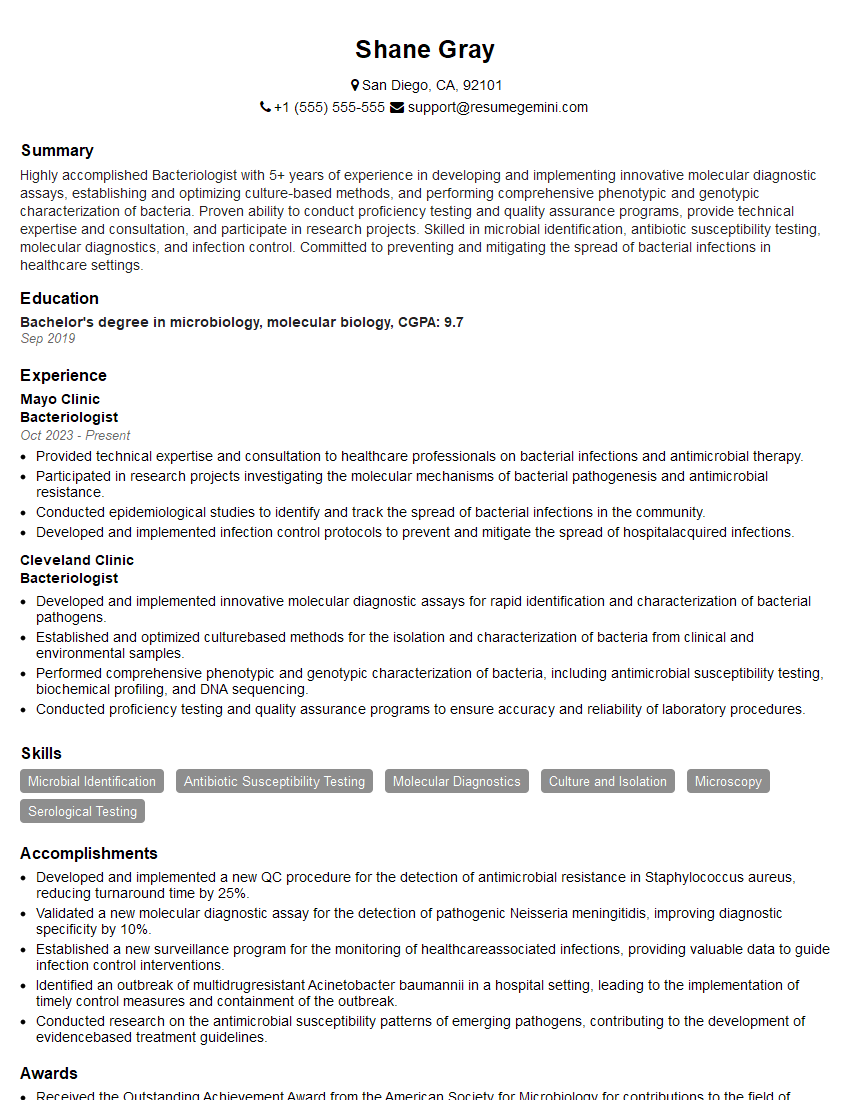
Bacteriologist Resume Sample
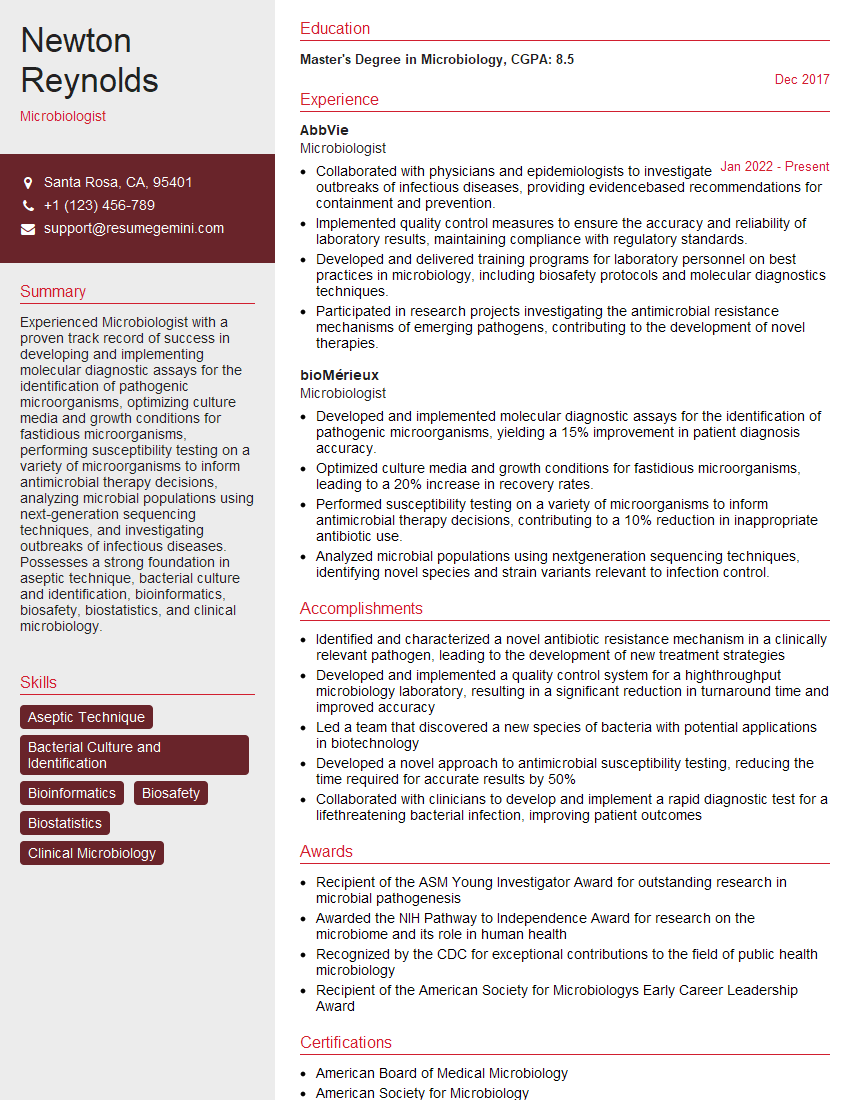
Microbiologist Resume Sample
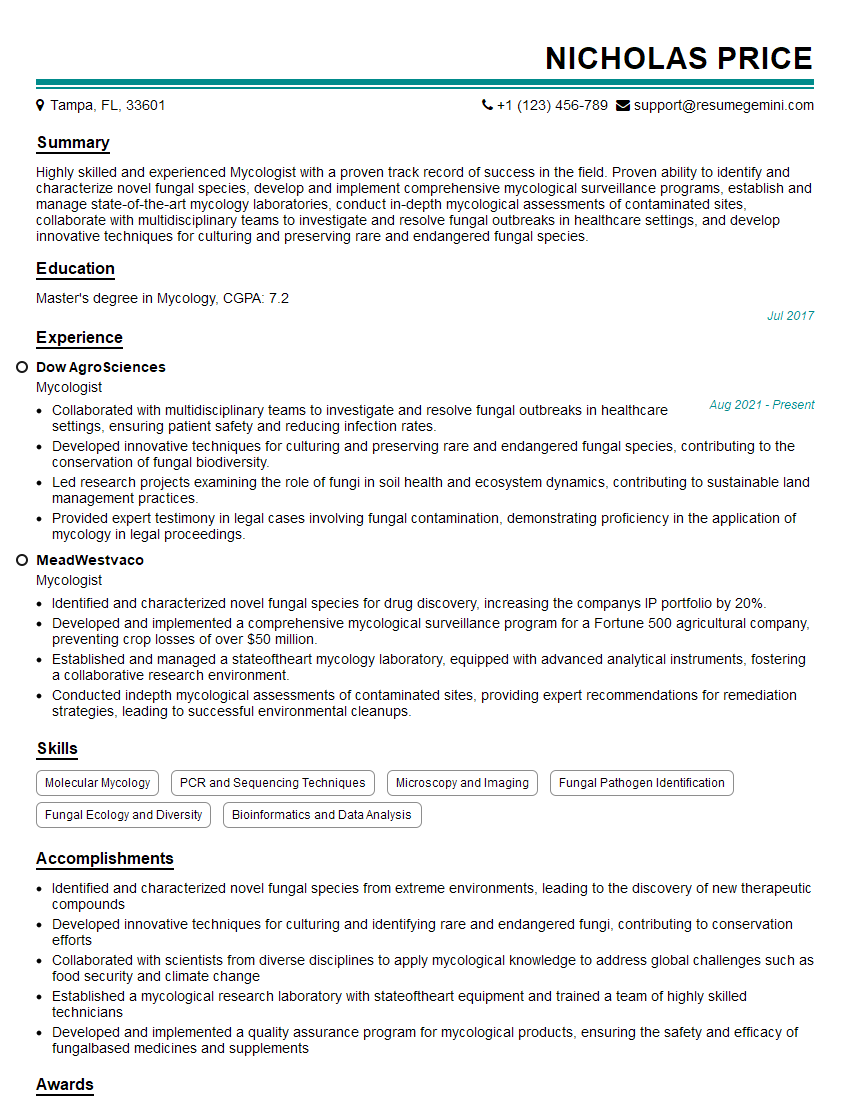
Mycologist Resume Sample
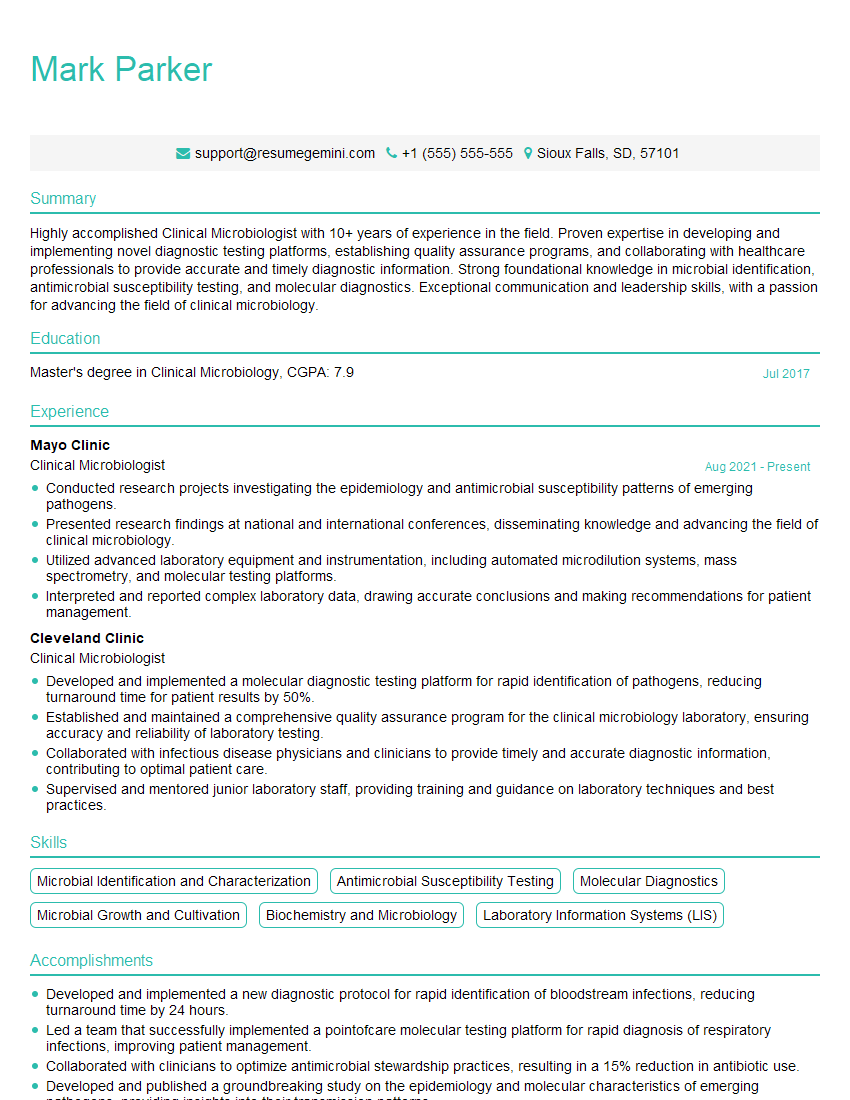
Clinical Microbiologist Resume Sample
Medical Microbiologist Resume Sample
Public Health Microbiologist Resume Sample
Research Microbiologist Resume Sample
Virologist Resume Sample
Epidemiologist Resume Sample
Parasitologist Resume Sample
Immunologist Resume Sample
Infection Control Nurse Resume Sample
Explore more articles
Users Rating of Our Blogs
Share Your Experience
We value your feedback! Please rate our content and share your thoughts (optional).
What Readers Say About Our Blog
Attention music lovers!
Wow, All the best Sax Summer music !!!
Spotify: https://open.spotify.com/artist/6ShcdIT7rPVVaFEpgZQbUk
Apple Music: https://music.apple.com/fr/artist/jimmy-sax-black/1530501936
YouTube: https://music.youtube.com/browse/VLOLAK5uy_noClmC7abM6YpZsnySxRqt3LoalPf88No
Other Platforms and Free Downloads : https://fanlink.tv/jimmysaxblack
on google : https://www.google.com/search?q=22+AND+22+AND+22
on ChatGPT : https://chat.openai.com?q=who20jlJimmy20Black20Sax20Producer
Get back into the groove with Jimmy sax Black
Best regards,
Jimmy sax Black
www.jimmysaxblack.com
Hi I am a troller at The aquatic interview center and I suddenly went so fast in Roblox and it was gone when I reset.
Hi,
Business owners spend hours every week worrying about their website—or avoiding it because it feels overwhelming.
We’d like to take that off your plate:
$69/month. Everything handled.
Our team will:
Design a custom website—or completely overhaul your current one
Take care of hosting as an option
Handle edits and improvements—up to 60 minutes of work included every month
No setup fees, no annual commitments. Just a site that makes a strong first impression.
Find out if it’s right for you:
https://websolutionsgenius.com/awardwinningwebsites
Hello,
we currently offer a complimentary backlink and URL indexing test for search engine optimization professionals.
You can get complimentary indexing credits to test how link discovery works in practice.
No credit card is required and there is no recurring fee.
You can find details here:
https://wikipedia-backlinks.com/indexing/
Regards
NICE RESPONSE TO Q & A
hi
The aim of this message is regarding an unclaimed deposit of a deceased nationale that bears the same name as you. You are not relate to him as there are millions of people answering the names across around the world. But i will use my position to influence the release of the deposit to you for our mutual benefit.
Respond for full details and how to claim the deposit. This is 100% risk free. Send hello to my email id: lukachachibaialuka@gmail.com
Luka Chachibaialuka
Hey interviewgemini.com, just wanted to follow up on my last email.
We just launched Call the Monster, an parenting app that lets you summon friendly ‘monsters’ kids actually listen to.
We’re also running a giveaway for everyone who downloads the app. Since it’s brand new, there aren’t many users yet, which means you’ve got a much better chance of winning some great prizes.
You can check it out here: https://bit.ly/callamonsterapp
Or follow us on Instagram: https://www.instagram.com/callamonsterapp
Thanks,
Ryan
CEO – Call the Monster App
Hey interviewgemini.com, I saw your website and love your approach.
I just want this to look like spam email, but want to share something important to you. We just launched Call the Monster, a parenting app that lets you summon friendly ‘monsters’ kids actually listen to.
Parents are loving it for calming chaos before bedtime. Thought you might want to try it: https://bit.ly/callamonsterapp or just follow our fun monster lore on Instagram: https://www.instagram.com/callamonsterapp
Thanks,
Ryan
CEO – Call A Monster APP
To the interviewgemini.com Owner.
Dear interviewgemini.com Webmaster!
Hi interviewgemini.com Webmaster!
Dear interviewgemini.com Webmaster!
excellent
Hello,
We found issues with your domain’s email setup that may be sending your messages to spam or blocking them completely. InboxShield Mini shows you how to fix it in minutes — no tech skills required.
Scan your domain now for details: https://inboxshield-mini.com/
— Adam @ InboxShield Mini
support@inboxshield-mini.com
Reply STOP to unsubscribe
Hi, are you owner of interviewgemini.com? What if I told you I could help you find extra time in your schedule, reconnect with leads you didn’t even realize you missed, and bring in more “I want to work with you” conversations, without increasing your ad spend or hiring a full-time employee?
All with a flexible, budget-friendly service that could easily pay for itself. Sounds good?
Would it be nice to jump on a quick 10-minute call so I can show you exactly how we make this work?
Best,
Hapei
Marketing Director
Hey, I know you’re the owner of interviewgemini.com. I’ll be quick.
Fundraising for your business is tough and time-consuming. We make it easier by guaranteeing two private investor meetings each month, for six months. No demos, no pitch events – just direct introductions to active investors matched to your startup.
If youR17;re raising, this could help you build real momentum. Want me to send more info?
Hi, I represent an SEO company that specialises in getting you AI citations and higher rankings on Google. I’d like to offer you a 100% free SEO audit for your website. Would you be interested?
Hi, I represent an SEO company that specialises in getting you AI citations and higher rankings on Google. I’d like to offer you a 100% free SEO audit for your website. Would you be interested?