Every successful interview starts with knowing what to expect. In this blog, we’ll take you through the top Military Decision Making Process (MDMP) interview questions, breaking them down with expert tips to help you deliver impactful answers. Step into your next interview fully prepared and ready to succeed.
Questions Asked in Military Decision Making Process (MDMP) Interview
Q 1. Describe the seven steps of the Military Decision Making Process (MDMP).
The Military Decision Making Process (MDMP) is a seven-step iterative process used by military commanders and their staffs to analyze a mission, develop potential courses of action (COAs), and select the best COA to achieve their objectives. Think of it as a structured problem-solving approach for complex military situations.
- Receipt of Mission: This initial step involves receiving the mission from higher headquarters, understanding the intent, and clarifying any ambiguities.
- Mission Analysis: A detailed examination of the mission, the operational environment, and the available resources. This step identifies the problem and sets the stage for developing solutions.
- Course of Action (COA) Development: Generating multiple potential plans to achieve the mission. This encourages creative thinking and diverse approaches.
- COA Analysis and Wargaming: Evaluating each COA’s strengths and weaknesses using a process called wargaming, which simulates the execution of each plan to anticipate potential outcomes.
- COA Comparison: A systematic comparison of the analyzed COAs to determine which best meets the mission requirements and mitigates risks.
- COA Approval: The commander approves the selected COA, ensuring alignment with higher-level objectives and resources.
- Orders Production: Translating the approved COA into clear, concise orders that are disseminated to subordinate units for execution.
These steps are not strictly linear; commanders and staffs often iterate between steps as needed to refine their understanding and improve the chosen plan.
Q 2. Explain the purpose of the Mission Analysis step in MDMP.
The purpose of Mission Analysis is to thoroughly understand the problem and the operational environment. It’s the crucial foundation for everything that follows in the MDMP. Imagine trying to solve a puzzle without looking at the picture—that’s what attempting MDMP without proper Mission Analysis would be like.
During this phase, the staff analyzes the higher headquarters’ intent, the mission statement, available intelligence, friendly and enemy capabilities, and the operational environment (terrain, weather, civilian considerations, etc.). The goal is to identify the problem, define the commander’s objectives, and determine what success looks like.
Key products of this step include a refined mission statement, a detailed understanding of the enemy, a comprehensive assessment of the operational environment, and the identification of constraints and risks.
Q 3. What are the key products produced during the Course of Action (COA) Development step?
The COA Development step produces several key products, each contributing to the overall planning effort. Think of them as the building blocks for a successful operation.
- Multiple Course of Action (COA) Statements: Concise descriptions of each potential plan, outlining the concept of operations, key actions, and expected outcomes. Each COA should be distinct, offering different approaches to achieving the mission.
- Sketches or Diagrams: Visual representations of each COA, illustrating the movement of troops, allocation of resources, and timelines. These help to visualize the plan’s complexity and identify potential chokepoints.
- Supporting Tables and Matrices: These detail specific aspects of each COA, such as troop deployments, logistical requirements, and timing. This allows for a more in-depth comparison and analysis during the subsequent steps.
The goal is to generate a diverse set of COAs, allowing the commander to choose the best approach based on a thorough analysis.
Q 4. How does the COA Analysis and Wargaming step help refine potential plans?
COA Analysis and Wargaming is where the rubber meets the road. It’s the rigorous testing of each potential plan to identify its strengths, weaknesses, opportunities, and threats (SWOT analysis) and refine them accordingly.
Wargaming involves a structured discussion and analysis of each COA. Participants simulate the execution of each plan, considering potential enemy reactions, unforeseen events, and friendly limitations. This process helps anticipate challenges, identify vulnerabilities, and adapt the plans to enhance their chances of success.
Through this process, the staff identifies critical decisions, potential friction points, and possible courses of action for the enemy. This iterative refinement strengthens the plans, making them more robust and resilient to unexpected events.
Q 5. What is the role of Commander’s Intent in MDMP?
Commander’s Intent is a concise expression of the purpose of the operation and the desired end state. It’s the commander’s vision for success, providing a guiding principle for subordinate units. It acts as the north star during the execution of the operation, ensuring everyone works towards the same overarching goal.
It’s crucial because it provides flexibility. Subordinate commanders can adapt their actions to changing circumstances while still remaining aligned with the commander’s overall goal. It empowers them to make decisions on the ground without having to constantly refer back to higher headquarters for clarification.
A well-articulated Commander’s Intent ensures unity of effort even when faced with unpredictable situations, guiding actions and decision-making at all levels.
Q 6. Explain the significance of the Decision Brief in the MDMP process.
The Decision Brief is a concise presentation to the commander summarizing the analysis of the various COAs and recommending the best option. Think of it as the culmination of all the previous steps, packaged for easy consumption by the decision-maker.
It presents the key findings of the MDMP, highlighting the advantages and disadvantages of each COA in a clear, logical manner, using visuals to help illustrate key points. It’s not a detailed exposition of every aspect of each plan, but rather a focused summary that allows the commander to make an informed decision.
The effectiveness of a Decision Brief lies in its clarity, conciseness, and ability to facilitate a quick, informed decision. It’s about presenting the ‘need-to-know’ information effectively.
Q 7. Describe the difference between a Deliberate and a Hasty MDMP process.
The difference between Deliberate and Hasty MDMP lies primarily in the available time. Deliberate MDMP is used when ample time is available for thorough planning, while Hasty MDMP is employed when time is severely limited.
Deliberate MDMP: This involves a thorough and systematic execution of all seven steps. Each step receives sufficient time and attention, allowing for detailed analysis and refinement of the plan. This process is ideal for complex operations requiring significant coordination and resource allocation.
Hasty MDMP: This is a streamlined version of the MDMP, often skipping or abbreviating some steps to expedite the decision-making process. It focuses on rapid COA development and analysis, prioritizing speed over exhaustive detail. This is appropriate for urgent situations requiring immediate action.
Both processes aim to produce a sound plan, but the level of detail and time allocation differ significantly based on the urgency and complexity of the situation. Think of it like building a house: deliberate MDMP is like carefully designing and constructing a custom home, while hasty MDMP is more like quickly assembling a prefabricated structure. Both serve a purpose, but the end product differs in terms of complexity and refinement.
Q 8. How does risk assessment influence decision-making within MDMP?
Risk assessment is fundamental to effective decision-making within the Military Decision Making Process (MDMP). It’s not a separate step, but rather an ongoing consideration integrated throughout the entire process. We continuously evaluate the potential threats, hazards, and uncertainties that could impact our mission’s success.
For example, during the Course of Action (COA) analysis phase, we meticulously assess the risks associated with each COA. This includes identifying potential enemy actions, environmental factors (terrain, weather), and even our own limitations in resources or capabilities. We use tools like risk matrices to weigh the probability and severity of each risk, allowing us to objectively compare COAs and select the one that best balances risk and reward. A high-risk COA might be chosen if the potential payoff is significantly higher than a lower-risk option, but only after a thorough understanding and mitigation planning of those risks.
This risk assessment continues into the Plan/Order Development phase, where we incorporate risk mitigation strategies directly into our plans. Contingency plans address potential unforeseen events, ensuring adaptability and resilience. Regular reassessments throughout the execution phase ensure our plans remain relevant and effective in the face of evolving conditions.
Q 9. What are some common challenges encountered during the execution of MDMP?
Executing MDMP effectively can be challenging due to several factors. Time constraints are often a major hurdle; the need for rapid decision-making in dynamic environments often means we have limited time to complete all phases meticulously.
- Information Gaps: Incomplete or unreliable intelligence can lead to flawed assumptions and poor decisions. This emphasizes the importance of robust intelligence gathering and analysis.
- Interoperability Issues: Seamless communication and data sharing across different units and systems are crucial. Problems with interoperability can significantly hamper the process.
- Cognitive Overload: The sheer volume of information and the complexity of the decisions can overwhelm decision-makers, leading to errors in judgment. This necessitates clear and concise communication, breaking down complex problems into manageable parts.
- Resistance to Change: Personnel may be resistant to adopting new procedures or technologies that could improve the MDMP process. Effective training and leadership are critical to overcome this.
- Lack of Resources: Insufficient personnel, equipment, or time can impede the effectiveness of the MDMP. Effective prioritization and resource management are vital.
For instance, during a rapid deployment, the need for swift action may necessitate simplifying certain phases of MDMP, potentially accepting a higher level of risk to meet operational deadlines. This requires a good understanding of the tradeoffs involved.
Q 10. How does MDMP integrate with other military planning processes?
MDMP integrates seamlessly with other military planning processes, forming a continuous loop of planning, execution, and assessment. It’s often used in conjunction with processes like:
- Joint Operational Planning Process (JOPP): MDMP is a subset of JOPP, specifically focused on the operational level of war. The broader JOPP provides strategic guidance and sets the overall context for MDMP.
- Army Design Methodology (ADM): ADM complements MDMP by emphasizing understanding the operational environment and developing a shared understanding before diving into detailed planning. ADM is typically used for more complex operations.
- Military Appreciation Process (MAP): MDMP builds upon the foundational work of MAP, which focuses on analyzing the operational environment and developing a common understanding among decision-makers.
For example, higher-level JOPP guidance will dictate the overall objectives and constraints within which a unit will conduct its MDMP. The outputs of MDMP, then, become inputs into the broader execution phase, allowing for ongoing adaptation and refinement based on real-time feedback.
Q 11. Explain the concept of ‘Synchronization’ within MDMP.
Synchronization in MDMP refers to the coordinated application of combat power to achieve a unified effect. It’s about ensuring that all elements of the force—manpower, firepower, maneuver, support, and leadership—work together harmoniously, achieving more than the sum of their individual parts. This coordination is particularly critical in complex operations where different units with diverse capabilities must act as one cohesive whole.
Consider a combined arms attack: Synchronization requires precise timing and coordination between infantry, armor, artillery, and air support. If the artillery barrage isn’t timed correctly with the infantry assault, the effect is severely diminished. Likewise, if air support arrives too late or engages the wrong target, it may be counterproductive. Effective synchronization requires meticulous planning and communication, often relying on detailed timelines, detailed orders and close coordination between commanders.
Q 12. How do you ensure effective communication during the MDMP process?
Effective communication is the lifeblood of successful MDMP. It needs to be clear, concise, accurate, and timely across all phases. Several strategies ensure this:
- Formal Briefings: Regular briefings keep everyone informed and updated on progress and key decisions.
- Collaboration Tools: Using shared digital platforms and collaborative software facilitates information sharing and task management.
- Clear Communication Protocols: Establishing clear communication channels and protocols ensures that information flows efficiently and accurately.
- Regular Meetings: Frequent meetings (both formal and informal) allow for quick resolution of issues and collaborative problem-solving.
- Visual Aids: Maps, diagrams, and other visual aids are invaluable in communicating complex plans and information effectively.
For instance, a shared online platform with version-controlled plans and updates can prevent confusion and ensures everyone has access to the most current information. Daily briefings and robust feedback mechanisms keep higher echelons apprised of progress and allow timely intervention if necessary.
Q 13. Describe your experience using MDMP in a real-world scenario.
During my deployment to [Location Redacted], our unit was tasked with securing a key objective in a mountainous region. We utilized MDMP to plan the operation. The initial situation was complicated by limited intelligence, challenging terrain, and the potential for enemy ambushes. The MDMP process allowed us to systematically analyze the situation, develop several COAs, and assess the risks associated with each.
Through a rigorous COA analysis, we identified a COA that minimized risk while maximizing our chances of success. This COA involved a phased approach, utilizing both ground and air assets to outmaneuver and surprise the enemy. During the plan/order development phase, we developed detailed orders, timelines, and contingency plans to address unforeseen circumstances. Throughout the operation, regular communications and on-the-ground feedback allowed us to adapt our plan as needed. The thoroughness of our MDMP planning contributed significantly to the operation’s success, resulting in the minimal loss of life and achieving the operational objective.
Q 14. What are the key considerations for adapting MDMP to different operational environments?
Adapting MDMP to different operational environments requires flexibility and understanding of the specific context. Key considerations include:
- Time Constraints: In high-tempo environments, the MDMP process may need to be streamlined, prioritizing speed over exhaustive analysis.
- Information Availability: The quality and availability of information significantly influence the process. In data-scarce environments, creative solutions may be needed to gather and analyze information.
- Technological Capabilities: The availability of technology affects communication, data processing, and information sharing. Adaptations might include the use of simpler communication tools or manual processes.
- Cultural Considerations: Understanding the local culture and societal norms is crucial for effective planning and interaction with local populations.
- Environmental Factors: Terrain, weather, and other environmental conditions affect the feasibility of different COAs. Adapting to these conditions is essential.
For example, in a complex urban environment, adapting MDMP requires detailed mapping and understanding of the urban fabric. In a remote, austere environment, limitations in communication and resupply necessitate a more simplified approach with robust contingency planning.
Q 15. How would you handle conflicting priorities during COA Development?
Conflicting priorities are inevitable in military operations. During COA (Course of Action) Development, we tackle this using a structured approach. First, we clearly define all priorities, ranking them based on mission objectives and higher command guidance. This often involves a weighted prioritization matrix, considering factors like risk, time sensitivity, and resource availability. For example, we might assign weights to objectives such as ‘secure the airfield’ (high priority), ‘protect civilians’ (highest priority), and ‘eliminate enemy forces’ (medium priority). Second, we analyze each COA’s ability to address each priority. We use a decision matrix to visually compare COAs, highlighting strengths and weaknesses regarding each priority. If a COA doesn’t adequately address a high-priority objective, we either modify the COA or eliminate it from further consideration. Finally, we conduct a thorough risk assessment, identifying potential conflicts between priorities and developing mitigation strategies. This might involve prioritizing certain objectives in specific phases of the operation or allocating resources dynamically based on the evolving situation.
For example, in a humanitarian assistance mission, securing a supply route might conflict with the immediate need to evacuate injured civilians. We’d prioritize civilian evacuation initially, potentially delaying the full securing of the supply route until the immediate crisis is mitigated. This whole process is iterative; we continuously refine our prioritization and COAs as we gain more information and better understand the operational environment.
Career Expert Tips:
- Ace those interviews! Prepare effectively by reviewing the Top 50 Most Common Interview Questions on ResumeGemini.
- Navigate your job search with confidence! Explore a wide range of Career Tips on ResumeGemini. Learn about common challenges and recommendations to overcome them.
- Craft the perfect resume! Master the Art of Resume Writing with ResumeGemini’s guide. Showcase your unique qualifications and achievements effectively.
- Don’t miss out on holiday savings! Build your dream resume with ResumeGemini’s ATS optimized templates.
Q 16. How do you incorporate technological advancements into the MDMP process?
Technological advancements are crucial for effective MDMP. We integrate them throughout the process. During the initial planning phase, we leverage Geographic Information Systems (GIS) software and intelligence platforms for situation understanding. For example, we might use satellite imagery to assess terrain and enemy positions, or use predictive modeling to forecast weather patterns affecting operations. During COA Development, simulations and wargames using advanced software help us analyze various scenarios and predict outcomes. This allows for a better understanding of potential risks and the effectiveness of different tactical options. During plan execution, we use real-time data and communication technologies for continuous monitoring and adjustments. For instance, UAVs provide constant situational awareness, while secure communication systems facilitate rapid coordination and information sharing. After the operation, post-operational analysis software helps gather data from multiple sources and allows for objective evaluation and improvement of future MDMP processes.
Imagine utilizing AI-powered predictive analysis during the COA Development phase to anticipate enemy reactions to different courses of action, allowing for more robust and resilient plans. This is becoming increasingly common and greatly enhances the effectiveness and efficiency of the entire process.
Q 17. Explain the importance of contingency planning in MDMP.
Contingency planning is absolutely vital in MDMP because military operations rarely unfold exactly as planned. Unforeseen events, from unexpected enemy actions to equipment malfunctions or changes in the political landscape, constantly present challenges. Contingency planning helps us prepare for these eventualities. It involves developing alternative courses of action or pre-planned responses to potential disruptions to the main plan. These might address issues such as enemy counterattacks, supply chain breakdowns, or changes in mission parameters. We develop ‘Branch Plans’ – detailed responses to specific contingencies – outlining actions to take if a particular event occurs. For example, we might have a branch plan for dealing with a sudden enemy ambush, detailing how to react, reposition forces, and request reinforcements. By meticulously crafting contingency plans, we build operational resilience and increase the likelihood of mission success even when faced with the unexpected.
Imagine a mission to secure a critical bridge. Our main plan may involve a swift assault, but a contingency plan must address a possible enemy counterattack, perhaps involving a defensive posture, reinforcement requests, or a change of approach altogether. This proactive approach ensures that we’re always prepared to adapt to changing circumstances.
Q 18. How do you evaluate the effectiveness of a plan developed using MDMP?
Evaluating the effectiveness of an MDMP-developed plan involves a multifaceted approach. First, we assess the plan’s adherence to the initial mission objectives. Did it achieve its intended goals? Second, we evaluate the plan’s efficiency. Were resources used effectively? Were timelines met? Third, we assess its effectiveness in achieving results compared to the predicted outcomes – during and after the operation. This involves analyzing the information gathered throughout the execution phase and employing a variety of measures, including metrics like enemy casualties, friendly casualties, and mission accomplishment rates. Fourth, we gather feedback from personnel involved in the execution. This ensures we capture valuable lessons learned and identify areas for improvement. Finally, we conduct a comprehensive after-action review (AAR) to formally analyze the entire process – from planning to execution – identifying both successes and shortcomings. The AAR feeds directly back into future planning cycles, ensuring continuous improvement.
For instance, a successful evaluation might show that the plan achieved its objectives while minimizing casualties and exceeding expectations regarding enemy equipment destroyed. Conversely, an unsuccessful evaluation might highlight areas where the plan failed to account for specific threats or where resource allocation was inefficient.
Q 19. Describe your experience with using different military planning tools or software.
Throughout my career, I’ve had extensive experience with various military planning tools and software. I’m proficient in using GIS software like ArcGIS to analyze terrain, create maps, and model operational environments. I’ve utilized simulation software for wargaming and COA analysis, helping us visualize potential scenarios and assess the strengths and weaknesses of different plans. I’m familiar with collaborative planning platforms that facilitate communication and information sharing among different units and staff elements. Further, I’ve used various database management systems for tracking resources, personnel, and logistical information. My experience with these tools has greatly enhanced my ability to effectively manage complex planning processes, ensuring clear communication, and data-driven decision-making.
Specific examples include using Joint Planning and Execution System (JPES) for collaborative planning and the use of digital terrain modelling software in conjunction with other technologies to understand the specifics of an operational area before deployment.
Q 20. What are some common pitfalls to avoid during MDMP?
Several common pitfalls can hinder the MDMP process. One is inadequate intelligence preparation of the battlefield (IPB). Poor IPB leads to inaccurate assumptions, which can invalidate the entire planning process. Another pitfall is failing to adequately consider all potential courses of action. Rushing the COA development process can lead to overlooking viable and superior options. A third is neglecting contingency planning. Failing to anticipate potential problems leaves the plan vulnerable to unforeseen circumstances. Overconfidence in the plan is another issue. A robust plan needs regular updates and adjustments based on evolving conditions. Finally, poor communication and coordination among staff elements can create confusion and hinder effective execution.
For example, an overreliance on outdated intelligence could result in a plan that fails to account for newly acquired enemy capabilities. Conversely, failing to consider a different COA might result in missed opportunities or increased risk for friendly forces.
Q 21. How do you ensure your MDMP plan is feasible and resourced appropriately?
Ensuring feasibility and resource appropriateness in MDMP requires a rigorous process. Firstly, we conduct a thorough assessment of available resources – personnel, equipment, supplies, and time – early in the planning phase. This is integrated with the IPB process, ensuring that resources are aligned with the challenges presented by the operational environment. Next, we develop COAs that are realistically achievable given these resources. Unrealistic COAs are identified and eliminated early. We use resource allocation models and tools to ensure efficient distribution of resources, prioritizing those actions that are critical to mission success. This includes considering logistical constraints and the challenges of maintaining supply lines in dynamic situations. We incorporate risk management to identify and mitigate potential resource shortfalls and develop contingency plans to address unexpected resource issues. Finally, we conduct a detailed feasibility analysis of each COA, reviewing factors like terrain, weather, enemy capabilities, and the availability of supporting assets. This ensures that the chosen plan is not only achievable but also minimizes risks and maximizes the probability of success.
For example, if a plan requires a type of specialized equipment not readily available, it needs to be adjusted to utilize available alternatives or the plan needs to be delayed until the necessary equipment becomes available. This kind of detailed consideration ensures a successful execution.
Q 22. How do you manage uncertainty and ambiguity within the MDMP framework?
Uncertainty and ambiguity are inherent in military operations. Within the MDMP framework, we mitigate these challenges through a structured, iterative process. We start by conducting thorough intelligence preparation of the battlefield (IPB) to reduce uncertainty about the enemy, terrain, and weather. This involves analyzing all available information, acknowledging gaps, and developing plausible scenarios. During the course of action (COA) development phase, we generate multiple COAs to account for different potential enemy actions and environmental factors. War-gaming these COAs helps us identify potential risks and vulnerabilities. A robust risk assessment, incorporated throughout the MDMP process, helps identify and prioritize potential problems and allows us to develop contingency plans to address them. Finally, we emphasize a flexible plan that can adapt to changes on the ground. Think of it like navigating a fog – you can’t see everything clearly, but you have a map (IPB), multiple routes (COAs), and you check your progress (war-gaming and risk assessment) regularly to ensure you reach your destination, adapting as needed.
Q 23. What are the ethical considerations involved in military decision-making?
Ethical considerations are paramount in military decision-making. The MDMP process must adhere to the Law of Armed Conflict (LOAC), international humanitarian law, and the rules of engagement (ROE). Decisions must be proportionate, minimizing harm to civilians and non-combatants. We constantly evaluate the potential collateral damage of any action and strive to minimize it. For example, when planning an air strike, we carefully analyze the target to avoid civilian casualties. We also consider the long-term ethical implications of our actions, both domestically and internationally. Maintaining transparency and accountability within the chain of command is crucial to ensuring ethical conduct. We document all decisions, rationale, and assessments to ensure traceability and to facilitate post-operation reviews to identify areas of improvement in ethical decision-making.
Q 24. How do you integrate civilian considerations into military planning?
Integrating civilian considerations into military planning is crucial for mission success and maintaining public support. This involves understanding the potential impact of military operations on civilian populations, infrastructure, and the overall stability of the operating environment. During the MDMP process, we conduct thorough assessments of the potential effects of our actions on civilians, including casualties, displacement, and disruption to essential services. We engage with civilian authorities, NGOs, and local populations to understand their concerns and incorporate their perspectives into our planning. This might involve conducting civil-military cooperation (CIMIC) activities to gather information, coordinate actions, and build trust. We develop plans to minimize collateral damage and protect civilian lives. For example, during a humanitarian aid mission, we would coordinate with local governments to ensure that aid is distributed efficiently and reaches those who need it most, minimizing potential disruptions to local systems.
Q 25. Explain your understanding of the commander’s role in the MDMP process.
The commander is the ultimate decision-maker in the MDMP process. Their role encompasses setting the overall intent, approving the plan, and ensuring effective execution. The commander provides guidance throughout the process, ensuring the plan aligns with the overall strategic objectives and their understanding of the operational environment. They must also be aware of the limitations of the MDMP process. The commander reviews and approves all products of the MDMP, ensuring that the plan is sound, feasible, and aligns with their intent. They also provide the necessary resources and support for the successful execution of the plan. Furthermore, the commander is responsible for adapting the plan as necessary based on changing circumstances, providing decisive leadership in ambiguous situations, and ultimately being accountable for all actions taken.
Q 26. Describe how you would brief a senior officer on a plan developed using MDMP.
Briefing a senior officer on a plan developed using MDMP requires a clear, concise, and well-structured presentation. I would begin by stating the mission and commander’s intent. Then, I would present the key assumptions, highlighting any uncertainties or risks. Next, I would provide a high-level overview of the recommended COA, emphasizing the key elements and decision points. This would include a summary of the problem, the proposed solution, the potential risks and benefits, and the expected outcome. I would then provide a visual representation of the plan using maps and charts. Finally, I would address any questions from the senior officer and be prepared to justify the plan’s approach. The entire briefing should be tailored to the senior officer’s knowledge and time constraints, using appropriate language and visuals. I would always keep the overall strategic context in mind when presenting the plan.
Q 27. What are your strengths and weaknesses when applying MDMP?
My strengths in applying MDMP include strong analytical skills, the ability to synthesize information from various sources, and experience in leading and facilitating collaborative planning efforts. I’m adept at identifying critical assumptions and developing robust contingency plans. However, I acknowledge that effectively managing time constraints, especially in high-pressure situations, can be challenging. I am continuously working on improving my ability to make rapid decisions while maintaining a thorough approach to planning. I also strive to enhance my skills in communicating complex information clearly and concisely to diverse audiences.
Q 28. How would you adapt MDMP to a rapidly evolving situation?
Adapting MDMP to a rapidly evolving situation requires a flexible and iterative approach. In such scenarios, we prioritize speed and agility while maintaining the core principles of the MDMP. We shorten the time allocated to each step, focusing on the most critical aspects. We leverage real-time intelligence and adjust the plan accordingly. We rely heavily on continuous updates and feedback loops throughout the process, conducting frequent rehearsals and war-gaming to account for evolving variables. The commander’s guidance and decision-making become even more vital, providing the necessary flexibility and adapting the plan based on emerging information. The use of digital tools, such as collaborative software and digital maps, is critical to quickly disseminating updated information and ensuring everyone is working with the same information. Think of it like adjusting your navigation app when you encounter unexpected road closures – you re-route, check for alternative options and reach your destination, while staying aware of potential roadblocks.
Key Topics to Learn for Military Decision Making Process (MDMP) Interview
- Receipt of Mission: Understanding the mission statement, analyzing its intent, and identifying potential ambiguities.
- Mission Analysis: Applying critical thinking to dissect the mission, identifying key terrain, potential threats, and friendly capabilities. Practical application: Conducting a thorough terrain analysis using available tools and data.
- Course of Action (COA) Development: Brainstorming, developing, and refining multiple potential solutions to the problem presented by the mission. Practical application: Creating detailed COA sketches and narratives, considering risk assessment and resource allocation.
- COA Analysis & Comparison: Objectively evaluating the strengths and weaknesses of each COA, considering feasibility, risk, and effectiveness. Practical application: Using decision matrices and wargaming to compare COAs.
- COA Approval: Understanding the process of presenting your analysis and recommendations to leadership and justifying your chosen COA.
- Orders Production: Clearly and concisely communicating your plan through effective briefing and order writing. Practical application: Creating concise, clear, and unambiguous orders that are easily understood by subordinates.
- Supervision: Understanding the importance of monitoring the execution of the plan, providing feedback, and adapting to changing circumstances. Practical application: Describing methods for effective feedback and delegation.
- MDMP in Different Contexts: Applying the MDMP framework to various scenarios, including peacetime operations, humanitarian assistance, and disaster relief.
- Technology Integration within MDMP: Discuss the role of technology in supporting each phase of MDMP, such as GIS systems, digital communication tools, and simulation software.
Next Steps
Mastering the Military Decision Making Process (MDMP) is crucial for career advancement, demonstrating your ability to analyze complex situations, make sound judgments, and lead effectively. This skillset is highly valued across various sectors. To maximize your job prospects, create a compelling and ATS-friendly resume that highlights your MDMP expertise. ResumeGemini is a trusted resource to help you build a professional resume that showcases your unique skills and experience. We provide examples of resumes tailored to showcasing Military Decision Making Process (MDMP) experience, assisting you in presenting your qualifications effectively to potential employers.
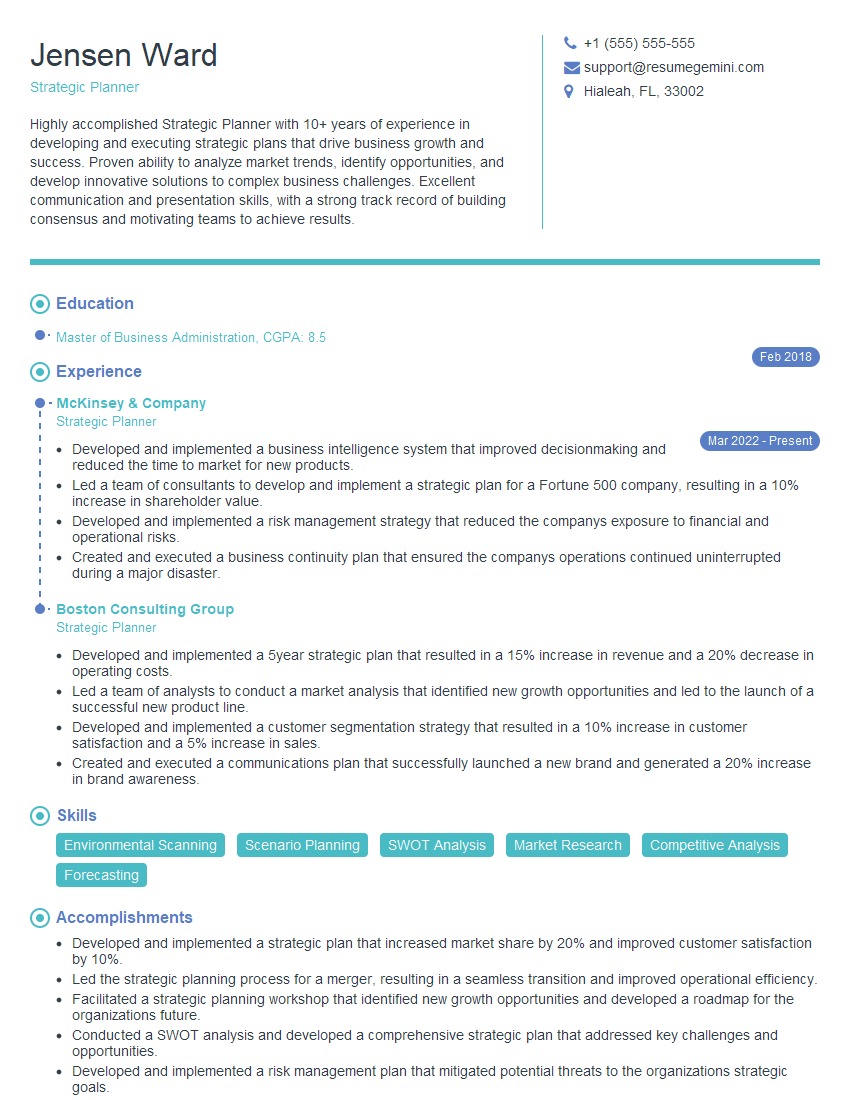
Strategic Planner Resume Sample
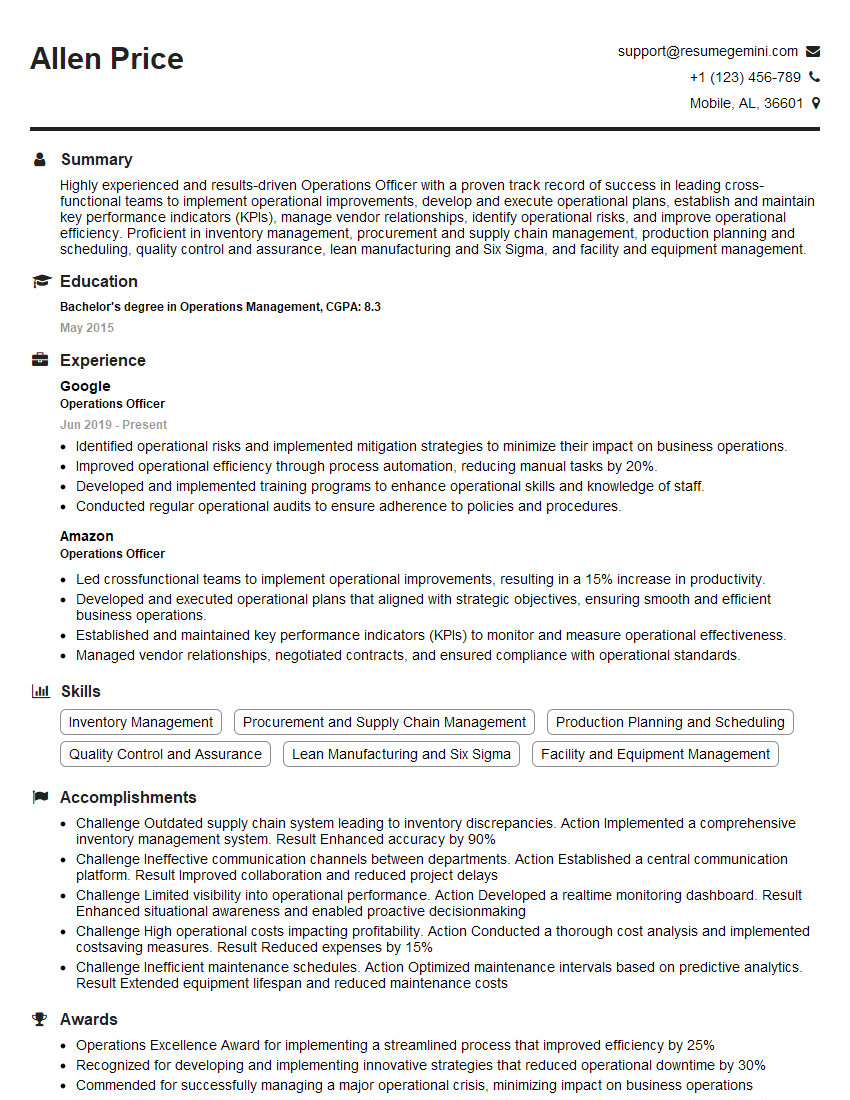
Operations Officer Resume Sample
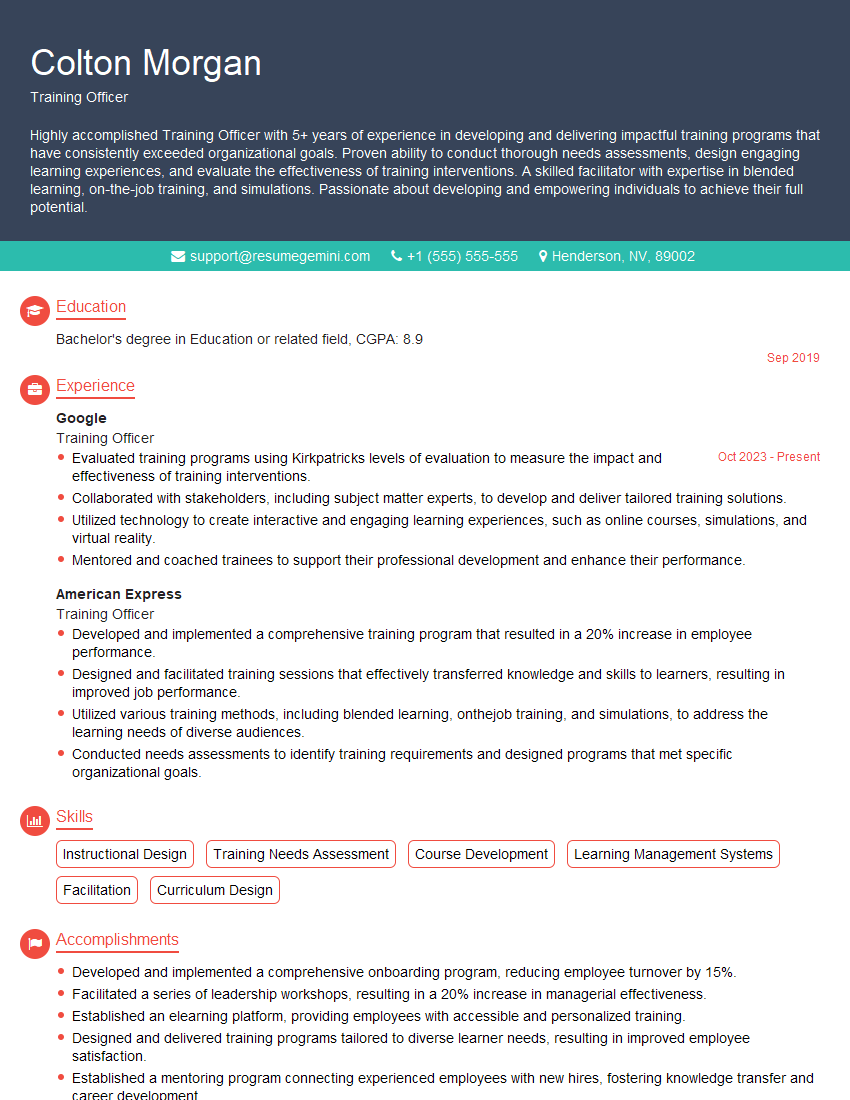
Training Officer Resume Sample

Chief of Staff Resume Sample
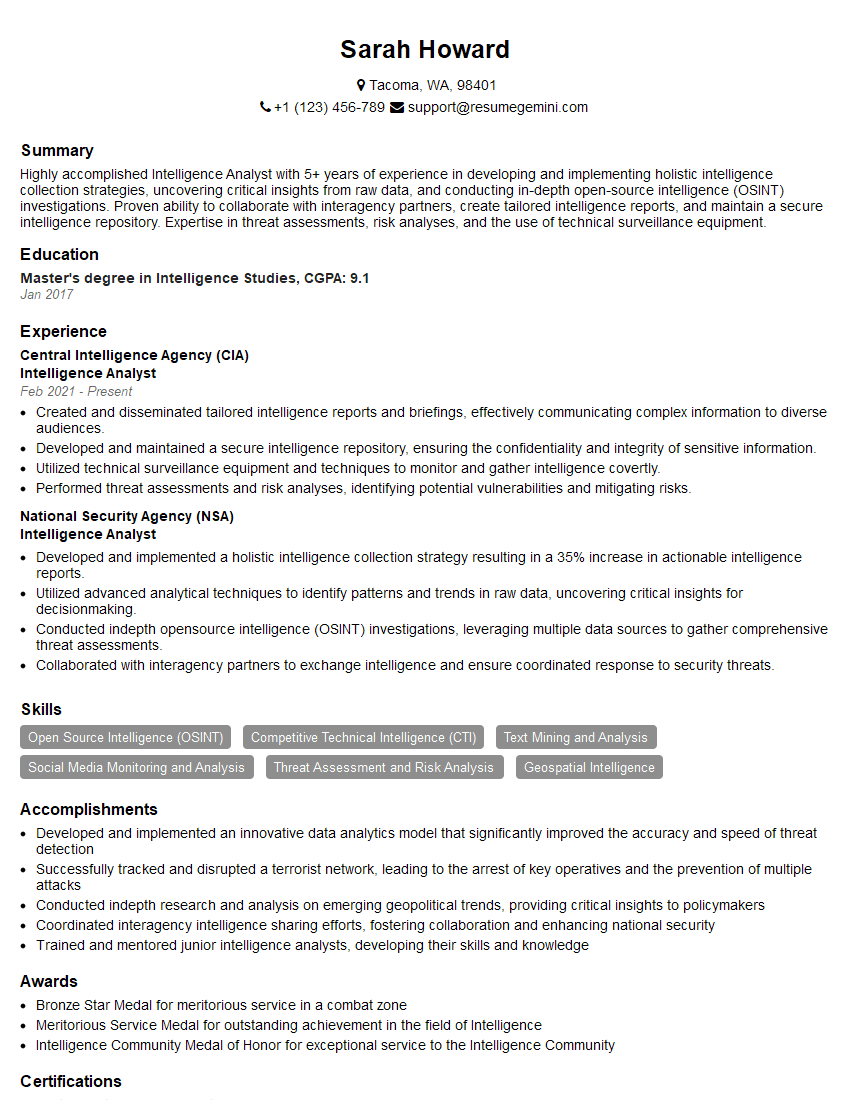
Intelligence Analyst Resume Sample

Operations Research Analyst Resume Sample
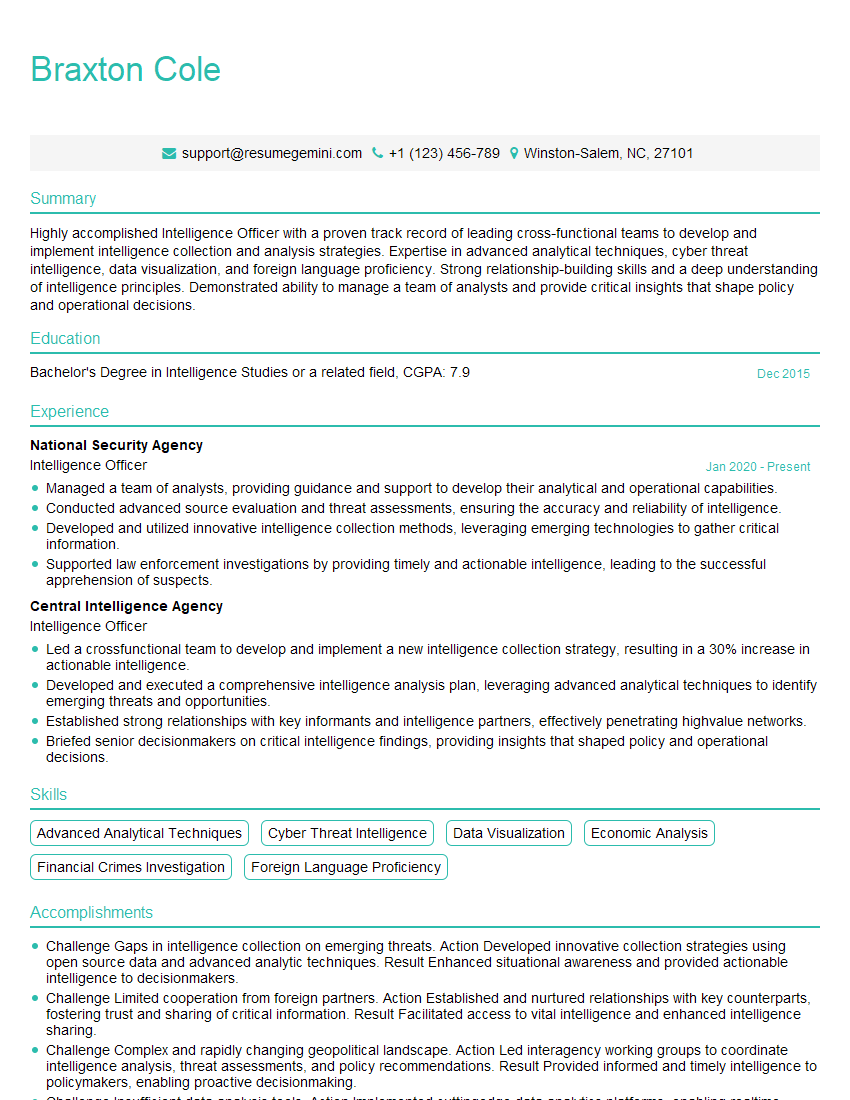
Intelligence Officer Resume Sample
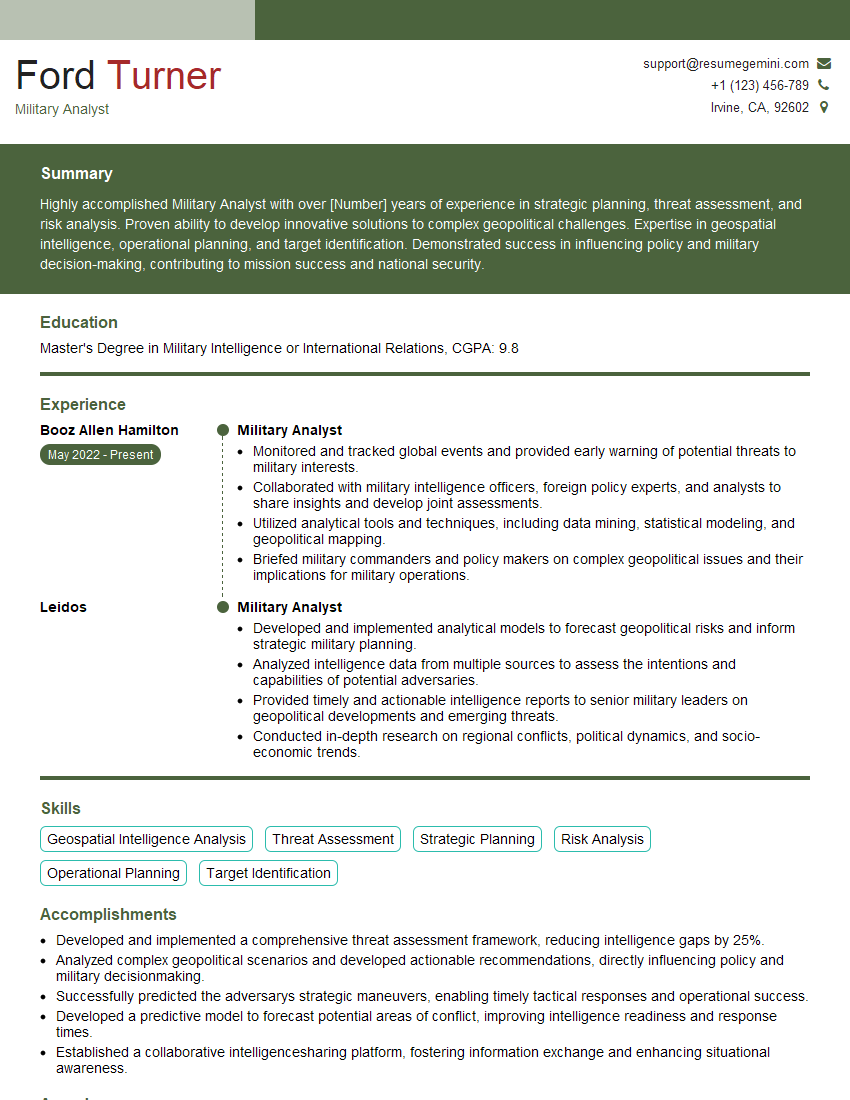
Military Analyst Resume Sample
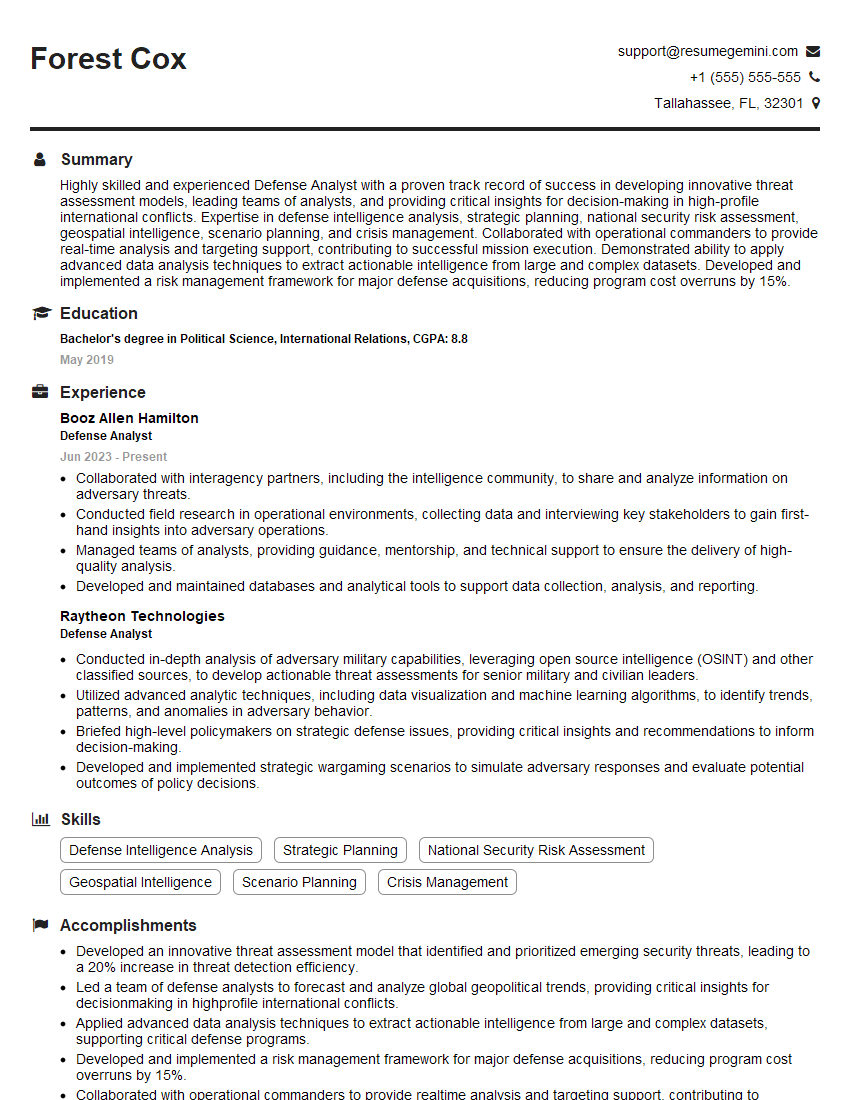
Defense Analyst Resume Sample
Explore more articles
Users Rating of Our Blogs
Share Your Experience
We value your feedback! Please rate our content and share your thoughts (optional).
What Readers Say About Our Blog
Very informative content, great job.
good