Every successful interview starts with knowing what to expect. In this blog, we’ll take you through the top Military Experience interview questions, breaking them down with expert tips to help you deliver impactful answers. Step into your next interview fully prepared and ready to succeed.
Questions Asked in Military Experience Interview
Q 1. Describe your experience leading a team under pressure.
Leading a team under pressure in the military is about more than just giving orders; it’s about fostering trust, clear communication, and decisive action. Think of it like navigating a ship through a storm. You need a steady hand, a clear plan, and a crew that trusts your judgment.
During my deployment to Afghanistan, my eight-person reconnaissance team was tasked with securing a critical supply route under constant threat of ambush. We were consistently operating with limited visibility and under intense pressure. My approach involved:
- Pre-mission briefings: Detailed briefings ensuring everyone understood their roles, contingency plans, and communication protocols. We practiced emergency procedures extensively, building confidence and cohesion.
- Decentralized decision-making: I empowered my team members to make on-the-spot decisions within established parameters. This was crucial, given the dynamic nature of the operational environment. They were experts, and their initiative was critical.
- Open communication: Maintaining constant communication was paramount. We utilized both formal reporting structures and informal check-ins to ensure everyone felt heard and understood the situation.
- Maintaining morale: Recognizing and appreciating individual contributions, even small ones, was important to maintain team spirit under stress. A simple ‘well done’ or sharing a meal together went a long way in boosting morale.
Through a combination of rigorous planning, empowering my team, and maintaining open lines of communication, we successfully completed our mission with minimal casualties, demonstrating the effectiveness of leading under pressure.
Q 2. Explain your experience with strategic planning and execution in a military context.
Strategic planning and execution in the military requires a holistic view, anticipating challenges, and adapting to the ever-changing environment. It’s akin to playing chess, anticipating your opponent’s moves while strategizing your own.
In my role as a platoon leader, we were tasked with securing a village that was a known insurgent stronghold. Our strategic plan involved:
- Intelligence Gathering: Thorough reconnaissance to understand the terrain, enemy disposition, and civilian population dynamics.
- Resource Allocation: Careful assessment and allocation of personnel, equipment, and time to maximize effectiveness.
- Contingency Planning: Developing plans for various scenarios, including possible ambushes, civilian casualties, and equipment failures. This involved ‘what-if’ scenarios and developing multiple responses.
- Execution and Monitoring: Close monitoring of the operation’s progress, making necessary adjustments based on real-time information and feedback from the field. Post-operation reviews further refined our strategic processes.
Our strategic approach, combined with effective execution and constant monitoring, resulted in the successful securing of the village with minimal civilian casualties and significant reduction of insurgent activity in the area. This highlights the importance of meticulous planning and adaptive execution in achieving strategic objectives.
Q 3. How did you handle conflicting priorities in your military role?
Handling conflicting priorities in the military often involves prioritizing tasks based on mission-criticality and resource availability. It’s like a juggling act – you need to keep multiple balls in the air without letting any drop.
During a large-scale training exercise, my unit was simultaneously tasked with preparing for a live-fire exercise, conducting routine maintenance on equipment, and providing security for a visiting delegation. To manage these competing demands, I used a prioritization matrix based on:
- Mission Impact: The live-fire exercise was the highest priority, as it directly impacted the unit’s readiness.
- Urgency: Security for the visiting delegation was next, demanding immediate attention for protocol and safety reasons.
- Resource Availability: Maintenance tasks were scheduled strategically around the high-priority activities, optimizing personnel and time allocation.
By applying a structured approach that ranked priorities based on a clear methodology, we successfully managed to fulfill all three tasks without compromising safety or mission effectiveness.
Q 4. Describe a time you had to make a critical decision with limited information.
Making critical decisions with limited information is a common occurrence in military operations. It requires quick thinking, relying on experience, and accepting a degree of uncertainty.
During a patrol, we encountered a suspicious vehicle near a known insurgent hideout. We had limited intelligence and no visual confirmation of its occupants or contents. My options were to engage, observe, or retreat. After assessing the immediate risks – our limited visibility, potential ambush, and potential for civilian casualties – I opted to observe from a concealed position.
This decision, made with imperfect information, proved effective. After a period of surveillance, the vehicle was identified as belonging to a local farmer, preventing a potentially harmful confrontation. The situation highlighted the importance of calculated risk assessment and information gathering before making critical decisions even in time-sensitive situations.
Q 5. How did you manage risk in your military assignments?
Risk management in military assignments involves proactively identifying, analyzing, and mitigating potential threats to mission success and personnel safety. It’s about planning for the unexpected.
Before conducting any operation, we followed a rigorous risk assessment process:
- Identify Hazards: This involved brainstorming potential dangers, including enemy action, environmental factors (weather), equipment malfunctions, and human error.
- Assess Risks: We evaluated the likelihood and severity of each hazard, prioritizing those posing the greatest threat.
- Develop Mitigation Strategies: We implemented controls to reduce or eliminate identified risks. This included route planning, utilizing appropriate equipment, and establishing robust communication protocols.
- Monitor and Adapt: Throughout the operation, we continuously monitored the environment and adjusted our plans as needed to minimize risks.
This structured approach helped us minimize potential harm and ensure mission success in various high-risk scenarios.
Q 6. What was your role in maintaining operational security?
Maintaining operational security (OPSEC) is crucial for mission success and personnel safety. It’s about protecting classified information and preventing the enemy from gaining an advantage. It’s like playing poker – you don’t want to reveal your hand prematurely.
My role in maintaining OPSEC included:
- Communication Security: Ensuring all communications were encrypted and followed established protocols.
- Information Control: Restricting access to sensitive information on a need-to-know basis and limiting the dissemination of information outside official channels.
- Physical Security: Implementing measures to protect sensitive equipment and facilities from unauthorized access.
- Personnel Security: Educating personnel about OPSEC principles and enforcing strict adherence to security procedures.
By diligently following established protocols, we prevented information leaks and minimized the risk of compromise, directly contributing to mission success and the safety of our personnel.
Q 7. Describe a successful project you led within the military.
One successful project I led involved developing and implementing a new training program for junior recruits on advanced fieldcraft techniques. The existing program was outdated and ineffective, leading to low proficiency levels in crucial skills.
My approach involved:
- Needs Assessment: Identifying skill gaps and analyzing the shortcomings of the existing training program.
- Curriculum Development: Designing a modern, engaging, and effective training curriculum that incorporated best practices and current operational realities. This included hands-on exercises, realistic simulations, and scenario-based learning.
- Instructor Training: Training instructors on the new curriculum and methodologies, ensuring consistency and quality in the delivery of training.
- Evaluation and Feedback: Implementing a system for evaluating the effectiveness of the new program and gathering feedback from both instructors and recruits to make improvements.
The revised program resulted in a significant increase in recruit proficiency, a substantial improvement in training efficiency, and enhanced readiness for operational deployments, showcasing the success of a well-planned and executed project.
Q 8. How did you adapt to unexpected changes or challenges in your role?
Adaptability is paramount in military operations, where unforeseen circumstances are the norm, not the exception. My experience involved countless instances requiring quick thinking and flexible problem-solving. For example, during a deployment to a volatile region, our planned route was compromised by a sudden insurgent ambush. Instead of panicking, I quickly assessed the situation, utilizing available intelligence and terrain analysis to devise an alternative route, ensuring the safety and mission success of my unit. This involved communicating effectively with other team members, coordinating a swift maneuver, and adapting our tactics based on the evolving situation.
Another instance involved a critical equipment failure during a training exercise. Rather than relying solely on standard protocols, I used my initiative to implement creative solutions using available resources. This resulted in successfully completing the exercise, showcasing the importance of resourcefulness and problem-solving under pressure. I learned that adaptability isn’t just about reacting to change, but about proactively anticipating potential challenges and developing contingency plans.
Q 9. What experience do you have with resource management?
Resource management in the military is a critical skill, encompassing personnel, equipment, supplies, and funds. My experience encompasses managing budgets for training exercises, allocating personnel to specific tasks based on their skill sets and availability, and ensuring the efficient use of equipment. For instance, during a six-month field operation, I was responsible for optimizing fuel consumption, resulting in significant cost savings without compromising mission readiness. This involved meticulous planning, careful monitoring of consumption rates, and effective communication with supply chain personnel.
I also developed proficiency in prioritizing tasks and resources based on the urgency and importance of different mission objectives. This involved using a risk assessment matrix to identify potential bottlenecks and allocating resources accordingly. My experience underlines the importance of careful planning, meticulous tracking, and proactive identification of potential resource constraints. Understanding the limitations and opportunities within a given resource envelope is crucial for mission success.
Q 10. How did you maintain morale and motivation within your team?
Maintaining morale and motivation within a team, particularly in high-stress environments, is essential for mission success. I believe in fostering a strong sense of camaraderie and shared purpose. This starts with clear and consistent communication, ensuring every team member understands their role and the overall objective. I actively sought feedback, addressing concerns promptly and fairly, and acknowledging individual and collective achievements. This promotes a feeling of value and appreciation.
Furthermore, I prioritized team cohesion through informal activities, such as shared meals or organized recreational activities, creating opportunities for team bonding and reducing stress. During challenging periods, I emphasized the importance of resilience, highlighting past successes and focusing on the positive aspects of our mission. Recognizing and rewarding exceptional performance boosted team morale and spurred further achievements. Ultimately, leadership involves cultivating a positive and supportive environment where team members feel respected, valued, and empowered.
Q 11. Describe your experience with conflict resolution within a team environment.
Conflict resolution is an inevitable aspect of teamwork. My approach focuses on proactive communication and conflict prevention. I encourage open dialogue and actively listen to opposing viewpoints. The goal is to understand the root cause of the conflict, not simply to silence the disagreement. In many instances, simply facilitating a calm discussion and allowing team members to articulate their concerns has been sufficient to resolve minor conflicts.
For more complex issues, I utilize a structured approach, involving separate discussions with each involved party to understand their perspectives. Then, I facilitate a joint meeting, guiding the discussion toward finding a mutually agreeable solution. This often involves identifying compromises and focusing on shared goals. I always emphasize respect for all team members, regardless of rank or position. My experience shows that even the most contentious conflicts can be resolved constructively through open communication, empathy, and a commitment to finding common ground.
Q 12. What is your experience with training and mentoring junior personnel?
Training and mentoring junior personnel has been a significant part of my military career. My approach is centered around practical application and hands-on experience. I believe in leading by example, demonstrating the skills and techniques I teach. I developed comprehensive training programs, tailored to the specific needs and skill levels of the trainees. These programs included a mix of classroom instruction, practical exercises, and simulations to reinforce learning.
Beyond technical skills, I focus on instilling crucial values such as teamwork, discipline, and leadership. I regularly provided constructive feedback, offering guidance and encouragement while identifying areas for improvement. I mentored junior personnel not just in their technical roles, but also in their personal and professional development. This approach fostered confidence and enabled them to develop into competent and capable individuals, capable of assuming leadership roles in the future.
Q 13. How proficient are you in using military communication systems?
I am highly proficient in using various military communication systems, including secure voice and data networks. My experience includes utilizing systems such as the SINCGARS radio, satellite communication terminals, and encrypted email systems. I am familiar with procedures for establishing secure communications, maintaining communication discipline, and adhering to operational security protocols. I have consistently demonstrated my ability to effectively communicate complex information accurately and efficiently under pressure.
My proficiency extends to troubleshooting communication system failures and implementing alternative communication methods when primary systems are unavailable. I am also adept at using specialized software for communication management and monitoring, ensuring effective information flow across different units and levels of command. This expertise is essential for maintaining situational awareness, coordinating operations, and ensuring effective command and control in diverse and challenging operational environments.
Q 14. What experience do you have with data analysis and reporting?
Data analysis and reporting are integral to effective military operations. My experience includes collecting, analyzing, and presenting data related to mission effectiveness, resource allocation, and personnel performance. I utilize various software and tools to gather, clean, and organize data, ensuring its accuracy and reliability. For example, during a post-operation analysis, I used statistical software to analyze mission data, identifying trends and patterns that informed future operational planning.
My reporting skills involve creating clear, concise, and insightful reports that effectively communicate complex data to diverse audiences. This includes using visual aids, such as graphs and charts, to enhance understanding and impact. I am proficient in developing data-driven recommendations that optimize operational efficiency and improve overall mission success. My analytical skills enable me to identify critical information, support informed decision-making, and continuously improve operational effectiveness.
Q 15. Describe your experience with weapons systems or equipment maintenance.
During my service, I was a Crew Chief responsible for the maintenance and operational readiness of the Apache AH-64D Longbow helicopter’s weapon systems. This encompassed a wide range of tasks, from routine inspections and preventative maintenance to complex troubleshooting and repair. Think of it like being a highly skilled mechanic, but for incredibly sophisticated military aircraft. My responsibilities included maintaining the aircraft’s 30mm chain gun, Hellfire missile systems, and various other targeting and sensor equipment.
For example, I once diagnosed and repaired a malfunction in the Hellfire missile’s targeting system which saved valuable time and resources. The problem was a faulty wiring harness, which I identified through meticulous inspection and testing, following strict troubleshooting procedures laid out in the technical manuals. This involved interpreting complex schematics and utilizing specialized diagnostic tools.
I also participated in regular preventative maintenance checks, ensuring all components were functioning within operational parameters and logging all activities meticulously to maintain an accurate maintenance record, crucial for overall aircraft health and operational safety.
Career Expert Tips:
- Ace those interviews! Prepare effectively by reviewing the Top 50 Most Common Interview Questions on ResumeGemini.
- Navigate your job search with confidence! Explore a wide range of Career Tips on ResumeGemini. Learn about common challenges and recommendations to overcome them.
- Craft the perfect resume! Master the Art of Resume Writing with ResumeGemini’s guide. Showcase your unique qualifications and achievements effectively.
- Don’t miss out on holiday savings! Build your dream resume with ResumeGemini’s ATS optimized templates.
Q 16. How did you ensure compliance with military regulations and procedures?
Compliance with military regulations was paramount in everything I did. It wasn’t just about following orders; it was about ensuring mission success and the safety of my team and myself. This involved understanding and adhering to a complex web of regulations covering everything from weapons handling procedures and operational security to health and safety regulations and the proper handling of classified information.
I always started by thoroughly studying the relevant regulations and directives, both official publications and internal unit standing operating procedures (SOPs). Then, I’d incorporate these into my daily routines and ensure the entire team understood them as well. For example, we conducted regular briefings to review safety regulations before every mission, and I personally verified compliance during pre-flight checks. We practiced rigorous documentation to maintain a complete audit trail. Any deviation, even minor ones, required meticulous reporting through the appropriate channels.
Further, I actively participated in training programs to remain current on all policy updates, helping my team members stay informed as well. A culture of compliance, built on trust, thorough training, and regular reviews is crucial for maintaining a disciplined and effective unit.
Q 17. What is your experience with logistical planning and support?
My experience with logistical planning and support was extensive, particularly during deployments. Logistical planning is the backbone of any successful military operation. It’s about ensuring the right resources are in the right place at the right time—a complex puzzle with many moving parts.
In one deployment, I was responsible for managing the supply chain for a remote forward operating base. This included everything from procuring fuel and ammunition to coordinating the movement of personnel and equipment. It required intricate planning, coordinating with various units and higher headquarters, and ensuring strict adherence to deadlines. I utilized sophisticated logistical software, and maintained constant communication with suppliers and transport units, actively managing potential risks and bottlenecks. This involved predicting potential shortages, forecasting demand, and developing contingency plans for unexpected delays or disruptions. I successfully managed this complex process, ensuring that our operational requirements were met even under harsh and unpredictable conditions.
Effective logistical support requires meticulous planning, anticipating potential challenges, and adapting to changing circumstances. Proactive problem-solving and strong communication are absolutely key to success.
Q 18. What security clearances have you held?
During my time in the military, I held a Top Secret security clearance. This clearance was granted after an extensive background check and granted access to highly sensitive information relevant to national security.
Q 19. Describe your experience with intelligence gathering or analysis.
While I didn’t specialize directly in intelligence gathering or analysis, my role often involved contributing to the intelligence cycle. For instance, during missions, I was responsible for documenting observations and transmitting relevant information back to headquarters. This included reporting on enemy activity, equipment locations, and terrain analysis. This wasn’t formal intelligence work, but the data I collected played a role in the larger picture.
Think of it as providing ground-level situational awareness. Accurate and timely reporting of observations on the battlefield is vital for tactical decision-making, contributing to a complete intelligence picture. My attention to detail and clear reporting helped ensure commanders had the best available information, informing their operational decisions.
Q 20. How did you utilize technology to improve efficiency in your military assignments?
Technology significantly enhanced efficiency in my military assignments. For example, the implementation of a digital maintenance system replaced the cumbersome paper-based system we previously used for tracking aircraft maintenance records. This streamlined the entire process, drastically reducing administrative time and improving the accuracy of maintenance tracking. It was a massive improvement in organizational efficiency.
We also utilized GPS-enabled devices for navigation and tracking, greatly improving situational awareness during field operations. This improved coordination between units and facilitated rapid responses to changing circumstances. Further, we used secure communication systems for real-time updates and coordination, which proved invaluable in mission execution and ensured timely response to any developments.
The use of technology enabled more effective communication, improved data management, and ultimately contributed to improved efficiency and mission success.
Q 21. How familiar are you with different command structures?
I’m familiar with various command structures, from the decentralized and flexible structures common in special operations units to the more hierarchical structures typical of conventional forces. I understand the principles of chain of command, unity of command, and span of control.
I’ve operated within both squad-level teams and larger battalion-sized deployments, gaining experience in various communication protocols and reporting structures. My understanding extends beyond just the formal organizational charts; it includes the practical dynamics of how these structures function in real-world situations, understanding the different leadership styles and communication preferences across varying organizational levels. Adaptability in different command structures is key to successful integration within any military organization.
Q 22. Explain your experience with crisis management.
Crisis management in a military context involves rapid, decisive action to mitigate threats and stabilize volatile situations. My experience encompasses various scenarios, from responding to equipment malfunctions during field exercises that jeopardized mission success, to handling unexpected escalations in tense international incidents. In each case, the process followed a structured approach:
- Assessment: Quickly gathering information from all available sources to understand the situation’s scope and urgency.
- Prioritization: Identifying immediate threats and critical needs, focusing resources where they have the most impact. For example, during a training exercise where a vehicle malfunctioned and trapped a soldier, immediate evacuation and medical attention were prioritized over completing the planned maneuvers.
- Execution: Implementing pre-planned procedures or developing creative solutions based on available resources and personnel. This often required delegating tasks effectively and providing clear instructions under pressure.
- Evaluation: Post-incident analysis to identify what worked well, what could have been improved, and adjusting protocols for future similar situations.
This methodical approach, honed through years of experience, enabled me to consistently resolve crises efficiently and minimize negative consequences.
Q 23. What is your experience with physical fitness and endurance training?
Physical fitness and endurance are paramount in military service. My training regimen has always involved a rigorous blend of cardiovascular exercises, strength training, and specialized drills. This wasn’t just about passing physical fitness tests; it was about building the resilience needed for demanding deployments and operational readiness.
- Cardiovascular Endurance: Extensive long-distance running, swimming, and cycling built my stamina for sustained operational tasks, often under challenging conditions such as extreme heat or carrying heavy loads.
- Strength Training: Weight training, calisthenics, and other strength-building exercises developed functional strength for tasks like carrying equipment, navigating challenging terrain, and engaging in hand-to-hand combat (if necessary).
- Specialized Training: Depending on the specific role, this included training relevant to the demands of the operational environment. For example, mountaineering training for high-altitude operations or water survival training for maritime deployments.
This consistent commitment to fitness translated directly to superior performance and enhanced survivability in the field.
Q 24. Describe your experience with field operations or deployments.
I’ve participated in numerous field operations and deployments, both domestically and internationally. These experiences have exposed me to diverse environments and operational challenges. One notable deployment involved participating in a peacekeeping mission where we faced logistical hurdles, cultural sensitivities, and unpredictable security threats. The experience involved:
- Planning and Preparation: Thorough pre-deployment training, including language and cultural immersion, was critical to operational success. This included understanding local customs, laws, and potential conflict zones.
- Execution: Working collaboratively with international partners, conducting patrols, providing humanitarian assistance, and responding to security incidents. This required adaptability and strong communication skills in a multi-national environment.
- Adaptation and Problem Solving: Constantly adapting to changing circumstances, such as unforeseen weather events or escalation of tensions, required quick thinking and proactive risk assessment. For instance, rerouting patrols due to unexpected road closures or adjusting communication strategies due to limited network coverage.
- Post-Deployment Analysis: Upon return, comprehensive debriefings, including lessons learned and areas for improvement, were conducted to refine operational procedures.
These deployments significantly enhanced my operational expertise and my capacity to operate effectively in high-pressure, uncertain environments.
Q 25. How did you handle ethical dilemmas or moral conflicts in your military career?
Ethical dilemmas are inevitable in military service. One situation involved a potential violation of the rules of engagement. A suspected insurgent was seen planting an IED near a civilian area, but there wasn’t clear evidence that they posed an imminent threat at that exact moment. This presented a moral conflict: violating the ROE risked unnecessary civilian casualties; however, allowing the IED placement risked severe harm later.
My approach involved:
- Careful Assessment: I sought further confirmation of the suspect’s activities and the likelihood of imminent threat using all available intelligence and surveillance.
- Consultation: I immediately consulted with my superior officers, explaining the situation and the ethical considerations involved. This ensured a collaborative decision-making process informed by higher-level strategic considerations.
- Decision Making: Based on the gathered evidence and the legal and ethical framework, we opted for close observation of the suspect, aiming to apprehend them at a safer time and place, minimizing the risk of civilian casualties.
This situation taught me the critical importance of thorough assessment, collaborative decision-making, and adhering to a strict ethical framework, even under pressure.
Q 26. What are your strengths and weaknesses as a leader?
As a leader, my strengths include decisive decision-making, adaptability, and effective communication. I am confident in my ability to build strong teams, foster collaboration, and inspire trust. However, I recognize that perfection is unattainable and acknowledge a weakness in occasionally being overly critical of myself and my team’s performance. This can sometimes lead to unnecessary stress and potentially stifle creativity.
To address this weakness, I’m consciously working on cultivating a more balanced approach, emphasizing positive reinforcement and focusing on constructive feedback rather than excessive self-criticism. I believe in continuous self-improvement and actively seek opportunities to refine my leadership style.
Q 27. How do you manage stress and pressure in high-stakes situations?
Managing stress and pressure in high-stakes situations is a skill honed through years of military experience. My approach is multifaceted:
- Preparation and Planning: Thorough planning and preparation minimize unexpected challenges and reduce stress. This includes contingency planning and anticipating potential problems.
- Mental Fortitude: Maintaining a calm and focused demeanor under pressure is essential. I practice mindfulness and stress-reduction techniques to manage anxiety and enhance mental clarity.
- Delegation and Teamwork: Effectively delegating tasks to competent individuals prevents being overwhelmed and allows for better utilization of team resources.
- Post-Incident Debriefing: Analyzing performance after high-pressure events helps to learn from both successes and mistakes, improving resilience and effectiveness for future encounters.
These strategies, coupled with years of practice in demanding situations, enable me to function effectively even under extreme duress.
Q 28. Describe a time you failed and what you learned from it.
During a training exercise, I misjudged the terrain and made a tactical error that put my team at a slight risk. I underestimated the difficulty of navigating a specific area, resulting in a longer and more exposed route than planned. While no serious harm occurred, it highlighted the importance of thorough reconnaissance and proper risk assessment.
The experience taught me several valuable lessons:
- The Importance of Detailed Reconnaissance: Never underestimate the necessity of complete and thorough planning before executing any mission, no matter how seemingly simple.
- Humility and Self-Reflection: Acknowledge mistakes, accept responsibility, and actively learn from them. It’s crucial to maintain humility, as perfection is unrealistic.
- Continuous Improvement: Using the lessons learned to adapt and improve future planning and decision-making processes. This includes seeking feedback from team members to gain diverse perspectives and avoid similar errors.
This experience underscored the value of continuous learning and self-improvement in all aspects of leadership and operational planning.
Key Topics to Learn for Military Experience Interview
- Leadership and Teamwork: Discuss experiences demonstrating leadership in challenging situations, collaboration within diverse teams, and conflict resolution strategies employed in military settings.
- Adaptability and Resilience: Highlight instances showcasing your ability to adapt to rapidly changing environments, overcome obstacles, and maintain composure under pressure. Provide specific examples illustrating your resilience in the face of adversity.
- Operational Planning and Execution: Describe your involvement in planning and executing complex operations, emphasizing your problem-solving skills, attention to detail, and ability to meet deadlines under pressure.
- Technical Skills and Expertise: Identify and articulate the technical skills you acquired during your military service, linking them to relevant civilian applications and demonstrating a clear understanding of their transferability.
- Security Clearance and Protocol: If applicable, discuss your experience with security protocols and clearances, emphasizing your understanding of confidentiality and adherence to regulations.
- Mission Success and Results: Quantify your accomplishments whenever possible, focusing on the positive impact your contributions had on your unit’s missions and overall objectives. Use the STAR method (Situation, Task, Action, Result) to structure your responses effectively.
- Transferable Skills Translation: Practice articulating how your military experience translates into valuable skills for the civilian workplace. Focus on skills such as communication, decision-making, problem-solving, and time management.
Next Steps
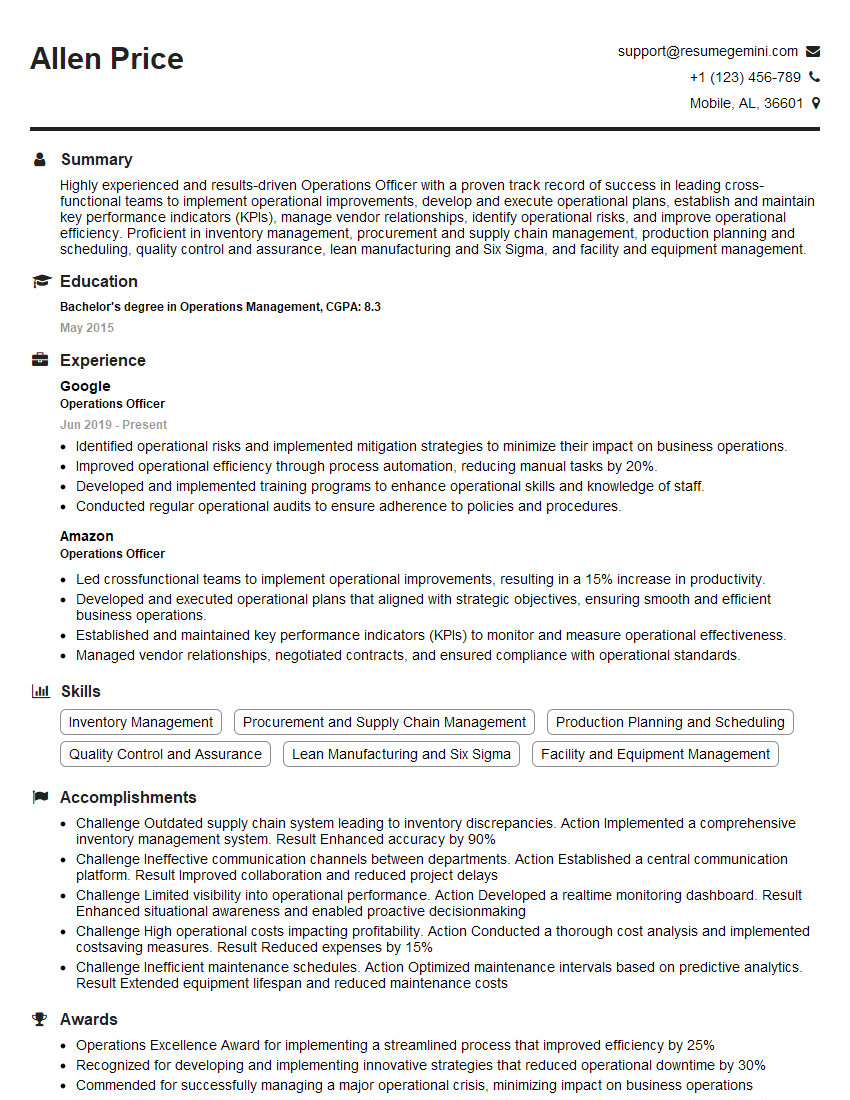
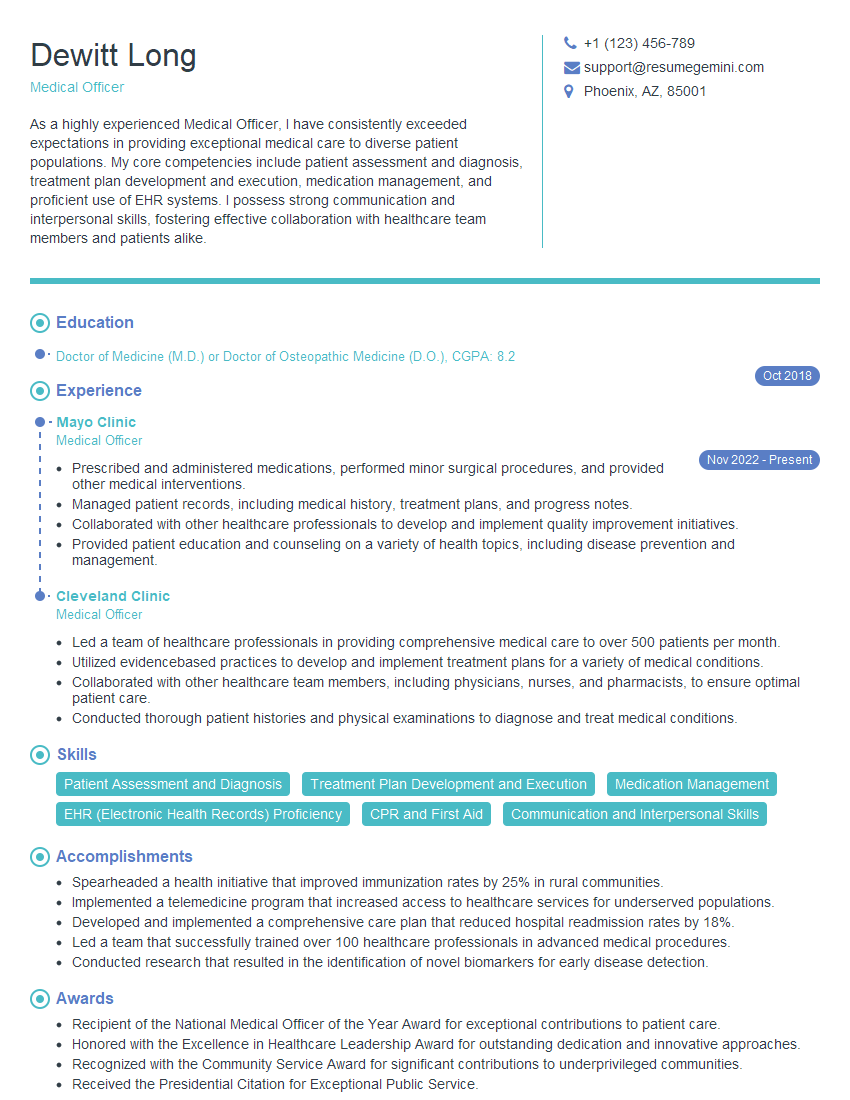
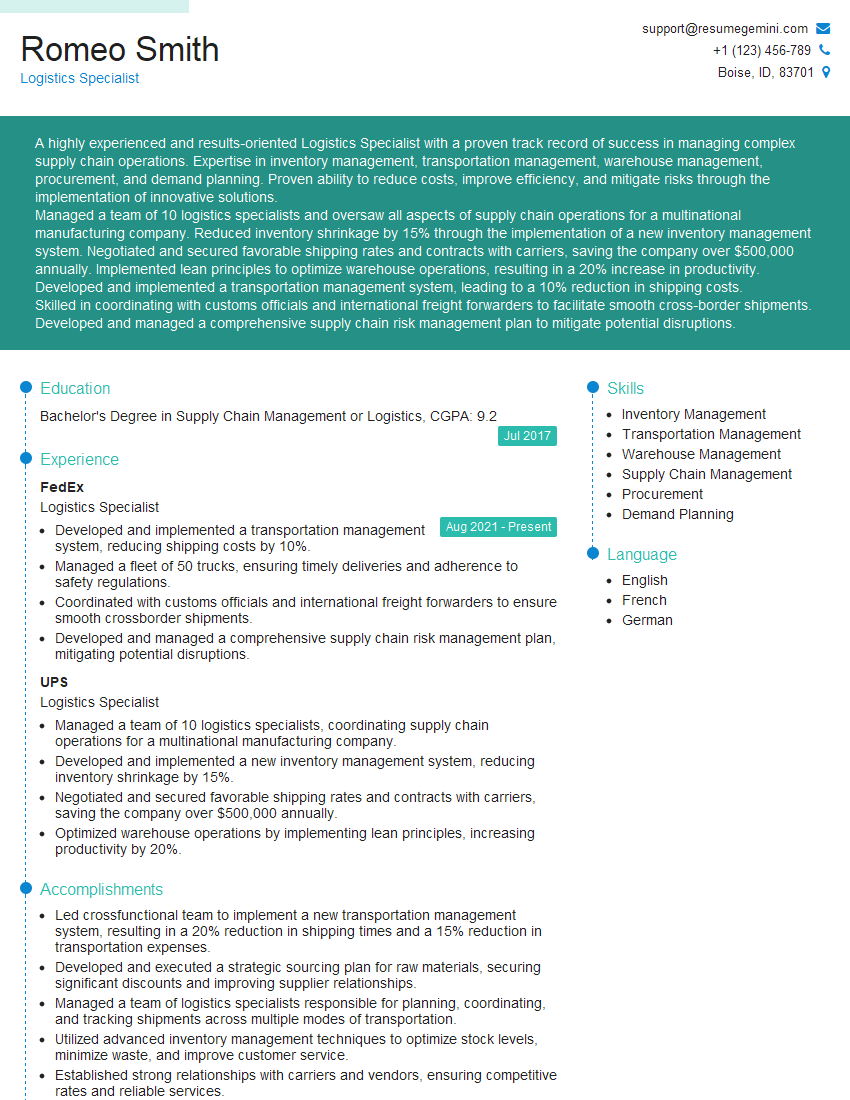
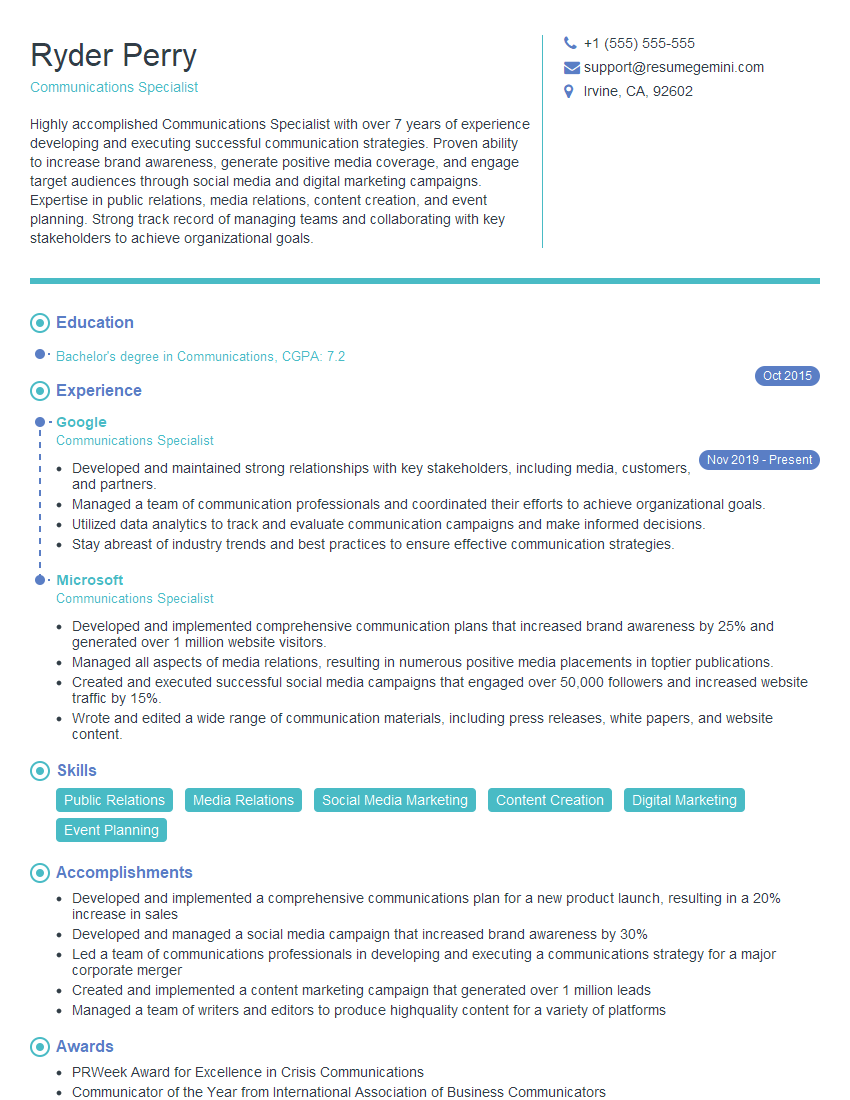
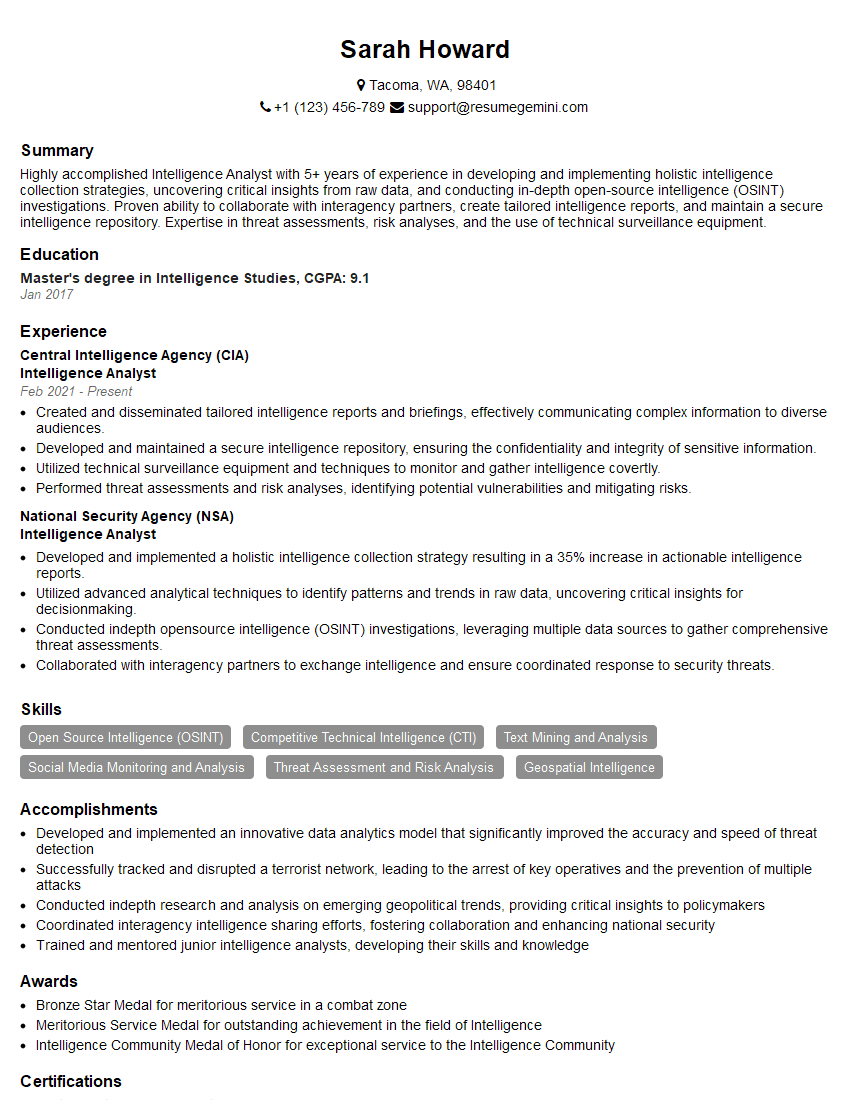
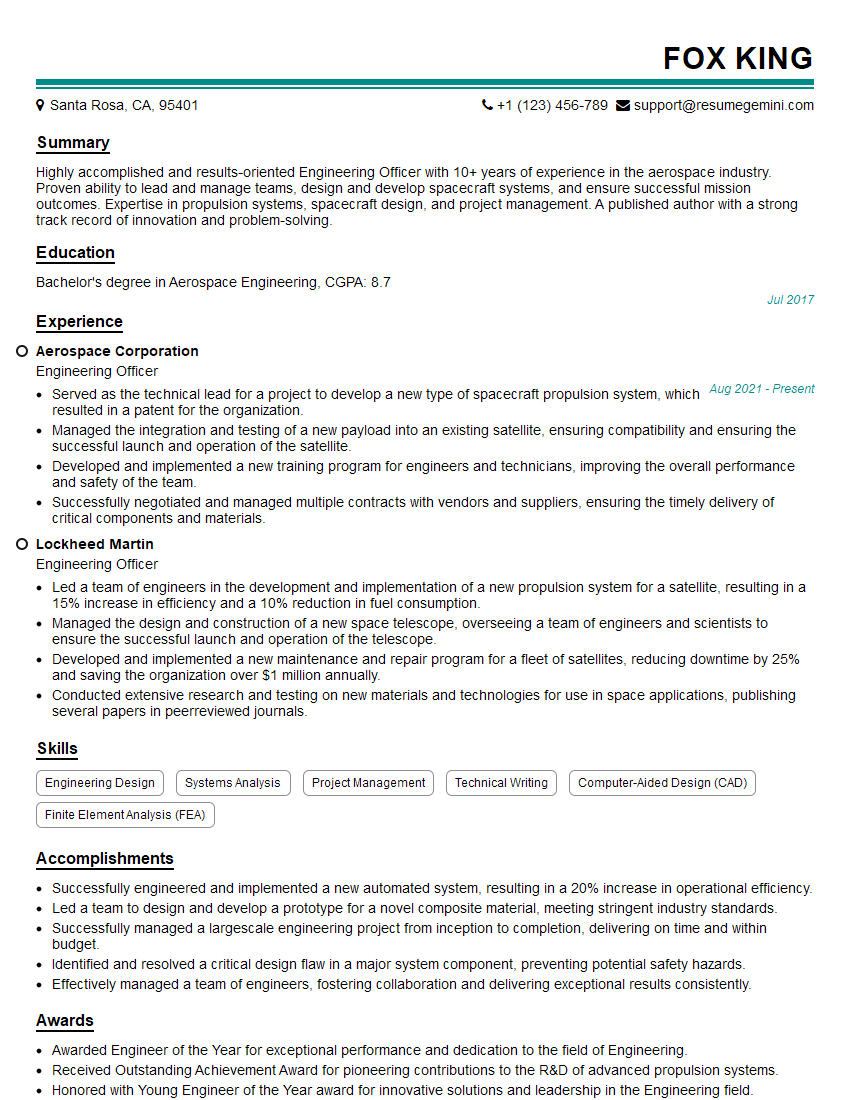
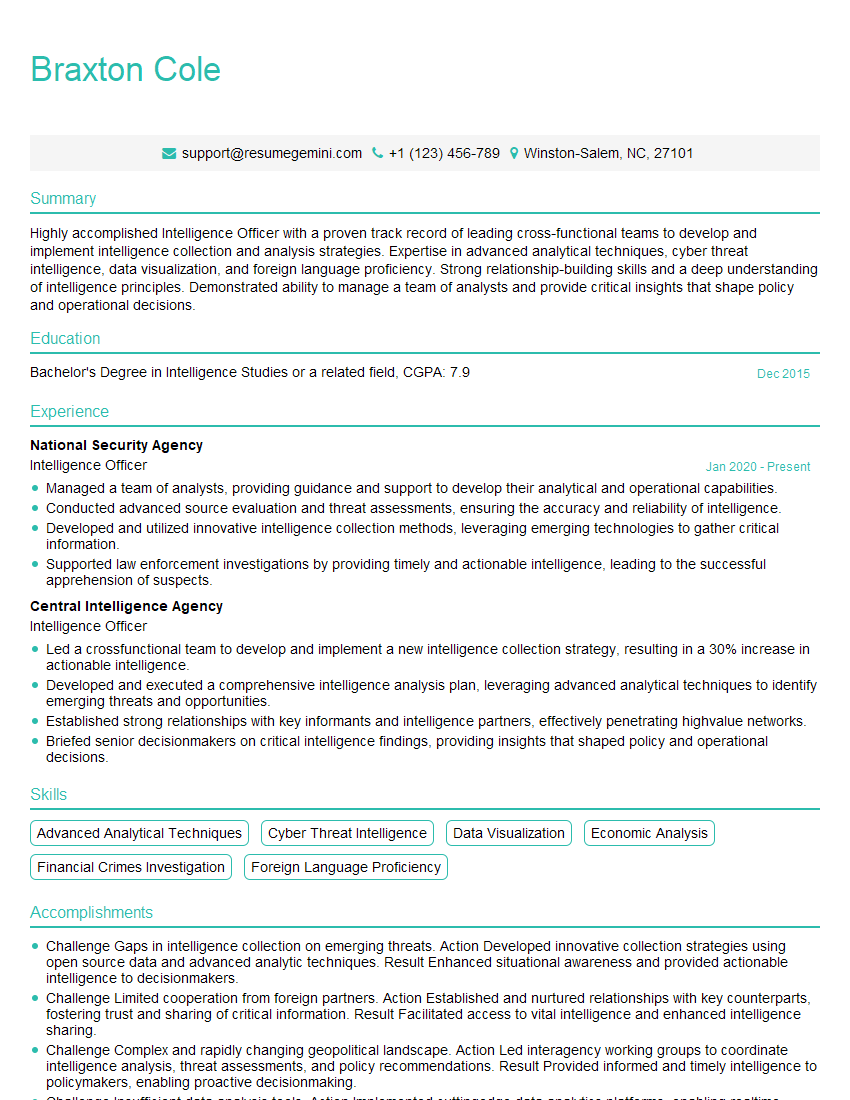
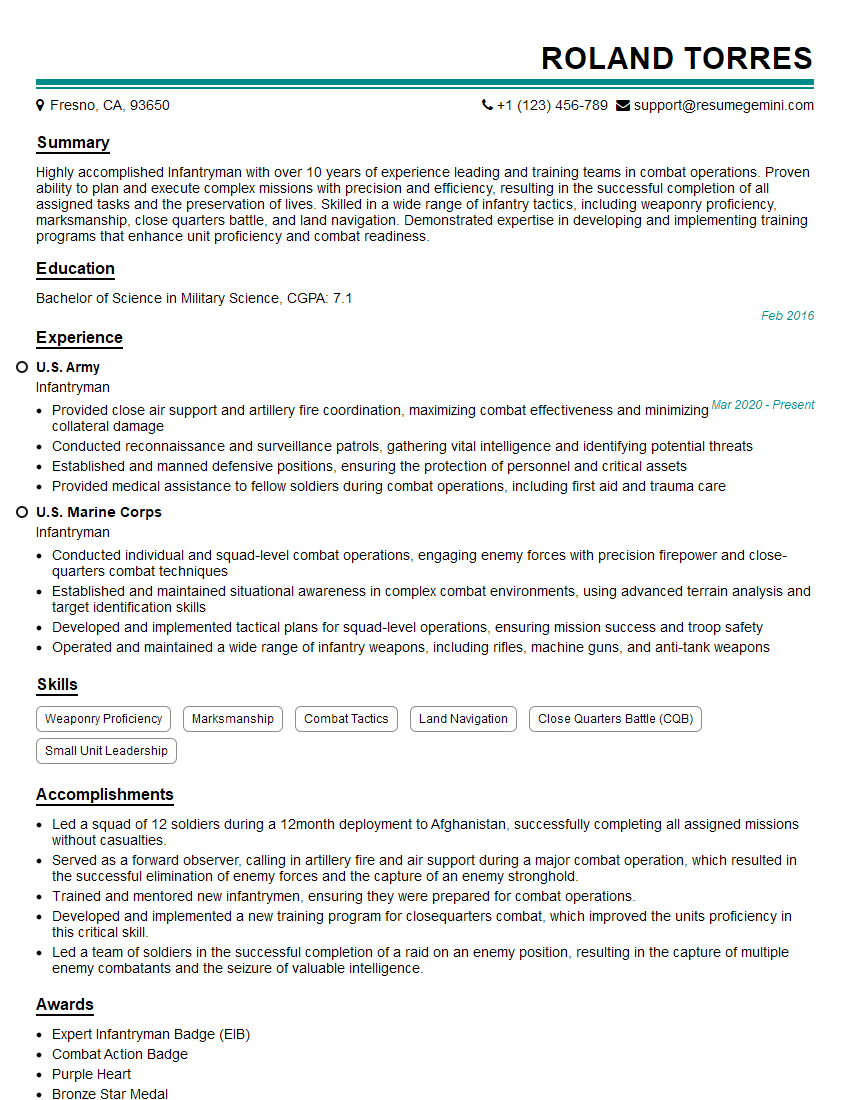
Mastering the art of translating your military experience into compelling career narratives is crucial for unlocking exciting opportunities in the civilian world. Your unique skills and experiences are highly valuable to many employers. Building a strong, ATS-friendly resume is the first step in showcasing your qualifications effectively. ResumeGemini is a trusted resource designed to help you create a professional resume that highlights your military experience and secures you interviews. Examples of resumes tailored to Military Experience are available to guide you through the process. Invest time in crafting a powerful resume—it’s your key to opening doors to your next career chapter.
Explore more articles
Users Rating of Our Blogs
Share Your Experience
We value your feedback! Please rate our content and share your thoughts (optional).
What Readers Say About Our Blog
Very informative content, great job.
good