Preparation is the key to success in any interview. In this post, we’ll explore crucial Military Knowledge interview questions and equip you with strategies to craft impactful answers. Whether you’re a beginner or a pro, these tips will elevate your preparation.
Questions Asked in Military Knowledge Interview
Q 1. Describe the difference between a strategic and operational military plan.
Strategic and operational military plans differ fundamentally in their scope and timeframe. Think of it like planning a journey: a strategic plan is deciding where you want to go (the overall objective, like winning a war), while an operational plan is figuring out how you’ll get there (the specific steps to achieve that objective, like securing a key city).
- Strategic Plans: These are long-term, high-level plans focusing on national security objectives. They involve broad resource allocation, setting overall goals, and anticipating potential long-term threats. For example, a strategic plan might involve building a strong navy to control vital sea lanes.
- Operational Plans: These are shorter-term plans focusing on achieving specific objectives within a larger strategic framework. They detail how forces will be employed to accomplish a task, including troop deployments, logistics, and timelines. An example would be an operational plan to capture a strategic bridge during a campaign.
The key difference lies in the level of detail and the timescale. Strategic plans are broad and long-term, while operational plans are detailed and shorter-term, designed to contribute to the overarching strategic goals.
Q 2. Explain the principles of military logistics.
Military logistics is the science of planning and carrying out the movement and maintenance of forces. It’s the lifeblood of any military operation, ensuring troops have what they need, when and where they need it. This encompasses a vast range of activities, all crucial for success.
- Planning and Movement: This includes transport of personnel and equipment, setting up supply lines, and coordinating movements to avoid bottlenecks and enemy attacks. Think of it as the intricate choreography of getting everything in the right place at the right time.
- Supply and Maintenance: Providing food, water, ammunition, fuel, medical supplies, and maintaining equipment are vital. Logistics personnel must constantly monitor supply levels and repair damaged equipment, ensuring readiness.
- Evacuation and Hospitalization: Handling the wounded and sick, providing medical care, and evacuating them to safety are paramount. Logistics includes the management of medical facilities and the transport of casualties.
- Construction and Infrastructure: Building and maintaining infrastructure like airfields, roads, and bases is also a crucial logistical task, allowing for efficient movement and support.
A breakdown in logistics can cripple an operation, even if the tactics are sound. The Normandy landings, for instance, were heavily reliant on incredibly complex logistics to sustain the invasion force.
Q 3. What are the key components of a successful military operation?
A successful military operation rests on several key pillars, all interconnected and mutually reinforcing.
- Clear Objectives: A well-defined goal, understood by all participants, is paramount. Vague objectives lead to confusion and wasted effort. Every operation needs a clear “what” and a measurable “how”.
- Sound Planning: This involves meticulous preparation, considering all aspects, from terrain analysis and enemy capabilities to logistical requirements and potential risks. Contingency plans are essential to adapt to unforeseen circumstances.
- Effective Command and Control: Maintaining communication and control throughout the operation is crucial. Clear lines of authority and responsive command structures enable flexibility and adaptation during operations.
- Adequate Resources: Sufficient personnel, equipment, and supplies must be available to execute the plan effectively. This involves careful resource allocation and anticipation of potential needs.
- Intelligence and Surveillance: Accurate information about the enemy, terrain, and the operational environment is crucial for making informed decisions and mitigating risks. Intelligence gathering is the bedrock of good planning.
- Post-Operation Assessment: Analyzing the operation’s successes and failures allows for learning and improvement in future operations. This includes lessons learned and identifying areas for improvement.
The success of Operation Desert Storm, for example, can be largely attributed to its meticulous planning, effective command and control, and overwhelming superiority in intelligence and resources.
Q 4. Discuss the role of intelligence in military decision-making.
Intelligence plays a pivotal role in military decision-making, providing the crucial information needed to understand the operational environment and make informed choices. Without accurate and timely intelligence, military leaders are essentially operating in the dark.
- Situational Awareness: Intelligence provides insights into the enemy’s capabilities, intentions, and strengths and weaknesses, allowing commanders to anticipate their actions and adjust their plans accordingly.
- Risk Assessment: Intelligence helps assess the risks associated with different courses of action. Knowing the potential dangers and challenges allows for better risk management.
- Target Selection: Intelligence identifies high-value targets and helps choose the most effective way to engage them, maximizing impact while minimizing casualties.
- Operational Planning: Intelligence shapes the entire planning process, influencing the selection of strategies, tactics, and the deployment of forces.
- Decision Support: Intelligence provides the data and analysis needed to support informed decision-making at all levels of command.
The success of the Battle of Midway during World War II is a prime example of how superior intelligence gathering and analysis can drastically shift the balance of power.
Q 5. Explain the concept of chain of command.
The chain of command is the hierarchical structure within a military organization. It dictates the flow of authority and responsibility, ensuring clear lines of communication and accountability. It’s essential for efficient operations and discipline.
It follows a vertical structure, typically from the highest ranking officer (Commander-in-Chief or equivalent) down to the individual soldier. Each level of command has specific responsibilities and authority over the ranks below it. Orders flow downwards, while reports and feedback flow upwards.
Key aspects:
- Unity of Command: Each subordinate reports to only one superior, avoiding conflicting orders and confusion.
- Delegation of Authority: Commanders delegate authority to subordinates, empowering them to make decisions within their areas of responsibility.
- Accountability: The chain of command ensures that everyone is accountable for their actions and decisions.
- Discipline: The chain of command fosters discipline by providing a clear structure and system of authority.
Breaking the chain of command can have serious consequences, leading to confusion, inefficiency, and potentially disastrous outcomes. A clear, well-defined chain of command is crucial for maintaining order and control, especially in high-pressure situations.
Q 6. Describe different types of military deployments.
Military deployments vary widely depending on their purpose, duration, and scale.
- Peacekeeping Operations: Deployments aimed at maintaining peace and security in a conflict zone, often involving observation, mediation, and assisting local authorities. These are often multinational efforts.
- Combat Operations: Deployments involving direct engagement with enemy forces, ranging from small-scale skirmishes to large-scale wars. These are high-risk deployments requiring extensive training and preparation.
- Humanitarian Assistance: Deployments to provide relief in the aftermath of natural disasters, epidemics, or other humanitarian crises. These may involve delivering aid, providing medical care, and assisting with recovery efforts.
- Training Missions: Deployments focused on training and advising foreign military forces. These aim to build capacity and improve the capabilities of partner nations.
- Show of Force: A deployment of military assets intended to deter potential adversaries or demonstrate resolve. This can involve the deployment of ships, aircraft, or troops to a strategically important area.
Each type of deployment necessitates different levels of preparation, equipment, and personnel, reflecting the unique challenges and objectives of the mission. The deployment to Afghanistan following 9/11 exemplifies a large-scale combat operation, while the response to the Haiti earthquake in 2010 is an example of a humanitarian assistance deployment.
Q 7. What are the ethical considerations in military operations?
Ethical considerations are paramount in military operations, influencing decision-making at all levels. The potential for harm and loss of life necessitates a strong ethical framework.
- Proportionality: Military actions should be proportionate to the military necessity. Excessive force that causes unnecessary civilian casualties is unethical.
- Distinction: A clear distinction must be made between combatants and non-combatants. Attacks targeting civilians are strictly prohibited.
- Military Necessity: All military actions must be justified by military necessity, meaning they must contribute to a legitimate military objective.
- Humanitarian Law: Adherence to international humanitarian law (IHL), also known as the laws of war, is crucial. IHL sets forth rules regarding the treatment of prisoners of war, protection of civilians, and the use of weapons.
- Accountability: Mechanisms for accountability are needed to ensure that those responsible for violating ethical standards or IHL are held responsible for their actions.
The ethical dilemmas encountered in modern warfare, such as the use of drones and cyber warfare, highlight the increasing complexity of ethical considerations in military operations. Ongoing debate and rigorous ethical reflection are essential to navigate these challenges and ensure the responsible conduct of military actions.
Q 8. How does military technology impact warfare?
Military technology fundamentally alters the nature of warfare, impacting every aspect from strategy and tactics to the very definition of victory. It dictates the tempo, lethality, and reach of conflict. Think of it as a constant arms race; each technological advancement necessitates an adaptation, a counter-measure, or a complete strategic overhaul by opposing forces.
Increased Lethality: The development of nuclear weapons, for example, fundamentally changed the strategic landscape of the 20th century, creating a doctrine of Mutually Assured Destruction (MAD) and significantly raising the stakes of international conflict.
Enhanced Precision: Modern guided munitions, drones, and precision-guided bombs allow for surgical strikes with significantly reduced collateral damage, compared to older, less accurate weapons systems. This shifts military objectives and operational approaches.
Expanded Reach: Long-range ballistic missiles, global positioning systems (GPS), and satellite communication systems extend the range and reach of military operations. A conflict can now be waged across continents with relative ease.
Information Dominance: Intelligence, surveillance, and reconnaissance (ISR) technologies, including satellite imagery and signals intelligence, have become crucial in providing decision-makers with critical battlefield awareness. This information superiority can significantly impact the course of a war.
Q 9. Explain the concept of military strategy and doctrine.
Military strategy and doctrine are intertwined concepts defining how a nation or military organization prepares for and conducts warfare. Strategy is the overarching plan, the ‘big picture’ approach to achieving national security objectives. It encompasses the broad goals, the allocation of resources, and the overall approach to conflict. Doctrine, on the other hand, provides the detailed instructions and guidelines on how those strategic goals will be implemented at the tactical level. It’s the ‘how-to’ manual for military operations.
For example, a nation’s strategy might be to contain a regional adversary. Its doctrine would then dictate how this containment strategy will be achieved – through diplomacy, economic sanctions, military deployments, or a combination of these. Doctrine outlines standard operating procedures, tactics, techniques, and procedures (TTPs), and decision-making frameworks for various scenarios.
Q 10. What are some common military communication systems?
Military communication systems are crucial for coordinating operations, sharing intelligence, and maintaining situational awareness. These systems have evolved from simple radios to highly sophisticated, integrated networks.
Radio Systems: From high-frequency (HF) long-range communication to ultra-high frequency (UHF) and very high frequency (VHF) tactical radios, these remain essential for frontline communication. They are relatively simple to operate and maintain but susceptible to jamming.
Satellite Communication: Satellite systems provide long-range, secure communication capabilities, even in remote areas or during emergencies. They are vital for coordinating large-scale operations and disseminating information globally.
Data Networks: Modern military networks use secure, encrypted systems for transmitting large amounts of data, including imagery, intelligence, and command instructions. These often involve sophisticated cybersecurity measures to protect against intrusion.
Secure Voice and Data Systems: Systems like HAVEQUICK and SIPRNET provide highly secure voice and data communication for sensitive information. The use of encryption is critical to ensure the confidentiality of communications.
Q 11. Describe the role of cyber warfare in modern conflict.
Cyber warfare has emerged as a significant domain of modern conflict, involving the use of computer networks and digital technologies to attack an adversary’s critical infrastructure, disrupt operations, or steal sensitive information. It’s characterized by its relative low cost compared to kinetic warfare and the difficulty in attributing attacks to specific actors, making it a highly effective tool for asymmetric warfare.
Examples include attacks on power grids, financial institutions, military command-and-control systems, and even critical weapons systems. A successful cyberattack can have devastating consequences, potentially causing more damage than a traditional military strike.
Defending against cyberattacks requires robust cybersecurity measures, constant monitoring, and a proactive approach to threat identification and mitigation. This involves investing in advanced security technologies, training personnel, and developing effective incident response plans.
Q 12. Discuss the impact of asymmetric warfare on military strategy.
Asymmetric warfare, characterized by a significant disparity in military capabilities between combatants, poses unique challenges to traditional military strategies. A weaker adversary often employs unconventional tactics and targets civilian populations or critical infrastructure to offset its disadvantage in conventional warfare. This necessitates a flexible and adaptable approach from the stronger power.
Examples include insurgency, terrorism, and guerilla warfare. These tactics require a different response than conventional warfare. Strategies for countering asymmetric warfare focus on intelligence gathering, counter-insurgency operations, winning hearts and minds, and employing targeted countermeasures to disrupt the enemy’s networks and capabilities. A strong emphasis is also placed on information warfare to counteract propaganda and win public support.
Q 13. Explain the principles of military leadership.
Military leadership requires a unique blend of skills and qualities. Effective military leaders must inspire trust, exhibit courage, possess sound judgment, and demonstrate strong decision-making abilities under pressure. Key principles include:
Character: Integrity, honesty, and moral strength are paramount in building trust and confidence within the ranks. Leaders are role models and their actions have far-reaching consequences.
Competence: Leaders must possess a deep understanding of military doctrine, operations, and technology. Continuous learning and adaptation are essential in a rapidly changing environment.
Communication: Clear, concise, and effective communication is crucial for ensuring the efficient execution of orders and the dissemination of information throughout the ranks.
Decisiveness: Military leaders must make critical decisions under duress, frequently with incomplete information. This requires a balance of calculated risk-taking and careful deliberation.
Empathy: Understanding the needs and concerns of subordinates is essential for maintaining morale and fostering strong unit cohesion.
Q 14. Describe the various branches of the military and their roles.
The specific branches of a military vary by nation, but common branches include:
Army: Responsible for land-based operations, including infantry, armor, artillery, and engineering.
Navy: Controls maritime operations, encompassing naval aviation, submarines, surface warships, and marine infantry.
Air Force: Conducts air and space operations, employing fighter jets, bombers, transport aircraft, and surveillance drones.
Marine Corps (in some countries): Typically an amphibious force, combining naval and land warfare capabilities.
Space Force (emerging): This newer branch handles military operations related to space, including satellite systems, missile defense, and space-based reconnaissance.
Coast Guard (in some countries): Often a branch with dual civilian and military roles, responsible for maritime safety, security, and law enforcement.
Each branch plays a vital role, and their combined capabilities contribute to a nation’s overall military strength. The effective integration of these forces is crucial for achieving strategic objectives.
Q 15. How does military budget impact resource allocation?
A nation’s military budget directly dictates its capacity for defense and offense. It’s essentially a resource allocation map, determining what the military can and cannot do. A larger budget translates to more personnel, advanced weaponry, technological upgrades, robust training programs, and improved infrastructure. Conversely, budget constraints necessitate difficult choices: prioritizing certain programs over others, potentially delaying or canceling projects, and accepting a reduced level of operational readiness. For example, a country prioritizing naval power might allocate a significant portion of its budget to building aircraft carriers and submarines, while reducing funding for ground forces. This trade-off is a constant challenge for military planners, requiring careful balancing of national security needs against financial realities. Resource allocation analysis often involves complex modeling to project the efficiency and effectiveness of different budget distributions.
Career Expert Tips:
- Ace those interviews! Prepare effectively by reviewing the Top 50 Most Common Interview Questions on ResumeGemini.
- Navigate your job search with confidence! Explore a wide range of Career Tips on ResumeGemini. Learn about common challenges and recommendations to overcome them.
- Craft the perfect resume! Master the Art of Resume Writing with ResumeGemini’s guide. Showcase your unique qualifications and achievements effectively.
- Don’t miss out on holiday savings! Build your dream resume with ResumeGemini’s ATS optimized templates.
Q 16. What are the key characteristics of effective military training?
Effective military training hinges on several key characteristics: Relevance – training must directly address the tasks and scenarios soldiers will face in real-world operations. Realistic Simulation – training environments should mirror operational conditions as closely as possible, including stress, uncertainty, and the use of advanced simulation technologies. Repetition and Reinforcement – skills must be practiced repeatedly to achieve proficiency and muscle memory. Feedback and Assessment – regular evaluations and constructive feedback are crucial for identifying areas for improvement and ensuring individual and unit proficiency. Leadership Development – training should focus not only on technical skills but also on leadership qualities, decision-making, and teamwork. Think of a special forces unit: their training incorporates intense physical conditioning, advanced weaponry proficiency, language training, and sophisticated tactical simulations all designed to replicate the complexities and stresses of their missions. This holistic approach enhances combat effectiveness and strengthens team cohesion.
Q 17. Explain the process of military procurement.
Military procurement is a complex, multi-stage process for acquiring new equipment, weapons systems, and other resources. It typically involves: 1. Identification of Need: identifying a gap in capabilities or a requirement for new technology. 2. Requirements Definition: specifying the exact characteristics and performance standards for the desired item. 3. Acquisition Planning: developing a strategy for acquiring the item, including budgeting and timelines. 4. Solicitation: issuing requests for proposals (RFPs) or bids from contractors. 5. Evaluation of Proposals: reviewing and comparing proposals from different vendors. 6. Source Selection: choosing a contractor based on various factors like price, capability, and risk. 7. Contract Award: negotiating and signing a contract with the selected contractor. 8. Production and Delivery: overseeing the production and delivery of the item. 9. Acceptance and Deployment: testing and accepting the item and integrating it into operational units. This entire process is often meticulously documented and subject to stringent oversight to ensure transparency, value for money, and compliance with regulations. For example, the procurement of a new fighter jet involves years of research, development, testing, and negotiation, requiring extensive collaboration between military branches, industry partners, and government agencies.
Q 18. Describe different types of military aircraft and their capabilities.
Military aircraft represent a diverse range of capabilities, broadly categorized as: Fighter Aircraft (e.g., F-22 Raptor, F-35 Lightning II): designed for air-to-air combat, equipped with advanced radar, missiles, and cannons. Bomber Aircraft (e.g., B-2 Spirit, B-52 Stratofortress): capable of carrying large payloads of bombs and missiles over long distances. Transport Aircraft (e.g., C-17 Globemaster III, C-130 Hercules): used for transporting troops, equipment, and supplies. Helicopter Aircraft (e.g., AH-64 Apache, CH-53 Sea Stallion): versatile aircraft used for troop transport, attack, search and rescue, and other missions. Reconnaissance Aircraft (e.g., U-2 Dragon Lady, RQ-4 Global Hawk): equipped with advanced sensors and cameras for surveillance and intelligence gathering. Each type has specific capabilities tailored to its role; for instance, a fighter jet’s agility and weaponry focus on air superiority, while a transport aircraft prioritizes cargo capacity and range. The continuous evolution of technology leads to constant upgrades and development of new aircraft to maintain a strategic advantage.
Q 19. Explain the concept of military readiness.
Military readiness refers to a force’s ability to effectively respond to any given threat or mission at any time. It encompasses a multitude of factors, including: Personnel Readiness (well-trained, equipped, and motivated personnel), Equipment Readiness (properly maintained and functioning weapons, vehicles, and other equipment), Logistical Readiness (reliable supply chains and support systems), Command and Control Readiness (effective communication and decision-making structures), and Intelligence Readiness (accurate and timely intelligence). A high state of readiness requires continuous training, maintenance, and investment in personnel and equipment. A country’s level of readiness can fluctuate based on geopolitical factors, budget allocations, and operational demands. For example, a nation facing imminent threats will prioritize readiness over other initiatives, such as infrastructure development.
Q 20. Describe the role of international law in military conflicts.
International law plays a significant role in regulating military conflicts, aiming to minimize civilian harm and prevent unnecessary escalation. Key legal frameworks include the Geneva Conventions (protecting wounded and sick soldiers, prisoners of war, and civilians), the Laws of Armed Conflict (LOAC) (governing the conduct of warfare), and the United Nations Charter (prohibiting the use of force except in self-defense or with Security Council authorization). However, the application and interpretation of these laws can be complex and often debated, particularly in asymmetrical conflicts. Compliance with international law is essential for maintaining legitimacy and gaining international support. Violations, however, can result in war crimes prosecutions at international tribunals. Determining when actions constitute a breach of international law often involves intricate legal analysis based on the specific circumstances of the conflict.
Q 21. What are the challenges of managing military personnel?
Managing military personnel presents unique challenges: Recruitment and Retention: attracting and retaining qualified personnel, particularly in competitive job markets. Training and Development: providing continuous professional development and ensuring personnel are adequately trained for their roles. Welfare and Morale: maintaining high morale and providing adequate support for personnel’s physical and mental health, especially during deployment. Discipline and Conduct: enforcing military discipline and ensuring personnel adhere to codes of conduct and ethical standards. Career Management: providing clear career paths and opportunities for promotion. Resource Allocation: balancing the allocation of resources for training, compensation, benefits, and other needs. Effective personnel management is crucial for ensuring combat effectiveness, maintaining a strong military culture, and preserving the trust and confidence of the public.
Q 22. How do you assess the effectiveness of a military campaign?
Assessing the effectiveness of a military campaign is a multifaceted process requiring a nuanced understanding of strategic goals, operational realities, and long-term consequences. It’s not simply about achieving immediate battlefield victories, but rather about evaluating whether the campaign achieved its stated objectives while minimizing unintended negative impacts.
- Achievement of Objectives: Did the campaign successfully achieve its primary and secondary objectives? This might involve territorial gains, the neutralization of enemy forces, the protection of civilian populations, or the disruption of enemy supply lines. For example, the success of the Allied invasion of Normandy in World War II can be measured by its achievement of a foothold in Europe, opening a second front against Nazi Germany.
- Cost-Benefit Analysis: This involves weighing the military gains against the costs incurred. Costs include casualties, material losses, financial expenditure, and the potential for long-term instability. A campaign might achieve its primary objective but at an unacceptable cost in human lives or resources.
- Long-Term Impact: A comprehensive assessment considers the long-term geopolitical, economic, and social consequences of the campaign. Did it lead to lasting peace or increased instability? Did it foster goodwill or resentment among the civilian population? The Vietnam War serves as a prime example of a campaign where the immediate military objectives might have been achieved, but the long-term consequences were devastating.
- Unintended Consequences: Effective assessment requires identifying and evaluating any unintended consequences, such as civilian casualties, environmental damage, or the creation of new enemies. The unintended consequences of the Iraq War, such as the rise of ISIS, highlight the importance of considering these factors.
In essence, a robust assessment uses a combination of quantitative data (e.g., casualty figures, territorial gains) and qualitative analysis (e.g., impact on civilian populations, political stability) to provide a holistic evaluation of a campaign’s effectiveness.
Q 23. Describe the different types of military intelligence.
Military intelligence encompasses a wide range of information gathering and analysis activities designed to support military operations and decision-making. Different types of intelligence are often categorized according to the source or method of collection.
- Human Intelligence (HUMINT): This involves gathering information from human sources, such as spies, informants, defectors, and prisoners of war. It’s often considered the most valuable but also the riskiest type of intelligence.
- Signals Intelligence (SIGINT): This refers to intelligence gathered from intercepted communications, including radio transmissions, telephone conversations, and electronic signals. SIGINT played a crucial role in breaking the Enigma code during World War II.
- Imagery Intelligence (IMINT): This type of intelligence is derived from visual imagery collected by satellites, drones, aircraft, and other platforms. IMINT provides critical situational awareness and can be used to identify enemy positions, equipment, and infrastructure.
- Measurement and Signature Intelligence (MASINT): This covers intelligence derived from measuring physical phenomena, such as acoustic, electromagnetic, and nuclear emissions. MASINT can be used to identify and track weapons systems and other military equipment.
- Open-Source Intelligence (OSINT): This refers to publicly available information, such as news reports, social media posts, and academic publications, that can be used to support military intelligence efforts. OSINT is increasingly important in the modern information age.
- Geospatial Intelligence (GEOINT): This involves the integration of imagery, mapping, and geographic information systems to provide a comprehensive understanding of the terrain and environment. GEOINT is vital for planning military operations and targeting.
These types of intelligence are often used in conjunction with each other to provide a more complete picture of the operational environment and the enemy’s capabilities.
Q 24. Explain the role of technology in military reconnaissance.
Technology has revolutionized military reconnaissance, providing unprecedented capabilities for gathering information about the enemy and the operational environment. The impact is evident across various aspects of reconnaissance:
- Unmanned Aerial Vehicles (UAVs/Drones): Drones provide persistent surveillance and reconnaissance capabilities at a fraction of the cost and risk associated with manned aircraft. They can be equipped with high-resolution cameras, thermal imaging sensors, and other advanced sensors.
- Satellite Imagery: Satellite-based reconnaissance provides wide-area coverage and allows for the monitoring of enemy movements and activities over large distances. High-resolution satellites can capture incredibly detailed images, providing valuable intelligence.
- Sensors and Data Fusion: Advanced sensors can detect a wide range of signals and signatures, providing valuable information about enemy activities. Data fusion techniques allow the integration of data from multiple sources to create a more complete and accurate picture.
- Cyber Reconnaissance: The increasing reliance on digital technologies by militaries has created new opportunities for cyber reconnaissance. This can involve gaining access to enemy computer systems to obtain valuable intelligence.
- Advanced Signal Processing: Signal processing algorithms are used to filter noise and extract meaningful information from intercepted communications and sensor data. These algorithms are constantly improving, allowing for more accurate and efficient analysis of intelligence data.
However, technological advancements also create new challenges. Advances in countermeasures, cybersecurity threats, and the ethical implications of using surveillance technologies require careful consideration.
Q 25. Discuss the impact of counter-insurgency strategies.
Counter-insurgency (COIN) strategies aim to defeat insurgent groups and restore stability in affected areas. The impact of these strategies can be both positive and negative, depending on their design and implementation.
- Positive Impacts: Successful COIN strategies can lead to a reduction in violence, the restoration of essential services, economic development, and improved governance. They can foster reconciliation between the government and the civilian population, ultimately leading to lasting peace and stability.
- Negative Impacts: Poorly designed or implemented COIN strategies can exacerbate existing problems. They can lead to increased civilian casualties, human rights abuses, and resentment towards the government and foreign forces. This can ultimately fuel further insurgency.
The effectiveness of COIN strategies depends on a number of factors, including:
- Understanding the Root Causes of Insurgency: Successful COIN strategies address the underlying socio-economic and political factors that fuel insurgency. This may involve addressing poverty, inequality, and political grievances.
- Protecting Civilians: Minimizing civilian casualties and avoiding human rights abuses are crucial for gaining the trust and support of the civilian population.
- Building Local Capacity: COIN strategies should empower local governments and security forces to take responsibility for maintaining security and stability.
- Winning the Hearts and Minds: Building trust and credibility with the civilian population is essential for success. This involves providing essential services, engaging in community development projects, and ensuring that justice is served.
Ultimately, the impact of COIN strategies is highly context-specific and depends on the specific circumstances of each conflict. There is no one-size-fits-all approach.
Q 26. What are the key aspects of military risk management?
Military risk management is a systematic process for identifying, assessing, and mitigating risks to military operations. It involves a proactive approach to managing uncertainty and potential threats.
- Risk Identification: This involves systematically identifying all potential risks that could affect the mission. This includes operational risks (e.g., enemy action, equipment failure), environmental risks (e.g., weather, terrain), and political risks (e.g., instability, civil unrest).
- Risk Assessment: This involves evaluating the likelihood and potential impact of each identified risk. This might involve using a matrix to categorize risks by likelihood and severity.
- Risk Mitigation: This involves developing strategies to reduce the likelihood or impact of identified risks. Strategies may include risk avoidance (e.g., changing plans), risk reduction (e.g., implementing safety procedures), risk transfer (e.g., insurance), or risk acceptance (e.g., acknowledging the risk and proceeding).
- Risk Monitoring and Review: This involves continuously monitoring risks and making adjustments to mitigation strategies as needed. Regular review helps to identify new risks and evaluate the effectiveness of current strategies.
Effective military risk management is crucial for ensuring mission success and minimizing casualties and losses. It’s an iterative process that requires continuous monitoring and adaptation to changing circumstances.
Q 27. Explain the process of military planning and execution.
Military planning and execution is a cyclical process involving several key steps:
- Mission Analysis: This initial phase involves a thorough examination of the mission objectives, the operational environment, and the available resources. It sets the foundation for the subsequent planning stages.
- Course of Action Development (COA): This stage involves brainstorming and developing multiple potential plans to achieve the mission objectives. Each COA is carefully evaluated to determine its feasibility and potential effectiveness.
- COA Analysis and Selection: The developed COAs are rigorously analyzed using a variety of tools and techniques, including wargaming and simulations. The most effective and feasible COA is then selected.
- Plan Development: The selected COA is developed into a detailed operational plan. This plan includes specific tasks, timelines, resource allocation, and contingency plans.
- Plan Refinement and Approval: The plan is refined and reviewed by relevant stakeholders before being approved for execution.
- Execution: The plan is put into action. Effective execution requires clear communication, coordination, and leadership.
- Assessment and Adjustment: During execution, the plan’s progress is closely monitored. Adjustments are made as necessary to respond to changing circumstances and unforeseen challenges.
- Post-Operational Assessment: After the operation, a comprehensive assessment is conducted to evaluate the effectiveness of the plan, identify lessons learned, and improve future planning processes.
The entire process is iterative, with feedback from each stage informing the subsequent stages. This continuous improvement cycle is crucial for adapting to changing conditions and maintaining operational effectiveness.
Q 28. Describe your understanding of military decision-making processes.
Military decision-making processes are characterized by a structured approach to evaluating options and making critical choices under pressure. They prioritize clarity, speed, and decisive action.
- Intelligence Preparation of the Battlefield (IPB): This crucial step involves gathering and analyzing all available intelligence to develop a comprehensive understanding of the operational environment and the enemy’s capabilities.
- Commander’s Intent: This clearly articulates the desired end state of the operation and empowers subordinates to make decisions within the overall framework.
- Mission Analysis: This process helps to define the tasks, constraints, and objectives of the operation.
- Course of Action Development (COA) and Analysis: Multiple potential courses of action are developed and evaluated based on their feasibility, effectiveness, and risks.
- Decision Matrix: A decision matrix is often used to compare and contrast different COAs based on various criteria, such as risk, cost, and effectiveness.
- Wargaming and Simulations: These tools are used to test and refine COAs in a simulated environment.
- Risk Management: Risks associated with each COA are identified and mitigation strategies are developed.
- Decision Briefings: The decision-making process culminates in briefings to relevant stakeholders, including the commander and other key personnel.
Effective military decision-making involves a balance between speed and thoroughness. It requires strong leadership, clear communication, and a disciplined approach to evaluating options and managing risks. The process often involves collaboration and input from diverse experts to ensure a well-informed decision.
Key Topics to Learn for Military Knowledge Interview
- Military History & Strategy: Understanding key historical conflicts, strategic doctrines, and leadership principles. This includes analyzing past campaigns and their outcomes to inform future strategic thinking.
- Military Organization & Structure: Familiarity with the chain of command, different branches of the military, and their respective roles and responsibilities. Practical application includes understanding how to navigate organizational structures effectively and communicate across different ranks.
- Military Technology & Equipment: Knowledge of various weapon systems, communication technologies, and logistical support systems. Problem-solving might involve assessing the effectiveness of specific technologies in different operational environments.
- Leadership & Management in Military Contexts: Understanding leadership styles, motivational techniques, and decision-making processes within a military environment. This includes analyzing case studies of successful and unsuccessful military leadership.
- International Relations & National Security: Understanding the geopolitical landscape and how military actions impact international relations. Problem-solving involves anticipating the consequences of military decisions on national security and global stability.
- Military Ethics & Law: Familiarity with the laws of war, codes of conduct, and ethical considerations in military operations. This includes analyzing ethical dilemmas and proposing solutions within the legal framework.
- Logistics and Supply Chain Management in Military Operations: Understanding the complexities of resource allocation, transportation, and maintaining supply lines in diverse and challenging environments. Problem-solving includes optimizing logistics to ensure operational effectiveness.
Next Steps
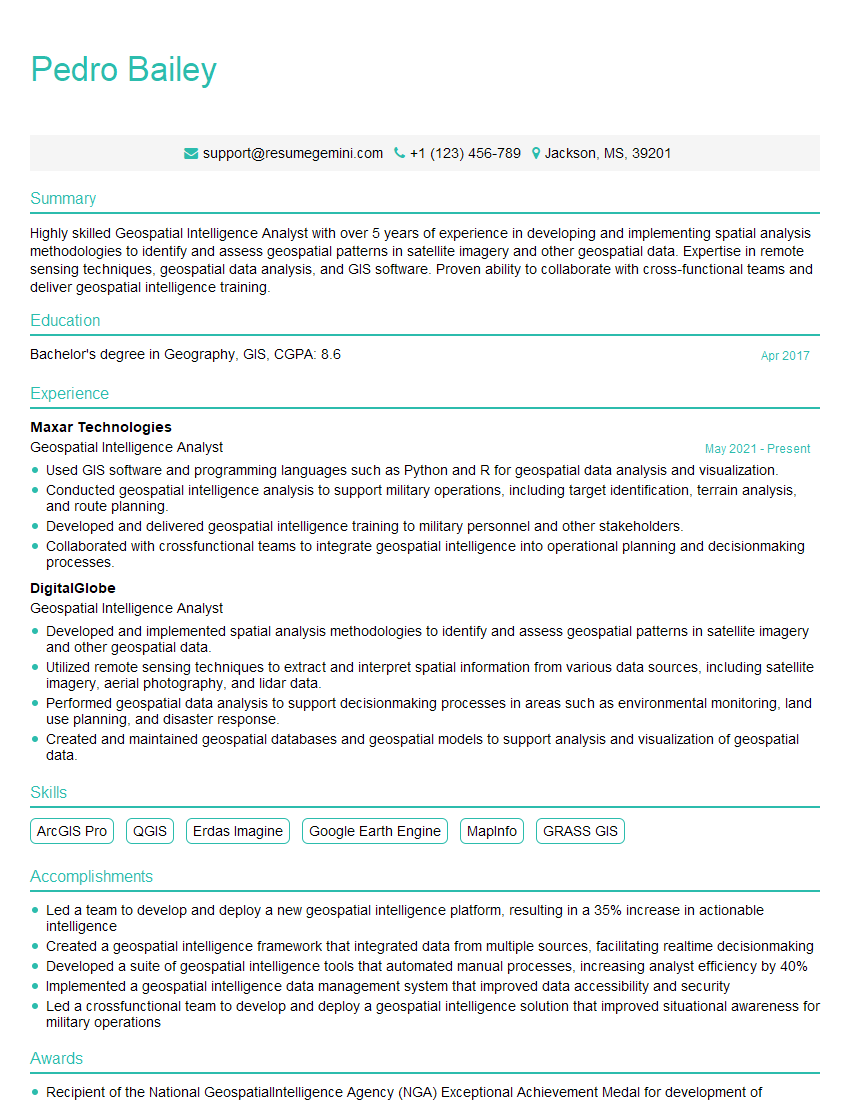
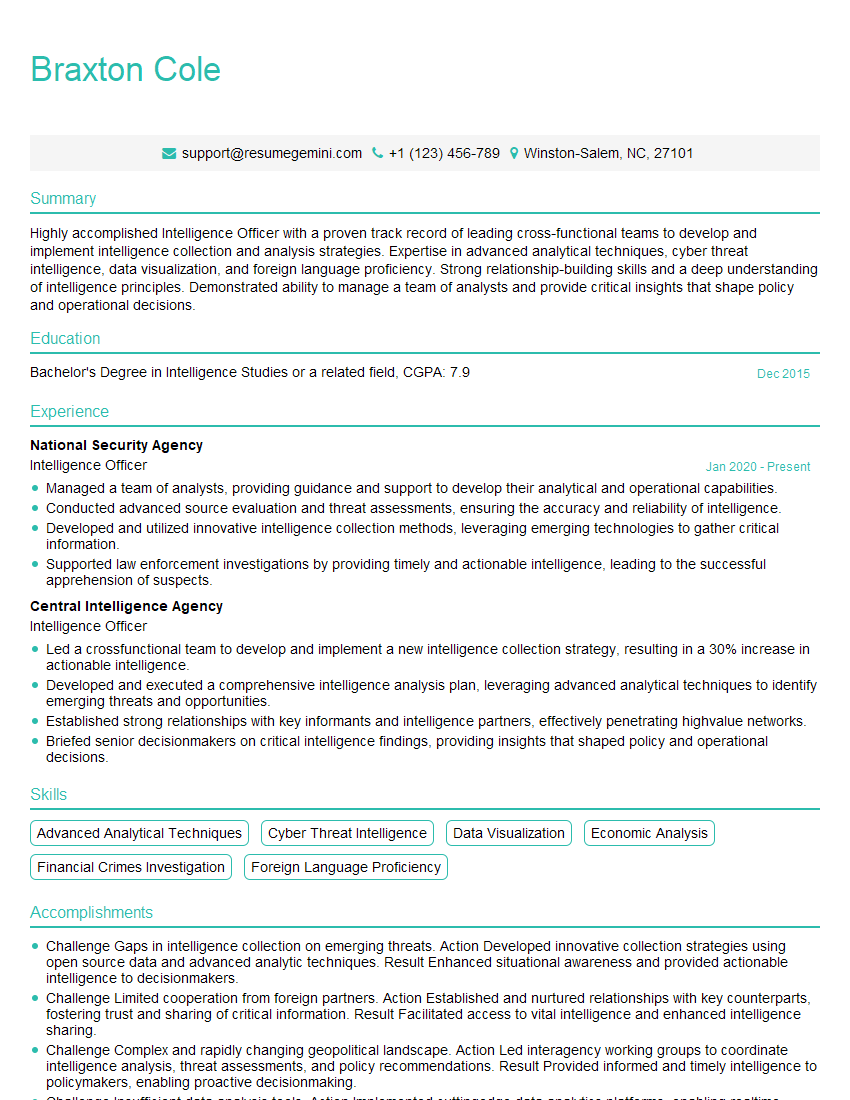
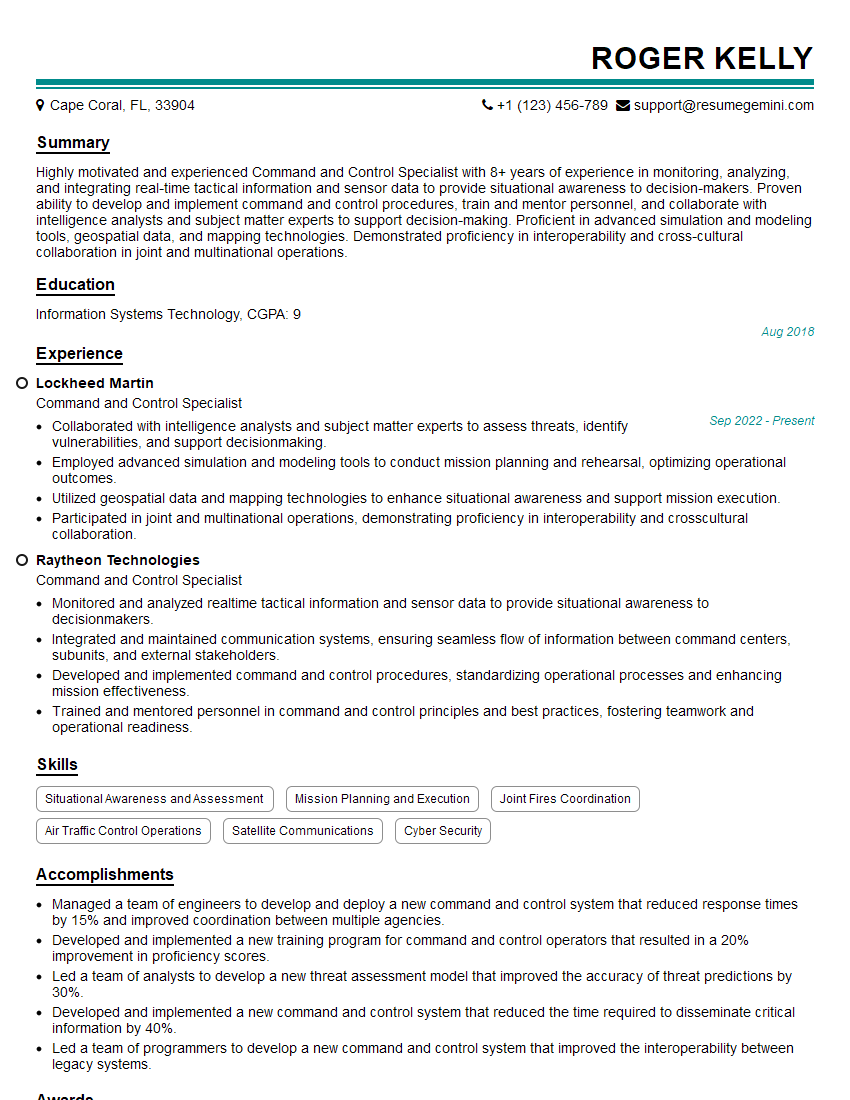
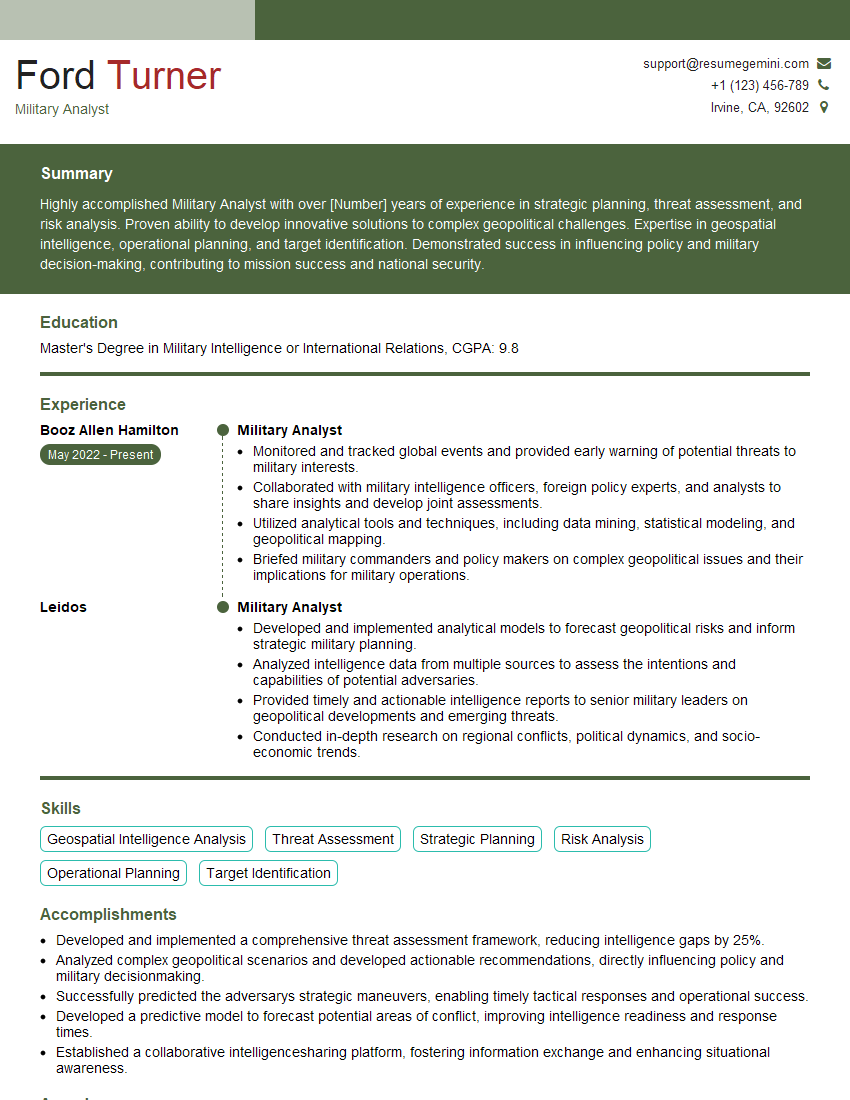
Mastering Military Knowledge significantly enhances your career prospects, opening doors to leadership roles and specialized positions within the defense sector and related fields. A well-crafted resume is crucial for showcasing your skills and experience effectively to potential employers. Creating an ATS-friendly resume is essential to ensure your application gets noticed by Applicant Tracking Systems. To build a powerful and impactful resume that highlights your unique military expertise, we encourage you to leverage the resources offered by ResumeGemini. ResumeGemini provides a user-friendly platform to build professional resumes, and we offer examples of resumes tailored to highlight Military Knowledge for your review.

Explore more articles
Users Rating of Our Blogs
Share Your Experience
We value your feedback! Please rate our content and share your thoughts (optional).
What Readers Say About Our Blog
Very informative content, great job.
good