Are you ready to stand out in your next interview? Understanding and preparing for Milking Procedure interview questions is a game-changer. In this blog, we’ve compiled key questions and expert advice to help you showcase your skills with confidence and precision. Let’s get started on your journey to acing the interview.
Questions Asked in Milking Procedure Interview
Q 1. Describe the different types of milking systems.
Milking systems can be broadly categorized into two main types: manual and automatic. Manual milking, the traditional method, relies on the milker’s hands to express milk from the udder. While labor-intensive, it allows for close observation of the cow and udder health. Automatic milking systems (AMS), on the other hand, utilize automated equipment to perform the entire milking process, from udder preparation to milk collection. Within AMS, we find variations such as robotic milking systems, where robots identify and milk individual cows autonomously, and automated milking parlors where cows enter individual stalls for automatic milking.
- Manual Milking: Requires skillful hand manipulation; less capital investment, but labor-intensive.
- Automated Milking Systems (AMS): Increased efficiency and reduced labor; higher capital investment, requires specialized maintenance and technical expertise.
The choice between these systems depends heavily on factors like herd size, labor availability, capital investment, and the farmer’s technical skills and preferences. A small farm might opt for manual milking, while a large dairy farm would likely benefit from the efficiency gains of an AMS.
Q 2. Explain the importance of proper udder hygiene in milking.
Proper udder hygiene is paramount in preventing mastitis, a costly and painful udder infection. A clean udder minimizes the risk of bacteria entering the teat canal during milking. Think of it like this: your hands are your primary tool. If they’re dirty, you’re more likely to contaminate the product you’re making. Similarly, unclean udders introduce bacteria to the milk, leading to spoilage and potential health risks for consumers.
The process involves pre-milking teat disinfection using an effective udder wash or teat dip. This helps to remove dirt, manure, and bacteria from the teat skin and surrounding area. Thorough drying of the teats after washing is also critical to avoid spreading pathogens. Ignoring udder hygiene can result in significant economic losses from reduced milk yield, veterinary costs, and potential culling of infected cows.
Q 3. What are the signs of mastitis, and how is it managed?
Mastitis, an inflammation of the udder, presents in various ways. Clinical mastitis exhibits noticeable symptoms, including visibly inflamed and swollen udders, changes in milk appearance (e.g., clots, watery consistency, or abnormal color), and systemic signs like fever and reduced milk production. Subclinical mastitis, however, shows no visible symptoms but is detectable through testing for increased somatic cell count (SCC) in the milk. SCC reflects the number of white blood cells, indicating infection.
Managing mastitis involves a multi-pronged approach. Early detection is crucial; regular milk screenings are essential. Treatment options include antibiotic therapy, guided by culture and sensitivity testing to identify the causative bacteria and ensure effective treatment. Good udder hygiene, proper milking techniques, and maintaining comfortable housing conditions for the cows are crucial preventative measures. In severe cases, culling may be necessary.
Q 4. Detail the steps involved in preparing a cow for milking.
Preparing a cow for milking is a crucial step, ensuring both milk quality and cow comfort. The process involves a series of steps, each designed to maximize milk yield and minimize the risk of infection. It’s like preparing a chef’s station – you need everything organized and ready for smooth operations.
- Fore-stripping: This is the first step where you manually remove a small amount of milk from each teat. This helps to check for abnormalities in the milk (e.g., clots, blood) indicating potential mastitis. It also stimulates milk letdown, a natural hormonal process that prepares the udder for milking.
- Udder Cleaning: Thoroughly clean the udder and teats with a warm, clean cloth or pre-soaked wipes. This removes any dirt, manure, or other debris that could contaminate the milk.
- Teat Dipping: Apply a pre-milking teat dip to disinfect the teat ends and further reduce bacterial contamination. Allow sufficient time for the dip to be effective (check the manufacturer’s recommendations).
- Drying Teats: Gently dry the teats with a clean, individual towel or paper towel to remove excess dip and moisture. This helps prevent the spread of bacteria.
These steps, when performed correctly and consistently, significantly reduce the risk of mastitis and improve the overall quality of the milk produced.
Q 5. How do you identify and address problems with milking equipment?
Identifying and addressing problems with milking equipment is vital for maintaining efficient and hygienic milking operations. Regular inspection and maintenance are key. Problems can range from minor issues like vacuum leaks to more significant malfunctions such as faulty pulsators or cluster malfunctions. Think of it like a car – regular servicing prevents major breakdowns.
Regular checks should include vacuum level monitoring, pulsator function verification, and inspection of the milk lines and clusters for any cracks, leaks, or blockages. Maintenance includes cleaning and sanitizing all equipment according to manufacturer’s guidelines. If problems are detected, it’s crucial to troubleshoot and address them promptly. This might involve replacing worn-out parts, repairing leaks, or calling in a qualified technician for more complex issues.
For example, a consistent drop in vacuum level might indicate a leak in the vacuum line, while uneven pulsation might signify a faulty pulsator requiring repair or replacement. Regular preventative maintenance helps prevent many problems and keeps the equipment operating efficiently and hygienically.
Q 6. What are the optimal milking parameters (e.g., vacuum level, pulsation rate)?
Optimal milking parameters are critical for efficient and gentle milking, maximizing milk yield and minimizing cow discomfort. These parameters vary slightly depending on the milking system and individual cow factors, but general guidelines exist.
- Vacuum Level: Typically ranges between 45-55 kPa (kilopascals). Too high a vacuum can damage the teats, while too low a vacuum might result in incomplete milking.
- Pulsation Rate: Usually around 50-60 pulsations per minute. The pulsation cycle, the alternating phases of vacuum and rest, mimics the natural suckling action of a calf. Incorrect pulsation can be uncomfortable for the cow and reduce milk yield.
- Milking Time: Should be carefully monitored to prevent over-milking which can lead to teat end injuries. Effective milking time depends on various factors, including cow’s milk production, teat size, etc.
Accurate monitoring and adjustment of these parameters are essential to ensure the cow’s well-being and optimal milk production. Deviations from optimal ranges can reduce milk yield, increase mastitis incidence, and affect teat health.
Q 7. How do you monitor milk quality and detect abnormalities?
Monitoring milk quality involves regular assessment of several key indicators. This is a critical aspect of quality assurance and disease detection.
- Somatic Cell Count (SCC): A high SCC indicates an infection, such as mastitis. Regular testing helps in early detection and treatment of infections.
- Milk Appearance: Observe the milk for any abnormalities such as clots, watery consistency, or unusual color, which can suggest mastitis or other problems.
- Bacterial Culture: Performing regular bacterial cultures helps in identifying specific pathogens involved in mastitis, allowing for targeted treatment strategies.
- pH Level: This helps gauge the freshness and overall quality of milk. Spoilage is often indicated by an altered pH.
Detecting abnormalities requires a combination of visual inspection, routine testing, and maintaining detailed records. Prompt action based on these tests is crucial to address problems before they become severe, ensuring both animal welfare and maintaining a high standard of milk quality.
Q 8. Explain the process of milk collection and storage.
Milk collection and storage are critical for maintaining milk quality and safety. The process begins immediately after milking. Milk is first collected in individual containers, usually stainless steel, to prevent contamination and maintain hygiene. These containers are then transported to a central bulk tank, typically refrigerated, where the milk is cooled rapidly to below 4°C (39°F). This rapid cooling inhibits the growth of bacteria, preserving the milk’s quality and extending its shelf life. The bulk tank is regularly cleaned and sanitized to prevent bacterial growth and spoilage. Once the bulk tank is full, a tanker truck collects the milk for transport to a processing plant. Throughout the entire process, meticulous hygiene and temperature control are paramount. Think of it like this: imagine you’re making a delicious cake – each step needs precision to achieve a perfect result; similarly, careful handling of milk ensures its top quality.
- Pre-milking preparation: Thorough cleaning and sanitization of equipment.
- Rapid cooling: Immediate cooling to below 4°C (39°F) is crucial.
- Storage: In a clean, refrigerated bulk tank.
- Transport: In refrigerated tankers to the processing plant.
Q 9. Describe the different types of milking parlors.
Milking parlors come in various designs, each with its advantages and disadvantages. The choice depends on factors like herd size, budget, and labor availability. Common types include:
- Herringbone parlor: Cows are positioned at an angle, allowing for efficient milking by multiple milkers. This is a very common setup for larger herds.
- Parallel parlor: Cows stand side-by-side, facing the milker, which is efficient for smaller herds and requires less space than herringbone parlors.
- Rotary parlor: Cows stand in a rotating platform, with milkers positioned stationary. This is highly efficient for large herds but is a more expensive setup initially. It’s ideal for continuous milking.
- Robot milking systems (Automated): These systems are completely automated and allow cows to be milked on demand, without human intervention. These systems are increasingly popular, even on smaller farms. I’ll discuss this in more detail in a later question.
Choosing the right parlor design significantly impacts efficiency and worker comfort.
Q 10. How do you manage cow comfort and minimize stress during milking?
Cow comfort is essential for maximizing milk production and maintaining animal welfare. Stressed cows produce less milk. Managing cow comfort during milking involves several strategies:
- Clean, comfortable stalls: Cows should have access to clean, dry bedding and adequate space to stand and lie down comfortably.
- Gentle handling: Avoid harsh movements or loud noises that can startle the animals.
- Consistent routines: Establish a regular milking schedule to minimize stress. Cows thrive on predictability.
- Proper pre-milking preparation: Ensure the teats are properly cleaned and dried to prevent infection and discomfort.
- Adequate ventilation: A well-ventilated milking parlor prevents overheating and reduces stress.
- Pain-free milking: Regular teat checks for any signs of injury or infection are paramount. Prompt treatment is essential.
Think of it like this: if you’re uncomfortable or stressed, you’re not going to perform at your best. The same applies to cows. By creating a calm and comfortable environment, we can maximize milk yield and ensure the welfare of the animals.
Q 11. What are the biosecurity measures to prevent contamination during milking?
Biosecurity measures are crucial to preventing contamination and maintaining the highest milk quality standards. These measures aim to minimize the risk of bacterial infection and to produce safe milk for human consumption. Key biosecurity practices include:
- Hygiene: Thorough cleaning and sanitization of all milking equipment, including milking machines, pipelines, and bulk tanks, between each milking.
- Pre-milking teat preparation: Cleaning and disinfecting cow udders before milking using approved teat dips.
- Milker hygiene: Milk handlers should maintain strict personal hygiene, including wearing clean clothing and gloves.
- Pest control: Regular pest control measures are necessary to prevent insects from contaminating the milk.
- Water quality: Ensure the water used for cleaning and sanitation is clean and free of contamination.
- Air quality: Good ventilation reduces dust and airborne pathogens.
- Visitor restrictions: Limiting access to the milking parlor to essential personnel only.
A robust biosecurity program is essential for maintaining milk quality and preventing costly outbreaks of mastitis and other infections.
Q 12. What are the common causes of low milk production, and how can they be addressed?
Low milk production can stem from various factors, and addressing them requires a systematic approach. Some common causes include:
- Poor nutrition: Inadequate feed intake, lack of essential nutrients (vitamins, minerals), or poor feed quality can significantly reduce milk production.
- Health issues: Mastitis (udder infection), metritis (uterine infection), and other diseases can dramatically impact milk yield. Early diagnosis and treatment are crucial.
- Stress: Heat stress, overcrowding, poor handling, and changes in routine can all lead to decreased milk production.
- Breeding management: Poor breeding practices, including inadequate heat detection and suboptimal breeding techniques, may result in reduced milk production.
- Genetics: Heredity plays a significant role in milk yield potential. Choosing genetically superior animals for breeding can improve production over time.
Addressing low milk production necessitates careful monitoring of each cow’s health and productivity. Veterinary consultation is often essential to diagnose and treat underlying health problems, and changes to nutritional and management practices may also be necessary.
Q 13. Explain the importance of record-keeping in dairy farming.
Record-keeping is the backbone of efficient and profitable dairy farming. It provides critical data for making informed decisions about managing the herd and optimizing milk production. Accurate records enable:
- Monitoring milk production: Tracking individual cow milk yield helps identify high- and low-producing animals and diagnose potential problems.
- Health management: Detailed health records help monitor the prevalence of diseases and track treatment effectiveness.
- Breeding management: Record-keeping on breeding activities enables better management of the herd’s genetic makeup and reproductive performance.
- Nutritional management: Feeding records allow for adjustments to the diet based on individual cow needs and overall herd performance.
- Financial management: Accurate financial records are essential for tracking expenses, income, and profitability.
- Compliance: Many regulatory bodies require detailed farm records for compliance purposes.
Without proper record-keeping, it’s impossible to make data-driven decisions. Think of it like navigating with a map – you need clear information to reach your destination successfully. Similarly, effective record-keeping guides you toward successful and profitable dairy farming.
Q 14. Describe your experience with robotic milking systems.
My experience with robotic milking systems is extensive. I’ve worked with several farms that have successfully integrated these systems into their operations. These systems offer several key advantages:
- Increased efficiency: Robotic systems allow for continuous milking, eliminating the need for scheduled milking times. Cows can be milked whenever they choose.
- Improved animal welfare: Cows can be milked on demand, reducing stress and improving comfort. The automated process minimizes human interaction, which can be stressful for some animals.
- Improved milk quality: Automated systems often lead to better teat hygiene and reduced chances of contamination.
- Data collection: Robotic systems collect detailed data on individual cow milk production, health, and activity levels, providing valuable insights for herd management decisions. This data is extremely useful in optimizing farm operations and identifying areas for improvement.
- Labor savings: While the initial investment can be significant, robotic systems ultimately reduce labor costs by automating a labor-intensive task.
However, there are challenges. The initial capital investment is substantial. System maintenance and technical expertise are required for smooth operation, and effective integration into existing farm management practices is essential for success. Despite these challenges, the benefits of improved efficiency, animal welfare, and data-driven decision-making often outweigh the drawbacks, making robotic milking systems a valuable asset for modern dairy farms.
Q 15. How do you handle aggressive or difficult cows during milking?
Handling aggressive cows requires a calm and patient approach, prioritizing both animal welfare and personal safety. We never use force or intimidation. Instead, we focus on understanding the cow’s behavior. For example, a cow might be aggressive due to pain (mastitis, injury), discomfort (dirty bedding), or past negative experiences.
- Assessment: Before approaching, I carefully observe the cow’s body language – swishing tail, pinned ears, aggressive stance. This helps determine the cause and appropriate response.
- Distraction and redirection: A gentle approach, talking calmly, and offering a small amount of feed can sometimes distract an aggressive cow. If possible, we try to redirect her to a quieter area.
- Restraint (if necessary): If a cow remains aggressive and milking is crucial, we may use specialized equipment like a head gate or tail restraint to ensure both her and my safety. Restraint should only be used when absolutely necessary and with appropriate training.
- Veterinary Assistance: If aggression persists or if there’s an underlying medical condition, we consult with a veterinarian. They can identify and address any potential health issues.
Remember, consistency in handling is key. Establishing a predictable and positive milking routine builds trust and reduces aggression.
Career Expert Tips:
- Ace those interviews! Prepare effectively by reviewing the Top 50 Most Common Interview Questions on ResumeGemini.
- Navigate your job search with confidence! Explore a wide range of Career Tips on ResumeGemini. Learn about common challenges and recommendations to overcome them.
- Craft the perfect resume! Master the Art of Resume Writing with ResumeGemini’s guide. Showcase your unique qualifications and achievements effectively.
- Don’t miss out on holiday savings! Build your dream resume with ResumeGemini’s ATS optimized templates.
Q 16. What are the safety precautions associated with milking procedures?
Milking safety is paramount. It’s a collaborative effort requiring adherence to strict protocols to minimize risks for both humans and animals.
- Personal Protective Equipment (PPE): We always wear appropriate footwear (non-slip boots), gloves, and sometimes protective aprons to safeguard against injury from kicks, spills, or accidental contamination.
- Hygiene Practices: Strict hygiene protocols are followed throughout the process, including washing and sanitizing hands, udders, and equipment. This minimizes the risk of infections and ensures milk quality.
- Equipment Maintenance: Regularly inspecting and maintaining all milking equipment is vital to prevent malfunctions or accidents. This includes checking the milking machine for proper function and any wear and tear.
- Cow Handling: Proper training on safe cow handling techniques is crucial to avoid injuries from kicks or aggressive behavior. Understanding cow behavior and appropriate handling techniques is essential.
- Emergency Procedures: Having readily available first aid kits and knowing emergency procedures are essential. Knowing who to contact and how to react in the event of an accident is a critical part of the safety plan. We also maintain an up-to-date safety manual for all staff.
Q 17. How do you manage milk tankers and transportation?
Milk tankers are crucial for efficient transportation. Their management involves several steps:
- Cleaning and Sanitization: Tankers are thoroughly cleaned and sanitized before each pickup to maintain hygiene and prevent contamination. This usually involves washing with detergents and then rinsing with chlorine solutions.
- Temperature Monitoring: Milk temperature is constantly monitored throughout the process, ensuring it remains within safe parameters (typically below 4°C) to prevent bacterial growth. Temperature recording devices are crucial for traceability.
- Delivery Scheduling: Careful coordination of tanker schedules is needed to avoid delays and ensure timely pickup of milk from farms. This frequently involves use of scheduling software and communication with the transportation company.
- Documentation: Detailed records, including volume, temperature, and tanker information, are meticulously kept for traceability and regulatory compliance. This data is often digitally recorded and stored.
- Maintenance and Inspections: Tankers require regular inspections and maintenance to ensure they are clean, functional, and comply with food safety regulations. This might include regular checks of the cooling system and internal structure.
All of these steps ensure the milk is transported safely, efficiently, and hygienically to processing facilities.
Q 18. Describe your experience with different breeds of dairy cows.
My experience encompasses several breeds, each with its own characteristics affecting milking procedures. For instance:
- Holstein Friesians: High milk yield but can be more prone to udder problems requiring closer attention to udder hygiene.
- Jersey Cows: Known for high-fat milk, they are generally smaller and often more docile, making milking easier.
- Ayrshire Cows: Produce good-quality milk and are usually relatively easy to handle, but individual temperament can vary.
- Guernsey Cows: Similar to Jerseys in terms of milk fat content and temperament.
Adapting my techniques to each breed’s specific needs, including udder conformation and temperament, is critical for efficient and safe milking practices. I adjust my milking routines accordingly – for example, a gentle approach with first-calf heifers to reduce stress.
Q 19. How do you comply with milk quality regulations and standards?
Milk quality compliance is strictly adhered to through a multi-pronged approach.
- Hygiene Protocols: We follow rigorous cleaning and sanitation procedures for equipment, udders, and the entire milking environment. This helps minimize bacterial contamination and meets regulatory standards.
- Cooling: Milk is rapidly cooled after milking to below 4°C to inhibit bacterial growth. Regular temperature checks are crucial.
- Testing: Milk samples are routinely tested for various parameters, including somatic cell count (SCC), bacterial counts, and antibiotic residues, to ensure it meets regulatory requirements.
- Record Keeping: Meticulous record-keeping is essential to trace milk from the cow to the processing plant. This documentation allows for efficient monitoring and facilitates investigations in case of issues.
- Training and Education: All staff are thoroughly trained on milk quality regulations and best practices. This ensures everyone understands their roles in maintaining high standards.
Staying updated on the latest regulations is crucial. We actively participate in workshops and training programs to maintain best practices.
Q 20. Explain your understanding of milk composition and its nutritional value.
Milk is a complex fluid with high nutritional value. Its composition varies slightly depending on factors such as breed, diet, and stage of lactation, but generally includes:
- Water: The major component (around 87%).
- Lactose: A milk sugar crucial for energy and nutrient absorption.
- Fat: Provides energy and essential fatty acids. The fat content varies significantly among breeds.
- Protein: Contains essential amino acids, building blocks for growth and repair. Casein and whey are the primary proteins.
- Minerals: Calcium, phosphorus, potassium, and others are essential for various bodily functions.
- Vitamins: Milk contains several vitamins, including riboflavin, vitamin B12, and vitamin D (often added).
Milk is a rich source of nutrients, particularly important for children and adults maintaining strong bones and a healthy immune system. It’s also a valuable source of protein for muscle growth and repair.
Q 21. What are the different methods of udder preparation?
Proper udder preparation is crucial for hygienic milking and milk quality. It typically involves several steps:
- Pre-milking Inspection: Carefully examining the udder for any abnormalities such as swelling, redness, or lesions that might indicate mastitis.
- Cleaning: Thoroughly cleaning the teats and udder with warm water and a suitable detergent. This removes dirt, manure, and other contaminants.
- Drying: Drying the teats and udder with a clean, disposable towel. This removes any remaining moisture, creating a dry environment that discourages bacterial growth.
- Pre-dipping: Applying an approved teat dip to the teats before attaching the milking machine. This helps prevent the introduction of bacteria during milking. This is typically done with an iodophor or chlorine-based solution.
- Fore-milking: Discarding the first few streams of milk from each teat. This removes potential contaminants from the teat canal and helps assess milk quality.
Consistency in udder preparation is key to maintaining high milk quality and ensuring the health of the udder.
Q 22. How do you handle teat injuries or infections?
Teat injuries and infections are a serious concern in dairy farming, impacting milk yield and animal welfare. My approach involves a multi-pronged strategy focusing on prevention and treatment.
- Prevention: This begins with meticulous pre-milking hygiene. Thorough cleaning and disinfection of the teats using a pre-milking teat dip, followed by proper drying, significantly reduces the risk of infection. Regular hoof trimming and maintaining clean, dry bedding also play a crucial role in preventing injuries.
- Early Detection: Daily observation of the udder and teats is essential. I look for signs of inflammation (redness, swelling, heat), lesions, or abnormal discharge. Any abnormality warrants immediate attention.
- Treatment: Treatment depends on the severity and type of injury/infection. Minor injuries may heal with simple topical treatments like antibiotic ointments. More serious infections require veterinary intervention, which may involve systemic antibiotics, anti-inflammatory drugs, and in some cases, culling the affected animal.
- Record Keeping: I maintain detailed records of teat injuries and infections, including the affected animal, the nature of the injury, treatment administered, and the response to treatment. This data helps track trends, identify underlying issues (like poor hygiene or milking machine malfunction), and refine preventive measures.
For example, I once noticed a cow with a severely infected teat. Immediate veterinary intervention involving intravenous antibiotics and local treatment saved the animal and prevented the spread of infection to the rest of the herd. This highlighted the importance of vigilant observation and prompt action.
Q 23. Describe your experience with various milking machine components.
My experience encompasses a wide range of milking machine components, from the simple to the sophisticated. I’m proficient with various types of milking clusters, including those with different liner types (e.g., claw liners, short tube liners), pulsators (both air-over-milk and vacuum-regulated), and vacuum pumps. I’m also familiar with different milk lines, including those with different materials and cleaning systems (CIP – Clean-In-Place).
I understand the critical role each component plays in the overall milking process. For instance, the vacuum level directly affects milk flow and teat health; an incorrect vacuum level can lead to slow milking or even teat damage. Similarly, the pulsation rate and ratio impact milk flow and udder health. A faulty pulsator can lead to uneven milking and reduced milk yield.
I have practical experience in maintaining, troubleshooting, and repairing various components. I’m comfortable with routine maintenance tasks like inspecting for leaks, changing liners, and lubricating moving parts. I also possess the knowledge to identify and address more complex problems involving faulty vacuum pumps, air compressors or electrical systems.
Q 24. How do you troubleshoot common issues with milking machines?
Troubleshooting milking machine issues requires a systematic approach. I typically follow these steps:
- Identify the problem: This involves careful observation of the milking process and listening for unusual sounds. Is the milking slow? Are there leaks? Are the cows showing signs of discomfort?
- Check the vacuum level: A vacuum gauge is essential for measuring the vacuum level. A low vacuum can slow down milking, while a high vacuum can damage teats.
- Inspect the milking cluster: Check for leaks in the liners, tubing, and claw. Ensure the pulsator is functioning correctly and the liners are properly inflated.
- Examine the milk line: Check for blockages, leaks, or damage. A clogged milk line can restrict milk flow.
- Check the vacuum pump: Inspect the pump for leaks, worn belts, or other issues. A malfunctioning vacuum pump is a common source of problems.
- Consult manuals and seek expert help: If the problem persists, refer to the milking machine’s manual or contact a qualified technician.
For example, I once experienced a situation where the milking was significantly slower than usual. By systematically checking each component, I eventually identified a partially blocked milk line, which was easily cleared, restoring normal milking function.
Q 25. What is your experience with milk cooling and storage best practices?
Rapid cooling of milk is crucial to prevent bacterial growth and maintain milk quality. My experience involves using both bulk tank coolers and individual milk cans. Bulk tank coolers are preferred for larger herds due to their efficiency and capacity. They typically maintain milk temperature below 4°C (40°F), inhibiting bacterial growth. Proper cleaning and sanitation of the cooler are essential to prevent contamination.
Milk storage best practices include:
- Temperature monitoring: Regularly monitoring the milk temperature ensures it remains within the safe range.
- Regular cleaning and sanitation: This prevents bacterial contamination and maintains the hygiene of the milk storage system.
- Proper ventilation: Adequate ventilation prevents the build-up of moisture and odors.
- Prevent cross-contamination: Strict hygiene protocols during milk collection and storage are essential to avoid contamination from other sources.
I am also familiar with regulations regarding milk storage and transportation to ensure compliance with food safety standards.
Q 26. Describe your knowledge of milk testing and analysis methods.
My knowledge of milk testing and analysis methods includes both on-farm testing and laboratory analysis. On-farm tests typically focus on somatic cell count (SCC) and milk fat percentage. These are quick tests providing immediate feedback on udder health and milk quality.
Laboratory analysis provides more detailed information, including bacterial counts, protein content, and other quality parameters. This is particularly important for ensuring compliance with regulatory standards and managing milk quality consistently.
I understand the significance of each parameter. For instance, a high SCC indicates mastitis, an udder infection that reduces milk quality and yield. Low fat percentage might indicate nutritional deficiencies in the cow’s diet. Understanding these tests allows for proactive management of herd health and milk quality.
Q 27. How do you maintain hygiene and sanitation within the milking parlor?
Maintaining hygiene and sanitation in the milking parlor is paramount for producing high-quality, safe milk. This involves a multi-step process that begins even before the cows enter the parlor:
- Pre-milking preparation: This includes cleaning and disinfecting the udder and teats of each cow with a suitable pre-milking teat dip. This step is critical for reducing bacterial contamination.
- Milking parlor cleaning: A thorough cleaning of the entire parlor is essential after each milking session. This involves removing manure, washing all surfaces with a detergent, and then disinfecting with an appropriate sanitizer. I am proficient in using CIP systems for efficient and effective cleaning.
- Equipment sanitation: The milking machine and all associated equipment (milk lines, claws, etc.) must be thoroughly cleaned and sanitized after each use. This is often done using a CIP system, which ensures a high level of cleanliness.
- Water quality: The quality of water used for cleaning and sanitizing is crucial. I ensure that the water used is of appropriate quality and free from contaminants.
- Pest control: Effective pest control measures are necessary to prevent insects and rodents from contaminating the milking parlor and milk.
Regular monitoring and maintenance of sanitation protocols are crucial to avoid cross-contamination and maintain a hygienic milking environment.
Q 28. How would you address a sudden drop in milk yield?
A sudden drop in milk yield can be attributed to several factors, and a systematic approach is needed to identify the root cause. I would start by investigating the following:
- Health issues: Mastitis (udder infection) is a common cause of reduced milk production. I would check for clinical signs of mastitis (inflammation, abnormal milk) and conduct somatic cell count (SCC) tests to confirm the diagnosis.
- Nutritional deficiencies: Inadequate feed or imbalances in the diet can negatively impact milk production. Reviewing the cows’ diet and making any necessary adjustments is crucial.
- Heat stress: Extreme temperatures can significantly reduce milk yield. I would assess the environment and implement measures such as cooling fans or shade to mitigate heat stress.
- Milking management issues: Poor milking practices, such as improper vacuum levels or ineffective teat preparation, can affect milk yield. I would examine the milking process and correct any deficiencies.
- Reproductive issues: Pregnancy or other reproductive problems can influence milk production. I would evaluate the reproductive status of the cows.
I would carefully document my findings and implement corrective measures based on the identified problem. If the cause remains elusive, I would seek expert veterinary advice.
For instance, I once encountered a herd with a sudden drop in milk yield. After investigating, I discovered a nutritional deficiency in the feed. Correcting this deficiency led to a significant improvement in milk production.
Key Topics to Learn for Milking Procedure Interview
- Udder Preparation and Hygiene: Understanding the importance of pre-milking hygiene protocols, including proper cleaning and disinfection techniques to maintain milk quality and udder health. Practical application: Describe your experience with different cleaning agents and their effectiveness.
- Milking Techniques: Mastering various milking methods (e.g., hand milking, machine milking), understanding the proper attachment and detachment procedures for milking machines, and recognizing signs of mastitis or other udder issues. Practical application: Explain your proficiency in different milking techniques and how you ensure animal comfort and milk yield.
- Milk Handling and Storage: Proper procedures for post-milking handling, including cooling, storage, and transportation of milk to maintain its quality and prevent contamination. Practical application: Describe your experience with milk quality testing and the implementation of hygiene protocols throughout the milk handling process.
- Animal Welfare and Handling: Safe and humane handling techniques for cows during milking, recognizing signs of stress or discomfort in animals, and implementing strategies to minimize animal stress. Practical application: Detail your understanding of best practices for animal welfare during milking and your experience in addressing animal behavior issues.
- Troubleshooting and Problem Solving: Identifying and resolving common problems encountered during milking, such as mastitis, blocked teats, or malfunctioning milking equipment. Practical application: Describe a situation where you encountered a problem during milking and how you successfully resolved it.
- Record Keeping and Data Analysis: Maintaining accurate records of milk production, identifying trends, and using data to improve milking efficiency and animal health. Practical application: Explain your experience with recording milk yields and identifying areas for improvement in milking procedures.
Next Steps
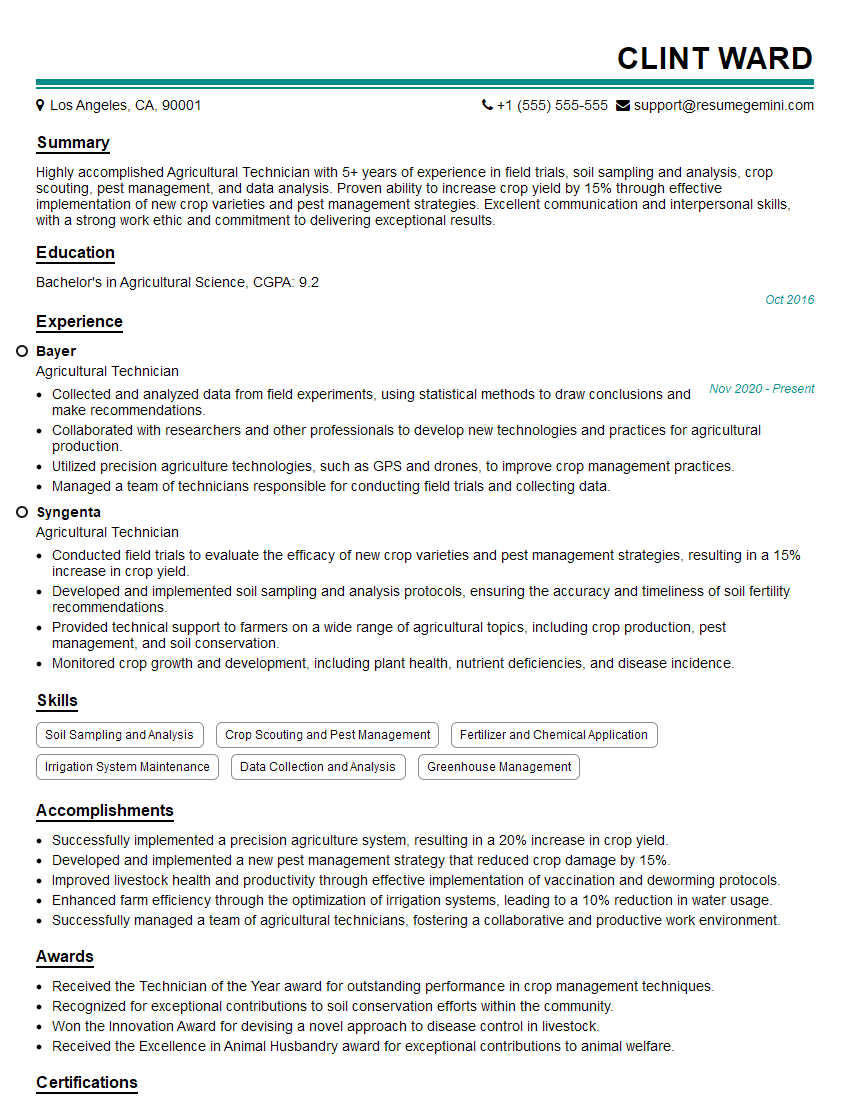
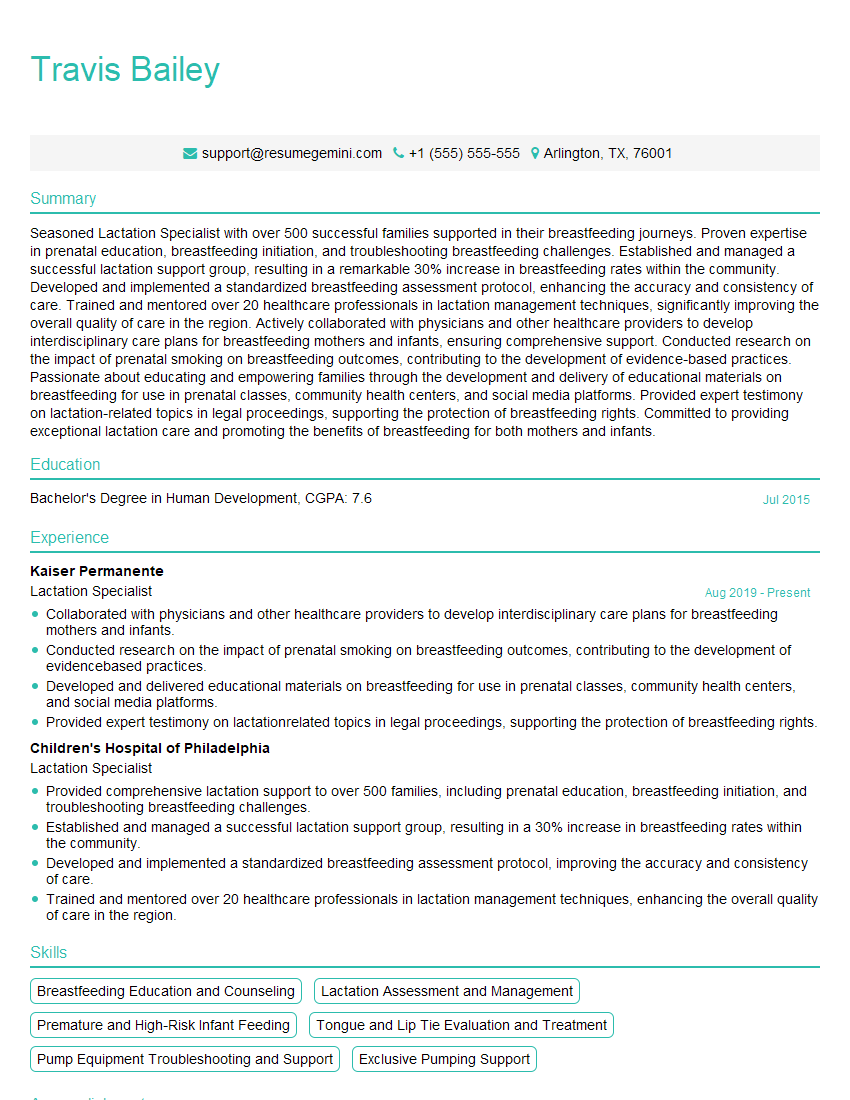
Mastering milking procedure is crucial for career advancement in the dairy industry, opening doors to specialized roles and increased earning potential. A well-crafted, ATS-friendly resume is essential for showcasing your skills and experience to potential employers. To enhance your resume and maximize your job prospects, we strongly recommend using ResumeGemini, a trusted resource for building professional resumes. Examples of resumes tailored to Milking Procedure are available to help guide you.
Explore more articles
Users Rating of Our Blogs
Share Your Experience
We value your feedback! Please rate our content and share your thoughts (optional).
What Readers Say About Our Blog
Very informative content, great job.
good