Every successful interview starts with knowing what to expect. In this blog, we’ll take you through the top Module Assembly and Encapsulation interview questions, breaking them down with expert tips to help you deliver impactful answers. Step into your next interview fully prepared and ready to succeed.
Questions Asked in Module Assembly and Encapsulation Interview
Q 1. Explain the different types of module assembly processes.
Module assembly encompasses various processes depending on the complexity and scale of the module. Broadly, we can categorize them into:
- Manual Assembly: This involves hand-placing components onto a substrate, often used for low-volume production or prototyping. Think of a skilled technician carefully soldering individual components onto a circuit board under a microscope. This method allows for high precision but is labor-intensive and prone to human error.
- Automated Assembly (Pick and Place): High-volume production relies heavily on automated assembly, where robotic arms precisely place components based on programmed instructions. This method drastically increases throughput and consistency compared to manual assembly. Think of a factory line assembling thousands of modules per hour with incredible accuracy.
- Hybrid Assembly: Many manufacturers use a hybrid approach combining both manual and automated steps. Automated processes handle high-volume, repetitive tasks, while manual assembly addresses complex or low-volume aspects. This balanced approach optimizes efficiency and cost.
The choice of assembly method depends on factors such as production volume, component size and complexity, budget, and required precision. For example, assembling a complex medical device would likely necessitate a combination of manual and automated techniques to ensure quality and safety.
Q 2. Describe the advantages and disadvantages of surface mount technology (SMT).
Surface Mount Technology (SMT) is a dominant technique in modern electronics manufacturing. It involves mounting components directly onto the surface of a printed circuit board (PCB), eliminating the need for through-hole components.
- Advantages:
- Smaller Size and Lighter Weight: SMT components are significantly smaller, leading to denser circuitry and more compact devices.
- Higher Production Speed: Automated SMT assembly is exceptionally fast, increasing manufacturing efficiency.
- Lower Manufacturing Costs (for high volume): Automation results in substantial cost savings in high-volume production.
- Improved Electrical Performance: Shorter signal paths enhance signal integrity and reduce electromagnetic interference (EMI).
- Disadvantages:
- Higher Initial Investment: The equipment cost for SMT assembly is significant, making it less suitable for low-volume production.
- Component Sensitivity: SMT components are more delicate and susceptible to damage during handling and assembly.
- Soldering Challenges: Achieving consistent, high-quality solder joints requires precise control of temperature and time.
- Component Size Limitations: While sizes are decreasing constantly, there are limits to how small components can be made while retaining functionality and reliability.
For instance, smartphones leverage SMT extensively due to their size and complexity requirements. However, high-power applications might still use through-hole technology for larger, more robust components.
Q 3. What are the key considerations for selecting an encapsulation material?
Selecting the right encapsulation material is critical for module reliability and longevity. The choice hinges on various factors:
- Environmental Protection: The material must protect the internal components from moisture, dust, chemicals, and temperature extremes. Think of epoxy resins providing a robust barrier against harsh conditions.
- Thermal Management: The encapsulation material’s thermal conductivity influences heat dissipation from the module. For high-power applications, materials with good thermal conductivity might be needed, such as silicone-based compounds.
- Mechanical Protection: The material should protect against shock, vibration, and other physical stresses. The encapsulation should also allow for adequate stress relief to prevent cracking or delamination.
- Electrical Properties: The material shouldn’t interfere with the module’s electrical performance. Its dielectric strength and insulation resistance are crucial considerations.
- Processability: The encapsulation material needs to be easily processed and compatible with the assembly techniques. The material’s viscosity, curing time, and compatibility with dispensing equipment are factors to consider.
- Cost and Availability: Budget constraints and material availability will certainly influence the selection.
For example, a medical implant would require a biocompatible material, while a high-power LED might need a material with exceptional thermal conductivity and UV resistance.
Q 4. Explain the process of hermetic sealing.
Hermetic sealing creates an airtight and moisture-proof seal, protecting sensitive components from environmental degradation. This is crucial for high-reliability applications like aerospace and military electronics. The process typically involves:
- Material Selection: Choosing materials with low permeability to gases and moisture (e.g., glass, ceramic, metal). Kovar is a commonly used metal for its matched thermal expansion coefficient with some ceramics.
- Component Preparation: Ensuring clean and well-prepared surfaces to facilitate a strong seal.
- Sealing Methods: Various methods exist, such as welding, brazing, glass sealing, and epoxy sealing (though the latter is less truly hermetic).
- Leak Testing: Rigorous testing ensures the seal’s integrity post-sealing using methods such as Helium leak detection. This involves pressurizing the package and testing for helium leakage, indicating any flaws in the seal.
Imagine a satellite orbiting the earth; its electronic components need hermetic sealing to survive the extreme conditions of space. The process is crucial to ensure the longevity and reliable performance of such devices.
Q 5. What are common failure mechanisms in module assembly and encapsulation?
Common failure mechanisms in module assembly and encapsulation include:
- Solder Joint Failures: Poor solder joints are a frequent cause of failure, leading to open or short circuits. This can stem from inadequate soldering techniques, thermal stress, or material incompatibility.
- Delamination: Separation between the components, substrate, or encapsulation material, compromising the module’s structural integrity and causing electrical failures.
- Corrosion: Moisture ingress can lead to corrosion of metal components, especially in environments with high humidity or salinity.
- Creep and Stress: Over time, materials can deform under stress, potentially causing cracks or delamination.
- Die Attach Failures: Weak bonds between the die and the substrate can lead to failure, especially in high-power applications.
- Encapsulation Cracking: Cracks in the encapsulation material can allow moisture or contaminants to penetrate, leading to component degradation.
Understanding these mechanisms allows for implementing preventative measures during design, material selection, and manufacturing.
Q 6. How do you ensure the reliability of a module assembly?
Ensuring the reliability of a module assembly involves a multi-faceted approach:
- Design for Reliability (DfR): Integrating reliability considerations into the design phase, considering factors such as component selection, thermal management, and stress analysis.
- Material Selection: Choosing materials with appropriate properties regarding environmental resistance, thermal conductivity, and mechanical strength.
- Process Control: Implementing strict quality control procedures throughout the manufacturing process, monitoring critical parameters such as temperature profiles during soldering.
- Testing and Qualification: Conducting thorough testing at different stages, including environmental stress screening, accelerated life testing, and reliability modeling.
- Failure Analysis: Analyzing failed modules to identify root causes and implement corrective actions. This is crucial for continuous improvement.
Think of it like building a house; a solid foundation (design), quality materials (component selection), precise construction (manufacturing), and regular inspections (testing) are all essential for a reliable and long-lasting structure.
Q 7. Describe different methods for testing module assembly integrity.
Various methods exist for testing module assembly integrity:
- Visual Inspection: Examining the assembly for obvious defects such as cracked components, poor solder joints, or foreign materials.
- X-ray Inspection: Using X-rays to detect internal defects like voids in solder joints, cracks in components, or misaligned parts.
- Electrical Testing: Verifying electrical functionality using continuity testing, insulation resistance measurements, and functional tests.
- Environmental Testing: Subjecting the modules to various environmental stresses such as temperature cycling, humidity testing, and vibration testing to assess their resilience.
- Acoustic Microscopy: Using sound waves to detect micro-cracks and defects in components and solder joints.
- Leak Testing (for hermetically sealed modules): As previously discussed, Helium leak testing or other pressure decay methods are used to ensure seal integrity.
The choice of testing method depends on the module’s complexity, required reliability level, and available resources. A comprehensive testing strategy is essential for ensuring high-quality and reliable modules.
Q 8. What are the environmental considerations for module encapsulation?
Environmental considerations in module encapsulation are crucial for ensuring product reliability and longevity. These considerations primarily revolve around protecting the assembled module from factors that can degrade its performance or lifespan. This includes:
- Temperature and Humidity: Extreme temperatures and humidity can cause material degradation, corrosion, and even cracking of the encapsulant. The choice of encapsulant material must be carefully matched to the expected operating environment. For example, a module destined for outdoor use will require a different encapsulant than one used indoors in a climate-controlled setting.
- Contaminants: Dust, chemicals, and other contaminants in the environment can compromise the integrity of the module. A clean assembly environment, and possibly hermetic sealing, is essential to prevent this.
- UV Radiation: Exposure to ultraviolet (UV) radiation can cause degradation of certain materials, leading to discoloration, embrittlement, and reduced lifespan. UV-resistant encapsulants or protective coatings may be needed.
- Mechanical Stress: Vibration, shock, and other mechanical stresses can cause damage to the module. The encapsulant needs to provide sufficient protection against these stresses.
For instance, in the automotive industry, modules are subjected to rigorous testing to ensure their ability to withstand the harsh environmental conditions experienced by vehicles, including temperature cycling, vibration, and humidity.
Q 9. Explain the role of underfill in module assembly.
Underfill is a crucial step in module assembly, especially for flip-chip packages and other densely populated modules. It’s a low-viscosity, epoxy-based material that fills the gaps between the chip and the substrate. Its primary roles include:
- Stress Reduction: The primary function is to reduce stress caused by thermal expansion mismatch between the chip and the substrate. This mismatch can lead to cracks in the solder joints and eventual failure. Underfill distributes the stress more evenly, enhancing reliability.
- Improved Thermal Management: Underfill acts as a thermal interface material, improving heat transfer away from the chip. This is especially important for high-power devices.
- Protection from Moisture and Contamination: It seals the chip from the external environment, preventing moisture ingress and contamination that could lead to corrosion and short circuits.
Imagine a chip as a tightly stretched rubber band attached to a rigid board. Without underfill, temperature changes cause the rubber band to expand and contract unevenly, potentially breaking. Underfill acts like a cushioning layer, preventing this from happening.
Q 10. What are the challenges in assembling and encapsulating miniaturized modules?
Assembling and encapsulating miniaturized modules present significant challenges due to their small size and high component density. These include:
- Precision and Accuracy: Handling and placing tiny components requires extreme precision and accuracy. Even minor misalignments can lead to shorts or open circuits.
- Material Handling: Working with such small components can be very challenging, especially automated handling. Components can be easily damaged or lost.
- Thermal Management: Heat dissipation is a major concern in miniaturized modules due to limited space. Efficient thermal management strategies are vital to avoid overheating.
- Inspection and Testing: Inspecting and testing such small modules for defects is difficult and often requires specialized equipment and techniques like X-ray inspection.
- Encapsulation Challenges: Ensuring complete encapsulation while preventing voids or encapsulation defects around sensitive components is very difficult with miniaturized modules.
For instance, in the development of microfluidic devices, the precision required for component placement and the challenges in sealing and encapsulating the entire assembly are significant hurdles.
Q 11. How do you handle defects in module assembly?
Defect handling in module assembly involves a multi-step process focused on identification, root cause analysis, and corrective actions. This includes:
- Defect Detection: Employing various inspection techniques, including visual inspection, automated optical inspection (AOI), X-ray inspection, and electrical testing to identify defects.
- Root Cause Analysis: Investigating the cause of the defects. This may involve analyzing process parameters, materials, equipment, and operator procedures.
- Corrective Actions: Implementing corrective actions based on the root cause analysis. This could involve adjustments to process parameters, equipment maintenance, operator retraining, or material replacement.
- Preventive Measures: Implementing preventive measures to avoid similar defects in the future. This may involve process improvements, process control measures, and statistical process control (SPC).
- Documentation: Maintaining detailed records of defects, root causes, and corrective actions to track trends and prevent recurrence.
For example, if AOI identifies a consistent solder joint defect, we might investigate the solder paste application process, the reflow oven profile, or the stencil used for paste dispensing. Corrective actions could include adjusting the paste dispensing parameters, recalibrating the reflow oven, or replacing the stencil.
Q 12. Describe your experience with automated assembly equipment.
I have extensive experience with various automated assembly equipment, including:
- Pick-and-Place Machines: Experience with high-speed, precision pick-and-place machines for accurate placement of surface mount components (SMCs) in miniaturized modules.
- Wire Bonders: Proficient in using wire bonders for connecting chip I/O pads to the substrate, employing both thermocompression and ultrasonic bonding techniques.
- Automated Dispensing Systems: Experience with automated dispensing systems for precise application of underfill, adhesives, and potting compounds.
- Automated Optical Inspection (AOI) Systems: Proficient in using AOI systems for defect detection and analysis.
- Automated Test Equipment (ATE): Experience with ATE systems for performing electrical testing and functional verification of assembled modules.
In a previous role, I was instrumental in the selection and implementation of a new high-speed pick-and-place machine, which resulted in a 20% increase in production throughput while maintaining high quality standards.
Q 13. Explain your understanding of Statistical Process Control (SPC) in module assembly.
Statistical Process Control (SPC) is a crucial tool for monitoring and controlling the module assembly process. It uses statistical methods to identify variations and trends in process parameters, enabling proactive identification and resolution of potential problems before they lead to defects. My understanding involves:
- Control Charts: Using control charts (e.g., X-bar and R charts, p-charts, c-charts) to monitor key process parameters like component placement accuracy, solder joint quality, and underfill volume.
- Process Capability Analysis: Assessing the capability of the process to meet specified quality requirements using Cp and Cpk indices.
- Data Analysis: Analyzing process data to identify trends, patterns, and potential sources of variation.
- Process Optimization: Using SPC data to optimize process parameters and reduce variation.
For example, if the control chart for solder joint height shows points consistently outside the control limits, it indicates a problem with the soldering process. By analyzing the data and investigating potential causes, we can adjust process parameters, such as reflow profile or solder paste viscosity, to bring the process back under control.
Q 14. How do you ensure the cleanliness of the assembly environment?
Maintaining a clean assembly environment is critical to preventing contamination that can lead to defects and failures. This involves a multi-faceted approach:
- Cleanroom Design and Maintenance: Using a cleanroom environment with appropriate air filtration systems (HEPA filters) to minimize airborne particles.
- Personnel Practices: Requiring cleanroom attire, including cleanroom suits, gloves, and masks, to minimize particle shedding.
- Equipment Cleaning and Maintenance: Regular cleaning and maintenance of assembly equipment to remove dust, debris, and other contaminants.
- Material Handling: Using appropriate material handling techniques to prevent contamination of components and materials.
- Environmental Monitoring: Regular monitoring of the cleanroom environment to ensure compliance with cleanliness standards, including particle count and air pressure.
We might use techniques like ionizers to reduce static electricity that can attract airborne particles. Regular cleaning and validation of the cleanroom are essential, possibly including swab testing to confirm surface cleanliness.
Q 15. What are the safety protocols you follow during module assembly?
Safety is paramount in module assembly. My approach is multifaceted, starting with a thorough risk assessment before any work begins. This involves identifying potential hazards like ESD (Electrostatic Discharge) damage to sensitive components, sharp tools, and chemical exposure from cleaning agents or adhesives. I always adhere to strict safety protocols, including:
- Proper Personal Protective Equipment (PPE): This includes anti-static wrist straps, safety glasses, and gloves appropriate for the task (e.g., nitrile gloves for chemical handling).
- ESD-Safe Workstations: Working on anti-static mats and using ESD-safe tools and containers prevents damage from electrostatic discharge.
- Safe Handling of Tools and Materials: Proper storage and handling of tools, ensuring they are in good working order, and using appropriate techniques to avoid injury.
- Chemical Safety: Following manufacturer’s instructions for handling all chemicals, ensuring adequate ventilation, and using appropriate safety equipment.
- Cleanliness and Organization: Maintaining a clean and organized workspace minimizes the risk of accidents and contamination.
For example, during the assembly of a high-precision optical module, I would meticulously ground myself before handling any component and ensure the workstation is completely free from dust and other contaminants.
Career Expert Tips:
- Ace those interviews! Prepare effectively by reviewing the Top 50 Most Common Interview Questions on ResumeGemini.
- Navigate your job search with confidence! Explore a wide range of Career Tips on ResumeGemini. Learn about common challenges and recommendations to overcome them.
- Craft the perfect resume! Master the Art of Resume Writing with ResumeGemini’s guide. Showcase your unique qualifications and achievements effectively.
- Don’t miss out on holiday savings! Build your dream resume with ResumeGemini’s ATS optimized templates.
Q 16. Explain your experience with different types of soldering techniques.
My experience spans several soldering techniques, each chosen based on the specific application and component characteristics. I’m proficient in:
- Through-Hole Soldering: A traditional method where leads are inserted through holes in a PCB and soldered on the opposite side. It’s robust but not ideal for high-density applications.
- Surface Mount Technology (SMT) Soldering: This is the dominant method for modern electronics. It involves soldering surface-mounted components directly onto the PCB pads, requiring precision and specialized equipment like reflow ovens and hot air stations. I’m experienced with both manual and automated SMT soldering.
- Wave Soldering: A high-throughput method ideal for mass production. Components are mounted on a PCB which passes over a wave of molten solder, allowing for simultaneous soldering of multiple joints. I have experience managing and troubleshooting wave soldering machines.
- Laser Soldering: A highly precise technique used for delicate components and small joints where heat damage is a major concern. It provides excellent control and minimal heat affected zones.
For instance, when assembling a small sensor module with fragile components, laser soldering was the optimal choice to minimize the risk of damage. In contrast, for mass production of a power supply module, wave soldering was more efficient.
Q 17. Describe your troubleshooting skills in module assembly and encapsulation.
Troubleshooting in module assembly and encapsulation requires a systematic approach. My process generally follows these steps:
- Identify the Problem: Begin with a clear understanding of the issue. This might involve visual inspection, functional testing, or reviewing production logs.
- Isolate the Cause: Use diagnostic tools and techniques to pinpoint the root cause. This might include using multimeters, oscilloscopes, microscopes, or specialized test equipment.
- Develop a Solution: Once the cause is identified, I develop a solution based on my experience and knowledge. This could range from replacing a faulty component to adjusting a process parameter.
- Implement and Verify: The solution is implemented, and thorough testing is done to ensure the problem is resolved and there are no unintended consequences.
- Document Findings: All findings, including the problem, cause, solution, and verification steps, are meticulously documented to prevent recurrence and improve future processes.
For example, if a module fails functional testing, I might use a multimeter to check for shorts or open circuits. If the issue involves a visual defect, a microscope might be used to identify the problem. Through meticulous investigation and documentation, I can effectively resolve issues and prevent future occurrences.
Q 18. How do you manage inventory in a module assembly process?
Inventory management in module assembly is critical for efficient production and cost control. I use a combination of methods:
- Just-in-Time (JIT) Inventory: Minimizing inventory holding costs by ordering components only when needed. This requires close coordination with suppliers and accurate demand forecasting.
- Kanban Systems: Visual inventory control systems that signal when replenishment is required, helping to maintain optimal inventory levels.
- Material Requirements Planning (MRP): Software-based systems that calculate the required quantities of components based on production schedules, ensuring timely availability.
- Regular Inventory Audits: Periodic physical checks of inventory to ensure accuracy and identify discrepancies.
- First-In, First-Out (FIFO) System: Ensuring that older components are used before newer ones to prevent obsolescence.
Effective inventory management reduces waste, prevents production delays, and improves overall efficiency. For example, using a Kanban system for critical components ensures they are always available without overstocking.
Q 19. Explain your understanding of lean manufacturing principles in relation to module assembly.
Lean manufacturing principles are fundamental to efficient module assembly. My application focuses on:
- Waste Reduction (Muda): Identifying and eliminating seven types of waste (overproduction, waiting, transportation, over-processing, inventory, motion, and defects). This includes optimizing workflow, streamlining processes, and improving material handling.
- Value Stream Mapping: Visually representing the entire process to identify bottlenecks and areas for improvement.
- Kaizen (Continuous Improvement): Implementing small, incremental improvements to the process over time, fostering a culture of continuous improvement.
- 5S Methodology: Organizing the workplace to improve efficiency and safety (Sort, Set in Order, Shine, Standardize, Sustain).
- Pull System: Producing only what is needed, when it is needed, reducing unnecessary inventory and improving responsiveness to demand.
In practice, this might involve redesigning a workstation to reduce unnecessary movement or implementing a pull system to ensure components are only ordered when needed for the next assembly step. These improvements lead to increased efficiency and reduced costs.
Q 20. What are the key performance indicators (KPIs) you track in module assembly?
Key Performance Indicators (KPIs) are crucial for tracking the performance of the module assembly process. I track:
- Yield Rate: The percentage of successfully assembled modules compared to the total number of attempts. This indicates the overall efficiency and quality of the process.
- Defect Rate: The number of defective modules per unit produced, highlighting areas requiring improvement in quality control.
- Throughput Time: The time taken to complete the entire assembly process, crucial for determining production capacity and meeting deadlines.
- Cycle Time: The time taken to assemble a single module, indicating efficiency at the individual task level.
- Inventory Turnover Rate: Measuring the efficiency of inventory management, indicating how quickly inventory is used and replenished.
- Cost per Unit: Tracking the cost of producing each module, essential for cost control and profitability.
Regular monitoring of these KPIs provides insights into process performance, identifies areas for improvement, and allows for data-driven decision-making.
Q 21. Describe your experience with Six Sigma methodologies in module assembly.
My experience with Six Sigma methodologies in module assembly centers around using its tools and techniques to improve process capability and reduce defects. I apply:
- DMAIC (Define, Measure, Analyze, Improve, Control): A structured problem-solving approach to identify, analyze, and resolve process variations. This involves defining the problem, measuring key process variables, analyzing the data, implementing improvements, and controlling the process to maintain improvements.
- Control Charts: Monitoring key process variables over time to identify trends and detect out-of-control situations, preventing defects before they occur.
- Process Capability Analysis: Assessing the ability of a process to meet predefined specifications, ensuring consistent product quality.
- Design of Experiments (DOE): Systematically investigating factors influencing process variations to optimize process parameters and reduce defects.
For example, using DMAIC to reduce the defect rate in a specific soldering process involved measuring the temperature profile of the reflow oven, analyzing the data to identify areas of inconsistency, making adjustments to the oven profile, and then implementing control charts to monitor the process going forward. This resulted in a significant reduction in defects and an improvement in overall yield.
Q 22. How do you handle unexpected assembly issues during production?
Unexpected assembly issues during production are, unfortunately, a reality. My approach involves a structured troubleshooting methodology. First, I meticulously analyze the problem, identifying the specific point of failure. This often involves examining the faulty modules, reviewing production logs, and analyzing process data like temperature and pressure readings. For example, if we’re experiencing a high failure rate in wire bonding, I’d examine the bonding parameters, the condition of the bonding equipment, and the quality of the wire itself. Once the root cause is identified, I implement corrective actions. This might involve adjusting process parameters, replacing faulty equipment, improving training procedures, or even redesigning a component for better robustness. A critical step is implementing preventative measures to prevent recurrence. This might include adding process controls, enhanced quality checks at critical stages, or implementing statistical process control (SPC) charts to monitor key process variables. Finally, we conduct a thorough post-mortem analysis to document the issue, the resolution, and the preventative measures taken – creating a valuable learning resource for future production runs.
Q 23. Explain your experience with different types of encapsulants (e.g., epoxy, silicone).
My experience spans various encapsulants, each with unique properties. Epoxy resins are widely used due to their excellent adhesion, chemical resistance, and relatively low cost. However, they can be brittle and may crack under stress, especially at low temperatures. I’ve successfully utilized two-part epoxy systems in high-volume production, carefully controlling the mixing ratio and curing conditions to ensure consistent performance. Silicone encapsulants, on the other hand, offer superior flexibility and temperature resistance, making them ideal for applications where thermal shock is a concern. They also exhibit excellent moisture resistance. I’ve worked with silicone gel and elastomers, employing techniques like transfer molding to achieve accurate filling and minimize void formation. The choice between epoxy and silicone, or other encapsulants like polyurethane, hinges on the specific application requirements, including the operating temperature range, the need for flexibility, and the chemical environment. For instance, a module designed for outdoor use would benefit from the superior moisture and UV resistance of silicone, while a less demanding, cost-sensitive application might utilize epoxy effectively.
Q 24. Describe the importance of proper material selection in module encapsulation.
Proper material selection is paramount in module encapsulation. The encapsulant must protect the internal components from environmental factors like moisture, dust, and temperature extremes, while also providing mechanical support and electrical insulation. A poorly chosen material can lead to premature failure, impacting reliability and increasing costs. For instance, an encapsulant with inadequate moisture resistance can lead to corrosion of internal components. Similarly, an encapsulant with poor thermal conductivity can result in excessive heat buildup, potentially damaging sensitive electronics. My material selection process considers several critical factors:
- Thermal conductivity: For heat-sensitive modules, high thermal conductivity is essential for effective heat dissipation.
- Moisture resistance: Crucial for long-term reliability in humid environments.
- Chemical resistance: Important to protect against corrosive agents.
- Mechanical strength and flexibility: Provides structural integrity and resistance to vibration and shock.
- UV resistance: Necessary for outdoor applications.
- Dielectric strength: Essential for electrical insulation.
- Processing characteristics: Considerations like viscosity, curing time, and compatibility with manufacturing processes.
Q 25. Explain your understanding of thermal management in module assembly.
Thermal management is crucial in module assembly, particularly for power electronics and other heat-generating components. Poor thermal management can lead to overheating, reduced performance, and ultimately, failure. My approach integrates thermal considerations at every stage of the design and assembly process. This begins with selecting components with suitable thermal characteristics and designing the module layout to optimize heat dissipation. Techniques like using heat sinks, thermal vias, and thermally conductive interfaces are employed to enhance heat transfer. For example, I’ve utilized thermal interface materials (TIMs) like thermal grease or pads to improve the contact between heat-generating components and heat sinks. During assembly, precise control of the curing process for the encapsulant is vital, as improper curing can significantly affect thermal performance. Finite Element Analysis (FEA) software is commonly used to simulate temperature distributions and identify potential thermal hotspots. Based on the FEA results, design iterations are made to optimize the thermal performance. In real-world scenarios, I’ve been involved in projects where the addition of a simple heat sink, strategically placed, dramatically improved the operating temperature of a module, significantly enhancing its lifespan and reliability.
Q 26. What software tools are you familiar with for module design and analysis?
I’m proficient in several software tools for module design and analysis. My experience includes using CAD software like SolidWorks and Autodesk Inventor for 3D modeling and design. These tools allow me to create detailed models of modules, simulating assembly processes and verifying clearances. For thermal analysis, I leverage FEA software such as ANSYS and COMSOL Multiphysics, which enable me to predict temperature distributions and optimize thermal management strategies. Furthermore, I use specialized software for PCB design (Altium Designer, Eagle) and simulation of electrical performance. Finally, data analysis tools like Minitab and JMP are invaluable for analyzing process data, identifying trends, and improving quality control.
Q 27. How do you ensure the quality and consistency of the module assembly process?
Ensuring quality and consistency in module assembly requires a multi-faceted approach. This starts with implementing rigorous quality control measures at every stage of the process, from incoming material inspection to final testing. Statistical Process Control (SPC) charts are used to monitor key process parameters and identify potential deviations from acceptable limits. Regular calibration and maintenance of assembly equipment are critical to maintaining process consistency. Operator training is also a key factor; well-trained personnel are less likely to introduce errors during the assembly process. Visual inspections are augmented with automated optical inspection (AOI) systems to detect defects that may be missed by the human eye. Finally, a robust traceability system ensures that each module can be tracked throughout the entire manufacturing process, allowing for quick identification and resolution of any quality issues. A clear example of this is our implementation of a barcode scanning system that tracks every module’s journey through the production line, linking it to specific operators, machines and materials, facilitating rapid identification of the source of any defect.
Q 28. Describe your experience with Failure Mode and Effects Analysis (FMEA) in module assembly.
Failure Mode and Effects Analysis (FMEA) is a critical tool for proactively identifying potential failure modes in module assembly and mitigating their impact. I’ve extensively used FMEA throughout my career to systematically analyze potential failures, assess their severity, and implement preventive measures. The process involves identifying potential failure modes in each step of the assembly process, determining their severity, occurrence, and detectability. A risk priority number (RPN) is calculated for each failure mode, prioritizing the most critical issues. For example, in a recent project involving a high-power module, the FMEA identified a potential failure mode related to inadequate thermal management, which could lead to overheating and module failure. By analyzing this potential failure mode and implementing a redesigned heat sink, we dramatically reduced the RPN and improved the module’s reliability. The FMEA is a living document, regularly updated to reflect changes in the design, manufacturing process, or identified issues. This iterative approach ensures that potential failure modes are continually addressed, maintaining a high level of quality and reliability in module assembly.
Key Topics to Learn for Module Assembly and Encapsulation Interview
- Understanding Modules: Defining modules, their purpose, and benefits in software development. Explore different module types and their characteristics.
- Encapsulation Principles: Deep dive into data hiding, abstraction, and information encapsulation. Understand the role of access modifiers (public, private, protected) and their implications.
- Module Design and Architecture: Learn best practices for designing well-structured, modular systems. Consider aspects like cohesion, coupling, and dependency management.
- Practical Application: Analyze real-world examples of module assembly and encapsulation in various programming languages and frameworks. Consider how modules improve code maintainability, reusability, and testability.
- Testing Strategies: Explore effective testing methodologies for modules, including unit testing, integration testing, and system testing. Understand how to ensure proper module functionality and interaction.
- Debugging and Troubleshooting: Develop skills in identifying and resolving issues related to module assembly and encapsulation. Practice debugging techniques to handle errors effectively.
- Inter-Module Communication: Understand different approaches to communication and data exchange between modules, such as interfaces and APIs. Discuss the benefits and trade-offs of various methods.
- Version Control and Dependency Management: Learn how version control systems and dependency management tools contribute to efficient module development and collaboration. Understand concepts like semantic versioning.
Next Steps
Mastering Module Assembly and Encapsulation is crucial for advancing your career in software development. These skills demonstrate a strong understanding of software architecture and design principles, making you a highly valuable asset to any team. To maximize your job prospects, create an ATS-friendly resume that clearly highlights your expertise in these areas. ResumeGemini is a trusted resource that can help you build a professional and effective resume tailored to your skills. Examples of resumes tailored to Module Assembly and Encapsulation are available to further guide you in this process. Investing time in crafting a compelling resume significantly improves your chances of landing your dream job.
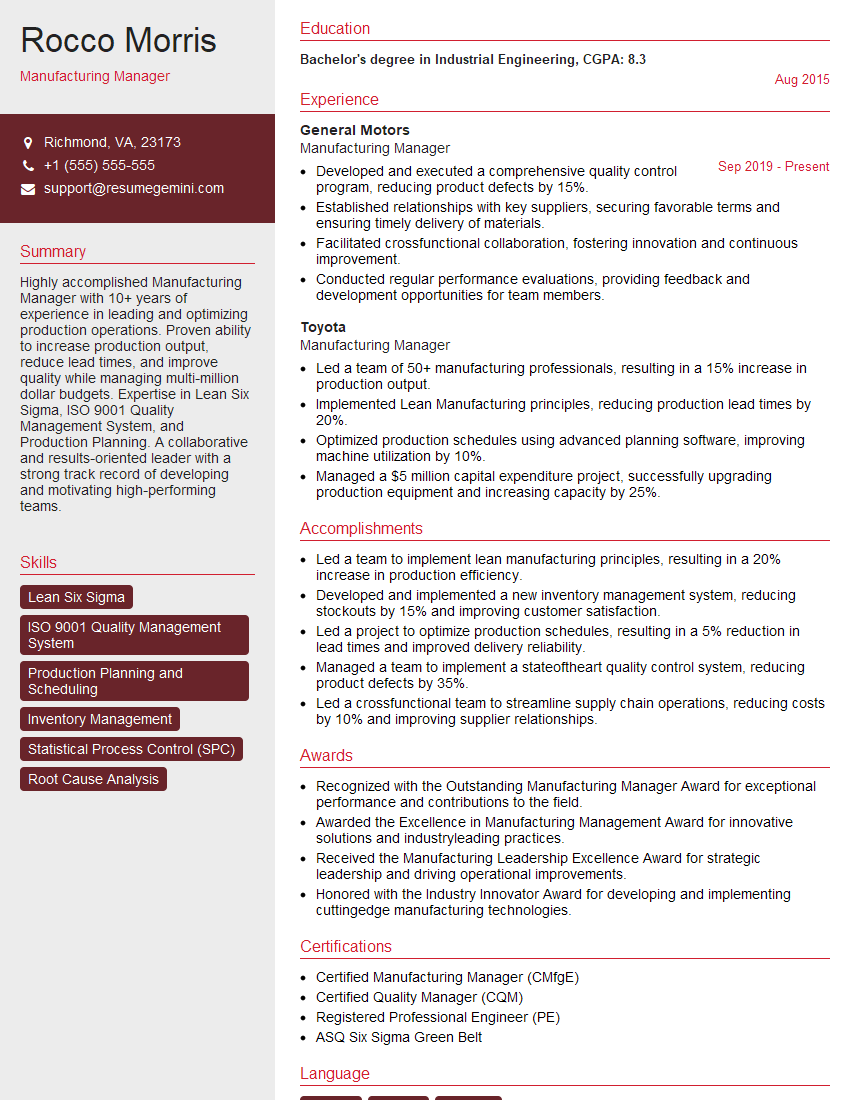
Manufacturing Manager Resume Sample
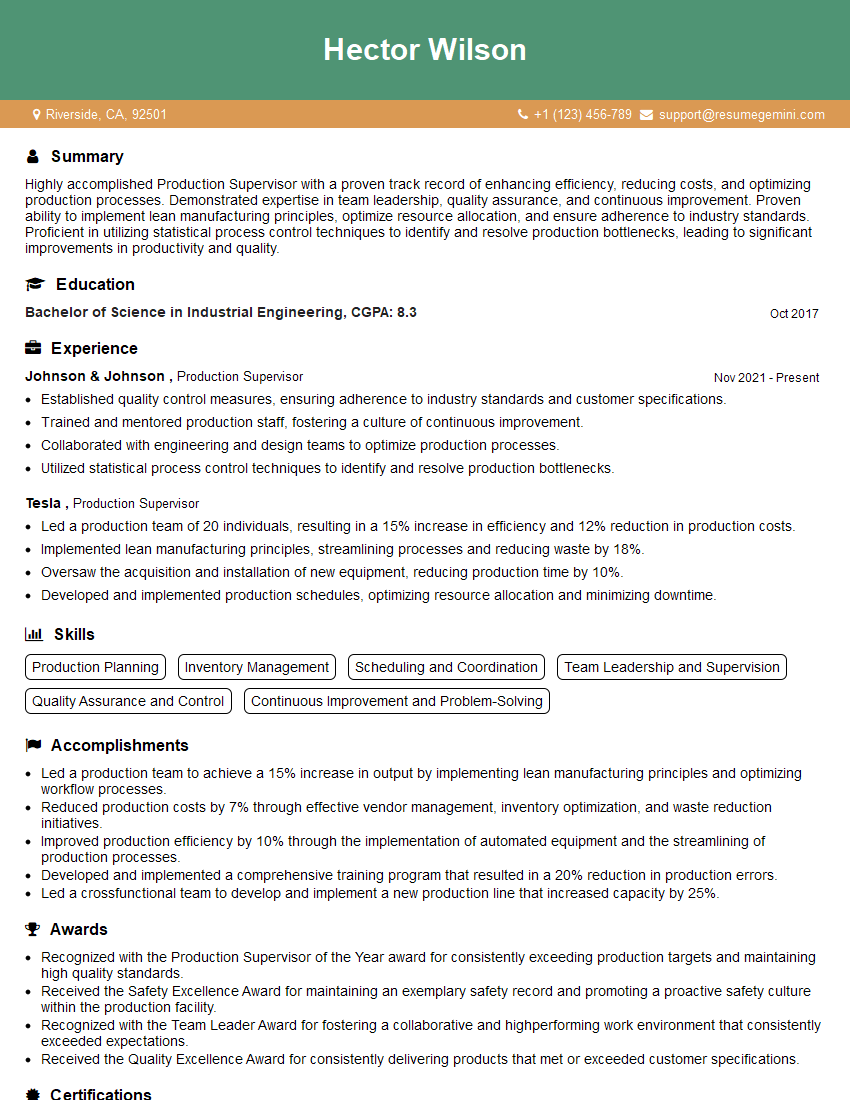
Production Supervisor Resume Sample
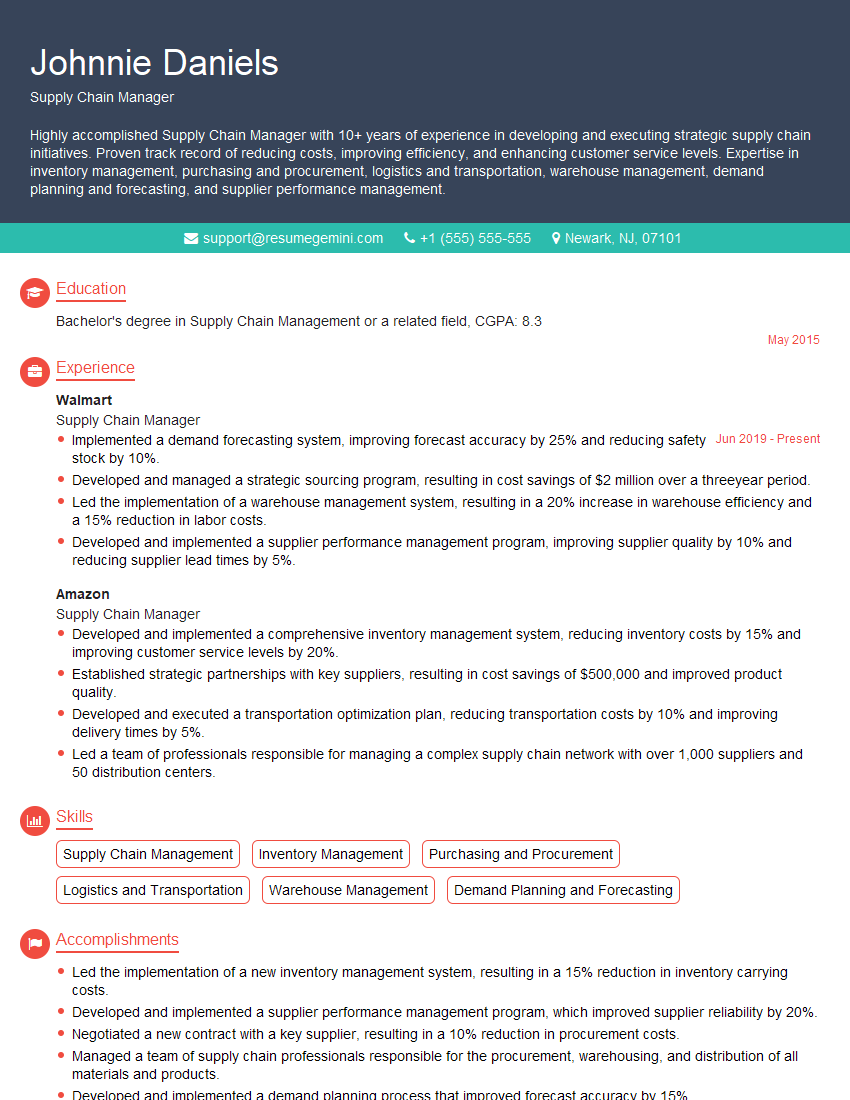
Supply Chain Manager Resume Sample

Project Engineer Resume Sample
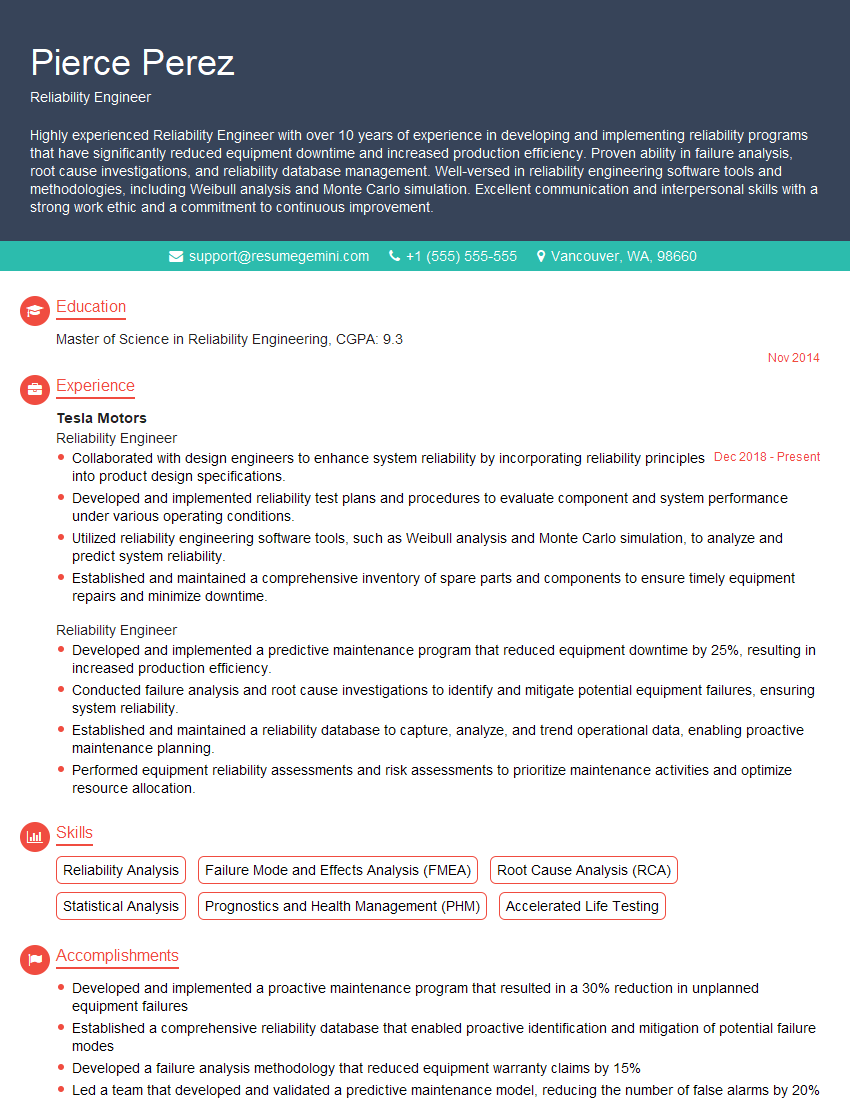
Reliability Engineer Resume Sample
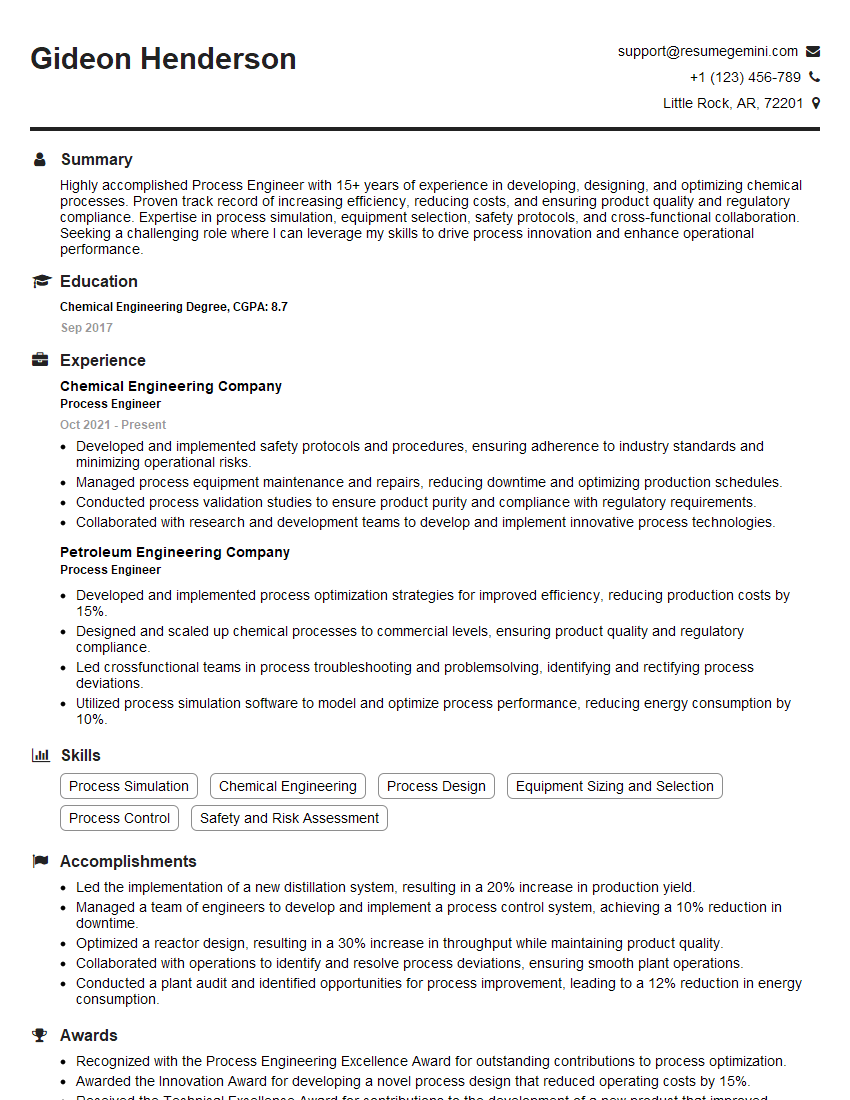
Process Engineer Resume Sample
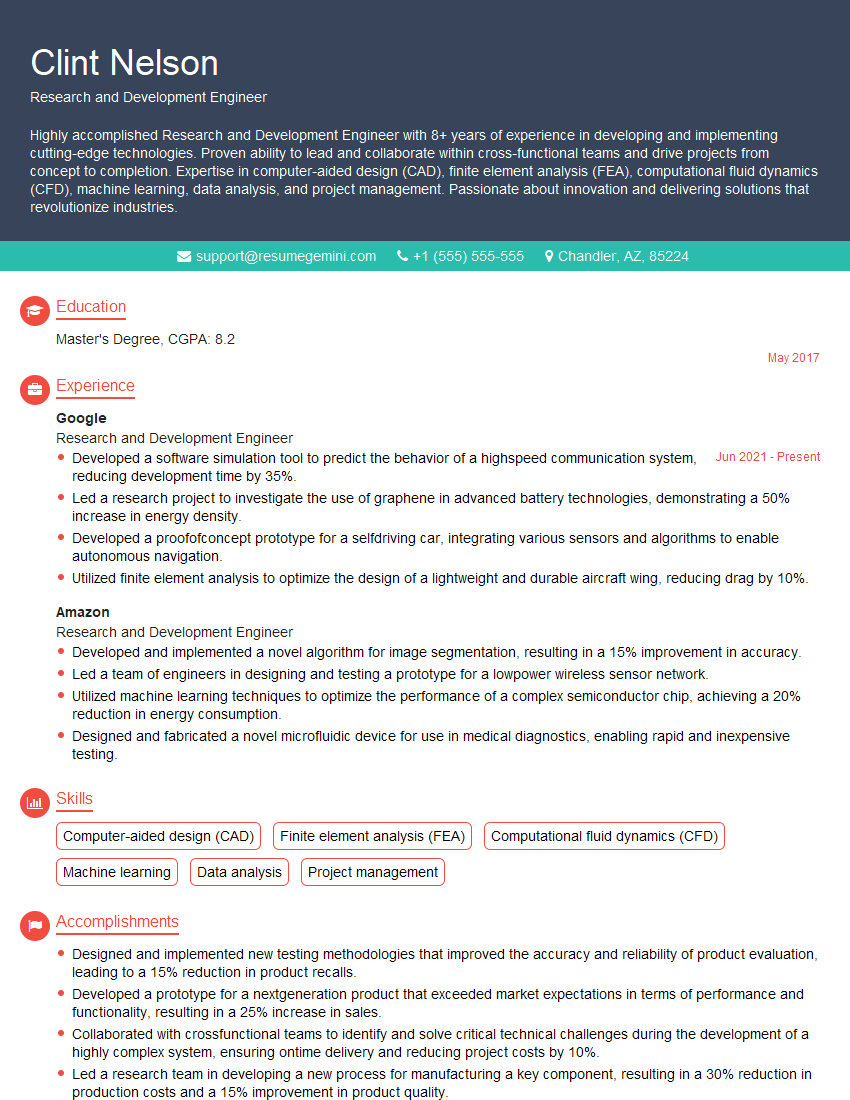
Research and Development Engineer Resume Sample
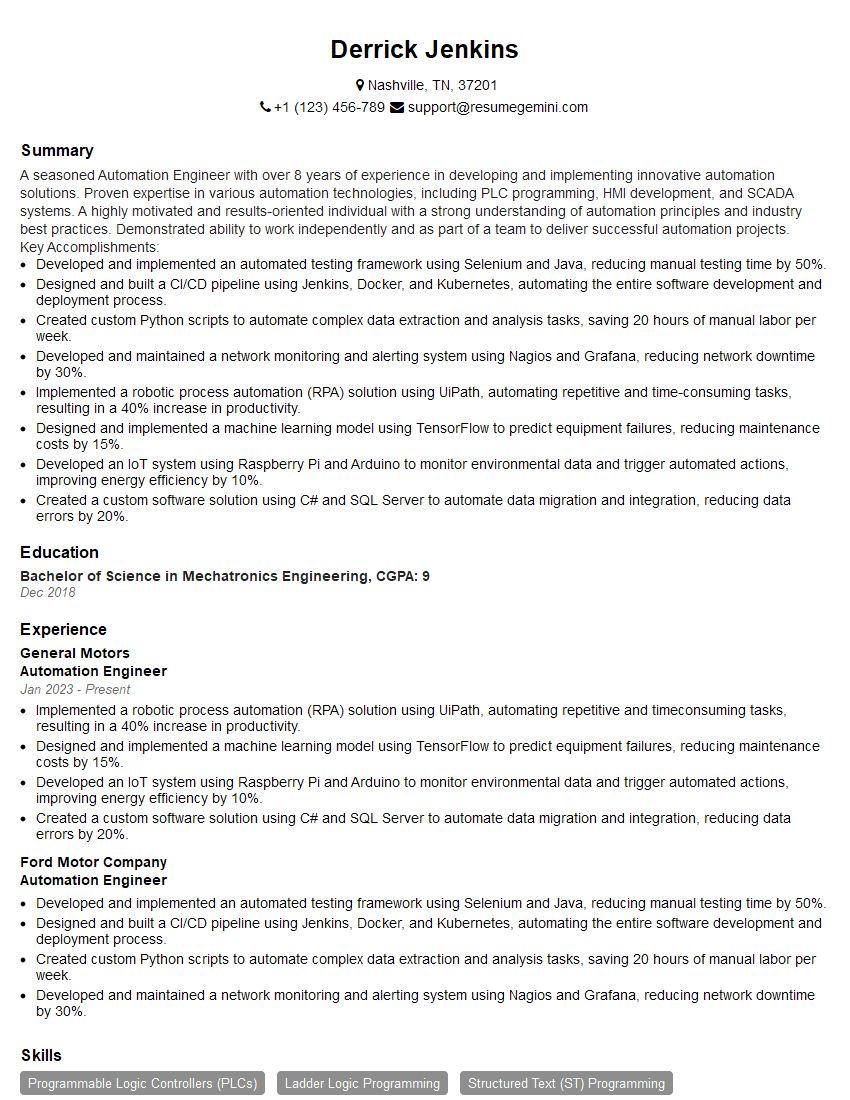
Automation Engineer Resume Sample
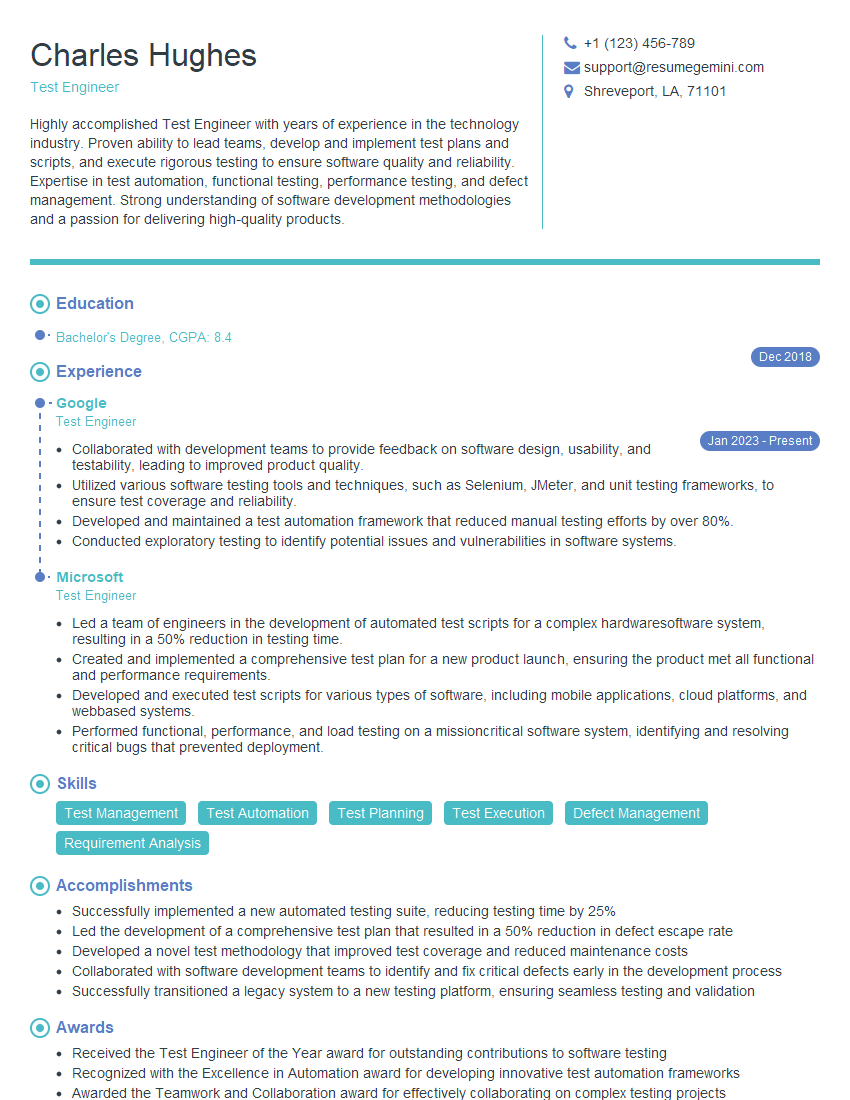
Test Engineer Resume Sample
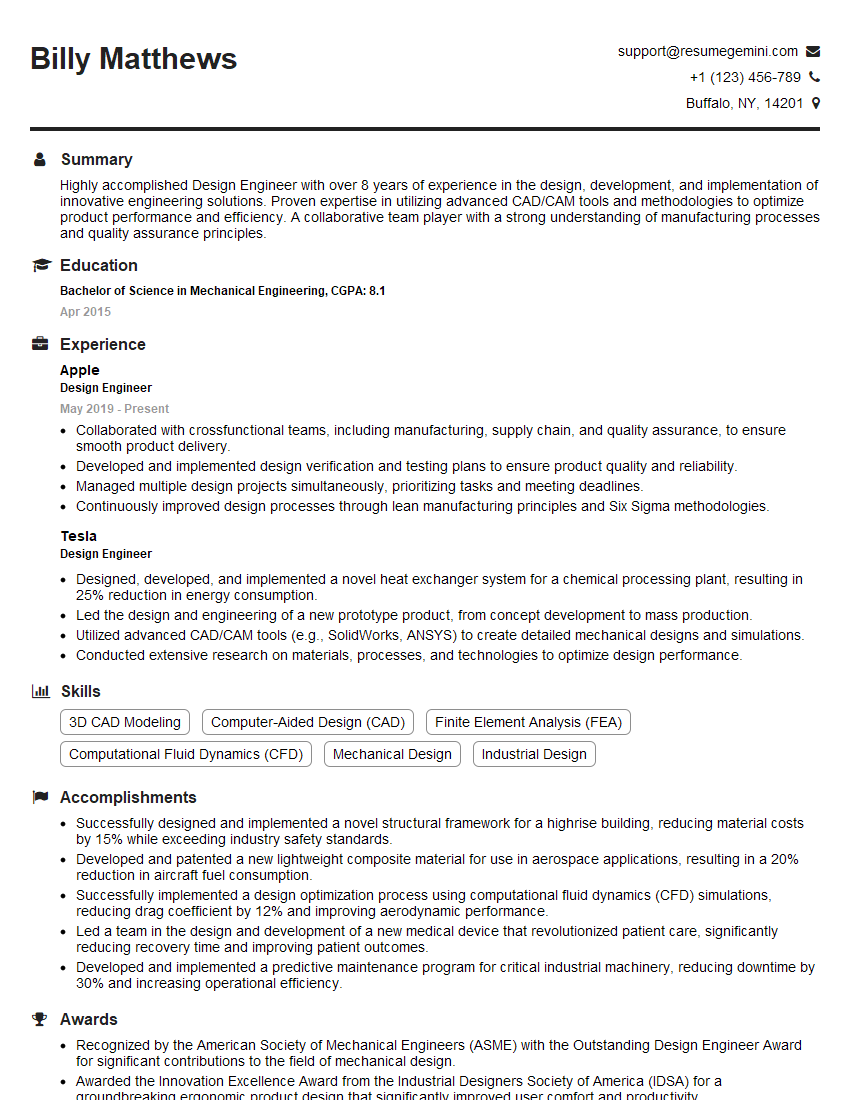
Design Engineer Resume Sample
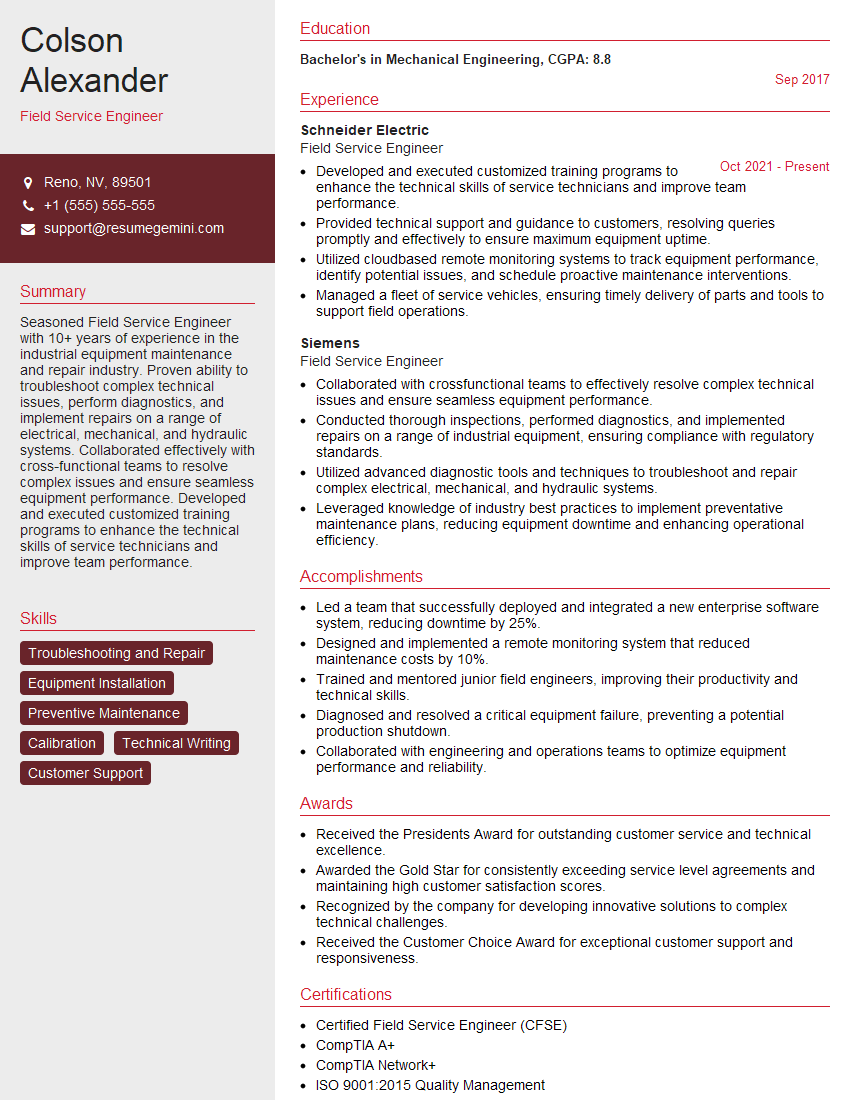
Field Service Engineer Resume Sample
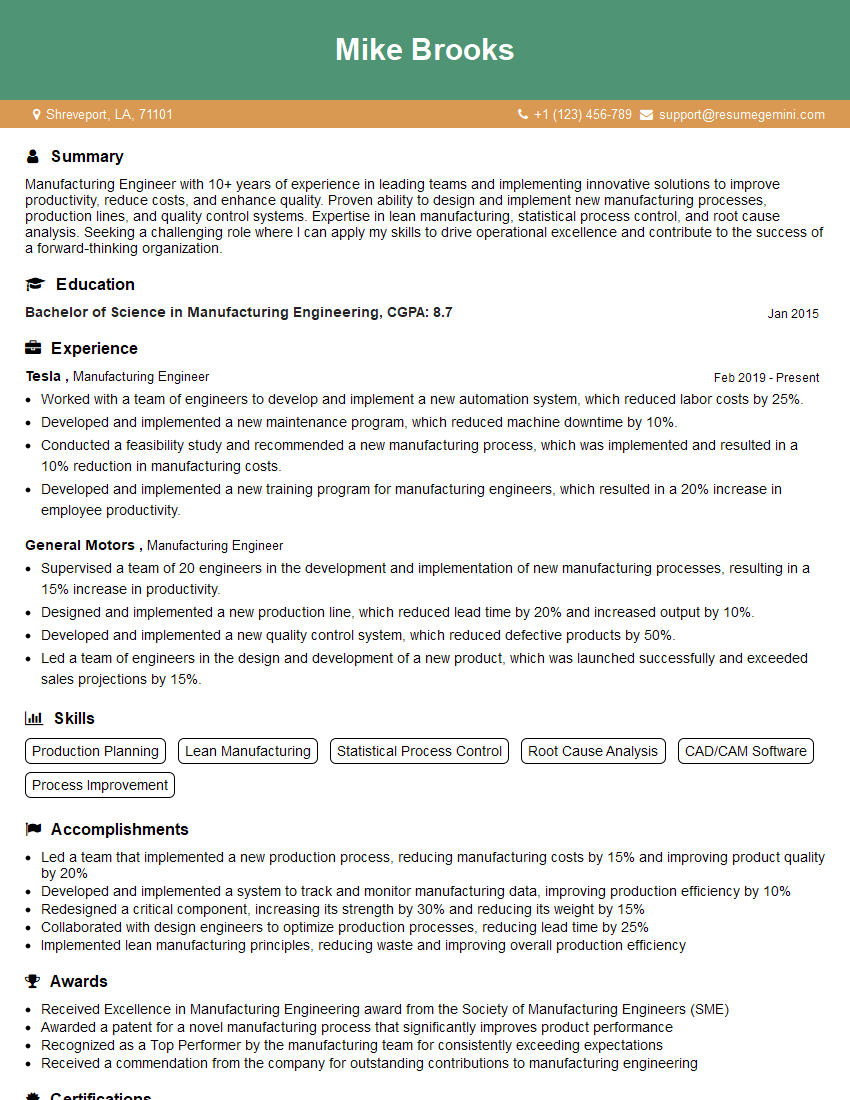
Manufacturing Engineer Resume Sample

Packaging Engineer Resume Sample
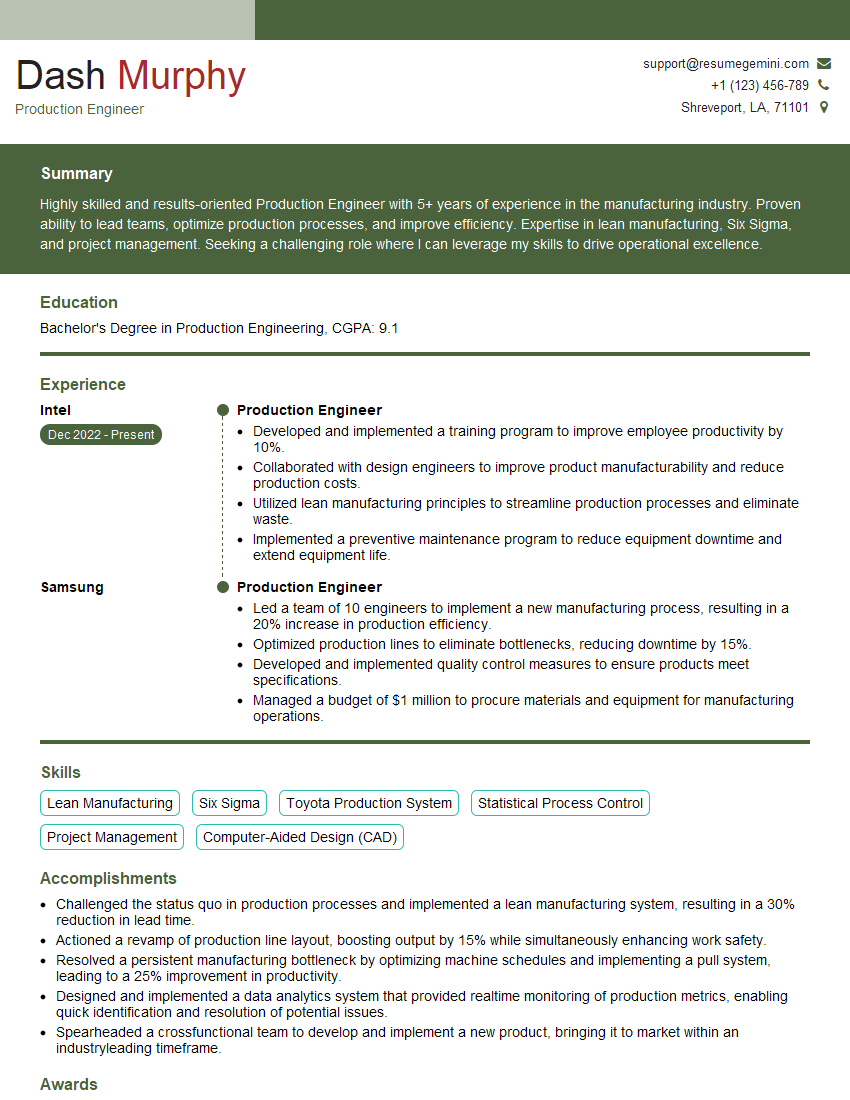
Production Engineer Resume Sample

Quality Assurance Engineer Resume Sample
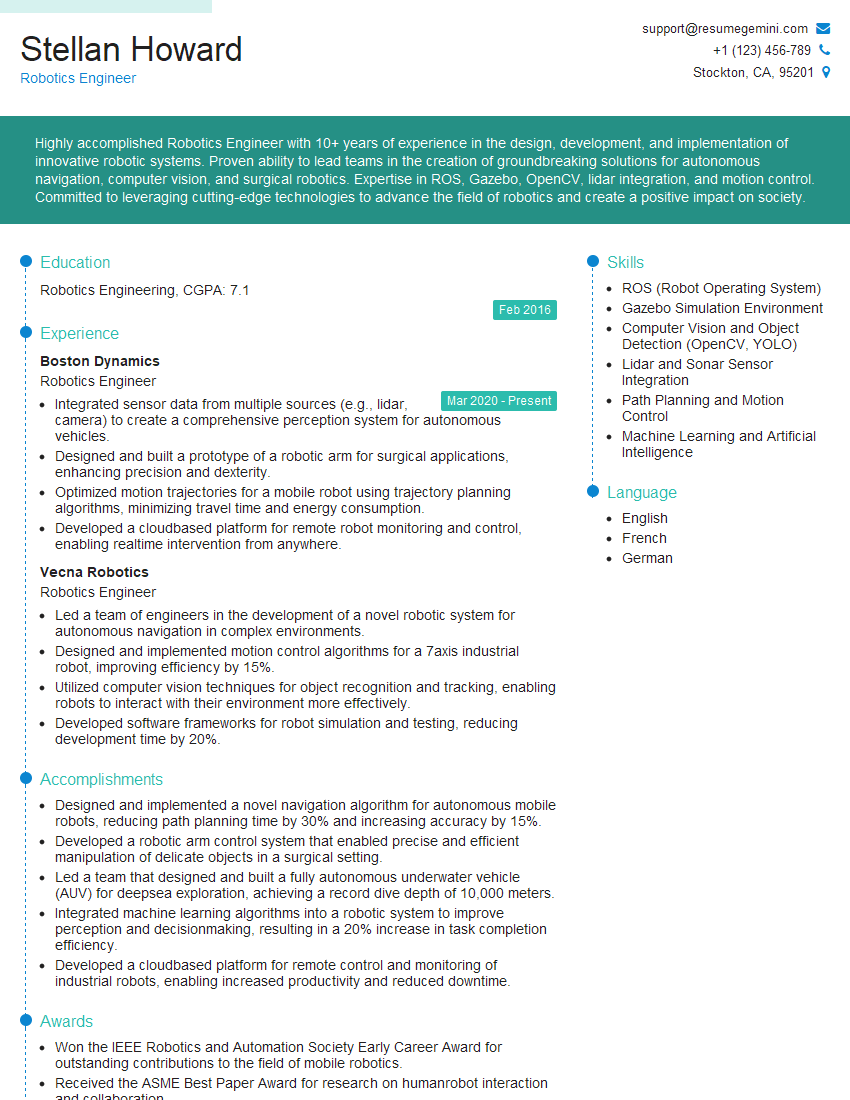
Robotics Engineer Resume Sample

Technical Writer Resume Sample
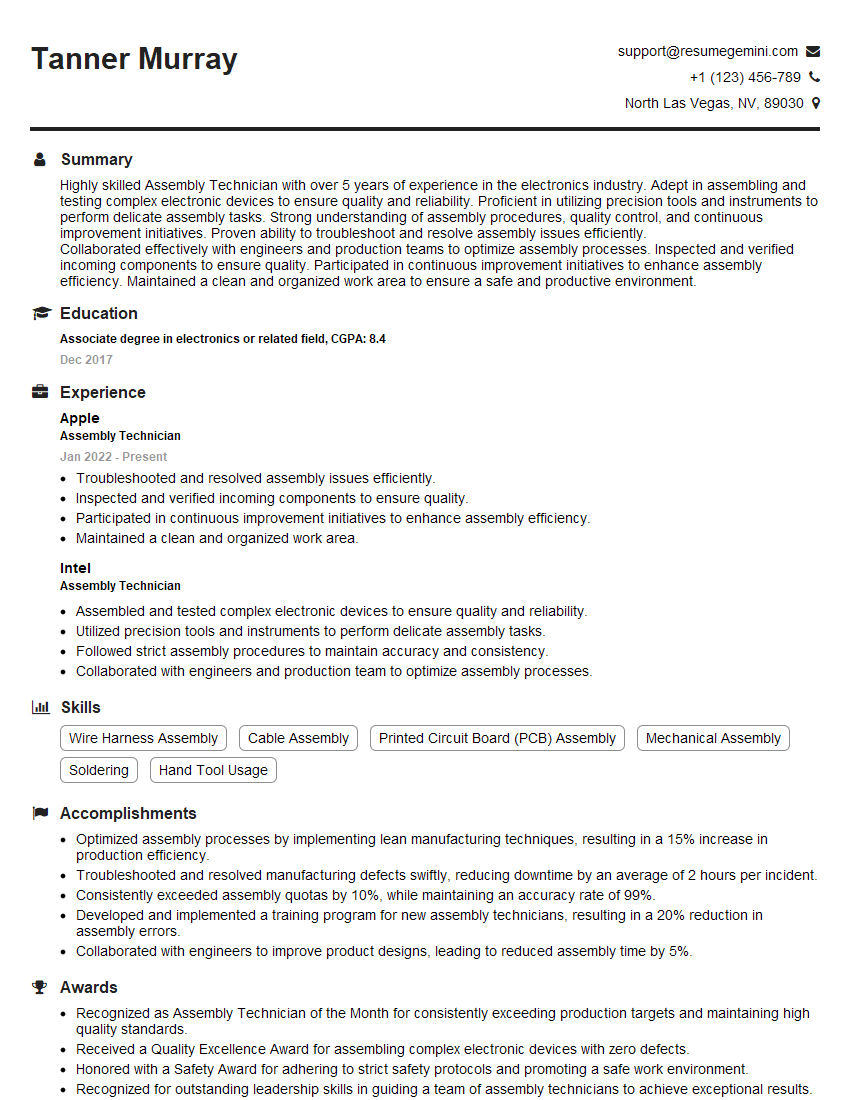
Assembly Technician Resume Sample
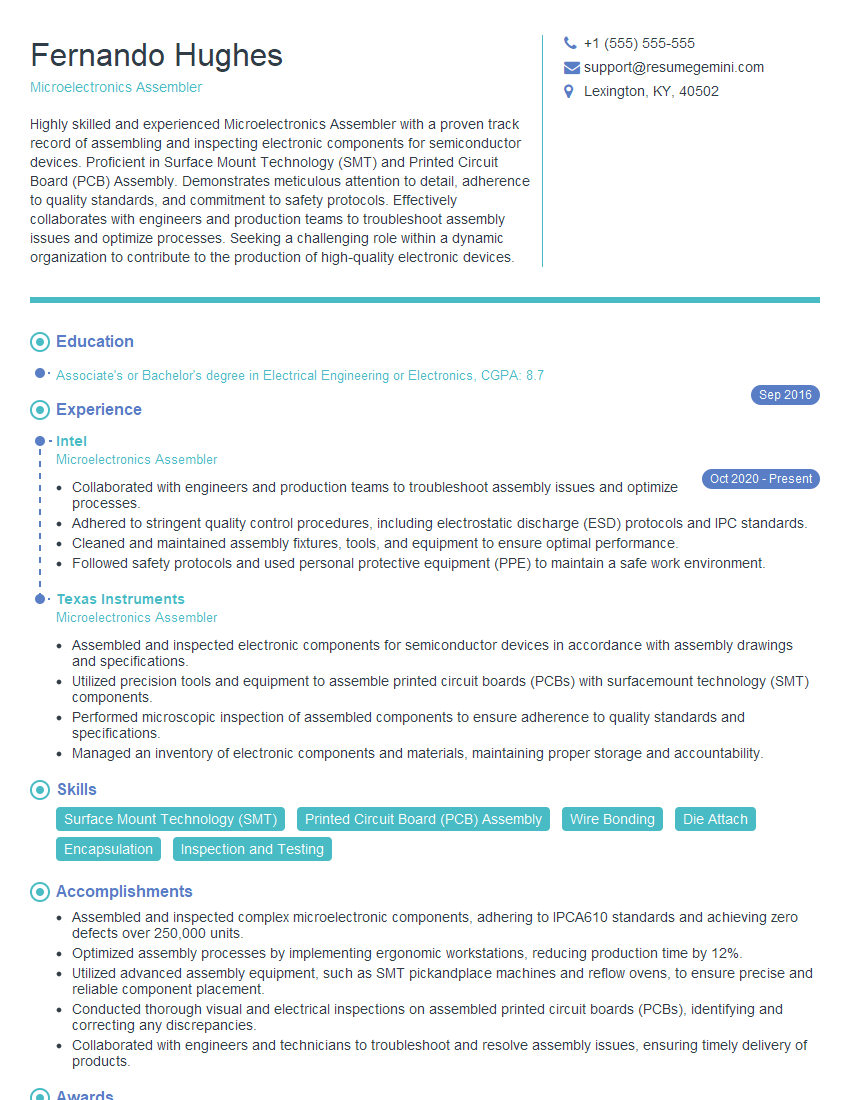
Microelectronics Assembler Resume Sample
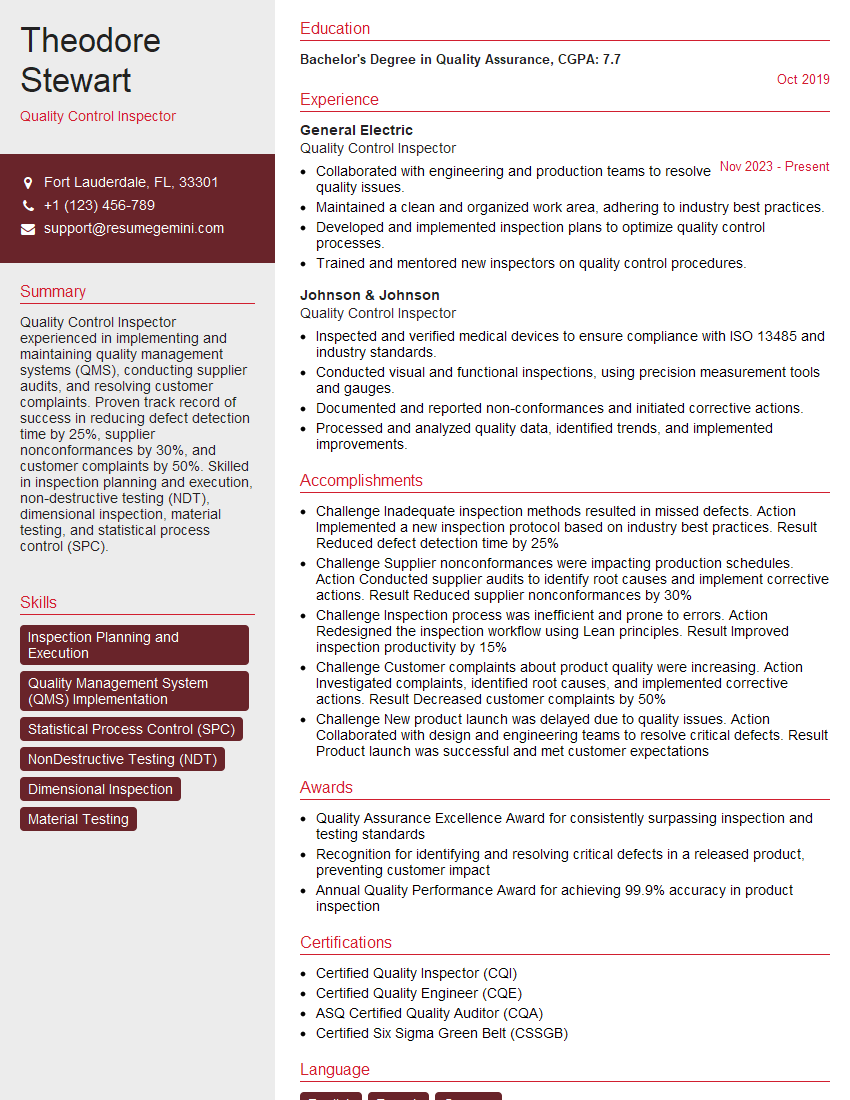
Quality Control Inspector Resume Sample
- Manufacturing Manager
- Production Supervisor
- Supply Chain Manager
- Project Engineer
- Reliability Engineer
- Process Engineer
- Research and Development Engineer
- Automation Engineer
- Test Engineer
- Design Engineer
- Field Service Engineer
- Manufacturing Engineer
- Packaging Engineer
- Production Engineer
- Quality Assurance Engineer
- Robotics Engineer
- Technical Writer
- Assembly Technician
- Microelectronics Assembler
- Quality Control Inspector
Explore more articles
Users Rating of Our Blogs
Share Your Experience
We value your feedback! Please rate our content and share your thoughts (optional).
What Readers Say About Our Blog
Hello,
we currently offer a complimentary backlink and URL indexing test for search engine optimization professionals.
You can get complimentary indexing credits to test how link discovery works in practice.
No credit card is required and there is no recurring fee.
You can find details here:
https://wikipedia-backlinks.com/indexing/
Regards
NICE RESPONSE TO Q & A
hi
The aim of this message is regarding an unclaimed deposit of a deceased nationale that bears the same name as you. You are not relate to him as there are millions of people answering the names across around the world. But i will use my position to influence the release of the deposit to you for our mutual benefit.
Respond for full details and how to claim the deposit. This is 100% risk free. Send hello to my email id: [email protected]
Luka Chachibaialuka
Hey interviewgemini.com, just wanted to follow up on my last email.
We just launched Call the Monster, an parenting app that lets you summon friendly ‘monsters’ kids actually listen to.
We’re also running a giveaway for everyone who downloads the app. Since it’s brand new, there aren’t many users yet, which means you’ve got a much better chance of winning some great prizes.
You can check it out here: https://bit.ly/callamonsterapp
Or follow us on Instagram: https://www.instagram.com/callamonsterapp
Thanks,
Ryan
CEO – Call the Monster App
Hey interviewgemini.com, I saw your website and love your approach.
I just want this to look like spam email, but want to share something important to you. We just launched Call the Monster, a parenting app that lets you summon friendly ‘monsters’ kids actually listen to.
Parents are loving it for calming chaos before bedtime. Thought you might want to try it: https://bit.ly/callamonsterapp or just follow our fun monster lore on Instagram: https://www.instagram.com/callamonsterapp
Thanks,
Ryan
CEO – Call A Monster APP
To the interviewgemini.com Owner.
Dear interviewgemini.com Webmaster!
Hi interviewgemini.com Webmaster!
Dear interviewgemini.com Webmaster!
excellent
Hello,
We found issues with your domain’s email setup that may be sending your messages to spam or blocking them completely. InboxShield Mini shows you how to fix it in minutes — no tech skills required.
Scan your domain now for details: https://inboxshield-mini.com/
— Adam @ InboxShield Mini
Reply STOP to unsubscribe
Hi, are you owner of interviewgemini.com? What if I told you I could help you find extra time in your schedule, reconnect with leads you didn’t even realize you missed, and bring in more “I want to work with you” conversations, without increasing your ad spend or hiring a full-time employee?
All with a flexible, budget-friendly service that could easily pay for itself. Sounds good?
Would it be nice to jump on a quick 10-minute call so I can show you exactly how we make this work?
Best,
Hapei
Marketing Director
Hey, I know you’re the owner of interviewgemini.com. I’ll be quick.
Fundraising for your business is tough and time-consuming. We make it easier by guaranteeing two private investor meetings each month, for six months. No demos, no pitch events – just direct introductions to active investors matched to your startup.
If youR17;re raising, this could help you build real momentum. Want me to send more info?
Hi, I represent an SEO company that specialises in getting you AI citations and higher rankings on Google. I’d like to offer you a 100% free SEO audit for your website. Would you be interested?
Hi, I represent an SEO company that specialises in getting you AI citations and higher rankings on Google. I’d like to offer you a 100% free SEO audit for your website. Would you be interested?
good