Interviews are opportunities to demonstrate your expertise, and this guide is here to help you shine. Explore the essential Mold and Core Making interview questions that employers frequently ask, paired with strategies for crafting responses that set you apart from the competition.
Questions Asked in Mold and Core Making Interview
Q 1. Explain the difference between a green sand mold and a resin-bonded sand mold.
The key difference between green sand and resin-bonded sand molds lies in their binder system. Green sand molds use clay as a binder, giving them their name because they’re ‘green’ or unbaked. This makes them relatively inexpensive and easy to produce, but also less durable and precise than resin-bonded molds. Resin-bonded sand molds, on the other hand, utilize a thermosetting resin as the binder. This resin is cured, typically through heat or chemical reaction, creating a much stronger and more dimensionally stable mold. Think of it like comparing a sandcastle (green sand) to a concrete structure (resin-bonded sand) – one is easily deformed, the other significantly more robust. Green sand is suitable for smaller, simpler castings, while resin-bonded sand is preferred for intricate designs and high-volume production runs needing improved dimensional accuracy.
Q 2. Describe the process of creating a core for a complex casting.
Creating a core for a complex casting is a multi-step process requiring precision and attention to detail. It usually begins with a core box, which is a precisely-machined cavity mirroring the shape of the desired core. This box can be made of wood, metal, or even plastic. Then, sand, mixed with the appropriate binder (often resin), is packed into the core box, ensuring complete filling and avoiding air pockets. For complex shapes, multiple core boxes might be used in a process called ‘split core molding’. After packing, the core box is carefully opened, revealing the formed core. The core is then hardened, typically through baking or curing. Finally, the core is carefully placed within the main mold cavity to form the internal features of the casting. Consider creating a core for a cylinder head – the complex internal passages for coolant and oil require multiple, precisely-made cores assembled within the main mold. Proper core placement is crucial to ensuring the final casting’s integrity.
Q 3. What are the common defects found in mold and core making, and how can they be prevented?
Common defects in mold and core making can significantly impact casting quality. Some frequent issues include blowholes (air pockets), scabs (surface imperfections), washouts (erosion of the mold surface), and shifts (misalignment of mold halves). Cold shuts occur when two streams of molten metal fail to fuse completely, resulting in a weak point in the casting. Prevention strategies involve careful sand preparation (proper moisture content and grain size distribution), rigorous mold packing techniques (avoiding air entrapment), adequate venting (allowing air to escape during pouring), and use of appropriate binders. Regular monitoring of the molding process and proper operator training are essential. For example, inadequate venting can easily cause blowholes, highlighting the importance of preventative measures.
Q 4. How do you ensure the dimensional accuracy of a mold or core?
Ensuring dimensional accuracy in mold and core making is paramount. This starts with precise design using CAD software, followed by meticulous machining of the core boxes and mold patterns. The use of high-quality, consistent materials is critical. Careful control of the molding process, including sand compaction and curing parameters, is essential. Regular calibration of equipment, such as core blowers and mold-making machines, is also crucial. Dimensional checking is performed using tools like calipers, height gauges, and coordinate measuring machines (CMMs) at various stages of the process. Statistical process control (SPC) techniques can further help monitor and maintain accuracy over time. In a real-world scenario, I once had to investigate dimensional inconsistencies in a complex engine block casting, and implementing improved SPC and better core box maintenance significantly improved accuracy.
Q 5. Explain the importance of proper venting in mold and core making.
Proper venting is crucial for preventing defects in castings. When molten metal is poured into the mold, air must escape to avoid forming blowholes or other porosity issues. Venting is achieved through strategically placed vents or channels within the mold or core. These vents allow air to escape as the metal flows in, preventing pressure buildup that could lead to defects. Inadequate venting can result in a weak and porous casting, potentially leading to failure. Think of it like squeezing a balloon filled with air – if there’s no way for the air to escape, the balloon could burst. Similarly, without adequate venting, pressure buildup in the mold can cause serious defects. The design and placement of vents require careful consideration depending on the casting’s complexity and geometry.
Q 6. What are the different types of molding machines used in the industry?
The molding industry uses a variety of machines, categorized broadly by their molding process. Jolt squeeze machines compact the sand using both jolting (vertical vibration) and squeezing (horizontal compression). Matchplate molding machines automate the process using two identical plates carrying the mold halves. Roll-over machines offer efficient automated mold making for larger and more complex castings. Automatic molding machines fully automate various steps, from sand preparation to mold ejection, increasing speed and consistency. The choice depends on production volume, casting complexity, and desired level of automation. For example, high-volume production of simple parts might use automatic molding machines, whereas complex parts may require more manual intervention, potentially with the assistance of a jolt-squeeze machine.
Q 7. Describe your experience with different core-making materials (e.g., sand, resin, metal).
My experience spans various core-making materials. Sand, with its different classifications (e.g., silica, chromite) and binder systems (clay, resin), offers a versatile and cost-effective option for many applications. Resin-bonded cores provide improved strength, dimensional accuracy, and surface finish compared to sand cores, making them ideal for complex castings. I’ve also worked with metal cores, primarily for high-temperature applications or where exceptional strength is paramount. Metal cores, while more expensive, provide unparalleled durability and consistency. Each material selection is driven by casting requirements, considering factors like size, complexity, temperature, and cost. One project involved producing a complex turbine blade casting, which benefited from the superior strength and dimensional accuracy of resin-bonded cores. Choosing the right material significantly impacts the quality and efficiency of the process.
Q 8. How do you interpret engineering drawings for mold and core construction?
Interpreting engineering drawings for mold and core construction requires a keen eye for detail and a solid understanding of foundry principles. The drawings provide a blueprint for creating the molds and cores that will ultimately shape the final metal casting. I begin by carefully examining the drawing’s views – orthographic projections, cross-sections, and detailed dimensions – to fully grasp the part’s geometry. This includes identifying critical features such as draft angles (essential for easy removal of the casting), parting lines (where the mold halves separate), and core locations (where internal cavities are formed).
Next, I analyze the material specifications for the mold and core materials, ensuring compatibility with the casting process and metal being used. For instance, a complex casting might require a stronger core material like resin-bonded sand compared to a simpler part that could use a simpler, cheaper sand mix. Finally, I carefully review any tolerance and surface finish requirements, understanding their impact on the mold and core construction techniques and the required precision. For example, a tight tolerance would necessitate precise CNC machining for core boxes to guarantee accuracy.
Example: A drawing specifying a complex internal cavity would require me to meticulously plan the core assembly, possibly involving multiple core boxes and carefully designed chaplets (metal supports) to maintain the core’s position within the mold during the pouring process. Misinterpreting the drawing could lead to a misaligned core, resulting in a defective casting.
Q 9. What safety precautions are crucial when working with molding materials and equipment?
Safety is paramount in mold and core making. Working with molding sands, resins, and heavy equipment presents numerous hazards. My approach to safety starts with proper personal protective equipment (PPE). This includes wearing safety glasses, respirators (especially when handling silica-containing sands or resins), hearing protection near loud machinery, and sturdy work boots to prevent injuries from dropped objects.
Furthermore, I meticulously follow all safety protocols for operating machinery, such as sand mixers, core-making machines, and any handling equipment like forklifts. Regular machine inspections are crucial to ensure they are functioning correctly and present no risk of malfunctions. I am also aware of potential hazards associated with specific materials. For instance, some resin systems are highly reactive and require careful handling and ventilation. We employ proper storage techniques to prevent spills and maintain a safe work environment. Finally, proper housekeeping, such as keeping the workspace clean and free of debris, is vital to prevent tripping hazards and maintain a safe workflow.
Example: Before operating a sand mixer, I always check the machine for any loose parts, ensuring all safety guards are in place, and that the proper locking mechanisms are engaged before starting it.
Q 10. Describe your experience with different types of casting processes (e.g., sand casting, investment casting).
My experience encompasses various casting processes, each with its unique advantages and challenges. I’ve worked extensively with sand casting, a versatile and cost-effective method ideal for large-scale production of parts with relatively simple geometries. In sand casting, the mold is created using sand, which can be mixed with binders to improve strength and dimensional stability. I’m proficient in both green sand molding (using damp sand) and dry sand molding (using baked sand).
I also possess experience with investment casting (also known as lost-wax casting), which allows for the production of highly intricate and complex parts with excellent surface finish. In this process, a wax pattern of the desired component is created, coated in a ceramic shell, and then the wax is melted out, leaving a cavity for molten metal to be poured. Investment casting is particularly useful for parts with thin walls and complex internal features, which are often challenging to produce using sand casting. I understand the importance of controlling the wax injection process, ceramic shell building, and the dewaxing process to minimize defects.
My experience extends to understanding the limitations of each process; for example, sand casting’s tolerances are typically less precise compared to investment casting, while investment casting can be more expensive for large-scale production.
Q 11. How do you troubleshoot issues related to mold filling and metal flow?
Troubleshooting mold filling and metal flow issues requires a systematic approach. Problems typically manifest as incompletely filled castings, misruns (where the metal doesn’t reach all parts of the mold), cold shuts (where two streams of metal fail to join properly), or porosity (gas pockets in the casting).
My troubleshooting strategy starts with a thorough visual inspection of the casting and the mold itself. I look for any signs of misalignment, inadequate venting (which can trap gases), or defects in the mold cavity. Then, I analyze the pouring parameters: The temperature of the molten metal, the pouring rate, and the height of the pour are critical factors. Too low a temperature can lead to incomplete filling, while too high a temperature could damage the mold. A slow pour rate can allow the metal to cool before filling the entire mold. I would also examine the gating system – the channels that direct the metal into the mold cavity – as its design directly affects metal flow.
Example: A misrun might be resolved by optimizing the gating system to improve metal flow, ensuring proper venting in the mold, or slightly increasing the molten metal pouring temperature. A cold shut may indicate insufficient metal fluidity or a poor gating system design.
Q 12. What are the key quality control checks performed during mold and core making?
Quality control in mold and core making is essential to ensure the production of defect-free castings. My approach involves several key checks at various stages of the process. First, I inspect the raw materials – the sand, binders, and any additives – for proper composition and consistency. This ensures that the mold and core materials meet the required strength and dimensional stability parameters.
Next, I visually inspect the molds and cores themselves. This includes checking for any cracks, imperfections, or dimensional inaccuracies. Dimensions are often checked with calipers and other measuring tools, ensuring they align with the engineering drawings. Before casting, we often conduct a dry run, filling the mold with a non-metallic substance to test the flow and identify potential defects in the mold design or construction. After the casting process, a final inspection checks the casting itself for defects such as porosity, shrinkage, cracks, and dimensional accuracy.
Example: During core inspection, using a template to check the core’s dimensions would be a routine step. Any deviation outside acceptable tolerances would lead to core rejection.
Q 13. Explain your experience with CNC machining in the context of mold and core making.
CNC machining has revolutionized mold and core making, enabling the production of highly accurate and complex mold components, particularly for core boxes. My experience with CNC machining involves programming and operating CNC milling machines to create intricate core box designs from materials like aluminum or steel. The precision afforded by CNC machining eliminates many of the inaccuracies associated with traditional methods. I am proficient in using CAD/CAM software to design and generate the necessary CNC programs, ensuring that the machine’s movements accurately replicate the design. I’m familiar with various cutting tools and their applications, selecting the appropriate tools for different materials and machining operations to maximize efficiency and surface finish.
Example: Creating a core box for a complex internal geometry with thin walls would be virtually impossible using traditional methods. CNC machining allows for the precise creation of such intricate geometries with tight tolerances, leading to high-quality castings.
Q 14. How do you manage material costs and waste in mold and core production?
Managing material costs and waste is critical for profitability in mold and core production. My approach involves several strategies. First, I optimize the selection of materials. This means choosing the most cost-effective materials that still meet the necessary performance requirements for the specific casting process and application. For instance, a cheaper sand mix might be suitable for a simple part, while a more expensive, higher-strength mix might be needed for intricate castings.
Second, I optimize material usage by minimizing waste. This includes careful planning of the mold and core designs to minimize material consumption and employing precise machining techniques to reduce scrap. I also focus on improving the recycling of materials where possible. Sand can often be reclaimed and reused after appropriate processing. Finally, regular monitoring of material consumption and waste generation helps identify areas for improvement and cost reduction. Tracking helps us pinpoint inefficiencies and guide us in making informed decisions about material sourcing and utilization.
Example: By carefully analyzing the design and using optimized filling techniques for sand molds, we can reduce the amount of sand needed for each mold, thereby lowering material costs and minimizing waste.
Q 15. Describe your experience with different types of mold coatings.
Mold coatings are crucial for ensuring a smooth casting surface, preventing sticking, and enhancing the mold’s lifespan. Different types cater to specific needs and materials.
- Release Agents: These are applied to prevent the casting from adhering to the mold. Common examples include silicone-based sprays, graphite suspensions, and parting compounds. The choice depends on the casting material (e.g., aluminum requires a different release agent than steel). I’ve extensively used silicone-based sprays for aluminum die casting, finding them highly effective in minimizing defects and increasing production efficiency.
- Ceramic Coatings: These provide increased thermal shock resistance and improved surface finish, particularly useful for high-temperature applications. I’ve worked with zirconia-based coatings for investment casting, noticing a significant reduction in surface imperfections and improved dimensional accuracy.
- Wash Coatings: These are thin coatings applied to improve mold surface quality and reduce the risk of defects. I’ve successfully implemented various wash coatings in sand casting, resulting in smoother surfaces and better overall casting quality.
Selecting the appropriate coating involves considering factors like casting material, mold material, casting temperature, and desired surface finish. My experience spans a wide range of applications, allowing me to tailor coating selection to optimize the casting process.
Career Expert Tips:
- Ace those interviews! Prepare effectively by reviewing the Top 50 Most Common Interview Questions on ResumeGemini.
- Navigate your job search with confidence! Explore a wide range of Career Tips on ResumeGemini. Learn about common challenges and recommendations to overcome them.
- Craft the perfect resume! Master the Art of Resume Writing with ResumeGemini’s guide. Showcase your unique qualifications and achievements effectively.
- Don’t miss out on holiday savings! Build your dream resume with ResumeGemini’s ATS optimized templates.
Q 16. How do you maintain and repair molds and cores?
Mold and core maintenance and repair are essential for extending their lifespan and maintaining consistent casting quality. Regular inspections are vital to detect and address issues early on.
- Cleaning: After each casting cycle, molds and cores should be thoroughly cleaned to remove residual material, sand, and other debris. Specialized cleaning agents and techniques are used based on the mold material and casting process. Improper cleaning can lead to increased wear and tear.
- Repair: Minor cracks or damage can often be repaired using specialized fillers and patching materials. The repair must be carefully done to ensure its strength and durability, otherwise it can lead to casting defects.
- Surface Treatment: Regular surface treatments, such as polishing or recoating, can help extend mold life and maintain consistent casting quality. I always consider the economic viability of repairing versus replacing a mold. If repair costs are too high, replacing is the better option.
- Storage: Proper storage, protecting molds from moisture and corrosion, is critical to preserving their condition between uses.
In my experience, proactive maintenance significantly reduces downtime and improves the overall efficiency of the casting process. I follow a strict preventative maintenance schedule, minimizing unplanned repairs.
Q 17. Explain your understanding of gating systems in mold design.
The gating system is the network of channels that delivers molten metal from the pouring basin to the mold cavity. Proper design is critical for achieving a sound casting free of defects. A poorly designed gating system can result in turbulence, air entrapment, cold shuts, and other casting flaws.
- Sprue: The vertical channel through which molten metal flows initially.
- Runner: The horizontal channel that distributes metal to individual mold cavities.
- Gate: The opening through which metal enters the mold cavity.
- Riser: A reservoir that compensates for shrinkage during solidification.
Designing an efficient gating system involves considering factors such as metal flow rate, metal viscosity, mold design, and casting dimensions. I often use simulation software to optimize gating system design, predicting metal flow and temperature profiles to avoid potential issues. For instance, I once redesigned a problematic gating system for a complex automotive part, resulting in a significant reduction in scrap and improved casting yield.
Q 18. How do you ensure the proper strength and rigidity of a core?
Core strength and rigidity are crucial to prevent collapse during pouring, especially in complex castings with intricate features. Several factors contribute to this:
- Core Material: The choice of sand, binder, and additives significantly impacts strength. I’ve experimented with various sand types and binder systems, optimizing for strength and collapsibility. Using a stronger binder doesn’t always mean a better core; excessive strength can hinder the removal of the core after casting.
- Core Making Method: Different methods (e.g., hand-made, machine-made, shell core) influence the core’s structural integrity. Machine-made cores generally offer better consistency and strength compared to hand-made cores.
- Core Design: A well-designed core incorporates features like reinforcing elements and appropriate wall thicknesses to withstand the forces during pouring. I’ve incorporated ribs and internal supports in numerous core designs to enhance their robustness and prevent collapse.
- Baking/Curing: The curing process strengthens the core by setting the binder. I ensure the precise control of temperature and duration to achieve optimal strength without compromising core integrity.
Testing core strength is essential to ensure it can withstand the pressures of molten metal. I often conduct compression tests and destructive testing to verify core integrity.
Q 19. What software or CAD programs are you proficient in using for mold and core design?
Proficiency in CAD software is vital for efficient mold and core design. My expertise includes:
- Autodesk Moldflow: I use this extensively for simulating filling, cooling, and warping behavior in molds. This allows for predictive analysis and optimization of the mold design before physical production.
- SolidWorks: I use SolidWorks for 3D modeling of molds, cores, and associated tooling. Its parametric modeling capabilities allow for easy design modifications and iterations.
- Autodesk Inventor: I’m adept at using Autodesk Inventor for similar 3D modeling tasks, particularly when collaborating on projects with teams already utilizing this software.
In addition to these, I am familiar with various other CAD packages and can adapt quickly to new software as needed. My design process often involves integrating these software tools to ensure complete and thorough designs.
Q 20. Describe your experience with different types of sand used in mold making.
The choice of sand significantly impacts casting quality and the mold’s properties. Different sands offer different characteristics.
- Silica Sand: This is the most common type, offering a good balance of properties. However, its high refractoriness can cause problems with certain metals. I’ve fine-tuned silica sand mixtures to optimize for various casting processes.
- Chromite Sand: Used for high-temperature applications due to its superior refractoriness. I’ve used chromite sand for steel castings, particularly where high temperatures and dimensional accuracy are required.
- Zircon Sand: Offers excellent thermal stability and surface finish. I have experience in using zircon sand for investment casting due to its ability to create a very fine-grained and smooth surface finish.
- Olivine Sand: This is a more expensive option, but it offers superior strength and reusability. I prefer it for situations where higher mold durability is critical.
The selection of sand depends heavily on the casting material, casting process, and desired casting properties. I consider factors such as grain size, permeability, and strength when choosing the appropriate sand. For instance, finer grain size might lead to better surface finish but lower permeability.
Q 21. Explain your understanding of the importance of proper mold permeability.
Mold permeability refers to the ability of the mold to allow gases to escape during pouring. This is vital to avoid defects such as gas porosity, blowholes, and surface imperfections. Insufficient permeability can trap gases within the molten metal, leading to unsound castings.
I ensure adequate permeability through various methods:
- Sand Selection: Choosing a sand with appropriate grain size and distribution is crucial. Larger grain size usually implies higher permeability.
- Binder Content: Excessive binder can reduce permeability. I carefully control binder content to maintain adequate permeability without compromising mold strength.
- Venting: Incorporating vents in the mold design allows for gas escape. The location and size of vents must be carefully considered to ensure efficient venting without compromising mold integrity.
- Testing Permeability: I regularly conduct permeability tests to measure the air flow rate through the mold. This helps assess whether the permeability is adequate for the chosen casting process and material.
Maintaining optimal mold permeability is crucial for producing high-quality castings. I prioritize this aspect throughout the design and manufacturing process to minimize casting defects.
Q 22. How do you address issues related to mold cracking or shifting?
Mold cracking and shifting are serious issues in casting, often leading to defective parts or even dangerous situations. Addressing these requires a multi-pronged approach focusing on prevention and remediation. Prevention starts with proper mold design, ensuring sufficient wall thickness to withstand the stresses of molten metal pouring. The material selection is crucial; we need to use materials with appropriate thermal shock resistance and strength. For example, using a high-strength resin system for a sand mold or selecting a robust steel alloy for a metal mold is critical.
Careful consideration of the gating and venting systems is also paramount. Improperly designed gating can lead to localized thermal stresses causing cracking. Similarly, inadequate venting can trap gases, leading to internal pressure buildup and cracking. Finally, the curing process for the mold material needs to be meticulously controlled to ensure uniform strength and prevent warping.
If cracking or shifting occurs, the immediate response depends on the severity. Minor cracks might be repaired with appropriate fillers and sealants, but extensive damage usually requires re-making the mold. Analyzing the failed mold is critical to determine the root cause and prevent recurrence. This involves carefully examining the crack patterns and considering factors such as metal type, pouring temperature, mold material, and cooling rate.
Q 23. Describe your experience working with different types of casting metals.
My experience encompasses a wide range of casting metals, including ferrous and non-ferrous alloys. I’ve worked extensively with aluminum alloys, known for their rapid solidification and potential for porosity issues. Managing these requires careful control of pouring temperature and mold design to minimize gas entrapment. With ferrous metals like cast iron and steel, the higher melting temperatures necessitate robust mold materials and careful consideration of thermal shock. The challenges are different; for instance, controlling shrinkage and ensuring dimensional accuracy are paramount.
Working with zinc and magnesium alloys presents different challenges again. These metals are prone to rapid oxidation, requiring specific mold preparation and fluxes to maintain metal quality. I’ve also had experience with precious metals, where the focus shifts to higher precision and surface finish requirements, demanding more refined mold-making techniques and materials. Each metal demands a tailored approach, considering its unique properties and casting challenges. My expertise lies in adapting my techniques and selecting appropriate materials based on the specific metal and casting requirements.
Q 24. How do you ensure the proper alignment of cores within a mold?
Ensuring proper core alignment is essential for producing accurate castings. This is achieved through a combination of precise core design and robust mold construction. Cores are typically positioned using chaplets – small metal supports – that prevent shifting during pouring. The chaplets are strategically placed to distribute the core’s weight and resist the forces of the molten metal. For complex cores, more sophisticated methods like core boxes with integrated alignment features might be used. These boxes help maintain precise core orientation during placement.
Careful attention to the core’s dimensions and tolerances is crucial. Any deviations can lead to misalignment. In large-scale molds, alignment pins or locating devices are often incorporated to ensure accurate core positioning. Regular inspection throughout the mold-making process is essential to prevent alignment issues before the casting process begins. Furthermore, specialized tooling and fixtures might be utilized, particularly in high-volume production, to automate the core placement and guarantee consistent alignment.
Q 25. Explain your understanding of thermal properties of molds and cores.
Understanding the thermal properties of molds and cores is fundamental to successful casting. Molds and cores must withstand significant temperature changes during the pouring and solidification process. Key properties include thermal conductivity, specific heat, and thermal expansion. A mold with high thermal conductivity will facilitate faster cooling and solidification, potentially reducing the risk of defects like shrinkage porosity. However, too rapid cooling can also induce thermal stresses, leading to cracking. A balance needs to be struck.
The specific heat of the mold material determines the amount of heat absorbed per unit mass per degree of temperature change. Higher specific heat means the mold can absorb more heat before its temperature increases significantly. Thermal expansion differences between the mold and the casting can also cause defects. Careful selection of mold materials with compatible thermal expansion coefficients is critical to minimizing warping and cracking. Advanced techniques like thermal analysis simulations are often employed to predict and manage thermal behavior during the casting process.
Q 26. What is your experience with quality control documentation and procedures?
I have extensive experience with quality control documentation and procedures in mold and core making. My approach involves meticulous record-keeping at every stage of the process, starting from the initial design specifications to the final inspection of the finished castings. This includes detailed documentation of material selection, mold construction methods, and any modifications made during the process. Critical dimensions are carefully measured and recorded, adhering to stringent tolerance limits.
We utilize a range of quality control tools, including dimensional inspection equipment, visual inspection techniques, and metallurgical testing to verify material properties and the integrity of the finished product. Any deviations from the established standards are meticulously documented, analyzed, and addressed through corrective actions. Statistical process control (SPC) charts are frequently used to monitor key parameters and identify trends that could signal potential problems. All quality control data is meticulously stored and archived, ensuring traceability and accountability.
Q 27. Describe a time you had to solve a complex problem related to mold or core making.
During a large-scale aluminum casting project, we encountered a recurring problem of internal porosity in the castings. Initial investigations pointed to possible gas entrapment. However, thorough analysis revealed the root cause to be a subtle issue with the mold’s permeability. While the mold seemed adequately vented, certain areas were exhibiting reduced permeability, trapping gases during the pouring process. A simple solution, visually, wasn’t apparent. It was a complex issue.
To solve this, we employed a multi-step approach. First, we conducted a detailed permeability test on various sections of the mold. This highlighted the specific areas with reduced permeability. Second, we redesigned the venting system, adding supplementary venting channels in the identified areas to enhance gas escape during pouring. Third, we implemented stricter quality control checks during mold preparation, ensuring consistent permeability throughout the mold. This methodical approach led to a significant reduction in porosity defects, improving the quality of the castings dramatically. The solution was simple in concept but required thorough investigation and strategic execution.
Q 28. How do you stay updated with the latest advancements in mold and core making technologies?
Staying current in mold and core making involves a proactive approach. I regularly attend industry conferences and workshops to learn about the latest advancements in materials, processes, and technologies. This includes participating in seminars and training programs offered by material suppliers and equipment manufacturers. Furthermore, I actively follow industry publications, journals, and online resources to keep abreast of research findings and emerging trends.
I also collaborate with other professionals in the field through professional organizations and networks. This exchange of information and experiences is invaluable for staying informed about best practices and innovative solutions. Finally, I actively seek opportunities to work on projects that utilize cutting-edge technologies. This hands-on experience allows me to acquire practical knowledge and build expertise in new areas. Continuous learning is essential in our dynamic industry to ensure I remain at the forefront of mold and core making advancements.
Key Topics to Learn for Mold and Core Making Interview
- Mold Design Principles: Understanding draft angles, parting lines, ejection systems, and core placement for efficient mold manufacturing and casting.
- Core Making Techniques: Familiarity with various core making methods (e.g., shell molding, sand casting, investment casting), their applications, and advantages/disadvantages. Practical experience with different core materials and their properties is vital.
- Material Selection: Knowledge of different metals and alloys used in casting and how their properties influence mold and core design and manufacturing. Understanding the implications of material selection on casting quality and cost-effectiveness.
- Quality Control and Inspection: Proficiency in inspecting molds and cores for defects, adhering to quality standards, and implementing corrective actions. Understanding dimensional tolerances and surface finish requirements.
- Safety Procedures: Demonstrate familiarity with relevant safety regulations and practices within a foundry environment, including handling of molten metals and hazardous materials.
- Mold and Core Maintenance: Understanding procedures for maintaining and repairing molds and cores to ensure longevity and efficiency. Experience with troubleshooting common issues.
- Automation and Technology: Familiarity with automated molding and core making processes, including CNC machining and robotic systems. Understanding the advantages of automation in terms of efficiency and precision.
- Troubleshooting and Problem Solving: Ability to diagnose and resolve issues related to mold and core defects, such as misruns, cold shuts, and porosity. Experience with root cause analysis techniques is beneficial.
Next Steps
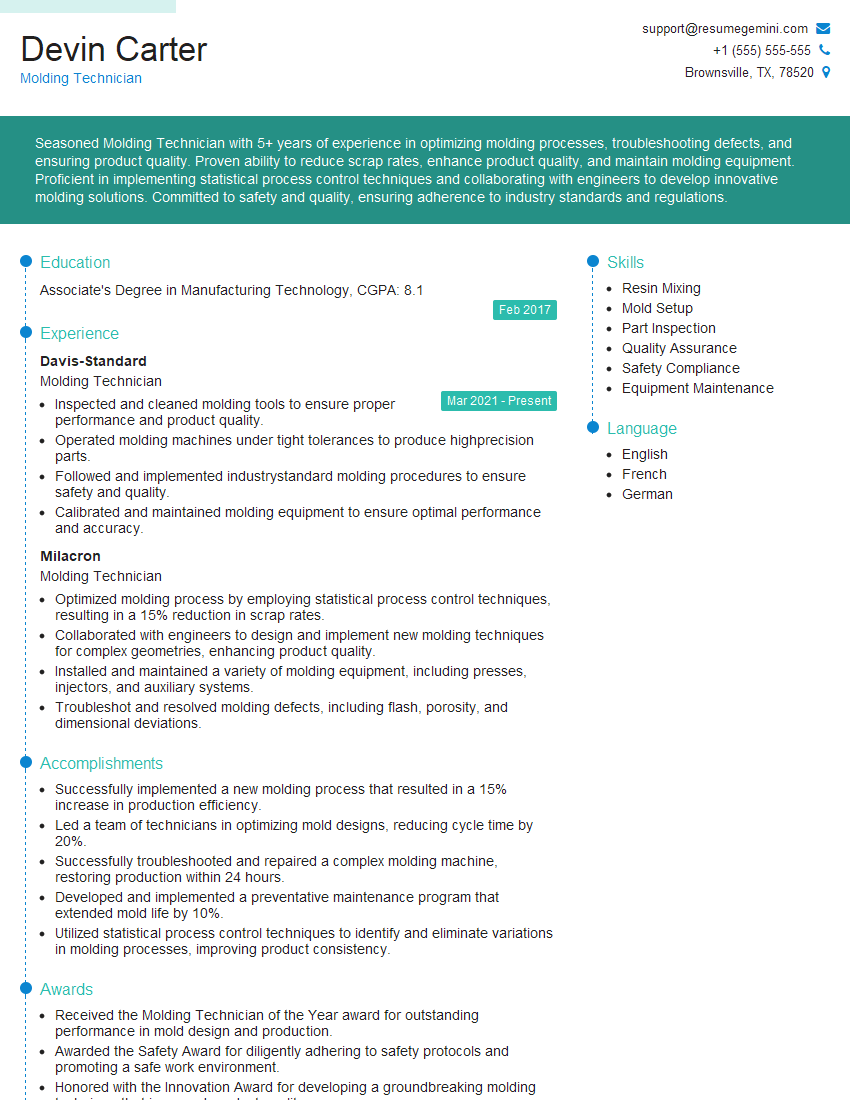
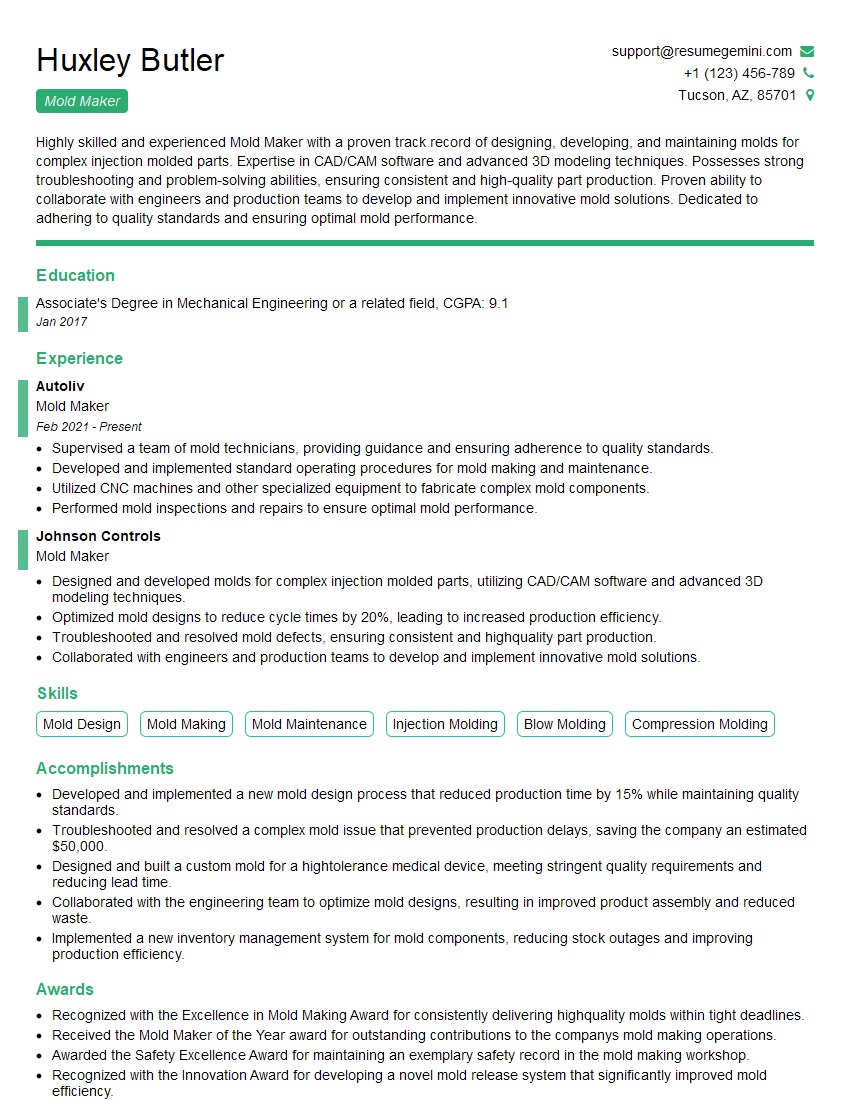
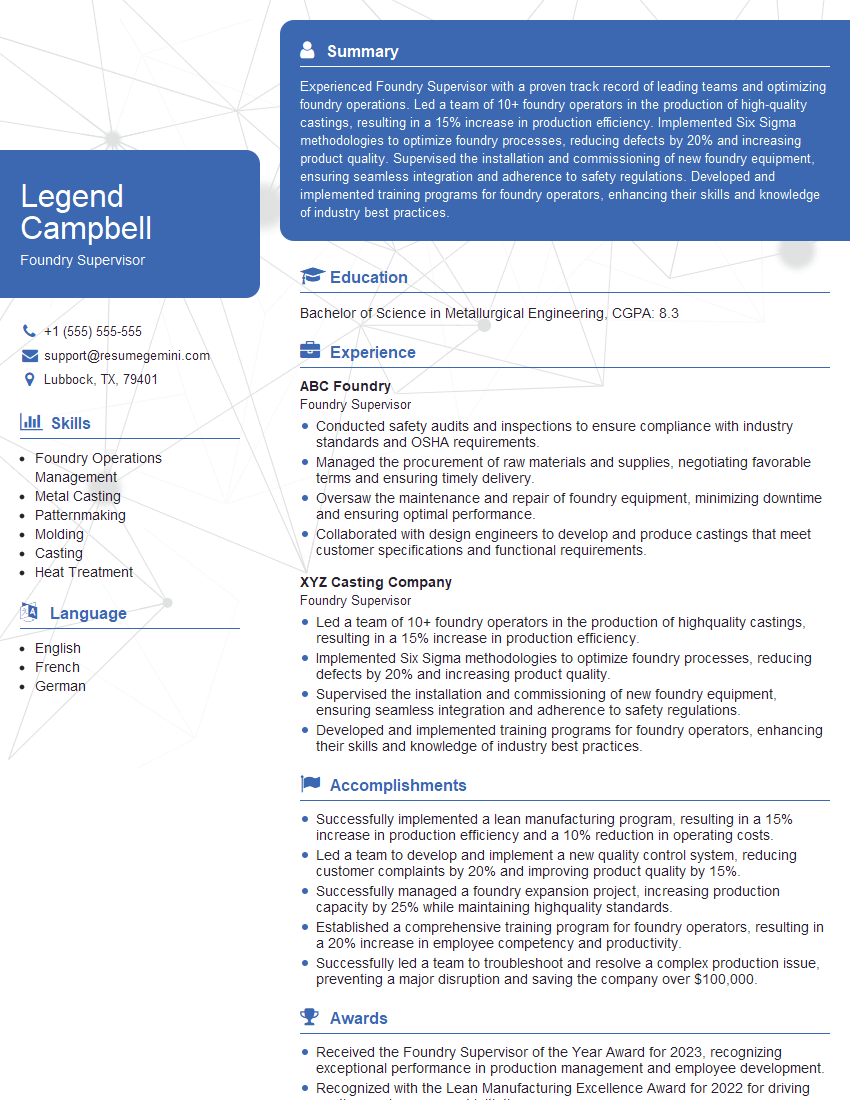
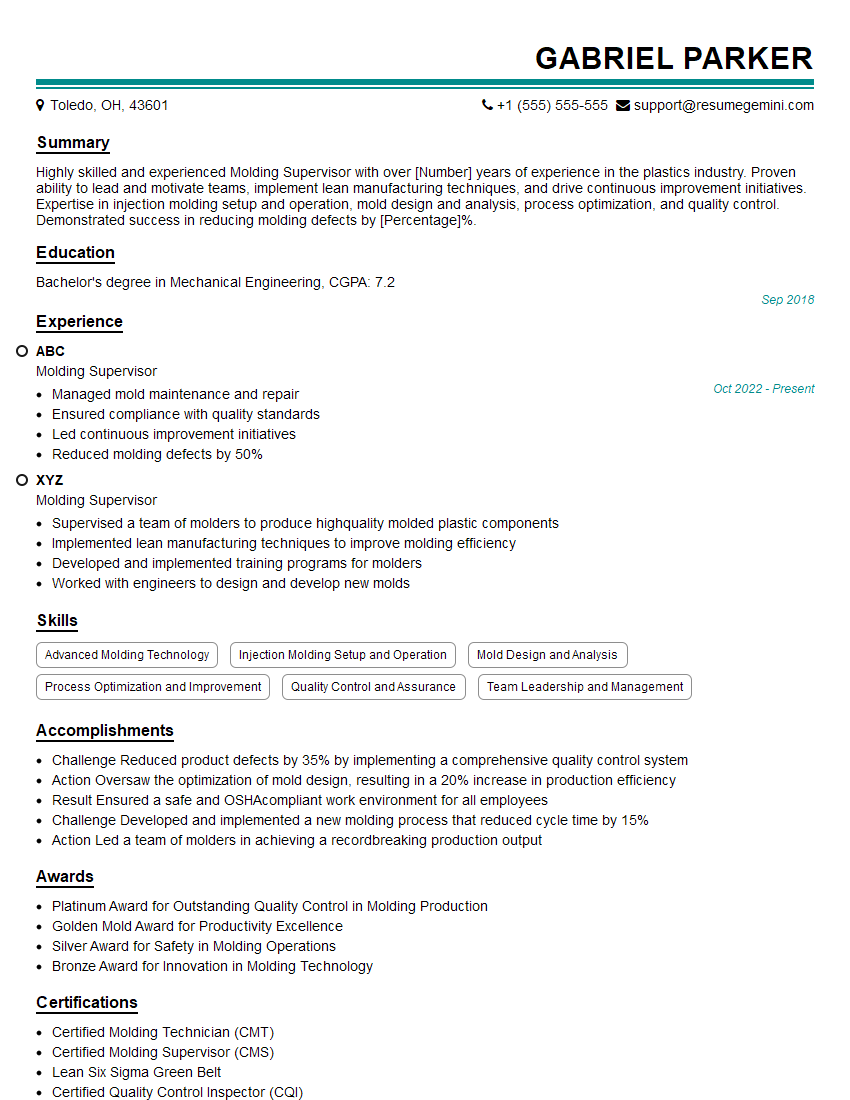
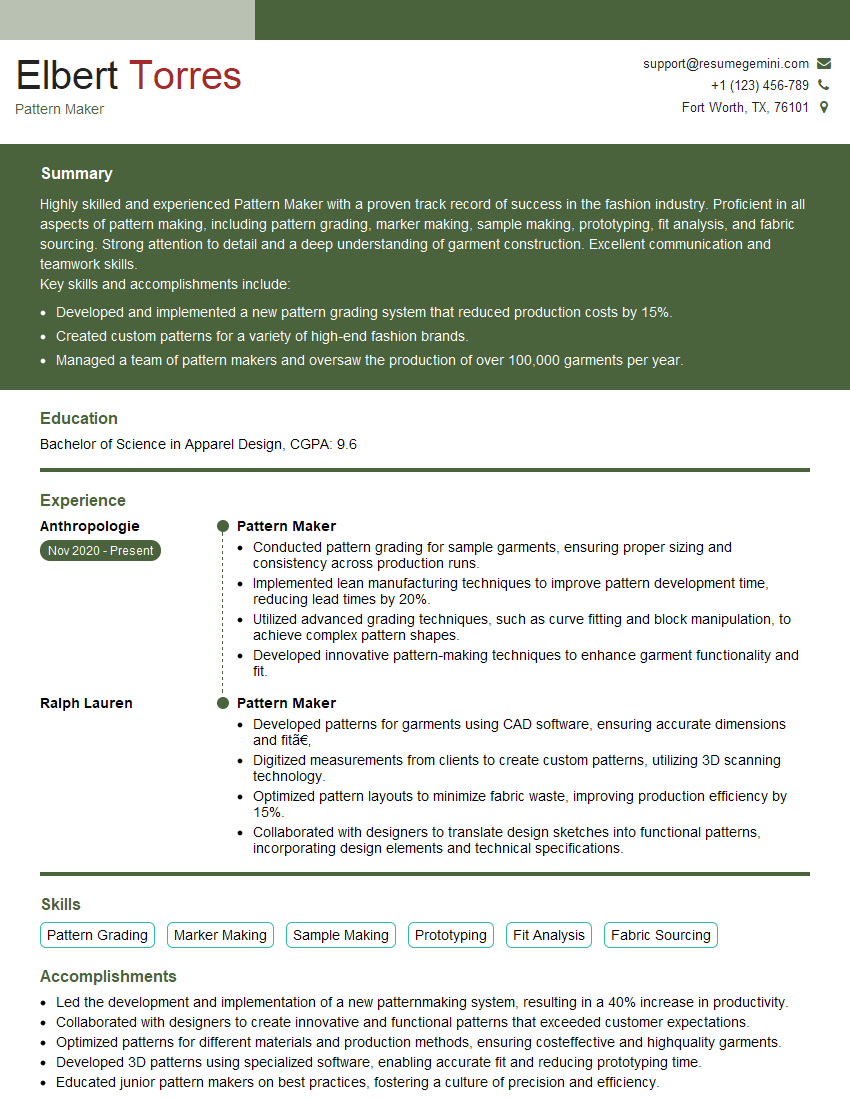
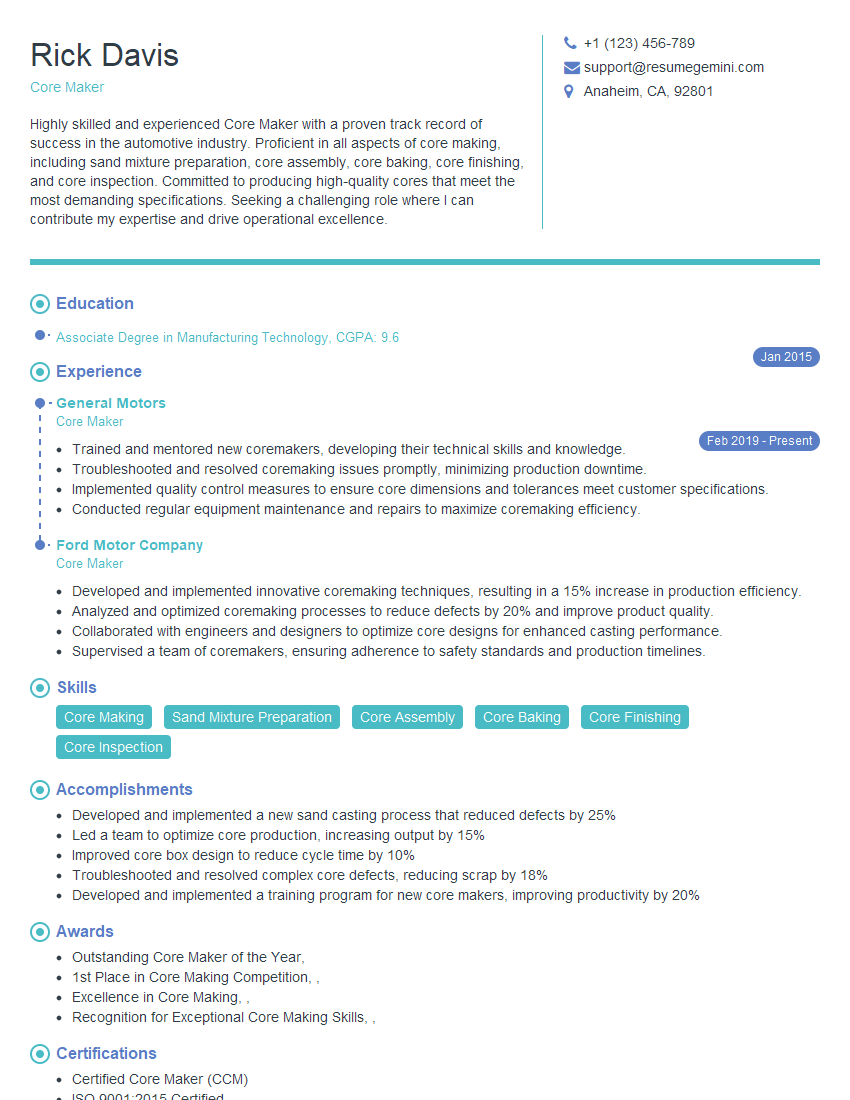
Mastering Mold and Core Making opens doors to rewarding careers in manufacturing, offering opportunities for growth and specialization. A strong foundation in these techniques is highly valued by employers. To maximize your job prospects, create an ATS-friendly resume that highlights your skills and experience effectively. ResumeGemini is a trusted resource that can help you build a professional resume tailored to your experience. Examples of resumes specifically designed for Mold and Core Making professionals are available to guide you. Investing time in crafting a compelling resume will significantly improve your chances of securing your dream role.
Explore more articles
Users Rating of Our Blogs
Share Your Experience
We value your feedback! Please rate our content and share your thoughts (optional).
What Readers Say About Our Blog
Very informative content, great job.
good