Unlock your full potential by mastering the most common Moss Bleaching interview questions. This blog offers a deep dive into the critical topics, ensuring you’re not only prepared to answer but to excel. With these insights, you’ll approach your interview with clarity and confidence.
Questions Asked in Moss Bleaching Interview
Q 1. Explain the different methods of moss bleaching.
Moss bleaching involves removing the chlorophyll from moss, resulting in a lighter, often bleached-white appearance. Several methods achieve this, each with its advantages and disadvantages. The primary methods are chemical bleaching and biological bleaching.
- Chemical Bleaching: This is the most common approach, utilizing various chemicals like sodium hypochlorite (bleach), oxalic acid, or hydrogen peroxide. The choice of chemical depends on factors like moss type, surface material, and desired outcome. For example, sodium hypochlorite is effective but can be harsh on certain surfaces. Oxalic acid is gentler but may require longer treatment times. Hydrogen peroxide offers a more environmentally friendly option.
- Biological Bleaching: This method employs microorganisms, typically fungi or bacteria, to break down the chlorophyll in the moss. This approach is slower than chemical bleaching but considered more environmentally sustainable. It is less commonly used due to its longer processing time and need for specific environmental conditions.
Choosing the right method often involves a trade-off between effectiveness, speed, cost, and environmental impact. A professional assessment of the moss and surface is crucial before deciding on the most appropriate approach.
Q 2. Describe the safety precautions necessary when working with moss bleaching agents.
Safety is paramount when working with moss bleaching agents. Many chemicals used are corrosive, irritant, or even toxic. Always follow these precautions:
- Personal Protective Equipment (PPE): Wear appropriate PPE, including gloves (nitrile or neoprene are recommended), eye protection (goggles or a face shield), and respiratory protection (a mask with a filter appropriate for the chemical being used). Cover exposed skin as much as possible.
- Ventilation: Ensure adequate ventilation in the work area to minimize inhalation of fumes. Work outdoors whenever possible. If working indoors, use exhaust fans.
- Chemical Handling: Carefully read and follow the manufacturer’s instructions for each chemical used. Avoid mixing chemicals unless specifically instructed, as dangerous reactions can occur. Store chemicals properly and away from children and pets.
- First Aid: Be prepared for accidents. Have first-aid supplies readily available and know the emergency procedures for chemical spills or exposure.
- Disposal: Dispose of used bleaching solutions and waste materials according to local regulations. Never pour chemicals down the drain without appropriate neutralization and dilution.
Remember, safety is not optional. Failing to take these precautions can lead to serious injury or health problems.
Q 3. What are the environmental considerations for moss bleaching?
Environmental considerations are crucial in moss bleaching. The impact depends heavily on the bleaching agent used and the disposal methods employed. Some points to consider:
- Chemical Runoff: Chemical bleaching agents can contaminate soil and water if not handled properly. Avoid using excessive amounts of chemicals, and ensure proper containment to prevent runoff.
- Toxicity: Some bleaching agents are toxic to aquatic life and other organisms. Choose environmentally friendly options whenever possible, such as hydrogen peroxide.
- Waste Disposal: Improper disposal of waste chemicals can lead to environmental pollution. Always follow local regulations and utilize appropriate waste disposal facilities.
- Biological Alternatives: Consider using biological bleaching methods, which have a much smaller environmental footprint compared to chemical methods. However, they may require more time and resources.
Prioritizing environmentally friendly practices minimizes negative consequences for ecosystems and promotes sustainable moss management. In many cases, simply removing the moss mechanically, if feasible, is the most environmentally responsible approach.
Q 4. How do you choose the appropriate bleaching agent for a specific moss type and surface?
Choosing the right bleaching agent depends on several factors: the type of moss, the surface it’s growing on, and the desired outcome. Here’s a guide:
- Moss Type: Different moss species may respond differently to various bleaching agents. Harder moss types might require stronger agents or longer treatment times.
- Surface Material: The surface material is crucial. Some bleaching agents can damage delicate materials like stone or wood. For example, strong bleach could etch stone. Gentler agents, such as oxalic acid or hydrogen peroxide, are often preferred for sensitive surfaces.
- Desired Outcome: The level of bleaching required influences the choice of agent and concentration. If only partial lightening is needed, a weaker solution or shorter treatment time may suffice.
It’s often best to test a small, inconspicuous area first to determine the appropriate agent and concentration before treating the entire surface. This prevents unexpected damage.
Q 5. What are the limitations of chemical moss bleaching?
Chemical moss bleaching has certain limitations:
- Surface Damage: Strong bleaching agents can damage the surface they are applied to, especially delicate materials like wood or certain types of stone.
- Environmental Impact: Many chemical bleaching agents have negative environmental consequences if not handled and disposed of properly.
- Effectiveness: The effectiveness of chemical bleaching varies depending on the moss species, the age of the moss, and environmental factors. Some moss types are more resistant to bleaching than others.
- Health Risks: Many bleaching agents pose health risks if not handled carefully. Appropriate safety precautions are essential to prevent injuries or illnesses.
- Cost: The cost of chemical bleaching can be significant, especially for large areas.
Understanding these limitations is key to making informed decisions about whether chemical bleaching is the most suitable approach. In some cases, alternative methods, such as mechanical removal or biological treatments, may be preferable.
Q 6. Describe the process of pre-treatment before moss bleaching.
Pre-treatment before moss bleaching is essential for optimal results and to protect the surface being treated. It involves several key steps:
- Cleaning: Remove loose debris, dirt, and other contaminants from the moss and surface using a brush or pressure washer. This ensures the bleaching agent can effectively penetrate the moss.
- Moisture Control: Ensure the surface is adequately moist before applying the bleaching agent. This aids in penetration and reduces the risk of damage to the surface.
- Protection: Protect surrounding areas that should not be bleached using plastic sheeting or other appropriate coverings. This prevents accidental bleaching of undesired surfaces.
- Testing: Test a small inconspicuous area with the chosen bleaching agent to assess its effectiveness and potential impact on the surface. This allows for adjustments before widespread application.
Thorough pre-treatment significantly improves the results of the bleaching process and minimizes the risks of unintended damage.
Q 7. How do you assess the effectiveness of a moss bleaching treatment?
Assessing the effectiveness of a moss bleaching treatment involves a visual inspection and, in some cases, further testing. Here’s how to evaluate:
- Visual Inspection: After the treatment, visually inspect the area for changes in the moss’s color. A successful treatment will result in a significant lightening or whitening of the moss.
- Chlorophyll Assessment: In some cases, a chlorophyll test can be used to quantitatively determine the level of chlorophyll remaining in the moss. This provides a more objective measure of bleaching effectiveness.
- Moss Viability: Observe whether the moss is dead. Successful bleaching often leads to the death of the moss, though this may not always be the desired outcome.
- Surface Condition: Check the surface for any signs of damage resulting from the bleaching process. This helps in evaluating the overall success and safety of the treatment.
Documentation through photographs before and after treatment can be invaluable for assessing the success and provide a record for future reference.
Q 8. What are the signs of moss bleaching agent damage?
Moss bleaching agent damage, while relatively rare with proper application, can manifest in several ways. The most obvious is discoloration; the treated surface might appear bleached or even stained, losing its original color. This is particularly noticeable on porous materials like stone or brick. You might also see damage to the surface texture, with the bleaching agent etching or roughening the material. In extreme cases, especially with overly concentrated solutions or prolonged exposure, you could witness actual material degradation, like cracks or pitting. Think of it like over-bleaching your hair – it can become brittle and damaged. Careful monitoring and following manufacturer instructions are crucial to avoid these issues.
For example, using a bleach solution that’s too strong on a delicate sandstone wall might lead to discoloration and pitting, significantly impacting its aesthetic appeal and structural integrity.
Q 9. Explain the post-treatment care required after moss bleaching.
Post-treatment care is vital for ensuring the longevity of the results and the health of the treated surface. Immediately after bleaching, thoroughly rinse the area with clean water to remove any residual bleaching agent. This prevents further damage and ensures a uniform color. Depending on the surface material, you might need to apply a protective sealant or treatment. For example, if you’ve bleached a wooden fence, a wood sealant would help prevent future moss growth and protect the wood from weathering. For stone surfaces, a suitable stone sealer can help preserve the cleaned look and protect against future staining. Regular monitoring is also important, especially in areas prone to moss growth. Early detection of re-growth allows for timely intervention before the moss becomes deeply established.
Imagine bleaching your white t-shirt: you wouldn’t just leave the bleach on, would you? You’d rinse it thoroughly and perhaps use a fabric softener to keep it soft. The same principle applies to post-treatment moss removal.
Q 10. How do you handle unexpected issues during moss bleaching?
Unexpected issues during moss bleaching are often related to incorrect application or unforeseen circumstances. For instance, if you notice uneven bleaching, it could indicate an inconsistent application of the solution or variations in the surface porosity. In this case, re-application might be necessary, but with careful attention to achieving a consistent coverage. If you see signs of damage (like those mentioned earlier), immediately stop the process and thoroughly rinse the area. A possible solution is to switch to a gentler approach, such as using a lower concentration of the bleaching agent or employing a different removal method. If the problem is severe or you’re unsure how to proceed, it’s always best to consult with a professional experienced in moss removal. Documenting the process, including the products used and application method, can be invaluable in diagnosing and troubleshooting unexpected outcomes.
For example, if you notice a strong chemical reaction or unexpected bubbling, it might mean incompatible products or a reaction with the surface material. You’d need to neutralize the reaction and carefully assess the damage.
Q 11. What types of surfaces are suitable for moss bleaching?
Not all surfaces are suitable for moss bleaching. Porous surfaces like brick, stone, concrete, and wood can often tolerate bleaching, but it’s crucial to test a small, inconspicuous area first to check for any adverse reactions. However, delicate materials like certain types of paint, polished marble, or certain plastics might be damaged by the bleaching agent. Always consult the manufacturer’s instructions for the specific bleaching agent and surface type. If you’re unsure, it’s better to err on the side of caution and opt for a gentler cleaning method.
Think of it like using harsh chemicals on delicate fabrics – you wouldn’t use bleach on a silk scarf, would you? Similarly, you should only use moss bleaching agents on surfaces designed to withstand such treatment.
Q 12. What are the differences between soft washing and pressure washing for moss removal?
Soft washing and pressure washing are two distinct methods for moss removal, differing significantly in their approach and impact on the surface. Soft washing uses a low-pressure spray of a cleaning solution, often incorporating a bleach-based mixture. It’s gentler on the surface, minimizing the risk of damage. Pressure washing, on the other hand, utilizes high-pressure water jets to blast away moss and dirt. While effective for removing stubborn debris, it can also damage delicate surfaces and lead to erosion or pitting. Soft washing is preferred for preserving the integrity of the surface, especially for delicate or porous materials. The choice depends on the surface type, the extent of the moss infestation, and the desired level of surface preservation.
Think of it like cleaning a car: you wouldn’t use a pressure washer on a classic car with delicate paint, you would use a soft wash instead. For tougher dirt on a more durable vehicle, pressure washing might be more appropriate.
Q 13. How do you determine the correct concentration of bleaching agent?
Determining the correct concentration of bleaching agent is critical for effective moss removal without causing damage. The ideal concentration depends on several factors, including the type of moss, the surface material, and the manufacturer’s recommendations. Always start with the lowest concentration recommended by the manufacturer and test it on a small, inconspicuous area. If the moss isn’t effectively removed, you can gradually increase the concentration, but always do so cautiously. Never exceed the maximum concentration recommended by the manufacturer. Over-concentration can lead to damage and uneven bleaching, making the surface look blotchy and uneven.
For example, a stronger concentration might be needed for a thick layer of moss on a rough brick surface, but a weaker concentration should be used for a thin layer of moss on a delicate sandstone wall.
Q 14. What are the disposal procedures for used moss bleaching agents?
Disposal of used moss bleaching agents is crucial for environmental protection and safety. Never pour used bleaching solutions down drains or into storm drains. This can pollute waterways and harm aquatic life. Instead, carefully neutralize the solution according to the manufacturer’s instructions. This often involves adding a neutralizing agent like sodium thiosulfate. Once neutralized, the solution can usually be disposed of with regular household waste, but always check local regulations. Some regions might have specific requirements for disposing of chemical waste, including designated collection centers or hazardous waste facilities. Always wear appropriate personal protective equipment (PPE) during the neutralization and disposal process, and ensure proper ventilation.
Think of it like handling any hazardous material – you wouldn’t just throw it in the trash, would you? You’d follow appropriate safety guidelines to ensure safe and environmentally responsible disposal.
Q 15. How do you protect surrounding plants and surfaces during moss bleaching?
Protecting surrounding plants and surfaces during moss bleaching is crucial to avoid collateral damage. Think of it like painting a wall – you wouldn’t want to get paint on the floor or furniture! We employ several strategies:
- Careful Application: We use low-pressure sprayers or even hand-application techniques to precisely target the moss. This minimizes overspray.
- Protective Barriers: Before applying any bleaching agent, we cover nearby plants with plastic sheeting or tarps. Sensitive surfaces like paving stones or decking can be protected with similar methods.
- Targeted Treatment: We often avoid broad applications, focusing on dense moss patches instead. This is particularly important near delicate plants or valuable landscaping features.
- Pre-treatment Assessment: A thorough inspection identifies at-risk areas before any work begins. This allows for better planning and more effective protection.
For example, before bleaching moss on a stone wall adjacent to a flower bed, we’d cover the flowers with a tarp, securing it firmly to prevent any bleaching agent from drifting onto the flowers.
Career Expert Tips:
- Ace those interviews! Prepare effectively by reviewing the Top 50 Most Common Interview Questions on ResumeGemini.
- Navigate your job search with confidence! Explore a wide range of Career Tips on ResumeGemini. Learn about common challenges and recommendations to overcome them.
- Craft the perfect resume! Master the Art of Resume Writing with ResumeGemini’s guide. Showcase your unique qualifications and achievements effectively.
- Don’t miss out on holiday savings! Build your dream resume with ResumeGemini’s ATS optimized templates.
Q 16. Describe the process of testing for appropriate chemical concentration.
Testing for the right chemical concentration is paramount to effective moss bleaching without causing undue harm. It’s like finding the perfect recipe – too little and it’s ineffective, too much and it could be damaging. We employ a multi-step process:
- Small-Scale Test: We start with a small, inconspicuous area of moss to test different dilutions of the bleaching agent. This allows us to observe the effect without impacting a large area.
- Visual Assessment: After a set time (usually specified by the product manufacturer), we visually assess the treated area. We look for effective bleaching without damage to the underlying substrate (e.g., stone, wood, roof tiles).
- Gradual Increase: If the initial test shows insufficient bleaching, we gradually increase the concentration in subsequent tests, always keeping careful records.
- Documentation: Meticulous documentation of each test (concentration, application method, duration, and results) ensures consistent and safe application across different projects.
For example, if testing on a slate roof, a weak solution might have no effect, while a stronger one might etch the slate. Our testing helps us find that ‘Goldilocks’ concentration: just right!
Q 17. What is the difference between moss bleaching and moss killing?
Moss bleaching and moss killing are distinct processes with different goals and outcomes. Think of it like cleaning a stain versus removing the fabric entirely.
- Moss Bleaching: This aims to lighten or remove the green pigment of moss, leaving the moss structure largely intact. Bleaching is often a preferred method for aesthetically sensitive areas where completely removing the moss isn’t desirable or practical (e.g., historic buildings).
- Moss Killing: This involves using chemicals designed to destroy the moss completely, removing both the green pigment and the plant’s structure. This is generally a more aggressive approach, suitable for areas where the complete removal of moss is necessary.
In practice, the choice between bleaching and killing depends on the client’s preferences, the type of surface, and the extent of moss infestation. For instance, bleaching might be suitable for a delicate sandstone wall, whereas killing might be preferred for a heavily infested roof.
Q 18. What are some alternative methods to chemical moss bleaching?
While chemical bleaching is often the most efficient method, several alternatives exist, each with its own advantages and limitations:
- High-Pressure Washing: A powerful water jet can effectively remove moss, but this requires careful control to avoid damage to the underlying surface. It’s particularly effective on hard surfaces like roofs or paving.
- Manual Removal: For small areas or delicate surfaces, careful manual removal with a brush or scraper can be an effective, environmentally friendly approach, although it’s more labor-intensive.
- Biological Control: Introducing moss-eating organisms (like certain types of snails or insects) might seem like a novel approach, but its practicality and effectiveness often need careful consideration.
- Vinegar Solution: Diluted white vinegar can be used as a natural bleaching agent, but its effectiveness is often limited, and multiple applications are usually required.
Choosing the right method depends on factors like the scale of the problem, the type of surface, and the client’s environmental concerns. For instance, manual removal would be suitable for a small, delicate stone sculpture, while high-pressure washing might be better for a large roof.
Q 19. How do you address customer concerns about chemical use?
Addressing customer concerns about chemical use requires transparency, education, and responsible practices. It’s about building trust and showing that safety and environmental considerations are at the forefront.
- Explain the Process: Detailing the specific chemicals used, their concentrations, and safety precautions helps alleviate anxiety. Emphasize the choice of low-impact options whenever possible.
- Highlight Safety Measures: Explain the use of PPE and other safety protocols, demonstrating a commitment to minimizing risk to both people and the environment.
- Offer Alternatives: When appropriate, propose less chemically intensive methods. This demonstrates a willingness to adapt to the client’s preferences and concerns.
- Provide References: Offering safety data sheets (SDS) for the chemicals used and demonstrating adherence to relevant regulations fosters trust and transparency.
For example, I often explain that we use biodegradable bleaching agents, minimizing the environmental impact and offering clients a choice between multiple solutions, which addresses concerns while assuring them that their interests are prioritized.
Q 20. Explain the role of PPE in moss bleaching.
Personal Protective Equipment (PPE) is non-negotiable in moss bleaching. It’s like wearing a helmet when riding a bike – it protects you from potential harm. The specific PPE required depends on the chemicals used, but generally includes:
- Eye Protection: Safety glasses or goggles to protect against splashes of bleaching agents.
- Respiratory Protection: A mask or respirator to prevent inhalation of chemical fumes, especially important when working in confined spaces.
- Gloves: Chemical-resistant gloves to prevent skin contact with bleaching agents.
- Protective Clothing: Coveralls or long-sleeved shirts and trousers to protect skin from splashes or accidental contact.
- Footwear: Sturdy, closed-toe shoes to protect feet from chemical spills or sharp objects.
Failure to use appropriate PPE could lead to serious health consequences, ranging from skin irritation to more severe issues. We always emphasize the importance of PPE and ensure that our team is properly equipped and trained in its use.
Q 21. How do you handle spills or accidental exposure to bleaching agents?
Handling spills or accidental exposure is a critical aspect of safety. Having a pre-planned response is vital. It’s like having a fire drill – you hope you never need it, but being prepared is key.
- Immediate Action: In case of a spill, immediately contain the spill using absorbent materials (e.g., spill kits). Prevent further spread by restricting access to the area.
- Personal Safety: If accidental exposure occurs, immediately remove contaminated clothing and rinse the affected area with plenty of water for at least 15 minutes. Seek medical attention if necessary.
- Environmental Protection: If a spill occurs outdoors, prevent the runoff into drains or waterways. Use absorbent materials to soak up the spill, disposing of them according to local regulations.
- Documentation: Record the incident, including the type and quantity of chemical spilled, the actions taken, and any injuries or environmental damage.
We train our team in spill response procedures, regularly review our safety protocols, and ensure that appropriate spill kits are readily available on all job sites. This preparedness helps us minimize the impact of any accidental exposure or spills.
Q 22. What are the common challenges encountered during moss bleaching?
Moss bleaching, while effective in restoring the aesthetic appeal of surfaces, presents several challenges. One major hurdle is achieving uniform bleaching. Uneven application of the bleaching agent can lead to patchy results, requiring repeated treatments. Another challenge is the potential damage to the underlying substrate. Certain bleaching agents, particularly strong chemicals, can etch or discolor stone, wood, or other materials. The type of moss also plays a significant role. Some mosses are more resistant to bleaching than others, necessitating stronger solutions or longer treatment times. Finally, weather conditions can impact the effectiveness of the treatment. Rain can wash away the bleaching agent before it has time to work, while excessive heat can accelerate the process, potentially leading to unintended consequences. For example, I once worked on a project where heavy rain immediately after application washed away the bleach, requiring a complete re-application and significant delay.
- Uneven Bleaching: Requires careful application techniques and possibly multiple treatments.
- Substrate Damage: Choosing the right bleaching agent and concentration is crucial to prevent material damage.
- Moss Resistance: Some moss species are highly resilient, necessitating stronger or more prolonged treatments.
- Weather Dependence: Optimal conditions are needed for effective treatment, and unexpected rain or heat can significantly impact the results.
Q 23. How do you maintain records of moss bleaching treatments?
Maintaining accurate records is paramount for ensuring accountability, tracking effectiveness, and improving future treatments. For each moss bleaching project, I meticulously document the following information: the date, location, type of moss, substrate material, bleaching agent used (including concentration), application method, weather conditions during application, treatment duration, and photographic evidence before, during, and after the treatment. This detailed record-keeping is crucial for evaluating the success of the treatment, identifying potential problems, and making informed decisions for future projects. I use a combination of digital and physical records—digital for images and client reports, and physical logbooks for on-site notes and observations. This redundancy ensures data integrity and accessibility.
Example entry: Date: 2024-10-27, Location: 123 Main St, Moss Type: Common Green Moss, Substrate: Slate, Agent: 10% Sodium Hypochlorite, Application: Spray, Weather: Sunny, 75°F, Duration: 2 hours.Q 24. What are the industry best practices for moss bleaching?
Industry best practices for moss bleaching emphasize safety and environmental responsibility alongside effective treatment. These practices involve selecting the least toxic and environmentally friendly bleaching agents possible; prioritizing thorough pre-treatment assessment to identify the moss type and substrate; using appropriate personal protective equipment (PPE) including gloves, eye protection, and respiratory masks; and always adhering to the manufacturer’s instructions for the chosen bleaching agent. Post-treatment cleanup and proper disposal of waste are also crucial aspects, minimizing environmental impact. Furthermore, regular equipment maintenance helps prevent cross-contamination and ensures the longevity of equipment. For instance, I always opt for oxygen-based bleach whenever feasible, and I thoroughly rinse equipment and dispose of used solutions following all local environmental regulations.
- Environmental Responsibility: Use eco-friendly agents.
- Thorough Assessment: Identify moss and substrate types.
- Safety First: Wear appropriate PPE.
- Proper Disposal: Dispose of waste safely.
- Equipment Maintenance: Prevent cross-contamination and ensure longevity.
Q 25. How do you ensure the safety and well-being of yourself and others during the process?
Safety is my top priority. Before starting any moss bleaching project, I conduct a thorough risk assessment identifying potential hazards and implementing appropriate safety measures. This includes selecting the appropriate PPE— gloves, eye protection, respiratory protection (especially when dealing with strong chemical agents), and appropriate clothing. I also ensure adequate ventilation, especially when working in enclosed spaces, to prevent inhalation of bleach fumes. Clear communication with clients and any other workers on-site is crucial to ensure everyone understands the risks and safety protocols. I always have emergency contact information readily available and am familiar with local emergency procedures. I also maintain a first-aid kit at the job site. A recent project involved working on a steep slope, so we implemented extra safety measures using ropes and harnesses to prevent falls.
Q 26. Describe your experience with different types of moss.
My experience spans a wide range of moss species, each presenting unique challenges in bleaching. Common green moss (Bryum argenteum) is relatively easy to treat, responding well to standard bleaching solutions. However, tougher species, such as certain species of Thuidium or Hypnum, may require more concentrated solutions or prolonged treatment times. Some mosses are more tightly bound to the substrate, making complete removal more difficult. I’ve even encountered cases where mosses had infiltrated cracks in stonework, making complete eradication nearly impossible. Understanding the specific characteristics of each moss species is key to selecting the appropriate bleaching agent and treatment strategy. Knowing the difference between species allows for a tailored approach, optimizing results and minimizing potential damage.
Q 27. How do you adapt your moss bleaching techniques to different climates?
Climate significantly impacts moss bleaching effectiveness. In hot, dry climates, the bleaching agent might dry out too quickly, reducing its effectiveness. In humid climates, prolonged periods of moisture can inhibit the bleaching process or even cause the treated areas to become more susceptible to regrowth. I adjust my techniques accordingly. In hot climates, I might apply the solution in the early morning or late evening to avoid rapid evaporation. In humid climates, I might need to use a more concentrated solution or incorporate a drying step to optimize the effectiveness of the treatment. I also take into account rainfall patterns and adjust scheduling accordingly; delaying treatment until after a period of dry weather if necessary.
Q 28. What are some innovative techniques in moss bleaching you are familiar with?
The field of moss bleaching is constantly evolving. I’m familiar with some innovative techniques, including the use of low-pressure washing systems combined with biodegradable cleaning agents for a more eco-friendly approach. There’s also increasing research into biological control methods using naturally occurring microorganisms to suppress moss growth, offering a less aggressive alternative to chemical bleaching. Furthermore, advancements in laser technology show promise in precisely targeting and removing moss without harming the underlying substrate, although this technology is still in its early stages. Staying updated with the latest research and technology is crucial to providing the most effective and environmentally responsible solutions for my clients.
Key Topics to Learn for Moss Bleaching Interview
- Fundamentals of Bleaching: Understanding the chemical processes involved in bleaching, including oxidation and reduction reactions.
- Moss Bleaching Chemistry: Specific chemical agents used in moss bleaching, their mechanisms of action, and their impact on the target material.
- Environmental Considerations: The ecological impact of different bleaching agents and methods, and sustainable practices in moss bleaching.
- Practical Applications: Discussing real-world applications of moss bleaching, such as in restoration, preservation, and textile industries.
- Quality Control and Testing: Methods for assessing the effectiveness of moss bleaching and ensuring the quality of the treated material. This includes understanding colorimetric analysis and other relevant testing procedures.
- Troubleshooting and Problem-Solving: Identifying and addressing common challenges encountered in moss bleaching processes, such as uneven bleaching or damage to the treated material.
- Safety Protocols and Regulations: Understanding and adhering to relevant safety regulations and best practices when working with bleaching agents and equipment.
- Advanced Techniques: Exploring specialized techniques in moss bleaching, such as enzymatic treatments or the use of alternative bleaching agents.
Next Steps
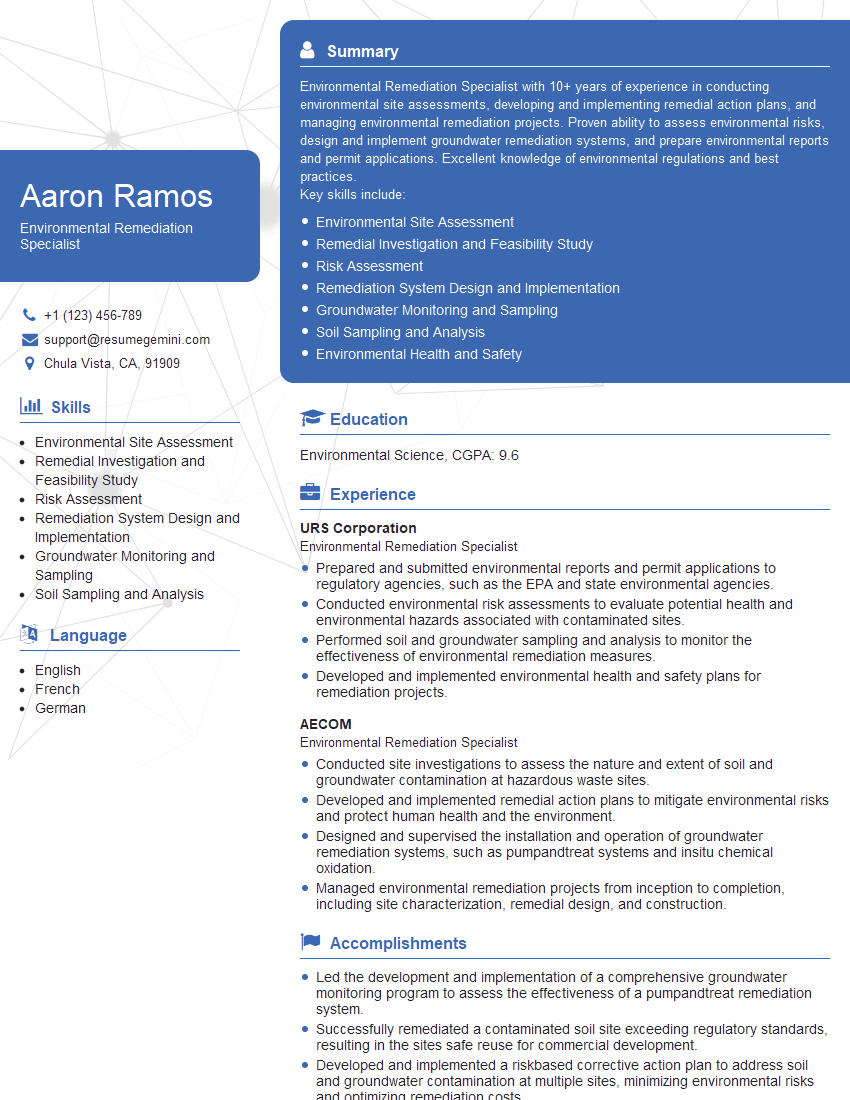
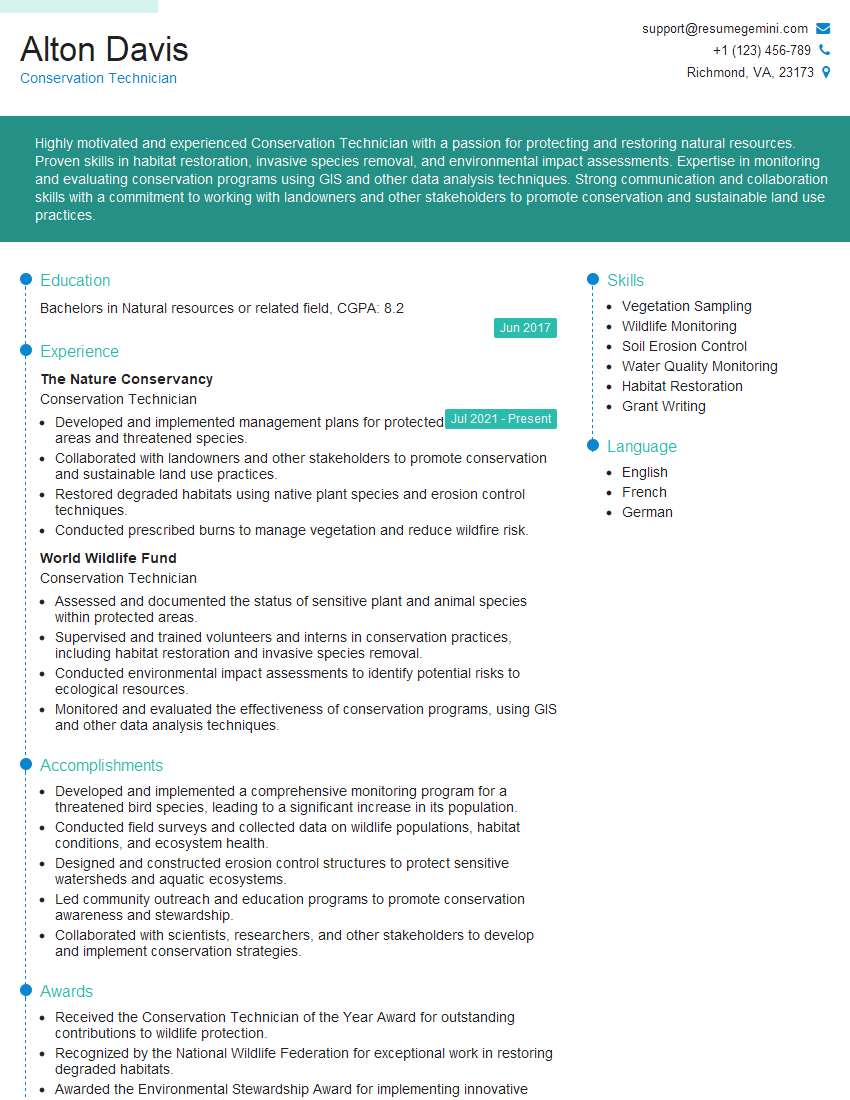
Mastering Moss Bleaching demonstrates a valuable skillset highly sought after in various industries, significantly boosting your career prospects. To maximize your chances of securing your dream role, creating a compelling and ATS-friendly resume is crucial. ResumeGemini is a trusted resource that can help you craft a professional and impactful resume tailored to highlight your Moss Bleaching expertise. We provide examples of resumes specifically designed for Moss Bleaching positions to help guide you in this process. Take the next step towards your career success today!
Explore more articles
Users Rating of Our Blogs
Share Your Experience
We value your feedback! Please rate our content and share your thoughts (optional).
What Readers Say About Our Blog
Very informative content, great job.
good